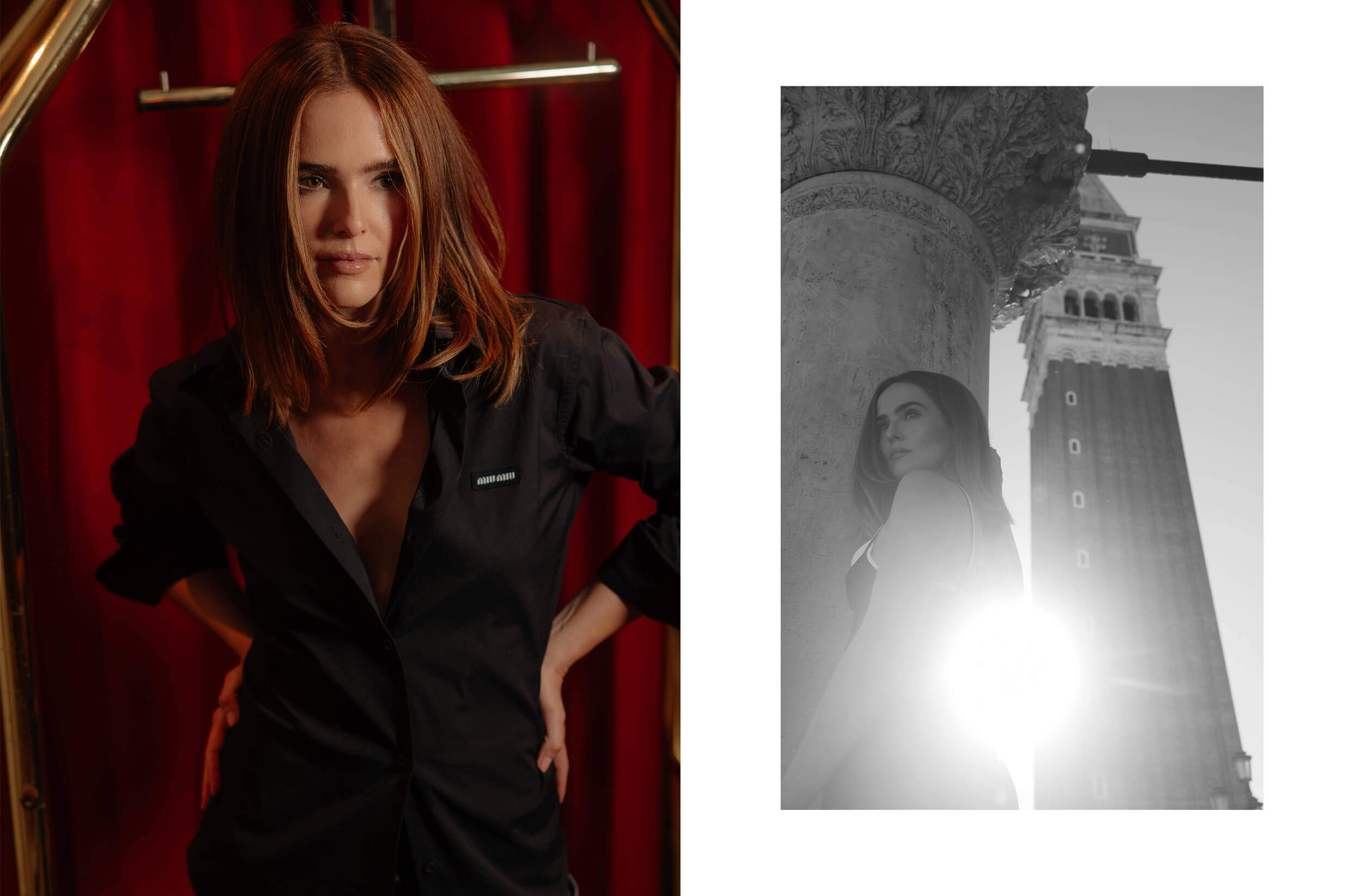
Ask Zoey Deutch what makes her feel safe, and the answer comes without hesitation: her dog. Ask her what she feels most grateful for, and it’s just as simple: her health, and her family’s. They are quiet, almost disarming answers, and they say a lot about a woman who, after years in the industry, still looks for truth in the small things.
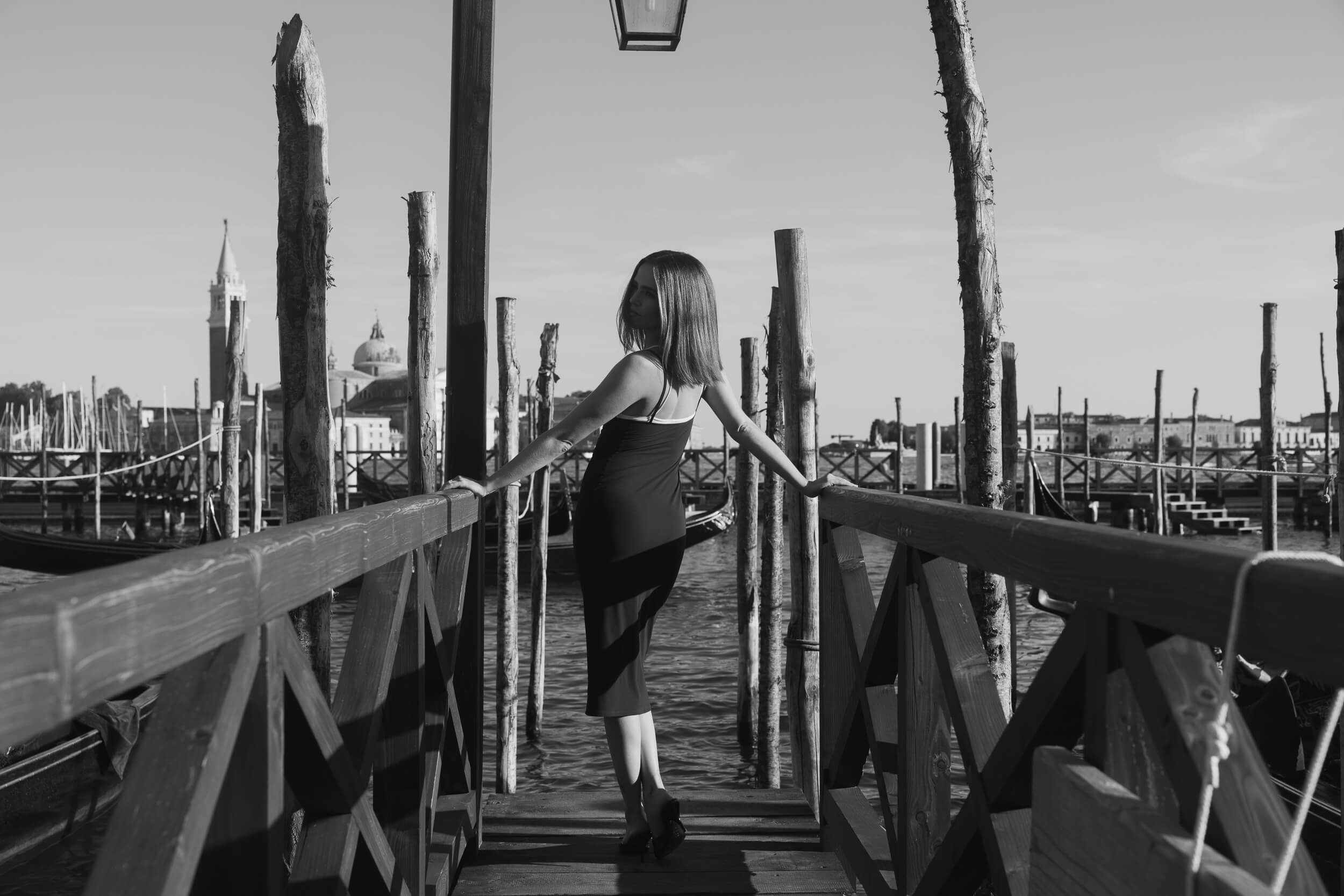
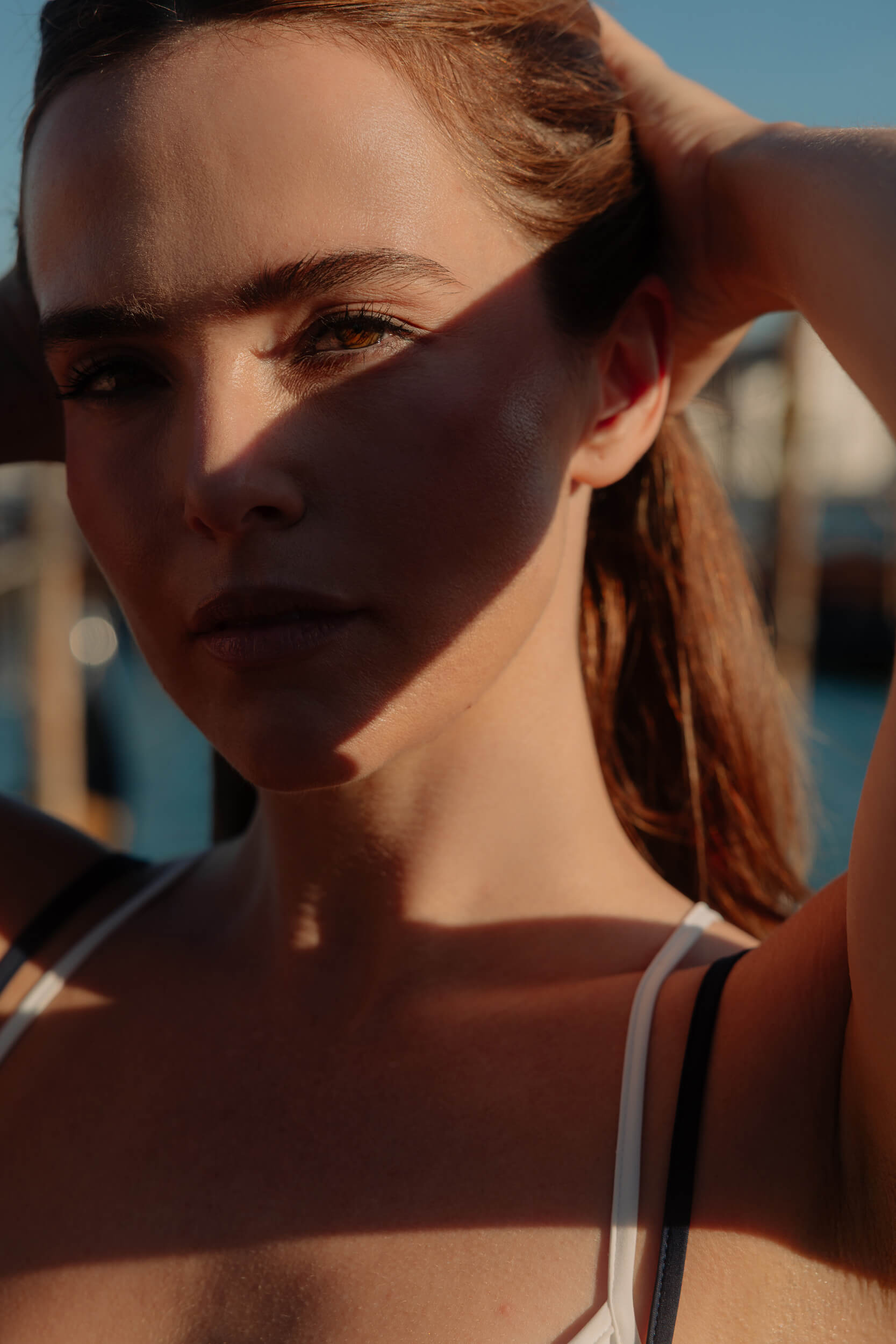
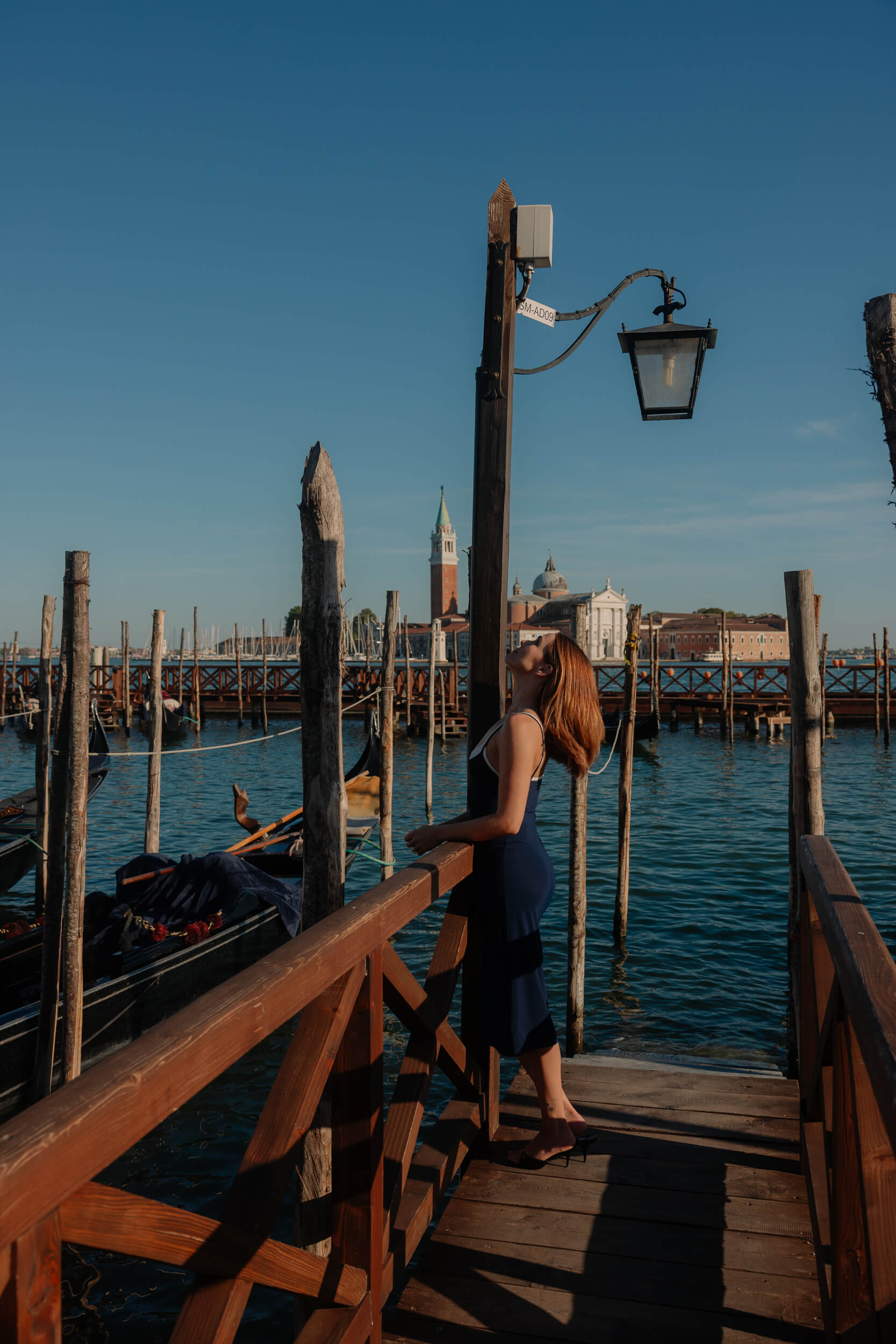
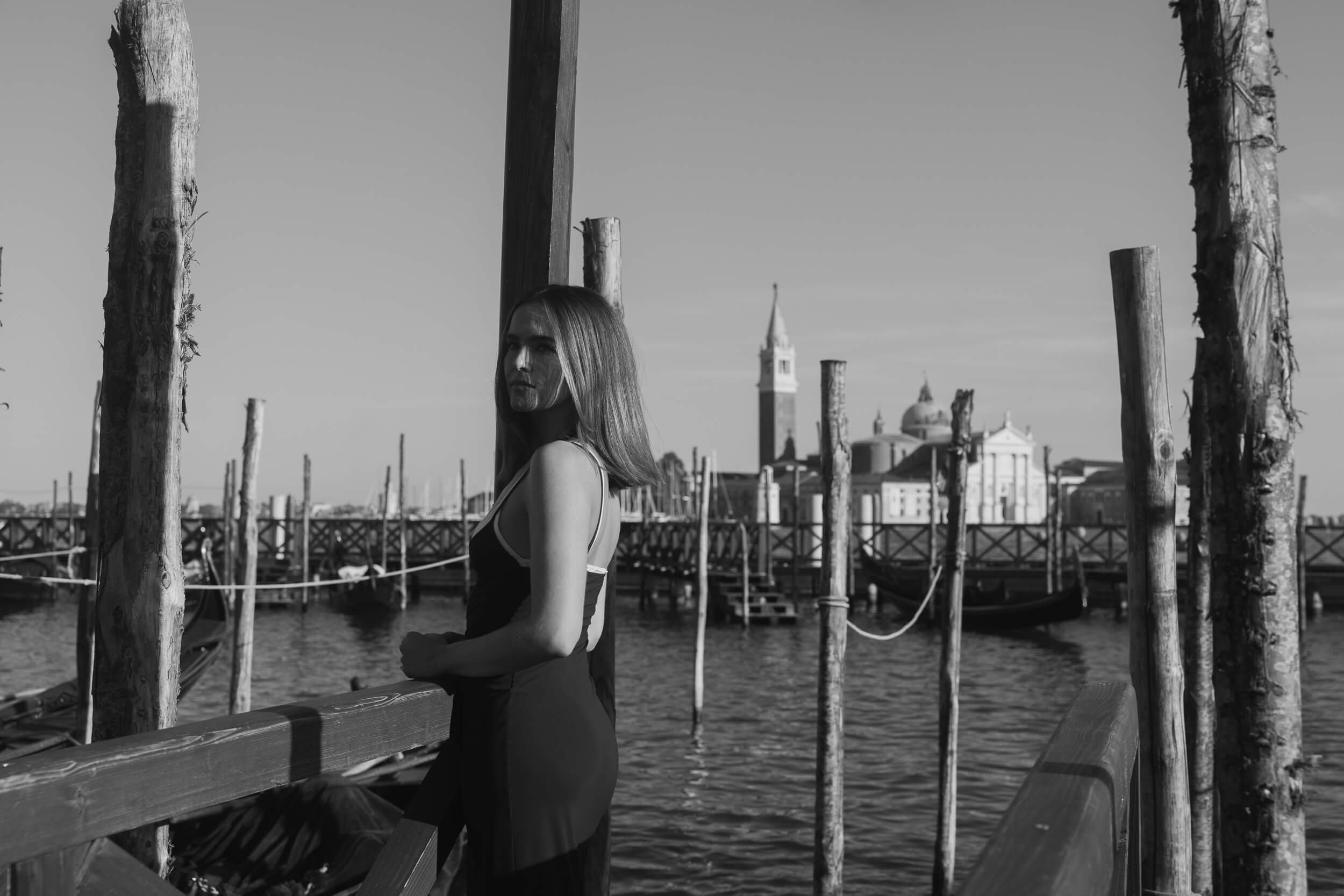
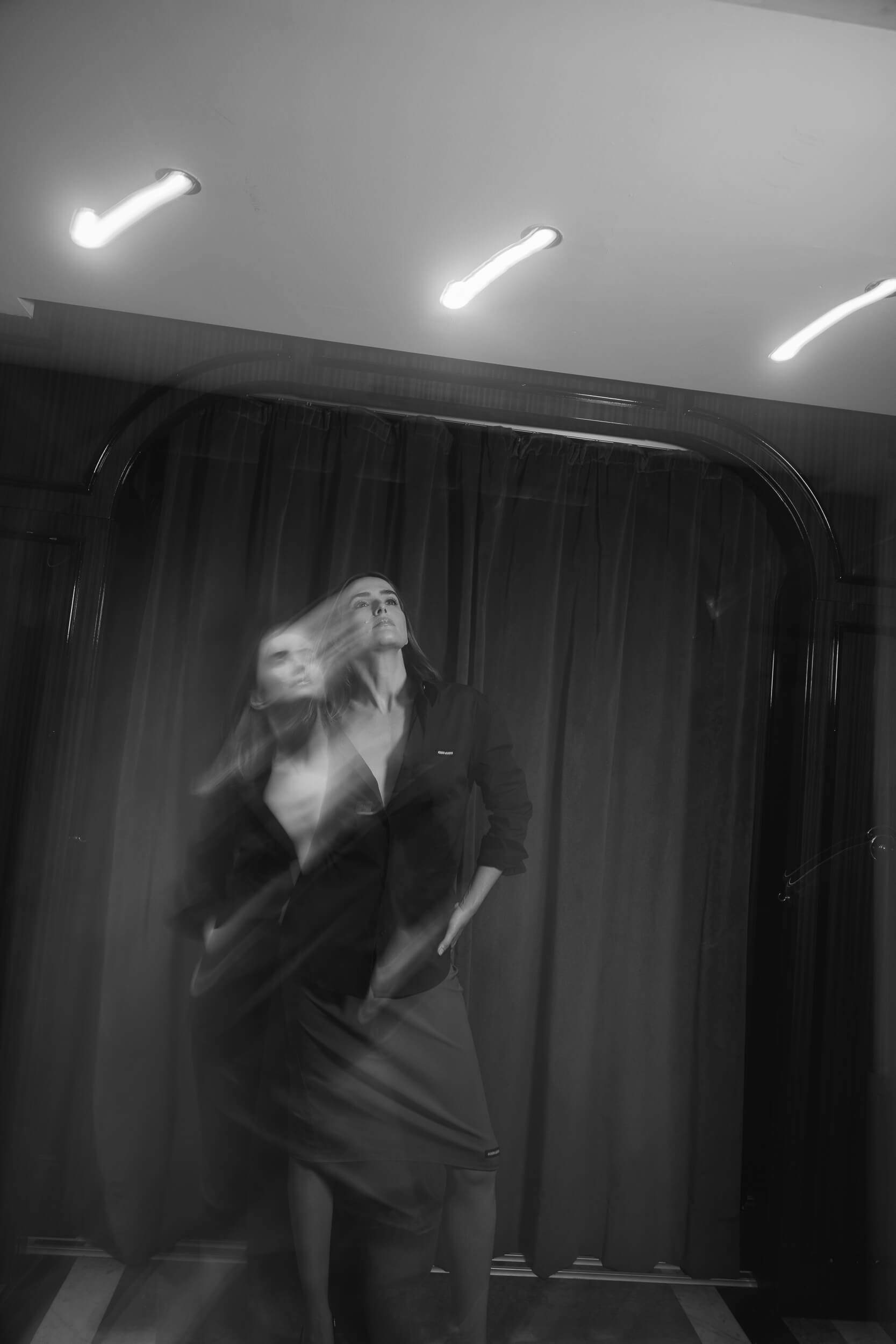
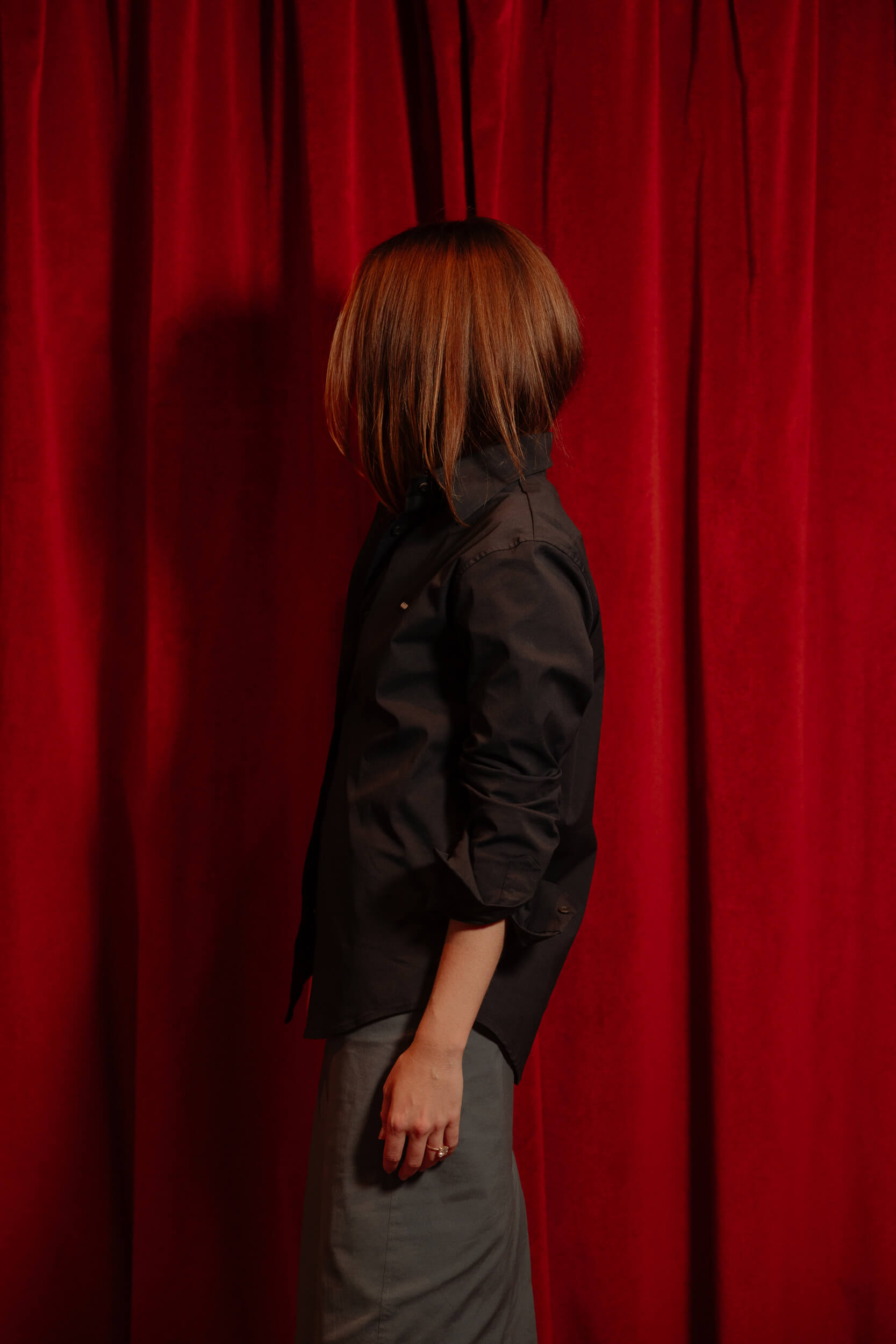
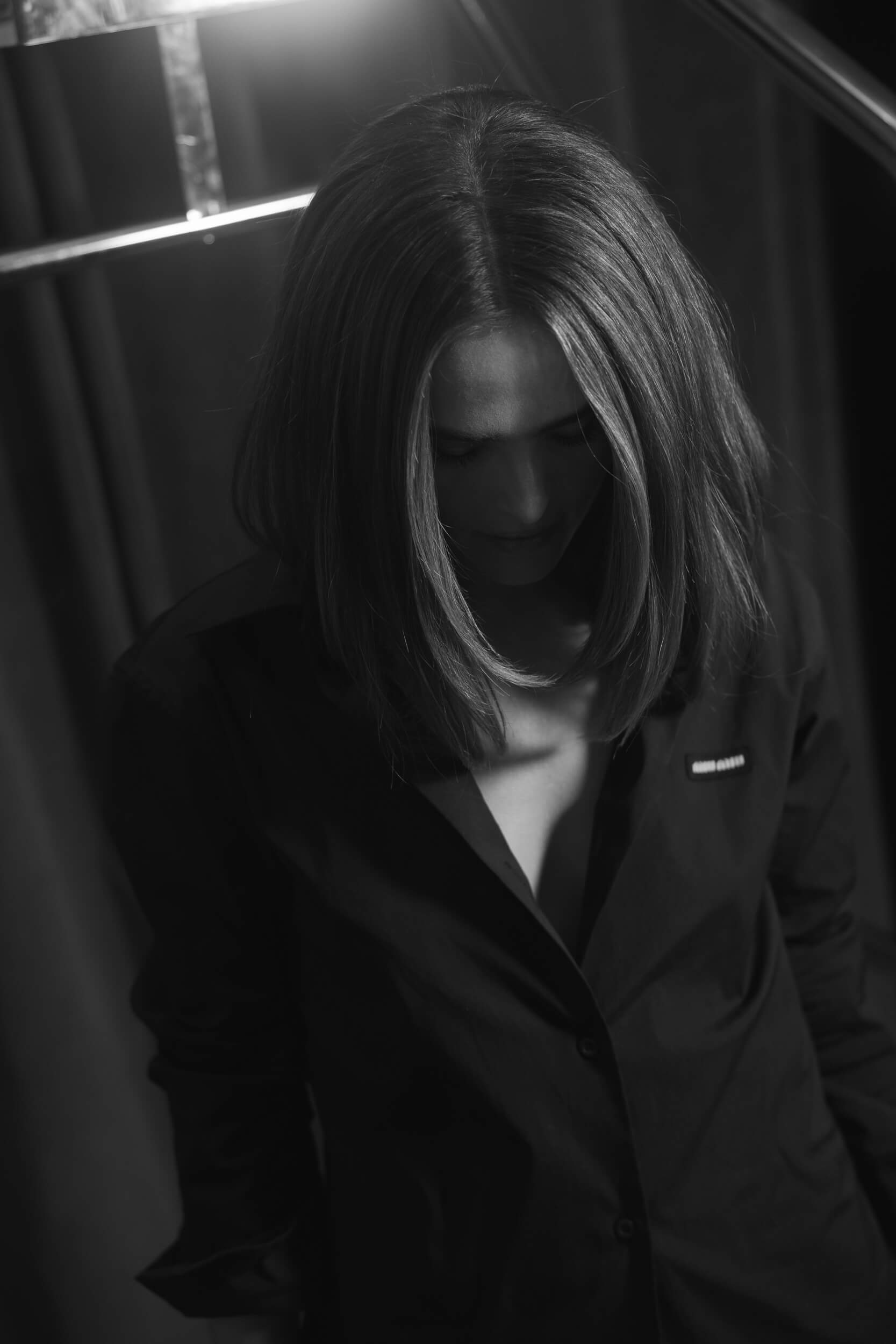
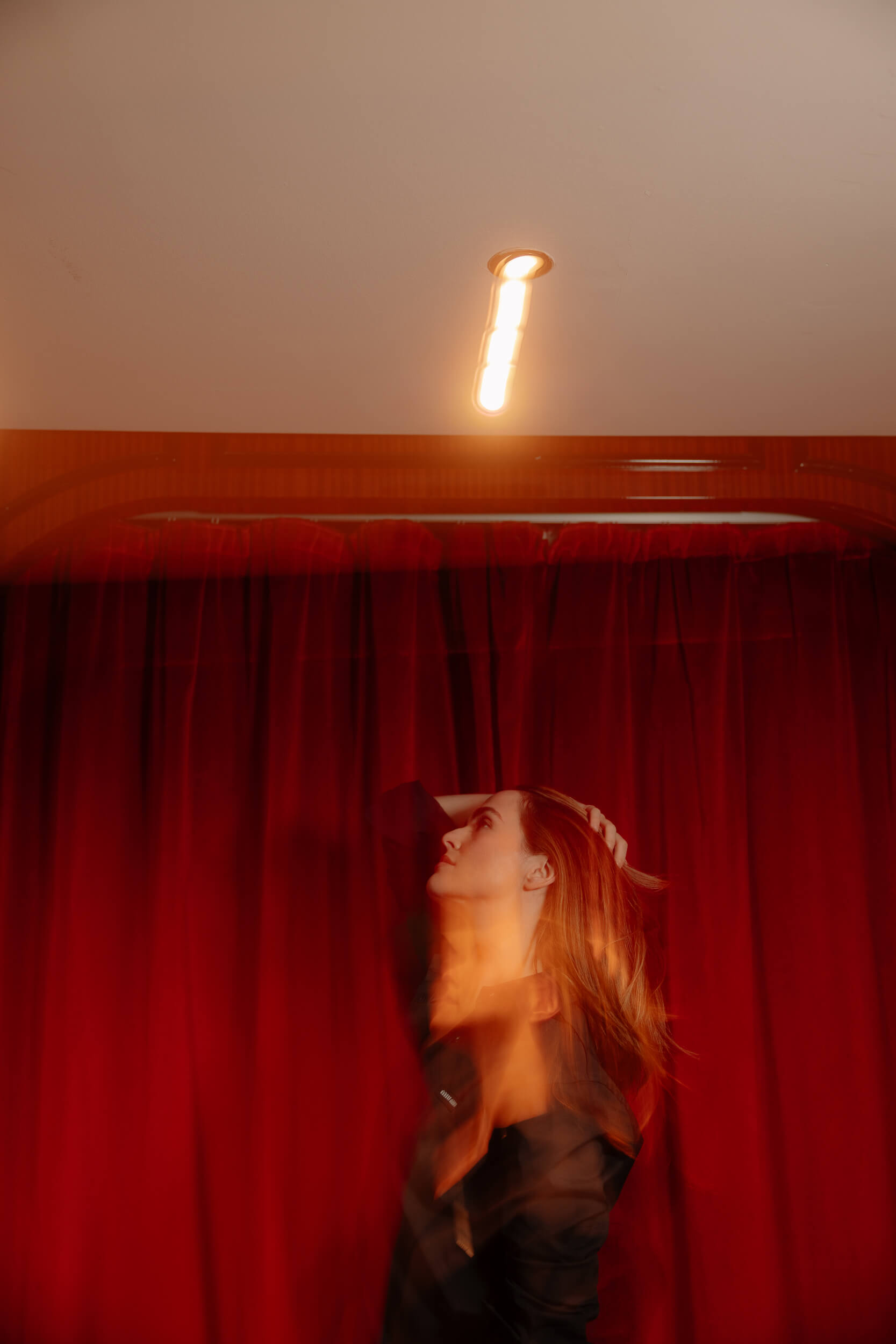
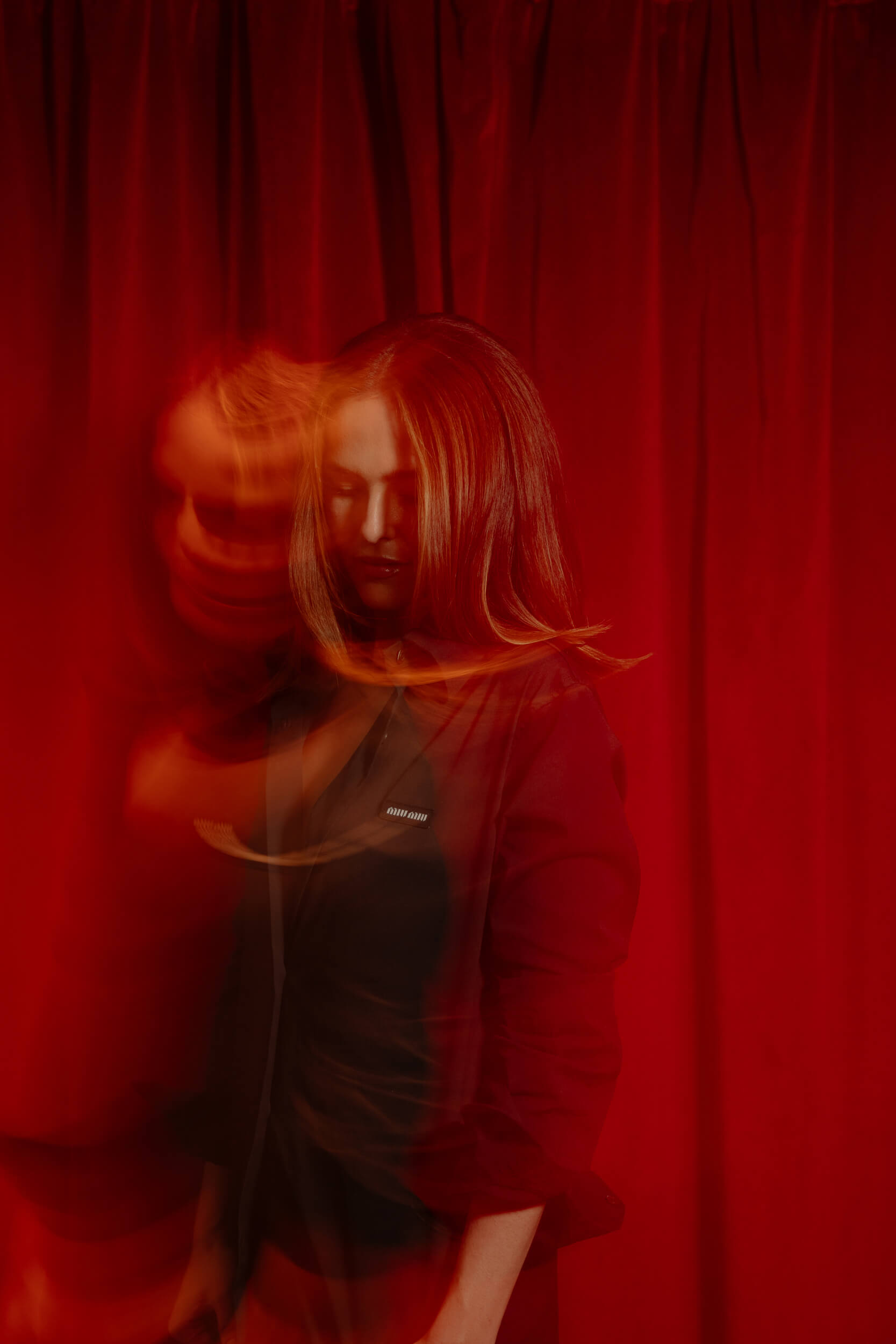
She returned to Venice for Miu Miu Women’s Tales, the program through which the brand has long supported female filmmakers and storytelling. For her, it is far more than a partnership: a relationship that began over twelve years ago, built on trust, on clothes that make her feel like “an elevated version” of herself, and on people she counts among the best.
Following a particularly busy year that included “Nouvelle Vague,” “Voicemails for Isabelle” and “Gail Daughtry and the Celebrity Sex Pass,” which she also executive produced, and about to step into the role of Marla Messing in “The 99’ers,” Zoey talks with us about archetypes and contradiction, about empathy as an actor’s first tool, and about that persistent question, “is she likable?”, so rarely asked of men. For her, the question is never one of likability, but whether we can recognize ourselves in a character.
And above all, she reminds us that what we truly need is simple and urgent: more stories told by women.
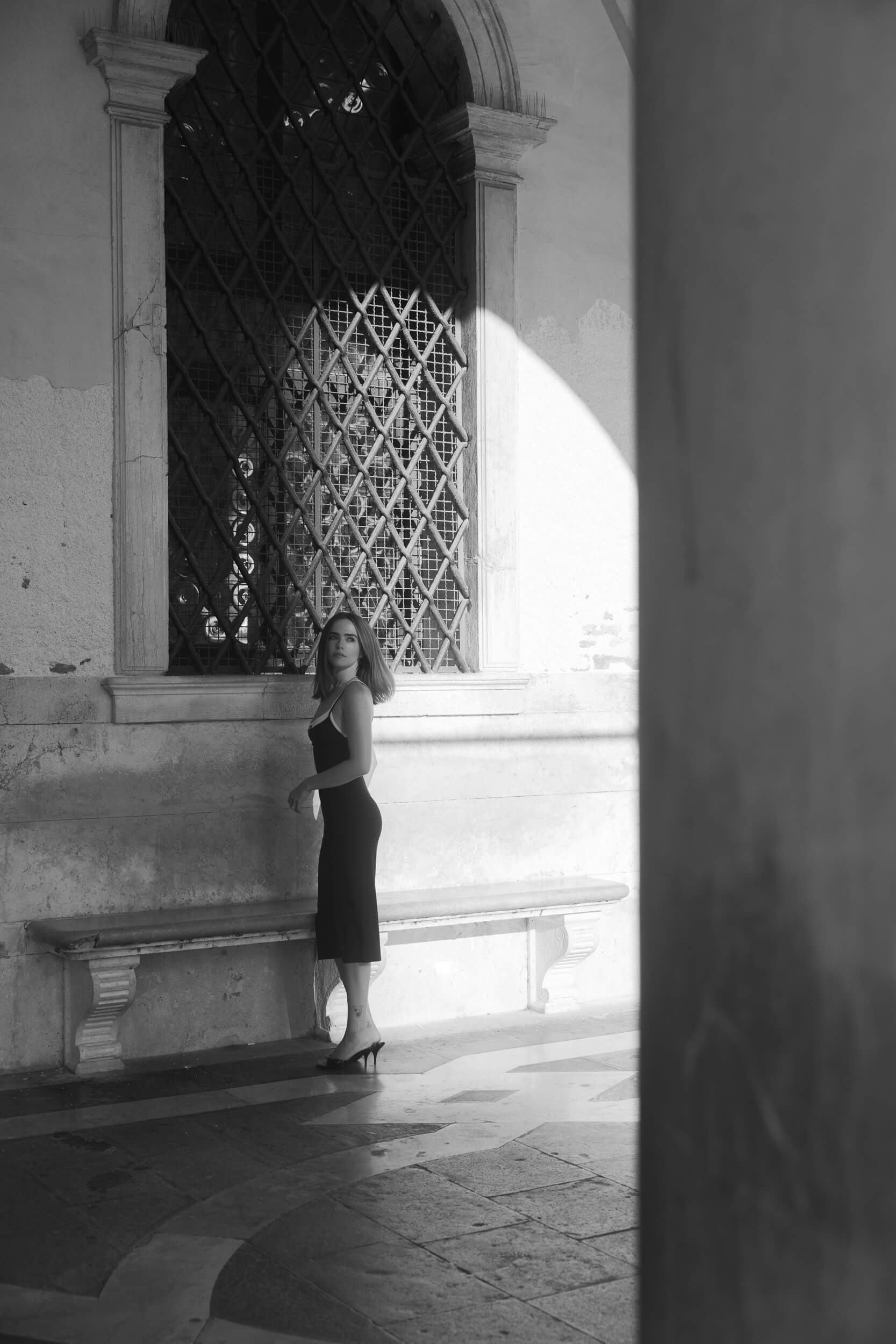
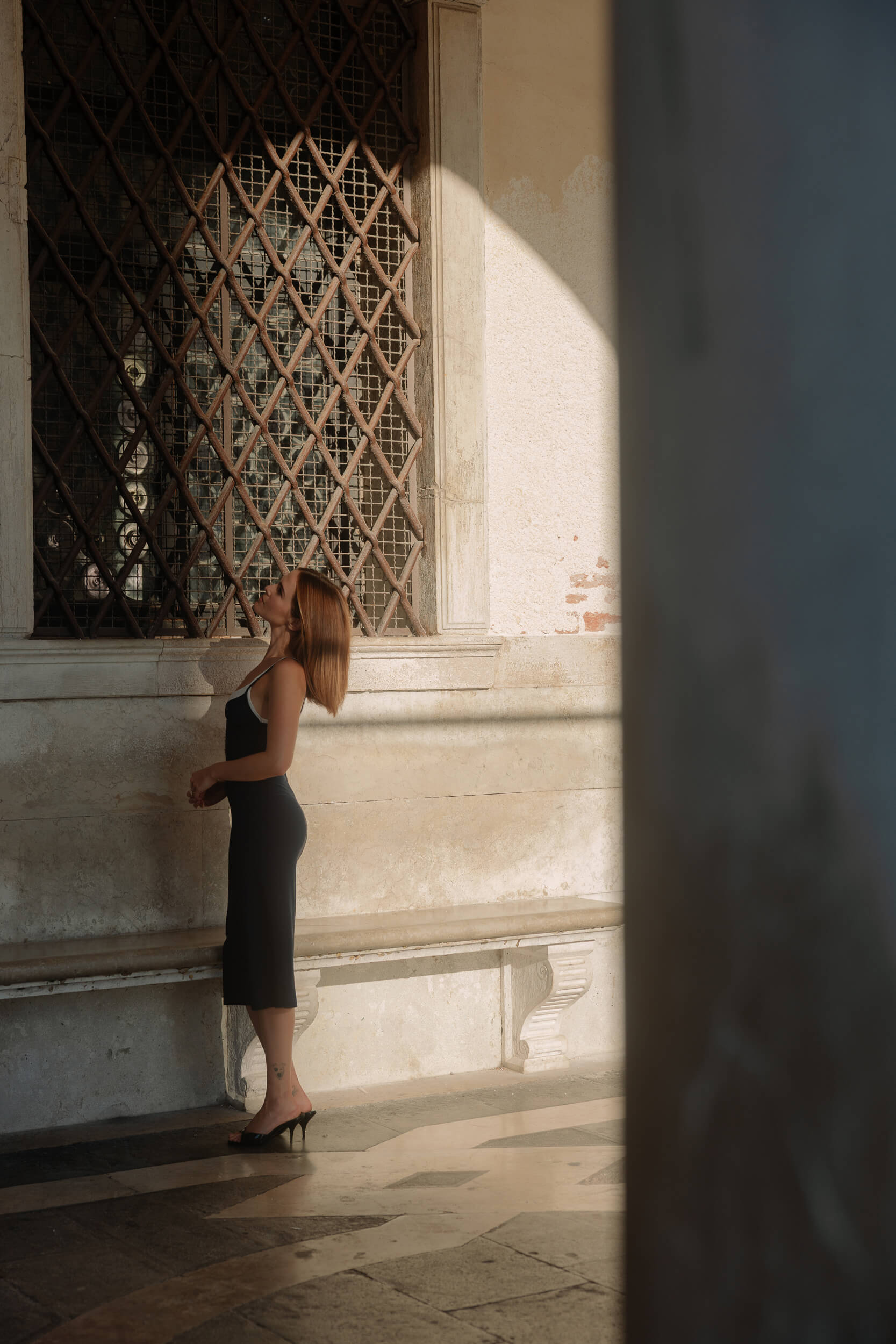
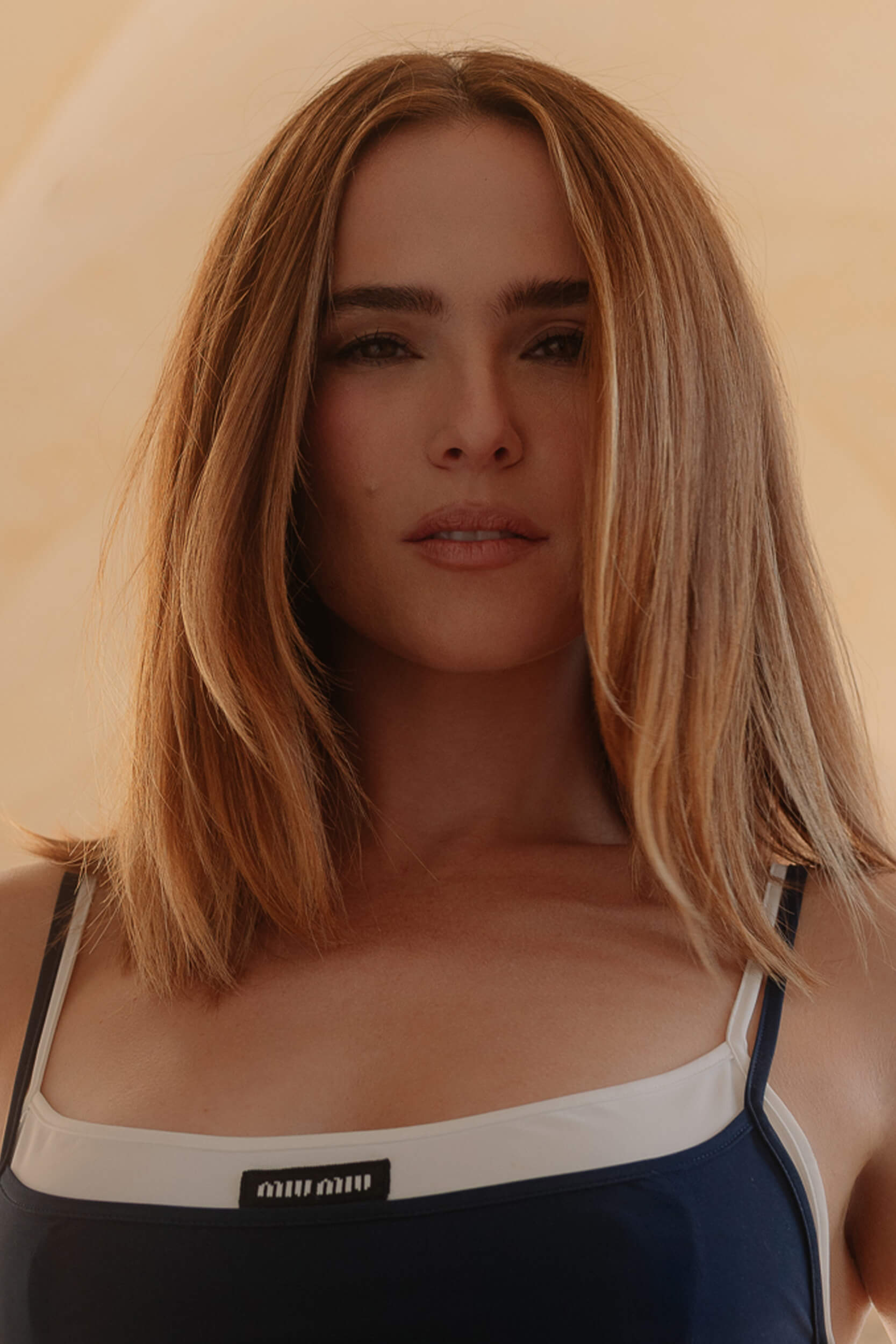
This isn’t your first time connected to Miu Miu’s world at Venice: what does the brand’s Women’s Tales program mean to you as a space for female storytelling in an industry that’s still finding its footing on that front?
I have been, and continue to be, so inspired by Miuccia, and by this program and the amount of support they put behind it. They are real patrons of the arts, and it’s very meaningful that they genuinely care about creating a platform for female filmmakers and female storytelling. It’s been a real and sustained commitment to giving women the space and resources to tell their stories.
When did your relationship with Miu Miu begin, and what was it about the brand’s identity that first resonated with you?
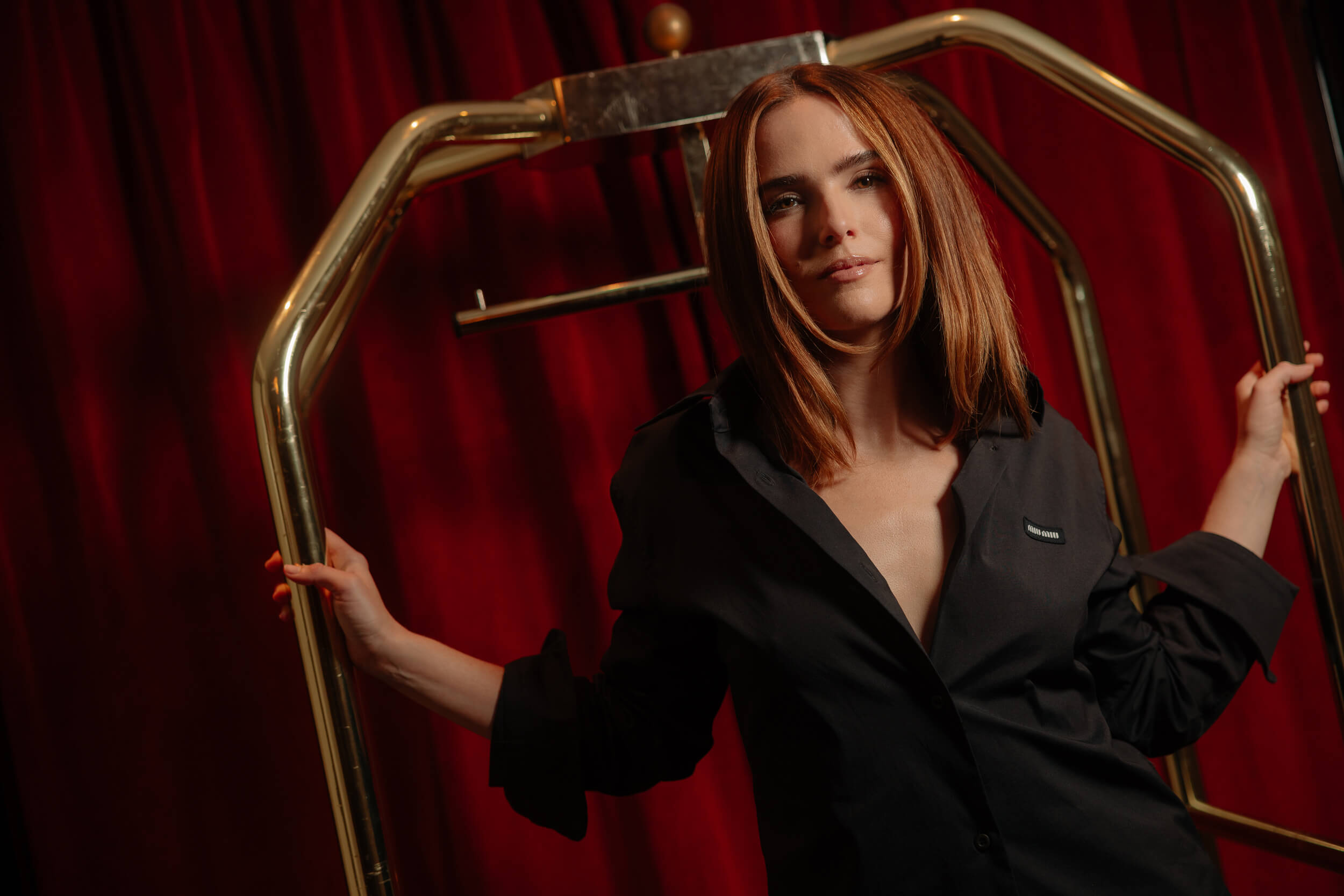
The first time I went to Miu Miu Women’s Tales was ten years ago, and I believe I’ve been working with them for over twelve years. The clothes are my dream. They’re fun and cool, and I feel like myself, but an elevated version. As I’m doing this interview, I’m wearing a green striped Miu Miu shirt. It’s comfortable and immediately makes me feel, yeah, like an elevated version of myself. And I also just love the team and the people who have made this brand what it is. They’re the best.
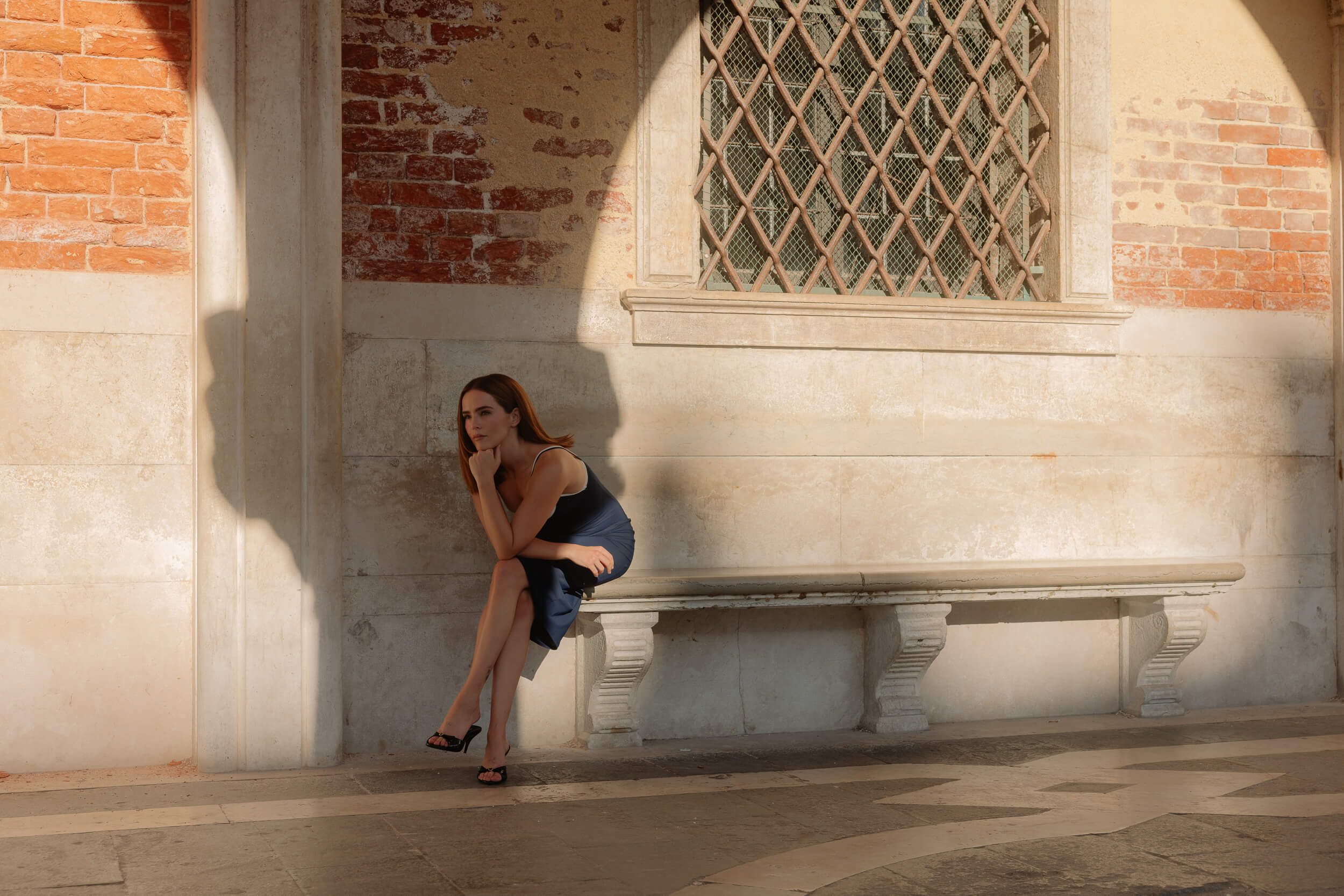
“Like an elevated version of myself.”
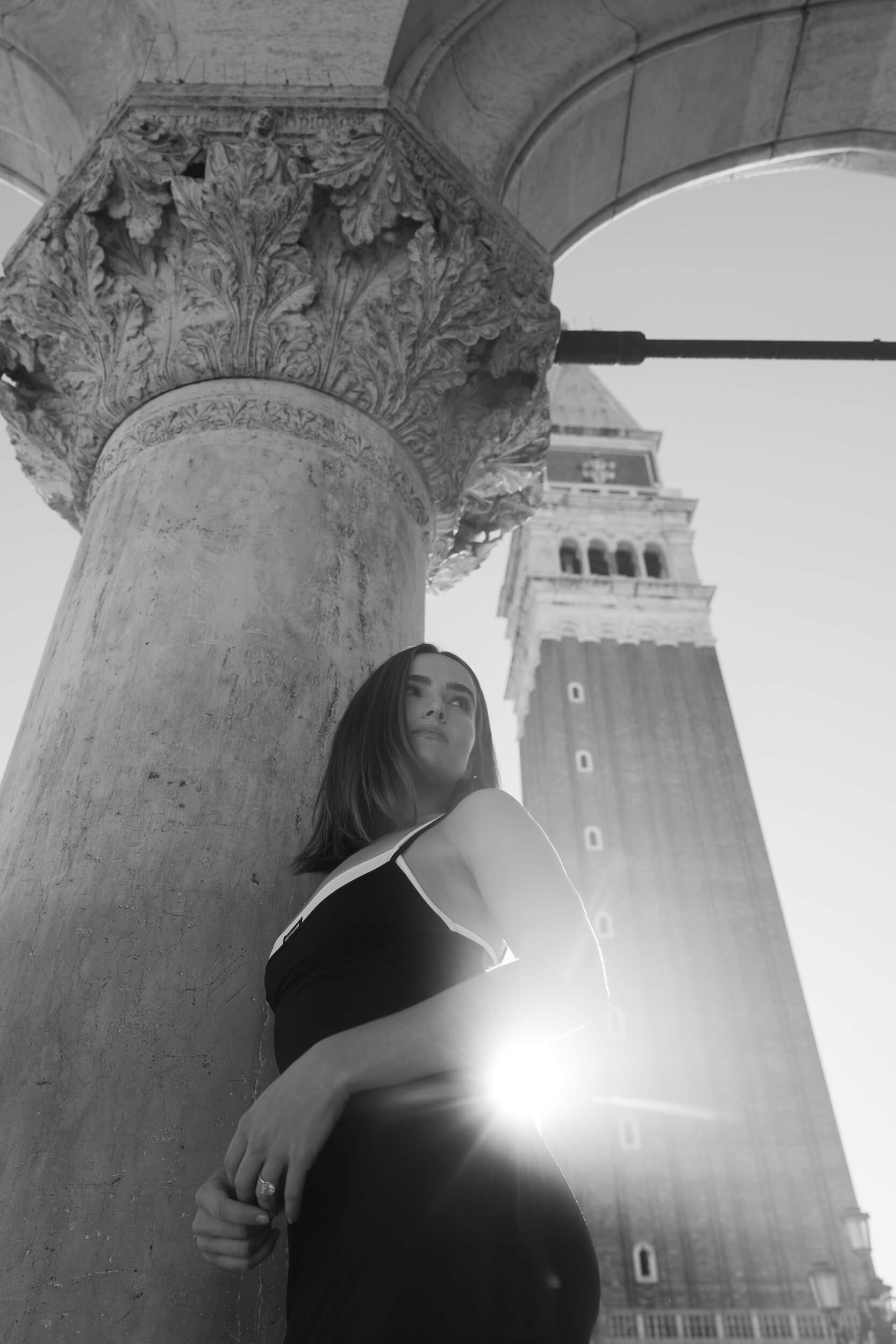
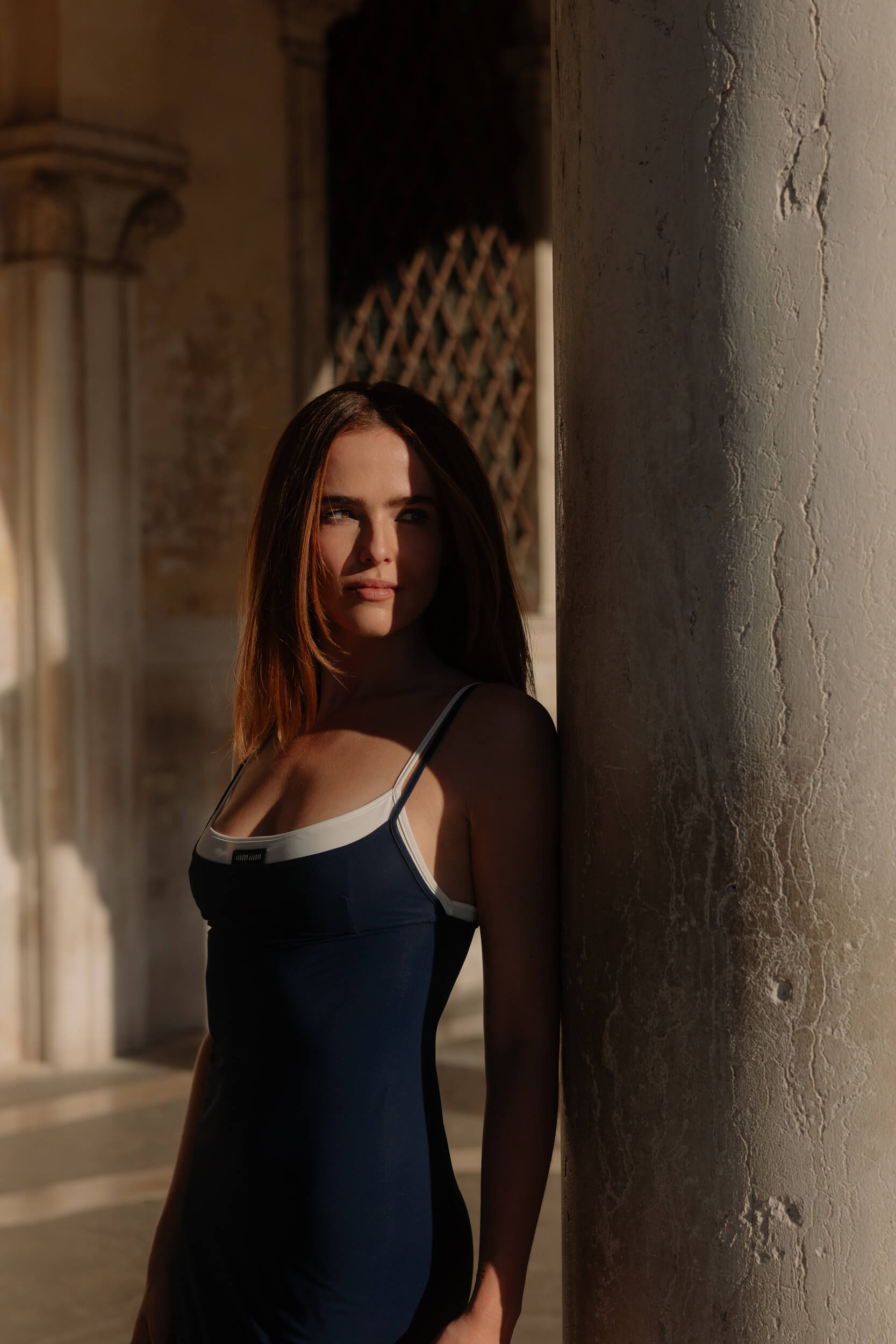
During the Miu Miu Women’s Tales conversation, you and Antonia talked about how the real issue with familiar female characters may not be the tropes themselves, but the lack of variety within them. Do you think an archetype can still feel truthful if we allow enough contradiction and complexity inside it?
We spoke about tropes a lot, and I said that I think the difference between a trope and a cliché is all in the connotation. A trope can simply be the framework, whereas a cliché has a negative connotation because of that feeling of overfamiliarity. So how can we use tropes without falling into clichés? I think we can absolutely have tropes and archetypes that feel truthful if we explore the contradictions and complexities within them.
Your panel focused on actors giving fresh takes on familiar female characters. Was there a specific character in your own career where you felt you had to fight to add contradiction or vulnerability rather than play it safe?
I think you’re always wanting to add those elements, no matter what!
Do you think cinema sometimes mistakes “strong female character” for another kind of stereotype? What kinds of vulnerability, weakness or contradiction would you like women on screen to be allowed to have more often?
I think, more than anything with this subject, what I want is more opportunities for women to tell their stories. I can’t say what another woman’s experience or story is, but I want to watch them. And I think the biggest issue we have is the lack of volume, the lack of stories being told by women.
We need more.
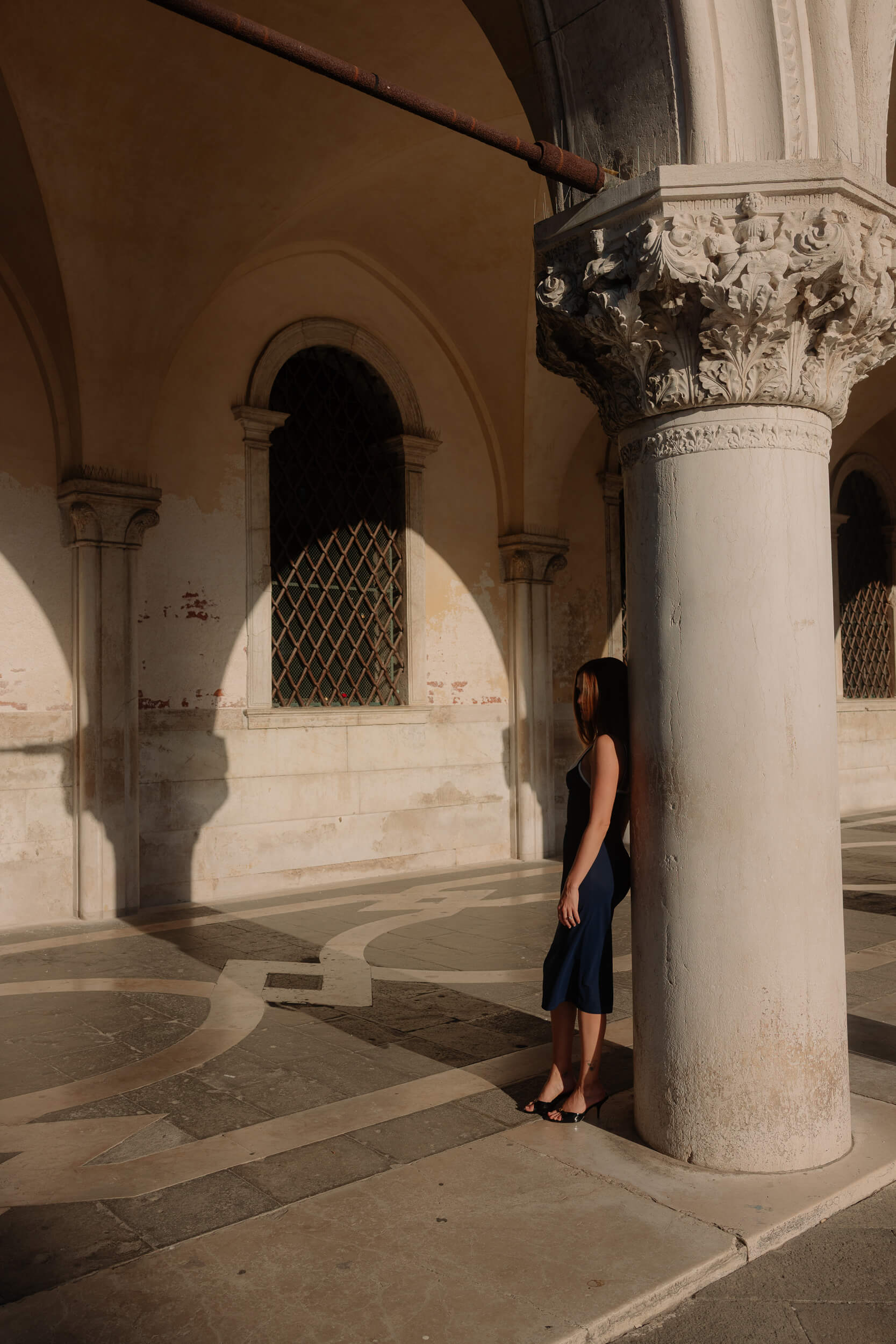
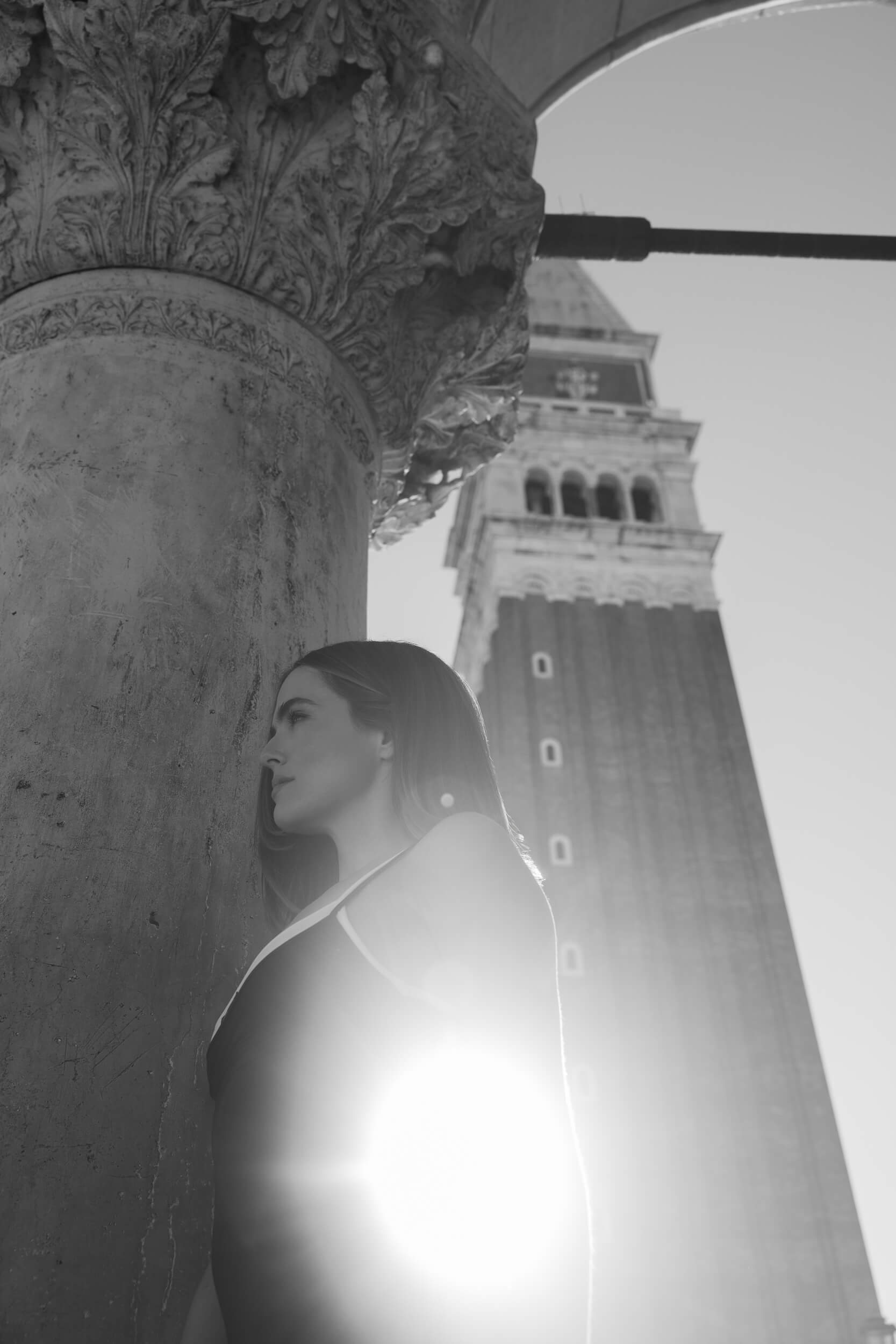
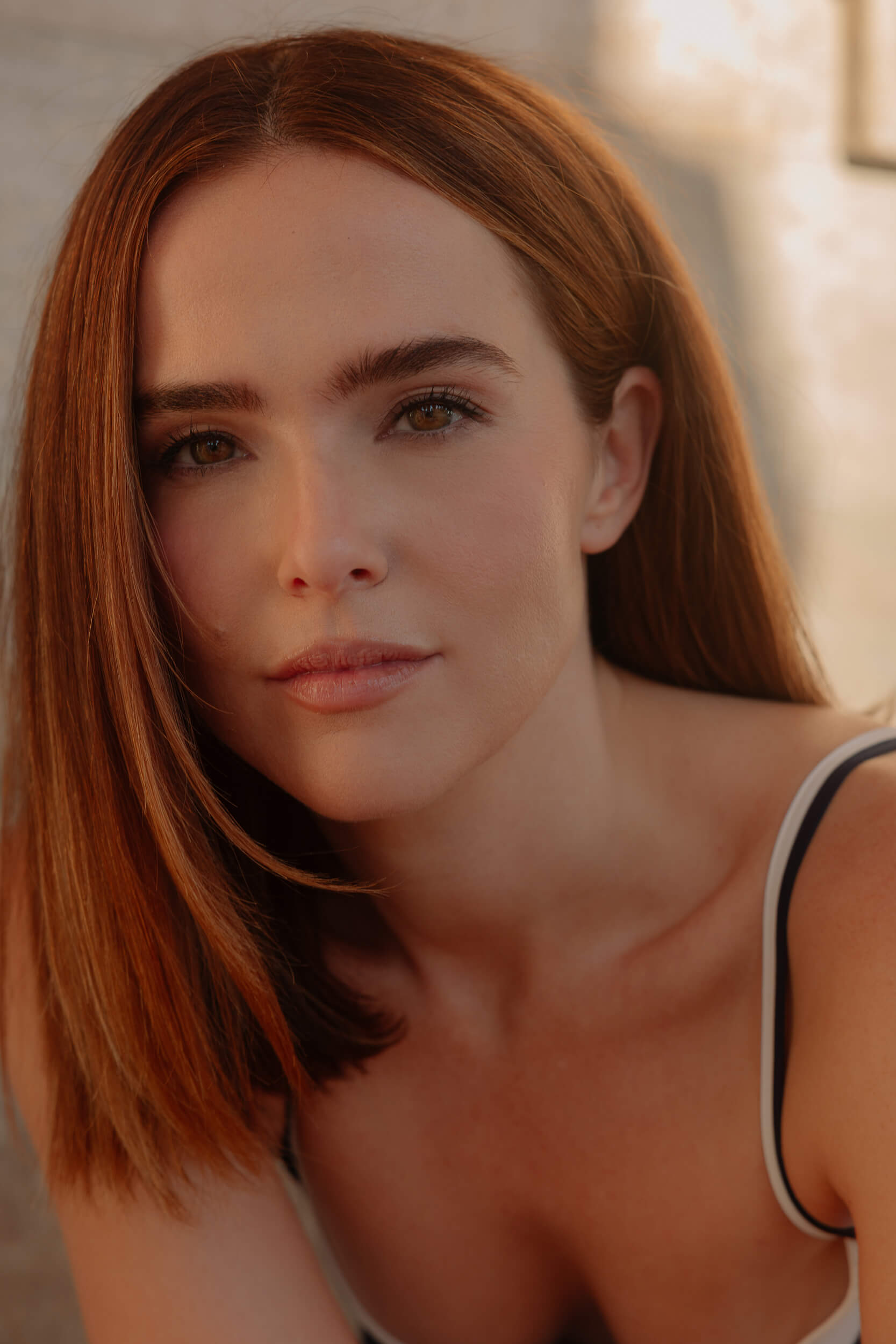
“What I want is more opportunities for women to tell their stories. I can’t say what another woman’s experience or story is, but I want to watch them.”
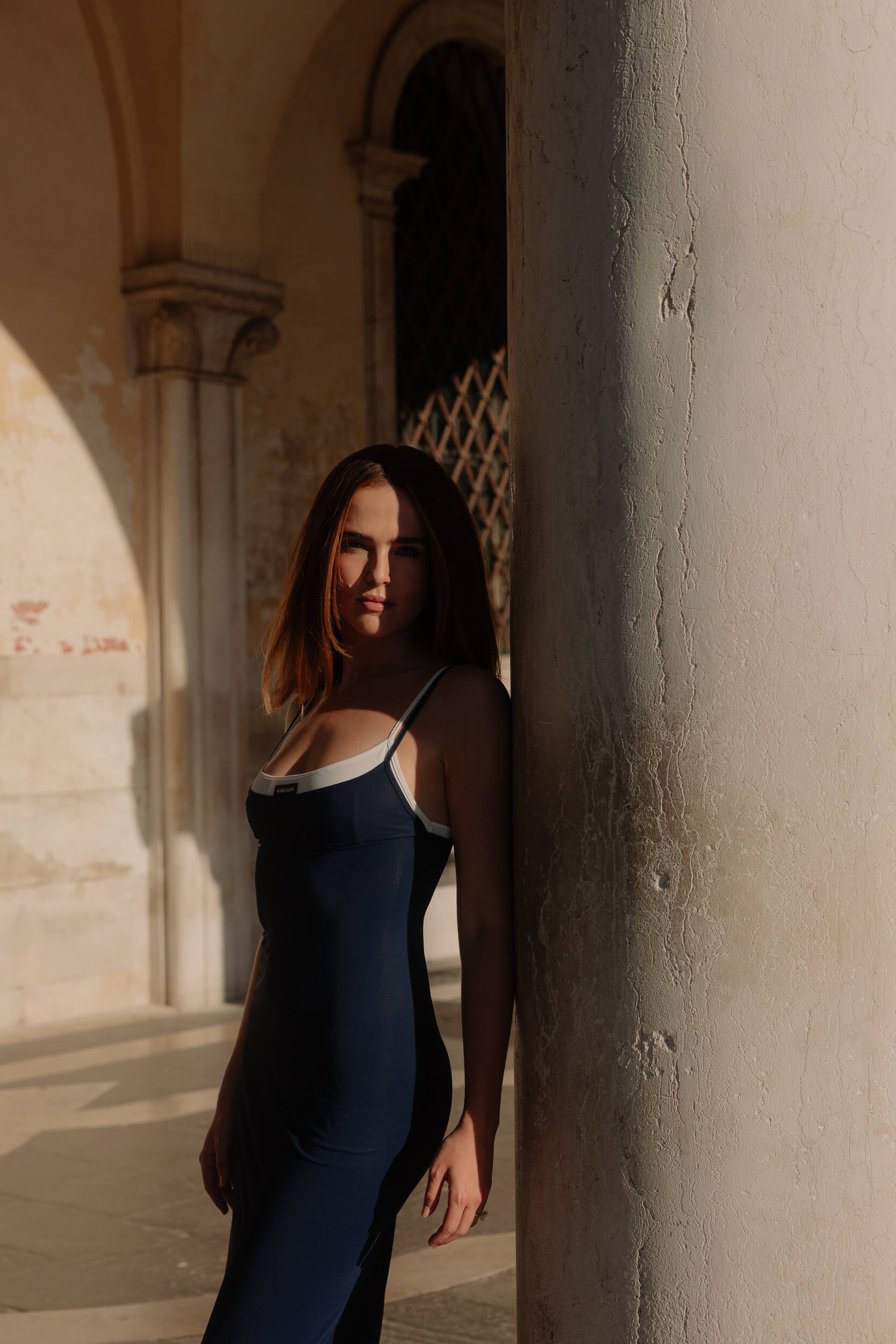
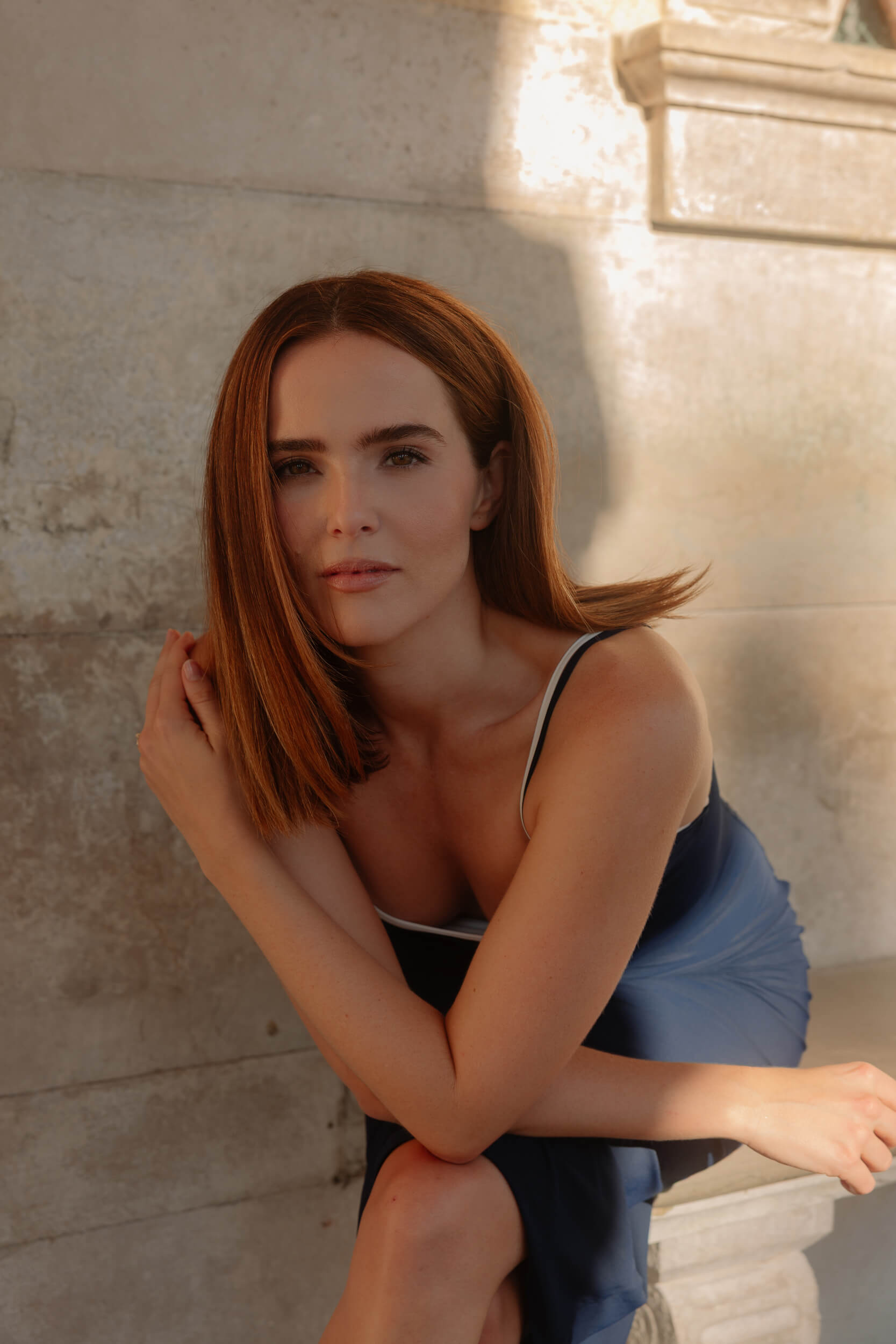
You’ve often been drawn to women who are complicated, flawed and sometimes even described as “unlikable.” Why do you think we still feel the need to ask whether a female character is likable in the first place?
I think, for me, it’s never a question of likability. It’s a question of relatability. I personally don’t want to watch someone I hate, someone I can’t relate to in any capacity. But, yeah, you rarely hear that question being directed at men. It’s almost always directed at women, and I think the reasons for that are glaringly obvious.
When you are given a character that, on the page, seems familiar—the girlfriend, the ambitious woman, the ingénue, the “difficult” woman—where do you personally look for the detail that can make her feel like someone we haven’t seen before?
Well, when it’s just the girlfriend role, you can’t fit a square peg into a round hole, period. There have definitely been times when I’ve tried and tried and tried to expand a character and make her more dimensional. But sometimes that’s just not possible, especially because, as an actor, you don’t have control over the final edit. You can feel on set like you’ve giving different colors, but you don’t get to make that choice in the end.
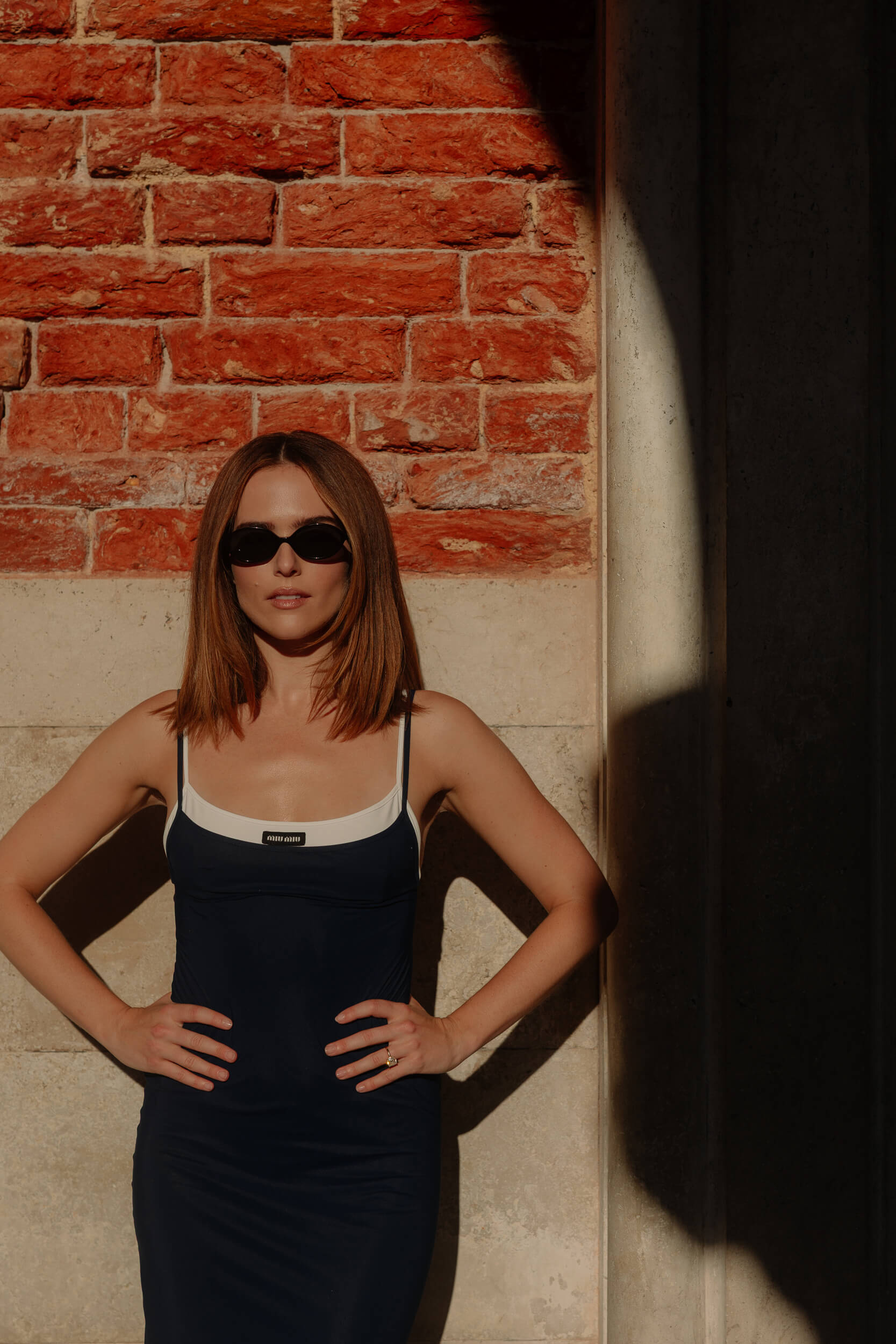
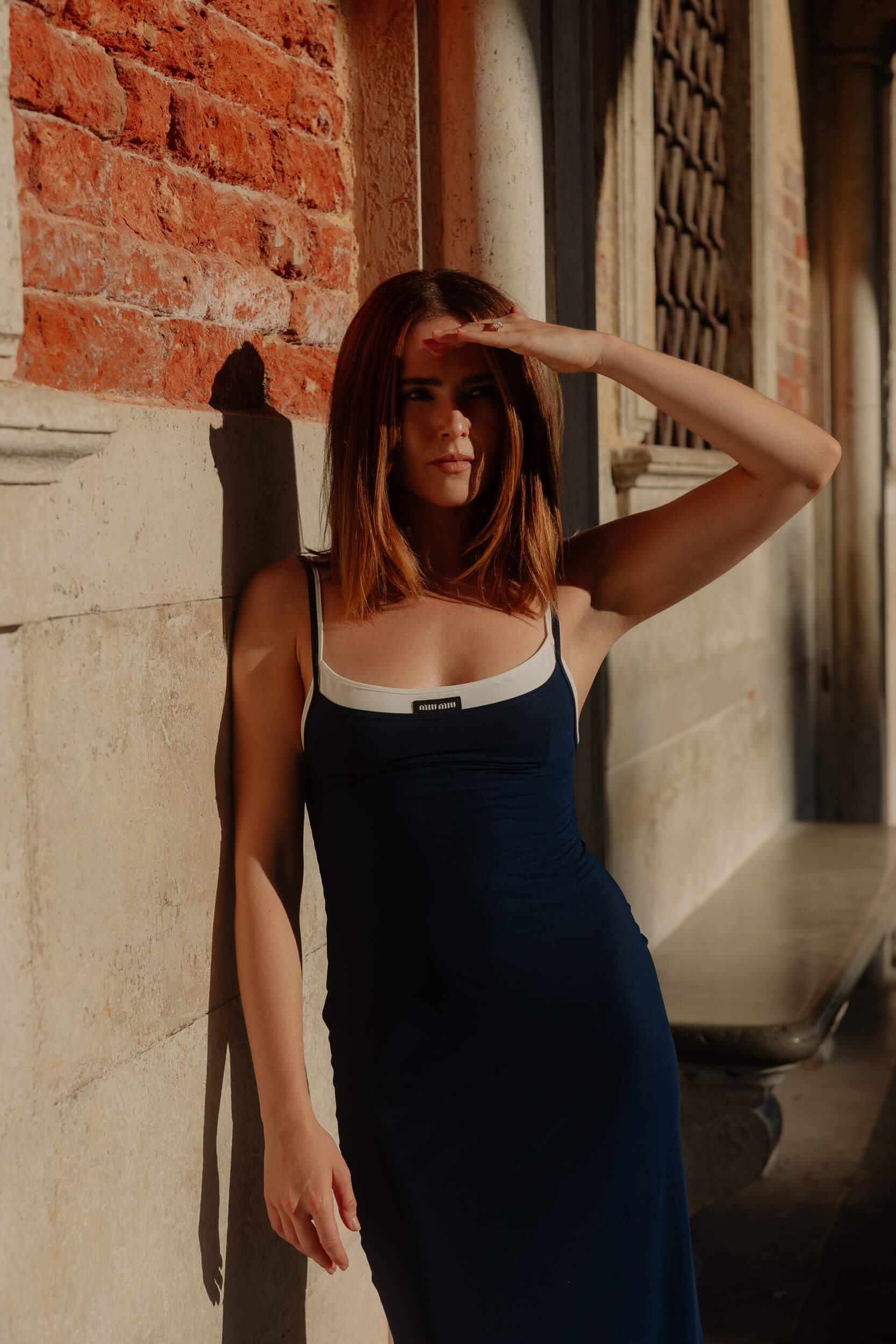
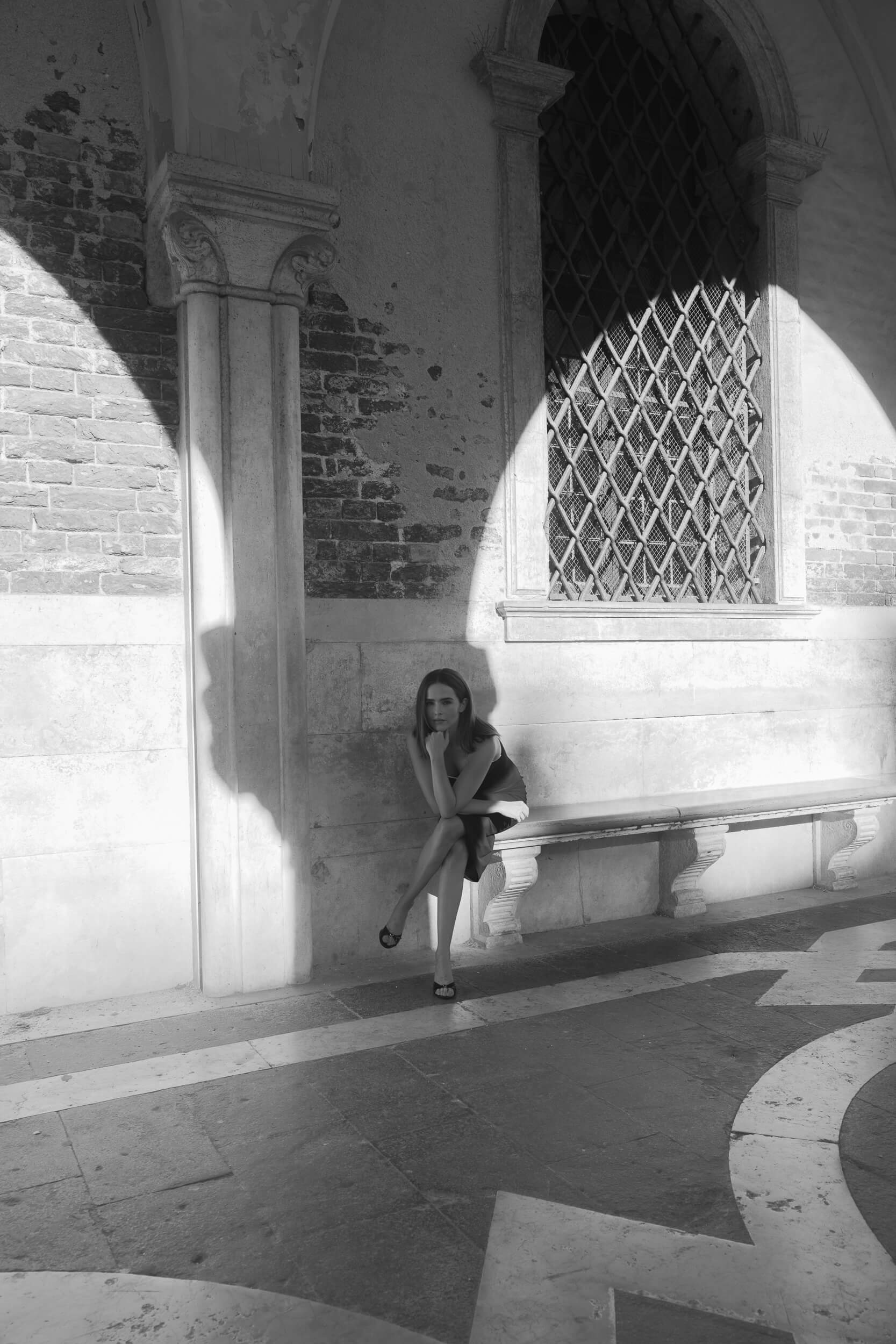
“It’s never a question of likability. It’s a question of relatability.”
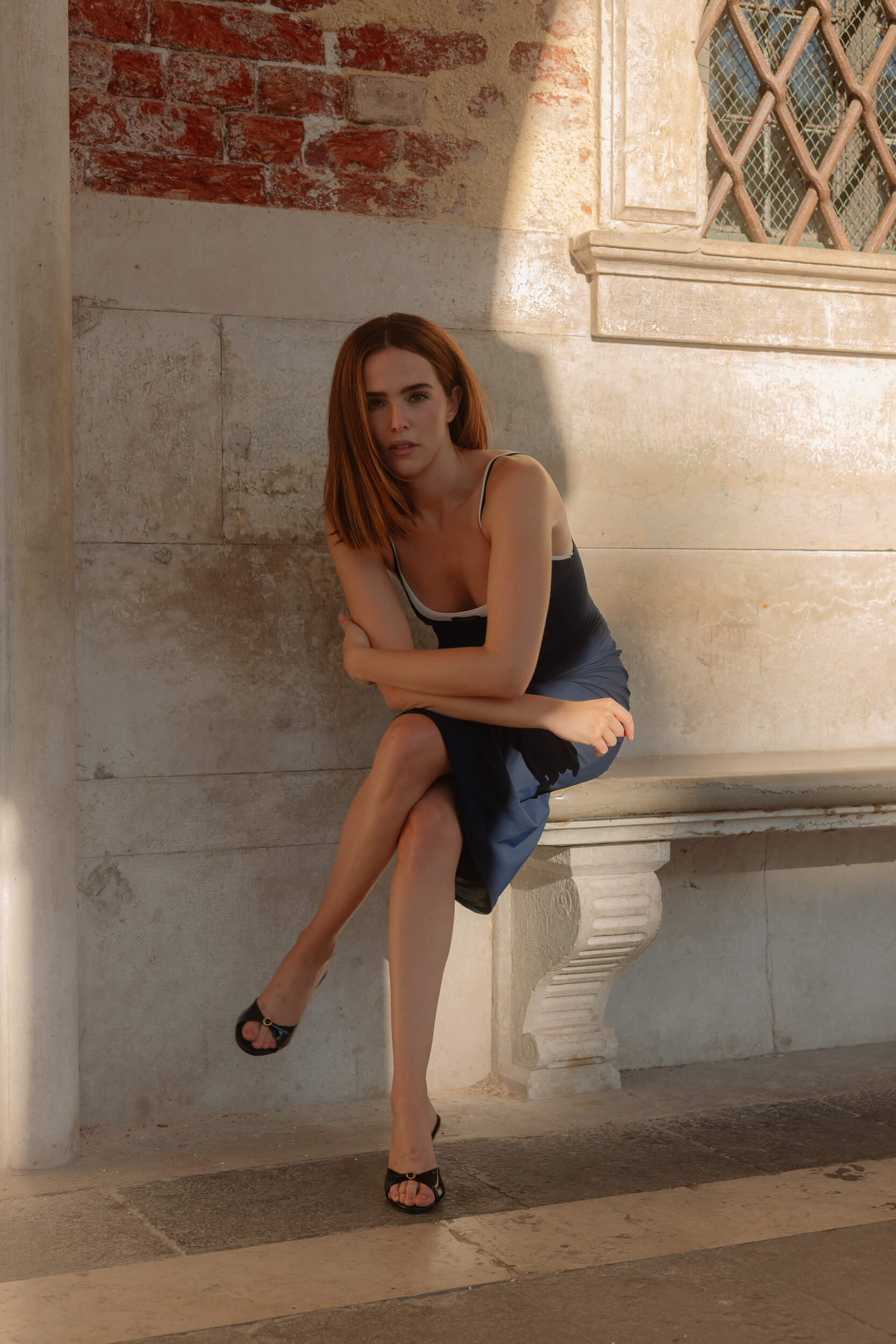
When you play a woman you don’t necessarily agree with, do you feel that you have to understand her, forgive her, love her—or none of those things?
Yes! Not judge her. Generally, when you love a script and the character within it, no matter how awful some of her choices might be, you’re already in it psychologically, you’re defending those actions and trying to understand them. Empathy is key.
You’ve had a wonderfully exciting year with “Nouvelle Vague,” “Voicemails for Isabelle,” and “Gail Daughtry and the Celebrity Sex Pass.” And with the last one you were also executive producer. Did wearing both hats change your relationship to the character or your approach to acting in general?
I really enjoy being able to produce the projects that I act in. I’m a better actor when I have more information rather than less. I love being part of those conversations and having a hand in the broader creative process. It’s incredibly fulfilling to me.
“Empathy is key.”
Is there a part of yourself that you have to protect from every character you play—something you never give away?
Not intentionally, no.
You’re set to play Marla Messing in “The 99’ers,” about the trailblazing figure behind the 1999 Women’s World Cup. What drew you to telling this specific story about women’s sports history?
I was so inspired by each and every person’s story within it, and I’m super excited to share it with the world. I think it’s deeply empowering and special.
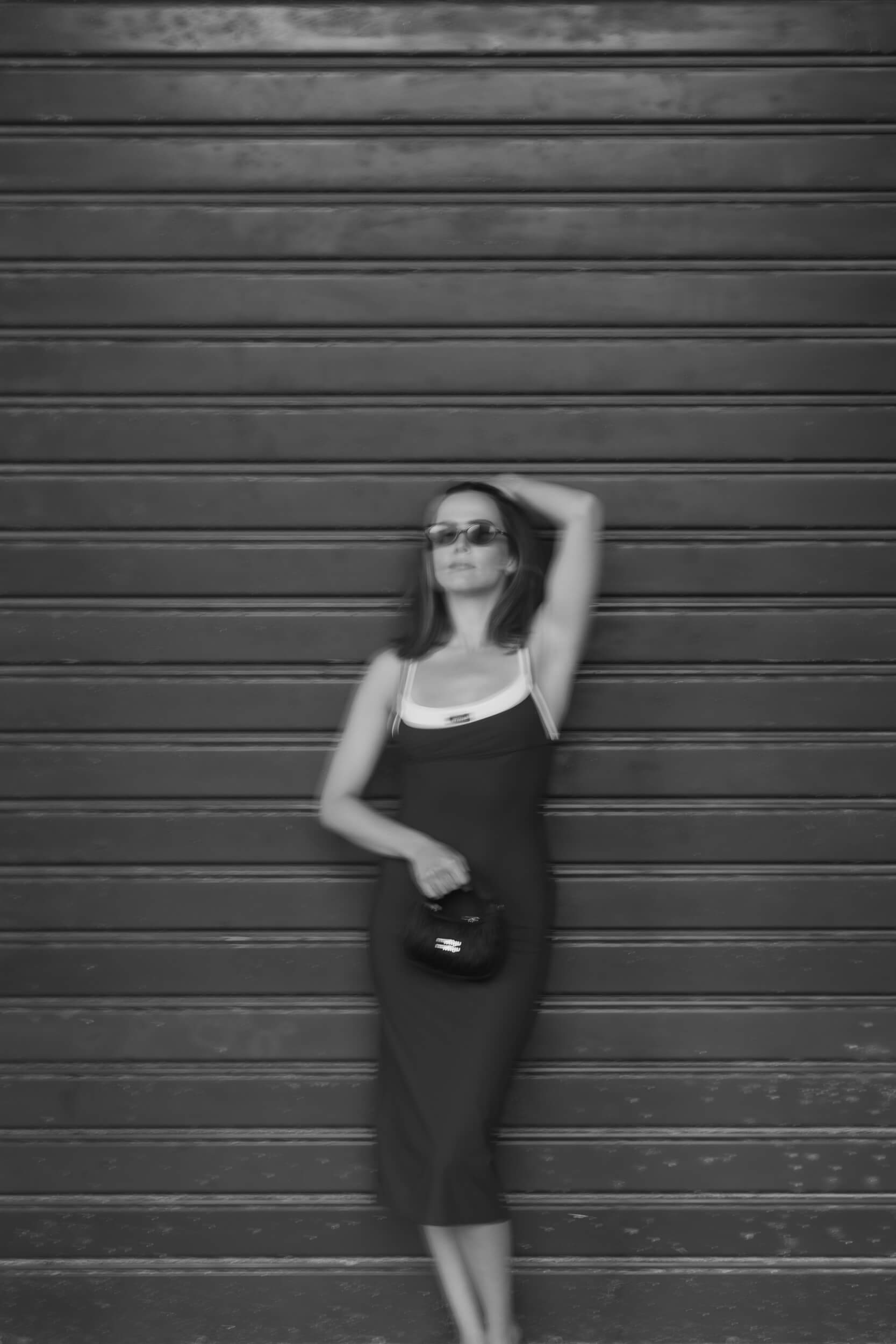
“I think it’s deeply empowering and special.”
What are you reading right now?
“The Names” by Florence Knapp.
What makes you feel safe?
My dog!
What’s something you’ve become less afraid of as you’ve grown older?
Singing.
What’s something you hope you never become too grown-up to do?
Write stupid jingles.
If you could keep one feeling from this exact moment of your life forever, what would it be?
Gratitude for my health and my family’s health.
What do you think?