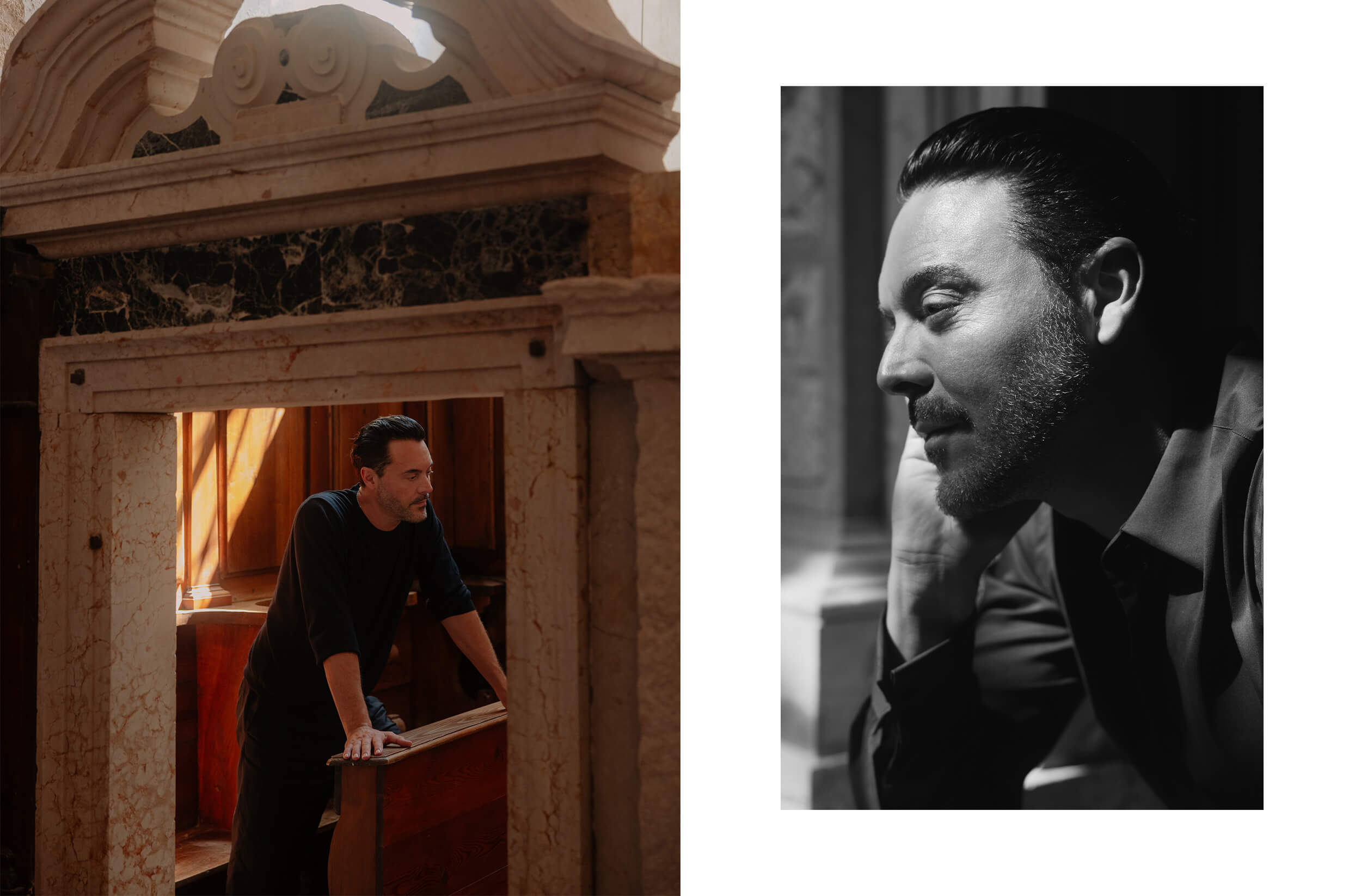
The interview I had the pleasure of doing with Jack Huston was one of the most personal and meaningful conversations of my career so far.
I met Jack during the Venice Film Festival, two days after watching “The Basics of Philosophy”, the film written and directed by Paul Schrader, in which he stars as the protagonist, John Jorissen. Having so little time between seeing the film and meeting him made the chance to talk about it with him even more intense — especially because, somehow, the story had already begun to stay with me.
In the film, John Jorissen is a man who has committed abuse and spends his life trying to live with what he has done, in the seemingly impossible attempt to forgive himself and to be forgiven. He devotes his life to philosophy and to teaching it, almost turning it into a tool through which he can question himself, others, and the way we look at life.
As so often happens in Paul Schrader’s cinema, we are confronted with an uncomfortable character and even more uncomfortable questions. His films never seem interested in giving us answers. Instead, they challenge the ones we thought we already had. We walk into the theater with certain convictions and leave with new questions — questions that, sometimes, stay with us far longer than the film itself.
That was the case for me with “The Basics of Philosophy”. I felt a deeply personal connection to this story. And, talking to Jack, I realized that, in a different way, the same had happened to him. Playing this character meant getting close to something that represents one of his deepest fears. And perhaps that is exactly why he chose to go through it: to look at it, confront it, and exorcise it through art.
Our conversation, much like the film itself, didn’t end when we said goodbye. It stayed with me in the days that followed. It made me think about my own fears, about forgiveness, about the things we try to understand about ourselves and, above all, about how powerful a connection with another human being can be.
Sometimes, 45 minutes, a coffee, a cigarette, and the sea of Venice in front of you are all it takes to have a conversation that leaves something inside you.
This was definitely one of those conversations.
I just saw “The Basics of Philosophy”. I loved it so much.
You did? I’m so glad.
I had the honor of interviewing Paul Schrader. We had a good chat, and I was telling him that “First Reformed” I watched it here with him in the audience, but it wasn’t distributed in Italian cinemas until about a year and a half later. I was so pissed, I was telling all my friends, you must see it. I was so sad, because it was genius. And the thing with Paul Schrader’s movies is that they stay with you.
Yes, they leave you with this sort of feeling in your stomach. He’s incredible like that, Paul. He’s sort of a singular voice in American cinema and has been for the better part of five decades. It’s just kind of unbelievable. He’s not slowing down either; he told me he’s doing three other movies. No one works more than he does.
He and Martin Scorsese, they both just keep working.
I saw Marty the other day and he really did just speak so highly of “The Basics of Philosophy”. That’s why he came on board – he loved it so much. So, I’m so happy that we have Marty’s approval. He’s just one of those people who’s so smart, and he comes from such an educated perspective, not only because of his amazing knowledge, but his knowledge of cinema, the history of cinema, and the films on this subject that have come before it. So, it was really just wonderful to have Marty become such a strong supporter of the movie for us.
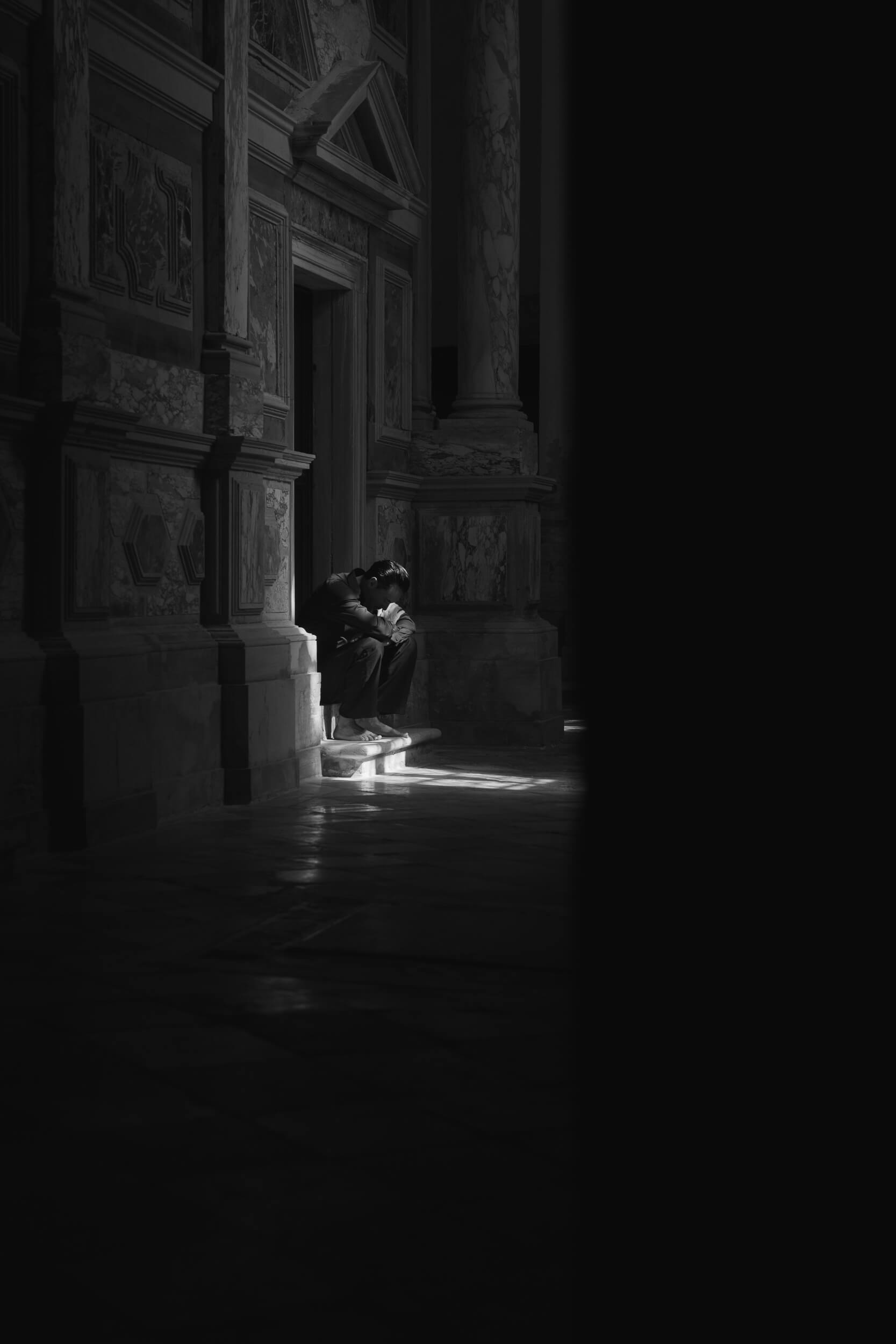
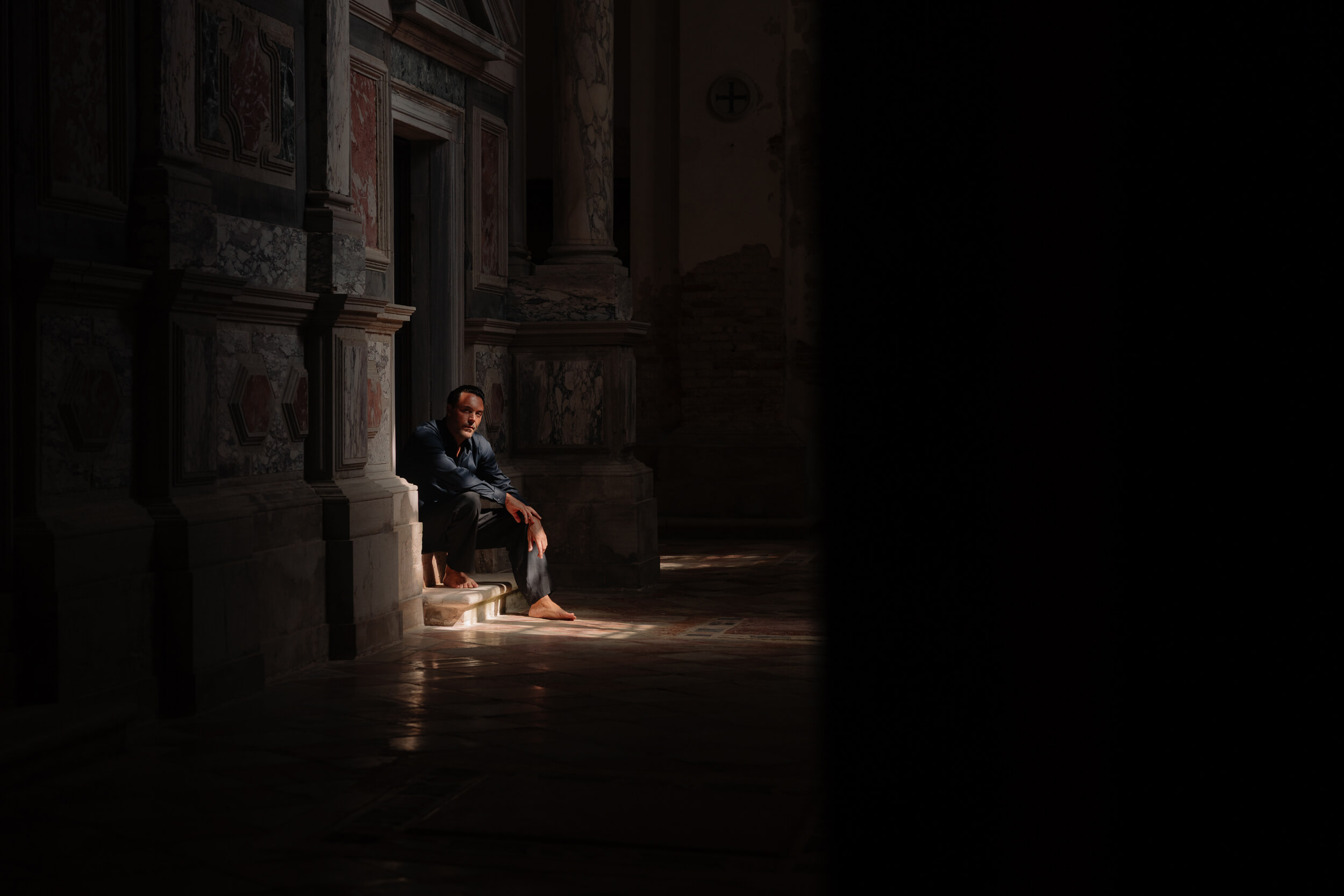
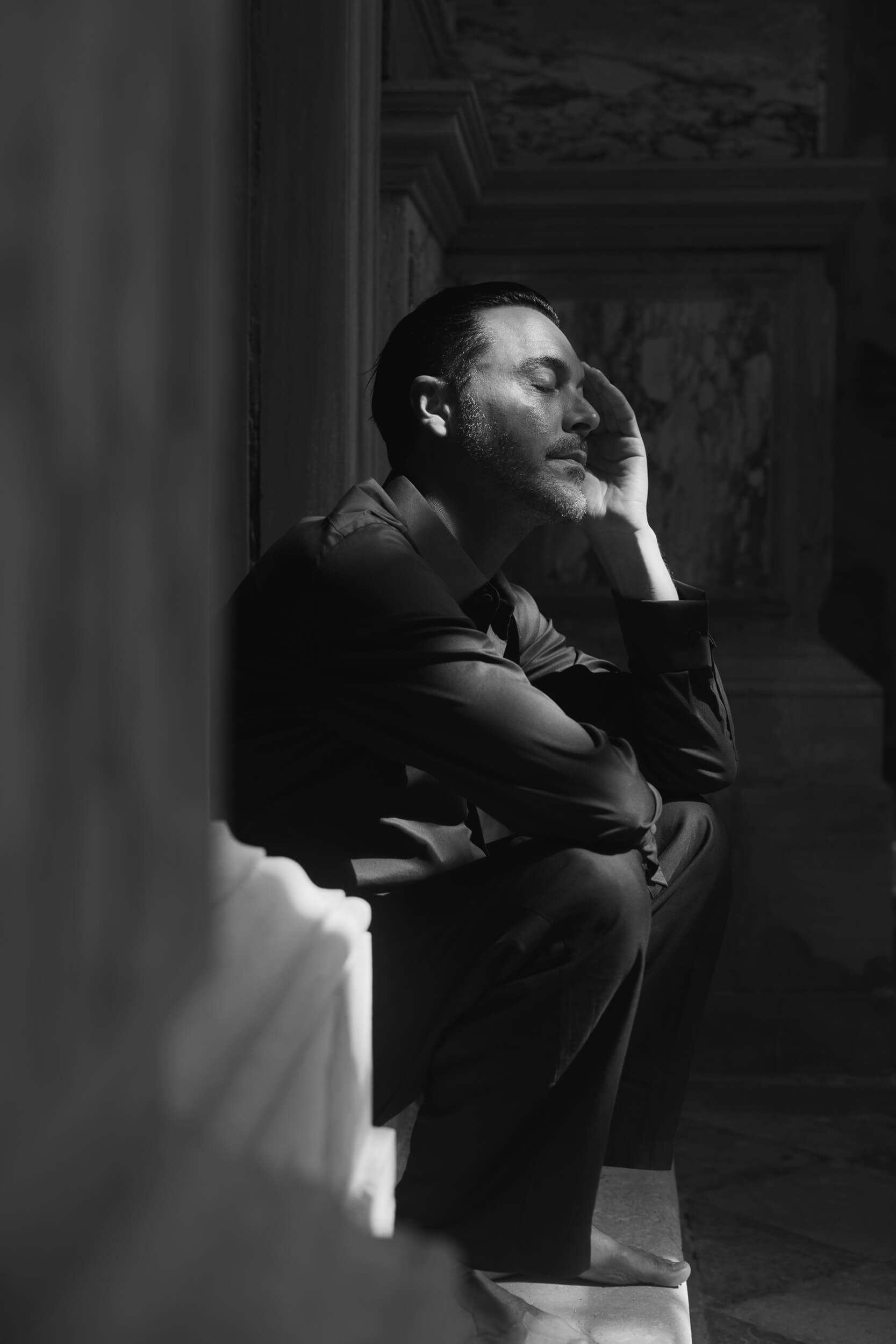
And as I was saying with Paul, it’s never a question with him whether the movie is bad or good, it’s the fact that it makes you think so much, makes you wonder about life, about everything. That’s why his films are so important. What stayed with you, both when you played it and when you first watched it?
I always find Paul has a very specific way of filming. There’s an awkwardness to it, an unsettling feeling he gets sometimes in the shots, sometimes in the dialogue – things feel just slightly off. I find it has a real throwback to 80s films – I remember, it’s a very different film, but I was thinking of “Manhunter” by Michael Mann, the music, how they push in on the cameras. It’s got these flares of great 80s filmmaking.
But at its core, Paul writes about guilt, about the idea of change in this film specifically, whether we’re able to change, whether there’s ever redemption for a heinous act. But he doesn’t want to answer those questions.
No, he wants to pose the question.
He will never answer the question. “I don’t have an answer”, he says, which I think is brilliant.
Yes, the most brilliant thing, because if he wanted to push his own point of view or answer, it would be a little bit like other movies.
I hate to call them Hollywood films, but people often want an ending tied up with a bow. I think Paul’s great saying is that he believes the final scene of the movie should transpire as the audience leaves, and in the conversation that follows. And boy, does this cause a conversation.
“But at its core, Paul writes about guilt, about the idea of change in this film specifically, whether we’re able to change, whether there’s ever redemption for a heinous act.”
And there is this idea, like you said, that everybody is guilty of something, that we all carry things within us that could be considered unforgivable – that sin is almost an unavoidable part of the human condition. Do you think it’s already there inside all of us, if we’re willing to look deeply enough?
Yes, we all carry something. I think a life without mistakes isn’t real, there’s no such thing. We’re flawed, we try our best. It’s the difference of what Seneca says: are you trying to live a good life? Because if you’re not able to live a good life, then you’re living a bad life, and if you’re living a bad life, it’s up to you to deal with it.
I think sin can be measured in different ways. As a child, I thought about pushing someone, the way you see five-year-olds do or punch someone with a pencil; I guess that’s a degree of sin. Within the church specifically, they measure sin even in thoughts – “I had unclean thoughts,” or whatever. They’re all degrees of this kind of thing, which I think is very interesting for Paul, who was brought up in quite a rigorous religious household and school. Like he says, he doesn’t know how to write about anything else but guilt. So, this was a natural progression: his “man in a room” going through the different sins somebody could commit, and this one floated right to the top.
In “Master Gardener” was violence and racism, and in “First Reformed” was suicide and alcoholism…
Yes, exactly, and addiction. But here, it’s also a very difficult subject, and the reason I did it is precisely because it wasn’t a subject I wanted to make a film about. It’s actually a subject I would usually have run away from. It was the one thing I said I’d never do, I never had any interest in playing a character who’d done something like this. Even though it was a single act, it’s the one unforgivable thing, anything involved with children, fourteen years old, to me is the worst thing. But at the same time, I have a ten-year-old and a thirteen-year-old, and I realize just how much this exists in the world.
Usually, these monsters are painted as monsters – genre pictures, horrors, murderers, rapists, creeping around. What Paul does very well is make it a reality: he makes it the man next door, the unsuspecting monster. I think what my character, John, is going through is: he’s incredibly aware that what he did was awful, incredibly aware that he did something heinous, and he’s spent his life trying to understand, to reconcile, to find possible forgiveness, redemption. Because if he can’t, then he is the monster, and if he is a monster, he has to be willing to take those steps.
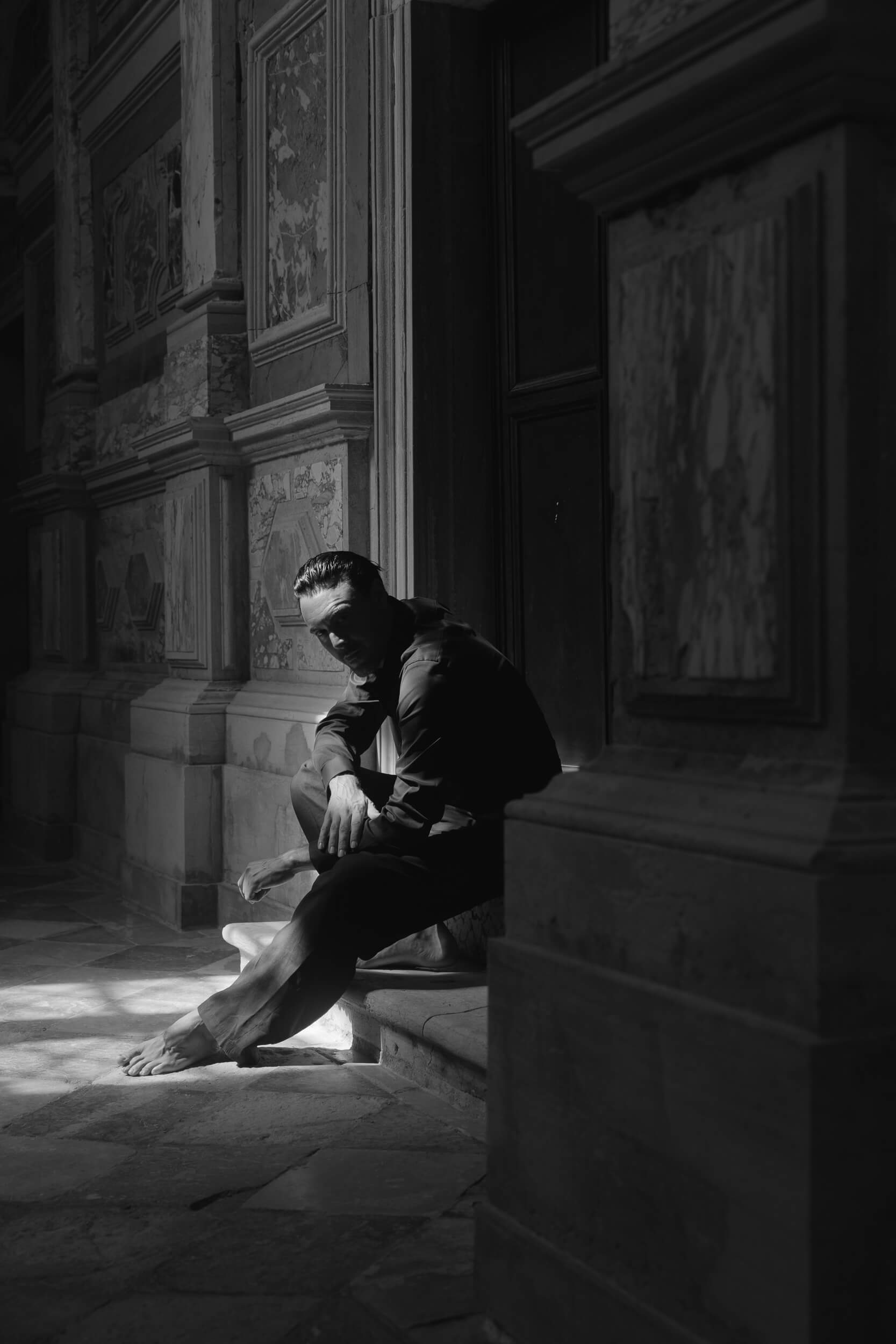
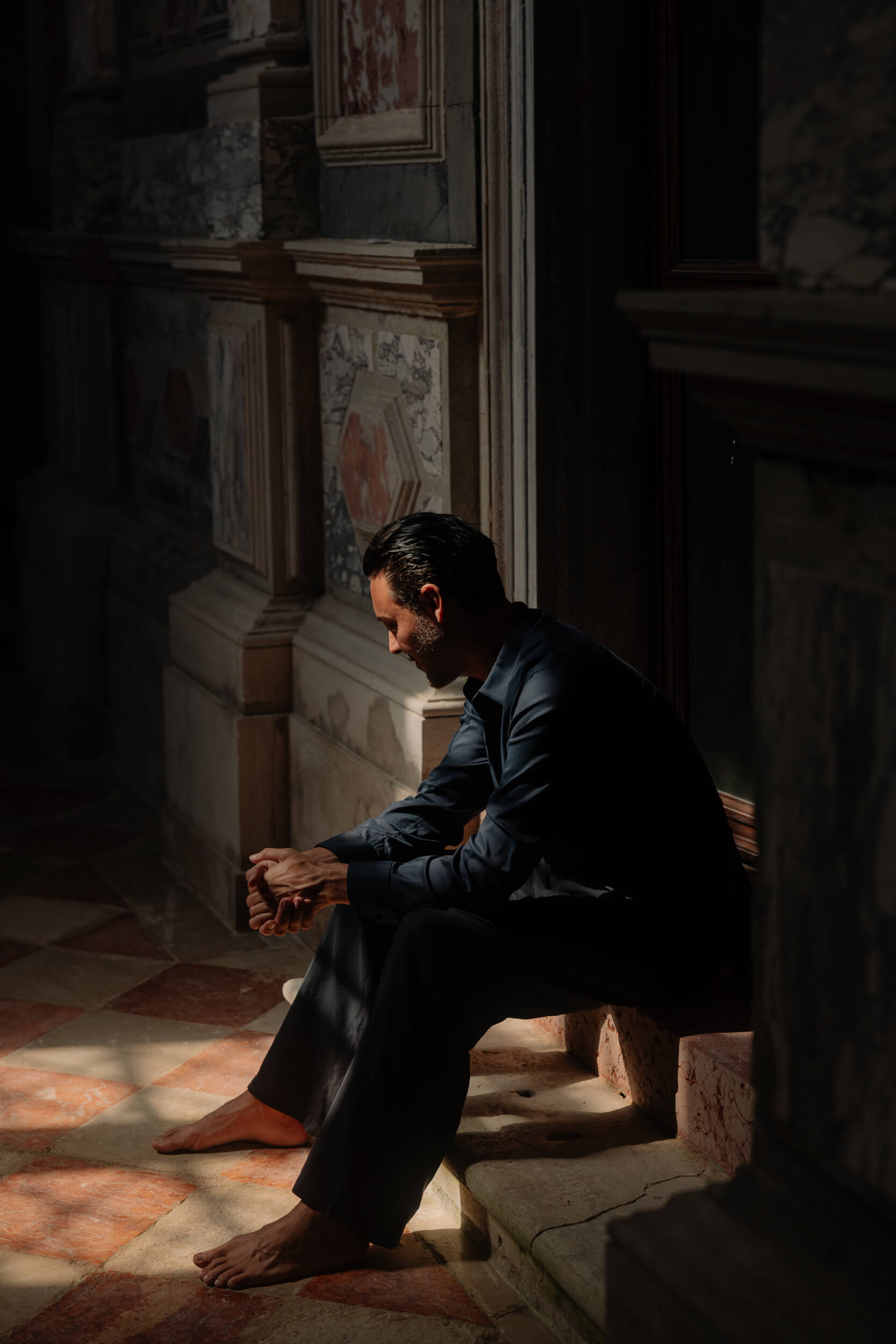
“Usually, these monsters are painted as monsters – genre pictures, horrors, murderers, rapists, creeping around. What Paul does very well is make it a reality: he makes it the man next door, the unsuspecting monster.”
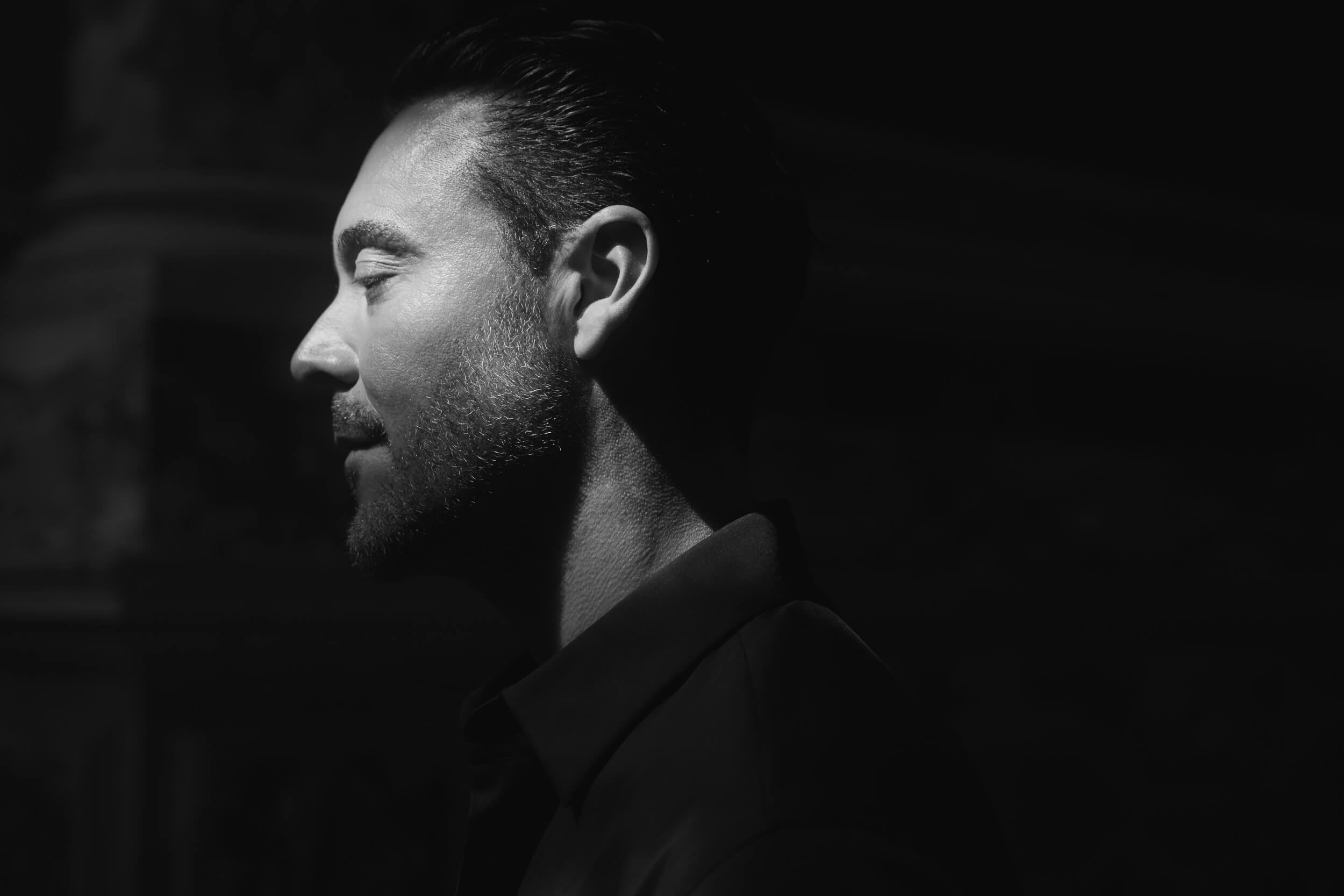
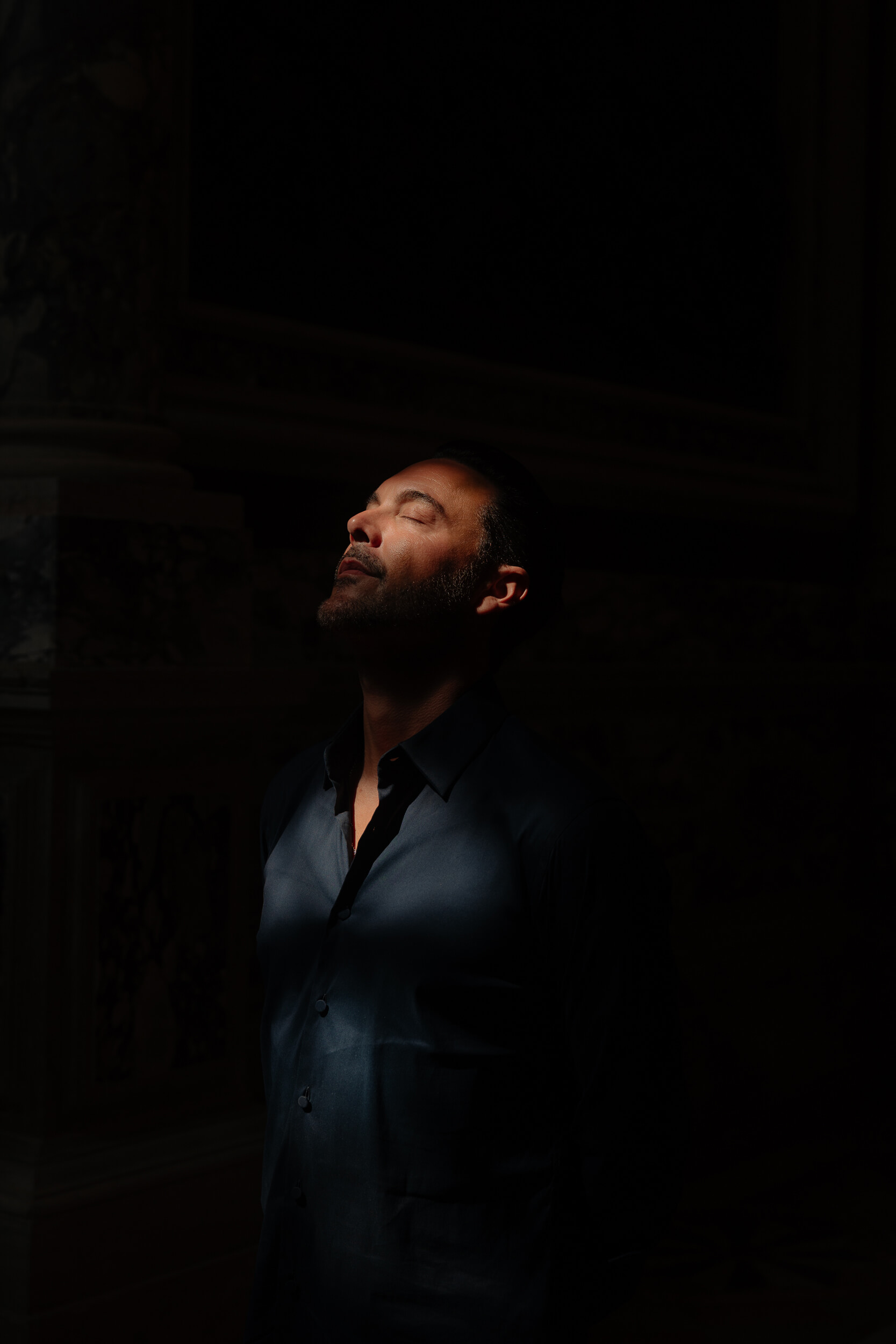
I was very grateful for this movie because of what you just said: usually these people are only pictured as monsters, you don’t follow them in their everyday lives, trying to understand – to humanize them, really.
Yes, and again, it’s such a delicate subject. I’m very grateful, because there are so, so many people who’ve been affected by this. When I did my research for this, it was startling how many people I spoke to had in some way been affected, even through osmosis, from being around it, knowing of a story, being at a school, or having a family member or someone close to them directly affected by abuse. The idea that it’s a taboo subject is insane to me. I think it should be spoken about, that’s why I think Paul’s film is so brilliant.
I actually think that if you paint the boogeyman, everybody can spot the boogeyman. What they don’t look for is the John Jorissen. They’re not looking for him. But especially when you see documentaries about the American Boy Scouts, certain things at schools, certain celebrities, even the Epstein files – it’s on everybody’s tongue right now. Everyone’s talking about this stuff, but quietly, softly, they don’t really want to talk about it. But it should be yelled about, because it’s very prevalent in society today. It hasn’t gone anywhere; if anything, it’s gotten much worse. So, I think the way Schrader portrays this character will be eye-opening for an audience – it might make them more aware of the possibilities, more cautious about who they’re giving their kids to.
Like you said, it could be your neighbour, it could be anyone.
That scares me to my core. So that’s probably why I had to make the film: it’s my greatest fear.
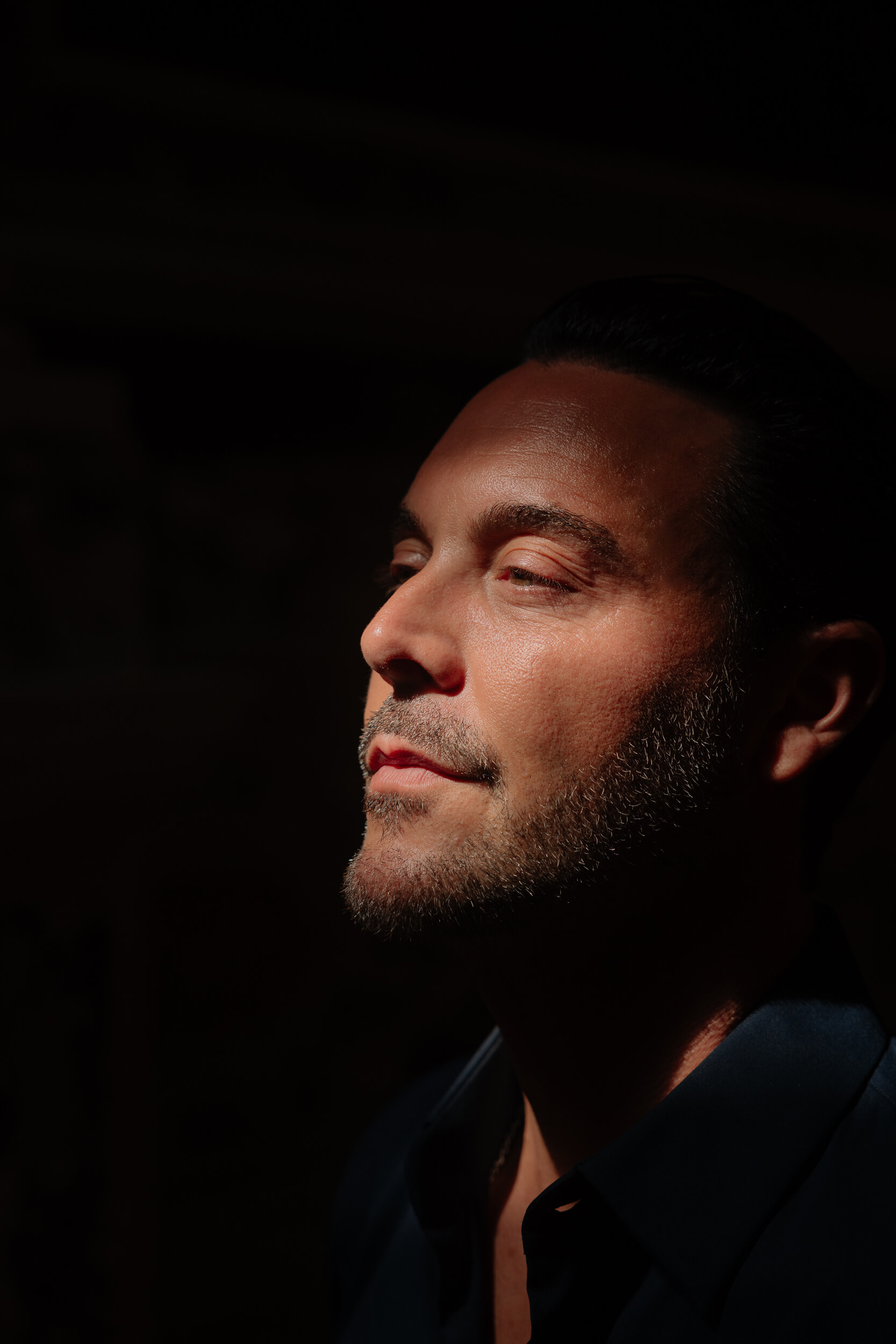
“Everyone’s talking about this stuff, but quietly, softly, they don’t really want to talk about it. But it should be yelled about, because it’s very prevalent in society today.”
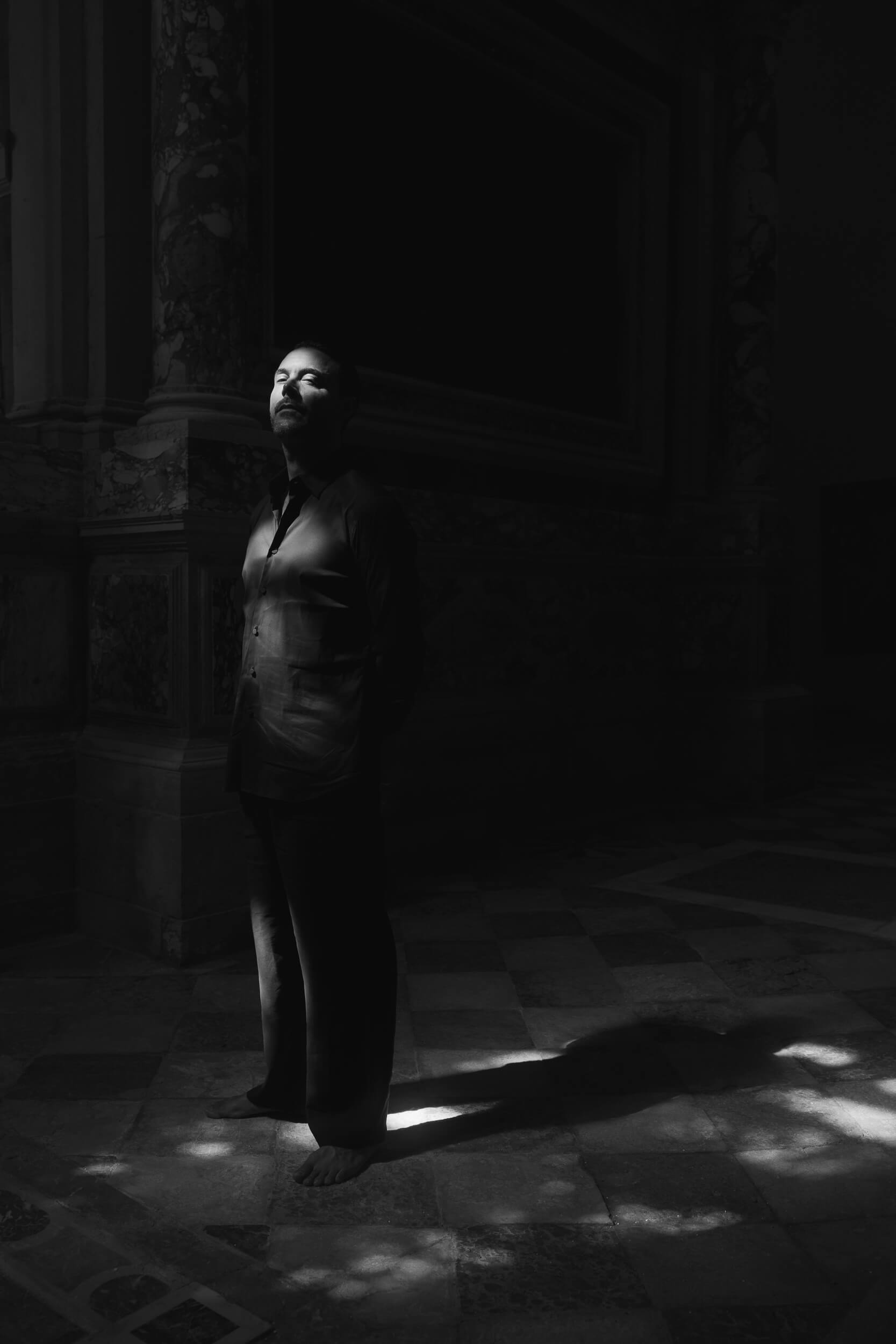
And I thank you very much for that, because, I don’t want to make you uncomfortable, but I have been affected by it.
I’m so sorry to hear that. I’ve spoken to so many people who have, and it never gets easier to hear someone’s story.
No, it’s not easy. But watching it, my reaction was: “Wow”.
The people I know who watched the film and were affected found it profound and brilliant, because it’s a far more relatable version of what they went through.
Yes, that’s what I meant to tell you.
Thank you for telling me that. It means a lot to me hearing that, really, and I’m so sorry. It meant a lot to me too that you saw this movie.
I knew it would be something amazing, Paul Schrader is my hero, cinema-wise, so I was sure it would be. But I didn’t know the subject would touch me personally. I think that all the people who’ve been affected by this will have my reaction.
That makes me happy to hear. Because when we were making the film, that’s what we wanted, and what we were most afraid of was people not understanding how seriously we took it. It’s not just something Paul decided, “Oh, let’s make a film about abuse.” We troubled over this for months, every day on set. The nightmares that ensue while you’re even filming something like this – it’s tough. Once again, Schrader is a singular, one of the great voices in American cinema, an auteur director who understands it’s important to ask the tough questions of an audience, and to respect an audience.
He’s not telling you how to think, he’s letting you think. He’s presenting something.
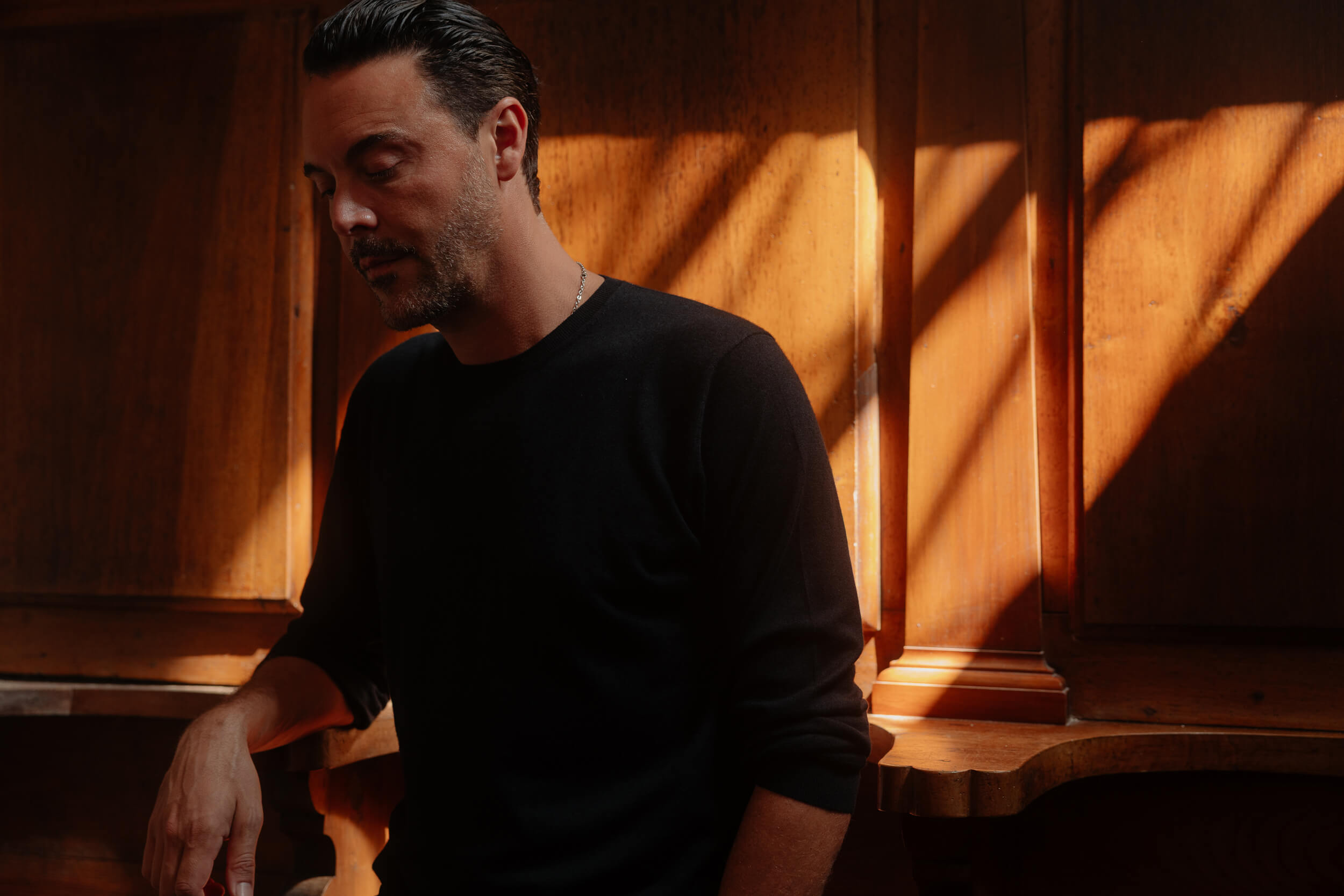
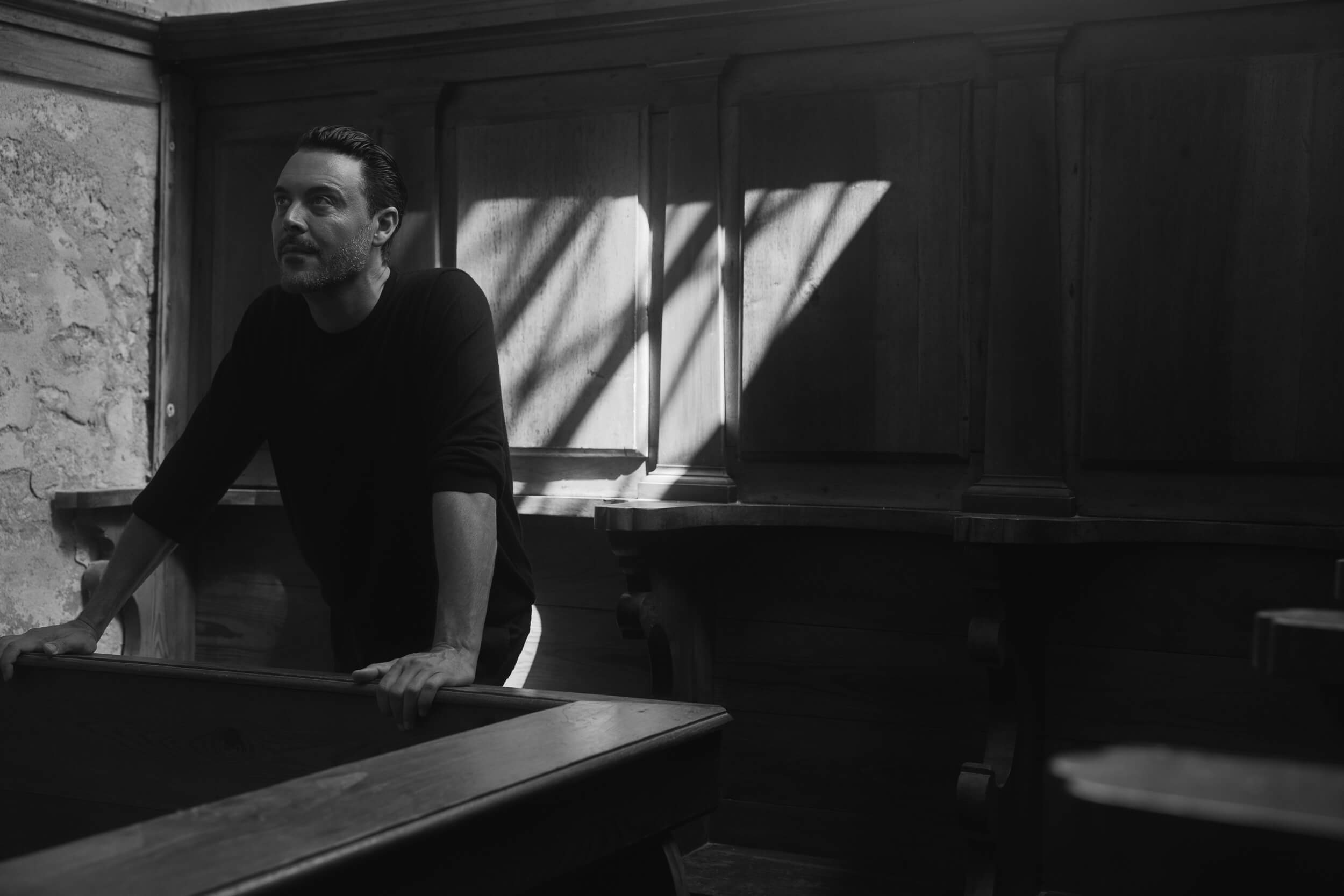
I’m still thinking about it.
And that’s the best thing, it stays with you. And you know what, it’s even better the second time you watch it.
I want to watch it again. Because it can be quite difficult the first time, some people can have a hard reaction.
Understandably so, and everybody’s entitled to their reaction. I actually think that’s very much a part of art – it should pose the difficult questions, make people think, trouble over it, discuss, converse, debate. It’s very important.
There’s a very strong inner conflict for John – he seems constantly caught between passion and reason. Do you think it’s possible to live a life permanently divided between those two sides, or do they have to meet at some point? I was exhausted for John.
I was exhausted too! It’s very interesting, that’s very much Spinoza’s point: if you want to live a good life, you need to take away passion, take away comfort, favor reason. You need to take away anything, alcohol, sexual desire, anything that takes you out of the mundanity, the normality of just living a straightforward life, because that’s usually what leads us to making bad decisions. So, it’s monastic, in a sense – that’s how you’d have to live.
But talking about abuse, obviously what happened within the church for years – this is the whole idea, isn’t it? It’s the repression of something as well, and then you find out the horrors that take place. So, I don’t think all of one or all of the other is good for anybody. I think we have to be very aware of ourselves, of society, of people. I’d say if you try to be good, chances are you’ll live a good life – and goodness means leading with kindness, thinking of others before yourself much of the time. That’s something we can all do or do better.
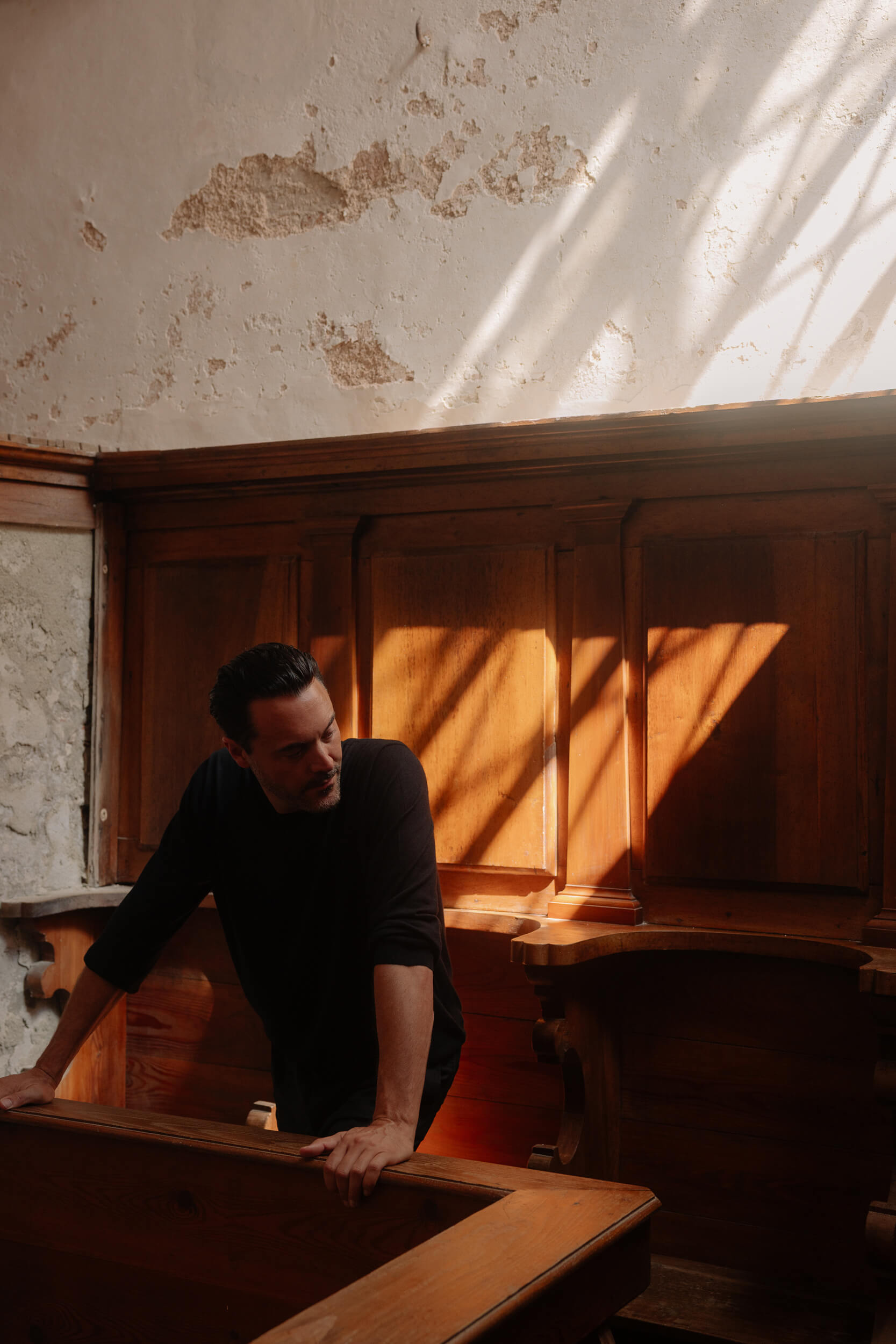
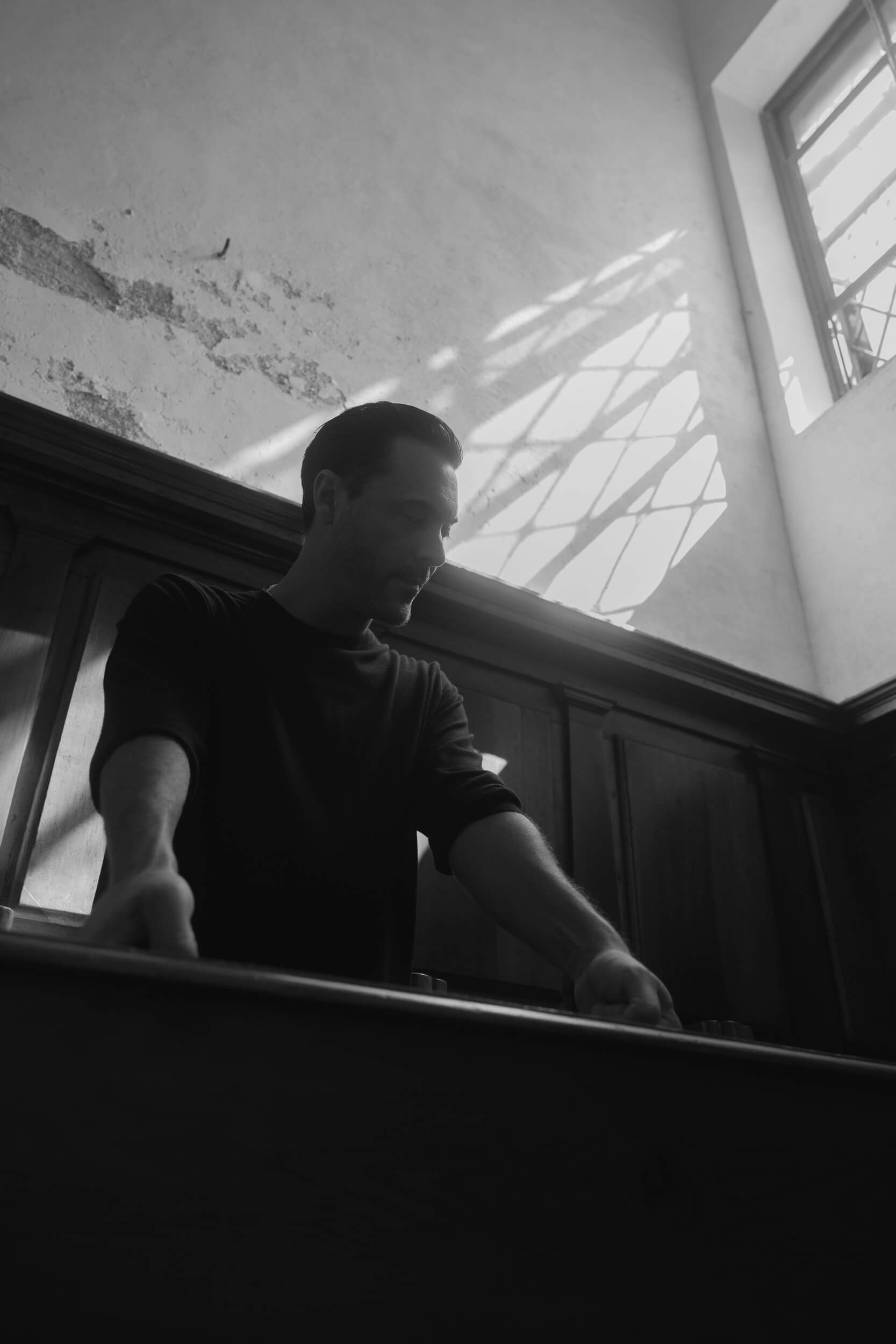
“I think we have to be very aware of ourselves, of society, of people.”
And like you said, passion versus reason – I was thinking maybe the father, John’s father, is the example of reason. Not that he doesn’t have flaws, but when John talks to him about what happened, he’s very rational – “we have to do that, the lawyer, the bank, we have to do that” – and he was a little more sensitive toward Miguel’s family than toward John’s, it seemed to me. Maybe the father, who wants to do everything perfectly, represents reason overcoming passion. I don’t know, maybe I’m wrong.
No, I think the father figure for John is somebody who comes from a much more old-school way of thought, which is: you will live a good life, a life where you won’t let yourself down after doing something like this. I think one of the most relatable parts of the film is that John isn’t really living his life, he’s living his father’s life. The moment his father dies, he lets himself go, but then he doesn’t know who he is. Was any choice ever really his own choice? Or did he do it to save himself and stay under his father’s thumb? So, he doesn’t know who he is.
About the father – I asked this same question to Paul yesterday, and he obviously said “I don’t know” – I was wondering whether the father wanted to give forgiveness to John on the day he wanted to see him, before he died.
It’s so interesting because that’s very Paul – you couldn’t ask him a question and get an answer; he’d say, “What do you think? I don’t know.” Because he wants to leave that up to you.
Do you think John would have loved to have clear forgiveness?
Well, lovely Dana Delaney, who plays his wife, his widow, says, “He wanted you to forgive him,” when we’re talking. And I go, “Me, forgive him? I always felt like he had to forgive me, I’m the one who needs to be forgiven.” It’s amazing how you can live directly in front of somebody and never have that conversation. Sometimes the thing you’re both feeling, you never get to say it, and you realize just how opposite your thoughts were, and if you’d just had that conversation, you might have related on a much greater level. Maybe it’s about having the hard conversation.
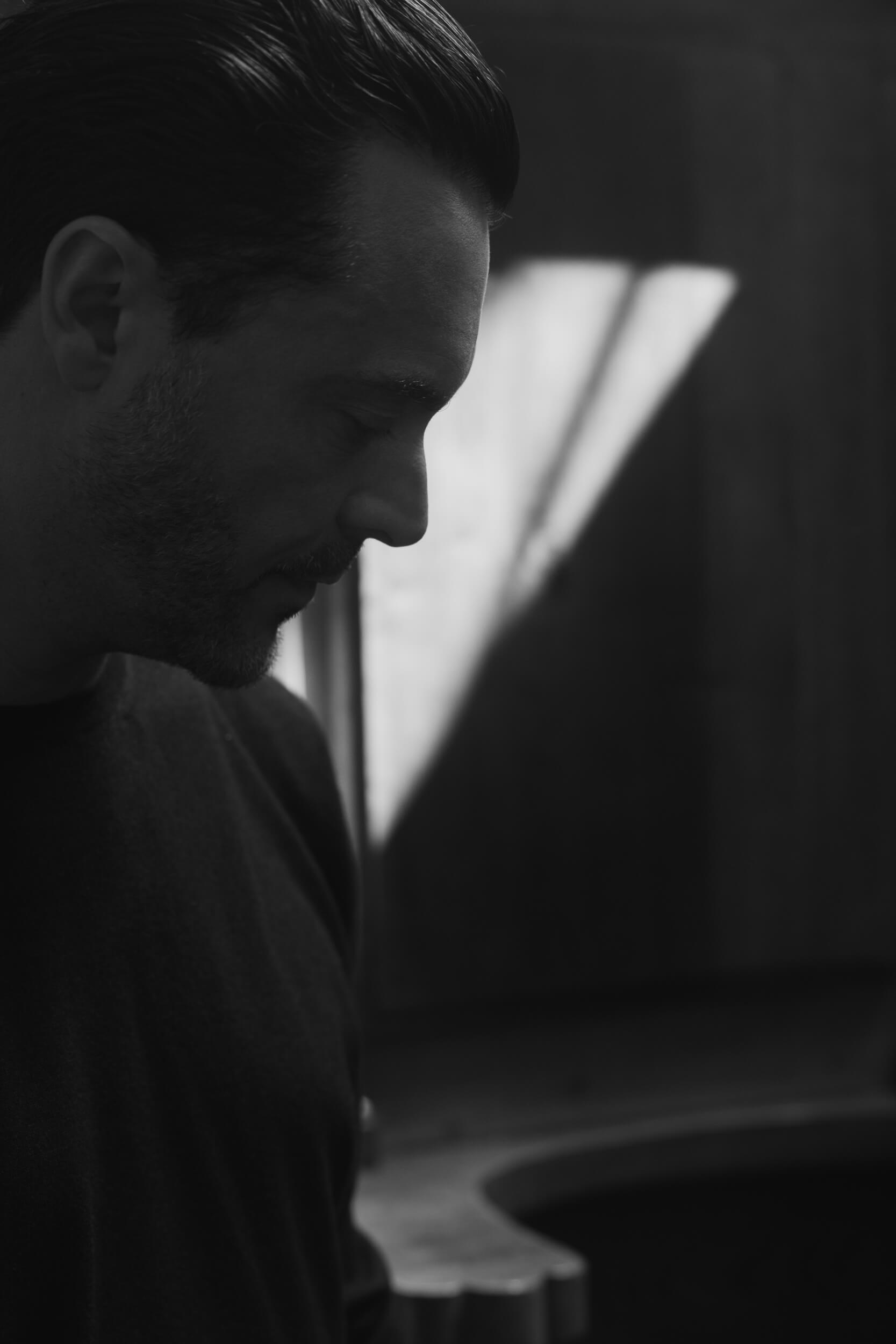
“I’m the one who needs to be forgiven.”
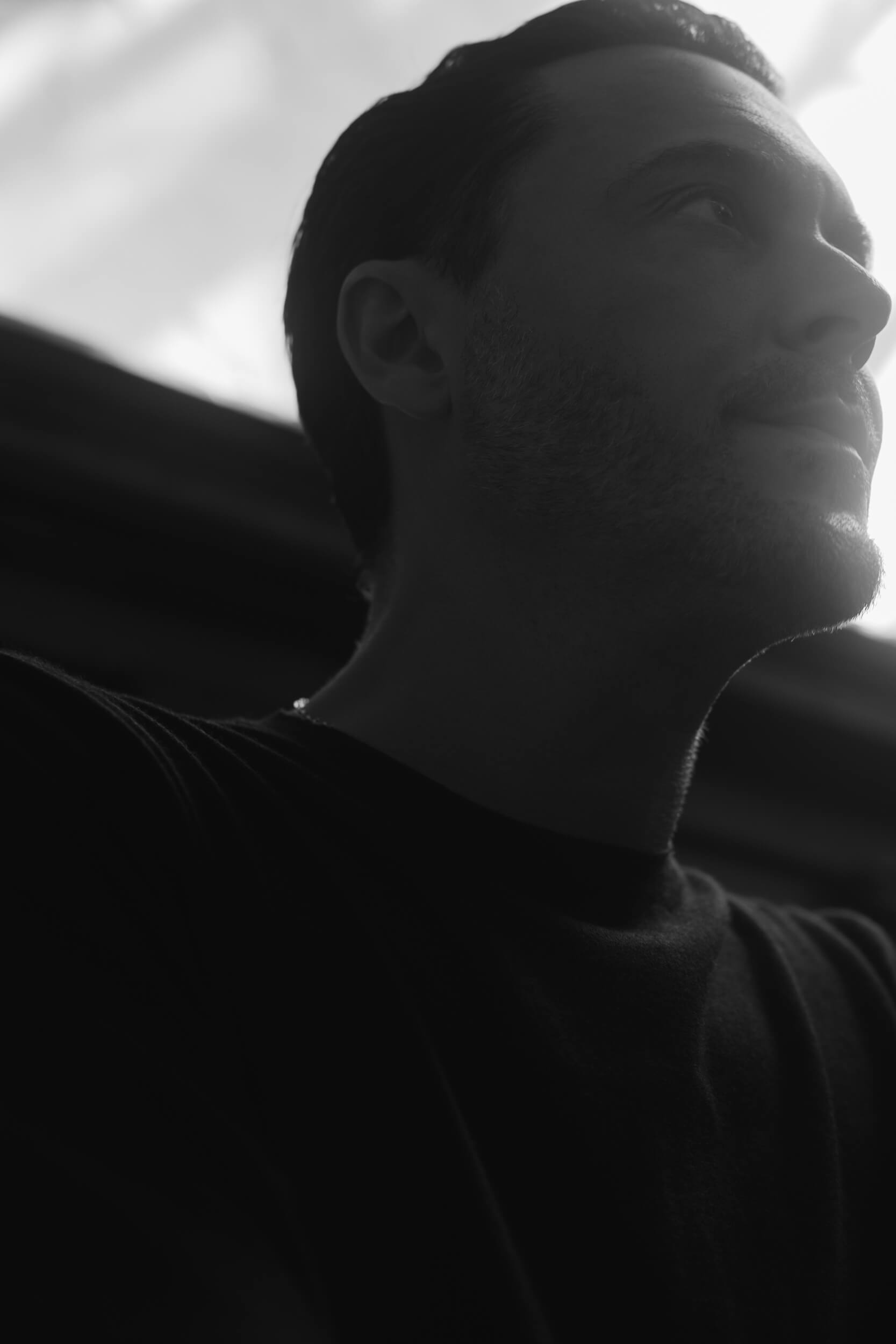
In one scene, when John is working as a professor, on the board behind him there’s written “Why should I live?” alongside “happiness,” “meaning of life,” and “religion, God.” In a way, those questions almost sum up much of what runs through the whole film. But what happens if we never find any of the answers? Is life still worth living?
I think that is why we live – because of the pursuit of questions, and we’re always searching for answers. It’s so funny, I was having this conversation with Sofia Boutella yesterday – it’s a great question. Why do we live? Further than that: why are we here, what is our purpose? A lot of it comes down to the idea of purpose. What is your purpose, in the fraction of time that humans have been on Earth, a fraction of the 13 or 14 billion years since the Big Bang and the creation of the universe? We’re a sliver, and we’ll remain a sliver, because at some point, we’ll be extinct and the universe will carry on in certain other forms.
So, purpose itself – you could take the rather nihilistic view: nothing matters, none of this means anything. But I think, and I’m not really answering the question, I think it’s our feeling, it’s love that keeps us alive. Love of ourselves, love of the people around us, love of our friends, our family, love and passion – a life without love or passion isn’t really life. So, I think it’s the pursuit of happiness that keeps us going, which is a far more unheady thing, it’s just a feeling, and there’s no answer to that, because feelings don’t make sense, they’re not biology, they’re not how we’re wired to be connected. Why do we love?
Big question.
Big question indeed.
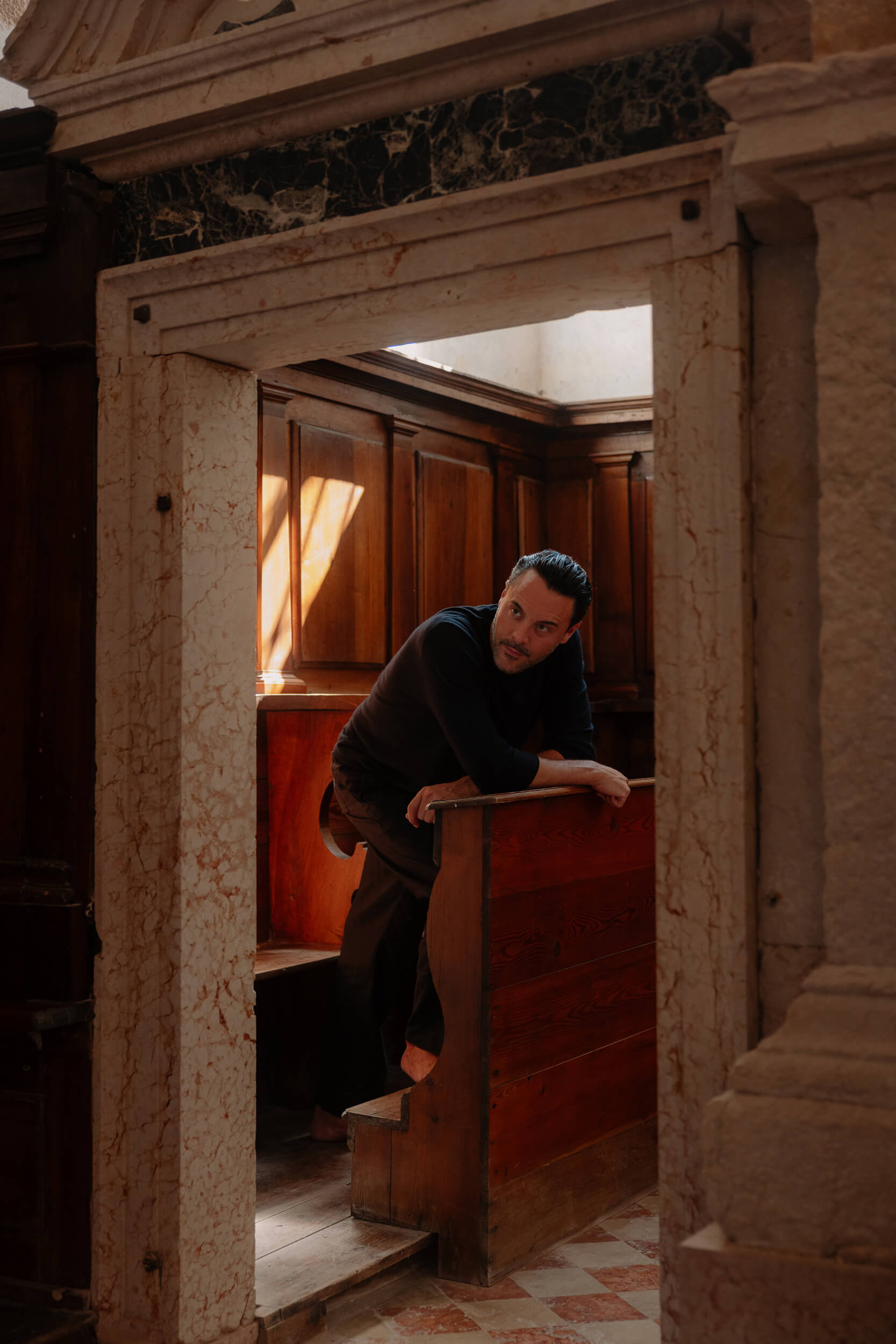
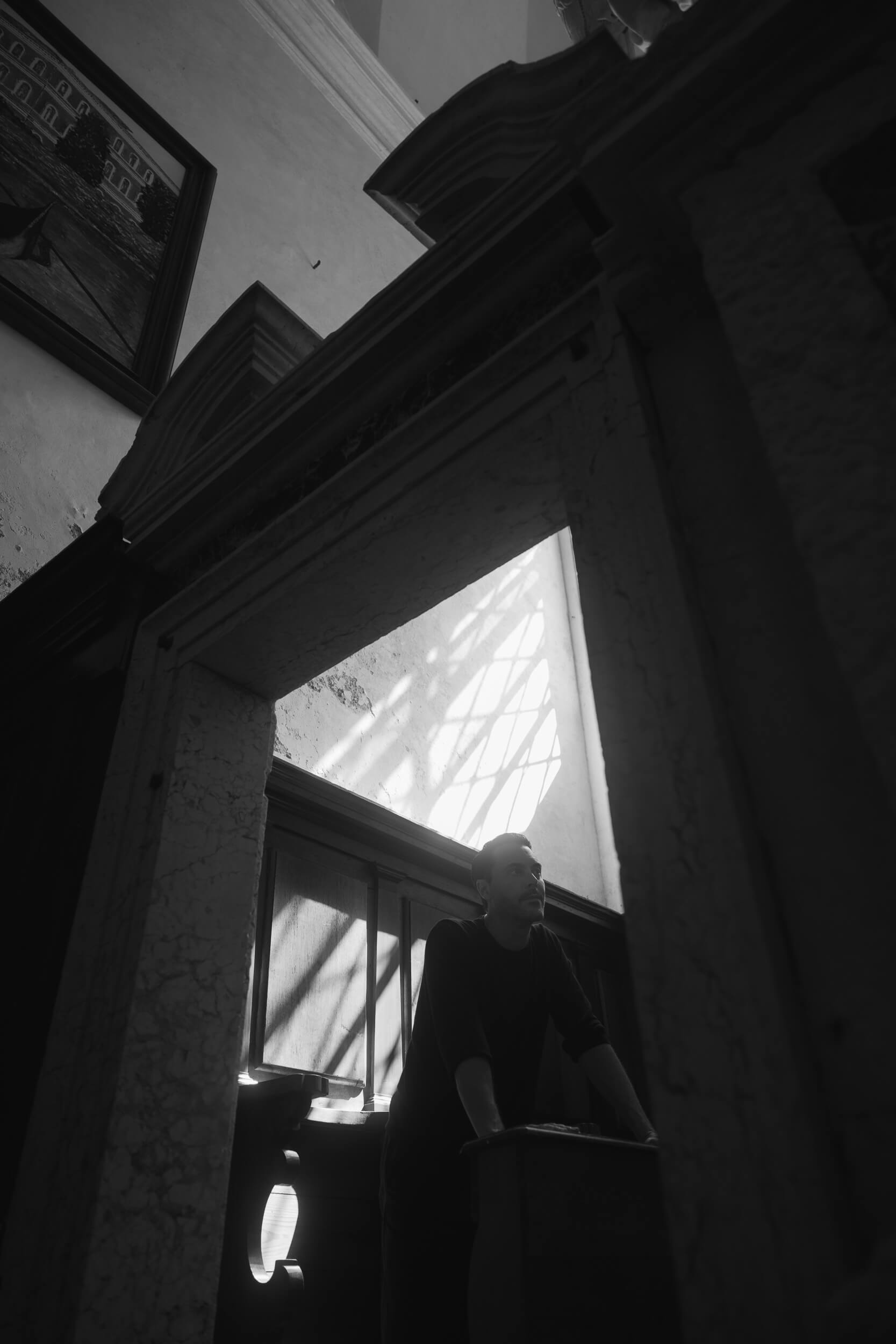
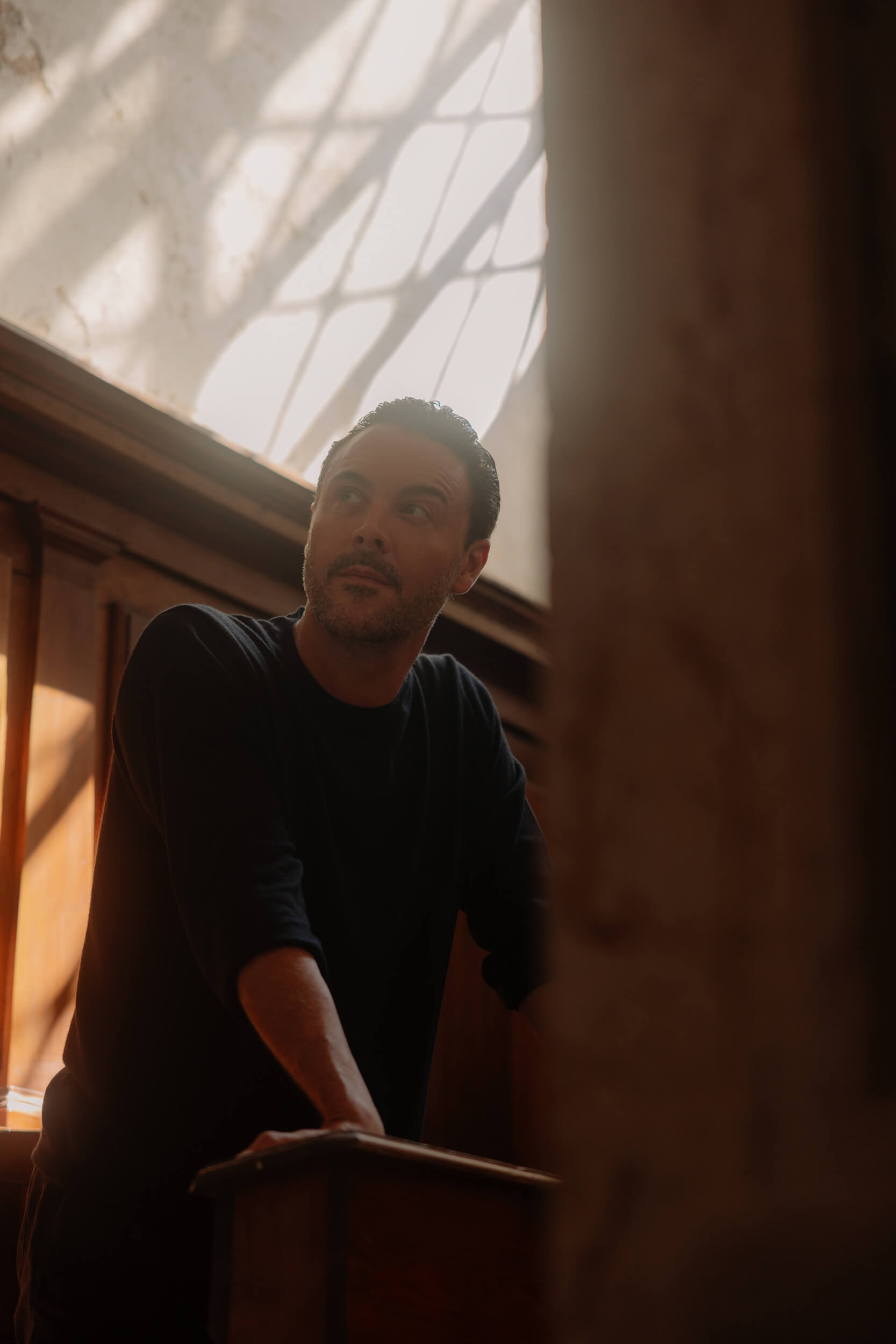
The scene with you, John, and Miguel at Miguel’s house is very intense – in the way they look at each other, in the way Miguel lets his feelings out a little. He has to let it go. It made me wonder: who does forgiveness actually belong to? Is it something that belongs to the victim, because they’re the one who can grant it, or to the sinner, because they’re the one who needs it?
Such a good question, we thought about this so much. What we wanted to do in that final scene is: as much as Miguel is saying, “I’m happy, I’m fine,” he plays it very normal, very straight – he talks about John’s father, the life he was given – but you see in that final scene the pain that he was abused, and it’s lived with him, and it had to come out.
It’s almost that John, fair or unfair, had to confront it, had to confront knowing. It was a very profound, very difficult and moving scene between me and Danny – a very, very hard day on set for both of us, very emotional. Because we never wanted to say that we’re glorifying the sinner. And people who get that wrong completely misinterpret the film – it’s so frustrating for us. Going back to forgiveness, I think it has to come from both sides. If I can’t forgive myself but you forgive me, I still won’t feel forgiven; if I forgive myself but you don’t forgive me, I’m not really forgiven. So, it takes two to find forgiveness.
Yes, the victim will always feel guilty. Maybe the film says it is possible to forgive but perhaps it is impossible to change, in the very final shot.
I believe it is possible to change, but this is how I look at it. If someone who’s an alcoholic doesn’t have a drink for 30 years, and they’re asked if they want a drink and they refuse, it means they’ve changed, although fundamentally they are an acholic. So, John Jorissen is John, he’s just what he does with that knowledge of who he is. Anybody can have a bad though, or want to hurt someone, but we don’t do it because we’re not crazy, we live out those insane moments – that’s what our brain is for, to think about these things; our body and what we put out there is also there to stop us from doing things like those.
I will keep thinking about this conversation.
That’s great, Paul Schrader will have done his job ten times if you’re still thinking about the film. That’s what I do, too! You writing about all this and your reaction, and the reaction of people like you really matters a lot to us because it helps the film hugely. It is a controversial subject, but I really do feel that it’s an important film.
Unless you want to watch something to find comfort, for me with film there has to be something uncomfortable, something challenging.
I’m with you, 100%!
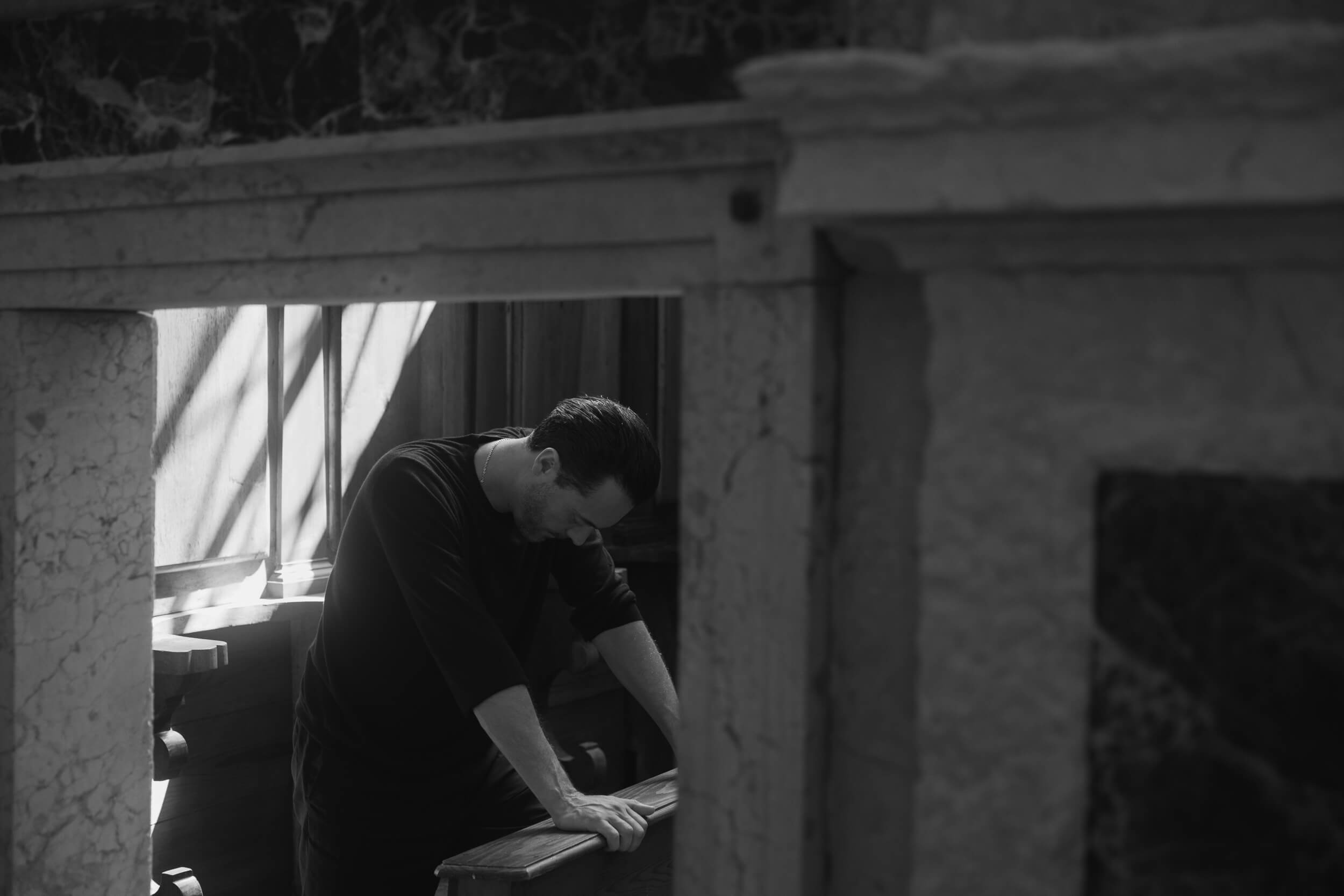
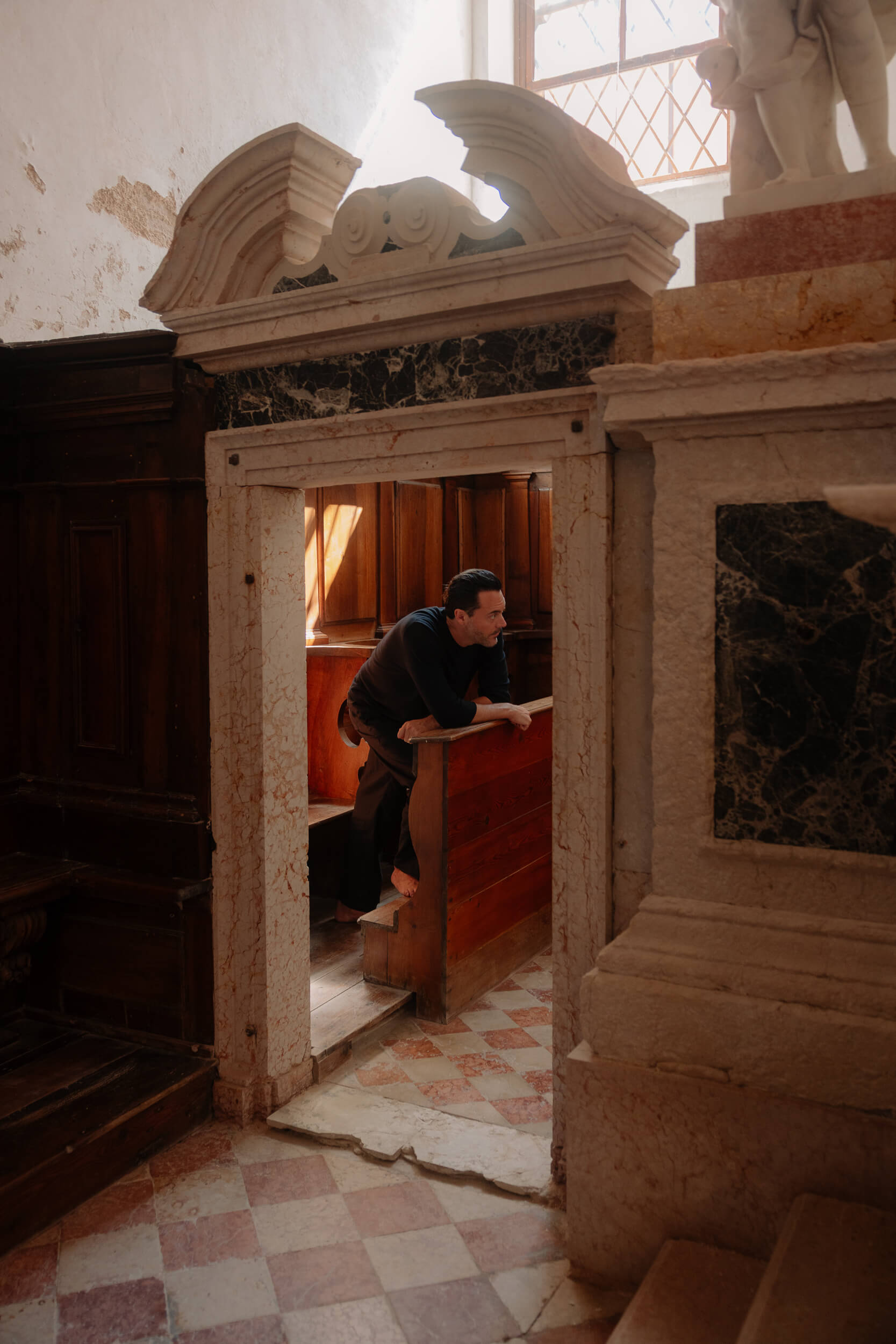
“It takes two to find forgiveness.”
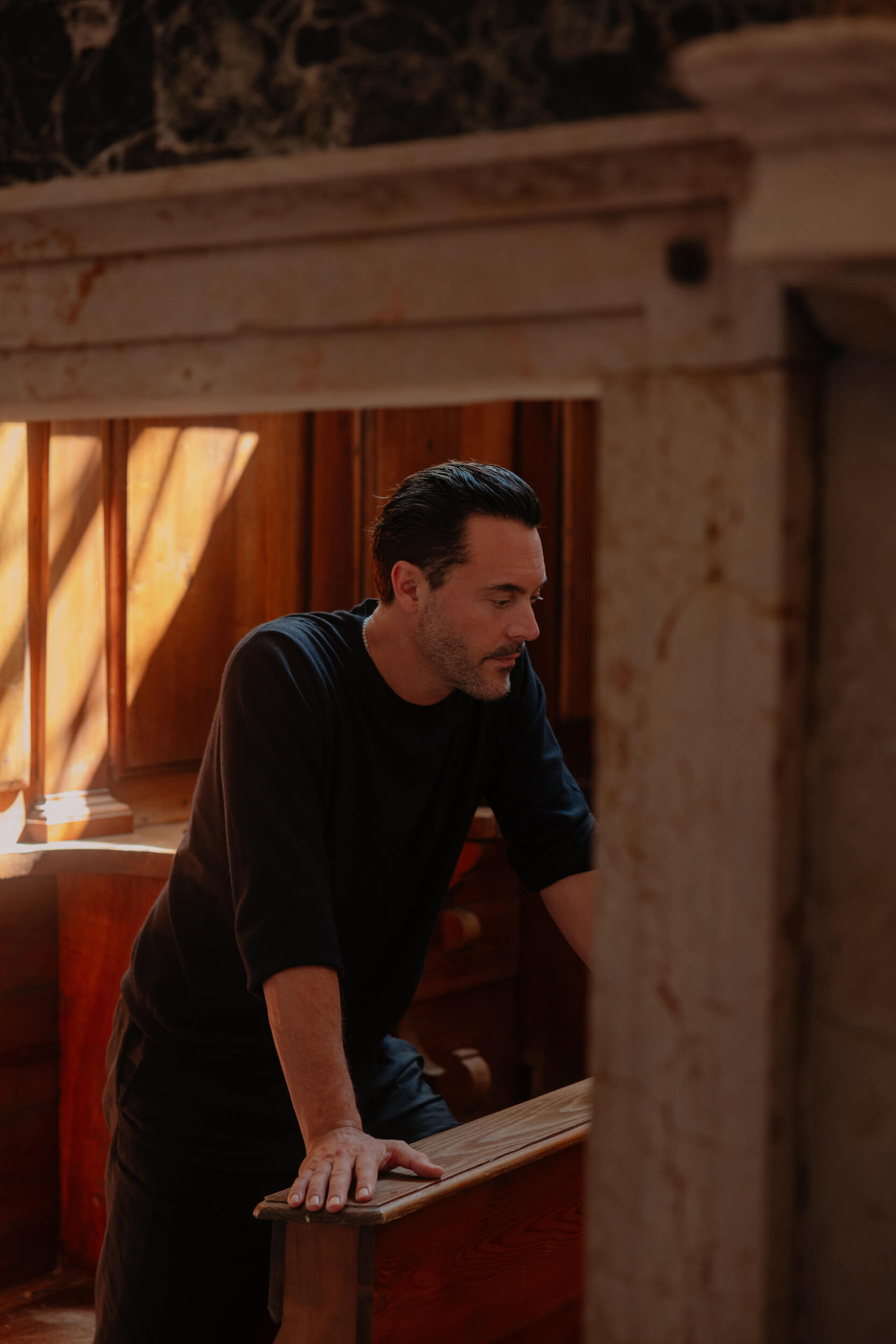
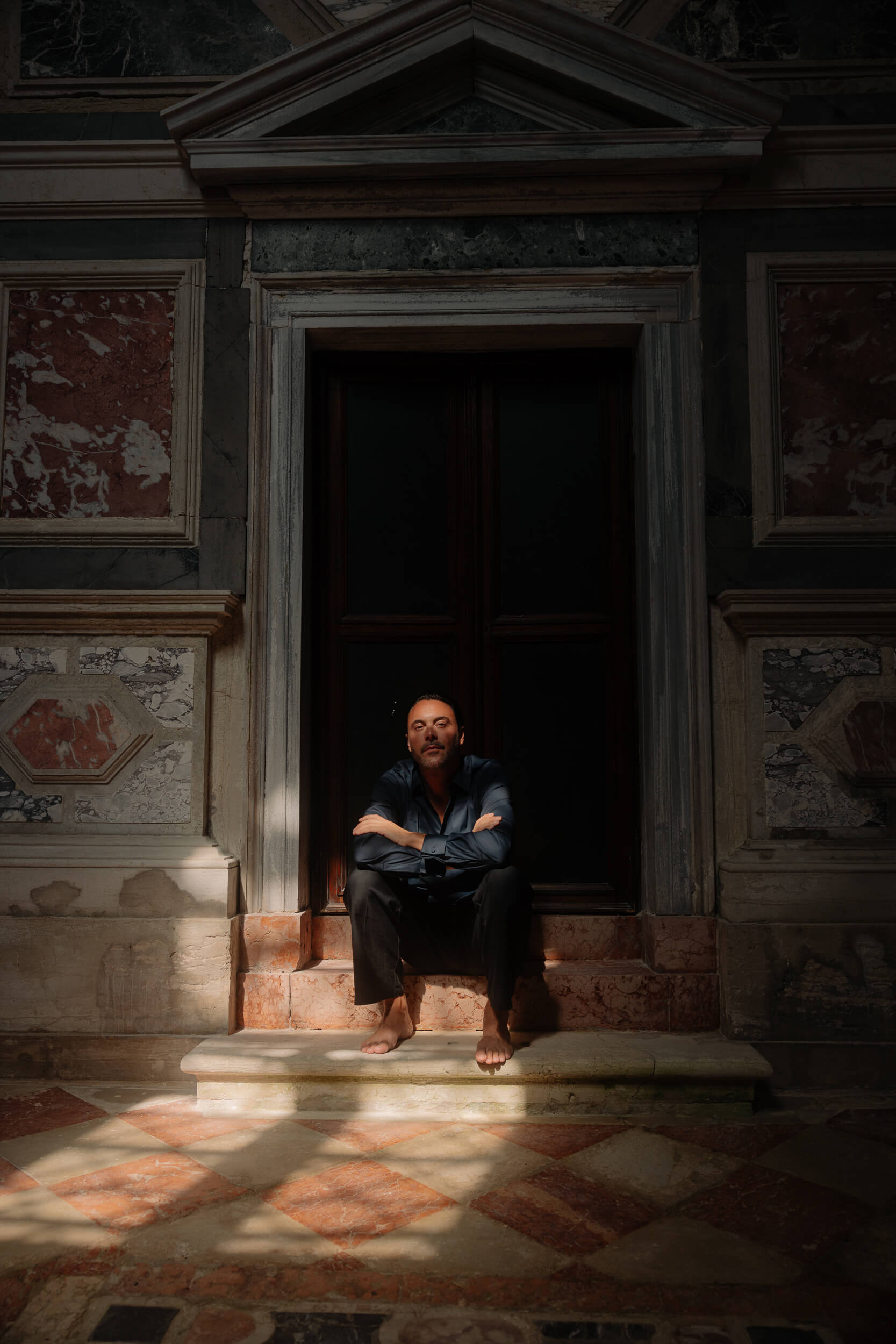
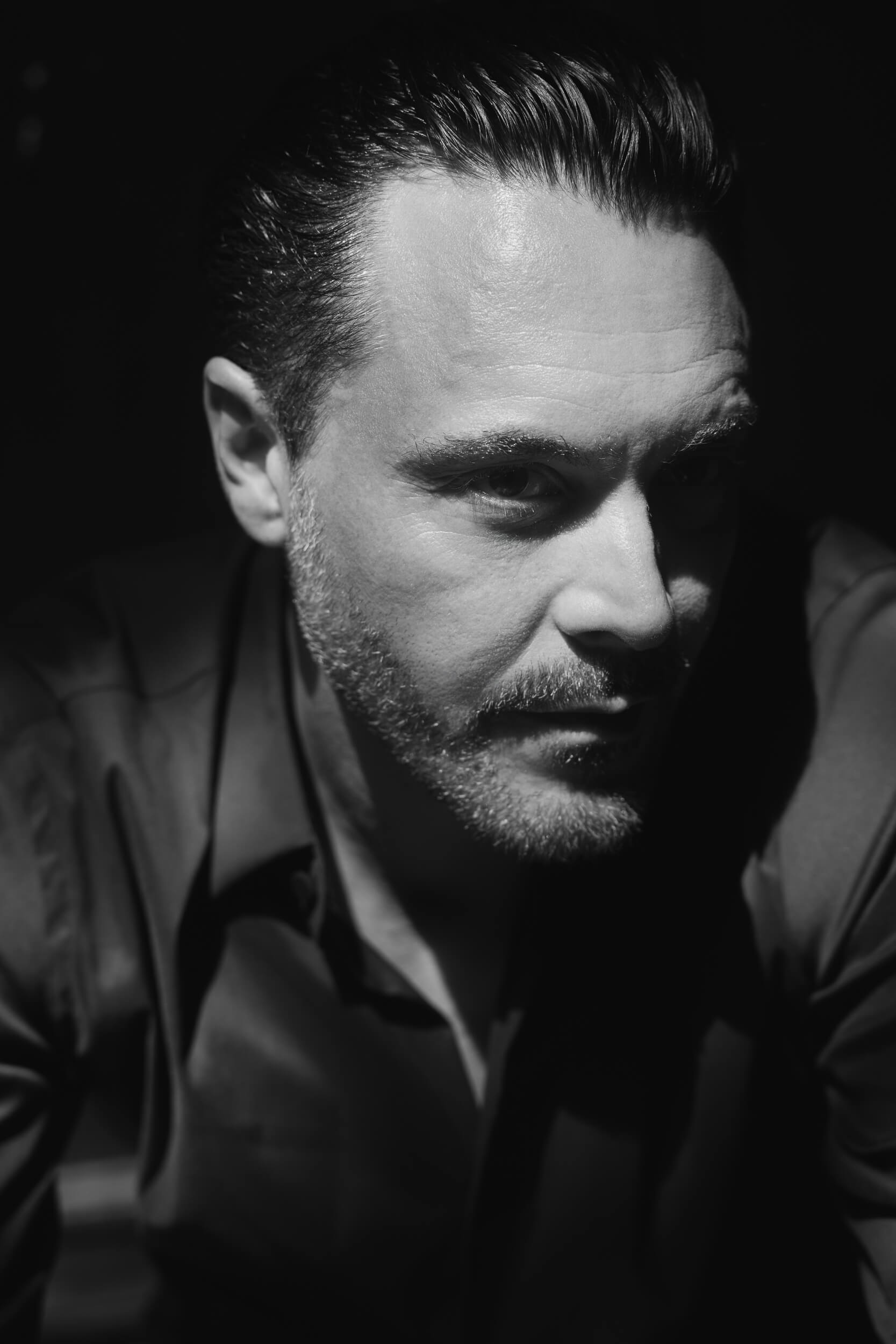
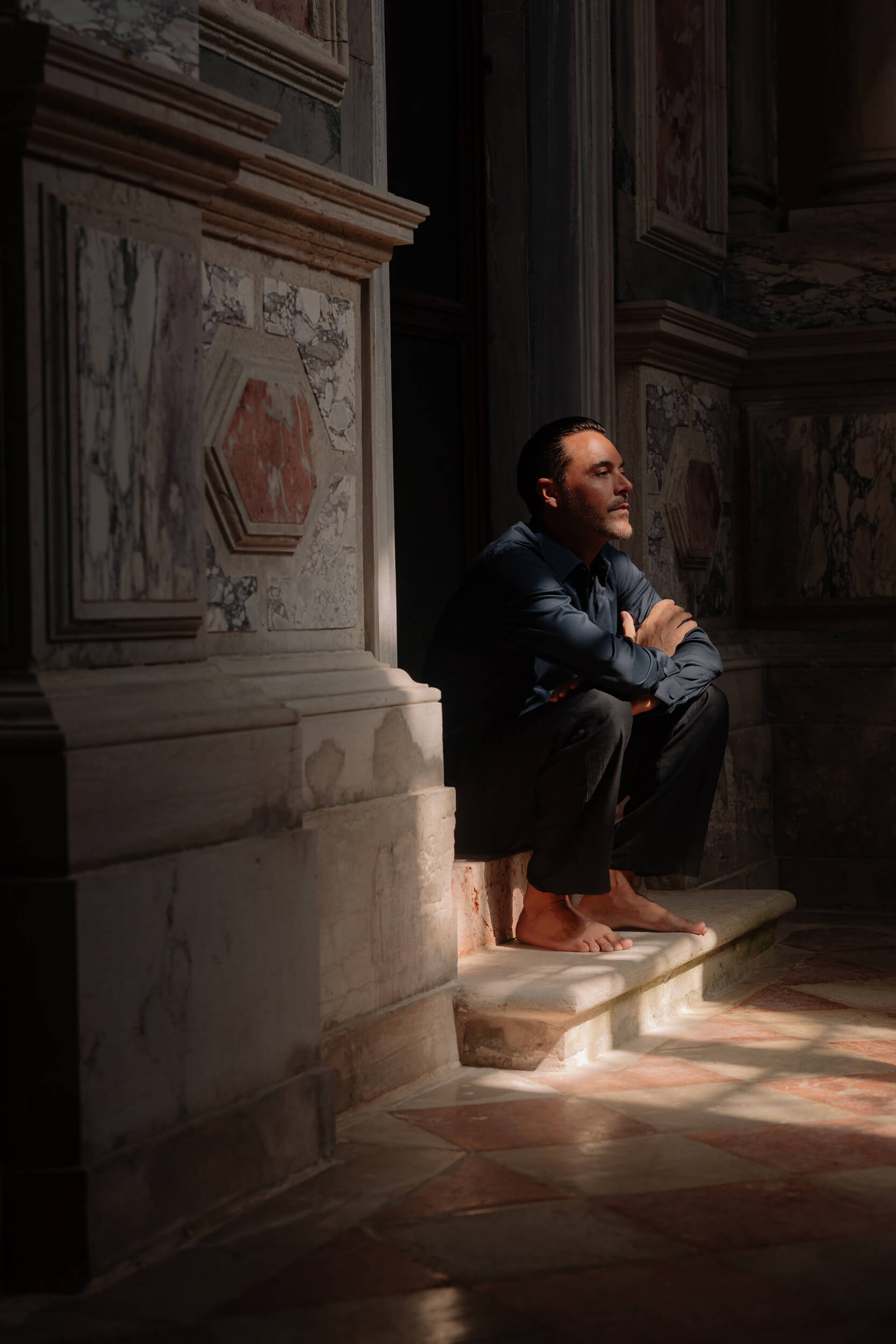
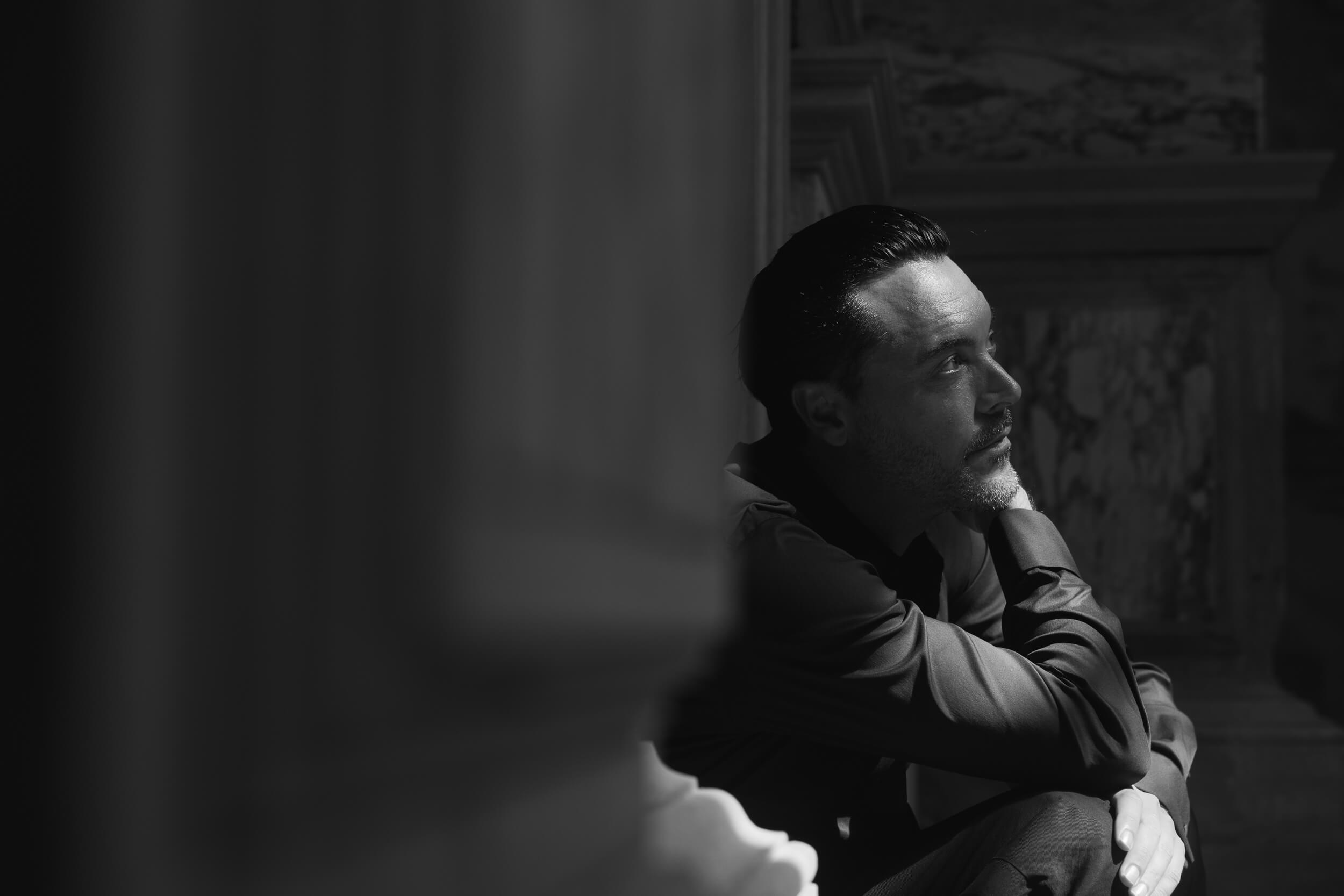
Photos & Video by Johnny Carrano.
Interview by Valentina Carraro.
Grooming by Alexis Day using Mac Cosmetics and Oribe haircare.
Looks: Prada.
Thanks to San Clemente Palace.




What do you think?