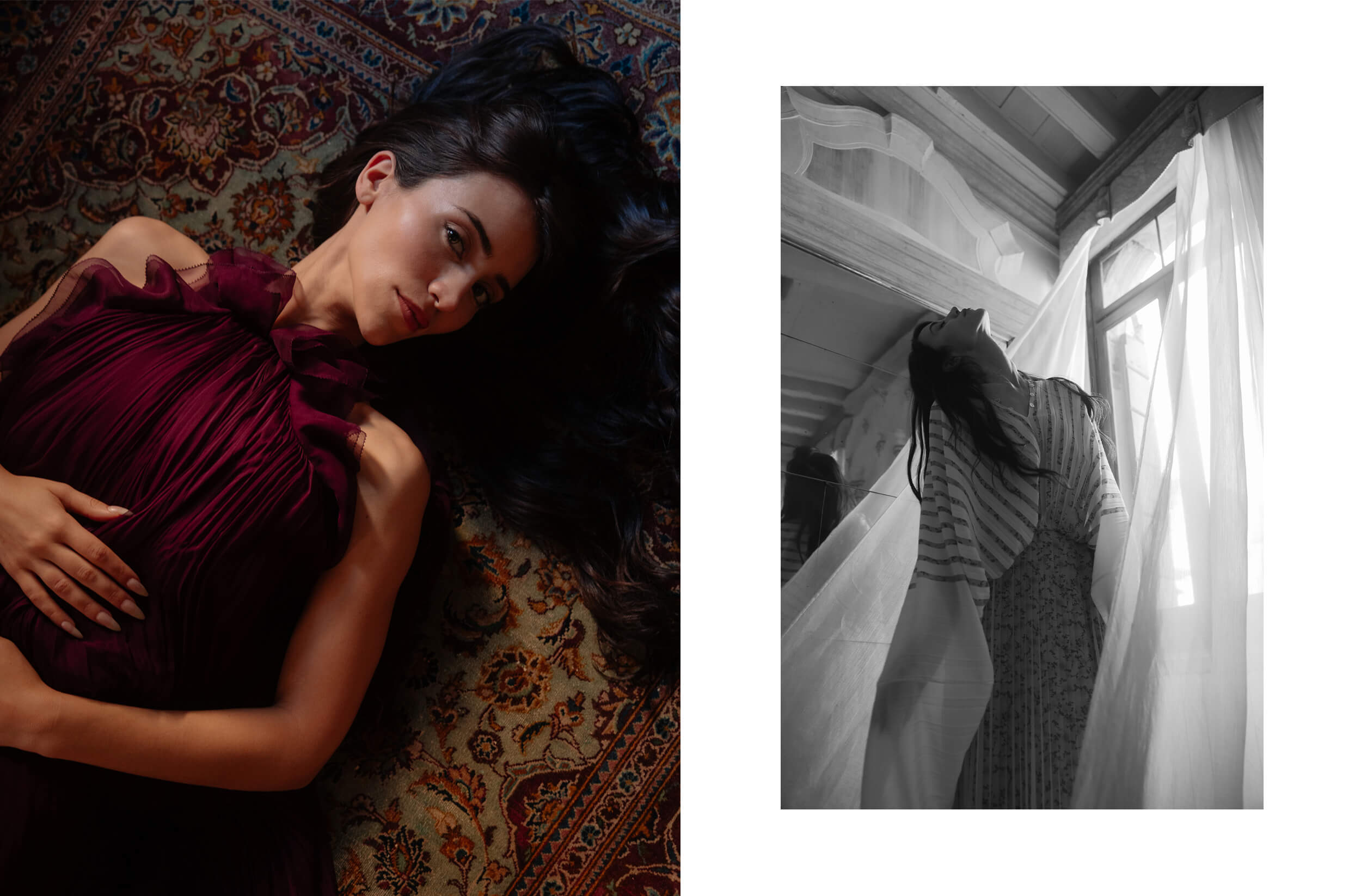
Some films unfold slowly, revealing what they are really about only when you allow yourself to stay with them. “Company” – the new film directed and written by Casey Affleck and presented at Venice Film Festival this year – is one of those films: a gothic fairy tale wrapped in snow and darkness, where strangers meet, loneliness becomes a shared space, and human connection emerges as perhaps the only thing capable of making life’s weight a little lighter.
For Caylee Cowan, who plays the mysterious Alice, the film is also a meditation on what we carry with us — pain, grief, rejection — and what happens when we choose to let someone else see it.
We talked with Caylee about loneliness and the illusion of being alone, about learning to embrace imperfection, and about the strange gift that rejection can sometimes become. About continuing to create after being told no, finding empathy through suffering, and having the courage to pursue happiness even after the hardest days.
Because, in the end, perhaps “Company” is exactly about that: the people who sit beside us in the dark, making us feel a little less alone.
I really loved “Company”. I saw it a few days ago, on the day you had the premiere, in the morning, and it was beautiful. I really loved it.
Thank you. It was the first day I saw it too.
So it was a little bit of a surprise for you too. How was it to see it for the first time?
It was emotional. It was like an accumulation of years of work. It was really beautiful to see it all together.
The film feels like a gothic fairy tale, although you don’t necessarily realize it straight away. What was your first reaction when you read the script? What kind of world did you imagine?
Casey [Affleck] and Ron Hansen wrote the script. When I read it, Casey was still working on it, and what really struck me was how poetic the dialogue was and how it almost felt Shakespearean.
You really don’t get scripts that are that well-crafted. He’d spent a couple of years working on it before I even got to read it, and he was working on it up until the day of filming. So, it was just beautiful. I felt like it was something that I really wanted to be a part of, and it was a story that I wanted to help tell.
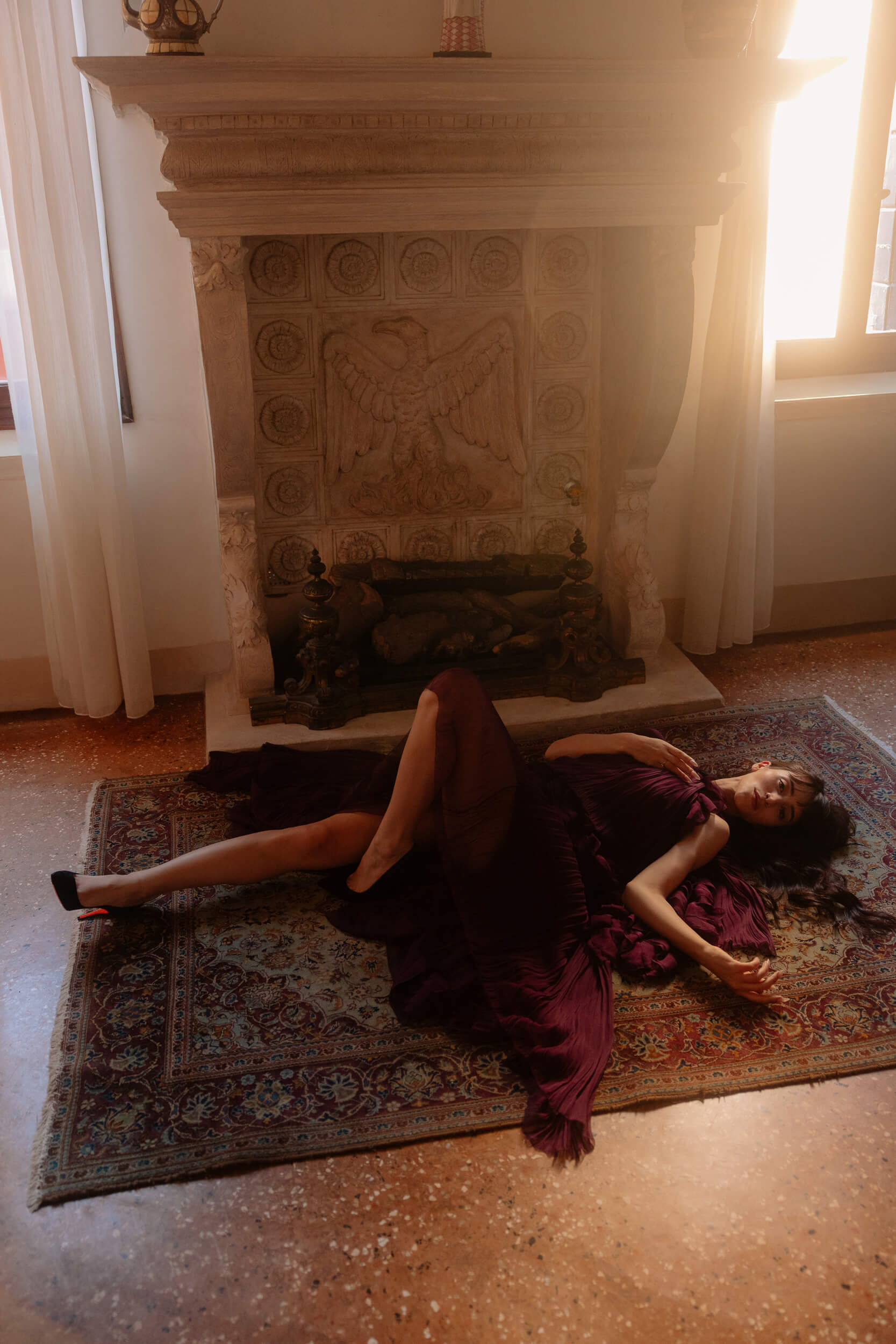
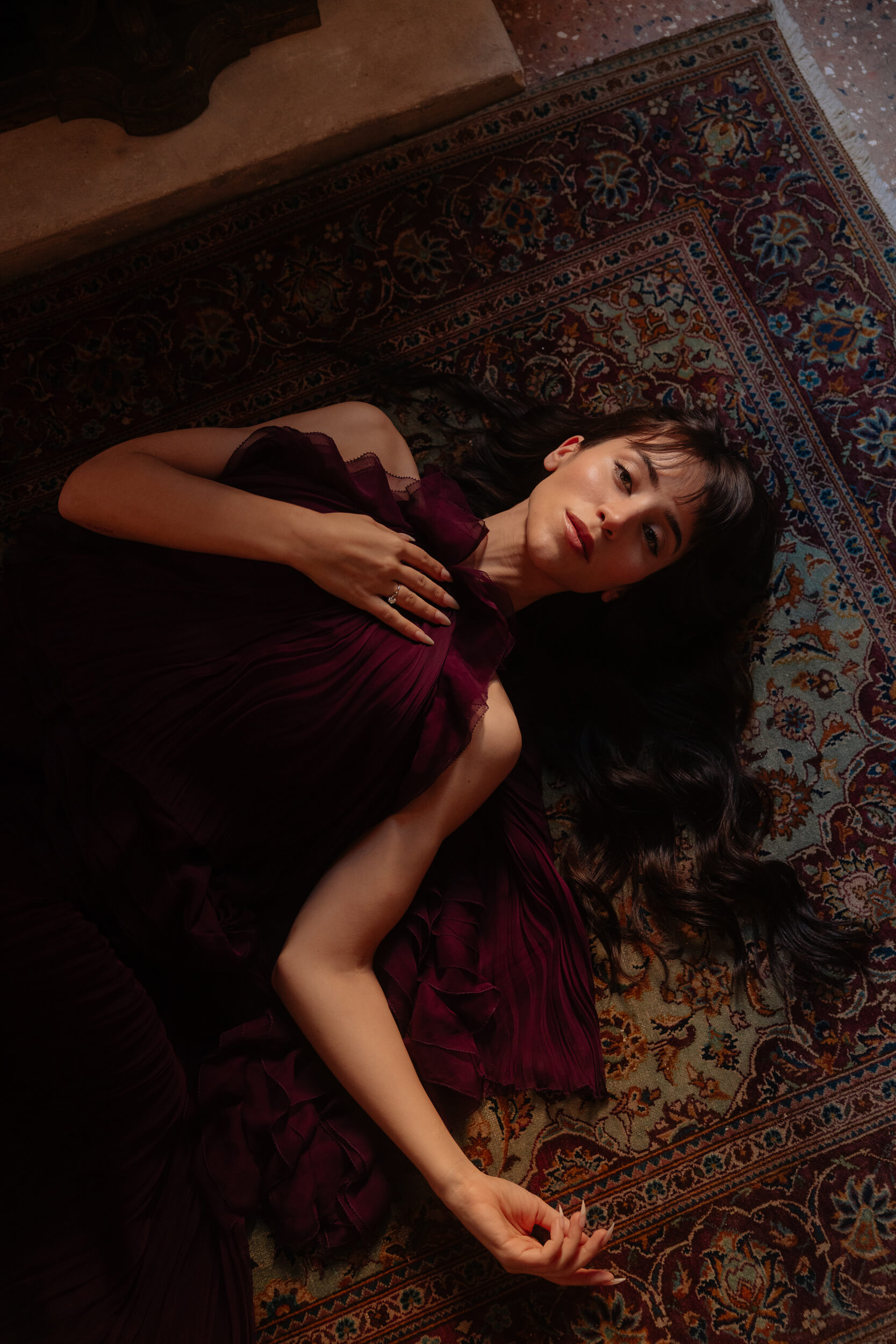
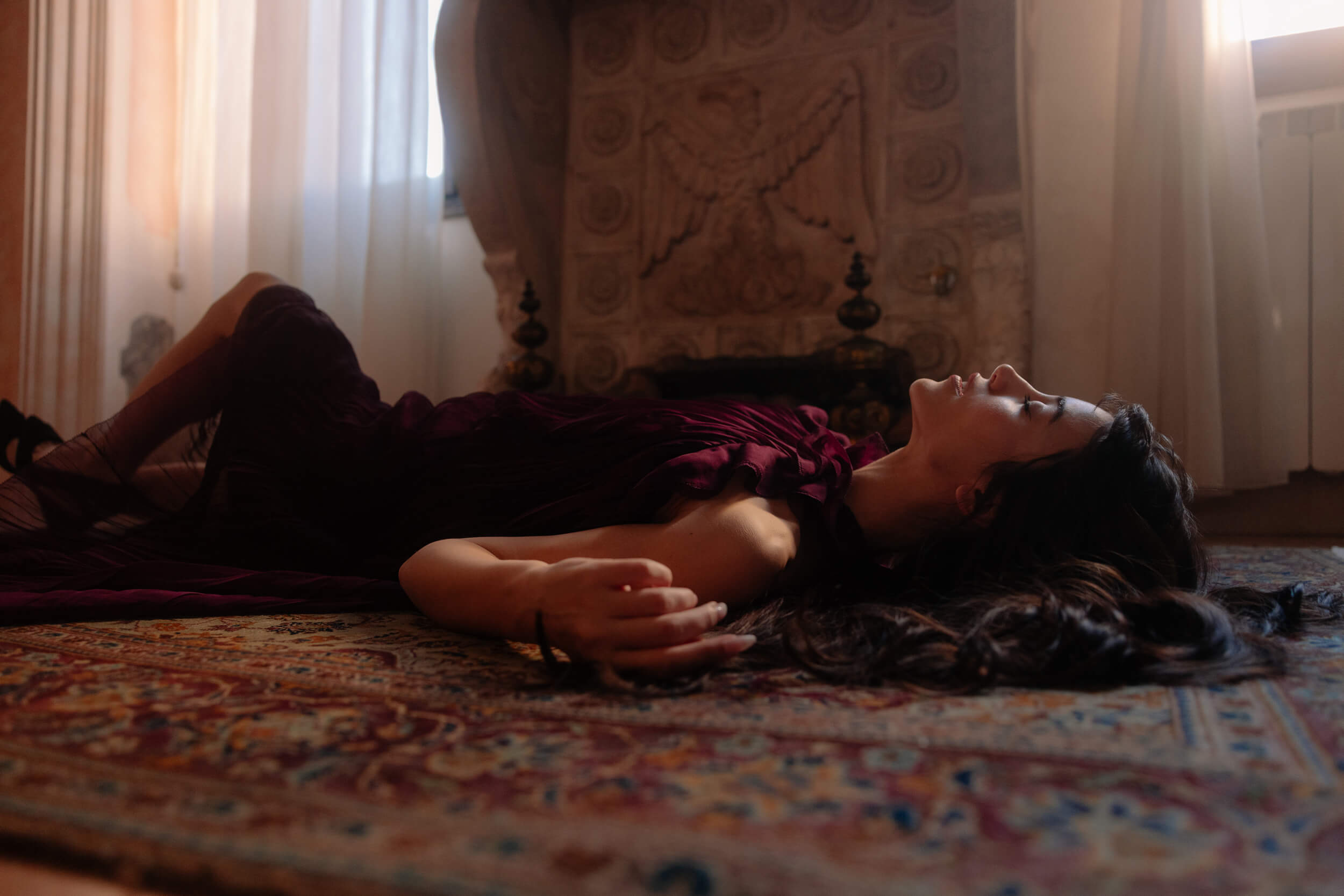
The idea of the stranger is very present throughout the story: someone who is different, someone you don’t know, and yet someone you still choose to care for. Do you think it’s harder today to truly make space for people we don’t understand?
I don’t know if it’s harder today than it has been in the past.
There is this quote “the stranger is a visitor who comes unannounced” and it perfectly sums up that exact concept that you’re touching on, which is inviting in and welcoming people and meeting them where they are at. And that doesn’t always mean that they’re perfect, that they’ll never make a mistake, or that they aren’t carrying some pain or grief with them. I think learning to embrace that pain and let go of it is the way that we can connect with people deeper.
Yes, and I think “Company” says a lot about human connection. It was really heartwarming for me. It’s really beautiful to explain how you can keep someone company even if they are a stranger. For me, it talked a lot about human connection.
Yes, it’s very much about human connection. Our lives are so fragile and finite. And the movie touches on immortality and everlasting life. In a way, it has a spirituality to it because a lot of people are scared of death and they’re scared of letting go, and they hold on. It’s kind of about: what would matter to you in your life, this short lifespan that you have, if you were able to live forever? It wouldn’t really be material possessions. It would be the connections that you have with other people, the love that you share.
And I think that the pain that we carry and how we’ve been hurt gets in the way of how we share that love… it’s kind of like a meditation on that. And I think that’s what the film is trying to discuss.
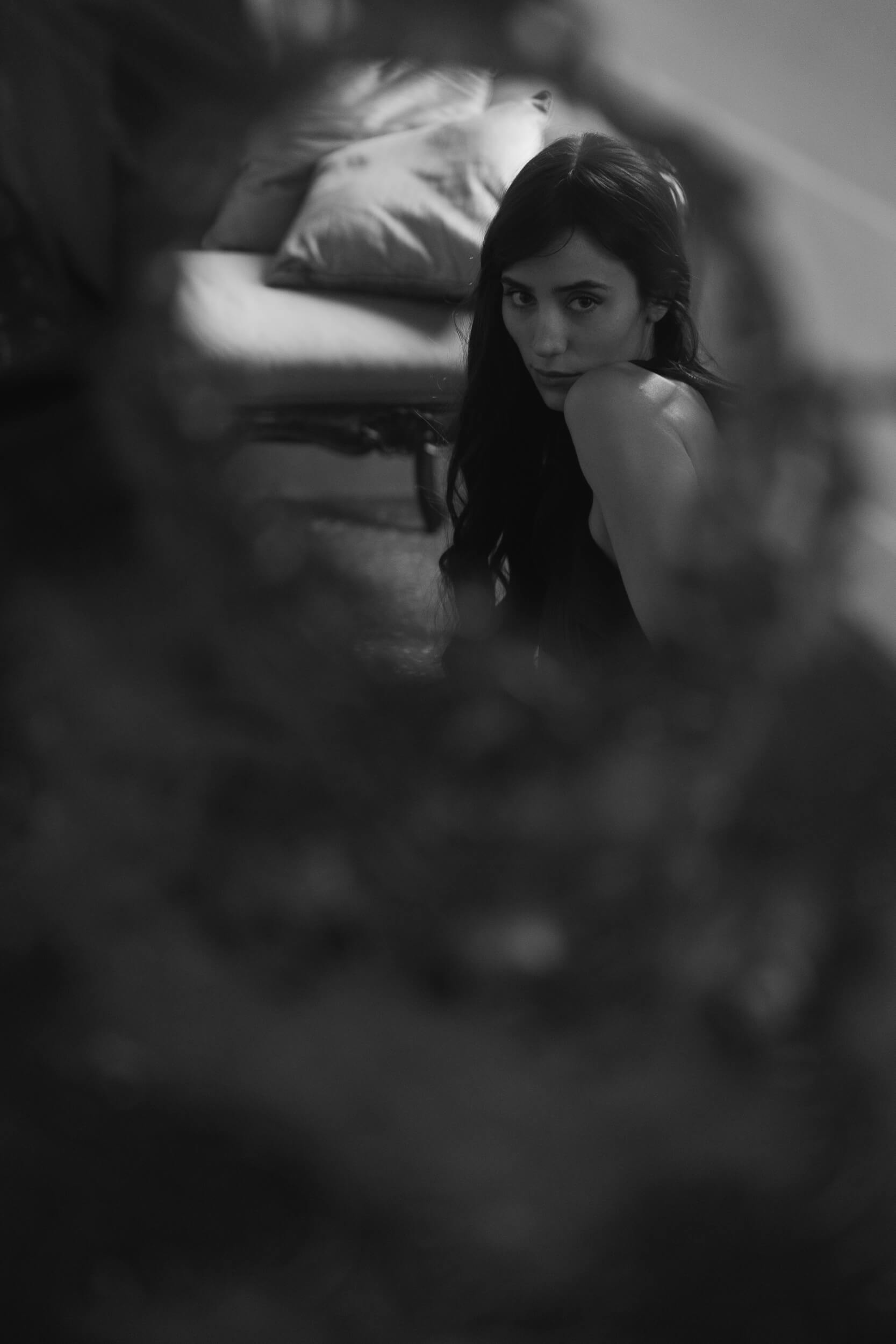
“I think learning to embrace that pain and let go of it is the way that we can connect with people deeper.”
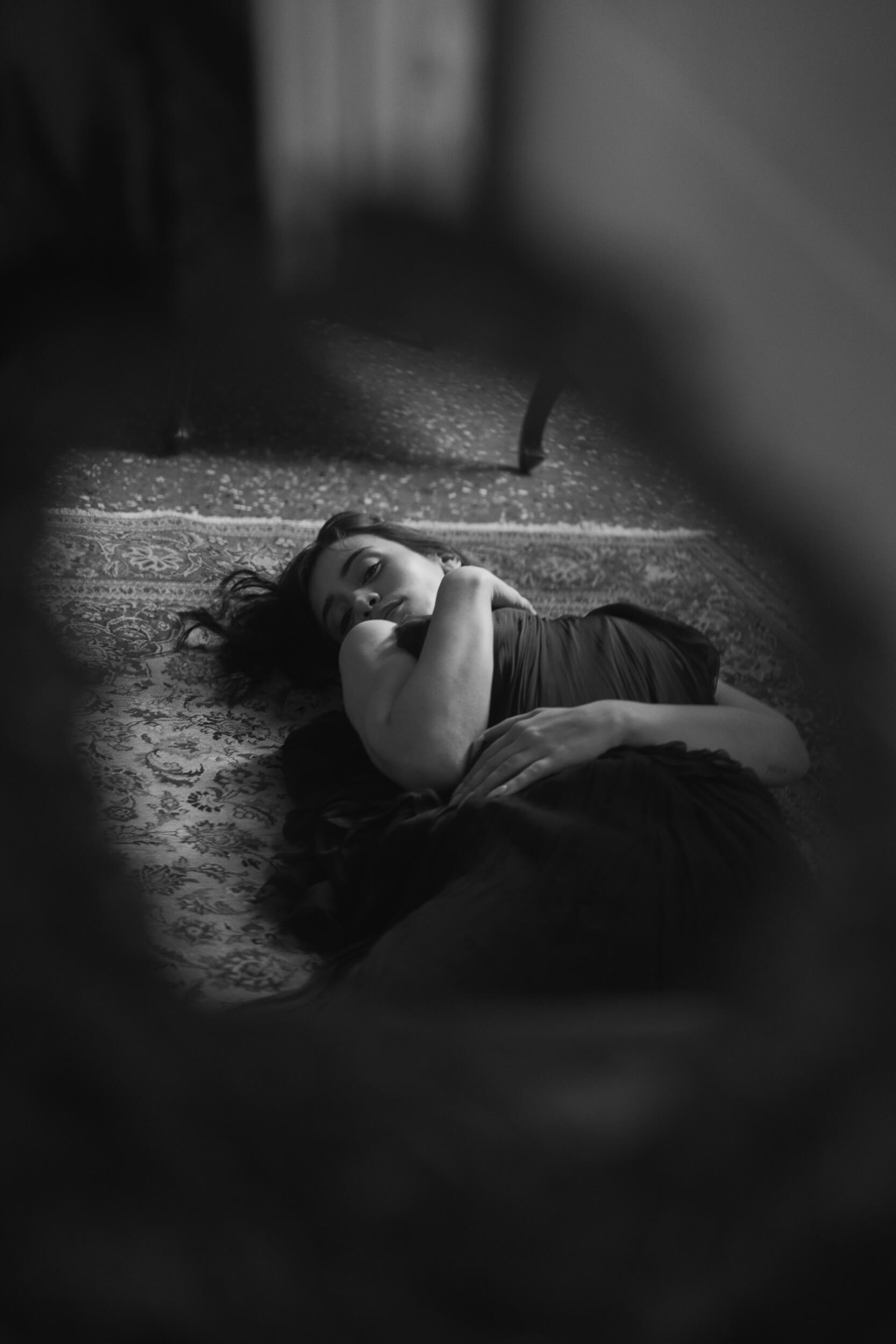
The film is also almost constantly cold and dark. Everything seems wrapped in the white of the snow and the black of the night. How did that physical environment affect the way you inhabited the story and your character?
The environment is very much important. We were in a small cabin, so it felt very intimate, and I think that intimacy is felt by the audience. It’s also very cold, and so I think it evokes feelings of isolation and loneliness and imagery, which just kind of lends to telling the story. The film is called “Company,” which is maybe tied to loneliness, in a way. And it’s also a very brutal climate: being a farmer in 1903, in the cold snow, it’s not easy to get up every day and take care of the livestock. It’s not easy to live in that environment. And it is very dark. So, I suppose that’s like a reminder that life is brutal and cold, but it can also be beautiful.
And, as you said, loneliness is another powerful presence in the film — the feeling of also being left behind or somehow forgotten. What is your relationship with solitude? Is it something you seek or something you tend to run away from?
I don’t seek it out, but I do feel lonely sometimes, I think a lot of people feel lonely. And that’s sort of the point. The point is that in that loneliness, when you feel alone, someone else is feeling alone. And if you sit in that loneliness together, you feel less alone. Sharing stories and connecting… I feel like loneliness can be an illusion sometimes.
We all have pain and grief in our lives and things that we carry. And sometimes we hold that in, and we don’t share it with people, and that can leave us feeling estranged and lonely. Sharing that with people honestly can make us feel more connected and realize that everyone feels those things, and there’s no need to be ashamed or to hold on to them. And, in a way, when you share them, you’re letting go of them and it lightens your load.
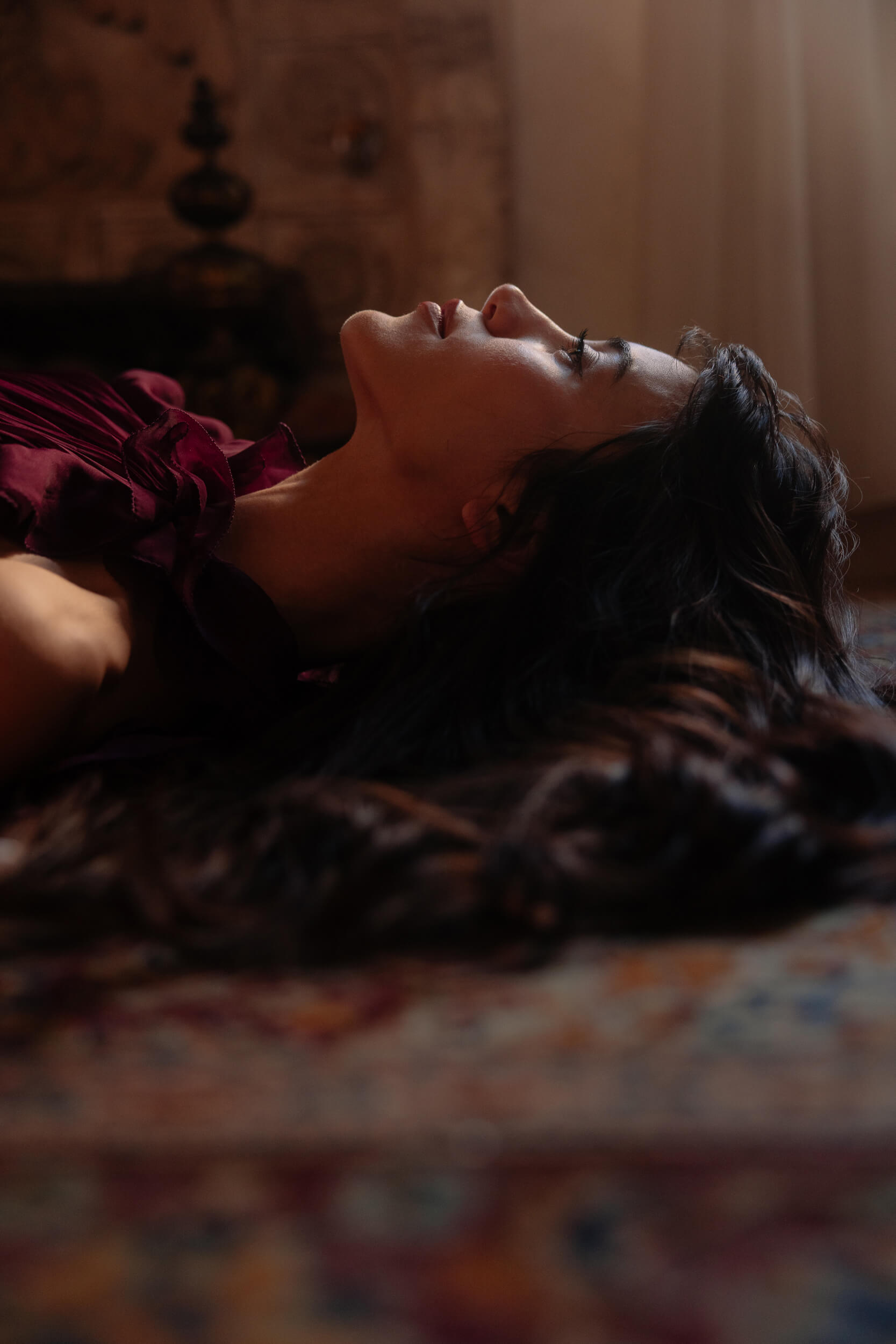
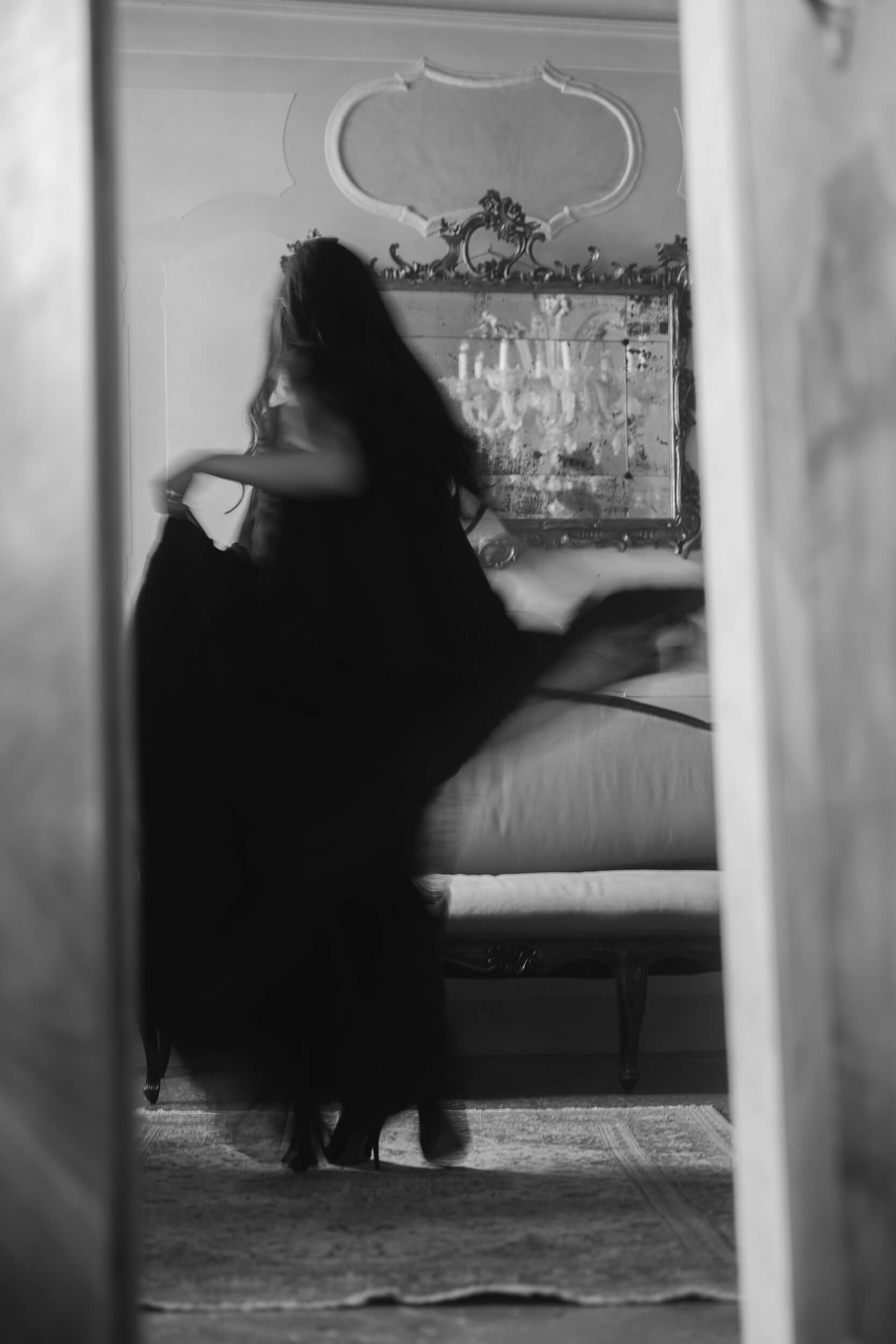
“I feel like loneliness can be an illusion sometimes.”
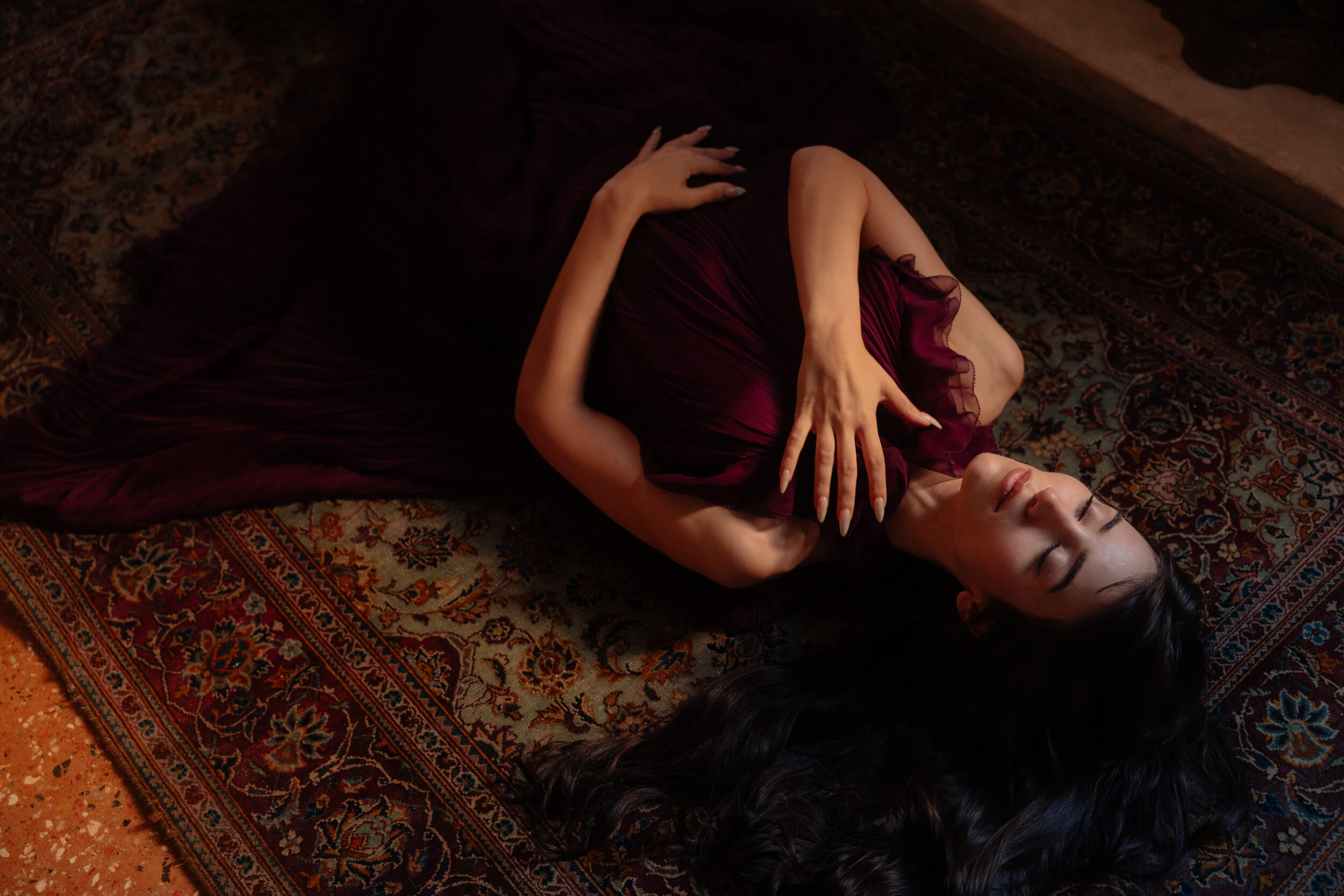
As you said before, so many of the characters — like Scoot McNairy’s character, for example — seem to carry their pain with them like a physical weight. Do you think love can actually make that weight lighter, or do we ultimately have to learn how to carry it ourselves?
“Love covers a multitude of sins”, it’s from the Bible.
Scoot’s character is just a simple farmer, and when you get to know him better through the story, you see that he’s carrying all this hardship, and he’s still able to be soft and open. And you see that with all the characters, really. I think that’s the underlying message: to be able to soften and let go.
There is a line from Caleb that says, “When I hate, I hate hard.” As an actress, have you learned to embrace emotions you might otherwise try to control in real life?
I don’t think I feel like that, but I do know that feeling of hate and rage. I try to think more about the other side of that, which is to let suffering deepen my capacity for love. That’s a line of Rebecca’s: “let the suffering deepen your capacity to love, like a flame that hollows the wood into a bowl.” Which is essentially letting all of that mold you into something good and something that is useful, and something that can carry. You know how, like a canoe is made, a craftsman will pass the wood over fire and blow it out and scrape out the ash. That process is what makes the canoe.
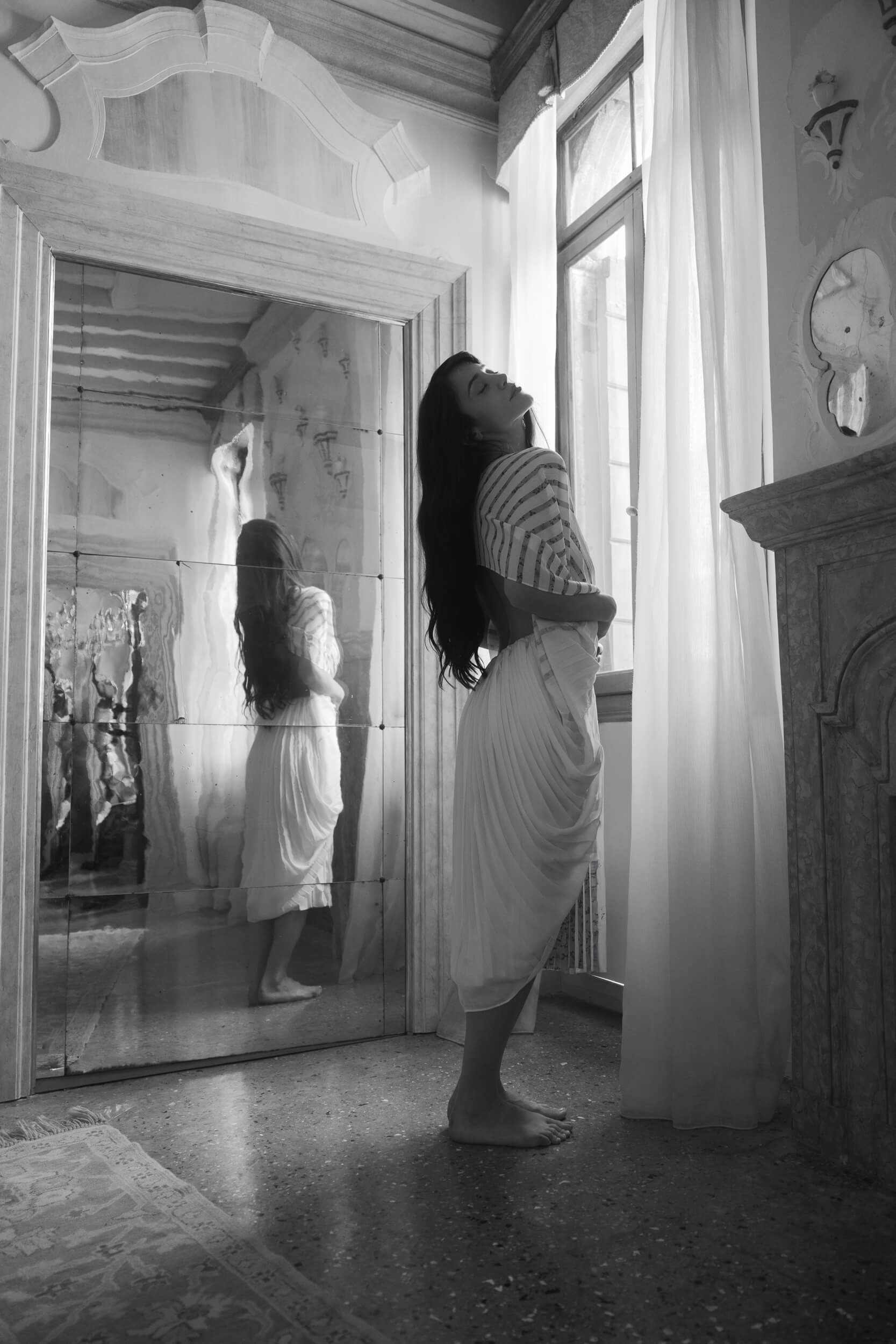
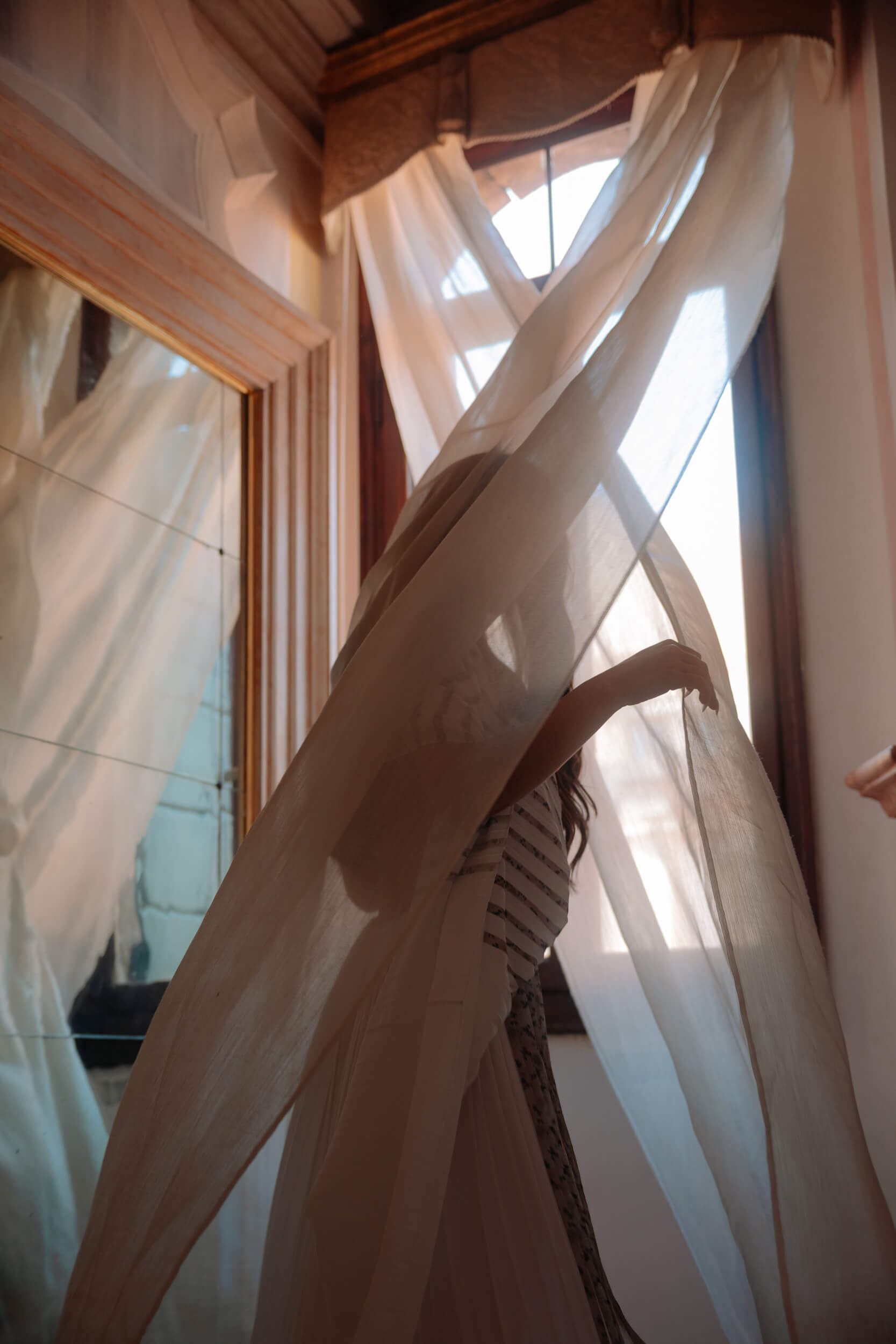
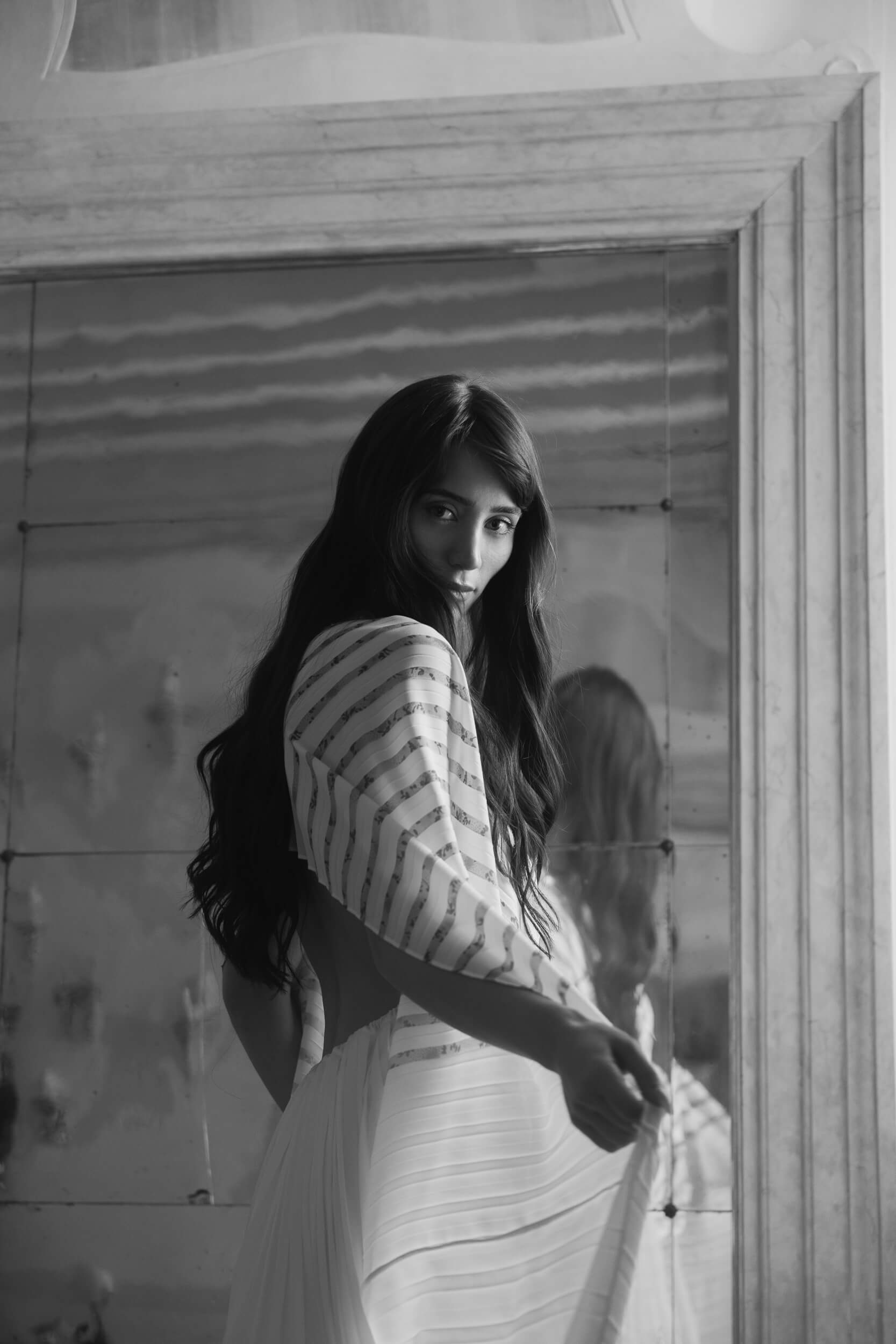
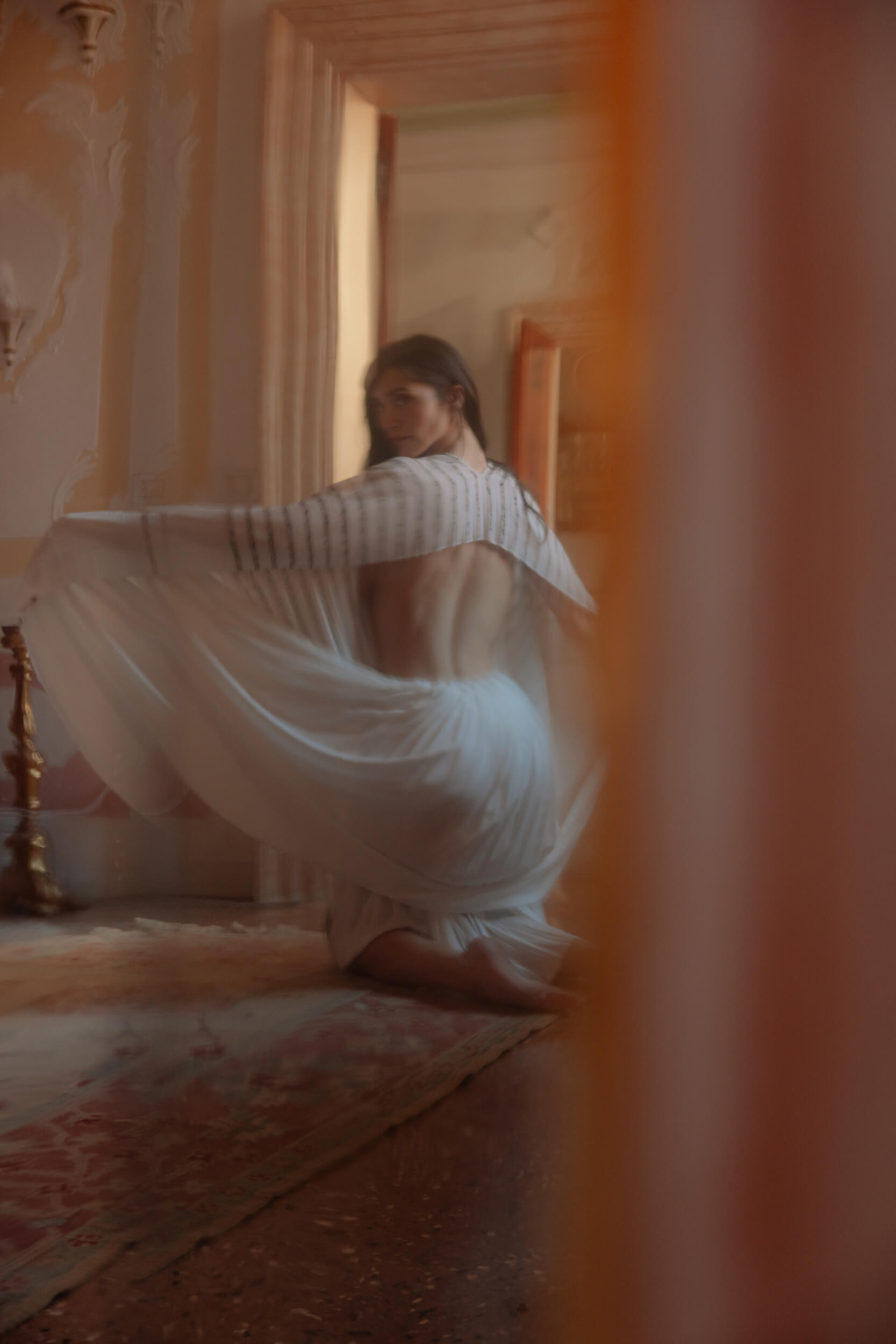
And about your character, was there a moment that you remember very vividly or with more emotion from the set, or a line that particularly struck you?
There’s a line that Alice says when she’s talking about Caleb, and she says, “Real loneliness is like that: you feel exceptional but unaccepted. Solitary, but also shunned, like everything is for others, but not for you”. And that one really stuck with me, because that perfectly encapsulates how loneliness can feel sometimes.
When I was in the theater, I was trying to take notes on my notebook in the dark… But I tried to note a lot of things because the script is so beautiful. There are so many beautiful sentences that I would love to keep with me. I don’t know how to explain it.
And at one point, the world in general is compared to tall grass: you never really know what danger might be hiding underneath. How comfortable are you with not knowing what’s coming next?
The rest of that line is “your peace is the serpent’s prerogative”. I mean, that line is definitely coming as a blacklash of pain and loss that Caleb is feeling regarding rejection. And I’ve been rejected a lot in my career, so I’m not really too scared. I feel like I’ll get along just fine. I’m excited, but mostly I’m just happy with whatever comes my way. I’m not prepared for it, but I’m grateful.
I’m grateful that I have more to look forward to.
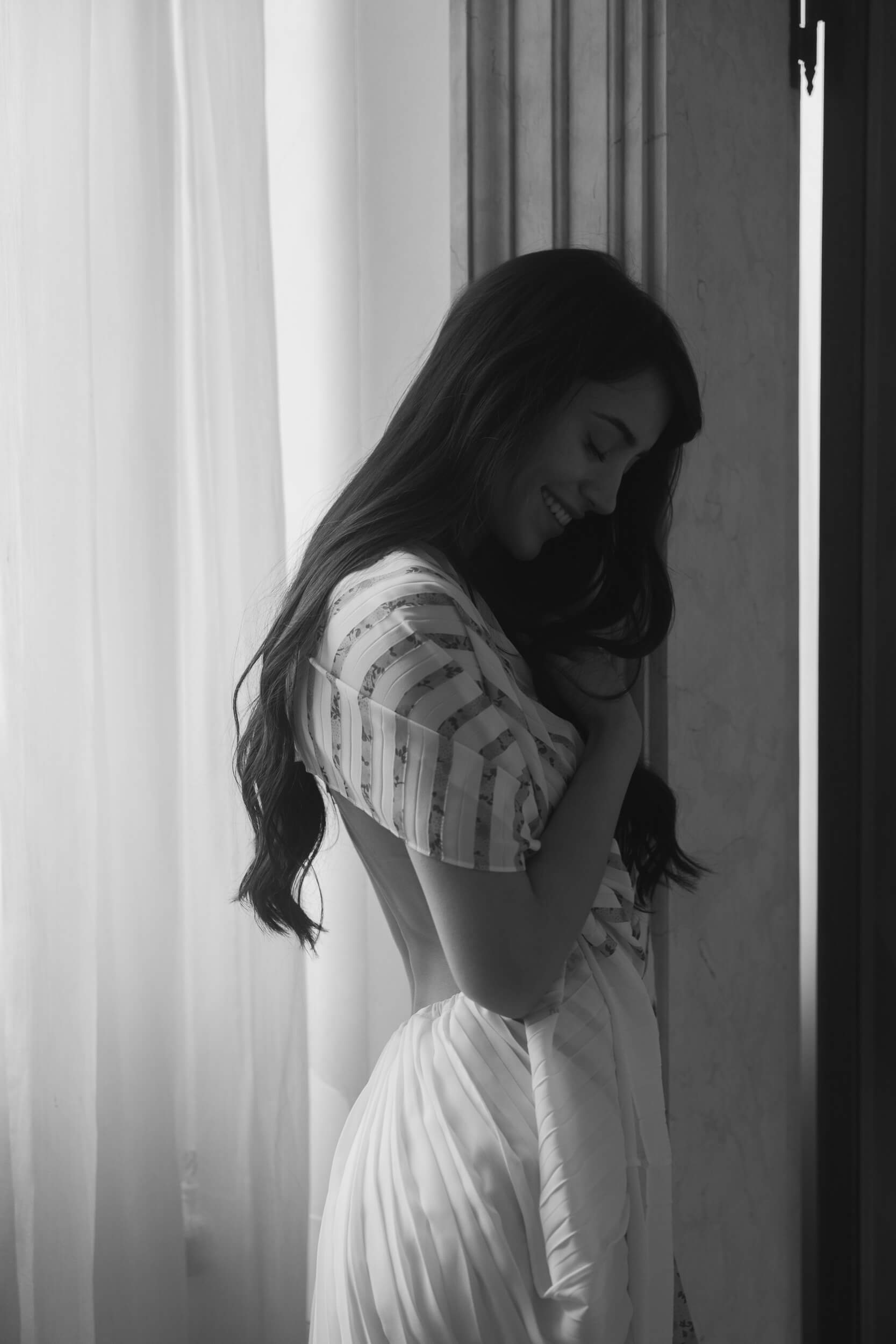
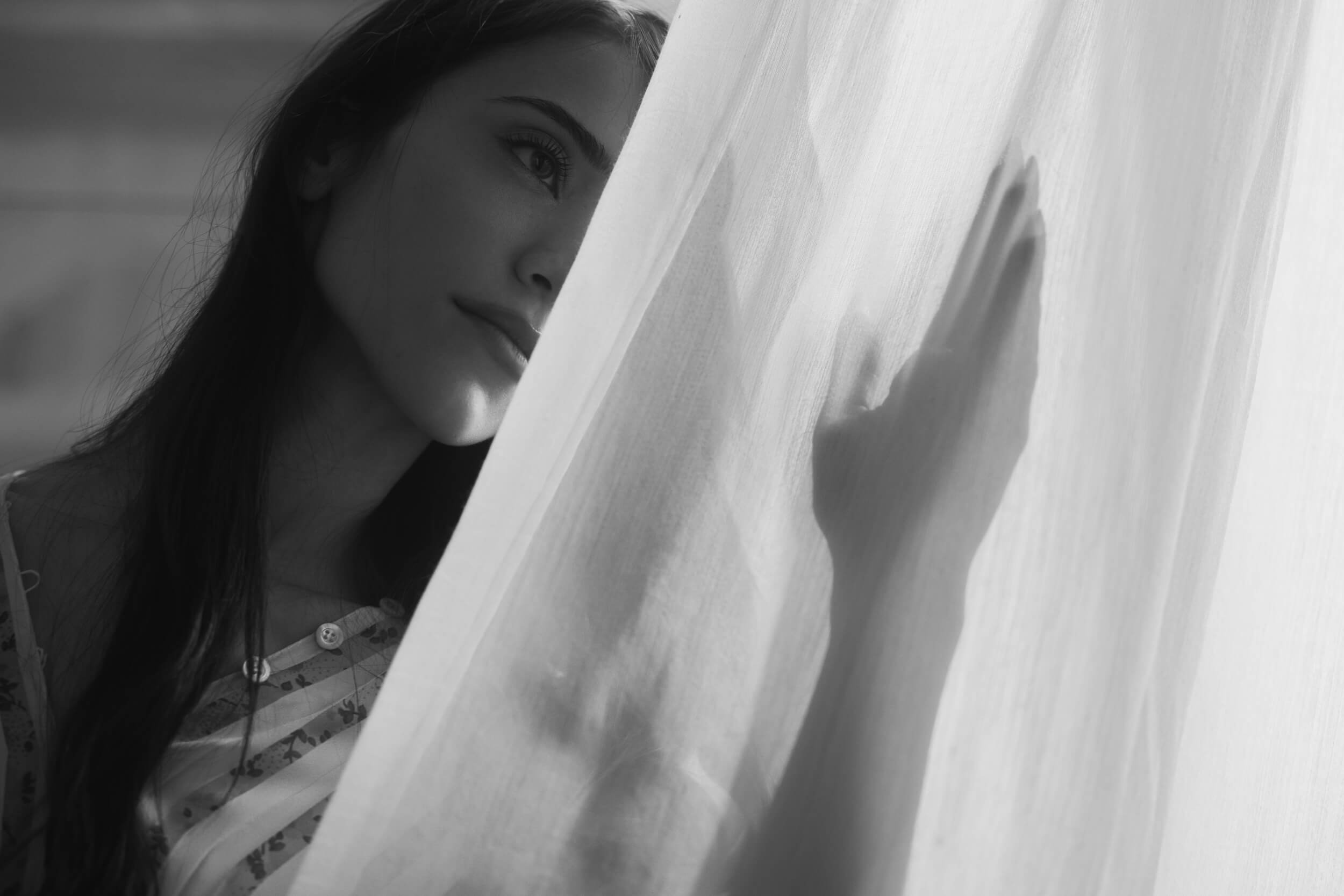
“Real loneliness is like that: you feel exceptional but unaccepted. Solitary, but also shunned, like everything is for others, but not for you”.
That’s beautiful, because if you don’t constantly expect something bad or good to be coming, you are at peace, I think.
Yes, there’s a really beautiful Mary Oliver quote that that reminds me of, actually. I can’t quote it verbatim, but it’s about how she was once given a box and it was empty, and that too was a gift. And sometimes I think that’s the best way to look at rejection or hardships. There’s still going to be something in the future, as well as good things to celebrate. But you have to realize that even rejection is a gift.
It makes you a deeper person. It makes you able to empathize more.
And there is also a line that says, “If I don’t like a question, I just make something up as an answer.” We spend so much time asking questions ourselves and through your characters. Is there a question you wish people asked you more often?
There’s not really a question that I wish people had asked me more. Whatever question they need to ask in order to have a deeper understanding is fine. But I do find it really interesting and funny that when Caleb doesn’t like a question, he’ll just make something up, which I can relate to as an actor: sometimes, when I was younger, I would just make up a story, or if I was bored, I would make up an accent. And that would be fun and entertaining. But I realized after a while that the truth is a lot more interesting than anything you can make up. But it’s fun sometimes to, you know… as a joking thing. I always have to remind people, “I’m joking, I’m joking!” Sometimes I’m a little too convincing [laughs]
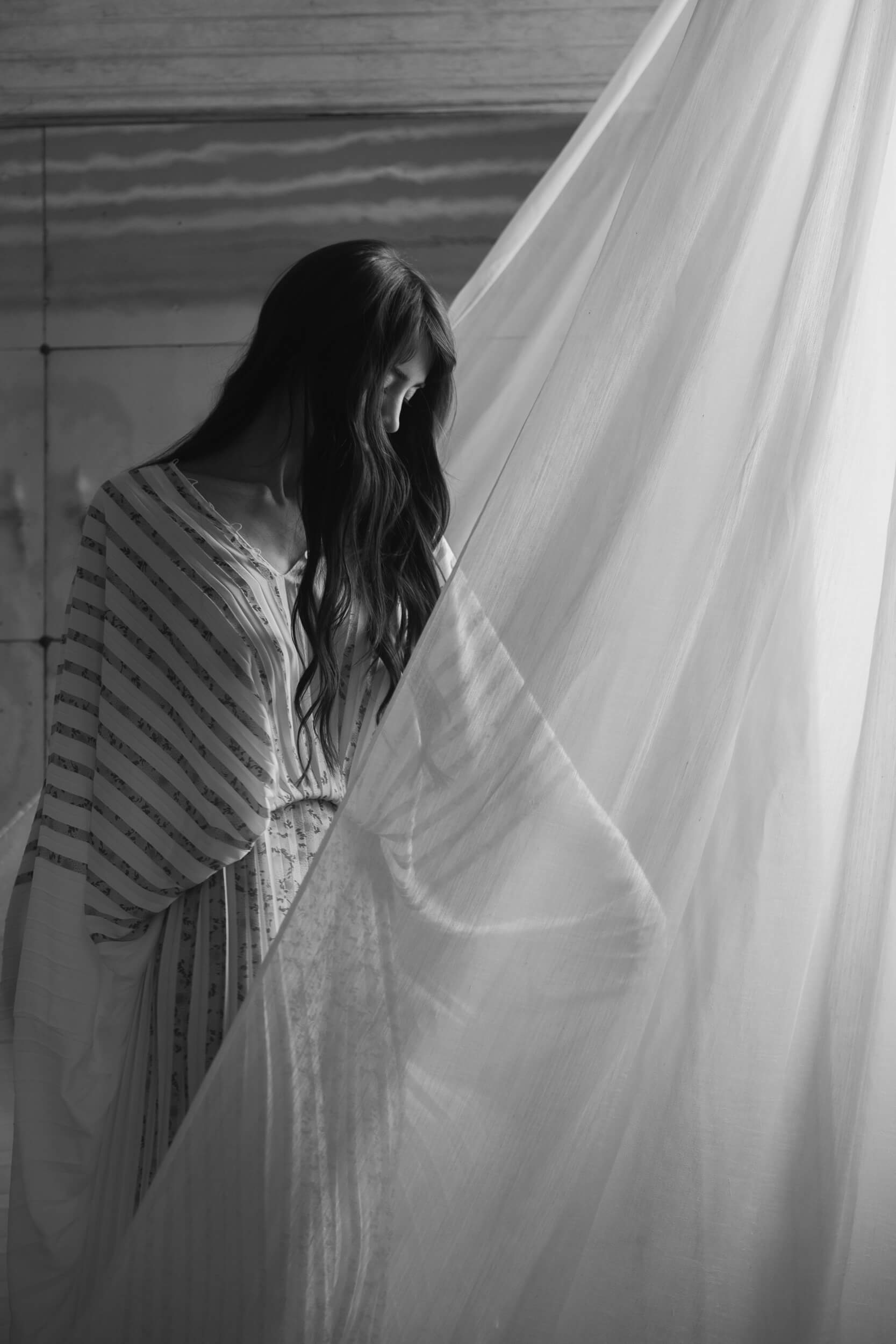
“The truth is a lot more interesting than anything you can make up.”
About Alice: I think that, as an actor, when you approach a character, you ask a lot of questions to yourself, and maybe you learn something new about yourself every time. What did Alice — or playing Alice — teach you?
It’s hard because, you know, what she’s dealing with is a real stranger. Someone who’s lived a life and is now at the tail end of it. And she comes like an angel of darkness to Tom’s doorstep and teaches him and unveils some supernatural truths. Working with Nick Nolte [Tom] was so fun because he’s someone who’s lived a life, and he has so many stories inside of him, but he doesn’t do much talking. You kind of have to ease him into it. Whereas when you’re young and you don’t know much, you’re so excited to share your stories and things that you think you know.
And I think Alice is — I don’t want to give too much away — but she’s a lot more mature than you might think initially from how she appears. So she kind of uses her youthful banter to get him to open up and talk about some of the stories from his youth. She does it in a strategic way, but it becomes a beautiful relationship. And I love talking to older people. I love talking to someone from a different time period, and I love when they tell stories. So working with Nick was such a pleasure. He’s so soft and empathetic. Life has made him that way, you know? He wasn’t always like that.
There’s also this scene where she’s looking at his back, as he’s looking out the window, and she imagines him young. I sometimes find that I do that as well with people, where, when I’m looking at them, for a brief moment you can see them as an old person, or a young person, a child. And when you’re looking at someone, you can kind of see them transport back in time or forward. And I think that’s a way of humanizing the person, because if you can see them past this current age or where they currently are, then you can empathize more with them overall.
Age is just a veil for the spirit.
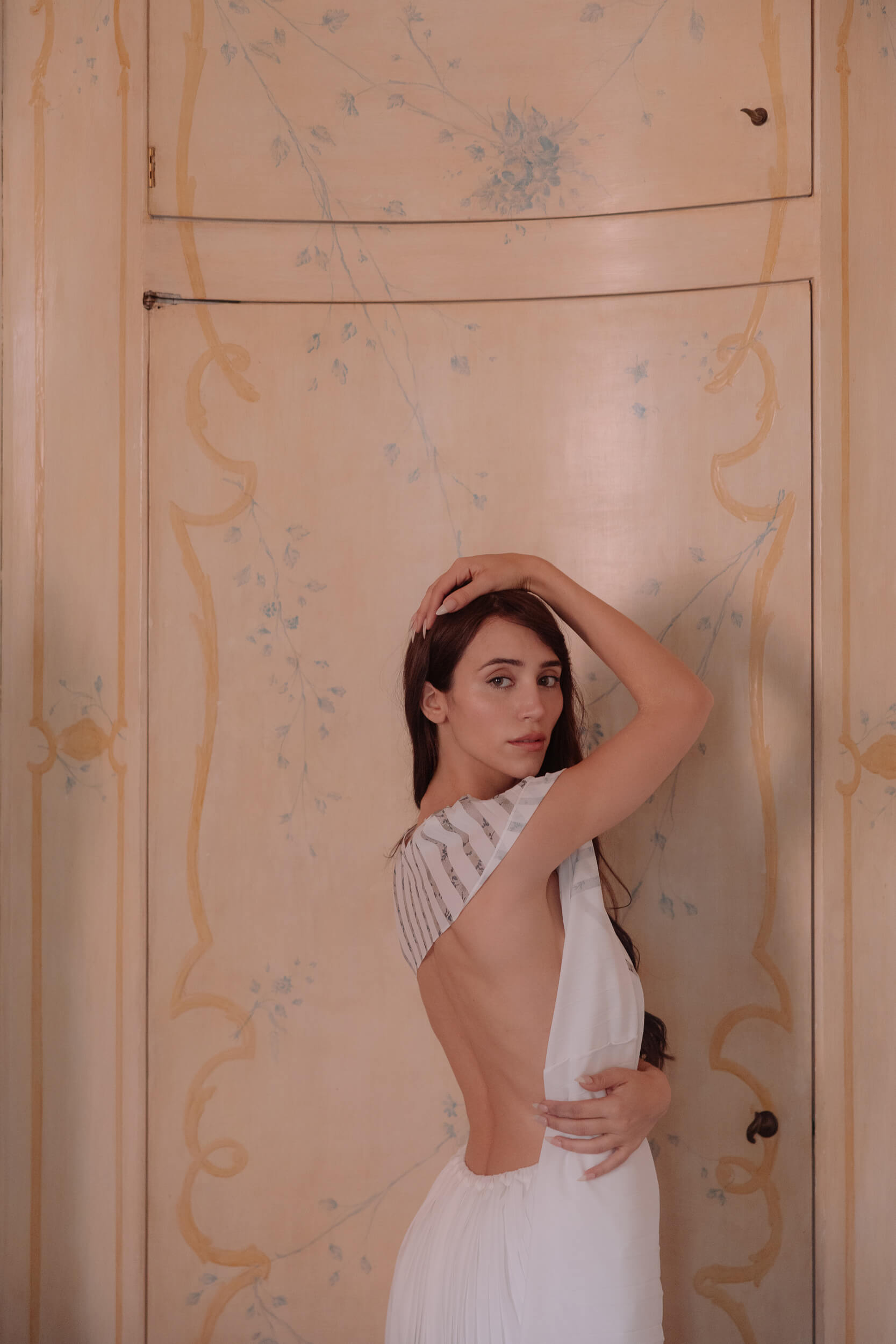
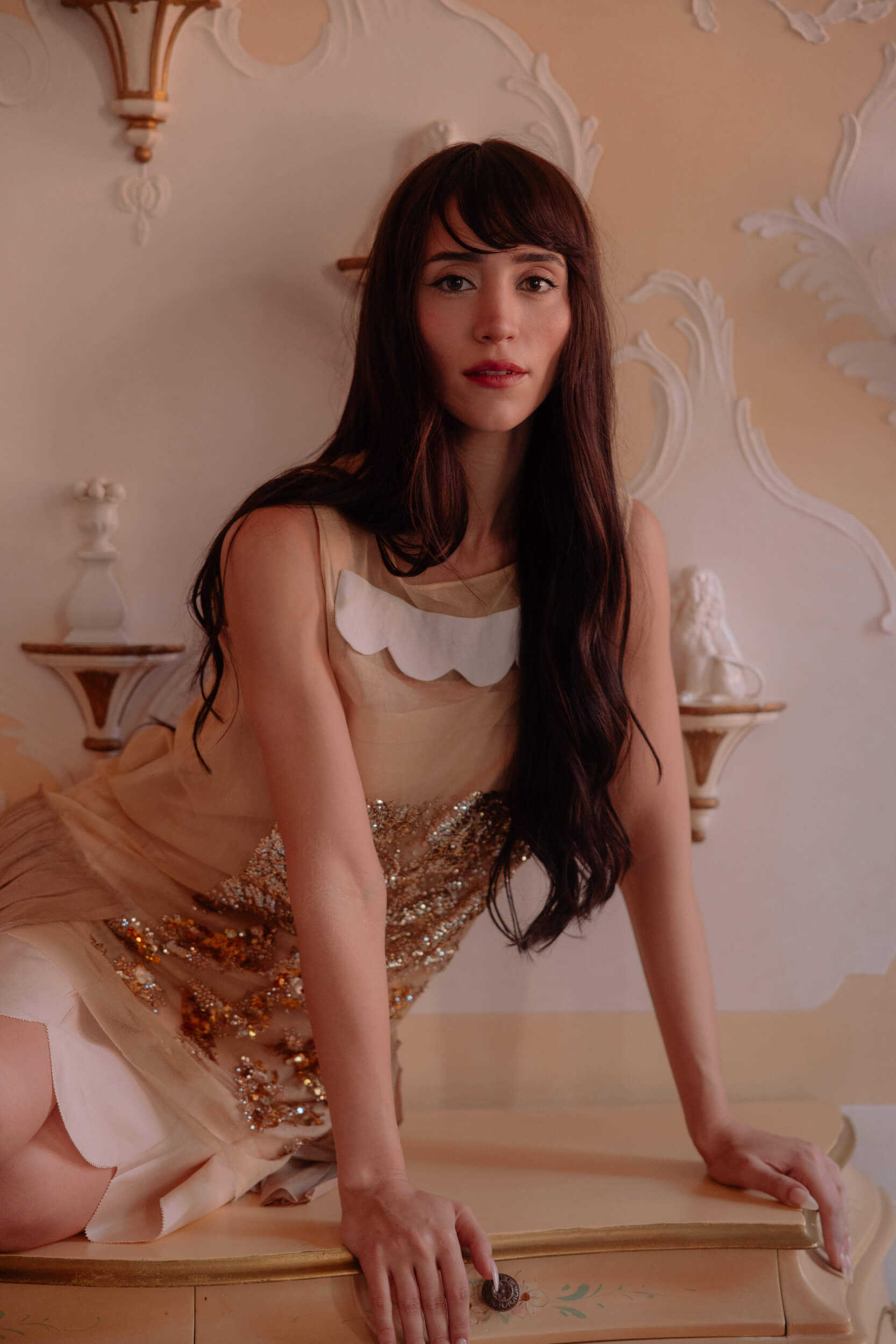
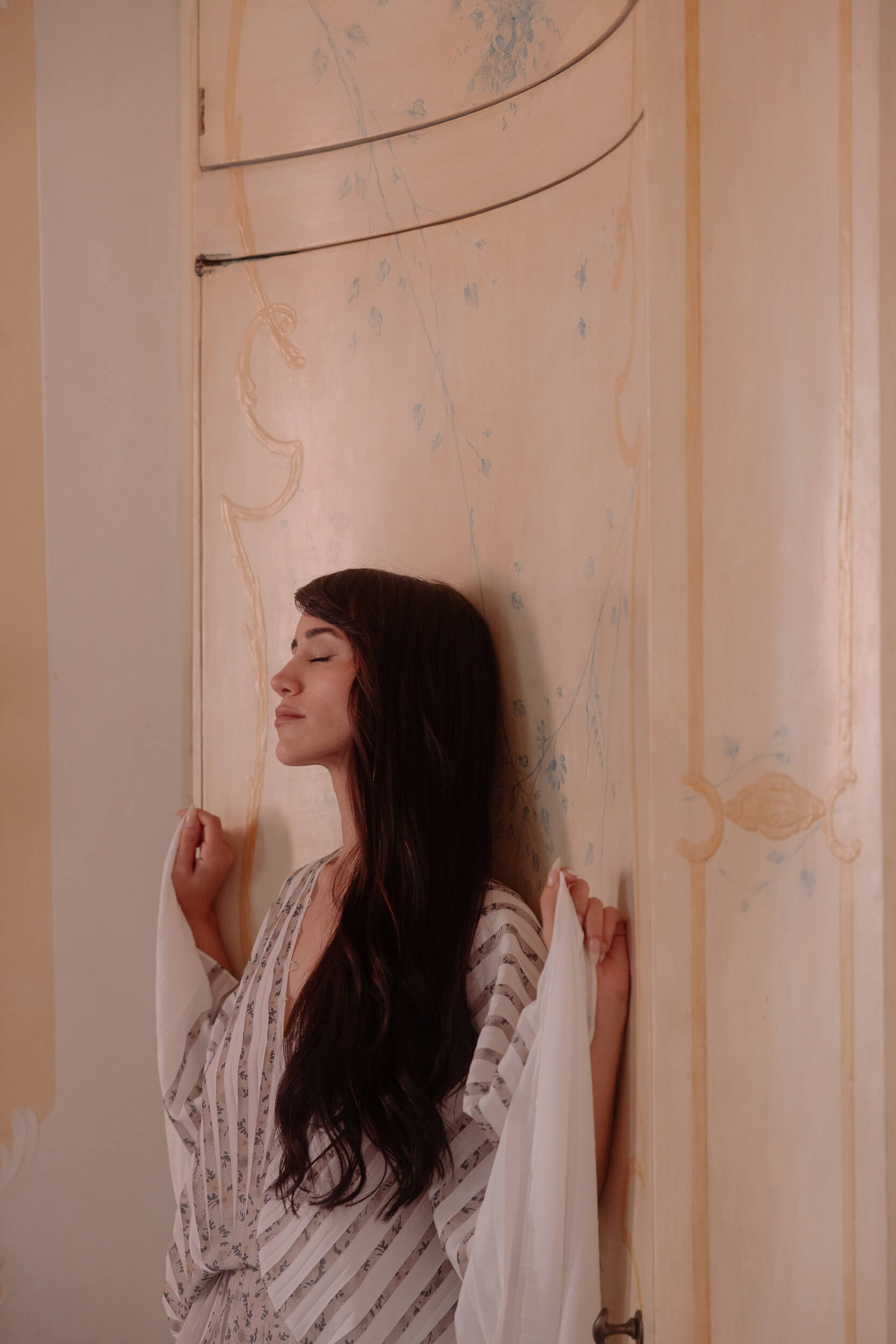
“I love talking to someone from a different time period, and I love when they tell stories.“
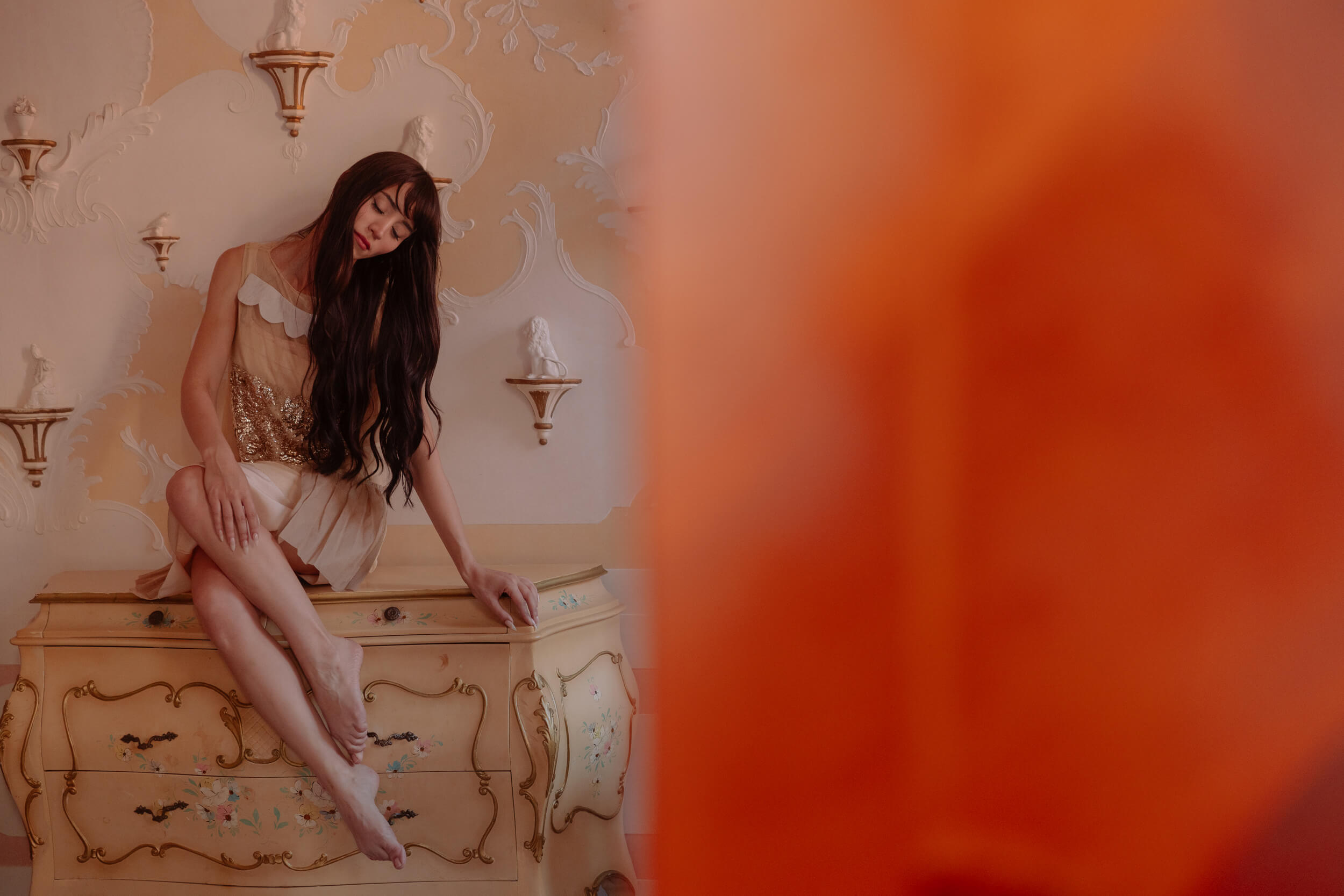
I love this phrase about age you just said.
Also I think you were amazing portraying Alice, because in the way you talk, your voice, the movements you make, you already made me understand that you were something from another world. I thought, “Oh my God, she seems like some kind of fairy creature.” I didn’t know what she was yet, but it was really beautiful.
In a lot of ways, that part of the story is that we’re learning about Tom. He’s alone, he’s used to being alone, and he’s suffered a heart attack recently. And there’s even a line Evelyn says about Alice, about whether she might be a figment of his imagination, as he’s been straddling the line between life and death.
And he was estranged from his daughter, and he wanted her to visit, and now here comes this woman. It’s almost like a dream, for all we know. And sure, she is, sitting in front of him, he knows it’s not his daughter, but she reminds him of her and brings up a lot of his grief about how he handled that.
And watching it back, it reminded me a lot of my own relationship with my father, which I didn’t think about while we were making it. But when I watched it as an audience member, I thought a lot about my father and my relationship with him.
It’s also beautiful because it feels like she’s there to accompany him to his final moment. This is also very, very emotional, very moving. It was very moving for me.
Thank you. I really appreciate you saying that.
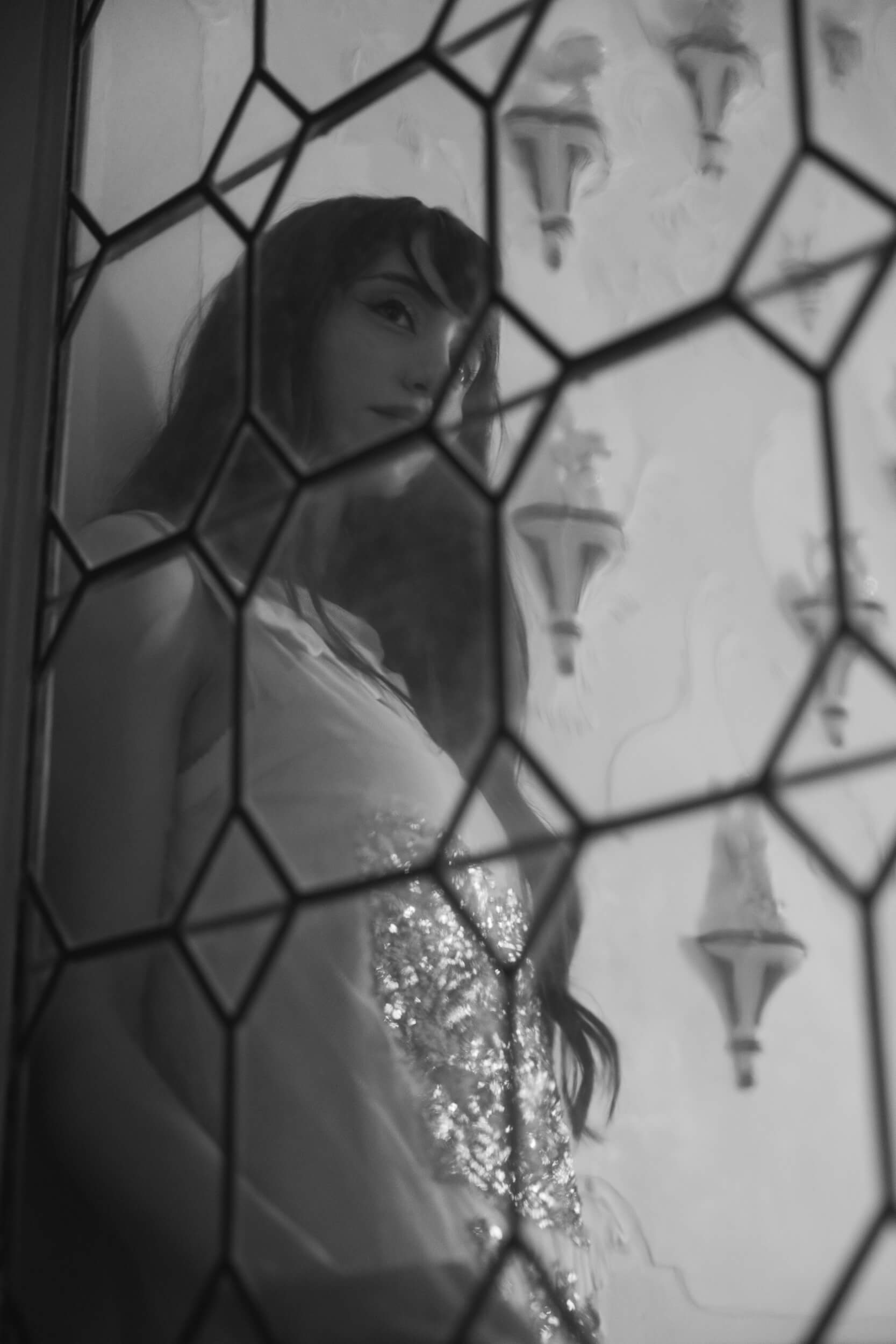
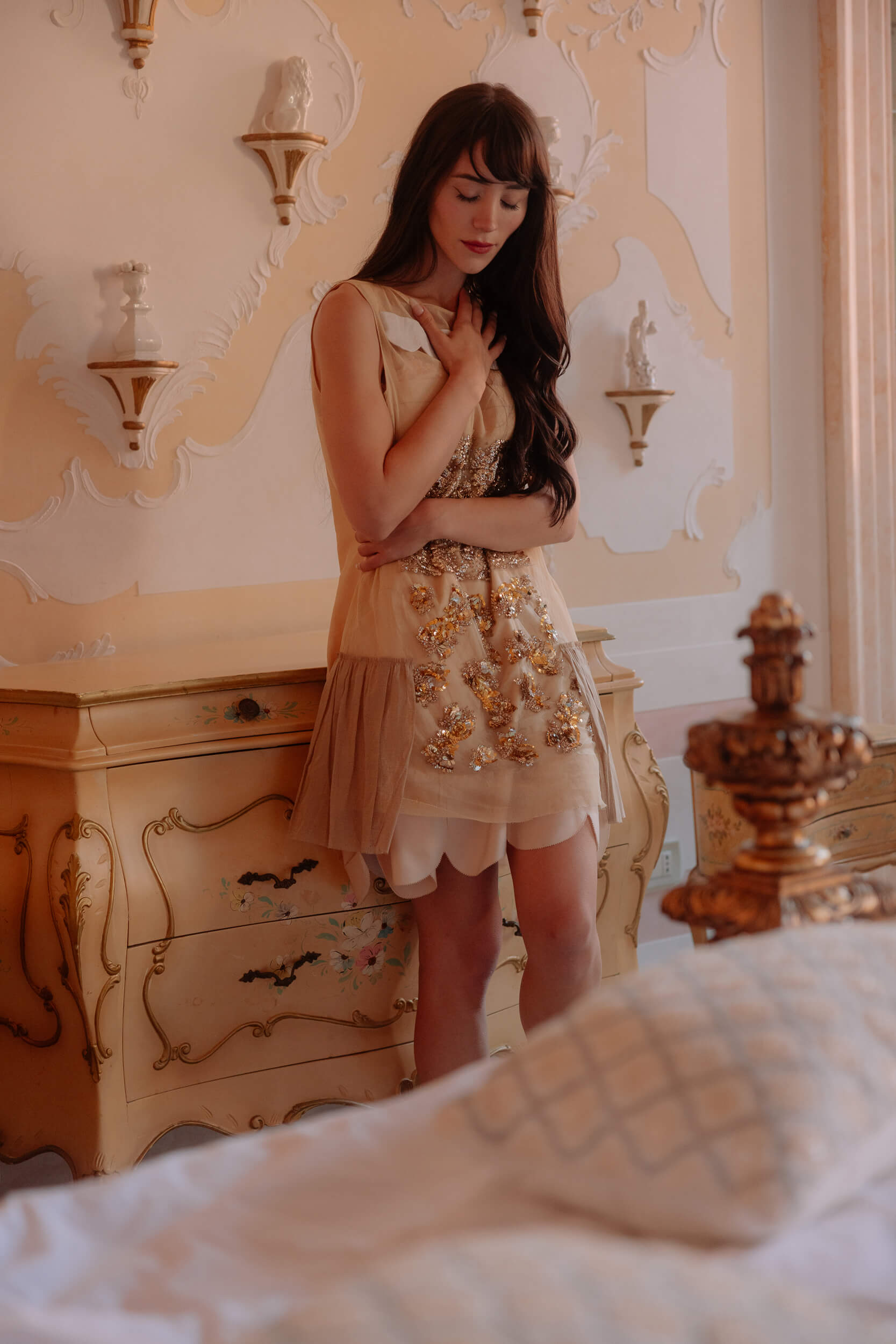
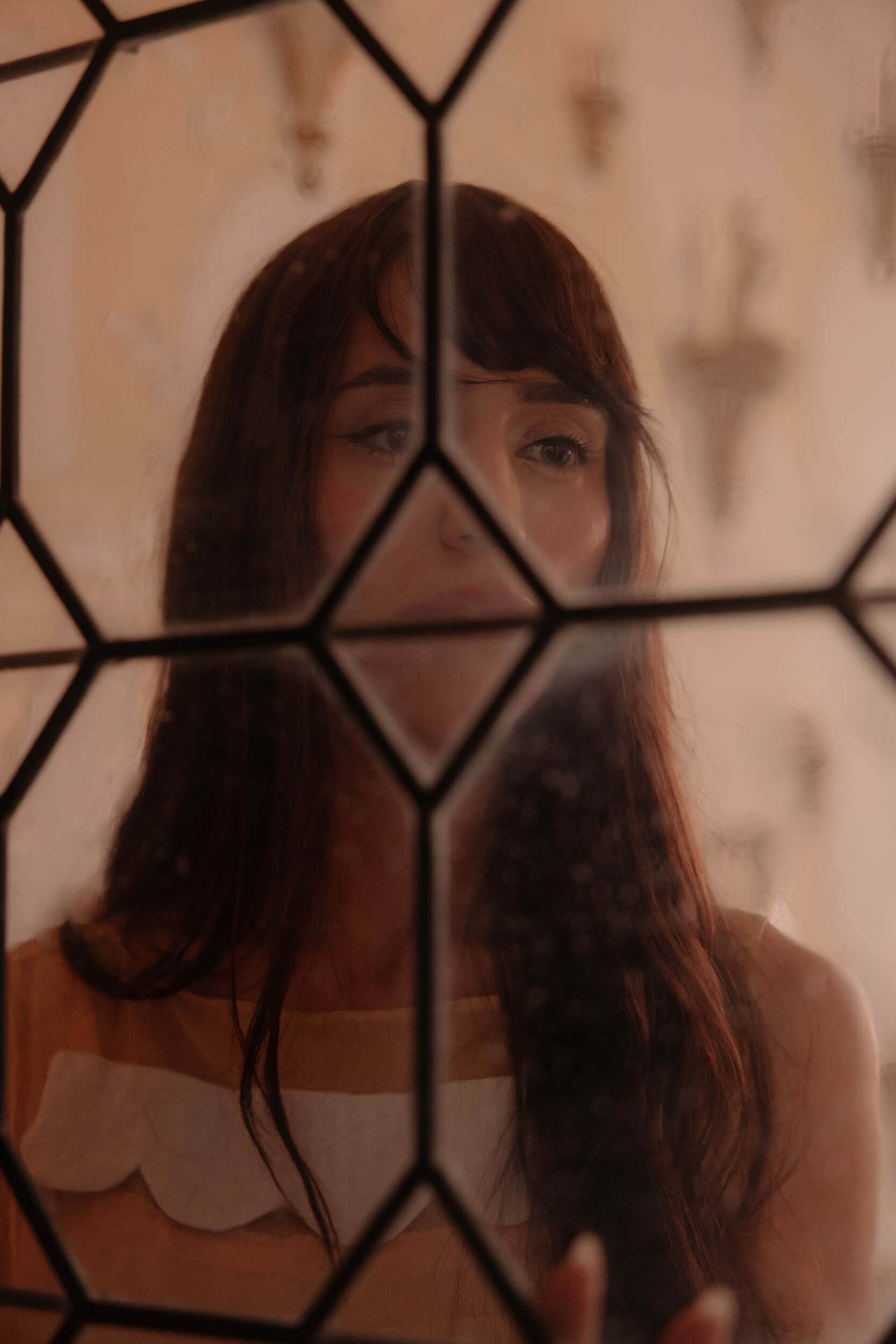
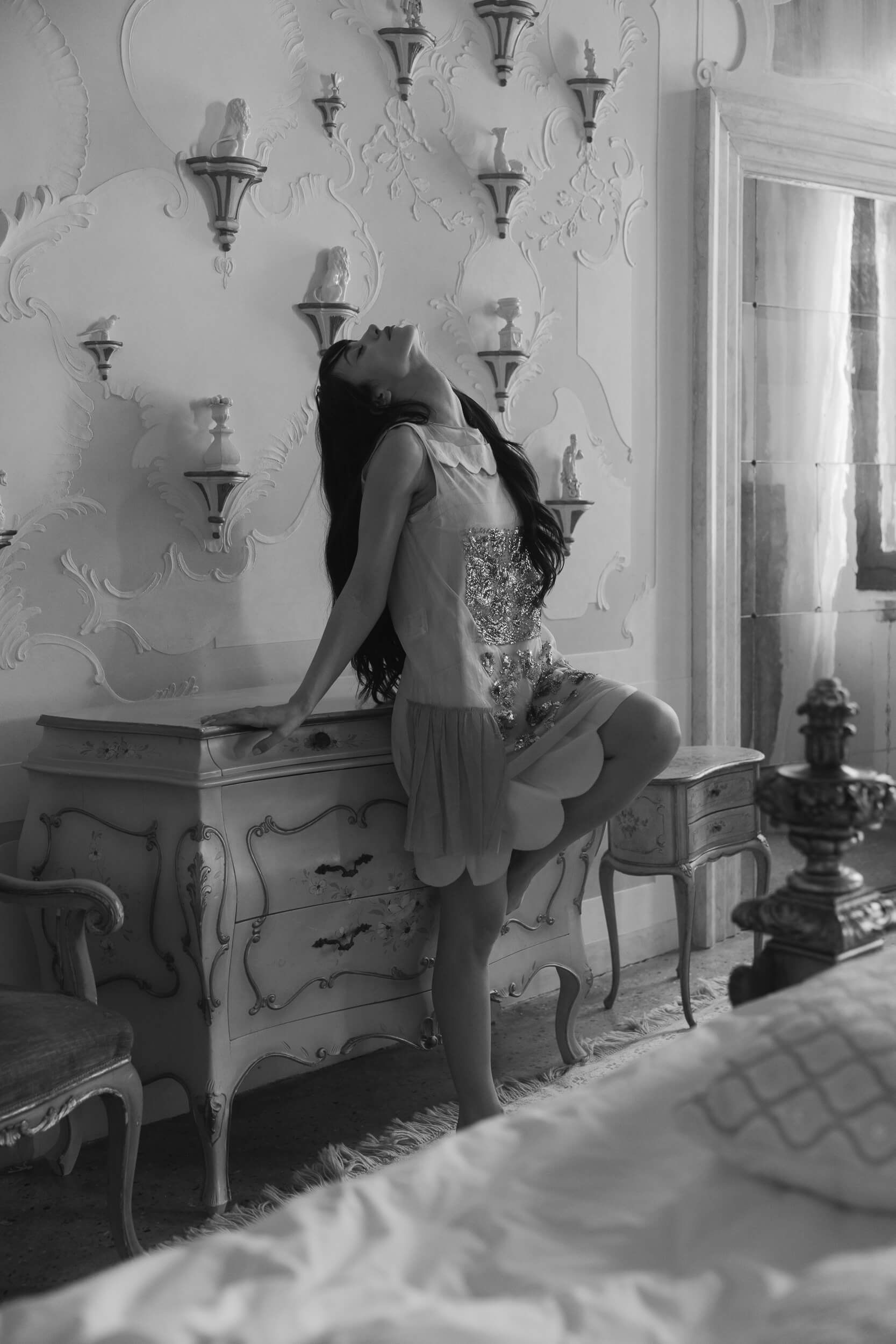
What does it mean for you to feel comfortable in your own skin?
Embracing imperfections. I think we have a tendency to criticize the body that we live in, but there is so much to be celebrated in everything that it does for us and how it allows us to experience this world.
We all have a relationship to our bodies, and I try to be grateful. There’s a lot to be grateful for.
Yes, there is. And what’s the bravest thing you’ve ever done?
Waking up after one of the hardest days of your life and continuing to choose to find happiness, to pursue happiness.
That’s a big one.
Maybe the bravest thing is to still have courage to create after facing rejection. That can also be: being rejected and still having the courage to create.
What’s your happy place?
In the company of the people that feel like home. That’s my happy place.
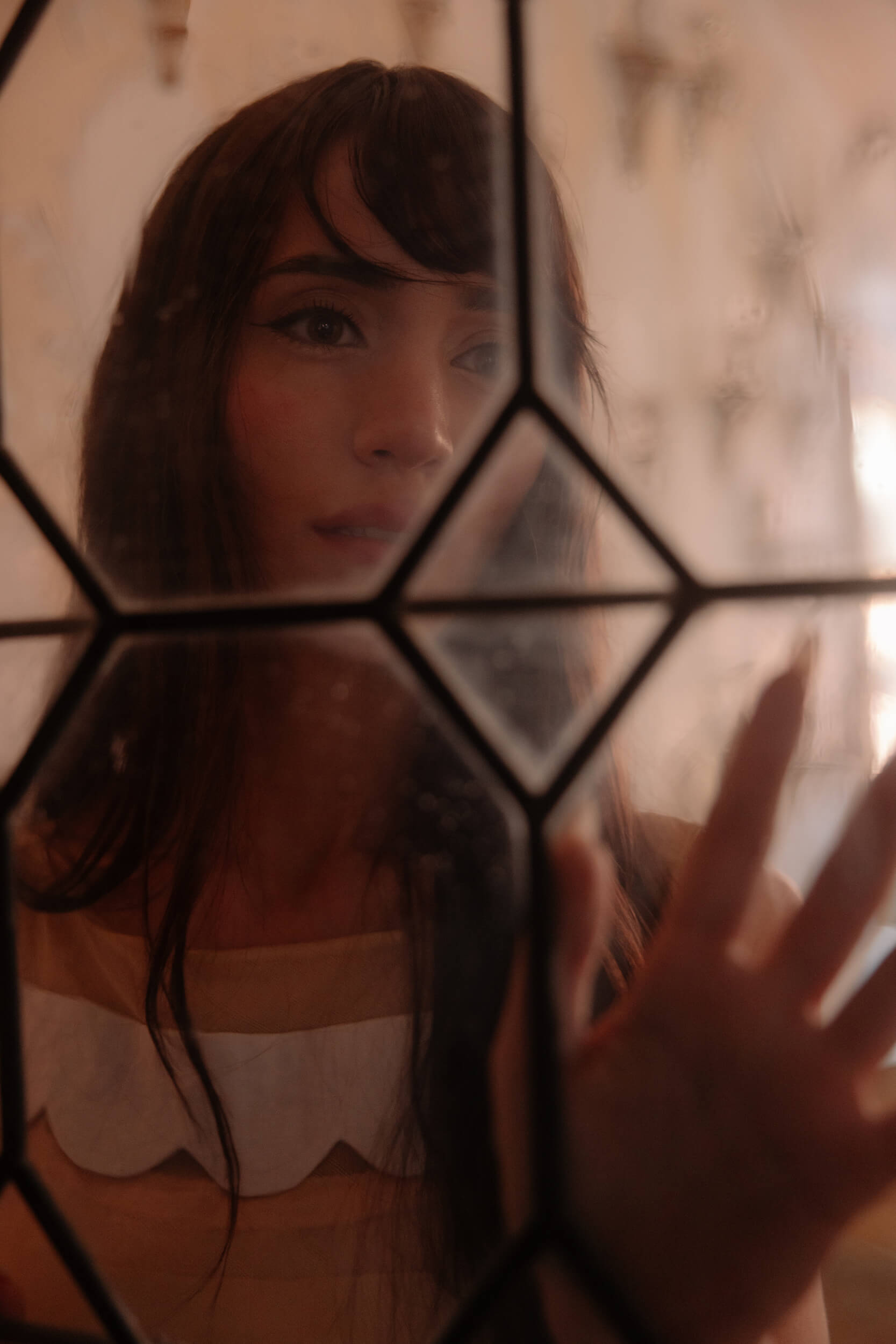
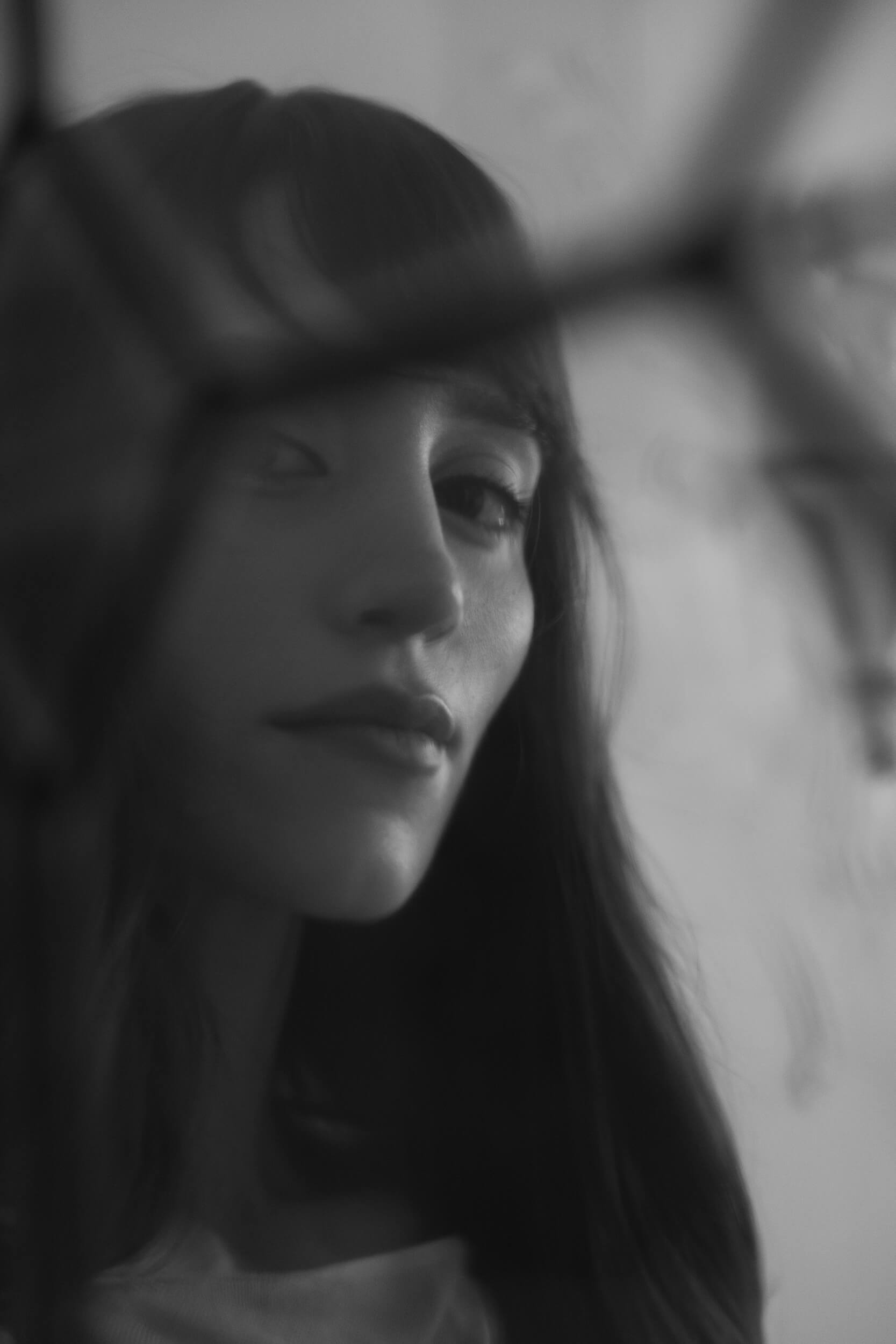
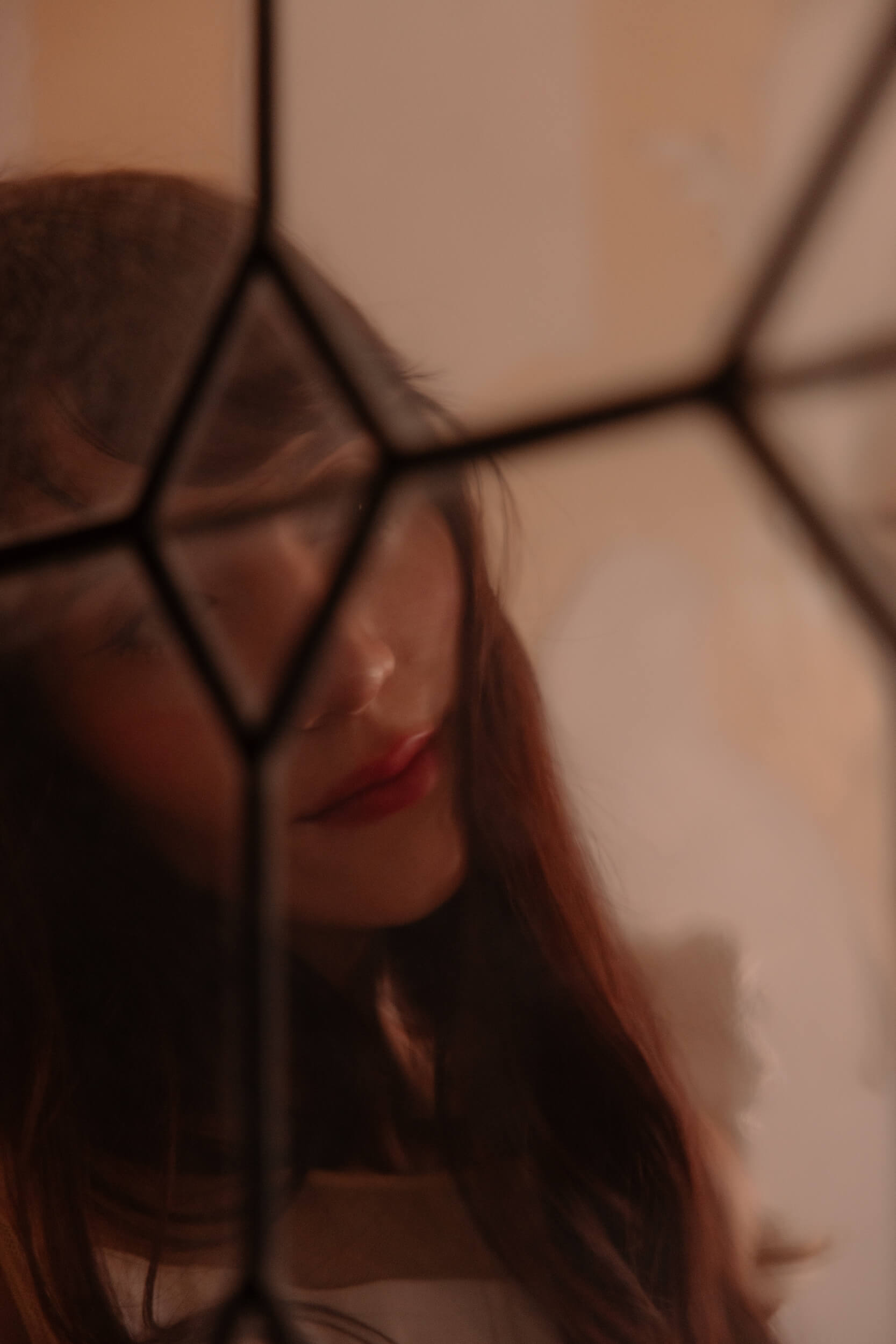
“Being rejected and still having the courage to create.”
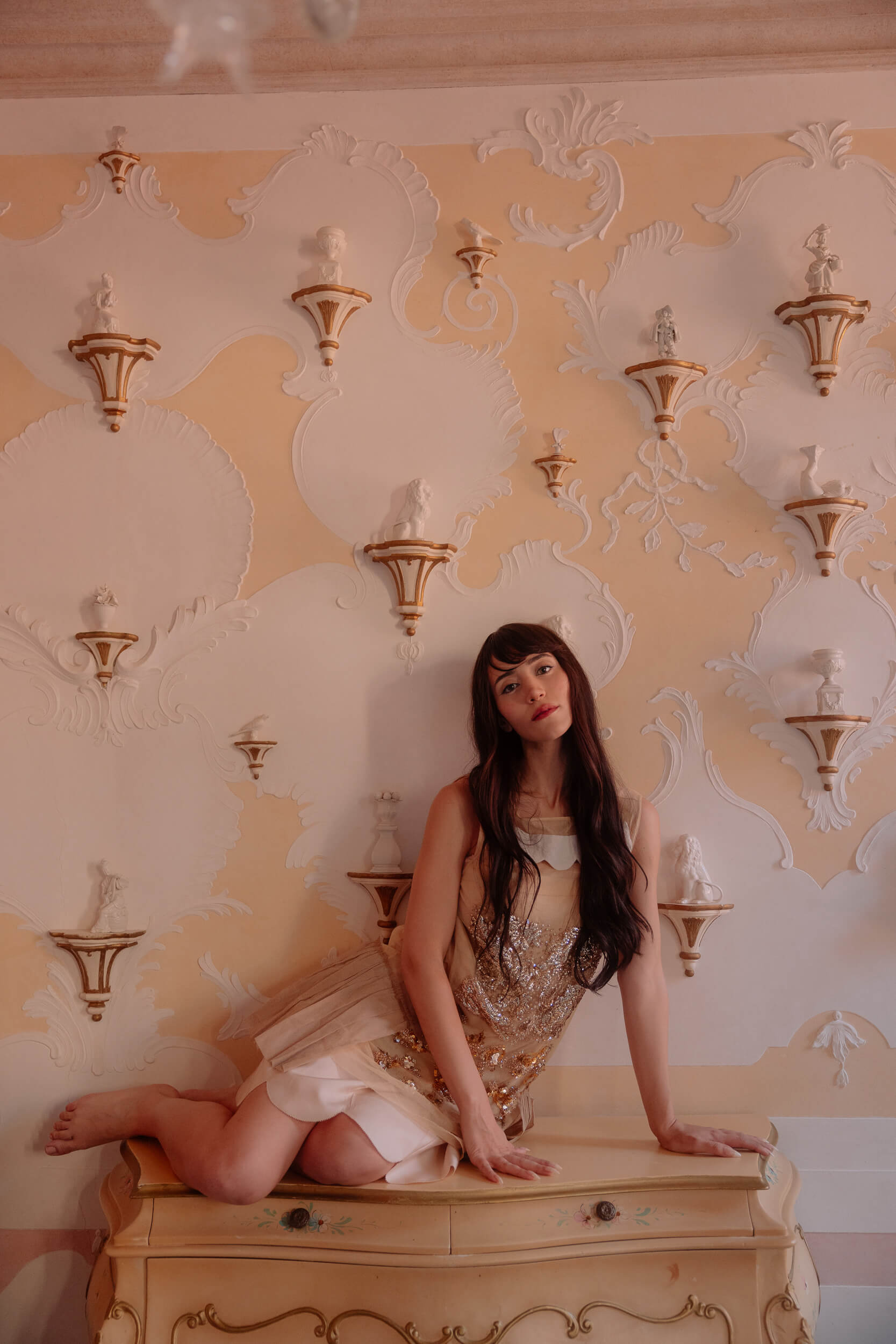
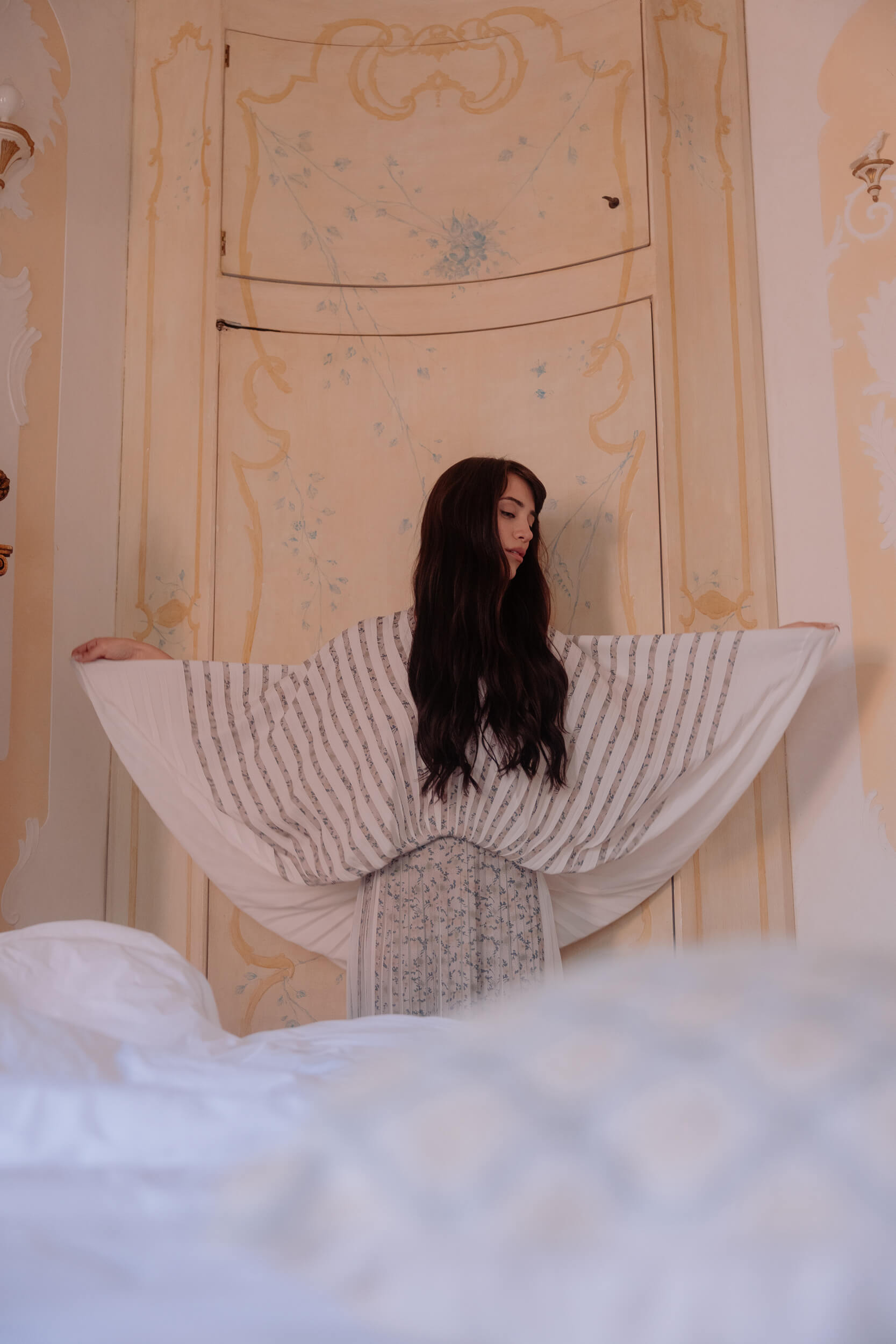
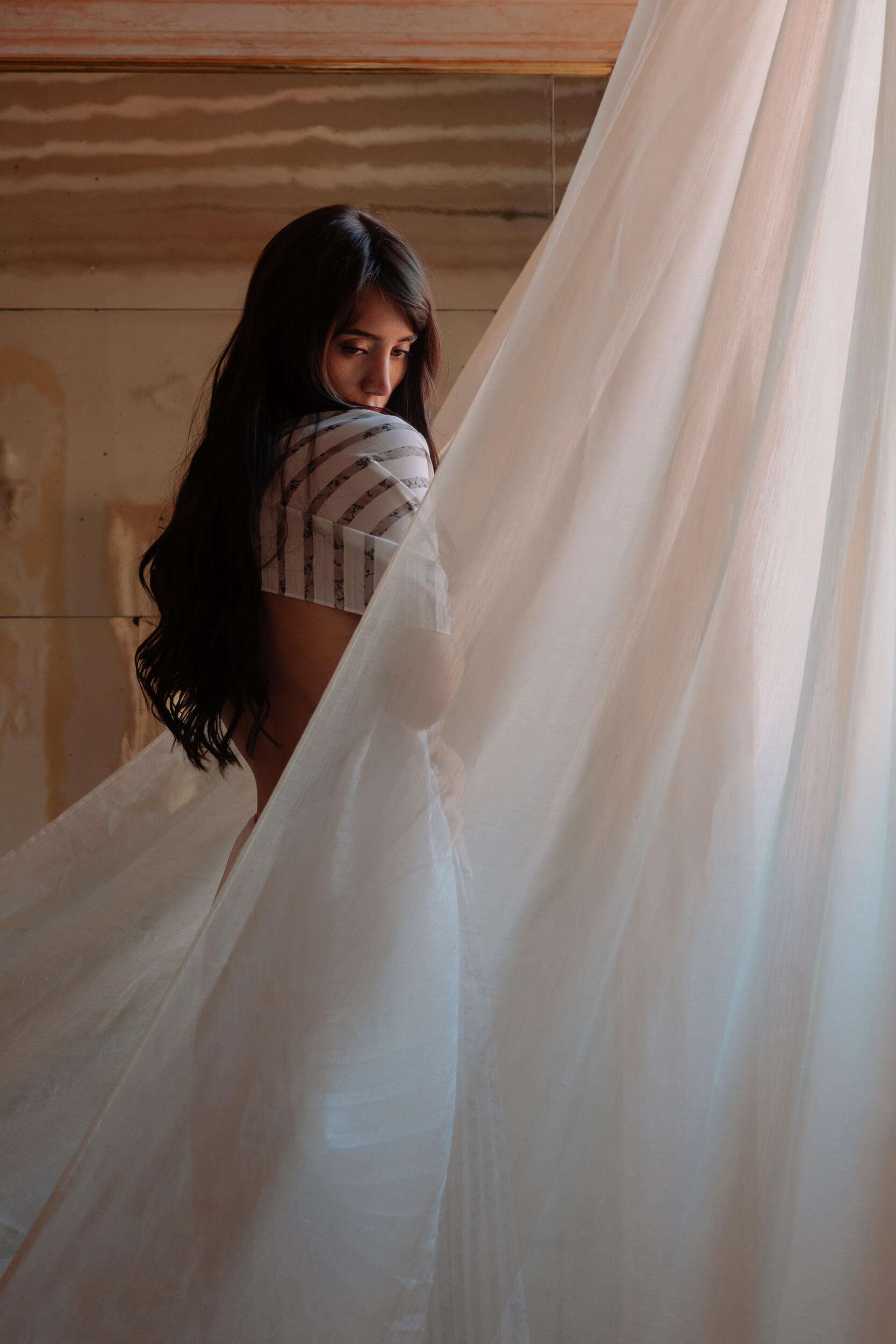
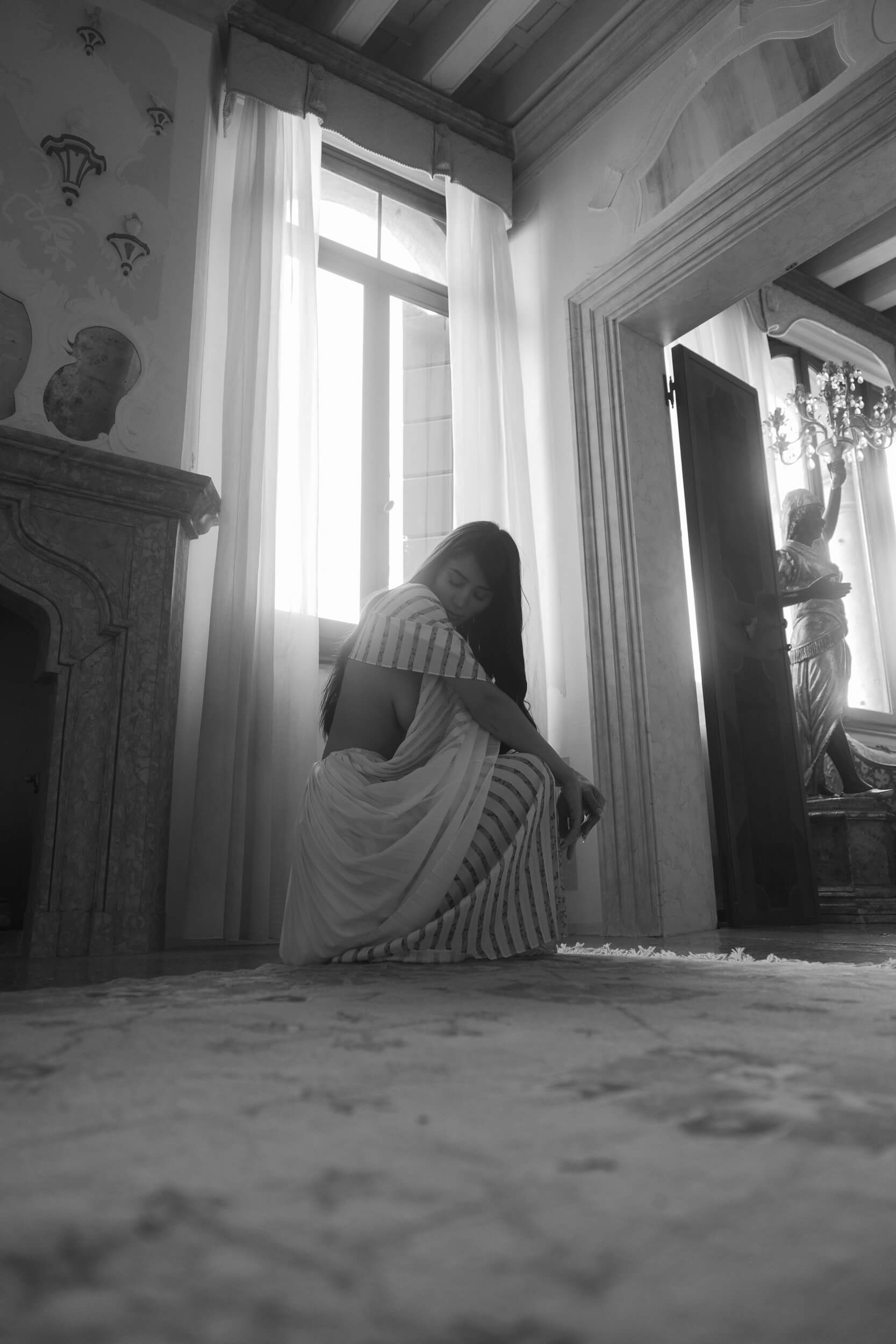
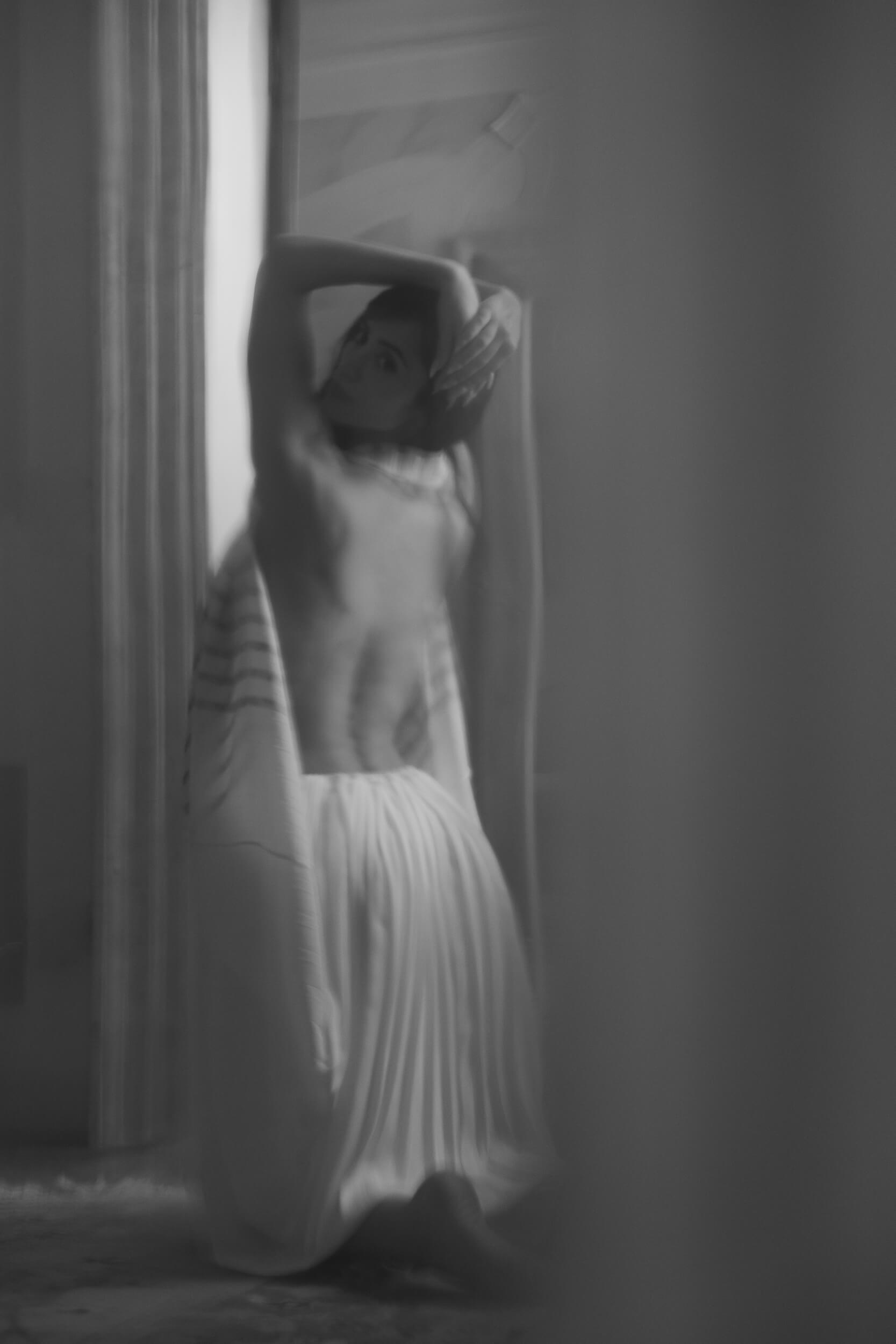
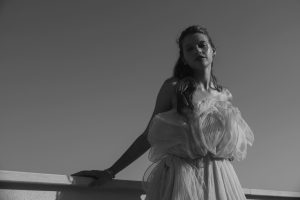
Photos & video by Johnny Carrano.
Makeup by Giulia Luciani.
Hair by Mario Coviello.
Stylist Augusta Carter.
Look #1: Alberta Ferretti.
Look #2: Maison Margela.
Look #3: Miu Miu.
What do you think?