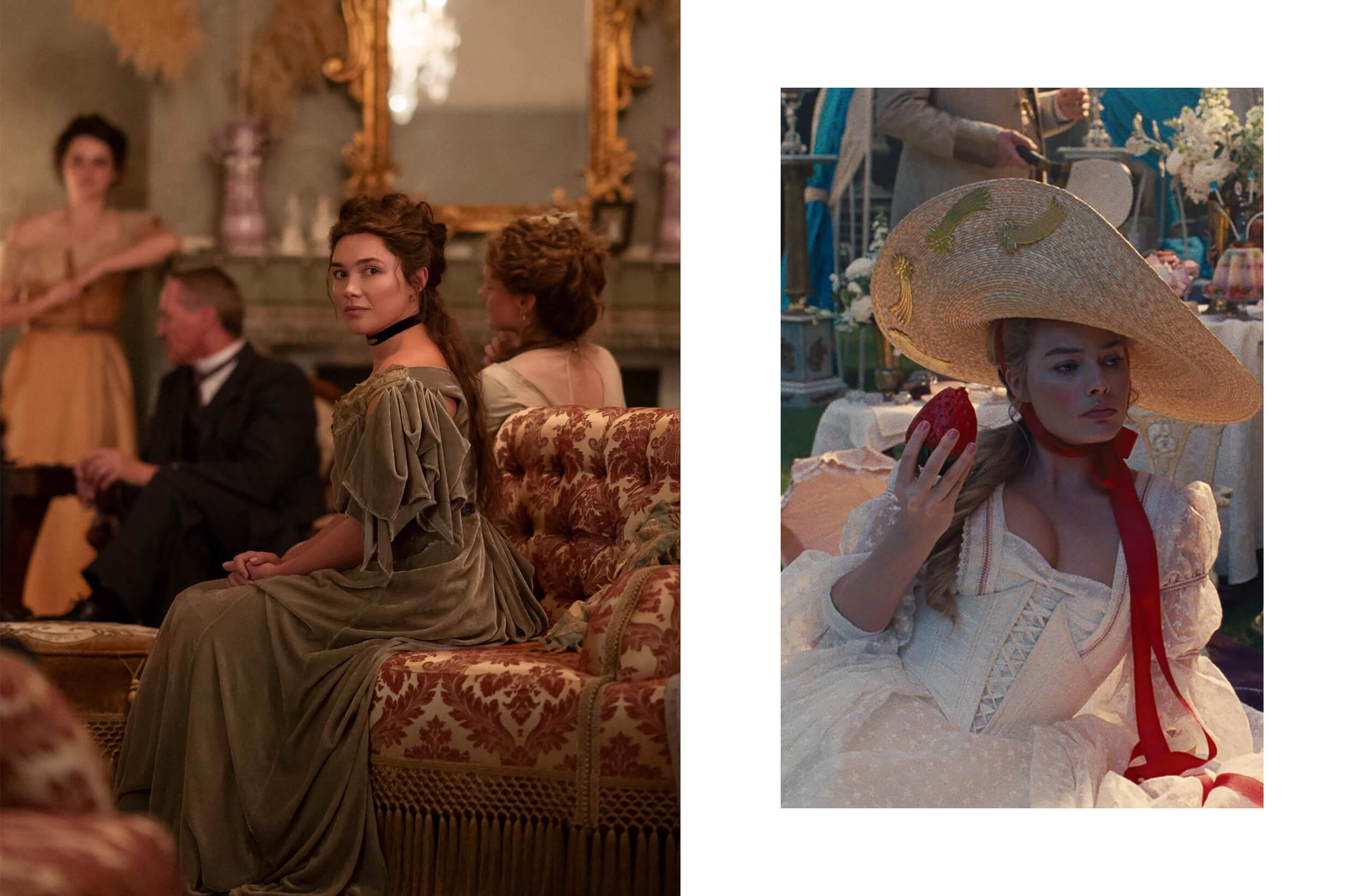
Netflix has launched the miniseries adaptation of “East of Eden,” and with it comes the return of one of the most debated women in American literature: Cathy Ames, created by John Steinbeck. The seven-episode miniseries, written and produced by Zoe Kazan and starring Florence Pugh, explores the entire saga of the Trask family, unlike the 1955 film with James Dean, which adapted only part of the book. A character who has divided readers for many years thus gets room she never had before. Kazan has said she wanted to find Cathy’s humanity without making excuses for what she does. The statement is worth examining, because it tells us that until now Cathy has been read as a monster, and we have to decide whether that judgment lies in the character herself or in those who look at her. Steinbeck describes her as a creature born with something twisted, lacking the moral part that others possess. The curious thing is that East of Eden is a novel about free will, about the “thou mayest” of timshel, the possibility of choosing who to become, and Cathy is the character to whom this possibility seems denied.
Cathy’s case is not isolated. In 1979, in “The Madwoman in the Attic,” Sandra Gilbert and Susan Gubar observed that nineteenth-century literature, largely written by men, tended to divide its women into just two types: the angel and the monster. Centuries pass and genres change, but the mechanism remains recognizable: a woman who wants too much, loves too much, rebels, or simply refuses to settle becomes “wicked” before she has even done anything wicked. There is also a second element to consider: the voice that tells the story. Of many of these women, we know only what someone else tells us. Catherine Earnshaw reaches us through a housekeeper and a stranger, Lila Cerullo through a friend who admires and envies her at once, Amy Dunne through a diary built specifically to deceive us. The verdict, in other words, reaches us already packaged, and many times we adopt it without even realizing.
What makes the picture more uncomfortable is the comparison with their men: Macbeth kills a king and has friends and families murdered, yet it is Lady Macbeth who remains the symbol of evil. Vronsky, Heathcliff and Rhett Butler leave their stories with an aura of charm or tragedy that is seldom granted to the women beside them. There is no doubt that some women do terrible things, and it would be dishonest to pretend otherwise, as with Medea, who kills her own children. But the twelve women we chose to analyze in this article are here because it is worth asking who is telling us what to think, in what era they say it, and what they want from us. Some are truly wicked, others are above all uncomfortable, and understanding the difference between the two is the purpose of this journey, which begins in ancient Greece and arrives at the present day.
Cathy Ames: The Monster and the Name We Give It
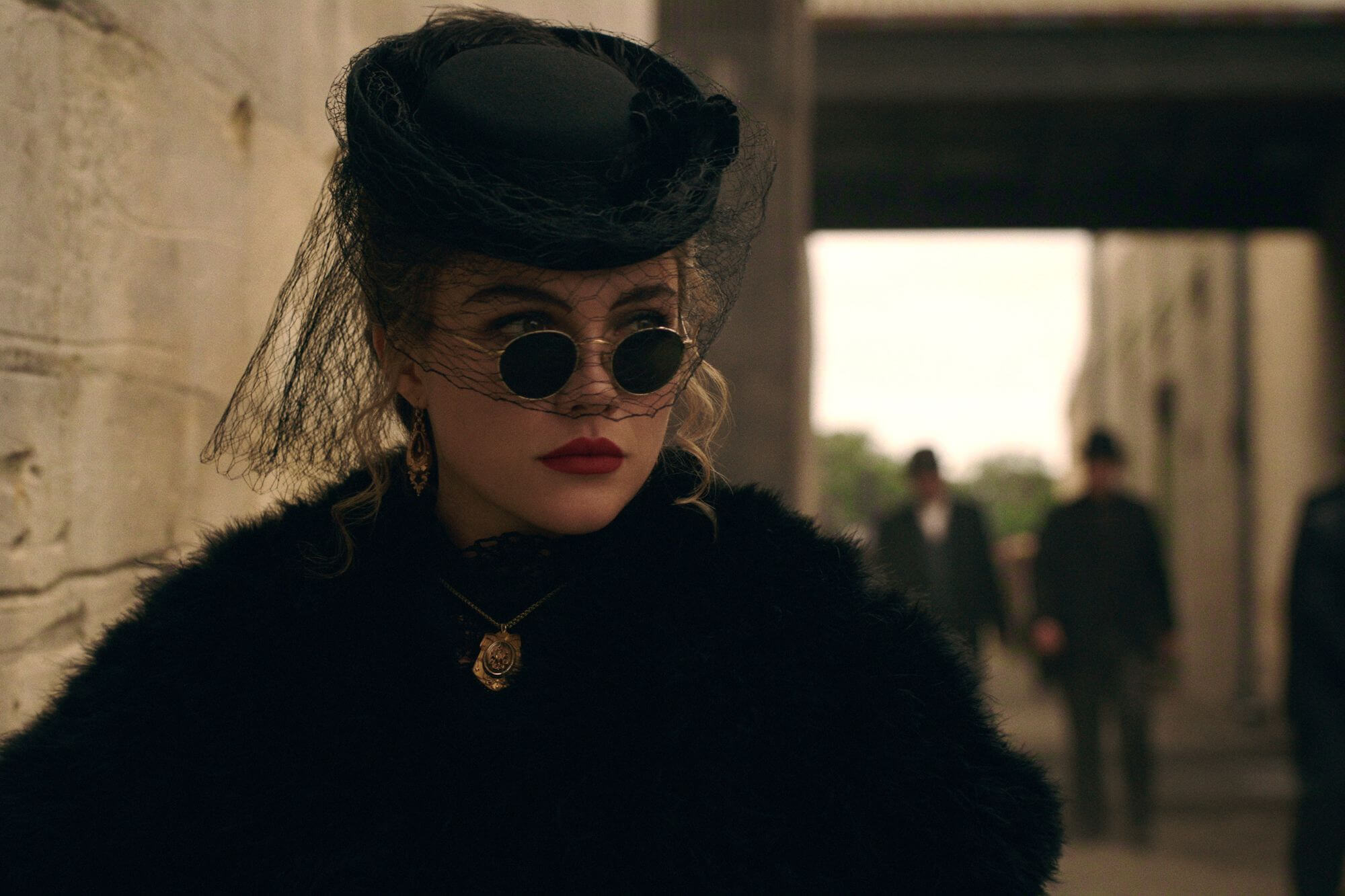
When Steinbeck introduces Cathy in “East of Eden,” he flatly calls her a monster. Cathy lies naturally and manipulates parents, teachers and lovers. She marries Adam Trask because she needs a refuge, shoots him when he tries to hold her back, abandons the twins right after giving birth, and ends up running a brothel after the suspicious death of Faye, the woman who took her in. The point is that the novel is built on free will, and Cathy is the character to whom the author seems to deny it. The question remains, then: is Steinbeck describing a person born that way, or is he using Cathy as proof of an idea? Kazan’s series tries to give her what the novel denies her: a past, a person behind the monster. It remains to be seen whether it will make us more forgiving or merely more aware.
The Vengeful: The Betrayed Woman Speaks
Medea, the protagonist of Euripides‘ tragedy of the same name, is the archetype of this type of woman. To marry the daughter of the king of Corinth, Jason repudiates Medea, the woman who helped him win the Golden Fleece and left her homeland and family for him. Medea, a foreigner without rights, responds by killing her rival and then her own children. When Euripides staged the tragedy in 431 BC, he did not soften the horror, but he gave Medea a long speech on the condition of women and left the audience uneasy at being unable to simply dismiss her, also because Jason, who broke a sworn oath, is certainly not innocent. In the finale she escapes on a chariot sent by the Sun: the tragedy never fully punishes her. Perhaps we shouldn’t do so either.
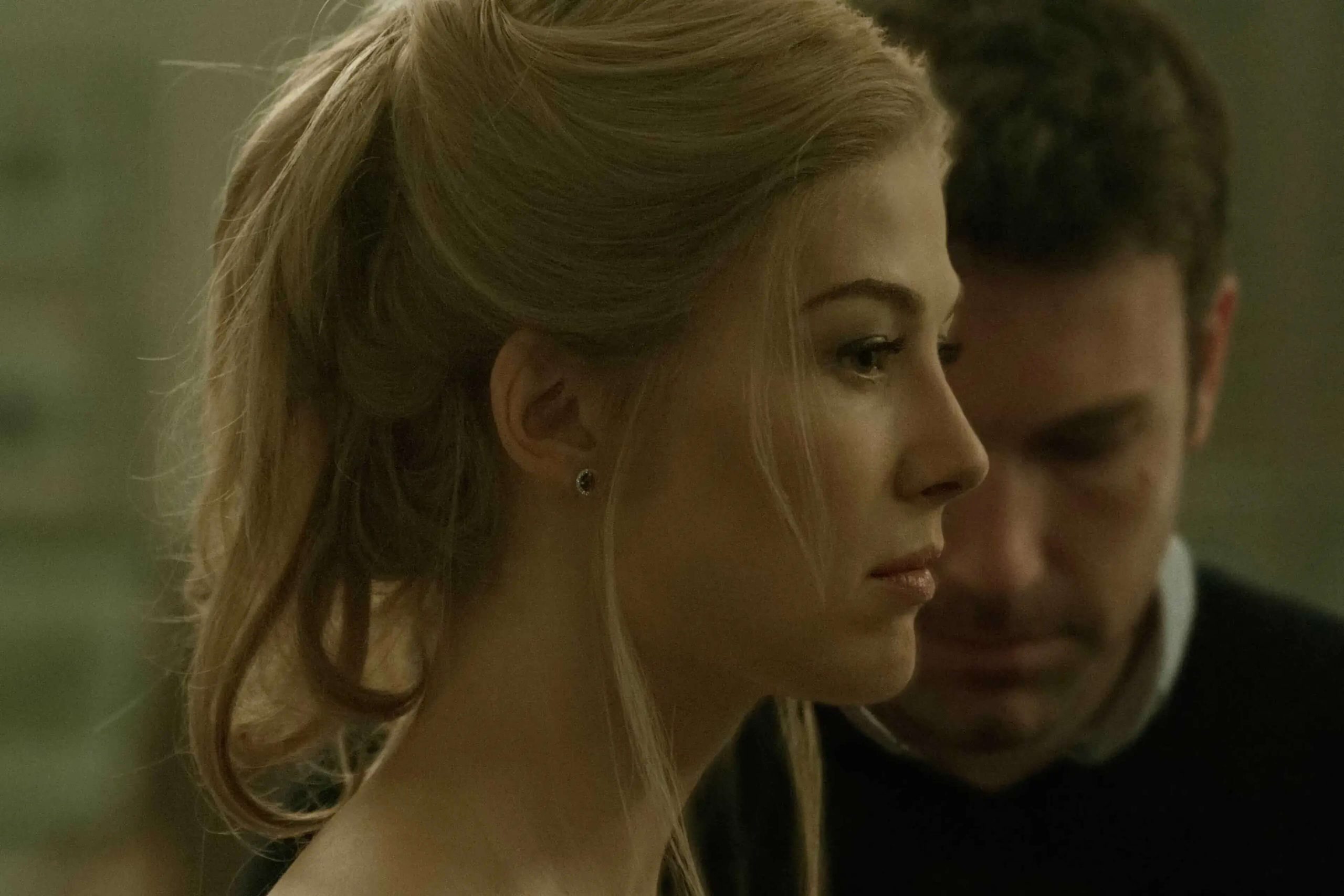
Amy Dunne (“Gone Girl” by Gillian Flynn), meanwhile, is Medea in the age of media. Flynn gives her the monologue on the “cool girl,” the perfect partner that men want and that women end up performing. Then Amy stages her own disappearance, with a fake diary, to ruin the husband who cheated on her. The novel alternates between two voices, and for half the book we trust a narrator who lies: Nick is no saint, but what Amy does to him is disproportionate, and the novel leaves us in that uncomfortable zone, without punishing the guilty party.
Those Who Want Too Much: Ambition, a Flaw in Women
Lady Macbeth (“Macbeth” by William Shakespeare) spurs on her husband, accuses him of not being a man, and prepares the murder of the king. Before the crime she asks the spirits to strip her of her feminine nature, as if, in order to want power, she had to stop being a woman. Then comes the collapse: the sleepwalking scene, the hands she cannot wash clean of blood. And yet it is Macbeth who kills the king and orders the deaths of Banquo and Macduff’s family. She, after her collapse, dies offstage. And this leads us to ask: why do we remember as the symbol of evil the woman who urged, and not the man who actually carried out the slaughter?
Becky Sharp (“Vanity Fair” by William Makepeace Thackeray) lives in a novel that its author called “without a hero.” Born poor, the daughter of a painter and a French dancer, she uses intelligence and charm to climb a social ladder that offers her no rungs. Thackeray treats her with cruel irony, but around her there are mostly hypocrites, and hers is almost a kind of sincerity: Becky notes that being virtuous is easy when one has a good income, a reason that (perhaps) leads her to act the way she does. Cunning, deceit, or a mix of both?
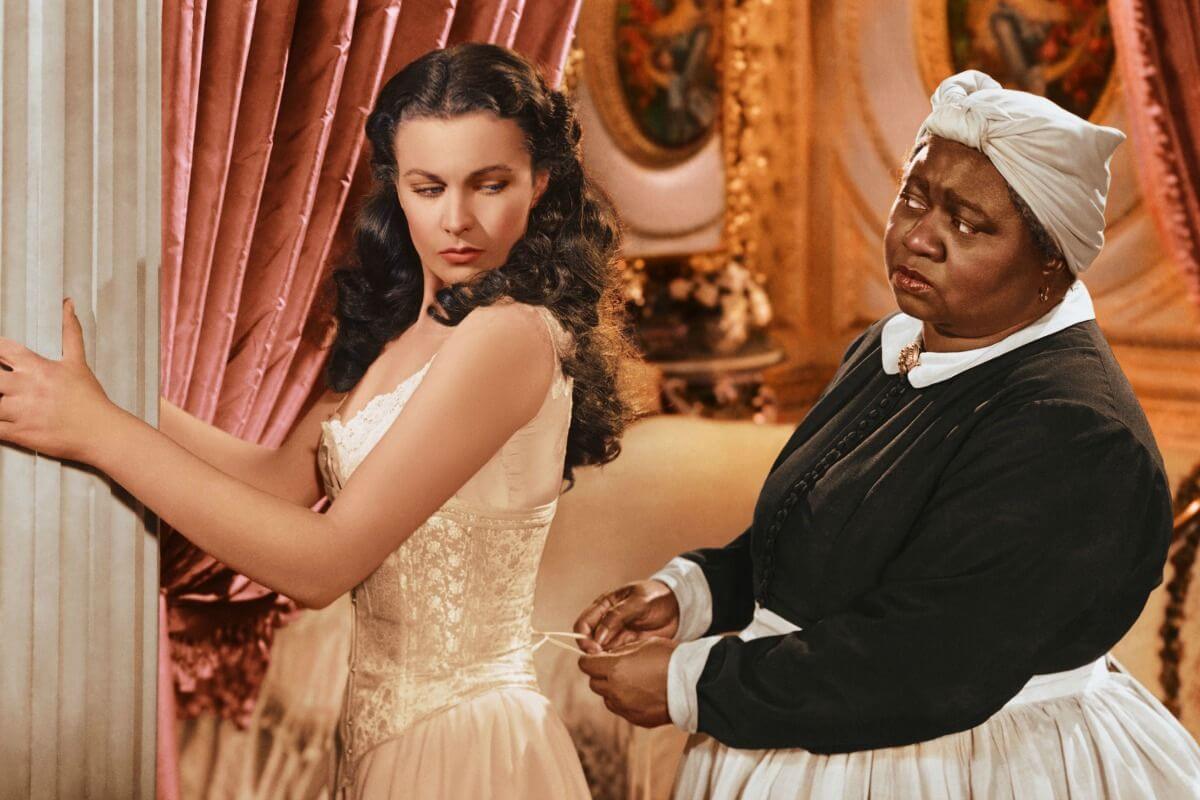
Scarlett O’Hara (“Gone with the Wind” by Margaret Mitchell) is selfish, vain and capricious, capable of marrying one man out of spite and another out of convenience. But it is she who, after the war, keeps Tara standing when no one else does. It should be said that the novel’s backdrop, the idyll of the Old South, is today widely criticized for how it portrays slavery, and rereading her means doing so with different eyes. The novel loves her and punishes her at once: and we, having also seen the iconic 1939 film, which side of the judgment do we take?
Those Who Desire Too Much: The Guilt of Desire
Emma Bovary (“Madame Bovary” by Gustave Flaubert) has read too many novels. She marries a country health officer, kind and mediocre, and seeks elsewhere the life the books promised her, through lovers, spending and debts, until the arsenic. The narrating voice is cold, almost surgical, and never tells us what to think: that is why the debate continues. Is Emma a victim of her own illusions, or a selfish woman who neglects her daughter and husband? (Meanwhile Rodolphe, who abandons her with a letter, pays no price at all.)
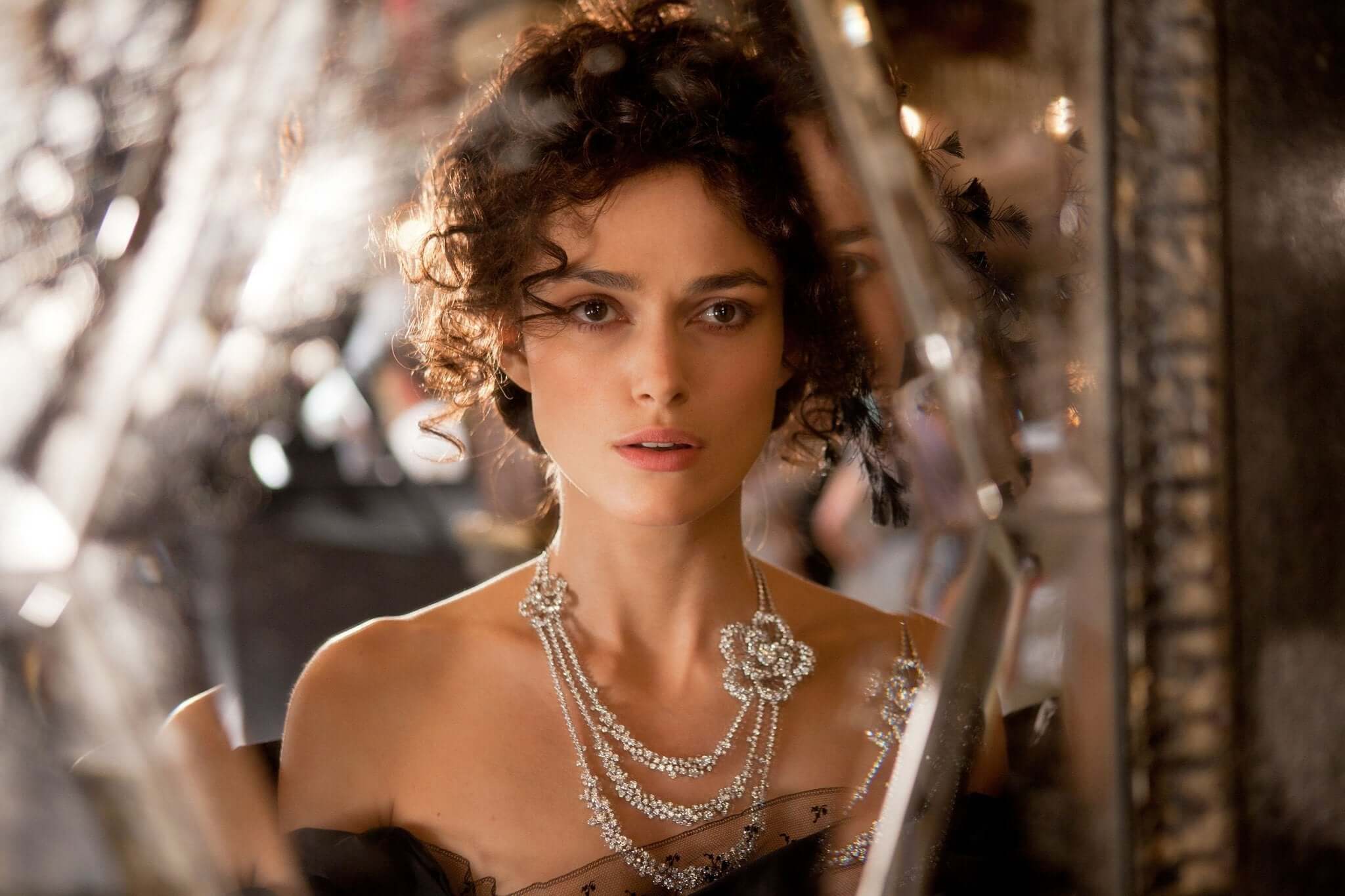
Anna Karenina (“Anna Karenina” by Leo Tolstoy) leaves her husband and son for the irresistible Vronsky. The novel’s epigraph, “Vengeance is mine; I will repay,” leaves a question open: whose vengeance is it, God’s or society’s? Meanwhile her brother Stiva constantly cheats on his wife and is welcomed everywhere, while Anna is shut out of the salons, and Vronsky remains welcome: her mistake is not so much having loved as having done so without protection.
Catherine Earnshaw (“Wuthering Heights” by Emily Brontë) is capricious and proud; she loves Heathcliff as an extension of herself but marries Edgar Linton for social position. That choice destroys everyone: her, Heathcliff, the next generation. But what we know about her, we know from Nelly Dean and Lockwood: a servant with her own opinions and a stranger who listens secondhand. Heathcliff, too, who carries his revenge down to other people’s children, is far crueler than she is, and yet it is he who has become a romantic (anti)hero.
Our Contemporaries
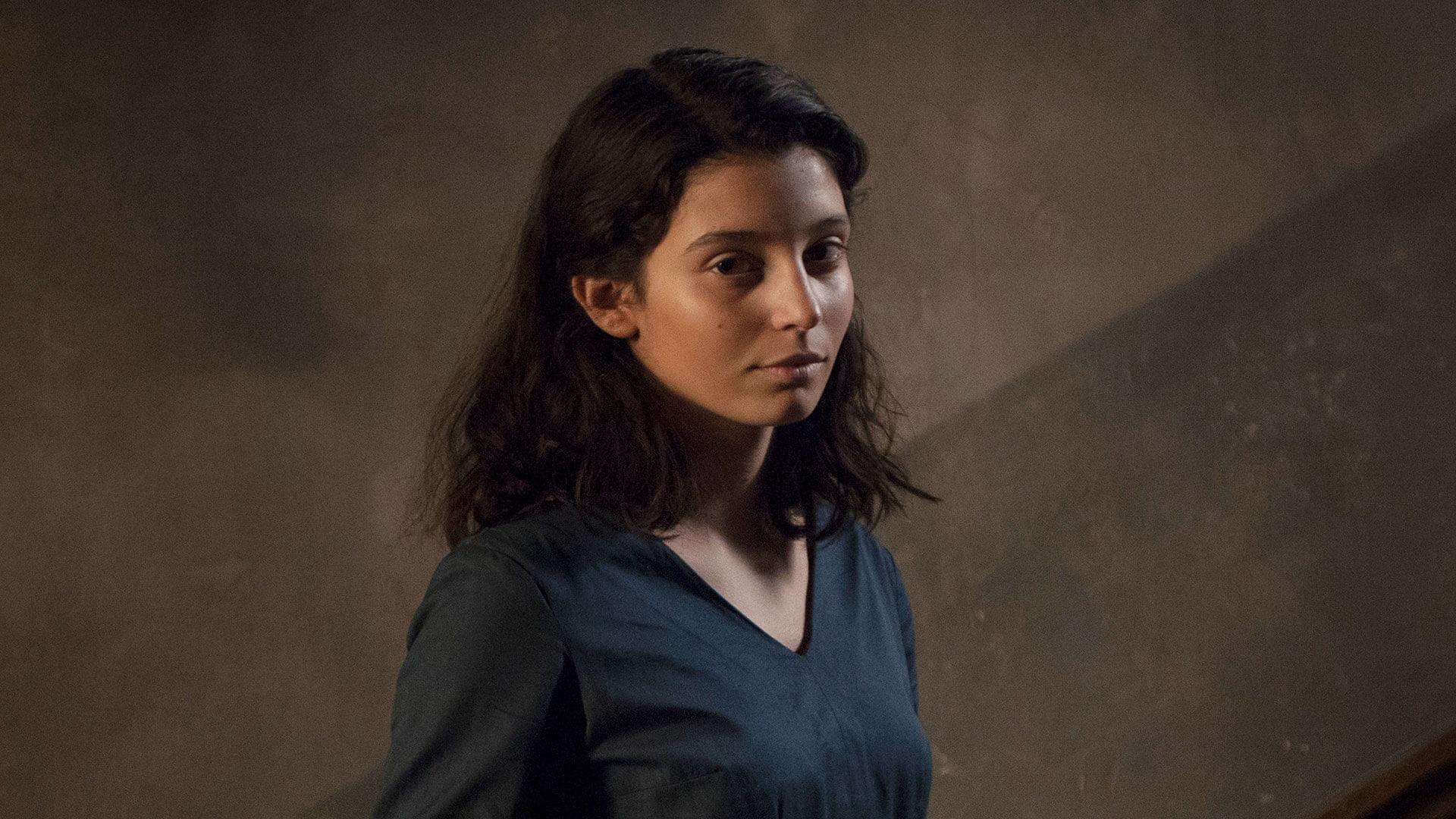
Lila Cerullo (“My Brilliant Friend” by Elena Ferrante) is the brilliant girl from a poor neighborhood in Naples. At sixteen she marries a well-off young man from the neighborhood, then leaves him, works in a factory, and learns computer science; she can be generous and ruthless, especially with those closest to her. But her life reaches us through Lenù, who writes to reclaim the story of a vanished friend, and she is never a neutral voice: she admires, envies, fears. Is the Lila we know real, or is she the version of someone who loves and hates her at the same time?
Mrs. Coulter (the “His Dark Materials” trilogy by Philip Pullman) is elegant, brilliant, but extremely manipulative. She runs an organization that kidnaps children to separate them from their daemons, lies even to her daughter Lyra and, in the third volume, keeps her asleep in a cave. But she loves her, in her own way, and that love ends up weighing more than her ambition. She is an uncomfortably concrete villain and at the same time a mother: a role we traditionally expect to be pure, because that is how we were taught. But is that right?
Lisbeth Salander (“The Girl with the Dragon Tattoo” by Stieg Larsson), the tattooed hacker, is declared incapable of managing her own affairs by the State, which does not protect her even when her guardian abuses her. She takes revenge, and the reader applauds: almost no one actually calls her wicked. It would be different with Medea or Amy, and this tells us that we often judge not the act, but how much we know about the wrong that preceded it: this time, the voice that tells the story has already led us to take her side.
Twelve women, different centuries, different genres. They have little in common except one thing: none of them is content with the role assigned to her. For this reason we called them wicked: some truly are, at least for certain actions. But most are “only” uncomfortable. And meanwhile the men beside them almost always manage to gain an aura of charm, tragedy and complexity, while the women are often left with the label. There is no need to absolve them, and that is not what Steinbeck, Euripides or Flaubert ask of us: what they want from the reader is to notice the voice that is telling us the story. And how far we agree with it.
CREDITS PICTURES
Cover picture: “East of Eden” TV series from Netflix + “Withering Heights” movie from Warner Bros. Pictures
Pictures in the article: stills from “East of Eden” TV series, “Gone Girl” movie, “Anna Karenina” movie, “Gone With the Wind” movie, “My Brilliant Friend” TV series


What do you think?