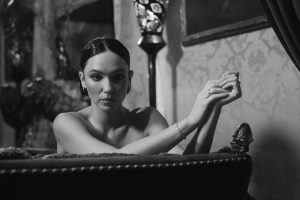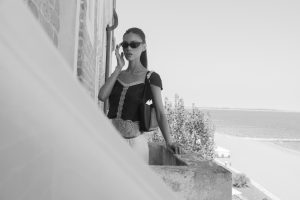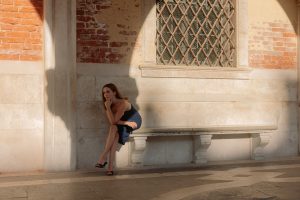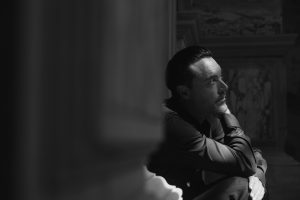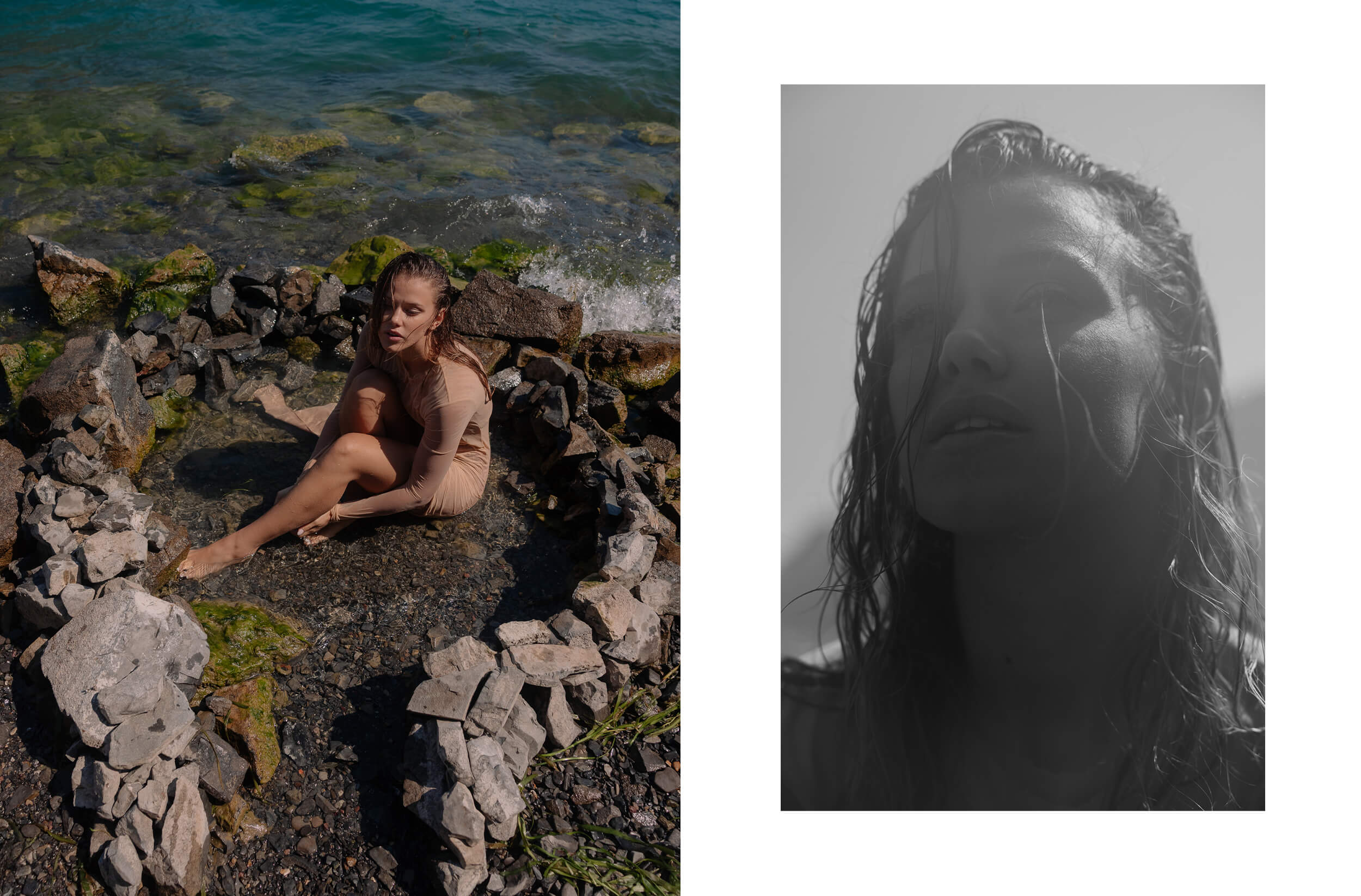
Margherita Buoncristiani walks with the stride of someone who has just stepped onto the scene and already knows how to own it. Raised on a diet of cinema – a film-obsessed father, a ballerina mother whose tutus became costumes for her first, improvised performances – the actress is now making her Netflix debut in “Minerva – La Scuola,” playing Camilla: a girl from Milan’s high society, spoiled and outwardly haughty, sent by her judge father to a military high school to be “straightened out.”
She’s a character who seems the exact opposite of the woman playing her, and it’s precisely in that distance that Margherita found room to reveal something of herself. During our conversation, she retraces Camilla’s origins and the strict, disciplined world of Minerva – made of identical uniforms, iron-clad rules, feelings kept hidden behind glances – before opening up to a more personal account: her relationship with time passing, the courage to live without a fixed life plan, and that hard-won freedom of finally feeling comfortable in her own skin.
What is your first memory tied to cinema?
I’ve always been creative: I remember that when I was little, I was always dressing up. My mom was a ballerina, so she had tutus in her closet that I would wear to put on improvised scenes in front of my parents and grandparents, sometimes copied from movies or TV shows I was watching at the time. So that’s one of my very first memories. Then, a hugely important element: my father always watched a lot of movies — I remember he’d watch one every single evening, so I was constantly exposed to cinema.
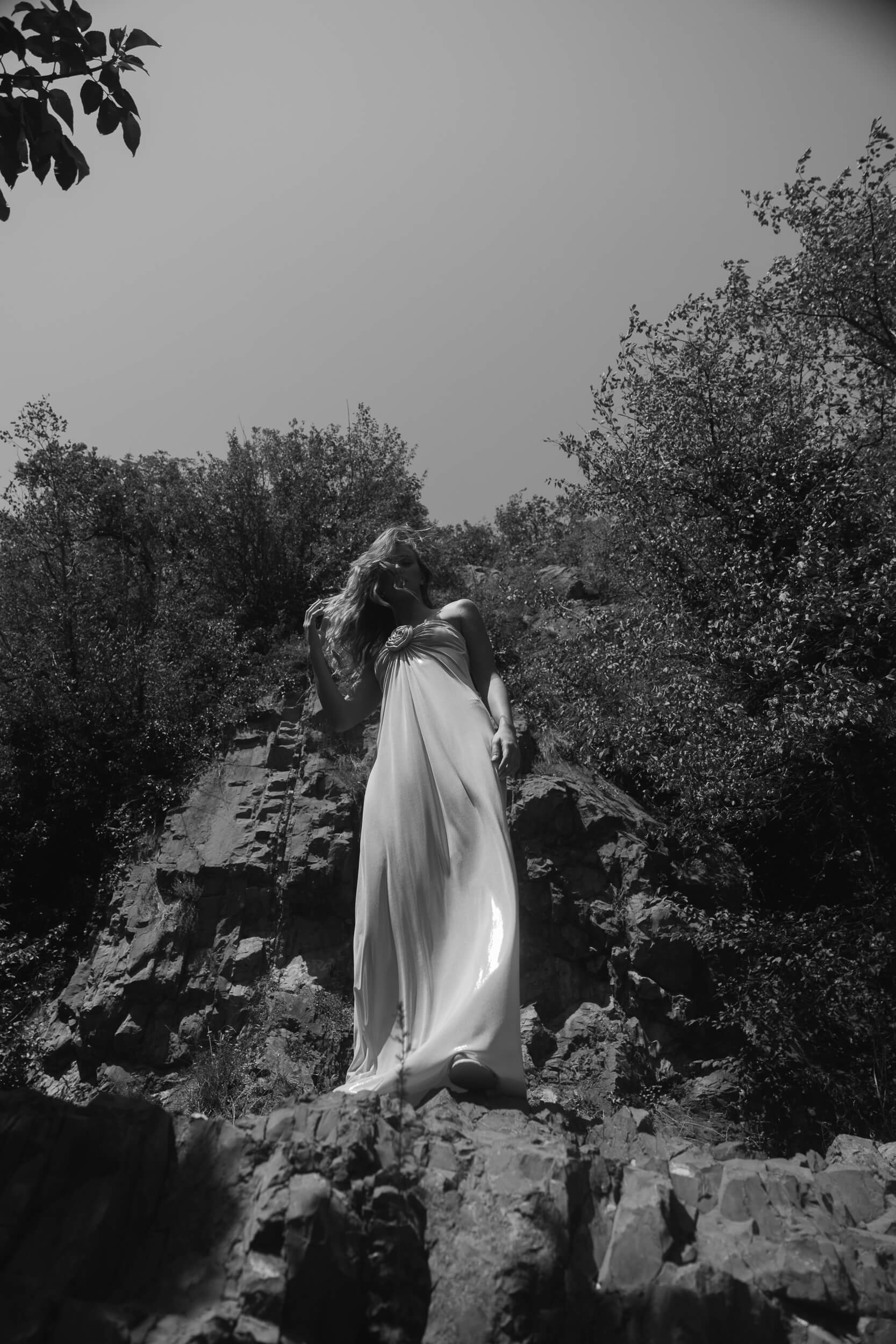

Speaking of the Netflix series “Minerva – La Scuola,” your character, Camilla, arrives at Minerva from a completely different world — Milan’s wealthy set — sent there by her father “to be reformed.” How did you approach this character?
Camilla is rebellious, spoiled, very haughty, but she’s also a very lonely character. She’s sent by her father to the school to be put in line, because her rebellious streak makes her somewhat harsh toward life and toward a family that’s completely absent.
It wasn’t easy, because Margherita is the opposite of Camilla. If, on the surface, I might come across as superficial or haughty, I’m actually very different — especially in terms of sensitivity and tenderness. Still, I managed to bring these traits of mine to the character over the course of the series. Even though Camilla holds some surprises, she does have an evolution.
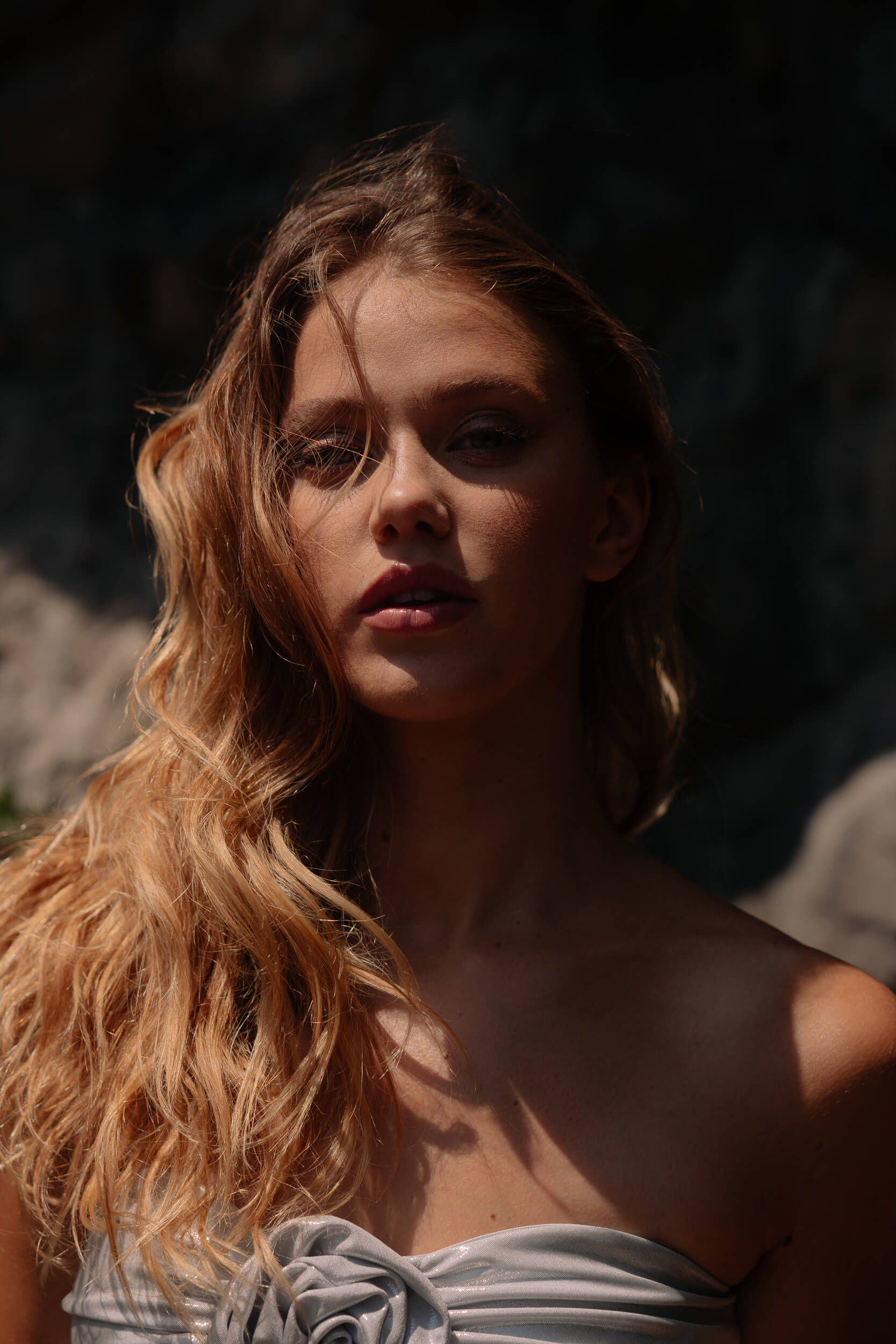
What does being “spoiled” mean for Camilla? Is it a label the character carries, or is it something the series slowly dismantles?
It’s a label she carries, but one the series completely dismantles. In the end, Camilla turns out to be a good, understanding person, with dreams, with goals; she too believes in the value of friendship, she’s very determined. She enters the story wearing a mask that gradually crumbles and reveals her true self. It was really beautiful to play a character with two faces, and in doing so, to test what I myself am made of — my emotions, what Camilla passed on to me. She’s a character I grew truly attached to.
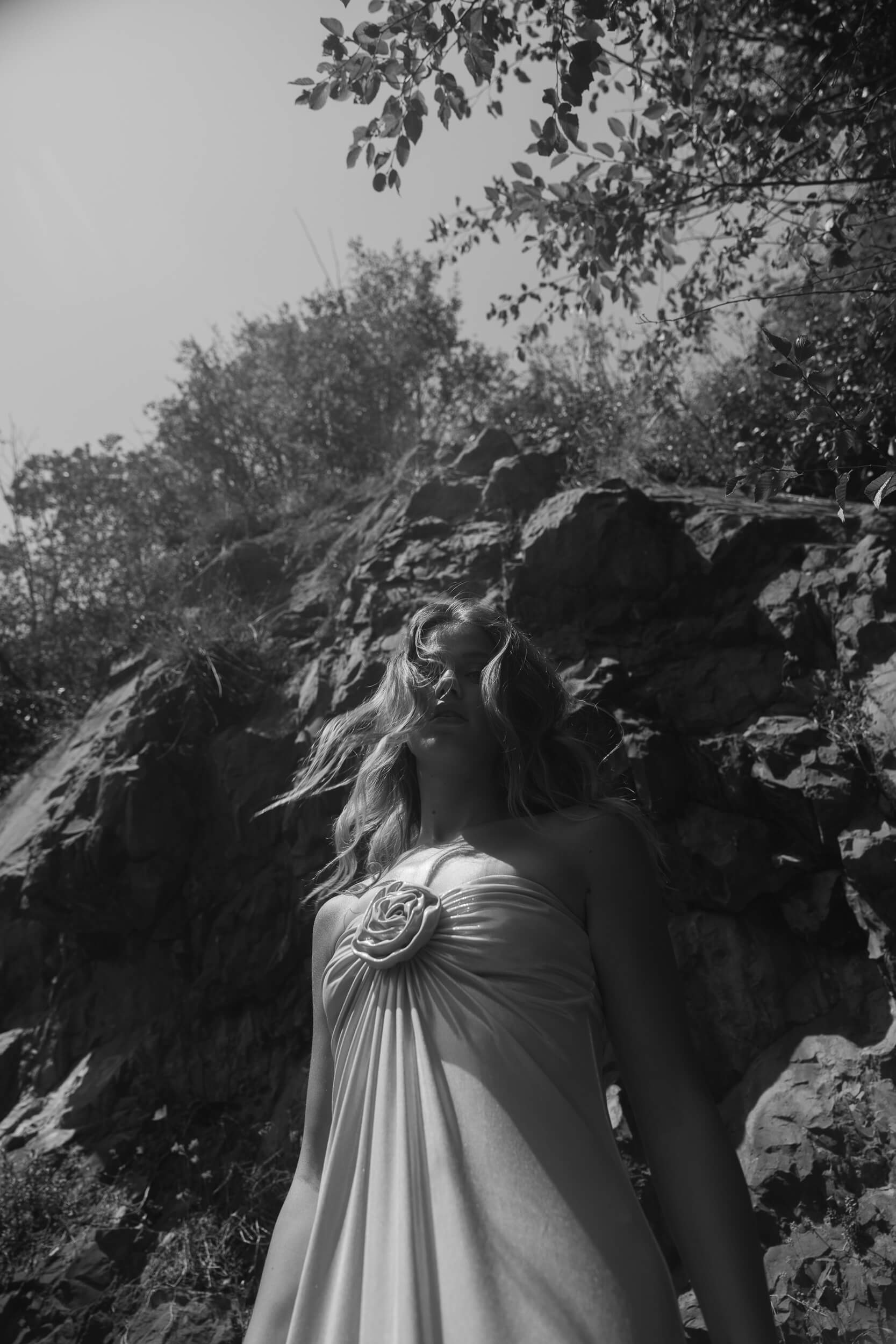
“It was really beautiful to play a character with two faces, and in doing so, to test what I myself am made of”

The relationship with her father is the reason Camilla ends up at Minerva. How much weight does this figure — even as an absence — carry in the character’s journey?
It weighs a great deal, because Camilla is afraid of her father’s judgment, so the shadow of it looms over everything she does. There’s a beautiful scene in the second episode, which, incidentally, was the very first scene I ever shot in my life: a very painful moment where Camilla runs away from school, ends up in a bar in the Spanish Quarter of Naples, and has a phone call with her father in which she says she can’t take it anymore. It’s almost as if she’s giving up in that moment, and her father tells her he expected as much — that’s why he hadn’t sent the driver back but had him stay in Naples, because he knew Camilla wouldn’t make it. That’s where you see the despair Camilla feels in the face of her father’s judgment of her.
Later in the series, there’s another beautiful scene, once again a dialogue between Camilla and her father, and you realize she’s become a completely different person compared to the first episodes. Her way of seeing other people’s judgment changes — especially her father’s, which carries enormous weight at the start — but in the end, her own goal matters more.


The Minerva military high school is an extremely rigid environment: no phones, no civilian clothes, no love stories. How do you think you, Margherita, would have handled a school like that?
The series portrays a school setting with a discipline far stricter than that of typical Italian high schools, and at times this is even taken to extremes. I think that in a society like today’s, where everything is within reach and everything moves very fast, a school like Minerva — where discipline, ambition, and aspiration are central, and where there are rules to follow, things my generation and the ones after mine don’t really grasp — makes you reflect a lot, because it forces you to prioritize things that, in everyday life, we don’t consider priorities, since we’re not used to reflecting. In this school, there are many moments of togetherness, friendship, real-life themes, rather than photos posted on social media and things like that.
How would I have handled it? It definitely would have been tough, because I’m a very ambitious and determined girl, so it would have been a huge challenge — but I have to be honest, I would have liked to actually live what Camilla lived. Minerva is a school where there are no differences: everyone wears the same uniform, everyone is treated the same way, everyone follows the exact same rules, so there’s no envy, no jealousy; of course, human relationships do develop within the series — beautiful love stories and friendships — there’s a lot of humanity, even though it’s a setting where everything is sometimes pushed to the extreme.
But I think six months (no more than that) in a military school could do everyone some good, just to bring us back down to size.
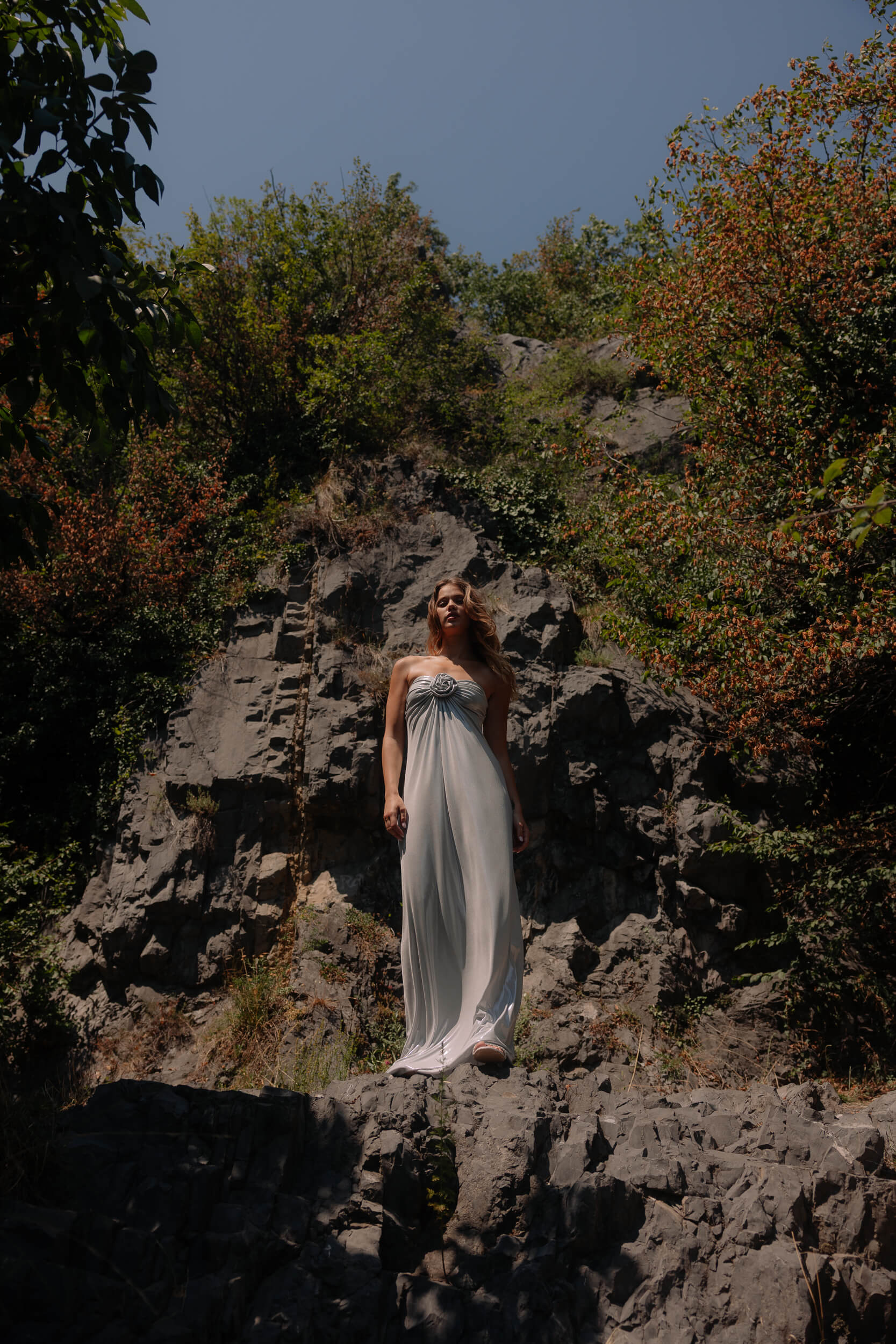
“…to bring us back down to size.”
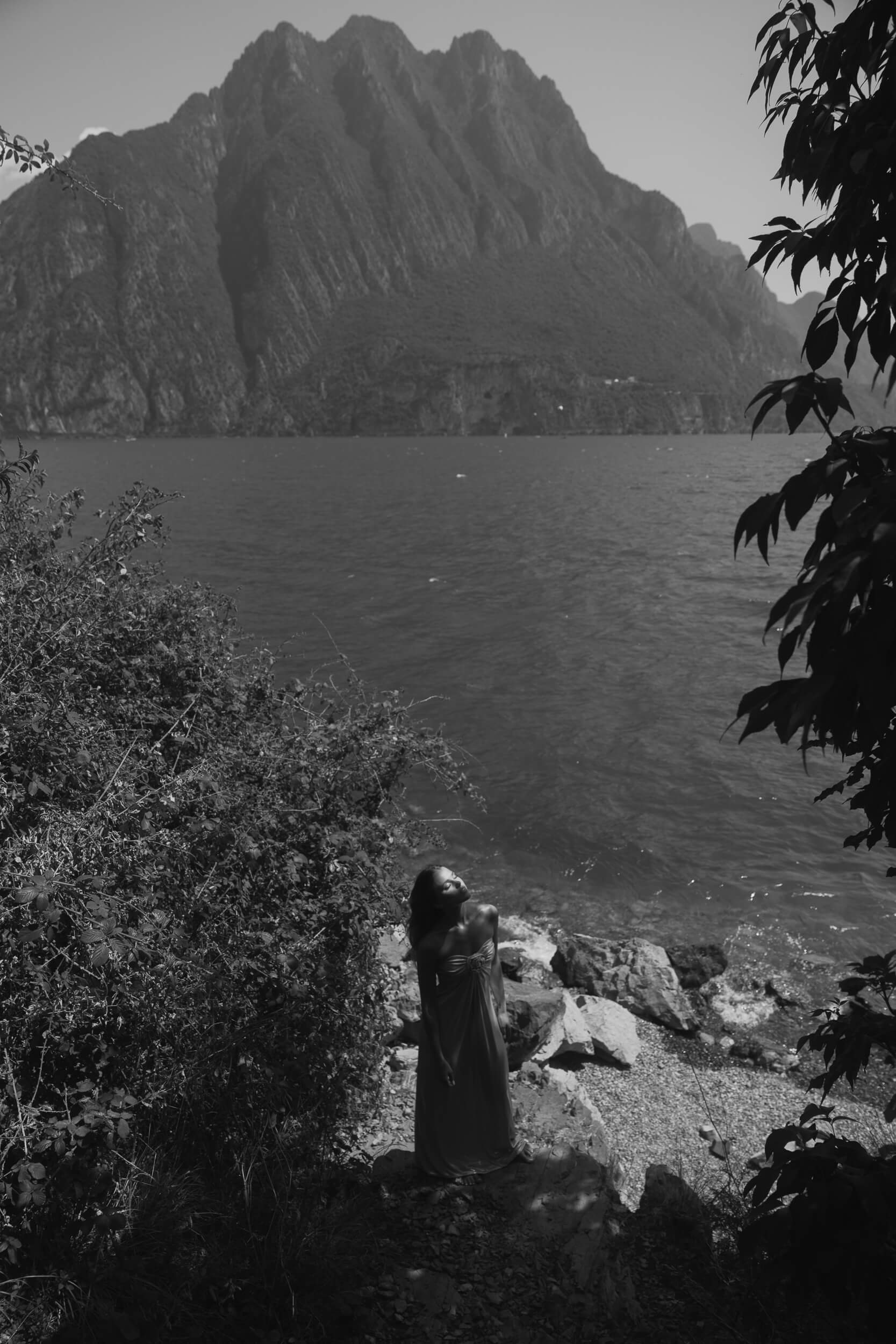
I agree — I think learning discipline in life, one way or another, is fundamental; whether through school or through sport, it gives us a direction we then tend to follow for the rest of our lives. Maybe military school is the more traumatic route… but some people would deserve it! Was there a specific subject or activity at the school — military tactics, fencing — that struck you in particular during filming?
We had a teacher who’s a former military officer, who taught us how to salute, our posture, how to speak, how to carry ourselves, how to wear the uniform, how to put on the cap, and in general how to present ourselves to others. For me, that was the most interesting and most enjoyable part, not only because there’s nothing better than learning new things, but also because I had no idea how military language or fencing worked, so it was a lot of fun.

The series tells the story of kids “pushed to the limit” who discover unexpected things about themselves. What did you discover about yourself during or after filming?
Life is a constant questioning of oneself, isn’t it? I think my character reminded me how much every choice and every relationship can change the course of a person’s life.
Camilla doesn’t want to go to a military school, she doesn’t even consider it, but then she realizes that maybe there wasn’t a better choice she could have made. Life is constant change and a constant questioning of what we want, of our goals, and it’s also a very instructive inner journey.
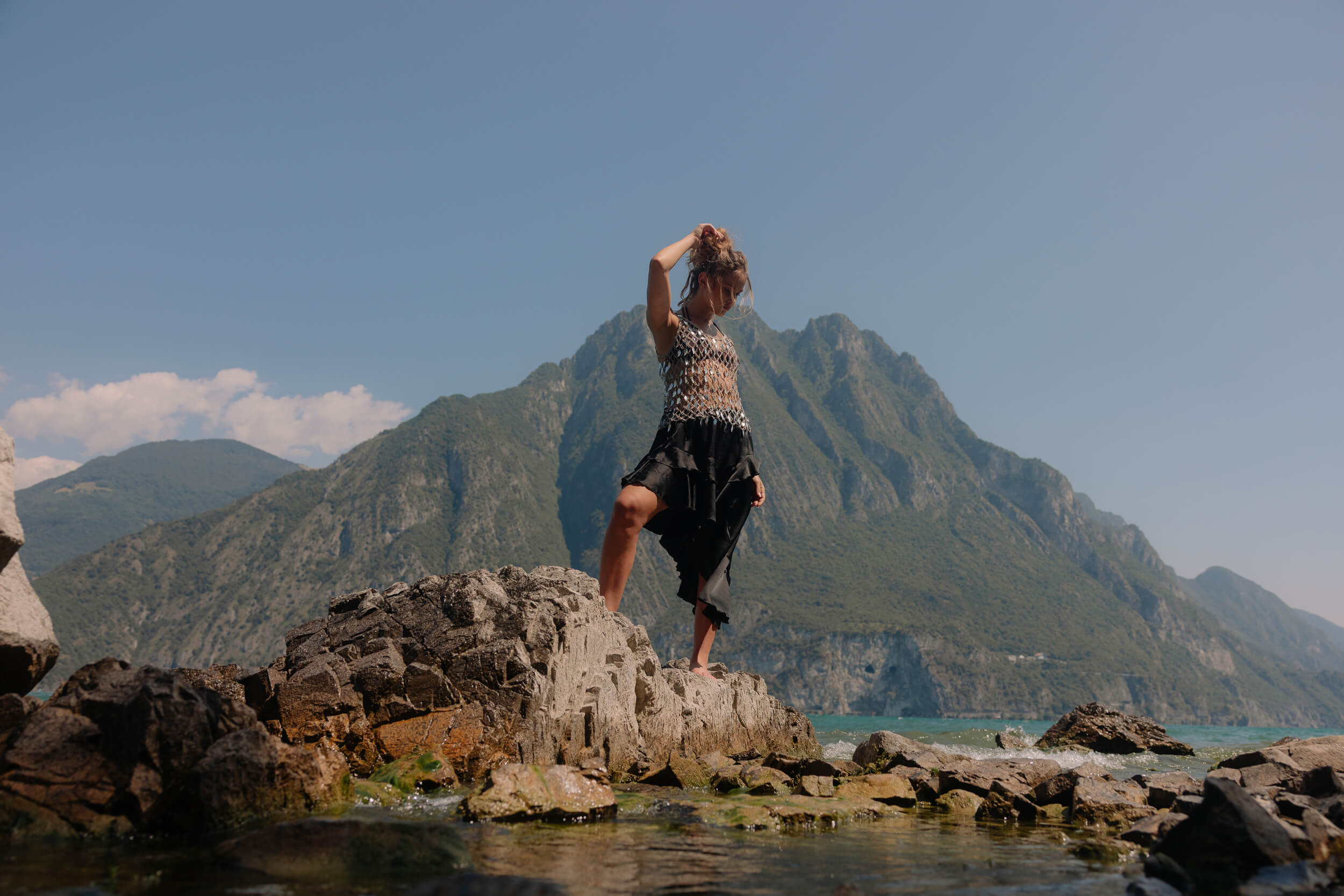
“Life is a constant questioning of oneself, isn’t it?”
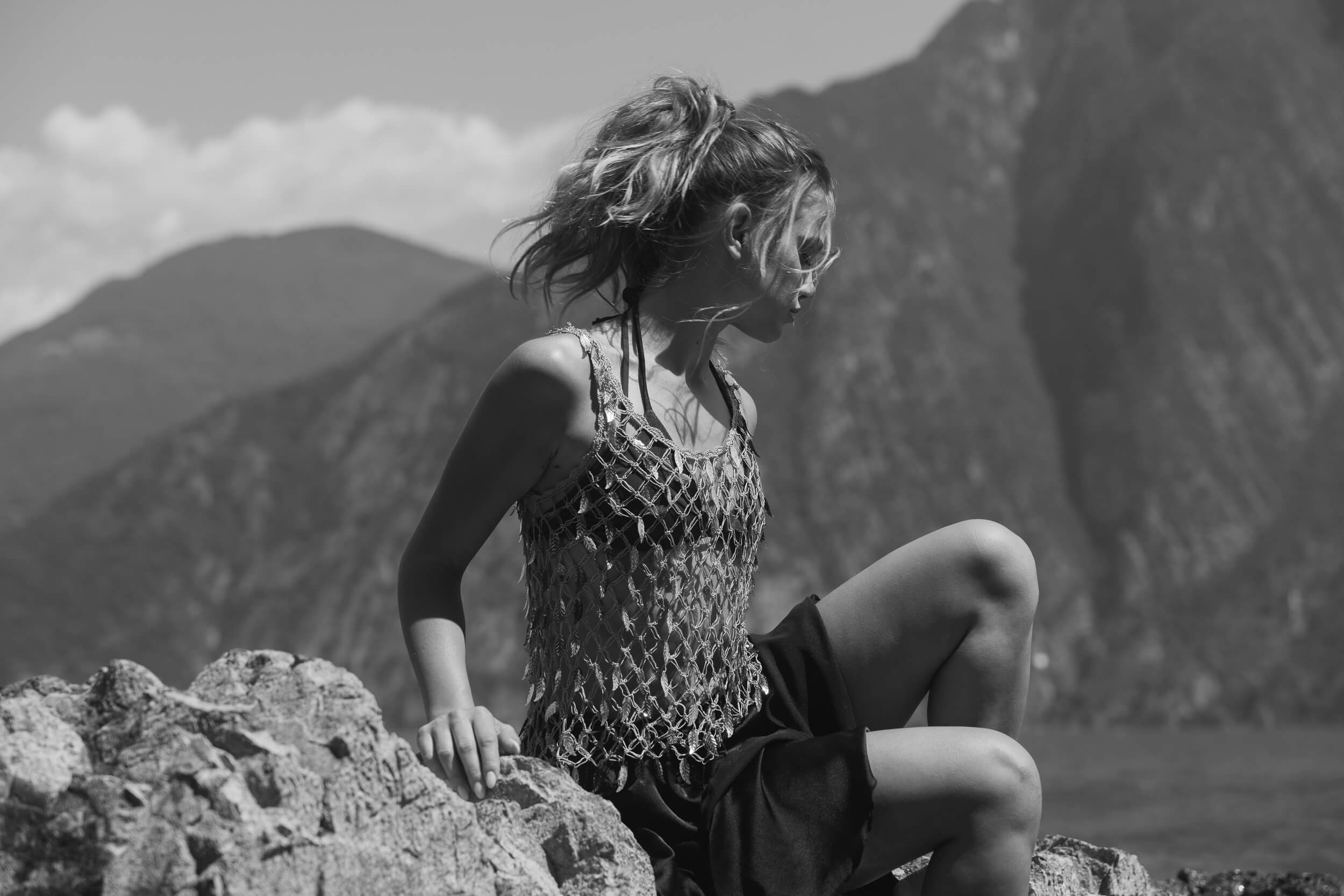
In the story, romantic relationships are forbidden. How do you portray a feeling when it’s forbidden to show it or live it openly?
In my opinion, through glances too. In fact, you understand right away how the various couples are matched up and what will happen, because the eyes are our mirror.

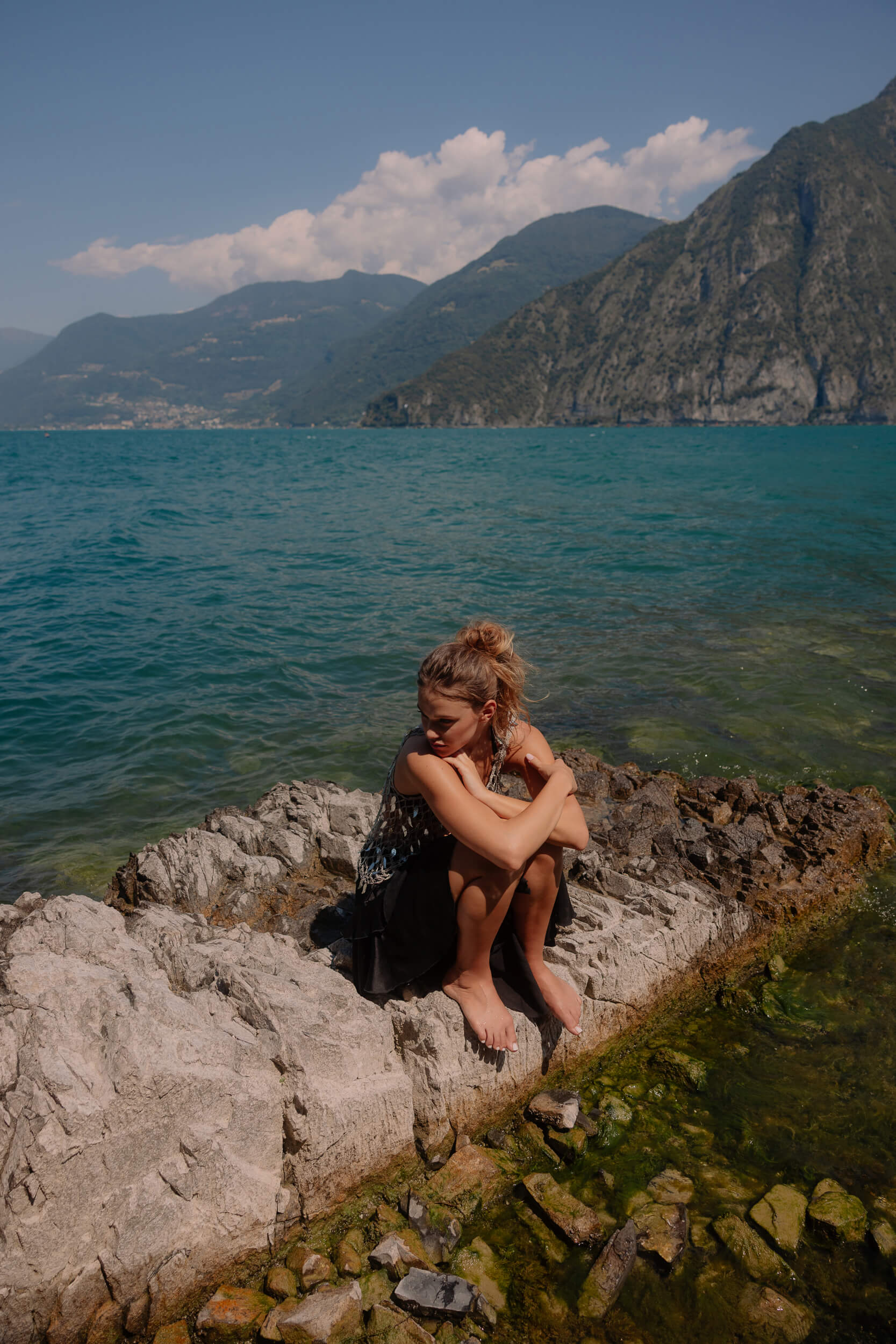
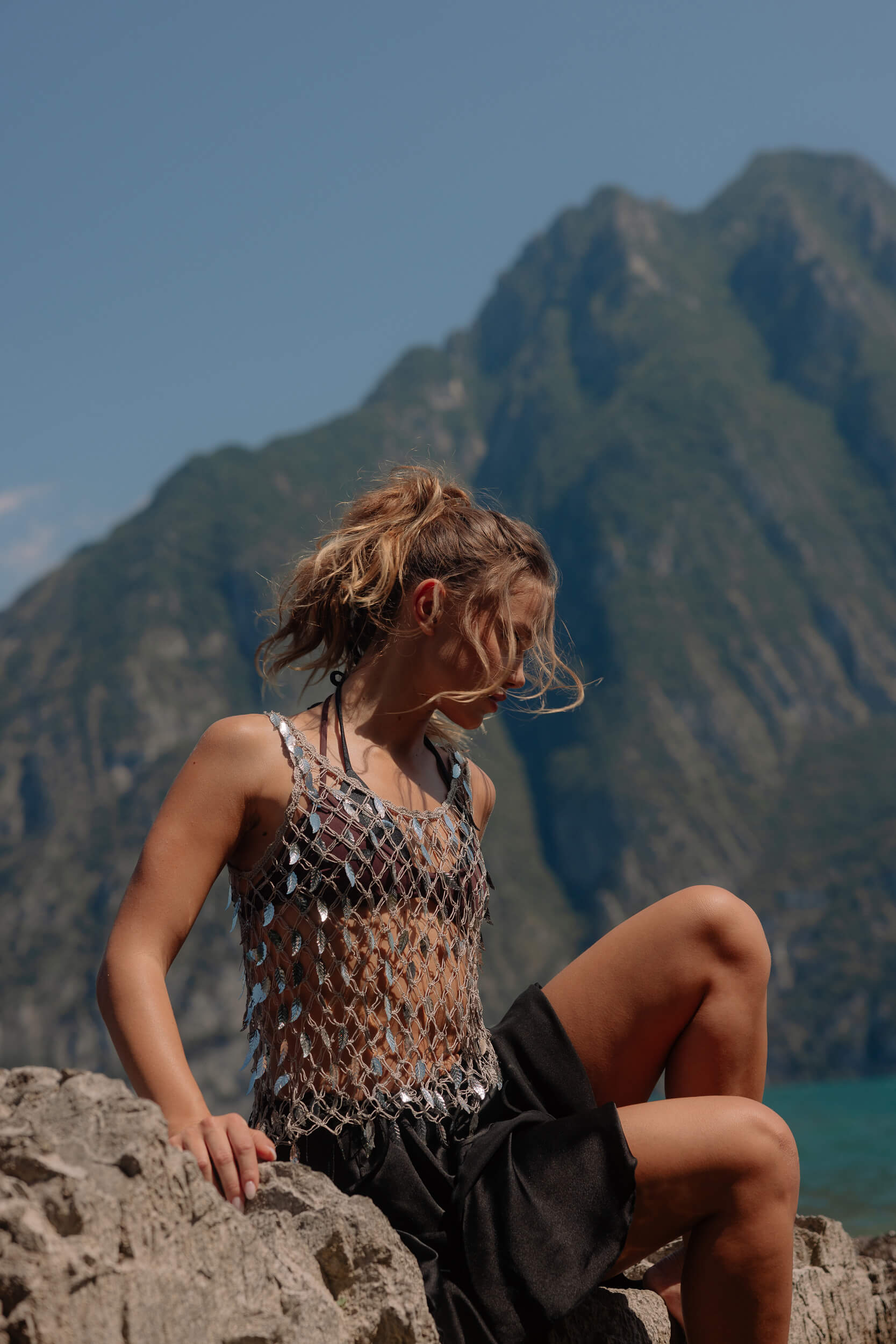
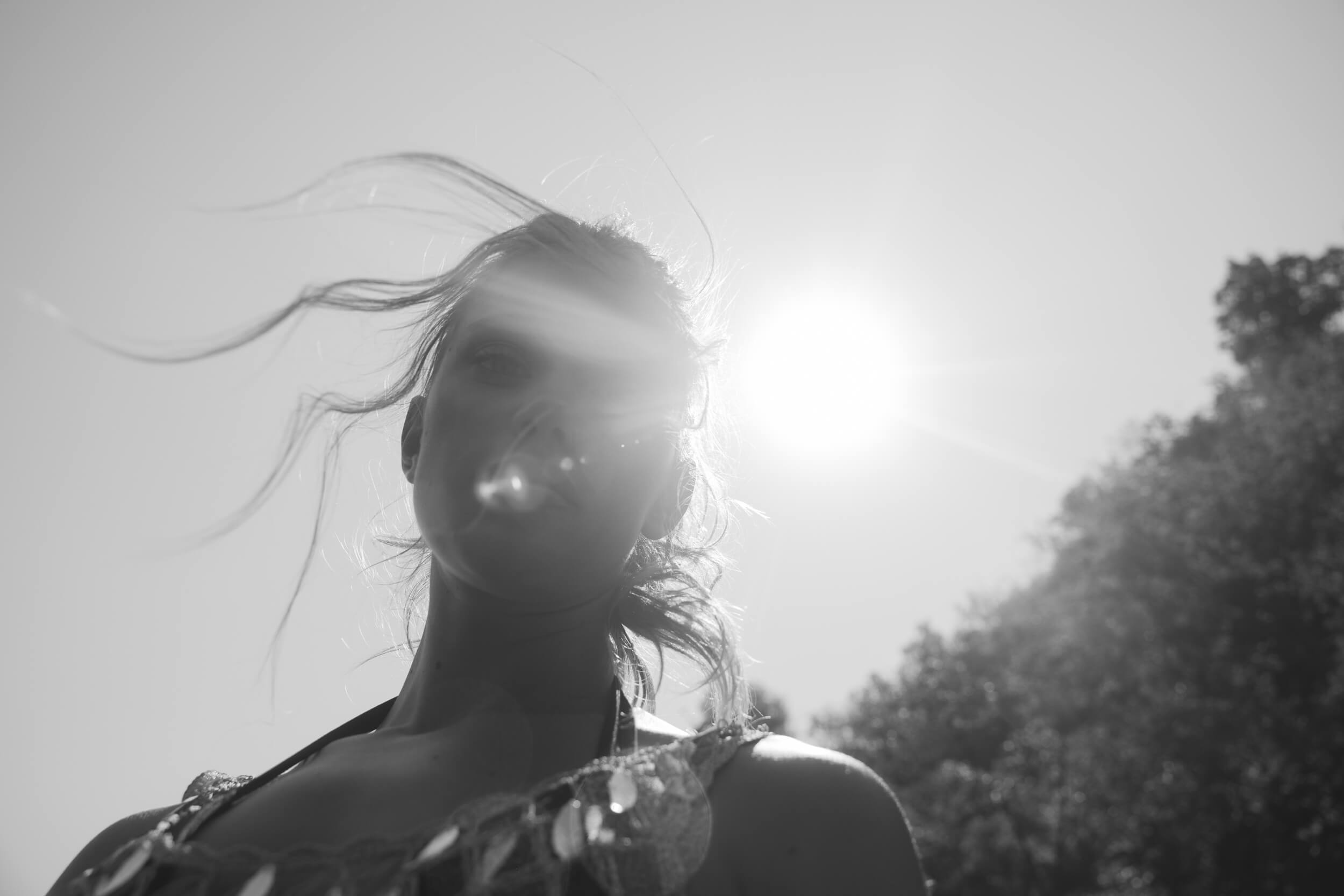
Minerva – La Scuola is about kids who have to figure out whether “the dreams they had were the right ones for them.” What do you think this story can say to younger audiences, but also to adults?
I’d say: don’t rush. Today we’re used to getting everything instantly, but instead you have to believe in it, be determined, have a clear idea of what you want to achieve — but that shouldn’t become anxiety, it shouldn’t turn into anguish over reaching a dream or a goal, as if not reaching it means having failed. Trust the process and everything comes in time.
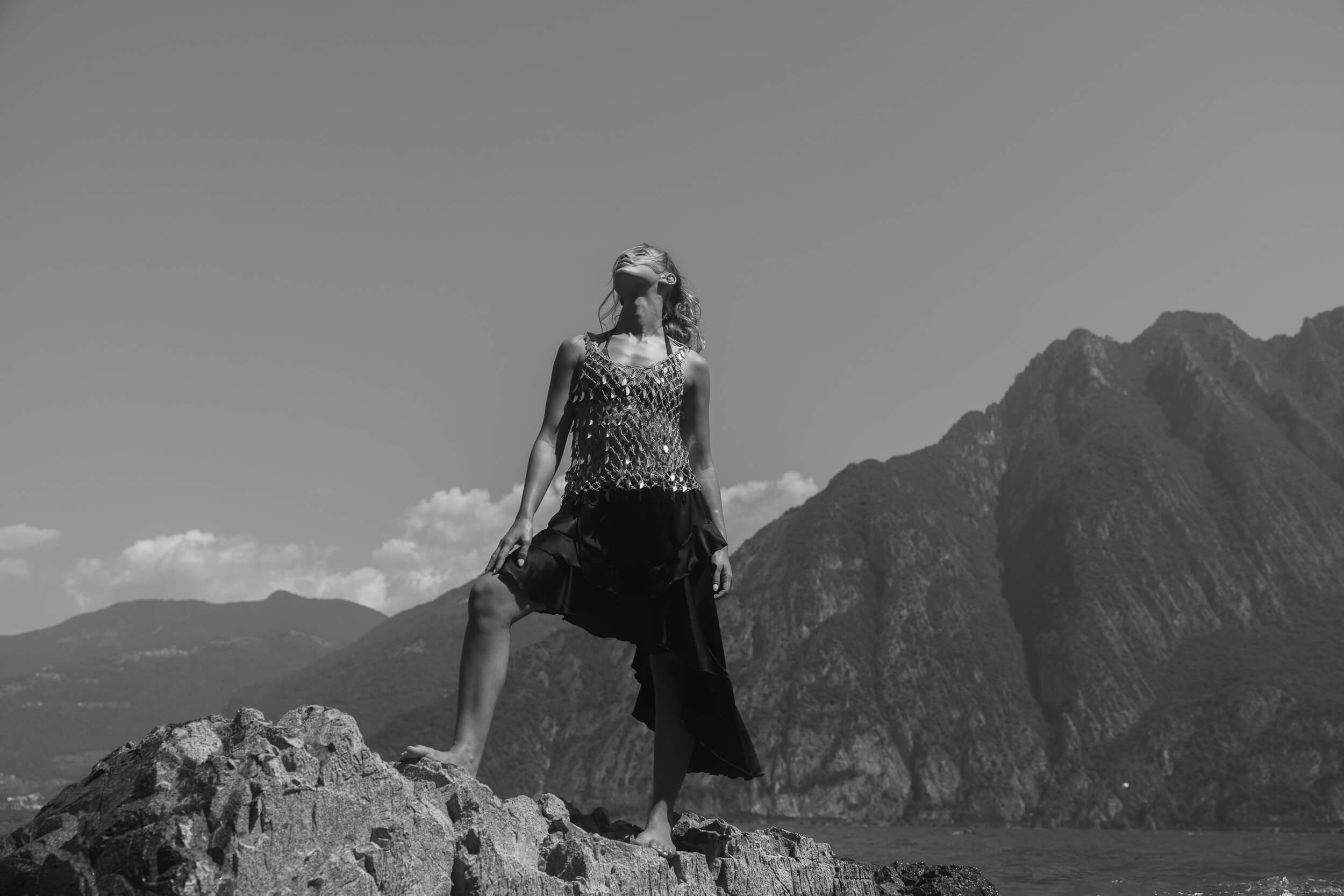
“Trust the process”

The last film/series/book you experienced that left something with you?
“Little Women” — I’ve watched it countless times and I adore it, maybe also for its feminine sensitivity and for the kind of characters that keep living in your head even after the film is over. Then also Bong Joon-ho’s films, which I love enormously, “Her,” “Aftersun,” “Past Lives” — all films that stayed with me.


What was your greatest act of rebellion?
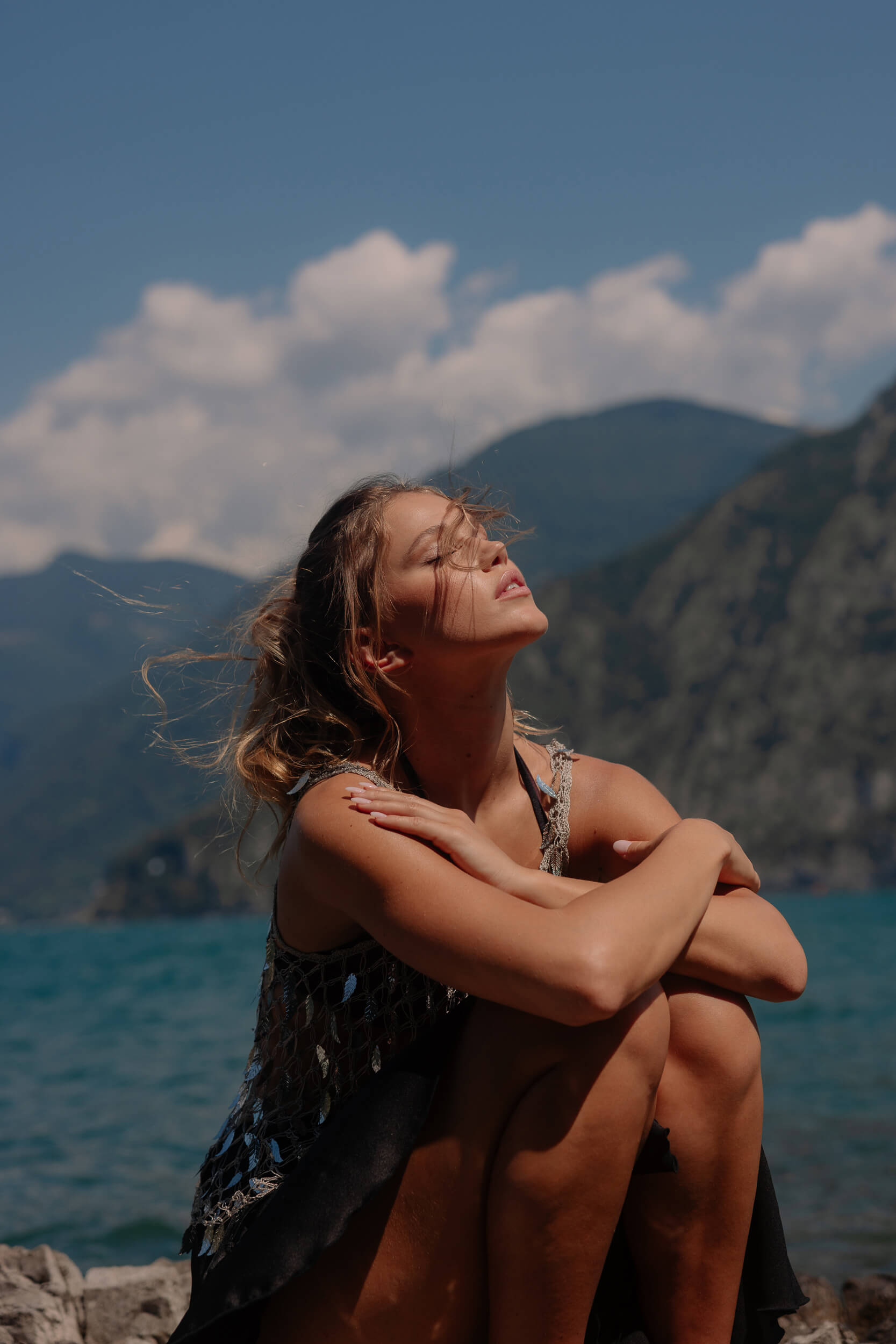
Beautiful question. Maybe, so far, choosing not to have too precise a life plan. I’ve always found it hard to put all my ideas in order; I consider myself someone whose mind moves extremely fast, and the acting profession itself means living with uncertainty — and for a person who wants to have everything under control, that alone is already a small form of rebellion. So I’m also learning to trust what intrigues me, to let go, and to allow certain things to happen instead of always trying to predict and control everything. I’m chasing a dream I have, that of being an actress, and I hope it always goes for the best, but my greatest act of rebellion is choosing not to have too precise a life plan, because you never know.


Your greatest fear?
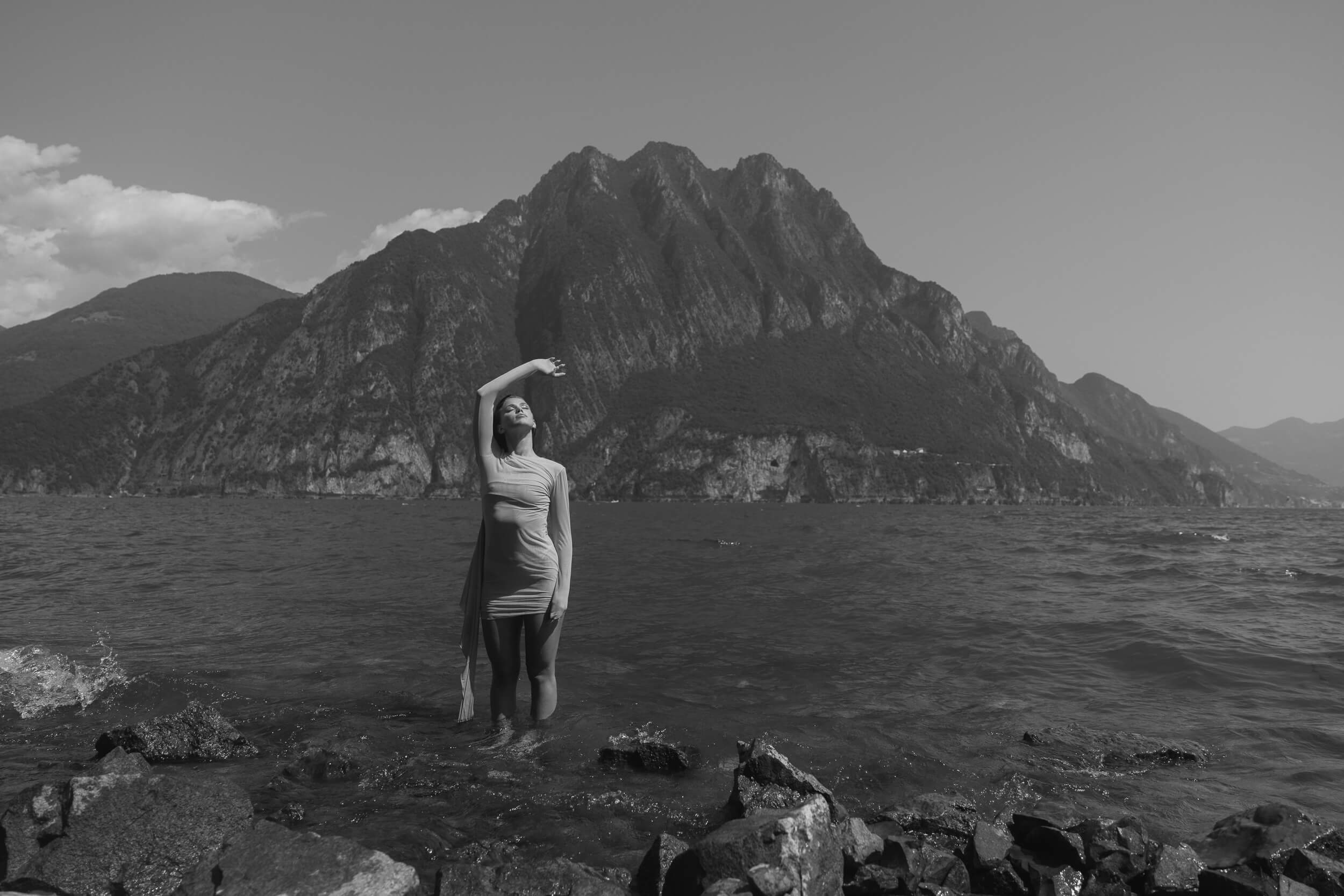
Time passing — not so much in the sense of aging, though. As I said before, my thoughts run very fast, as does my ambition, my creativity, my way of being, and even though I’m an extremely positive person, time passing and the thought of not managing to do certain things and then regretting it — that’s one of my greatest fears.
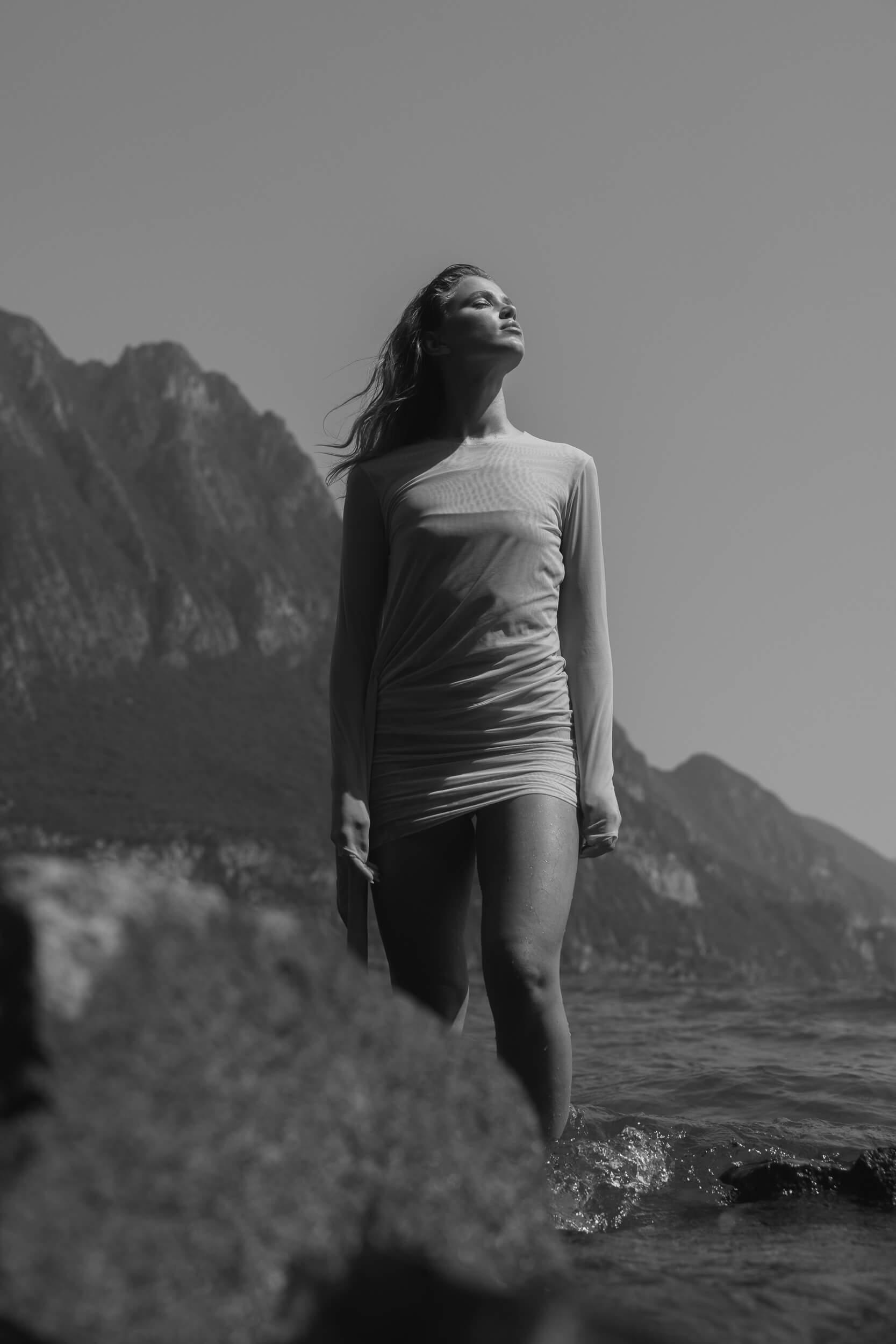
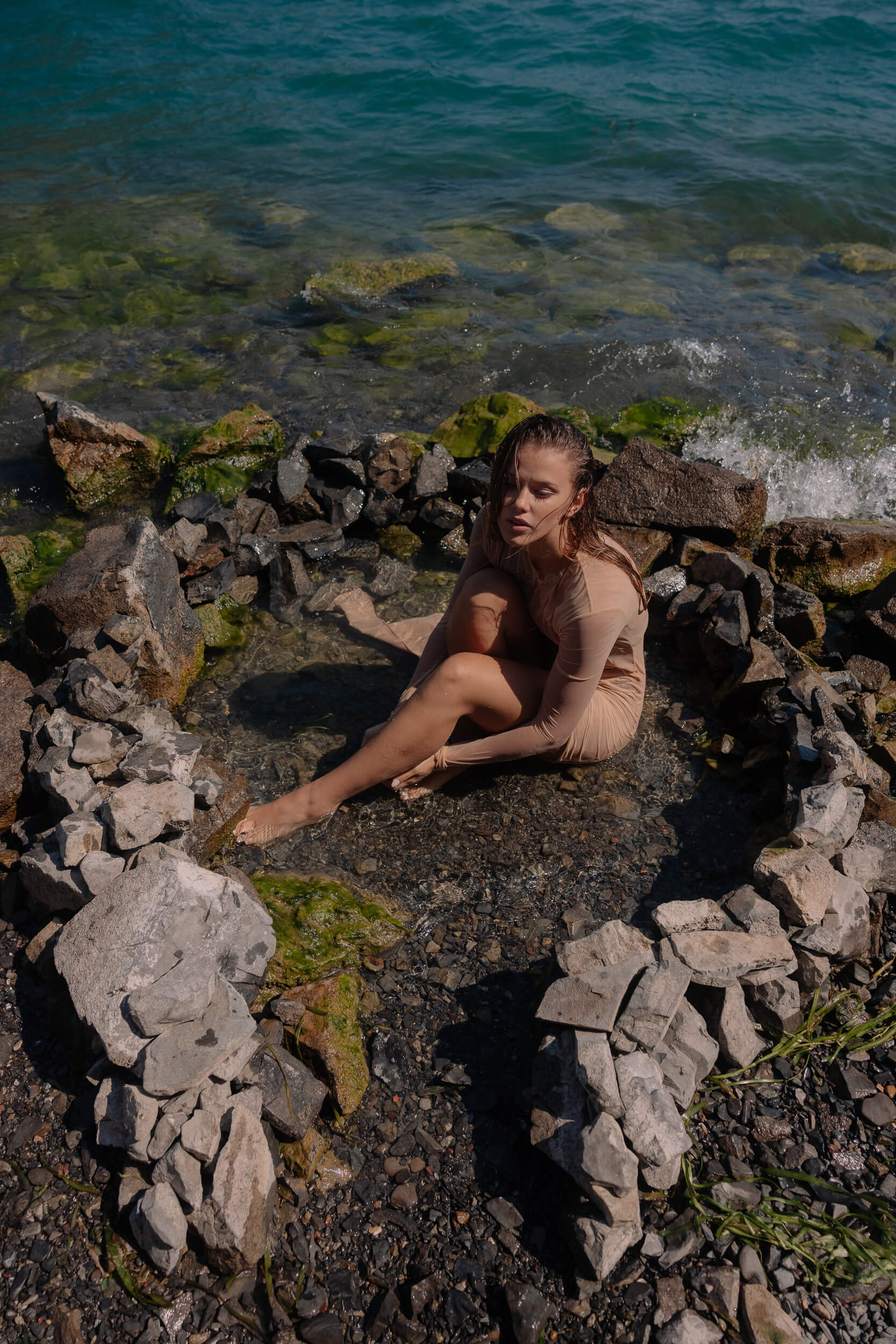

What does it mean to you to feel comfortable in your own skin?
I think it means reaching the awareness of being the most right version of myself — not for others. Accepting that I can be confident, but also fragile, that I can be happy, but also sad, that I can be sociable, but also need to be alone sometimes. It means developing this form of freedom and, at the same time, security, and feeling good with yourself; so, being the right version for me, and not for others, as I said.
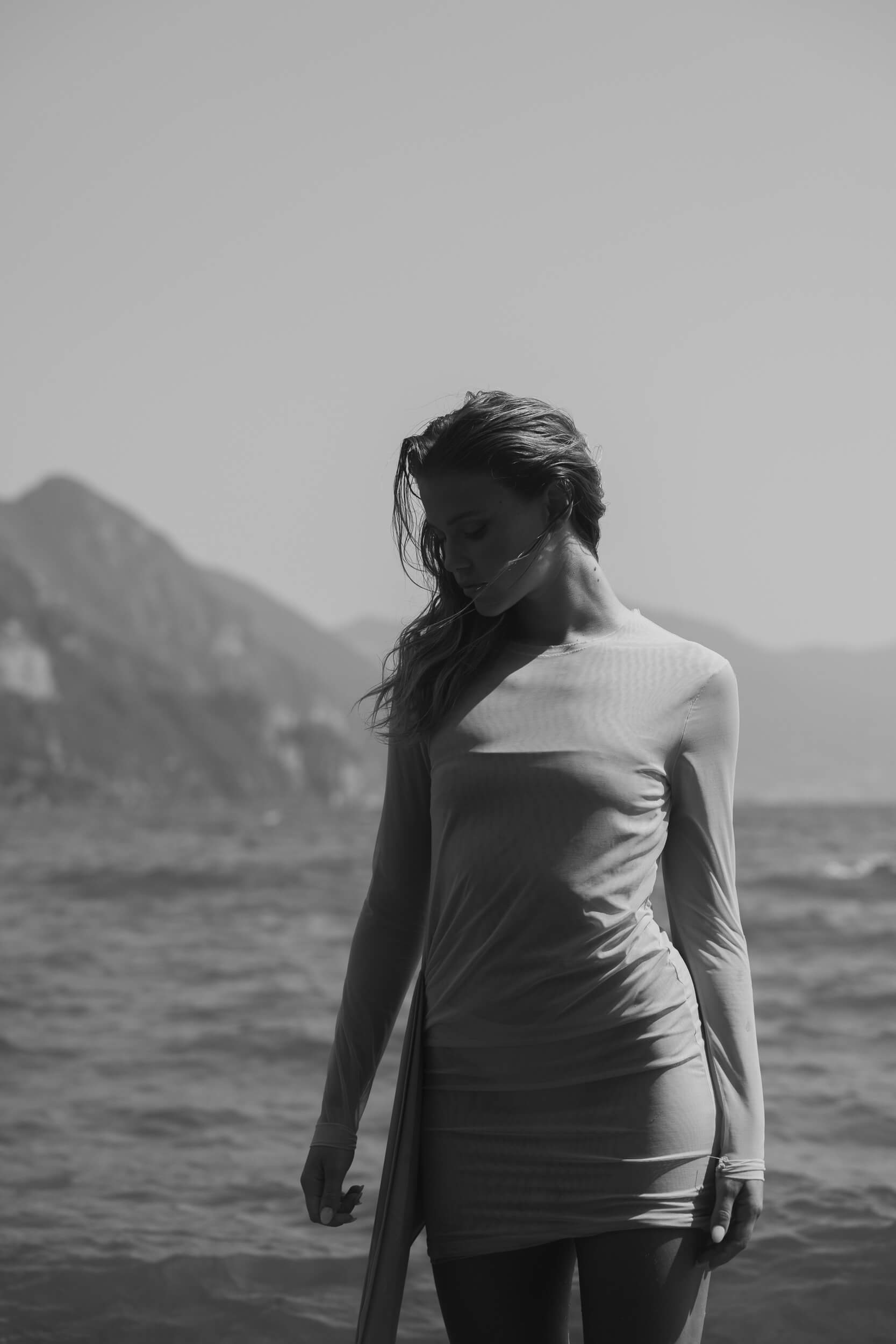
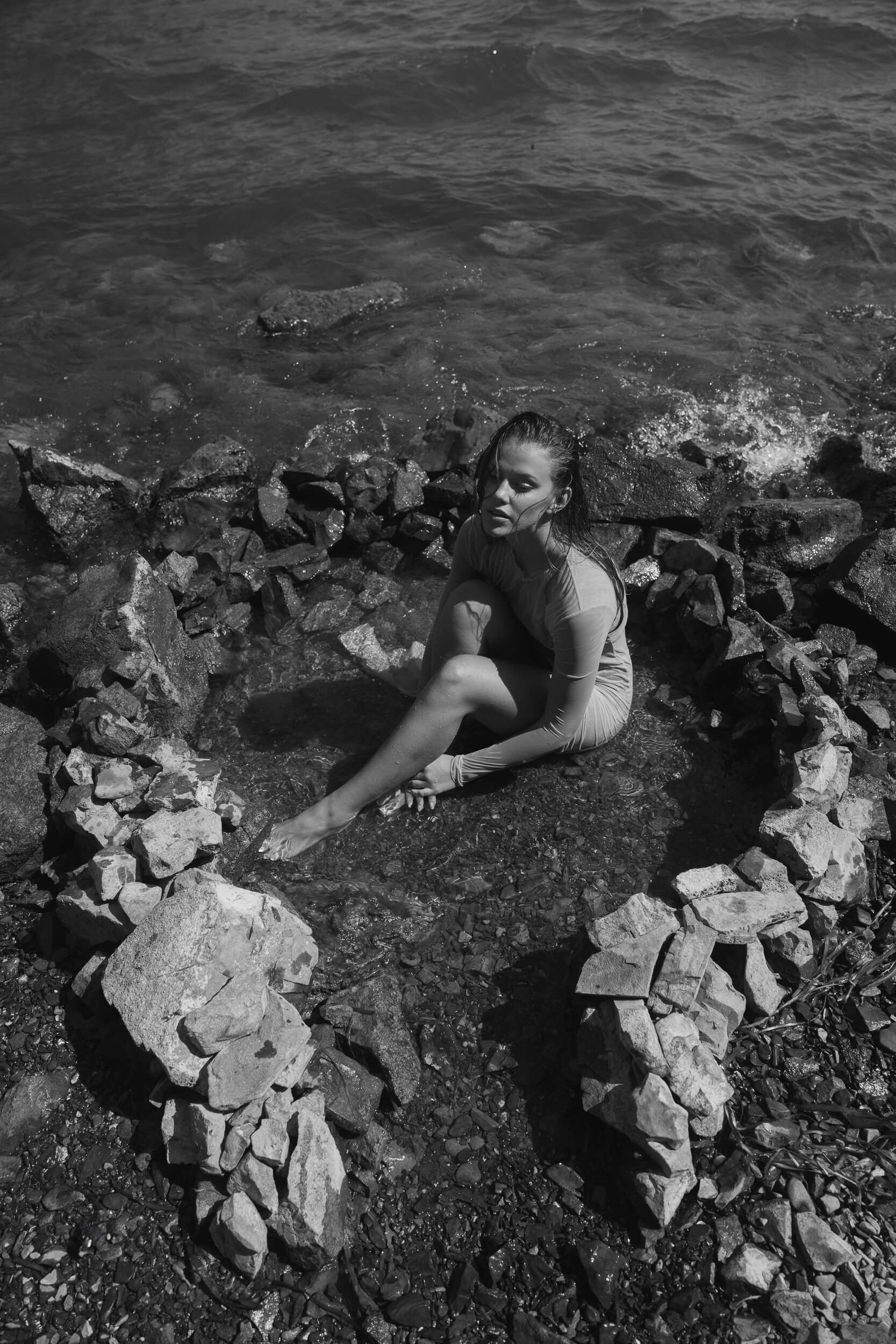

“being the right version for me, and not for others”


What’s your happy place?
No one had ever asked me that before! There isn’t one specific place, but I’m an extremely curious person, I love traveling, and when I’m flying toward a new destination to discover, I feel like the happiest person in the world. That magic that happens when I’m flying toward a new trip is the same magic that happens for me when I’m on set. For me, it’s the most beautiful emotion I can feel.
My happy place is flying among the clouds toward a new adventure and, at the same time, the set.
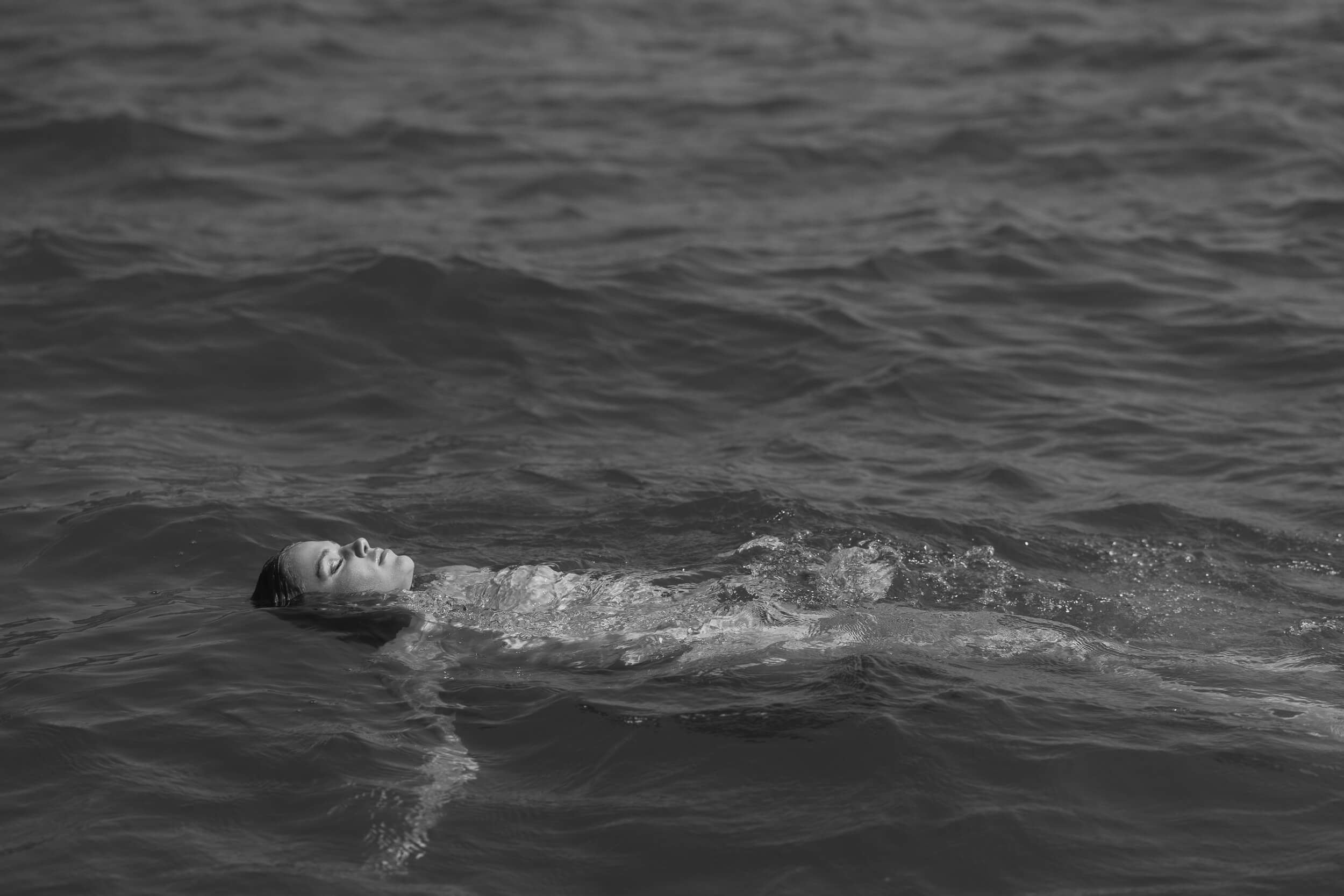
Photos & Video by Johnny Carrano.
Styling by Augusta Carter.
Makeup & Hair by Stefania Visentin.
Thanks to The Rumors.
LOOK 1
Dress: Twentyfourhaitch
Shoes: Casadei
LOOK 2
Top: la couture
Bikini Top & Skirt: Saleri
Shoes: Coavilla
LOOK 3
Dress: Saleri