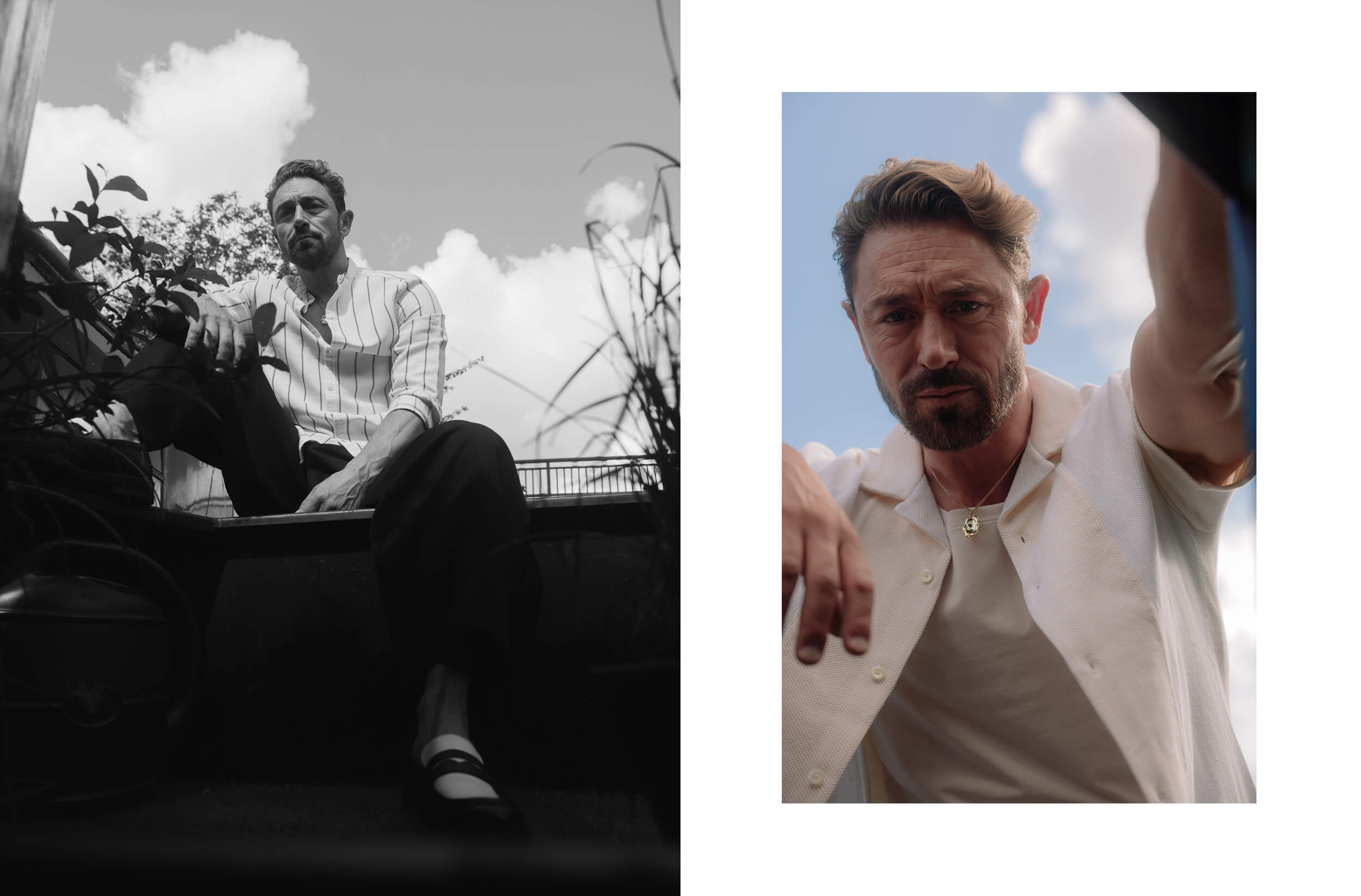
In an era dominated by high-stakes thrillers and complex political landscapes, JJ Feild remains deeply anchored by the fundamental magic of storytelling. Known for his remarkable versatility and poise, JJ has smoothly transitioned across genres throughout his career – from beloved period pieces to intense, modern action dramas. During our chat, we discussed his role as the Deputy Director of MI6 in the action-packed world of “Jack Ryan: Ghost War”. Operating in a narrative web of conspiracies and secret operations, he shared how he channeled the moral ambiguities of modern politics to step into the headspace of a master spy. But before diving into the physical demands and practical stunts of the high-octane production, Feild takes a nostalgic look backward. JJ opened up about imagination, freedom, and what it truly takes to navigate the moral grey zones of today’s entertainment landscape.
What is your first cinema memory?
My first cinema memory is probably not in the cinema. When I was very young, we had an old TV that had an antenna that looked like a coat hanger. On the weekends, they would show the Saturday matinee – always Jimmy Stewart films, James Cagney films, Katharine Hepburn films, the old classics. The TV was in my parents’ bedroom, at the end of their bed. There’s something special about being in your parents’ room when you’re little. That was my love of cinema and storytelling. I didn’t watch TV on it, I didn’t really care about it – I was just sitting there for a couple of hours watching a movie in my parents’ bed. I think that just fuelled the imagination and the wonder of it.
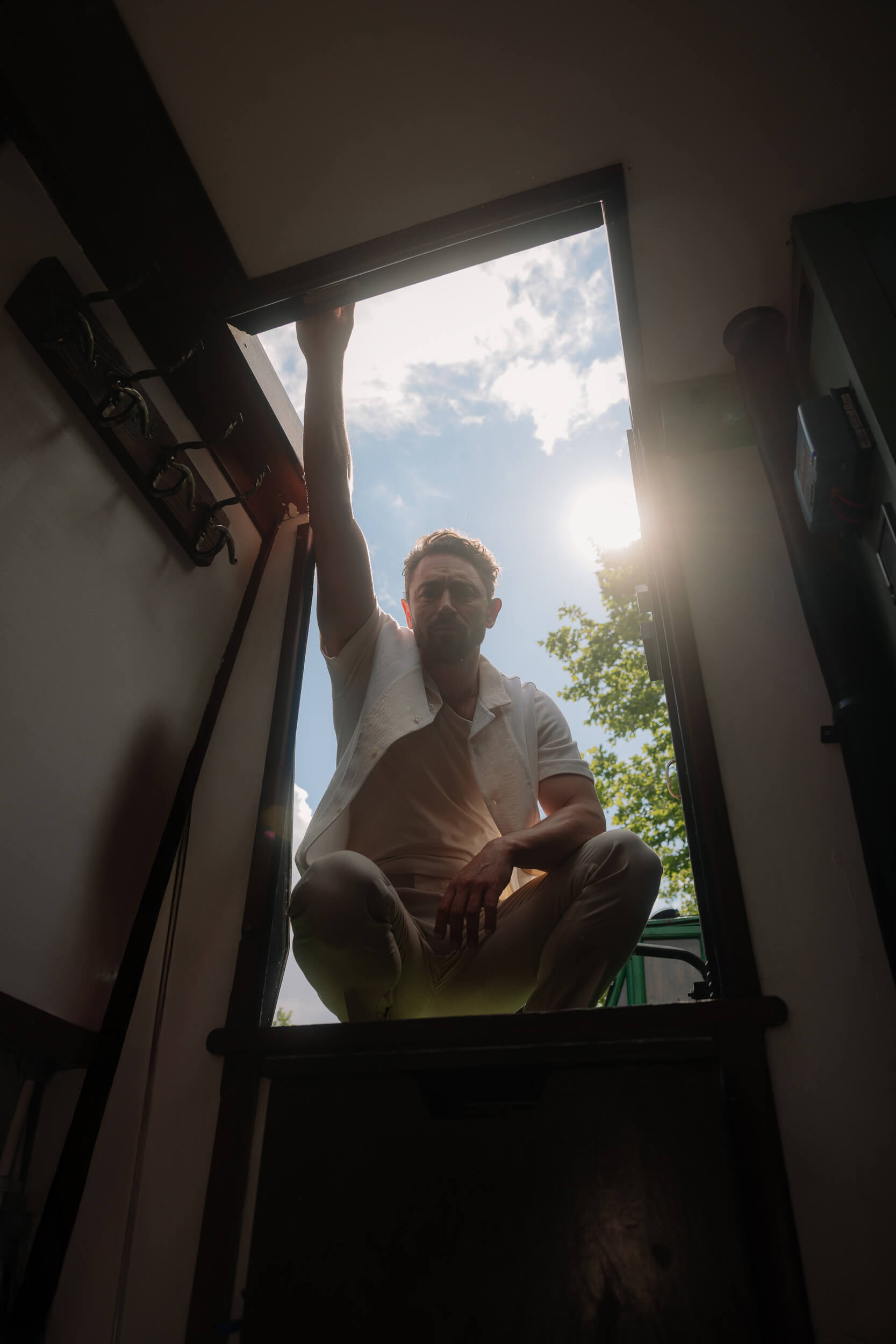
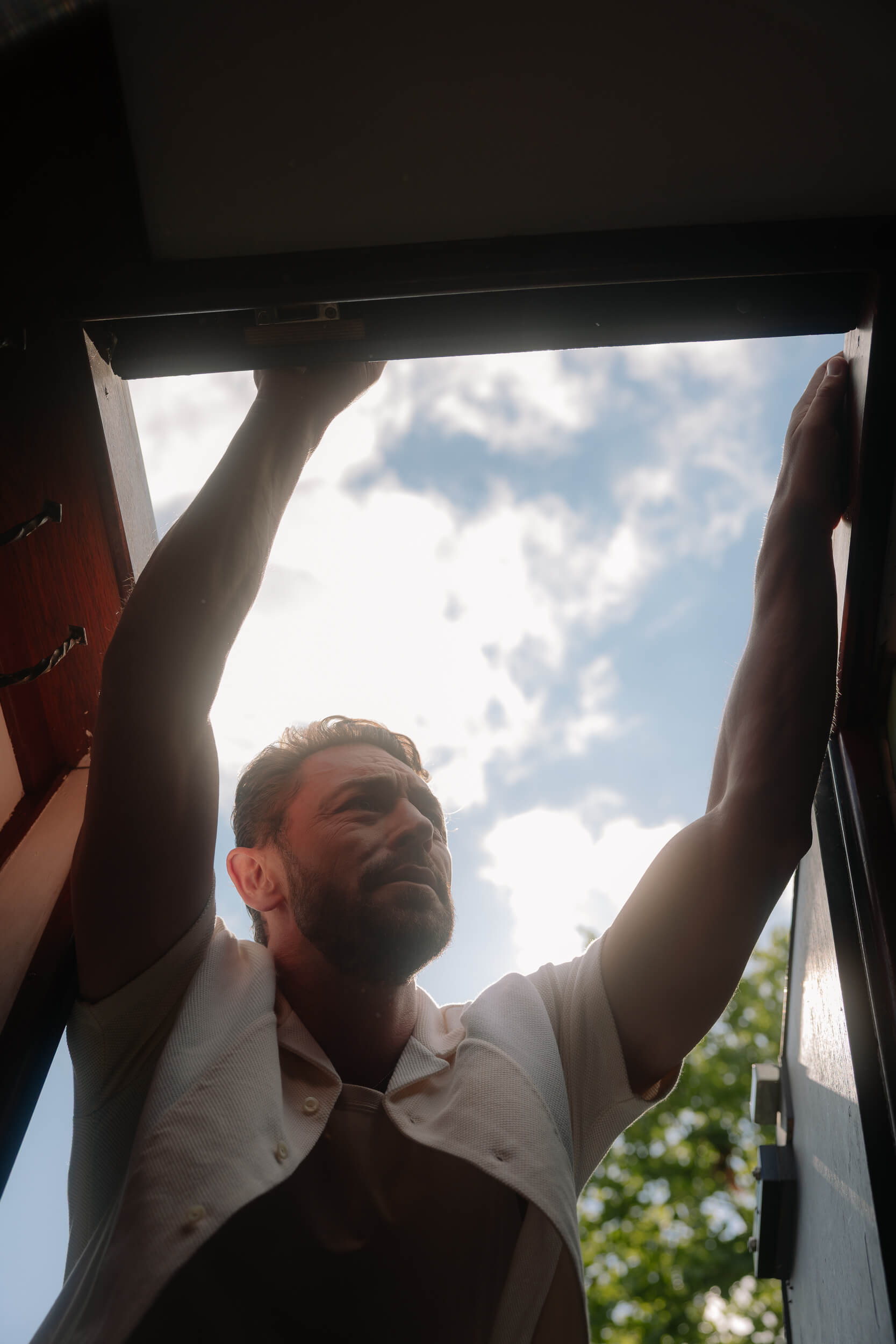
In “Jack Ryan: Ghost War”, your character operates in a world of conspiracies and secret operations. How did you get into the headspace of someone who lives in those moral grey zones, where it’s never quite clear if he’s a hero or a threat?
All you have to do is look at politicians nowadays. I don’t know whether half the ruling British party or the opposition are threats or safe at all. I play the Deputy Director of MI6, someone who, in that position, has to be both a politician and a specialist in espionage. The political side of it, it’s very easy to draw from people on the telly these days. Do you believe anything anyone’s saying anymore?
Never. Not anymore.
I never did, probably.
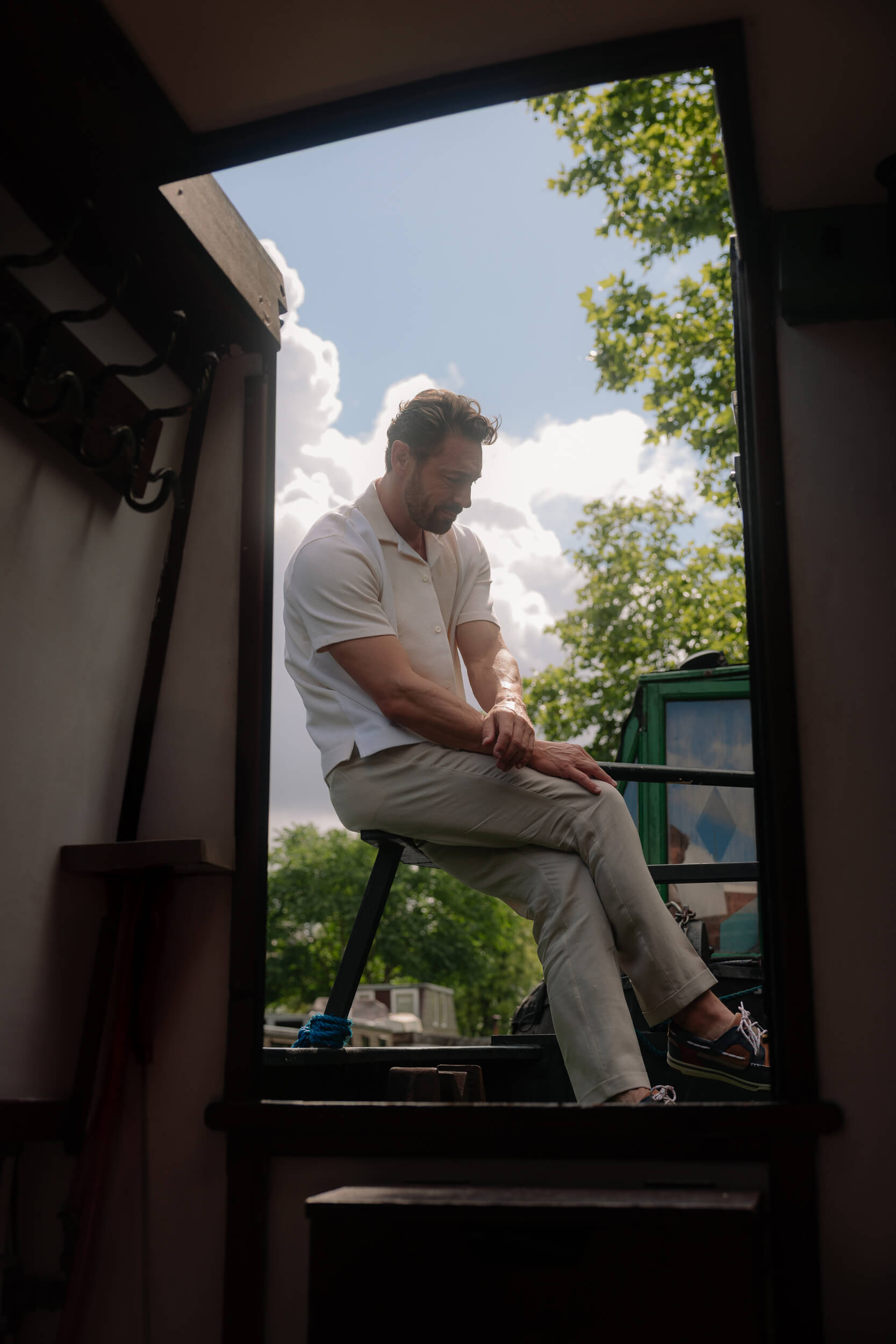
“Do you believe anything anyone’s saying anymore?”
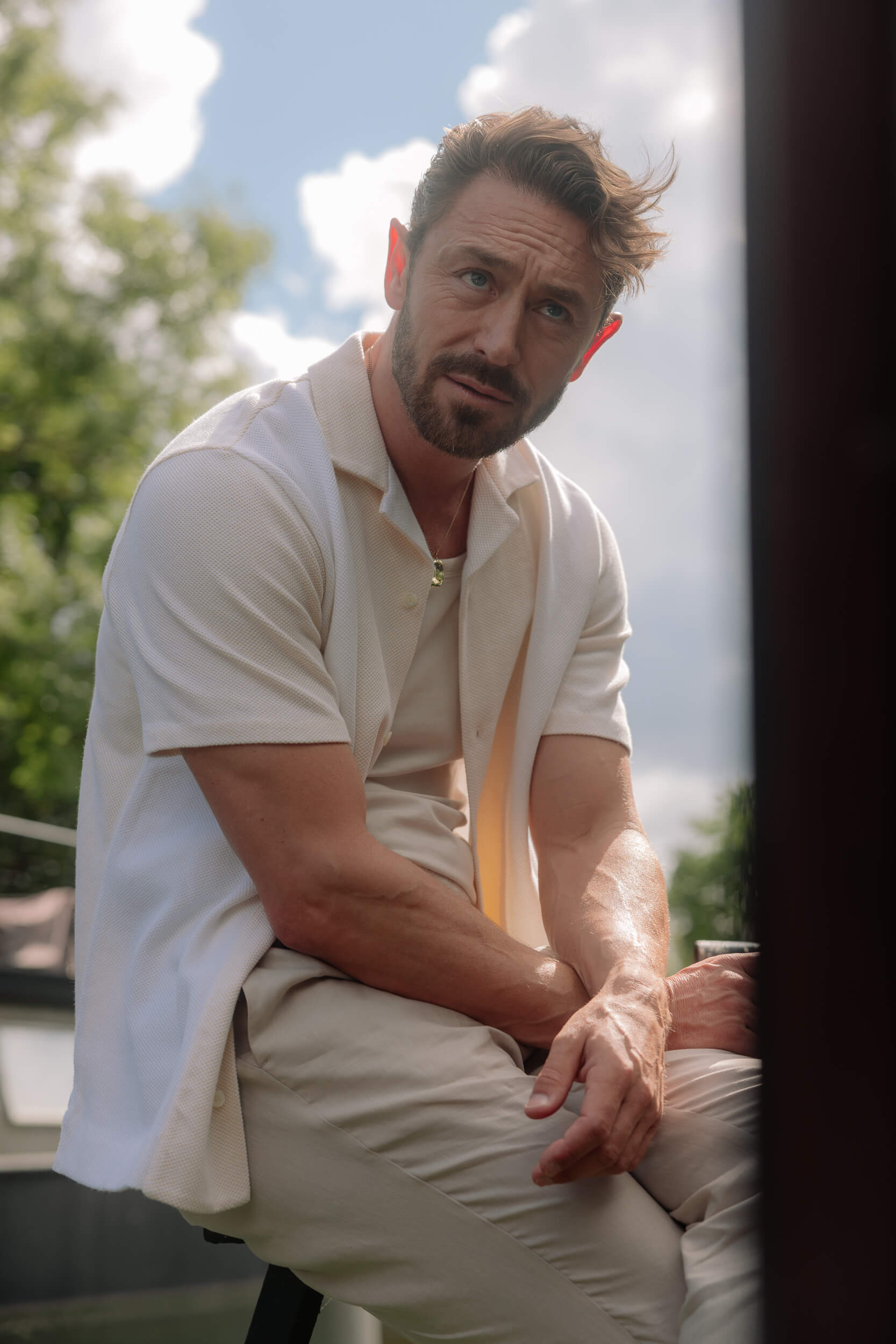
Without giving too much away, where does your character fit into the dynamic of the story? Is he someone Jack can trust or not?
That’s a very good question. Jack is drawn to Britain for this adventure – a Middle Eastern–Britain storyline. He teams up with a British spy played by Sienna Miller, and they’re chasing down a lead in Britain. In wonderful Jack Ryan fashion, he doesn’t really care where he is – he’s going to blow stuff up and chase down leads no matter what. And I’m the guy saying: “You don’t get to do that on British soil. How dare you come here and run an operation without telling me first. I’m in charge here”. So, there’s that tension – Jack Ryan has to pretend he’s helping me, but he’s really got his own agenda. Even James Bond does it to his own boss, doesn’t he? I’m the one he pushes back against, while also trying to help him.
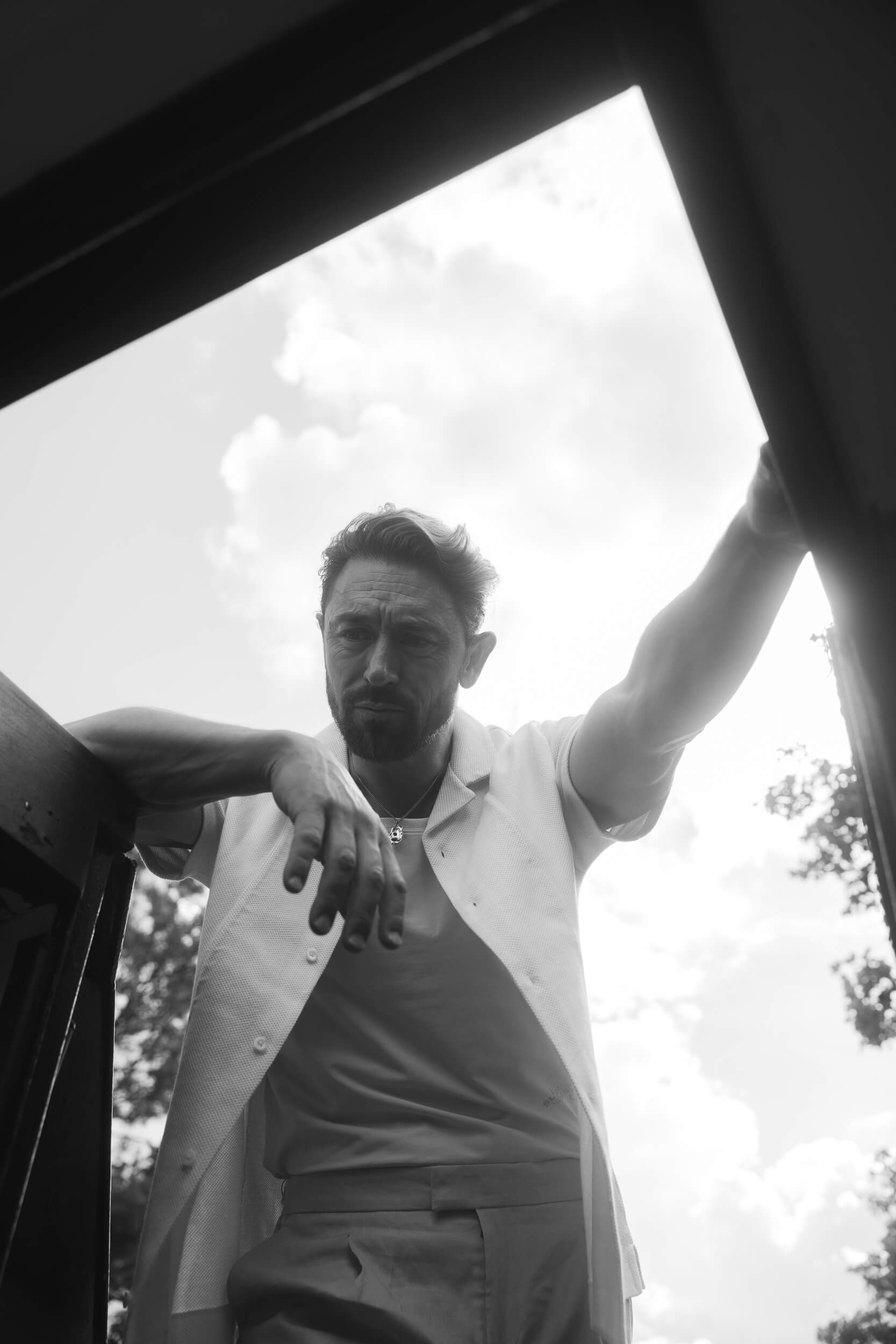
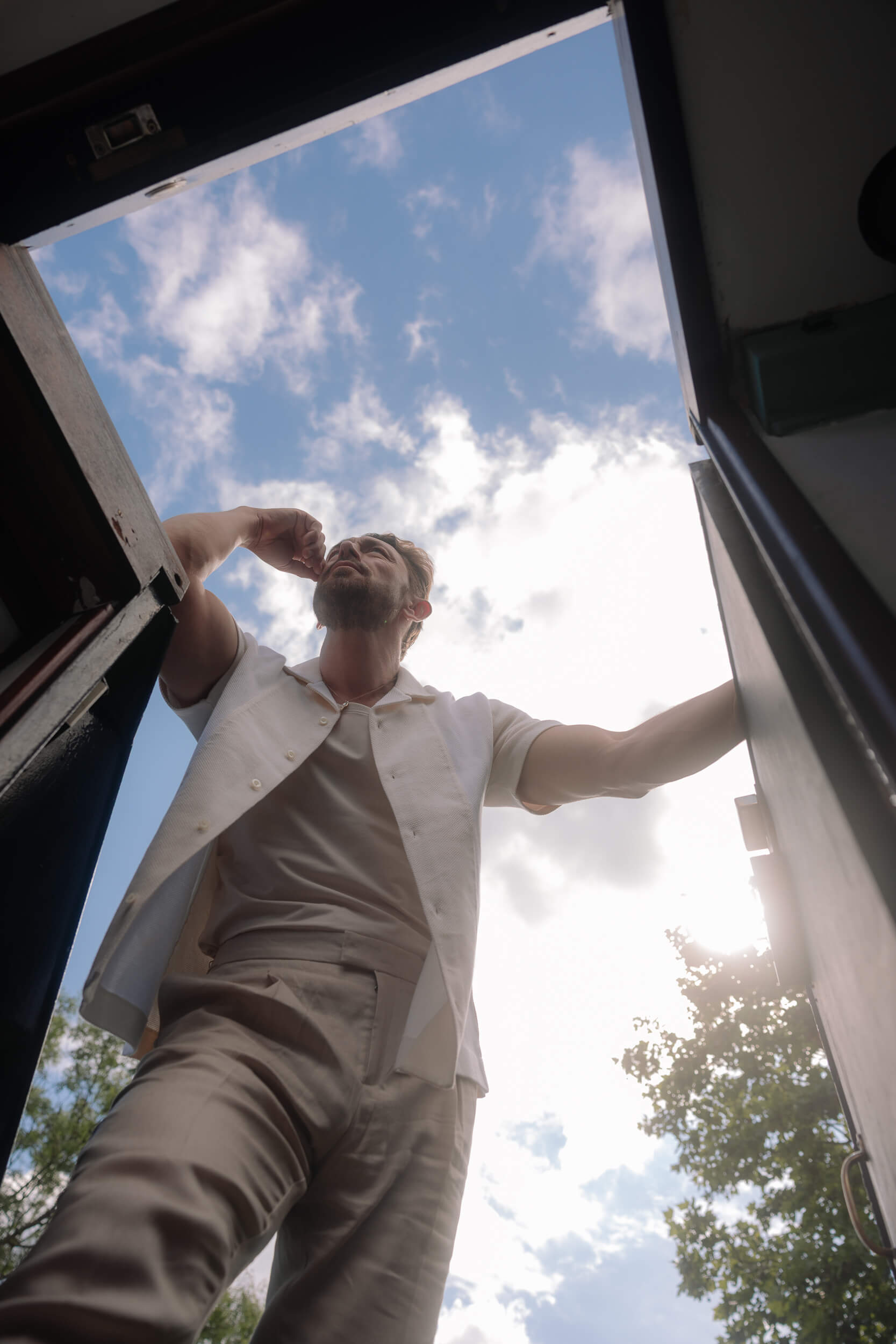
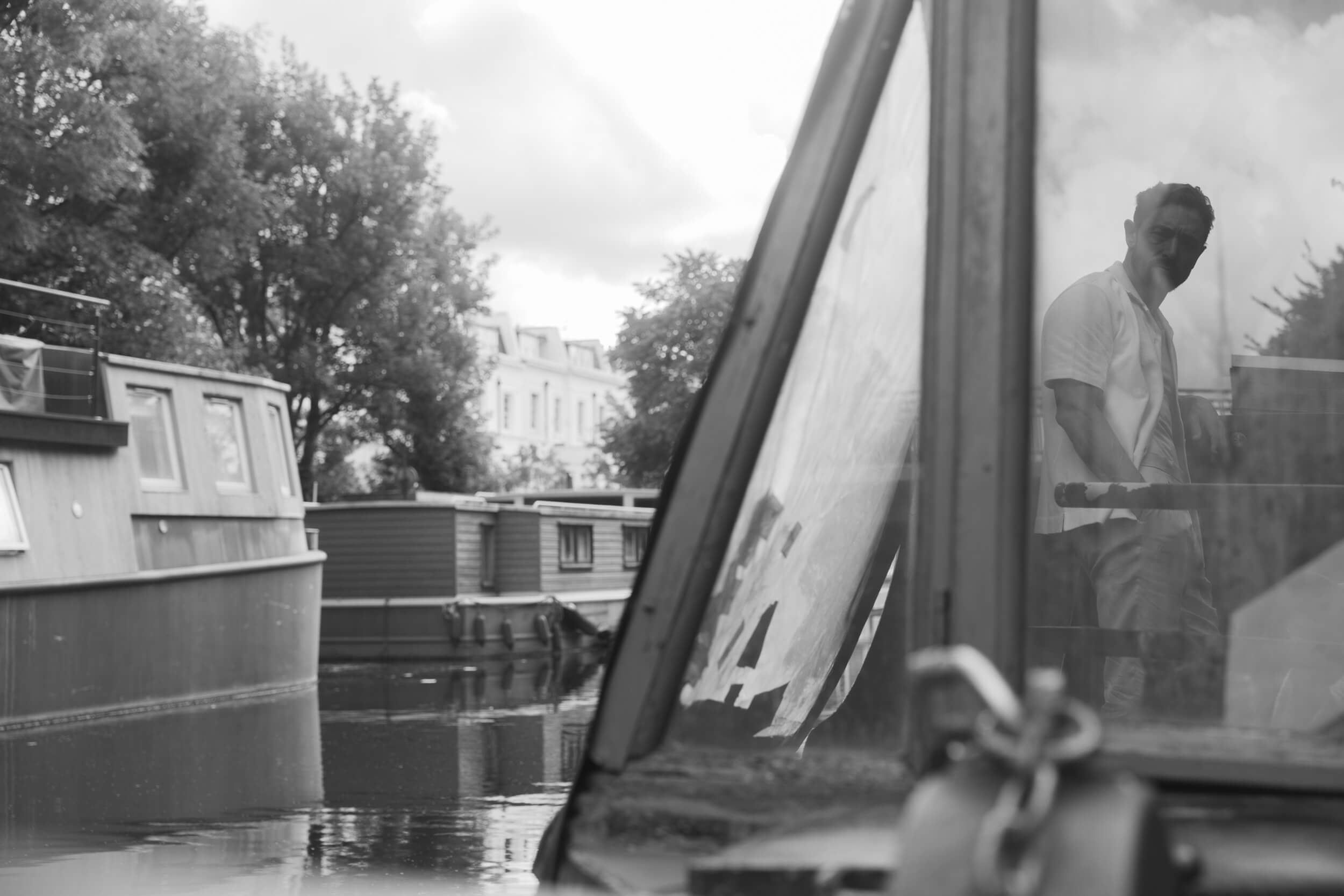
I read that the production made a real commitment to practical, in-camera action and had the cast do much of their stunt work. What was that physical training process like for you?
I got a pretty light version of it, to be fair. If you think of the Bond films, I’m M – the head of MI6. But I was involved in a great action car chase and explosion scene, and they don’t mess around. We shot it in Greenwich, a very nice area of London. They set the cars up and they really blew them up.
No CGI?
No! They blew the hell out of a couple of Land Rovers. If you didn’t know they were filming, I think there would have been quite a few calls to the police: “I’ve just seen a mushroom cloud coming over Greenwich”. There literally was a mushroom cloud – this big smoking column, like a nuclear bomb, rising over the rooftops. So, it was extraordinary. And to feel the heat of that… They plan it very well, and you have to jump backwards even though you’re already miles away. I remember being really impressed.
This production was incredibly safe and extraordinarily organised. And Sienna was pretty incredible with an assault rifle.
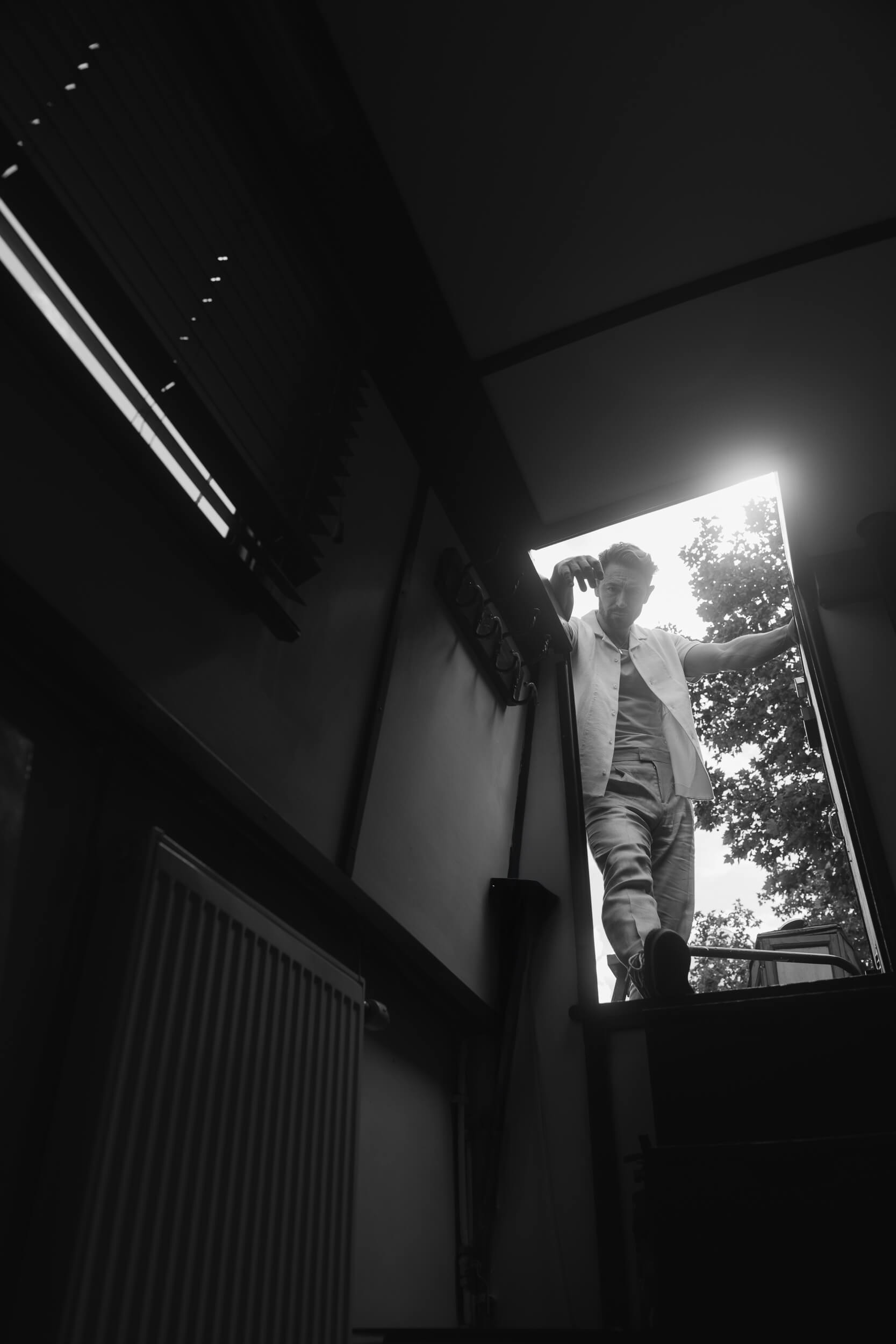
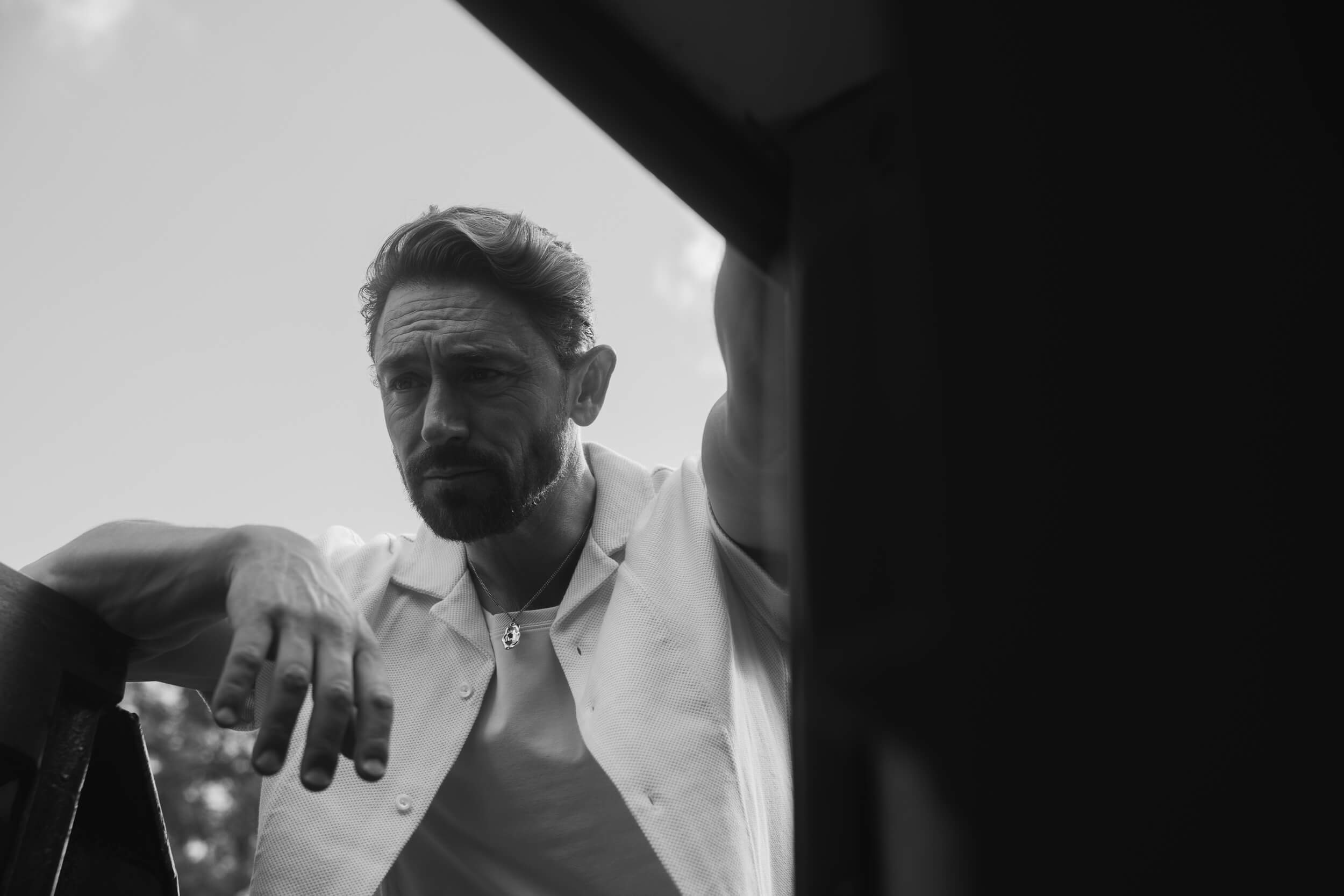
The film spans Europe and the Middle East. How did filming across those locations shape your performance?
Unfortunately, I only shot in London. But what I did get in terms of shaping a performance – when I had a scene around MI6, the famous building in London, the big James Bond building – we shot there. We were, I believe, one of the first ever film crews to be allowed to film there. So, there’s a natural excitement and nerves. You don’t feel like you can do a hundred takes when you’re in a location like that. You’ve got to step up, get it right. And that’s really great.
I’m an old romantic of cinema. I’ve been in it long enough to remember when we used to actually go to locations and really do it. There was a running joke among my friends: if there’s a strange location involved, don’t even audition – JJ will get it. I’ve filmed in Borneo, China, South America. Going into those locations is extraordinary for the actors, for the crew, for everyone. It’s a shame when we cheat too much.
But this production did it – they went and shot in all the locations. They went to the Middle East, shot in real buildings, ran around the desert. They did everything properly.
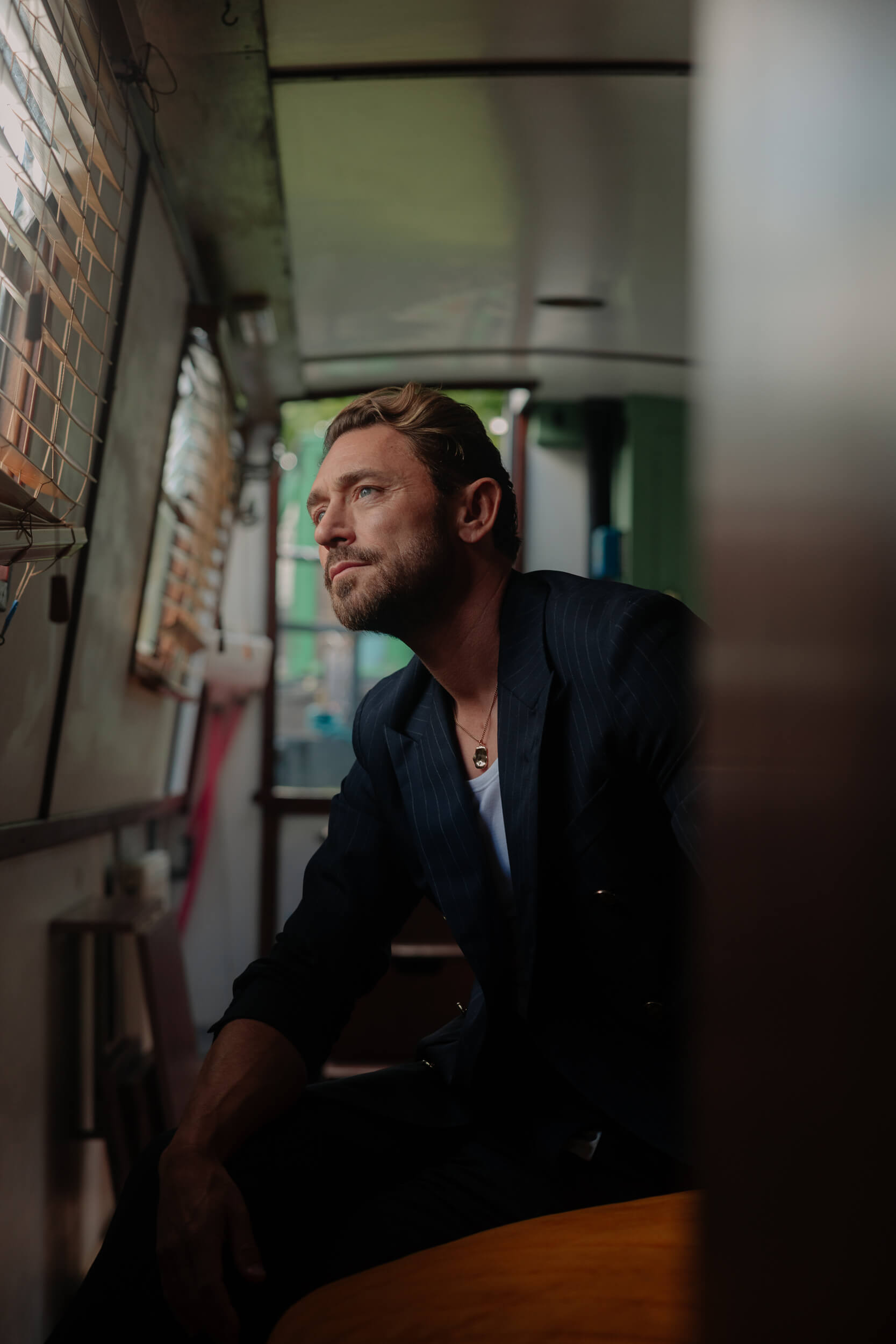
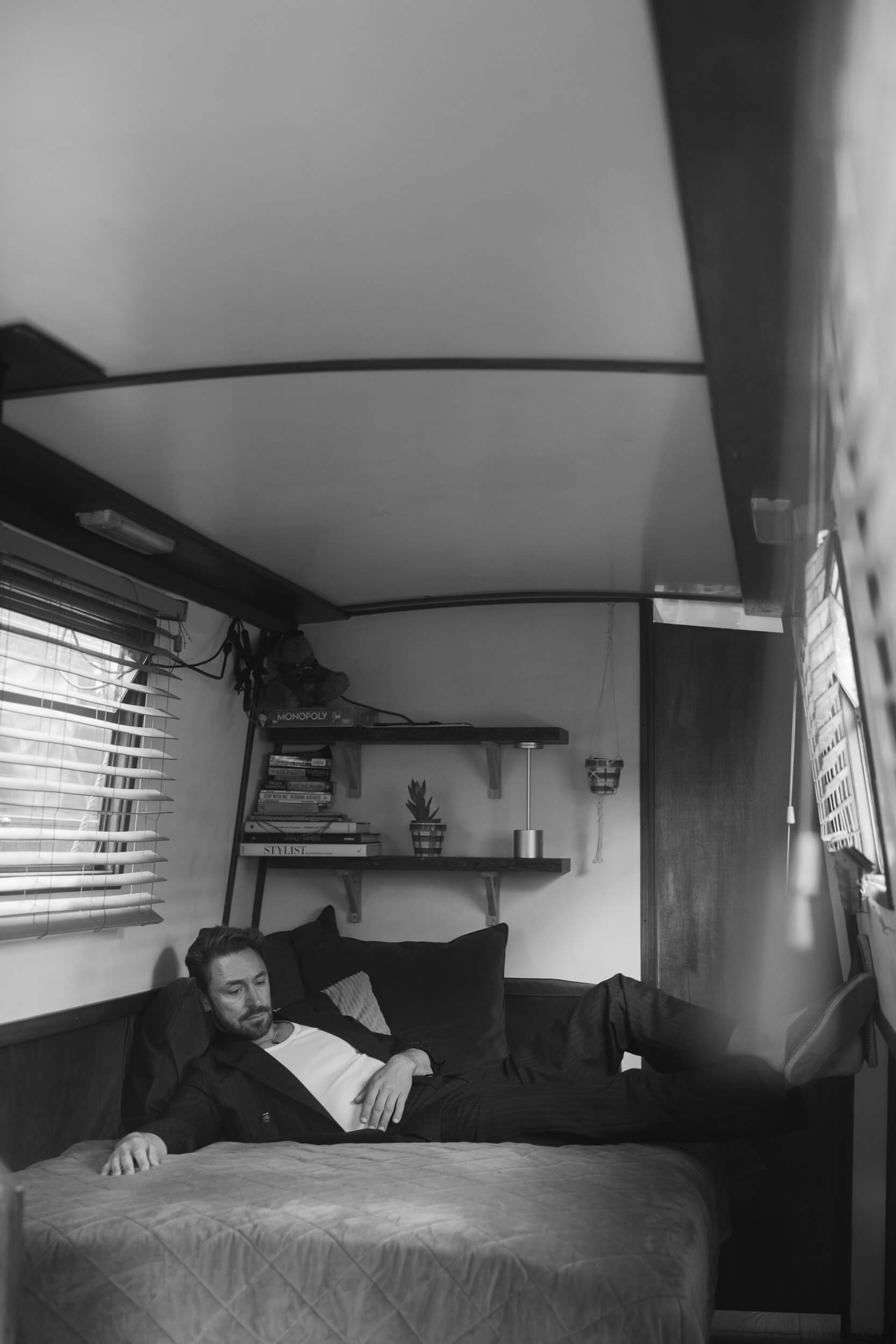
“an old romantic of cinema”
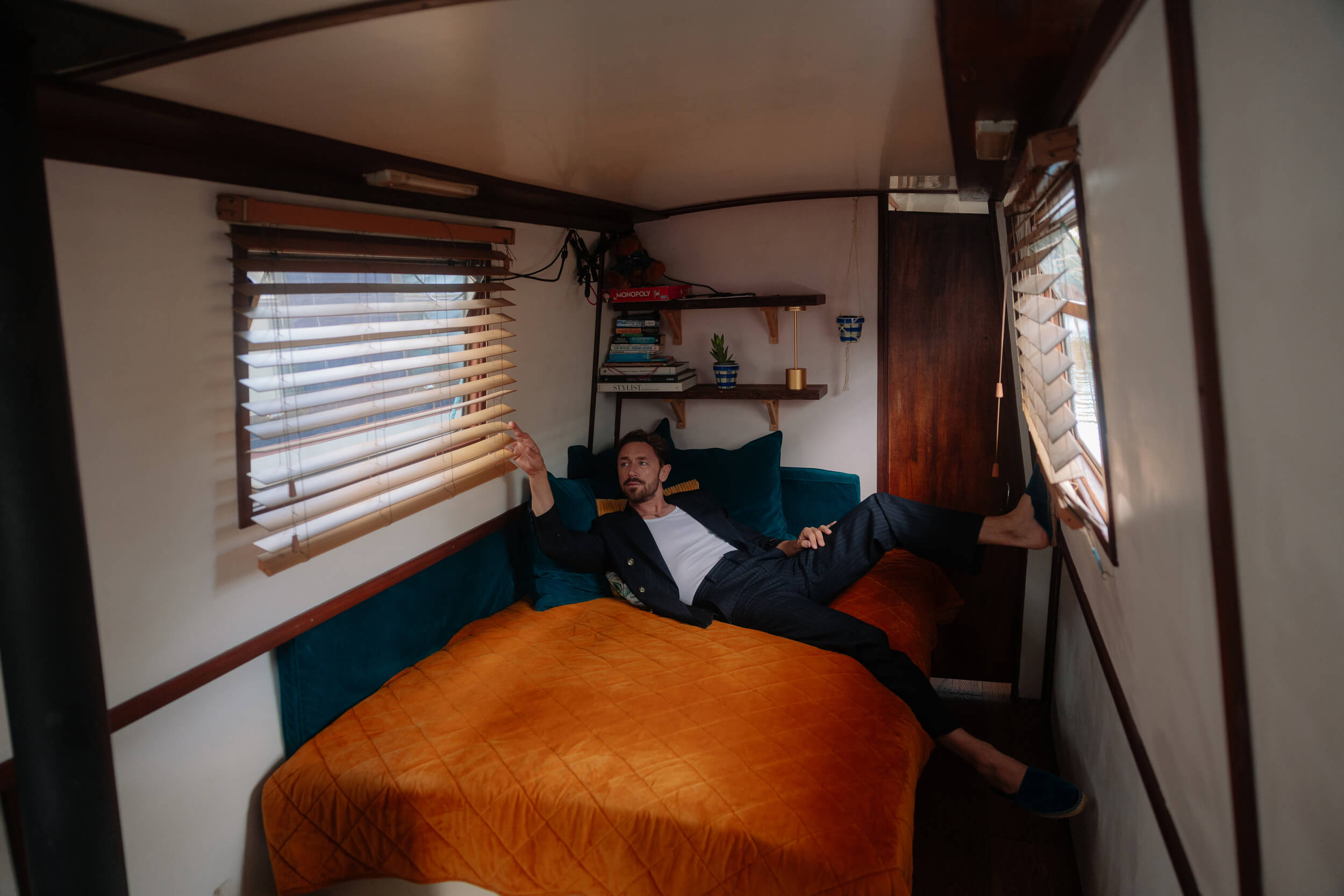
What was it like entering the Jack Ryan universe as a newcomer? How did the ensemble welcome you?
They were lovely. You always get nervous, don’t you? They’re already a tight group. My first day, I had one of those scenes where a secret operation is underway and you’re in the control centre with screens everywhere. I had the entire cast there – John Krasinski, Wendell Pierce, Michael Kelly, Sienna Miller and others – and I had to deliver a long speech laying out the operation. I thought, “Oh God, this is my first scene, my first time meeting them, and I have to make technical jargon sound exciting and sexy”.
I finished the take, and John Krasinski stood up and gave me a round of applause. He said: “Thank you for being so on top of your text and making this so sharp”. And then everyone followed. Maybe I did a terrible take, maybe I was awful, I don’t know. But what John did was welcome me into the fold. That was really special, especially coming into someone else’s franchise. Andrew Bernstein, the director, and the producers were all nice and welcoming. And it was just fun. Every now and again, a job is really, genuinely fun. This was one of those.
Even though it’s an action movie – you imagine what goes on behind the scenes, and it must be funny at times.
Some action movies are not fun to make. They’re gruelling, tiring, exhausting, tense – everyone hates each other, everyone’s grumpy. I did an action submarine film twenty years ago that was really hard and miserable. Lots of shouting. On this one, everyone was just having fun – very chill, supportive, lots of laughter, trying to keep a straight face.
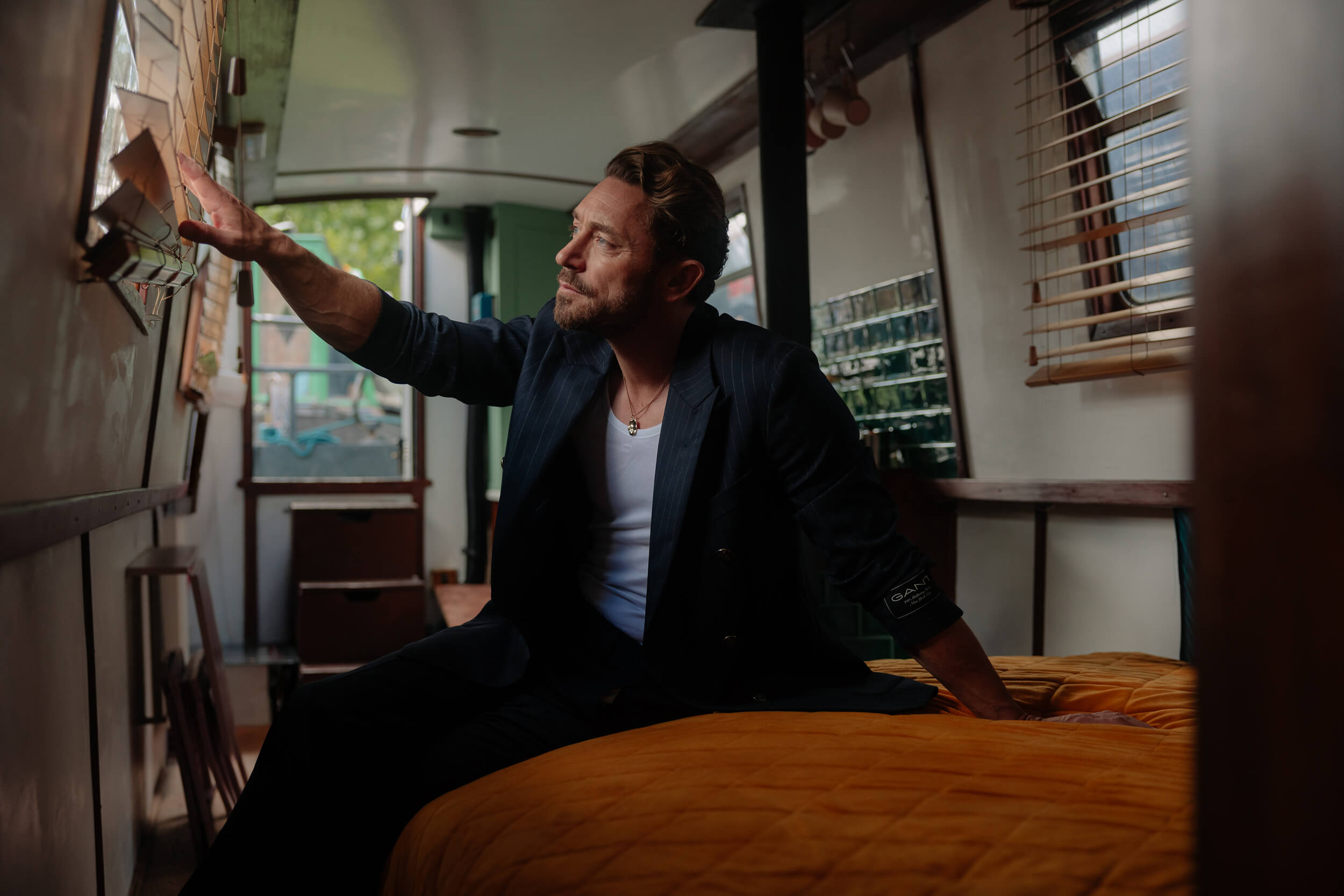
Was there a moment on “Ghost War” where an accident or surprise ended up becoming the best version of a scene?
You’re right that it always works that way – I just can’t think of a specific one off the top of my head. But something they did very well: in the original script, my character was quite often sitting at a big desk in MI6, that kind of thing. Very quickly they decided, let’s make this more fun and get you out. So suddenly I’d look at my script the next day and the location had changed – I’m walking, on the phone, outside the Houses of Parliament. Or I’m crossing London Bridge. Those last-minute changes made it really great. And it informs the dialogue too – you adapt to where you are and who’s around you. Happy accidents happen all the time. They’re always the best bits.
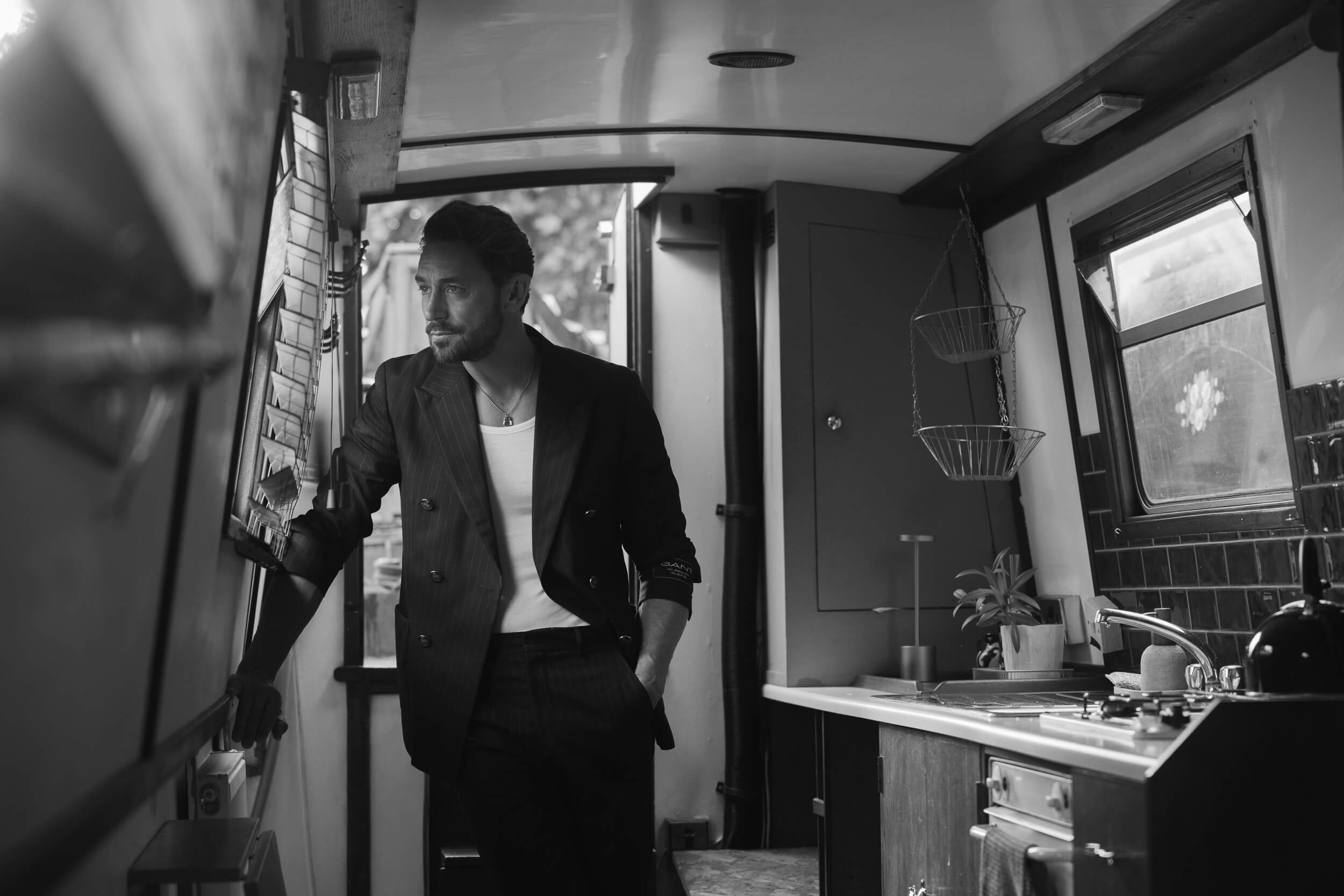
“Happy accidents happen all the time. They’re always the best bits.”
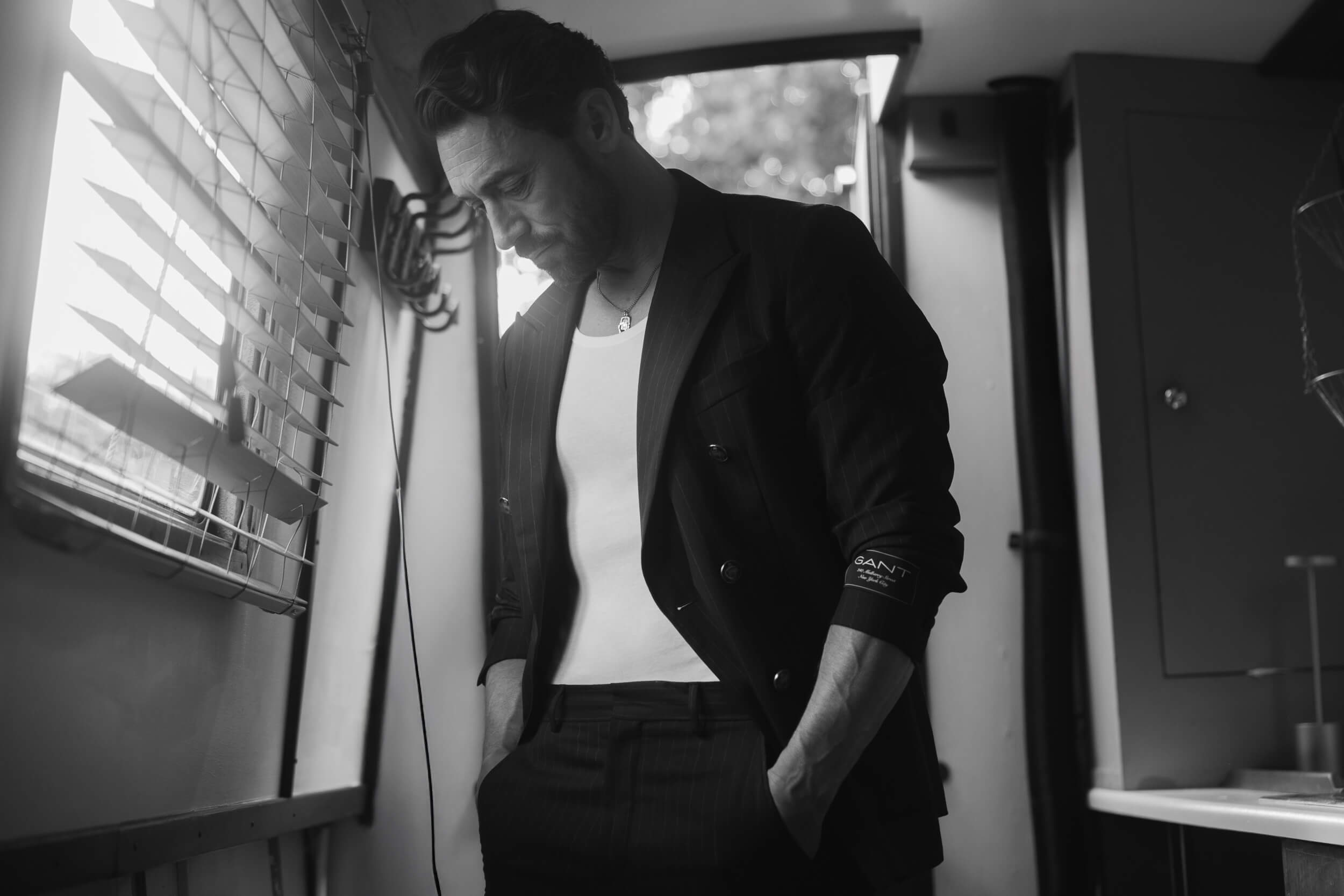
You’ve played soldiers, morally complex figures, men who exist inside institutional loyalty while quietly questioning it. Do you see a connecting thread running through those roles?
That’s probably how I’d like to describe myself, actually – inside an establishment while questioning it. Isn’t that just living in the modern world?
I’ve never really seen too much of a connection, to be honest. I’ve played a lot of those roles, you’re right, but I’ve also played a lot of others. In some ways people don’t know how to box me, which I’ve liked, because I keep getting different work. But there’s a world where people think I’m very posh — because I did a lot of period films, a lot of Jane Austen for a while. And then – a world where they think I’m thick, working-class London, because of films like “Last Orders” and “Telstar”. And never the two shall meet.
Sometimes your agent will call and say, they just don’t think you’re quite right. And you ask why, and they say, oh, they think you’re a bit posh. And you think: well, A – I’m an actor, I can change. And B – the one over there thinks I’m too working-class. There are casting directors in England who will only see me for posh roles, and others who will only consider me for working-class. They don’t cross.
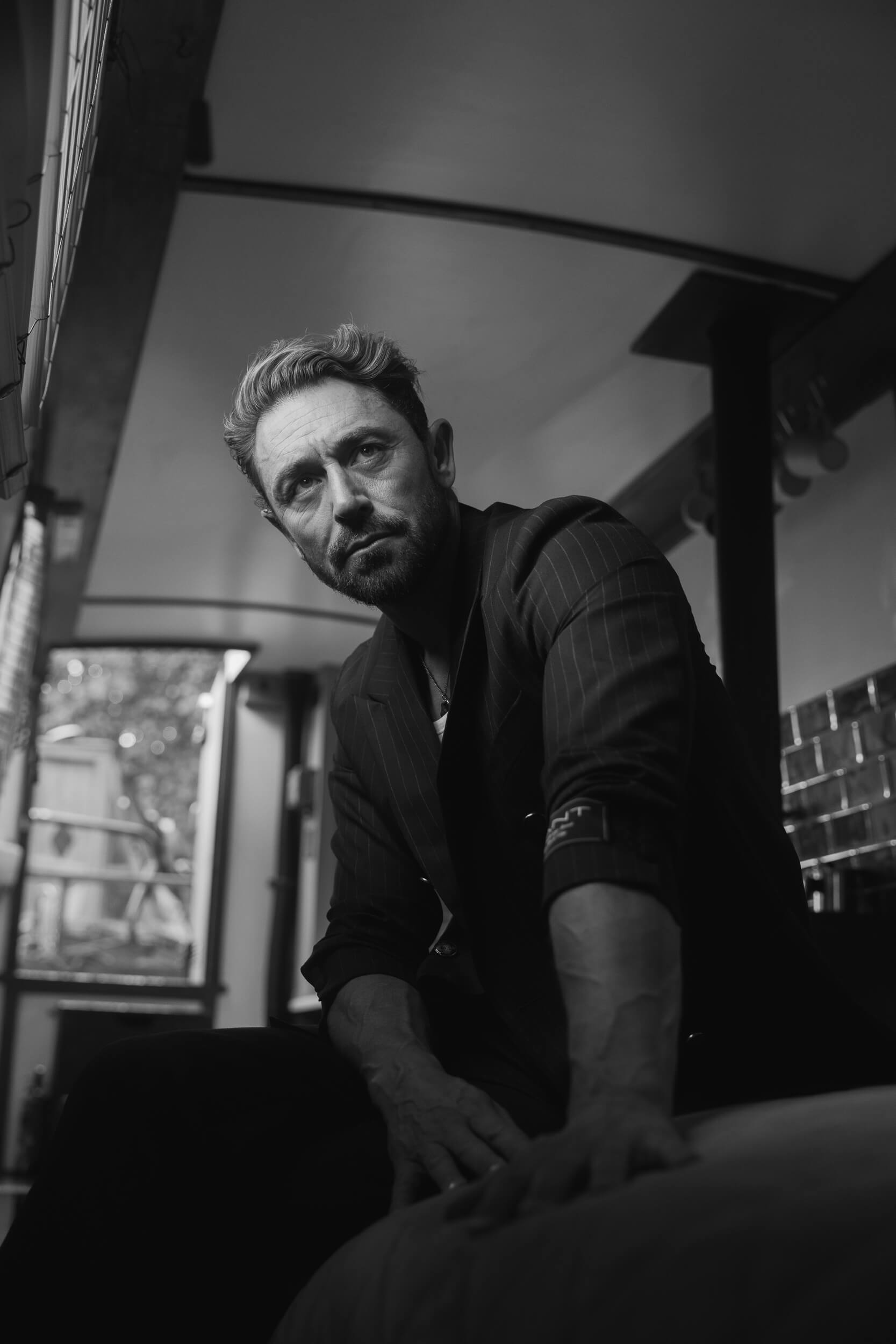
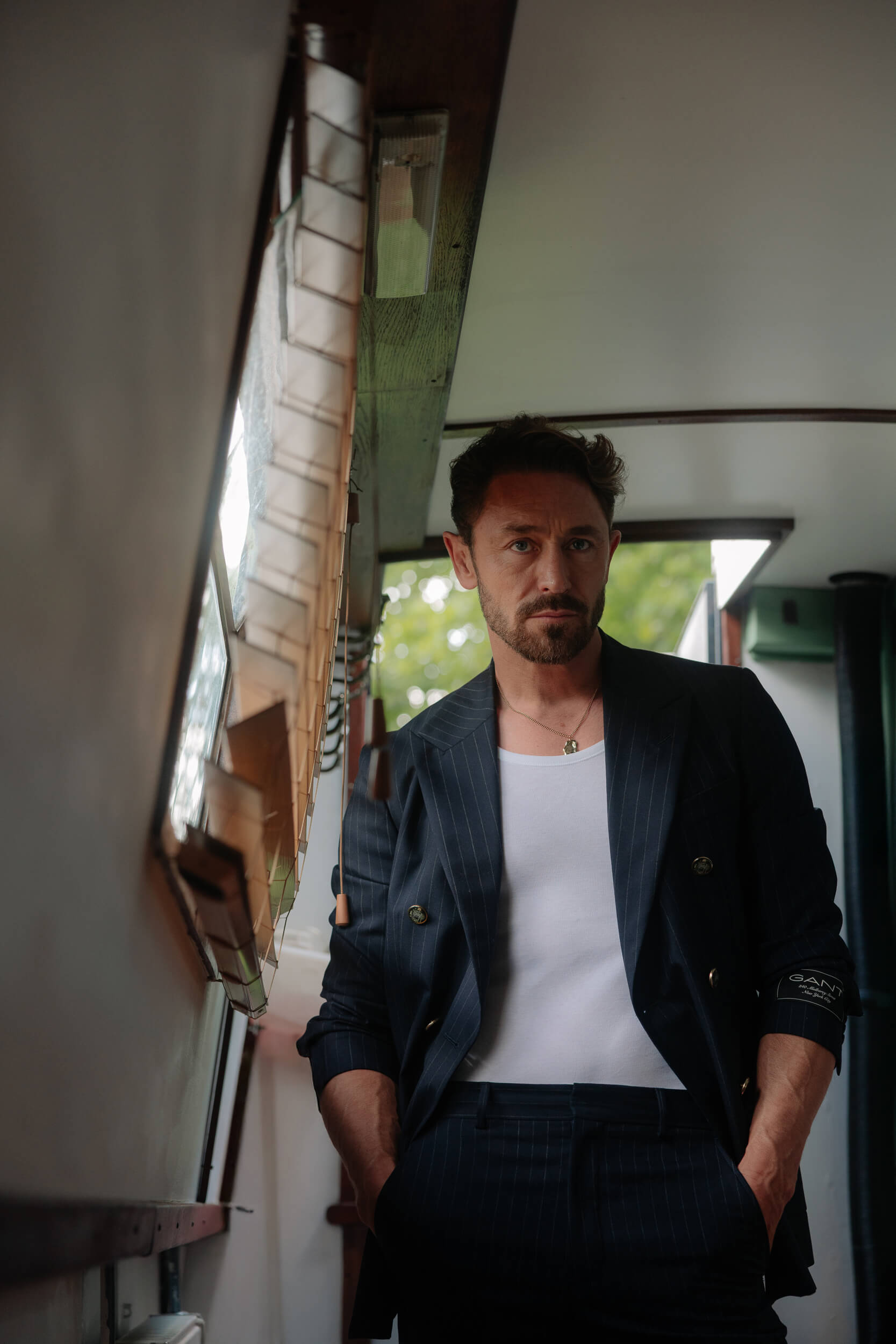
But isn’t it better not to fit any category? Doesn’t that make you more versatile?
Creatively, yes, 100%. But professionally, for the pocketbook, it’s probably better to stay in your lane. I keep doing it my way because I’m, as you’ve heard, an old romantic about cinema. I want to be creatively challenged. The best roles I’ve ever done have been character roles – and I don’t normally get them. That’s luck as much as anything. But films like “Telstar”, “Third Star” – those were real character parts, and they’re always where your best work comes from.
Your roots are very much in theatre. You started there.
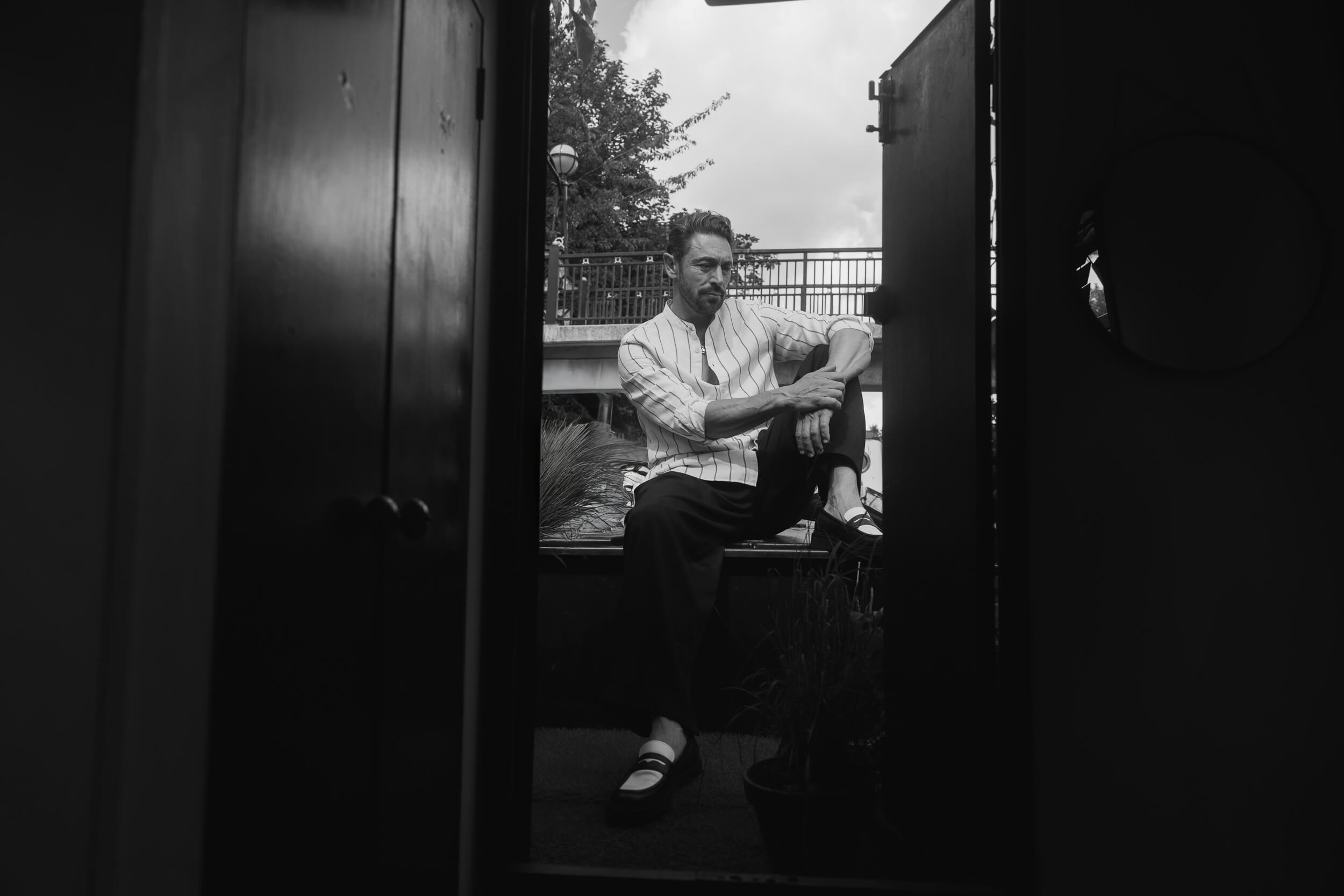
I went to drama school when there was only theatre school. Now, the young people I speak to who are at drama school do much less theatre and much more screen – learning screen technique, audition technique. I wish I’d had that. We had one day. Three years at drama school, and one day was dedicated to acting on screen. It was to show you what a boom looked like and to draw a line on the ground so you could hit a mark. That was it. I did quite a few plays at the start, then didn’t do a play for seventeen years. I’ve just gone back.
You’re acting in theatre again now?
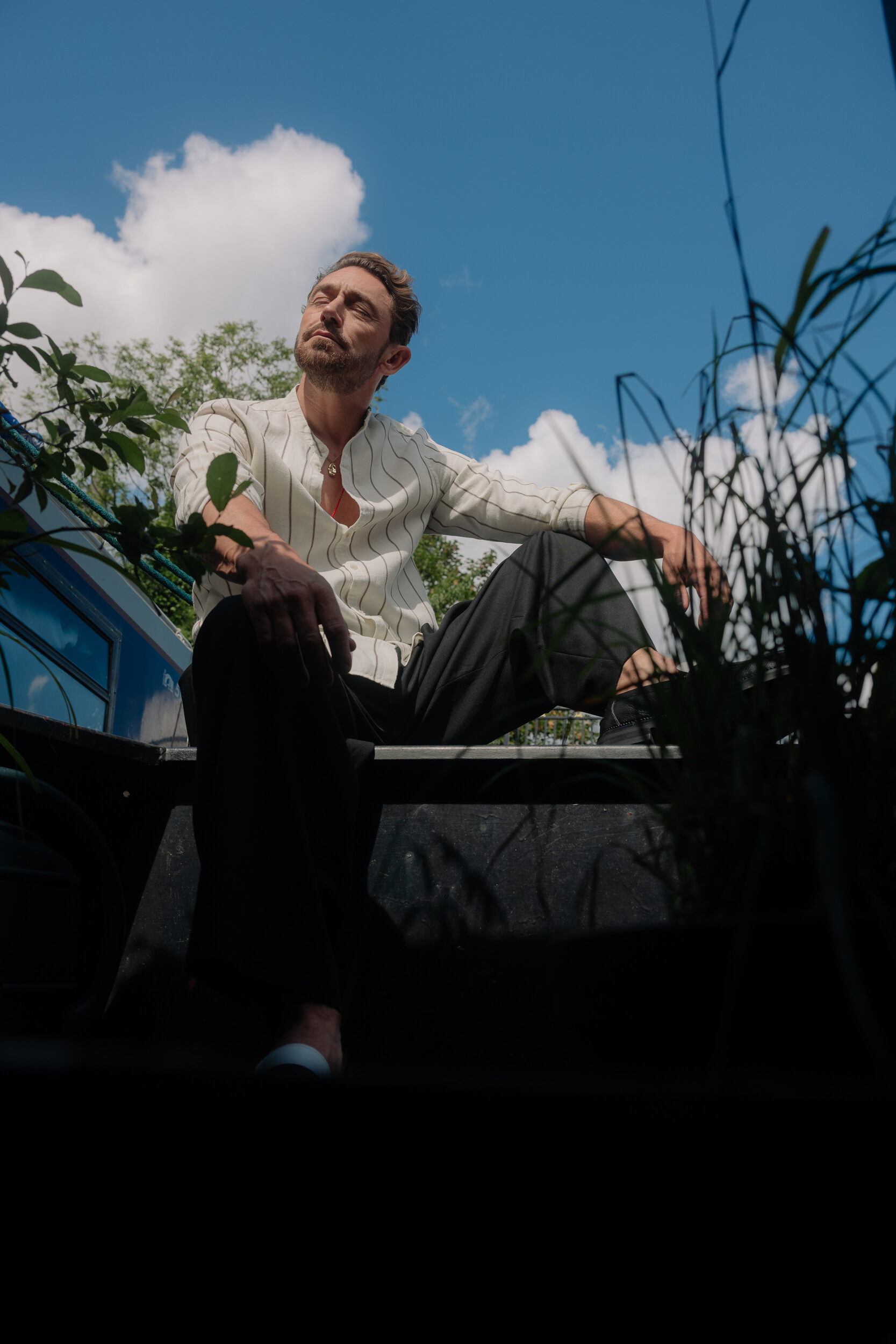
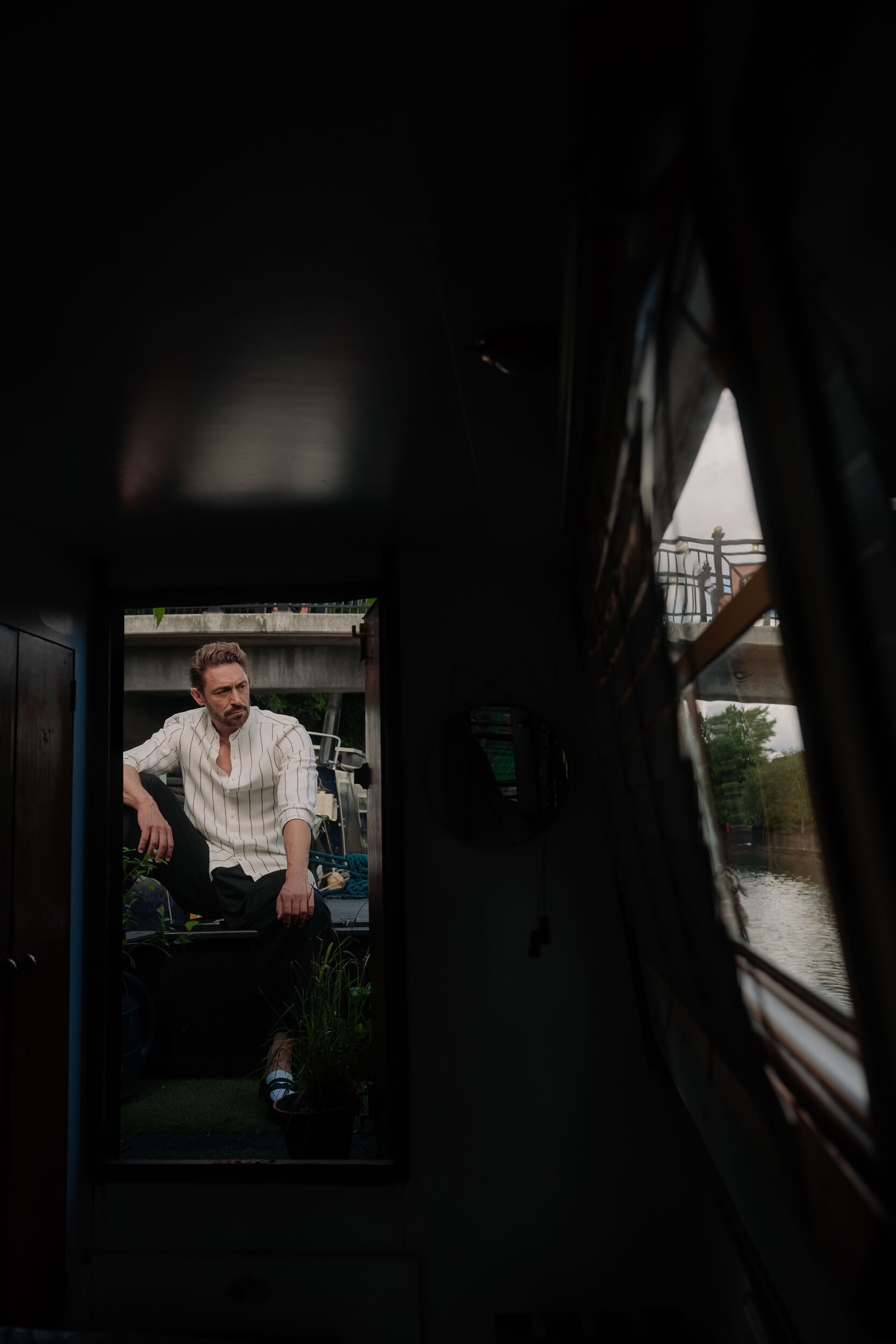
Yes. Last summer I did a Shakespeare – Oberon in “A Midsummer Night’s Dream”, directed by Nick Hytner. And I’ve just agreed to do a new play by Michael Longhurst called “Relics” at the Lyric Hammersmith. It’s new, it’s a comedy – and I play another morally dubious character. Are all men morally dubious? Maybe that’s my thing. So yes, I’m doing that, which is wonderful and terrifying.
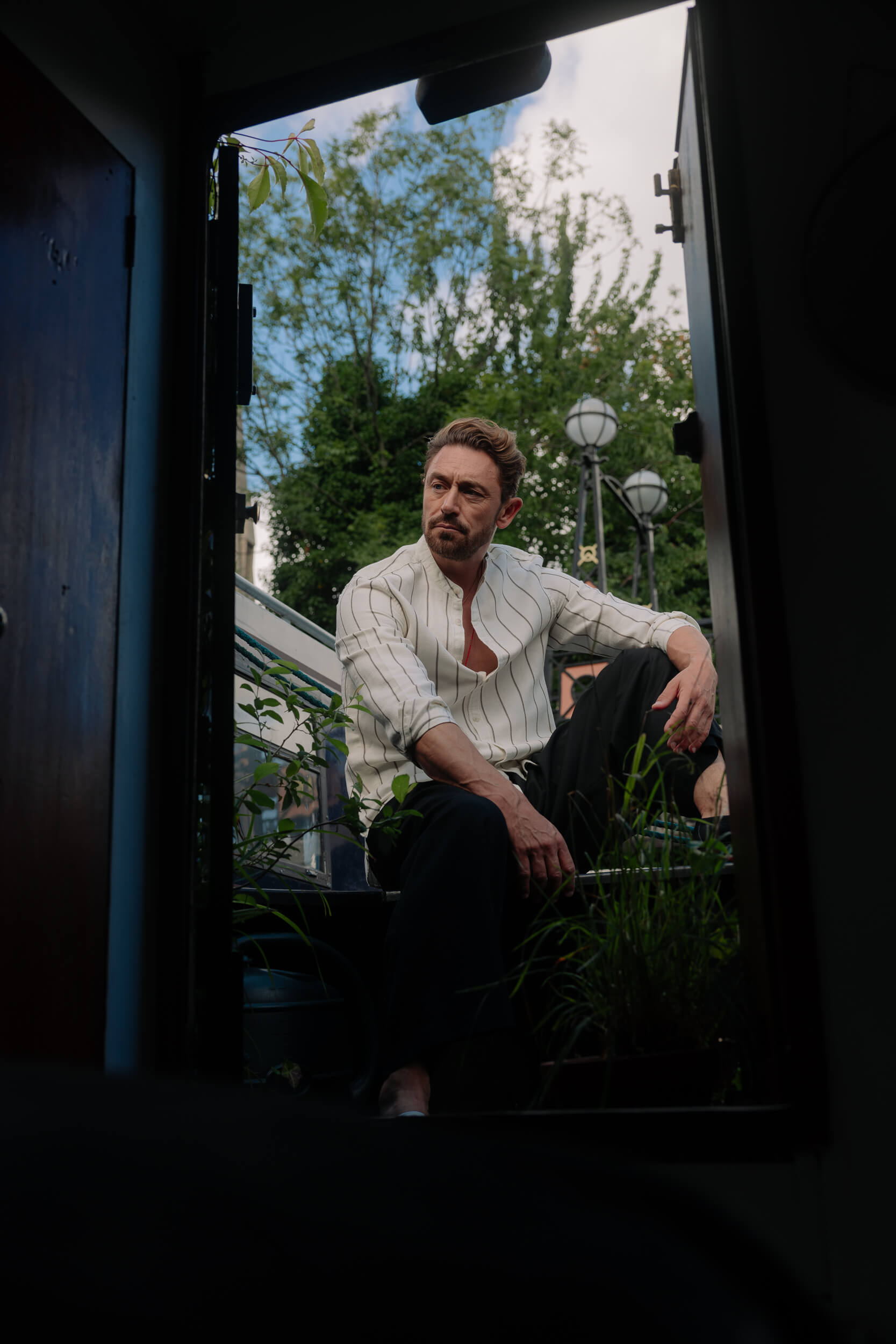
“Are all men morally dubious? Maybe that’s my thing.”
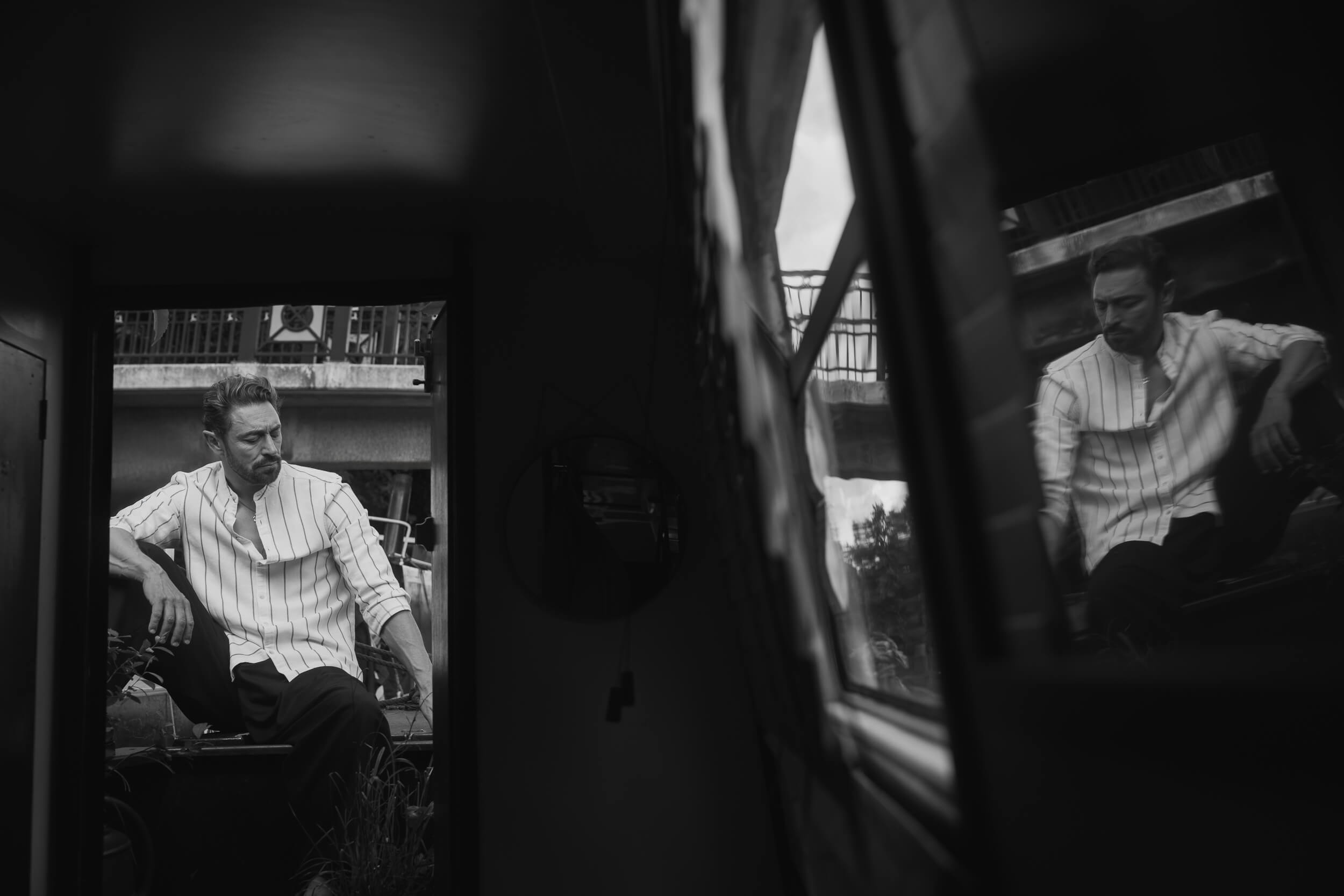
You actors get to know yourselves better through the job, don’t you? You play other people and discover sides of yourself you hadn’t encountered before. What’s the latest thing you’ve discovered about yourself through your work?
Last summer’s play – I had to do a striptease pole dance to Beyoncé. I had a huge dance troupe; as the King of the Fairies, all my fairies were professional dancers. I discovered that I would love to dance more. I want to go clubbing more – you do when you’re young, but we had so much fun just dancing.
And beyond that: I normally play moody people. When I was young, it was all heartbroken romantic. Then you get older and you become old enough to be the villain – especially with an English accent. Moody, moody, moody. What I discovered doing that play, because it was a joyful production, is that I just want to have fun. This next play is a dark comedy. I want to lean into that.
What’s your must-have on set?
It’s changed over the years. I’ve had the same folder since drama school – the same physical folder. But nowadays they don’t want paper; they want you to have an iPad. I can’t learn lines unless I see them on a piece of paper. And a good tea bag. In England we say “builder’s tea” – working-class tea. I don’t want Earl Grey or any of that. I want a thick tea so full of tannins that my teeth buzz.
What has been your greatest act of rebellion so far?
Probably trying to be a responsible father. Turning up and being of service – showing up for your job, your children, your partner. I think that’s possibly the most revolutionarily rebellious thing you can do. Because everything around you pushes you toward being a selfish narcissist who thinks only about themselves. So, rebel against that. Be a decent human being.
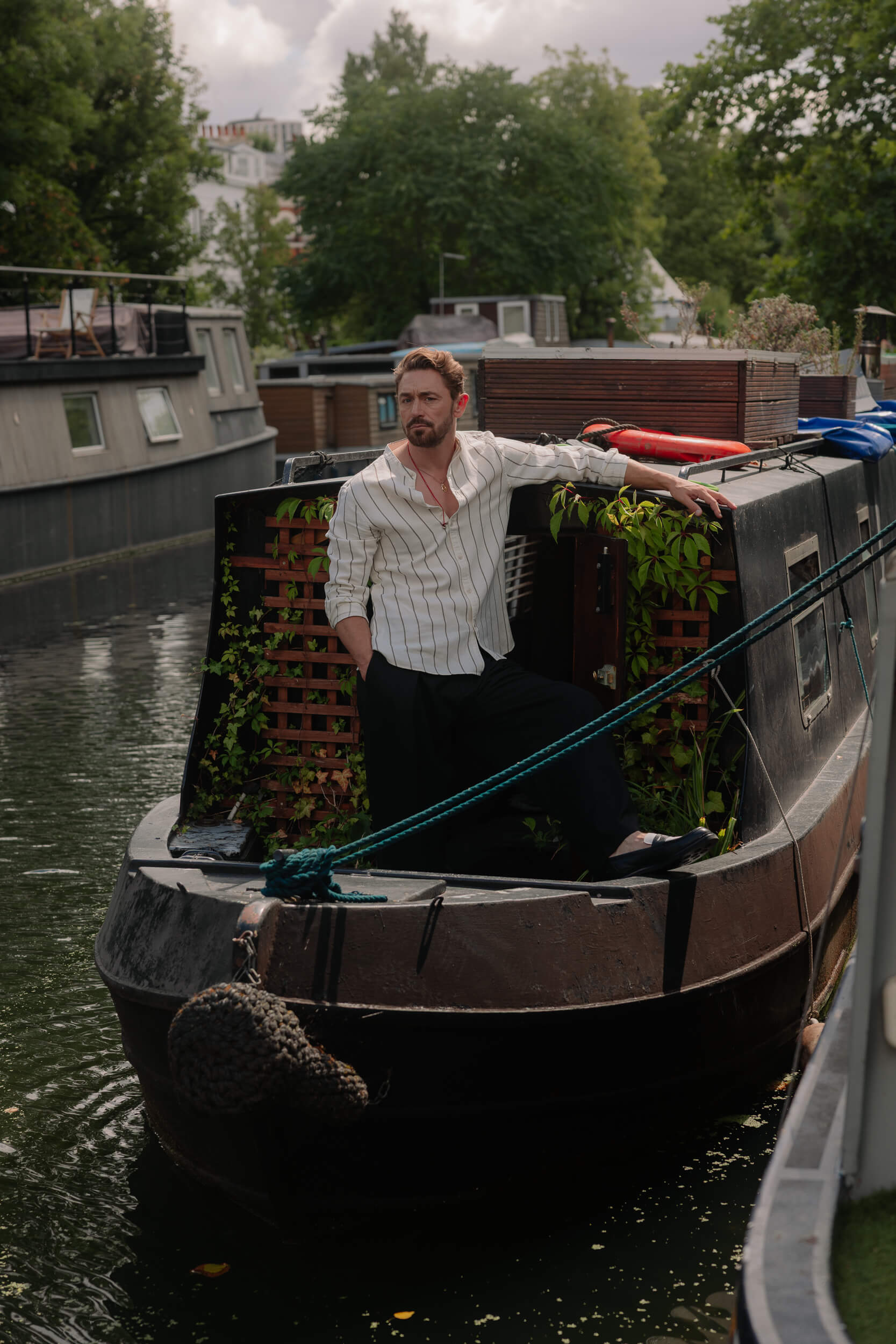
And what is your biggest fear?
Boredom. Not being youthful, in different aspects of life. Then, we all fear loneliness, but that’s the one you have to get good at.
As a creative person, the tough thing about being an actor is: if I were a painter, I could paint. If I were a musician, I could play my instrument. But I’m at the mercy of someone asking me to do the thing I love. For every actor, the fear is that the call stops coming. That you don’t have a way to be creative anymore. That’s why actors produce and write and direct. The idea that you can’t continue being a storyteller – that’s terrifying.
What would you like to see outside your window, now and always?
It’s spring. I’ve got tree blossom. I just love nature out the window. the sky and green things. I love London because it’s one hell of a city, but in all my windows, all I’m looking at is green. Roses, wisteria, cherry blossom, jasmine, Japanese maple. And I’m in the middle of a massive city. I’ve got Arsenal’s football stadium over there, the main road over there. That mix – the city being overgrown, urban and green at the same time. It’s lovely.
What makes you feel safe?
My mother’s cooking. I love food, and my mum’s a great cook.
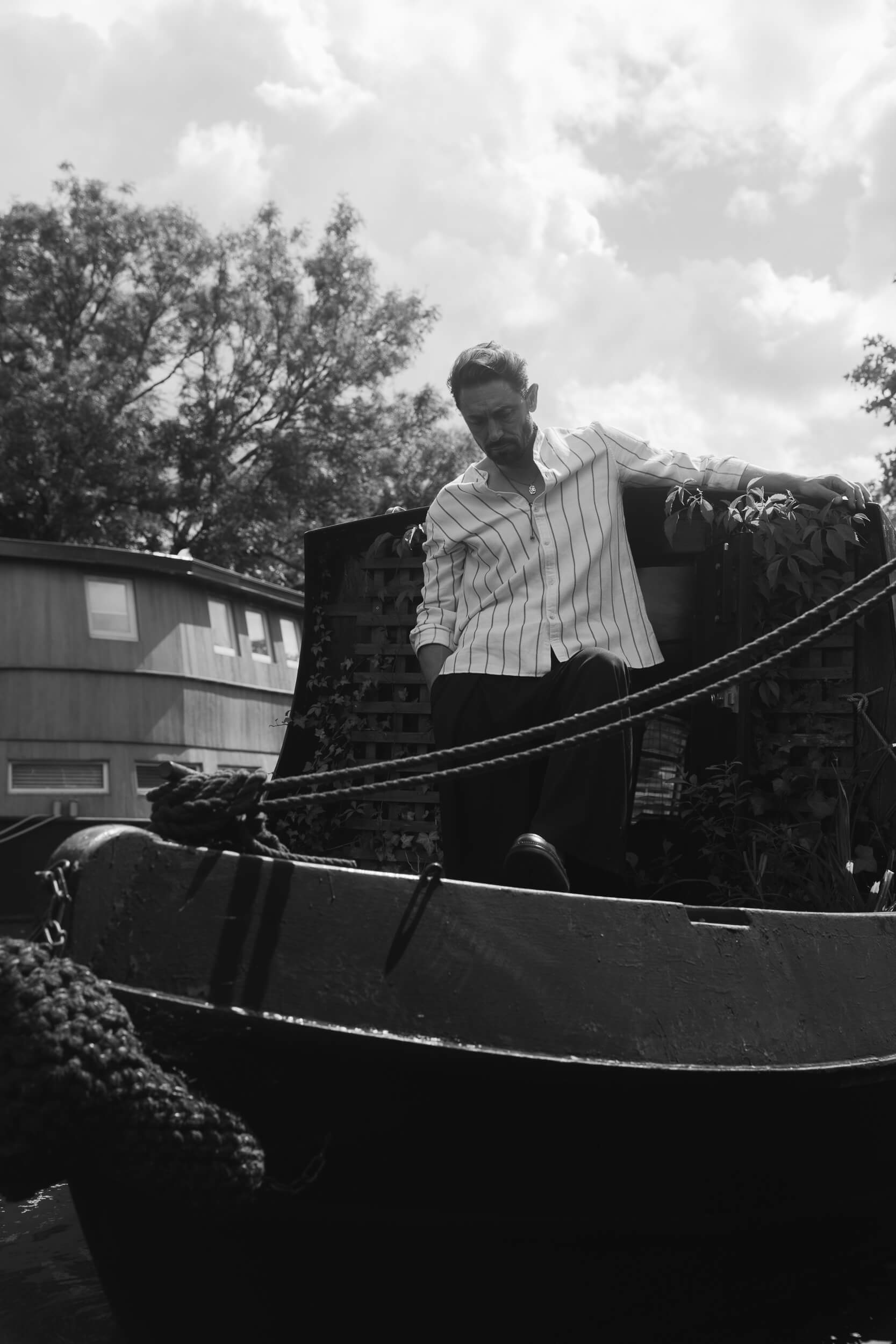
And what is home to you? I imagine actors move and travel a lot.
Having a meal with your kids and your partner. A family meal. My thirteen-year-old has been to seven schools and lived in seven houses. We’ve just moved back to London after fifteen years around the States and during that time we filmed through Europe, America, Canada. But when you get to sit down with your kids, wherever that is, that’s home.
What does it mean to feel comfortable in your own skin?
Does anyone ever feel that? I dream of being comfortable in my skin.
There’s a scene in “Four Weddings and a Funeral” – in the opening, at a wedding, there’s a gay couple and one of them is dancing like a complete lunatic in his kilt. And everyone’s watching him, saying: isn’t he brilliant? He doesn’t care. He’s just having fun. That is the goal. I can’t pretend I’m there. But that’s the goal in life – to dance with complete abandon, no self-consciousness. How many times do you come back from a wedding or a birthday party, and everyone’s been going crazy, and you sat on the sidelines? You had a little shuffle, shrugged your shoulders. But really you just wanted to go nuts.
It happened to me constantly when I was doing “A Midsummer Night’s Dream”. My cast were dancers – and man, they danced. We’d go out to clubs. I was ancient by comparison – they called me daddy. But just to see that absolute abandonment to one’s joy… I hope I don’t have to wait the rest of my life to get there, but that’s the goal.
Last question. What is your happy place?
I’m always happy in a cinema with a massive bucket of popcorn. Sweet and salty mixed together.
We don’t have that in Italy – only salted.
Get the salt one. Get the sweet one. Mix them yourself. But you can’t do it in layers, because then you go through all the sweet and then all the salty. You have to really mix it up, and then you get this interesting experience – sweet and salty together in your mouth.
Photos & Video by Johnny Carrano.
Grooming by Nohelia Reyes.
Styling by Gareth Scourfield.
Thanks to CLD Communications.
LOOK 1
White vest by Sunspel
Navy pinstripe DB suit by GANT
Velvet espadrilles by Anderson and Sheppard
LOOK 2
Vest by Sloggi
Shirt by Mr Porter
Linen trousers by Luca Faloni
Boat shoes by Sebago
LOOK 3
Stripe shirt by Moss
Black trousers by Mr Porter
Two tone loafers by Mr Porter