There are readers who devour books. And then there are those who inhabit them.
I belong to the second category: the kind of people who, when a novel ends, feel a sort of small private grief. That’s why I always postpone the last chapter. I leave it there, untouched, like those precious porcelain dinner sets people always save “for the right occasion.” Not because the book is boring me – quite the opposite. Because I’m enjoying it too much. And anyone who truly loves reading knows that incredibly subtle fear: closing a book also means saying goodbye to a version of yourself that existed only within those pages.
Mine is an almost sentimental way of reading, though without easy romanticism. An intense, physical way: I’m the kind of reader who grows attached to characters the way one grows attached to people met at exactly the right moment in life.
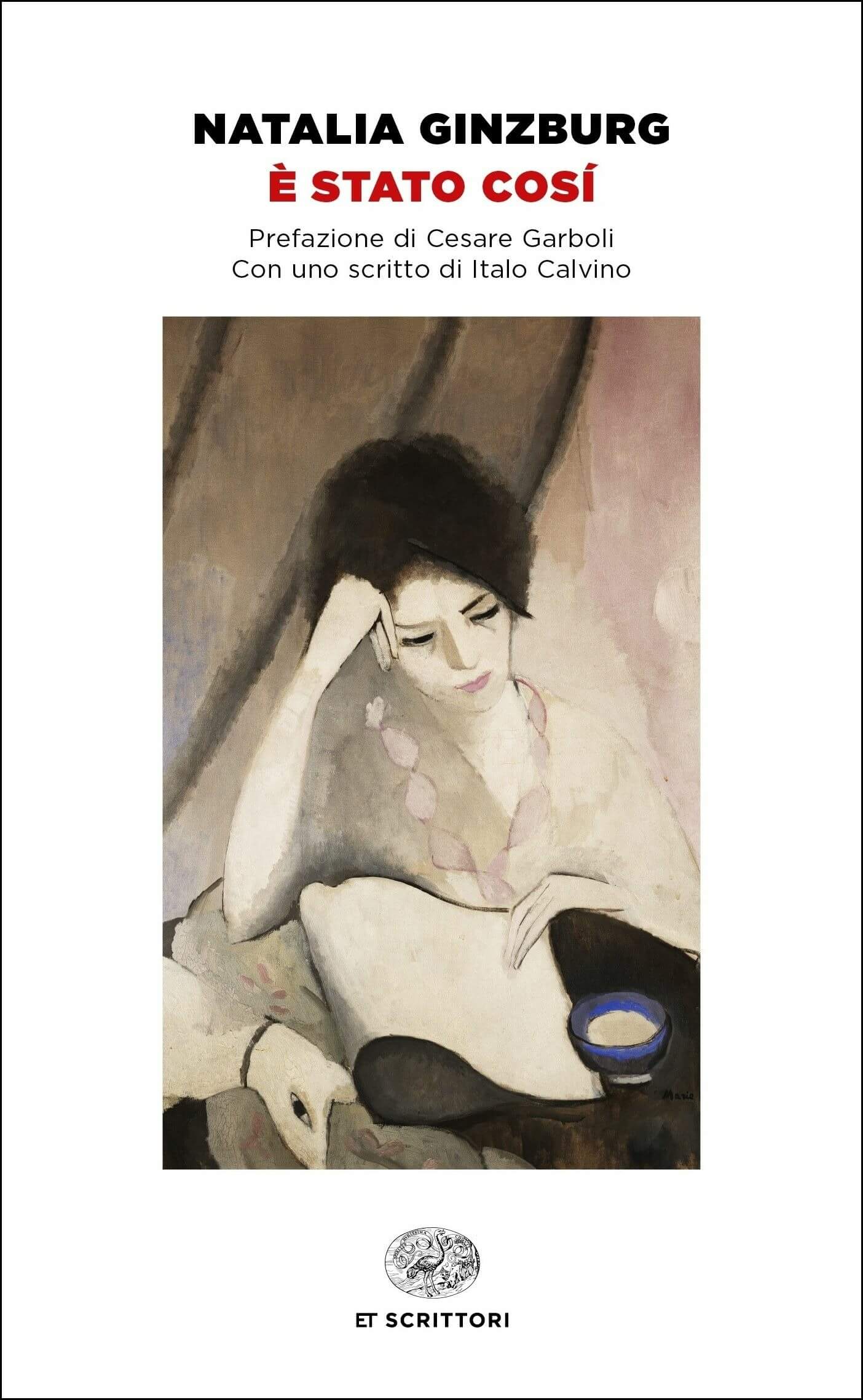
If a book particularly captures me, I immediately feel the need to talk about it with someone, even at the risk of recounting the entire thing, page after page, to the point of turning, for example, my poor boyfriend into an involuntary book club. He says he likes listening to me, and that’s probably true: because when someone talks about a book they truly love, they’re not just telling a story – they’re telling you about themselves.
Then there’s a major flaw of mine that makes me quite a stubborn reader: if I start a book, I finish it. Always. Even when it hurts, even when it drags, even when by page 50 I already know it won’t be the book of my life. Because to me, reading is a serious relationship: you don’t abandon someone halfway through a sentence.
“Because to me, reading is a serious relationship: you don’t abandon someone halfway through a sentence.”
Maybe that’s also why the 2026 Turin International Book Fair enchants me so much this year. The chosen theme – “The World Saved by Children”, taken from Elsa Morante — seems to speak directly to readers like me, who still believe in literature as a form of emotional salvation, not a practical one. A tiny, everyday salvation: finding the right book at the right moment. Deep down, that’s what I truly expect from Salone 2026: not just to buy books (many books), but to leave the Lingotto with new obsessions, new characters to lose myself in, new sentences to underline while riding the subway, new authors to follow for years the way one follows certain melancholy songs.
As every year, I’ll lose myself more among the stands of independent publishing houses than among the enormous, crowded ones. I’ll search for that realistic and ruthless novel, emotionally precise, that feels as though it was written while spying on me through my window; or perhaps for a completely surreal, disorienting, dreamlike book, one that makes even the most absurd things seem normal and allows me to completely disconnect from my own life. Because I love extremes: realism that cuts deep and imagination that comforts.
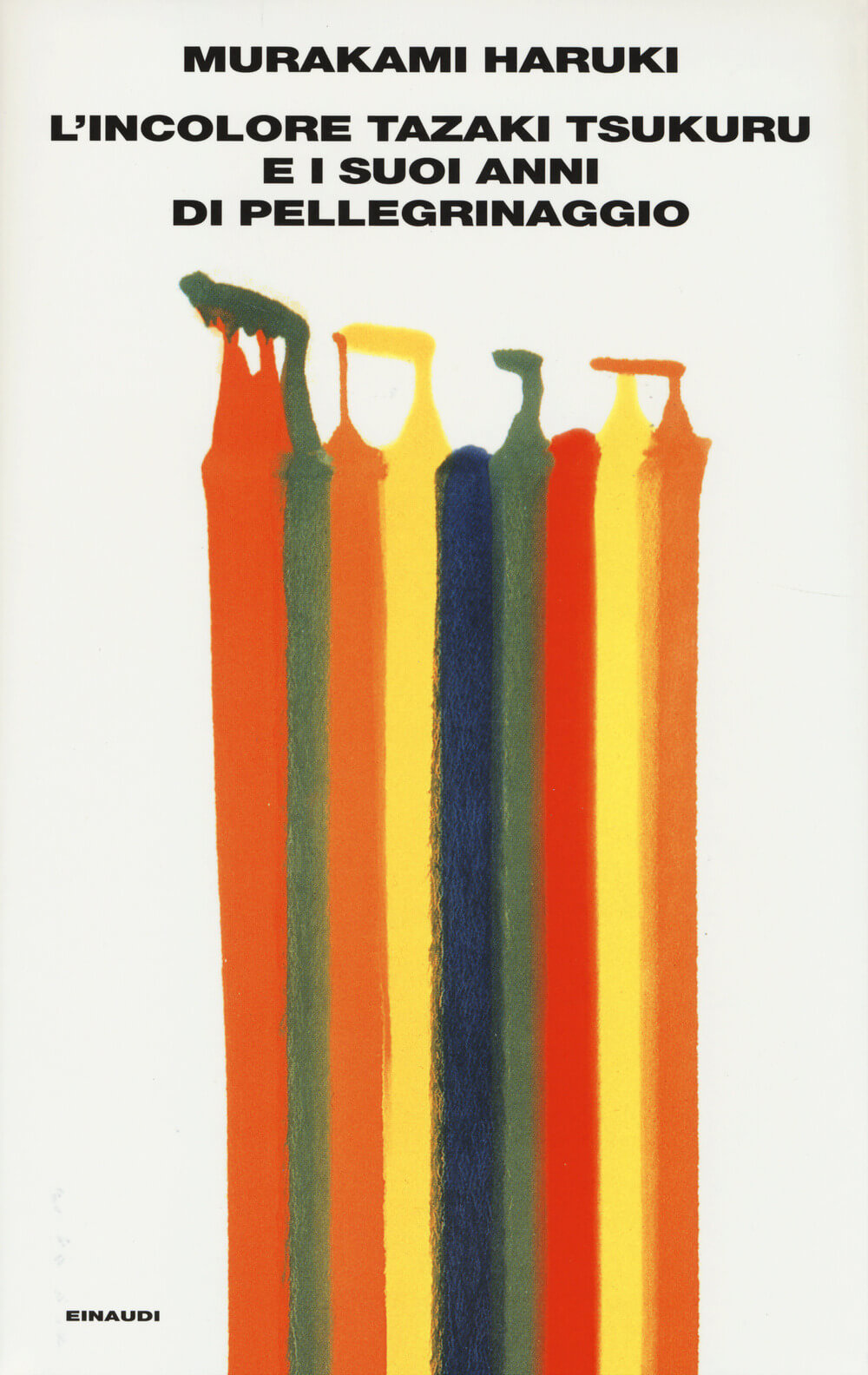
I can already imagine the talks that might leave something lingering inside me. Maybe Zadie Smith, who will give the opening lecture on adolescence and the emotional extremes of youth; or David Grossman, one of those writers who describe love exactly the way I like it, without ever making it too harmless. And hopefully Emmanuel Carrère, Irvine Welsh, Alessandro Baricco: incredibly different authors, yet all capable of creating characters that stay with you like ex-lovers who, for one reason or another, are impossible to forget.
Maybe that thing will happen again: I’ll come home with a bag that’s too heavy, a wallet that’s a little lighter, and the happiest feeling of having months of new lives ahead of me to live.