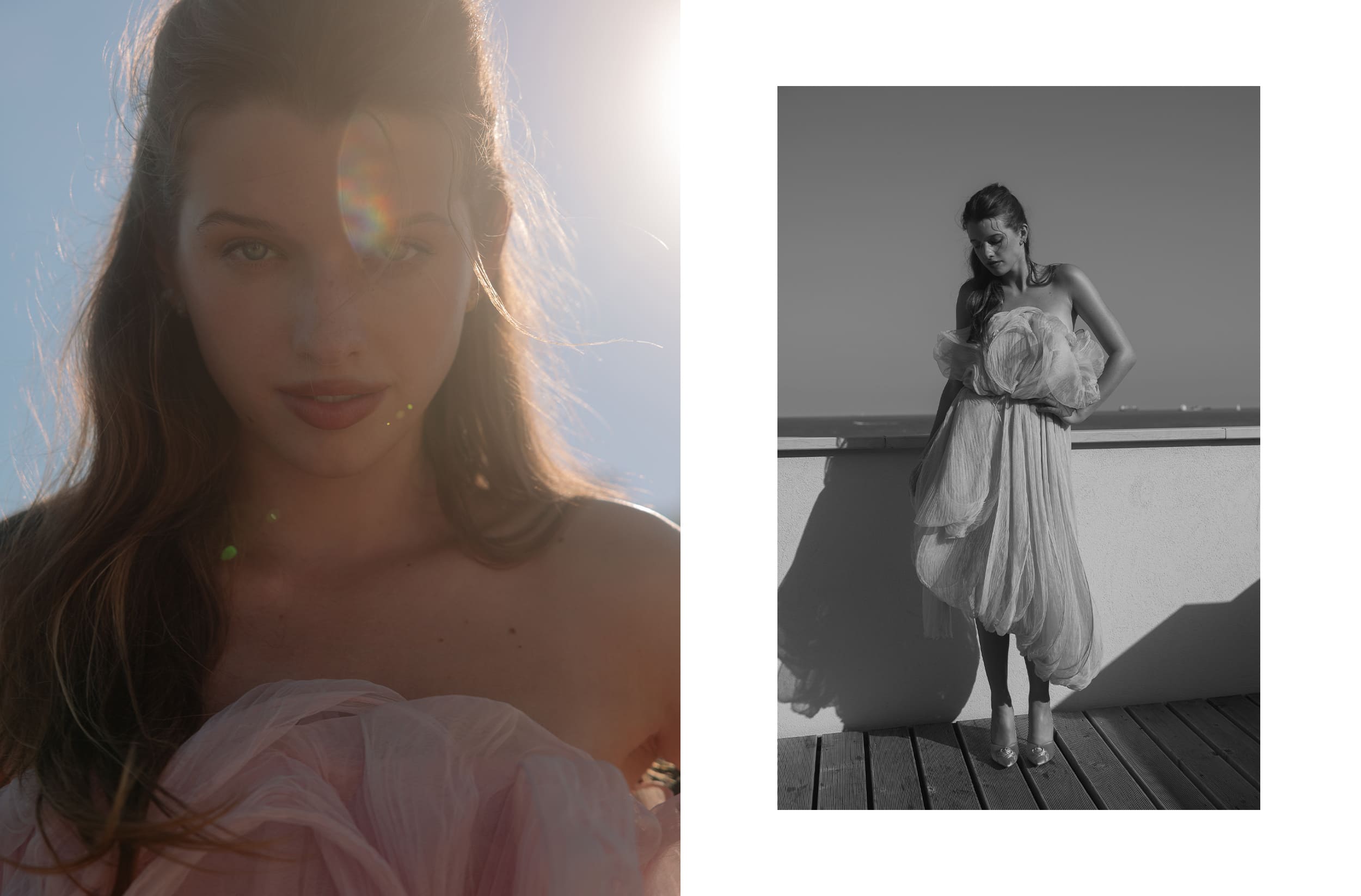
Luc Besson writes, produces, and brings “Father Joe” to the 83rd Venice International Film Festival, starring Kiefer Sutherland as a priest who acts almost like a vigilante, answering only to the word of God as he takes on New York’s criminal underworld.
His main mission is to save children from abuse and drug trafficking, putting himself up against some of the city’s most powerful mobsters—including the most dangerous of them all, played by Al Pacino. Along the way, he meets Felicity, played by Ever Anderson, a young woman he manages to save from drug abuse and who, ultimately, will be the one to help him in return.
We had the chance to sit down with Ever to talk about her experience filming “Father Joe”, but our conversation went far beyond it. We spoke about connection, about the importance of being there for others, about what it means to be the person people turn to when they need someone, and, finally, about those books that have the power to change your life.

Father Joe almost feels like a superhero, except that he answers to no one but God – he confronts evil, protects children, and even forces bad guys to confess their sins. Did you see him as a kind of unconventional superhero when you first read the script?
I think, more than anything, that idea translated into the character of Felicity, I hope – someone who does bad things for good reasons. It isn’t black and white in the way she does what she believes is good. But she’s fully aware, and even talks about the means of getting there not being ideal at all, and never pretends to be anything more than what she is. I think that’s what draws them together in the film.


And it’s also very freeing, I think. I found it very interesting that the film seems to suggest human beings are defined by their ability to choose between good and evil. Do you think Felicity knows the difference between the two from the beginning, or is that something she has to discover?
I’d say she has a pretty good understanding from the beginning, but I think she also willingly chose to be around bad people. So it’s very complex, her discovery of what she believes is right and wrong. It takes a while before she truly wants to be a part of what Father Joe is doing. And I really like that Luc, when he wrote it, took the time to explore that properly instead of making her immediately want to be part of it.

Yeah, it was beautiful. At one point, Felicity is asked, “Do you know who you are?” It feels like such a simple question, but maybe one of the hardest anyone can be asked. Do you think Felicity knows who she is? And did playing this role make you think differently about that question yourself?
Absolutely. I don’t think she knows who she is at all – I don’t think most of us do. Anyone who does, I’m completely jealous of you. But it really gave me comfort, not knowing who I am fully, and it made me do a lot of self-reflection while playing her.
And as I mentioned before, the movie talks a lot about sin, but also about money and power, and about how, in the end, none of these things seem to really save anyone – it’s almost the opposite. What do you think the film is ultimately saying about what we choose to value?
I’d like to think the film is saying that you come into the world with nothing, and you leave it with nothing. What matters is the impact you have on others – what you do for others is what really leaves an imprint on your life and impacts people. And I think Father Joe is really a true pillar of that notion, because he gives away everything he has. He devotes his life to a church, and yet he goes out of his way to do what he believes is good for others. He leaves a lasting impact on thousands of lives, and none of that impact has to do with money or tangible things.
“I don’t think she knows who she is at all – I don’t think most of us do. Anyone who does, I’m completely jealous of you.”
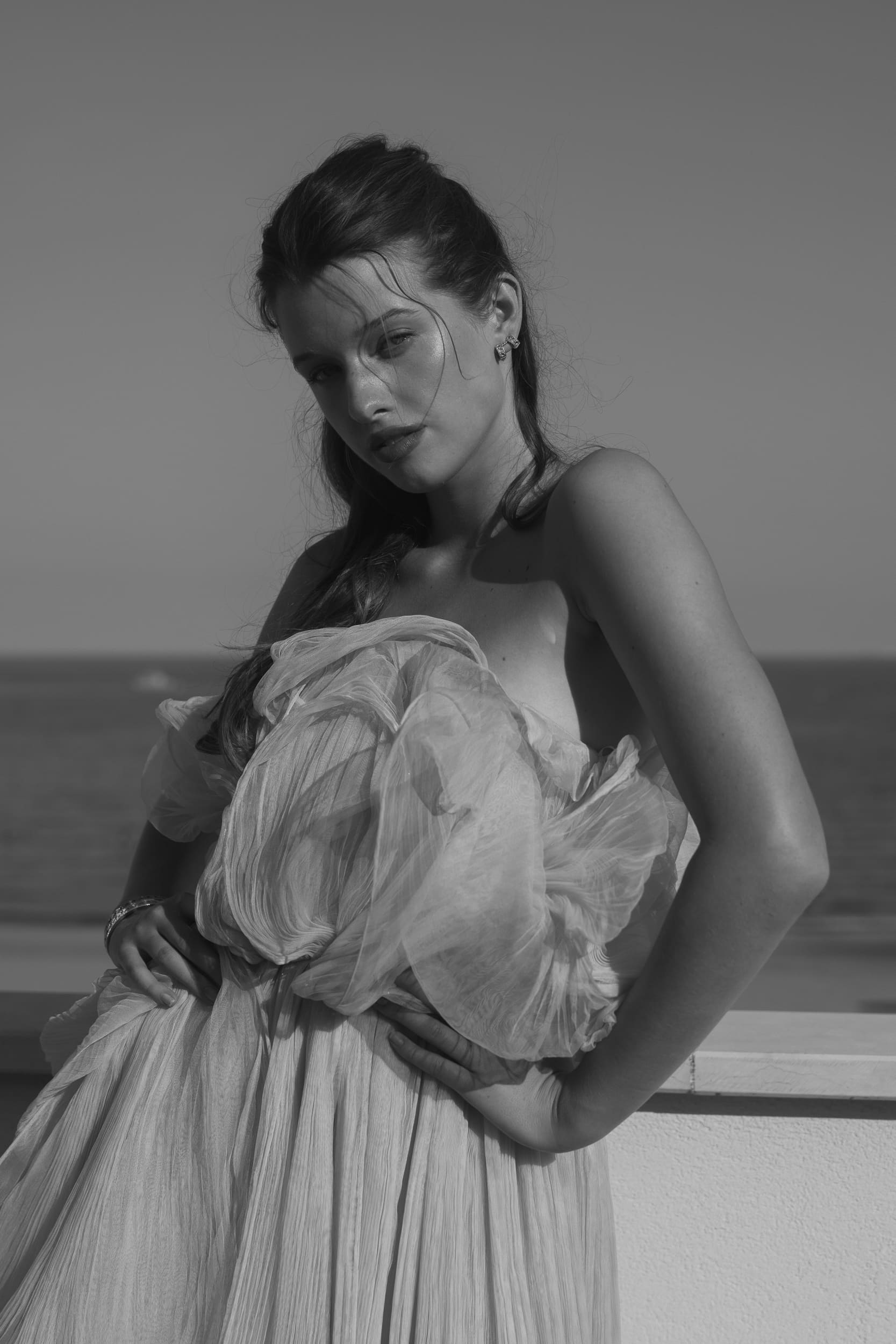
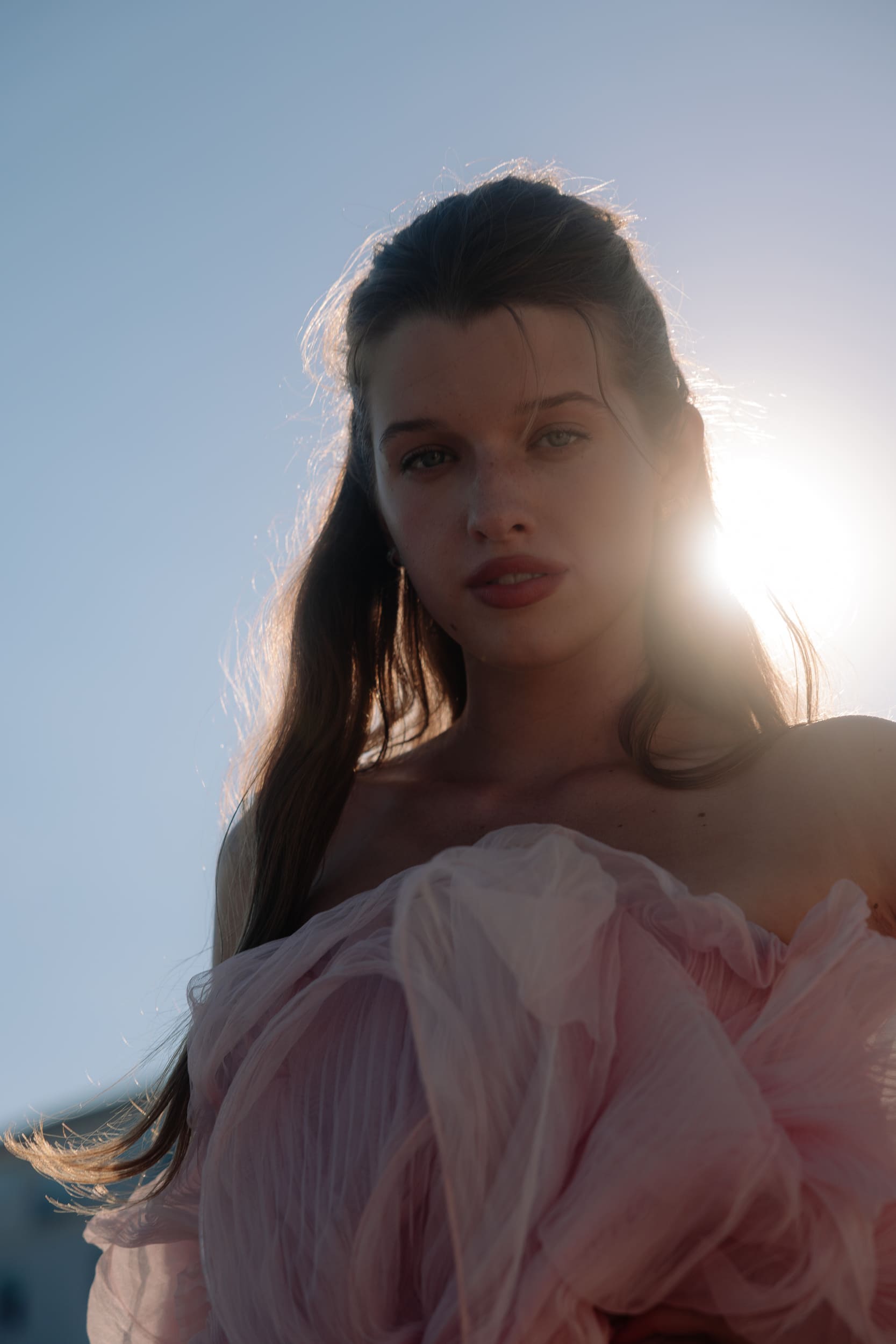
I guess you, as an actor playing many different roles, may begin to come into contact with parts of yourself you didn’t even know when you started. Is there anything you learned about yourself with this movie?
I think it really reminded me to have empathy toward others and not be so desensitized by everything I see every day on social media – to really connect with other people. No one is better than anyone else. When you look at your peers, they’re not all that different from you – it just takes a mindset shift to understand them. It reminded me of that, and it reminded me that I want to be more like that: someone other people would want to turn to, or ask for help, or share a burden with.
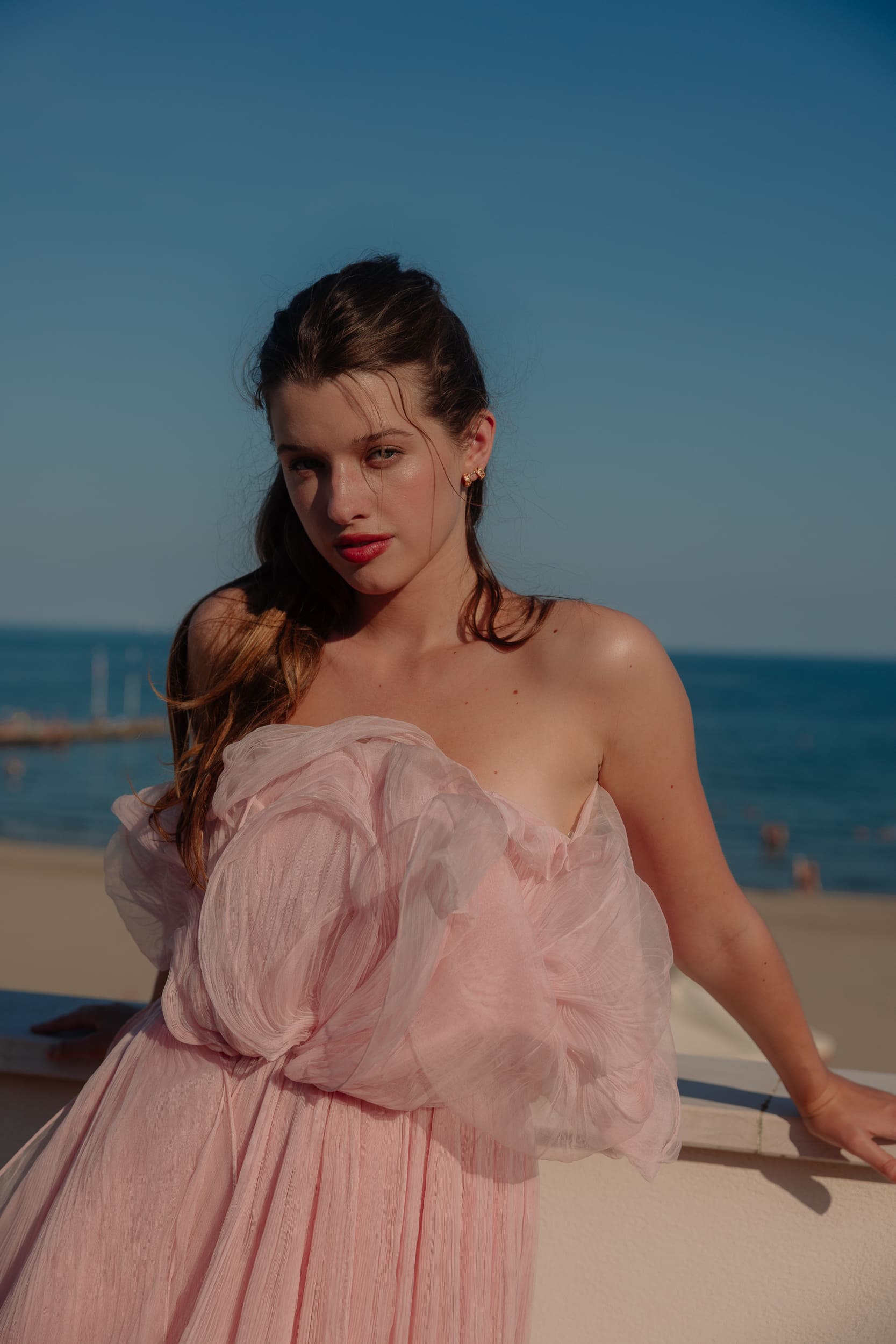

That’s beautiful. I think that as humans, all we search for is connection, sometimes it’s the meaning of life too.
Yes, I don’t think there’s anything more important than people connecting, and love – I think it’s the most important thing in life, and what we’re all searching for. I think it comes in different ways and forms, and I don’t even mean romantic love, just love, being loved, and loving. I think we should love as many people as possible, and show love to as many people as possible. And I’m so sorry that I’m eating an ice cream cone while talking about this [laughs].
No, don’t worry at all! [laughs]
There’s a striking contrast in the church between people taking pills and people taking communion, and in a way, it makes you wonder whether everyone is looking for some sort of salvation. Do you think the film is suggesting that we are all sinners, in one way or another?
Yes, in that scene, it felt to me like everyone has done bad things in their life, some people much worse than others. But in that moment, he wasn’t judging, he wasn’t casting any judgment or opinion on them. They were just there together, understanding that they were in the wrong, without being told so by anyone. What I really liked is that everyone has done bad things in their life, and they came to him for forgiveness, and he gave it to them in some way. Even though we’re looking at the bad people in our film, and they are bad people, he still gave them that forgiveness. Even though they were undeserving of it. Because that was him connecting with them. I found that to be very special too.
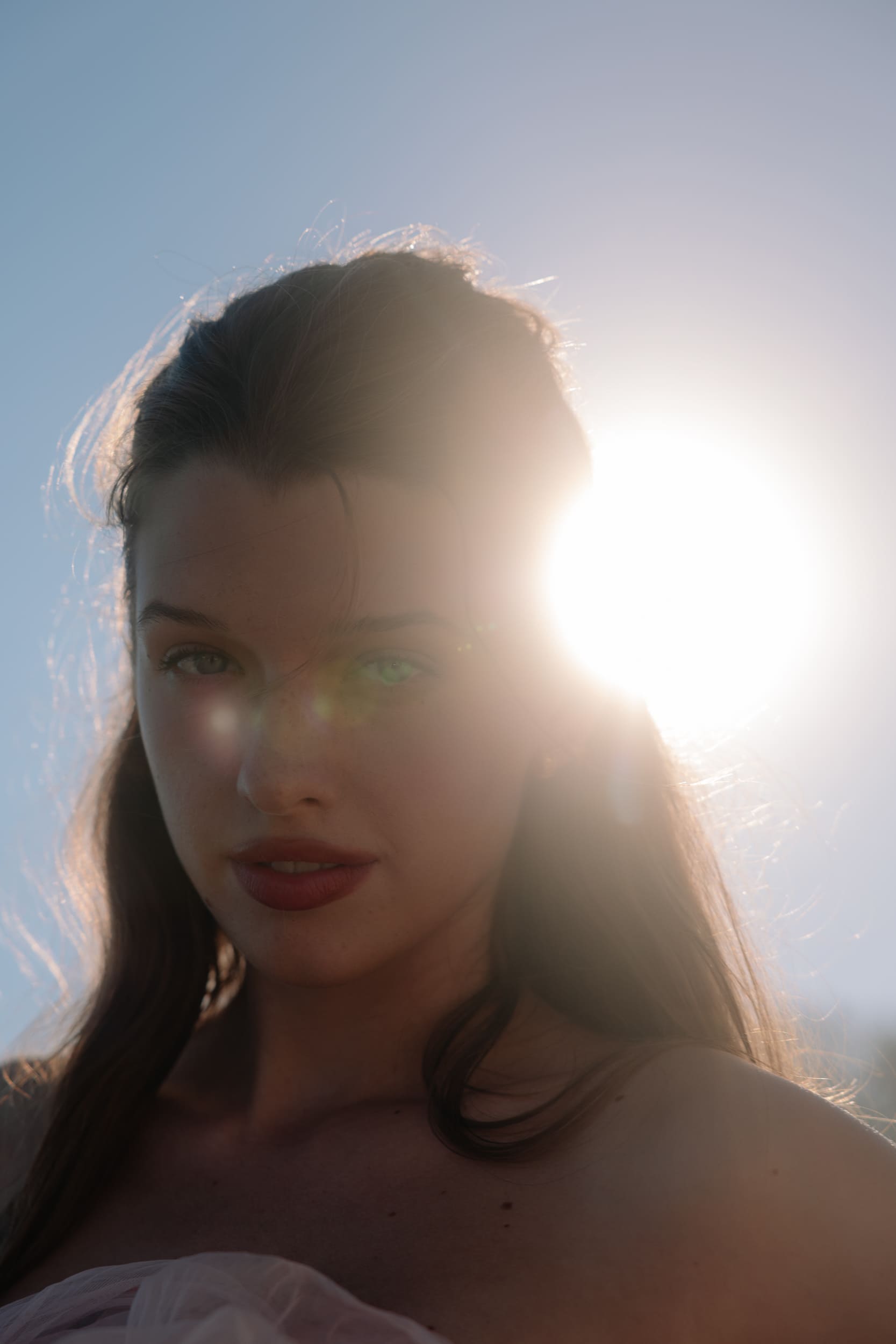
“I think we should love as many people as possible, and show love to as many people as possible.”
And there’s also the idea of people making the same mistakes over and over again, almost as if trapped in a cycle. What do you think it takes for someone to finally break that chain?
I think people, more often than not – or at least from my own personal experience – get trapped in cycles, and they’re very negative. I’d like to think the way to break a cycle is to be filled with more love than bitterness or resentment toward others. I don’t think you truly break a cycle until you’ve completely forgiven the people in your life. Take generational trauma, for example – it gets passed down because someone feels resentful, they had to go through something, and they want someone else to know what they went through. So, they pass it down to the next person, even if it’s not exactly the same, just a shade of similarity – and that breeds more resentment, and it keeps getting passed along. It takes someone with enough courage to be kind, to forgive those people, to let it go, and to not want anyone else to go through what they went through – truly, in any form.


Last question: there’s a moment, after finishing “One Hundred Years of Solitude”, when Al Pacino’s character says it’s one of those books that speaks to you so much you almost regret having read it. I love the idea that a story can affect you so deeply you almost wish you could go back. Has there ever been a book, a movie, or even a role, that made you feel that way?
It’s so funny, because I love “One Hundred Years of Solitude”. I’ve had tons of book series growing up that I would give my right kidney to read again for the first time. One book is “The Fountainhead” by Ayn Rand. Another is the “Throne of Glass” series.
I have to read it, everyone keeps telling me to.
Girl, you are my left kidney right now.
I’m very lucky – I’m rereading it right now, because I like to read fun things while I’m working. That book series is one of the greatest things I’ve ever read.
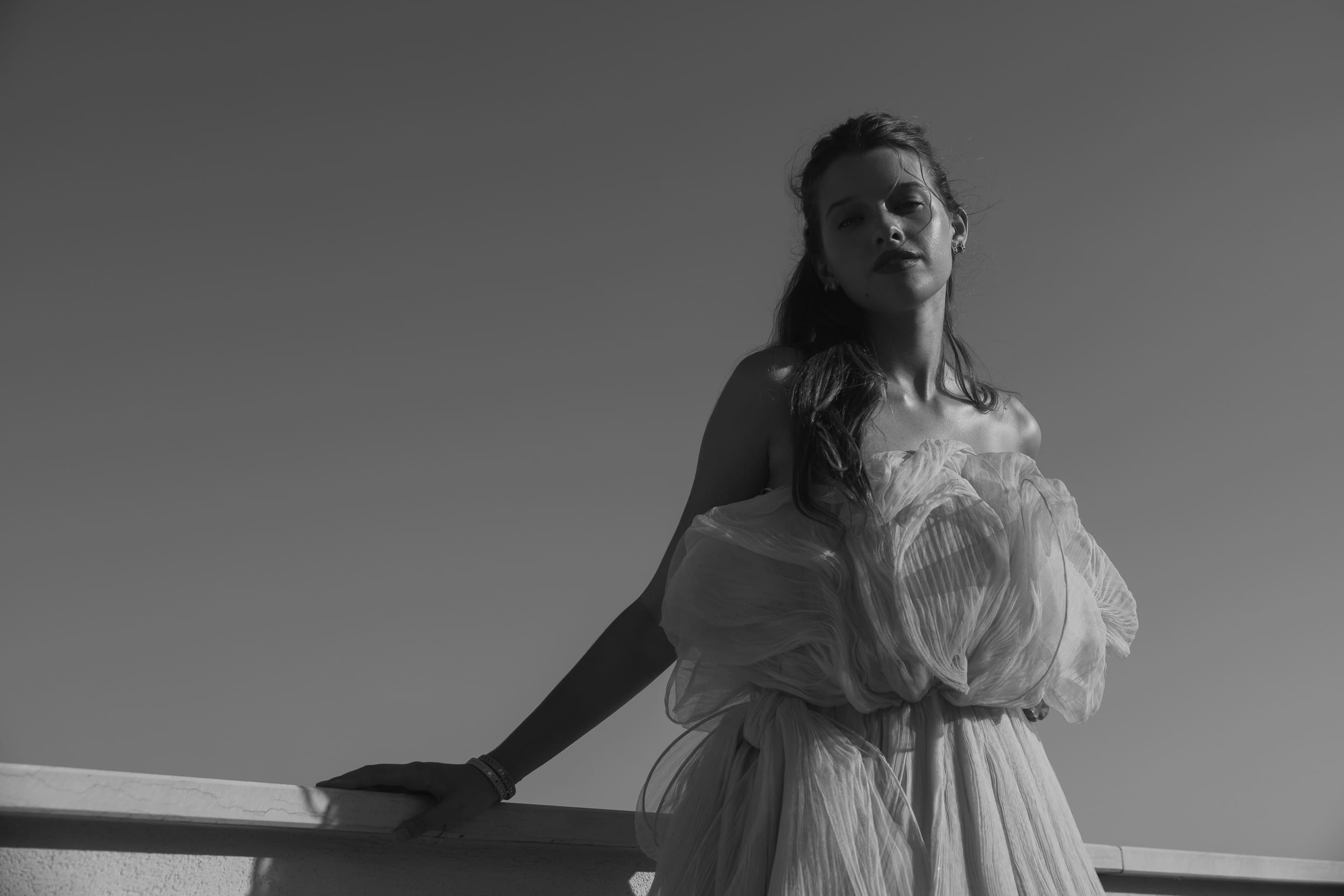
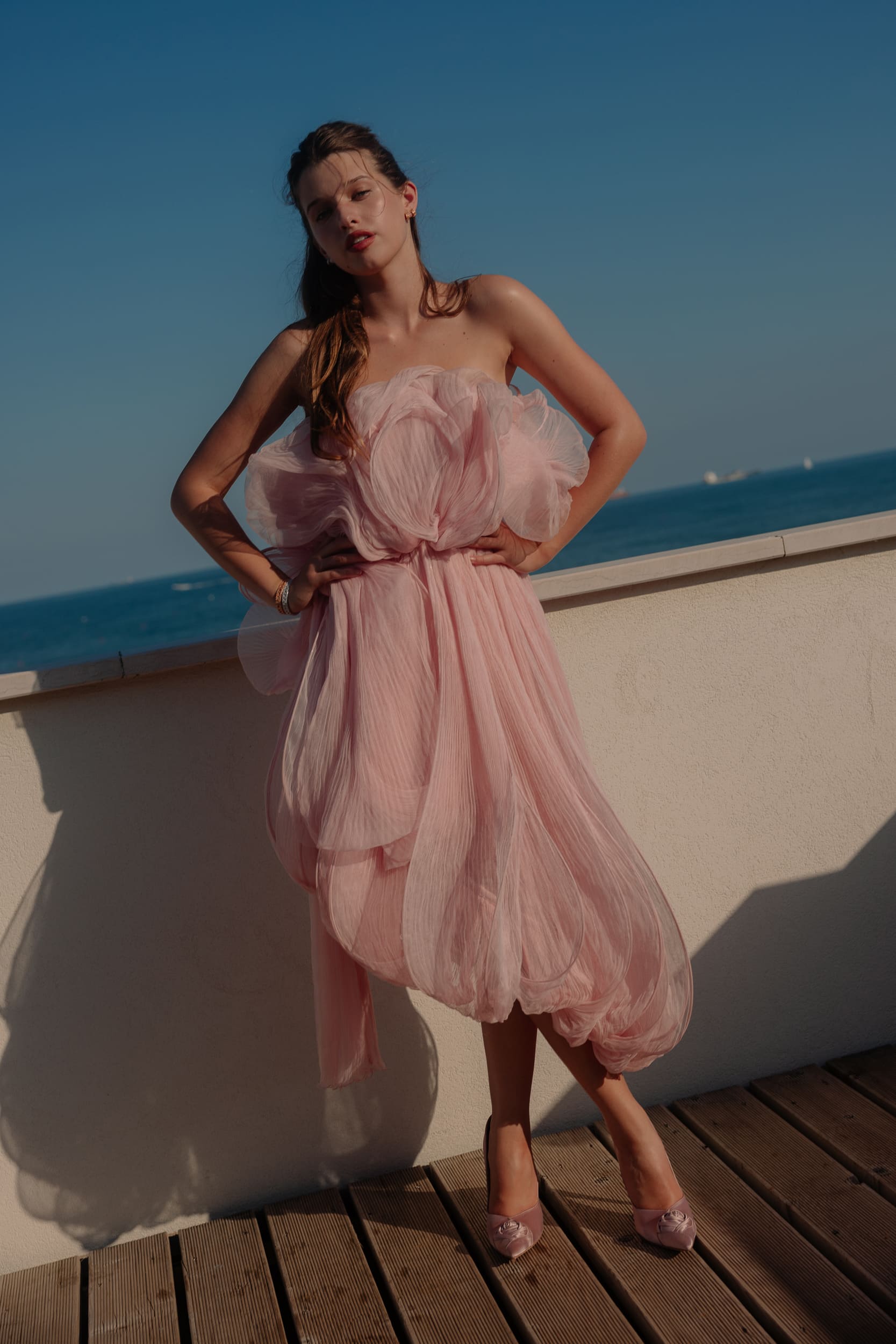
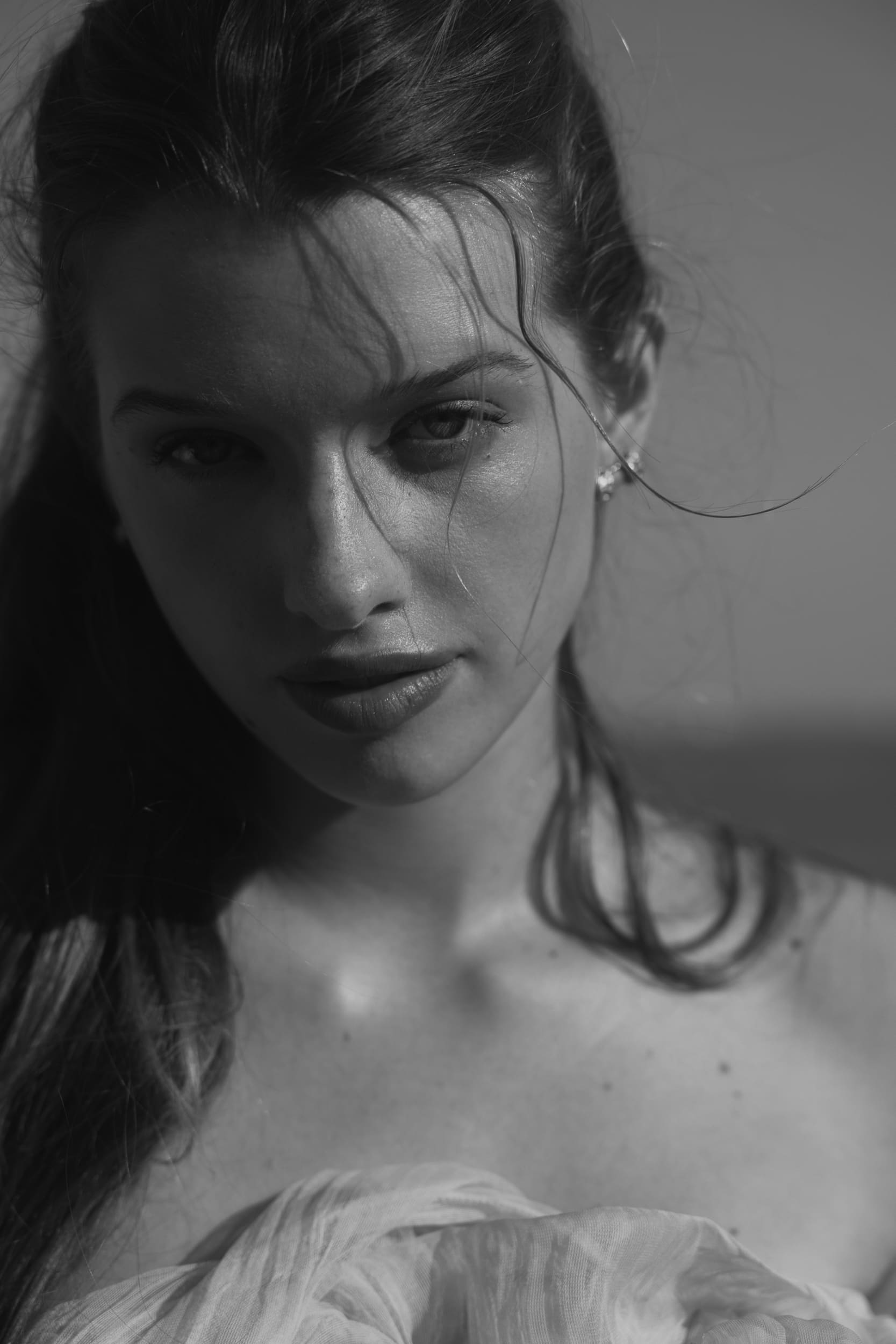
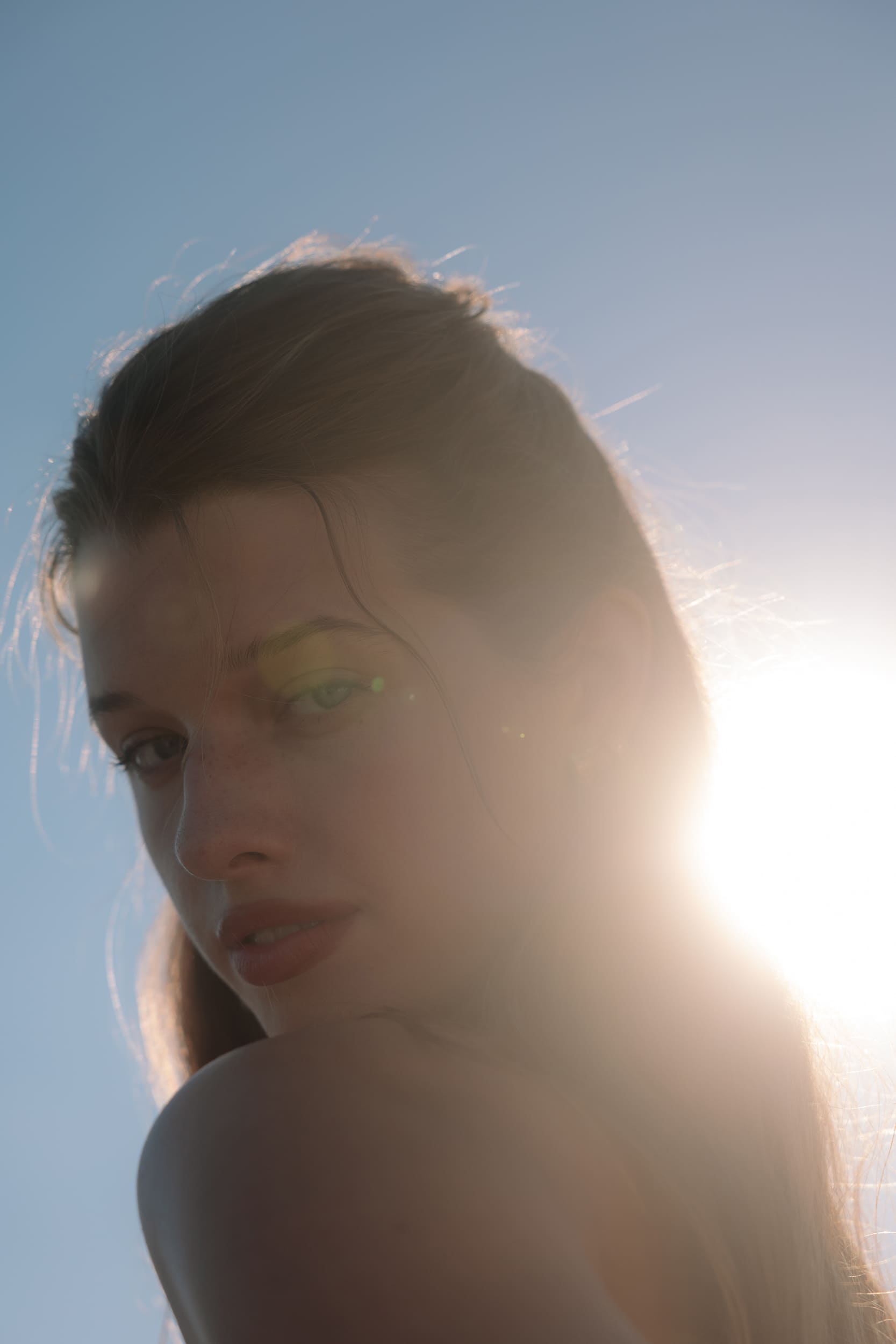
Photos by Johnny Carrano.
Makeup by: Joey Choy for The Wallgroup.
Hair by Jill Halouska for The Wallgroup.
Talent Management: Chris Brenner.
Dress: Dior by Jonathan Anderson.



An excellent and insightful interview with Ever and a great photo shoot.