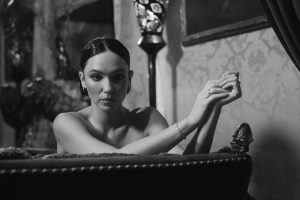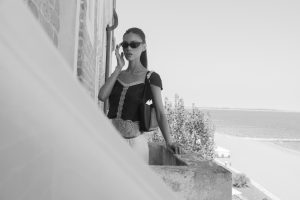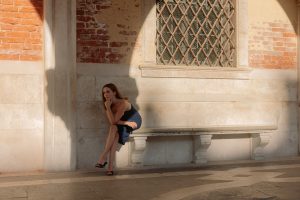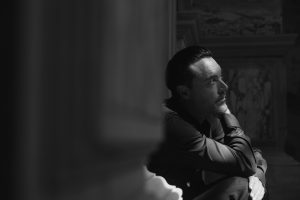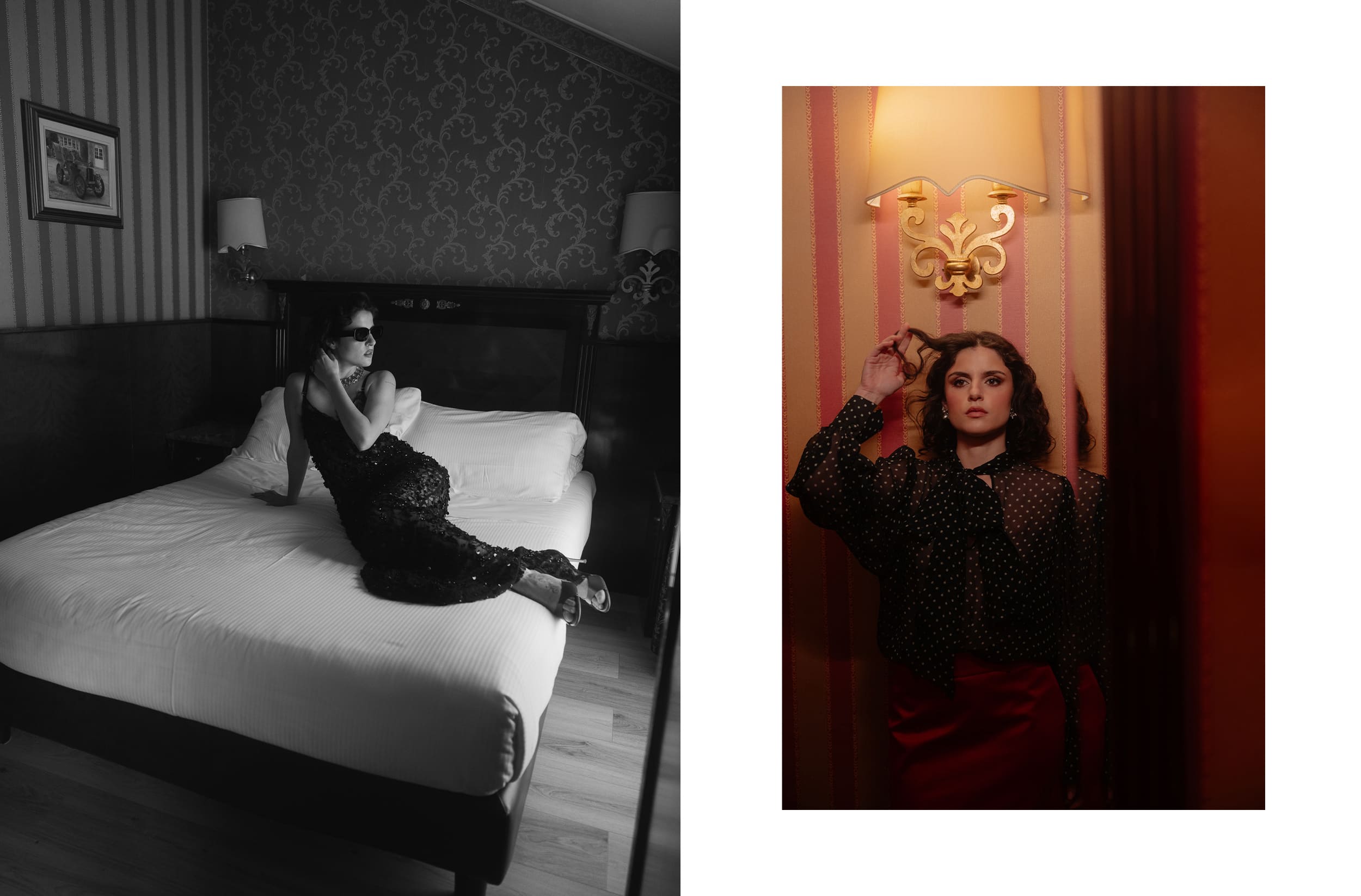
There is something particular about the way Caterina Forza talks about herself: the same tension she describes in her work – between control and surrender, between construction and instinct – can be felt in her words too. Born in 1999, Roman by birth and by heart, a child of the arts who grew up on film sets without ever finding cinema extraordinary, our June Cover Story found her revelation not in a darkened theater, but behind the wheel of a racing car.
With “Motor Valley”, a series in which she plays Blu – an eighteen-year-old driver who grew up too fast, with anger as her shield and speed as her only language – Caterina has taken on the most physical and complex role of her career. A character who doesn’t ask for permission, doesn’t seek pity, and occupies the space she has earned with her bare hands. A bit like her.
In our interview, Caterina talks about rational and irrational fears, about belonging and rebellion, about Rome that gets into your blood, and about happy places that fill your eyes and heart with joy.
What is your first memory connected to cinema?
It’s definitely tied to my father, who works as a cinematographer. It’s a beautiful thing, but at the same time it gives me a slight sense of melancholy, because I don’t have a true first impactful memory of cinema – it was always simply a presence in my daily life, experienced as my father’s job. So there was no revelatory moment, and that makes me a little sad.
Do you remember the first film you saw?
I don’t remember it directly, but I always asked my parents and they always told me it was Shrek, the first one, released in 2001. I was born in ’99, so I was very little. And anyway, Shrek 2 remains, in my opinion, one of the greatest animated films in history.
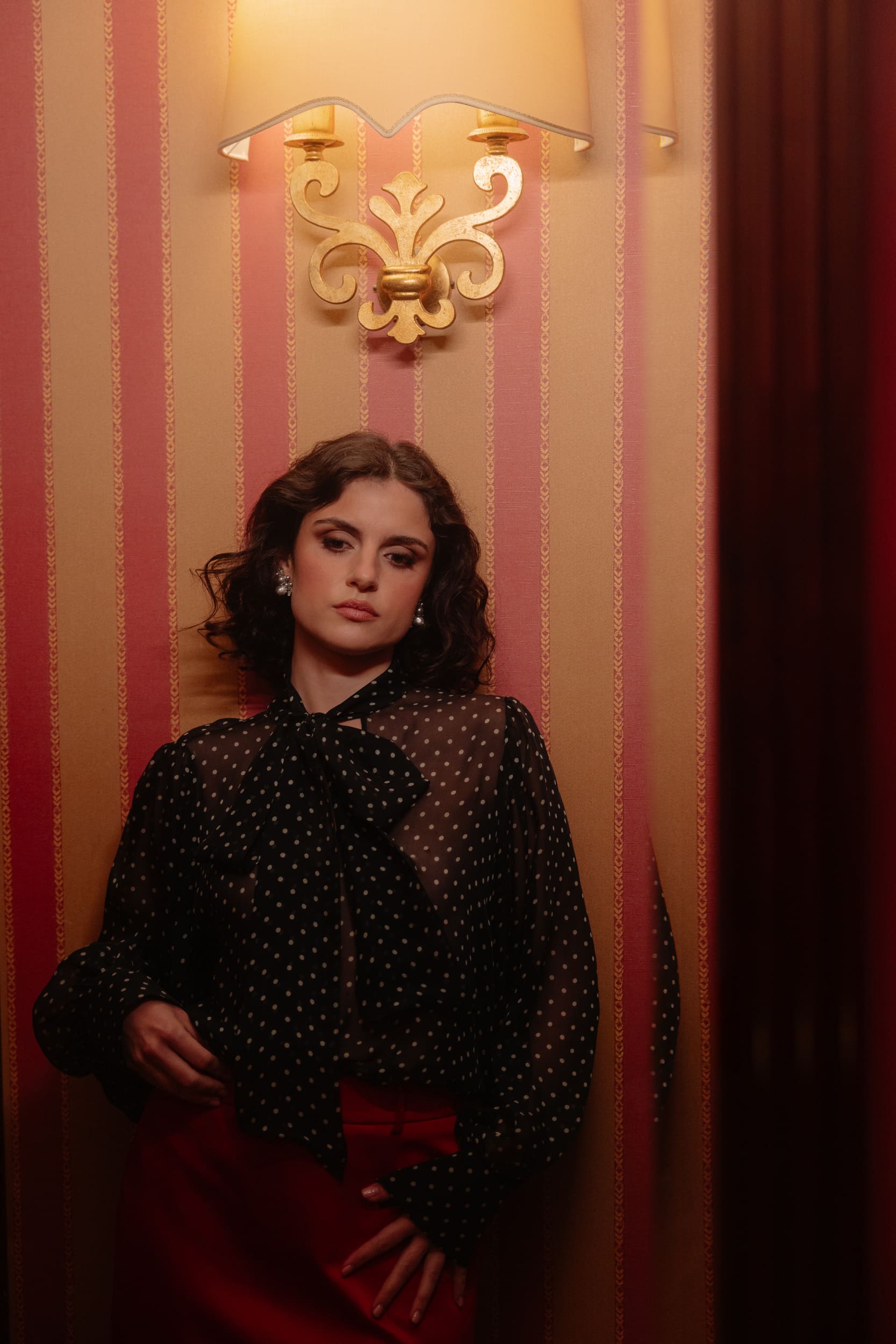
Let’s talk about “Motor Valley”. Your character, Blu, constantly lives on the edge. What was the hardest part to convey without falling into the stereotype of the rebellious girl?
Paradoxically, the easiest part was combining determination with anger, because anger gives an enormous push to motivation – it’s almost a driving force. Having a well-defined character construction really helped me with that.
The real difficulty was showing her sensitivity, her fragility. It’s the hardest part in real life too: we only show it to people we trust. So perhaps I struggled more with making the audience understand that Blu is made of blown glass – that all that anger is a shield to protect herself from the wounds of her past.
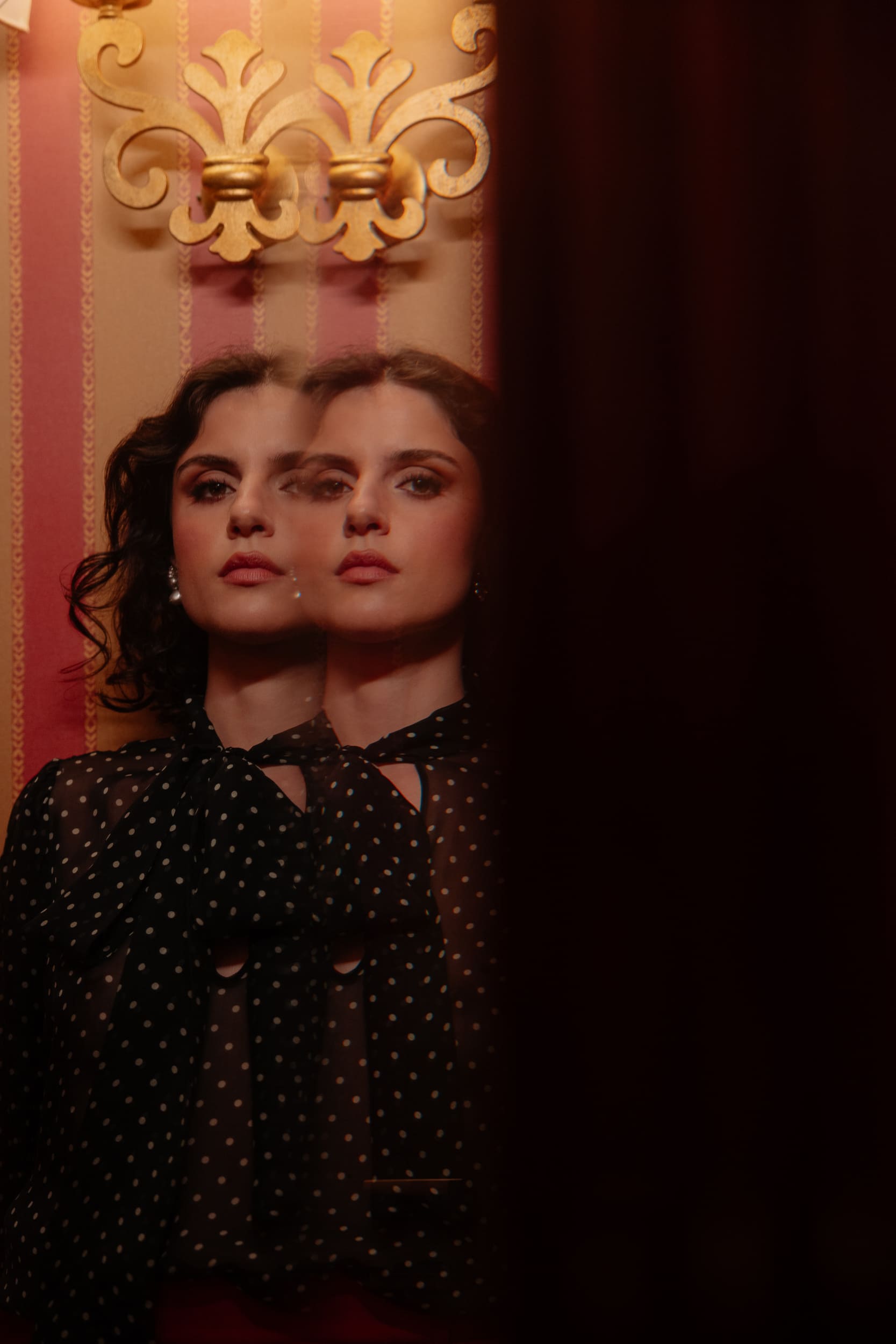
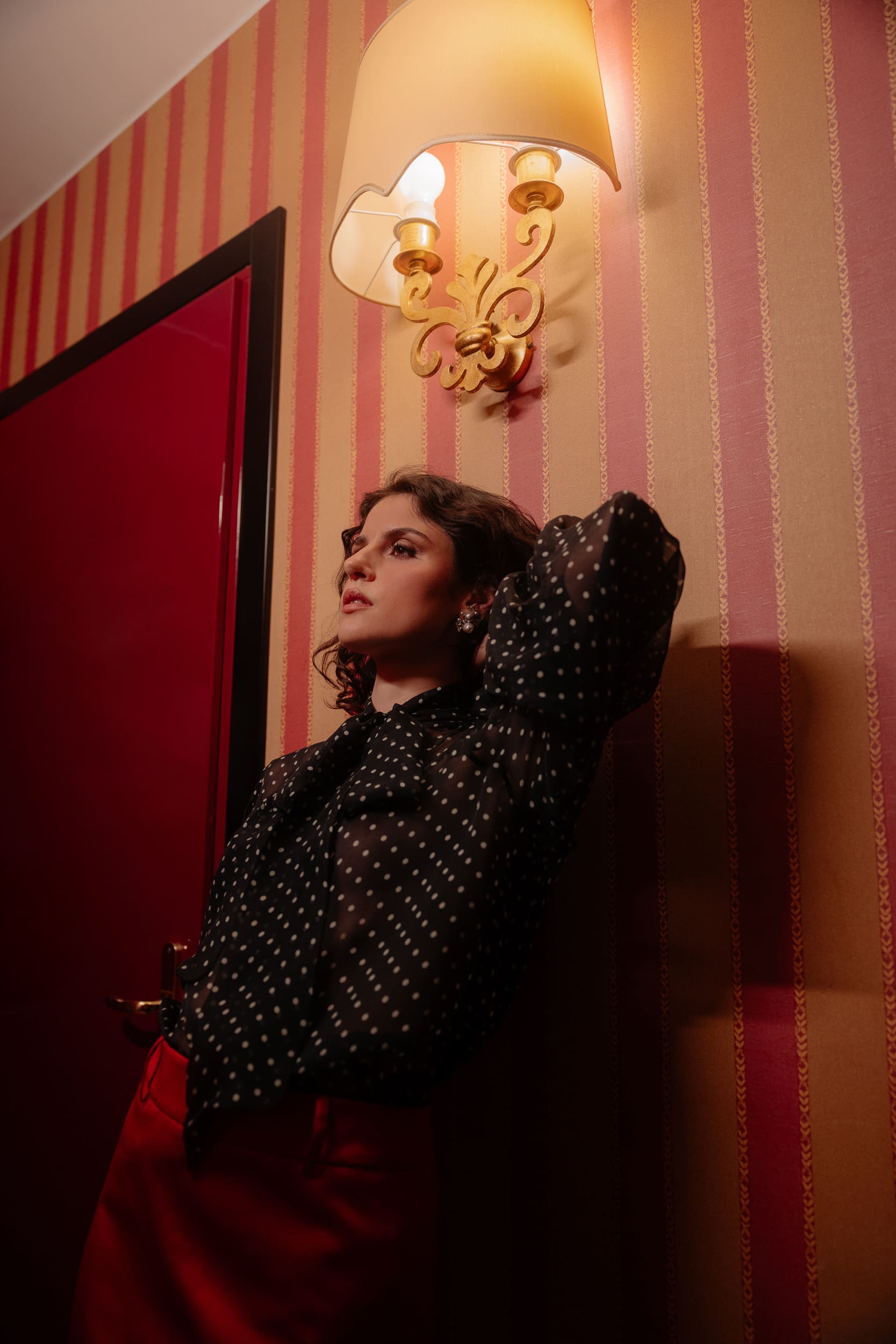
Speed seems almost like an emotional language in this series. For Blu, what does racing really mean?
In the first part of the series – and I imagined this through many conversations with the writers and directors – speed was purely about cars: it was where she found release. Then, as the character developed, speed also reflects her impertinent nature, that desire for everything at once. She grew up too fast, she’s 18, she raised herself, and that urgency comes through in her emotions too.
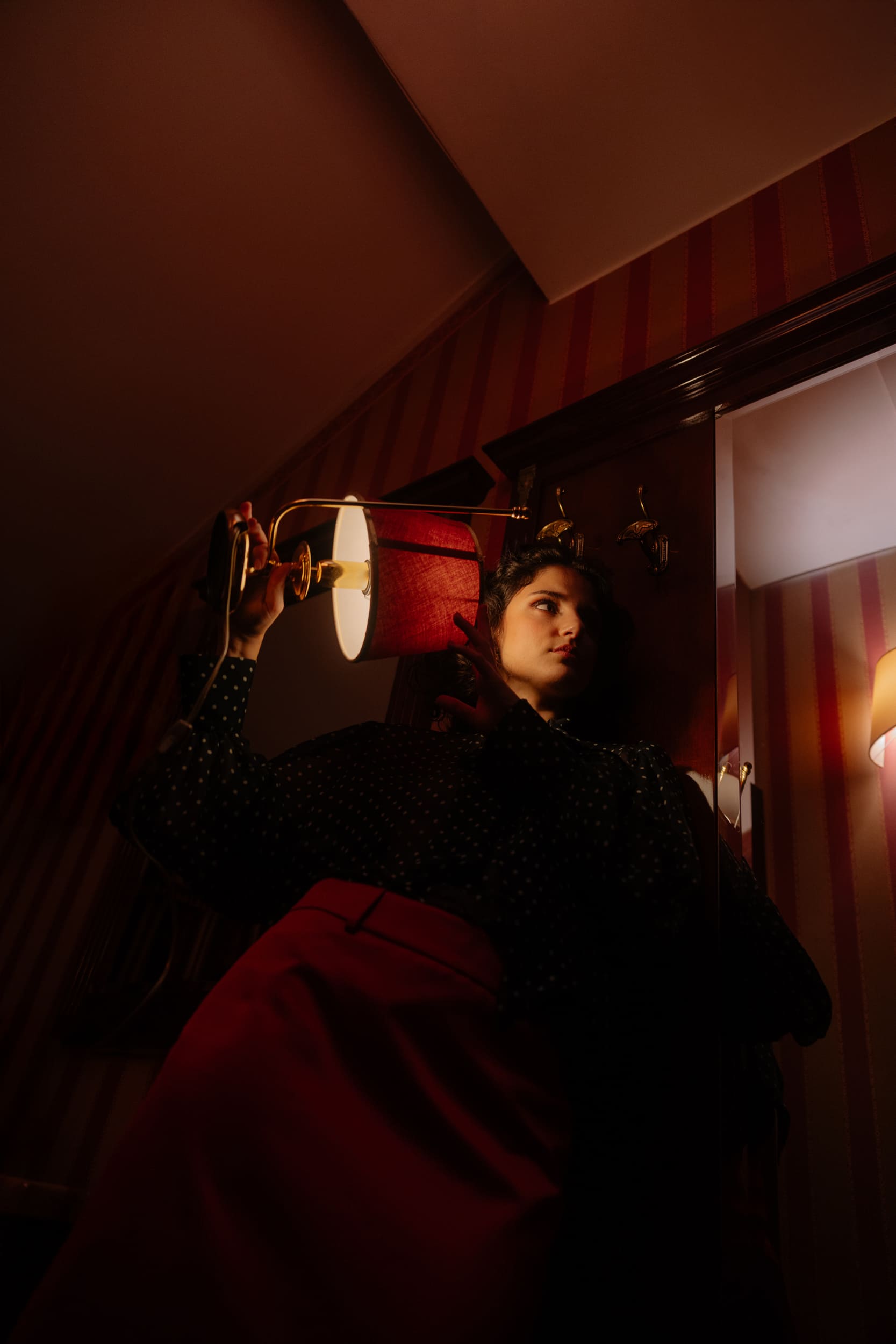
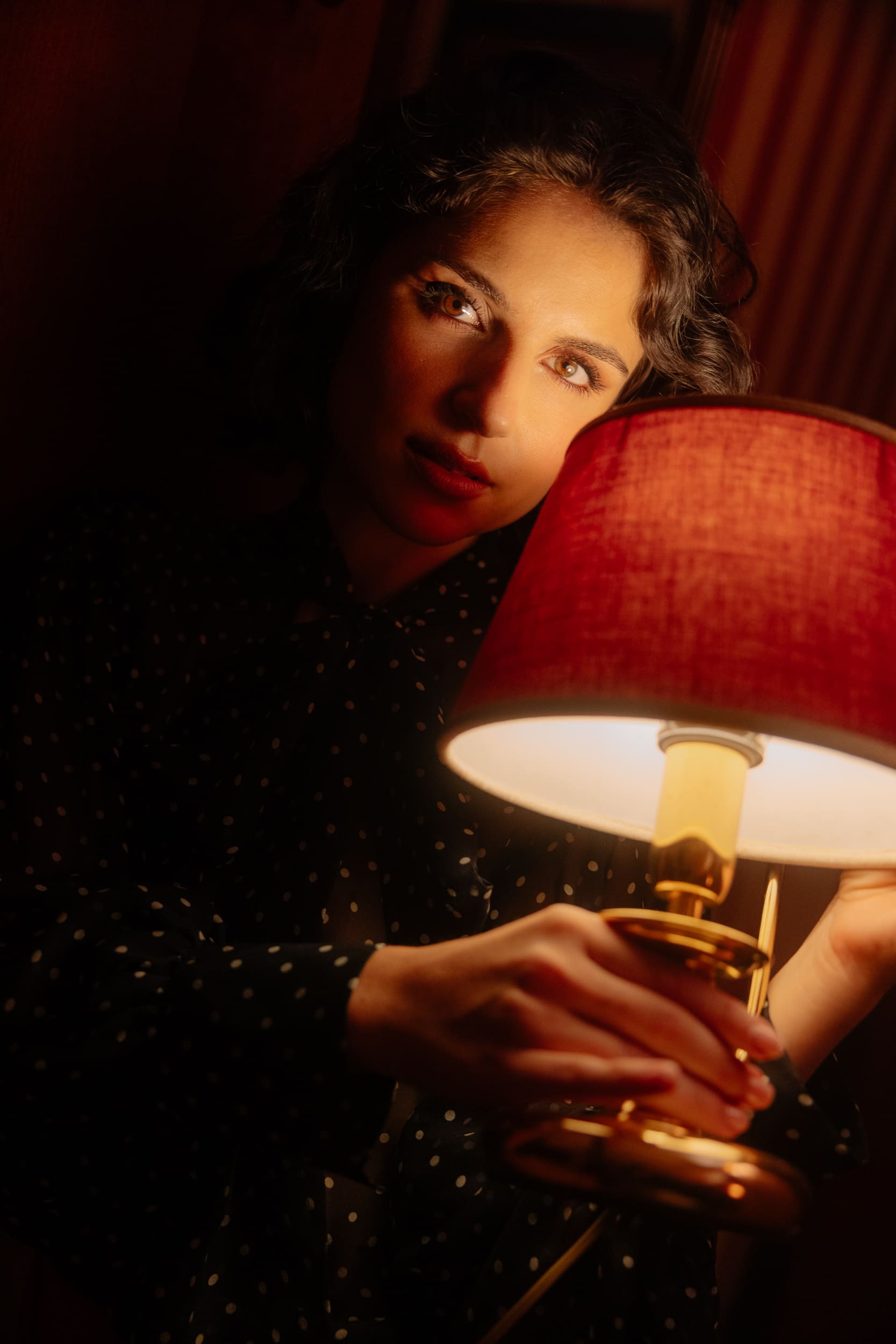
“Speed was purely about cars: it was where she found release.”
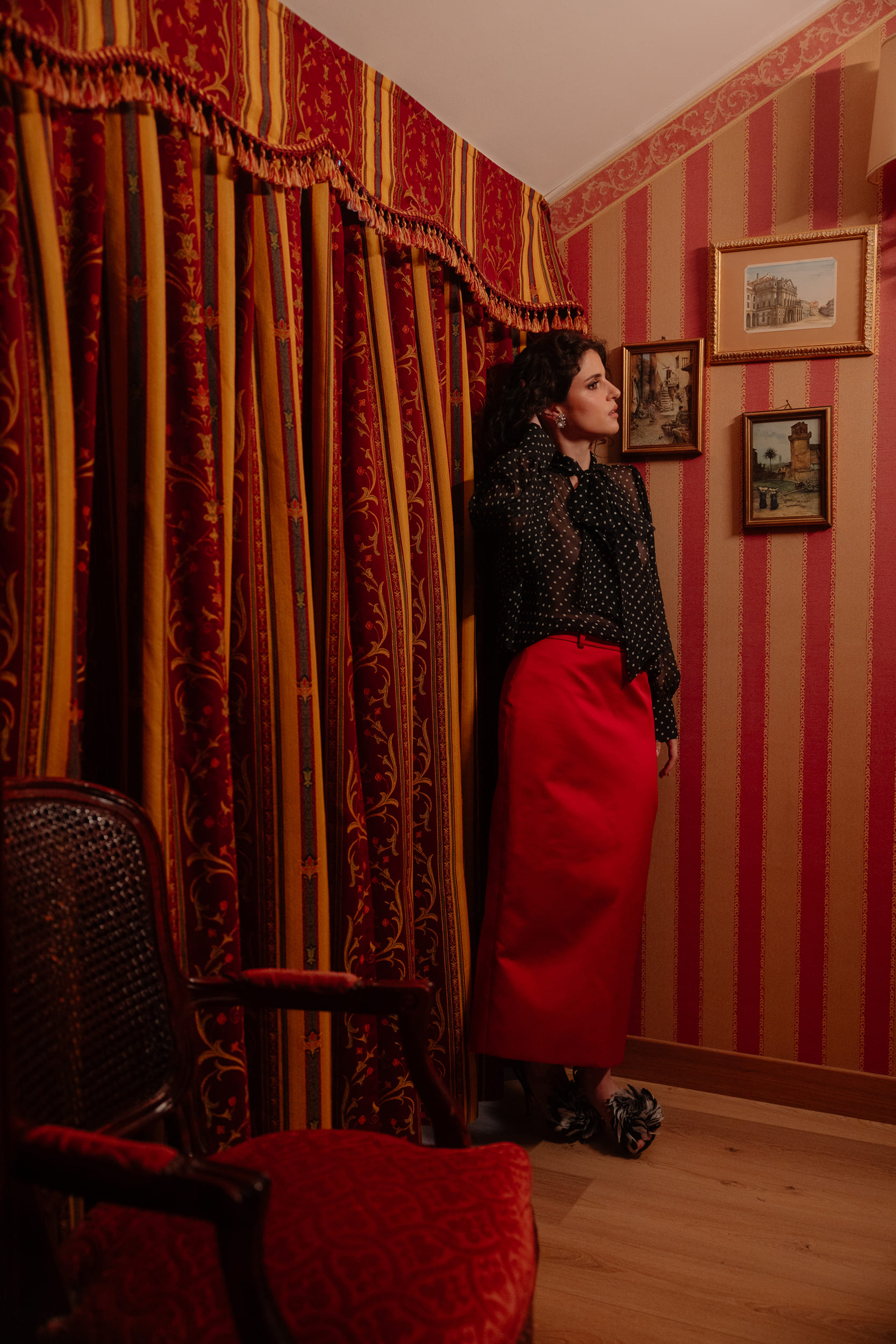
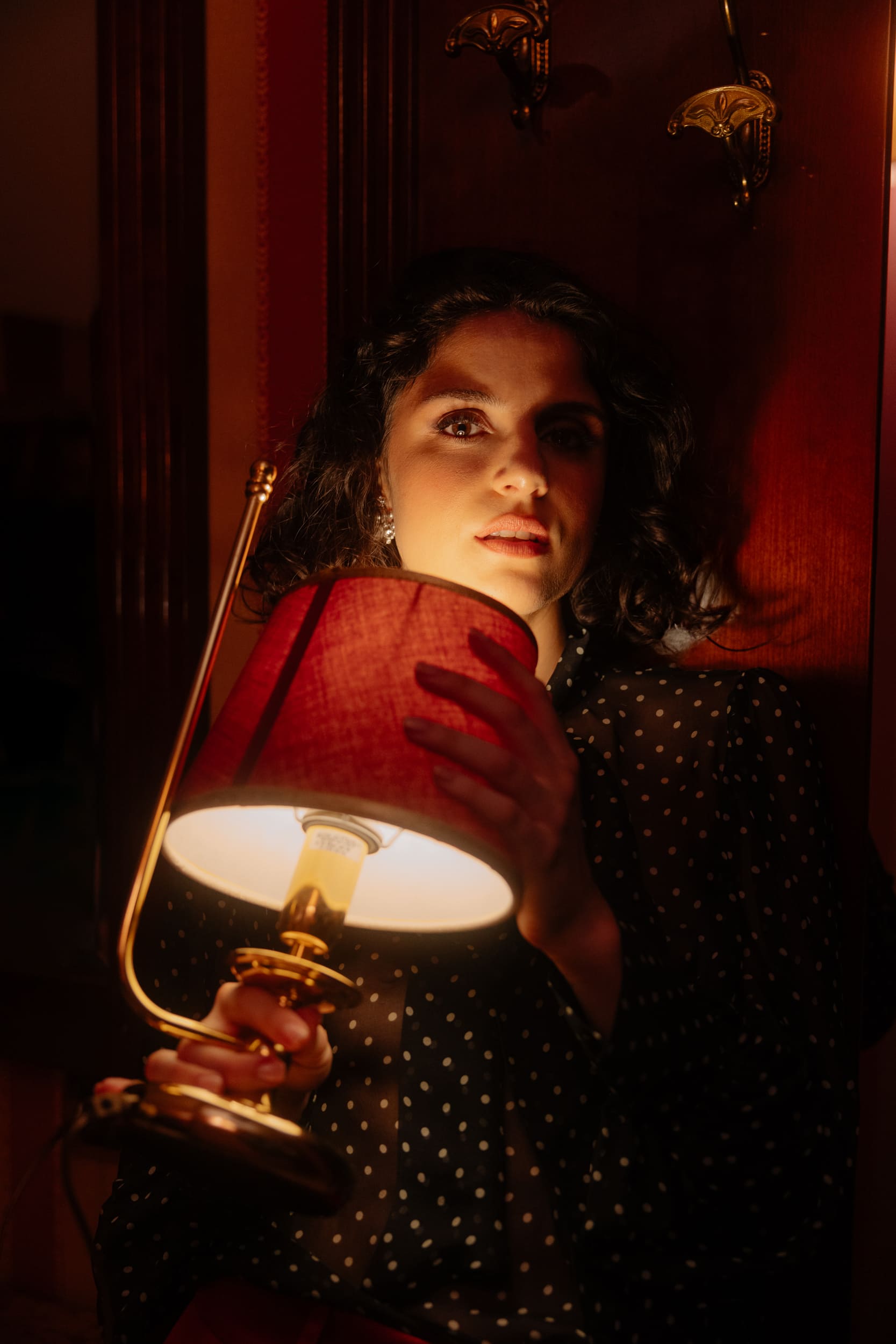
You mentioned in another interview that you worked a great deal on the character’s physicality. When did you feel you had truly become her?
It took me a while, longer than I would have liked, partly because I started the athletic preparation quite late. It happened around the middle of filming, when I was physically stronger and had actually started driving, thanks to motorsport driving lessons. The moment that fourth wall broke – when it wasn’t fiction anymore, when I was holding the steering wheel with no green screen – I had stepped into Blu.
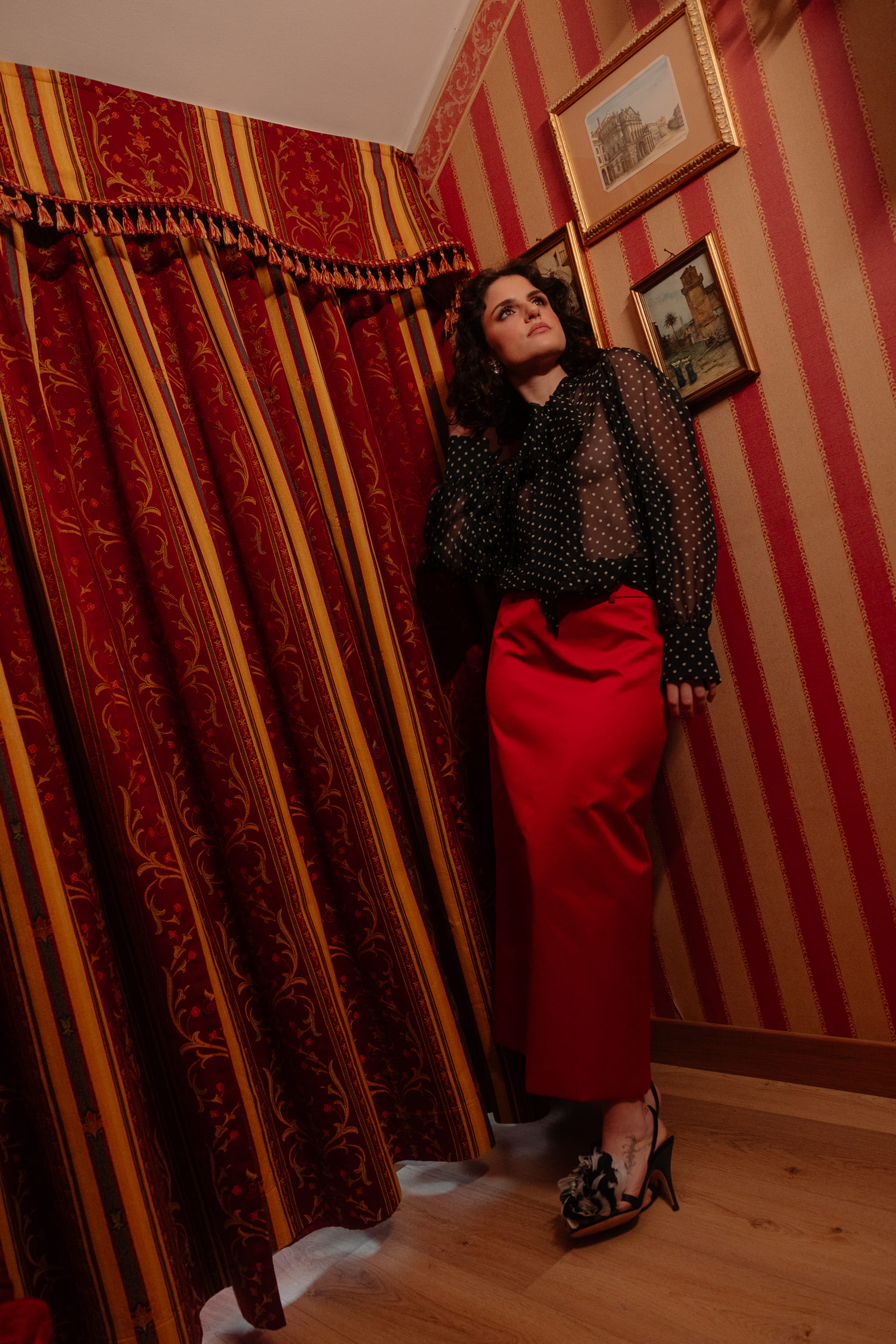
Blu’s past is brutal, yet she never seeks pity. Is that a form of defense or pride?
I think it’s both. When you deeply believe in something and pour all your determination, your passion, even a little obsession into it – and I always say it: obsession beats talent – you’re not looking for pity. Pity makes you feel inferior, like you’re not good enough. And honestly, Blu is also someone who simply doesn’t care: if someone feels sorry for her, she responds by proving them wrong.
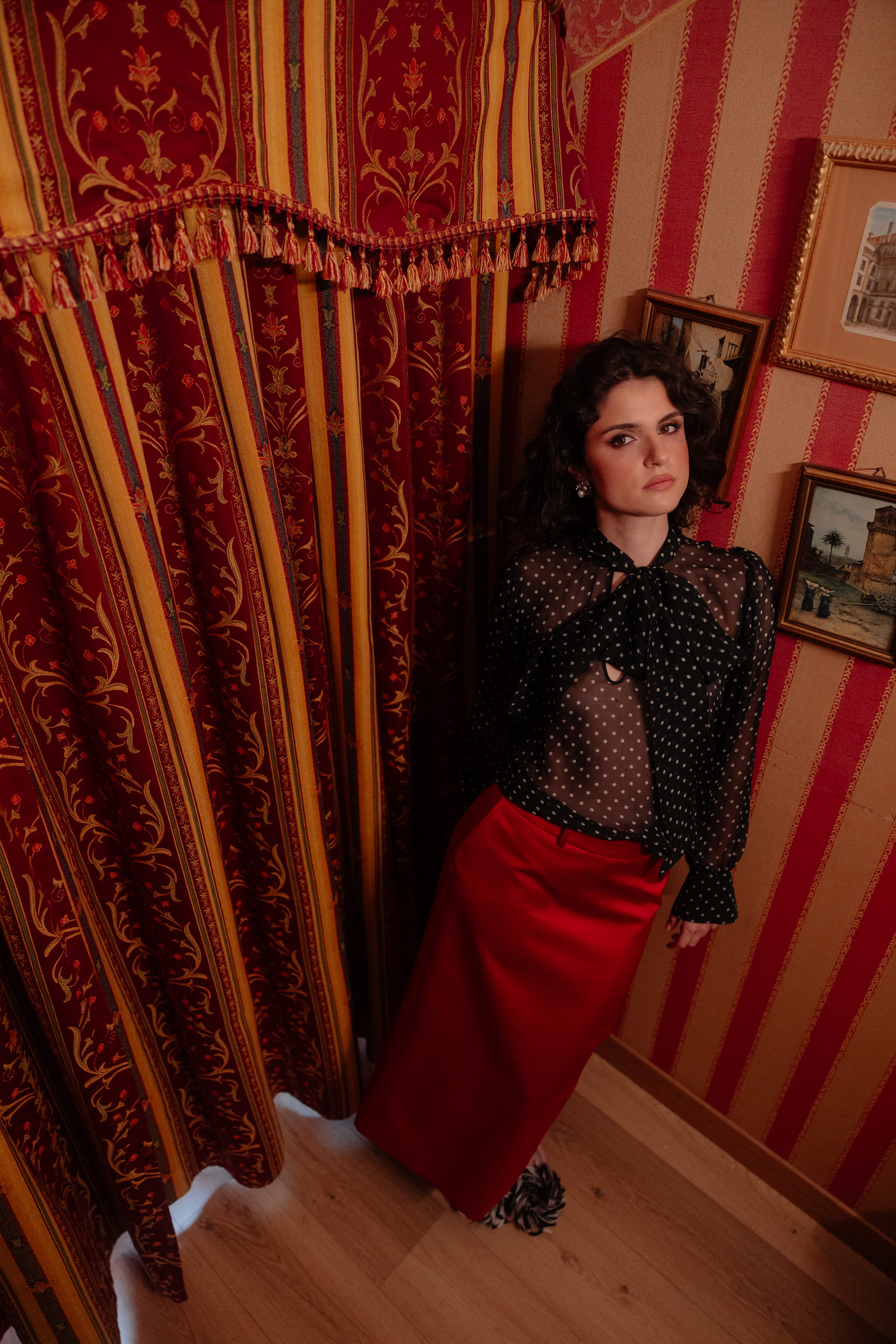
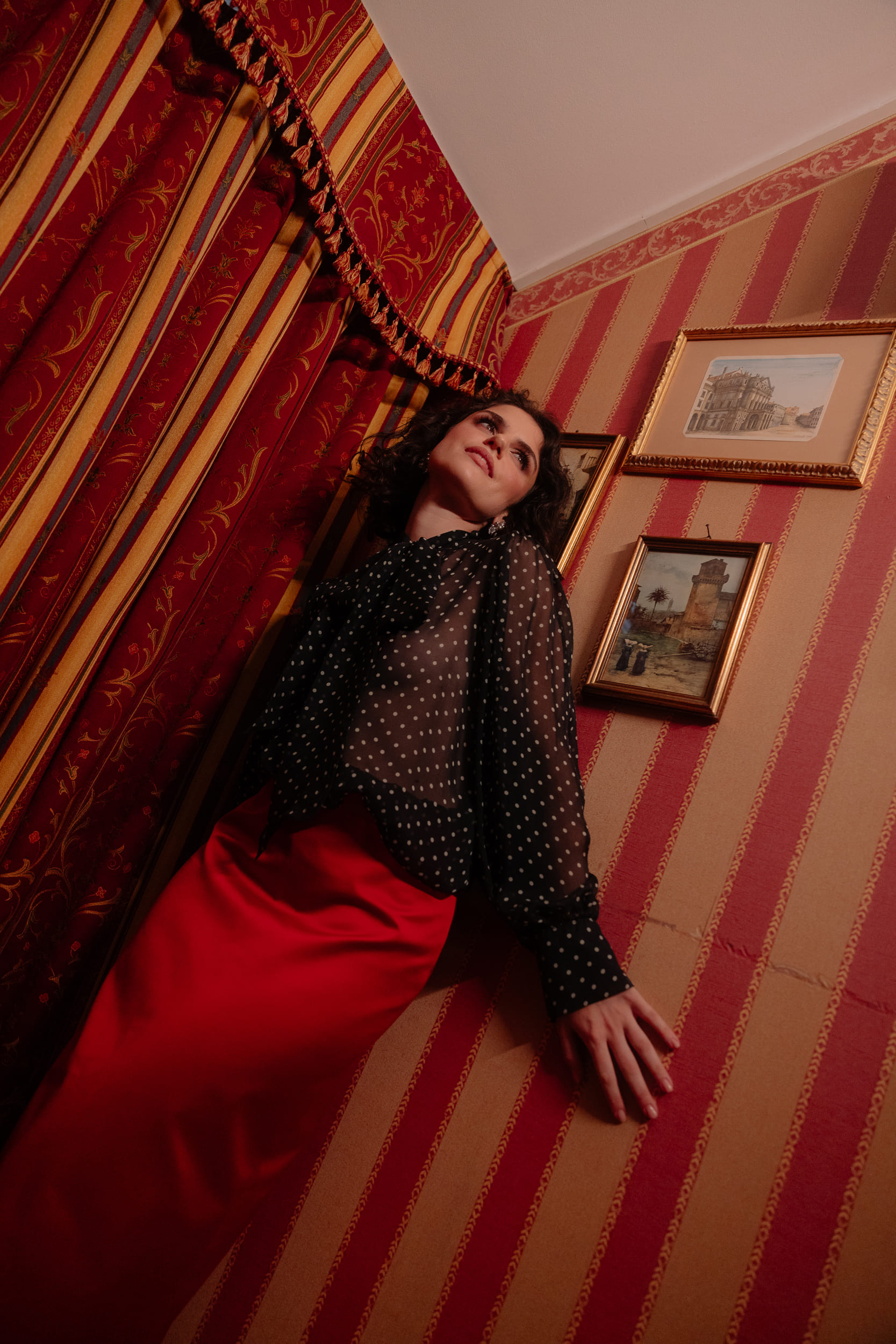
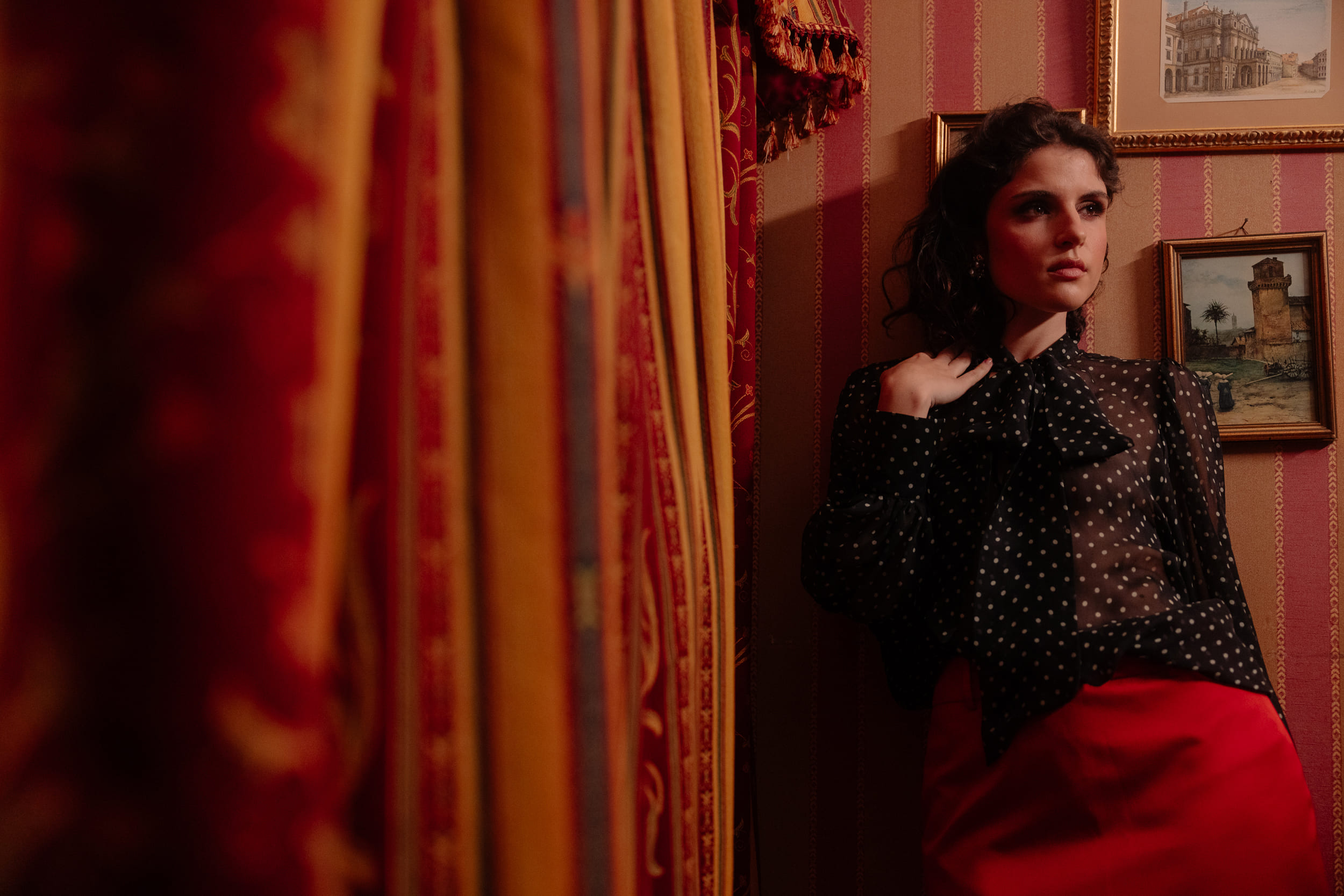
This series portrays a very male-dominated environment. How important was it for you to put on screen a girl who occupies that space without asking for permission?
It is always an honor to represent female strength, especially in environments that still seem stuck in the past. It’s something I try to bring to everything I do, because discrimination against women is still very present, in our country and in the rest of the world.
The most beautiful thing, though, is when you manage to create something so authentic that the distinction disappears: the viewer doesn’t ask whether they’re watching a man or a woman. They simply see Blu, the driver.
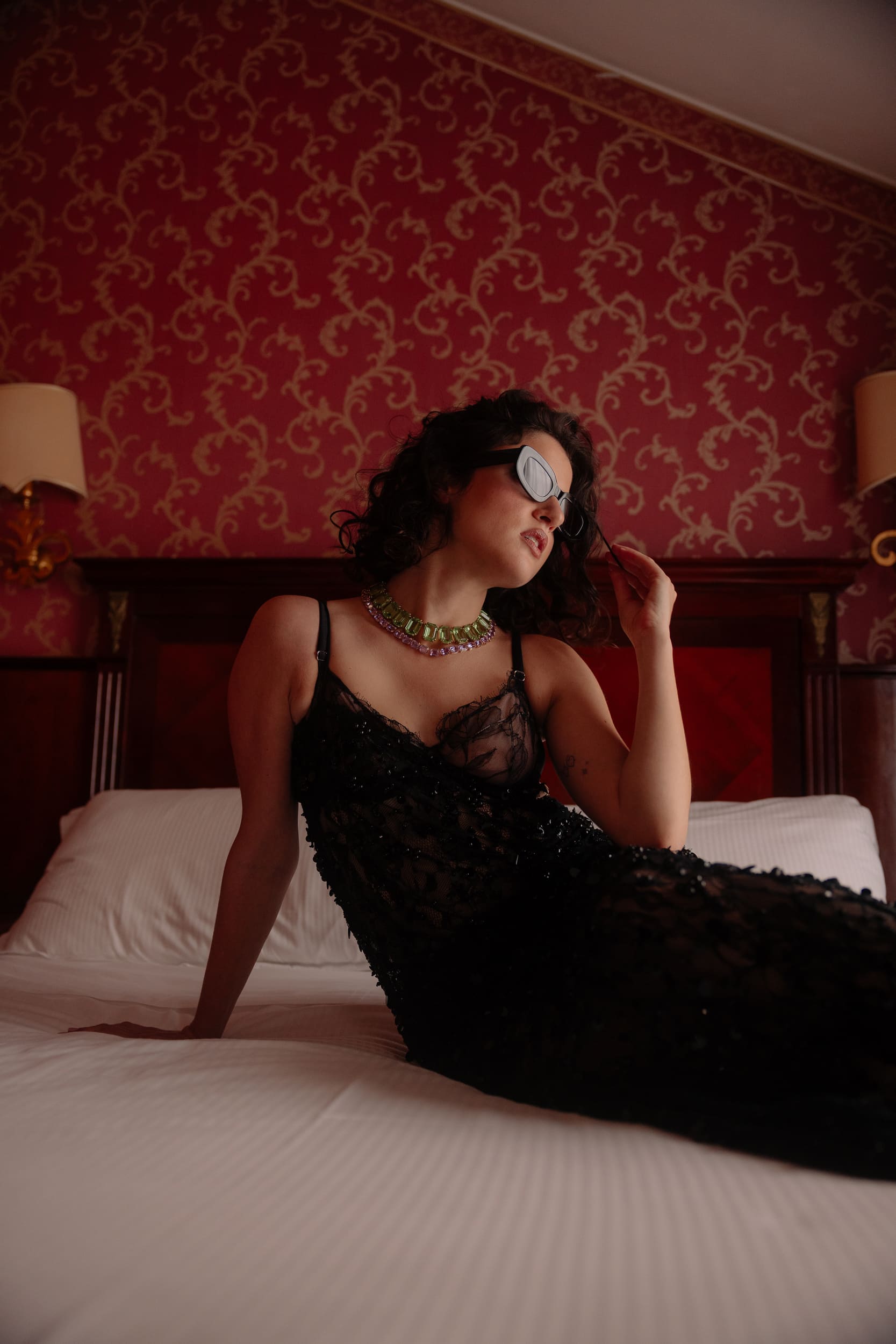
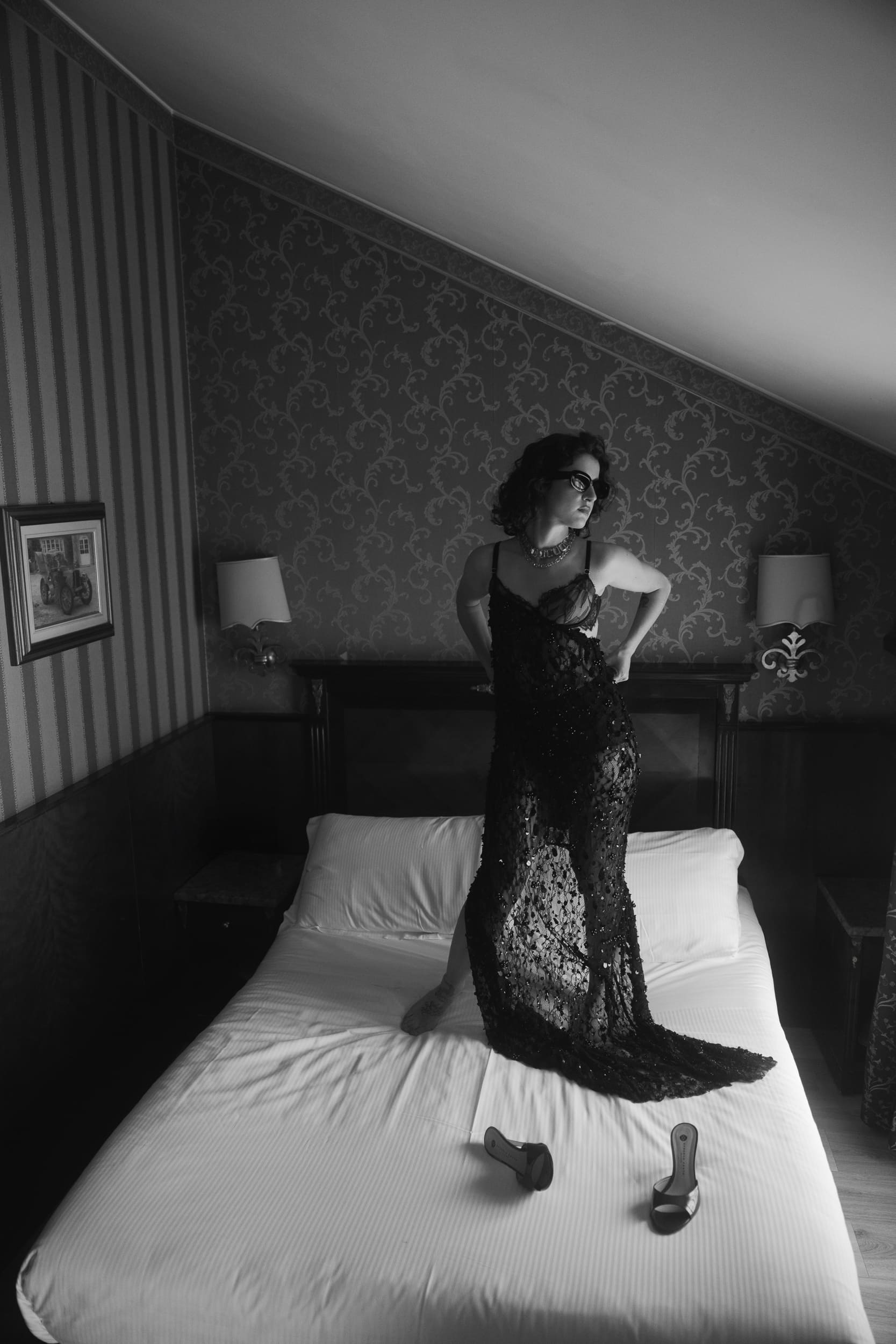
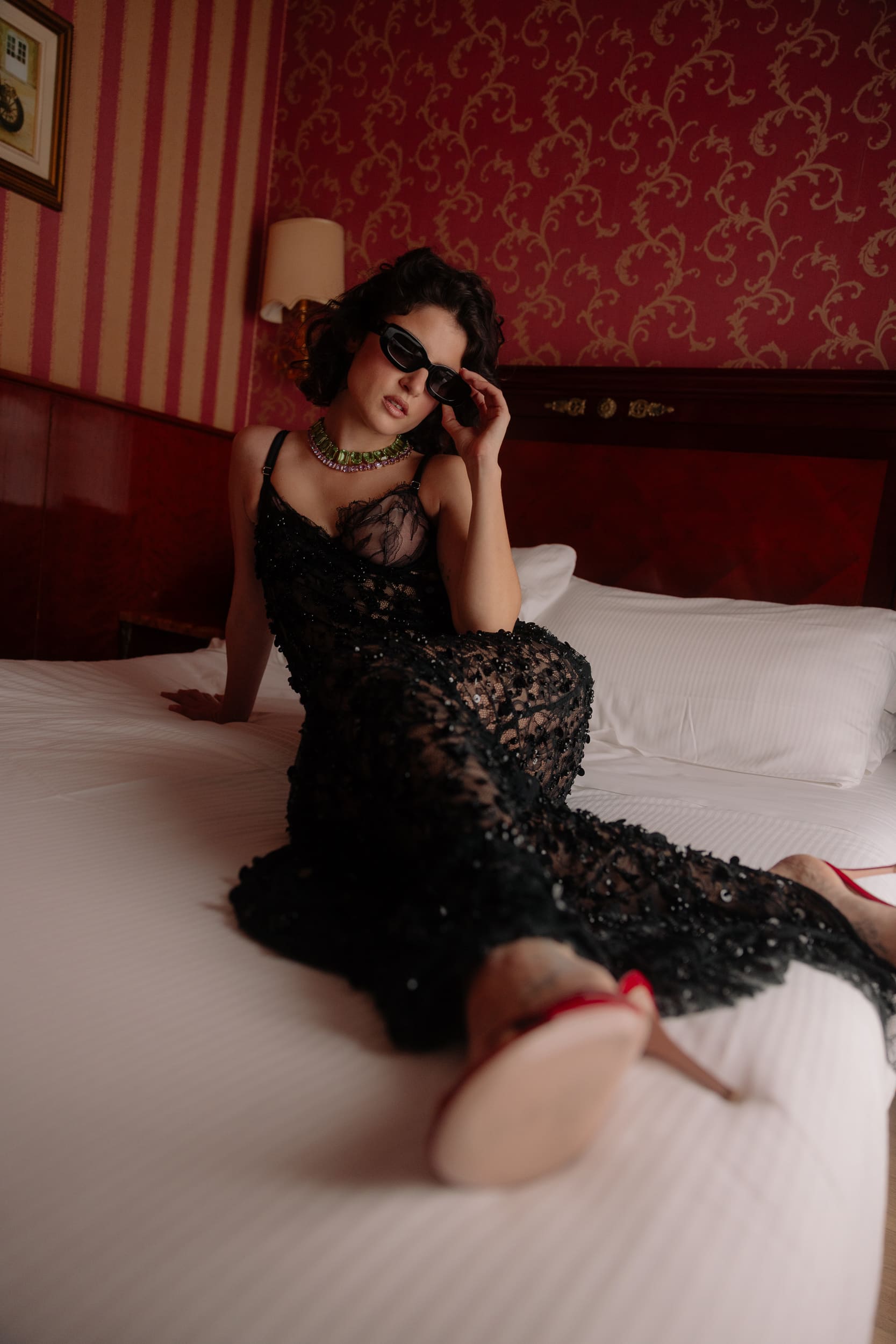
“The most beautiful thing, though, is when you manage to create something so authentic that the distinction disappears: the viewer doesn’t ask whether they’re watching a man or a woman.”
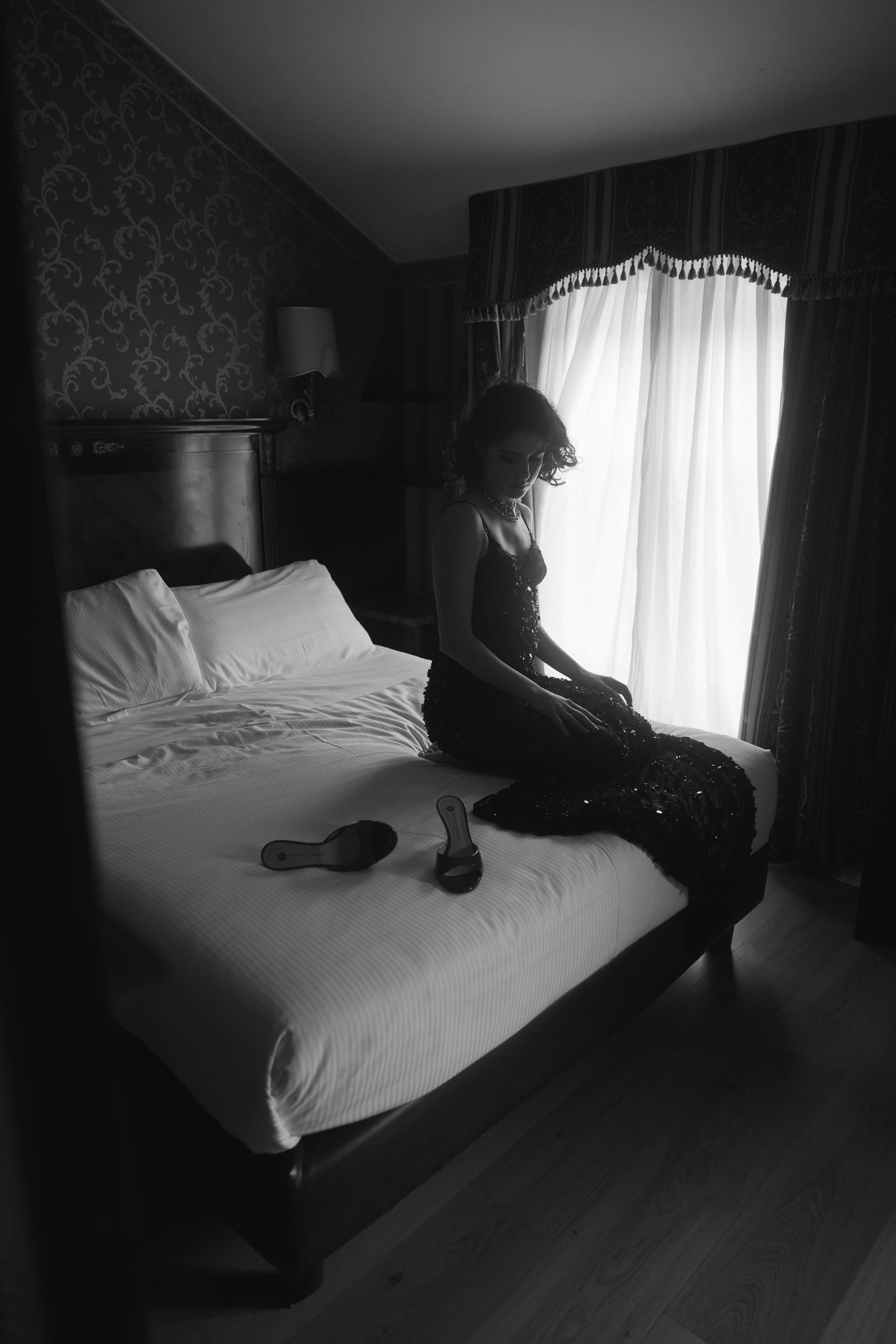
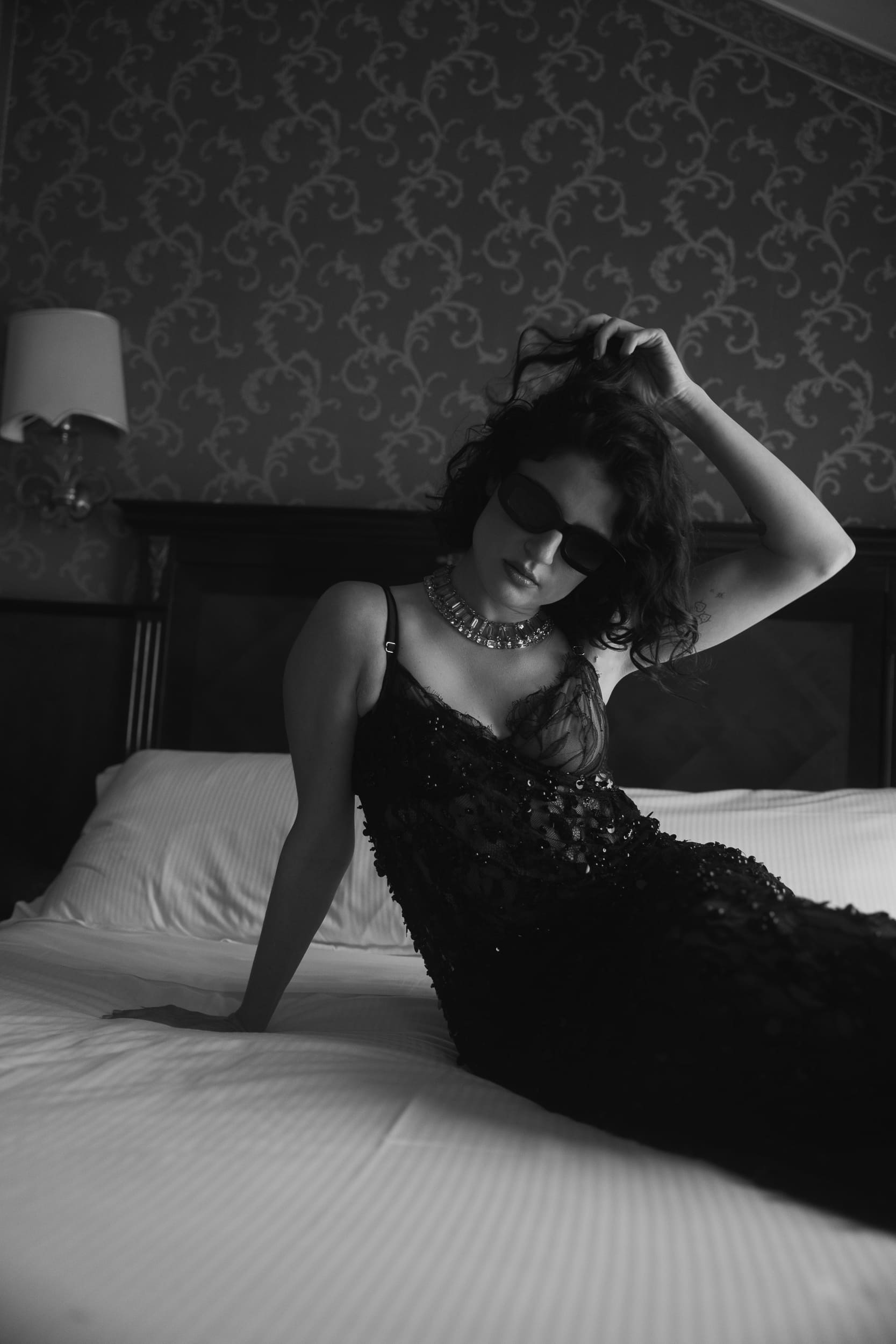
Before filming this series, were you already familiar with the world of racing?
It wasn’t completely new. In my house, football never existed: my father and my brother have always been MotoGP fans. So racing wasn’t foreign to me, but physically entering a racing circuit, working with GT cars – that was new. The jealousy of my father and my brother when I sent them photos of the circuits we filmed at across Italy was wonderful.
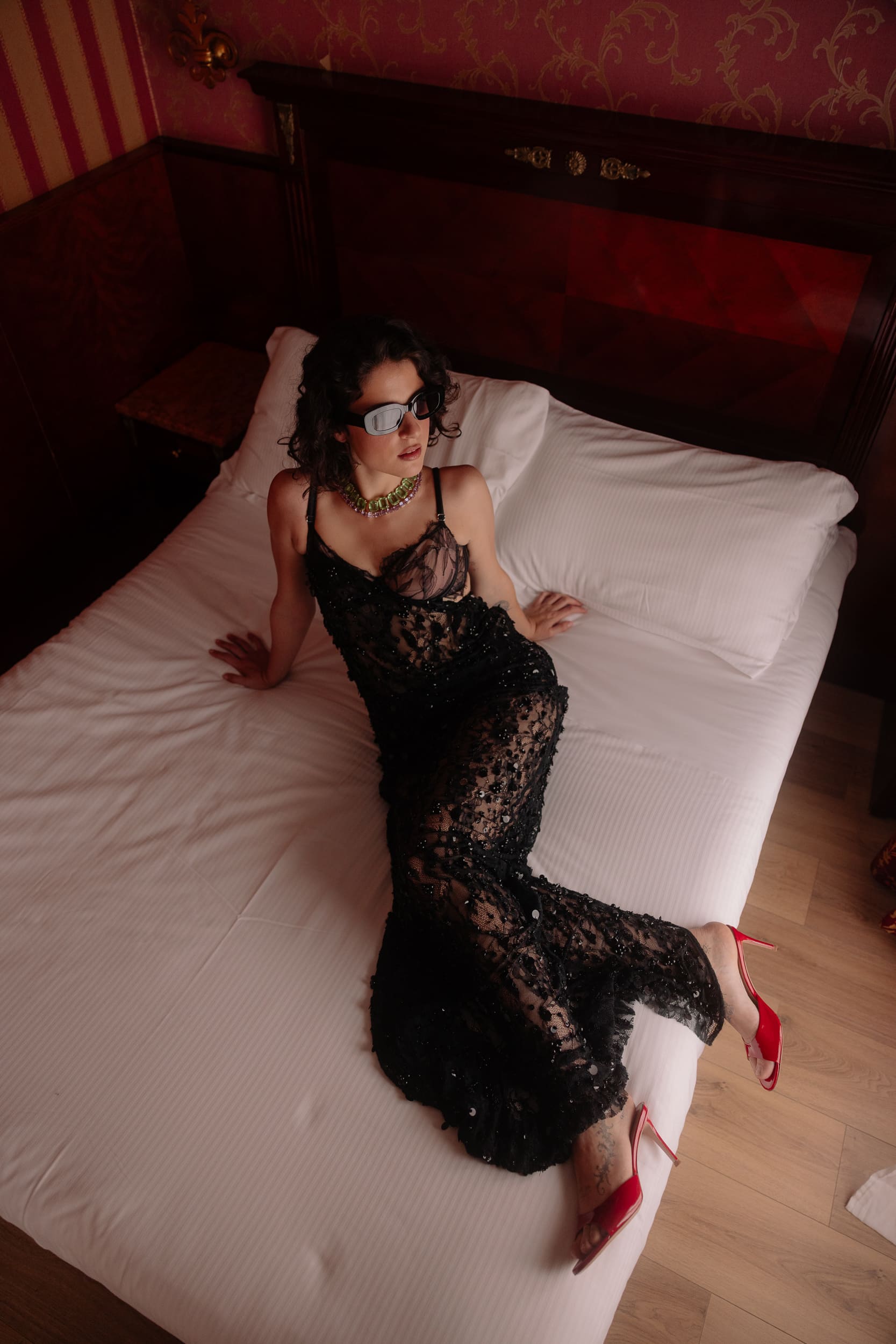
Has this experience changed your relationship with risk?
Actually, no. In fact, as a child I took far more risks, because I had no clear sense of the consequences. As I’ve grown, I’ve become more anxious and set more limits for myself. On set I always felt safe, even in the most extreme scenes, thanks to the crew and the stunt team who kept me in a crystal case.
Is the appeal of racing still tied to an idea of virility, or is that perception changing?
I’ll tell you from my personal point of view: what hooks people to motorsport is a visceral passion, one of blood, of attachment to the earth. Seen up close, it’s above all pure adrenaline, not virility. It’s an extreme sport in which people lose their lives, and that goes beyond any construct of gender.
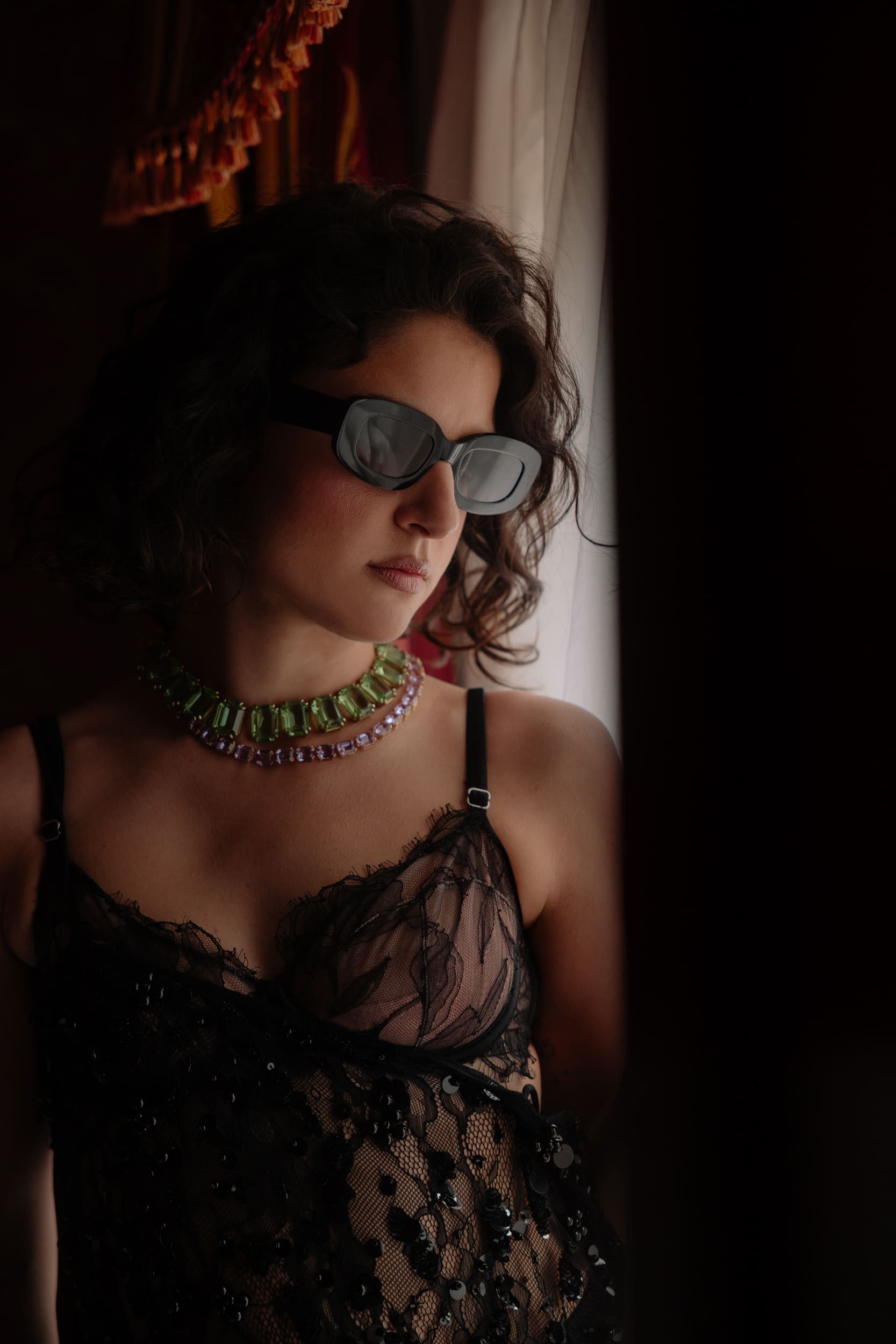
“What hooks people to motorsport is a visceral passion, one of blood, of attachment to the earth.”
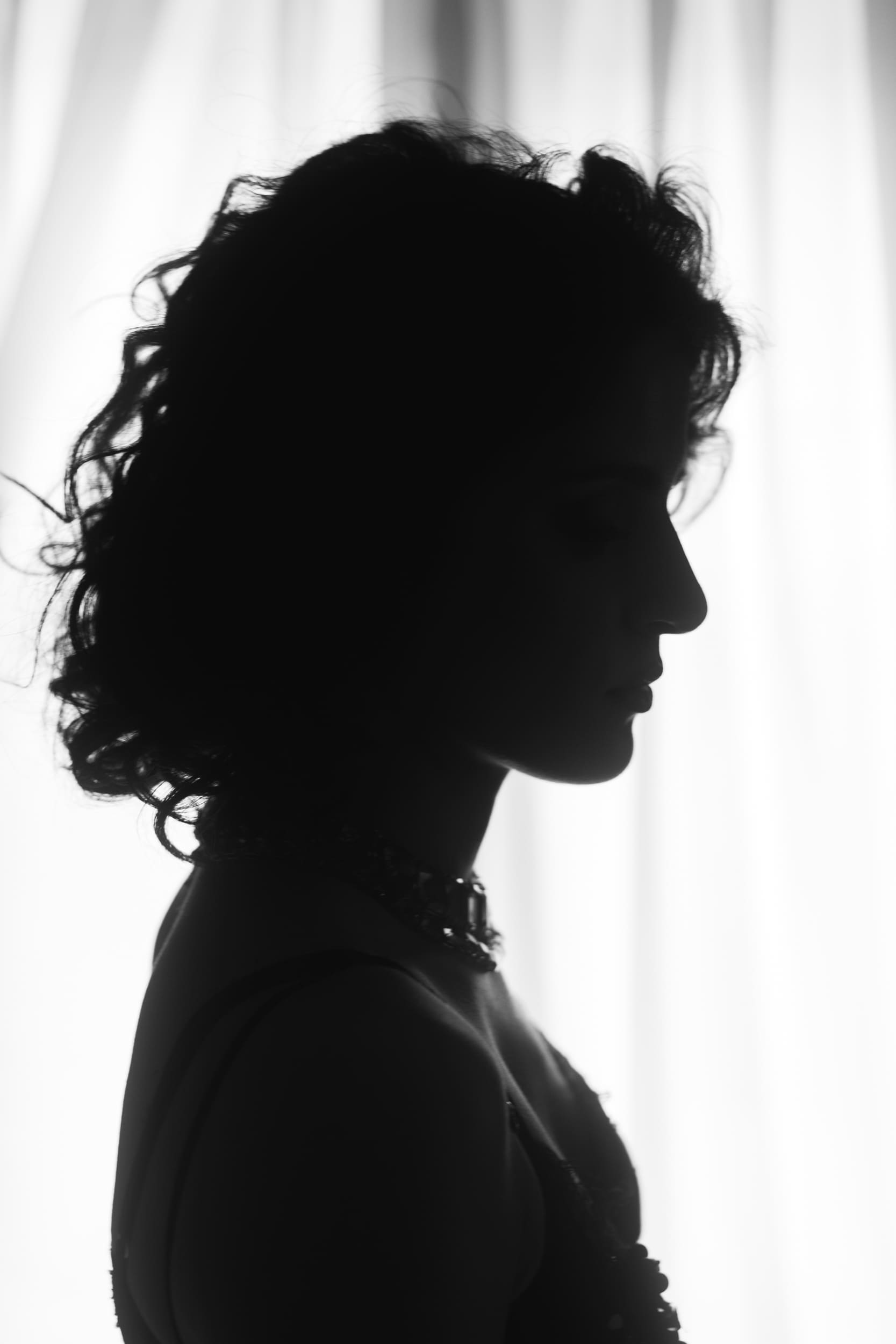
Working on “Motor Valley”, did you discover something new about yourself?
It’s the project that has taught me the most. The biggest thing was learning to let go. There’s a scene in which I have a crash: I was strapped inside an almost destroyed car, attached to a machine that lifted it into the air and spun it on itself. I had to relax completely, like dead weight, while rotating in the air. It was liberating. The beautiful thing is that Blu had to learn to set limits for herself, while I had to remove mine – opposite journeys that crossed each other.
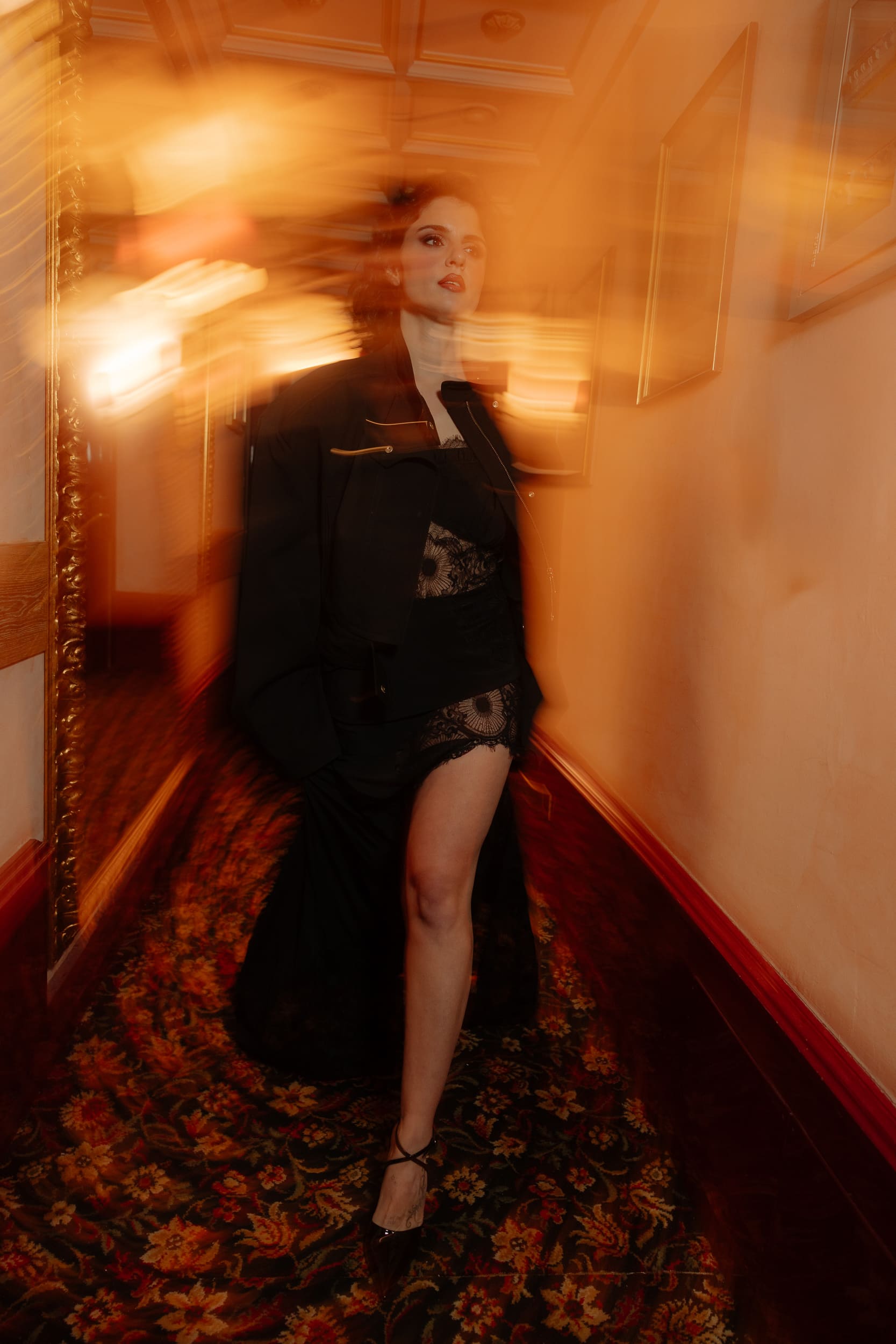
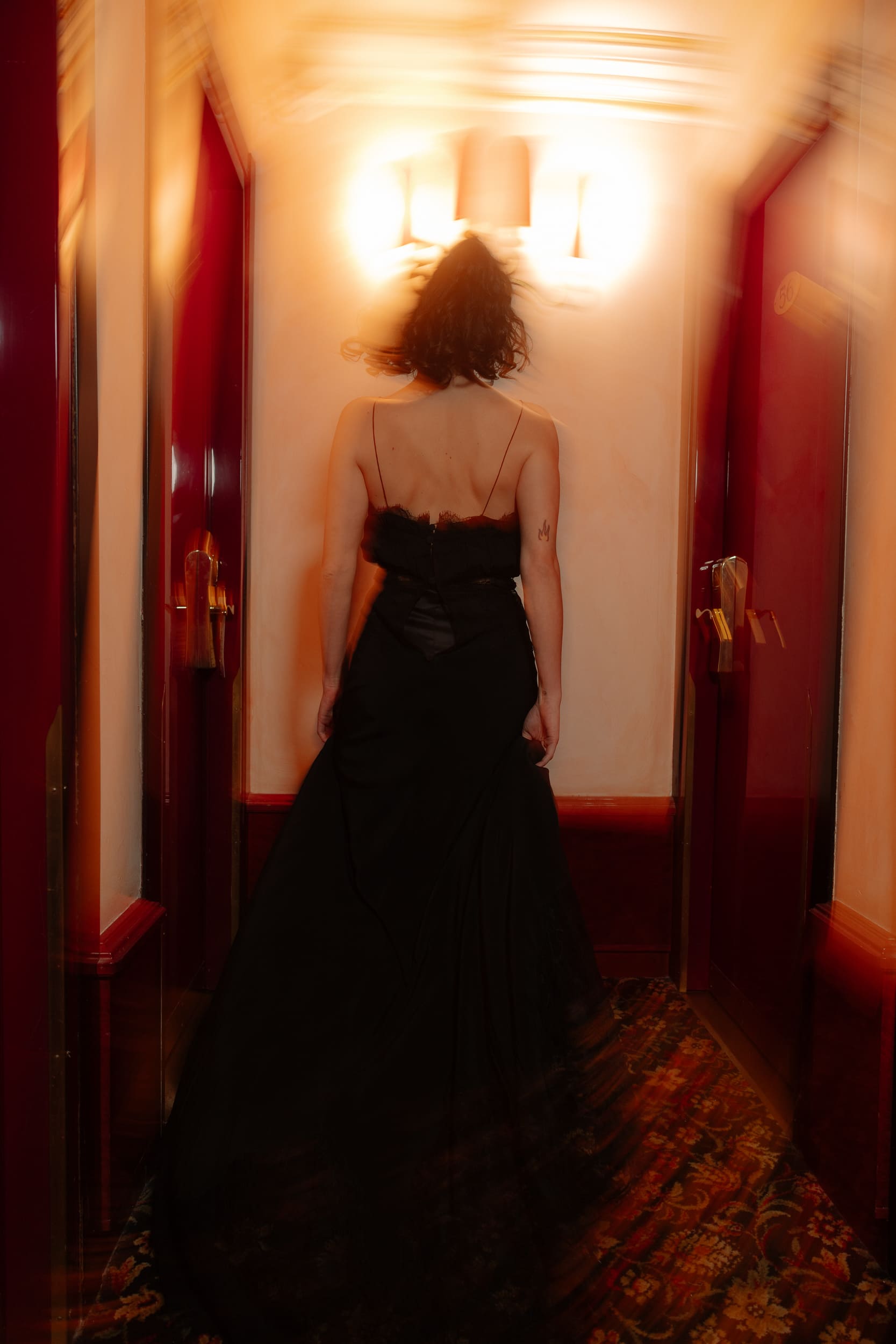
What kind of actress are you when you prepare a role?
A mix. There’s a lot of study, but it depends on the project. For Blu I wanted to start from the outside – from the physicality, the posture, the tics, the frantic rhythm she carries with her. Theory, technique, character construction. Then, when you have everything in hand, you can let go and throw yourself into improvisation. And that’s where the real magic happens: it’s no longer fiction – it’s something that genuinely occurs in the moment when you have a solid script and a character who has gotten inside you.
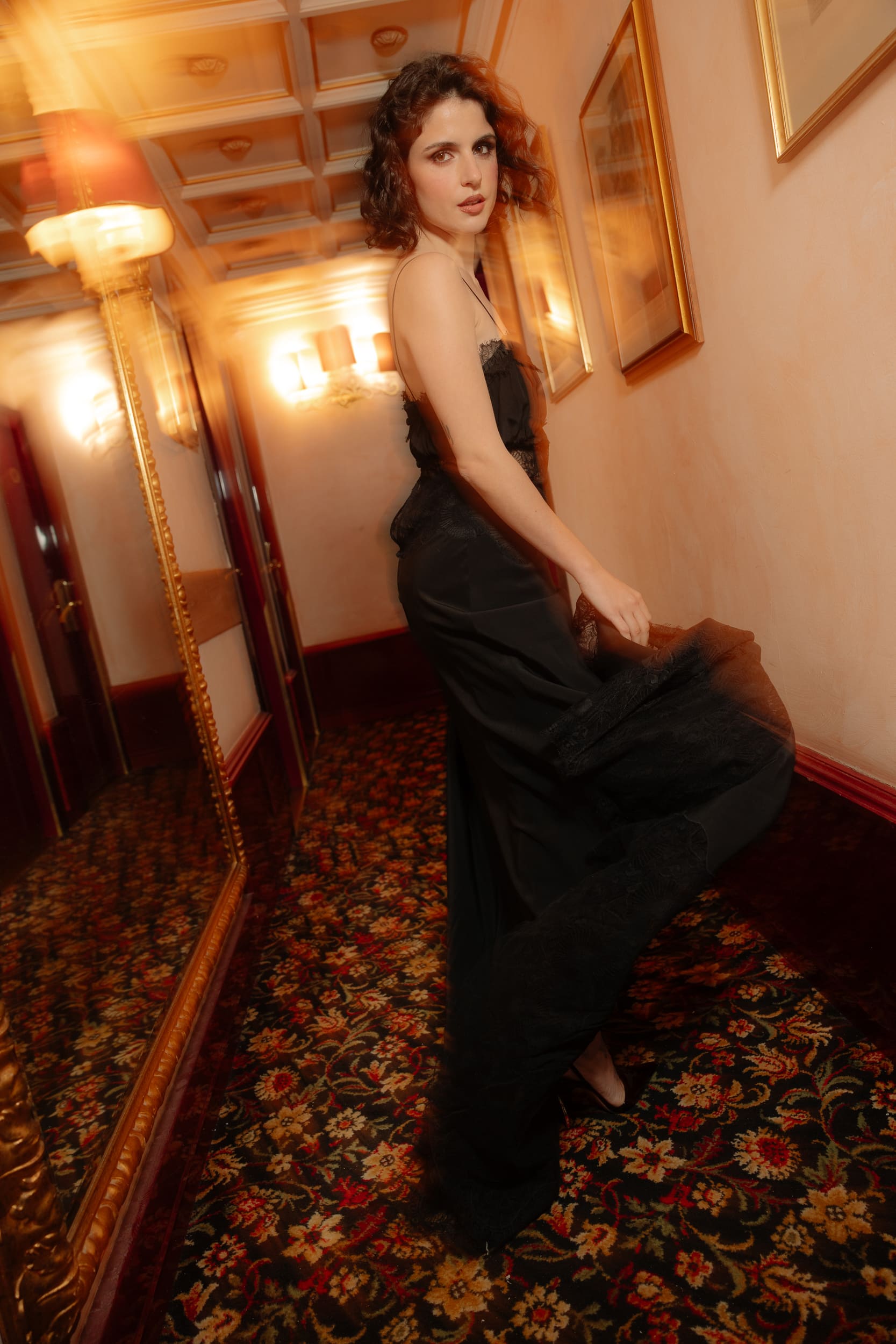
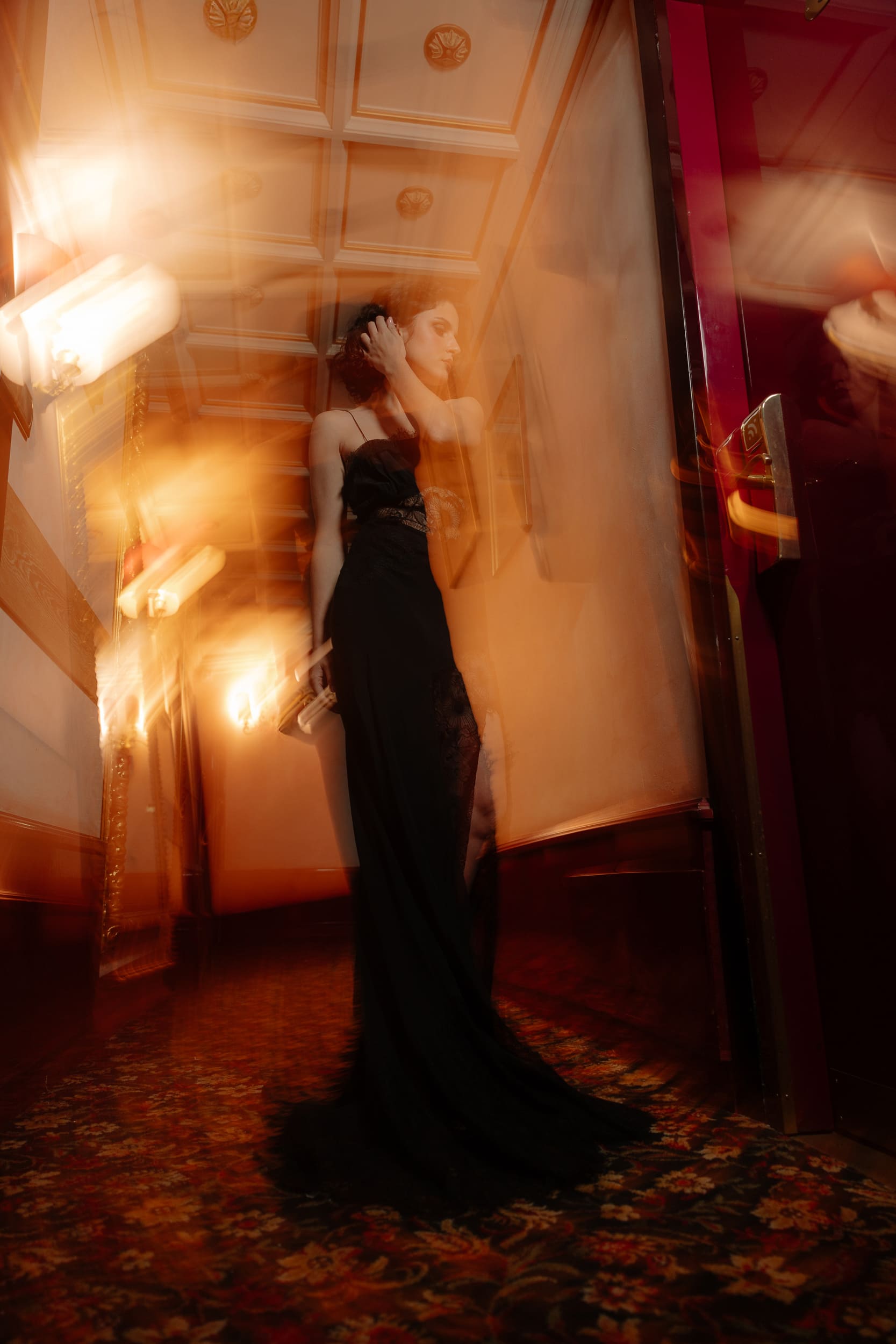
Blu doesn’t want to belong to anyone. Do you feel a need for belonging?
Yes, and I really love being from Rome. And for me it has an extra meaning: my brother and I are the only Romans in the whole family, since my mother is from Puglia and my father was born in Brazil and grew up in Northern Italy. Rome is something that belongs only to us, and I cherish that.
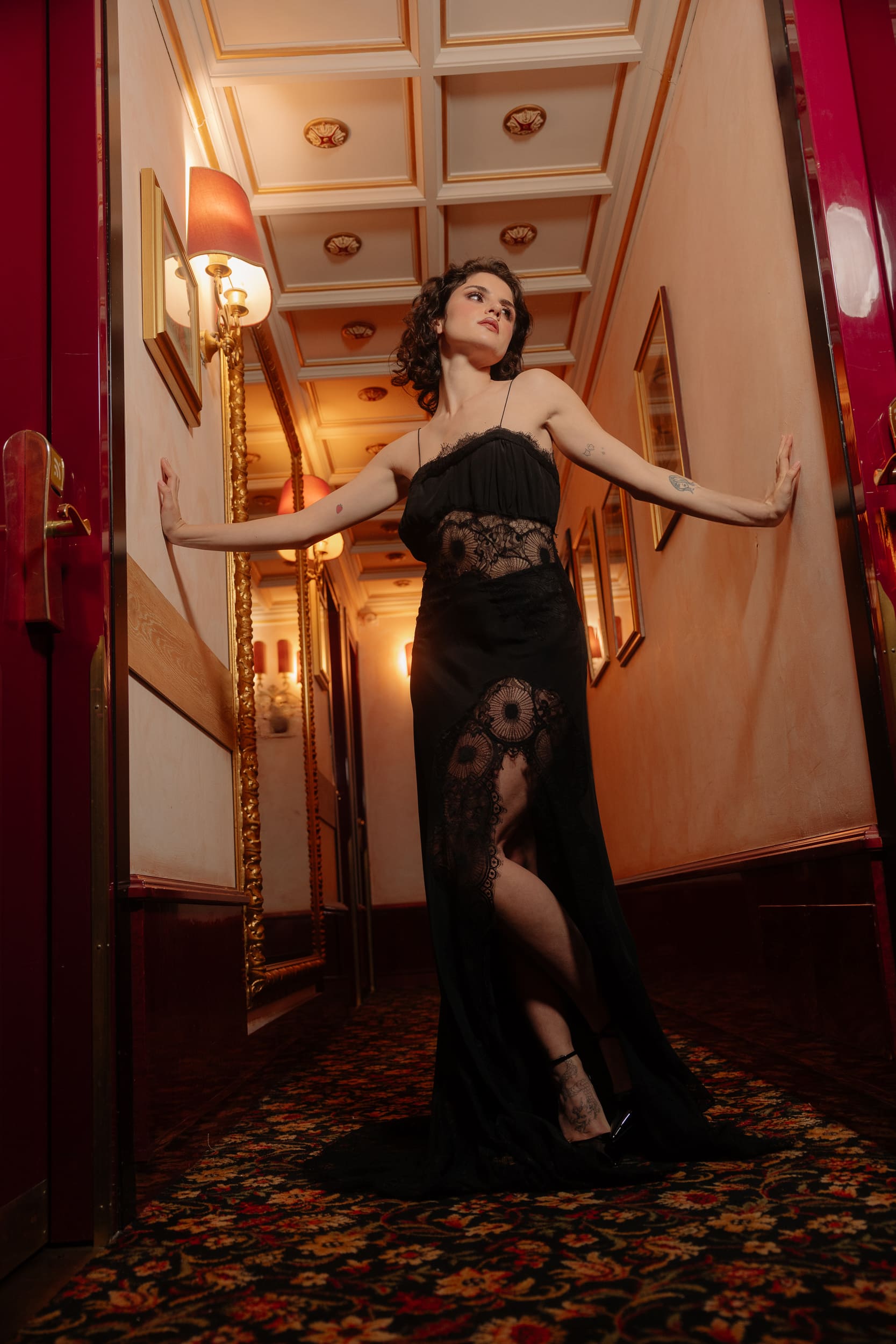
Was there a moment in your life when, like Blu, you felt out of place?
It still happens. I think it’s normal – none of us is made for one specific place. You feel good where you feel safe, whether that’s a place, a person, a passion, or even just a passing feeling. In fact, if you always feel in the right place, perhaps it’s the wrong place: you have to keep searching, keep evolving. It’s a journey that lasts a lifetime.
And what makes you feel safe?
First of all, my parents – I’m a mama’s girl, with them I always feel safe. Then my oldest friends: I’ve had the same group since primary school, some since the age of 11, others who joined at 14. I love that stability. In general, I feel safe when I know I’m with people I trust, where there is mutual esteem and respect.
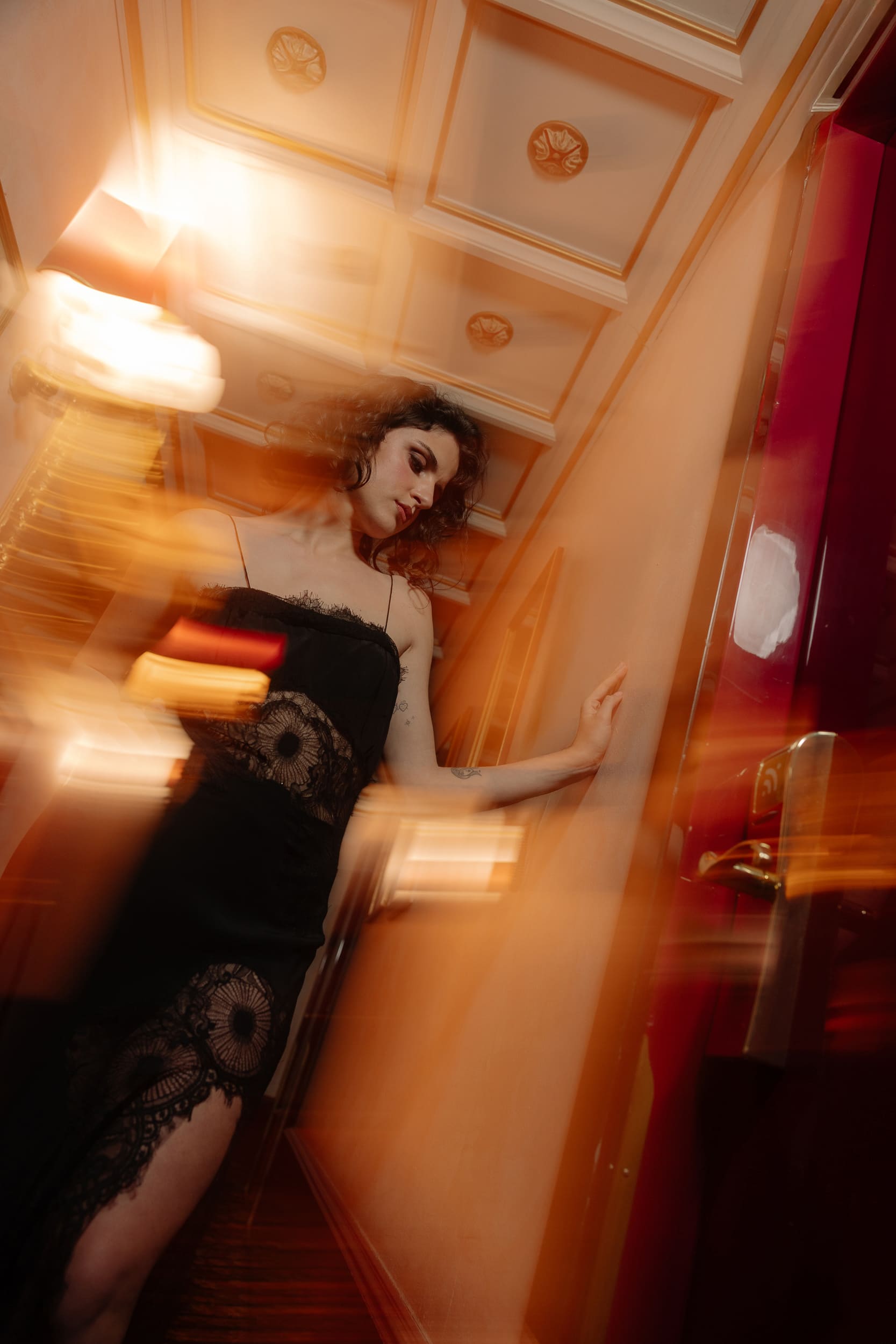
What makes you feel confident in yourself?
Work – but it’s a bit of a vicious cycle. On set I put myself to the test in front of everyone, and in a sense you can’t help but feel confident. But at the same time I feel indebted to all the people who built that project – years of writing, research, production – so I also always feel the pressure to live up to it. It’s a constant tension.
What was your greatest act of rebellion?
I haven’t had to rebel much, because my parents have always been open-minded. Perhaps the truest rebellion was refusing to let myself be mentally caged by society’s expectations – as a woman, as a young person, as an actress. Certain things are always expected of people in this profession, and resisting those social constructs is, for me, the most authentic form of rebellion.
What are you most afraid of?
Rationally, death – in a broad sense, not only my own, but that of the people close to me. It’s a fear we all share.
Irrationally, I am trypophobic: I’m afraid of clusters of holes, bubbles, distorted shapes. I even find it hard to talk about it.
What does it mean to you to feel comfortable in your own body?
It’s a journey of acceptance. The moment you manage to unlock the idea that the body is your home – a sacred place – you understand that taking care of it physically is also taking care of the soul. It sounds like a cliché, but it’s true: when we die, the body remains, but what stops is something else, something internal. That is what matters.
That said, I’ve only lived 27 years – who knows if anyone ever truly reaches the end of that journey.
Last question: what is your happy place?
It’s literally an island: Favignana, in Sicily. My grandfather, when he was alive, had bought a house there, and I spent many summers there – and not only summers. I can’t quite explain it; there’s something there, a magnetic field, an energy that touches something inside me. It’s my safe place. When I’m there, I cry with happiness.
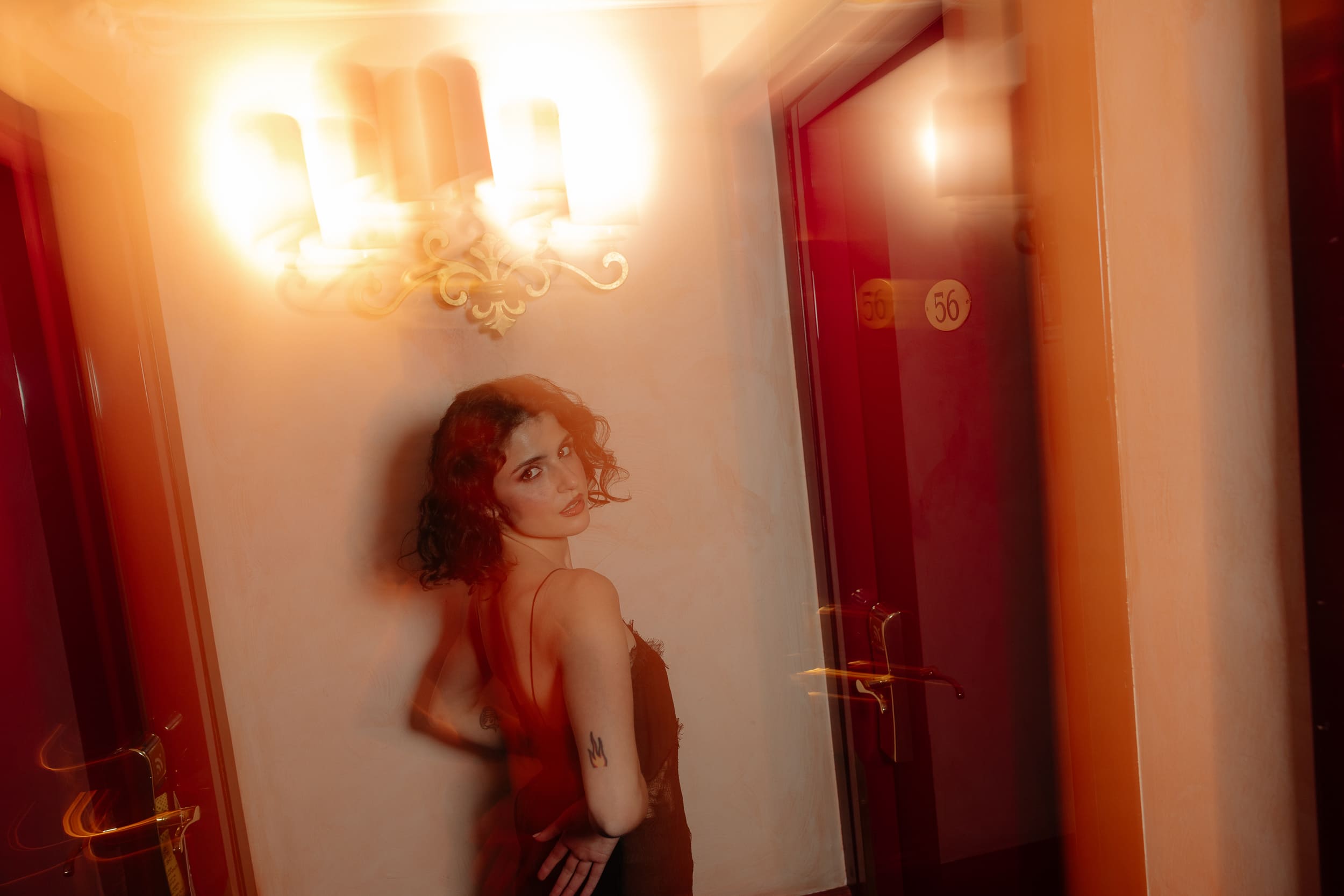
Photos and Video by Johnny Carrano.
Styling by Domenico Diomede.
Stylist assistant: Artem.
Fashion Coordinator: Guia Cavestro.
Makeup & Hair by Sofia Caspani.
Location: Hotel Vittoria.
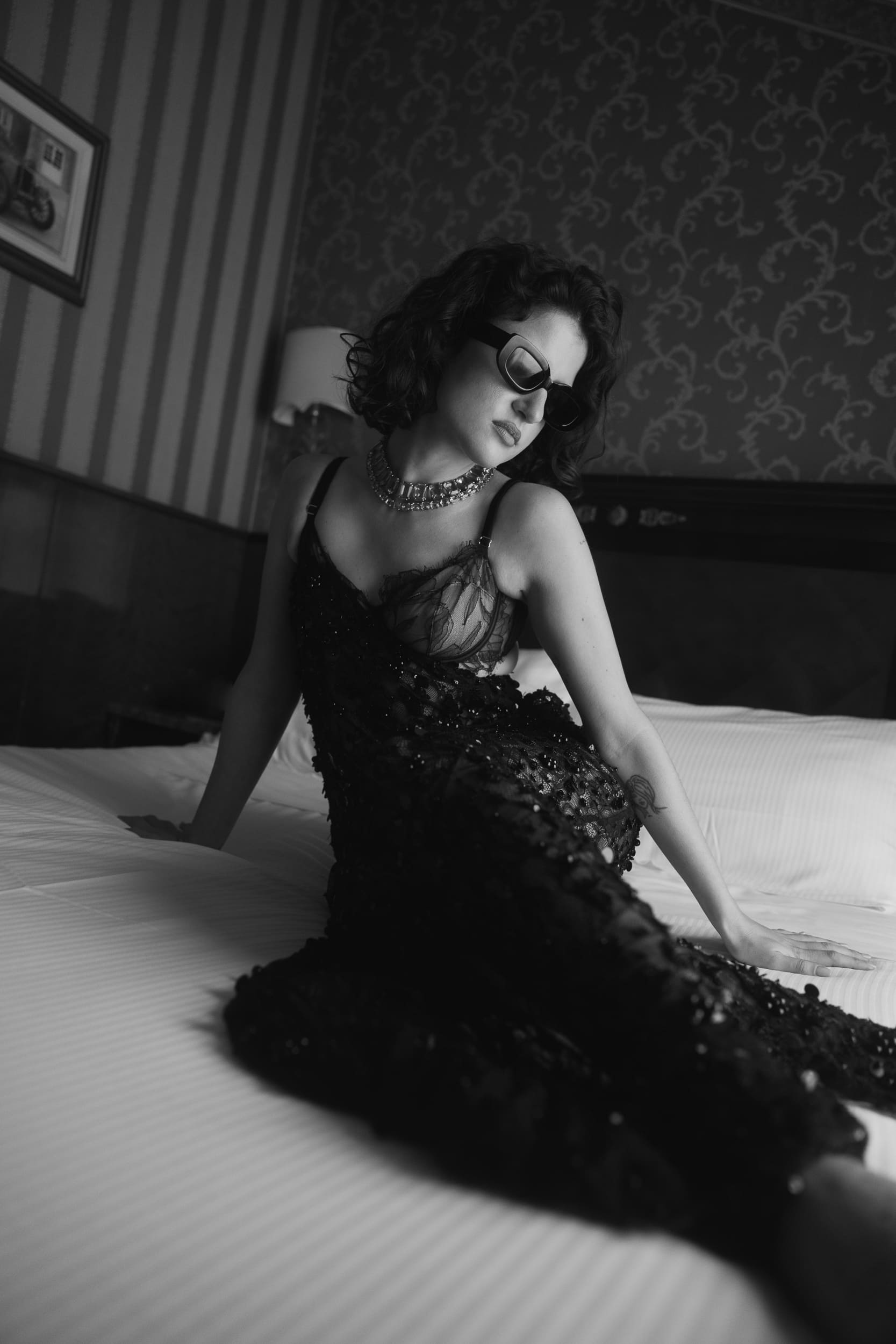
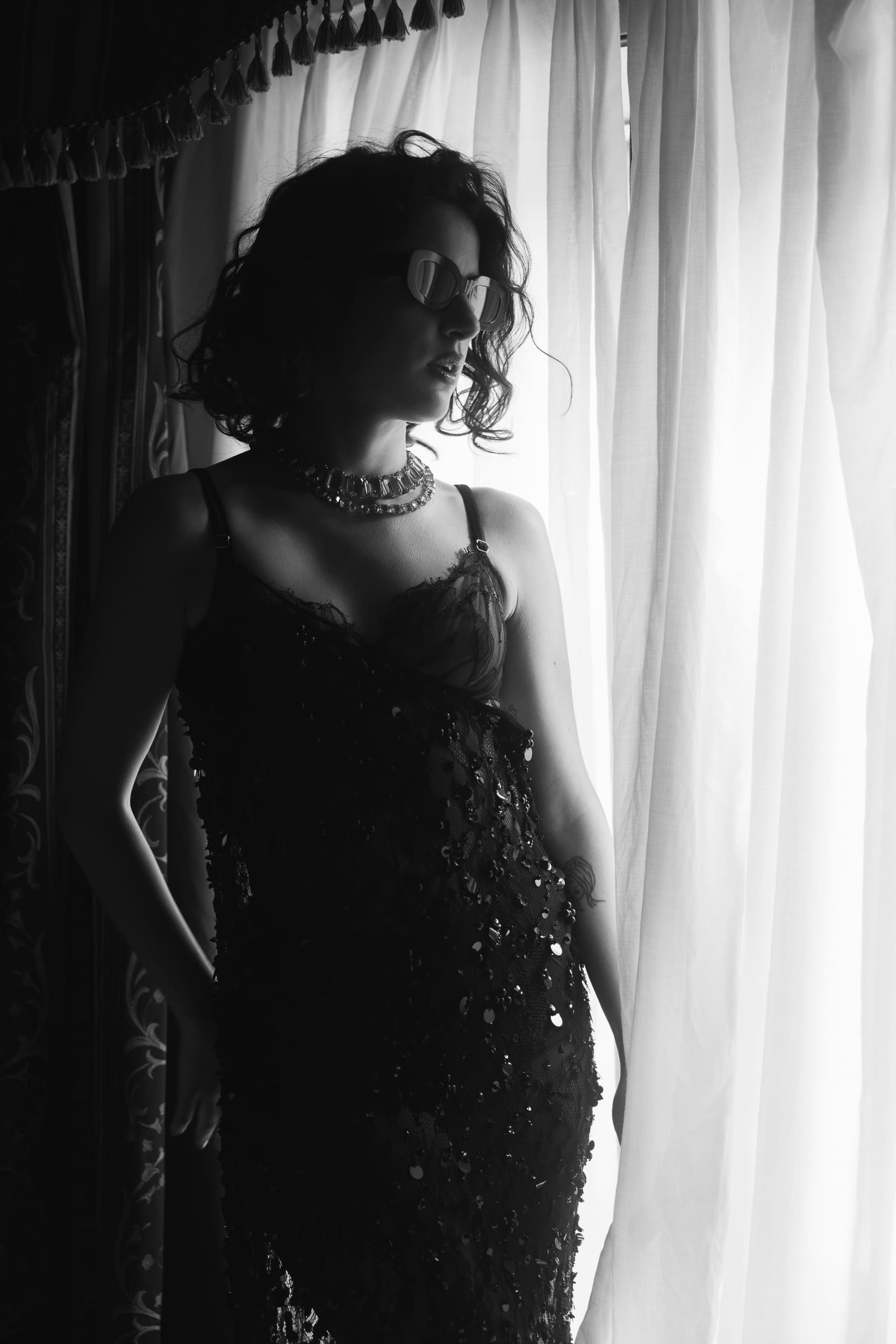
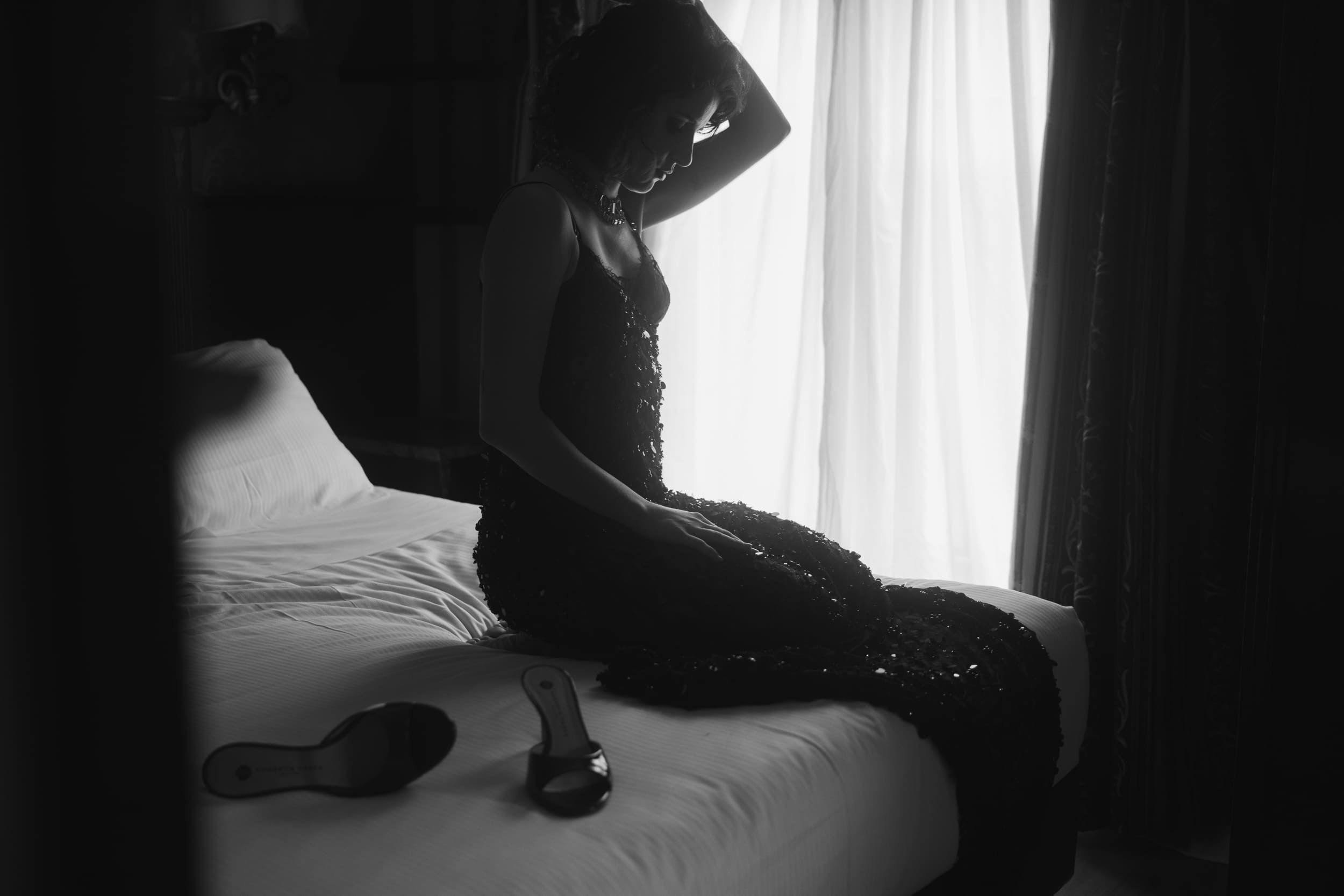
LOOK 1
Shoes: Roberto Festa
Dress: Dhruv Kapoor
Sunglasses: Kaleos
Necklace: Swarowski
Bra: Fleur du Mal
Culotte: Illuminae
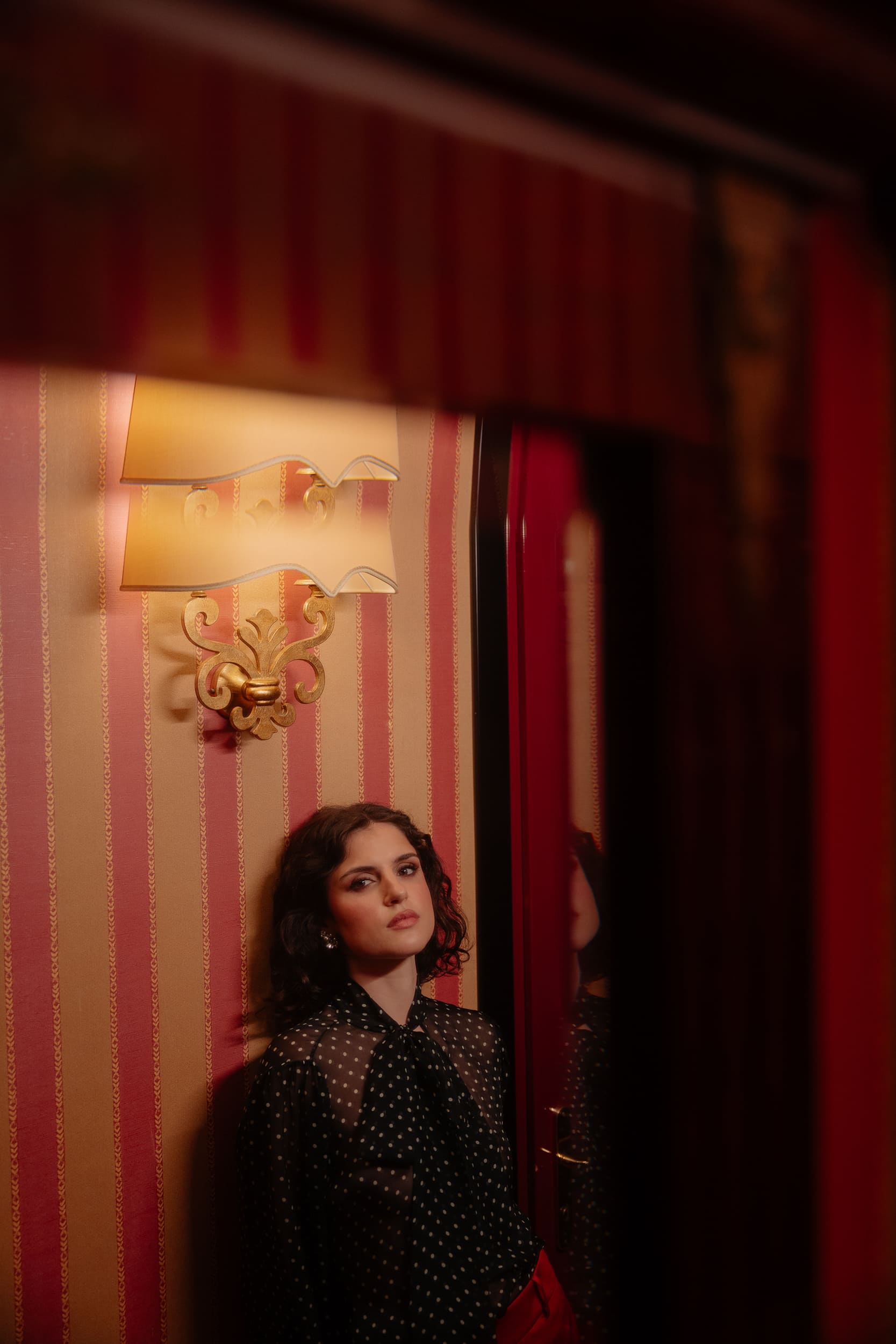
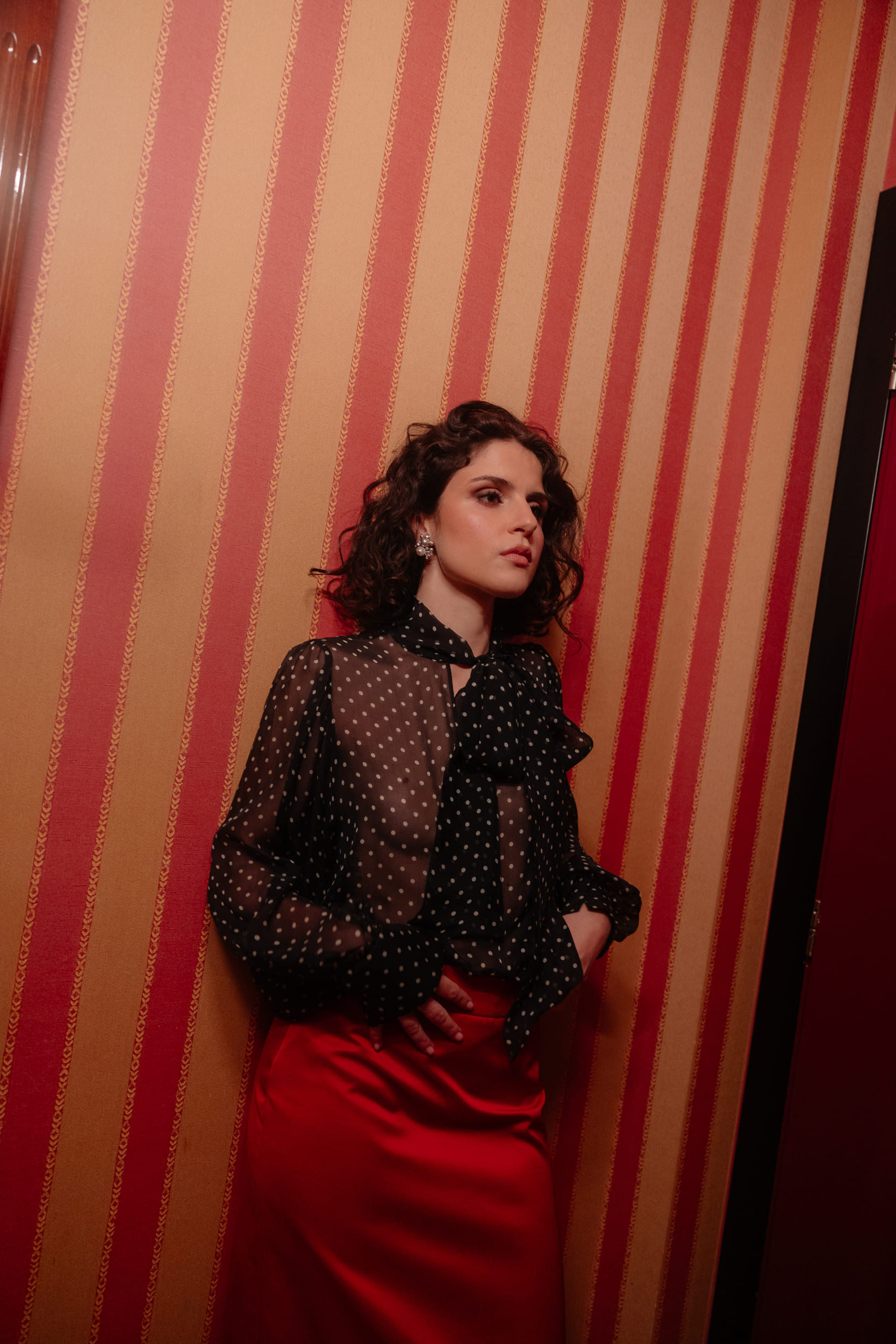
LOOK 2
Shoes: Gianvito Rossi
Skirt: The Frankie Shop
Shirt: Crida Milano
Earrings: Swarowski
LOOK 3
Shoes: Casadei
Dress: Redemption
Jacket: Max Sport
Culotte: Illuminae
Earrings: Swarowski