By definition, “house” is where we feel good: a welcoming place, often designed and decorated in our own image, somewhere we can return to at the end of the day and finally breathe freely. Everything is fine at home, everyone is fine. More than a physical place, it’s a concept, a synonym for security, comfort, and rest. In short, a house is never just a house, and the English language makes this distinction clear in a way Italian doesn’t: if “house” is the structural skeleton, “home” is the emotional core of the structure, the part that belongs to us on a visceral level and, indeed, represents us.
But sometimes it happens that the walls of a room stop offering shelter and start reflecting back something we’d rather not look at. Sigmund Freud called this das Unheimliche, “the Uncanny“, that subtle, vertiginous sensation you feel when something that should be intimate, familiar, and safe suddenly turns into something foreign, threatening, and hostile. For Freud, the uncanny is something once known that had been repressed and now resurfaces in a form we both recognize and don’t recognize at the same time. And the house is the perfect place for this to happen: it’s the space where we’ve built our entire idea of security, yet it takes almost nothing to start feeling like a stranger within its own walls.
With spooky season approaching, when the hunger for immersive, unsettling stories becomes almost a ritual, literature reminds us that the haunted house isn’t just a cult trope of the horror genre. Often, architecture is a map of the mind: a psychological construct made of bricks, dark hallways, cracks, and locked rooms where trauma, grief, obsession, and loneliness take shape. And so domestic walls become not just a backdrop for ghosts, but a mirror of what we feel and what we’d rather not face, which is exactly why literature’s most memorable houses aren’t frightening simply because they’re “haunted.” They’re frightening because they resemble us.
Body-Houses
The Fall of the House of Usher – Edgar Allan Poe (1839)
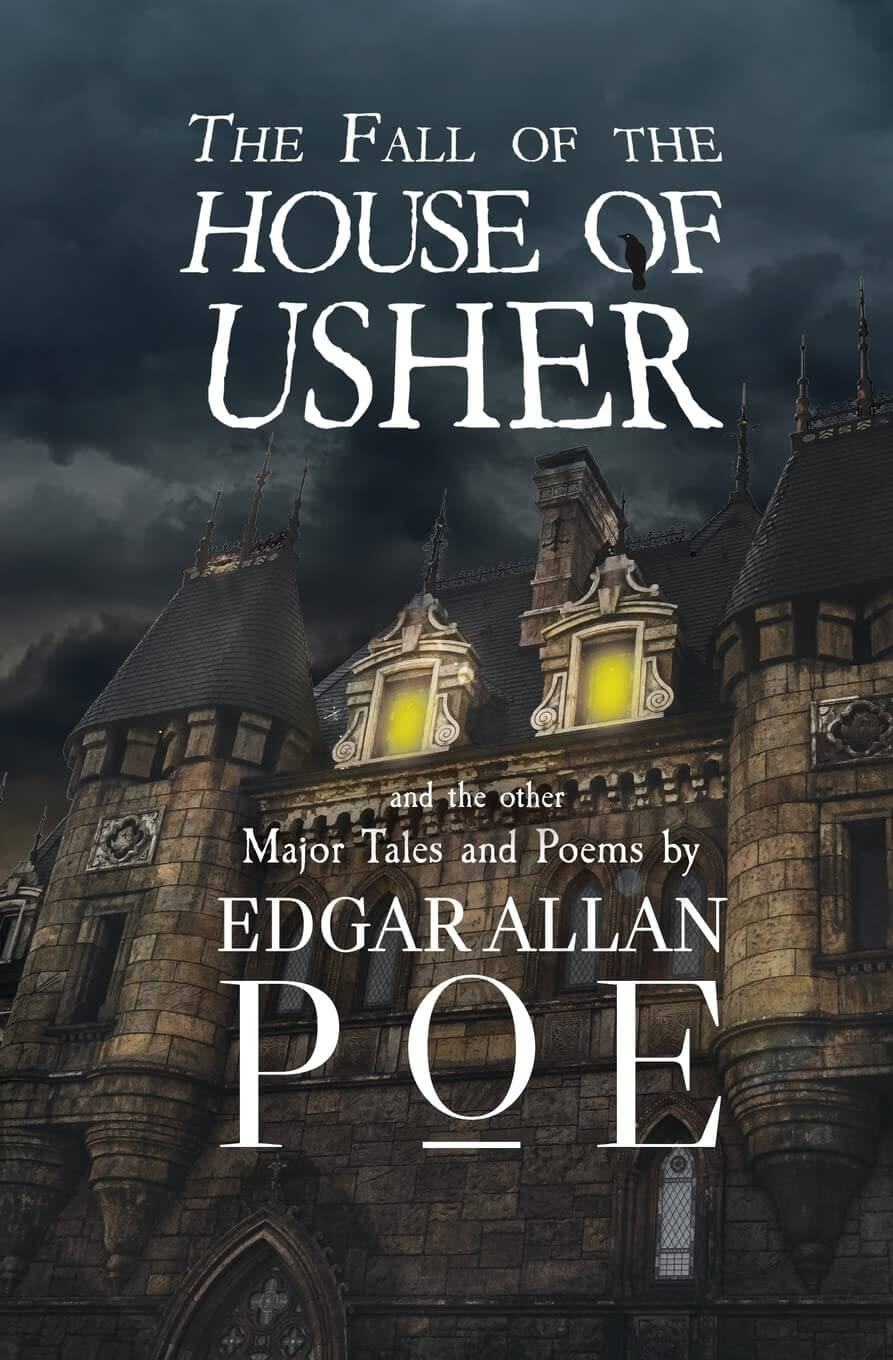
The definitive classic on the unbreakable bond between space and mind. In this novel, the narrator visits his childhood friend Roderick Usher, tormented by a nervous condition, in a mansion whose façade is split by a crack running from top to bottom. Poe’s masterstroke is making the house and the bloodline share a single name: walls and family become one organism, and when the mind of the family’s last descendants cracks, the building suffers the exact same fate.
Uncanny in one line: the house has a soul, and it is ours. For better or worse.
The Haunting of Hill House – Shirley Jackson (1959)
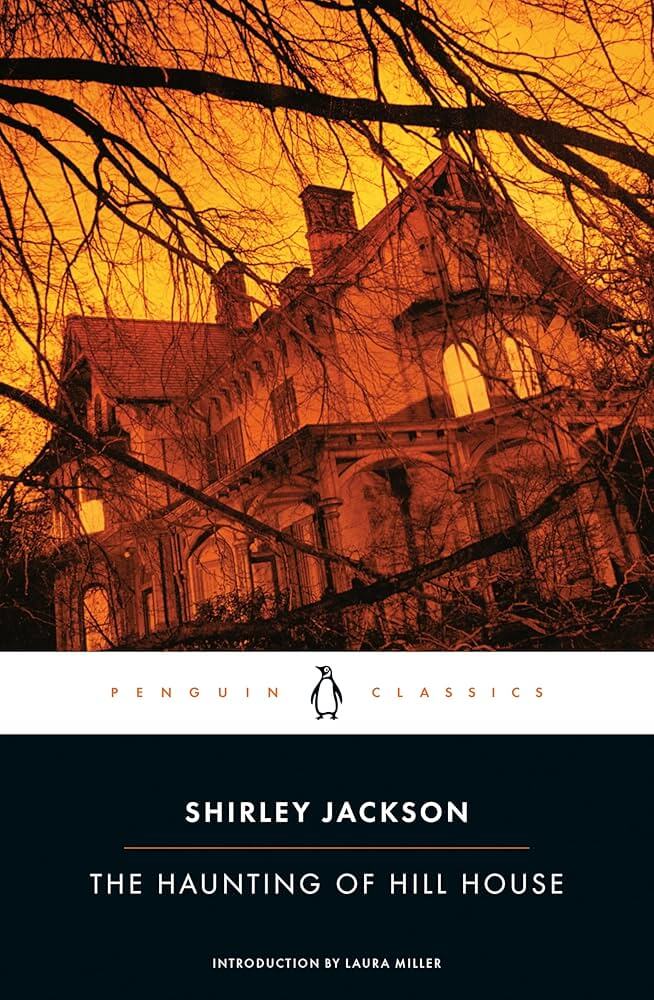
Eleanor Vance has spent years caring for her mother and has never had a place of her own. When she’s invited to take part in a study on the paranormal at a mansion built on all the wrong geometries, for the first time she feels wanted. But Hill House isn’t simply haunted, it’s sick; the architecture of the mansion mirrors and amplifies the protagonist’s fragile mental state. Jackson leaves suspended the question that makes the novel a cult classic: is the house haunting Eleanor, or is it Eleanor who is desperately in need of belonging?
Uncanny in one line: when the desire to belong is stronger than fear itself.
Labyrinth-Houses
House of Leaves – Mark Z. Danielewski (2000)
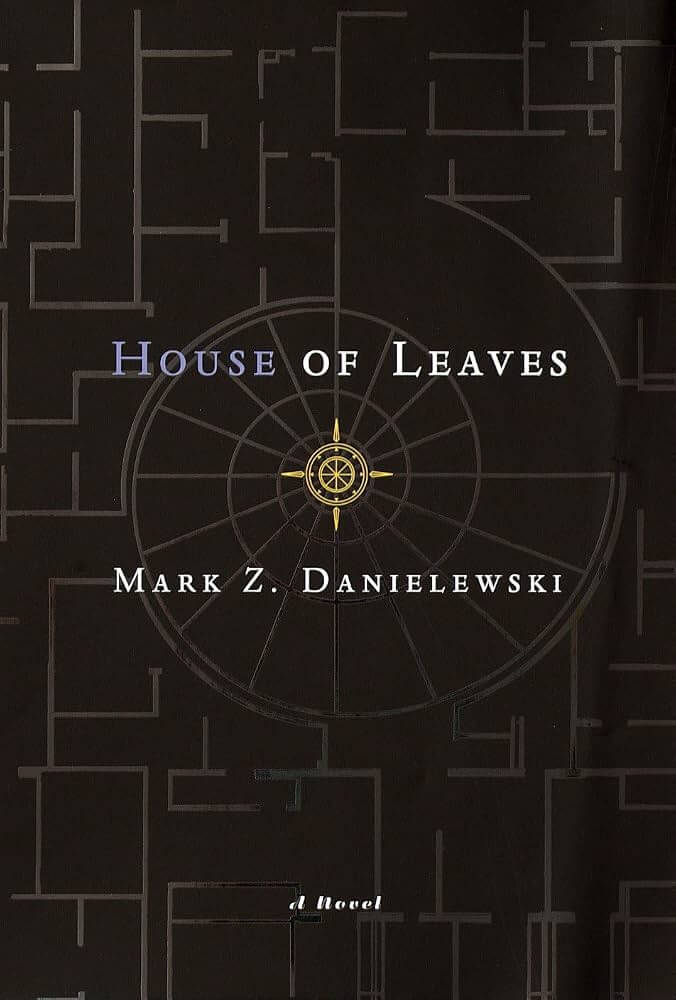
A family discovers that the inside of their house is bigger than the outside, just slightly. Then, where there used to be a wall, a hallway appears. The novel unfolds in layers: a fake critical essay about a documentary that never existed, annotated by a young man, Johnny Truant, who starts to unravel as he reads it. The layout itself, footnotes, shifting columns, words that move across the page, mimics a labyrinth the reader enters and is no longer sure how to leave. The dark abyss that opens in the Navidson family’s living room is a material manifestation of inner emptiness, of trauma, and of the collapse of narrative and personal certainties.
Uncanny in one line: a space measured in emotions, not in meters.
Piranesi – Susanna Clarke (2020)
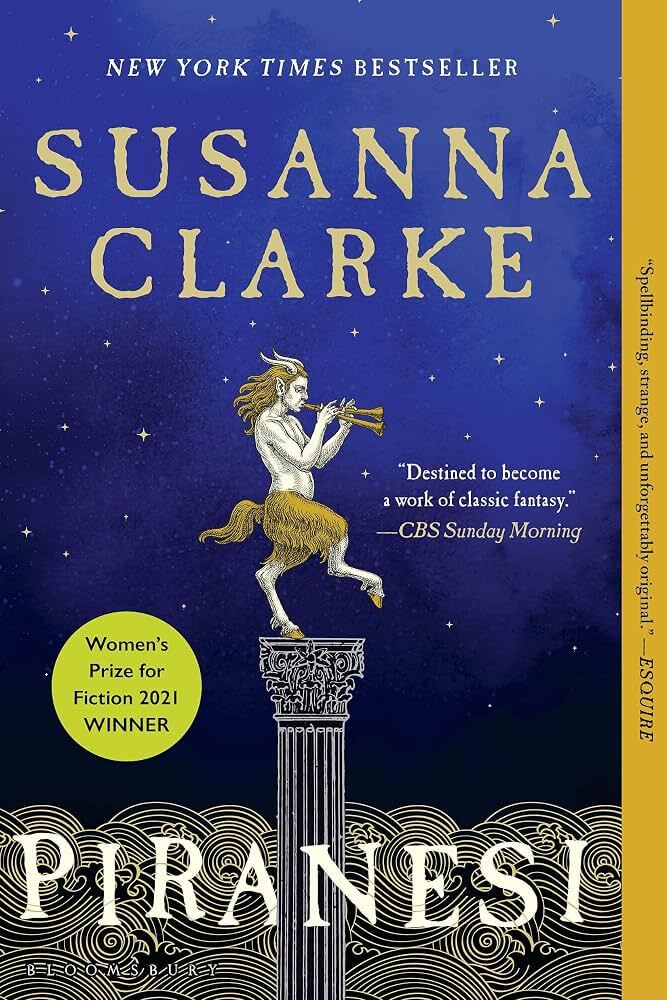
A luminous, poetic take on the concept of interior space. Piranesi lives in an immense House made of endless halls, statues, and tides that rise from the lower floors, and he records everything in his diaries with remarkable serenity. Here the uncanny works in reverse: the house is a refuge from past trauma, and confinement becomes a sacred sanctuary. It’s a novel about memory, identity, and the way a mind clings to whatever remains of itself, until that becomes home. Uncanny in one line: the strangest place turns out to be the only one that feels like home.
Strange Houses – Uketsu (2026)
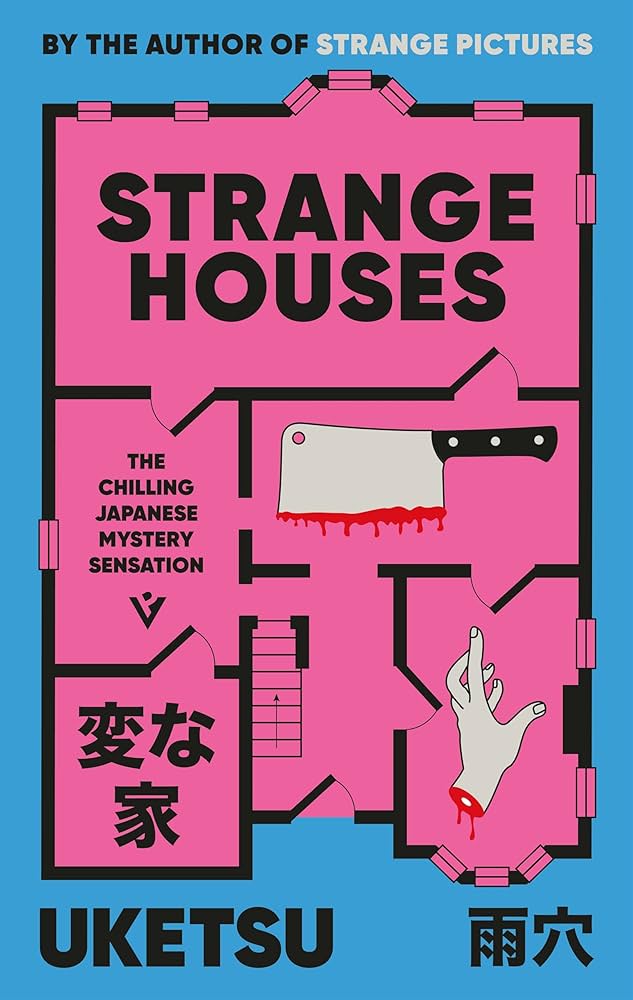
The Japanese bestseller that tackles the uncanny through design and floor plans. A couple house-hunting in Tokyo notices, on the blueprint of a bright, beautiful apartment, an empty space wedged between two walls, no door, no windows. With the help of a journalist who specializes in the occult and an eccentric architect, the reader is drawn into measuring rooms and hallways, because here the true antagonist isn’t a killer or a spirit, but architecture itself, and beneath the geometry surfaces a profound reflection on family, tradition, and the weight of inheritance. It’s Freud almost by the book: the heimlich in the sense of “hidden,” a secret walled inside a house that wanted to look normal.
Uncanny in one line: every floor plan is a confession.
The Not-Quite-Escape-Houses
The September House – Carissa Orlando (2026)
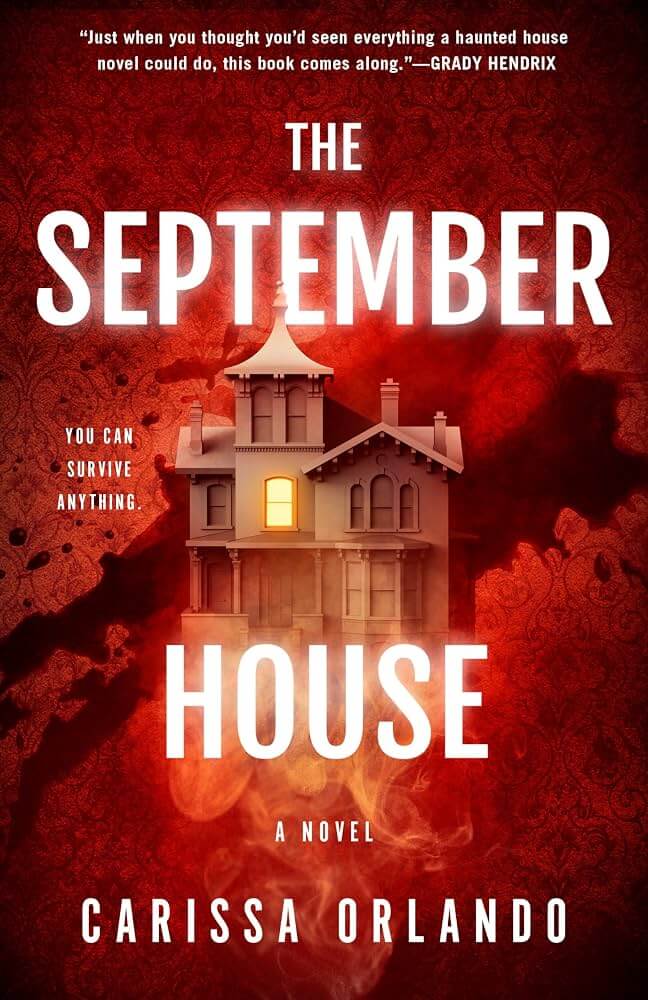
The novel starts from an irresistible premise: every September, the walls of Margaret and Hal’s house drip with blood, and the ghosts of previous tenants reappear — all of whom died in suspicious, horrible ways. Margaret is determined to stay, because it’s her home; but when Hal, after four years, can’t take it anymore and leaves, their daughter Katherine arrives, determined to find him but unaware of what’s hiding within the walls of the family home. The tone blends gothic horror with dark humor, anchored by a wonderfully complex protagonist. And it flips Freud’s original intuition on its head: here it’s not the strange invading the familiar, but the familiar that has absorbed the strange, to the point of becoming normalized. This forced cohabitation with domestic horror mirrors how we get used to living alongside our own unresolved trauma, trying to maintain routine while the walls around us “bleed.”
Uncanny in one line: the horror we’ve grown used to.
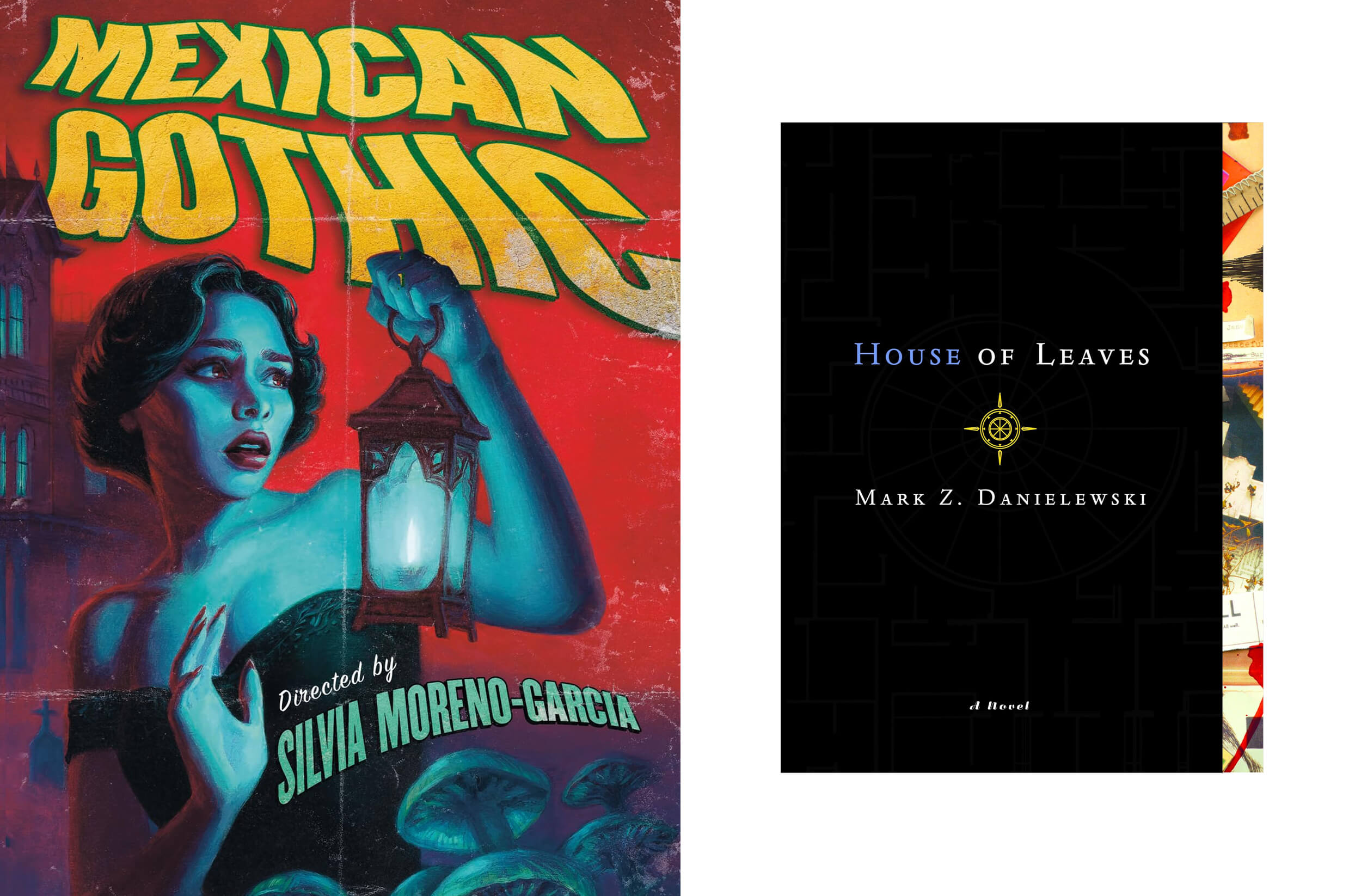
Mexican Gothic – Silvia Moreno-Garcia (2020)
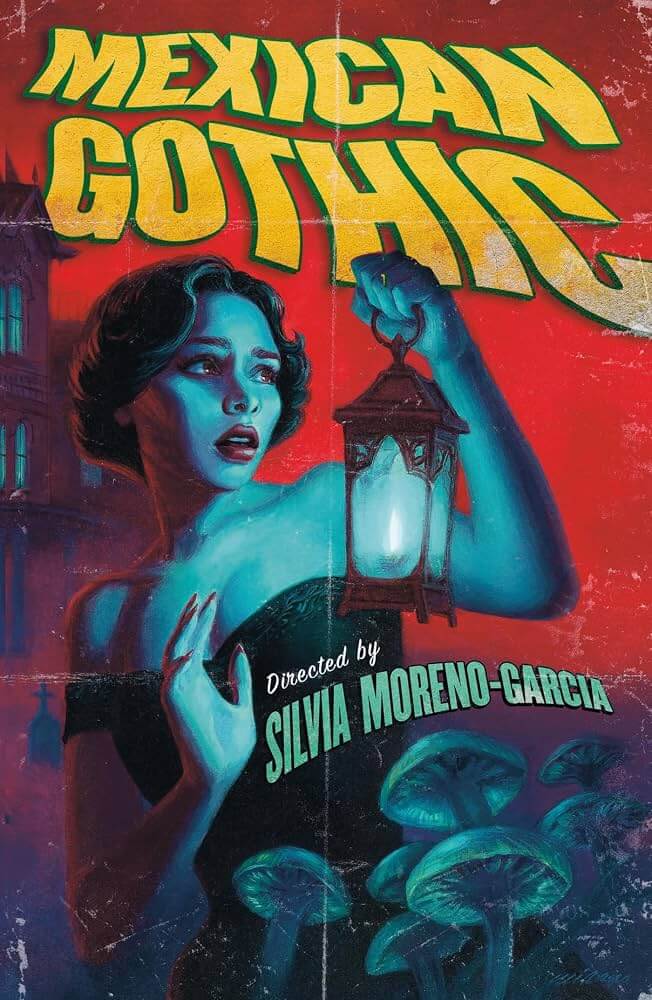
Noemí Taboada, a young, brilliant socialite from 1950s Mexico City, travels to a remote mountain mansion after receiving a distressed letter from her cousin Catalina. High Place is the home of an English family, the Doyles, where a fungal mycelium binds the house’s fate to the family’s bloodline, amid increasingly disturbing events and increasingly strange dreams. In this novel, the house embodies colonialism, patriarchy, and an obsession with purity made material — a toxic environment that tries to assimilate the mind of whoever lives there.
Uncanny in one line: a past that rots inside the walls.
The Ghostless House
Fedeltà (Loyalty) – Marco Missiroli (2019)
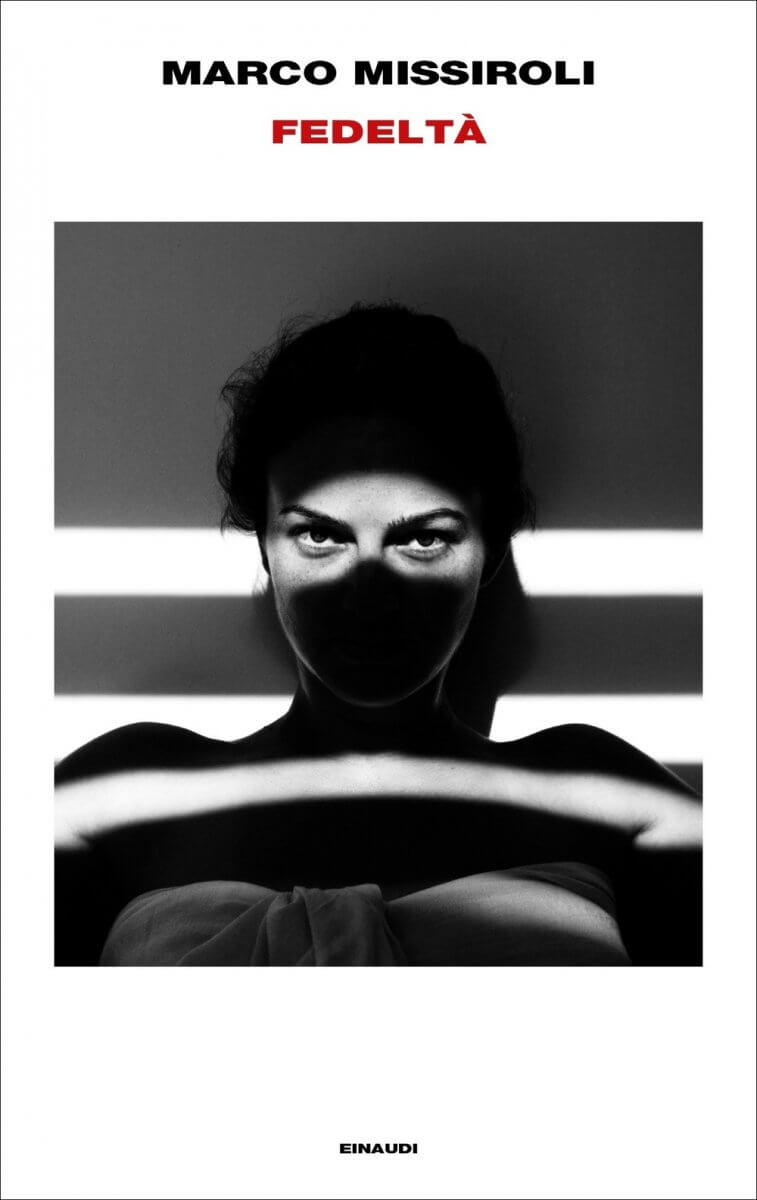
Here there’s nothing supernatural at all, because this novel, winner of the 2019 Premio Strega Giovani, tells the story of a Milanese couple shaken by a “misunderstanding”: a suspicion of infidelity. Margherita runs a small real estate agency, and the house runs through the story as both desire and mortgage: she falls in love with an apartment she can’t really afford because of its light, and the two ultimately buy a home beyond their means, out of loyalty to a bourgeois status they’re determined to maintain. The domestic setting becomes the space where doubt suddenly makes shared space feel foreign, reminding us that the most unsettling house can also be the one with the lights on and the brand-new furniture.
Uncanny in one line: the doubt that sits down at the table with us.



What do you think?