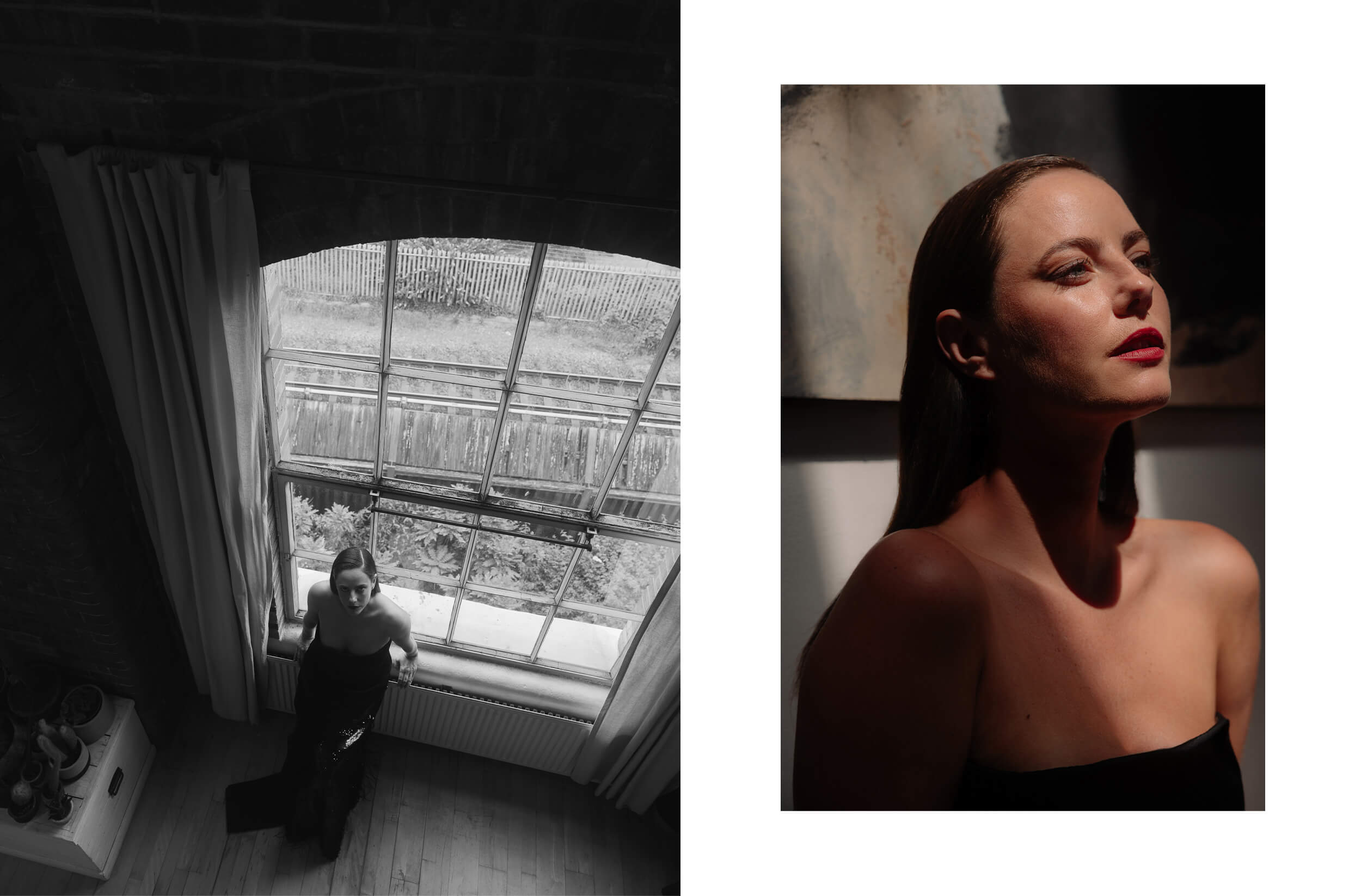
Just after an unusually intense heatwave swept through London, on a clear summer day, we met actress Kaya Scodelario, who has built her career, role after role, on iconic female characters destined to stand the test of time.
Now, she is leaving an indelible mark as Susie Glass in the Netflix series “The Gentlemen”, created and directed by Guy Ritchie. And in the second season, she does anything but disappoint. Instead, she surprises us, constantly keeping us on the edge of what seems possible and what does not, only to catch us off guard once again.
Guy Ritchie’s world runs on a particular kind of danger: fast talk, faster consequences, and characters who never quite let you see what they’re really thinking. In “The Gentlemen”, Susie Glass is the one holding it all together – sharp-tongued, immaculately dressed, and seemingly untouchable, even as the men around her keep testing exactly how far that control extends.
And this season pushes Susie further than ever: closer to power, closer to real feeling, and perhaps closer to letting someone in. It’s a performance built on precision, right up until the moment that precision breaks.
Meeting Kaya for our September Cover Story was something precious, an encounter I will carry with me for a very long time. She is a woman with a powerful presence, who speaks with a refreshing frankness. We talked about what it means to be present in your own life, the incredible world of “The Gentlemen”, and why Kaya has found it necessary to protect her private life. Moreover, we chatted about the strange poetry of Ritchie’s dialogue, how the wardrobe could be your personal armour, the discipline of playing vulnerability without losing an ounce of strength, and what it means to find real peace only in the seconds before a camera starts rolling.
Netflix, I’m already waiting for season three.
Yesterday evening I finished the second season of “The Gentlemen”, and I loved it so much. I already adored the first season – for me it was the best thing on Netflix and honestly, I think I loved this one even more. It’s not easy for a second season to match the first, let alone surpass it, so I was really pleased. I think this show has such a distinctive rhythm and way of telling a story – bold, and completely unfiltered. What was your first reaction when you read the script and met Susie and the world of the series?
I agree with you completely – I loved how bold it was. It’s interesting, because the Guy Ritchie universe, as we like to call it, is obviously an exaggeration of reality, but somehow the language he uses and the way scenes are cut together still feel incredibly real and grounded. That’s a difficult thing to pull off in any genre. So, like you, my first instinct was that these characters felt very human, very exciting and interesting. Susie is one of the few characters where, as soon as I read the audition scenes, I could hear her voice in my head straight away – I knew exactly who she was. I rarely get that kind of instinct, that certainty that I could play her and do something interesting with the part.
Watching it back is its own experience too, because on set things are quite chaotic – Guy will change scenes on the day, move things around – and then in the edit he rearranges the timeline again. It’s an exciting way to experience a character’s journey: you get the initial thrill of reading the script, and then you rediscover the character all over again when you watch the final cut. It’s almost like a whole new show.
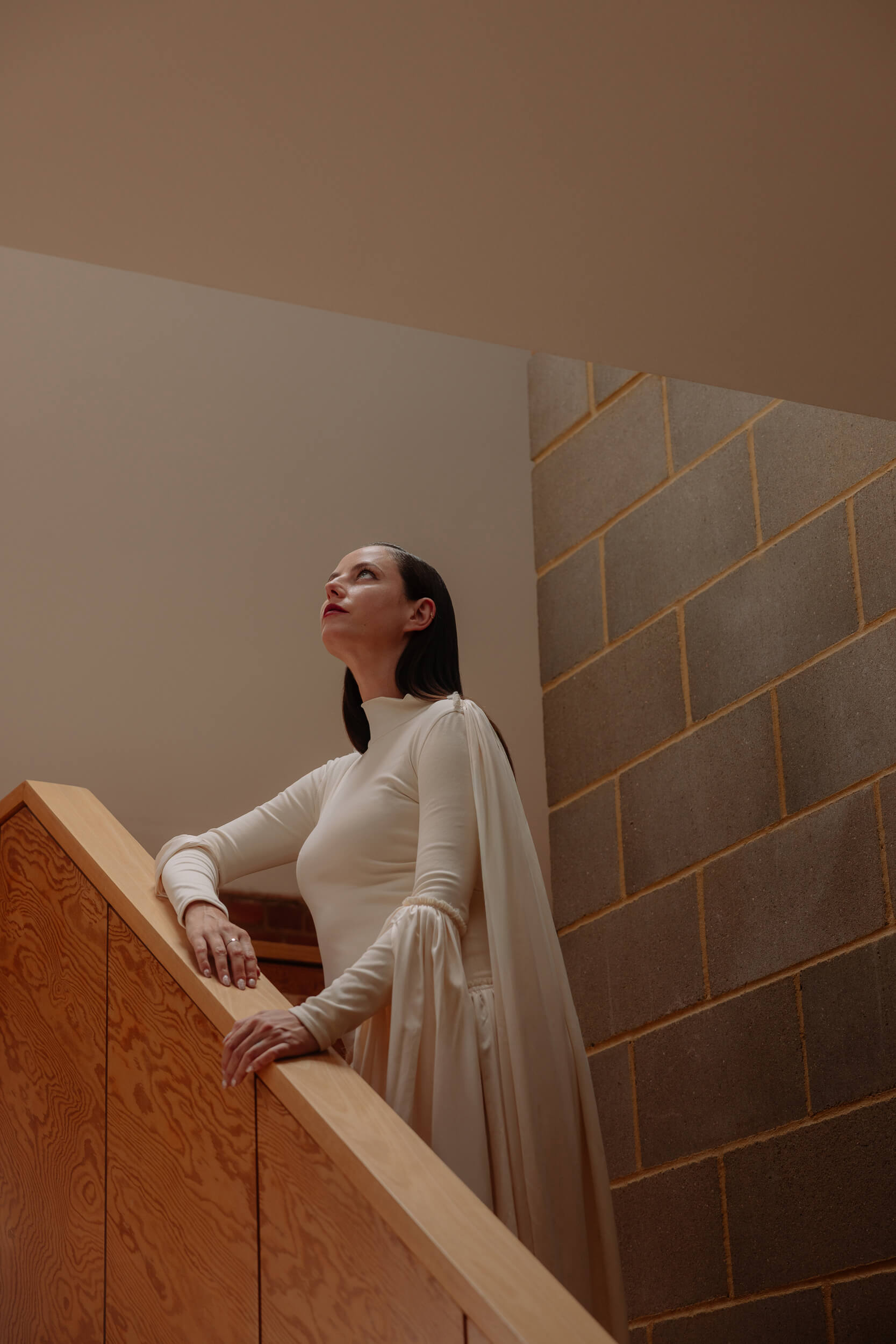
I was curious whether it’s fun to play with Guy Ritchie’s rhythm – there’s so much energy in the editing, everything moves so fast, but I imagine on set, with the actors, the scenes must be very… precise?
Yeah, I know exactly what you mean. He likes patterns of three – three descriptive words, three verbs – and you learn what rhythm he’s expecting. It’s almost Shakespearean, more like a poem in the way he wants you to speak. There’s not a lot of punctuation, not a lot of pausing – it’s a lot of information delivered in one go. I’ve learned where the beats are, where I need to slow down, and where he wants me to speed up. So, there’s a natural language that comes out of it, and I agree with you, it’s very unique to the Guy Ritchie world.
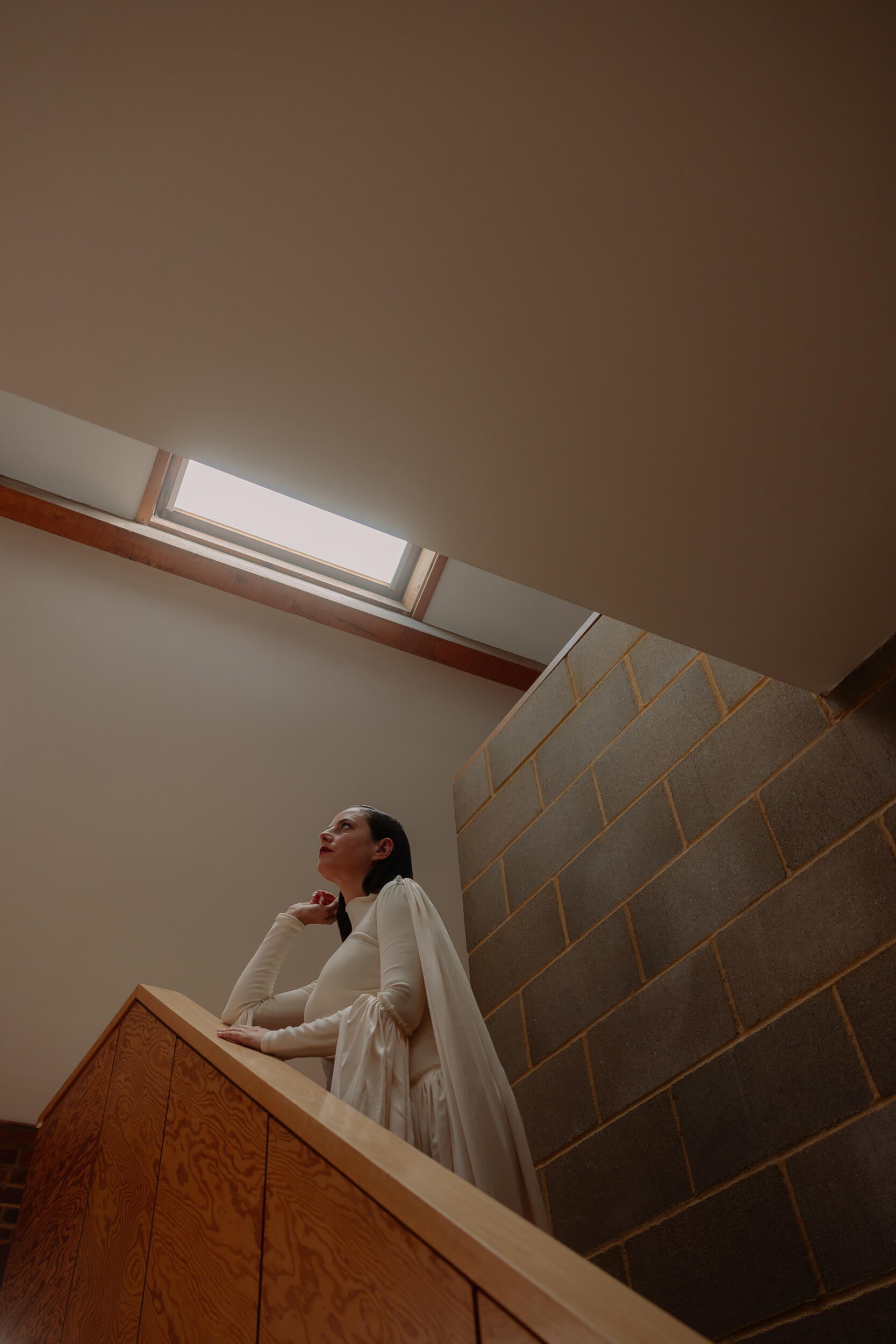
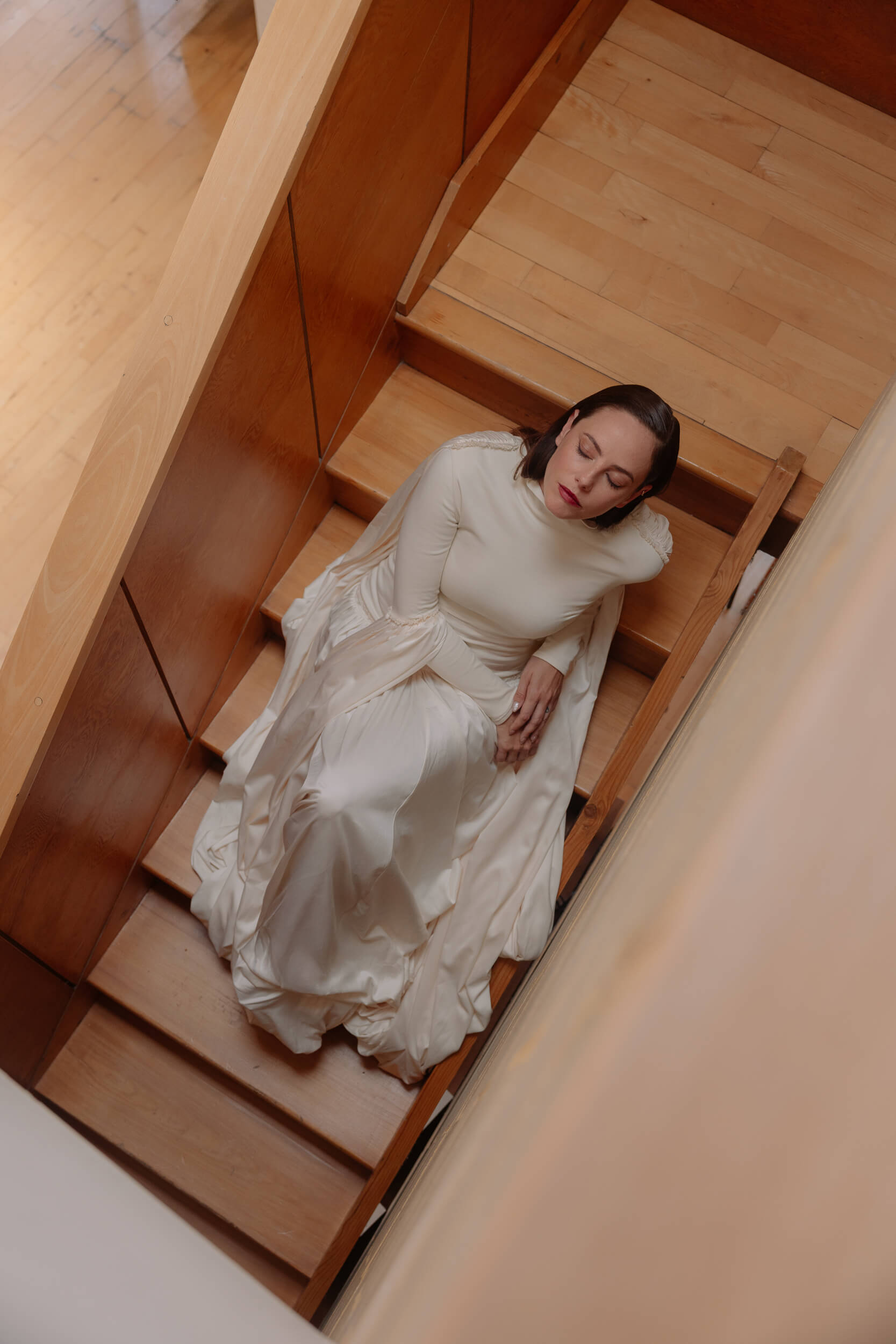
Susie is the only woman in a world almost entirely dominated by men. She appears fearless, but at the same time we realize that, surrounded as she is by men, she’s actually the one truly in control of her own choices. Even this season, just as she starts carving out a different path for herself, another man ends up ruining it. If you could speak to her, what would you tell her?
That’s a lovely question. I think I’d tell her to trust her instincts – she has very good ones – and to be ready to step into her own power. You’re right that she’s spent most of her career under her father, and she’s fiercely loyal to him, which is something I really respect about her. It is, essentially, a family business, and she’s very comfortable with her place within it. But I would encourage her to think about taking over a little more.
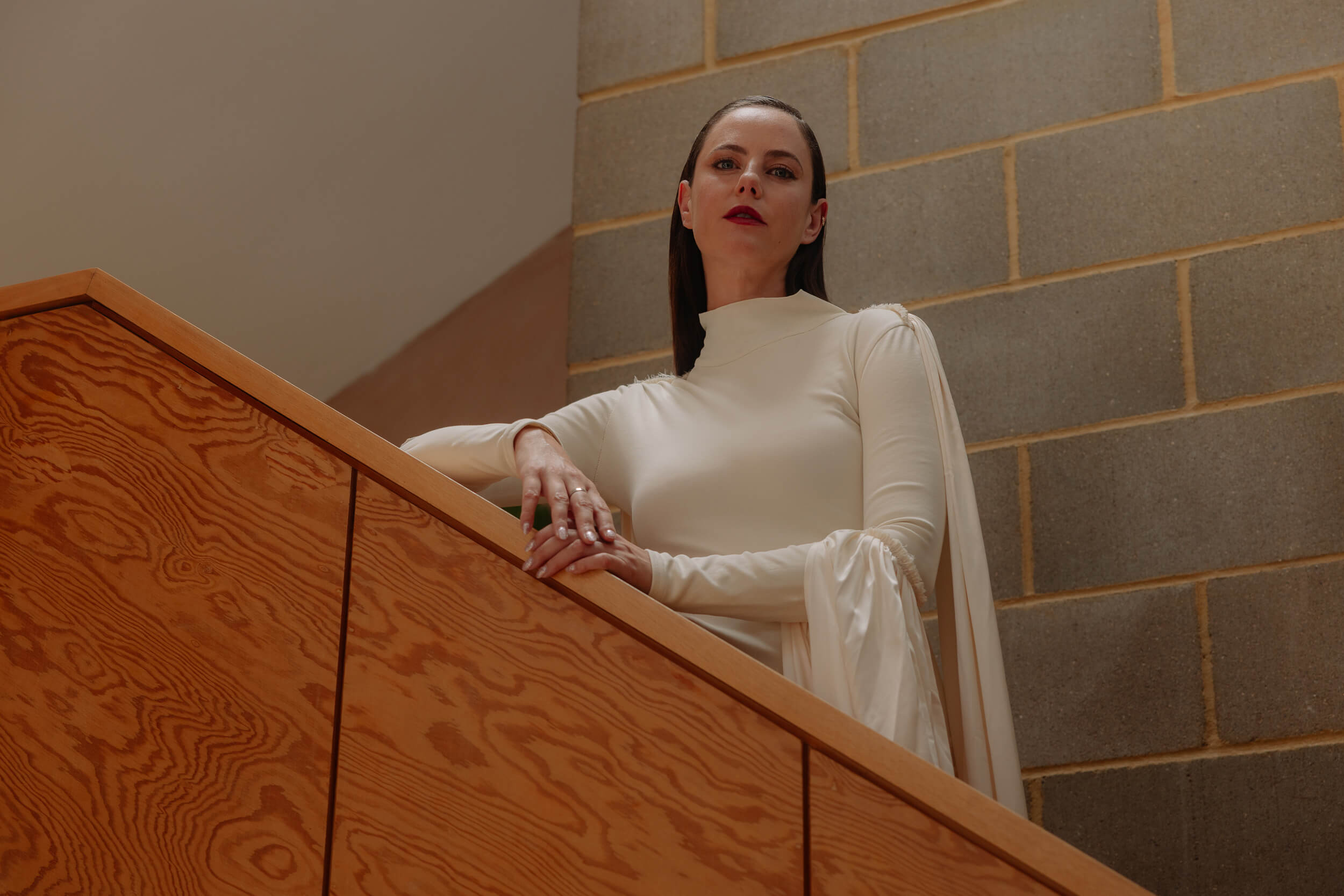
Me too. And her office is another reflection of how deeply she’s immersed in such a masculine environment. Yet she never seems afraid of anything – or at least that’s the image she wants the world to see. What do you think she’s actually afraid of?
I think she’s afraid of losing control. Being in control is one of her defining traits, and I think she doesn’t like not knowing what’s going on. Everything about her is planned, her clothes, her makeup, her business decisions. It’s all things she has decided for herself. So, I think what she’s really afraid of is not being in control. But aren’t we all, in some way?
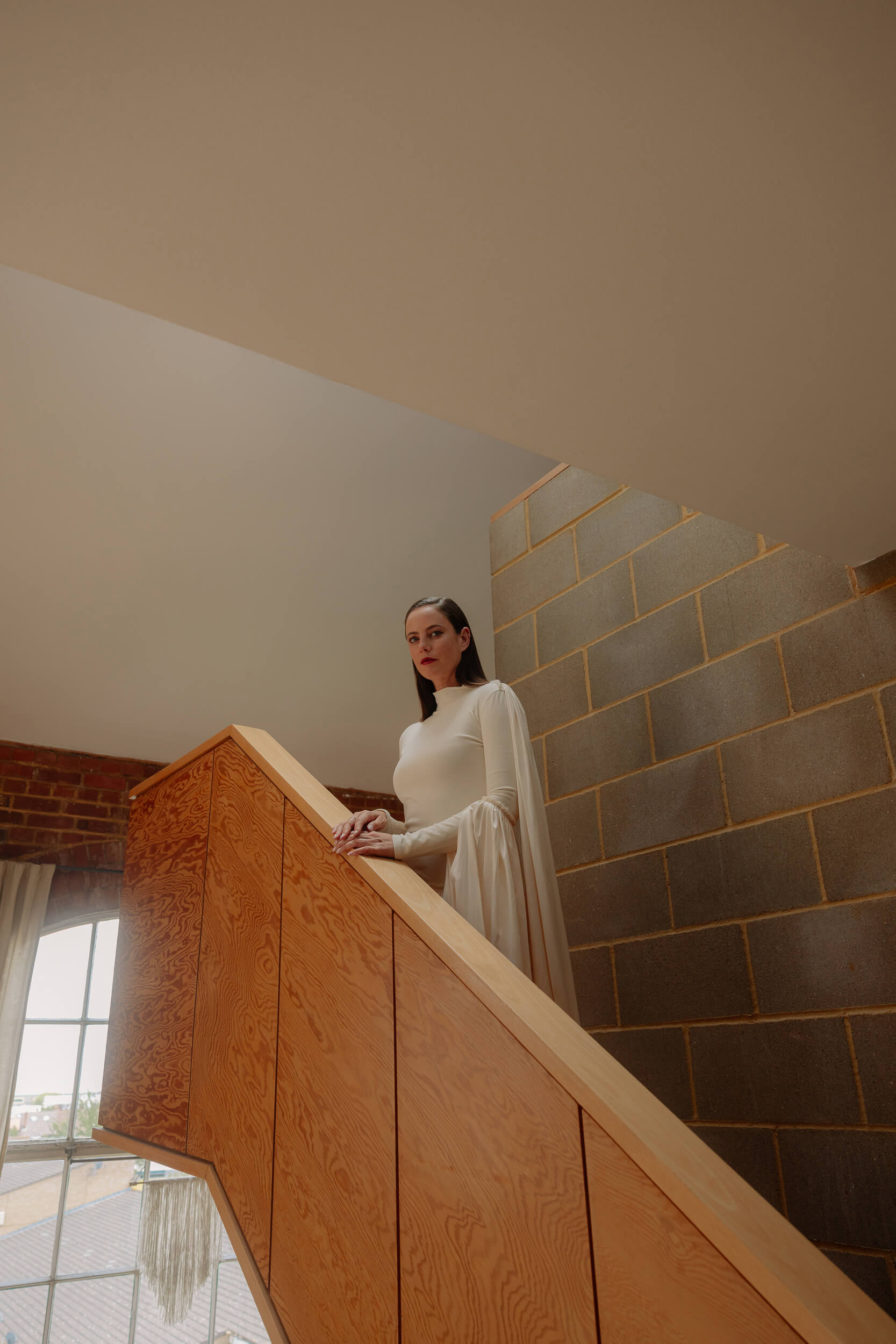
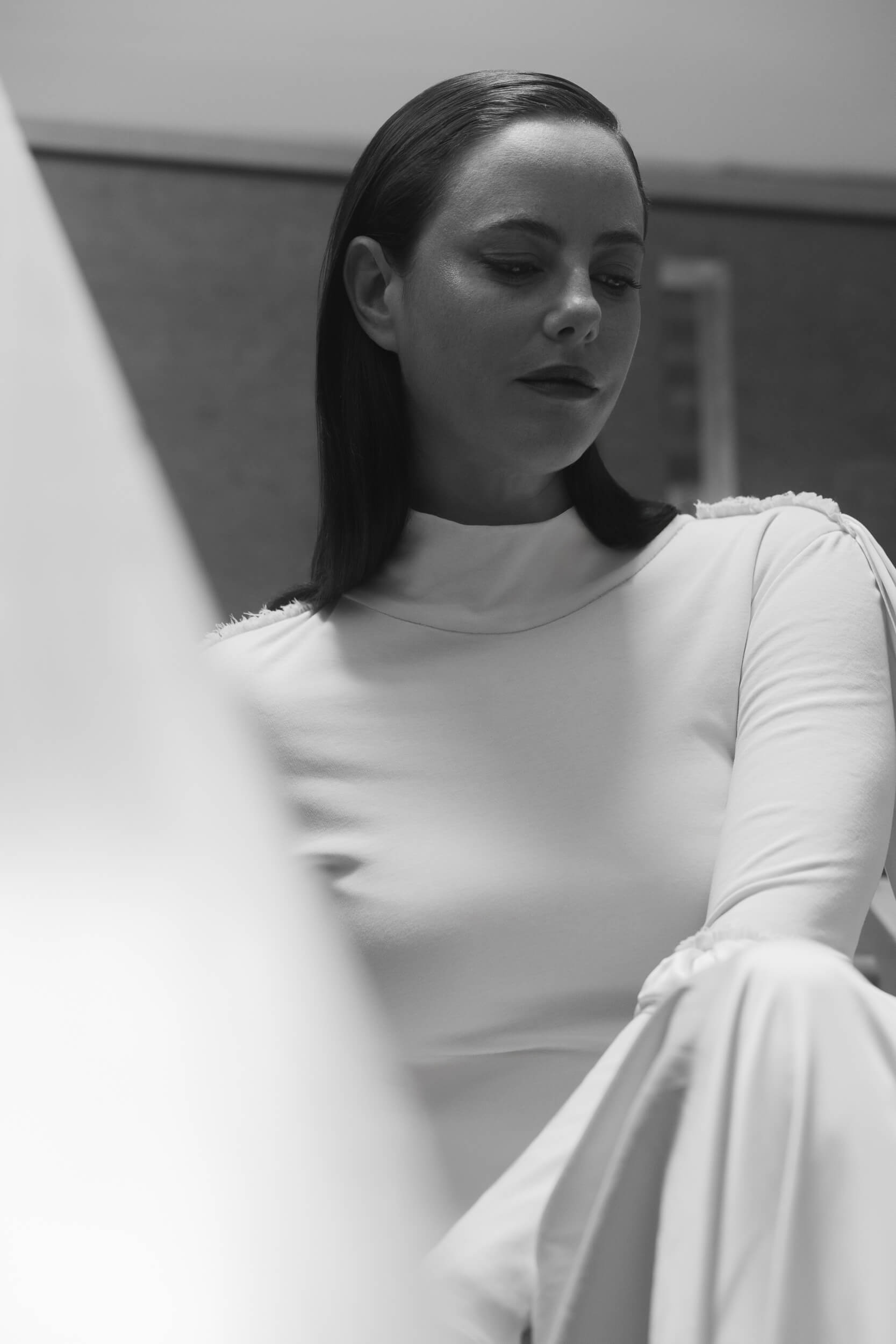
“I think what she’s really afraid of is not being in control. But aren’t we all, in some way?”
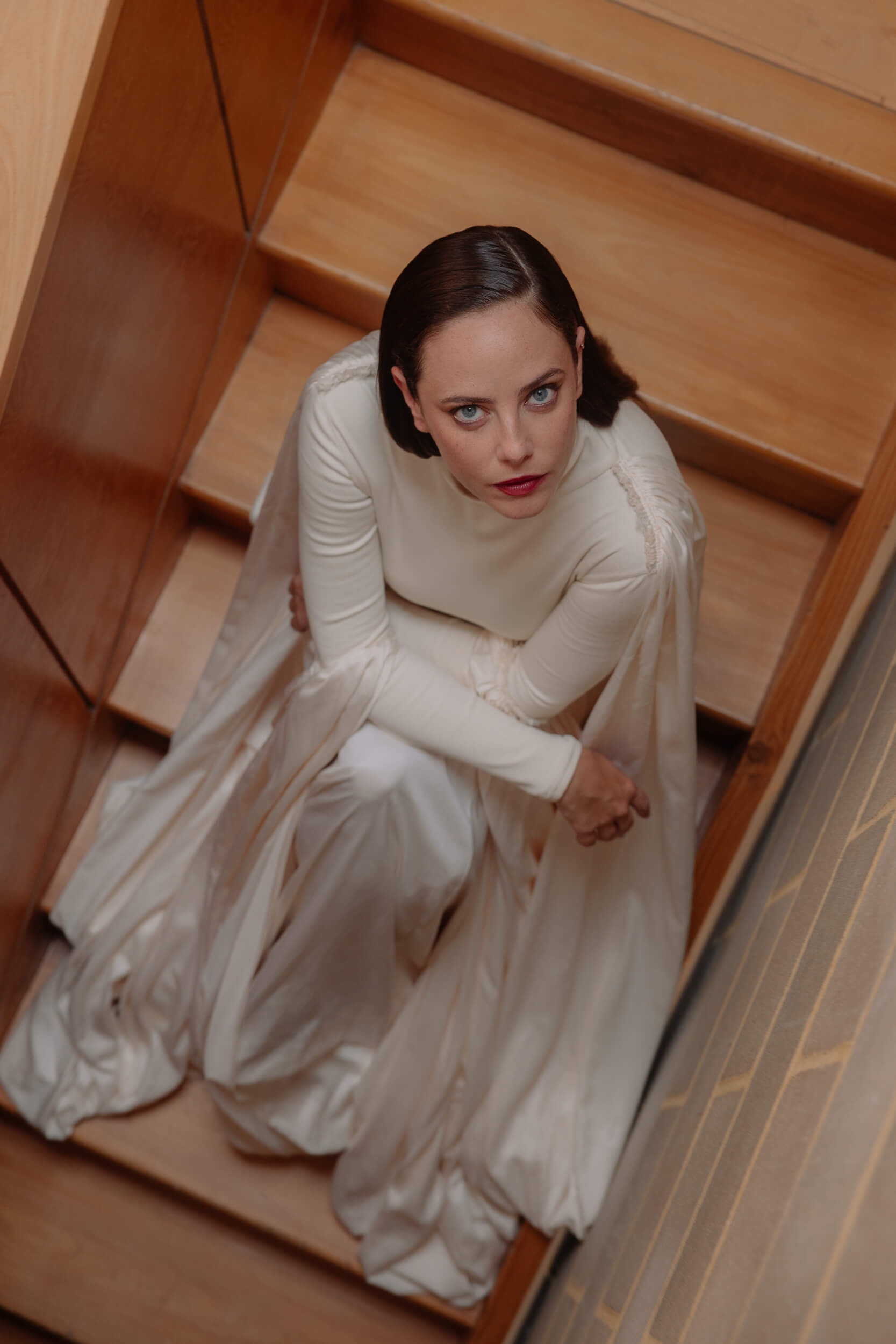
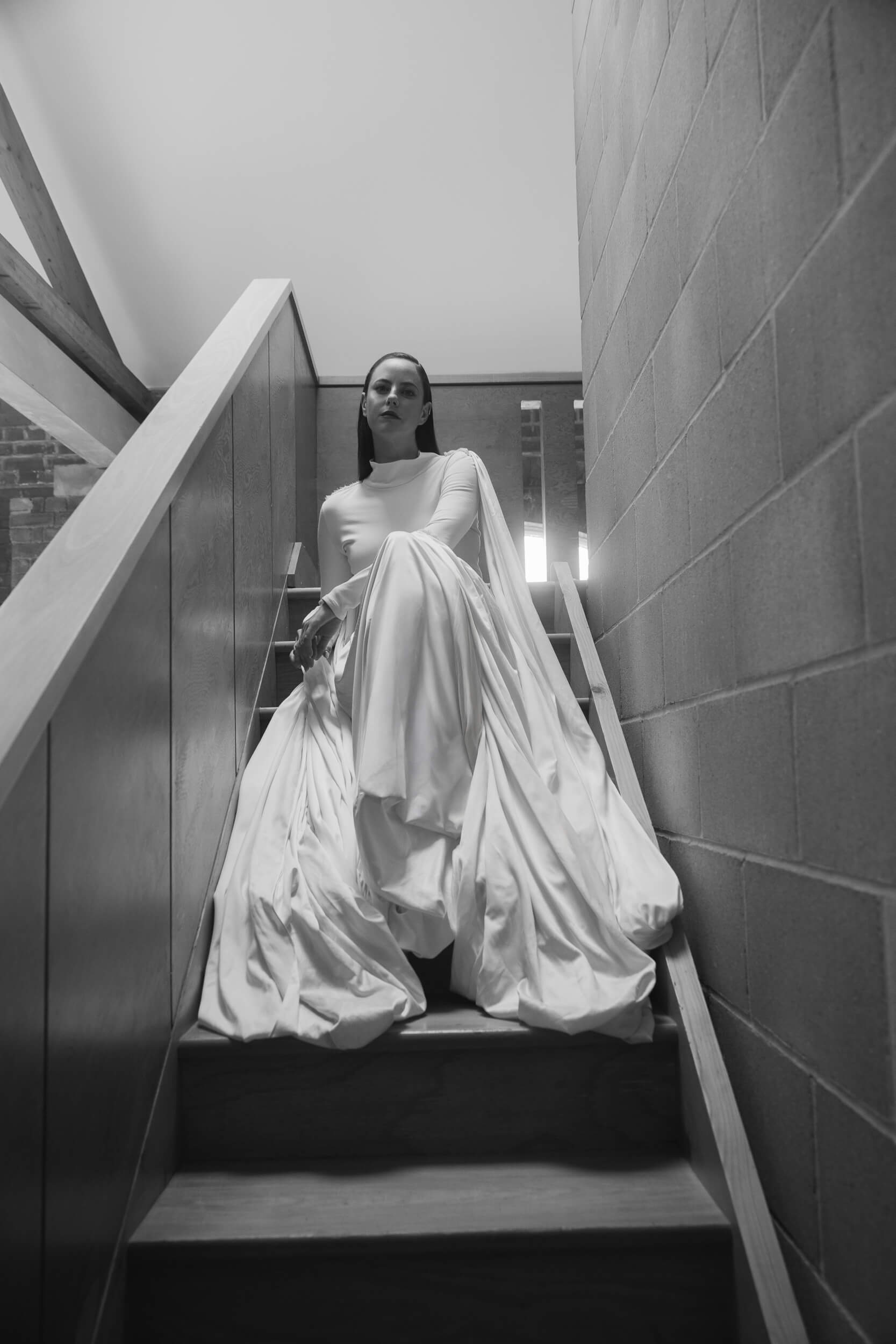
Oh yes, for sure. She’s incredibly strong and determined, but in episode four we see a completely different side of her, I think. It’s the first time she truly lets herself go, lets herself be moved and vulnerable. What was it like for you to reveal that new side of her? Did it require a different emotional approach?
Definitely. I was quite worried about it at first, because I’m very protective of keeping her in control. But after discussions with the writers, I agreed it would be interesting to see this other facet of her. It was important to me that we earned that moment – that her vulnerability didn’t come out of nowhere, because this is a character we’ve spent an entire season learning holds everything together. It needed to feel honest, like it came from a real place.
We settled on the idea that she meets a man who reminds her of home, of a time before all the business and the work – someone who understands her world and doesn’t judge her class, which is really important. Fundamentally, Susie will always be working class, despite being wealthy and in complete control at the top of her game; her roots come from a very grounded place. So, we needed to help her meet someone on that same level. I made sure I was available to audition with all the actors up for that part, so I could believe the chemistry between us and trust that they understood the character and would always be respectful of Susie’s position. We found that in Tyler Conti, a generous actor who understood the dynamic we needed.
There were moments where I struggled, honestly – I don’t like showing vulnerability at all, except to a very close circle of people. So, it was emotionally charged putting Susie in that position; I felt very responsible for her. But looking back, some of my favourite scenes are the ones where the veil is lifted, those subtle, tiny moments – especially with Eddie at the end of episode four. I think that’s probably my favourite scene across both seasons, because I really believe that’s what their connection is: her being willing to show him that.
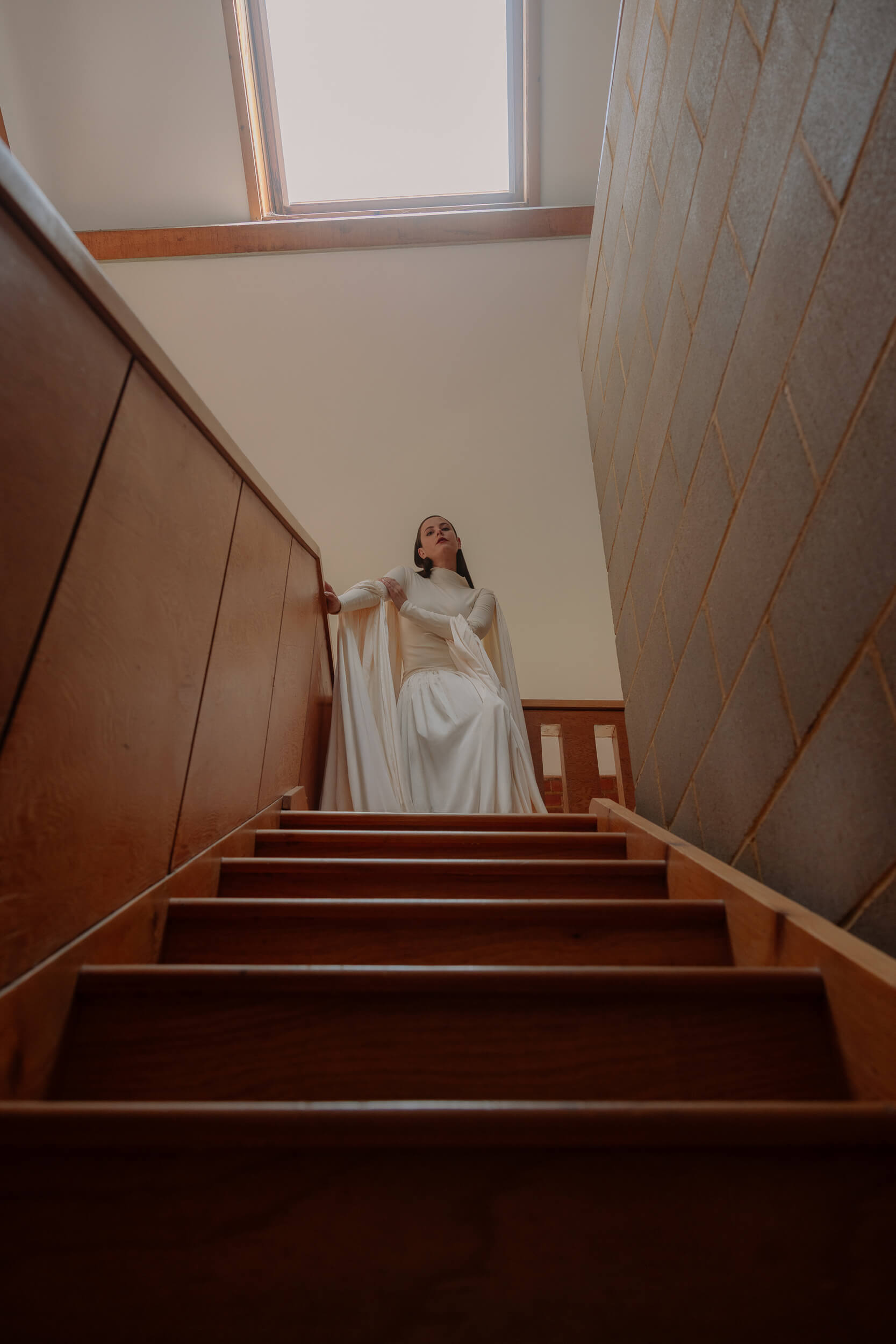
I love it too. Susie showed us her vulnerability, but not in an obvious way – it was so subtle. I was hoping in that moment you’d see the love they have for each other without either of them saying anything, and I think it worked beautifully.
That was important to us as well. There’s a connection between them that may not be sexual, but there’s a deep-rooted love and care. I think you’re right that this is one of the moments where Susie actually lets him see that she feels that way toward him too.
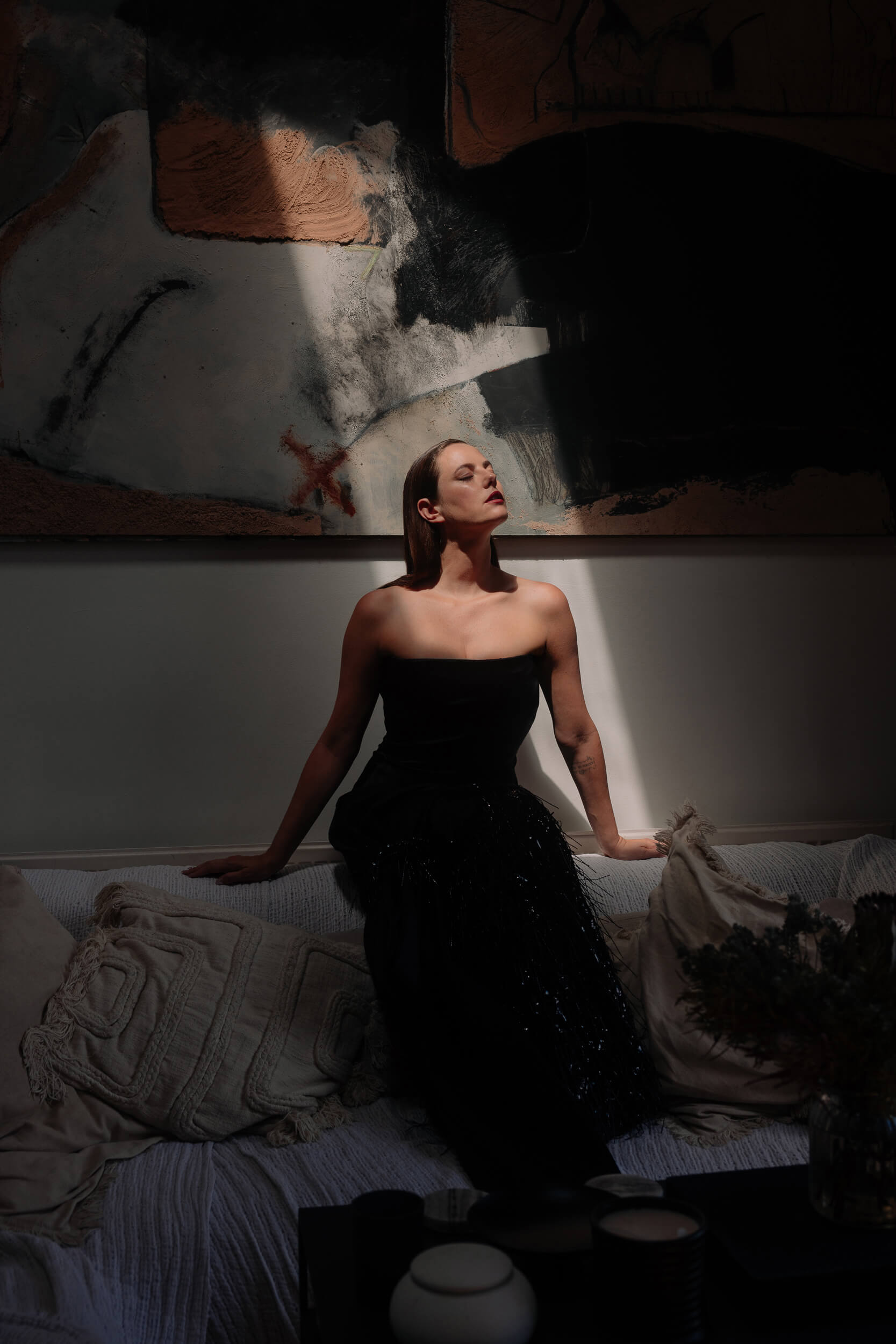
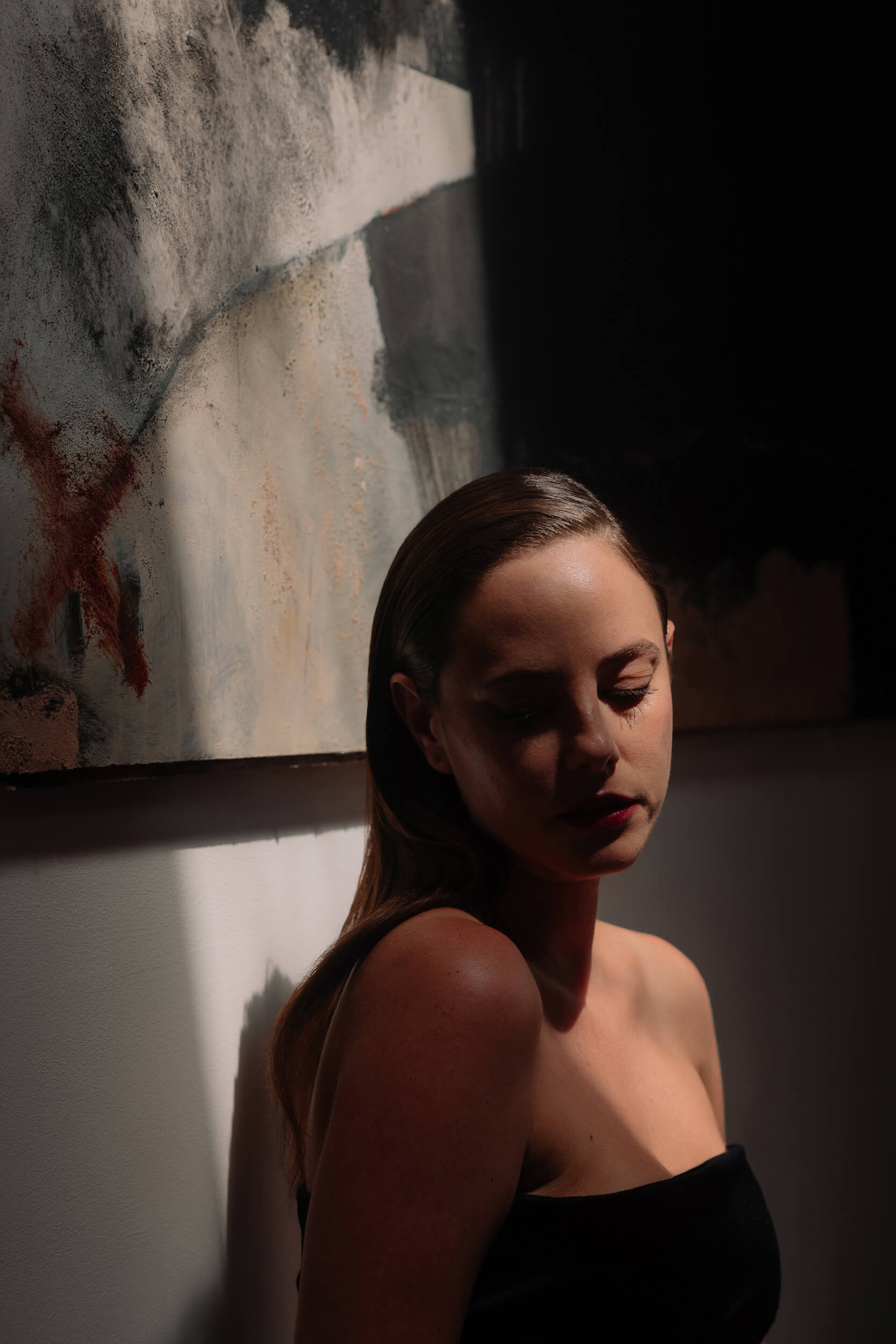
At one point, someone tells Susie, “Your heart is black, your soul is poison.” How do you think Susie would describe herself? And how would you describe her?
It’s interesting – I think she’d want people to believe that about her, that her heart is black and she’s soulless. To her, that seems like power; she wants people to be afraid of her, wants to be in control. But I think the truth is, in that moment on the phone call, we see that it actually hurts her deeply, that she’s uncomfortable with it. If you look at her loyalty toward her father, her brother, and Eddie, it’s clear she does have passion, she does have love. She’s just afraid to show it, because she’s spent so many years building a structure that protects her – and protecting herself is very important to her.
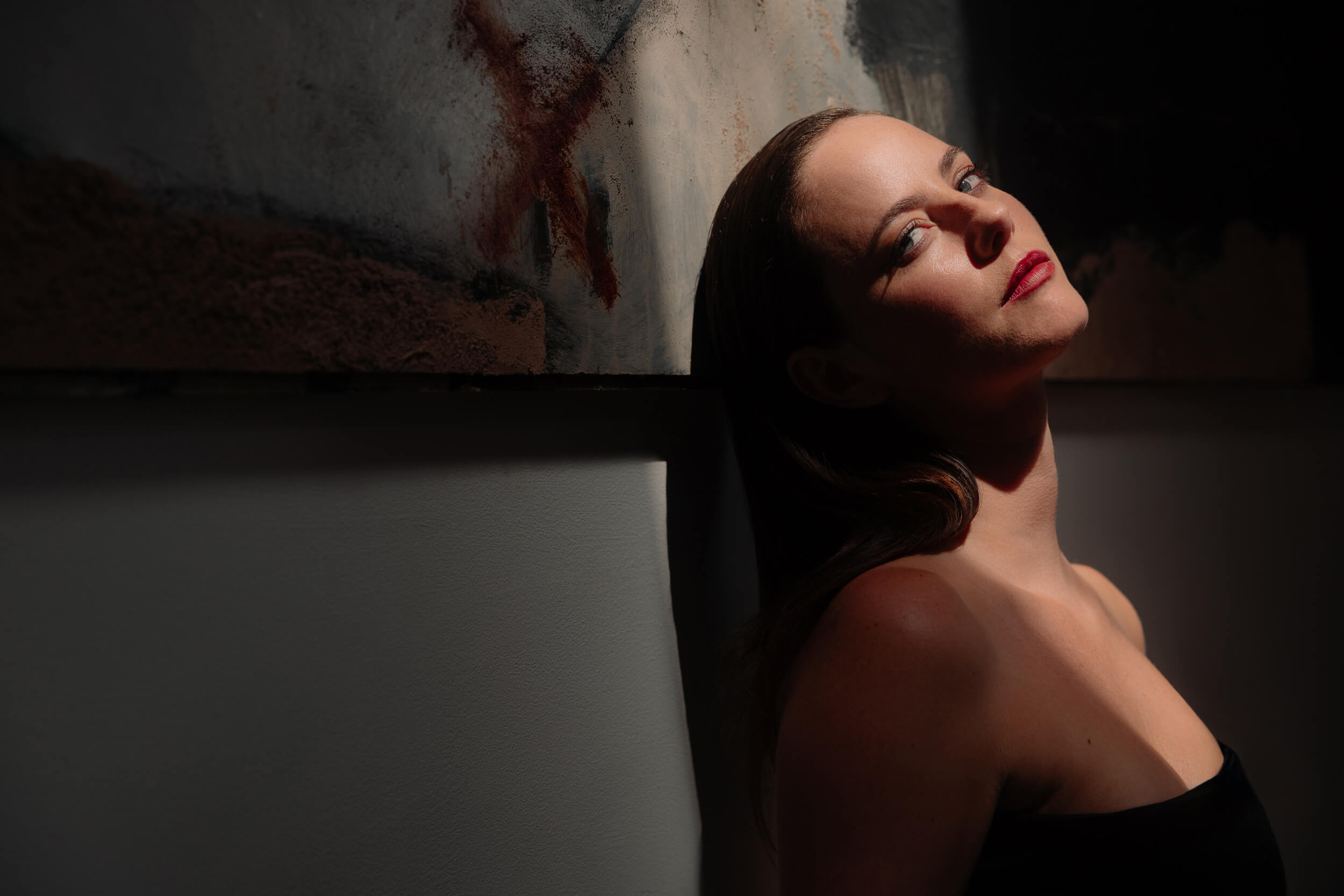
Acting gives you the chance to discover new parts of yourself through all the different lives you get to live. What’s the latest thing you’ve discovered about yourself thanks to playing Susie?
So much, actually. I’ve always enjoyed playing strong characters – though honestly, I think every female character is strong, because every woman I know is strong. I’ve always enjoyed stepping into that “male” space, but with Susie it was about learning how to do that while staying feminine. I’ve played a lot of physically strong women in action movies, but there’s something about Susie’s strength that’s still delicate and feminine, and that’s somehow even more powerful.
I learned how to walk in the highest heels I’ve ever worn. It’s funny – on a night out, as myself, I have to take my heels off at a certain point. But as Susie, I can stay in them for ten hours of shooting. I think that’s psychological. It sounds silly, but something happens where I know Susie needs the height, needs the power – it informs how she stands, how she walks, how she talks, and it becomes part of her. Some physical shift happens where I simply don’t feel the pain when I’m wearing heels as Susie.
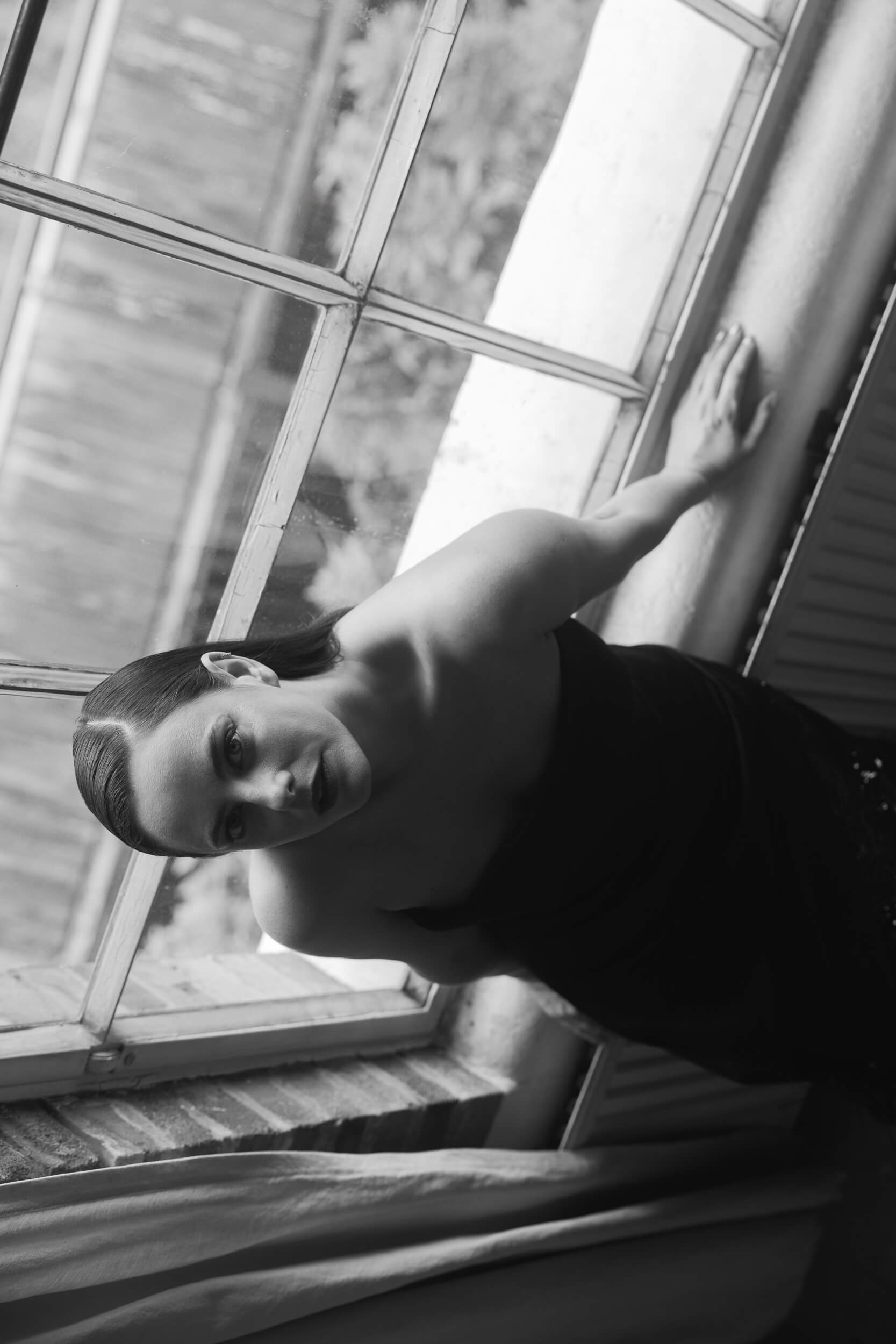
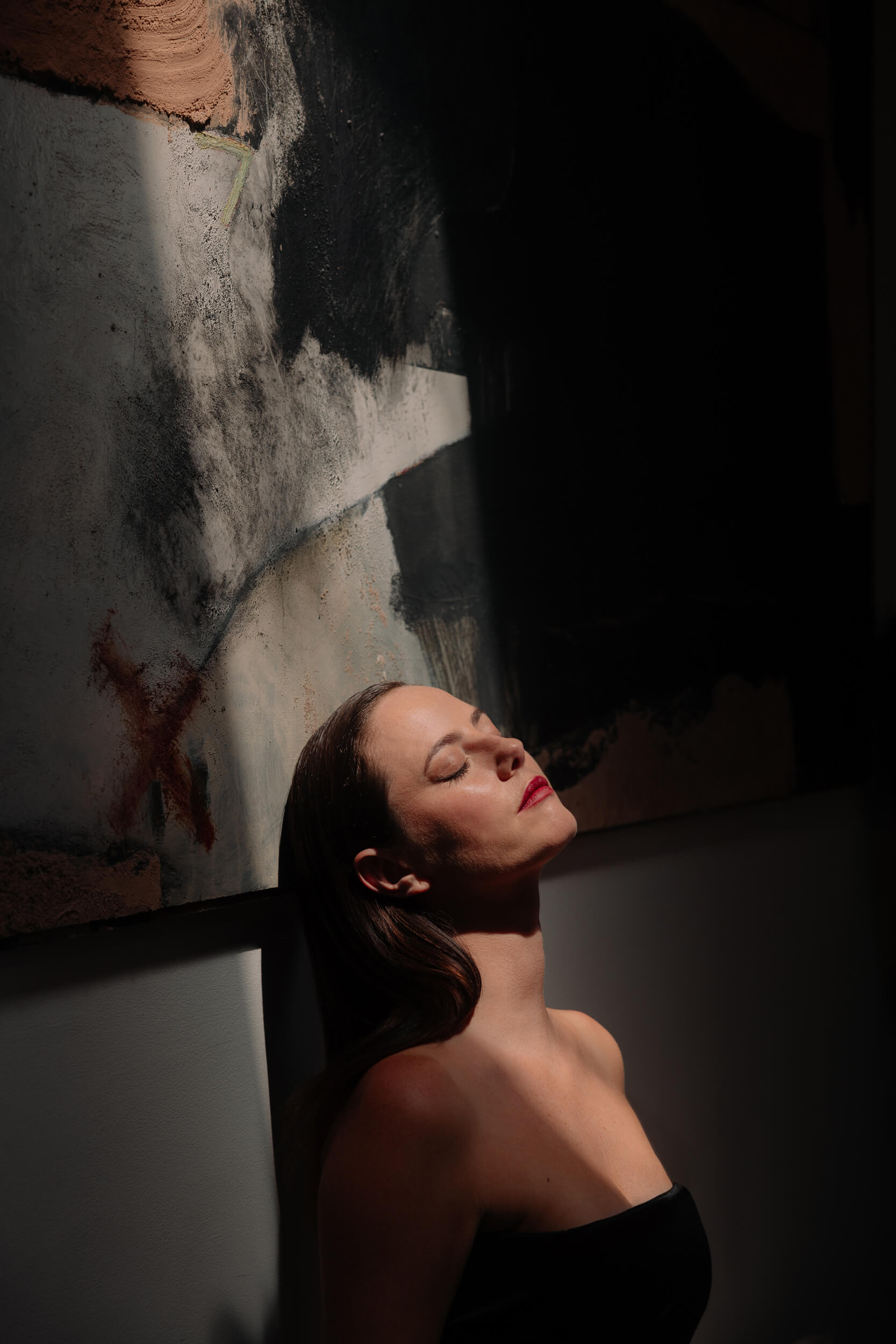
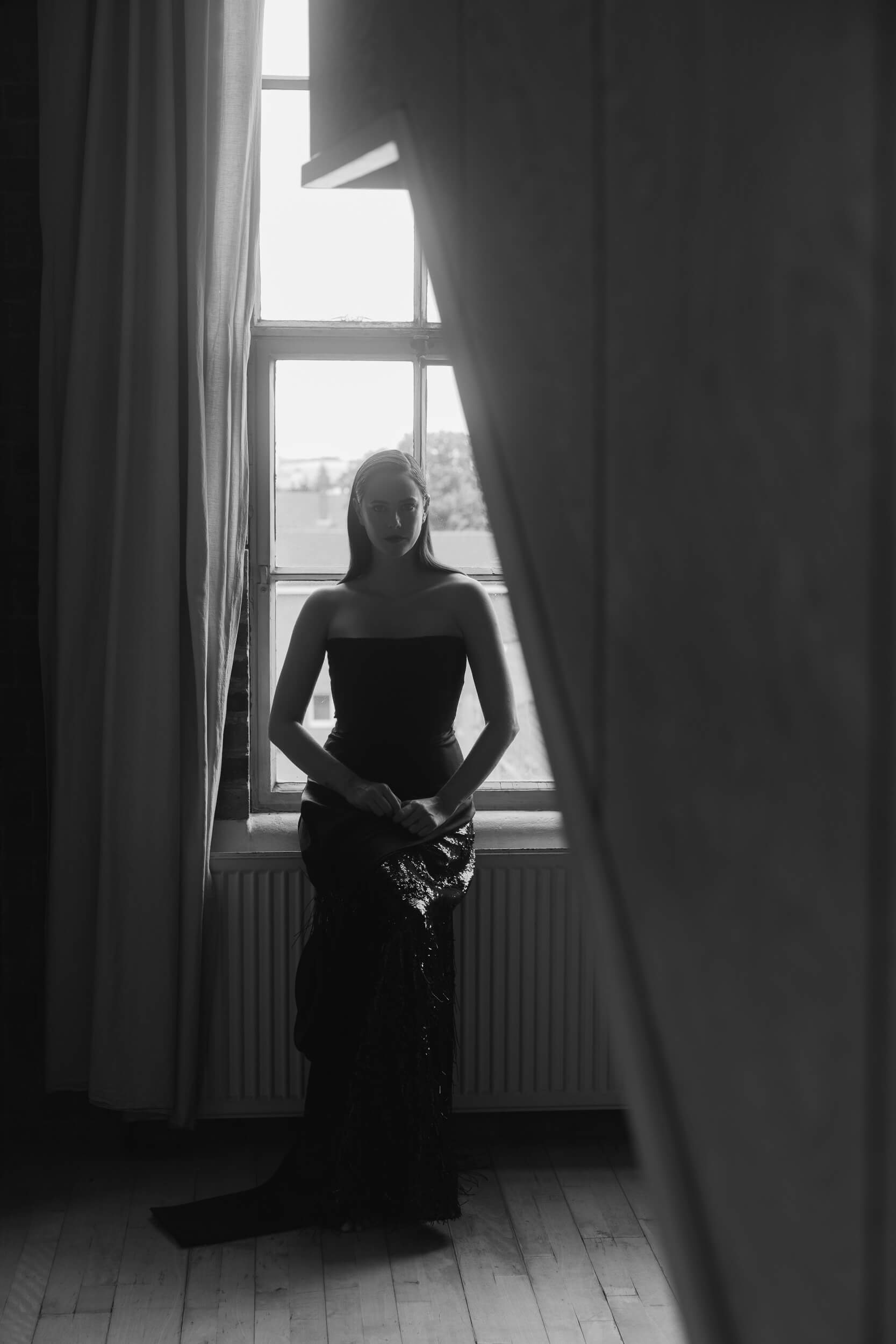
That’s really interesting. I also read another interview where you said she’s very dangerous, very intelligent, and very well dressed – and every time she appears on screen, she’s wearing another incredible look. I think, like the heels, that’s another way for her to bring her power to the table.
Definitely – it’s a form of armour for her, like a knight going into battle. There’s something intimidating about the fact that she takes the time to put all these pieces together so perfectly and arrive so composed. I think, as women and men both, we know that feeling – sometimes you wear something special and it gives you an aura, you suddenly stand differently. It doesn’t have to be expensive or beautiful, just something that means something to you and pushes you forward as a person. I think Susie does that every single day – she needs that armour on to go out into the world.
Yes – mostly with Chanel bags.
Yes, very important [laughs].
The relationship between Susie and Eddie is very intense, and there’s always a tension between them. Toward the end, she becomes, I think, very protective of him, trying to stop him from becoming a monster. Do you think she succeeded?
I don’t think she did, and I find that really interesting. There’s something about the purity of love – whether it’s friendship or romantic love – in watching someone go down the wrong path and not being able to do anything about it. She cares, she sees it, and she tries to help him, but I think she’s also reached a point where she knows that’s his journey and she can’t ultimately interfere with it. That shows her own strength too – she knows her place, and she isn’t going to put herself in a vulnerable position again. She’s definitely protective of him, and afraid of him. But that’s what makes the dynamic so interesting. If we’d had them fall in love in season one, we would have missed all this nuance.
It’s something Theo [James] and I were passionate about from the beginning – we wanted a real journey and arc between the two of them, an honest, if heightened, version of what it would be like to navigate legality and danger together. Whenever people ask, “Why don’t they just kiss already?” – there’s no time, they’ve got things to do, they’re busy. I love that we’ve kept that. It wouldn’t make sense for them to suddenly be off on a honeymoon. There’s work to do. And it was important for us to show the darkness in him – I think that’s going to really shape where Susie goes next.
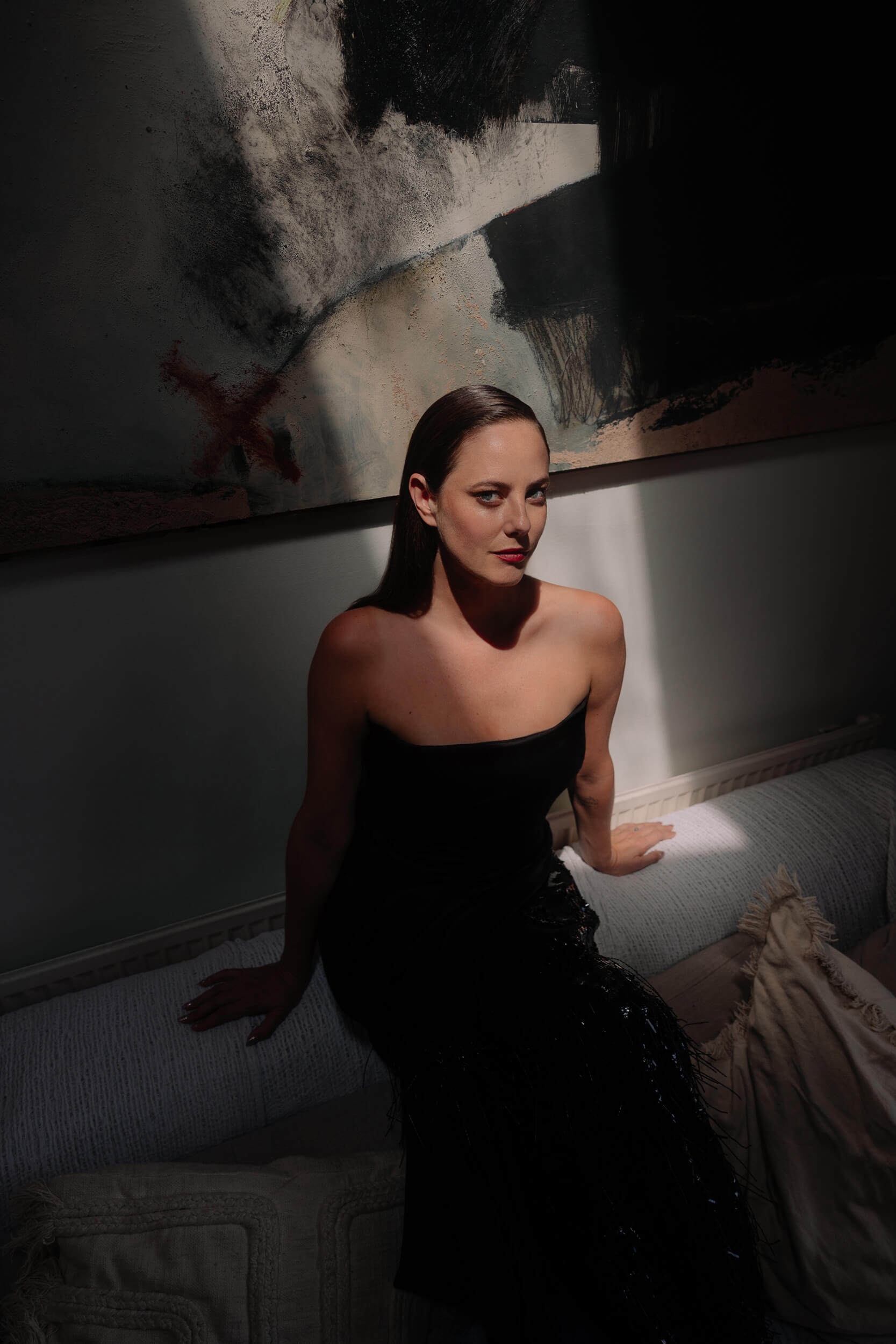
“There’s something about the purity of love – whether it’s friendship or romantic love – in watching someone go down the wrong path and not being able to do anything about it.”
Even though I completely understand people rooting for Susie and Eddie, I loved that this season still doesn’t show anything romantic between them. I’ll admit I found myself rooting for them anyway, especially when Eddie is marrying Bella, but I think it’s more real this way, even if it doesn’t give us everything we might want.
I agree, and I think it gives us space and time. There are subtle nods to it, though – I think it’s fabulous that Susie wears white to the wedding.
I was like, “Oh my gosh, she’s wearing white” with the red flowers.
Who else would be brave enough to do that? She’s the only woman I know who would. I love her so much. We actually had to fight for that – the producers weren’t sure, but the costume designer, Loulou [Bontemps], and I really pushed for it, because it’s not an act of desperation. It’s that she’s so relaxed, so calm, so comfortable with their dynamic that she can do something like that and it doesn’t even register. That, to me, is true power.
In the last episodes, there’s a lot of talk about evolving and transforming. What kind of evolution would you like to see in her, if any?
I’d like to see her take her place in the business seriously and move up – come out from under her father’s shadow a little. And I’d like to see her genuinely enjoying it, feeling like she’s doing a good job.
Me too. Without giving away any spoilers, by the end, forgiveness almost becomes the story’s central theme – the question of whether it’s truly possible. Do you think that kind of forgiveness is possible?
I think forgiveness is one thing and redemption is another – I don’t think the two are the same. There’s something between Eddie and Susie where they’ll never fully trust each other, and I think that comes fundamentally from the British class system and the fact that they’re from completely different worlds. There will always be some mistrust, always a worry that one is deceiving the other. But I do think they’re able to forgive each other, and I think he’s probably the only person Susie has ever fully forgiven. That doesn’t mean she trusts him yet, though.
I think once you said that acting felt like breathing, during a time when you were quite shy and anxious. What does it mean to you now? Has that evolved, or is it still something like therapy for you?
It’s where I’m most at peace. I have a very busy mind – I don’t really understand it, and I never have. But on set, in the ten seconds before they call “action,” I find a peace I can’t find anywhere else in life. I can’t find it meditating, in therapy, or even in sex. It’s these ten seconds of absolute calm where I’m no longer me. It’s probably a form of dissociation, but luckily, I’ve managed to build a career out of it. I’m glad I get to experience it at work, rather than with my friends. It just brings me so much joy. I find human beings beautiful. I love the world, I love people, I love how messy we are, the decisions we make. I’ve always been interested in trying to understand why we do the things we do, why we hurt each other, why we fail, why we succeed. You mentioned earlier that I get to live a thousand lives, and I really do. I never went to drama school, I don’t use tricks, I don’t plan ahead what my character is going to do. I try to be as present as possible, and to react and feel and emote in the moment. That brings me real peace. It feels like breathing – there’s an ease to it, even though it’s also incredibly complicated.
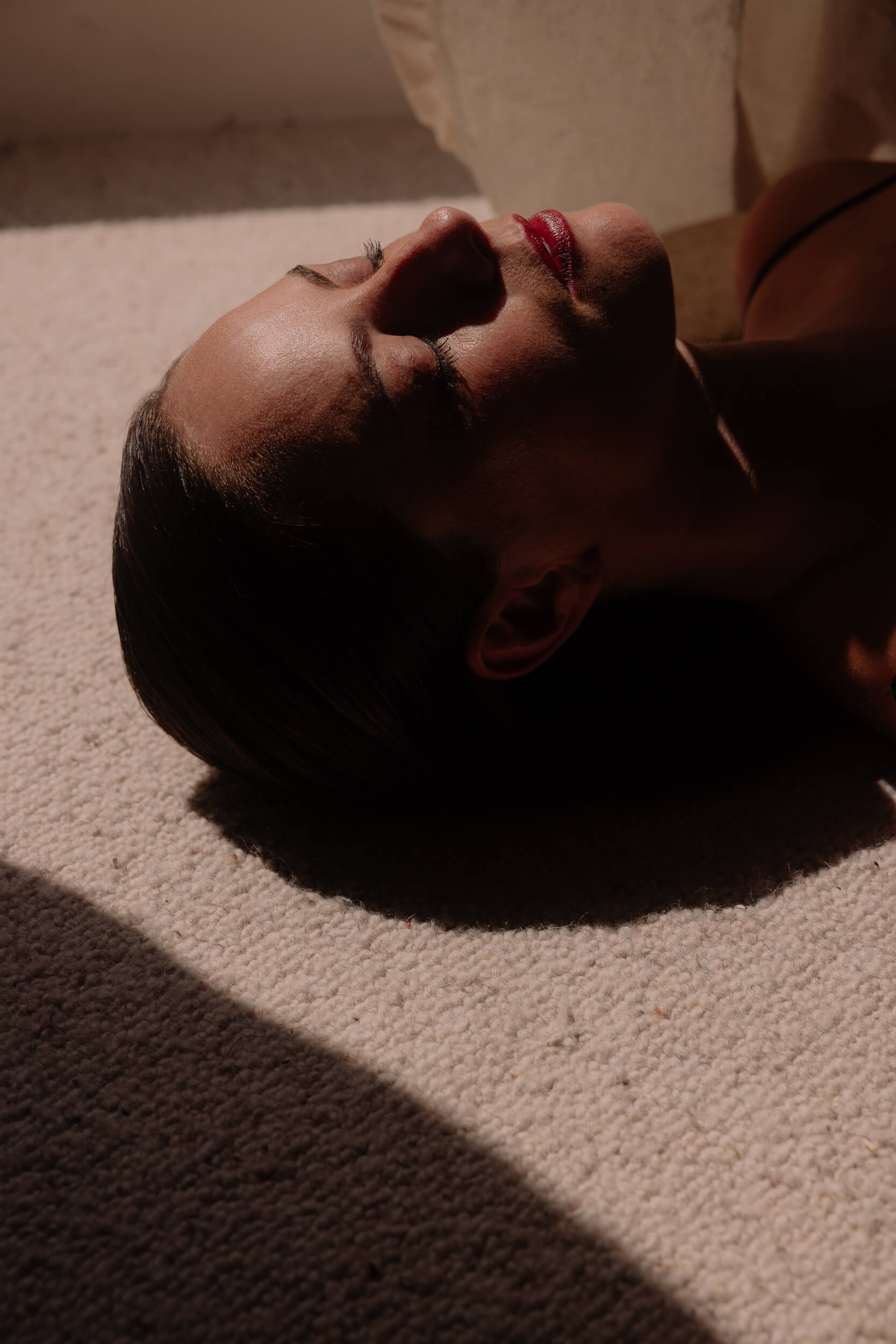
That’s very powerful. It’s beautiful when you manage to find something in life that truly brings you peace. Of course, I imagine there are still obstacles along the way, but as you said, when the camera starts rolling, that’s something special to have found.
Yes, definitely. I feel very lucky that a childhood dream has become a reality. When people ask if I enjoy it, I always say yes – I love it. But I’m also very aware of how rare it is to actually enjoy your work. I watched my parents work three jobs at a time growing up; I have friends who struggle every month just to pay the bills. The fact that I can earn a living doing something I love is genuinely rare, and I’m very grateful for that.
There’s a double edge to it, though. My peace, my happiness, happens in the moments the public never sees – at five in the morning, freezing cold, working with two hundred crew members. That’s where I’m happiest. The other side – fame, for lack of a better word, having to “be me” publicly – can sometimes be really damaging and scary. Even after twenty years of doing this, it’s nowhere near as comfortable as when I’m someone else.
I think doing something you truly love, in your work and in your life, is something amazing. In my own small world, I founded The Italian Rêve with Johnny – I do what I love – and it comes with a lot of problems and anxiety too. But compared to people around me who only do what they have to do, I feel very fortunate.
It’s interesting, because for you it might feel small, but for someone who loves your contribution and your magazine, it’s huge. It’s all a matter of perspective, isn’t it? We don’t always realize the impact art can have on people. That’s really joyous too, that we get to create something, and even if not everyone loves it, maybe there’s one person it really inspires, or makes feel something, or makes them think or question something. As human beings, I think it’s important that we deal in creativity and art, in things that question what it means to be human. That, to me, really matters.
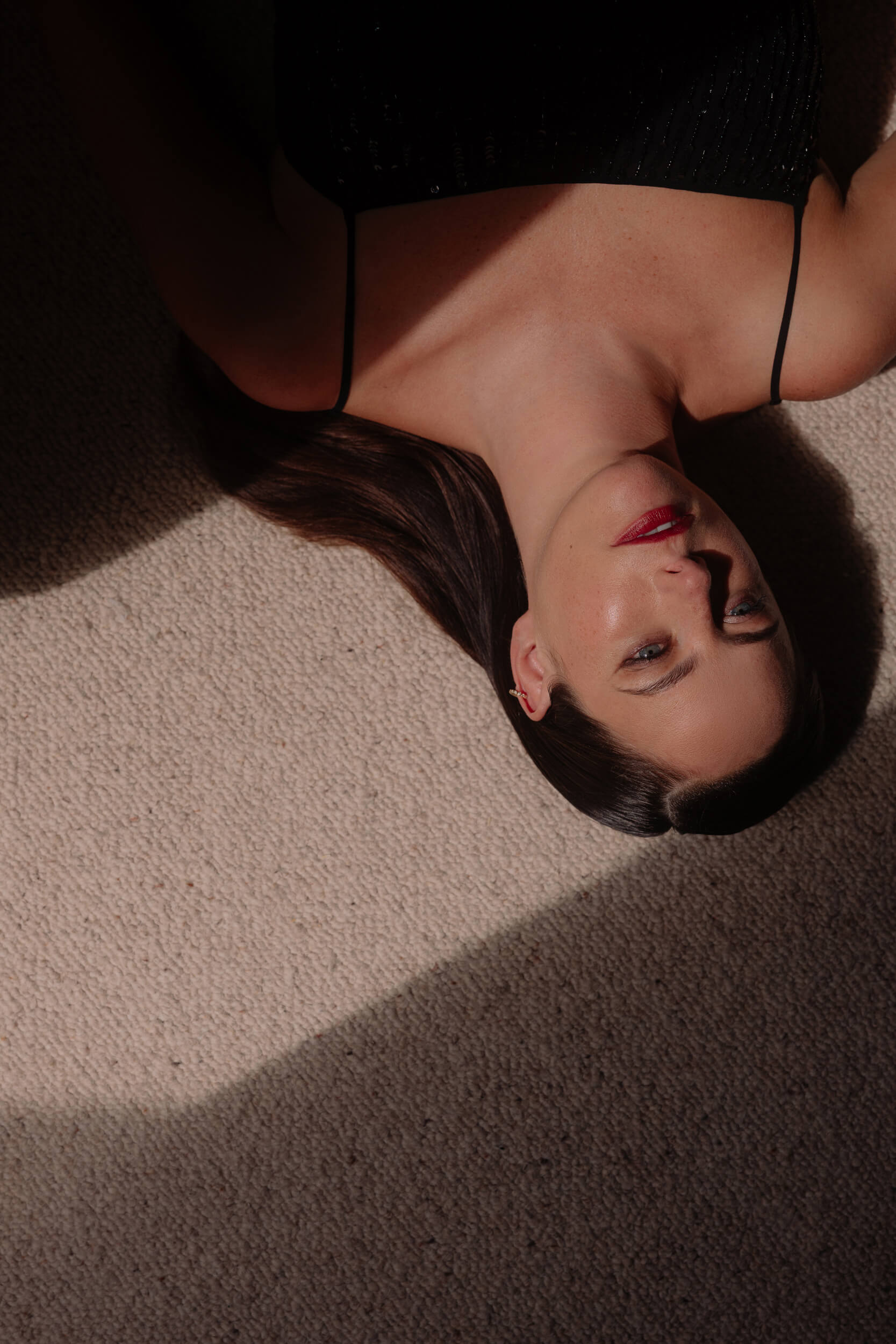
“My peace, my happiness, happens in the moments the public never sees”
Thank you, thank you very much. What moves me the most, I think, is talent – when I see someone acting, or directing, or I go to the theater or a concert, I love people who really know what they’re doing, who have real talent. It moves me every time.
I agree completely. I find it the sexiest thing in a man, honestly – it doesn’t matter what the talent is, but if you’re really good at it, and passionate about it, and want to keep evolving it, I find that so compelling.
The series takes us from London to the countryside, all the way to Italy, on the shores of Lake Maggiore. Did you enjoy that shift in scenery? And if you could choose any place to wake up every day, with any view outside your window, what would it be?
I love that question. I think it’s one of the most exciting parts of the job – you never quite know. You read the script and it says, “They go to Italy,” and you think, “Oh my God, are we actually going to Italy?”. Sometimes, the answer is no, sometimes you’re just filming in a studio built to look like Italy. But when it is real, it’s an absolute dream. One of the great joys of my job is the travel – I think it’s so important for us as people, to see the world, see how others live, understand different cultures. I’ve been fortunate to film in some beautiful places, and Italy is genuinely among the top three places I’ve ever worked in my career. We had the most incredible time there – we met beautiful people, and it bonded all of us, cast and crew, through the culture, eating meals together, taking walks together, swimming in the lake, renting boats, and acclimatizing to the culture out there. We were only there for three or four weeks, but it felt like we lived there by the end.
But if I had to wake up in the morning anywhere in the world, it would be in Brazil, in Rio De Janeiro looking out over Sugarloaf Mountain.
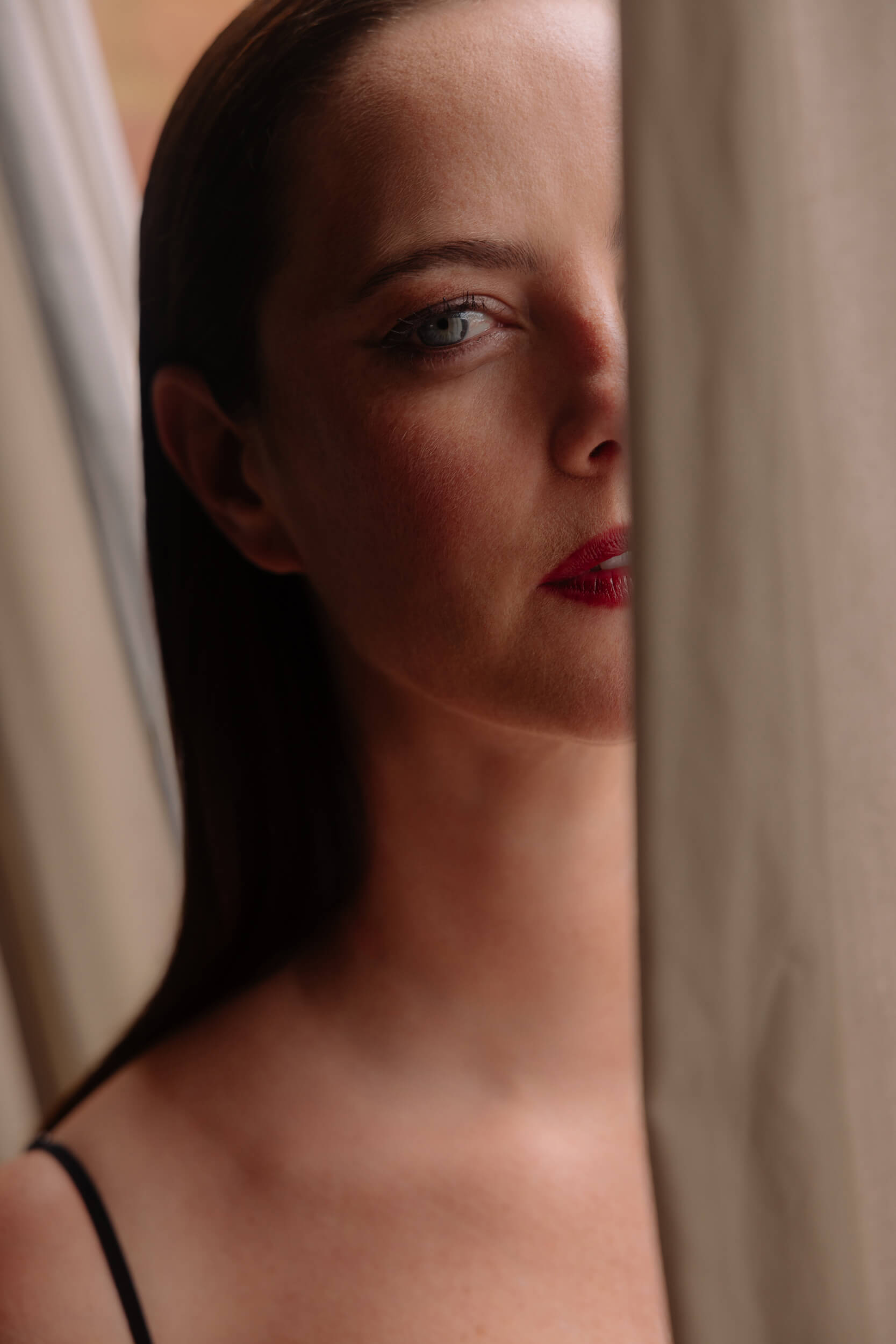
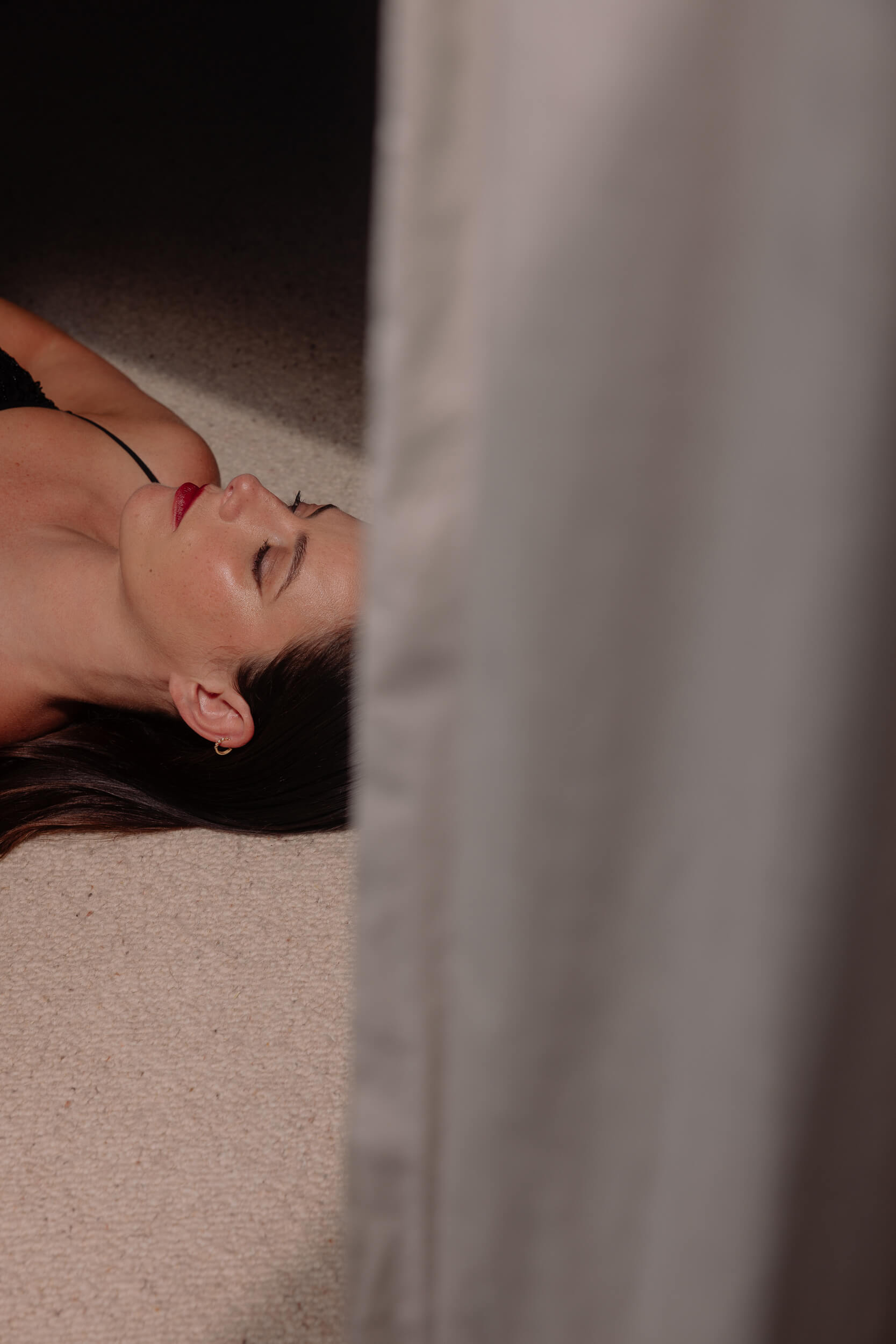
Wow. I’d love to visit Brazil someday, perhaps next summer.
Back to the show, another thing it did very well, and which is not easy to do, was avoiding making Italians look… too Italian! [laughs]
That was thanks to the incredible Italian actors that we had and the fact that they knew that we didn’t want stereotypes. And in a show like “The Gentlemen” that could happen, it could have easily become a bad episode of “The Sopranos”. Again, I think that’s credit to the great Italian actors that we worked with, that made sure it was still grounded and they gave beautiful performances. Performing in a second language is incredibly difficult because your brain is unable to completely relax into the emotion because you’re always thinking about the other language. I did it once, on “Senna”, speaking in Portuguese, so I know what it means, and I give full credit to our Italian actors because it’s a very difficult thing to achieve, and they did it with class, beauty, strength and everything in between.
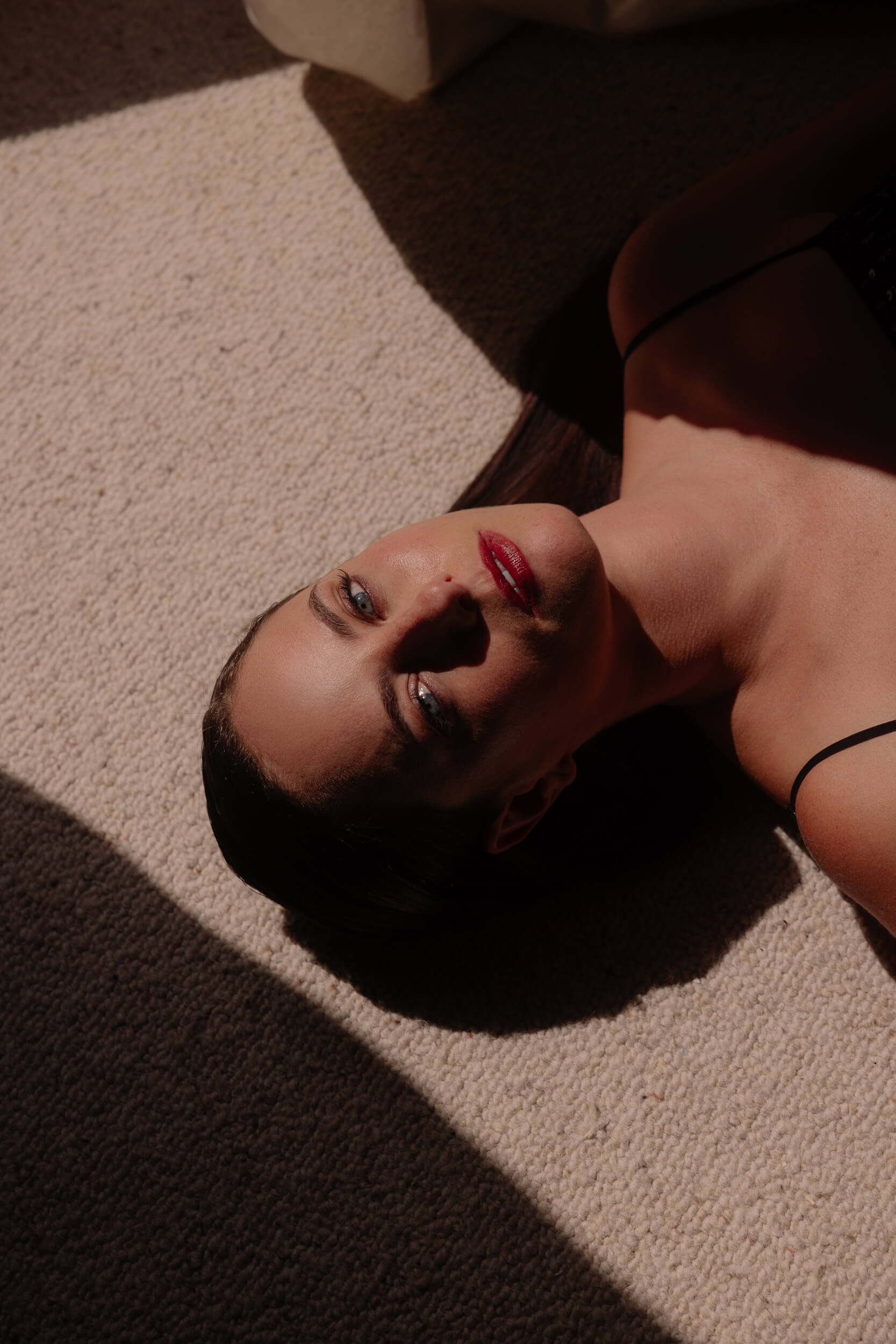
Are you reading anything at the moment? What’s the book on your bedside table?
Architectural Digest, my favourite magazine, or I’ve recently started reading puzzle books. I love reading, but I’m too busy to read, I can’t tell my brain to stop, although reading has been a passion since I was child – my son, for example, is 9 and he’s fallen in love with reading, he reads three or four books a day. But if I’m working, I find it too difficult, so I do puzzle books, I do murdle books – I’ll spend six hours just doing that.
You know, yesterday I bought from a bookshop two books called “Homework for adults” that sound like what you’re talking about!
Yeah, you know, it’s funny because when I was at school I hated doing homework, while now I just want to learn, I want to grow my brain.
What does it mean to you to feel comfortable in your own skin?
I’ve never felt completely comfortable in my own skin, but I’m learning that that’s okay and that peace is the most important thing in life.
To me, feeling comfortable is being around a friend or a lover whom you can be stripped back with – no makeup, no hair done, no poses –, someone you can feel completely vulnerable with and honest around.
At the moment, I’m most comfortable in my own skin when I’m at home with my best friend Paige, and I’m cooking dinner for my kids. That is my happy place.
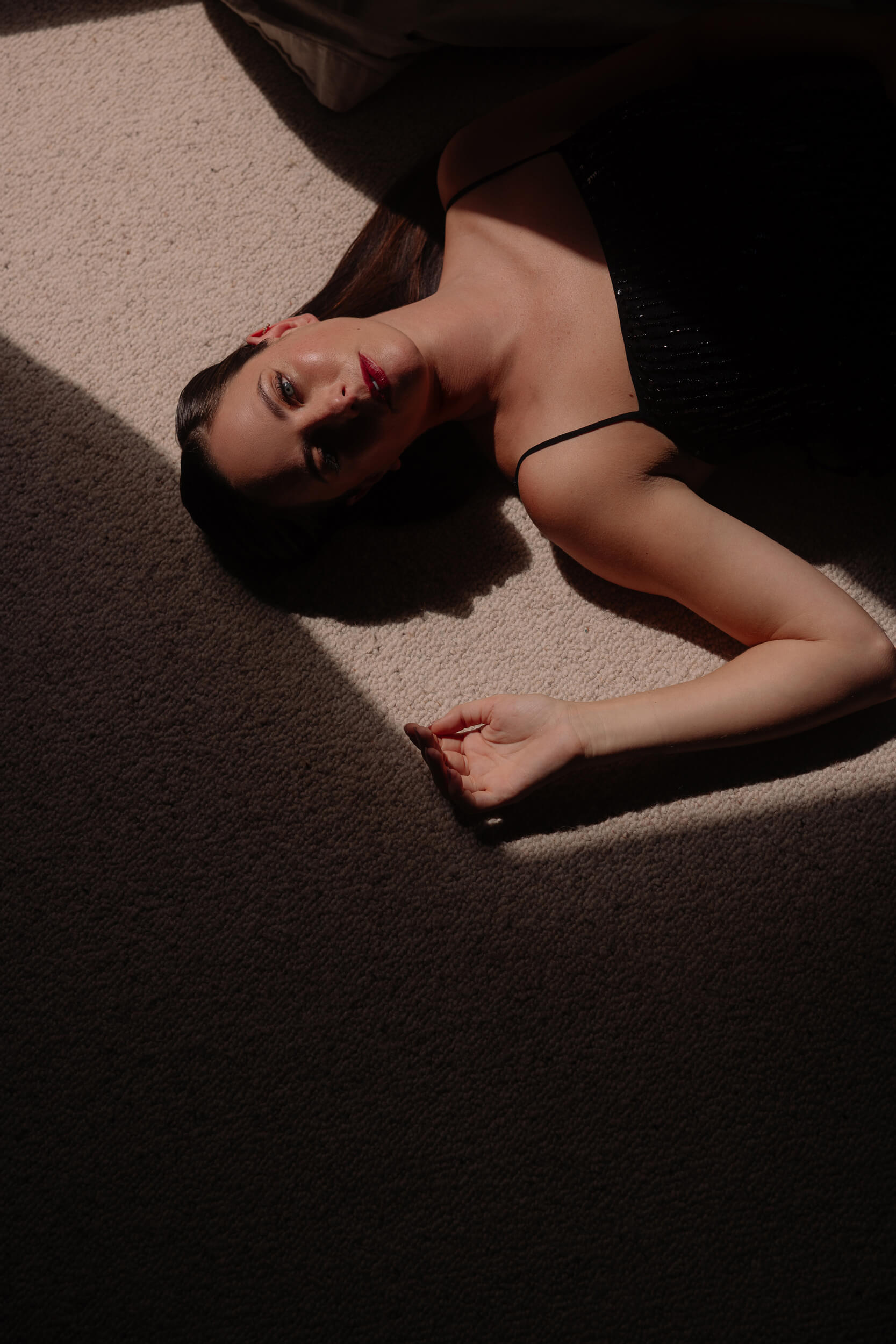
“Peace is the most important thing in life”
So, you like cooking?
I love cooking, it’s my meditation. I need to be busy, and I’m a messy cook – my Italian ancestry comes in. When I cook, there’s sauce up the walls, I’m tasting three things at the same time, something’s on fire all the time. I love the ceremony of it. I don’t know if it’s the same in Italy, but in Brazil we don’t serve in the kitchen, we bring everything out to the table and we serve each other at the table. I think there’s something special about taking time to make something look beautiful that everyone’s about to enjoy.
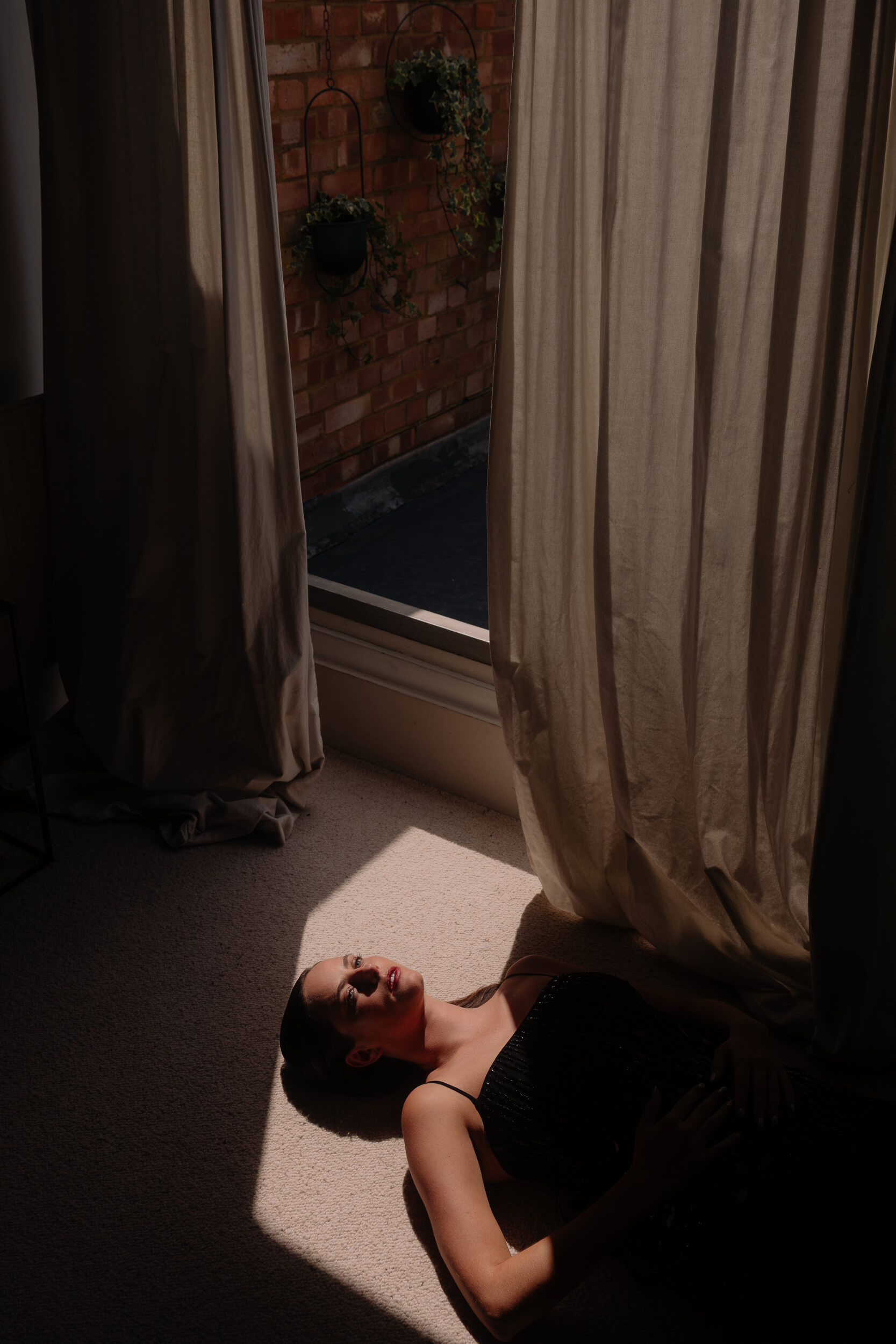
Last question: what’s your happy place?
I really love a place called Hampstead Heath, in London, which is a big open green space. I love being in London – I love chaos, music – but sometimes, I need to feel “small”, so I like going up there because it makes me feel very small.
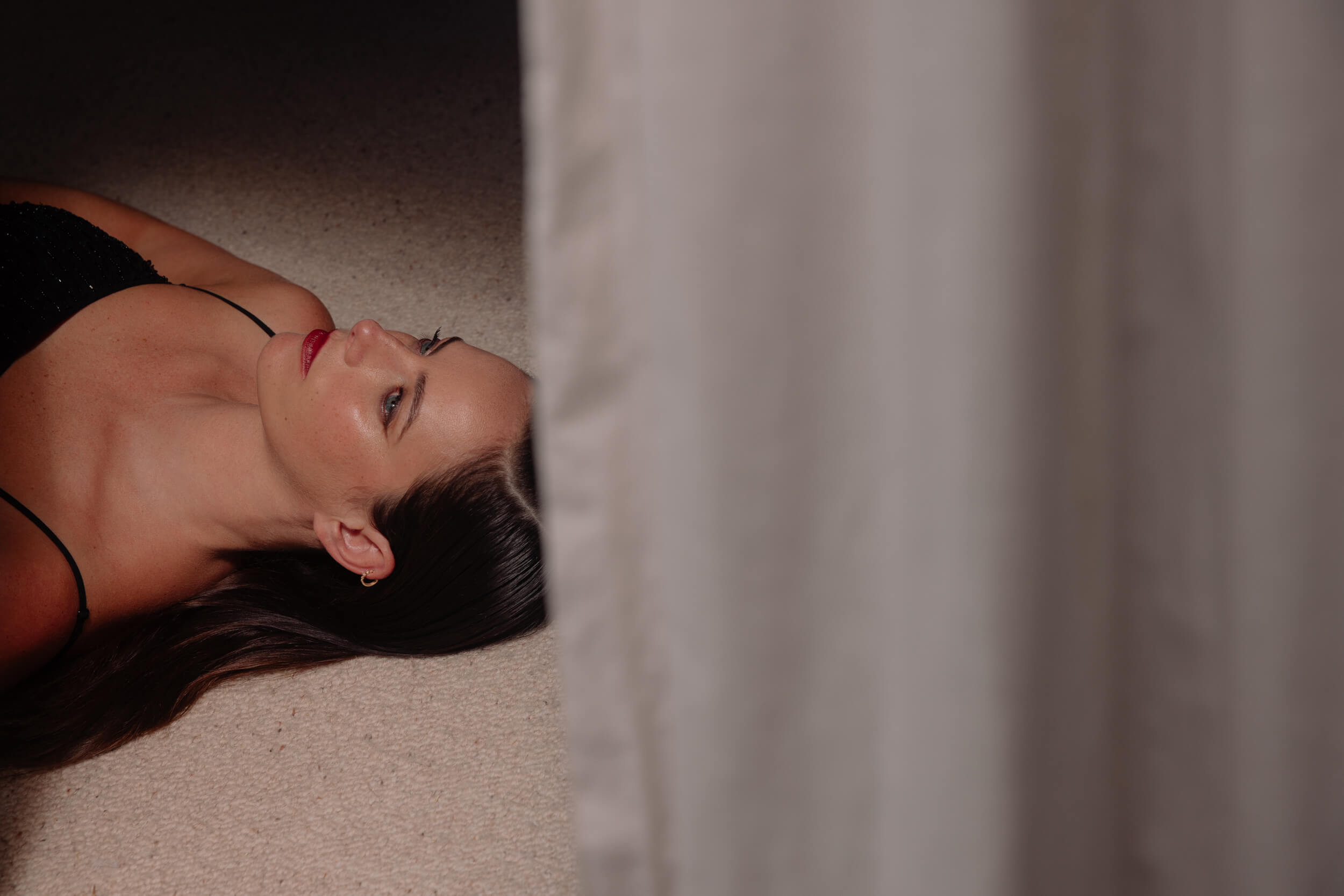
Photos & Video by Johnny Carrano.
Styling by Holly Gorst.
Makeup by Emma Day.
Hair by Bjorn Krischker.
Thanks to Public Eye Communications.