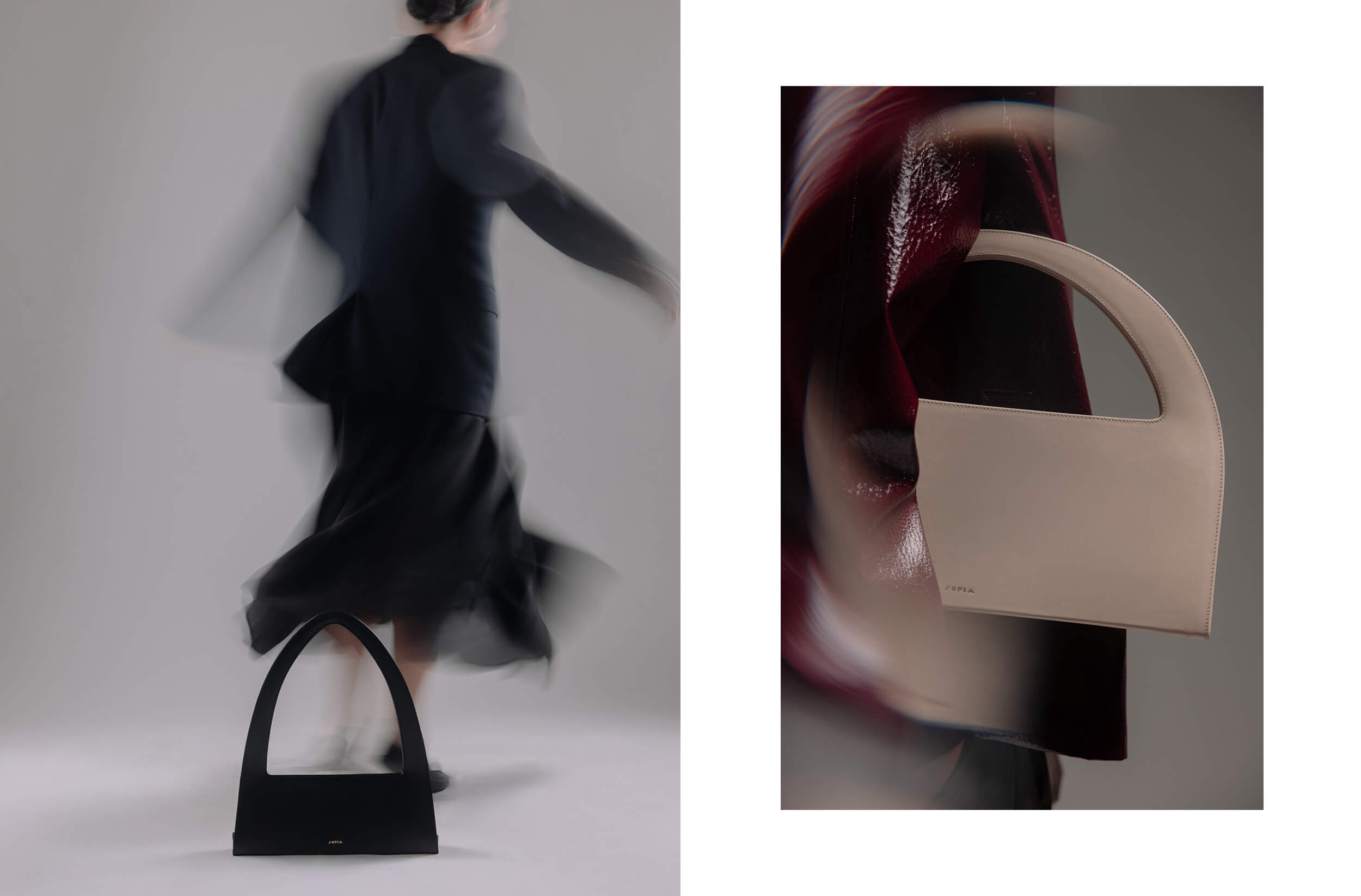
There are brands born from an idea, and others born from a person. SOFIA unquestionably belongs to the latter category. More than a handbag brand, it is an intimate narrative made of character, memory, craftsmanship, and heart-led choices.
Sofia Nardi, the brand’s founder, opens up with honesty, retracing the origins of a project that carries her own name as an act of presence and responsibility, and that claims the right to occupy one’s space without compromise. Between Made in Italy lived as a human relationship, slow luxury, love for the past, and an idea of style as an extension of identity, a vision of fashion emerges—one that speaks first to people and only later to objects.
My conversation with Sofia became an invitation to wear oneself, to listen to that inner voice that recognizes what resembles us, and to always choose with the heart.
Where did the idea for your brand come from, and what did it mean for you to launch a label under your own name?
I decided to call the brand Sofia, the way you call a person by their first name: when you use a name, it means there’s familiarity, that someone belongs to your circle, almost to your family. It’s a way of seeing a person for who they truly are, not for the role they play.
You know, I have a very people-pleaser personality—I’m working on it now, but for years I struggled to take up the space I deserved. That constant “let’s do what you want,” “it’s fine like this,” “you decide.”
With fashion, though, it has always been different. It’s one of the fields that made me fall in love with this world, and one where I’ve never been willing to compromise: there, I’ve always taken up my space, without hesitation. That’s why it felt coherent to give the brand my own name.
I’ve always wanted to convey the essence of the project by breaking down all barriers. The physical store moves me immensely: talking to people, telling them about the pieces, listening to their reactions. Even just seeing someone stop in front of the window and say, “this model is beautiful,” gives me a kind of satisfaction very few things can match.
Ultimately, choosing Sofia was a way to reach people’s hearts and personalities more easily. I wanted them to become attached to the person before the product. That’s also where the idea comes from that every model contains something that refers back to my life, my story.
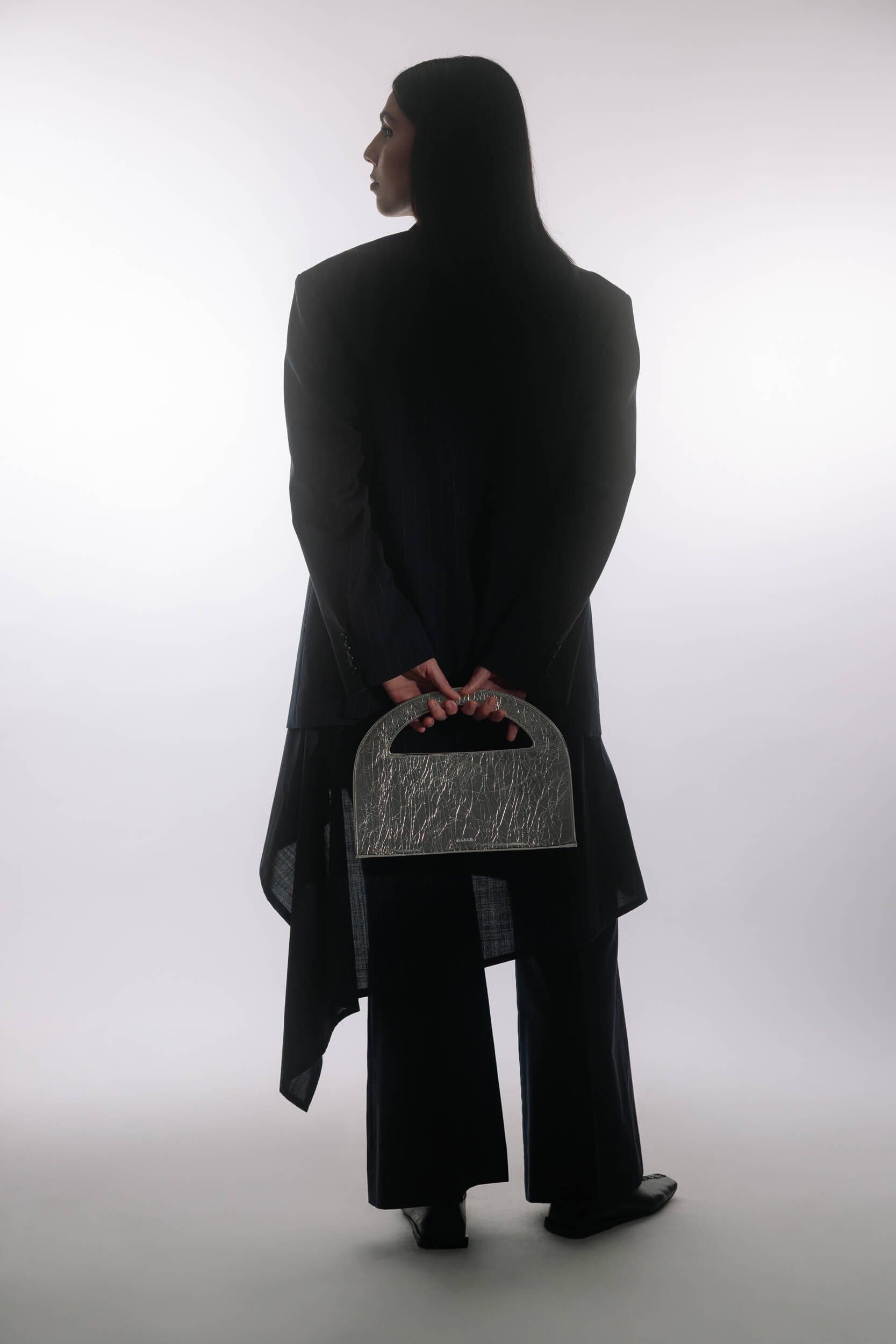
You mentioned the principles behind your project. One of the brand’s mantras is wear oneself: the courage to dress your alter egos. What message do you want a woman to feel when she comes into contact with one of your bags?
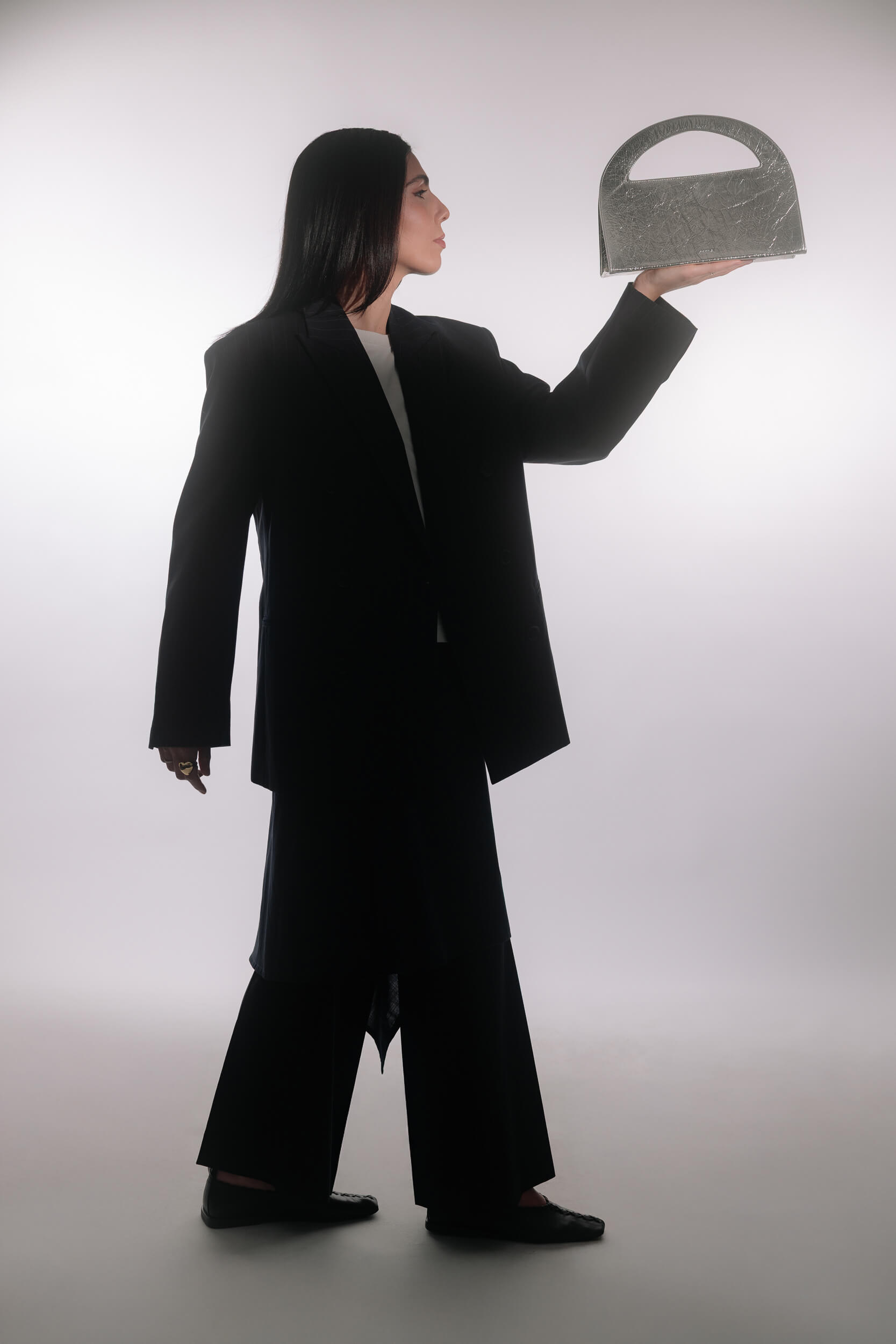
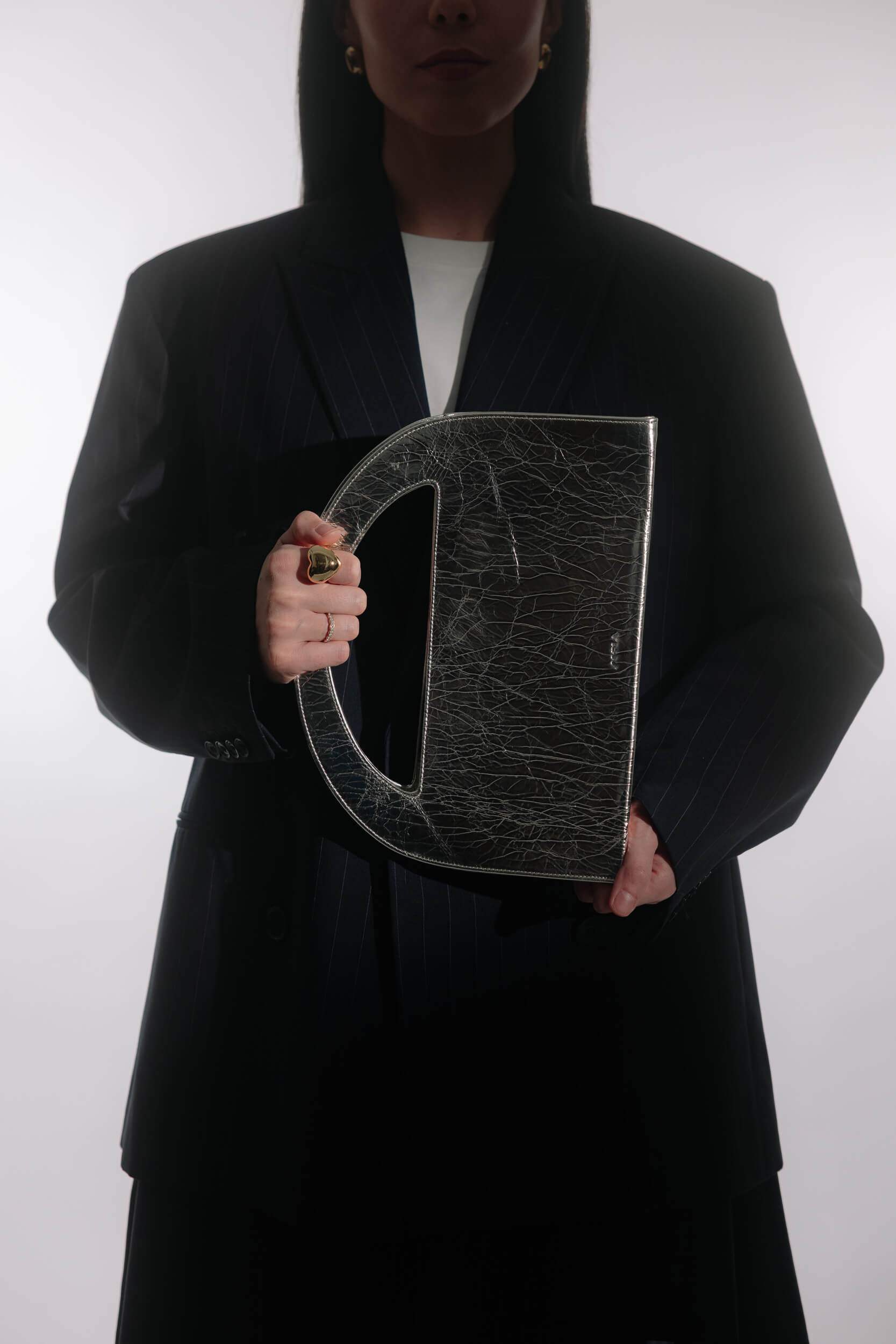
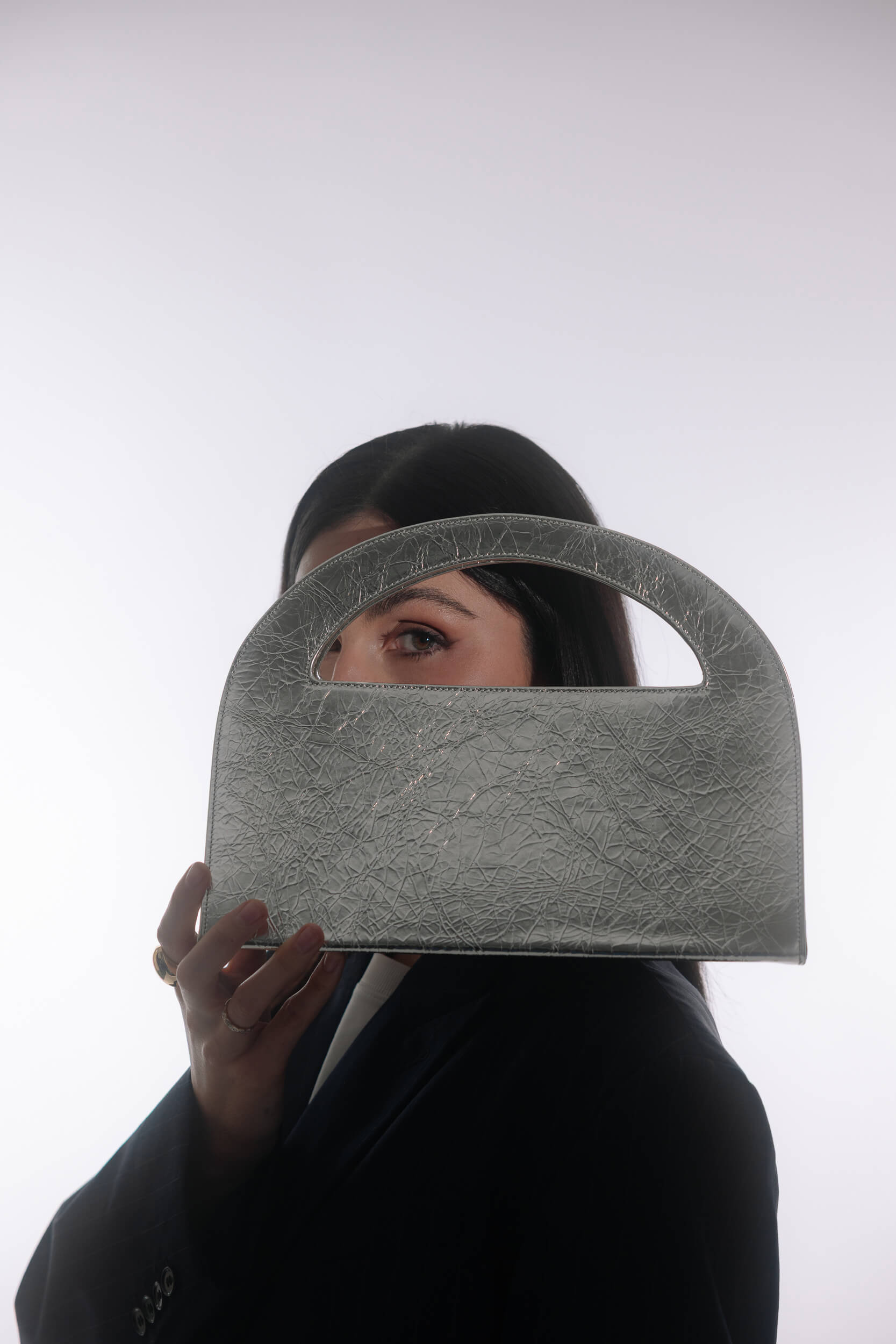
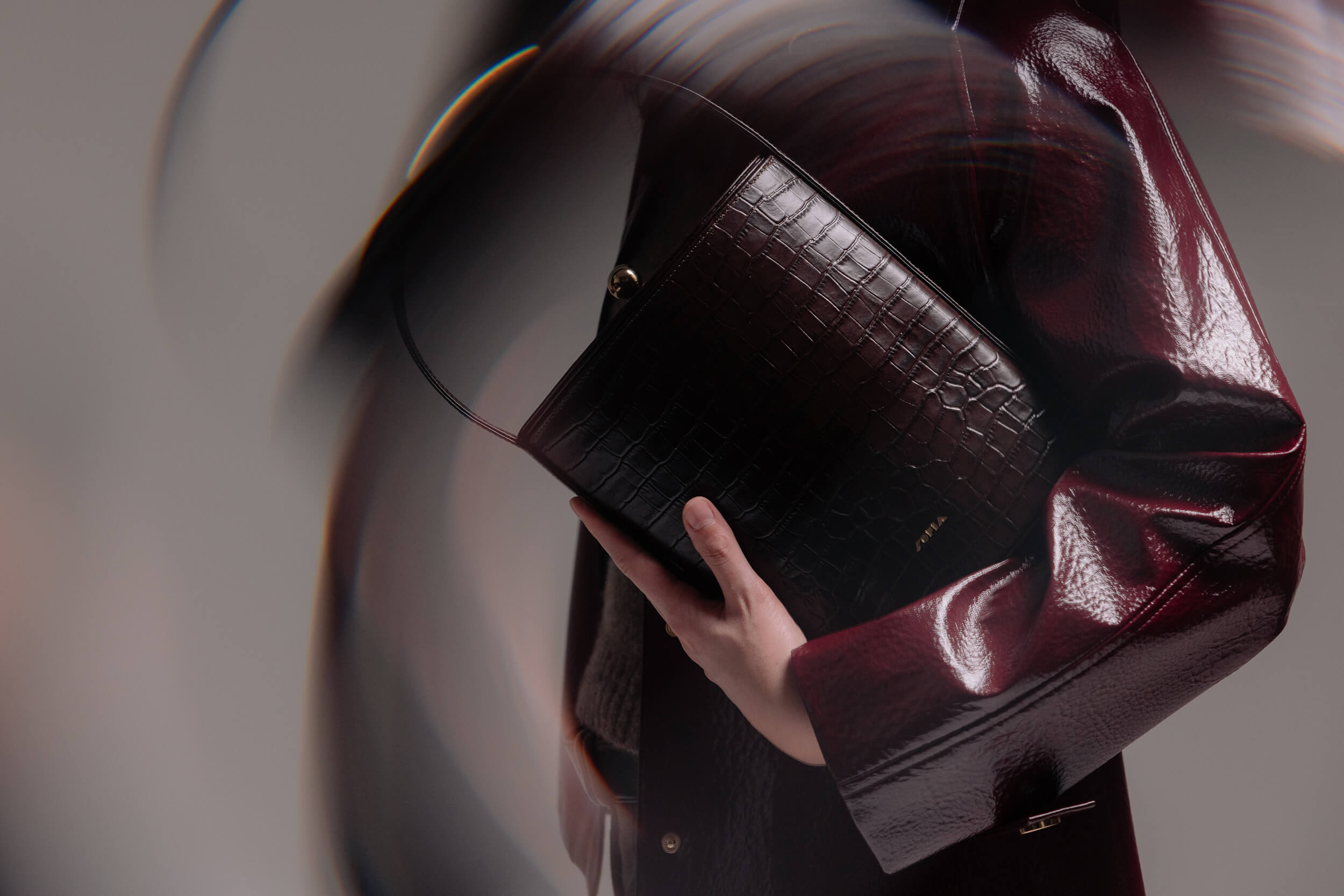
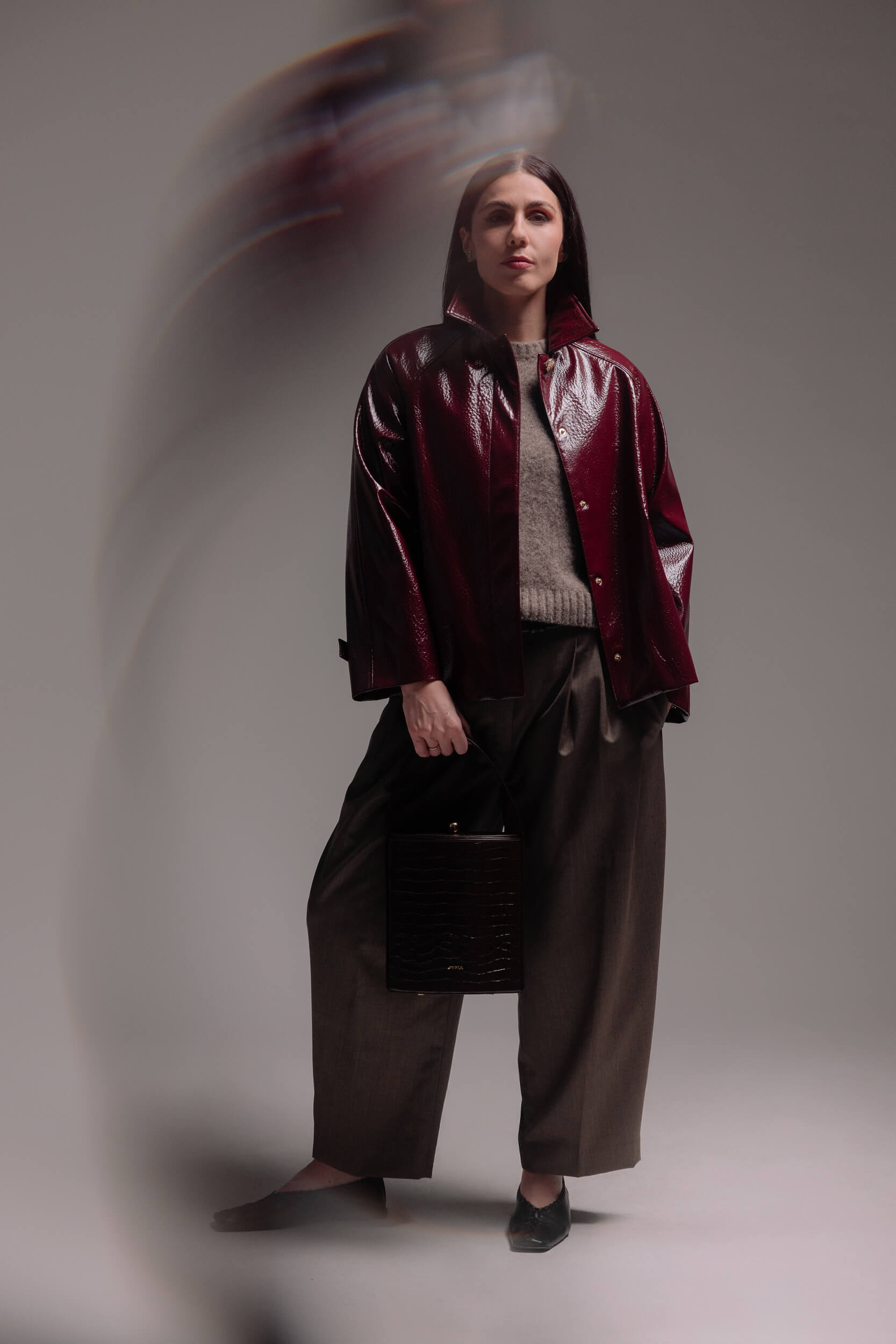
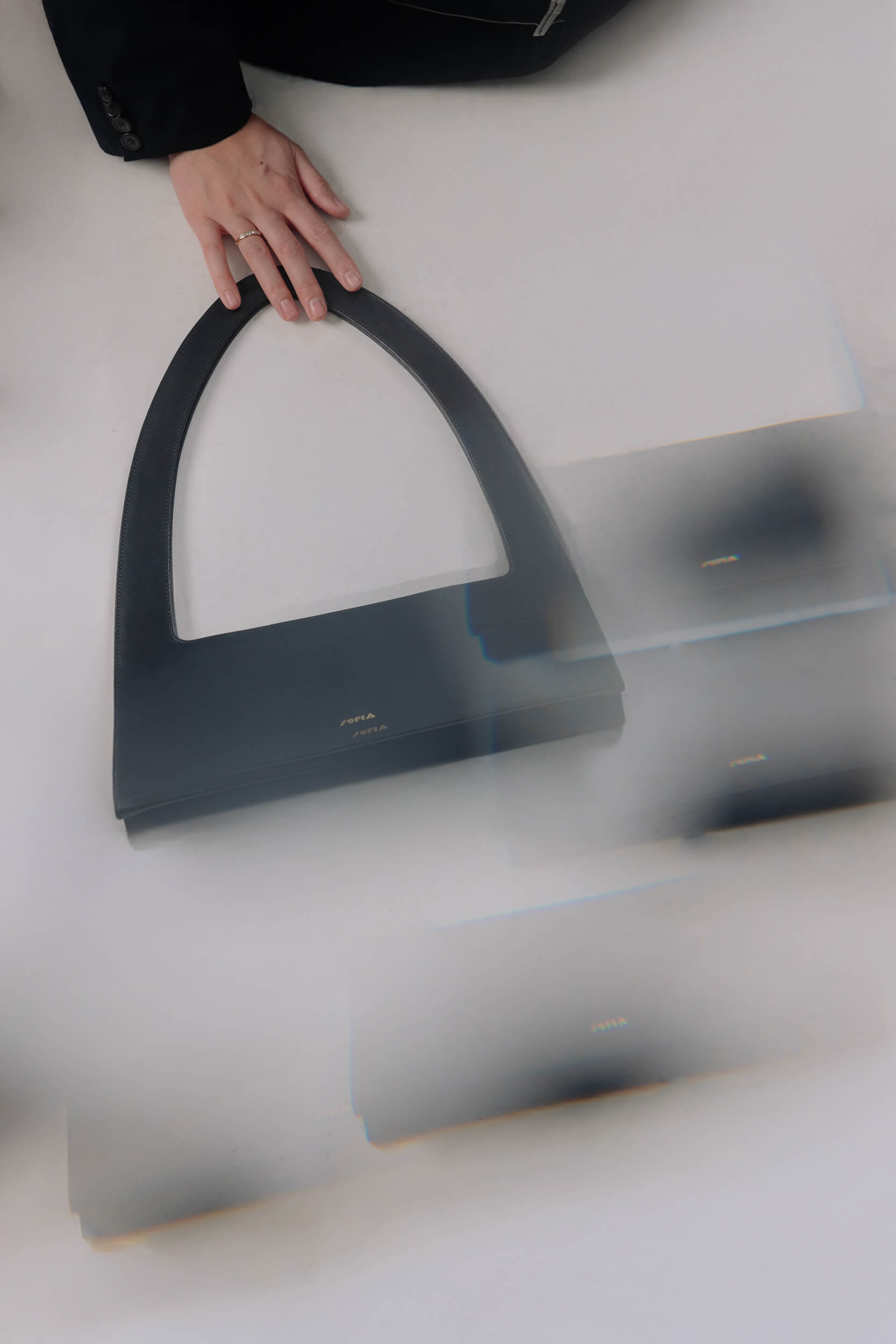
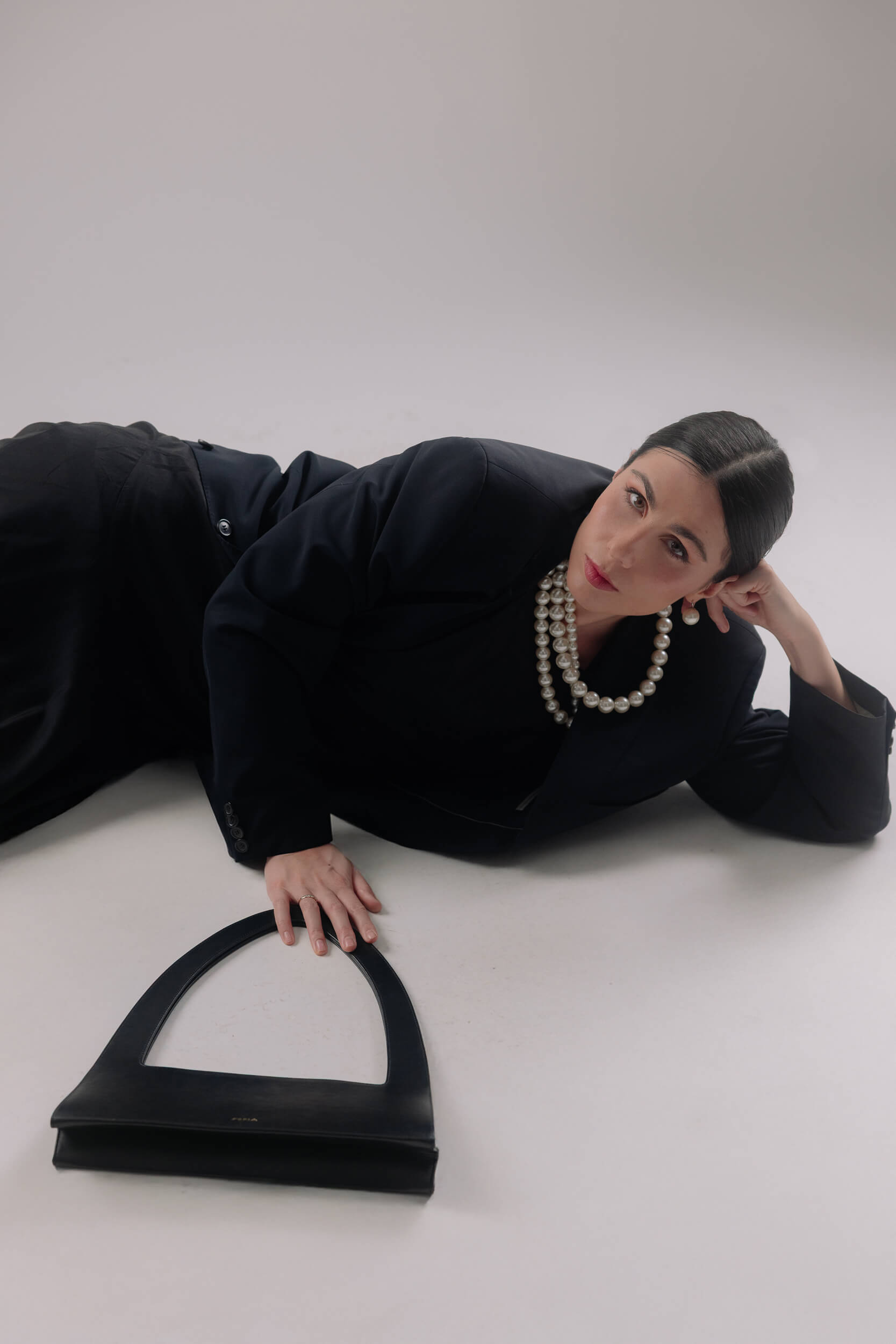
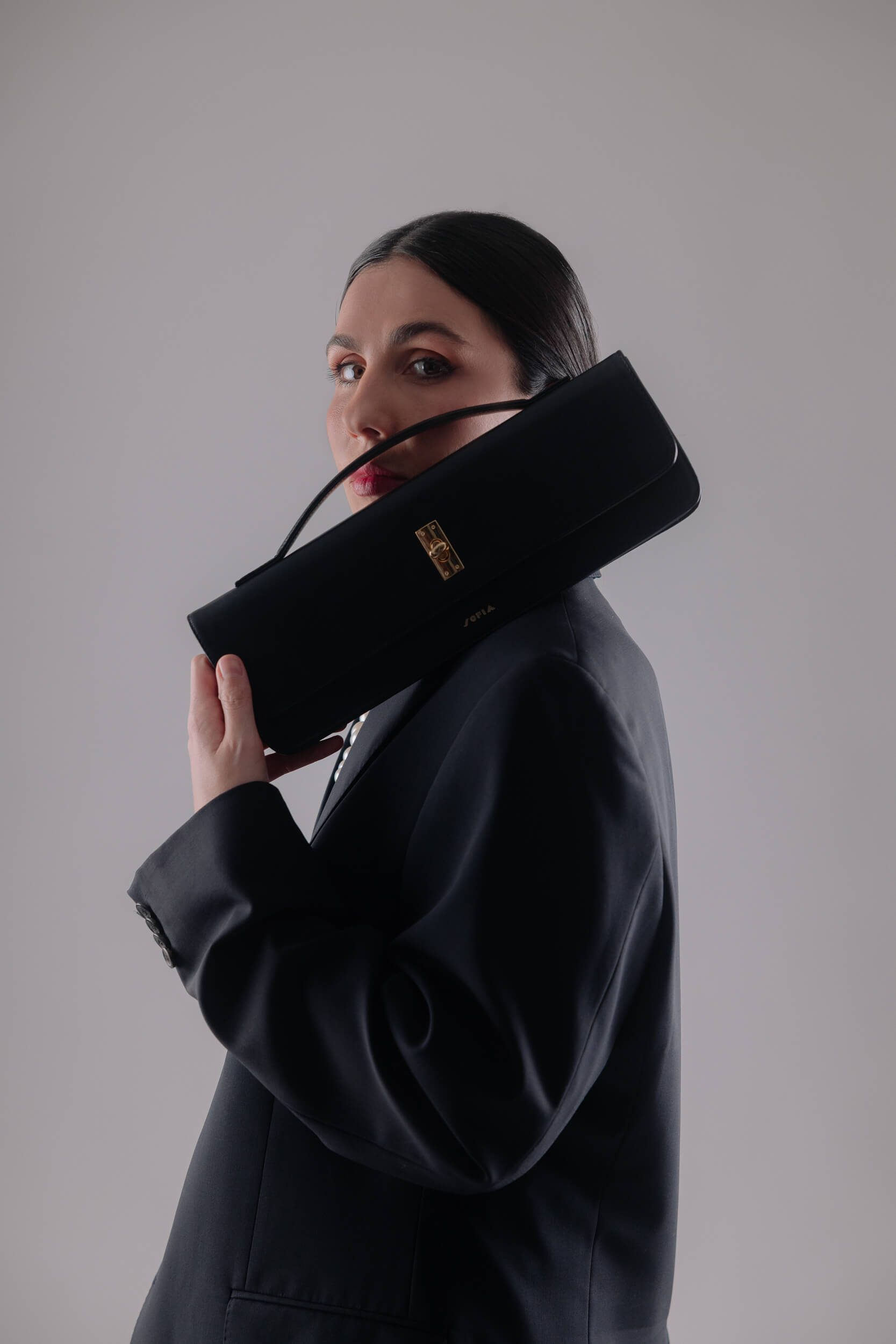
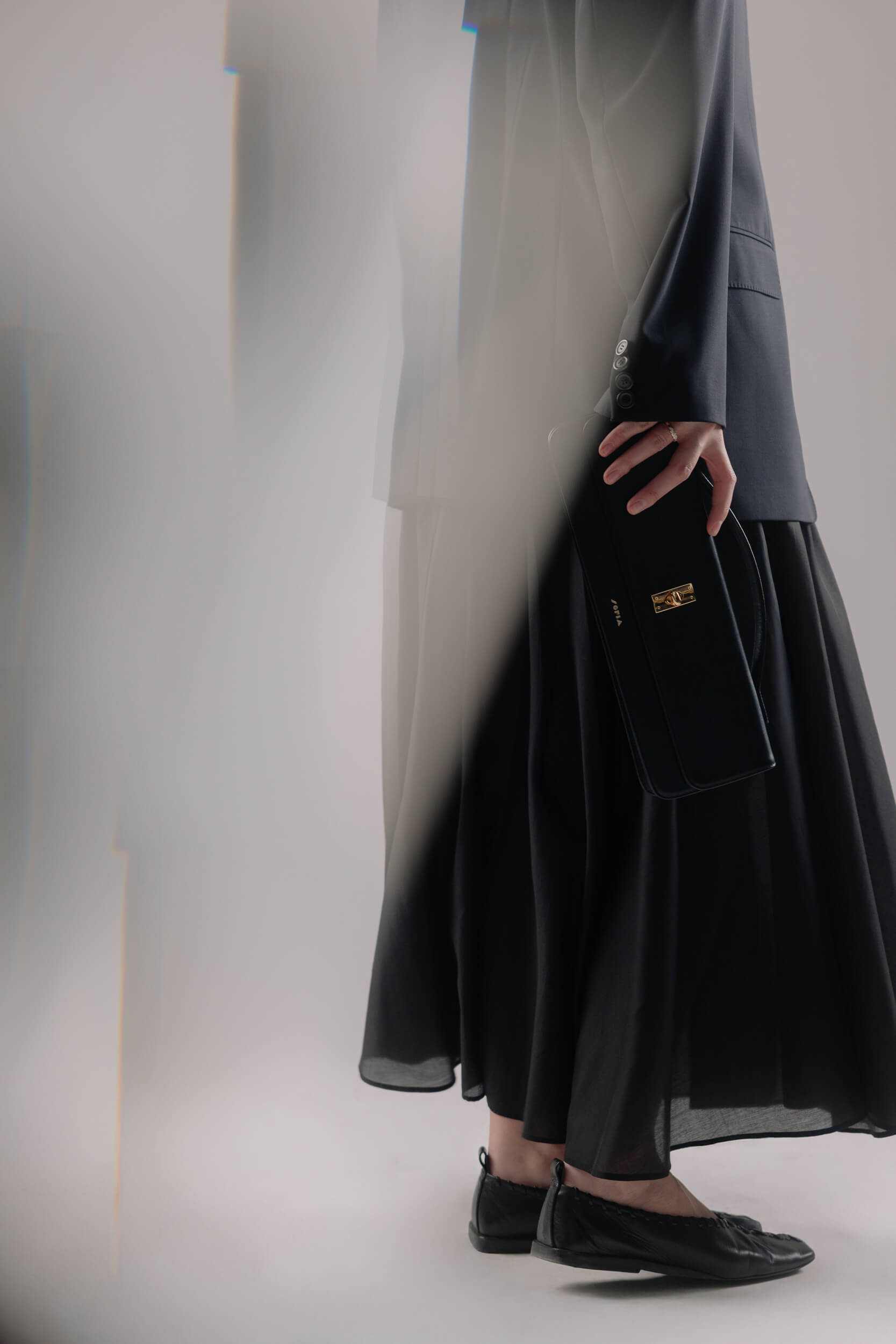
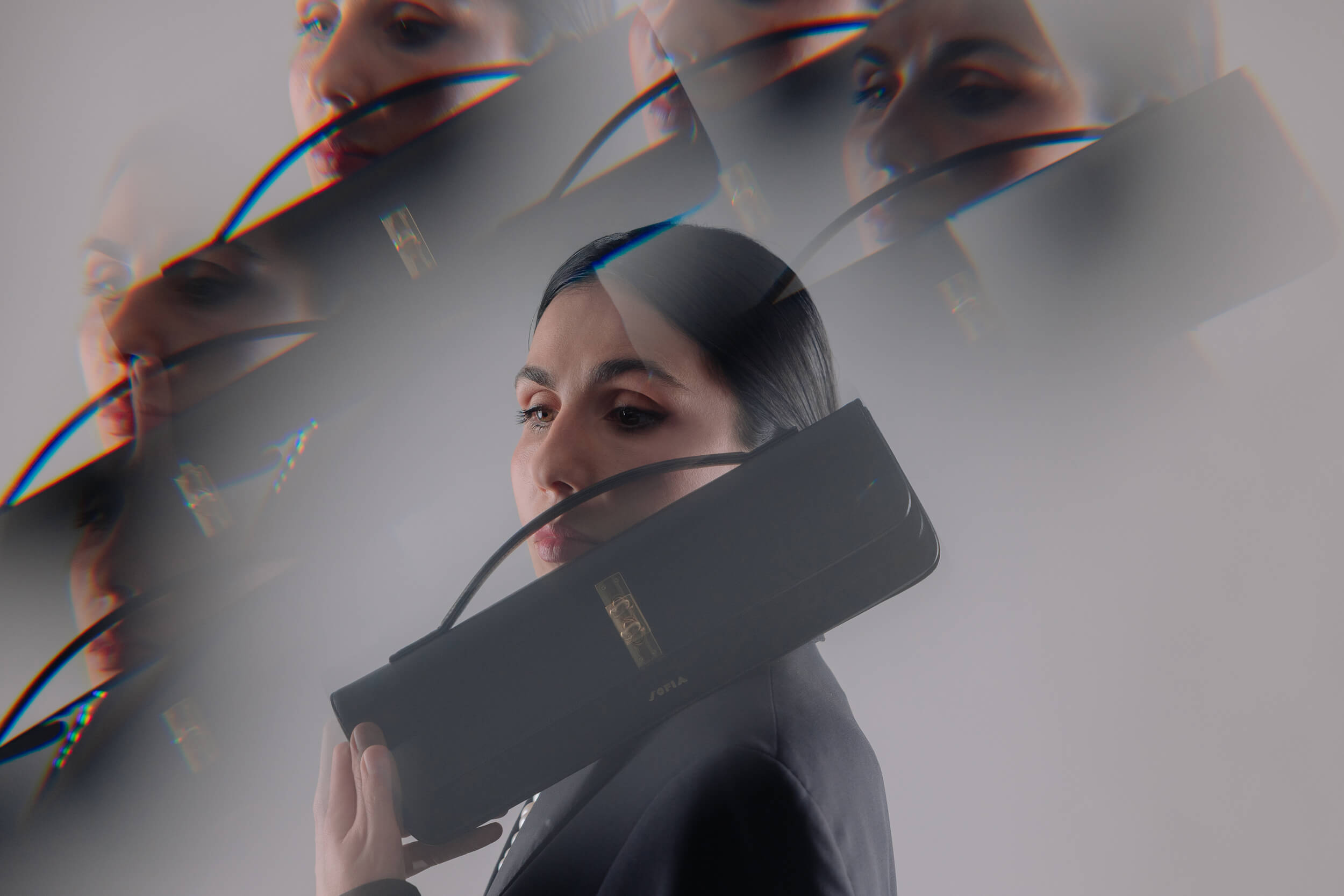
What I always tell everyone who asks me for advice on my bags: it has to be a choice of the heart. My bags, after all, are quite far from the idea of a “practical” bag. They are objects meant to be worn. Of course they have a function—they’re still bags—but what I really want is for whoever chooses them to do so after reading the story of the model, after understanding what they want to carry with them, and after grasping the message of the brand.
For me, it means taking care of your taste, your interests, listening to the inner voice we all have: understanding why we choose certain things, why they attract us, and above all never denying what we like. When something strikes you, it’s because there’s something inside you that recognizes it, that feels it. That’s why my bags have to be a choice of the heart: you see one, you like that one, full stop.
Whether it fits seven things inside or just three doesn’t matter. If you really like that bag, it means it’s speaking to you. That object becomes an extension of yourself, something you grow attached to, something whose value goes beyond its use.
This also connects to another fundamental theme in my work: my relationship with the past. I’m obsessed with the Sixties and Seventies, but not just aesthetically. Back then, the value of objects was completely different. To buy something, you had to go out, enter a specific shop, know the owner, listen to their story. Often they were artisans, and every object carried a narrative. Today everything is faster, more fluid, and one thing seems worth the same as another. I want the opposite. If you choose one of my products, you do so for precise reasons, and that’s exactly why you grow attached to it. I’d like a bag like mine to stay with you for a long time, to never make you want to put it aside, because it’s an object you genuinely like having with you.
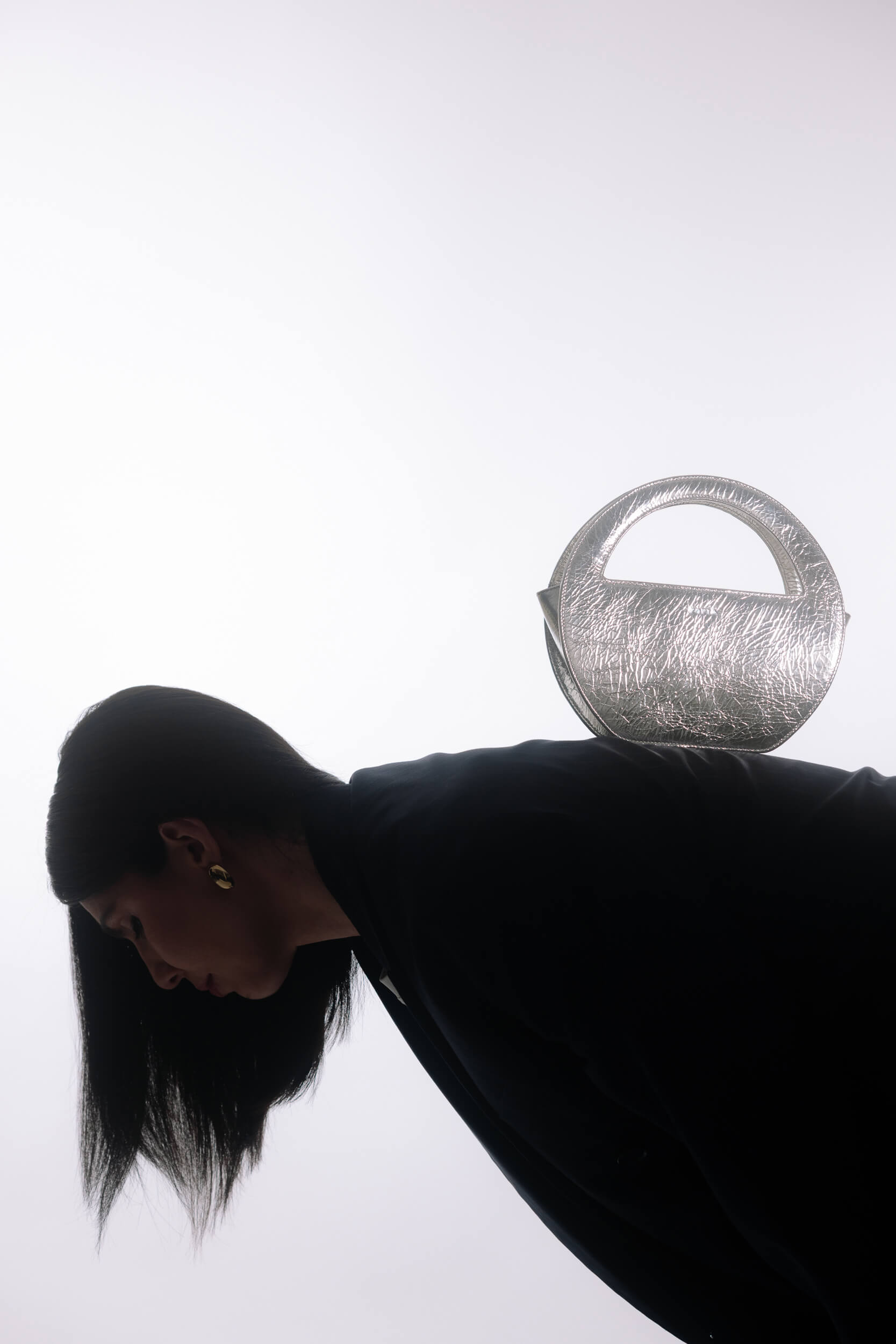
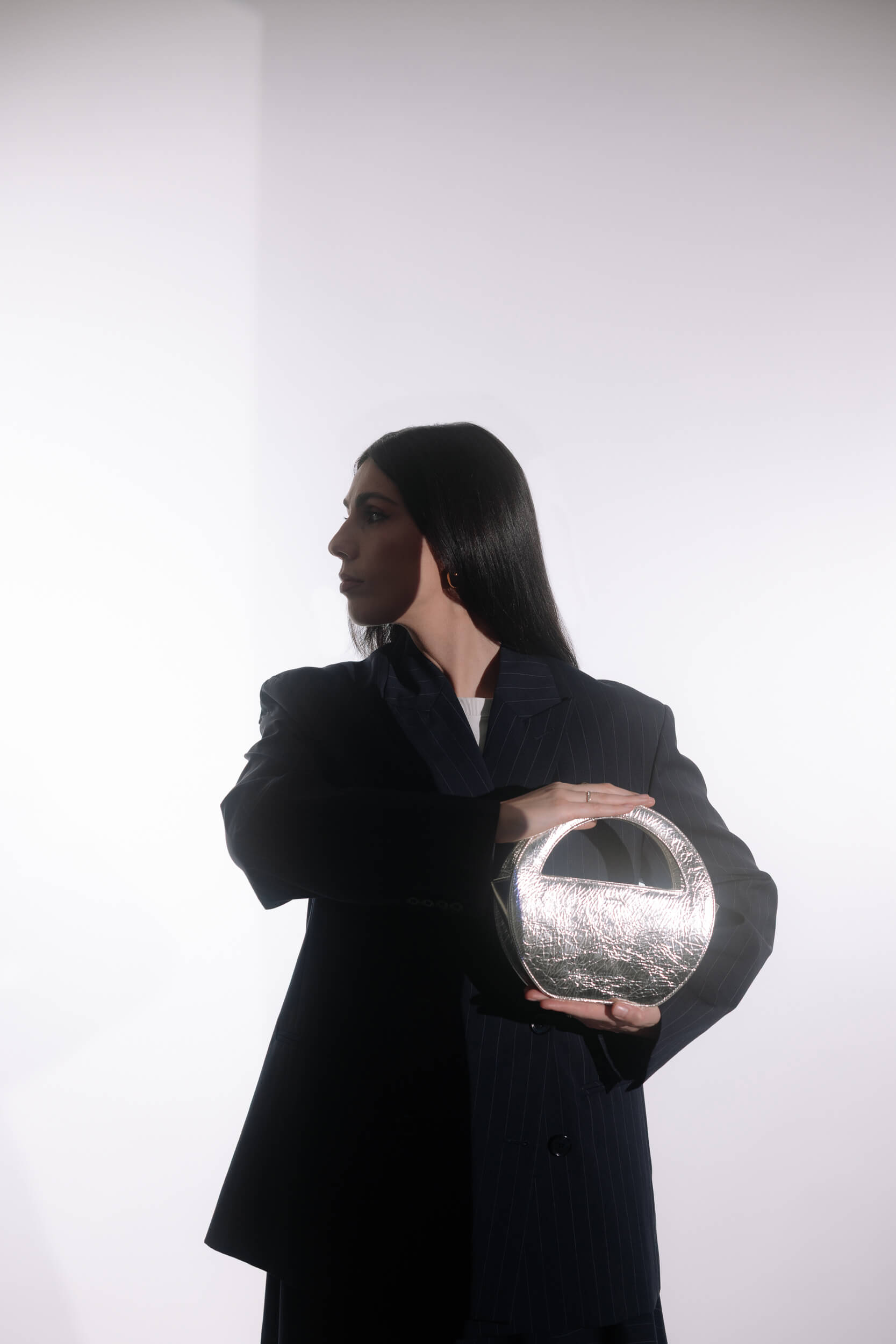
“If you really like that bag, it means it’s speaking to you. That object becomes an extension of yourself, something you grow attached to, something whose value goes beyond its use.”
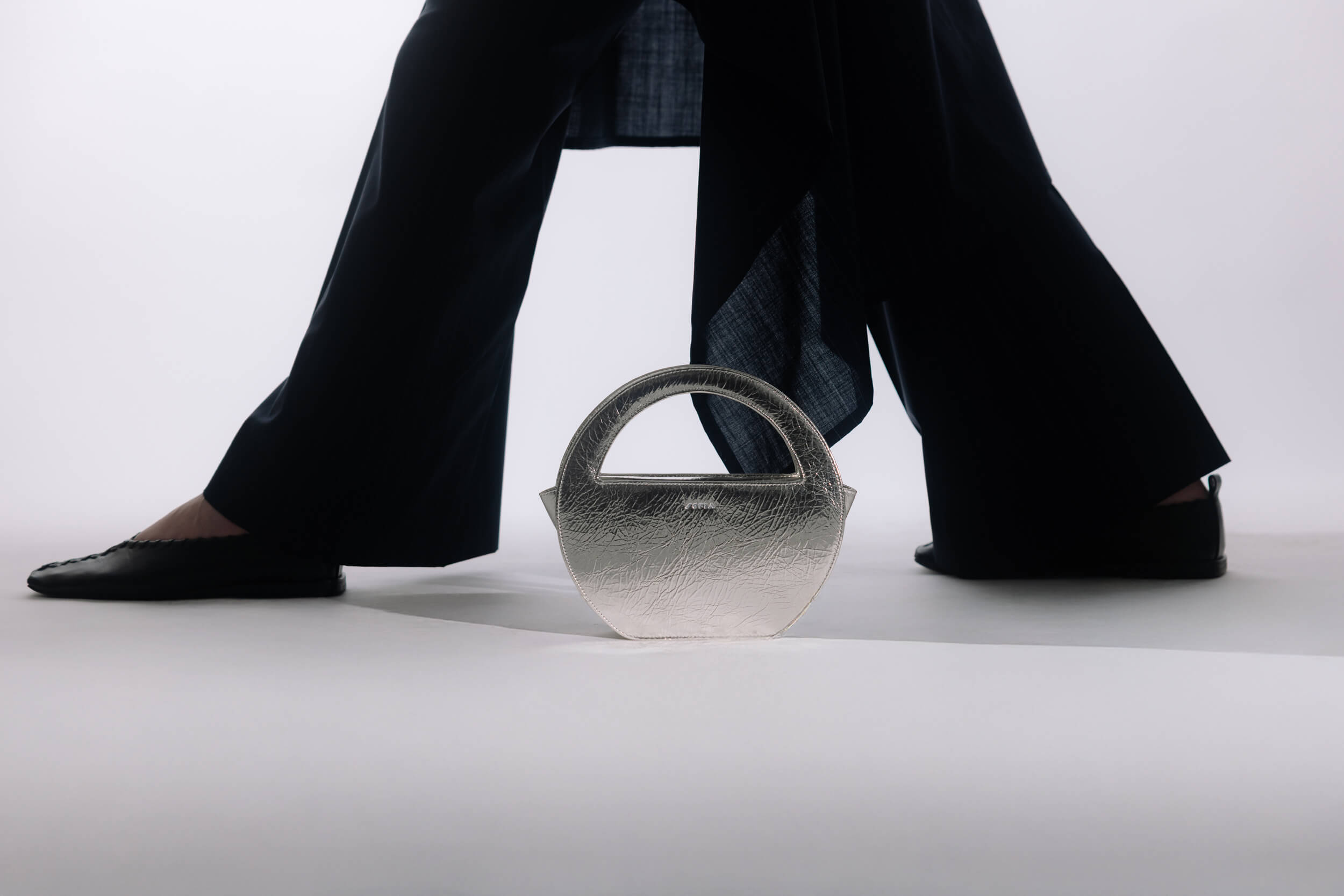
SOFIA is a 100% Made in Italy brand and uses Italian-tanned calf leather. How does this production choice reflect your vision, and what are the daily challenges of this approach?
With all my suppliers, the relationship is always one-to-one. If I need a specific leather, I know exactly who to go to. Just so you know, I’m on the phone with my supplier three times a week—I know him by name, I know his family, he tells me about his problems and I tell him about mine. It’s an almost family-like relationship. I met my supplier when I was still at university: he helped me build an accessories exam. When I decided to bring this project to life, the first thing I did was call him, and we started from there.
The limitation, obviously, is that working this way—everything direct—makes it harder to grow and scale. When volumes increase, it becomes complicated to be followed with such care, and an artisan can’t sustain endless product ranges. But for the size my company has today, it’s a wonderful condition: I can talk to everyone, follow every step. Growing will require an enormous effort to maintain this direct control, but I always say this: my name is on the bags. My word has value, and I don’t want to devalue it myself.
For me, celebrating craftsmanship is essential, because it’s something rare. Being able to keep all these direct relationships alive is a huge source of pride, and I wouldn’t want to lose it.
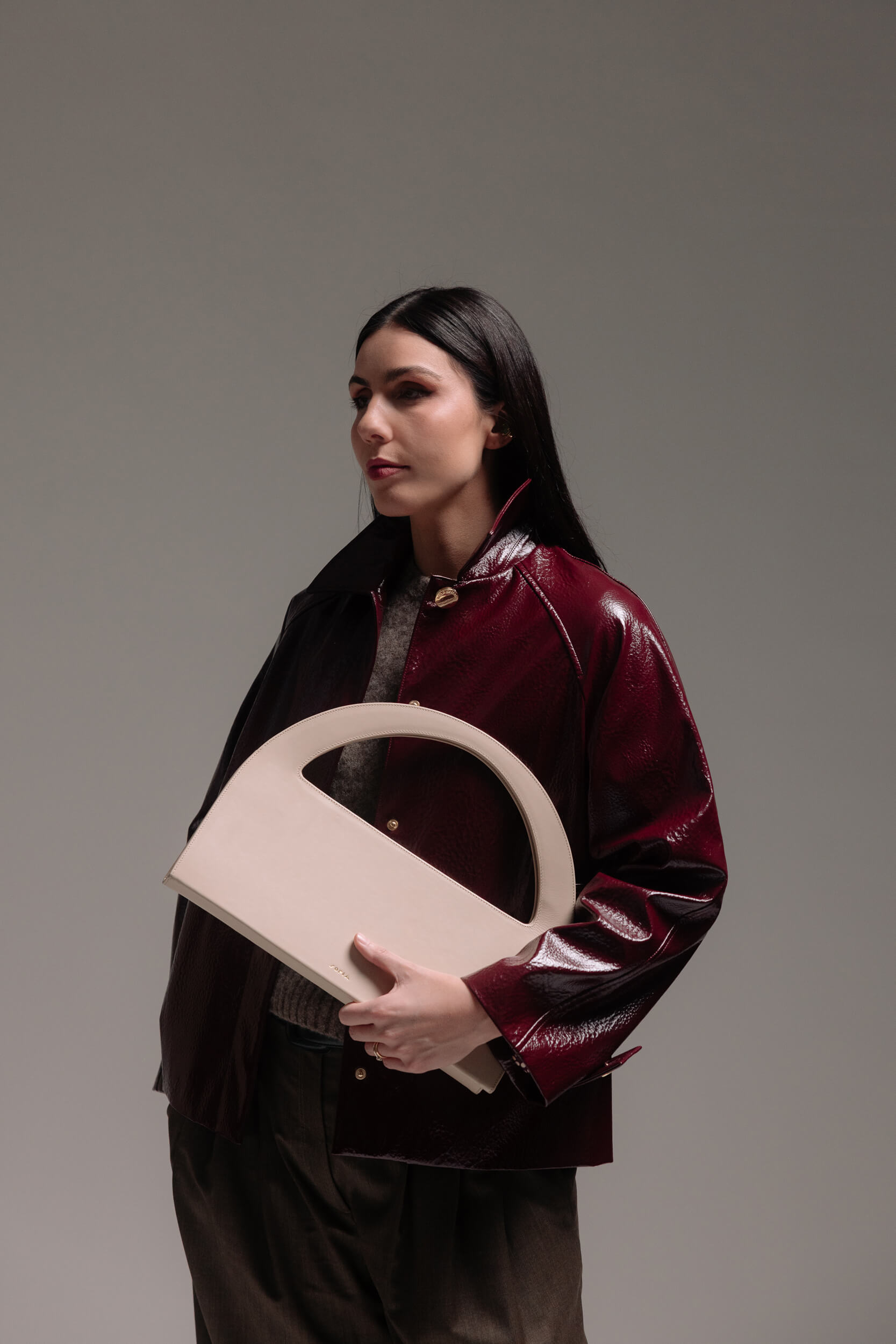
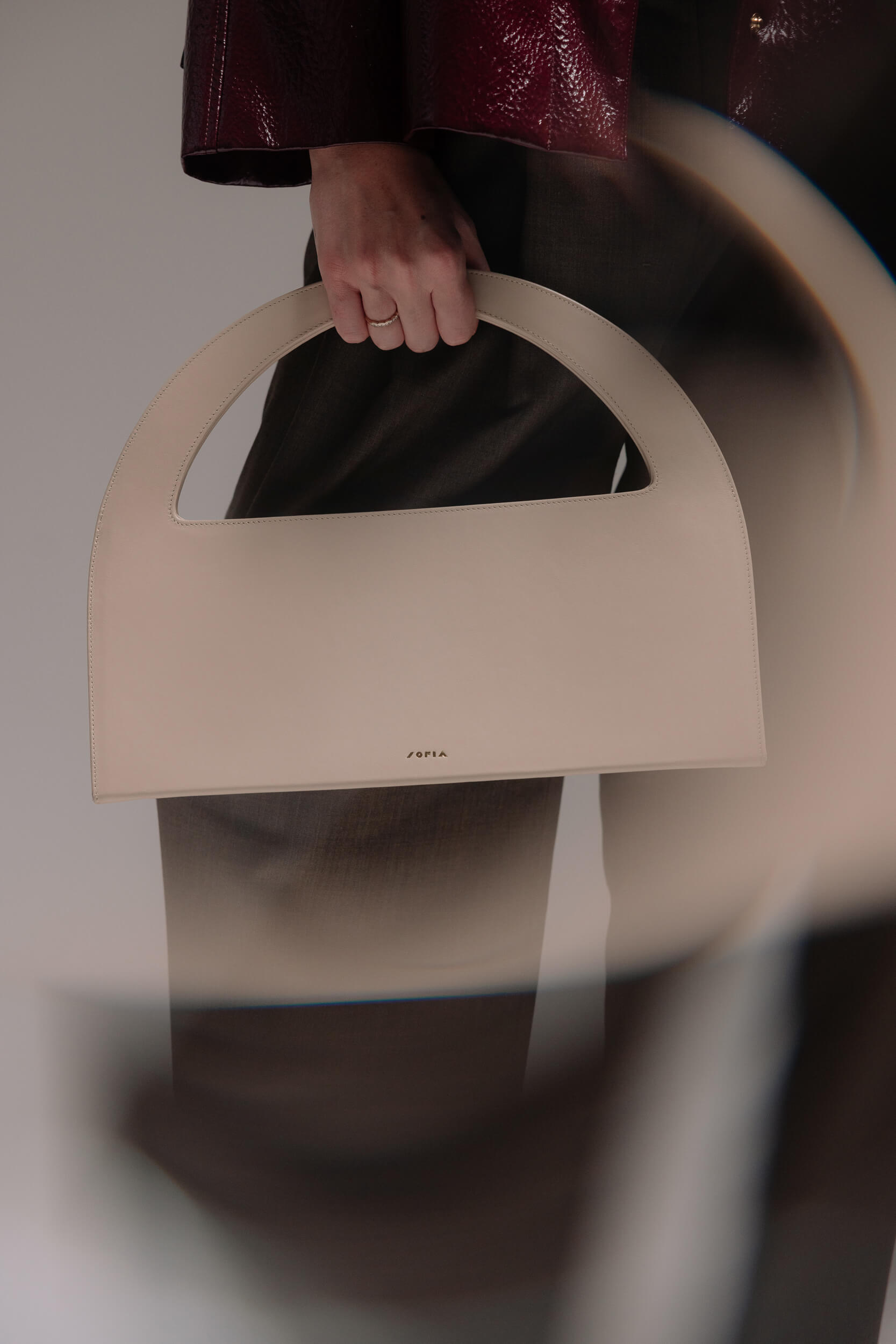
When you start designing a bag, where do you begin? A sketch, a shape, a color? Do you have a creative ritual?
The first models were shapes I had had in my head for a long time. I draw on paper, but but to understand exactly what I want, I work in a three-dimensional way. I stand in front of the mirror with paper, tape, and a stapler, and I try things out. I add, remove, glue again. When something comes out that satisfies me, that’s the model.
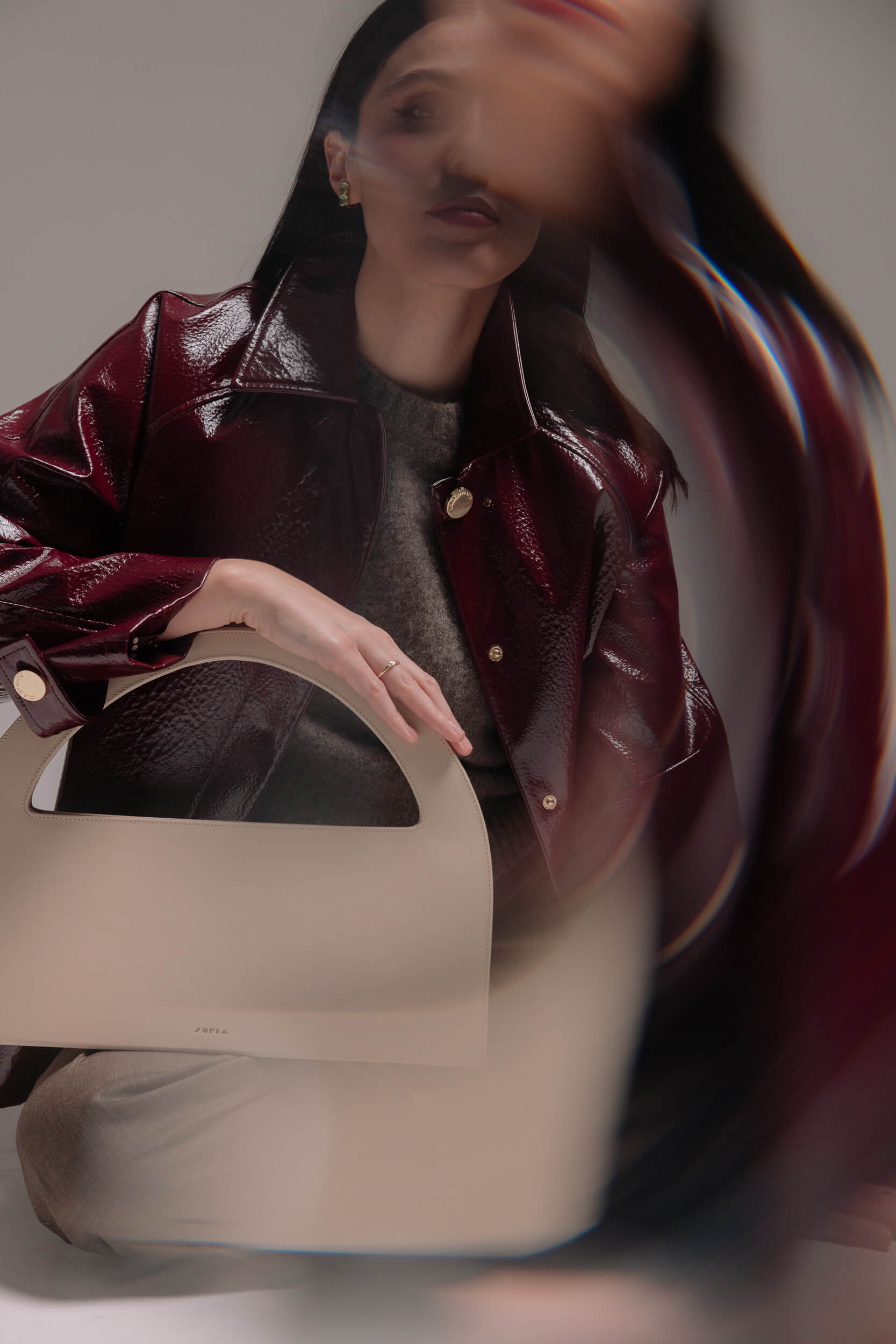
Most of the designs were born like this. Malaga is my favorite. Then Mariù, inspired by one of my grandmother’s bags. From Mariù came Silva. La Cupola and Cini were born amid a thousand doubts because of their complex proportions and construction work; you know, I work with rigid shapes, geometric volumes – I can’t imagine a soft bag, it’s not part of my DNA.
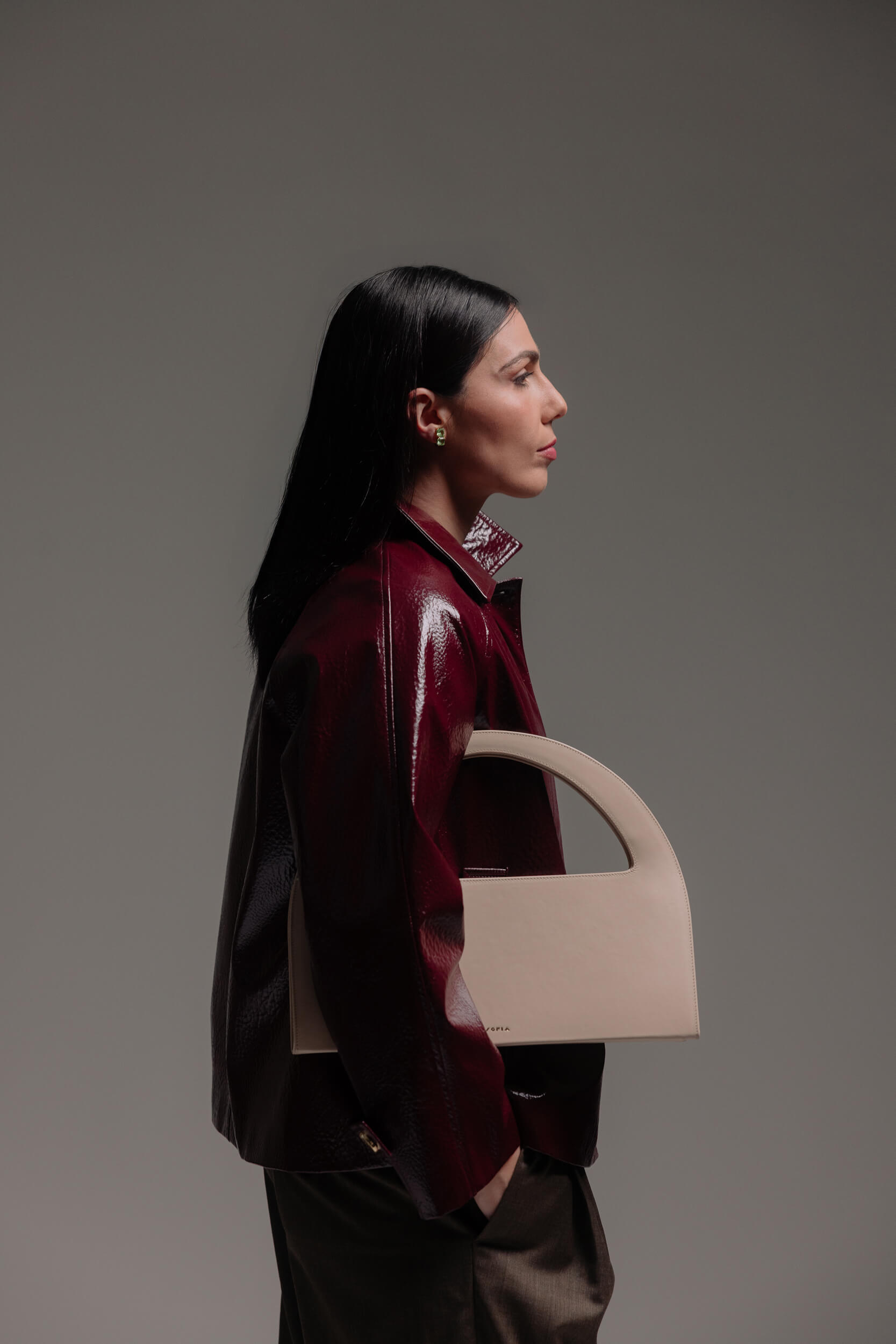
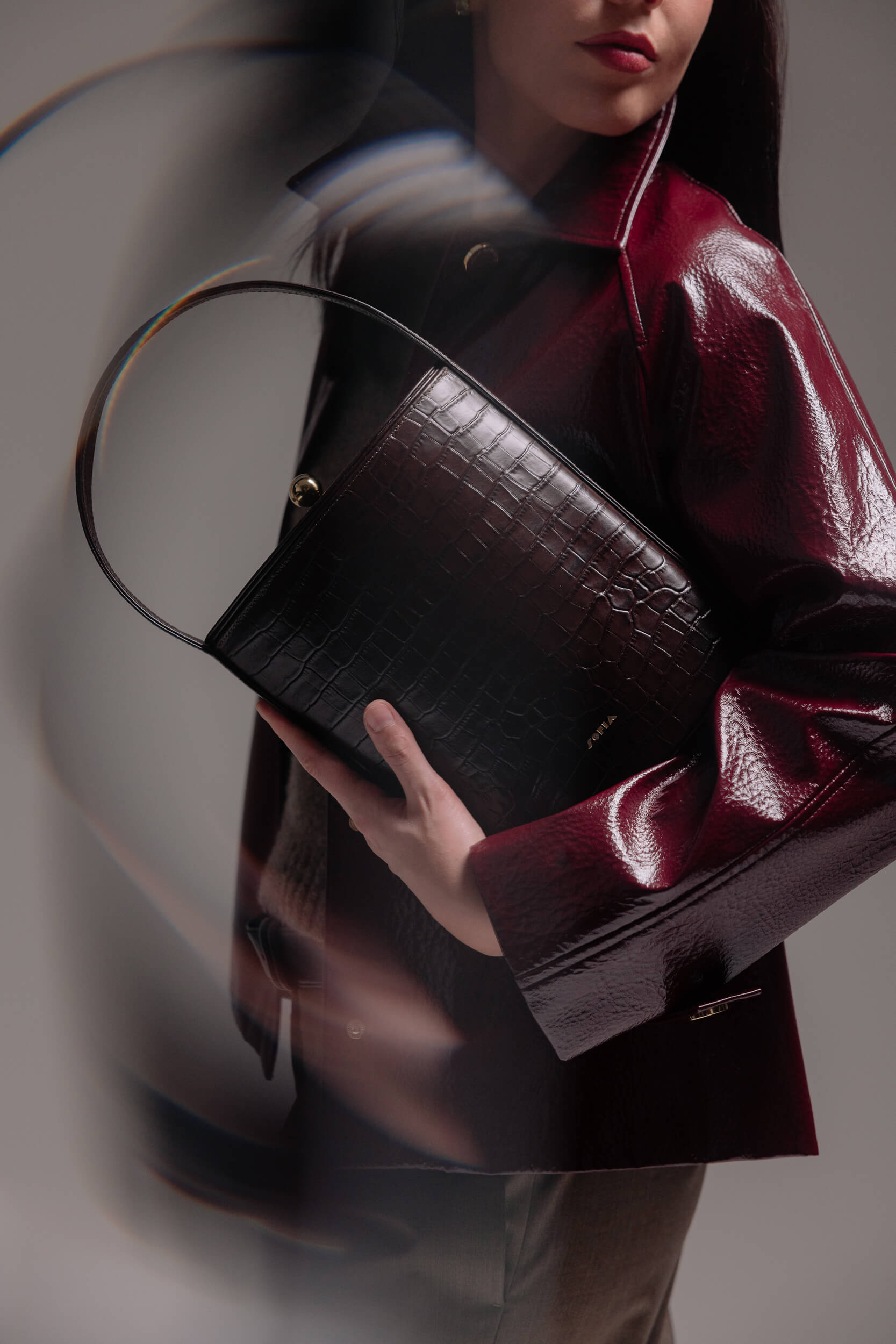
“I stand in front of the mirror with paper, tape, and a stapler, and I try things out. I add, remove, glue again.”
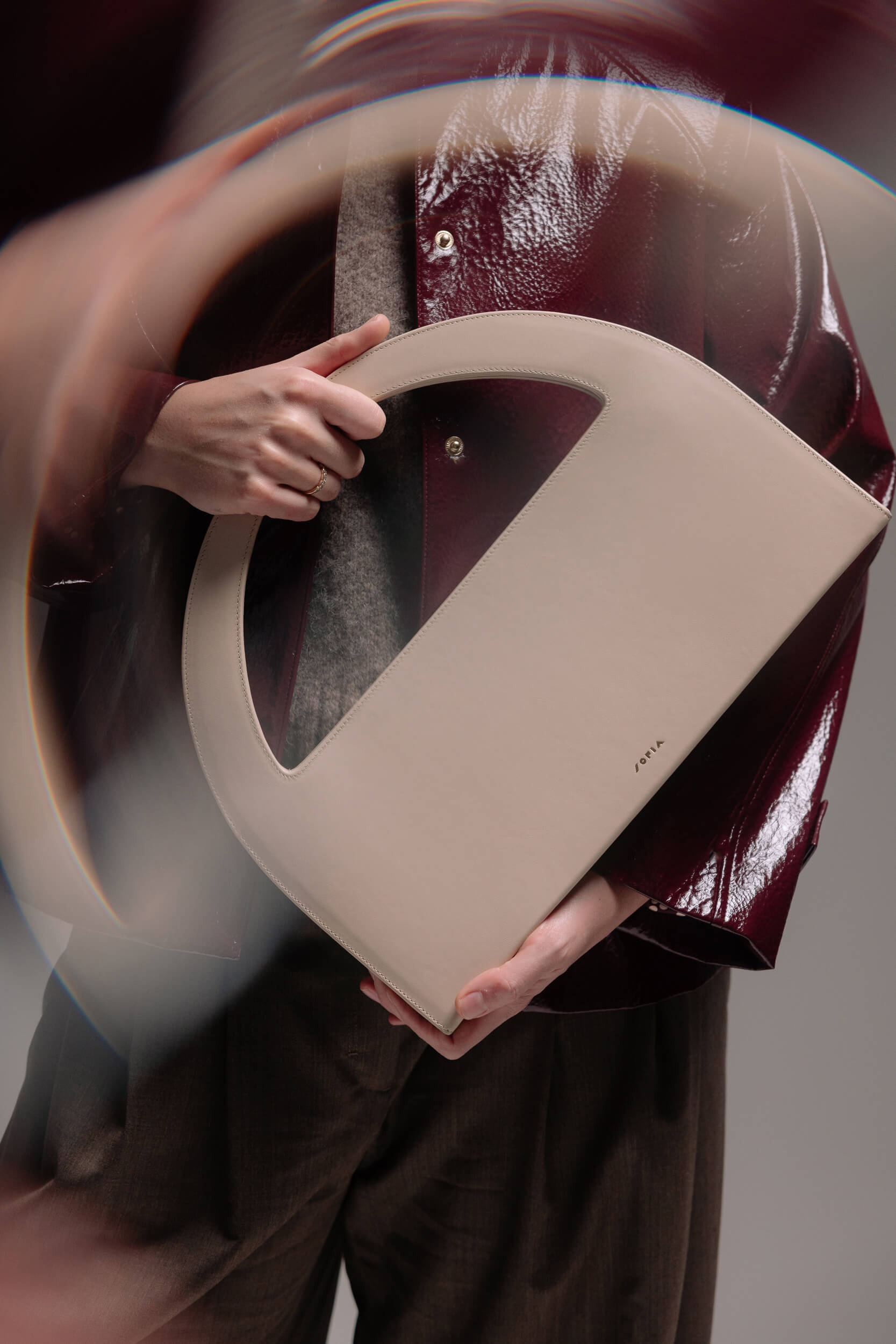
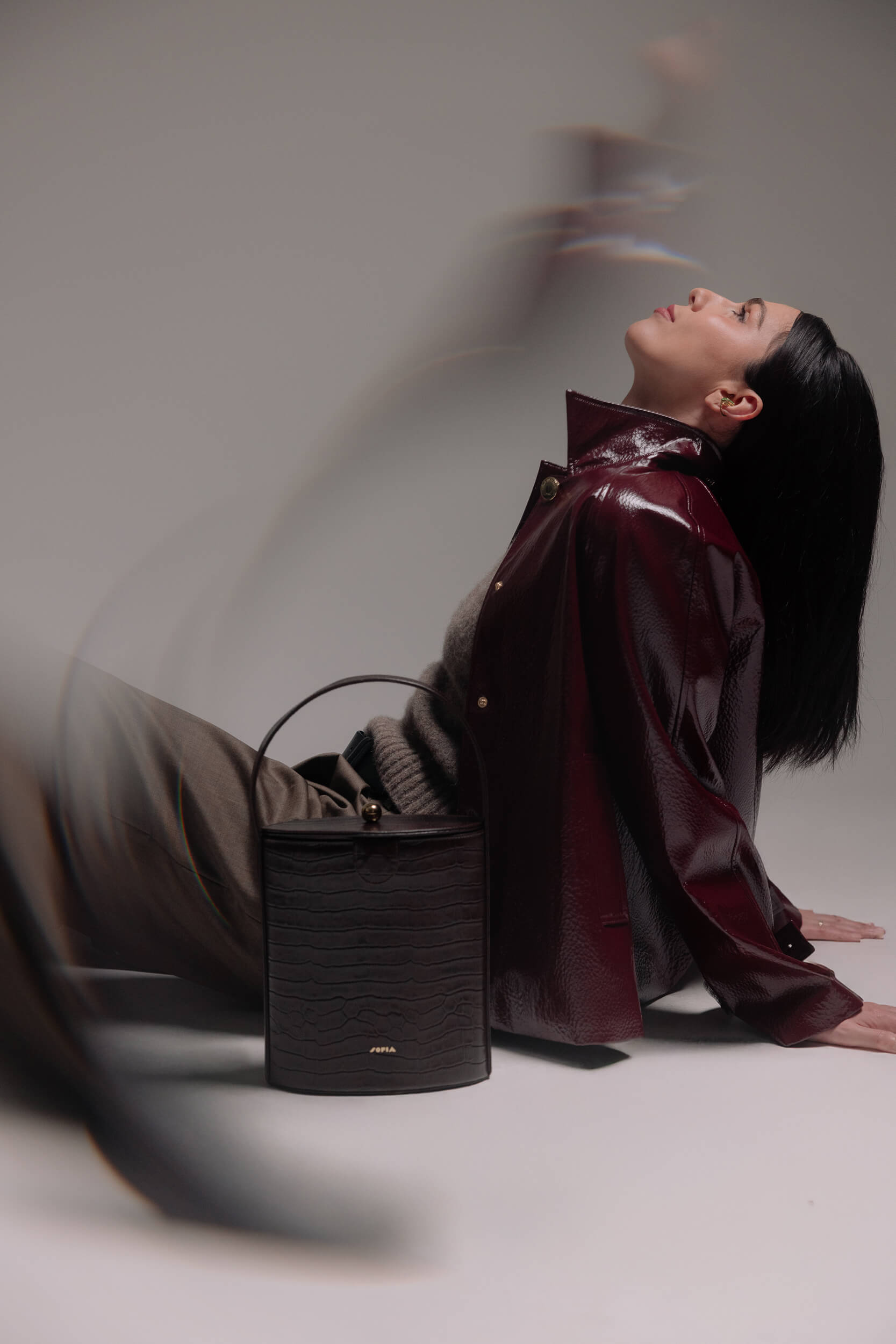
And it must not be easy to “please” you all the time! [laughs] What does slow luxury mean to you today, in a world that’s constantly accelerating?
Unfortunately, we belong to a sick fashion system (not all of that, of course), one that only runs after sales. Creativity clashes with commercial. I have to sell too, of course, but this approach allows me to keep creating things that are mine. If I stopped doing what I love in order to do only what sells, I’d lose my identity. And identity is what creates connection and trust.
The luxury of slow fashion is being able to experiment, introduce new things, even by taking risks, offering a high-quality, artisanal product, with a short supply chain, at a price that’s accessible for what it truly is.
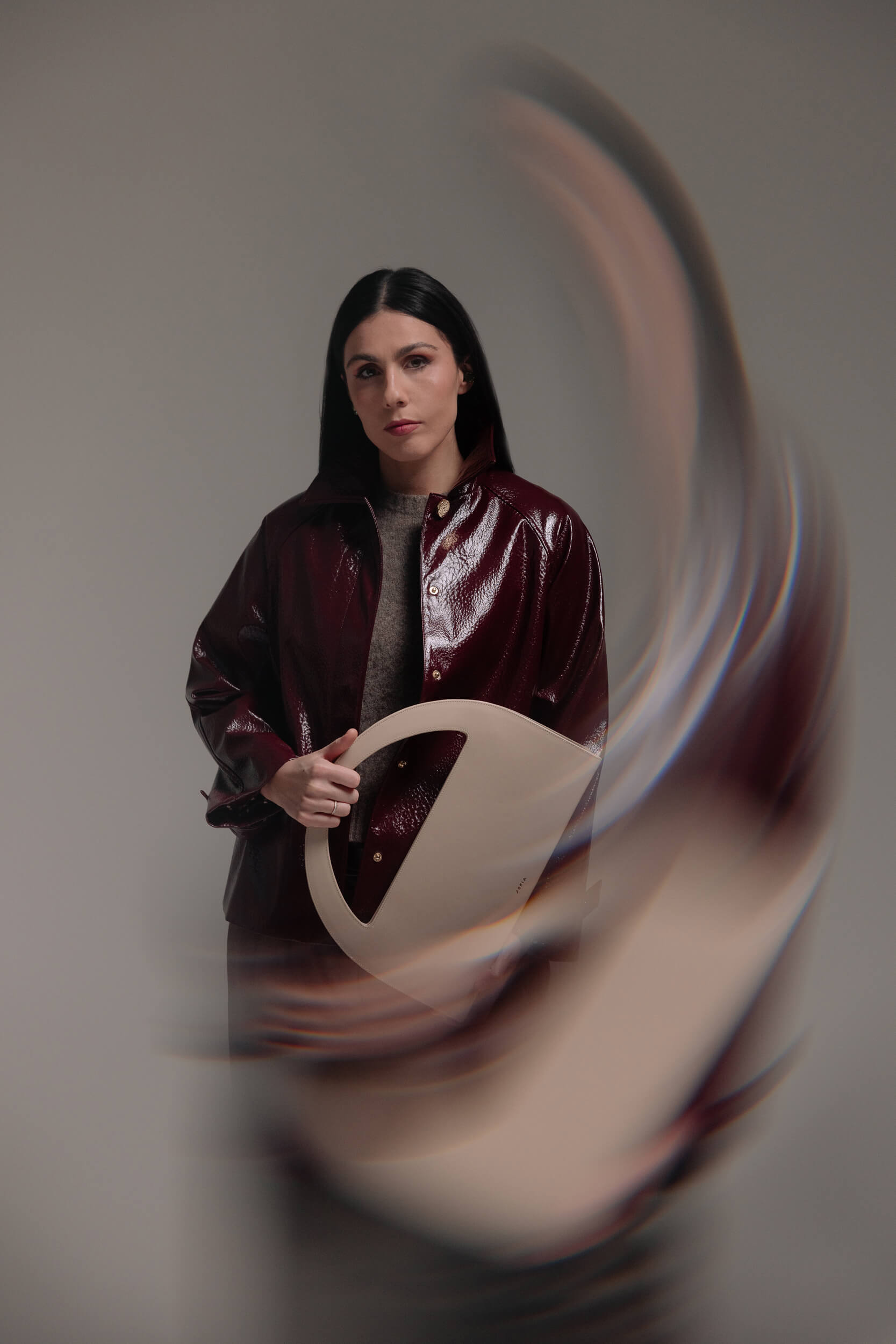
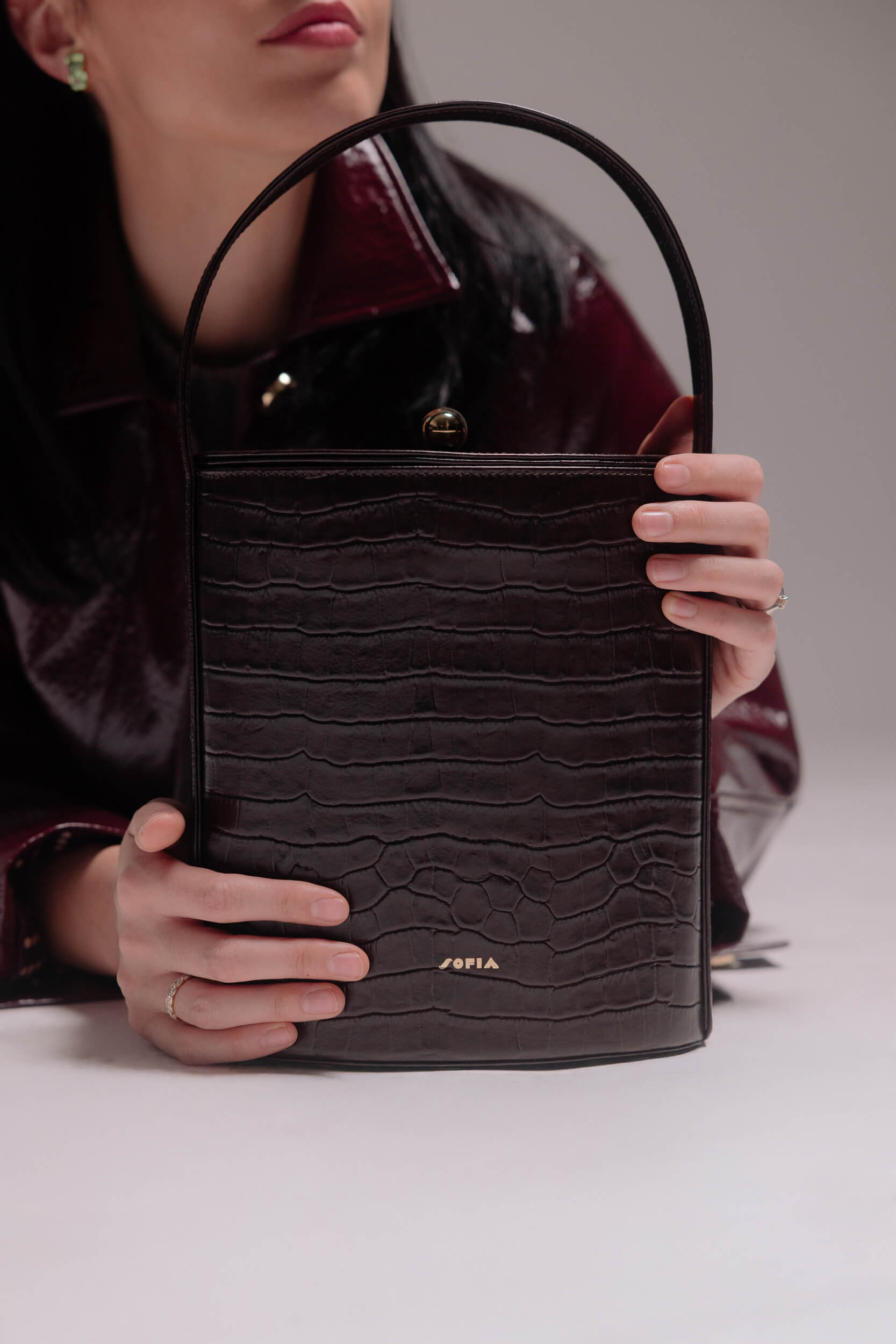
What goals have you set for the brand in terms of sustainability (materials, packaging, circularity), and what are the next milestones for you?
I’d love to introduce small leather goods, then jewelry, costume jewelry, clothing, and growing and going on doing what I love.
Who or what is your main source of inspiration?
My family. My mother passed on to me a love for dressing well, for presenting yourself at your best; my grandmothers were seamstresses; my father is a sculptor. I grew up in an environment that allowed me to dream: my parents never asked me to follow a different path from the one I desired, they always told me to do what I liked. That freedom creates creativity. Knowing you can do what you want makes something grow inside you without even realizing it.
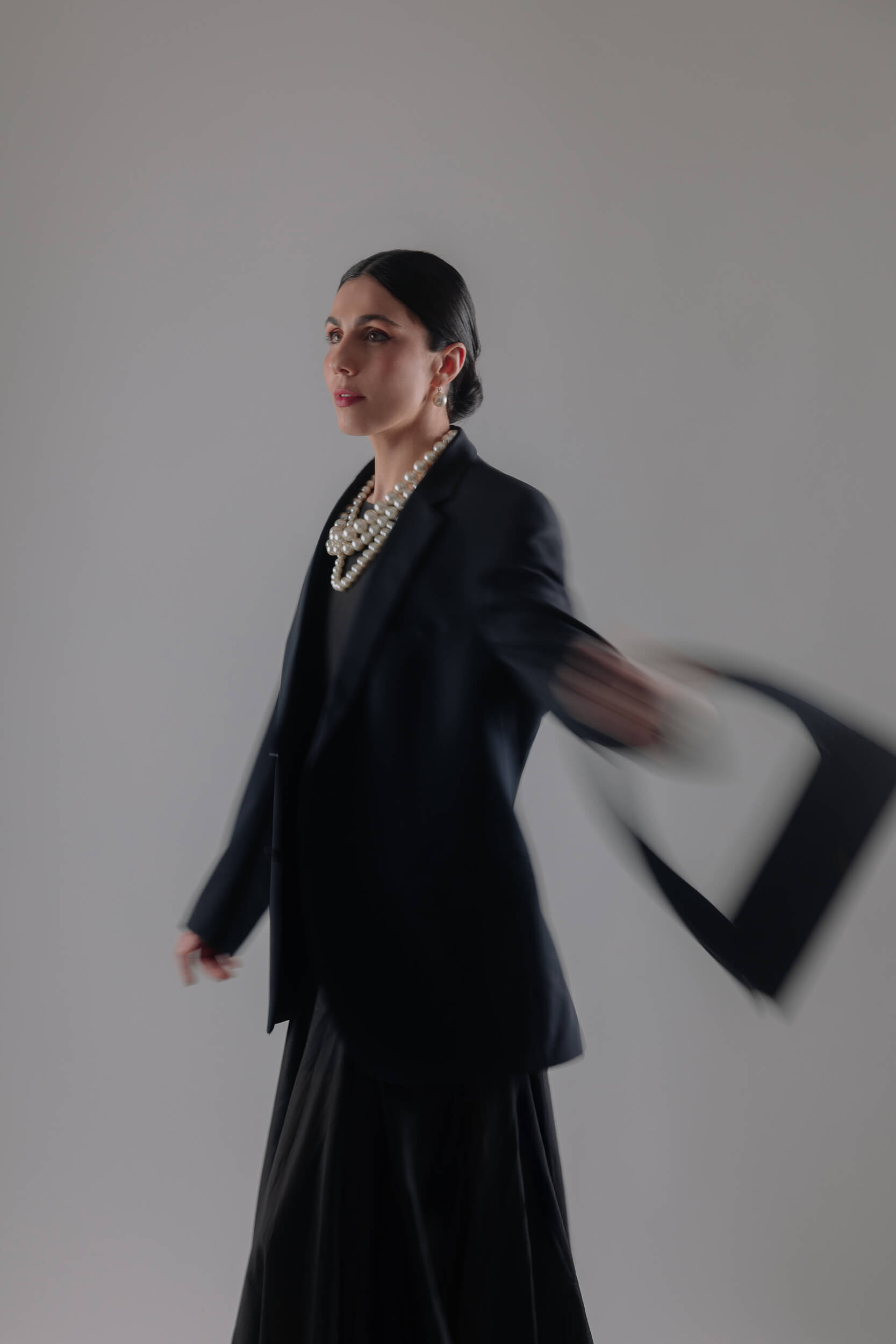
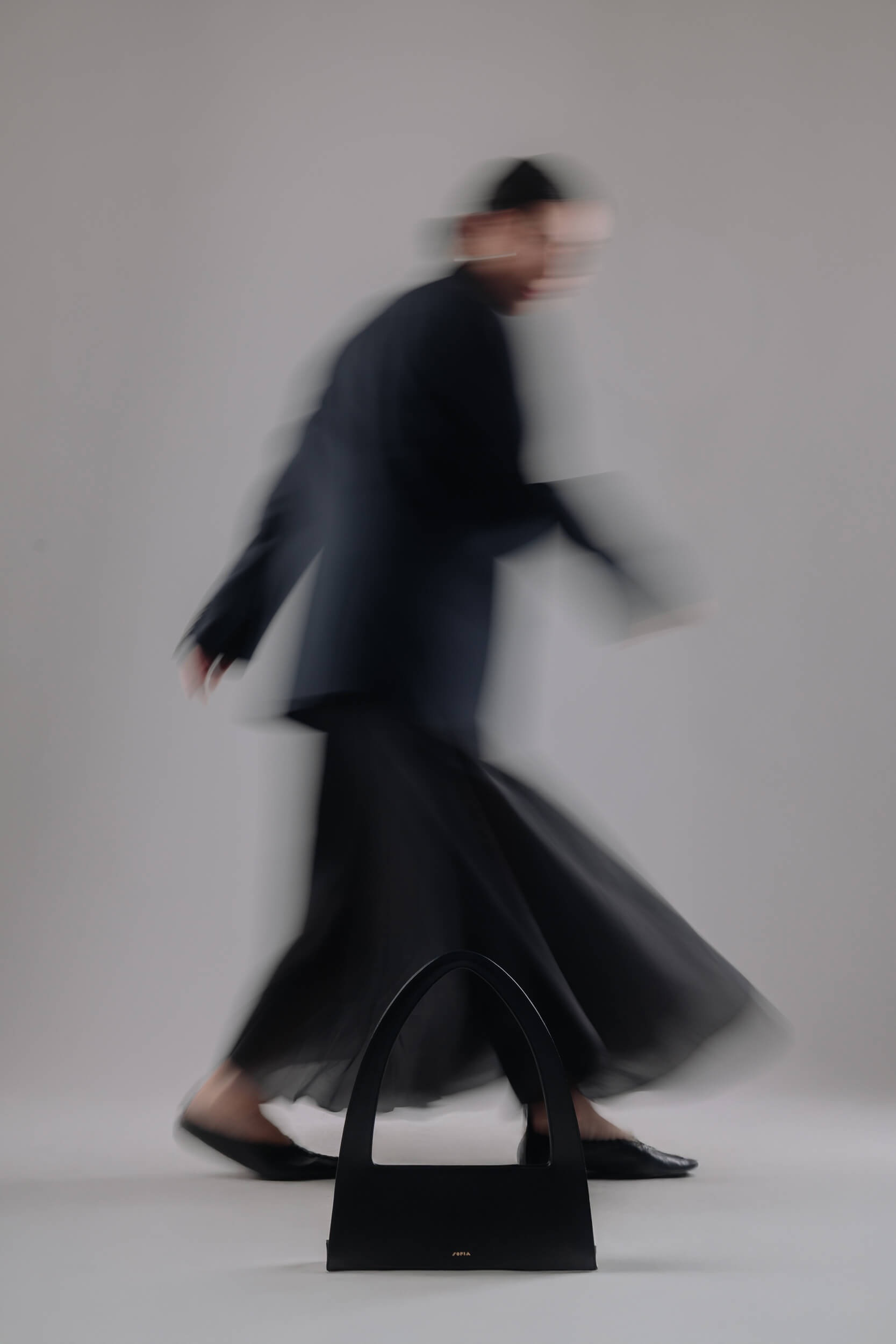
“Knowing you can do what you want makes something grow inside you without even realizing it.”
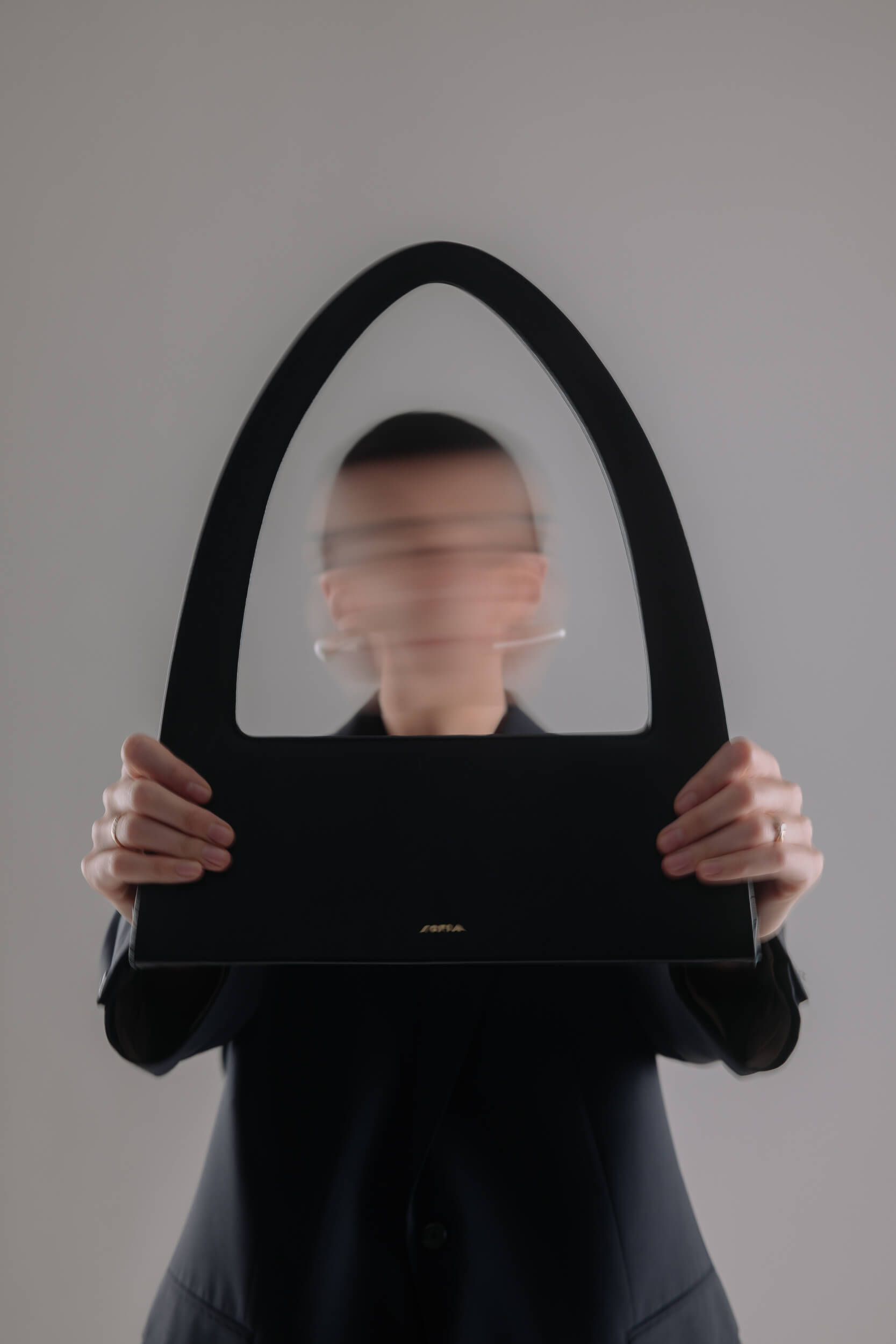
When do you feel most confident?
When I follow what I feel inside. When what I wear corresponds to my inner world. Then it’s like having a lucky charm with me at all times. Choosing a bag with a heart is like carrying a shield. It’s an invitation not to deny yourself beautiful things—like, “if you like it, wear it, even go eat pizza with that bag you love, and be happy.”
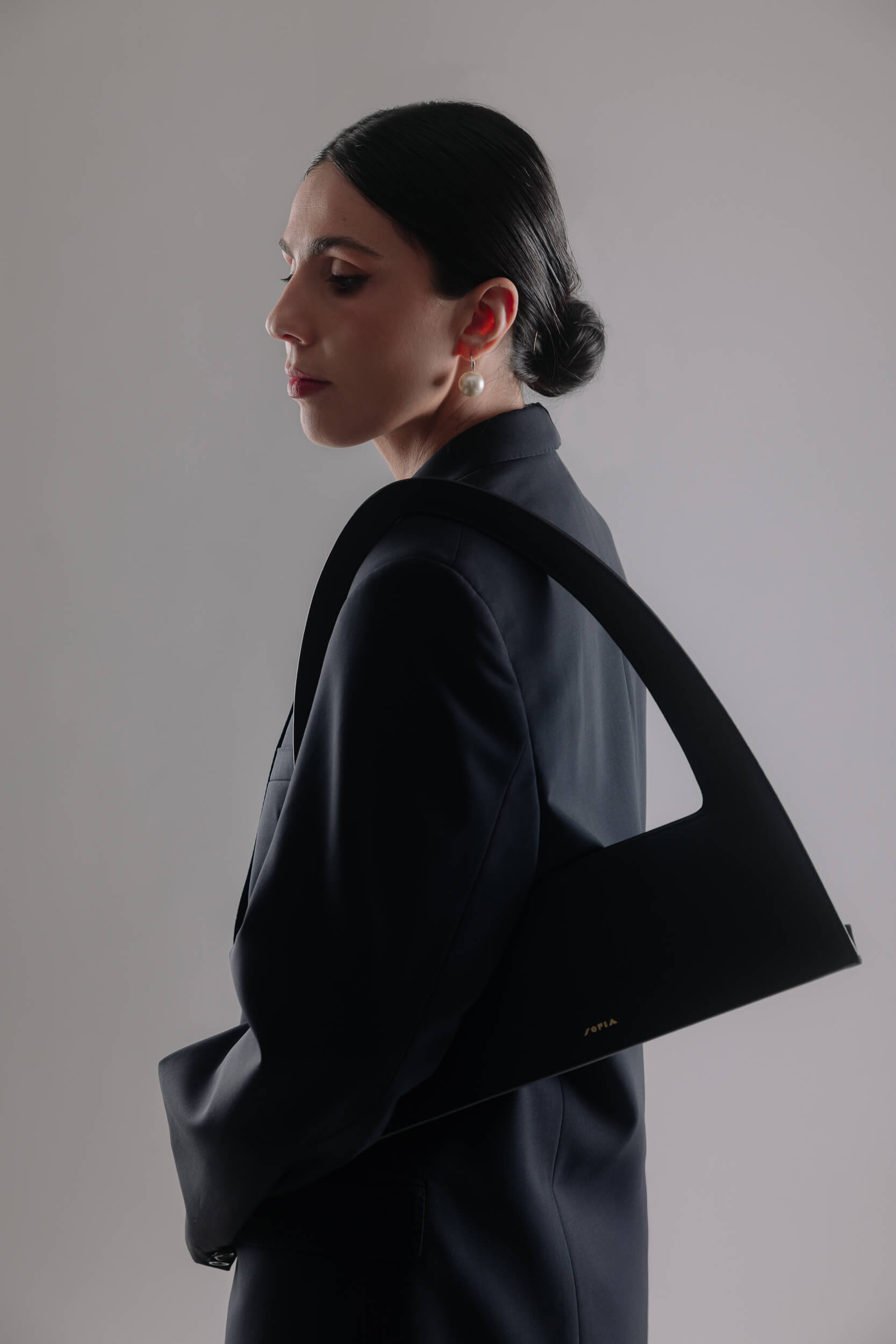
What does it mean to you to feel comfortable in your own skin?
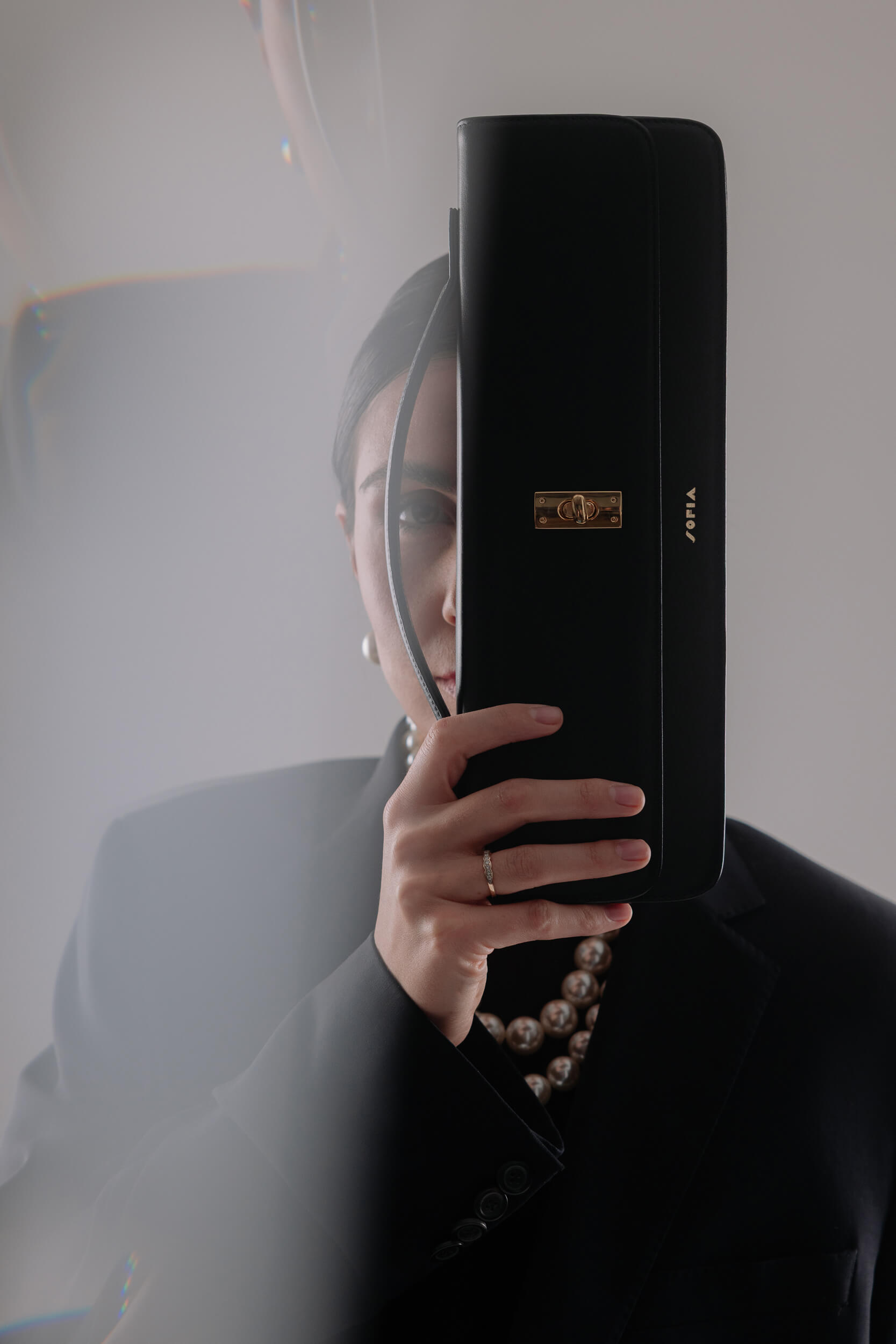
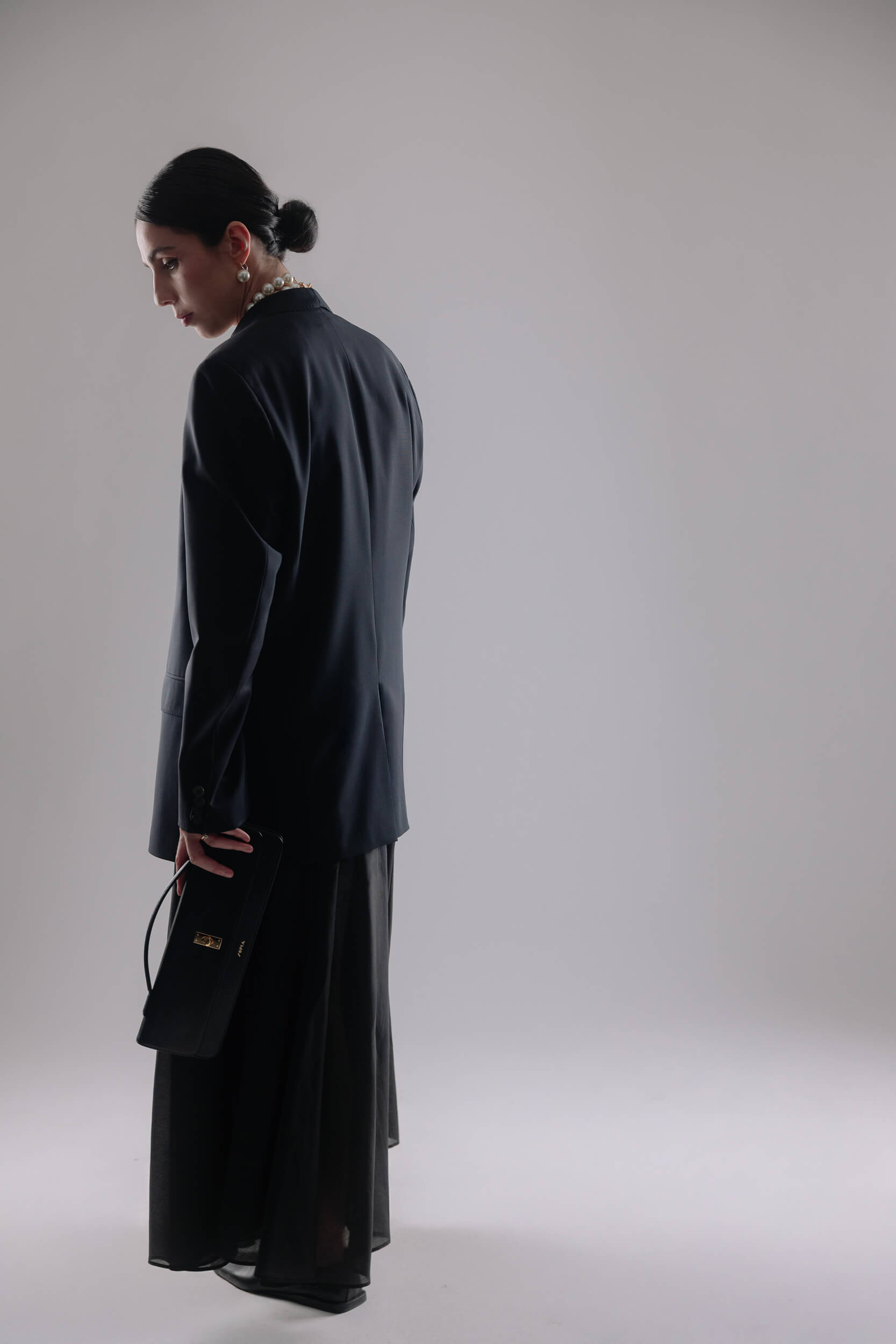
It means being honest, making peace with your flaws. Knowing where you’re fragile helps you face situations. Walking into a meeting knowing you might make a mistake, but without being against yourself, for example—that’s where everything else comes from.
“Knowing where you’re fragile helps you face situations.”
What is your happy place?
My playlist. When I put on the music I love, the noise fades. Cooking, with music, with the people I love. Soft lights. Being 100% myself. That’s my happy place.
Photos by Johnny Carrano.
Thanks to mm studio.