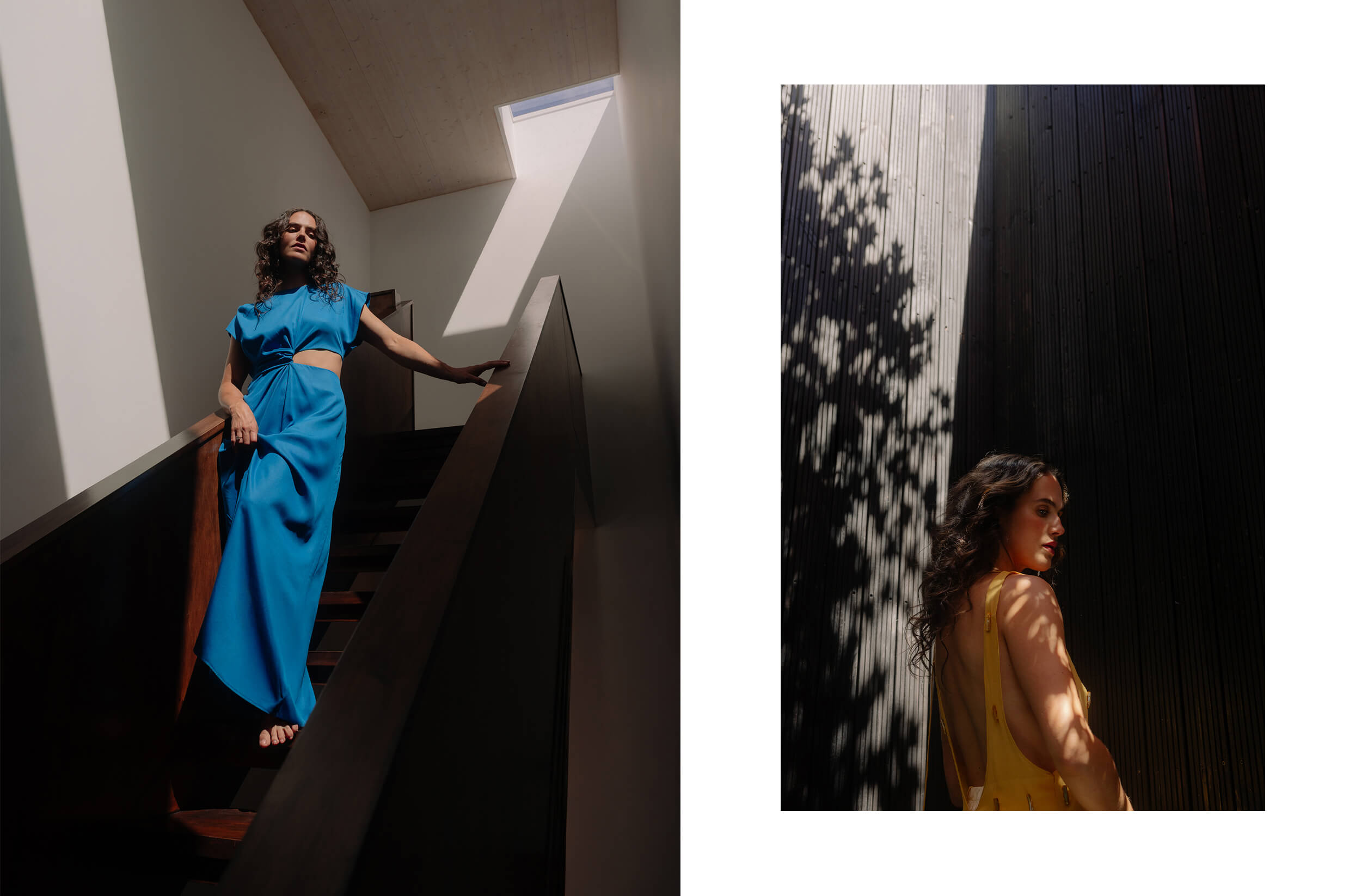
Jessica Brown Findlay is the kind of actor who collects worlds rather than roles: from a 350-year-old underground silo, to the period drawing rooms of “Peaky Blinders,” to the high-speed world of “Industry.” Since breaking through as Lady Sybil in “Downton Abbey,” she has built a career on contrast – corsets and speculative fiction, established ensembles and characters built from scratch, memory and amnesia.
Here, she talks about playing Charlotte Keane in “Silo,” a woman who loses her memory and, in a strange way, is freed by it; the thrill of stepping into a show she already loved as a viewer; and the challenge of “Peaky Blinders,” which she describes as heart surgery on a story everyone already knows by heart.
But beneath the constantly shifting sets, Jessica stays disarmingly honest about what doesn’t change: the truths that brought her to feel at home in her own skin.
What is your first cinema memory?
My first trip to the cinema that I vividly remember was seeing “The Lion King”. But before that, my dad used to show me a lot of old black-and-white movies – films he’d watched himself as a kid. I remember “The Ghost and Mrs. Muir” being one of them… I saw quite a lot of those “grown-up” black-and-white films growing up.
I also vividly remember watching “The Sound of Music” for the first time, at my nan’s house – I think it was Easter or Christmas, and everyone was there, all squished up on sofas and sitting on the floor. I was watching it with a mix of people who’d seen it many times before – my nan had seen it when it first came to the cinema, when it was still shown in two parts – and a bunch of us kids who’d never seen it. Everyone ended up crying at the end. It’s a very vivid memory for me, and it’s one of the best films ever made.
Speaking of your grown-up projects – your role in “Silo”, in particular. You joined the show in season three as Charlotte Keane. What was your first impression when you read the scripts and found out who she was?
I should have brought my notebook for this – I write everything down and still have my notes from the first read. I felt really excited and moved by the back-and-forth she has with her brother, this unshakeable bond between them, and by how quickly that gets torn away. I was very intrigued by what purpose that would serve in the larger story.
I grew up with a younger sister, so I’ve always slightly idealised the idea of an older-brother relationship, since it’s something I never had. I also loved that she’s a bag of contradictions: in some ways institutionalised, having spent her whole life going through school and then working governmentally – in aviation, taking extremely high risks – and yet tough on the outside but, scratch one millimetre below the surface, she’s mush. She’s very silly, and incredibly warm, loving and kind, in a way you might not expect.
I think a lot of people who run towards danger do it because they’re capable of loving so deeply, they’re not thinking of themselves. She struck me as someone with layer upon layer of depth, which really came out as I kept reading, especially into season four.
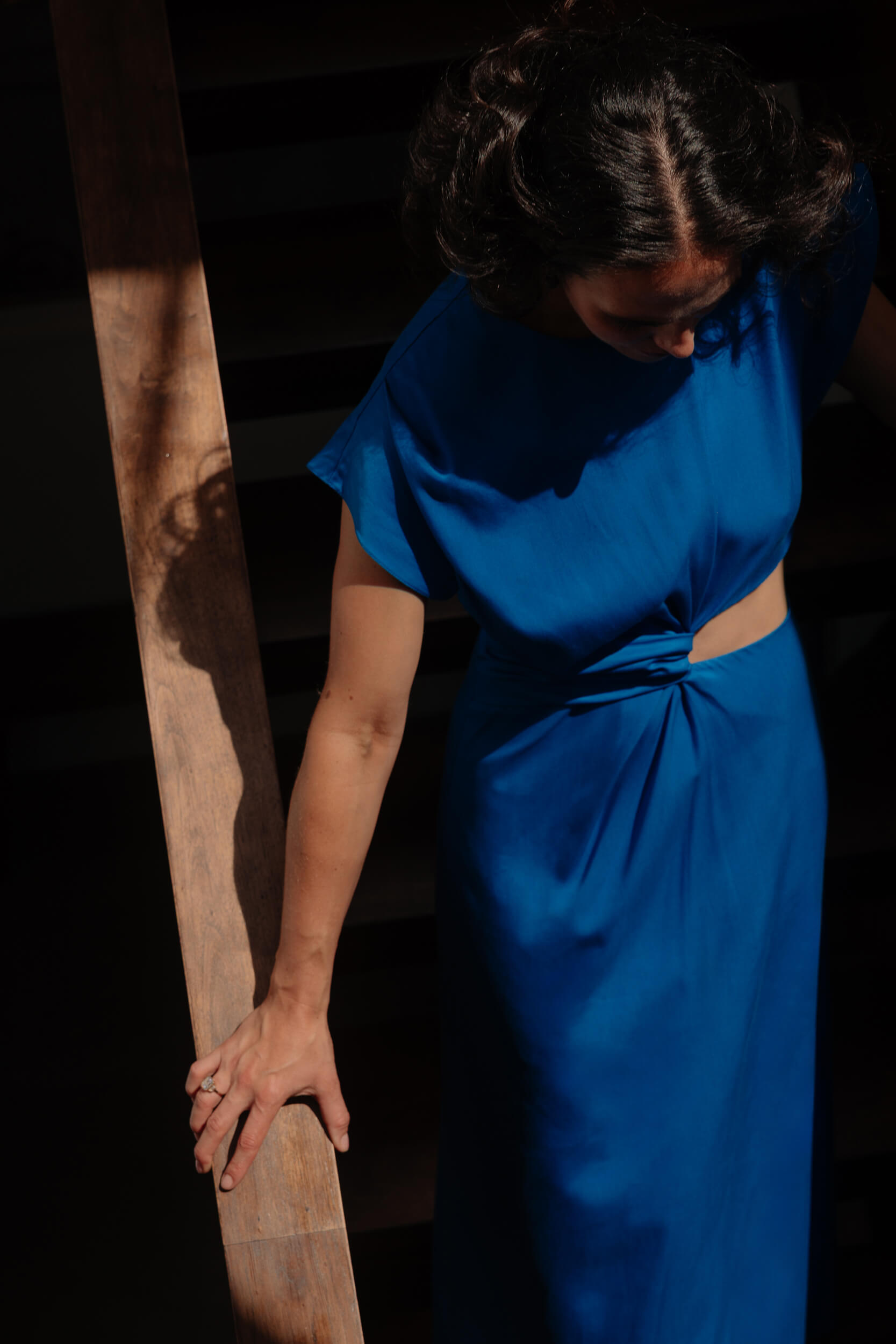
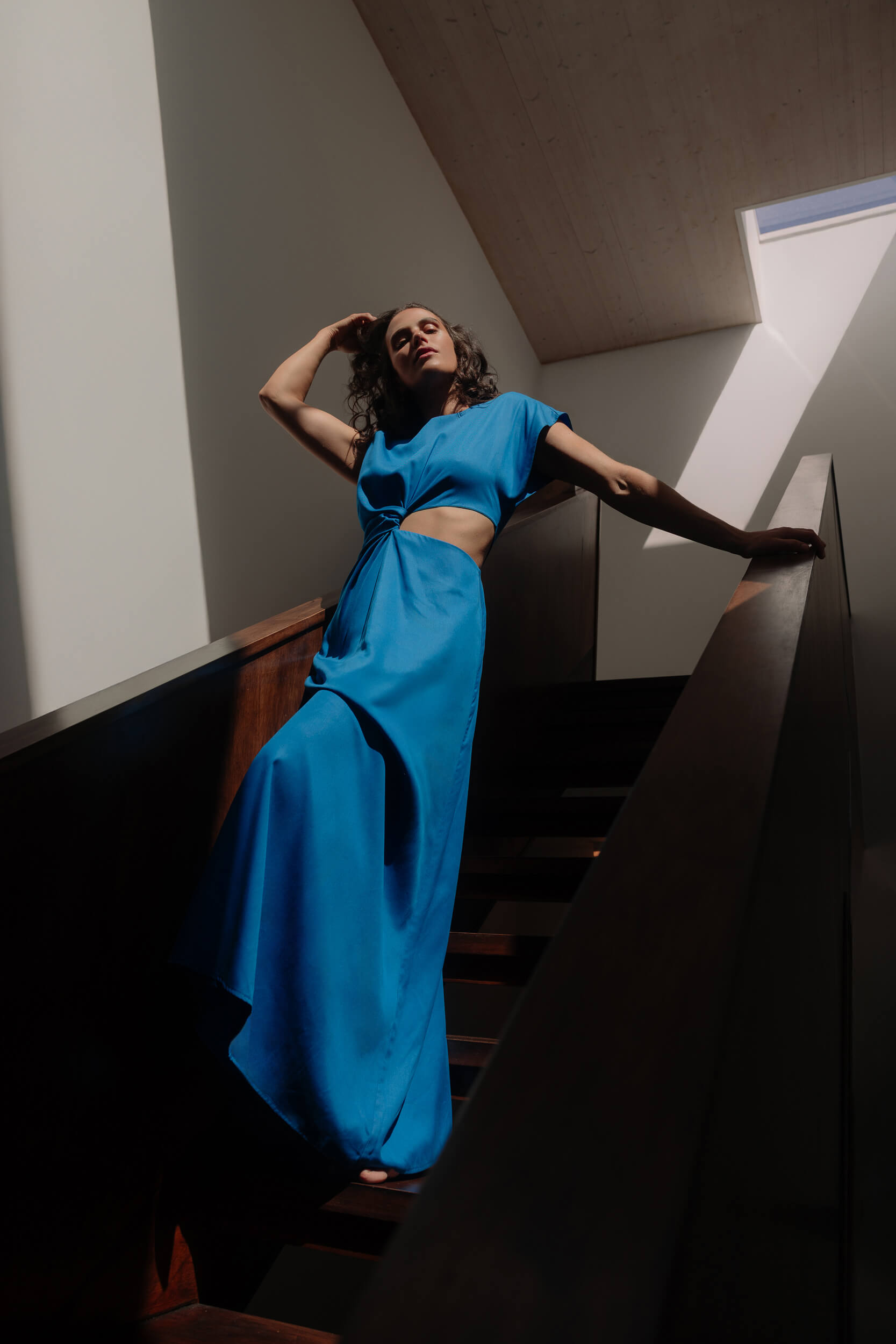
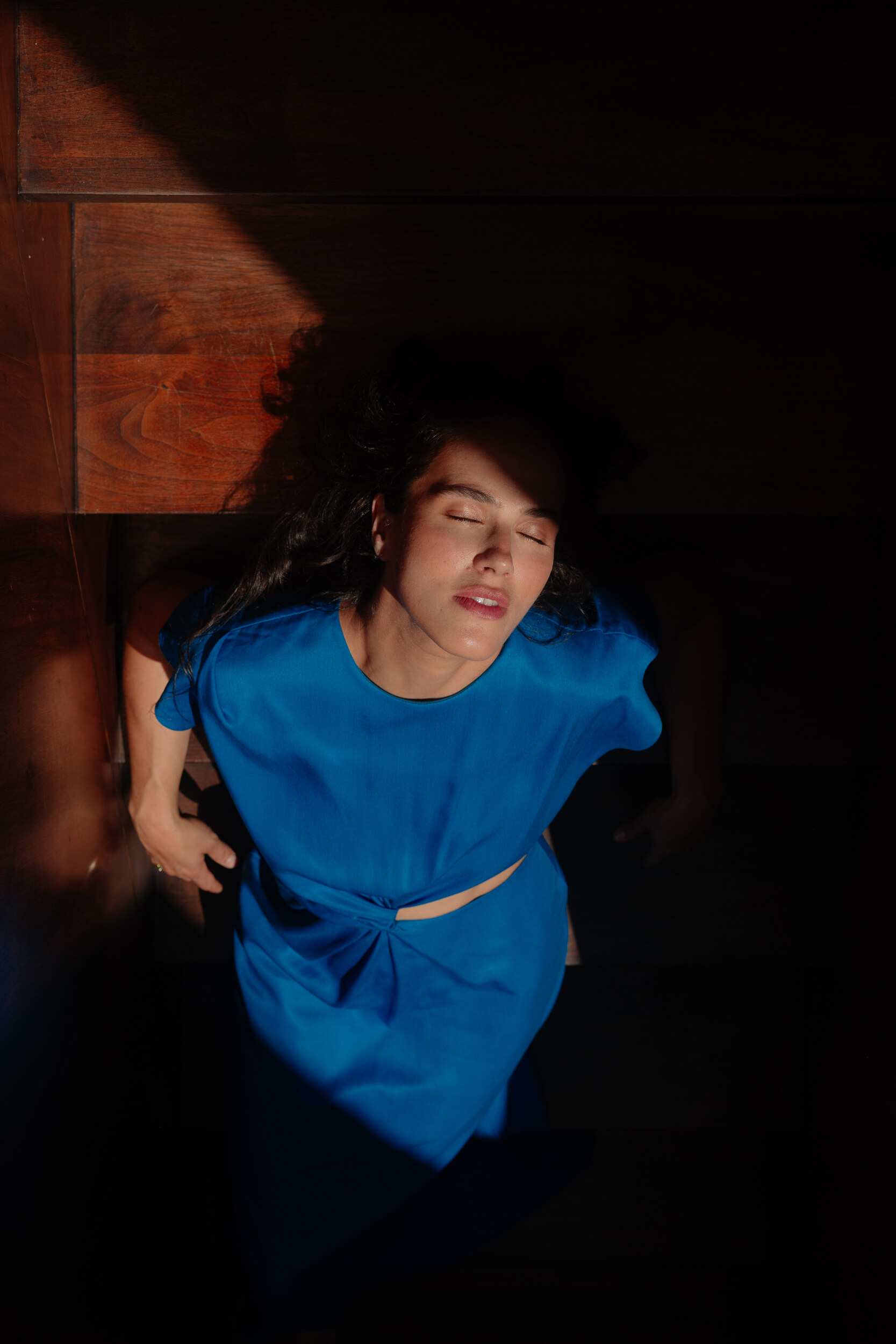
“I think a lot of people who run towards danger do it because they’re capable of loving so deeply, they’re not thinking of themselves.”
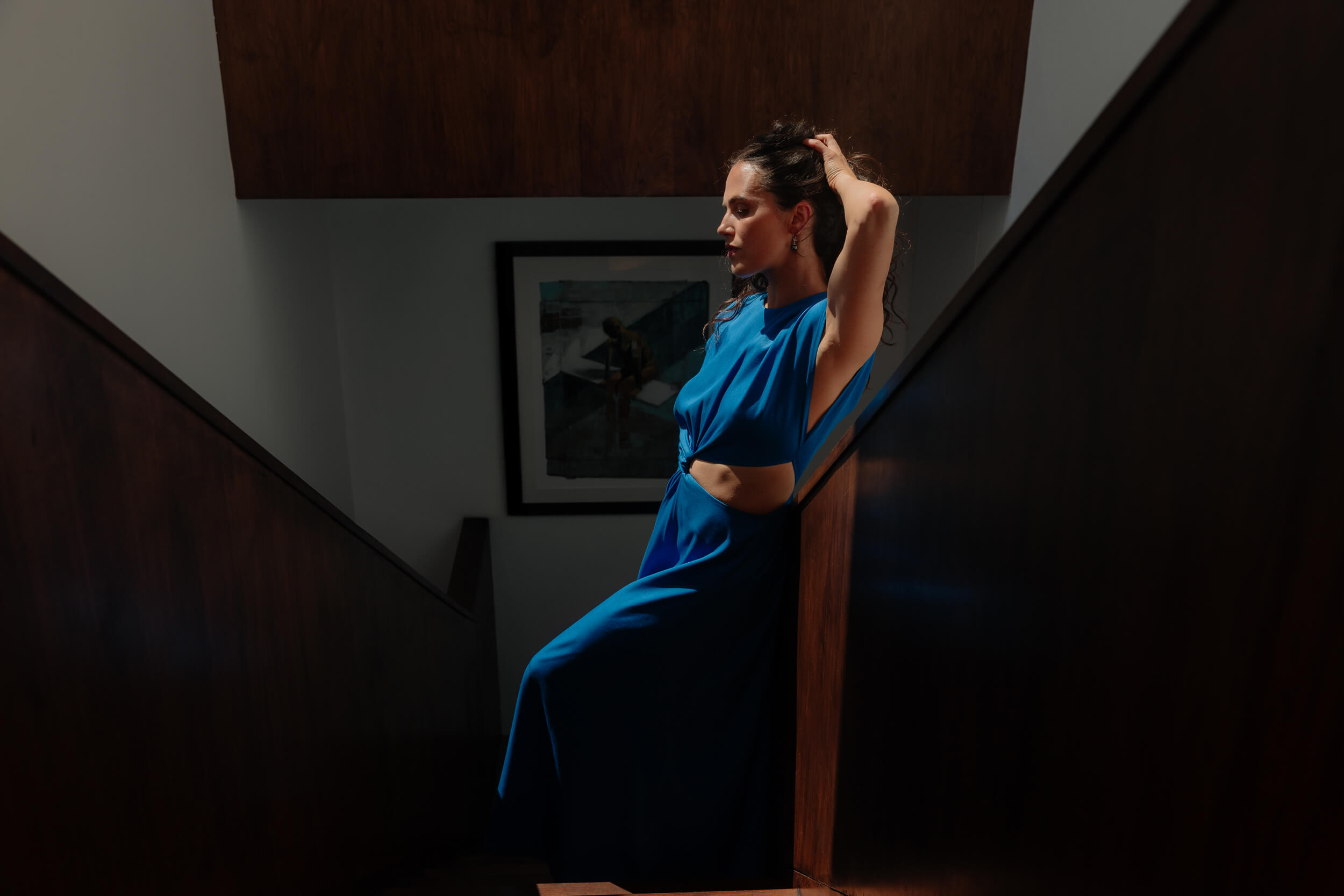
Your character loses her memory very early in the story. As an actor, what’s the biggest technical challenge in playing someone who has to relearn who she is in real time, without falling into the amnesia cliché?
After the initial physical trauma she’s been through, I wanted to keep her determined and curious at the same time. She’s unafraid of what it might take to get things back, and she’s not untrusting of the people around her – partly because of who she is, and partly because of what they’re able to feed back to her, while also keeping certain things from her that might otherwise make her more cautious.
It’s a genuinely challenging thing: you build an entire backstory for a character, and then you have to have the discipline to let it all go and trust that what’s left won’t just be you, as you, in front of the camera. If you strip away a character’s memories and everything you’ve researched and created in your head, without that sense of a historical self, is it just going to be me, sitting there in a wheelchair? That’s quite scary – it can feel exposing. But I’m a very trusting person, and I trust that if nothing else were there, someone would tell me they weren’t getting anything from the performance.
I think part of the technical work is finding how she would sit in that blank space – because it’s not that she’s a blank space, it’s that she inhabits it differently than I would. And then working out what, about her life and her past, would trigger memories or her sense of self. That was my approach. It’s unusual to start a job and immediately have to forget everything – it feels counterintuitive – but in this story, it eventually serves a real purpose.
Charlotte exists partly in a pre-apocalypse timeline, which has quite a different tone from the world inside the silo. How did you calibrate her physicality and mindset to feel distinct from the world we already knew from the show?
One of the things that’s always struck me about “Silo” is that even though everyone underground has been living there for around 350 years, the previous seasons feel very analogue and tactile – clothes are handmade, stitched, repaired. People mostly aren’t interacting with computers, and even when they are, it’s black screens with green writing, at least until we started hearing this new voice. In a way, everyone in that world feels tribal, with a strong sense of identity built from stories, legends and mystery passed down to them. Charlotte, at least when we first meet her, exists in this snowplough of a sense of self – she’s swerving through emotional lanes, on a mission, hard-nosed. While we’re all accountable in that world, she has this curiosity to get to the truth of something, to understand it and make sure nothing awful is being done in her name. She won’t just go along with the crowd.
I think a lot of people in the silo live the way they do because they have to. She steers away from that. She’s very comfortable in her own skin and her sexuality, and she takes more convoluted paths to get where she’s going, but she has a real force to her, almost magnetised, I’d say.
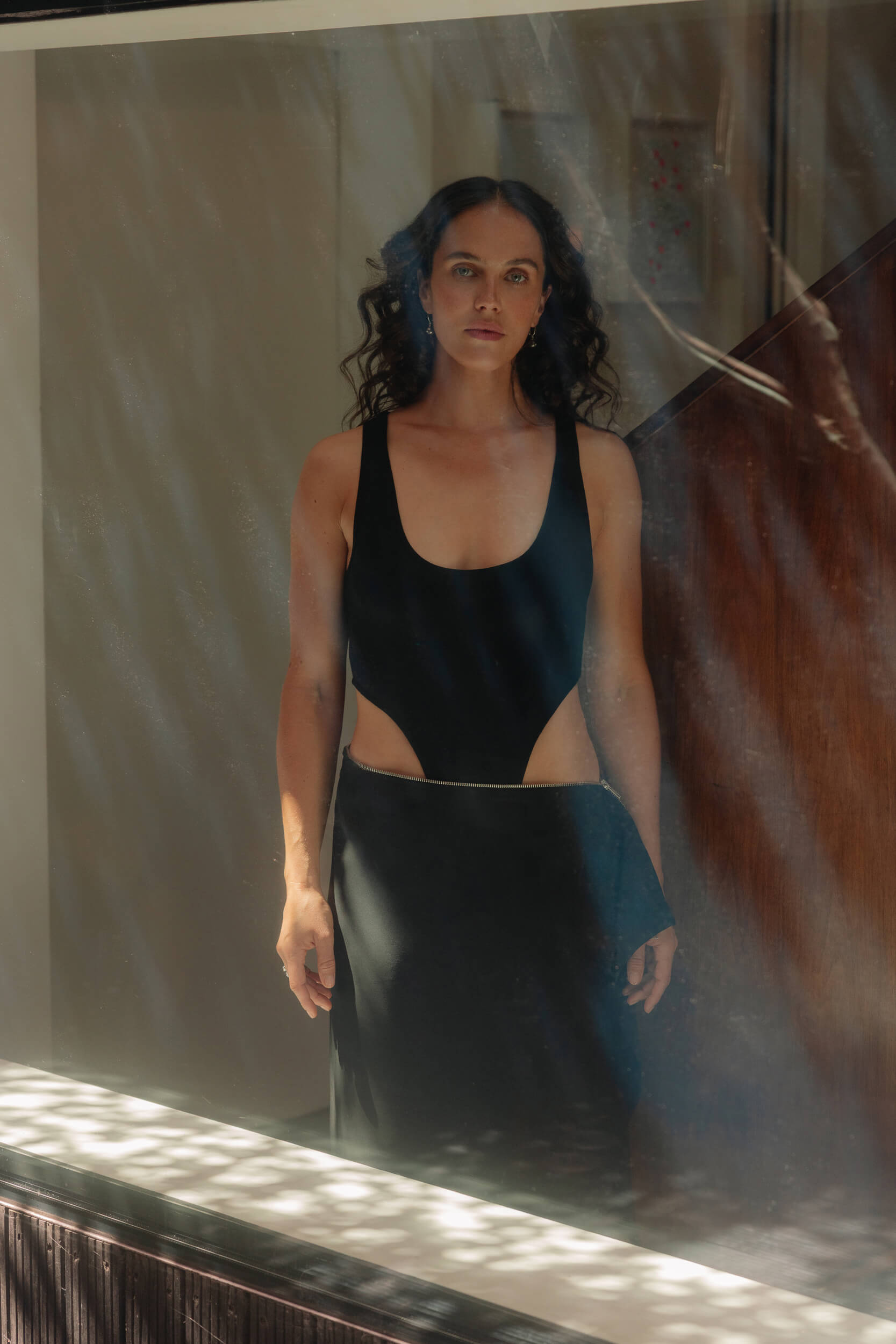
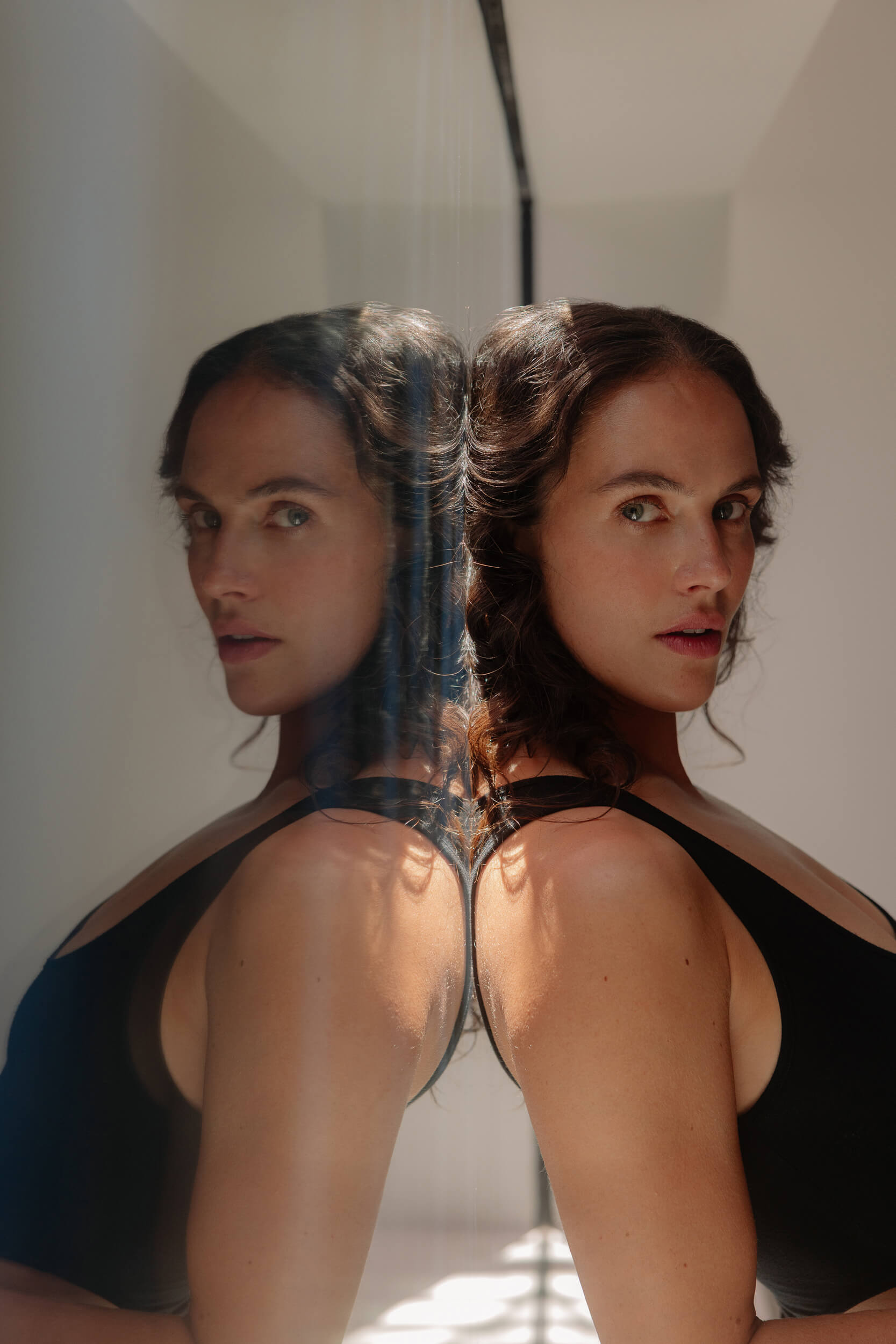
“She won’t just go along with the crowd”
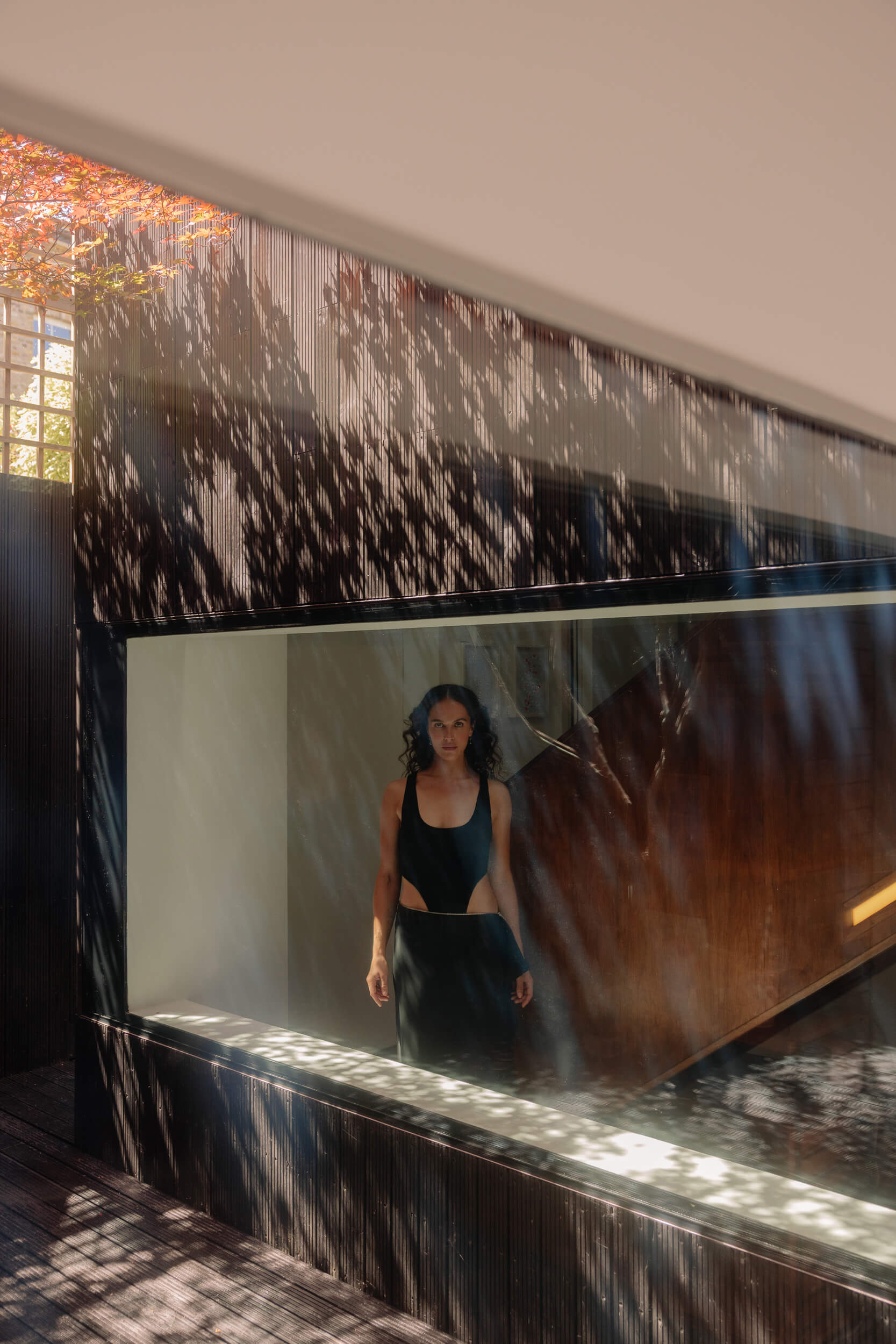
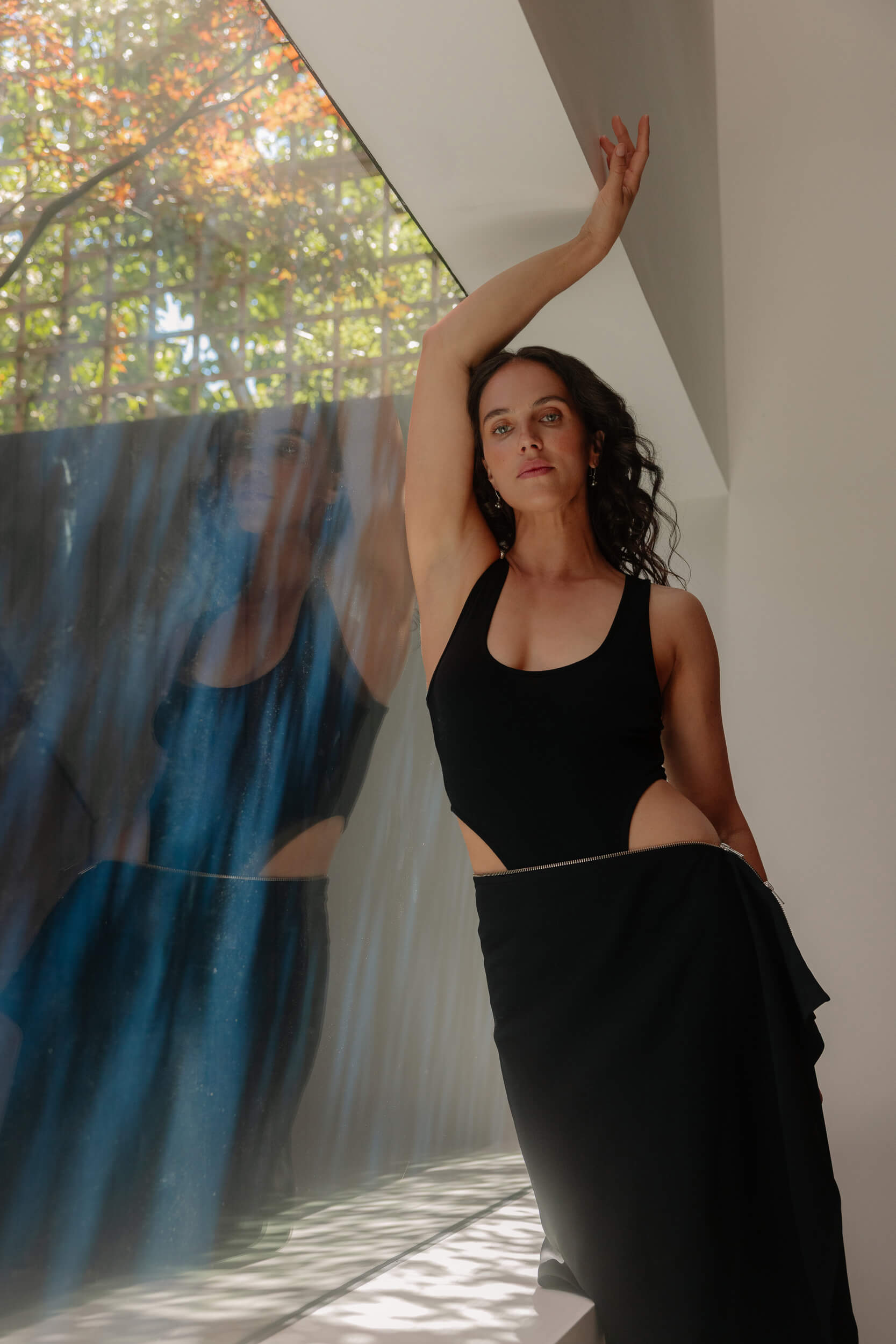
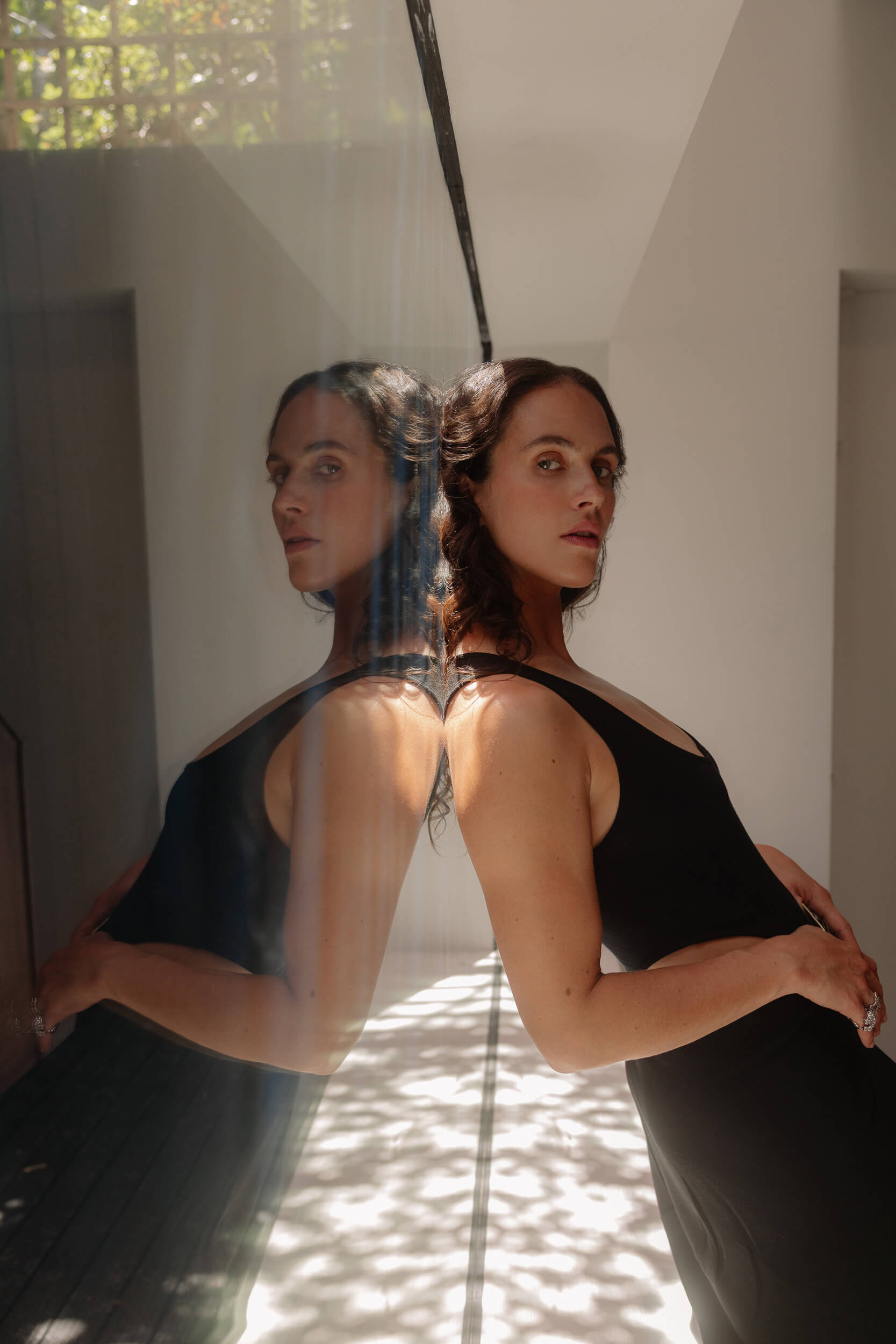
Speaking of another TV show – you’re joining “Industry”. What drew you to that world, and how different is the process of stepping into an already established ensemble show?
One of the best things about joining an ensemble show that already exists is that you’re often already a fan of it, and I was a huge fan of both “Silo” and “Industry”.
It’s quite something to step into a world you’ve watched for hours, with characters you feel you already know – which is especially strange when you’re interacting with those characters as your own character, someone who’s meant to be meeting them for the first time. It’s exhilarating, and it’s not something that had really happened to me in my career before.
Over the last couple of years, it seems like whatever I’ve been watching, I’ve ended up being cast in – which is quite funny, like I’m manifesting it. But it’s wonderful. There’s always a worry about whether you’ll feel like an outsider, but the show is made so well, with such attention to detail in why the sentences are written the way they are and what they mean. Actors will occasionally get a line slightly wrong and be corrected – that’s the phrase because that’s what you’d say in that situation – so you have to be very disciplined with the lines, especially because people talk incredibly fast while always really talking about something else underneath. It’s like joining an ensemble that already knows the mechanics of that world, and you’re trying to step up and keep pace with them.
You’ve also been announced for the “Peaky Blinders” sequel. What can you say about your experience on that project without giving too much away?
It was fascinating. A lot of the television I’ve done has been on a BBC schedule, shooting pages and pages a day. I started on “Peaky” about a day and a half after finishing filming “Silo”, so I went from cranes and the very stylised world of “Silo” straight into beautiful old houses and vintage clothing – a completely different kind of set.
It’s exactly the kind of contrast I really enjoy, because it demands different skill sets and different working speeds. Sometimes budgets give you rehearsal time to shoot things exactly as complexly as you’d want; other times you really have to trust yourself and commit on the very first take. Everyone working on “Peaky” loves that world so much – it has such a strong sense of identity, almost a beating heart that everyone recognises. Taking that on felt like heart surgery: taking out this beating heart and making sure it survives into a new era, while keeping it alive throughout.
I love my character and I wish I could tell you more about her – I will, at some point, but I’m too nervous to say anything yet! What I will say is that the supporting cast was wonderful to work with, and Jamie [Bell] especially is a force of nature, such a versatile actor. We quite literally met in the morning and were shooting major, emotionally heavy scenes together that same afternoon on day one. It’s a real trust process: you have to trust that the people who cast the show have thought carefully about the combination of actors, and then you just go to work. The moment you feel things lift off the ground, almost start to levitate, you realise the energy is there, it’s working.
I’ll never get over what it’s like to meet an actor I’ve admired and, two minutes later, be rehearsing a major scene with them, going for it fully. On paper that’s terrifying, but I find it genuinely enjoyable. I find silly, everyday things far scarier – I don’t like calling strangers on the phone, or I’ll overthink a text back, wondering what to say. That stuff freaks me out. But going into work and doing a six-page scene with someone I’ve just met, having to build a huge relationship with them on the spot – that really excites me.
“It’s a real trust process: you have to trust that the people who cast the show have thought carefully about the combination of actors, and then you just go to work.”
So far, you’ve moved very fluidly between period dramas and speculative fiction. Is there a common thread that draws you to a script, regardless of genre?
What’s fascinating is that a lot of what appeals to me in a script is being able to hear the writer’s voice. It’s exciting when someone can write convincingly in different voices for different characters within the same story, while still making sure everyone feels like they’re singing from the same hymn sheet – as opposed to every character sounding the same. I’m really drawn to that. But often the projects I’m drawn to aren’t the ones I end up getting, so what I find more interesting to think about is the through-line in the jobs I do get.
Honestly, I think a lot of the characters I’ve played are quite stubborn and emotional, and know what they want, which is probably just what I’m like. I feel things very deeply, and when something’s in my sights, I’ll go for it no matter what. I think I have an affinity with characters who are unafraid to be themselves, fiercely unapologetic about existing – which isn’t something I naturally possess. I get there eventually, but day to day, in my own narrative of myself, I worry far more about what people might think, or whether I’m being annoying, or too much, or too loud, which is ridiculous, because I am all those things, and I should just get on with it, since I can’t seem to change it.
A lot of the characters I’m drawn to have that quality, and what comes out of it is often something new, exciting, challenging or terrifying happening to these people. I think playing them lets me dig into some of that and live vicariously through my characters – that’s probably the through-line. They get to be incredibly brave, and I get to feel brave through them.
What is the latest thing, or one thing, you’ve discovered about yourself thanks to your job?
I’ve learned some genuinely interesting skills along the way, which has been fun. But something I’ve really discovered about myself relates to growing up: because of when I was born and what education was like at the time, I didn’t know I was dyslexic until I was in my mid-teens. Teachers didn’t really know what to do with me, so I thought I was simply stupid – that I didn’t have the ability to understand things the way other people did. In reality, it’s just the way your brain interprets information, but I labelled myself that way for a long time.
I found reading and writing incredibly difficult and frustrating, because I wanted to hear stories all the time, but it took me far longer to read a book than my peers. I’d write my thoughts down, but no one else could interpret them, everything was grammatically wrong or misspelled. I had this deep desire to learn and a huge yearning to express myself, but I was constantly met with a big banner of “no” or “incorrect,” lots of red pen.
My job is all reading — I read constantly, interpret what I’m reading, and then express it. Thankfully it’s not about spelling, because I still might not have that quite down! But my job has taught me that everything is in there, and that you can improve enormously, especially once something becomes a passion. My job isn’t an exam — it’s not something you pass or fail. If you can do it, it’s about finding a space where people let you tell those stories, or interpret them the way that feels right to you. It’s genuinely extraordinary that my job has ended up proving to me, or giving me the skills to do, exactly the thing I once thought I couldn’t do.
It’s why drama and art in schools matter so much: it’s an art form, not a yes-or-no answer. So much pressure is placed on exams and academic performance, when there’s so much more that people can do than being academically perfect.
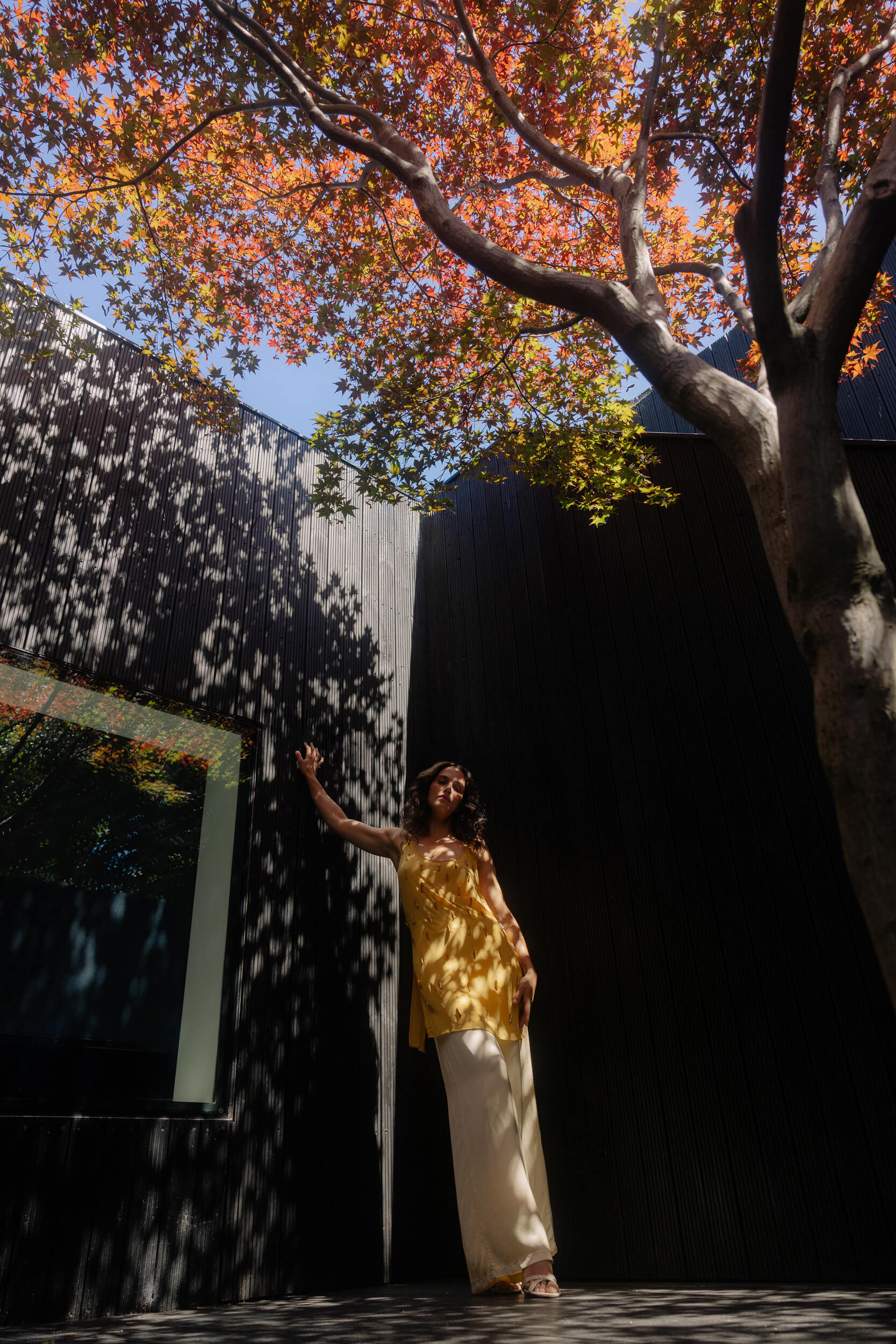
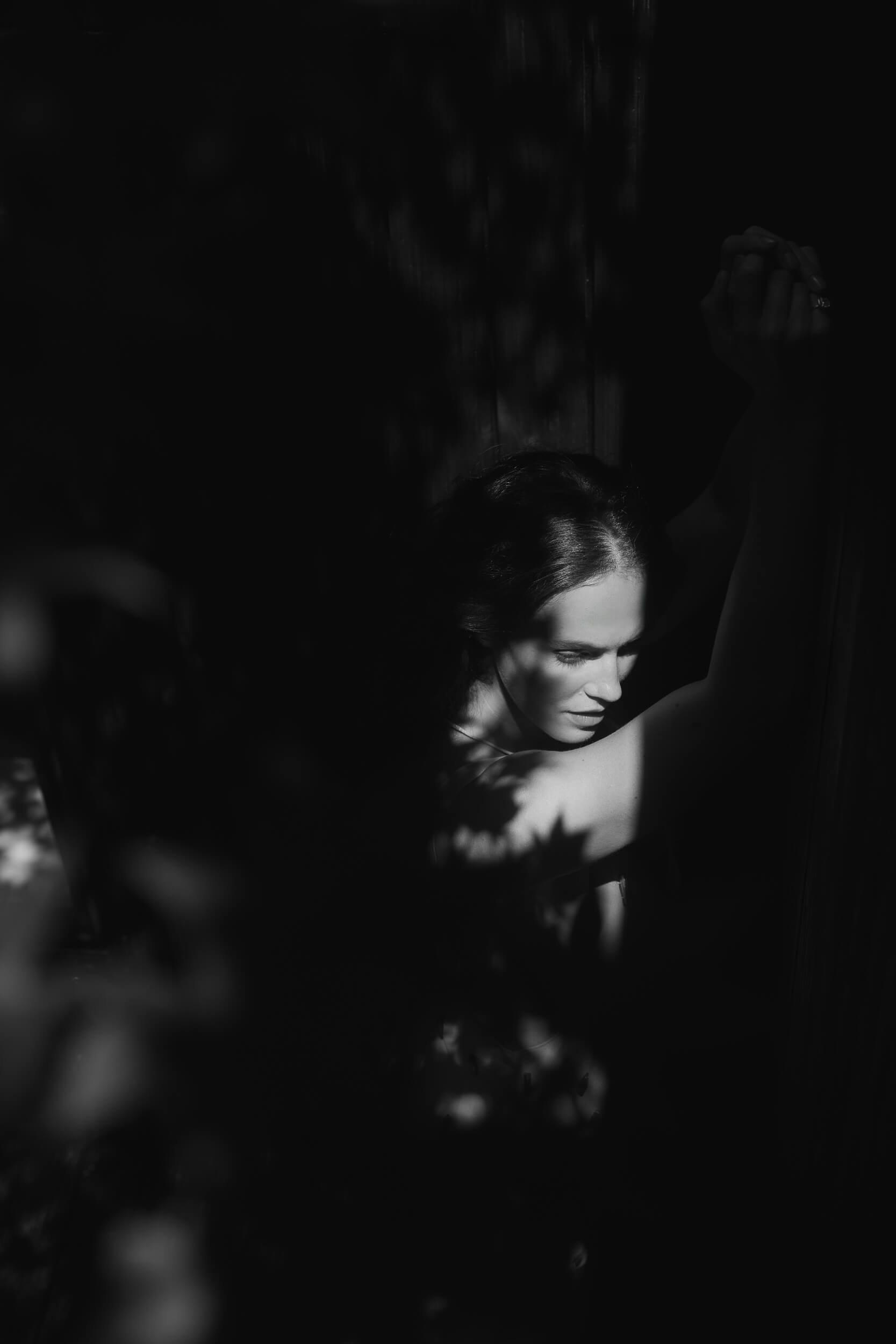
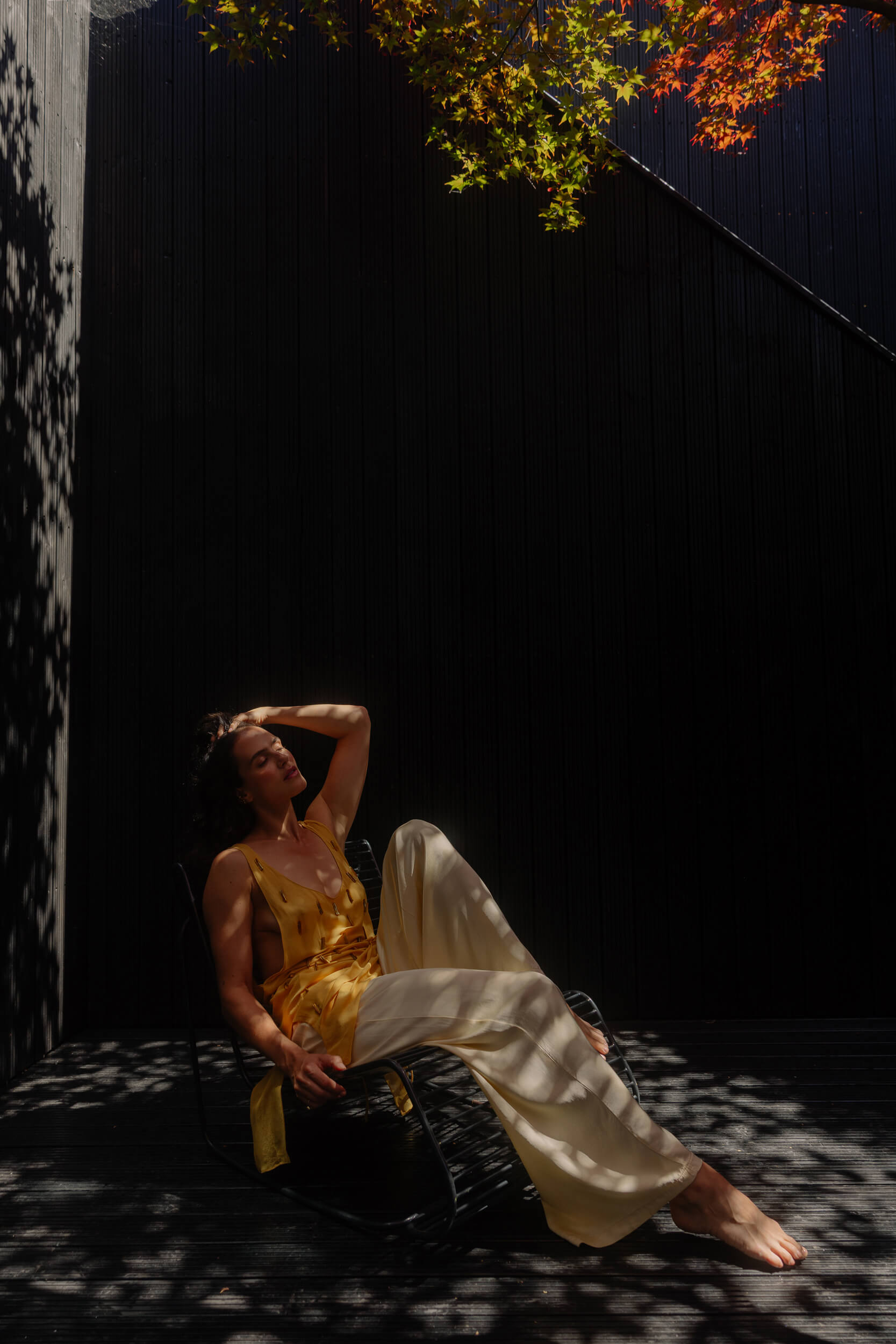
“My job has taught me that everything is in there, and that you can improve enormously, especially once something becomes a passion.”
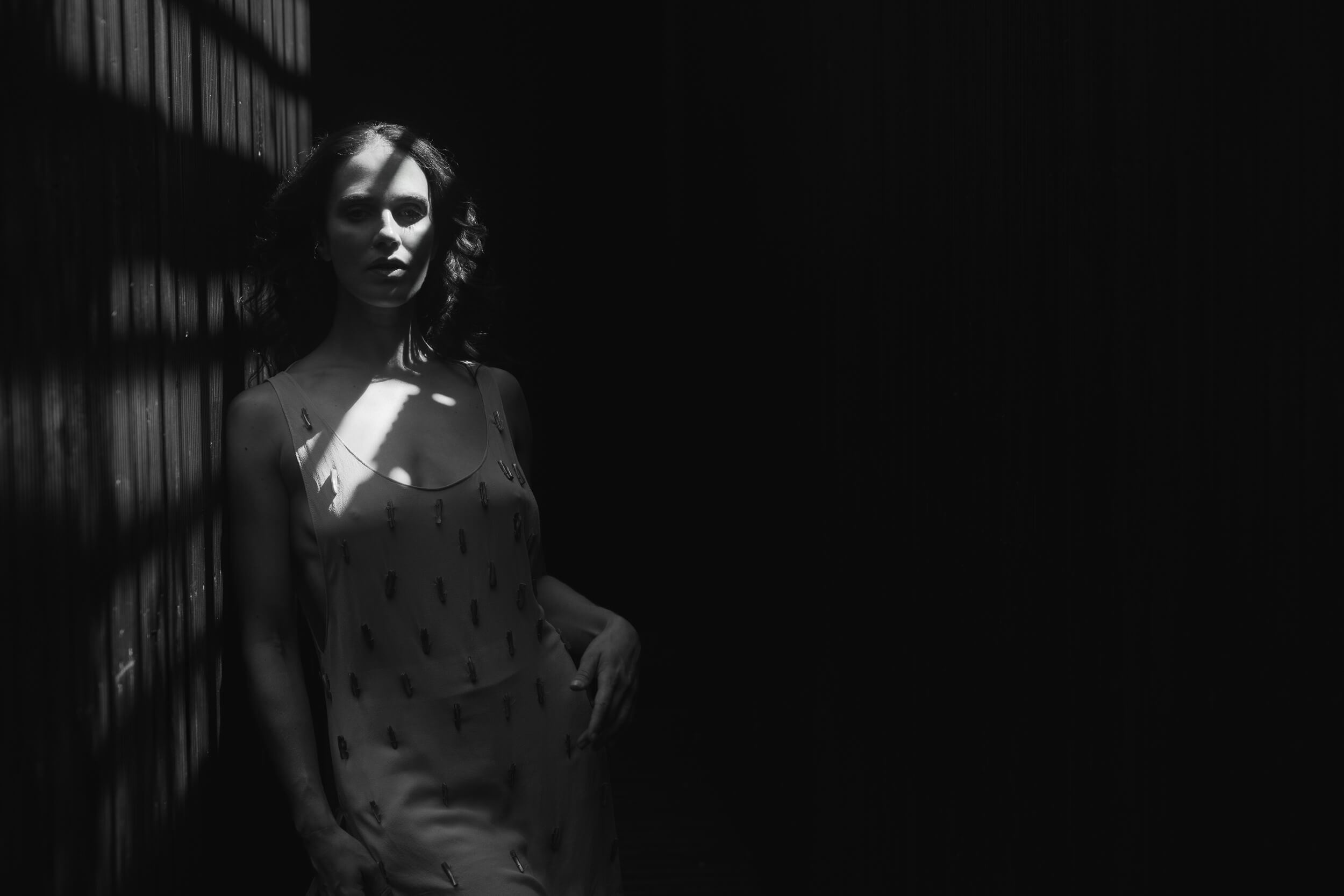
What does it mean to you to feel good in your skin, to feel comfortable in your skin?
It’s changed a lot for me over the years, for an excruciatingly long time, I really didn’t feel comfortable. For me now, it means being passionate about what I wear. A lot of the time I’m running around in jeans and a t-shirt, because that’s the most practical thing for chasing young kids around a playground, where it doesn’t matter if you get scruffy. But often, even if I’m on my own, I’ll change in the evening into something beautiful that I love to wear, because I like being able to be both of those things, practical and a bit ridiculous, all at once.
I think what makes me happy in my own skin is accepting that I’m a deeply flawed human being who is trying. Before, trying felt like setting bars for myself that I never quite felt comfortable clearing. Getting older is just making me feel so much more comfortable, confident and beautiful. Sitting with friends over good food is a big part of it too – so much of my life now is about connecting outward, toward someone else. I have young kids, and watching the way children attack things with absolutely no self-control or limitation, and with such passion, while also helping them understand the world – that’s a big part of it for me too.
And seeing that, but also helping them understand that they’re okay in the world, and that they need to keep trying, keep trying. I think it almost becomes like a mantra. You start teaching young people something you maybe haven’t even fully mastered yourself – you’re learning it alongside them. It’s a mantra you repeat over and over, and as a result, you finally start listening to your own advice. That makes me feel good, yeah, it really does.
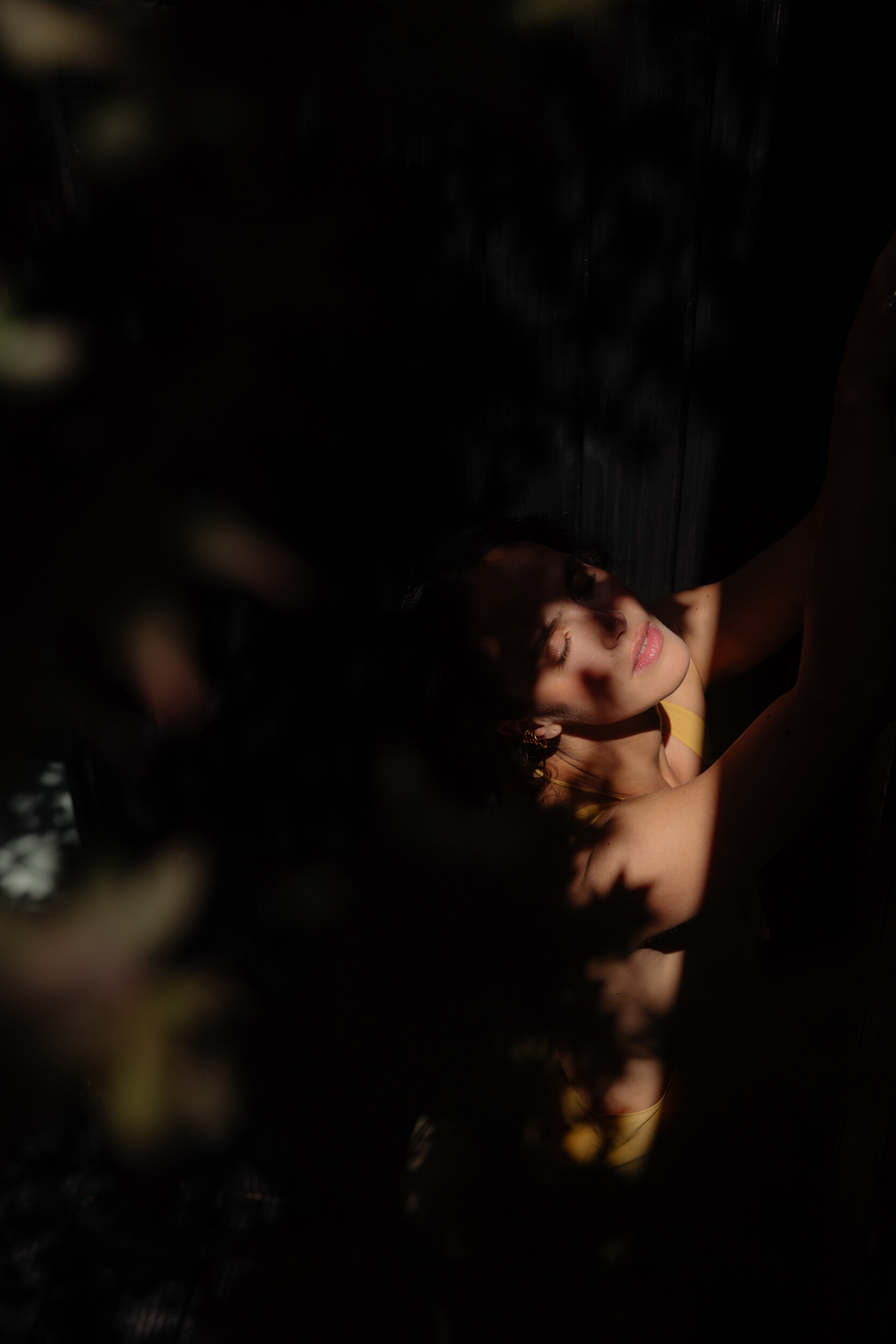
One last question: what is your happy place?
I feel really safe on the stoop of my house, watching my children and my neighbors’ children biking up and down the road, playing, eating out of a giant bowl of pasta with their hands, just watching life happen around me. Being able to see other people without actually needing them. It’s both social and intimate at the same time. Yeah, that gives me a real sense of peace. It’s like a beautiful chaos that makes me feel calm.
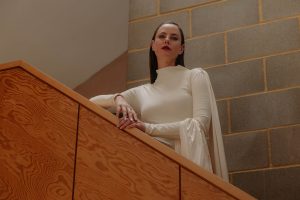
Photos & Video by Johnny Carrano.
Styling by Grace Radhakrishnan.
Makeup by Nohelia Reyes.
Hair by Sky Cripps Jackson.
Thanks to Tapestry London.
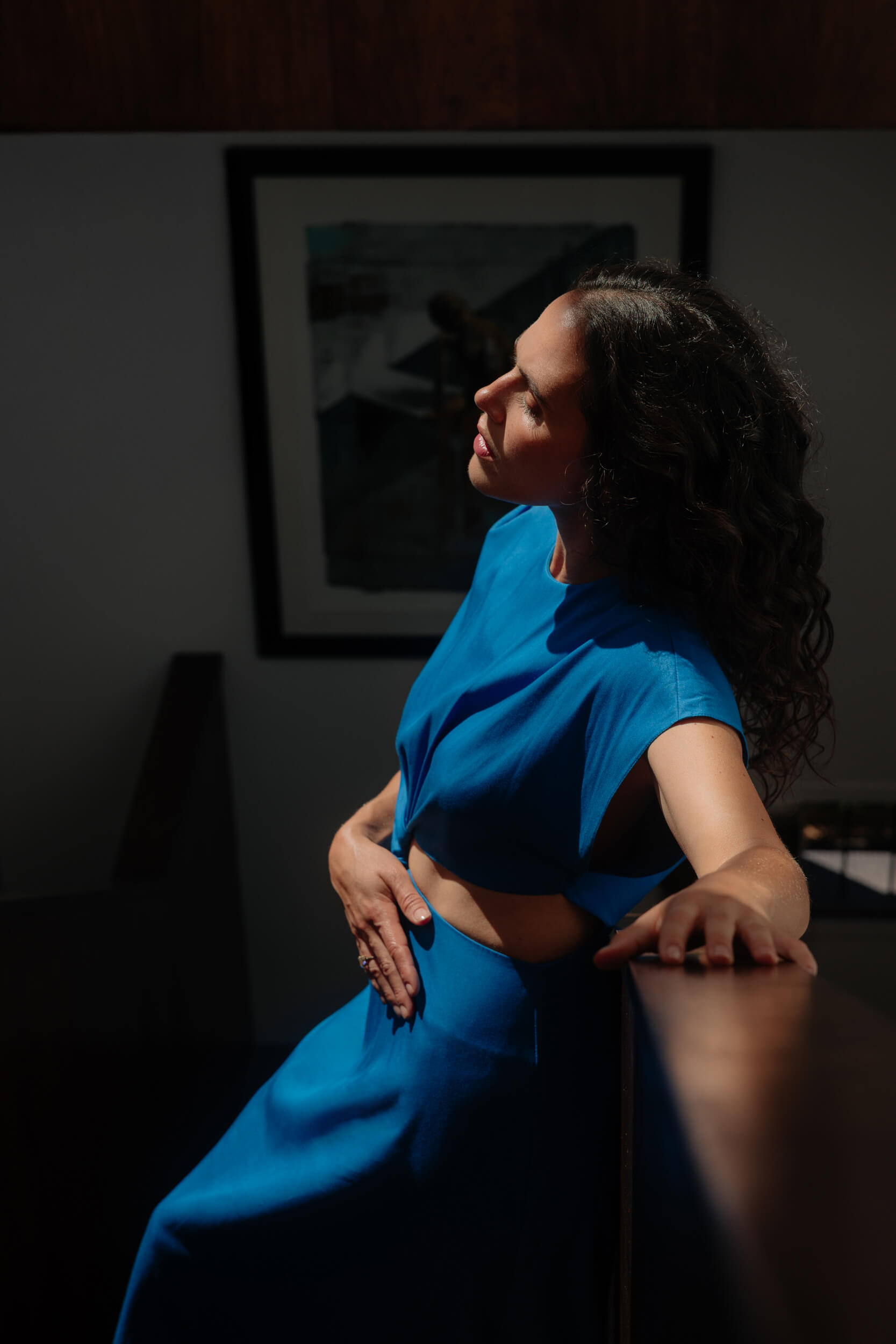
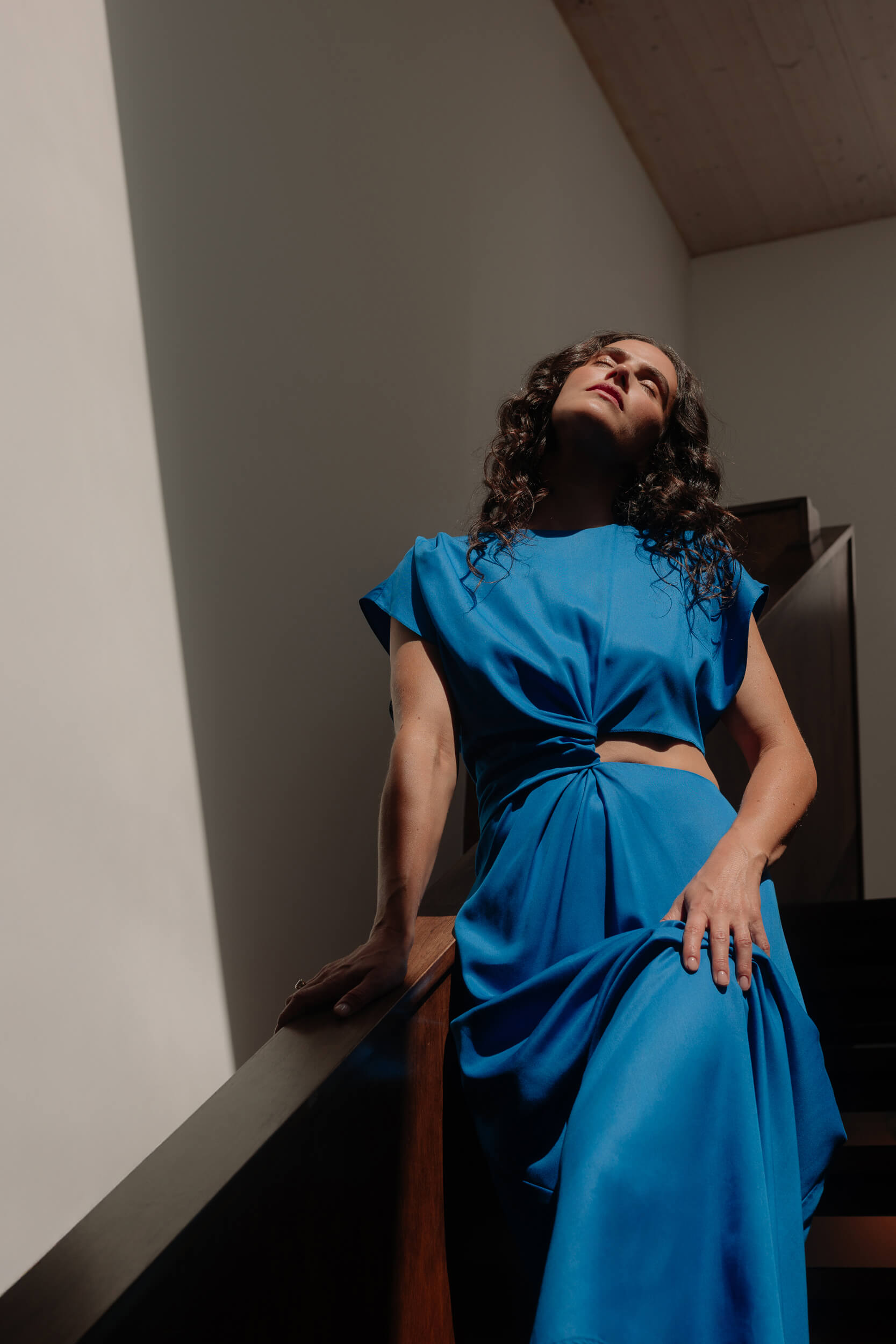
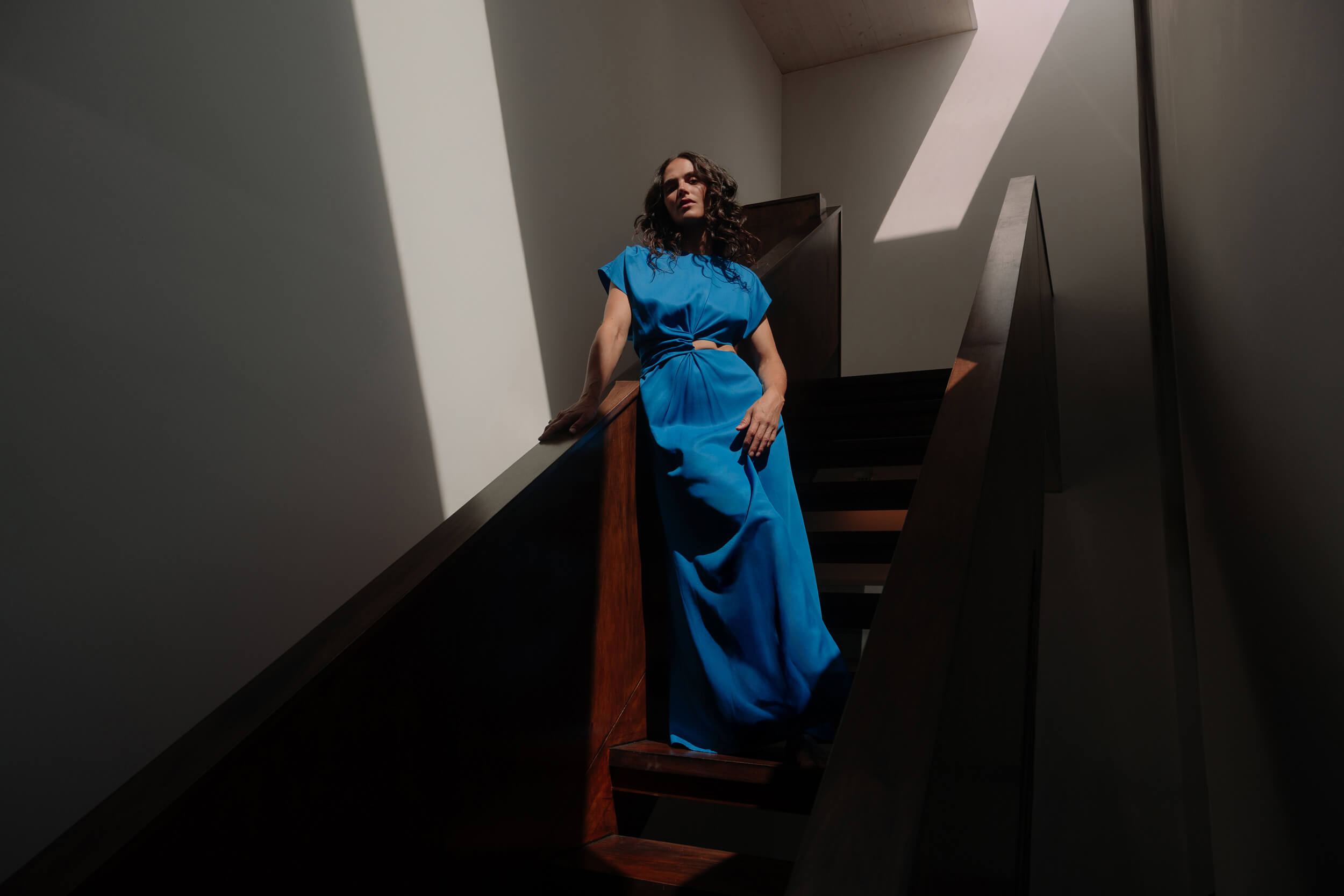
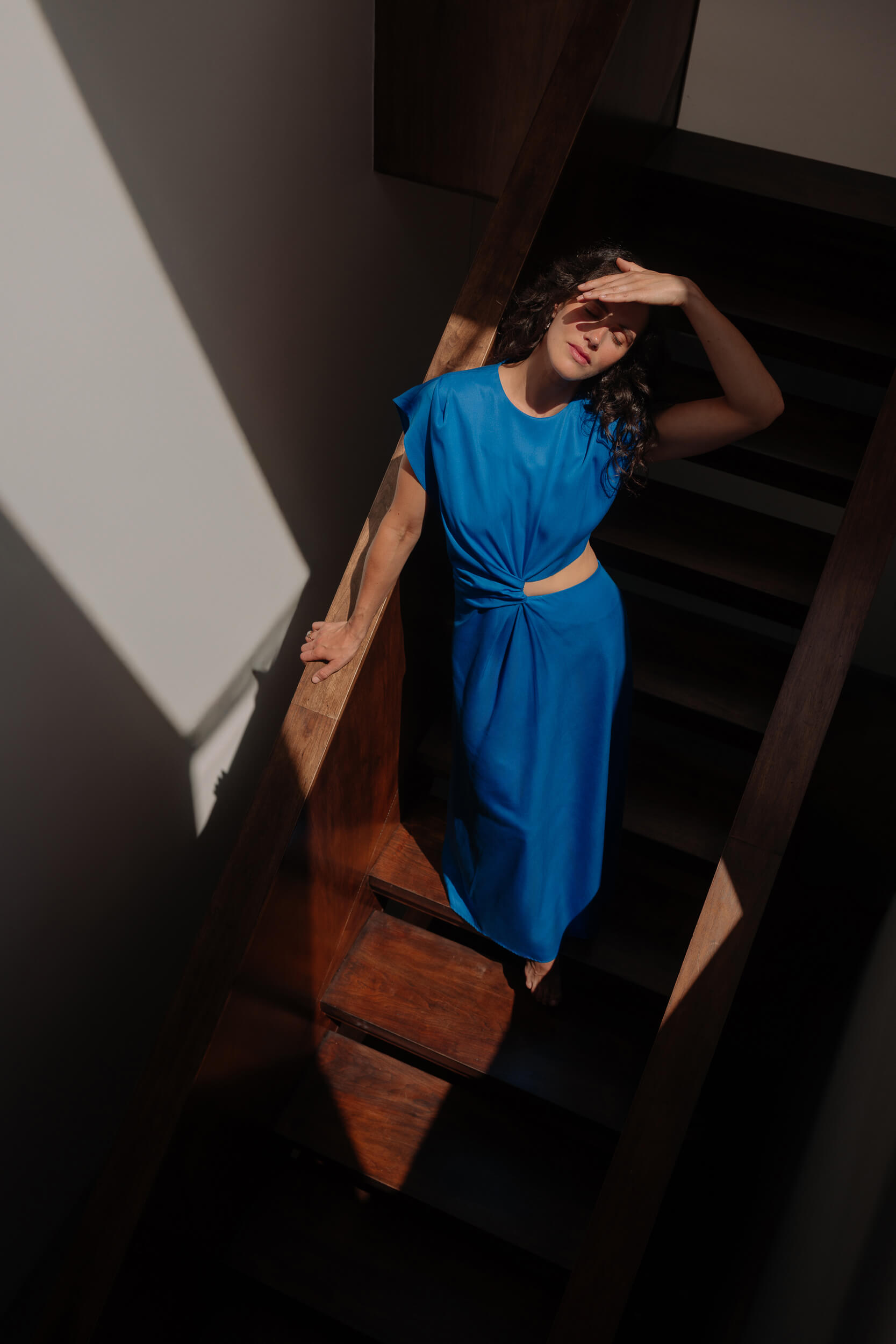
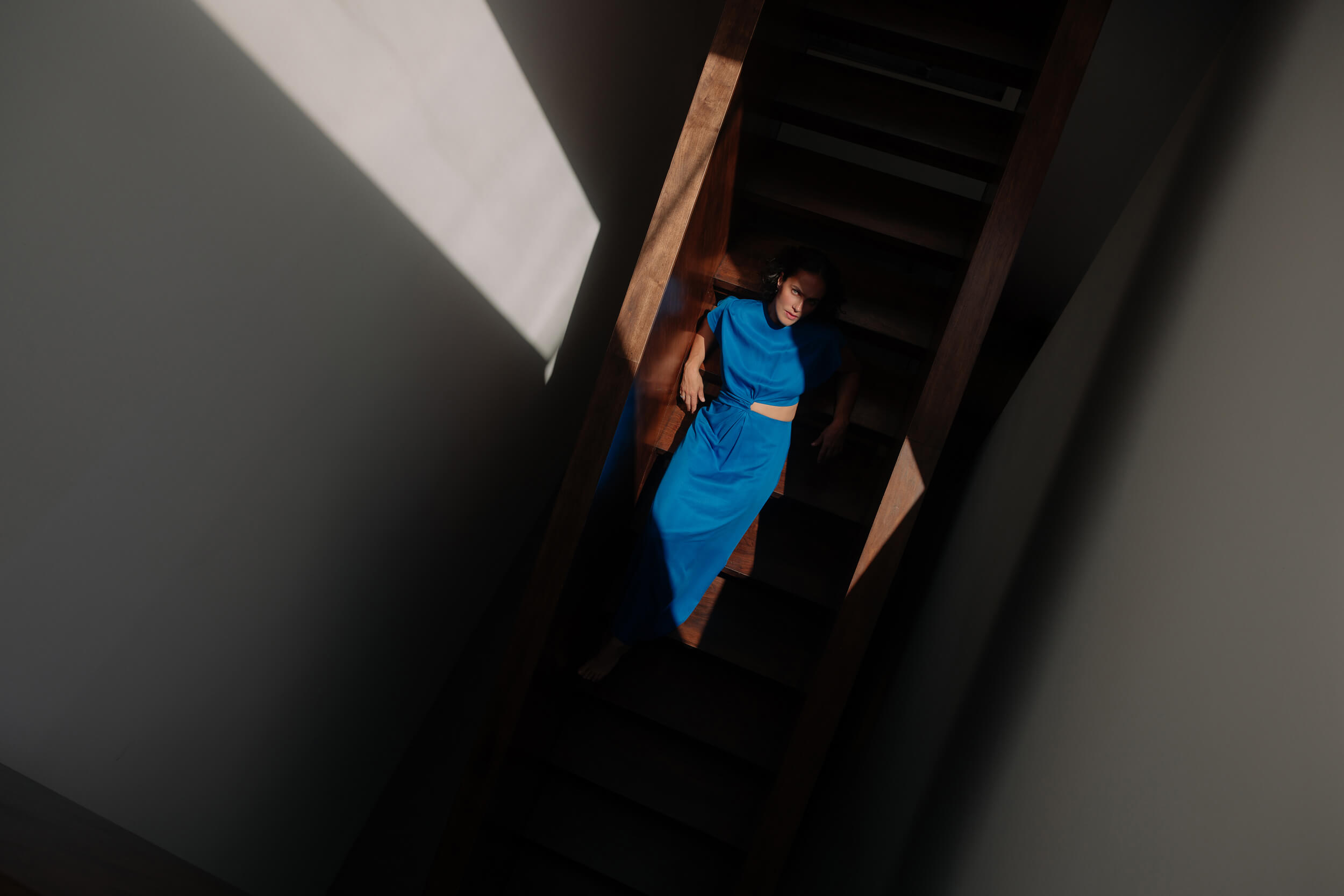
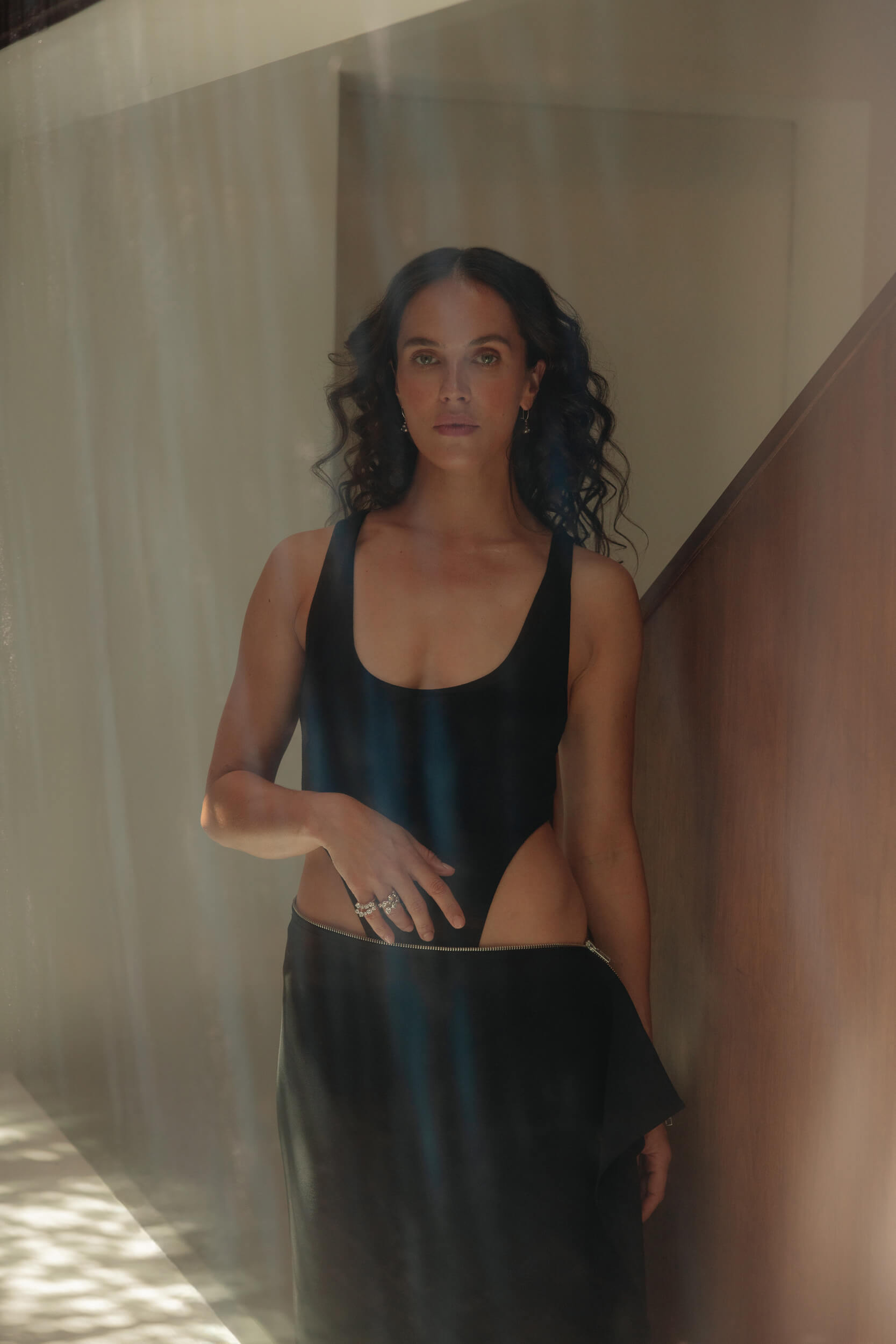
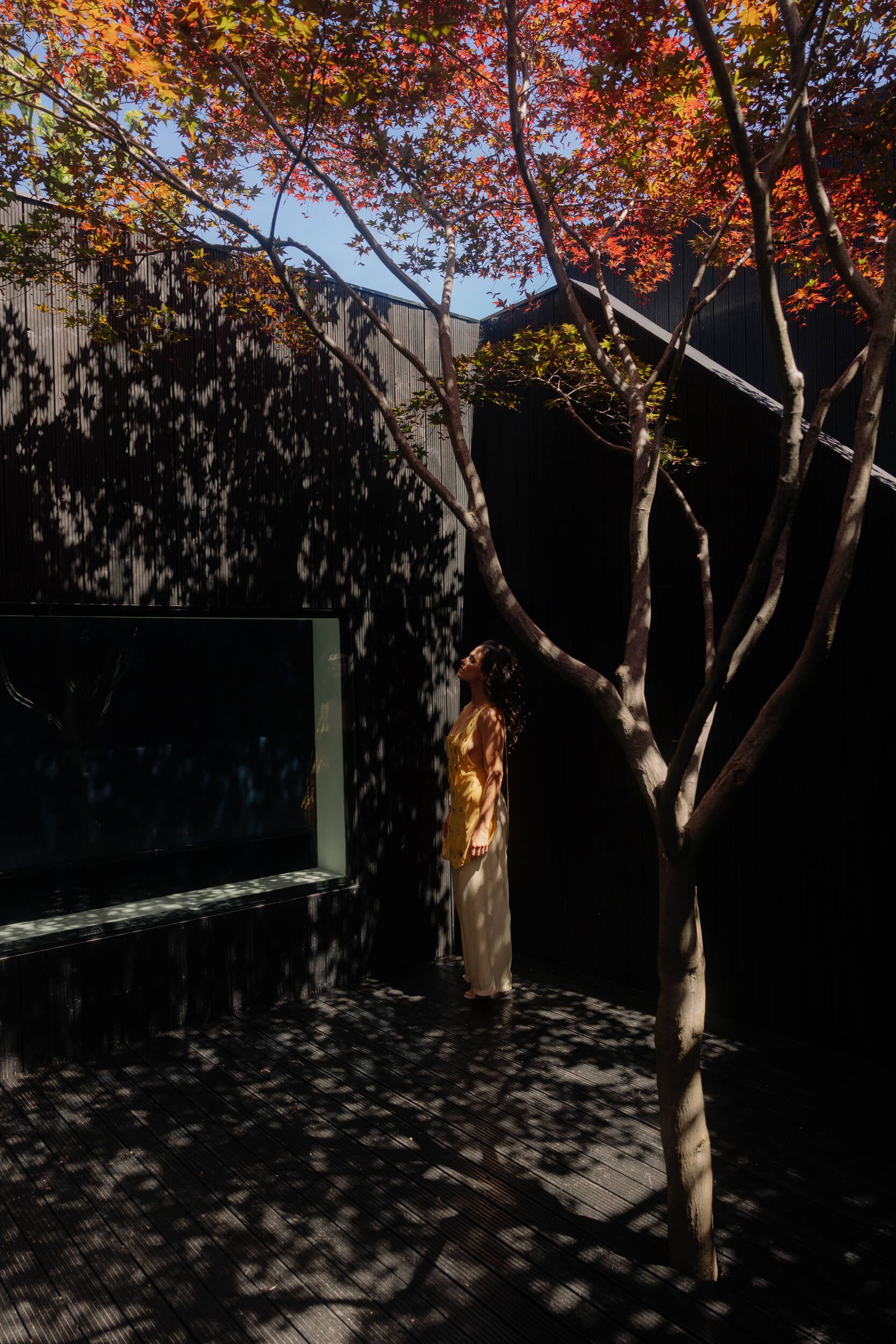
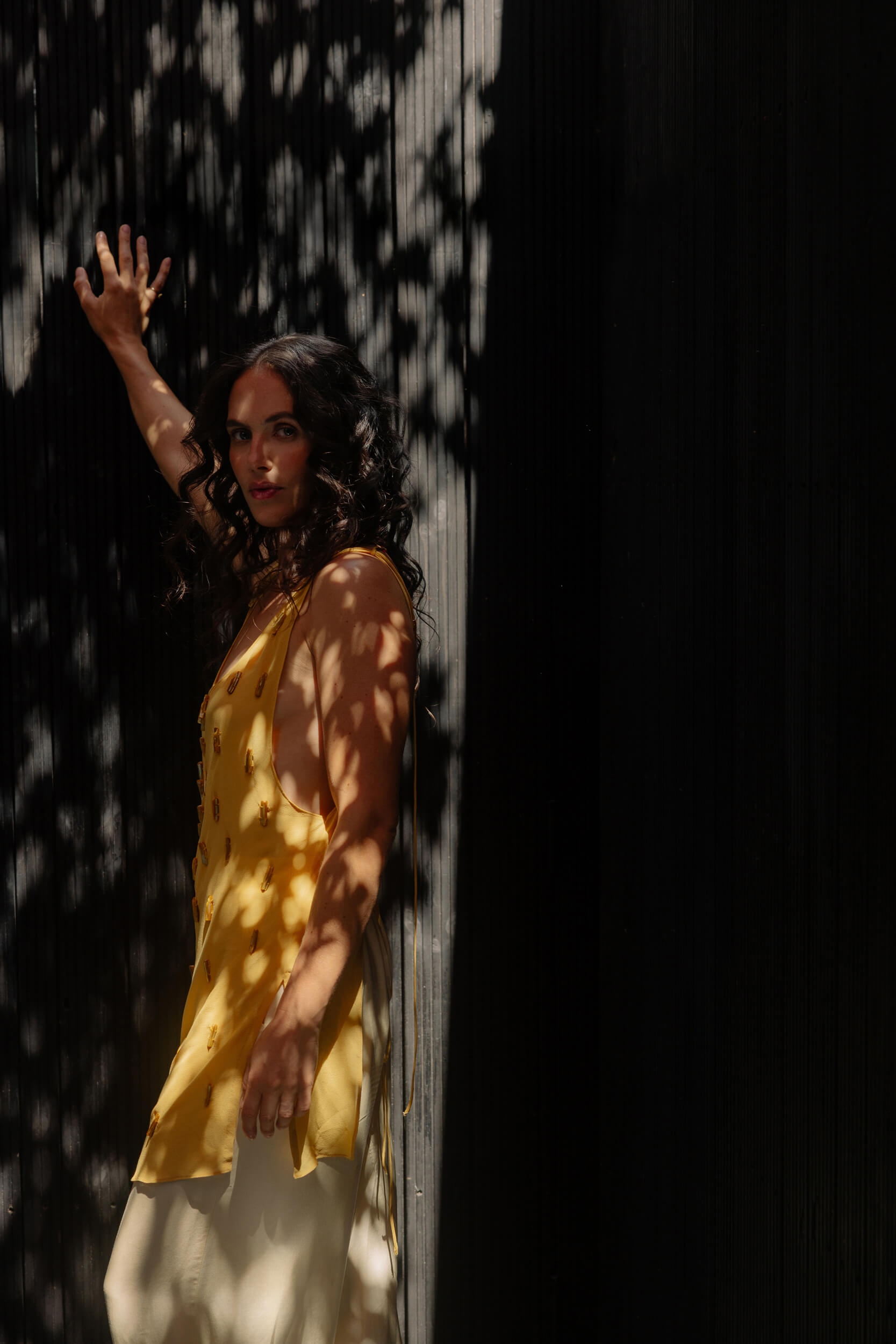
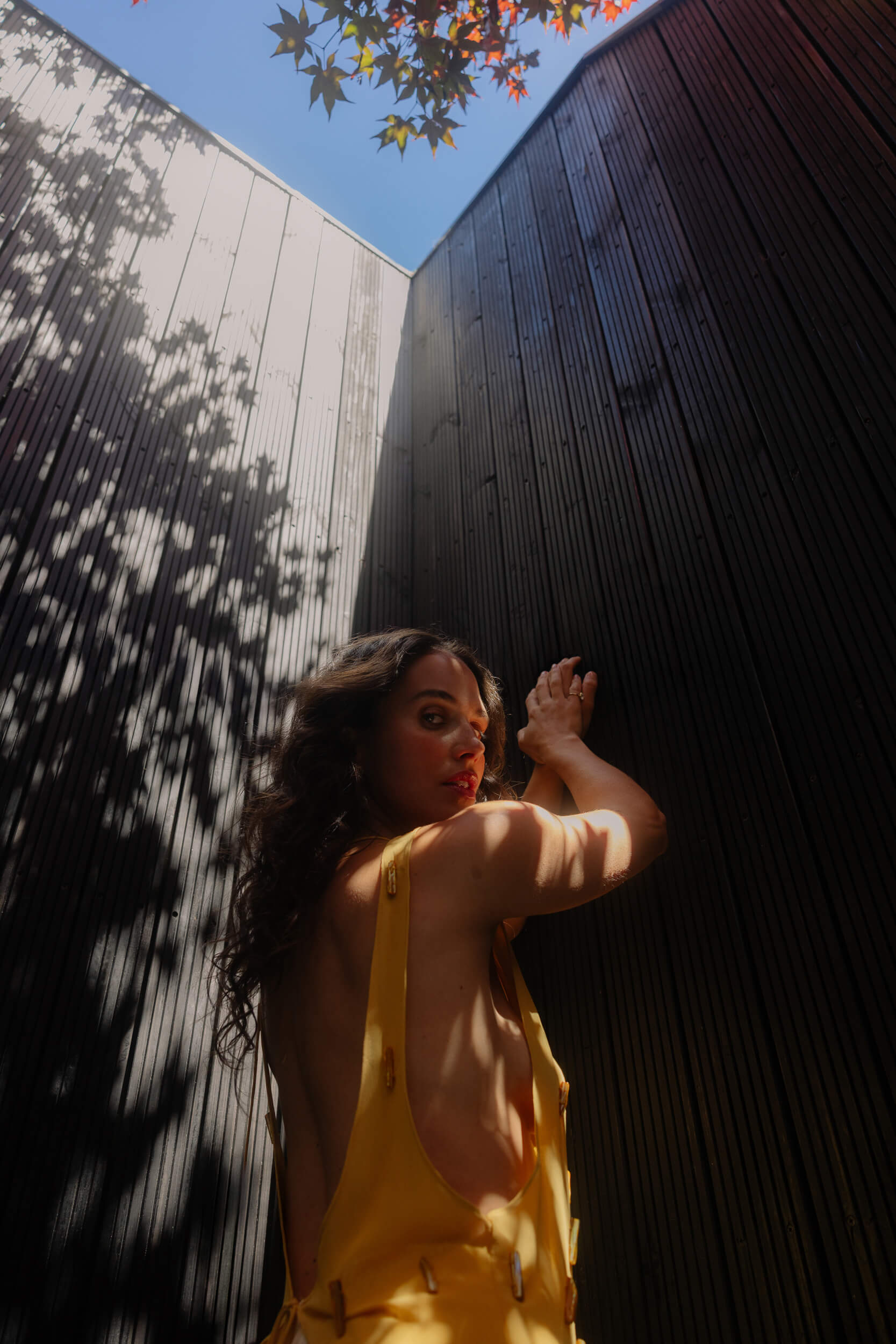
Look #1: Dress Akyn
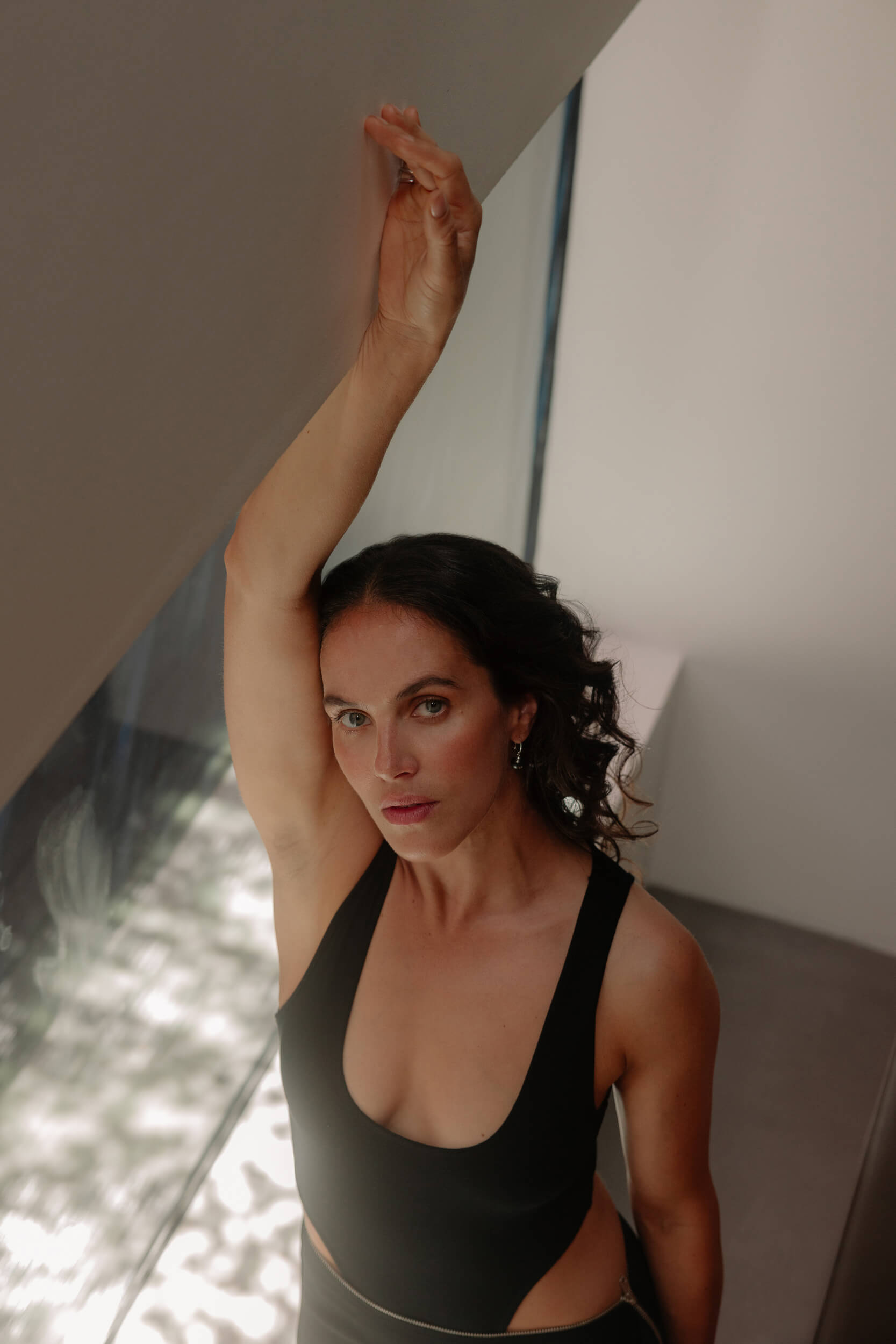
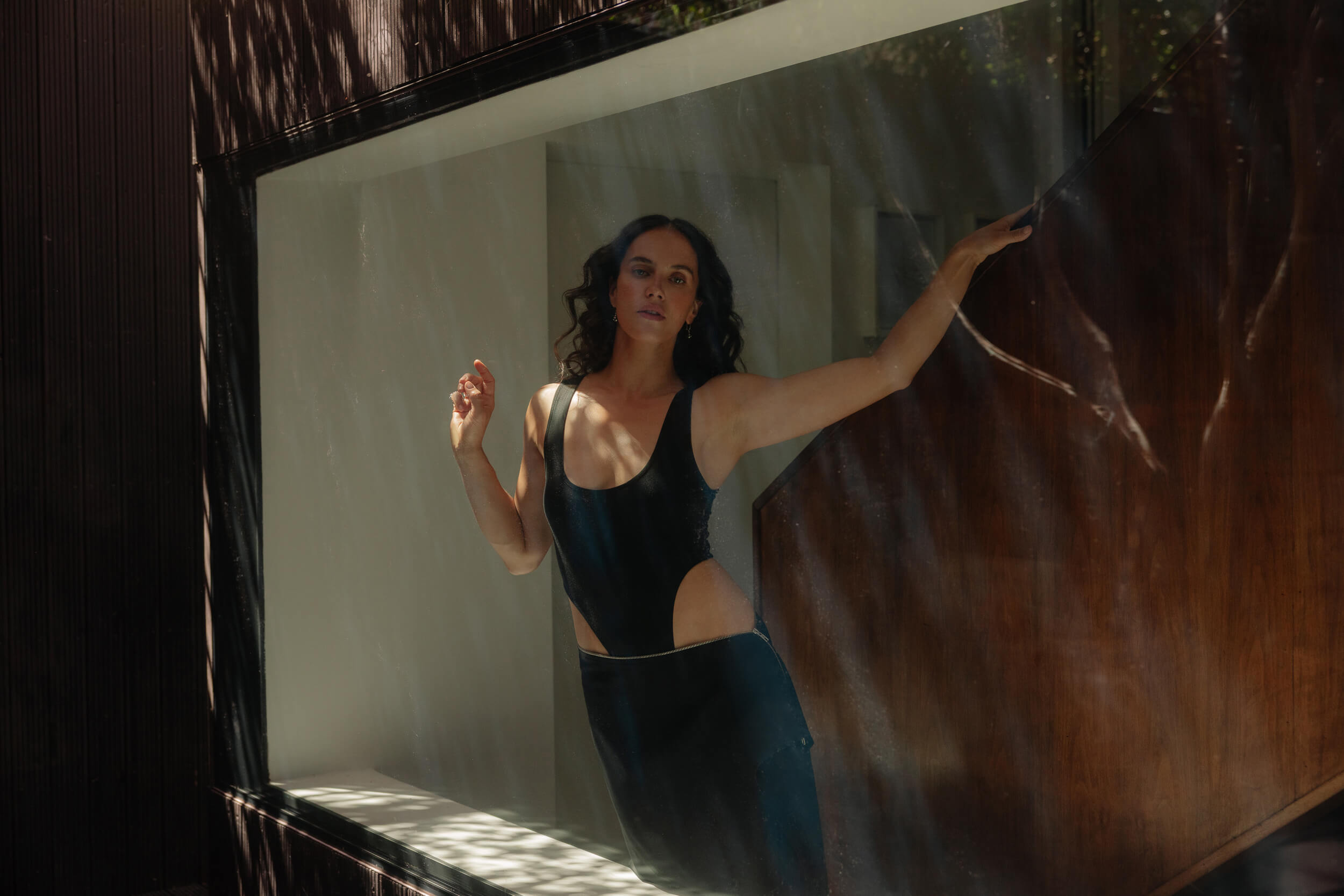
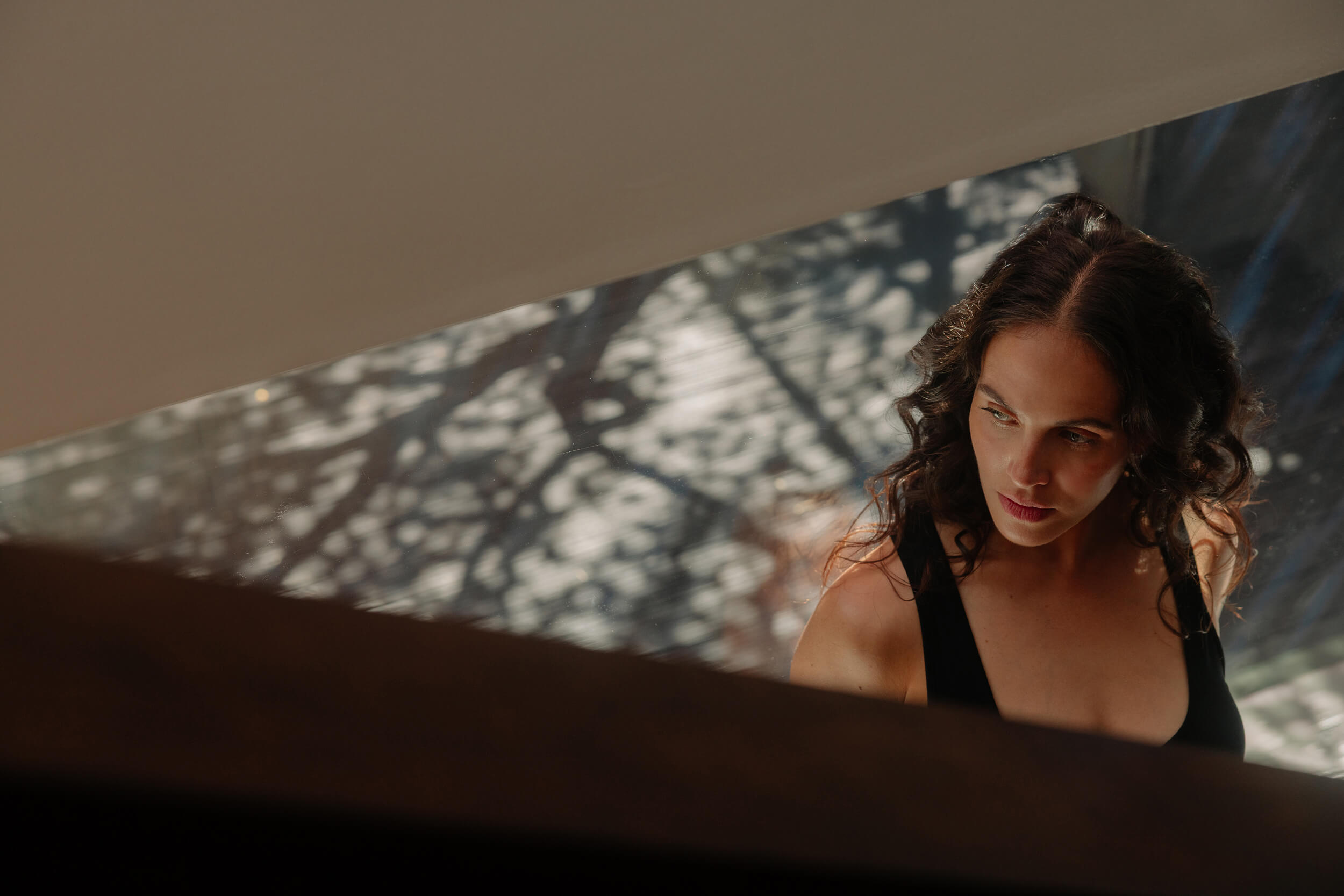
Look #2: Top & Skirt: Bevza, Rings by Completed Works
Look #3: Top & Trousers: Margene London

What do you think?