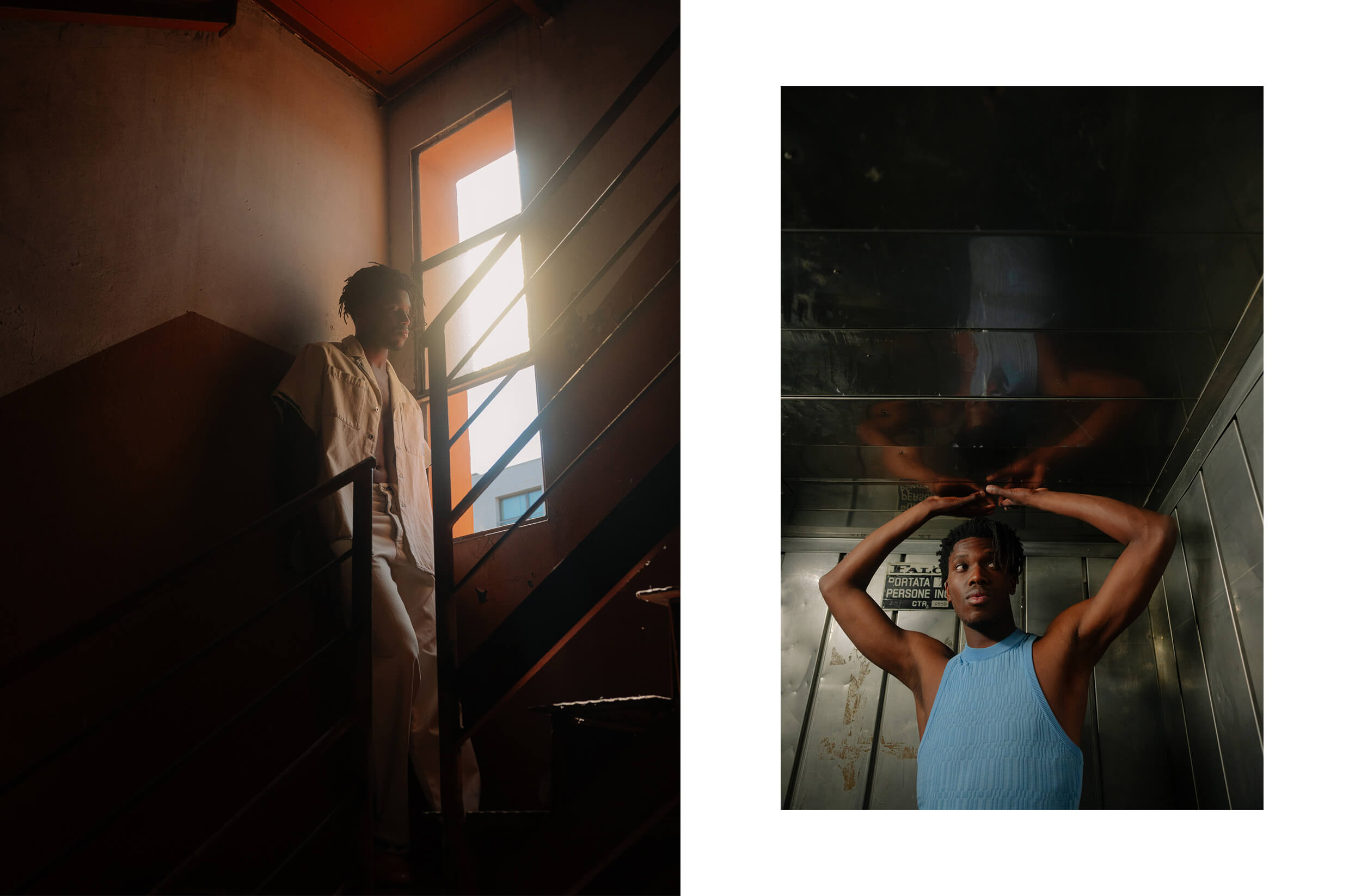
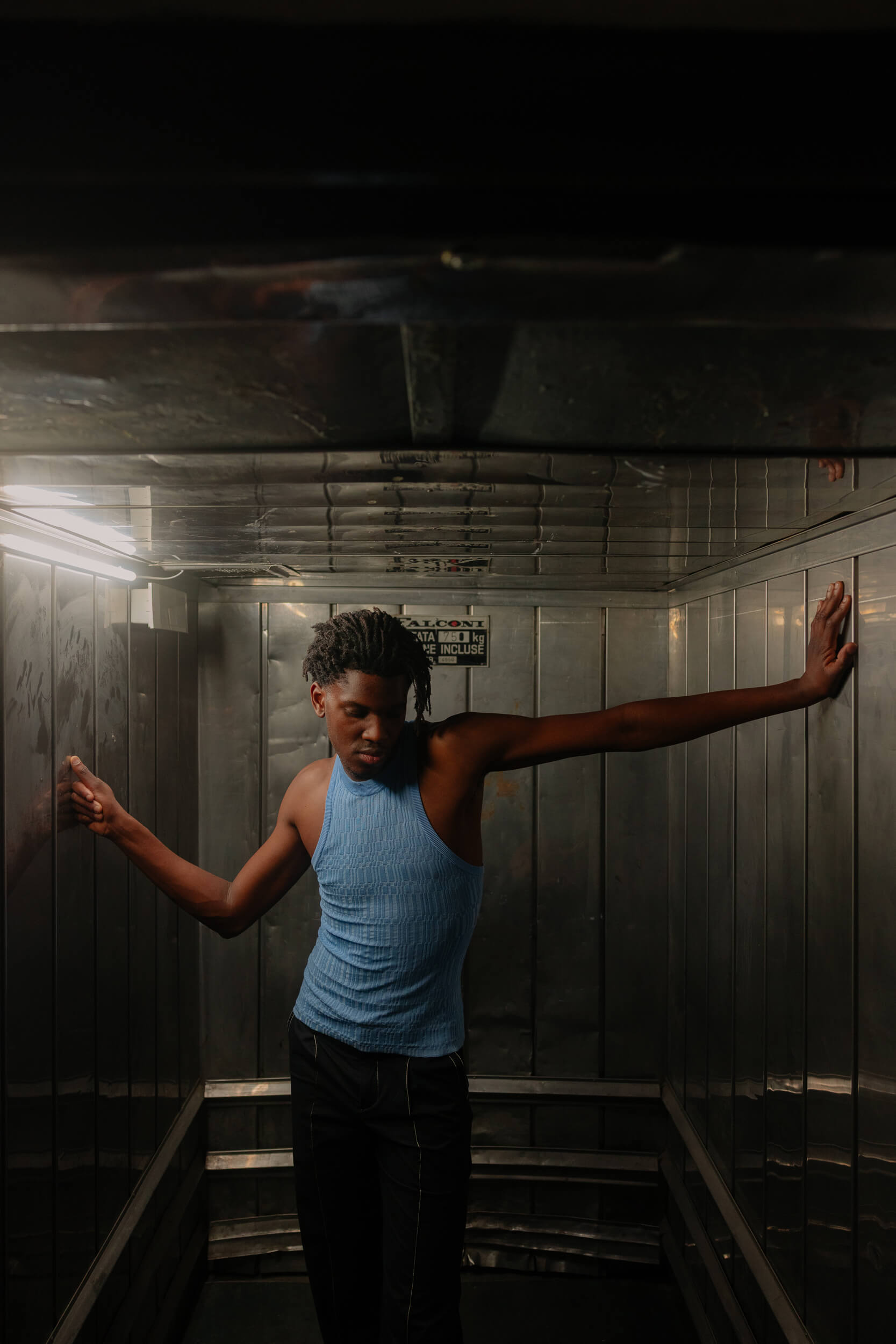
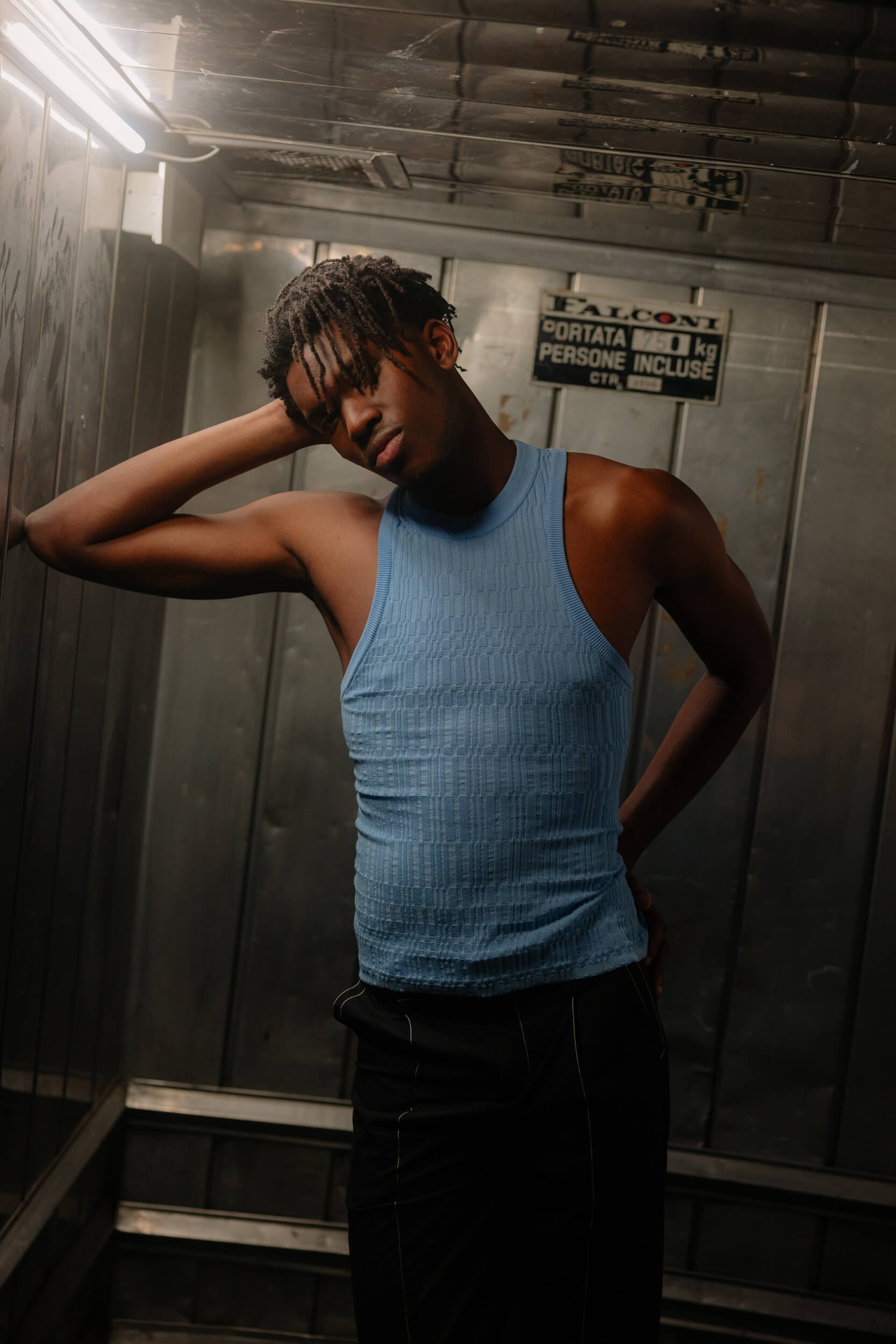
There is something authentic in the way Enrico Tijani talks about acting. He does not describe it as a craft built at the table, but as an almost instinctive process: a total immersion in the lives of others, in their wounds and their contradictions. Perhaps that is also why his Doberman in “Mare Fuori” is one of the most intense and unpredictable characters in the series: a tough boy, often frightening, yet crossed by a fragility that emerges precisely in the most extreme moments.
Raised in Naples, with roots that intertwine Ghana and Nigeria, Enrico brings into his characters a particular view of the world: more empathetic, more curious, less inclined to judgment. In this conversation he recounts his first memory of cinema—in front of “Once Upon a Time in America”, accompanied by the music of Ennio Morricone—but also the emotional work necessary to enter the mind of Doberman, the challenges of the fifth season, the transition from set to theater, and the often severe relationship with himself when he watches himself on screen again. A sincere dialogue about fear, identity, discipline, and that “hunger” which for him is the real drive to keep growing.
What is your first memory related to cinema?
My first memory related to cinema is “Once Upon a Time in America”, which is also my favorite film. For me it truly represents the essence of cinema, it is moving: there is the music of Ennio Morricone, there is a whole incredible setting… for me that is cinema. Let’s say it is really the symbol of cinema for me.
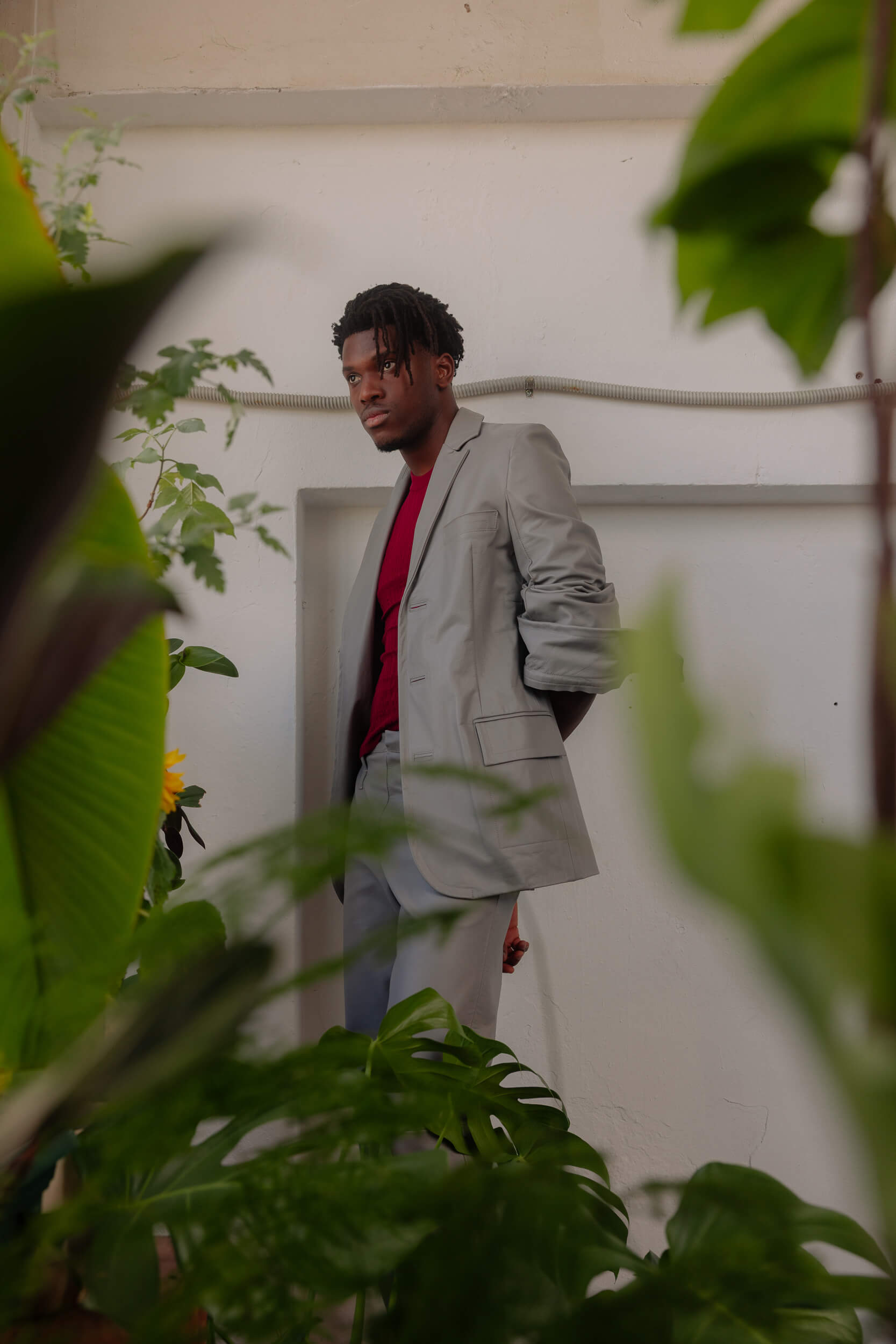
Speaking instead about “Mare Fuori”, what was it like entering such a beloved and famous series? Did you immediately feel part of the group?
I really have to thank the cast members, because we have something that I believe is also the engine of “Mare Fuori”: our unity. The way we help each other on set and also off set. I entered the series together with the characters of Micciarella and Cucciolo, we were the new entries of the third season. We were welcomed with so much love and this immediately put us at ease, allowing us to work and give the best of ourselves. Unity matters a lot: more than a cast, I call it a family. And so I truly thank all the guys.
Your character has a very powerful story, marked by a painful past. How did you prepare to play such an intense role?
First of all, I tried to strip myself of all prejudices that a human being can have. We always tend to judge, to point the finger. Instead, I believe that to be an actor you must first of all be empathetic: not judge, but seek a deeper truth. You must ask yourself why things happen, ask questions in order to build a character.
So I tried to completely abandon myself and immerse myself in the story of this boy, with all his difficulties and tragedies. It was a difficult job but also very beautiful, because I like to explore the lives of others. In some ways it was almost a personal journey.
I have a different past from his, but thanks to my origins I was still able to identify, at least partly, and imagine the context in which he grew up.
“We always tend to judge, to point the finger. Instead, I believe that to be an actor you must first of all be empathetic”
Did you have the chance to talk with detained youths or spend time in similar environments to prepare?
No, I didn’t speak directly with detained boys. But I grew up in Poggioreale, where there is a prison, so there you hear many stories, many “corridor rumors.” It is a peripheral context and, even though I am very far from that world, simply by living around it you get to know certain things. That certainly helped me: starting from Poggioreale gave me extra elements.
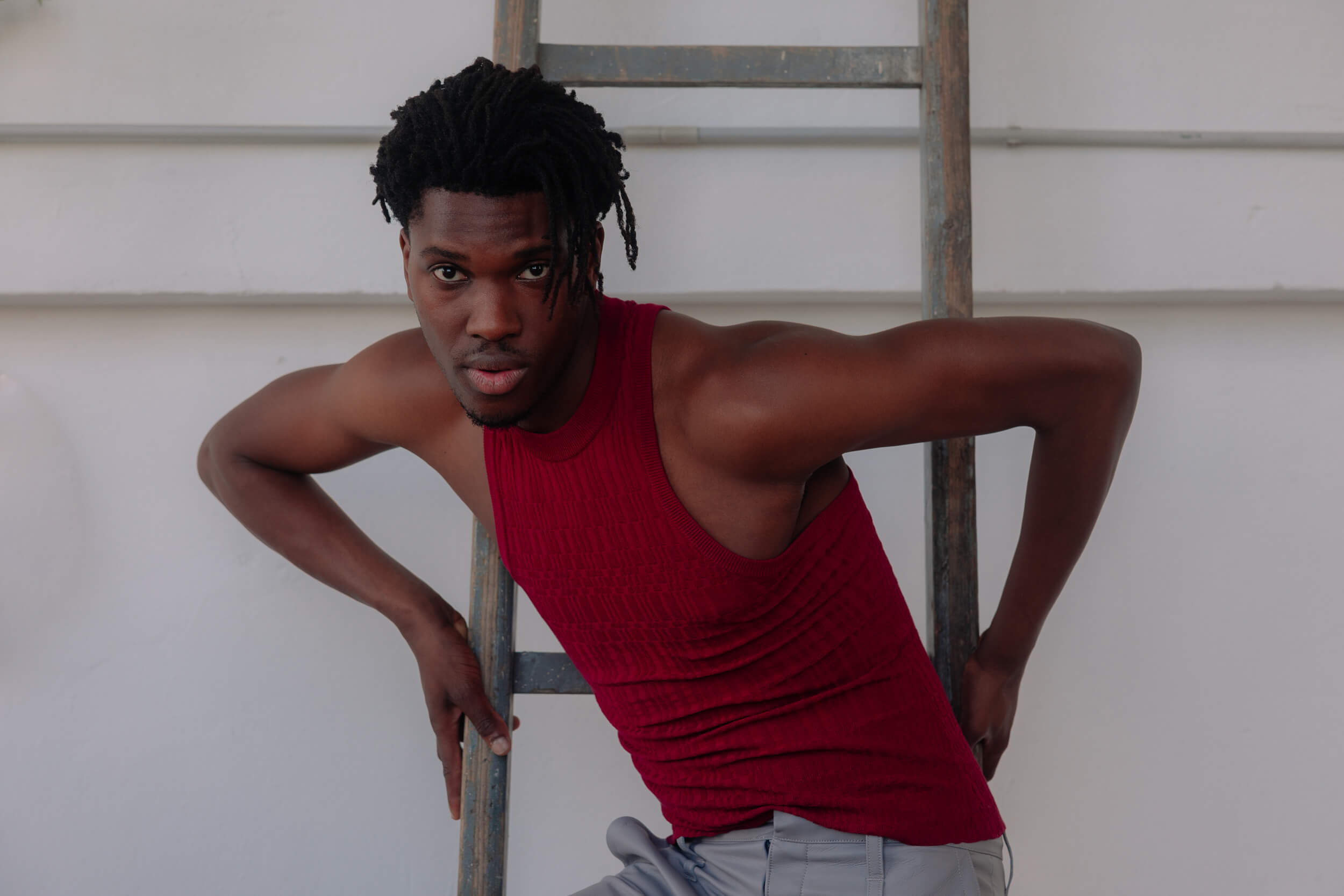
In the fifth season we see your character slipping lower and lower. What was the most difficult scene to shoot, emotionally or technically?
Good question. In general I would say that all the scenes were challenges. In the fifth season we see a Doberman completely without a sense of limits: he becomes dangerous because he no longer has fear.
Fear is a fundamental feeling, because it makes us rational. When you lose that rationality and you are no longer afraid of anything, you could do anything. And that is something very frightening.
The most difficult scene, if I think about it now, is the one in which he is thrown into solitary confinement after doing that terrible thing to Sonia. When the commander locks him in isolation, there I truly pulled out inner demons.
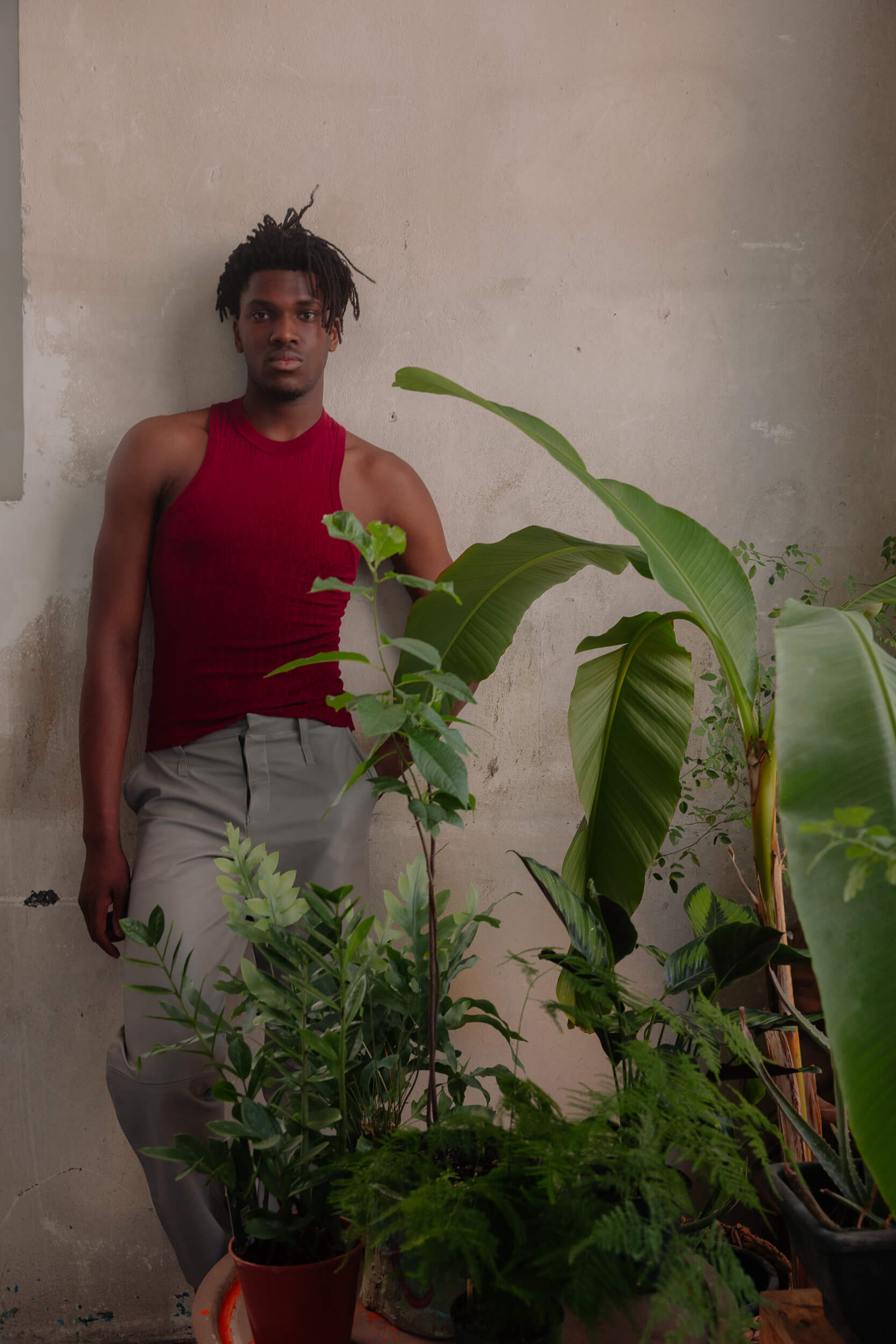
“Fear is a fundamental feeling, because it makes us rational.”
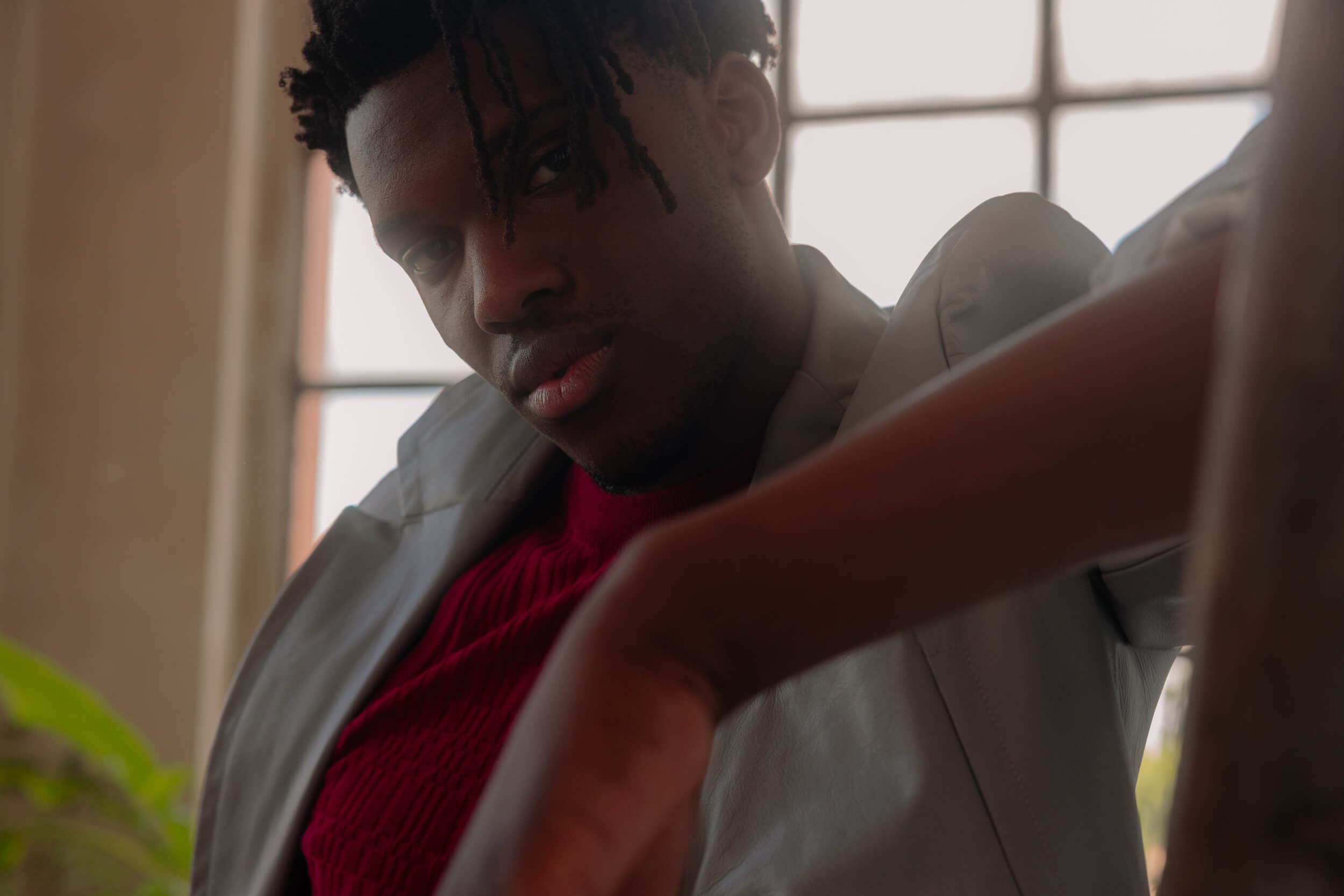
But I imagine that, in a way, they were useful to you.
Very useful, yes. At that moment it was pure suffering, but at the end of the day it is always beautiful to experience these emotions. We do this job precisely to experience and transmit emotions. I hope they reached the audience.
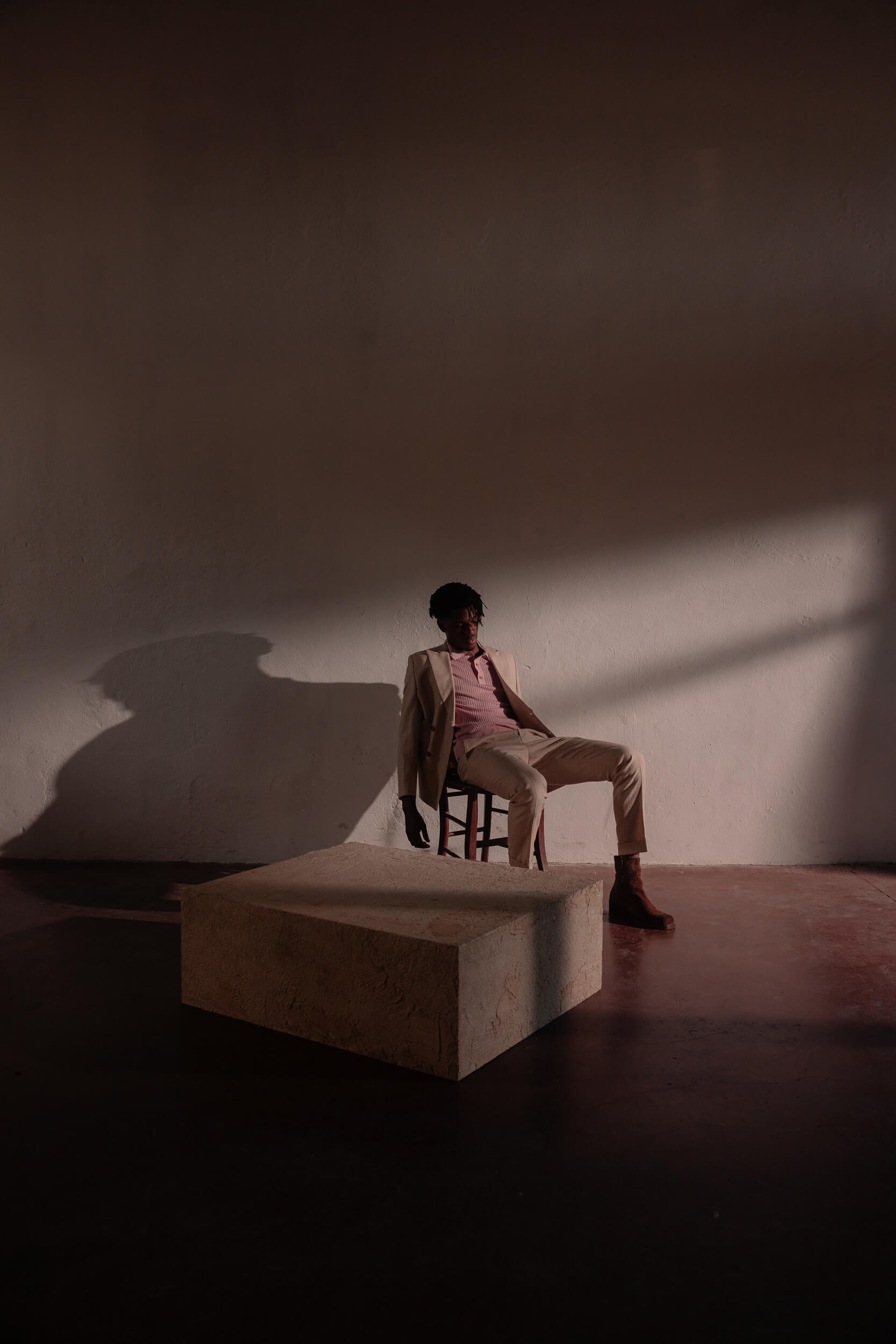
Watching “Mare Fuori” as a viewer, how does it feel to see yourself on screen?
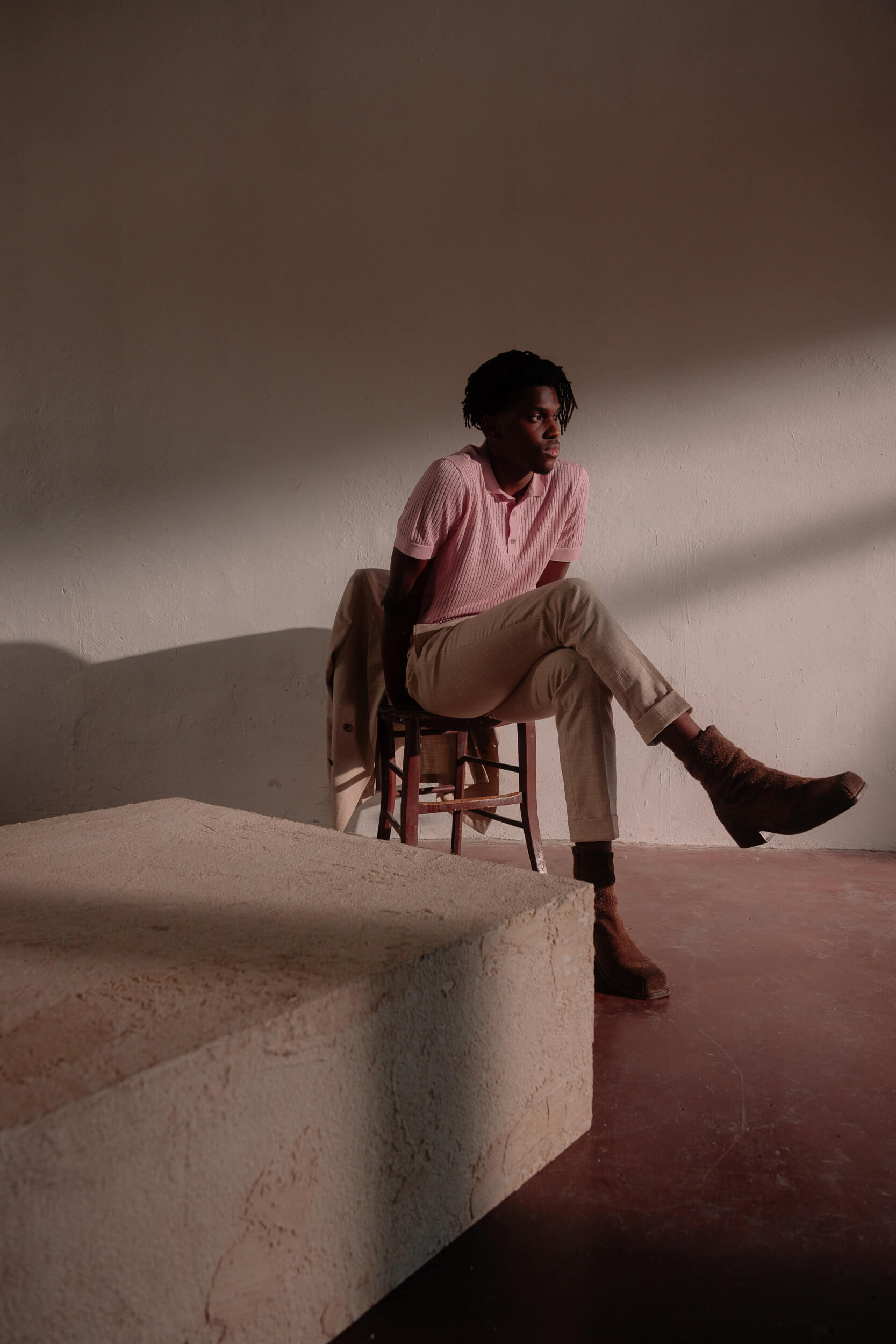
I don’t like it very much. I am very self-critical, almost self-destructive. When I watch myself again I try not to look too much, because I always find something that doesn’t convince me: the voice, a gesture, a line delivered in one way instead of another. I am always there reproaching myself. But I also try to turn this into something useful: I take note of the technical mistakes I notice and try to work on them.
Doberman’s story has strong parallels with that of many young migrants. How much of your personal experience or of what you have seen around you did you bring into the character?
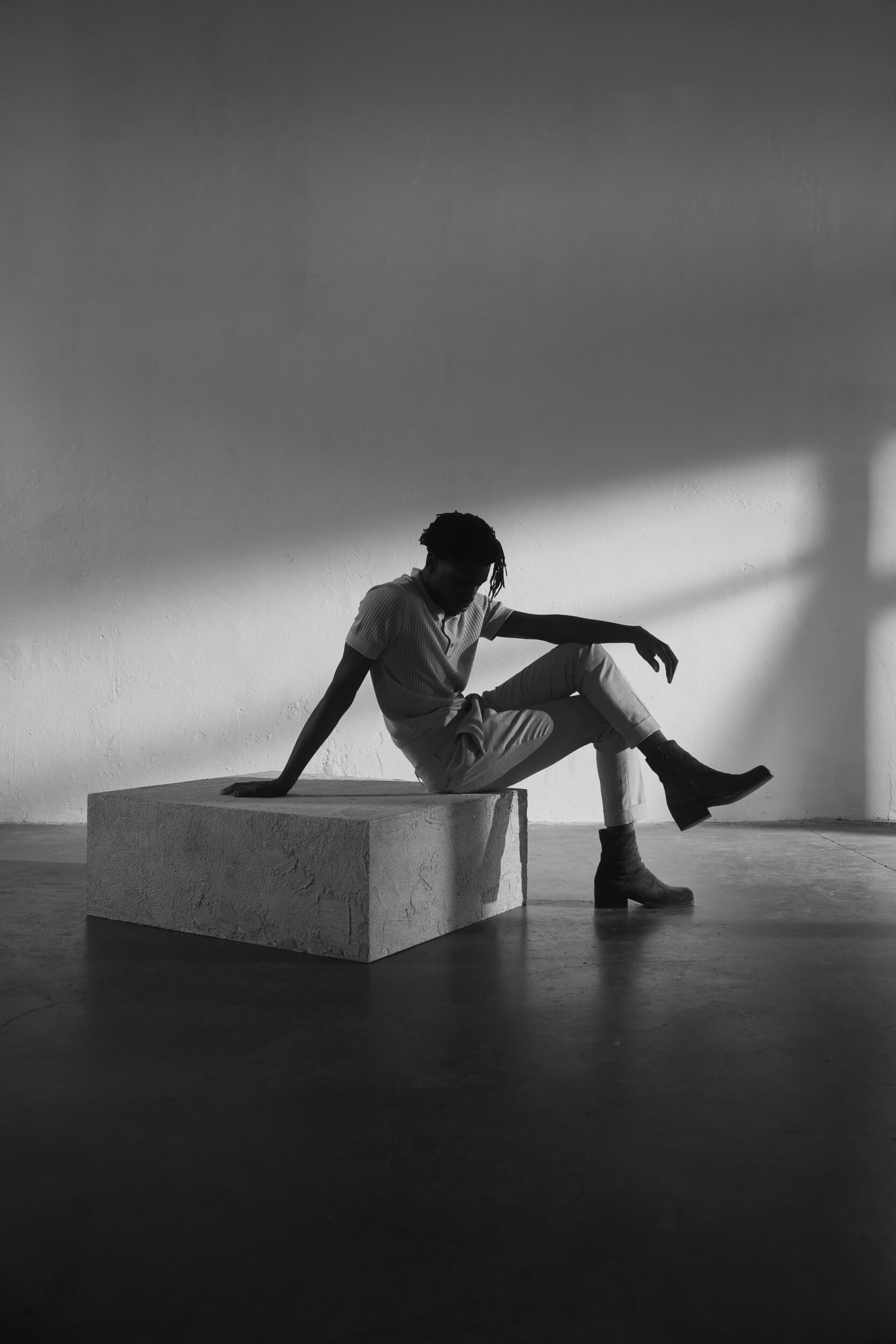
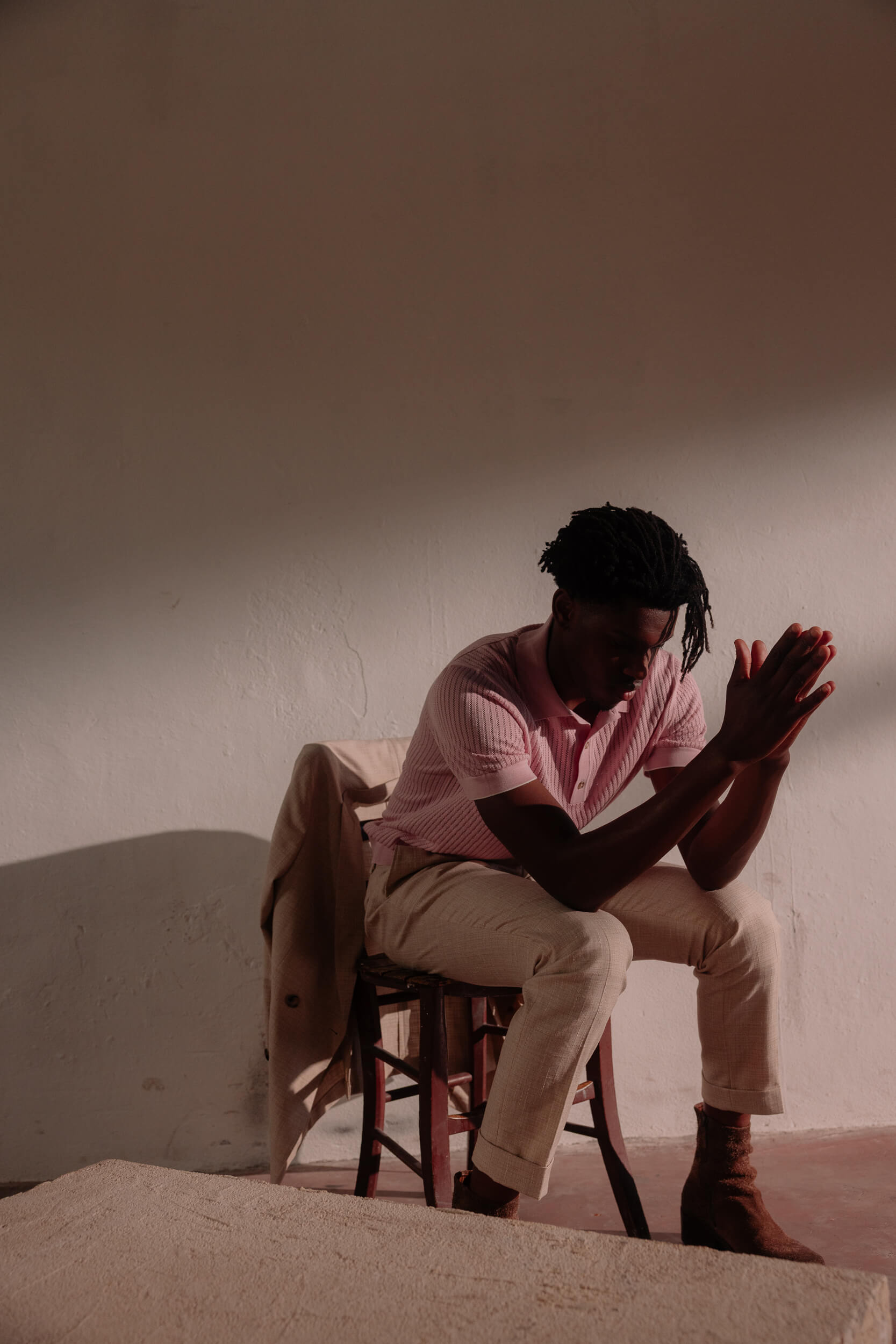
Quite a lot. We live in a historical period in which the theme of immigration has always been present and I realize it is not easy. Crossing a sea—challenging death—to seek a better future is an act of enormous courage.
My appeal is to be more empathetic and to look around us more. Often we are focused only on our own things and we don’t look at others. And this lack of attention to what surrounds us never makes us truly satisfied.
It is good to have ambitions, to have the hunger to do more. But it is also important to realize how much we have compared to other contexts. If we stopped more often to look around us…
In Doberman I brought many experiences, stories, and things I heard. In reality it was the main factor that helped me face this challenge.
For you, is acting more a way to express yourself or to give voice to those who are not heard?
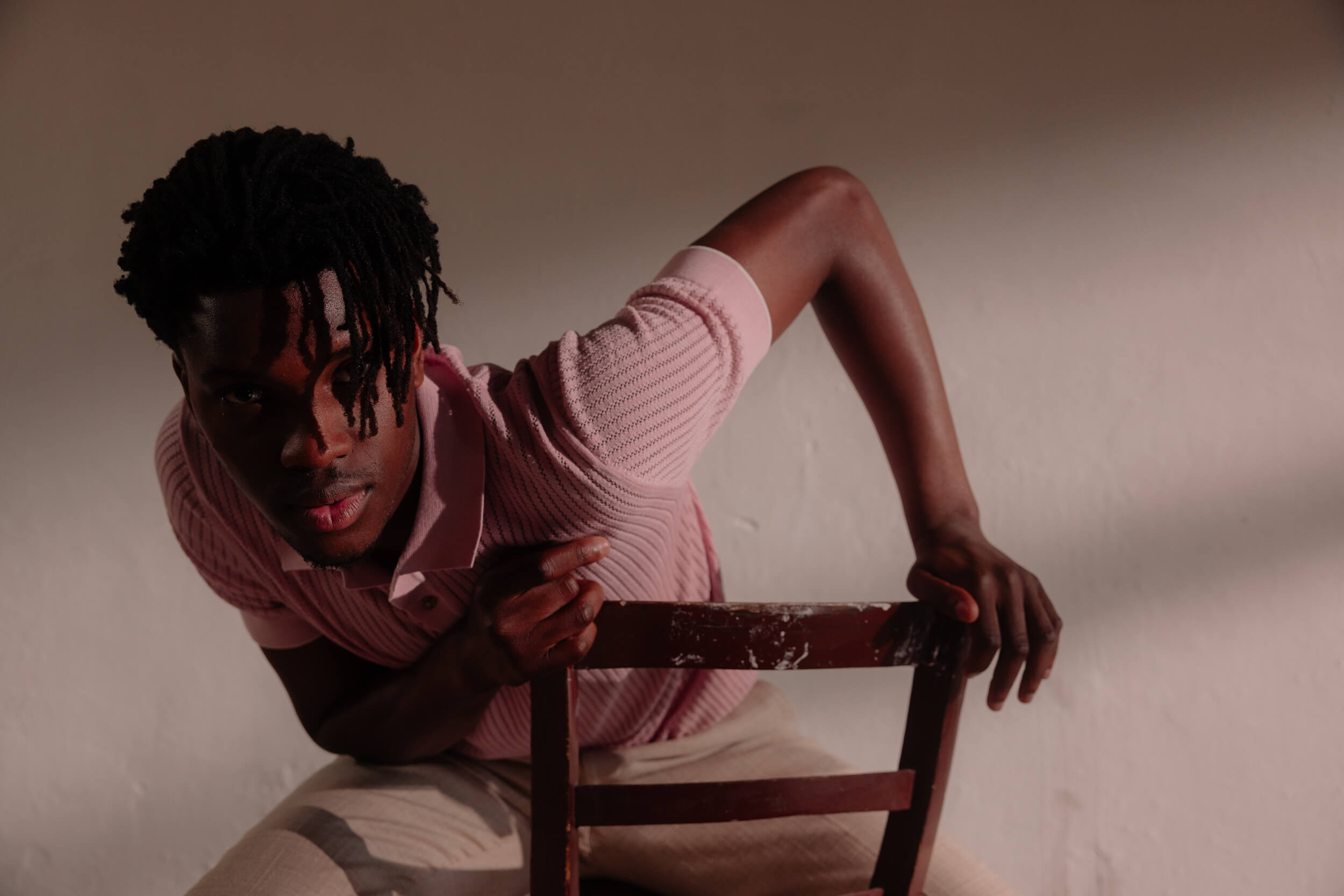
This is my first real professional phase with this wonderful art. I have always been quite shy, but thanks to this job I have loosened up a lot. Acting helps me express things that I cannot say with words. What I cannot say, I interpret: I say it through another character, through other emotions. It is a bit like returning to childhood. An actor must return to being a child, play, strip himself of prejudices. Right now, for me, acting is above all a form of emotional expression.
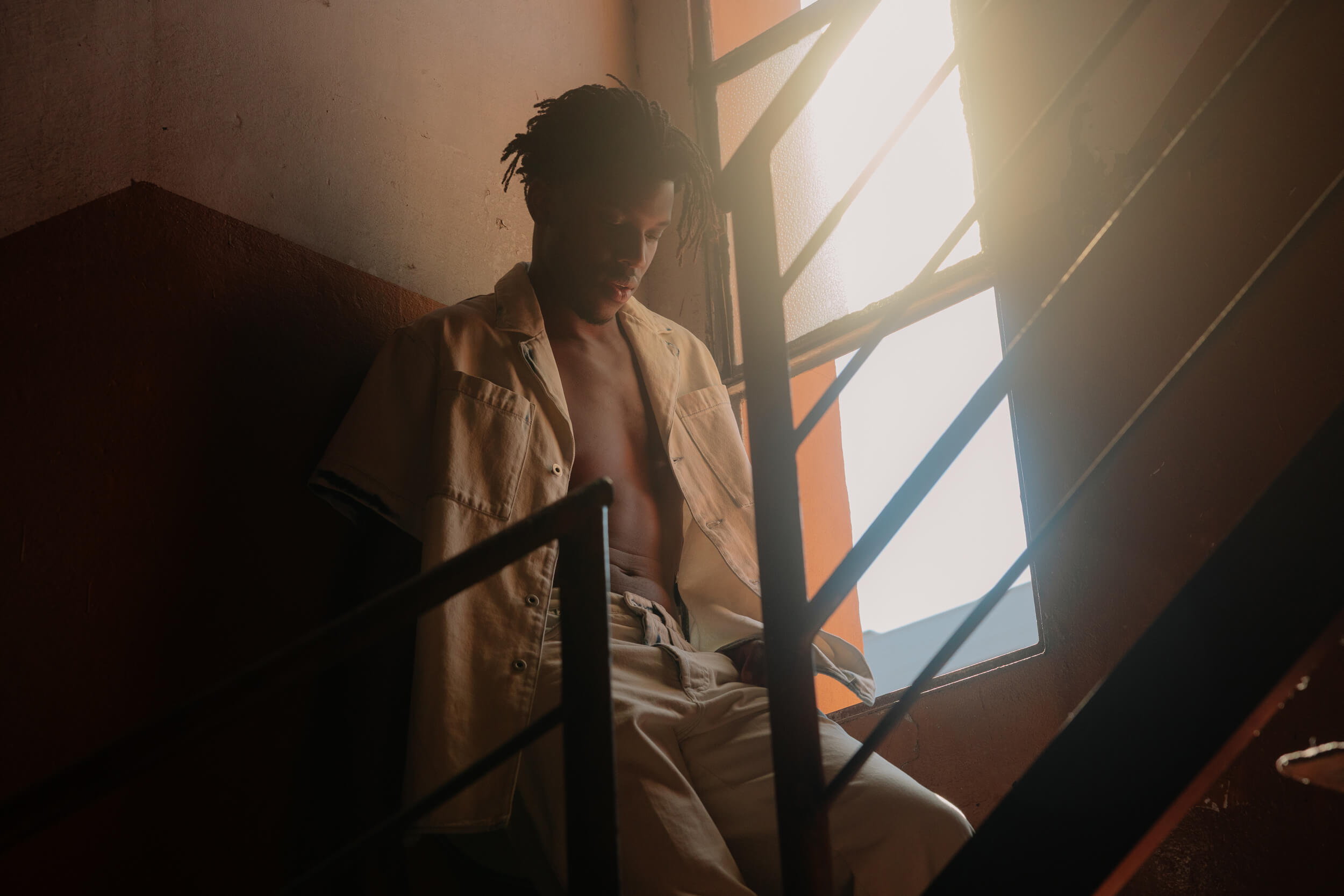
“Acting helps me express things that I cannot say with words.”
Let’s talk about the “Mare Fuori” musical, where you play Doberman on stage as well. What are the differences between theater and television?
First of all they are two versions of the same character. In the series Doberman is very dramatic, while in the musical, directed by Alessandro Siani, he has a more light, more comic shade. It was very pleasant to discover this side.
From what I have been able to learn, the main difference is that in theater you feel more protected: it is much more a team game. You must trust your stage partners a lot. In television or cinema you are a bit more “naked”, more alone in front of the camera. But you also have more chances to redo scenes. As the great masters often say: cinema and TV belong to the directors, while theater belongs to the actor. On stage you are the one who must carry the character forward for hours without losing the thread. It is a completely different concentration.
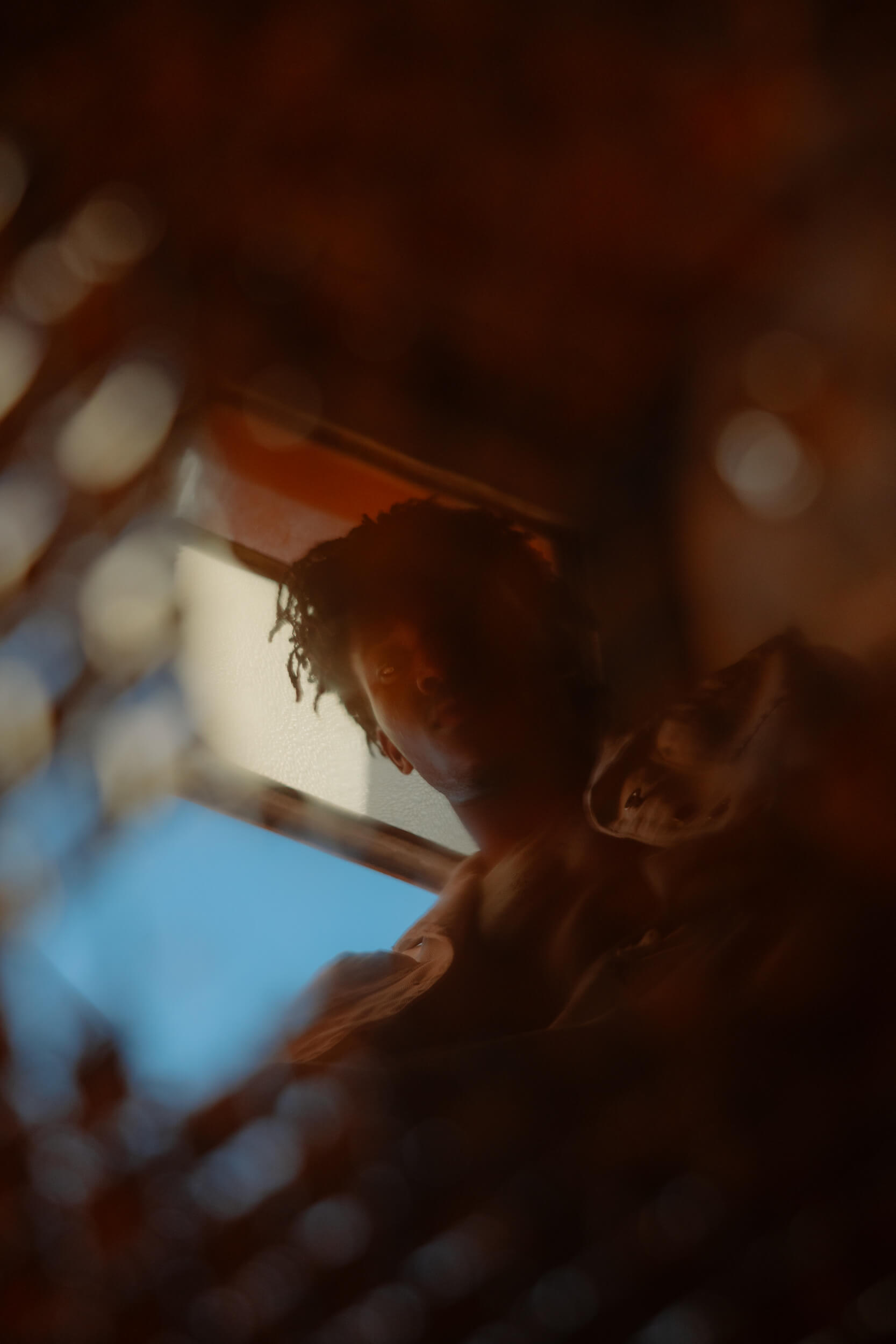
What did theater teach you that you then brought onto the set?
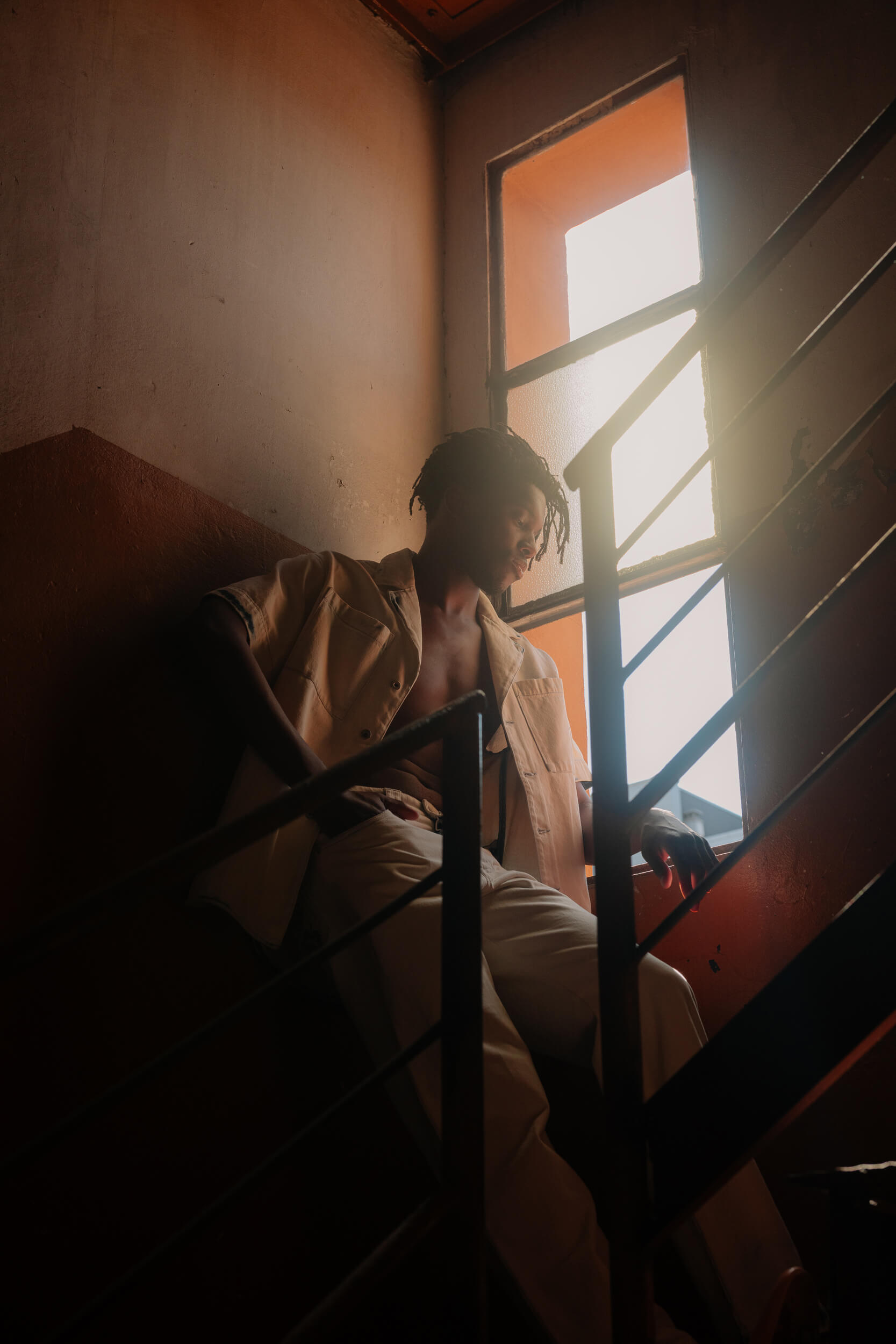
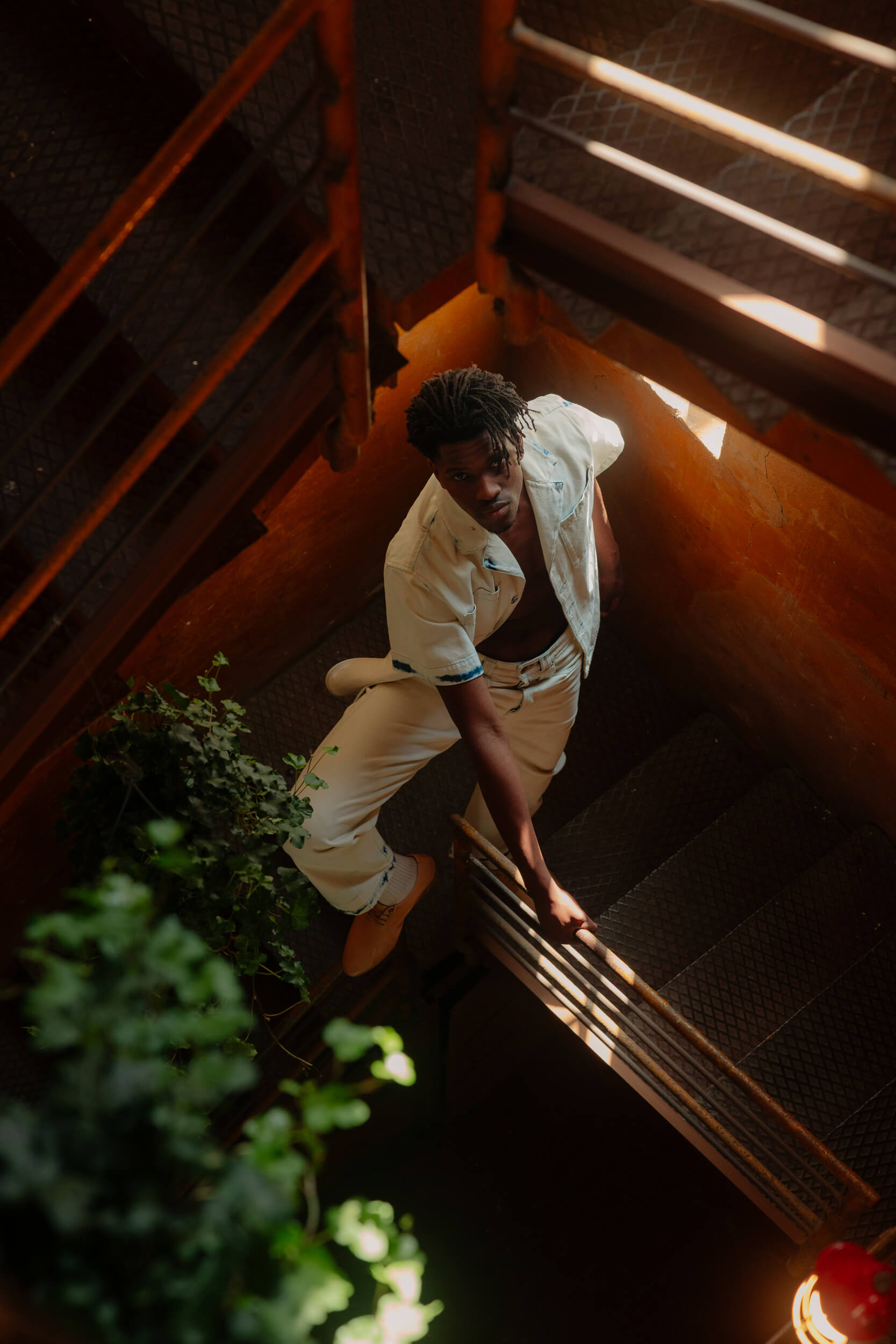
Theater taught me above all discipline. Respect for schedules, costumes, the environment, everyone’s work. It is a very rigorous school. Cinema and TV are a bit more “libertine,” while theater is truly formative.
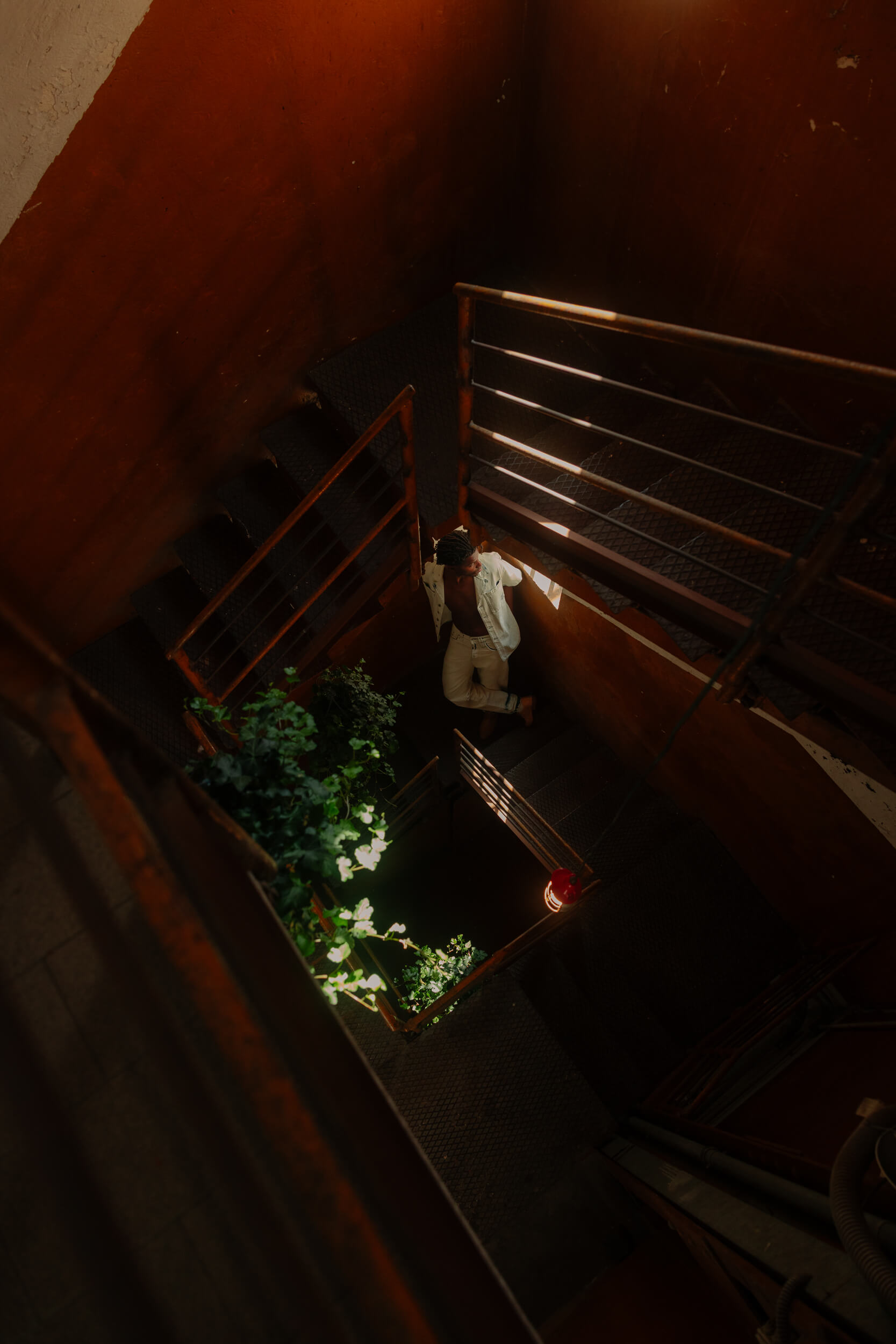
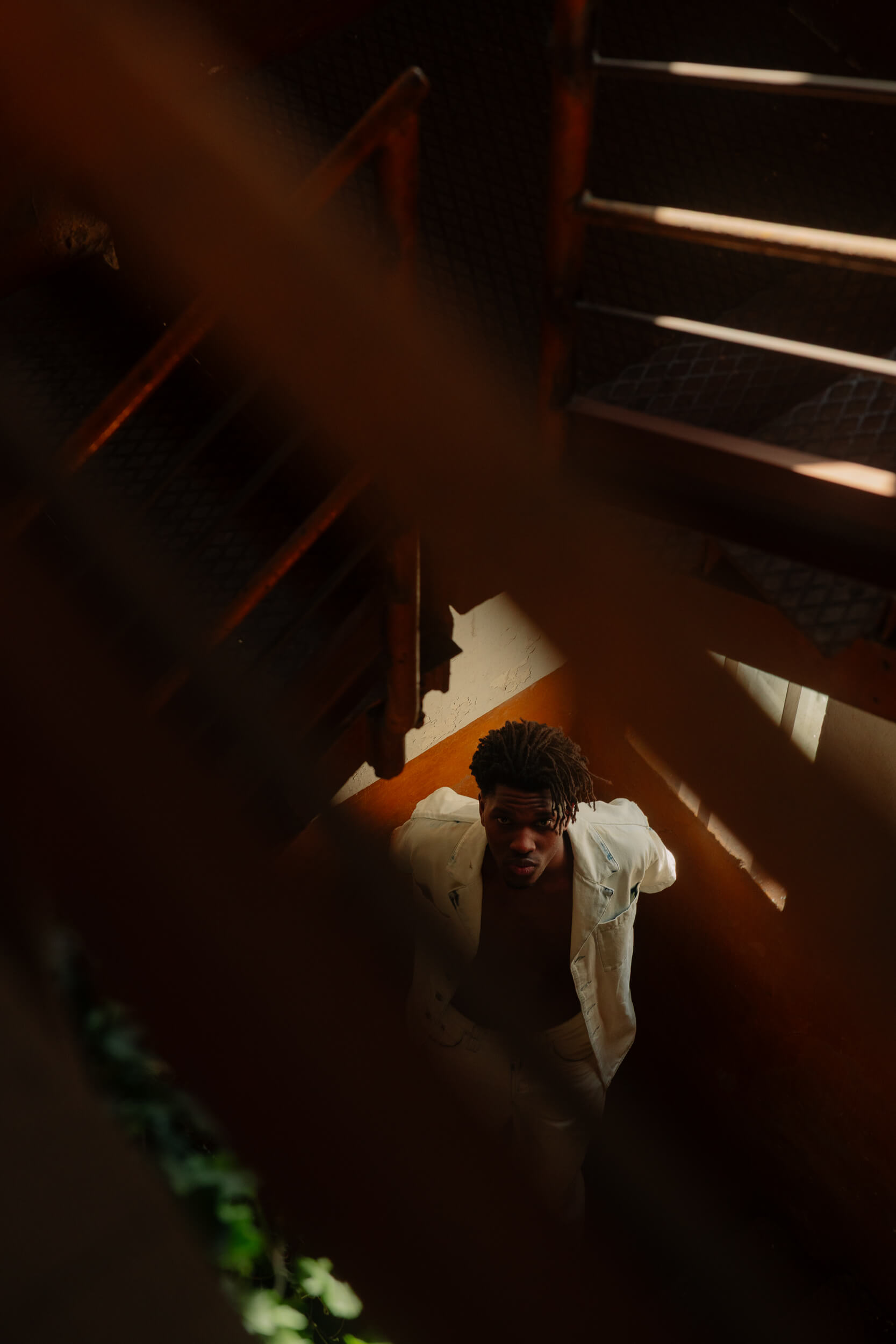
Looking to the future, what kind of roles would you like to explore?
Honestly, intense stories like Doberman’s I would do another three thousand times, because drama is a genre I love very much. Even when I watch films at home I always choose dramas, suspense, things a bit dark. But I am still very young and I have just started, so I want to explore everything. Tastes change, people evolve. Today I like this, tomorrow who knows. I don’t rule out anything.
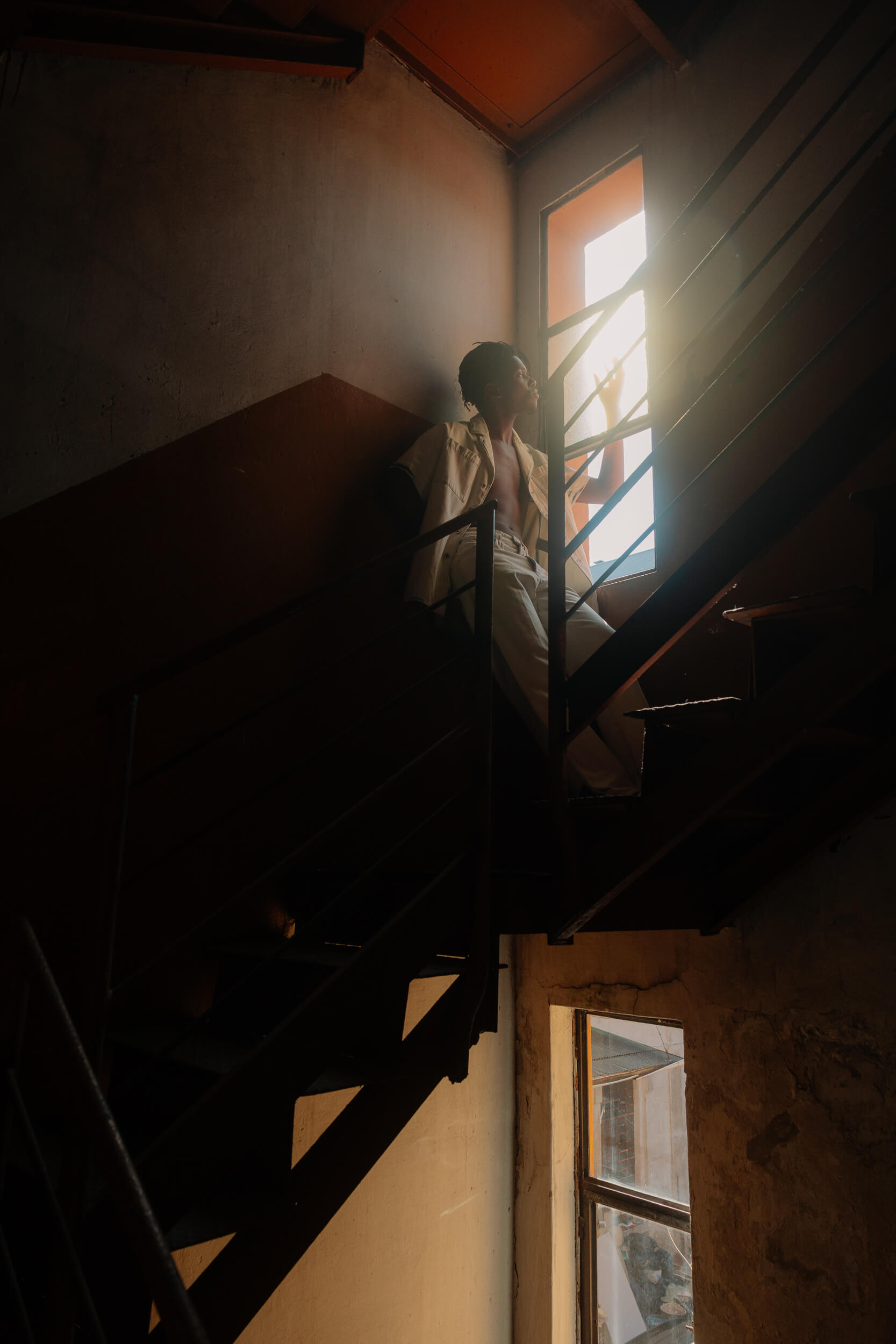
“Today I like this, tomorrow who knows. I don’t rule out anything.”
If you could give Doberman a piece of advice, what would you tell him?
I would tell him that now he has grown up and has gained experience. Now he must train, find a path, and completely abandon street life. I would tell him to travel a lot, to open his mind, to find something that allows him to fulfill himself. Deep down he is a good boy, but he has always been very alone. He found a family in the boys of the IPM because they were the first to defend him.
My advice would be: fly away, fly high. As long as you fly.
Do you remember a funny anecdote from the set?
There were so many. One very funny one happened toward the end of the fourth season. We had to shoot a scene with Micciarella and Milos: just two lines, something simple.
The problem was that we couldn’t stop laughing, because Milos was sitting on a desk and while acting he kept swinging his feet. I don’t know why, but that thing made us laugh like crazy. We redid the scene I don’t know how many times because of this silly thing.
Do you have a lucky charm on set?
Actually no, but during the third season I had a small ten- or twenty-cent coin that I had placed on a desk in the first days of shooting. It stayed there the whole time and every day I checked whether it was still in its place.
It gave me a kind of comfort. It stayed there for the whole third season and also for the fourth. In the fifth, no, because we changed location.
The last film you watched and liked?
I rewatched “Il Divo” by Paolo Sorrentino, which I liked very much. Then I was watching “The Stolen Children” by Gianni Amelio with Enrico Lo Verso, which I also liked a lot.
By acting, have you discovered something new about yourself?
More than discovering something completely new, I noticed a growth. Looking back, season after season, I see an improvement both professionally and personally.
This stimulates me to continue to study and improve myself. Sometimes I also surprise myself: maybe I think I am not capable, and then instead I manage to do something I didn’t expect. I don’t know if it is talent, but I certainly have a huge desire to learn.
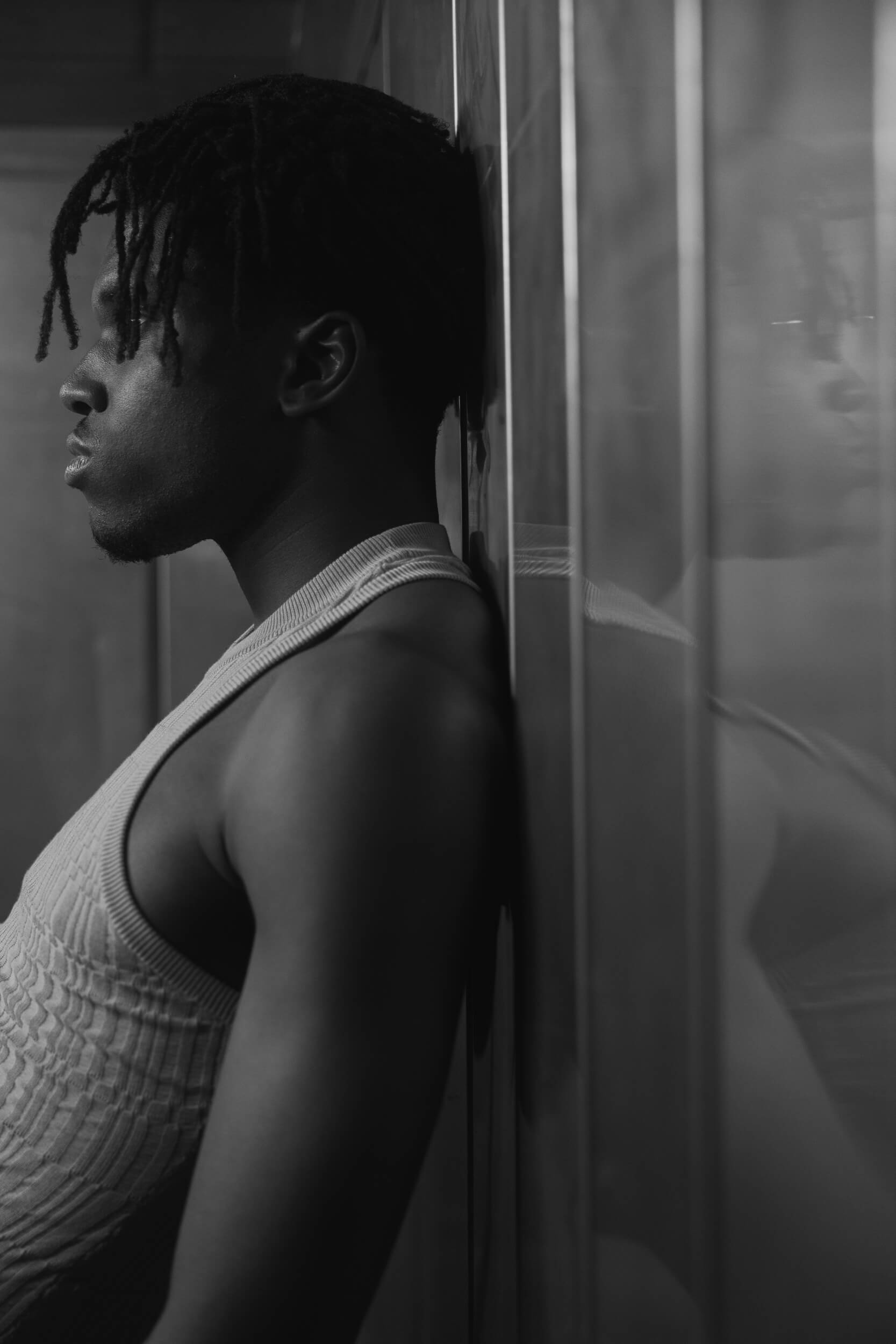
What does home mean to you?
For me home can be anywhere. It is not so much a place, but the people. Family, the people who truly care about you.
If I think of the word “home” I think of Naples, Ghana, Nigeria. I have several cultures inside me and this gave me a sort of “third eye,” it made me more empathetic.
In the end, home is simply the place where you are surrounded by real people.
What makes you feel safe?
My hunger. The desire to do, to build something for my family members. Knowing that there is someone who needs me pushes me to do more and more.
I cannot stay still: if I spend a day doing nothing I almost feel guilty.
And what makes you feel confident?
My origins. Being Neapolitan, Ghanaian, and Nigerian is for me a beautiful combination. I am a very calm and humble person, but when we talk about origins I become very proud. Naples, for example, has a lot in common with many African cities: the warmth of people, the way of living, the mentality.
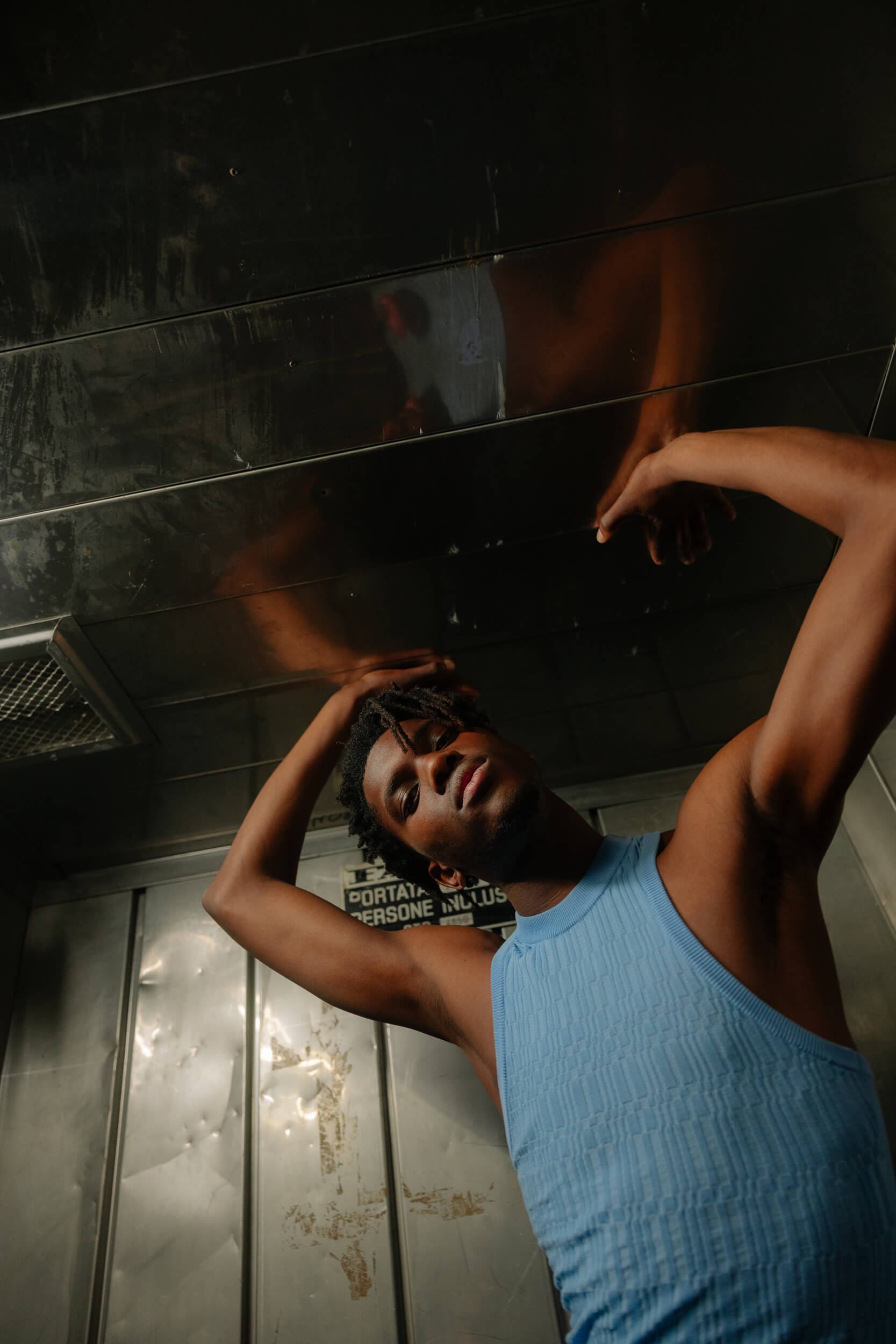
“In the end, home is simply the place where you are surrounded by real people.”
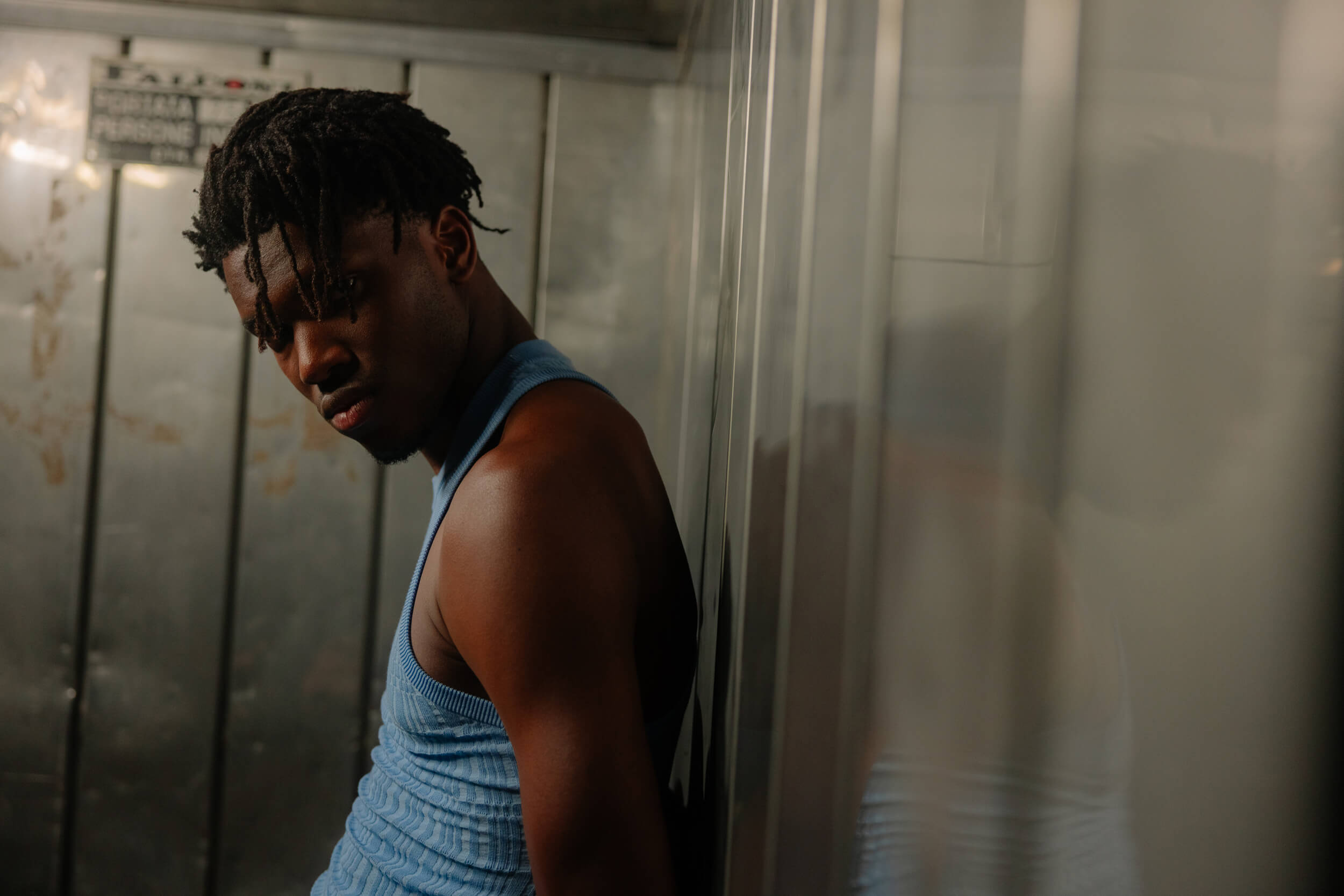
What view would you like to see every day from your window?
The sea. Growing up in Naples I am a bit spoiled by that view.
What does it mean for you to feel comfortable in your own skin?
It means freeing yourself from stereotypes and from ideas of “normality.” Accepting yourself. I cannot imagine a world in which we are all the same: it would be very boring. The real strength is transforming what society considers “different” into a strength. As a child I lived four years in Africa, and when I returned to Italy I didn’t speak Italian well. At school I felt out of place. For a long time I saw that experience as bad luck. Then I realized it was the greatest gift of my life: knowing two different worlds, speaking more languages, having a broader view of things.
Last question: what is your happy island?
If we are talking literally about islands, I would say the Island of Elba, which is beautiful. But if I think about my happy place in general, then I think about Africa, about nature, about places where I can feel truly free.
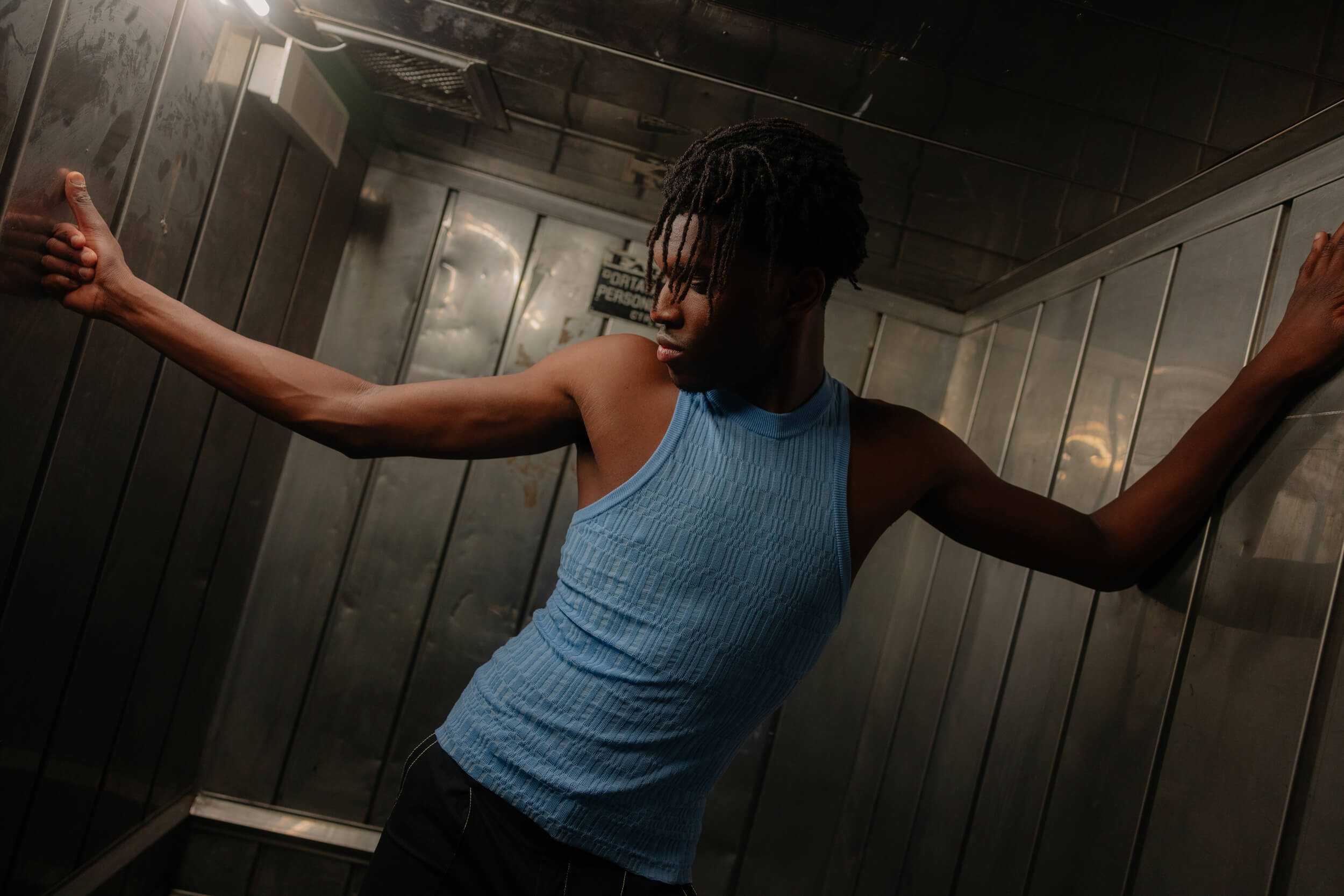
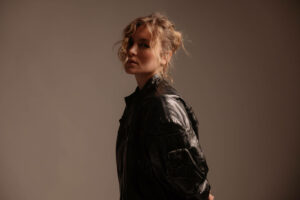
Photos & Video by Johnny Carrano.
Styling by Ilaria Di Gasparro.
Grooming by Silvia Acquapendente.



What do you think?