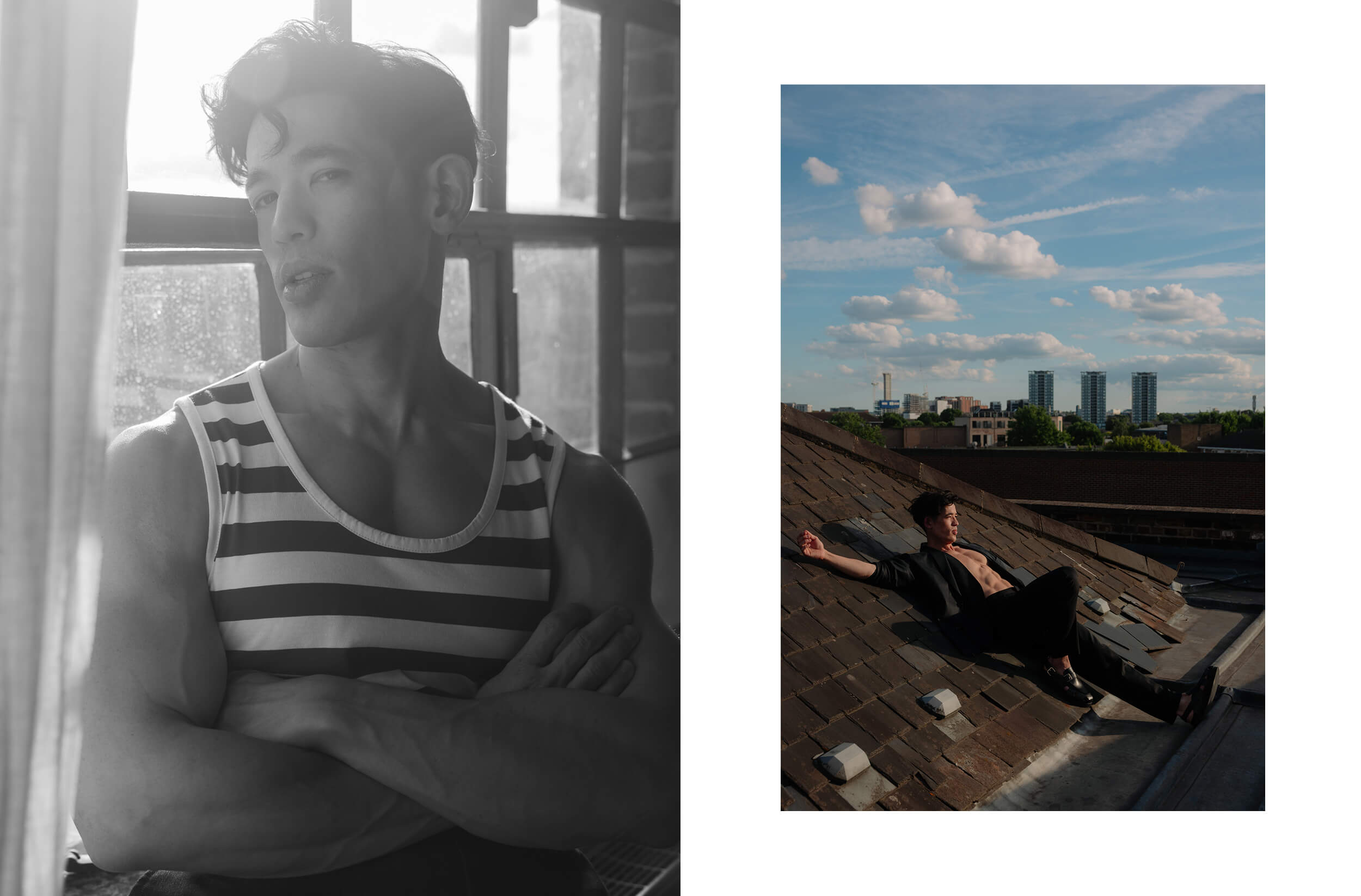
Fresh off six seasons of stealing scenes as the gloriously abrasive Roddy Ho in “Slow Horses”, Christoper Chung is stepping into entirely new territory: the romantic lead in Netflix’s period drama “My Brilliant Career”. As Harry Beecham opposite a fiercely independent Sybylla, Chris brings nuance to a character wrestling with integrity, status, and the quiet cost of doing the right thing – a deliberate pivot from Roddy’s chaos into something far more restrained. During a lovely chat for our August Cover Story, he opens up about the anxiety of stepping into a role once defined by the late Sam Neill, the unexpected homecoming he felt filming in Australia, and how journaling has helped him make sense of both career and self since he first left home years ago. Between reflections on freedom, waiting, and what it means to choose your own honour, Chris proves just as thoughtful off-screen as the characters he plays.
I watched “My Brilliant Career” these last few days and I loved it. I think it’s one of the most clever and well-done shows – it’s not just a romantic comedy, it’s much more than that. I loved it so much, and I’m telling all my friends they have to see it.
Oh, thank you so much, I really appreciate that. It’s genuinely interesting to hear, because I’m only just starting to get feedback now – all the press interviews I’ve done so far have been with people who’ve watched the screeners, so you’re actually one of the first reactions I’m getting to the series. Hearing that you love it means a lot. For me, this will be a hit – I think everyone will love it.
You’re in Italy now, right? Do they dub the show there, or is it in English with subtitles?
We do have dubbing here, but I always watch things in the original language with subtitles – dubbing just doesn’t work for me. You lose about 80% of everything.
I agree completely. And I’m glad you could understand the Australian accent! [laughs]
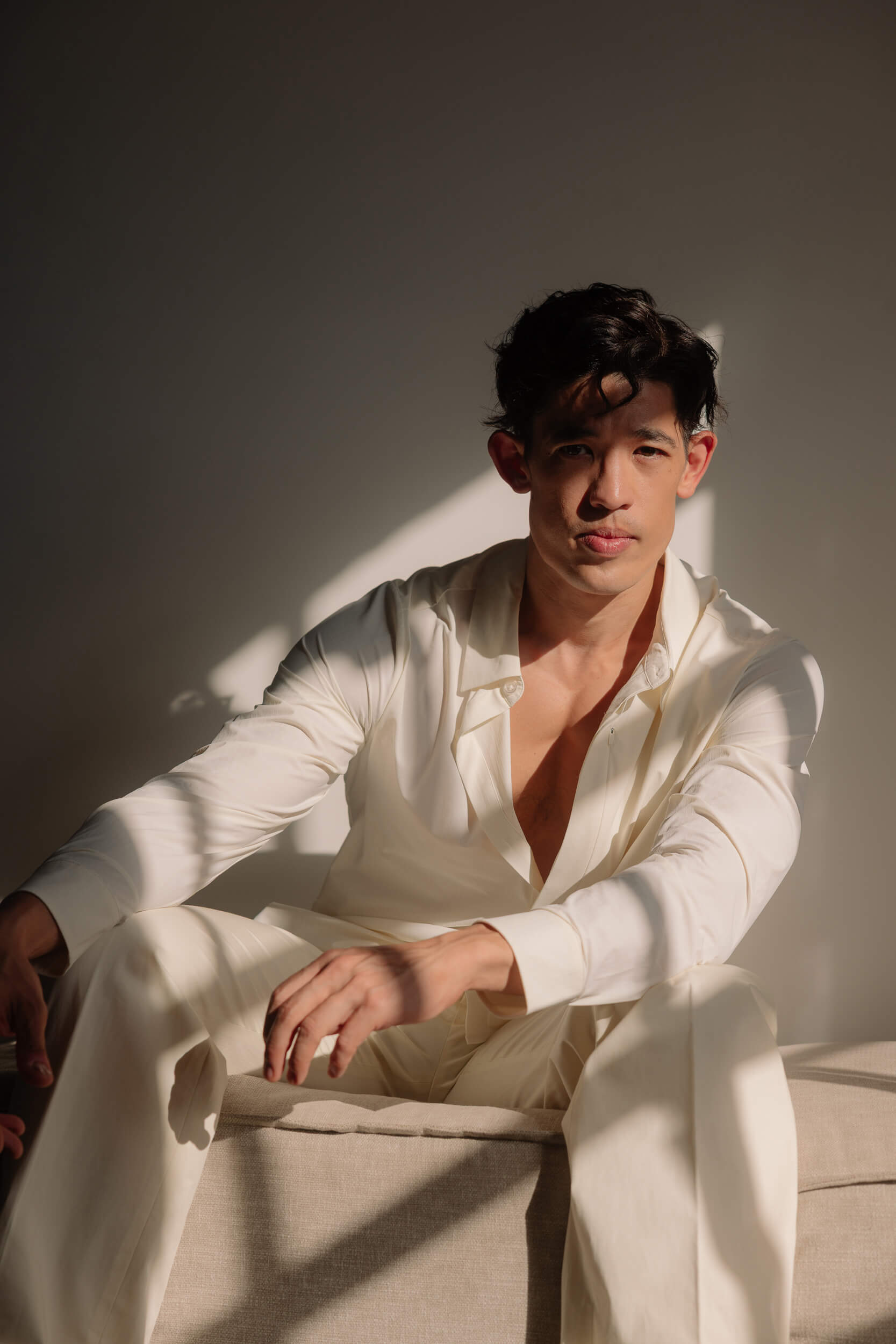
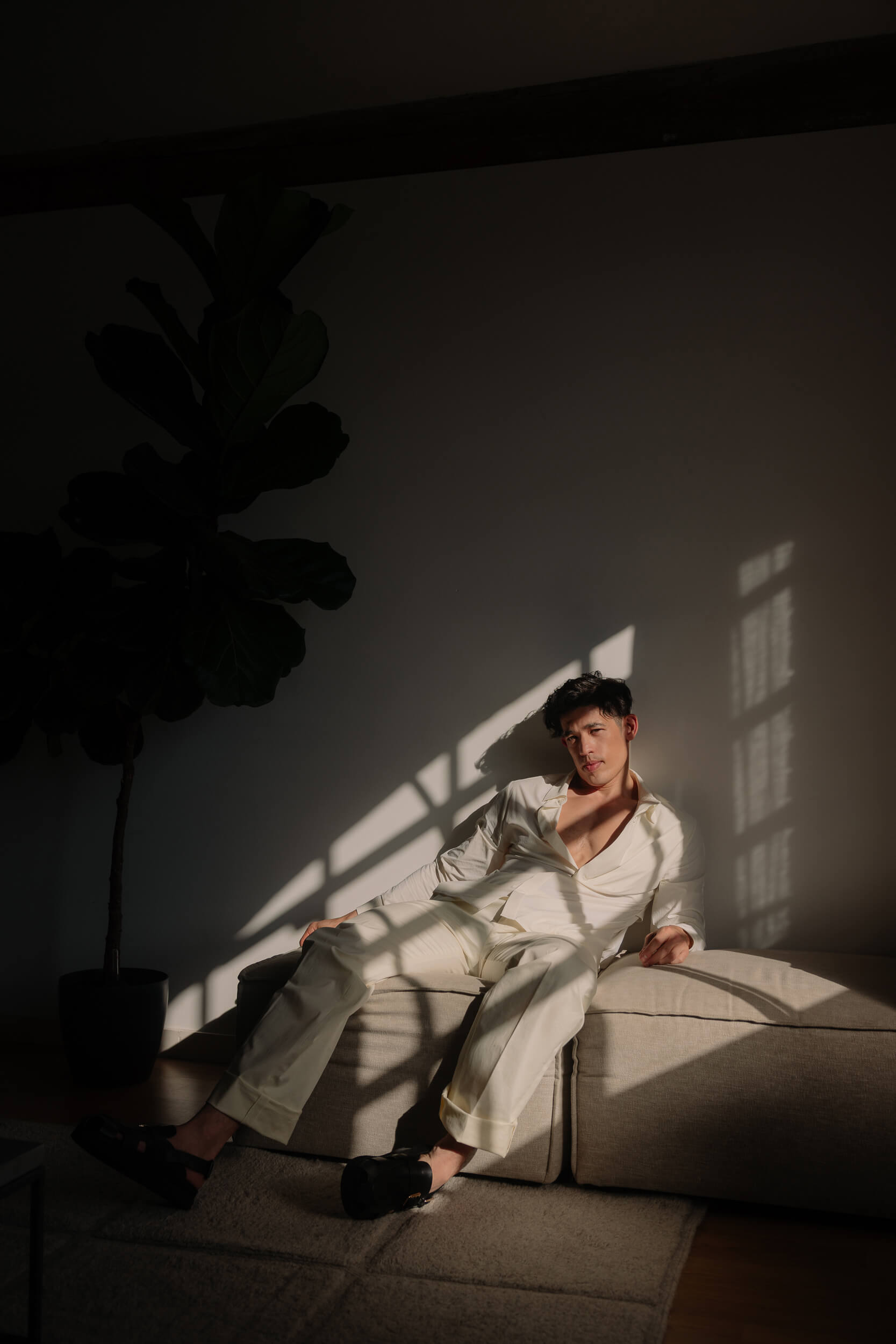
For me, this story is so much more than just a love story. What was your reaction when you first read the script? What struck you most about it?
When I was sent the script, I was genuinely taken aback by how they’d adapted the original novel and expanded that world in such a profound way – one that really reflects what Australia would have actually been like back then. In the original film, there’s no reference to First Nations people, and having me as the romantic lead simply wouldn’t have been a consideration. So those choices really challenged everything we think we know about the period genre and about Australia at that time. I found that incredibly progressive and forward-thinking, and genuinely exciting. It told me these creatives clearly had a strong point of view about the world they wanted to portray – exactly the kind of people I’d want to collaborate with on something like this, a project I honestly never imagined myself being part of. It was exciting that someone else saw that possibility for me before I did.
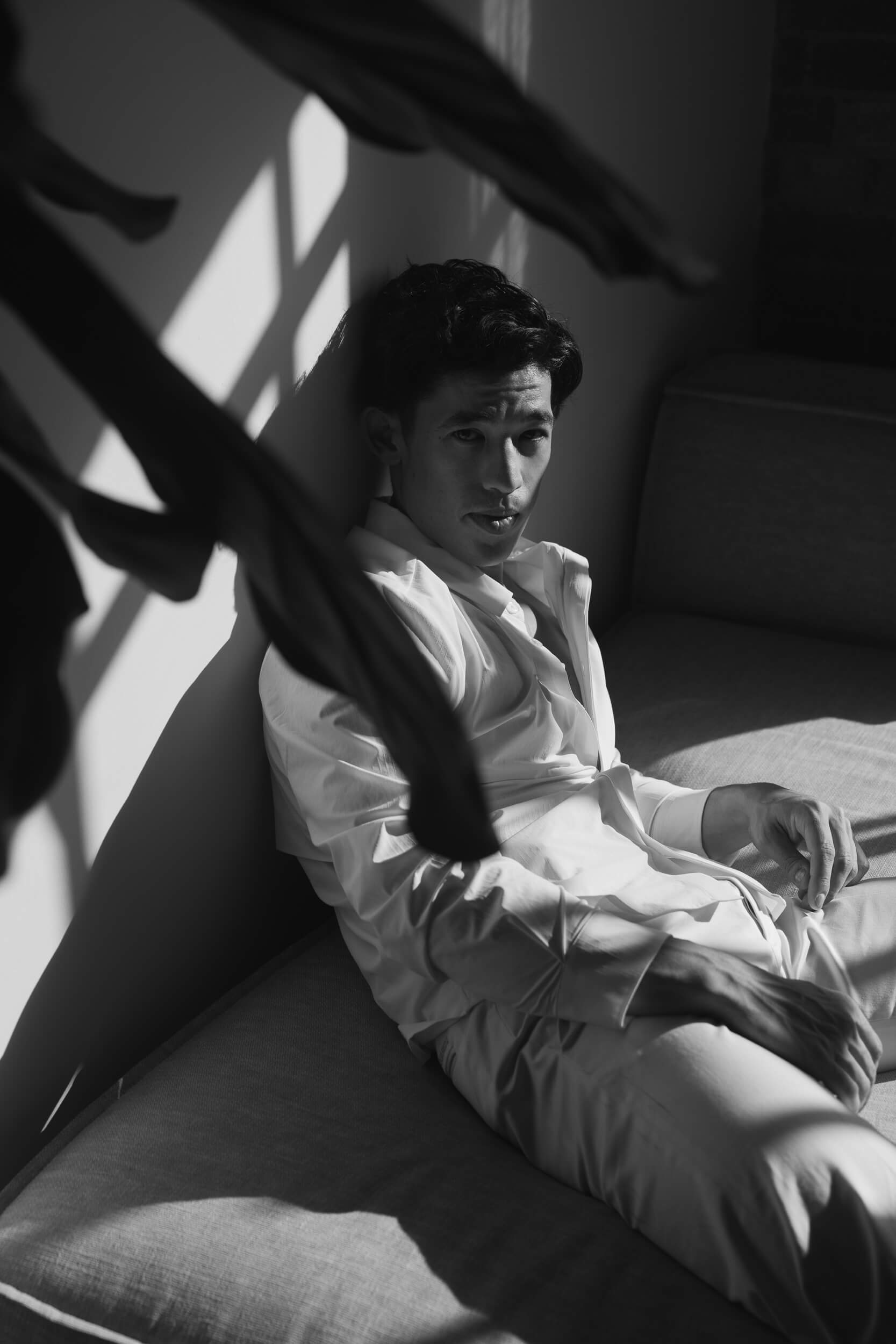
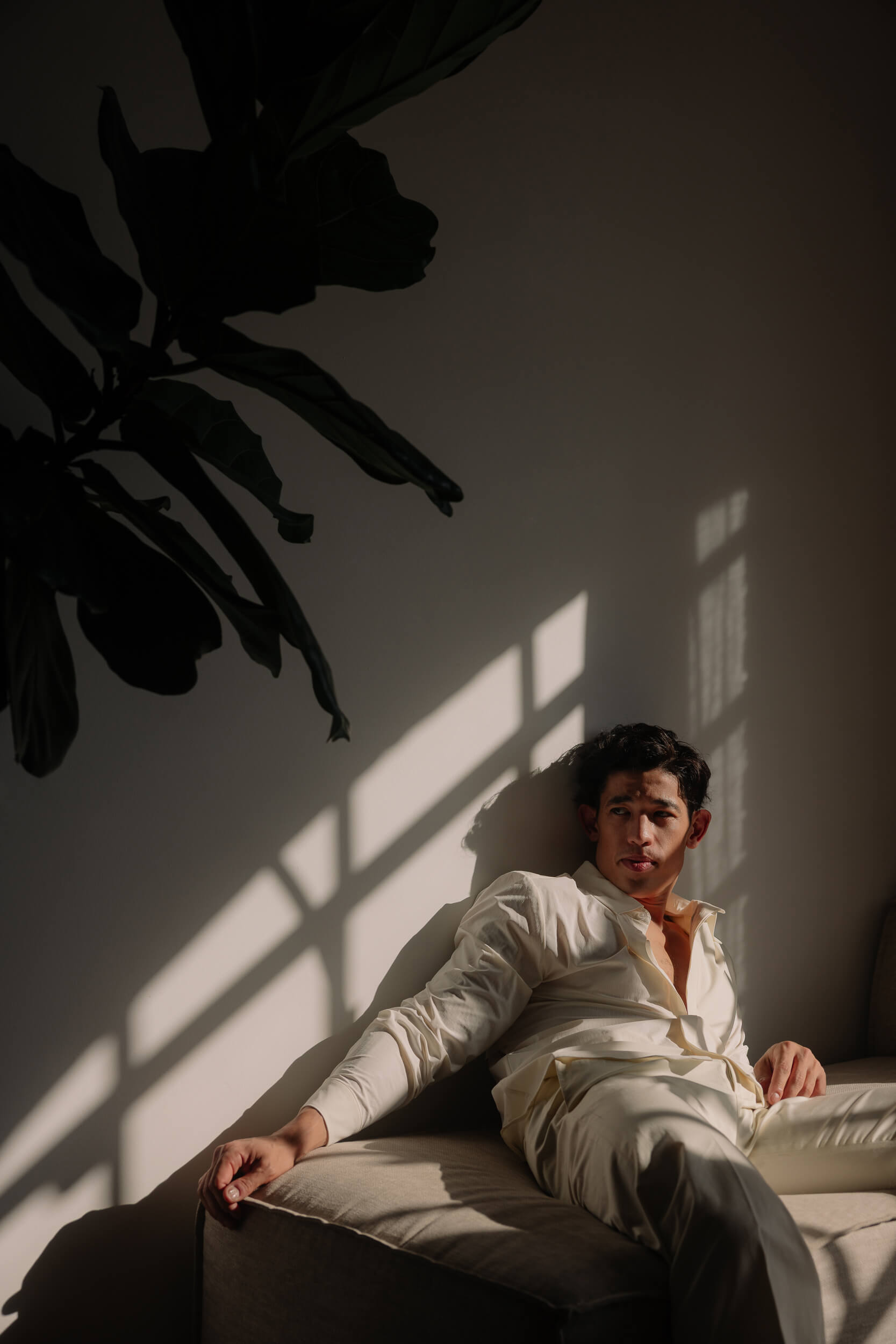
“These creatives clearly had a strong point of view about the world they wanted to portray – exactly the kind of people I’d want to collaborate with”
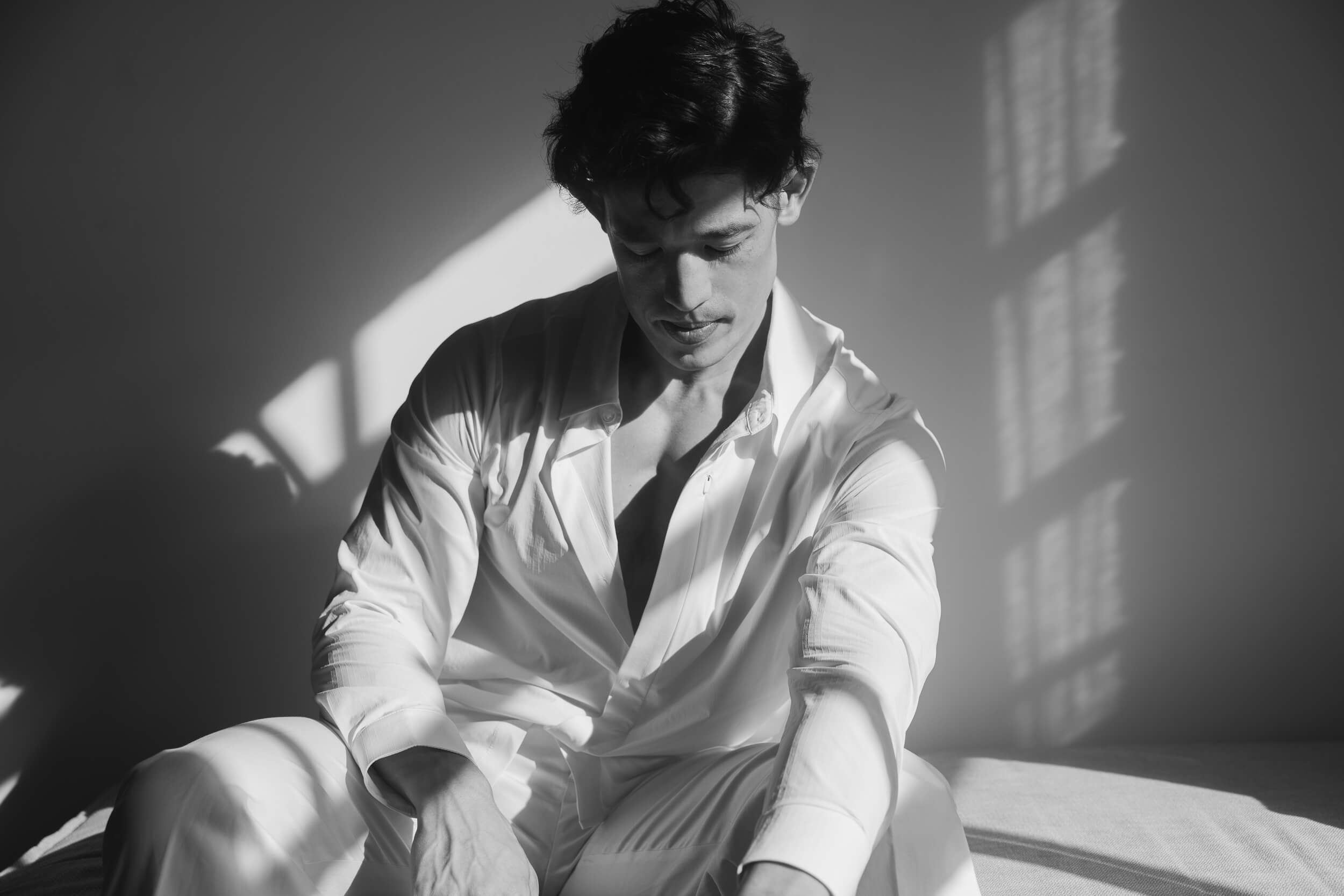
Following your work, seeing you in this was a surprise at first, but in a way it also felt perfect.
I think so too. Have you seen “Slow Horses”?
That show is the reason I subscribed to Apple TV in the first place.
Roddy is such a defining character, he’s shaped the last six years of my career and brought me a huge amount of visibility, which I’m endlessly grateful for, because he’s such a brilliantly written part. He’s become a real part of me now. But precisely because he’s such a defining character, I was very conscious about choosing a next project that would break that mould completely. When the industry sees you do something well, you inevitably get offered a lot of similar roles. But nothing in that genre is ever going to top Roddy Ho – unless it’s genuinely better, which I doubt – so the next thing had to be something completely different. I’m grateful I got to show one end of the spectrum with him, and now the complete opposite: a romantic lead in a period piece, which lets me show a different range.
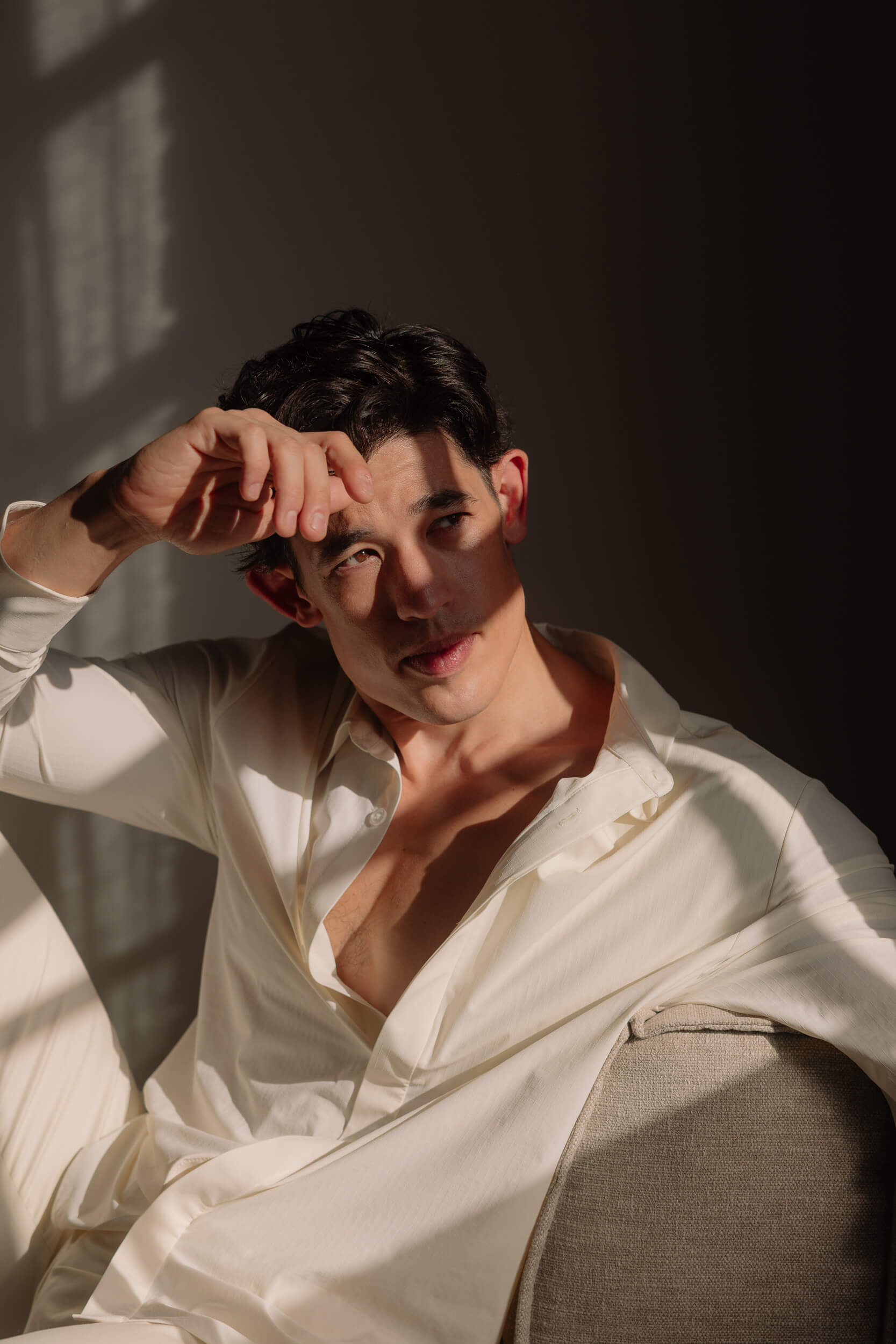
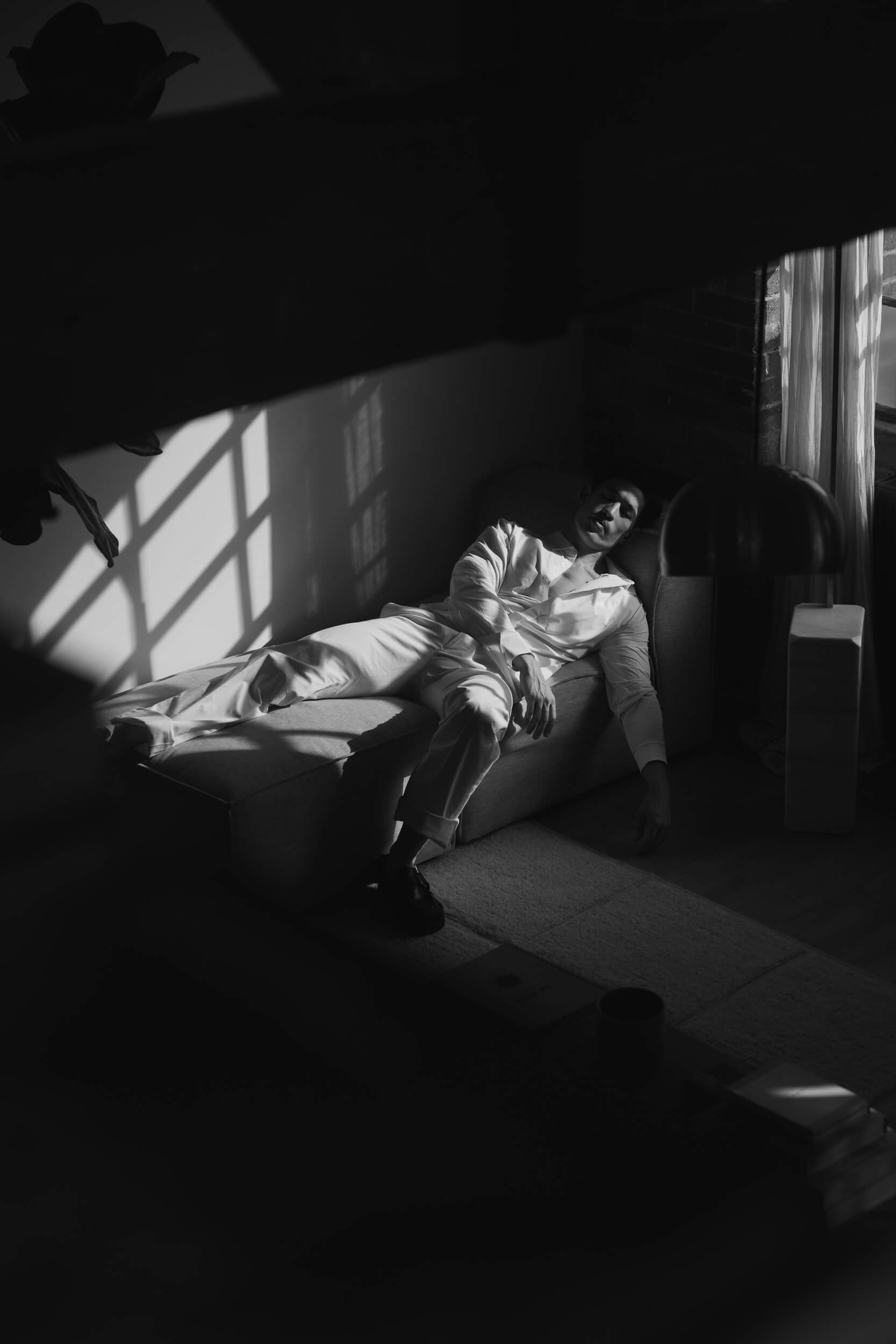
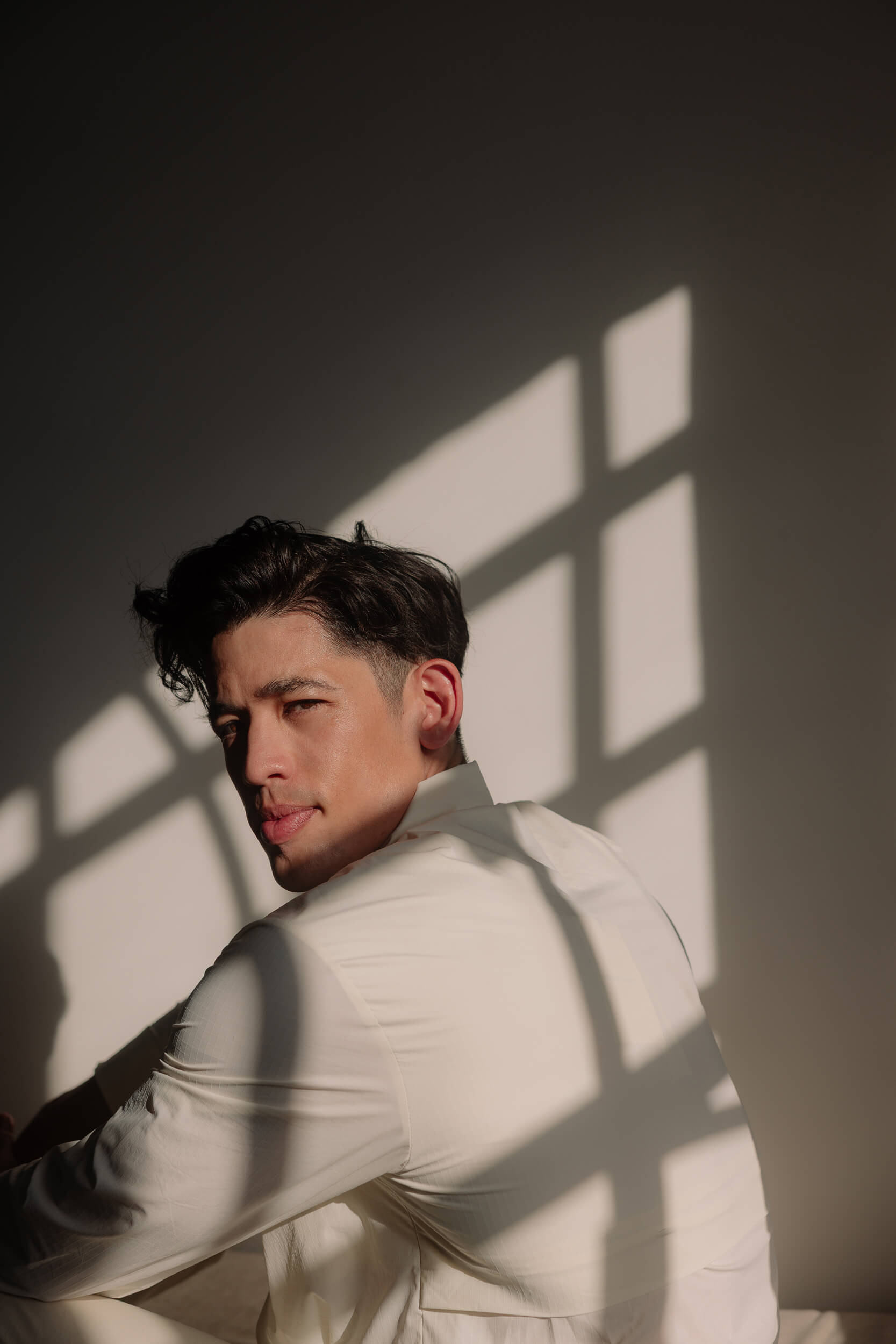
It was also refreshing for me because this genre is usually so British – seeing another land, another setting, felt new.
So many people who’ve seen the screeners have said exactly what you just said – that we haven’t seen Australia like this before. We’ve seen it in many forms, but never as a period piece, and never told in this kind of cinematic way as a series. It really gives Australia its own character throughout the show. Filming it was also the longest stretch of time I’ve spent back in Australia since I moved away fourteen years ago. I found myself so much more connected to the land, and to being Australian, through making this project. That was completely unexpected – this profound sense of homecoming, working on Australian land with all these wonderful actors and creatives. It was a truly special experience.
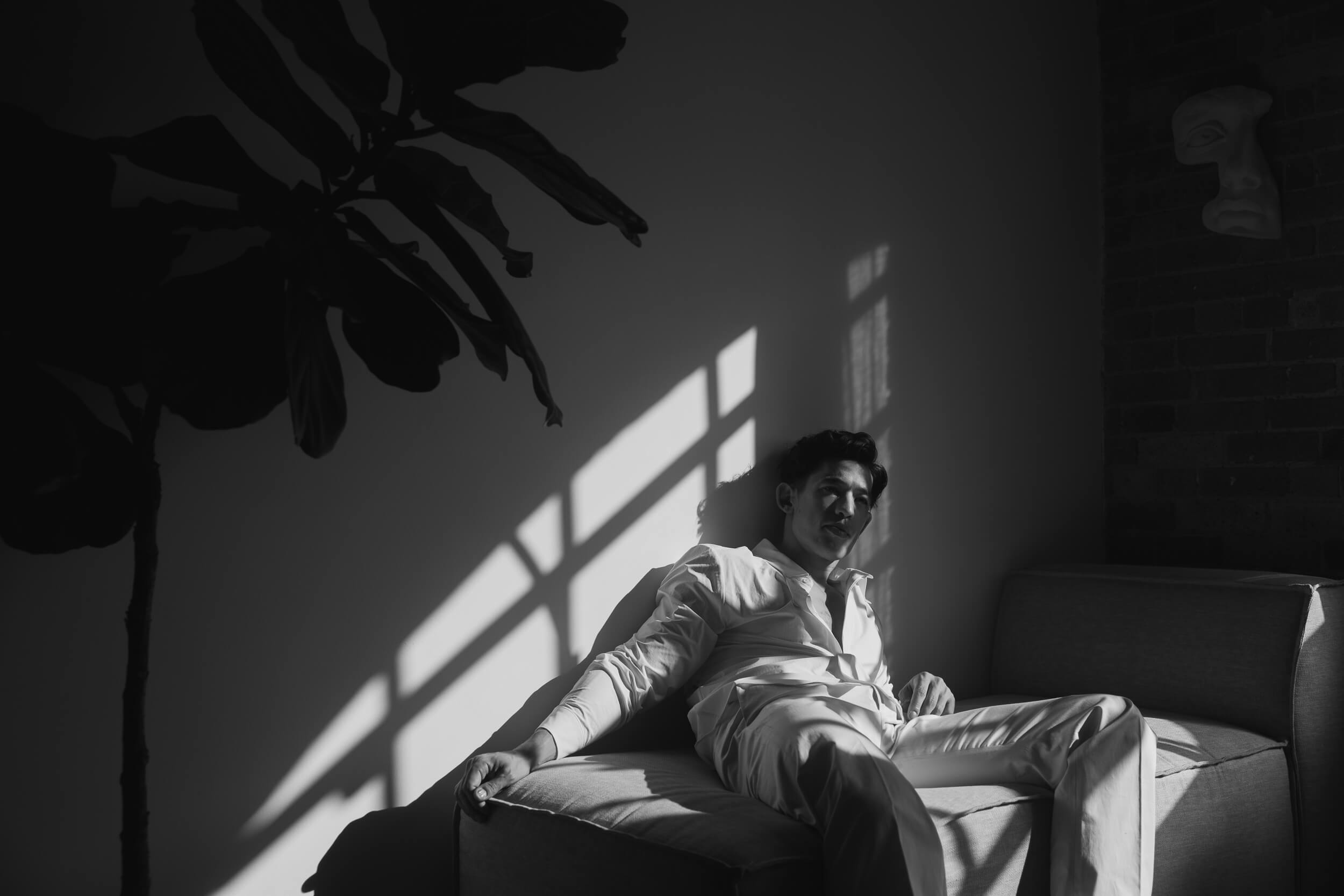
“That was completely unexpected – this profound sense of homecoming, working on Australian land with all these wonderful actors and creatives.”
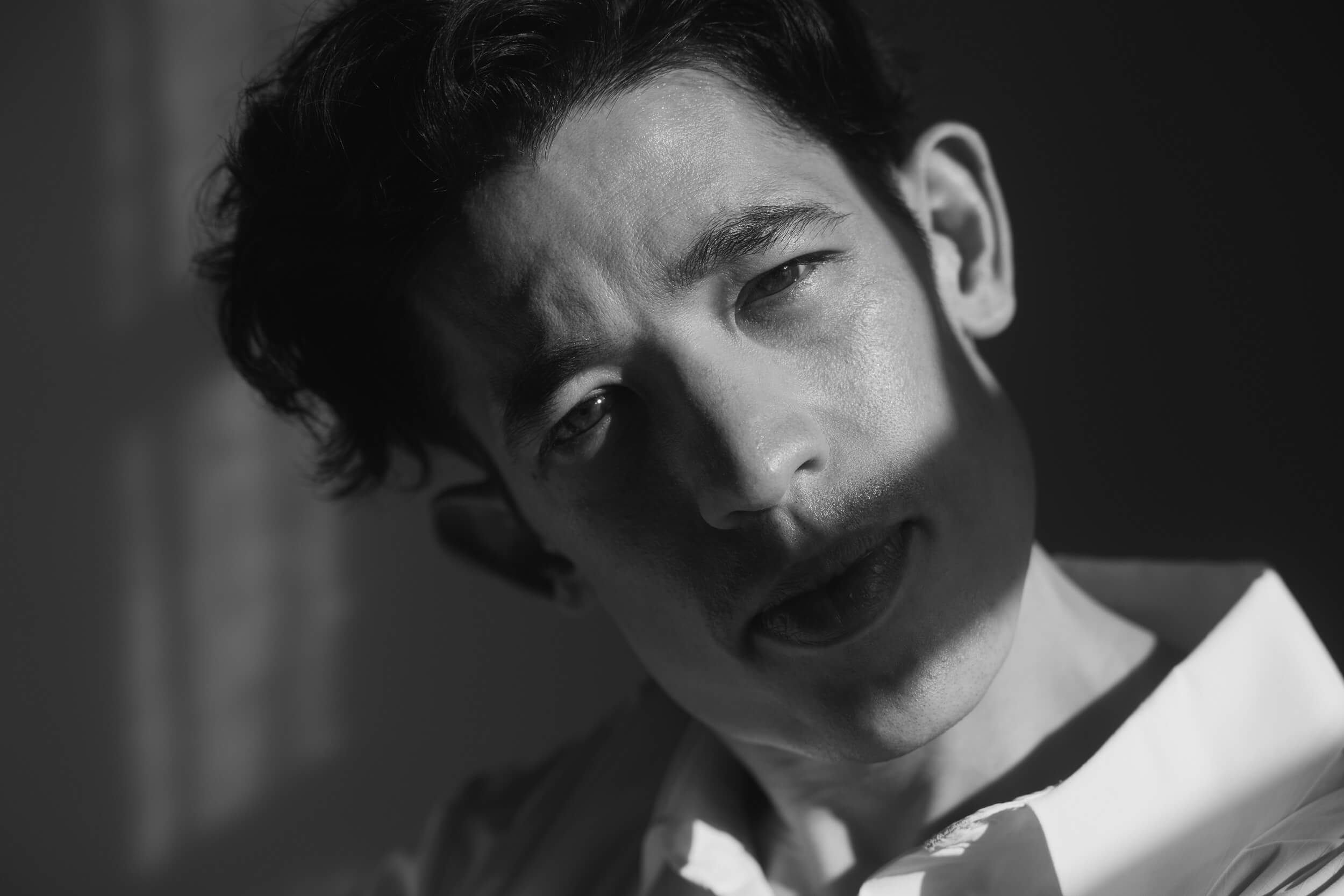
One of my questions was actually about nature – earth and land play such an important role in the series, and both Sybylla and Harry have an almost visceral connection to it. What’s your own relationship with Australia, and more generally, what role does nature play in your life?
I grew up in a beach town in Victoria called Mornington – the beach was always five minutes away. Having moved to a big city like London, I now realise, in hindsight, how much I took that for granted. I think all Australians have a deep connection with nature and the land, and that comes through so strongly in “My Brilliant Career”. There’s a scene where Harry takes Sybylla to his favourite place – a watering hole – where she ends up jumping into the water, touching the reeds as she walks through. Harry sharing that special place with her is so beautiful and profound. It shows that their connection is really about how they view the world and how they relate to something outside of society – because so much of the show is about societal expectations. Those quieter moments show a connection that’s unique to just the two of them, which is really beautiful.
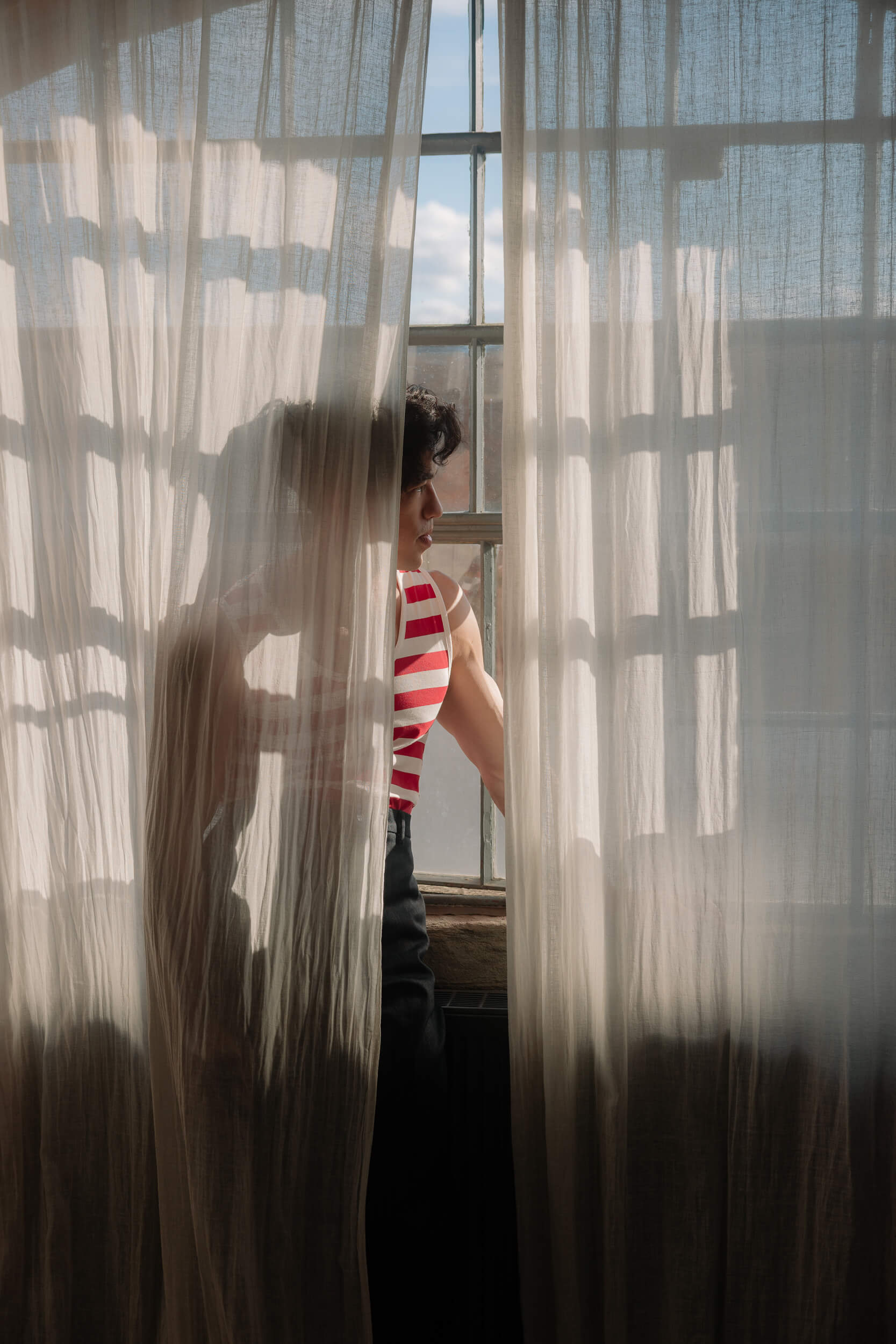
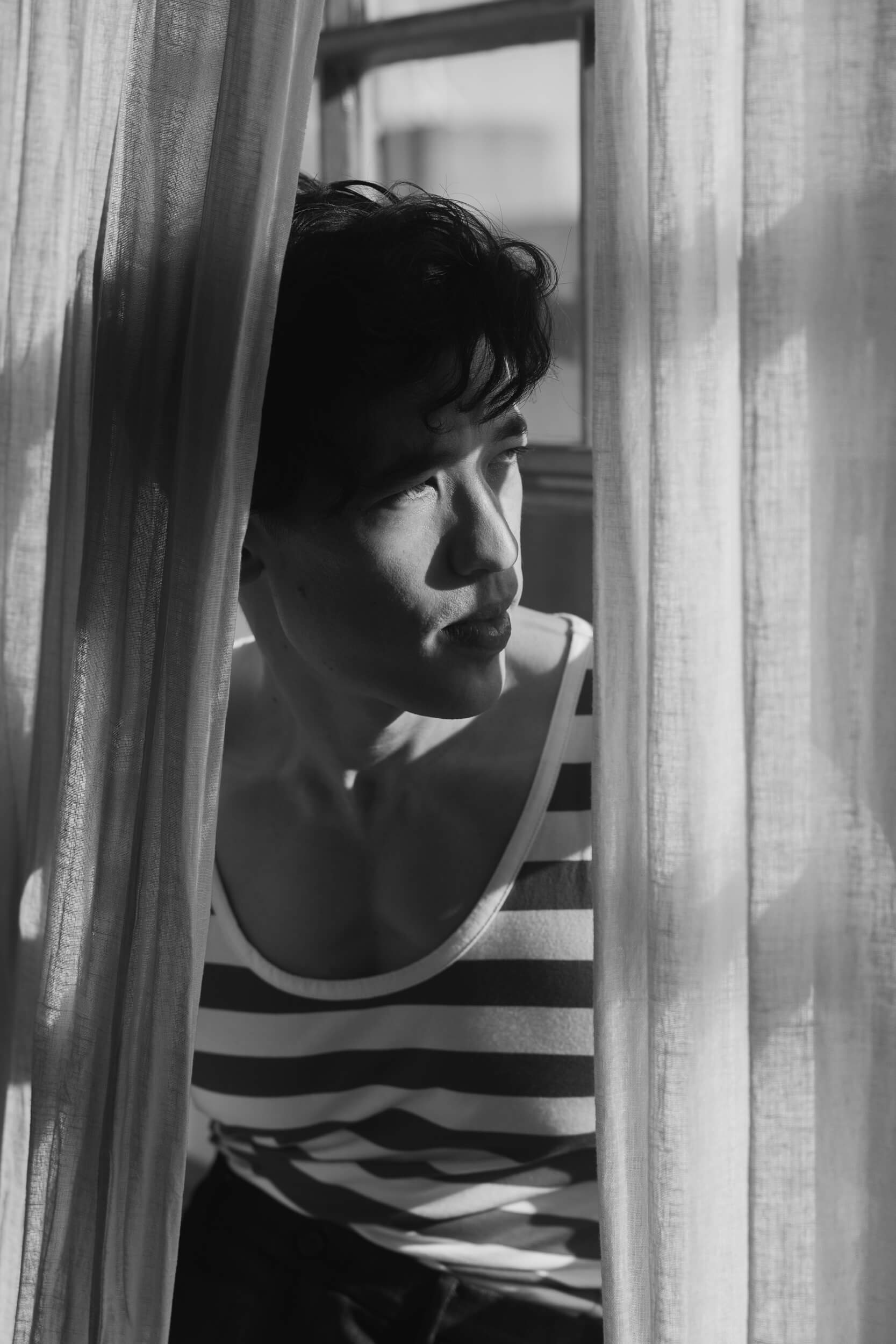
The series is also very much about independence, love, ambition, and pursuing your dreams. What was it like for you to pursue your own dream?
That’s such a big question – and it’s always challenging to go against the grain, which is really the thread running through “My Brilliant Career”. I left Australia at 21, originally to train as an actor in America, and eventually found more opportunities in the UK, which is why I moved here. There were so many moments where it would have been easier to just go home, live a nine-to-five life, have a family, and stay close to the people and world I’d always known. But like Sybylla, I’ve always been a dreamer with a clear idea of who I wanted to be in the world – and going against what society expects of you takes real guts. I was lucky that my parents were always supportive of my journey as an actor, emotionally, mentally and financially – I couldn’t have done it without them. Still, before “Slow Horses”, there were moments when I genuinely thought it just wasn’t going to happen for me, that I might have to cash out. Opportunities like mine are a one-in-a-million chance, but when it came, I was ready for it. Everything since then, “Slow Horses”, “My Brilliant Career”, “Doctor Who”, “Blitz” have followed on from that. If this opportunity had come any earlier, I don’t think I’d have been ready for it.
So, I’m grateful for the journey it took to get here, because it taught me how to handle myself and how to present myself to the world – how to really know who I am, so I can give the best version of myself both to the people I meet and to the work I do. That same message – becoming the best, truest version of yourself – really comes through with Sybylla too.
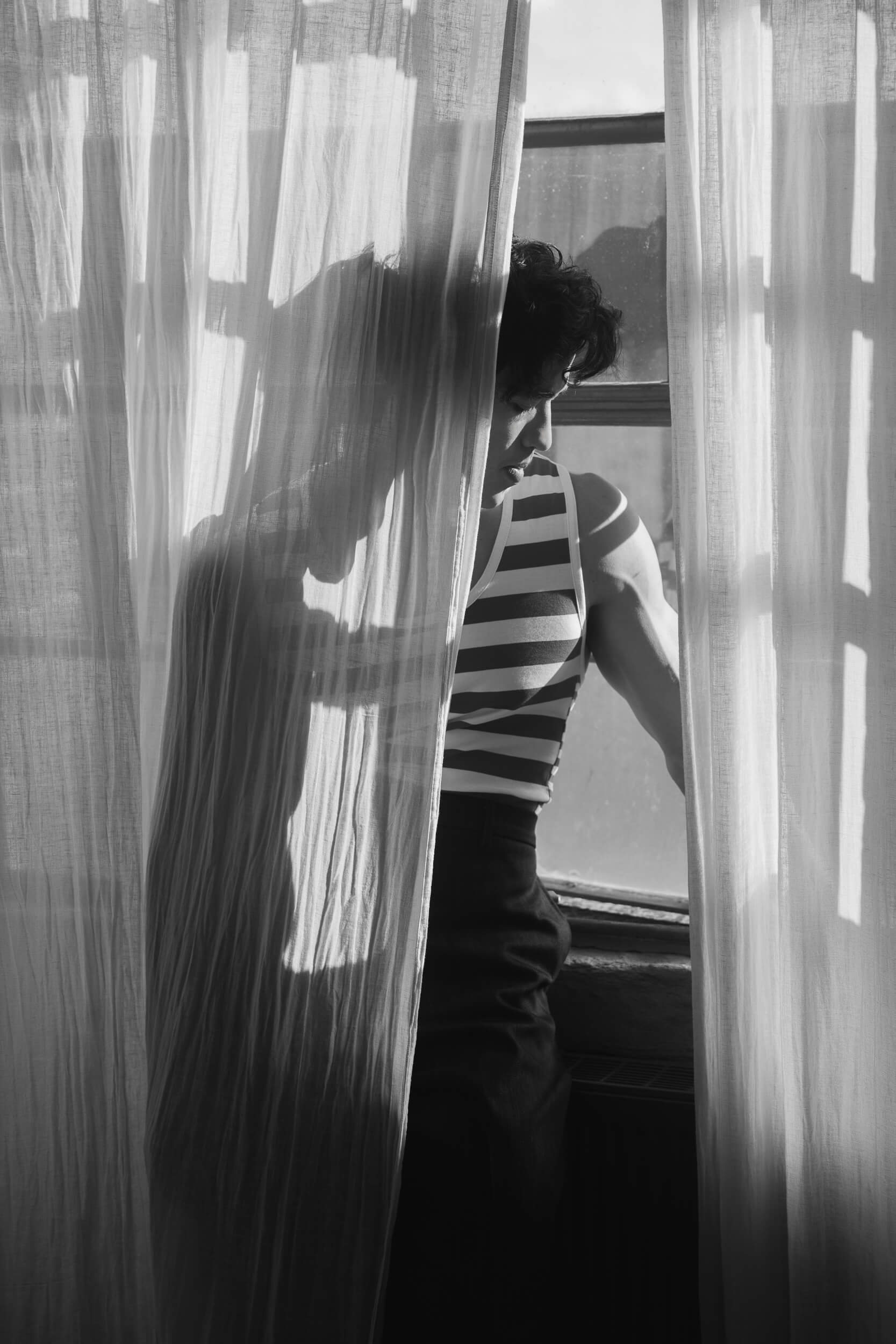
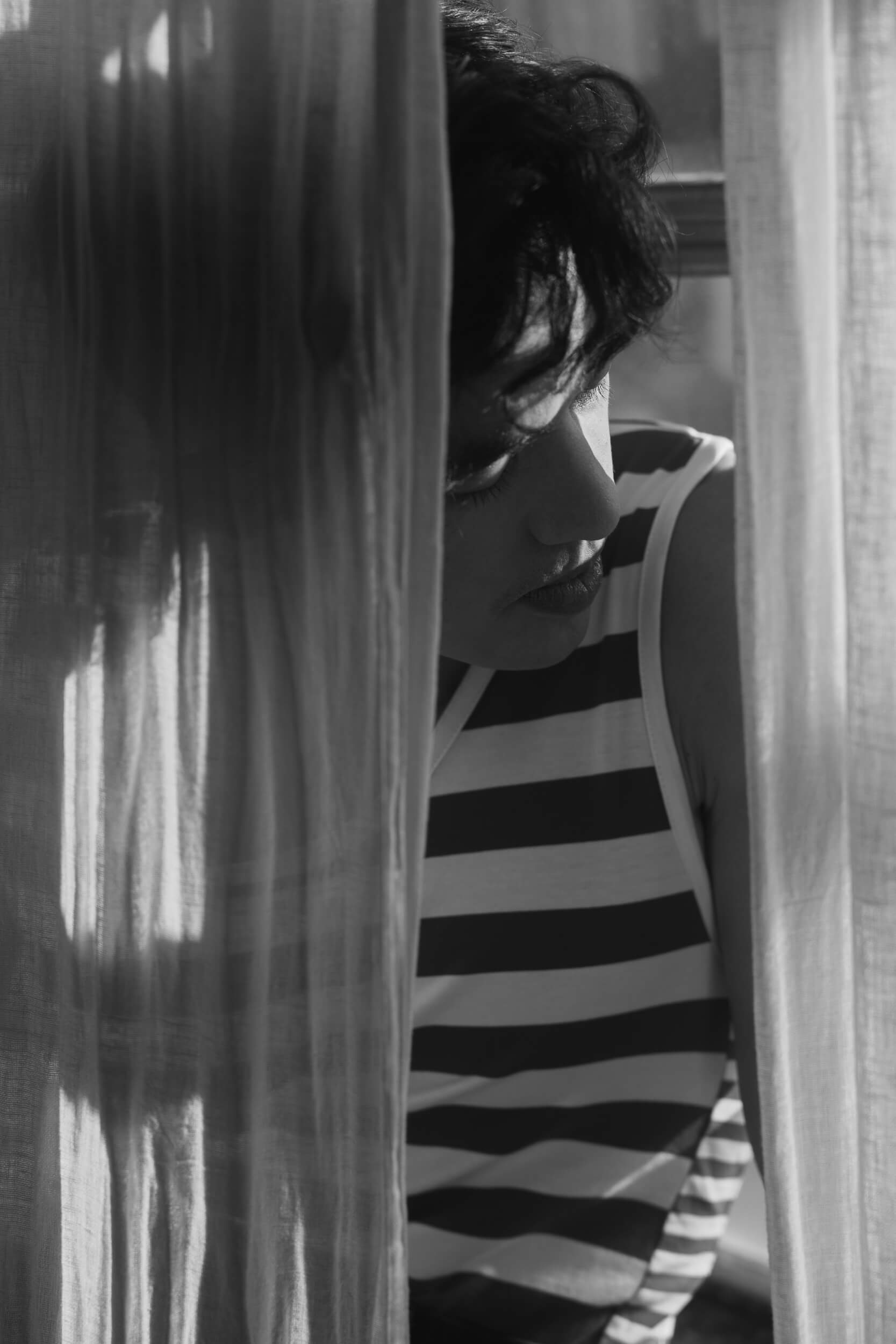
“it’s always challenging to go against the grain”
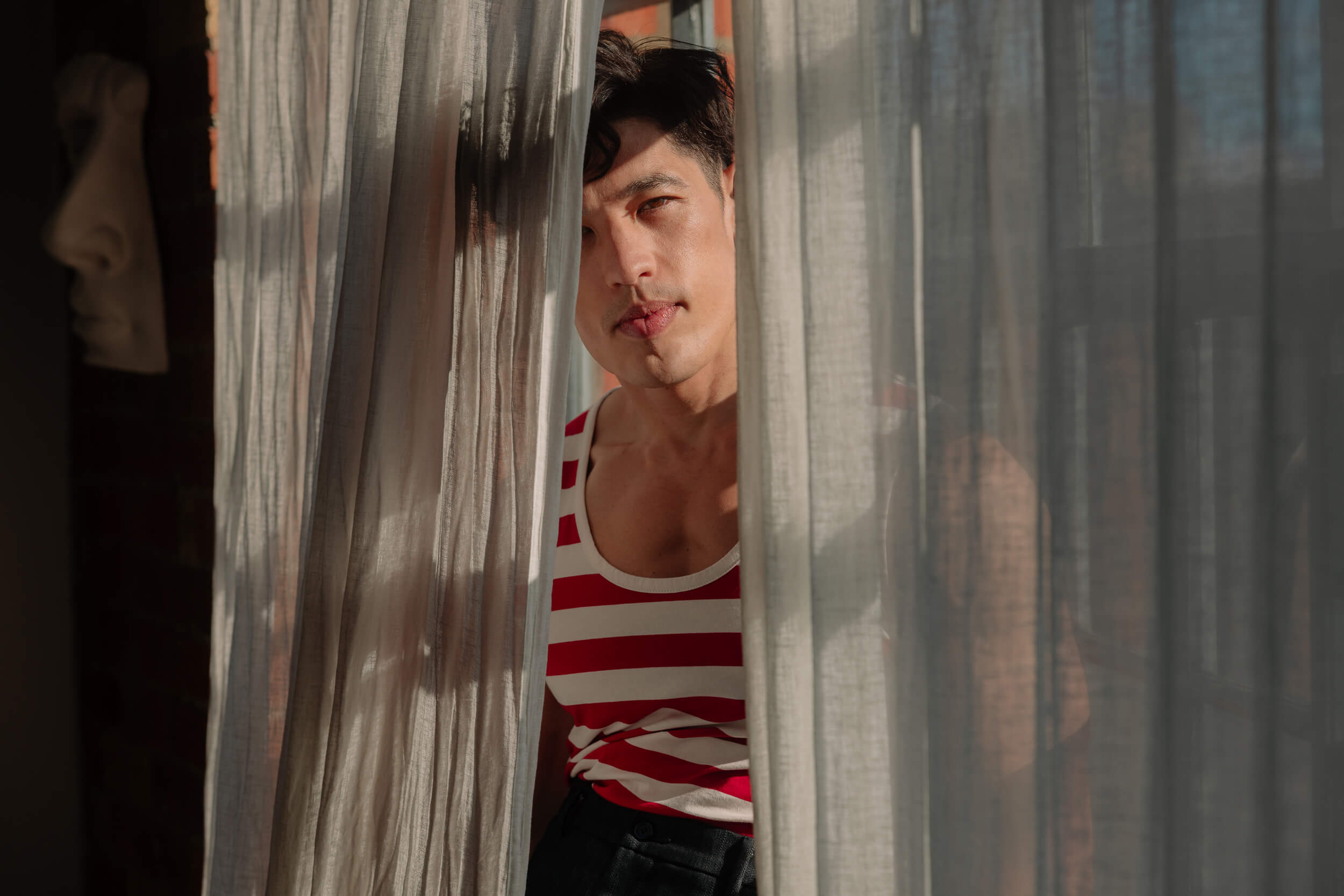
Yeah, the series also explores the freedom to truly be yourself – something we’re often denied, sometimes even by ourselves. Do you think Harry feels free? And what does it mean for you, personally, to feel free and comfortable in your own skin?
Episode two focuses a lot on Harry and Sybylla at his house, Five Bob Downs – you see how at ease he is on the land, with his auntie, in his own world, and how freeing that is for him. But I also wanted to explore how he carries himself within society, given the status he holds as an affluent man in the outback of that era, while also being a minority. How does he navigate people’s perceptions of him? A lot goes unaddressed because of his status – he has money, he has standing – and that kind of position can sometimes silence people who’d otherwise have something to say. You see that at the Empire Day celebrations, where he faces racial rhetoric inside the tent. So, it’s always a balancing act – the masks we put on to face whatever world we’re stepping into. For me personally, freedom comes from knowing myself, being compassionate, kind, understanding, and really listening to the people around me. I’ve learned so much about people that way – how they operate, how they function. Being that kind of person on set, as a friend, a partner, a son, a brother – whatever mask I’m wearing in life – is the most freeing thing, because it lets me be my authentic self.
That’s beautiful. I also think that being an actor lets you live many lives and be empathetic – every character teaches you something new about yourself too. I think it’s a wonderful exercise in humanity.
You’ve absolutely hit the nail on the head. Finding empathy within a character is one of the most wonderfully challenging parts of the job – especially with someone like Roddy, who’s so abrasive, obnoxious, and says exactly what’s on his mind, the complete opposite of Harry, who holds so much internally. Finding real understanding for Roddy took a lot of time and effort, because if you hold personal judgement against a character, you can’t fully access their lived experience – and that will show on screen. You end up with something two-dimensional. Understanding a character’s humanity, and how they function in the world, is central to my process.
Sybylla always writes down her emotions to process them – putting things on paper seems to help her make sense of what she’s feeling. Do you have something similar in your own life?
I keep a journal too, actually many journals, going back to when I first left Australia in 2010. It can get so lonely in your own mind, turning things over and over, getting stuck in a cycle. Writing them down is like pulling them out of your head – decluttering, defragging your brain a bit – and it helps you see a clearer path. It’s nice to look back: some entries are from really low points, when I didn’t get a job, others from times when everything was going my way. Looking back a year, or eleven years, you realise it’s a rollercoaster – nothing stays exponentially great or terribly low, the highs are high, the lows are low, and that’s just life. Being able to look back retrospectively and in depth is genuinely useful to me as a performer.
Writing is a big part of my job too, but also of my life: I write a lot, not necessarily a personal journal, but sometimes stories, as a way to understand my own emotions. That’s part of why I felt so connected to this series – and Sybylla is just the best.
She really is. She’s an iconic, and also timeless character – I think that’s part of why Netflix decided to adapt this story now. So much of her story is universal, not confined to its period setting, so it never feels inaccessible to a modern audience. It’s very much a current story, just told in a period setting.
Watching the series, one question kept coming back to me, since it’s such a recurring theme: love or honour?
I remember delivering that line – not an easy one. I think on the surface, the show wants you to believe it’s a love story – that you’d throw everything out the window for love. But by the end, it’s actually Sybylla choosing her own honour, choosing to love herself, that’s the real arc of the series. You can’t truly love anyone unless you honour your true self – and her true self is to be a writer, to pursue her career independently of any man or outside influence. Only then can she really give herself fully to someone – but she gives to herself first, which I think is the most beautiful part of it.
“You can’t truly love anyone unless you honour your true self”
Sybylla is free, but also completely unapologetic: she lives entirely on her own terms. What do you admire most about Harry? And is there anything of his you’d love to steal for yourself?
What I love most about Harry is his integrity. He genuinely wants to do right by everybody – he even says at one point that he’s trying to do right by everyone but failing them all. That’s very much part of my own upbringing too – living with integrity, doing right by people. I admire how he tries to do the best for everyone, even though, in doing so, he often shoots himself in the foot – not exactly the smartest course, I suppose, but an honest one. If there’s a second season, I’d love to see him become a bit more reckless, a bit more of a party animal – to see how the world has affected him after everything: he loses everything, gains most of it back, and still doesn’t get the one thing he was really pursuing – Sybylla. He does everything the right way, with integrity and honour, trying to earn back his fortune so he can give her the life he promised, and it still doesn’t work out. When you do everything right and it still doesn’t pay off, what does that mean? It throws your whole world into turmoil.
I’d love to see what that turmoil looks like for him, and how he comes out of it.
Me too, I can’t wait. Around episode seven, another important theme starts to emerge: waiting. Are you good at waiting?
No, terrible. I need confirmation, I need to know things straight away – especially with the casting for “My Brilliant Career”. I read for it around the end of 2024, filmed it last year. I put the tape in around Christmas, when everything shuts down for about a month, and as soon as the offices reopened in January, I was straight on it, checking where they were in the process. I had a follow-up Zoom call with our set-up director that felt very positive, and then there was a bit of radio silence. Because I had such a good feeling about it, I messaged her directly – I wanted it badly enough. She told me they were waiting to cast Sybylla before making any other decisions. I did some chemistry reads with a few different Sybyllas, and then finally a decision was made, but it took time. So no, I’m not good at waiting at all – I’ll do everything I can to move a process along, because I get attached to things very easily, especially the ones I really want. The longer something drags on, the more attached I get, and the harder it is to move on afterward. A quick “no” lets me move to the next thing faster; a quick “yes” is even better, because then I can start committing to the part right away.
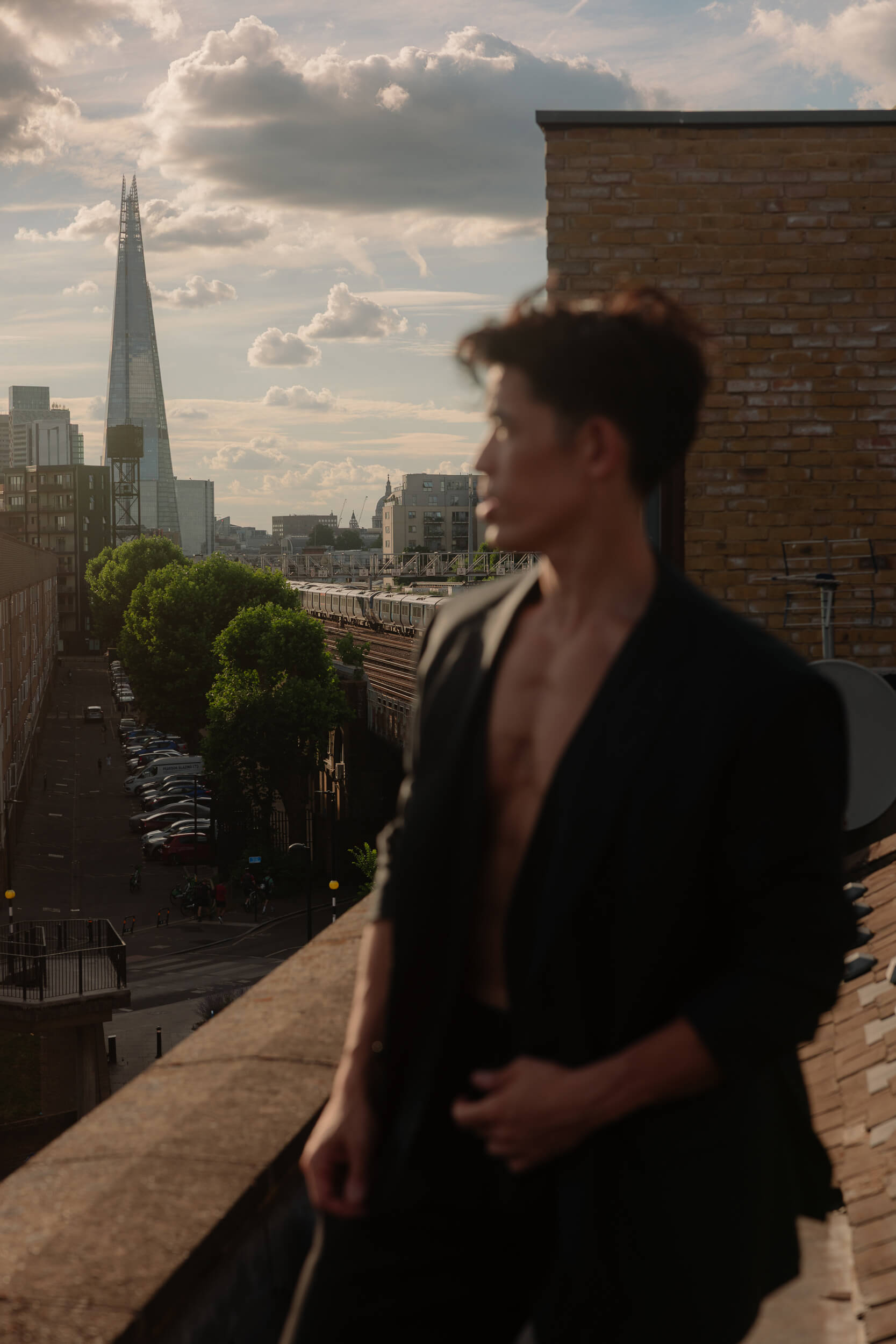
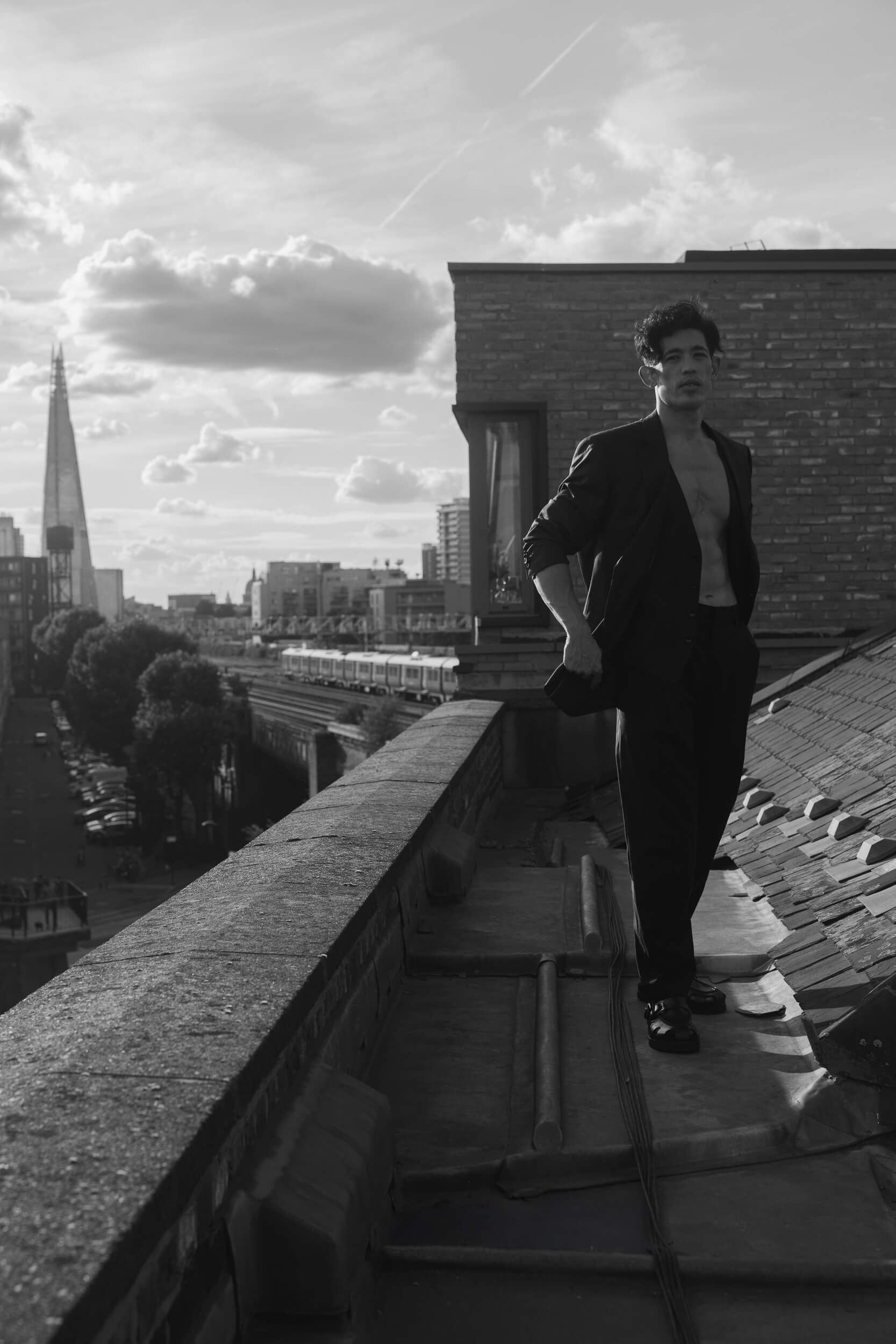
With every character, you learn something new about yourself. What’s the latest thing you learned about yourself through playing Harry?
I was incredibly anxious coming into this role, because Harry is such an iconic Australian character, originally played by the late Sam Neill, and so definitive in that part. That brought a lot of weight and expectation – some of it probably self-projected, but some very real, too, because stepping into a romantic lead as an East Asian man carries its own pressure: if I don’t do a good job, it doesn’t just affect me, it affects every other East Asian actor, because it gives people an excuse to say, “This is why people like you aren’t cast in these roles.” So, I felt a lot of that weight. Working with Alyssa [McClelland], our first-block director, helped enormously – she told me, essentially, you’ve already got it covered, I’m going to light you beautifully, frame you beautifully, all the things you think this part needs are already being taken care of, you just need to act. Watching the final product back, I thought I can actually do this. I had a similar experience with Roddy in the first season of “Slow Horses” – finding my feet among industry titans. Gary [Oldman] came up to me on set during season two, before season one had even aired, and said he’d seen the first cut and that my work was really great. A nod of acknowledgement like that means everything – it made me realise I’m actually doing good work, even though I often feel like a duck paddling frantically underwater while looking calm on the surface. That’s probably the biggest revelation from playing Harry – I surprised myself, and I’m not sure why I’d limited myself to thinking otherwise. Maybe just because I hadn’t seen it done before.
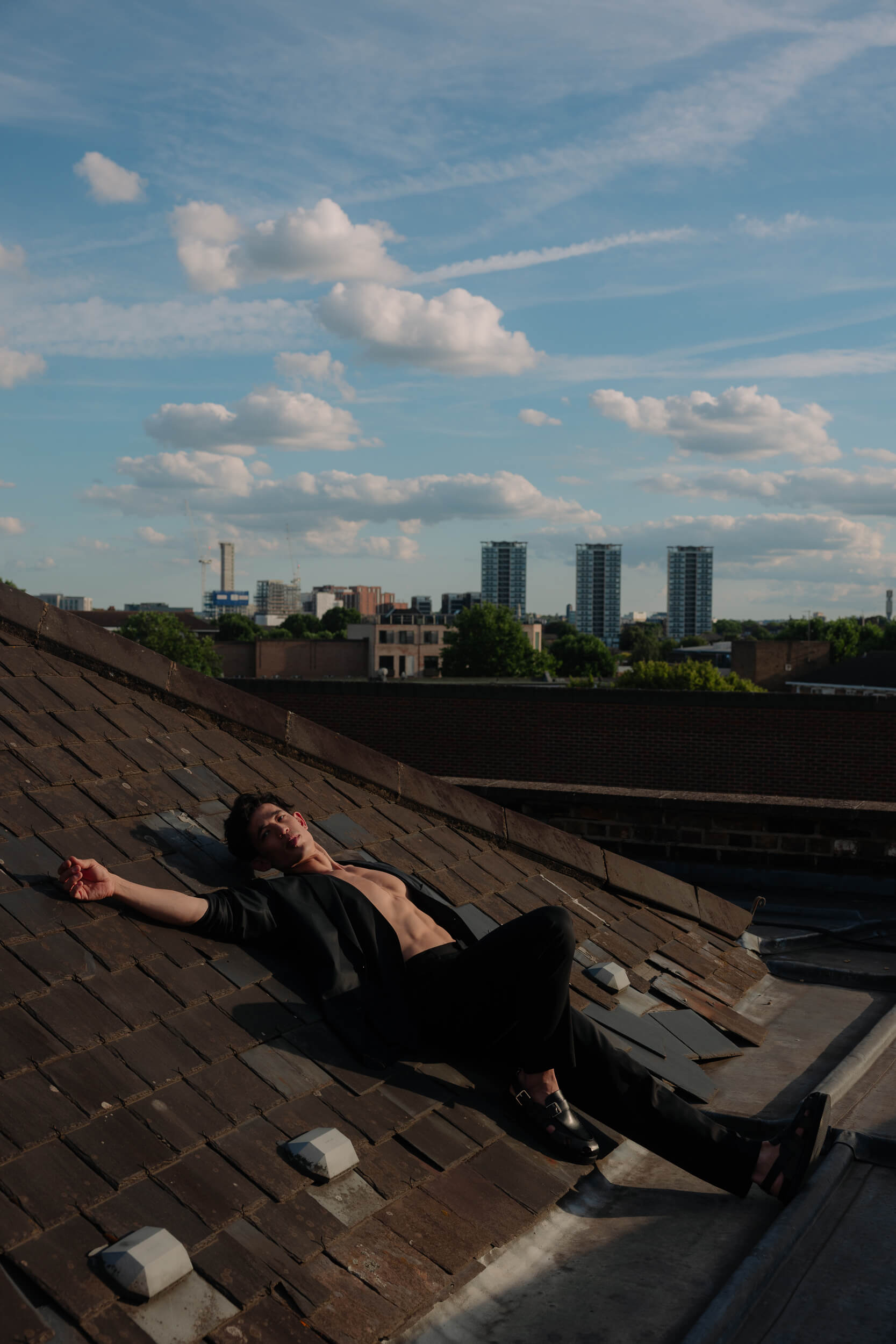
“That’s probably the biggest revelation from playing Harry – I surprised myself, and I’m not sure why I’d limited myself to thinking otherwise.”
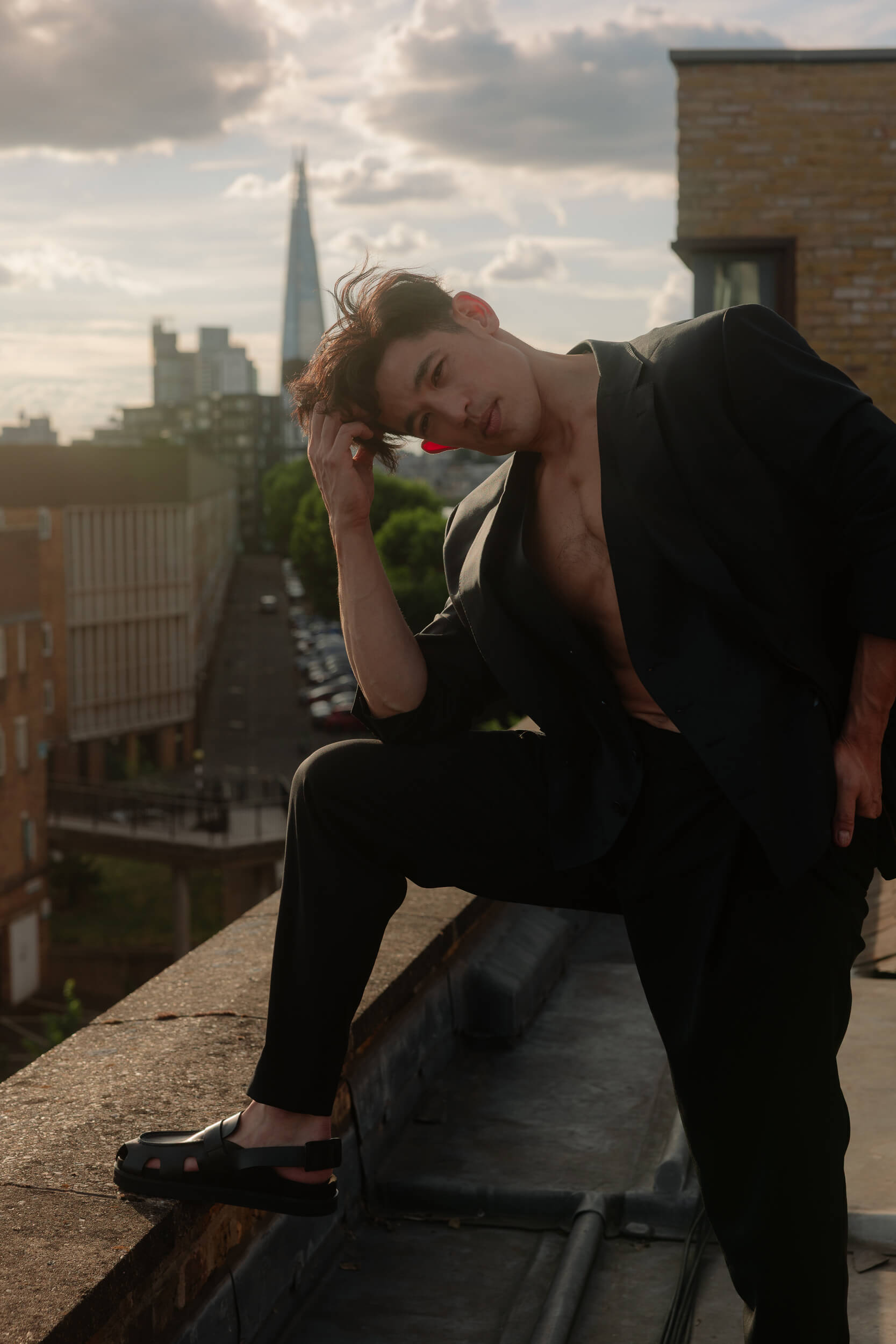
Speaking of Roddy, “Slow Horses” is one of my favourite series ever, it’s perfect to me. Roddy has such a distinctive way of moving, speaking, reacting – very specific facial expressions and body language. How much of that came from you, and how much was shaped by the script or direction?
A lot of Roddy’s shaping originally came from the script Will Smith adapted for season one, and I worked very closely with him. What’s brilliant about Will is that once he gets to know you as an actor, he starts writing to your strengths, so he can tailor the character to you as a performer – he really knows your voice. So, a lot of it came from the words Will put on the page. For the physicality, I did quite a lot of research into character types similar to Roddy. It’s interesting – people have told me I do something odd with my jaw, or my face changes slightly, and I’m not even aware I’m doing it. Sometimes in script meetings, throwing ideas around about a line that isn’t working, I’ll slip straight into Roddy’s voice without meaning to – it stops being Chris talking and becomes Roddy. That’s the first time I’ve had that happen so quickly and easily with a character, though it’s also the result of having played him for around six years now – I know him so well. I don’t know if it’s a slightly possessed state of being, but I hope I get to experience that again with another role.
“Slow Horses” feels almost like a kind of purgatory – a place where people are sent to pay for their mistakes but are still expected to keep going. It’s terrifying in one way, and oddly beautiful in another. How much did that atmosphere shape the way you approached Roddy, and the way the characters relate to each other?
I think Slough House itself, as a set and a space, is a character in the show. It’s so imposing, so lived-in, with so much history built into it, that you genuinely feel like you’re walking into a real office space – one where the days are long and everyone’s just trying to get through them. All that weight built into the dynamic between the Slow Horses is really supported by the set and the art department, who’ve dressed it down to the smallest detail – so you never feel like you’re on a set, you feel like you’re actually in that office. We shot a scene recently with all the Slow Horses and Lamb together, and there’s something about being in that space that feels specifically dysfunctional but also quite brilliant. It’s stuffy, it’s a small set, so you really feel the claustrophobia – it’s grim, there’s mouldy food in the fridge, new posters Standish has stuck up every season. All those details give you a whole story to build a character around: that’s Jackson’s sandwich from three weeks ago – why hasn’t he thrown it out? Probably because he’s just been ordering Chinese food the whole time. It makes the world so rich that you don’t have to reach for anything – it’s all right there.
I have to say, Roddy has the best office.
It’s the best, so much fun, and I love how much it’s evolved since season one. I saw a clip from season one recently and thought, wow, the desk used to be in that corner, now it’s over here, now there’s gym equipment – it really feels lived-in, which I love. The props department always asks me before each season if there’s anything specific I want on my desk or in the office, so it’s genuinely collaborative. In season five, I even had a hand in dressing my apartment set. There’s a lot of me in that world, in a way you don’t really get with a period piece like “My Brilliant Career”, where every piece – right down to the food – has to be sourced specifically and planned well in advance. On “Slow Horses”, because it’s contemporary, if I need something on the day, it can usually be sorted quickly.
Why do you think Lamb’s team always end up being the right people for the job, even though they seem to make a mess of everything?
We’ve talked about this a lot over the last two seasons. I think people misconceive the Slow Horses as incompetent – actually, they’re probably more capable than the people still in active service, because they have more street smarts. They can outthink and think laterally, while everyone else thinks quite linearly. There’s a mutual respect among all of them, even though on the surface they act like they can’t stand each other and are constantly annoyed with one another. But underneath it, there’s a shared understanding that they’re all in the same shabby boat – I’ll protect you before I’ll protect anyone from the active service, because we’re bound by being Lamb’s joes.
It’s a dysfunctional club, but they’re all in it together.
I think it’s also beautiful because everyone has their own mess, their own particular quirks – and it makes people think, maybe there’s a place for me too, even if I’m a bit of a nerd or a bit weird. For me, “Slow Horses” can be a place where you recognise yourself, or your own weirdness.
I think it’s very reflective in that way. A lot of the audience appreciates that, even though it’s an espionage show, it’s really a dark workplace comedy – and it’s not aspirational. It’s very real, not shiny. As Gary always says, it’s not martinis and BMWs, it’s a beat-up Ford and mouldy food in the fridge. But that’s the reality of a place like that, and precisely because it’s not aspirational, it becomes much more accessible – people watching can say, I know people like that, I know someone kind of like this. It gives them an easy way into the story.
Last question – sorry for keeping you so long, but you’re in two of my favourite shows, so I’m very happy. What’s your happy place?
My happy place is back at my parents’ house in Australia, in Mornington, with all my family – my wife, my nephews and nieces – having a big family lunch together. I’m actually heading back to Australia next week to do some press for the show, and we’ve already planned a lunch. I’m really looking forward to it, since I don’t get to see them that often. It’s a lovely vibe – there’s nature, it’s very Australian, it’s everything. What I find interesting is that when I was younger, I always felt like I was running away from where I grew up – I wanted to be out in the world, to be part of a bigger picture of what an acting career could look like, because I couldn’t see that for myself in Australia. Now that I’m older, and I appreciate things differently, I find myself running back. So yes, that’s my happy place.
Photos & Video by Johnny Carrano.
Styling by Rachel Davis.
Grooming by Charlotte Yeomans.
Thanks to Premier Communications.