There are those who play a character, and those who grow up alongside one. Our April Cover star, Carlotta Antonelli, belongs to the second category. From her striking debut in the raw realism of Suburra to the nuances of comedy and drama, Carlotta has grown up in front of the camera, turning acting into an act of rebellion and self-discovery.
We met her at a particularly meaningful moment: her return to Angelica, the character who first introduced her to the wider public, now an adult and a mother in Suburra Maxima. For almost ten years, the two have shared a trajectory made of struggles, earned independence, and an identity defended day after day.
We spoke about how her characters are born, the courage she has learned to recognize within herself through working on set, and that carefully inhabited solitude that can reveal itself as the most authentic way of feeling safe. A no-filter conversation, just as she is.
What is your first memory connected to cinema?
My first memory connected to cinema is my father showing me and my brothers a lot of films when we were little—films that were definitely not for children [laughs]. I remember that he often changed houses, because my parents are separated, and in every house he moved to we would always watch so many movies. He would take us to Blockbuster, and each time we would rent a different film.
I understand you. When I was little, my parents also had a ritual: every Sunday they would take me and my sister to the cinema to watch the films they wanted to see, so definitely “not for children!” I remember a few serious traumas [laughs], but surely it’s thanks to them that we have the passions we have.
Exactly, we grew up pretty tough! But I’m very grateful to my parents for letting me experience things that weren’t necessarily “for my age.”
Speaking about your debut in the world of acting: do you feel you mainly draw from yourself when building your characters? Or, over time, through the different experiences you’ve had, have you developed a more structured method?
In the last few years, as I’ve grown and become more and more aware of myself and of the world, I realized that I was changing constantly, and that this also affected the characters I was playing. In any case, myself—depending on the moment I’m living through—is always the first source I draw from when I start working on a character.
Of course, the set also influences you in terms of ideas, so it depends a bit on the project. When I work on a character I constantly question myself. I never think I’ve fully understood them—in fact, I probably never really understand them until filming is over, maybe.
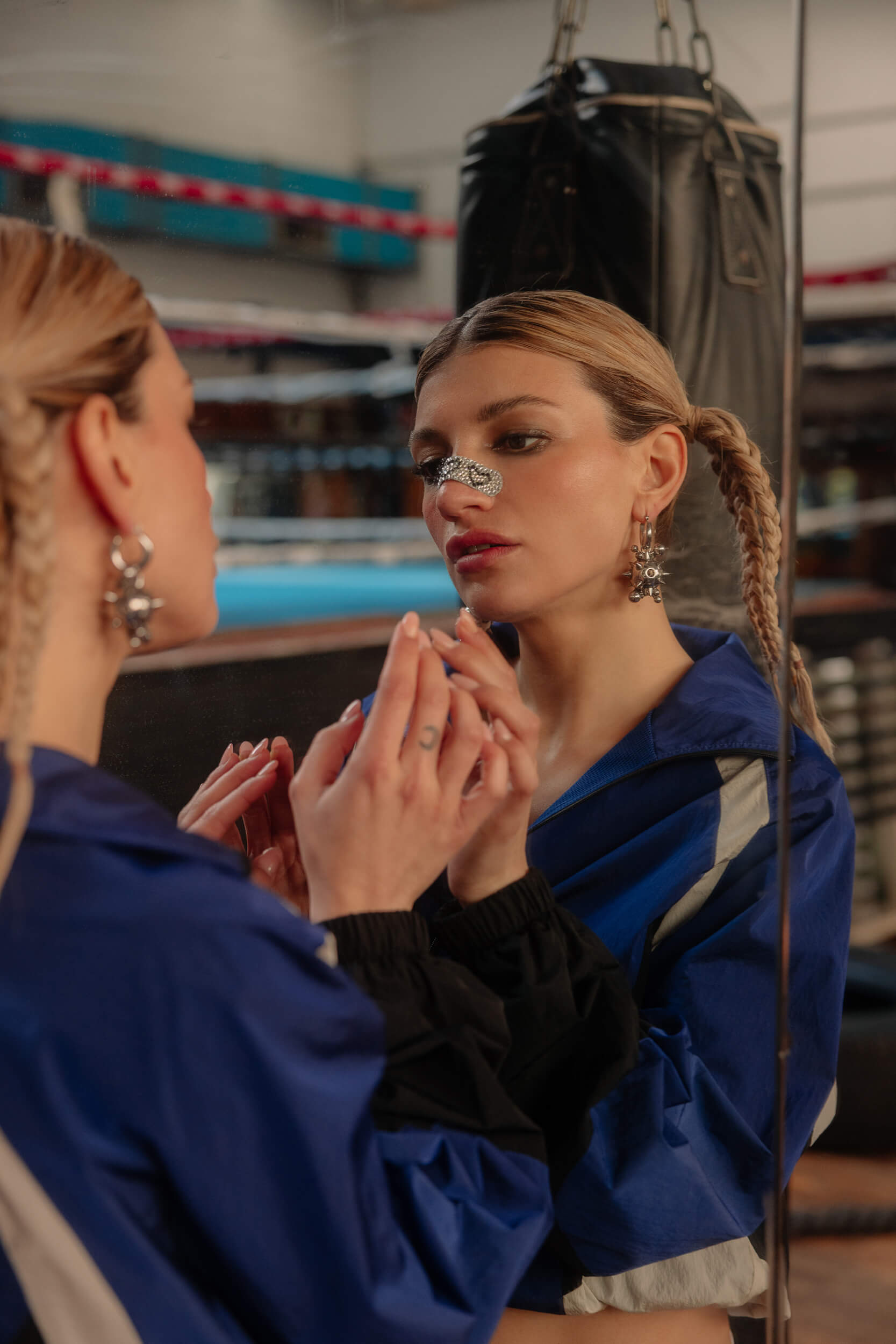
But yes, generally speaking I draw a lot from who I am. I look at myself in the mirror and try to understand how the character might take shape.
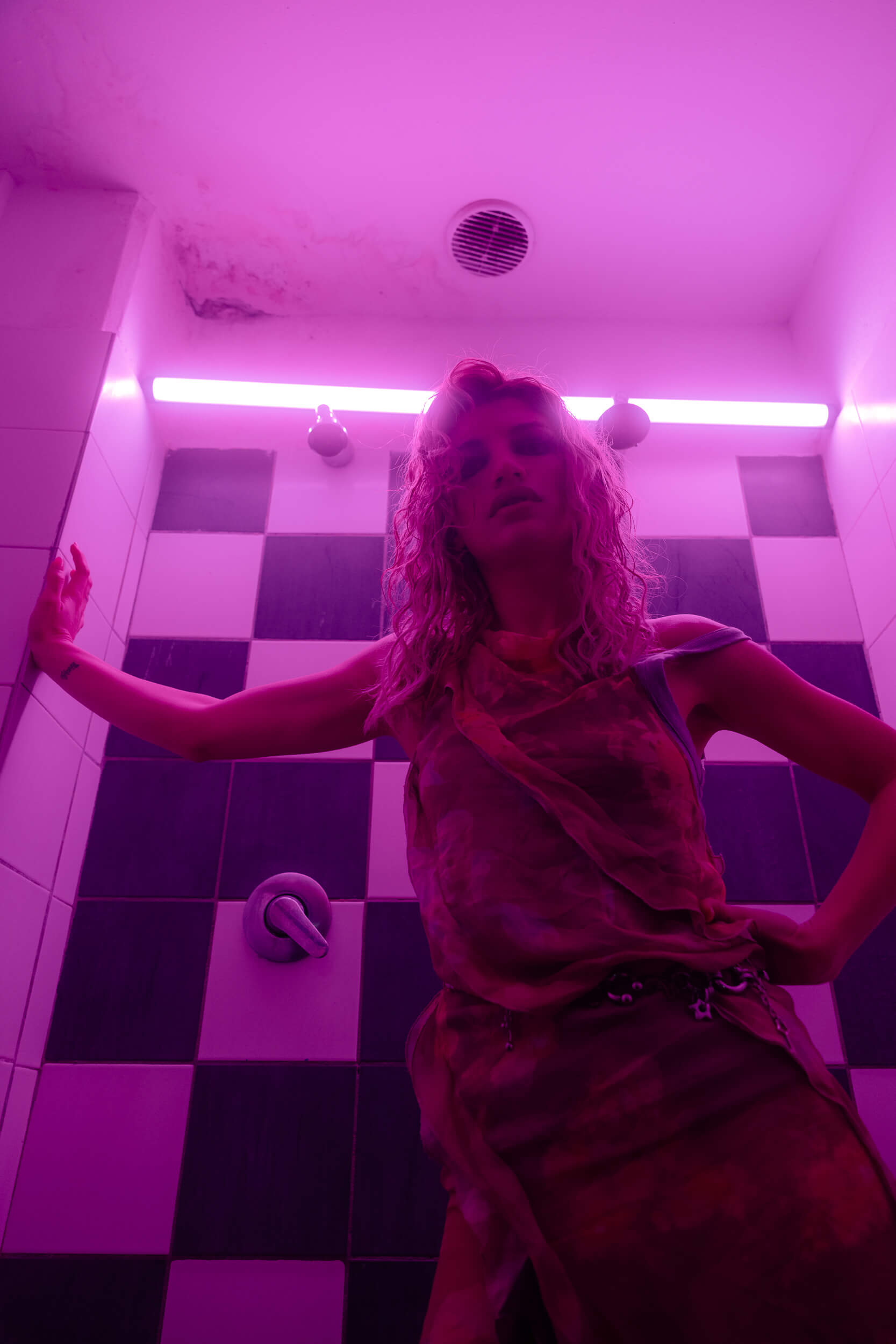
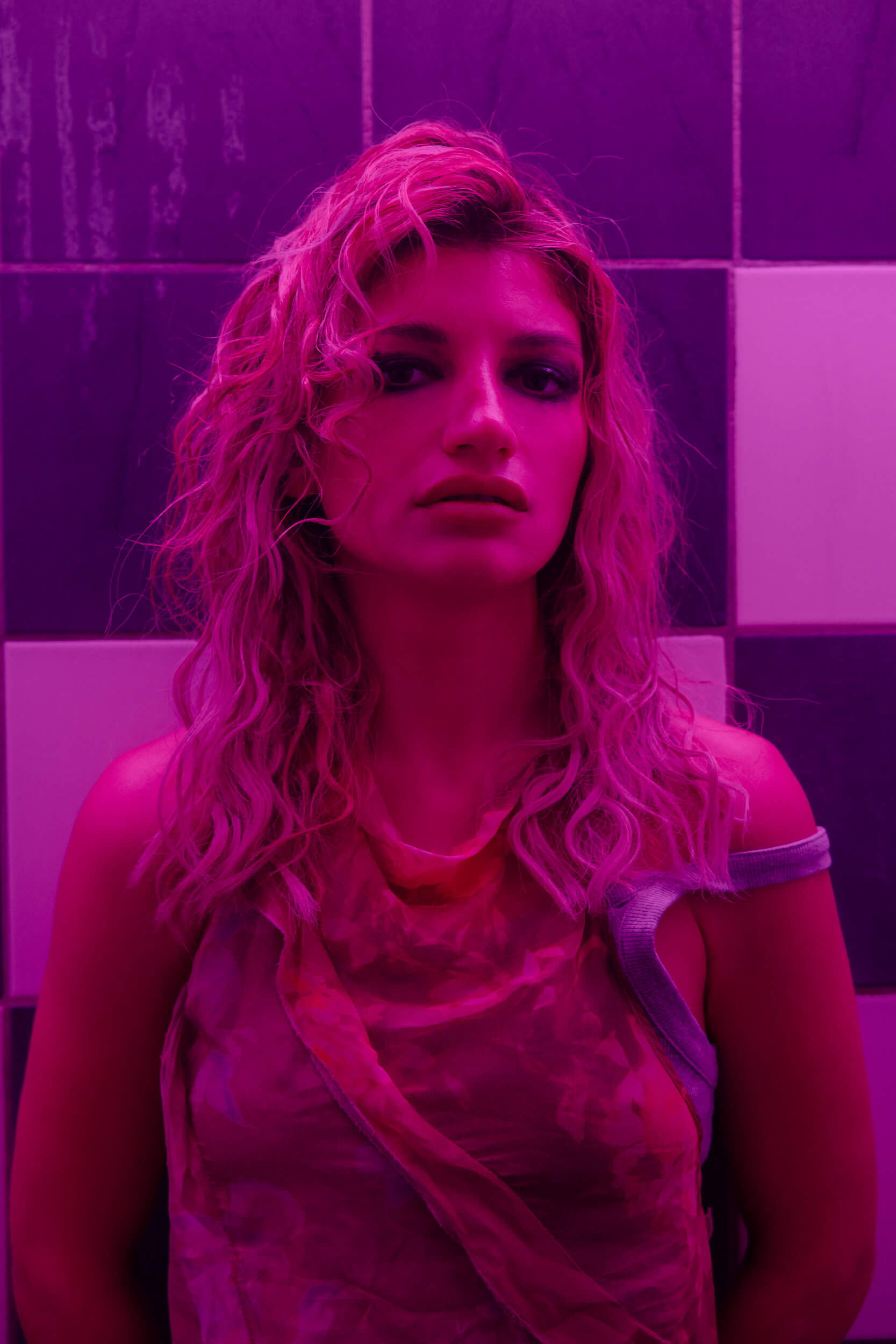
Speaking of the characters you’ve played: Angelica from Suburra entered your life in 2017, and in 2020 she earned you the Ciak d’Oro as Breakthrough of the Year in TV series. Years later, what does it mean to return to her again in Suburra Maxima? How have you changed compared to the first time you played her?
Exactly ten years have passed since the first time—it’s incredible. I’ve grown up with Angelica, so every year everything was a little different from the one before. This year especially, with the new season we’ve just finished shooting, because clearly more time had passed than usual.
So it was strange: I came face to face with an older Angelica, just as I’m older myself, with an Angelica who is now a mother, therefore part of the adult world. Yet paradoxically, this time I felt particularly free in playing her, and I wanted to detach myself from the past. I thought I didn’t necessarily have to follow rules about who Angelica was based on who she had been before. Instead, I preferred to imagine her journey as if she were a real person.
For example, I’m a completely different person from five years ago—so why couldn’t she be as well?
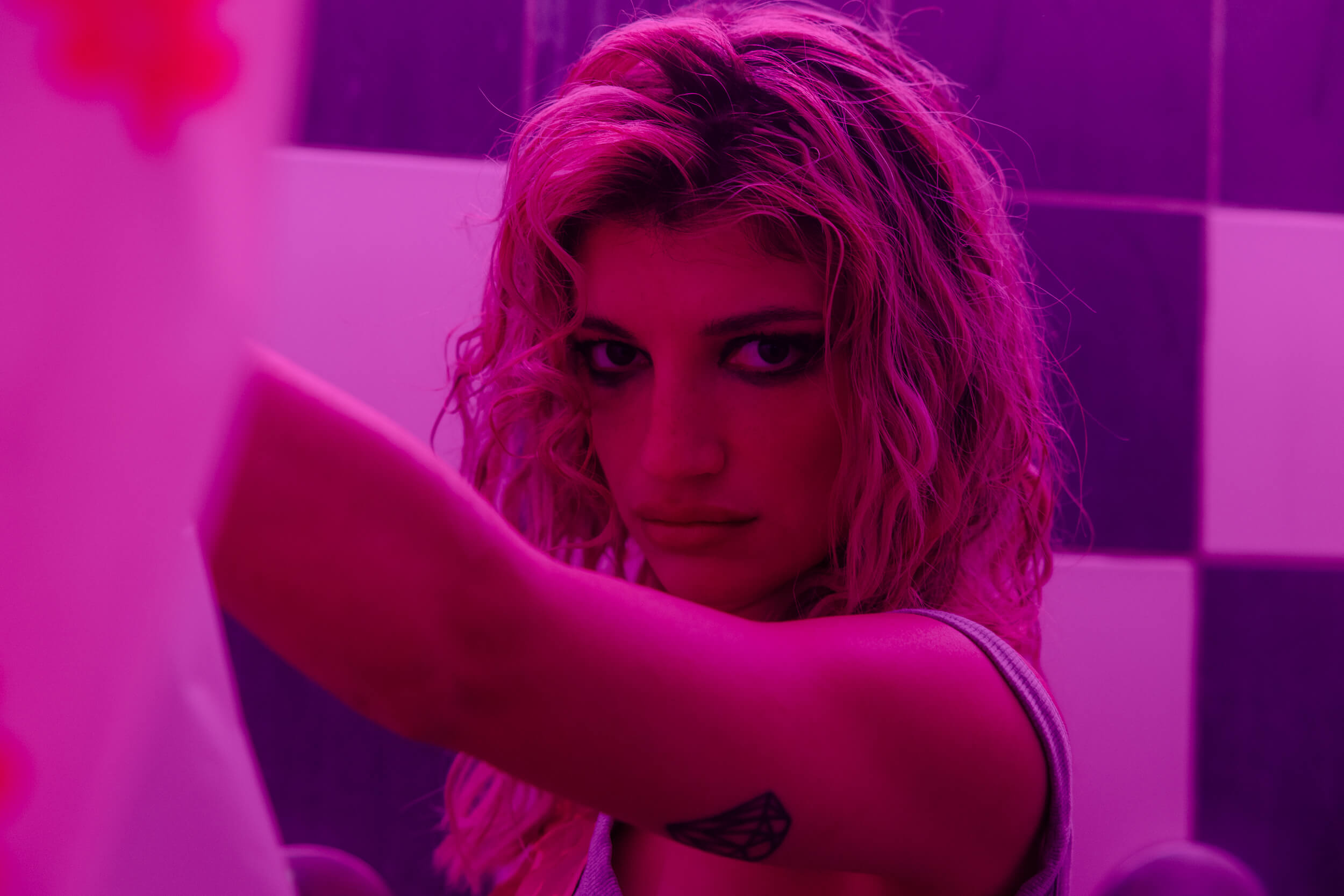
“I thought I didn’t necessarily have to follow rules about who Angelica was based on who she had been before.”
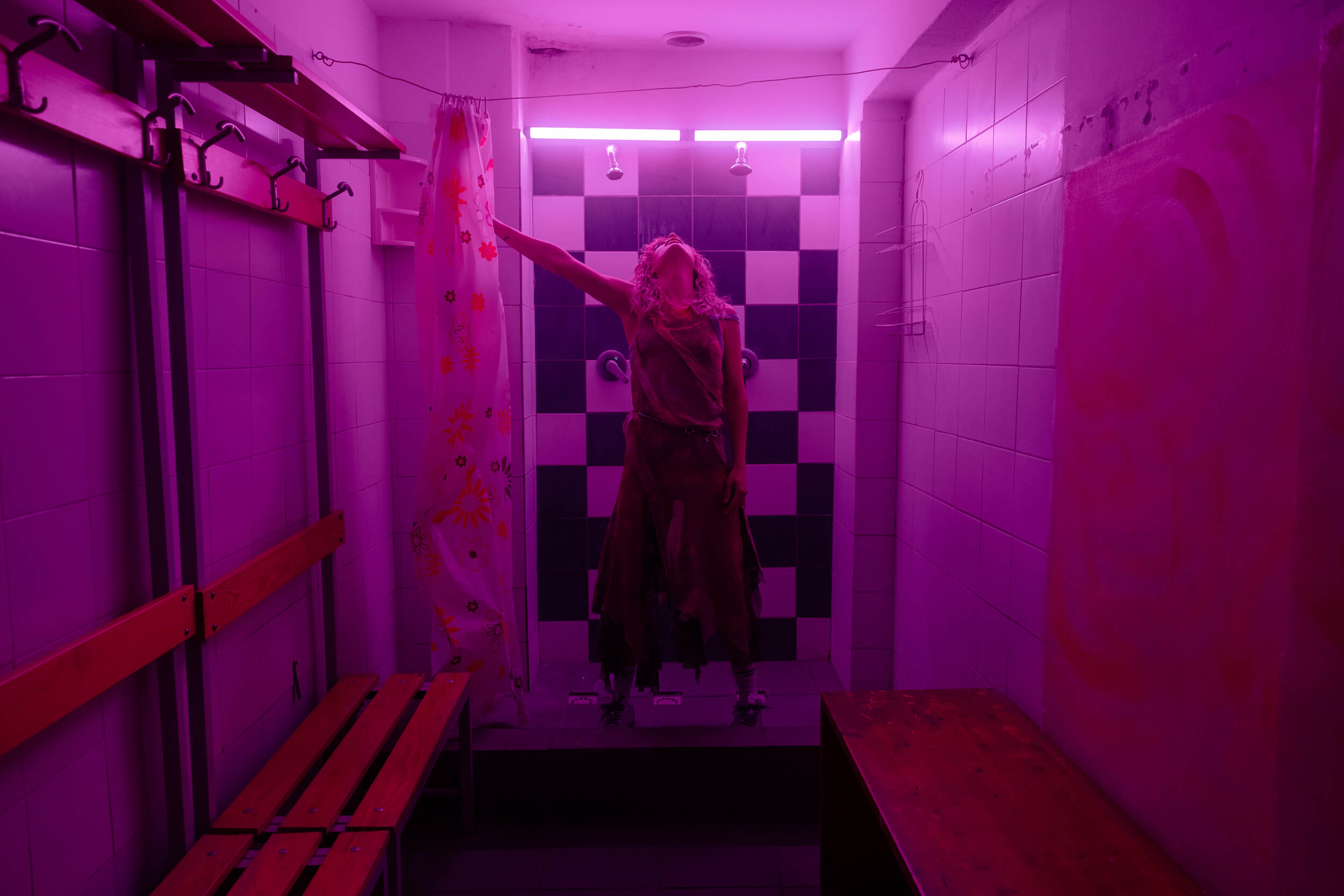
Of course. Angelica is a very interesting character because she has lived through a complex emotional trajectory: she was a trapped woman who gradually became a protagonist much more aware of herself and of the world around her. Now, in Suburra Maxima, we find her in a Rome and in a context that have profoundly changed. How would you describe her state of mind in this new chapter?
Certainly, Angelica is now a woman who tries in every possible way to live the life she deserves. After all those seasons in which she fought constantly to build her own world and to become the owner of her life, now she has finally made it.
So she is no longer trying to build something, but rather to protect what she has built, day after day. She is now the master of herself; she is no longer a character who leans so much on the people in front of her, as she did when she was younger. Now she is a very independent woman.
This season introduces a new generation of characters who will inevitably represent the changes in the contemporary Roman crime scene. How did you experience the arrival of these new faces on set? Did you feel a generational exchange both among the actors and the characters?
Yes, I definitely felt the generational exchange, because these new protagonists reminded me a little of myself ten years ago when I first arrived. It was a bit like looking at the past and thinking, “Wow, now I’m the older one.”
But I’m really happy about these encounters, because they are extremely talented and we created a wonderful relationship. We became a very close group, enthusiastic about working together.
Also, I tend to steal energy from others. I love to observe, to study people, so it was a continuous exchange and it didn’t feel strange to me at all.
Every newness also brings unknown perspectives you can’t predict—but it’s beautiful to let yourself be surprised.
Is there a specific moment in Angelica’s story that you feel is the most “yours”? Perhaps a scene, a line, or a look in which you felt the boundary between you and her becoming extremely thin.
Yes, absolutely. And it doesn’t only concern what I shot this year. In general, I think I’ve always experienced a sort of parallelism with this character. She also struggles constantly to build her own world and to defend it.
While I was playing her, I could see this race, this desire to keep everything together, not to let anything collapse. In some way, it’s something I also recognize in my own way of facing life, work, and my relationship with creativity.
It’s something beautiful: we actors always have subtexts in what we do. I don’t have children, so understanding what it really means to be a mother wasn’t easy. But it was enough to close my eyes for a moment and think about how much, in my life and in my growth, I have fought hard for my independence, to protect the results I’ve achieved and all the effort behind them.
This almost “angelic” struggle, this tenacity, is something I deeply recognize in the way I’ve lived until now.
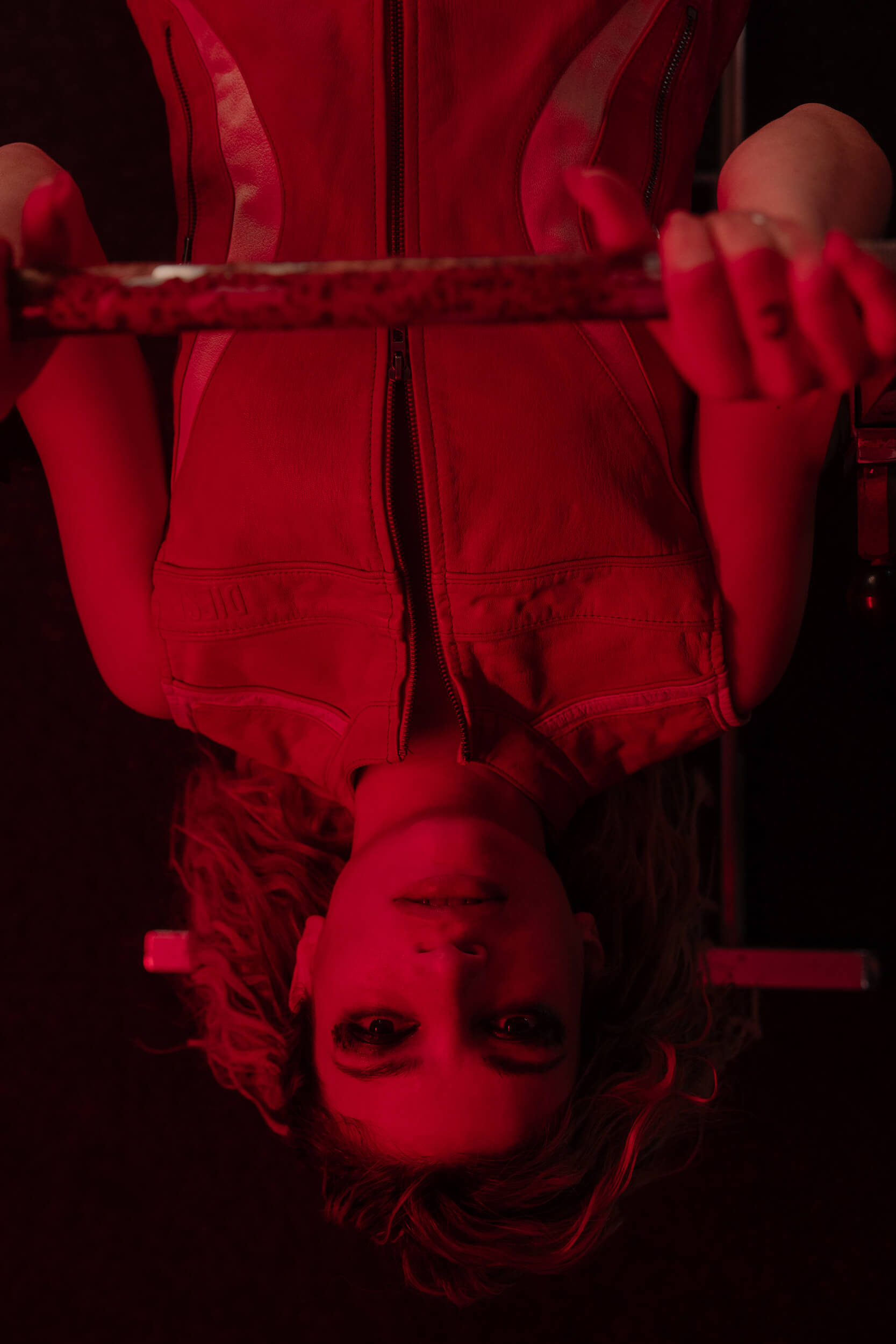
Speaking about Rome: the universe of Suburra portrays the city in a very specific way. It shows its beauty but also its corruption and violence. After so many years inside this world, how do you look at the city when you experience it outside the set?
Rome is always beautiful and cursed, isn’t it? It’s a city I love deeply, but at the same time it can also put you in difficulty. It’s very warm, but in some way you also have to survive the jungle. It’s a tough city.
But I feel very Roman. My mother is Sicilian, and I lived partly there and partly here, but I truly feel Roman. I experience Rome and Roman identity in a very physical, visceral way.
That’s why the entire world of Suburra, beyond the story itself, was above all a way for me to be inside Rome, to experience it from within.
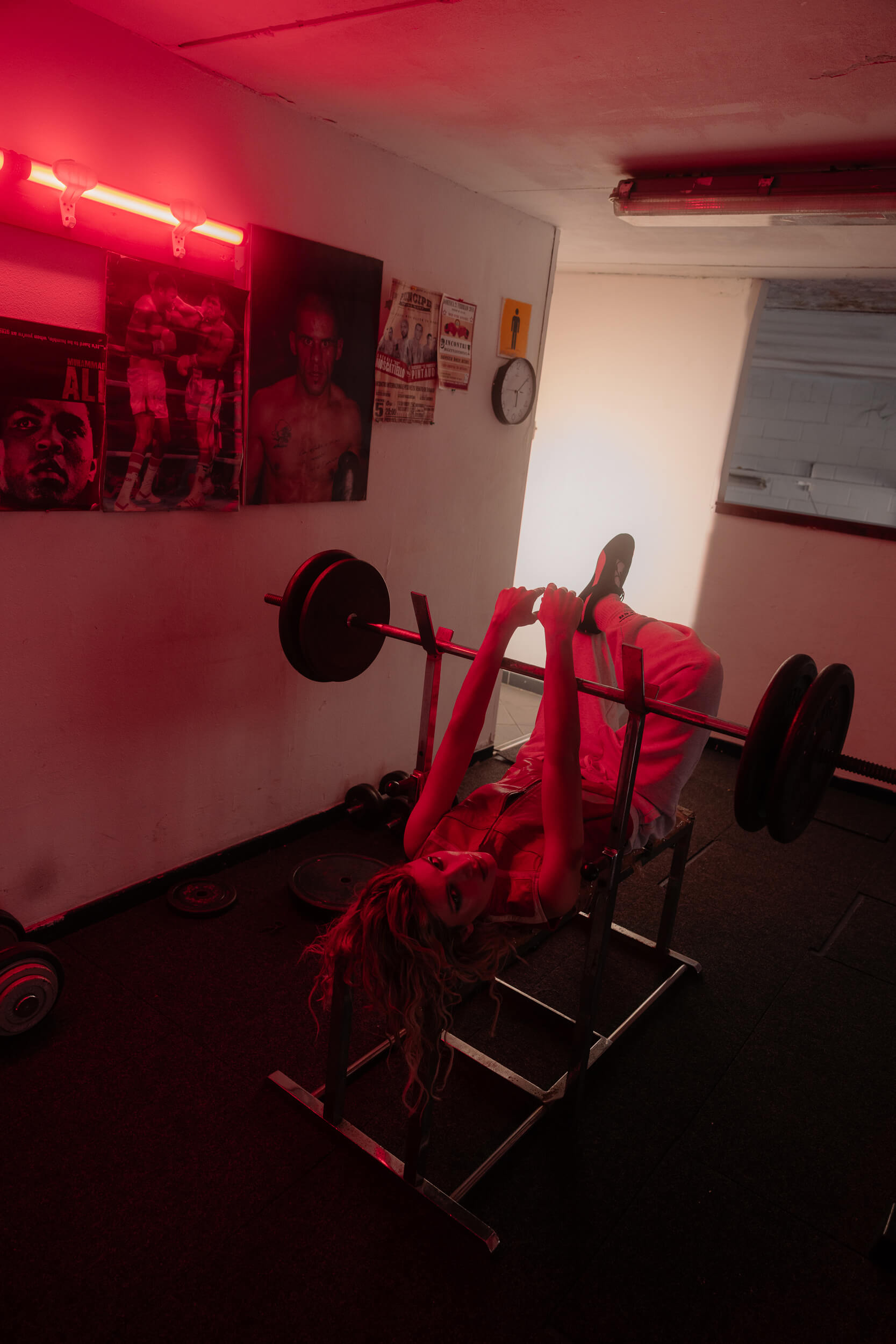
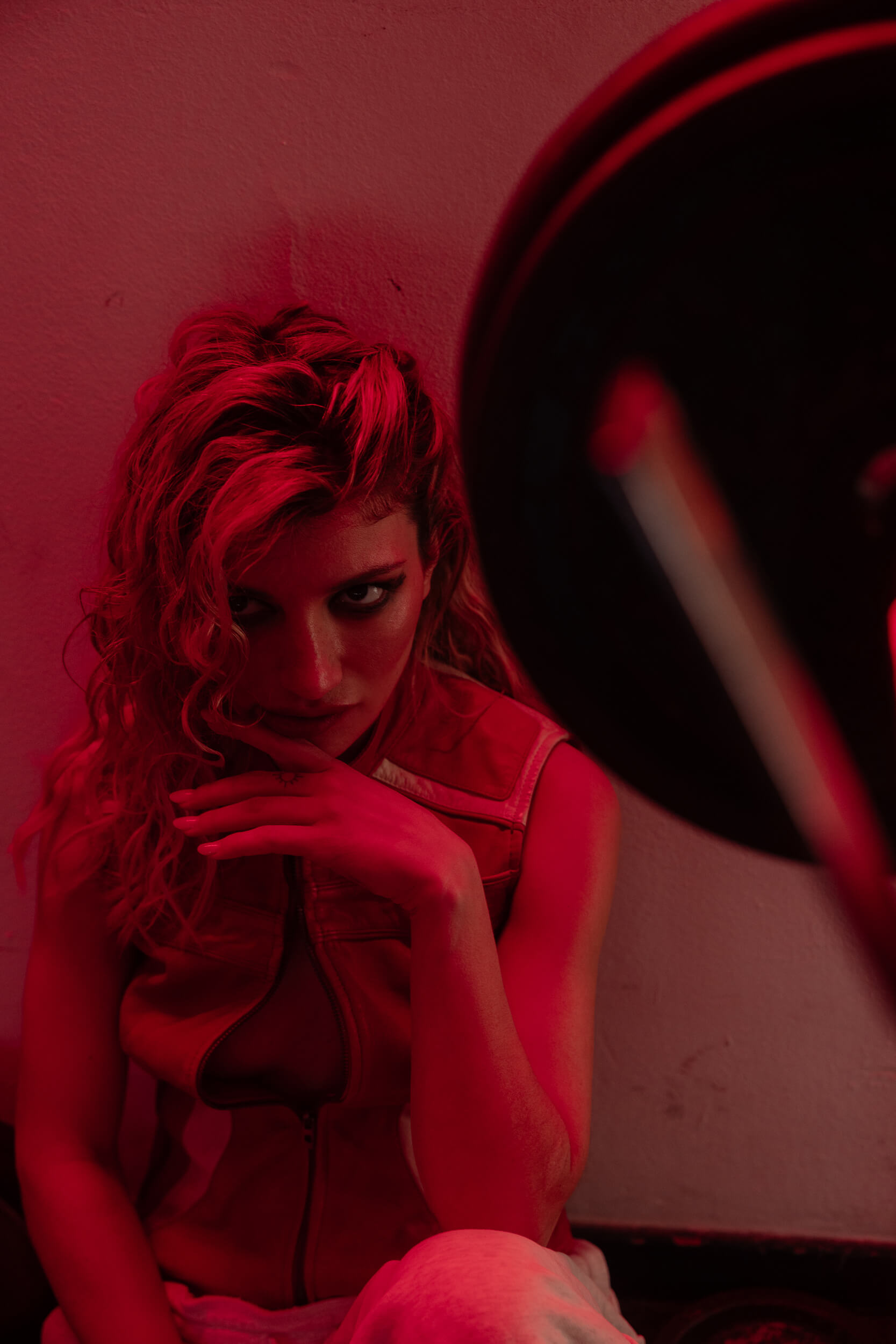
“Rome is always beautiful and cursed, isn’t it?”
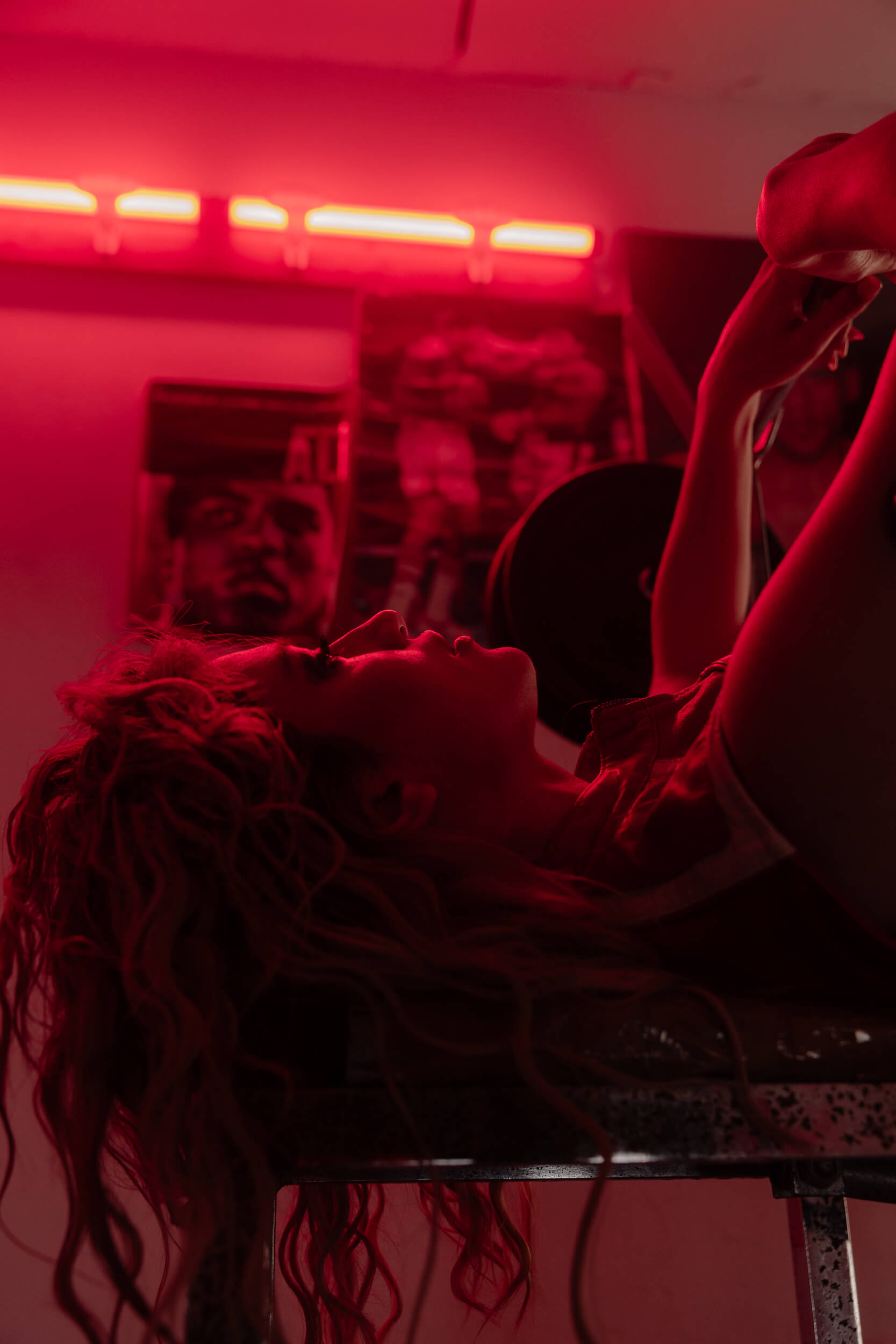
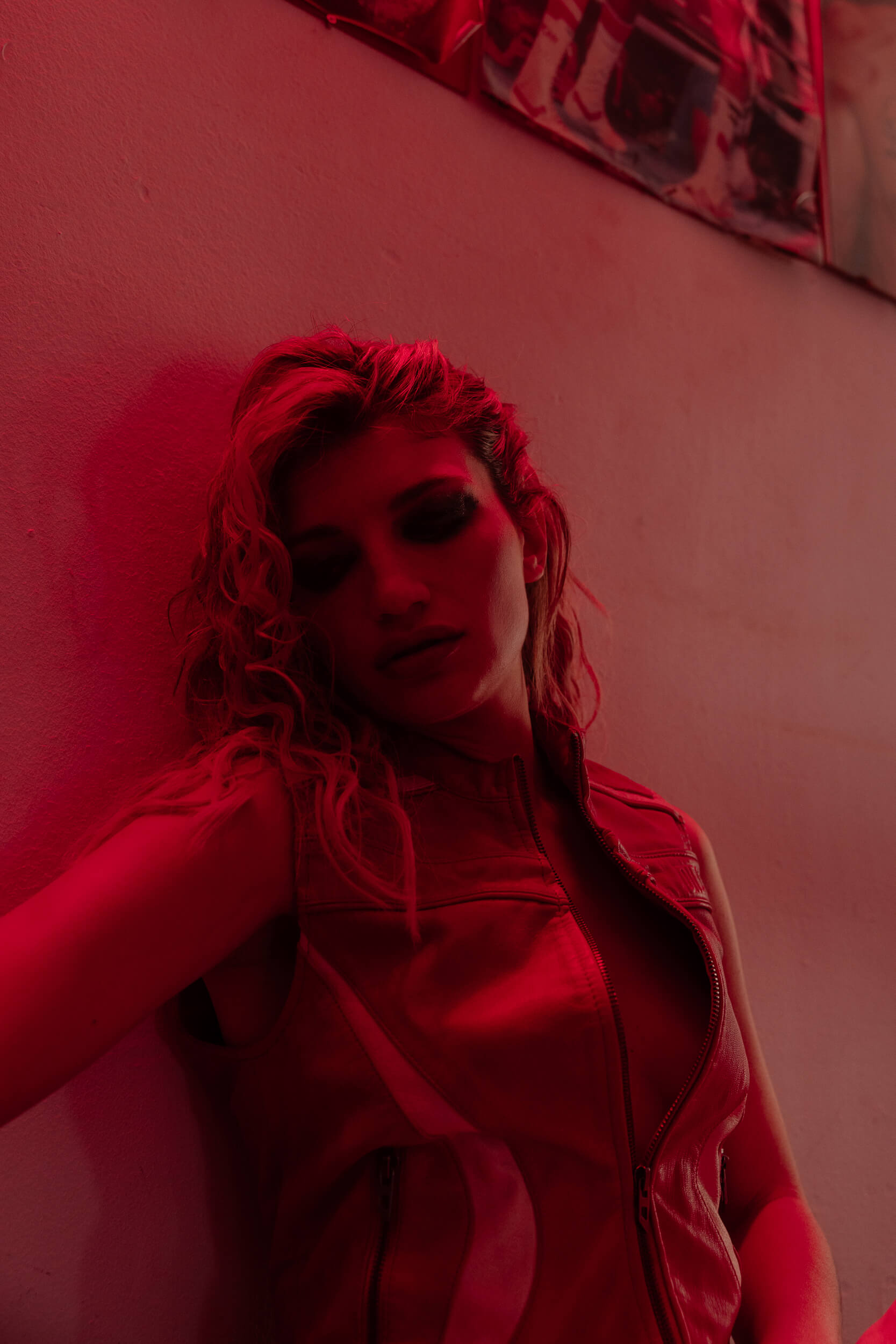
You have moved through very different genres, from the crime of Suburra to the comedy of Bangla, from the drama of Vivi e lascia vivere to Bang Bang Baby. Is there a common thread connecting all the characters you’ve chosen, or is each time a “leap into the void”?
It’s always a leap into the void. But yes, there is also a thread connecting all the characters I’ve played. And believe me, it’s not something I chose consciously.
All my characters have a certain melancholy, even the lighter ones, even in comedies. They are all tied to this thread of my melancholy. I don’t really know where it comes from, but I’ve had it since I was born. Even if I wanted to, I wouldn’t be able to hide it.
It’s a beautiful nuance though. Perhaps it’s more melancholy in the sense of “melancholia”, a disposition of the soul, rather than a precise sadness.
Yes, exactly—probably.
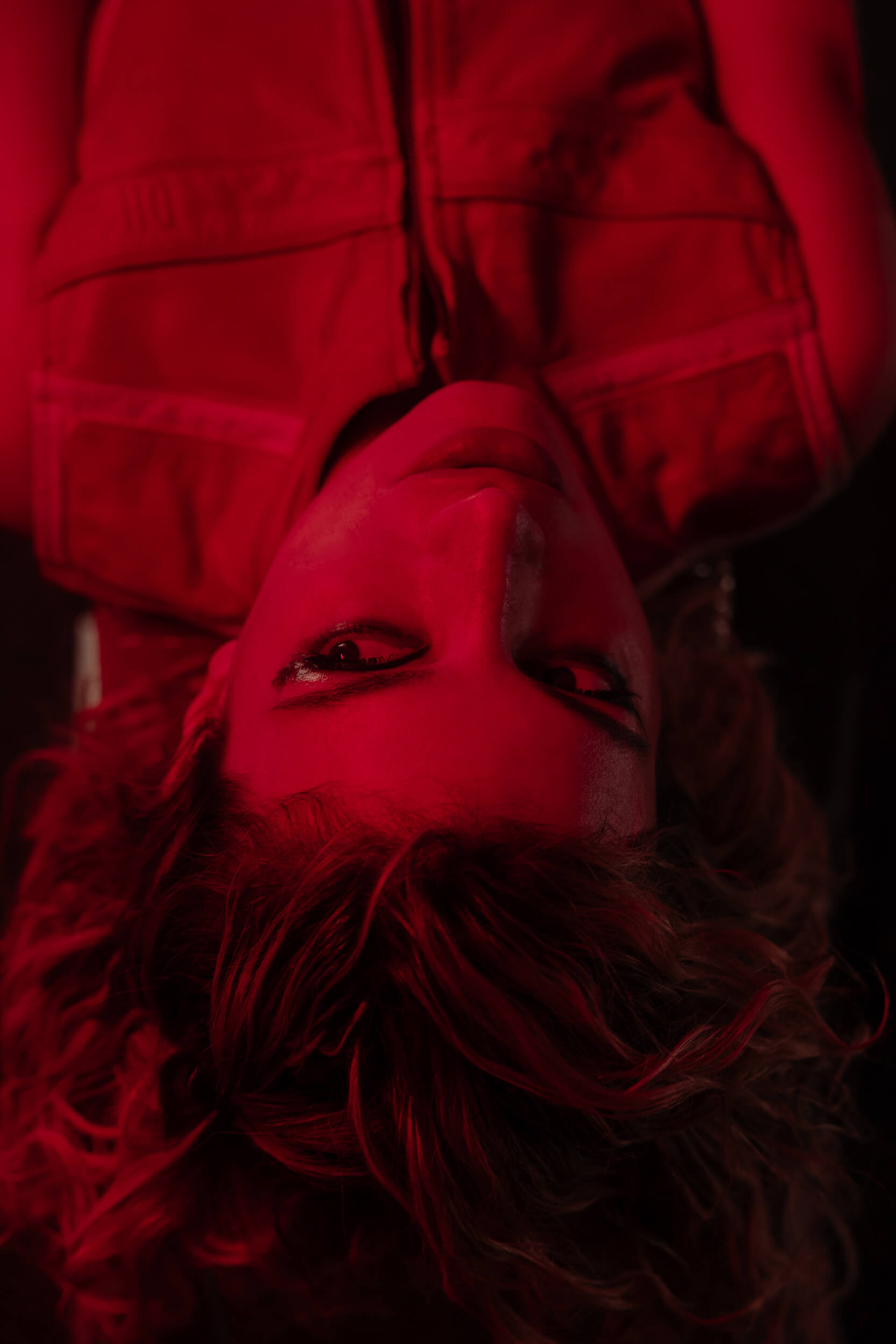
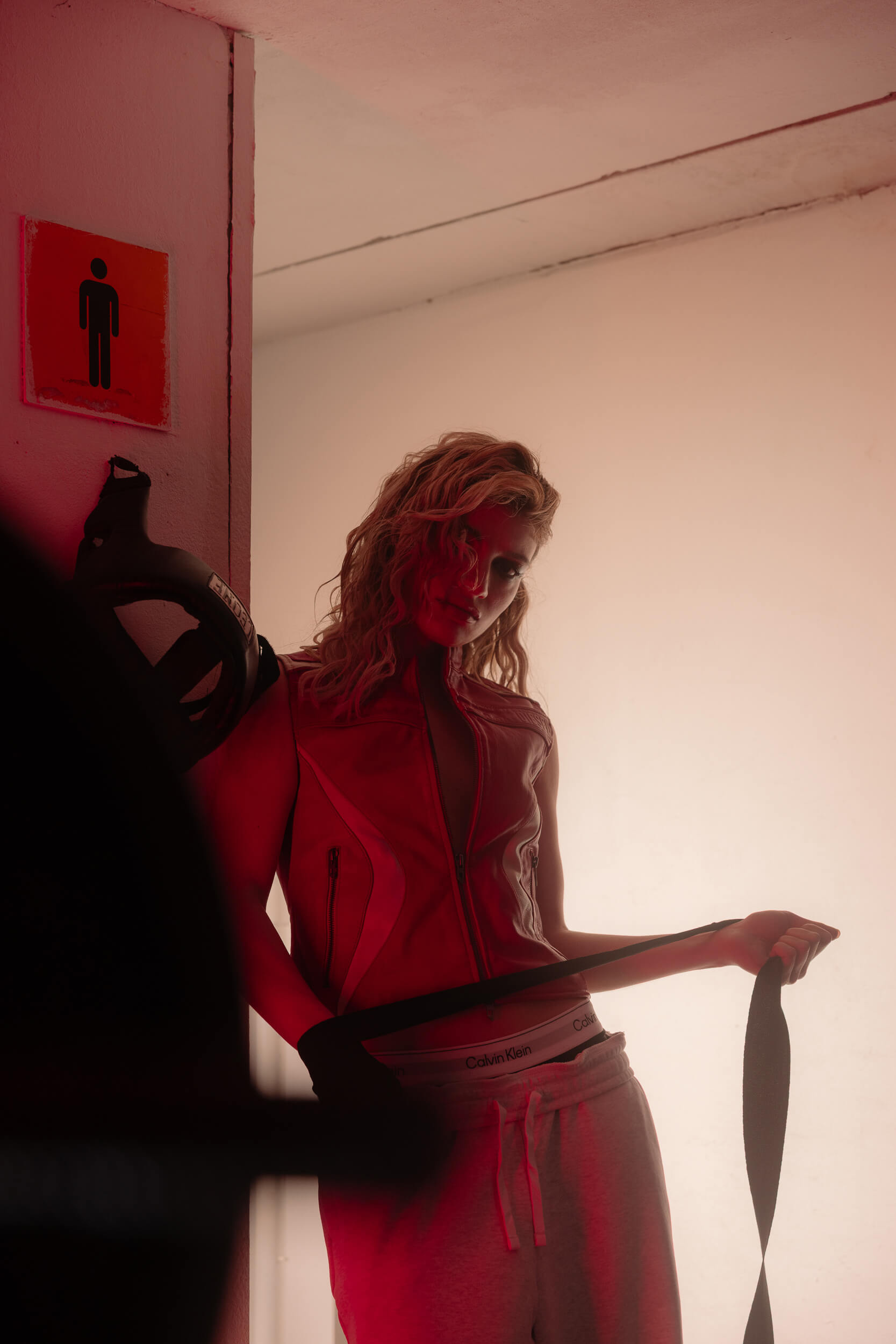
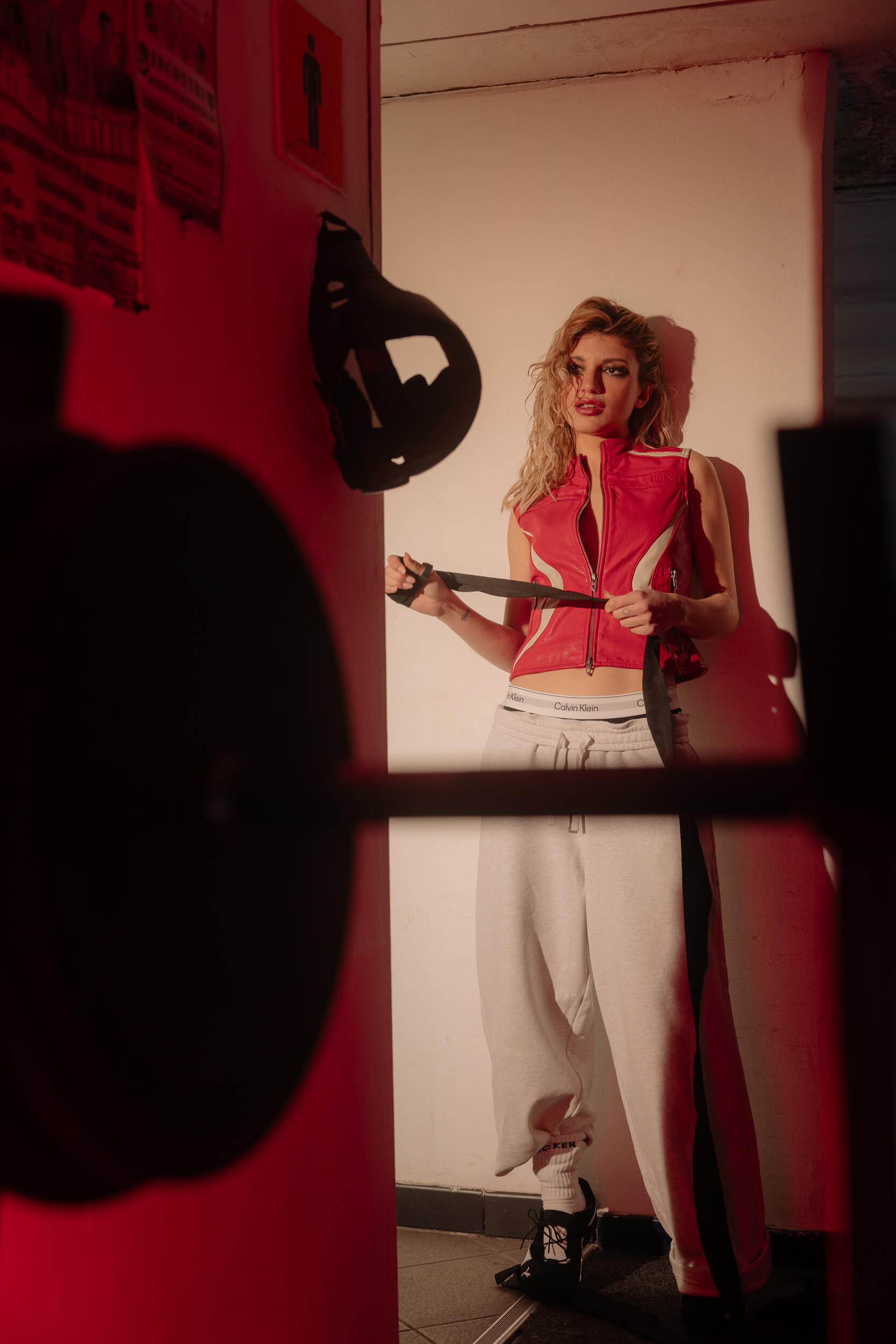
It’s a very fascinating feeling. Is there something completely new you discovered about yourself through your work?
I discovered that I’m a very courageous person. In everyday life I don’t recognize myself that way: I think of myself as fragile, insecure, and perhaps partly I am. But my work confronted me with this and made me think: “You are a courageous person, and therefore also a courageous actress.”
Courage is definitely an important theme.
If you could speak with your younger self from a few years ago and give her advice, what would you say?
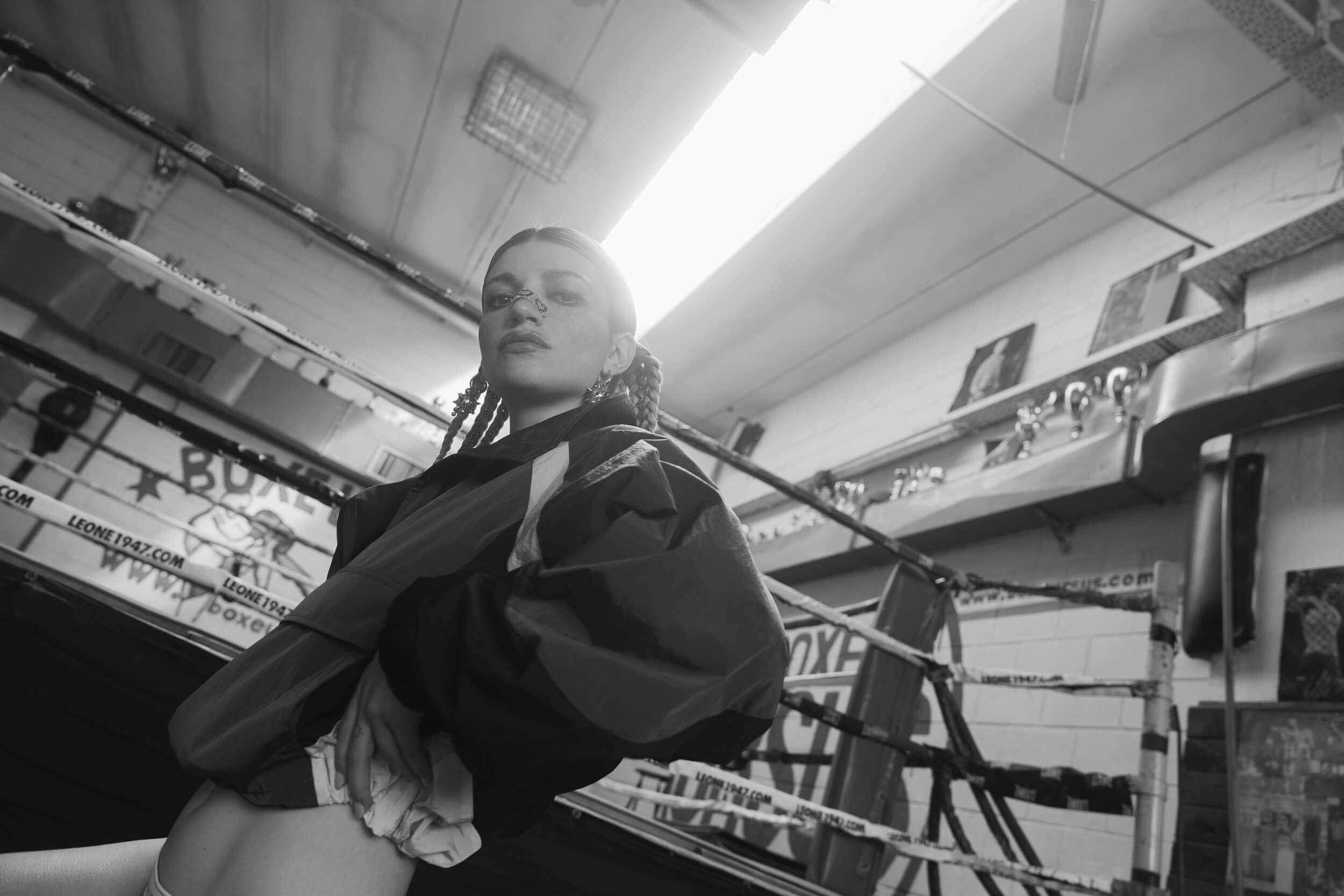
I would say: always keep your back straight and your head held high.
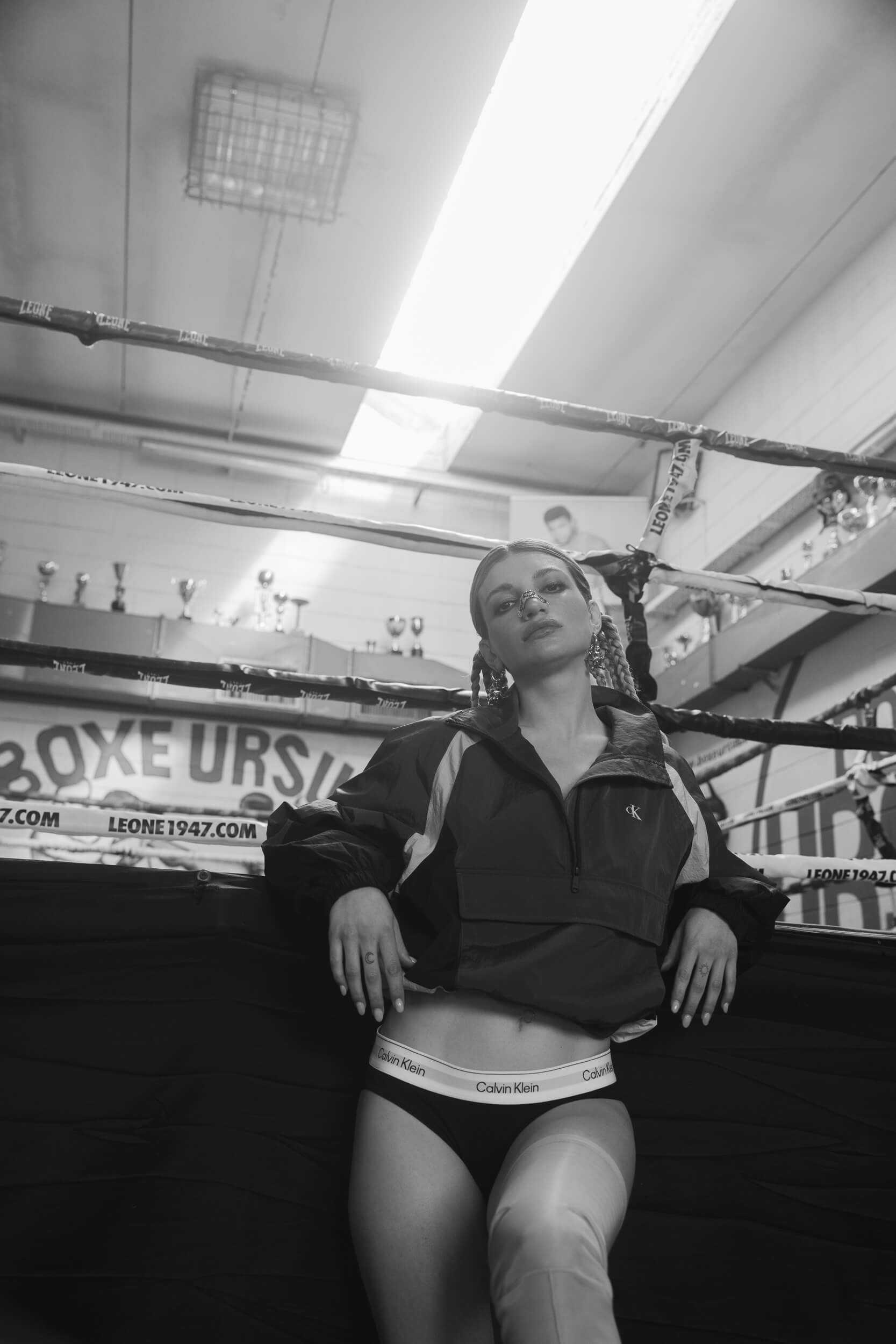
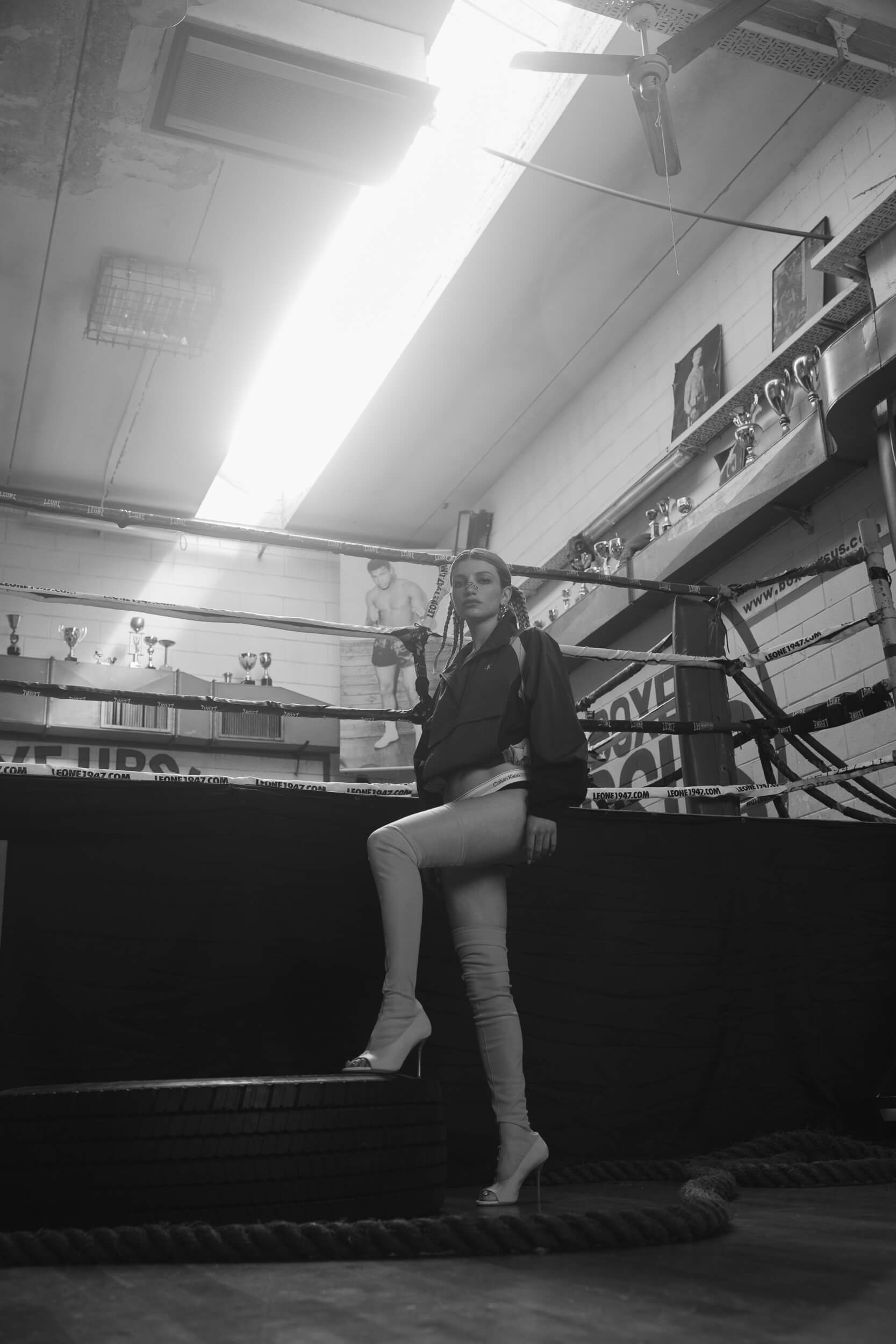
“keep your back straight and your head held high“
Speaking of films or TV series: what is the last film or series you watched that you would recommend, something that stayed in your heart?
As for films, the other evening I watched The Deer Hunter for the first time, with Meryl Streep in one of her first roles, I believe the second of her career. I was struck by that film, by her character, but also by Meryl Streep’s story as an artist. It’s incredible. I’ve been thinking about it for days—it really entered inside me.
Then the last film I saw at the cinema was Sentimental Value, which I loved very much. Joachim Trier is a genius to me, so that’s another film I keep thinking about since I saw it.
As for series, I watch a lot of Norwegian series. The last one I watched and loved was Synden, a Swedish miniseries written and directed by Peter Grönlund. My favorite genre is thriller, true crime: I’m truly a lover of this kind of story.
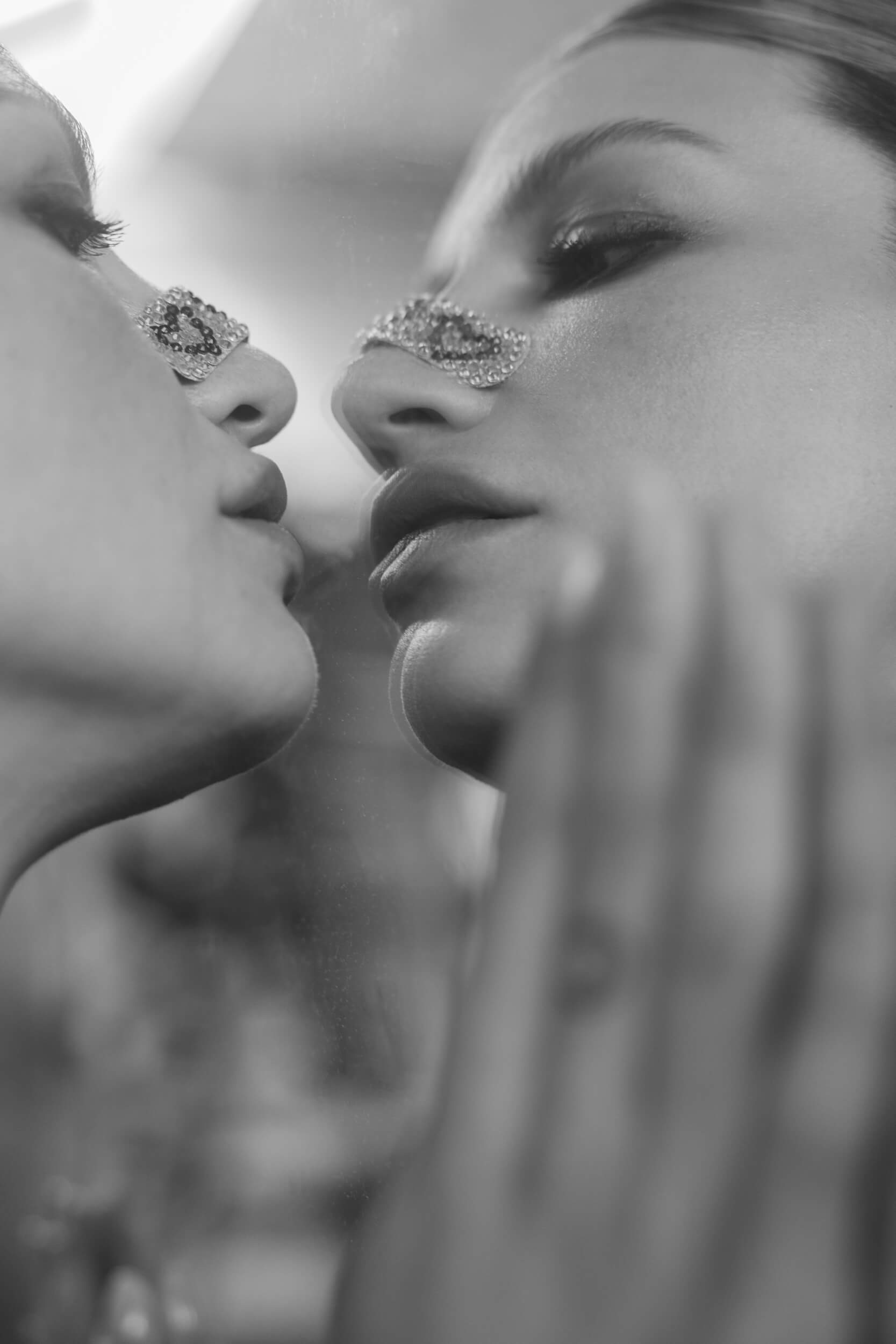
Earlier you spoke about courage: this profession helped you recognize a courage within yourself that you hadn’t seen before. But what has been, up to now, your greatest act of courage—or perhaps even rebellion?
I think my greatest act of courage has been choosing to fully live this profession. Sometimes you really find yourself with nothing in your hands, because you never know what will happen. You feel small, you stop believing in yourself. And when no one around you seems to believe in it, it’s even harder.
When we are working, we are all good, because everyone believes in us. But when we are not working it seems like no one believes anymore in what we do.
So I think my greatest act of courage has been getting up from that little corner where I feel small and going back onto the set, full of fear. I experienced that feeling recently, when I returned to work after a period in which I wasn’t shooting much. Going against that fear ignited something inside me. Actually, I realized something important: I hope to always feel fear when I work, because it gives me something extra.
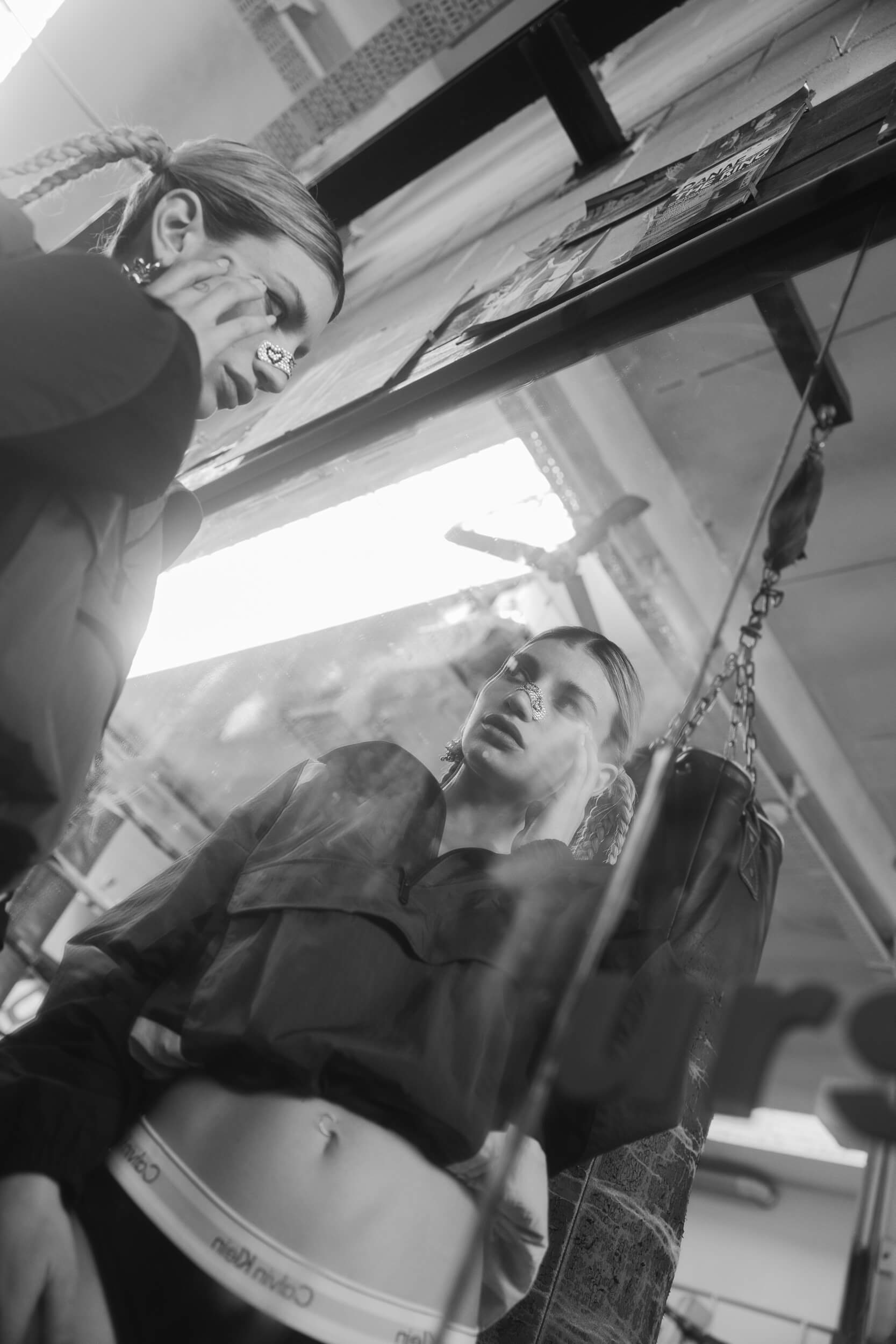
“I hope to always feel fear when I work, because it gives me something extra.”
Fear is a rush of adrenaline that keeps you alert and, paradoxically, makes you even braver. But what exactly scares you?
For example, arriving on set and thinking: “Oh my God, how do I do this now?” I’m standing there in front of a hundred people, no longer in my protected corner. I’m there with this character, and I have to exist. Today I have to exist.
My greatest fear is precisely having to face myself first, in some way. But at a certain point you simply have to start. You have to do it.
And what makes you feel safe?
I’m a very solitary person, and I really need my solitude. Sometimes it’s difficult and even painful to stay inside it, but I feel safe when I manage to truly enter it and dialogue with it.
When I feel that there is an exchange between me and my solitude. When I manage to experience it, for better or worse, then I feel safe. Not because I’m alone and no one sees me, but because after those moments of solitude I step outside and look at the world in a more personal way.
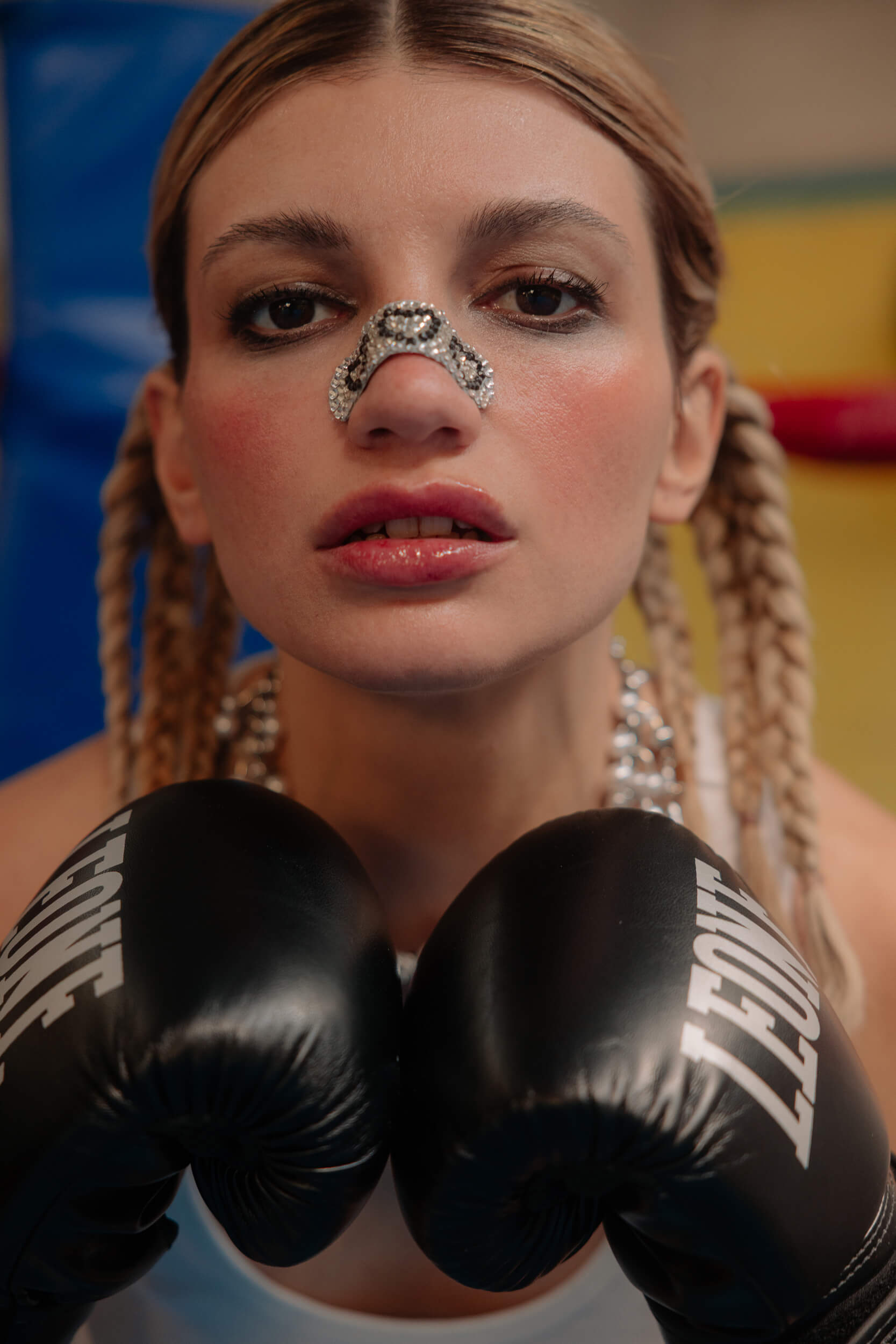
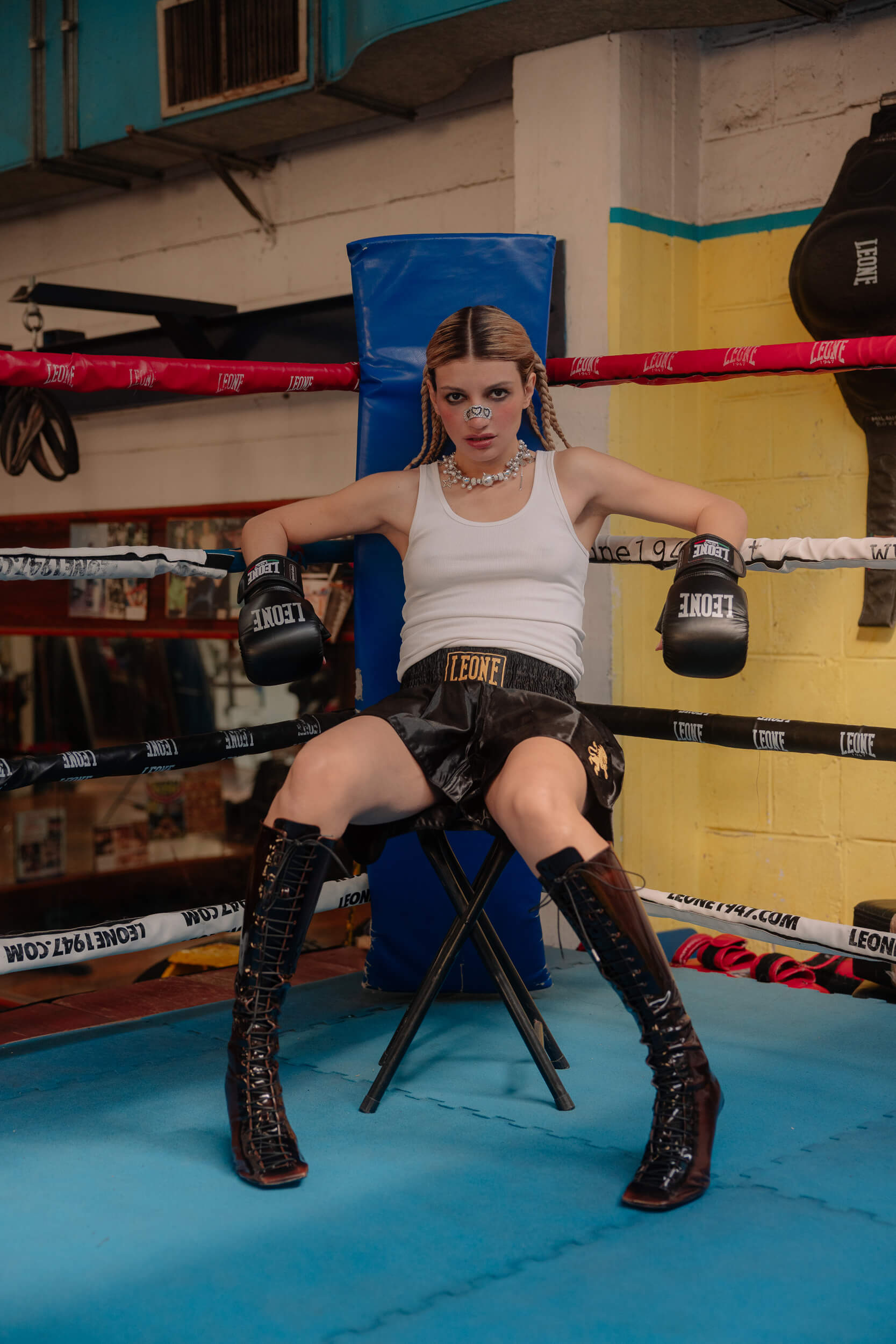
“…after those moments of solitude, I step outside and look at the world in a more personal way.”
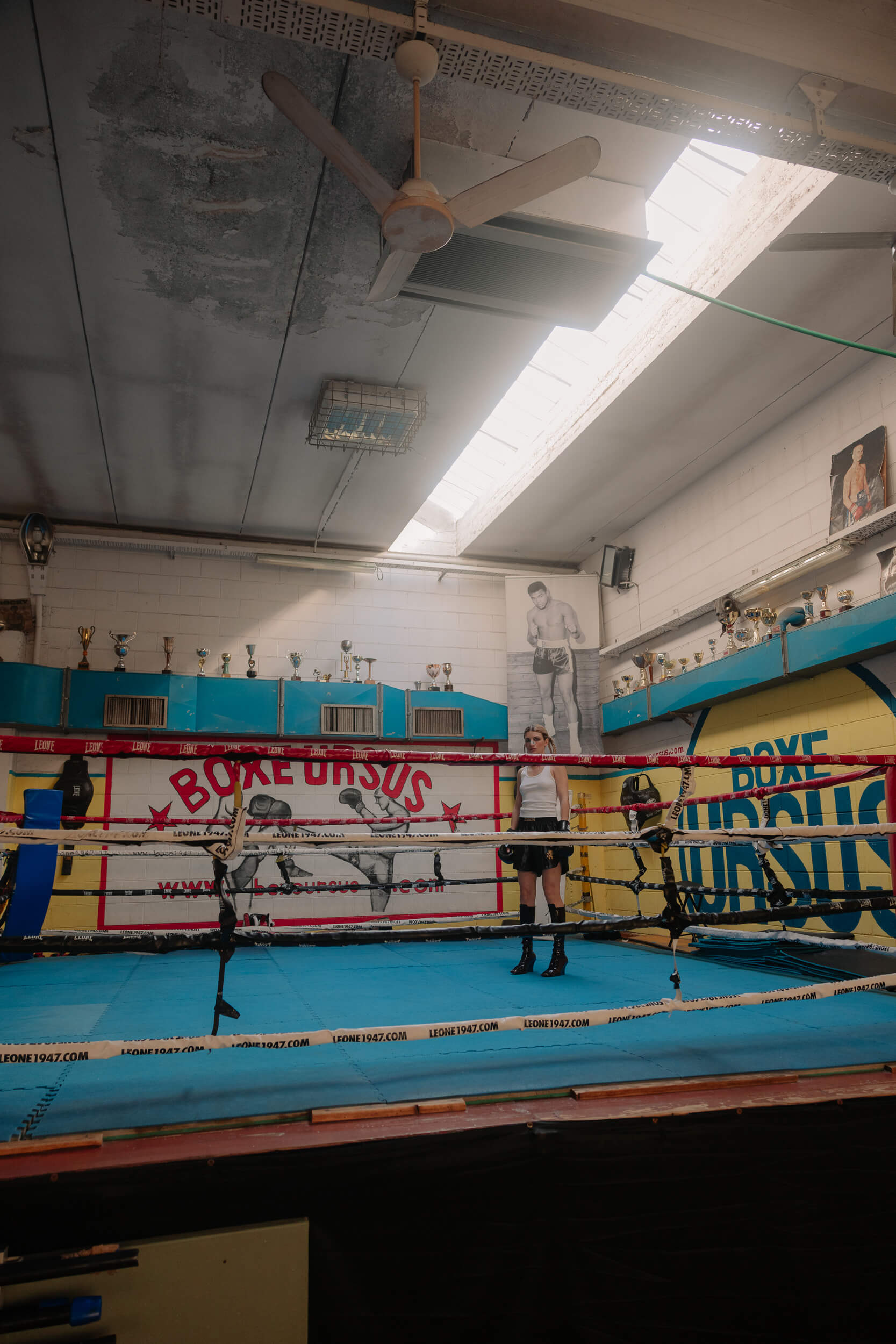
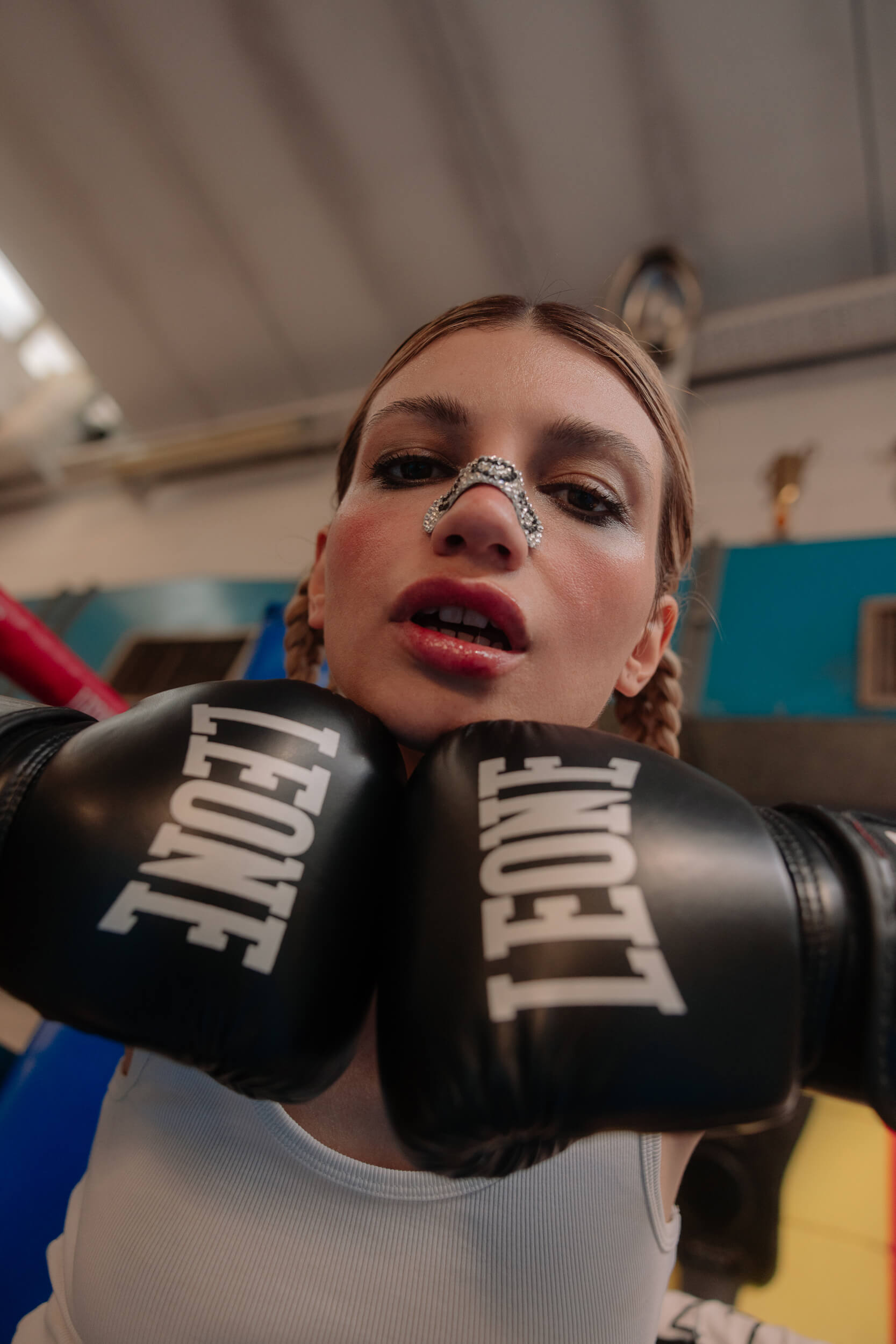
If you could choose what to see outside your window—maybe forever—what would you want?
Just seeing the sun would already be something.
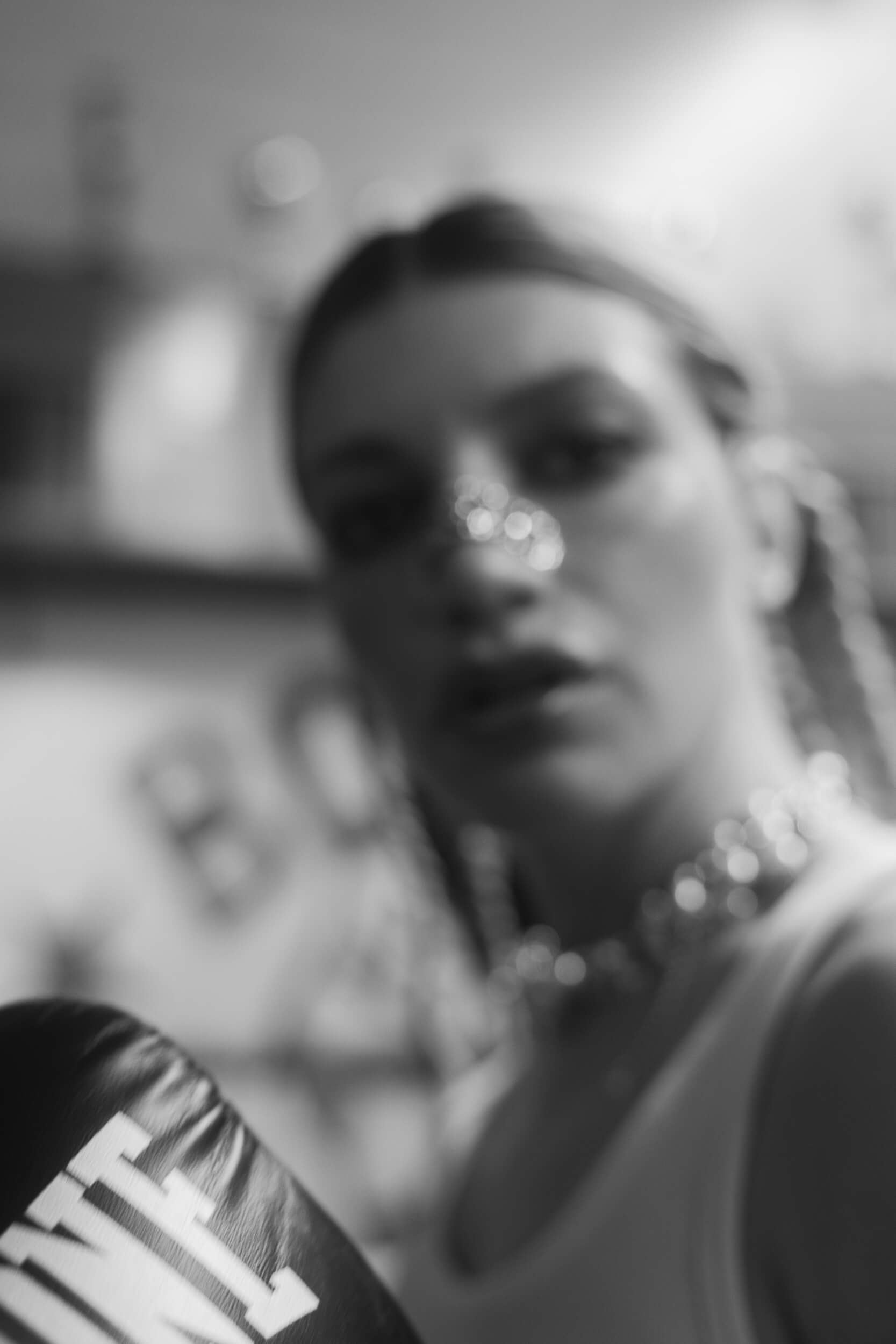
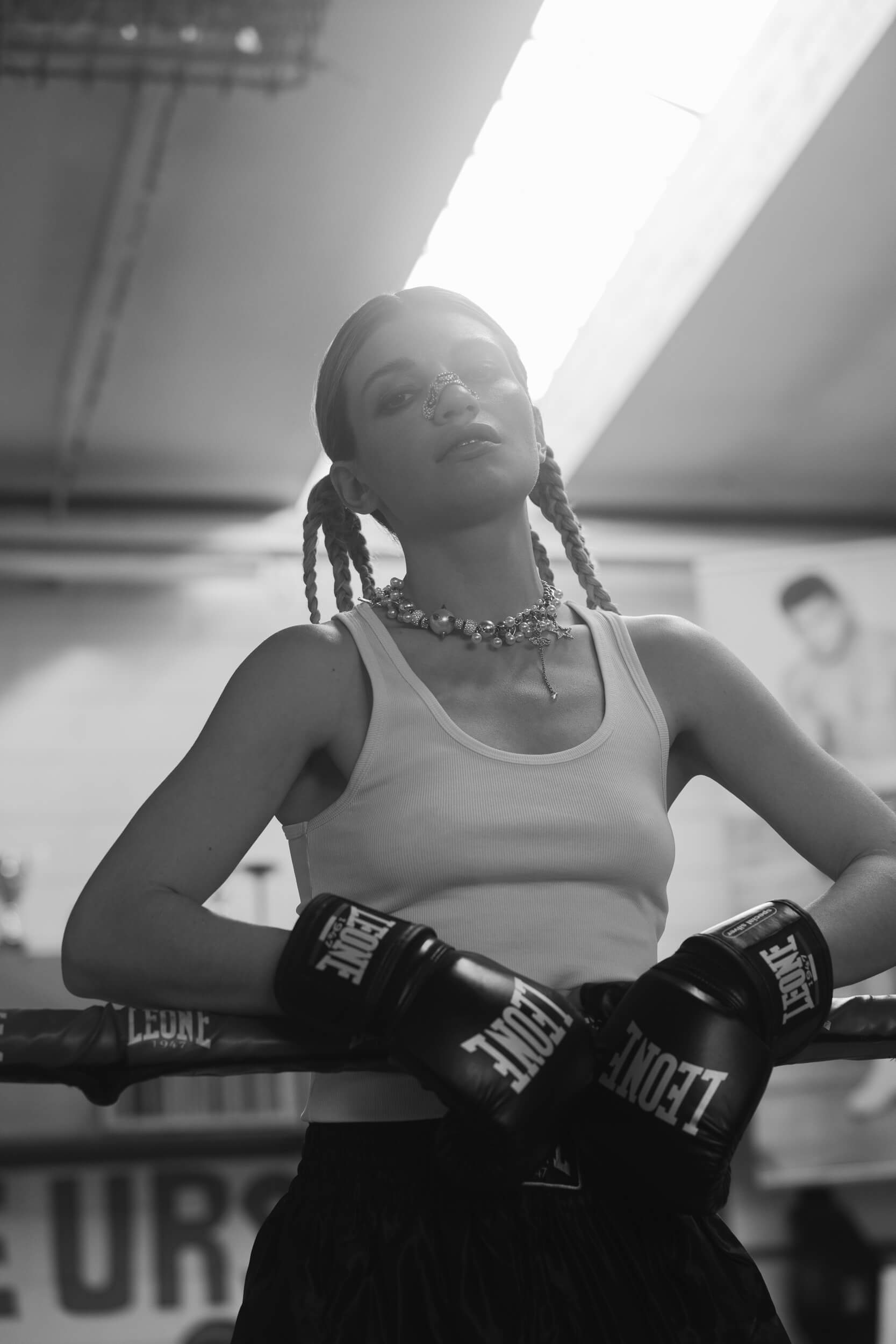
What is “home” to you?
The other day I was cleaning and throwing away clothes and objects that had finished their cycle in my life, and I asked myself: how do I understand what I no longer need? I would like to keep everything.
Then I told myself: if tomorrow I had to run away from home suddenly, what would I take with me? And I realized that there are certain things—for example a cigarette case my mother gave me, a leather jacket I bought at a second-hand market a few years ago—that I would immediately take.
That made me understand that “home” changes constantly. It isn’t necessarily something tied to the past or to childhood memories. It can also be something connected to the present, to the person you have become today.
Probably home can be anywhere, as long as it doesn’t remain forever anchored to the past.
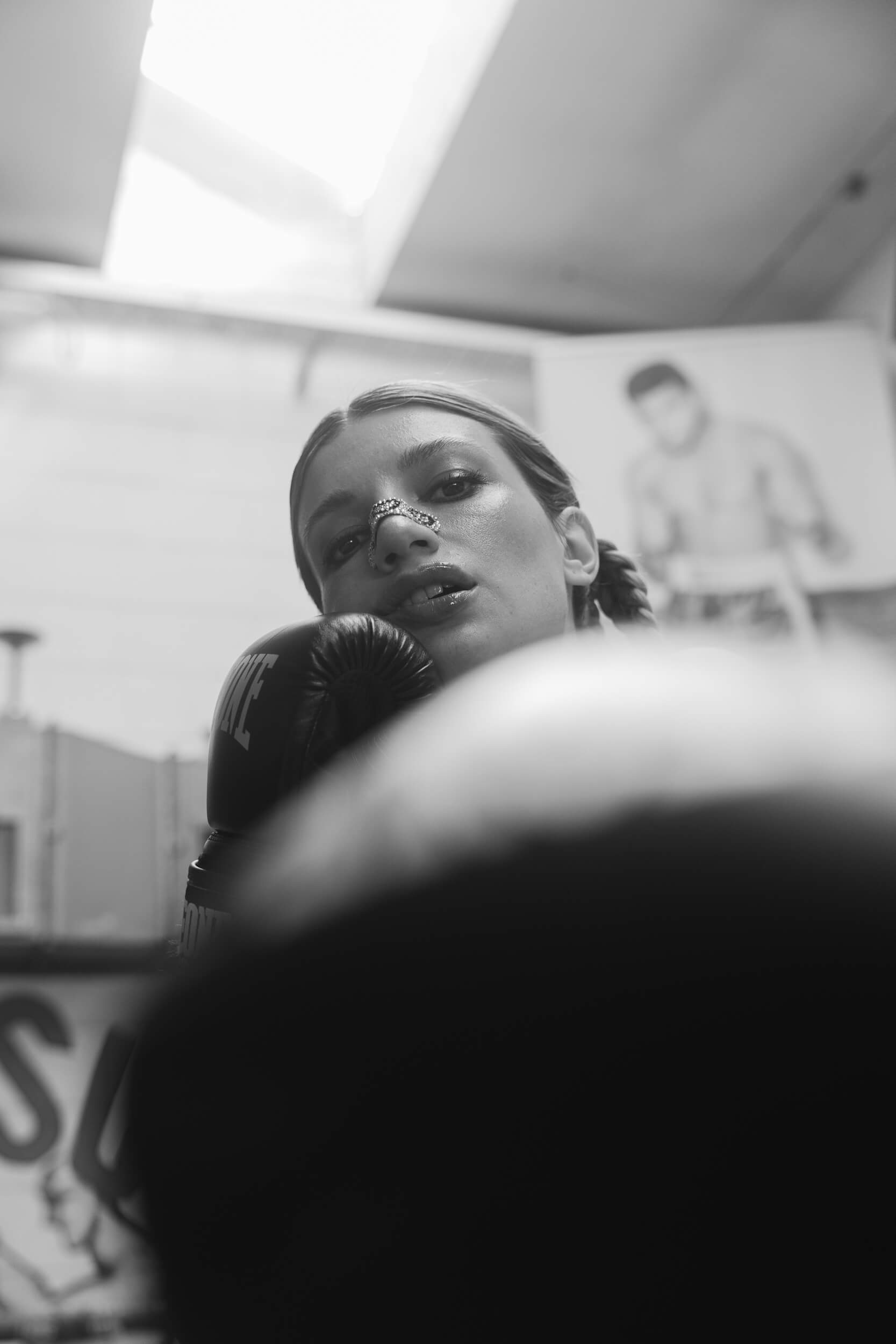
What does it mean for you to feel comfortable in your own skin?
For many years I had so many insecurities about my body. Today, instead, I can say that I look at myself in the mirror and I like what I see. I like the idea of undressing more and more, not only in the literal sense, but in every possible sense.
I feel within me a feminine energy that I really like. I struggled a lot to accept that I had grown up. My growth was a bit crazy, because I didn’t realize how much I was changing.
But today I look back, I see all the “Carlottas” that existed before me, and I have the feeling they look at me and say: “You’re good like this.”
Feeling increasingly “undressed”, in a metaphorical sense, makes me feel good.
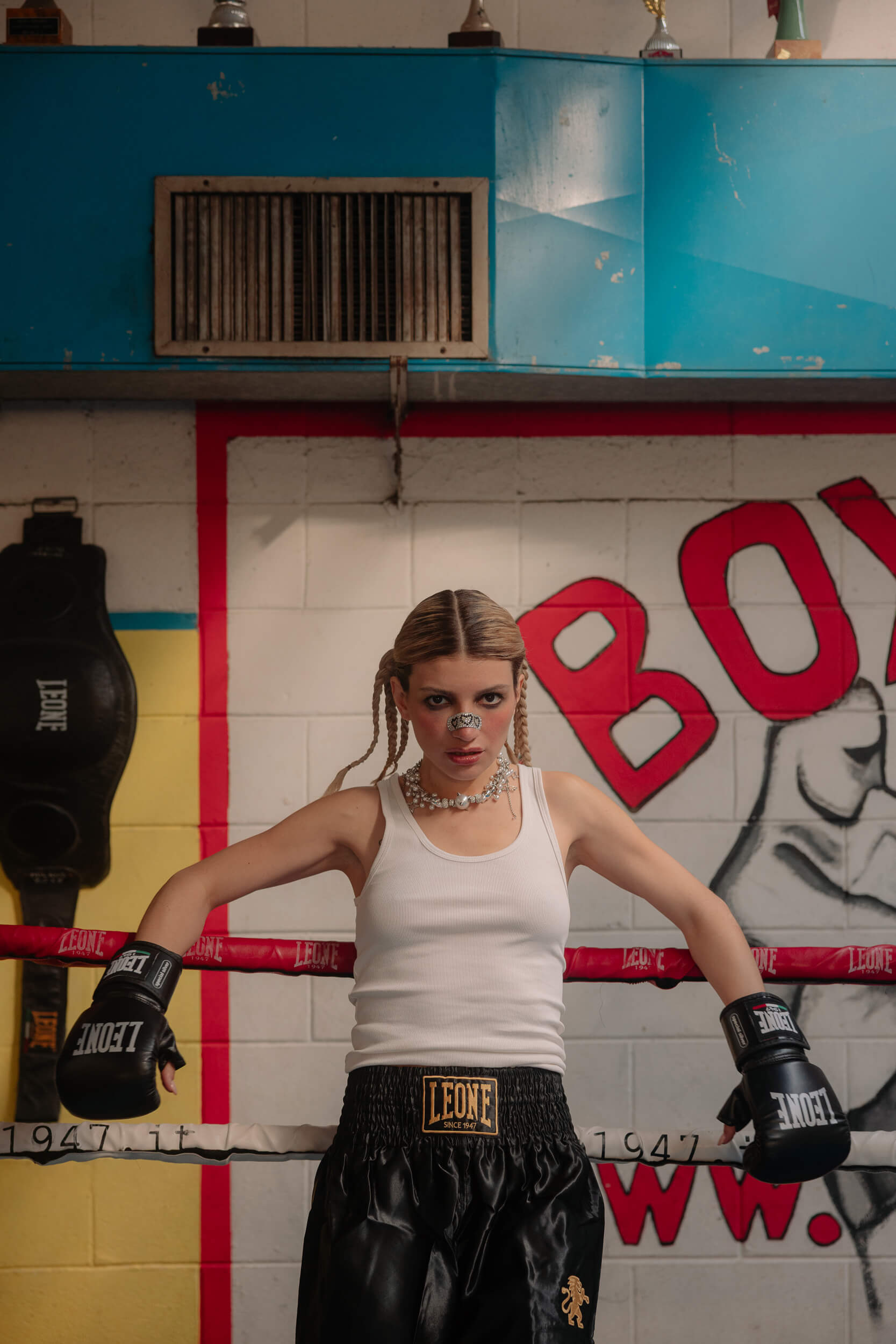
One last question: what is your happy place?
I can’t help but mention the beach in Sicily where my grandparents live. It’s a place where I grew up and that shaped me immensely. As a child I watched my grandfather fishing, cleaning the fish, I saw the blood of the fish, I ran barefoot through the streets.
That place by the sea is where I truly feel myself, where I can also be wild. There is a very “gypsy” side in the women of my family that I can only fully live there. There is no other place in the world like it for me. It feels as if it were on the other side of the world.
That place has inspired me deeply: in my work, in my femininity, in my way of being in the world. And in a certain sense it has also been a place of rebellion. It’s a small town with a rather traditional mentality, but my sisters and I always arrived there a bit like foreigners: with miniskirts, with a certain freedom, bringing with us a small trail of madness.
My grandparents have seen everything with us. But today we return there almost like queens—at least in my mind—and they look at us as if thinking: “Where do these girls come from?”
And it’s a wonderful feeling.
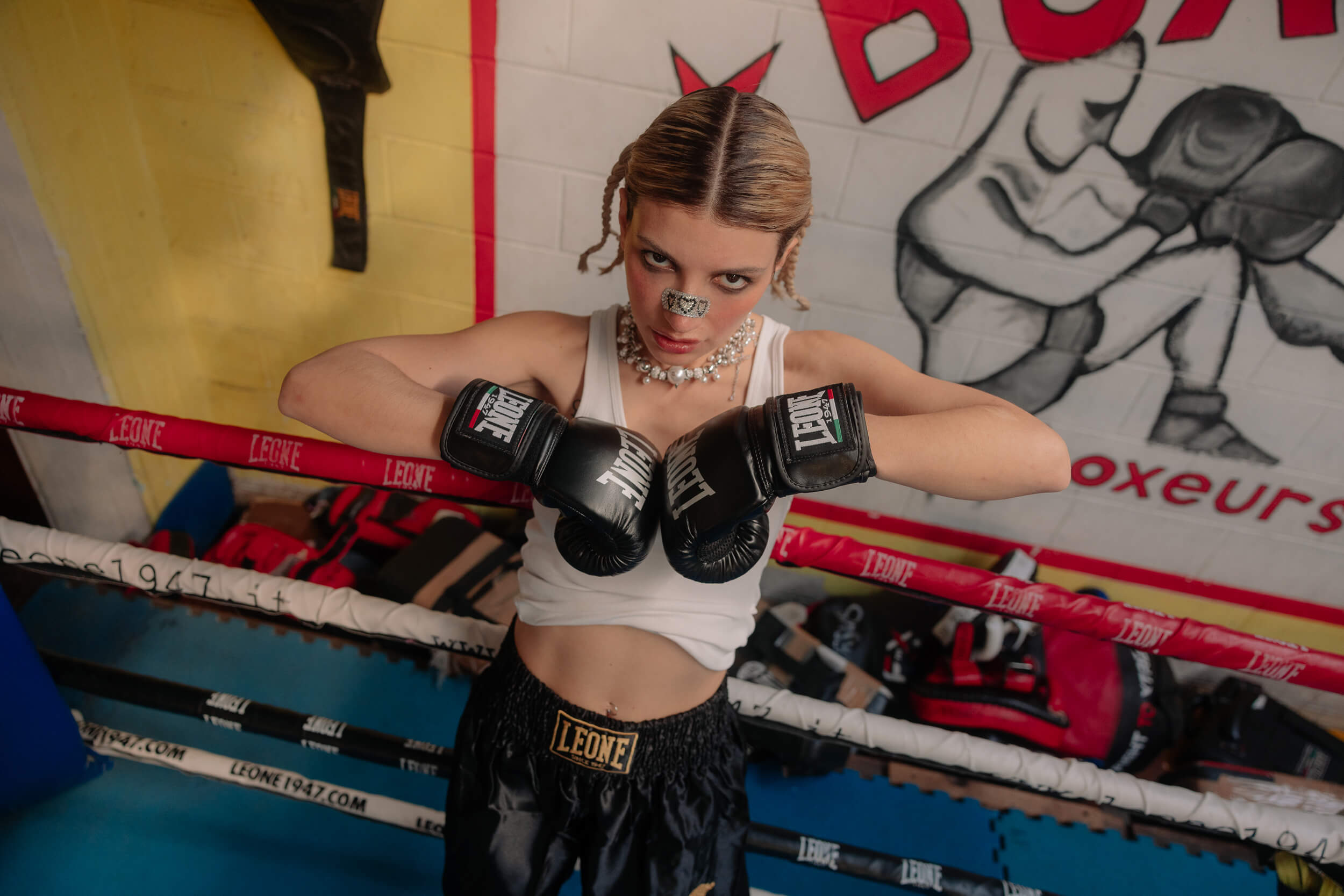
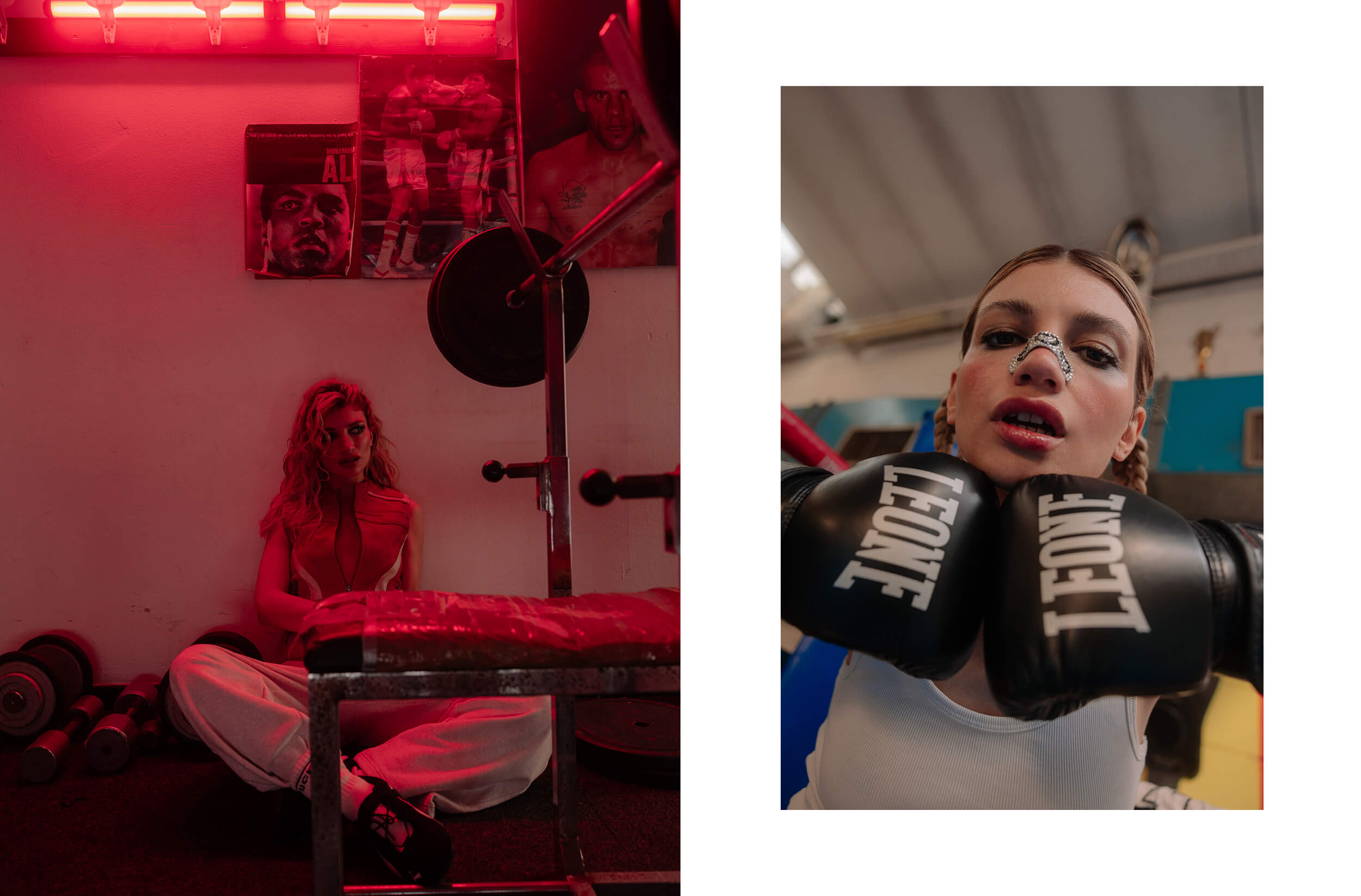
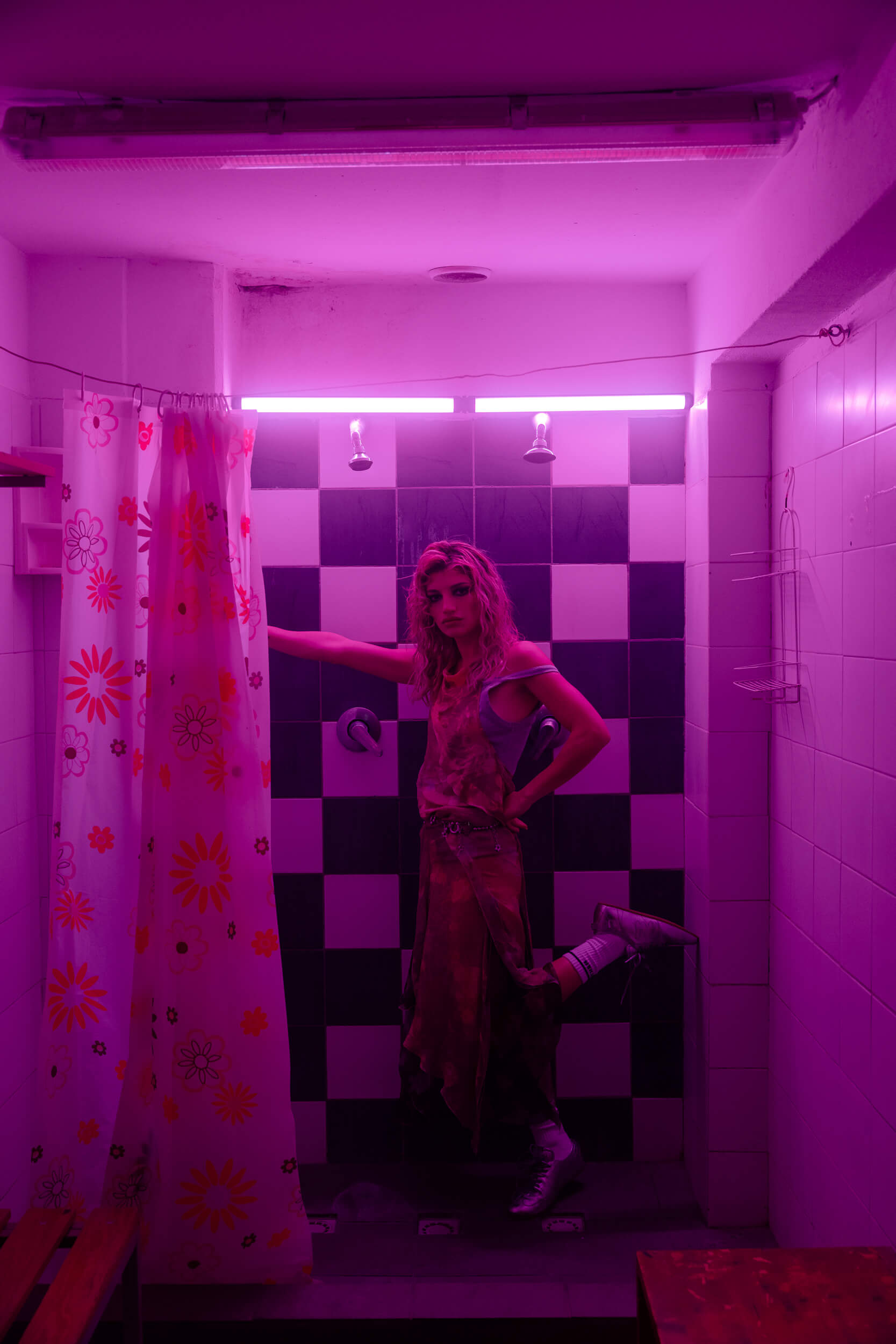
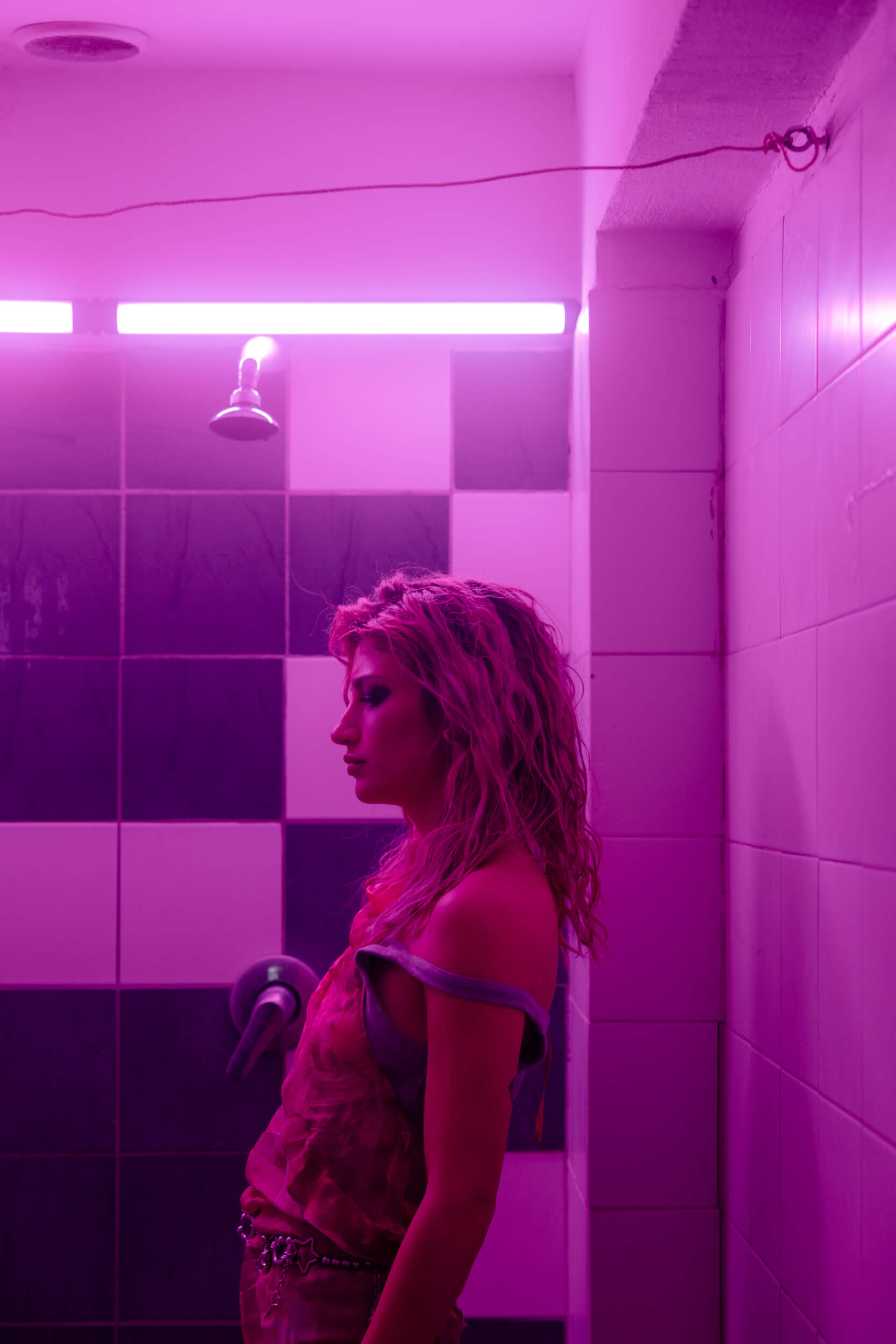
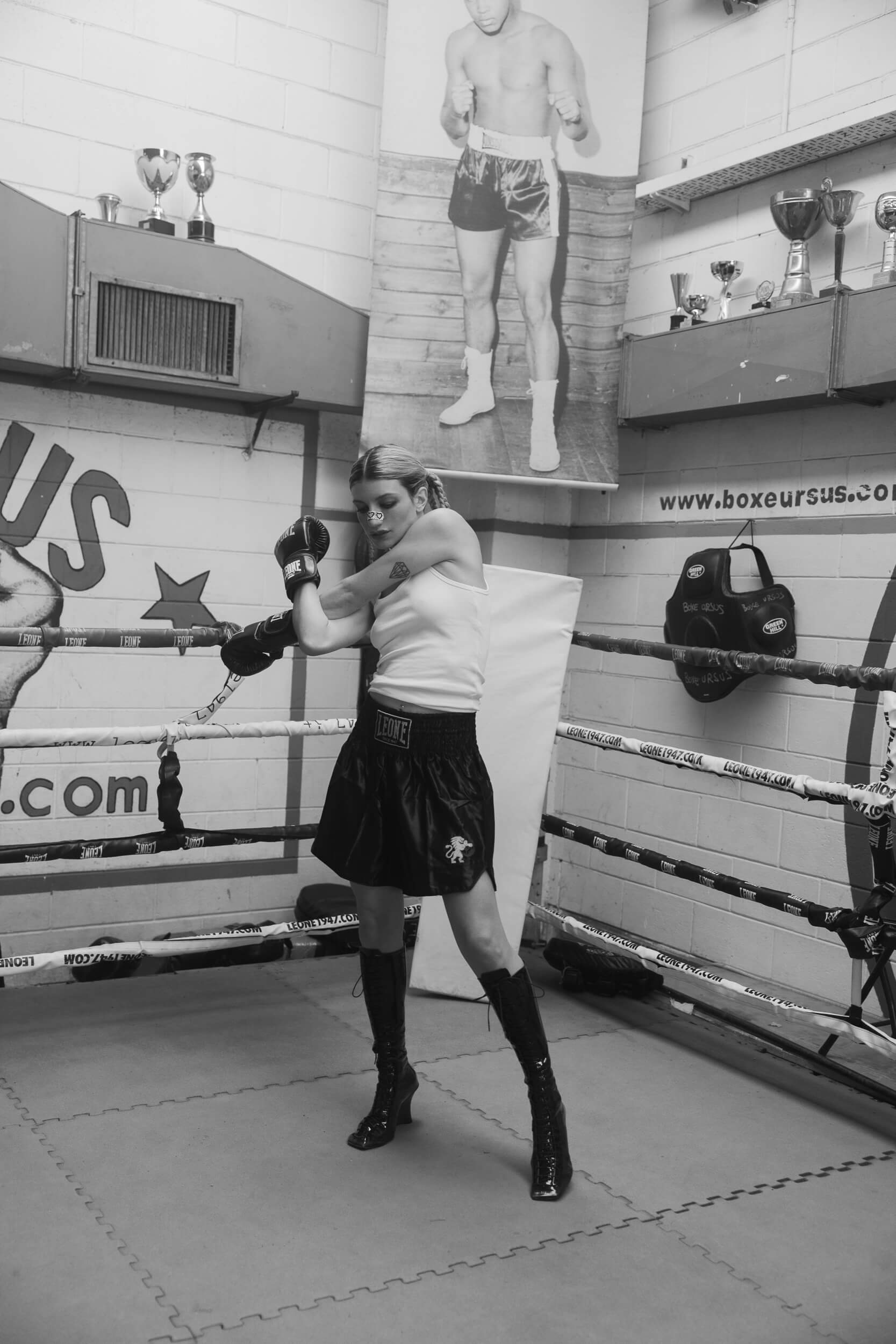
Photos & Video by Johnny Carrano.
Styling by Ilaria di Gasparro.
Make-up by Sofia Caspani.
Hair by Camilla Oldani.
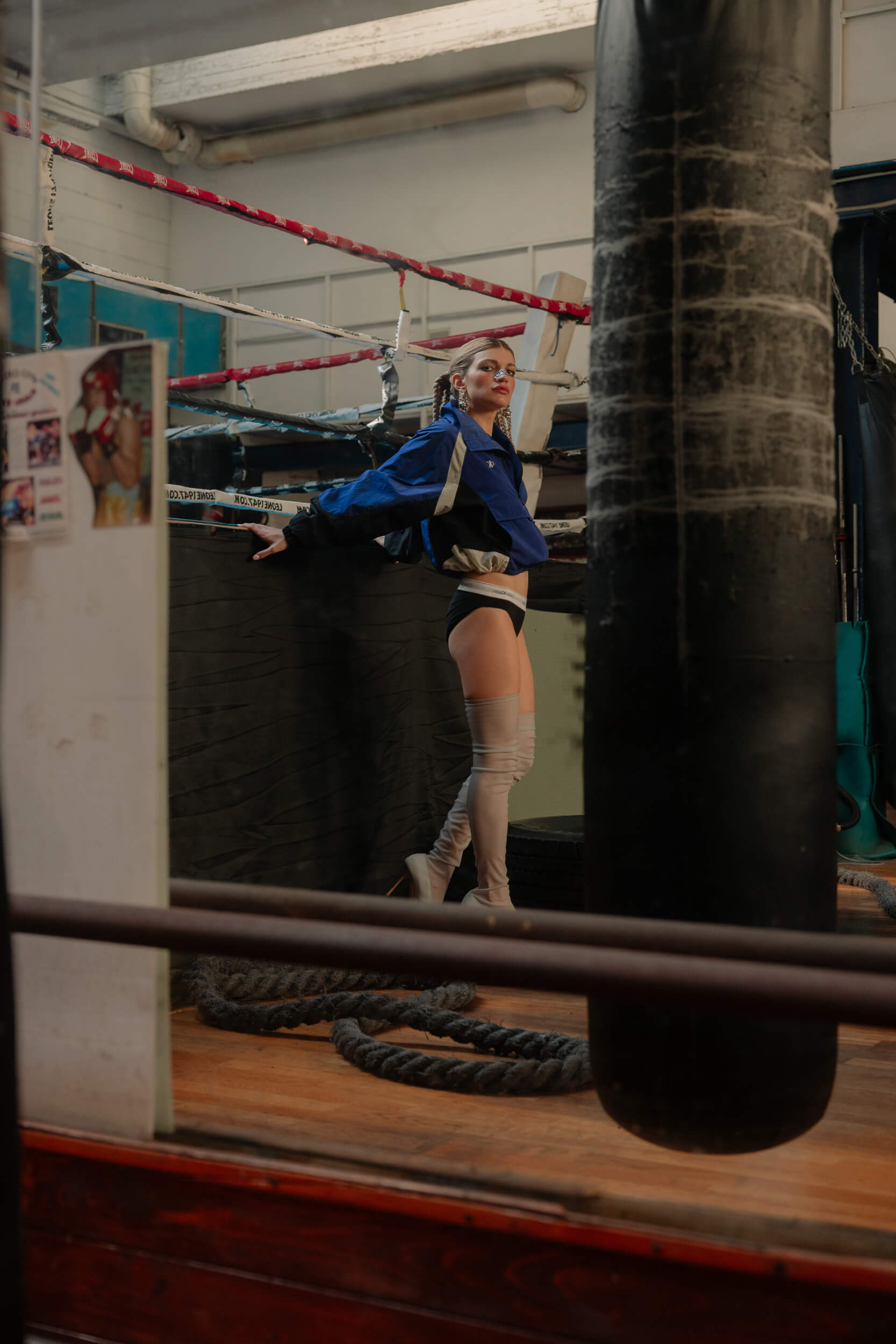
Location: Boxe Ursus.
LOOK 1
Dress: Diesel
Top: Citizen of Humanity
Necklace used as a belt: Perlesexy
Sneakers: MSGM
Socks: Mother
LOOK 2
Top: Diesel
Slip: Calvin Klein
Trousers: Puma
Sneakers: Puma
Socks: Mother
LOOK 3
Total Look: Calvin Klein
Boots: AGL Shoes
Earrings: Perlesexy
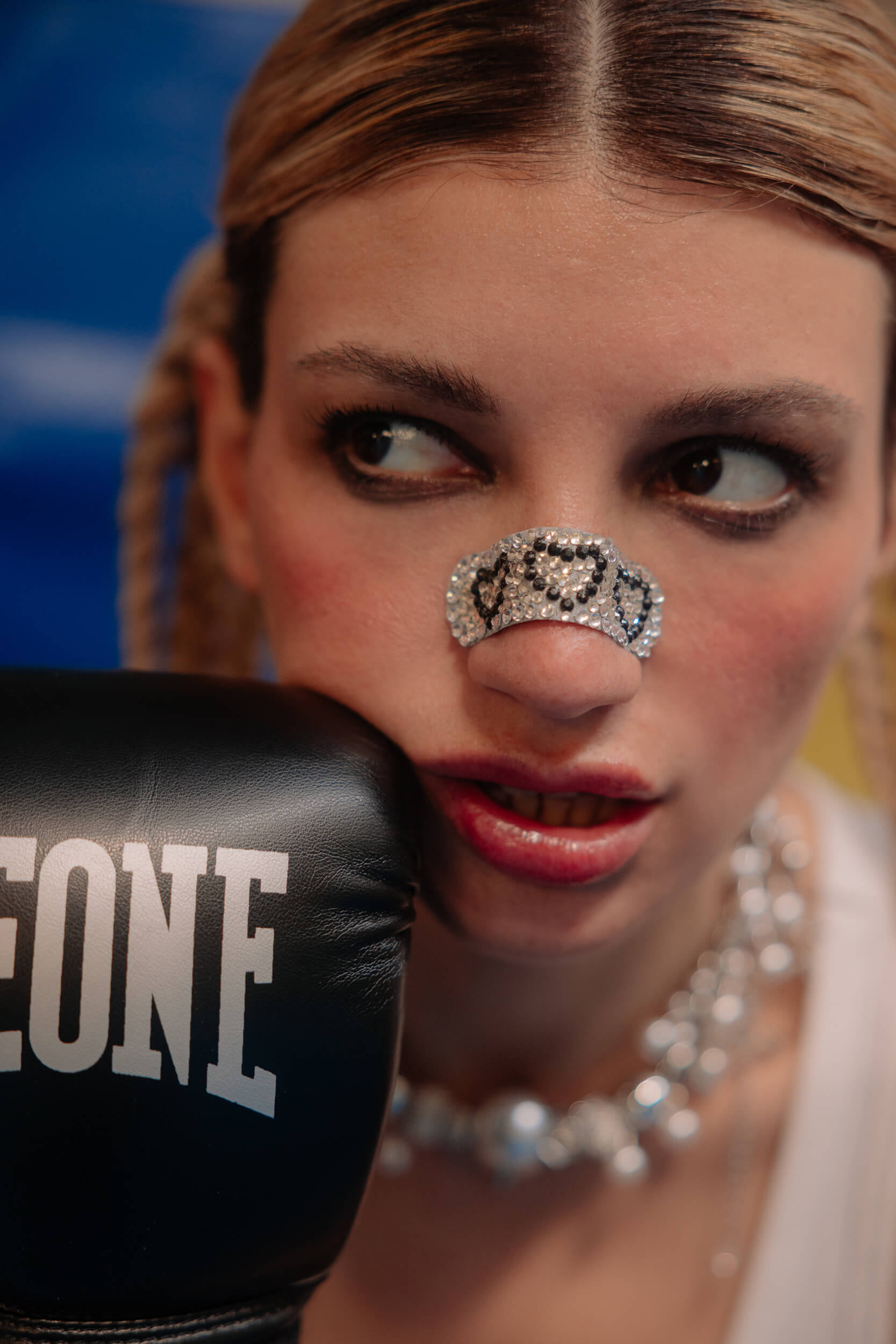
LOOK 4
Top: Calvin Klein
Shorts: Leone 1947 via Cisalfa Sport
Boxing gloves: Leone 1947 via Cisalfa Sport
Boots: Diesel
Necklace: Perlesexy

What do you think?