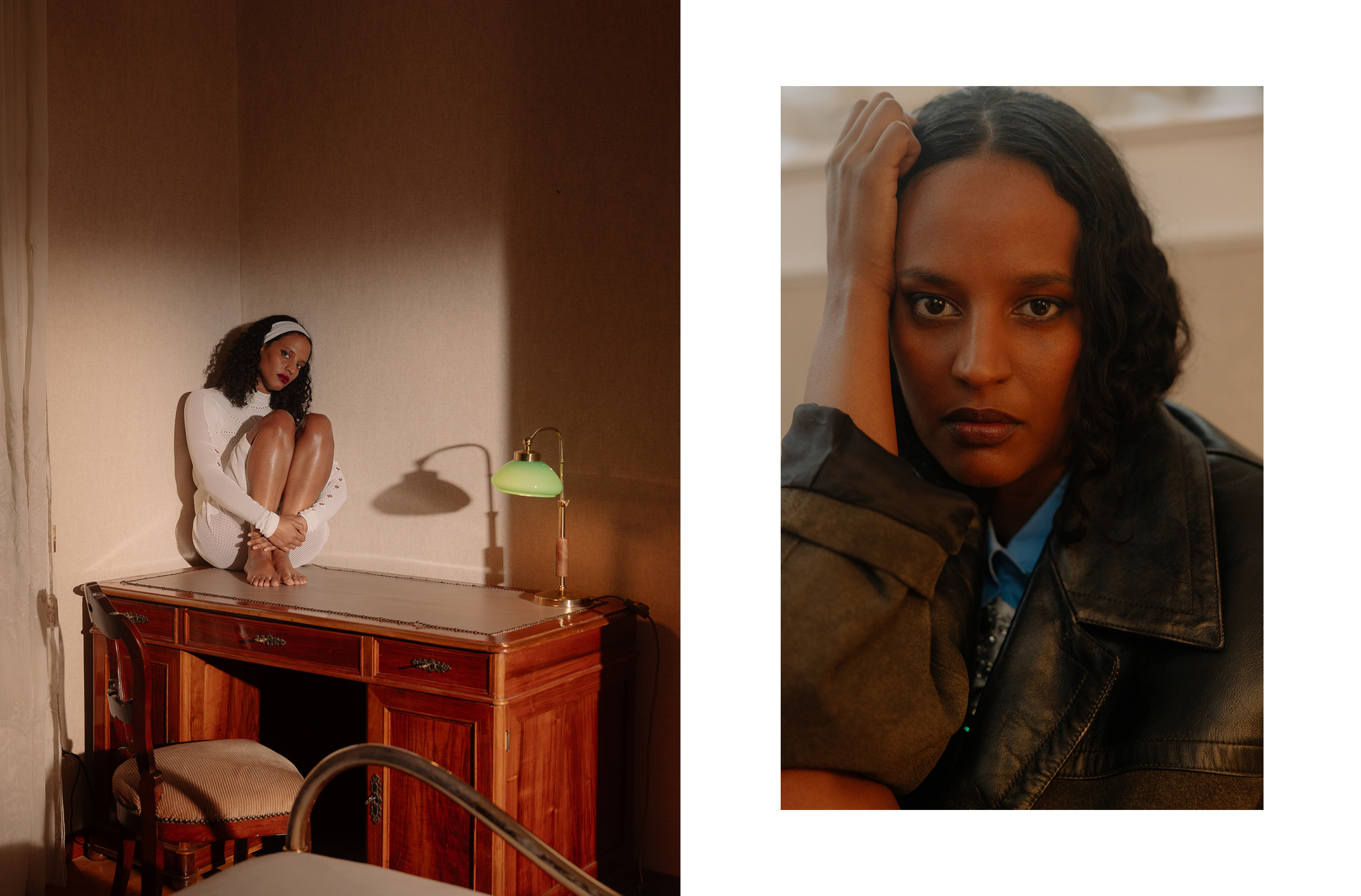
There are encounters that arise from professional curiosity and others that, almost without you noticing, become something more: an authentic exchange, made of glances, intuitions, and shared truths. Talking with Anna Lazzeri was exactly this.
With her direct yet never predictable way of telling her story, Anna moves through her journey with clarity and emotion, alternating fragility and determination, irony and depth. What emerges is the portrait of a woman who is not afraid to question herself, to change direction when needed, and to gracefully defend her own vision.
In this conversation, personal experiences—in particular the set of “Cinque Secondi” by Paolo Virzì—intertwine with broader reflections, in a narrative that goes beyond a simple profile and becomes almost an invitation: to look inward, to choose more courageously, to never stop evolving.
What is your first cinema memory?
My first memory specifically linked to the movie theater is very vivid: one day my father came to pick me up from school to take me to the cinema near the Duomo, which no longer exists today, to see “Harry Potter and the Philosopher’s Stone.” I remember that halfway through the film I was incredibly happy because there was still so much time left until the end: for me it was wonderful to know that the story would continue for a long time.
Actually, though, my most vivid memories are tied to my real childhood obsession: animated films, especially “Pocahontas.” I watched it constantly. There’s an episode I always tell: I was about four years old and, while watching it, I said to my mother (I was adopted and I am Black): “We white people are really bad” [laughs]. Clearly I had completely identified with the story and the characters.
The beginning of everything: Paolo Virzì “discovered” you almost by chance for a role in “Il capitale umano.” What do you remember about that first meeting and how did it influence your perception of acting as a profession?
At the time it was something absolutely unthinkable, not even in my wildest dreams. I remember that in La Repubblica there was a small notice: they were looking for young people for a Paolo Virzì film. A friend of mine, who was in her fourth or fifth year of high school, asked me to go with her to an audition. The casting was handled by the assistant director, Michele Lombardi, who at a certain point asked me to audition as well. If only it still worked like that. The audition went well, even though the role was very small. I met Paolo directly on set.
I remember that week as a kind of microcosm: there were students from different high schools in Milan and an incredible cast, with actors like Fabrizio Bentivoglio. It was the first time I truly had the feeling that acting could be a profession. But I didn’t immediately have the courage to really try. I had thought about enrolling in an acting school, but I didn’t feel confident enough. It took me a long time before I actually started.
The decisive moment came years later, when I met Valeria Bruni Tedeschi again at a film festival between Milan and Paris. There I realized that if I wanted to do this job, no one would come knocking on my door to ask me if I wanted to act. So I started: I went to France and began doing theater. Over time there have been encounters that come back, and somehow restore your confidence.
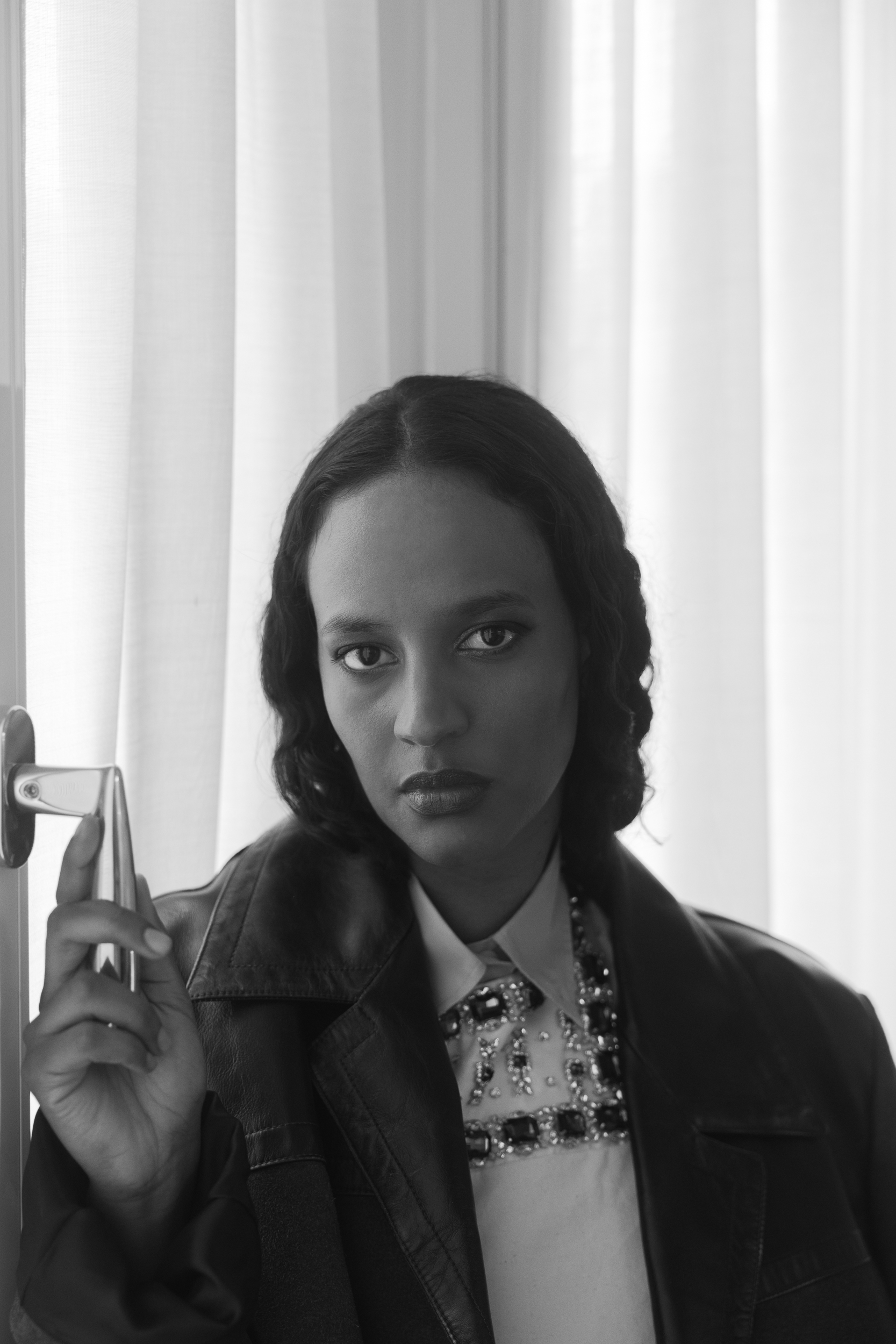
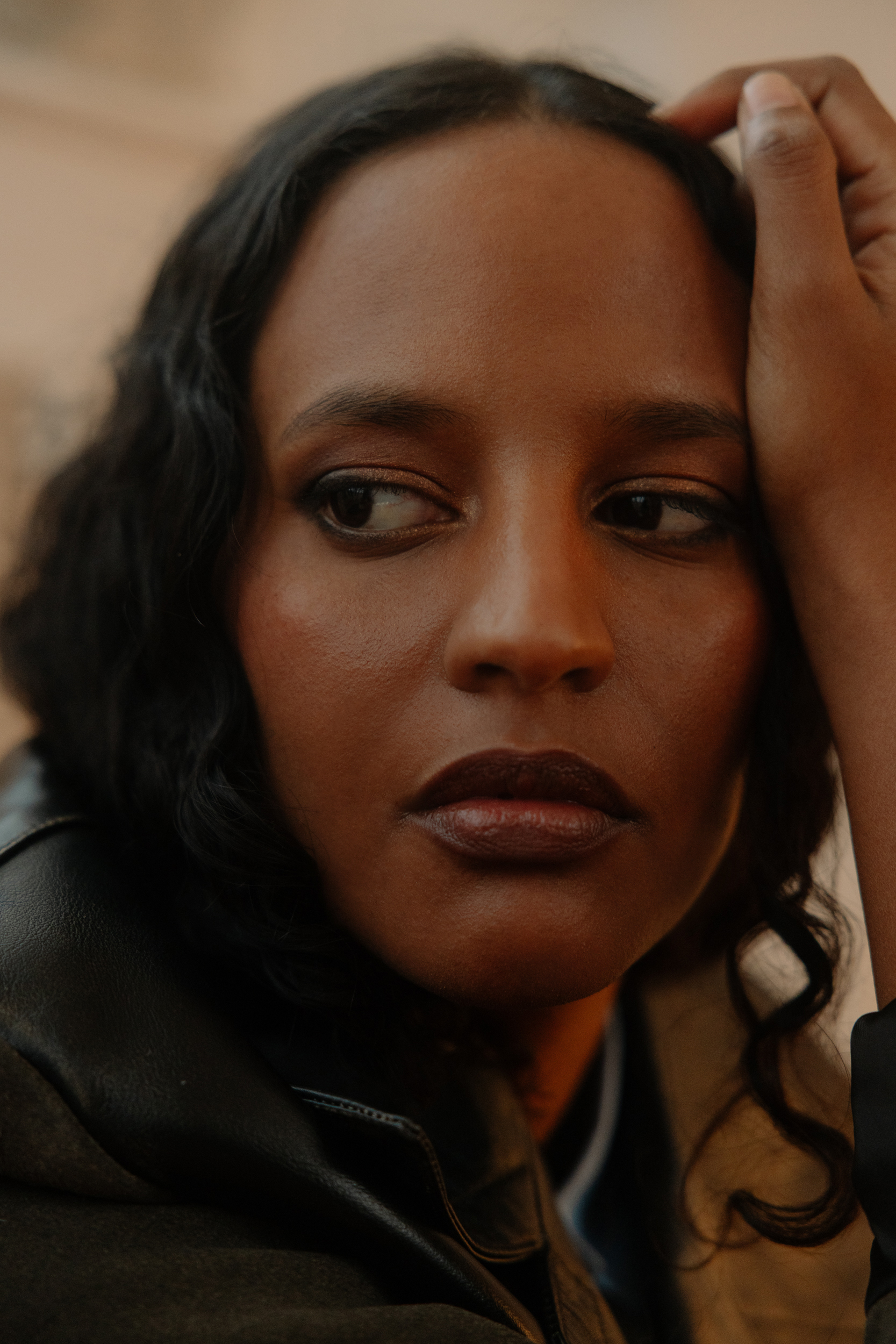
Today we find you in “Cinque secondi.” What was it like returning to work with Virzì now that you have a different artistic maturity?
I was very happy. When I auditioned for the film I didn’t even think Paolo would remember me from the time of “Il capitale umano.” Instead, he seemed very happy to work together again.
It was a very particular set. There were three of us from Milan and we shot for about twenty days, maybe more, practically living on set: an abandoned villa in the middle of the fields. We slept there, in rooms next to those where we were shooting. It was a disused house, exactly as you see it in the film. Between one room and another there were cables, lights, open windows. The phone only worked near the windows and to move around at night we used flashlights. In the morning we would wake up while the set design team was building the set. It was a very immersive experience and we bonded a lot. We weren’t in Rome but in Lazio, in the countryside: around us there were only hills and Betta’s house, Paolo’s assistant.
For me it was also important for another reason. I have a somewhat atypical profile: I am of Eritrean origin but I was born in Milan and I have a very strong Milanese accent. Today in Italy there is certainly more openness toward non-white actors, but often the roles required are those of people who have just arrived in Italy. I, instead, speak Italian with a Milanese accent, so sometimes it’s hard to categorize me. My agent is fantastic and we often fight so that actors who don’t necessarily share the character’s migratory background can also audition. Paolo, however, has great humanity: he manages to welcome people for who they are, without being held back by stereotypes. That’s also why I was really happy to work with him.
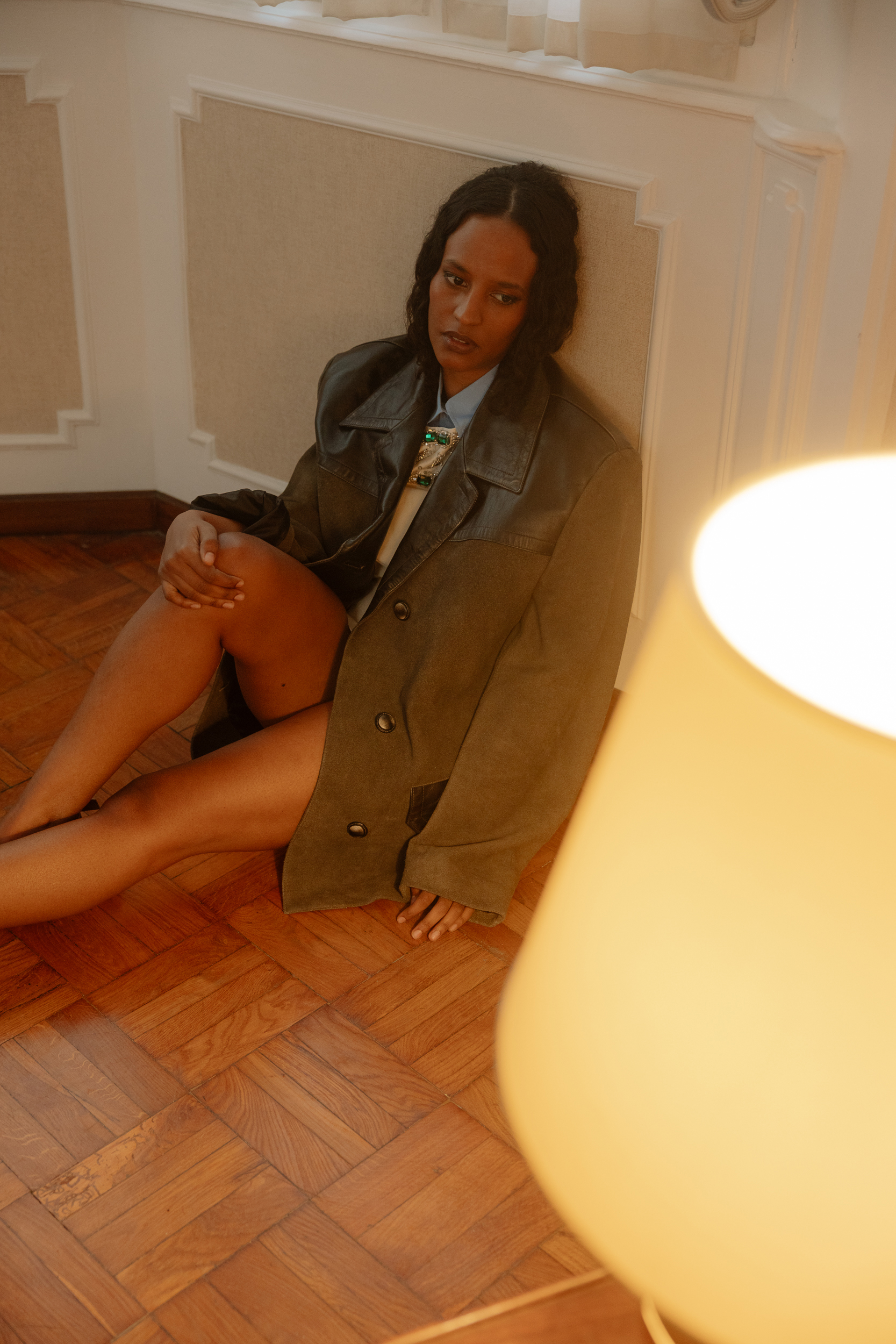
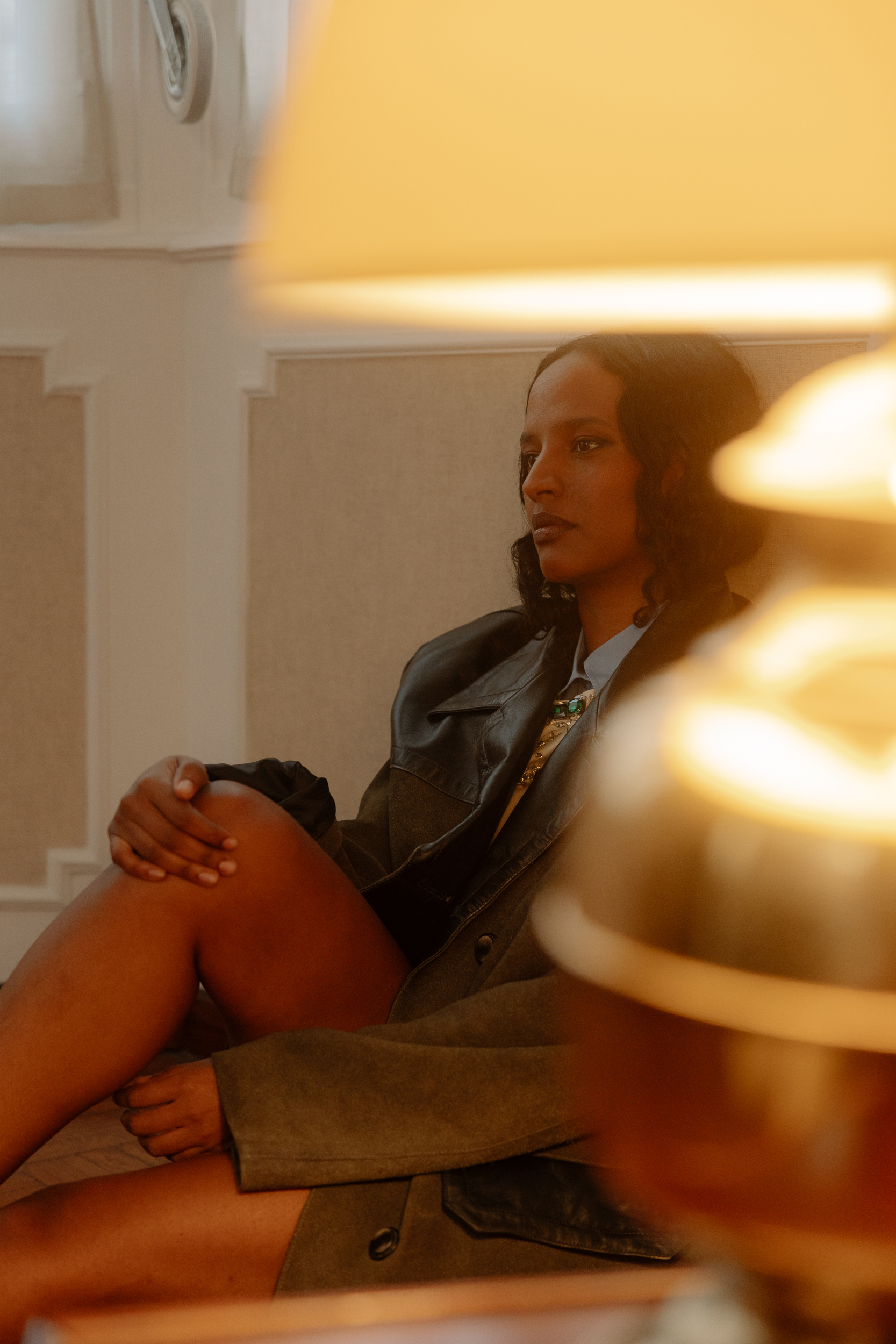
What kind of work did you do on building your character, Jasmine? And what was it like translating on set that sense of community we see in the film?
That atmosphere truly formed. There were many of us and we functioned almost like a Greek chorus counterbalancing Valerio Mastandrea’s character. There was a lot of freedom, relationships between characters weren’t written in detail, so many dynamics emerged spontaneously in real life.
When I saw the film, I was very surprised by Valerio’s work. On set he always seemed calm, as if he were simply living the moment. And yet on screen his work is incredibly precise and refined. I remember very well the first day on set. We were all on a kind of van: Valerio was driving, next to him was Galatéa Bellugi, behind them Andrea Palma and I, and a dog. In the back there were all the other guys and three cameras. It was quite chaotic. I had the impression of being inside a David Lynch film, as if we were walking on rooftops.
At one point we shot a scene where Valerio’s character, our lawyer, finally gave us good news. Instinctively I grabbed his head and started shaking it, saying: “But sing too! Aren’t you happy?” And he calmly replied: “Yes, but I’m driving. I have ten people behind me: you can’t grab my head like that.” It was the first day of shooting and I thought: okay, it’s over. But actually, the interpretation worked. In the next take, when I didn’t improvise, Valerio said: “Are you crazy? Why don’t you do it again? So I can answer you like that.” I think Valerio’s great talent is exactly this: his incredible adherence to reality, his concreteness. Everything he says, he says in a completely real way. From that moment on, I somehow felt legitimized—by Valerio, by Paolo, by everyone. When I had intuitions, I had the courage to say: “I’ll try. If it doesn’t work, too bad.” I found the courage to follow my intuitions.
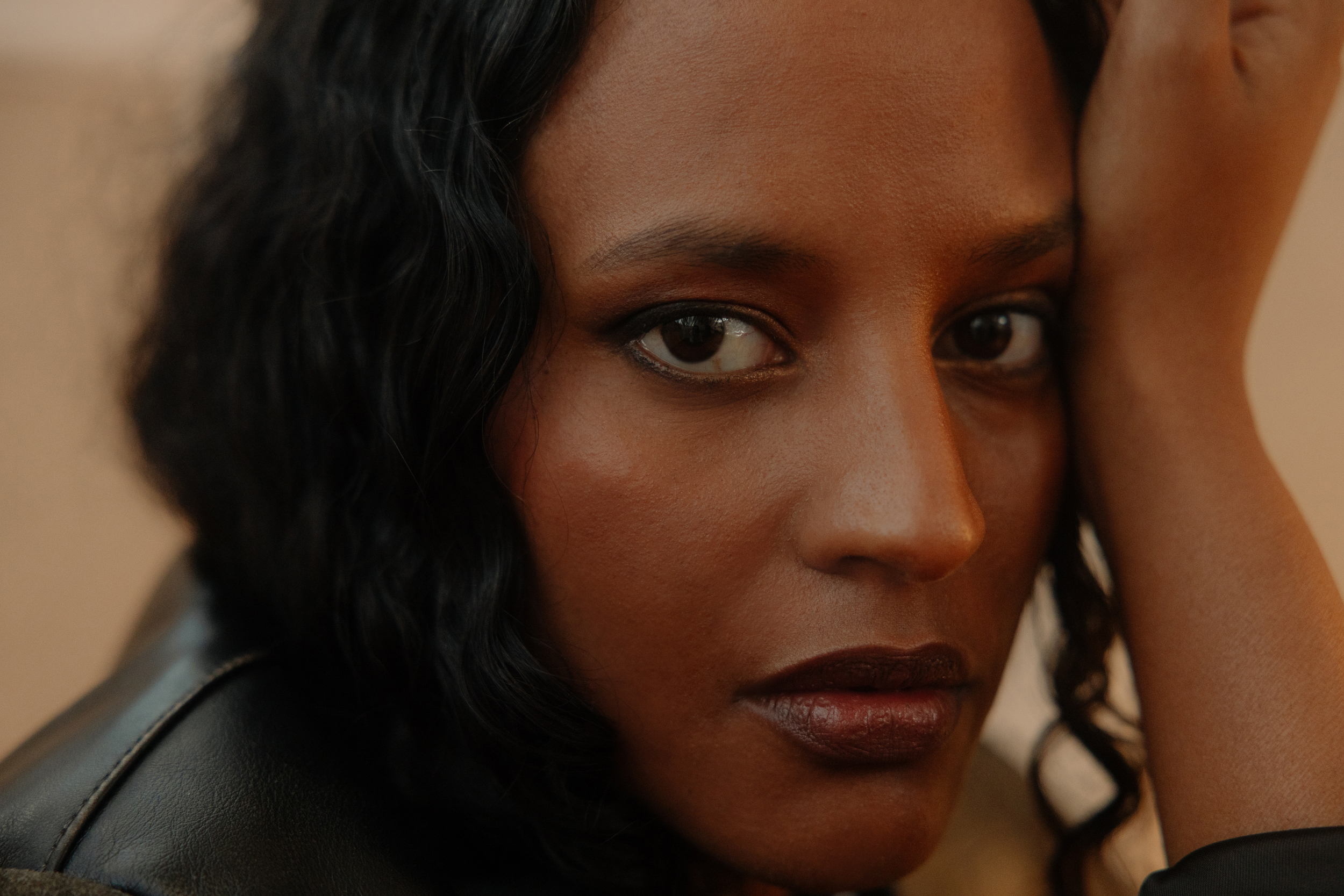
“I found the courage to follow my intuitions.”
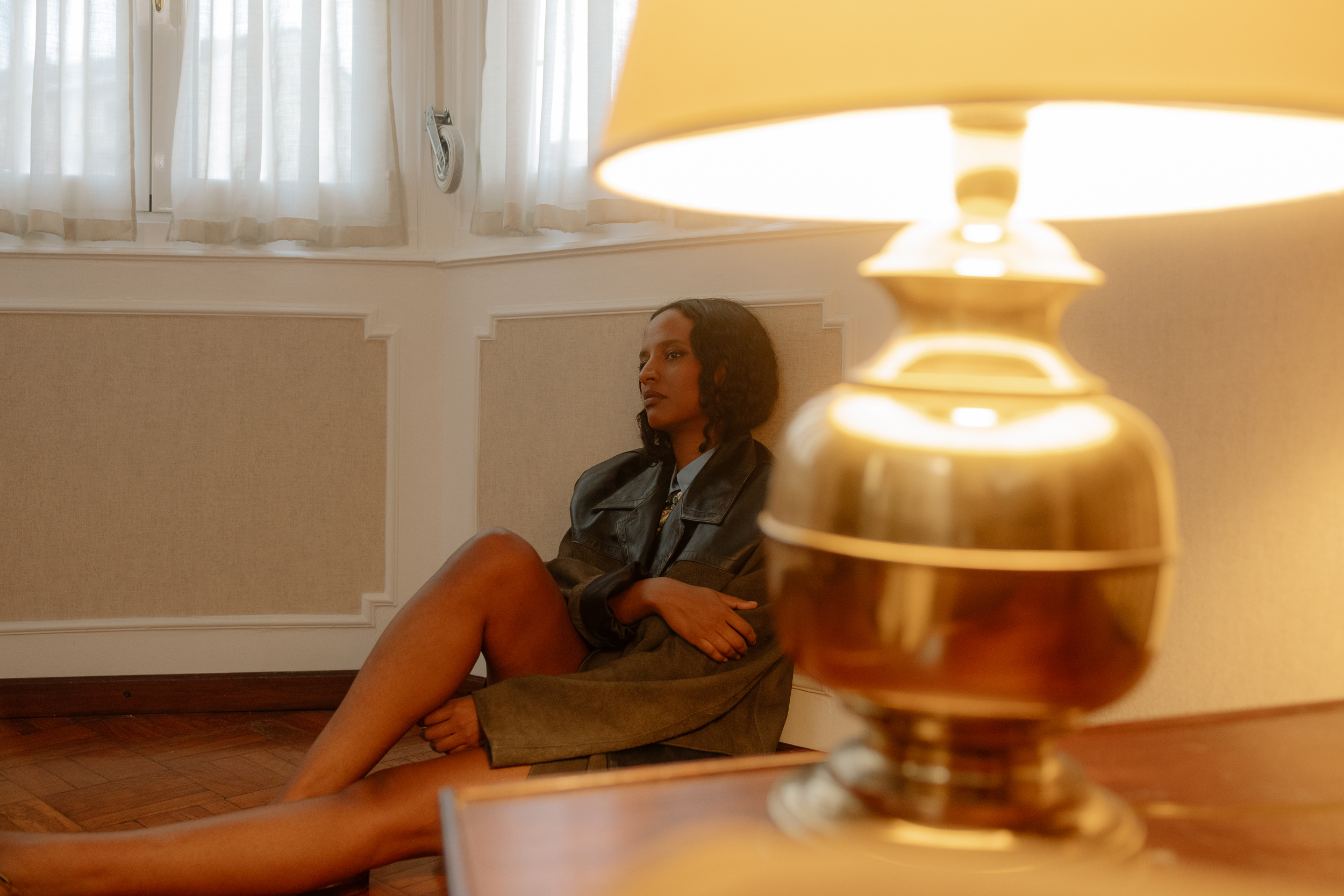
The film’s title is very beautiful, because it evokes a decisive moment: five seconds. How is it reflected in the story, which in the end is a story of patience, waiting, transformation, and friendship?
The film moves along two parallel stories. The paradox is that we—the group of young people—followed one path, and the rest of the cast another, and we only saw the two paths intersect at the film’s screening at the Rome Festival, when we watched it for the first time.
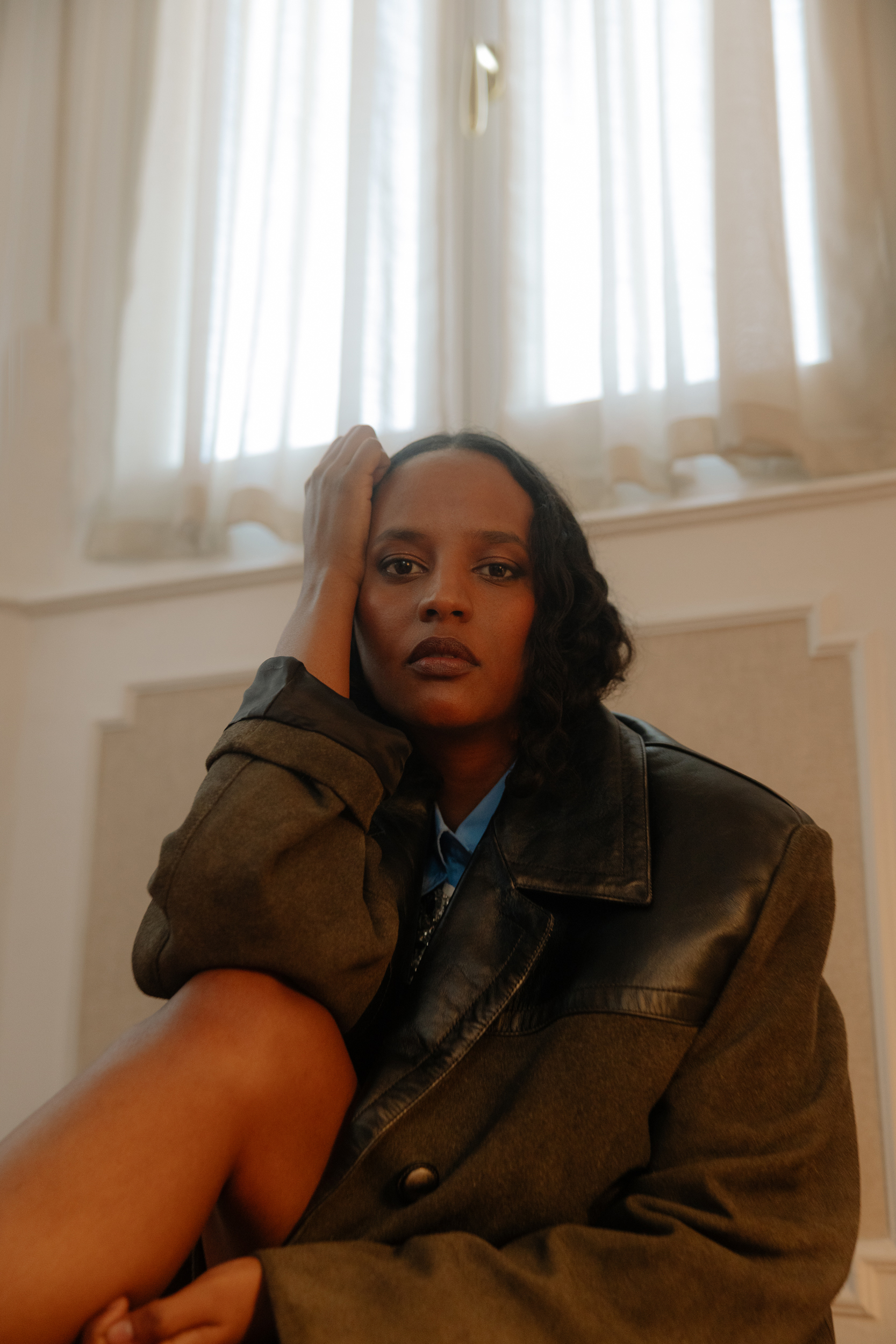
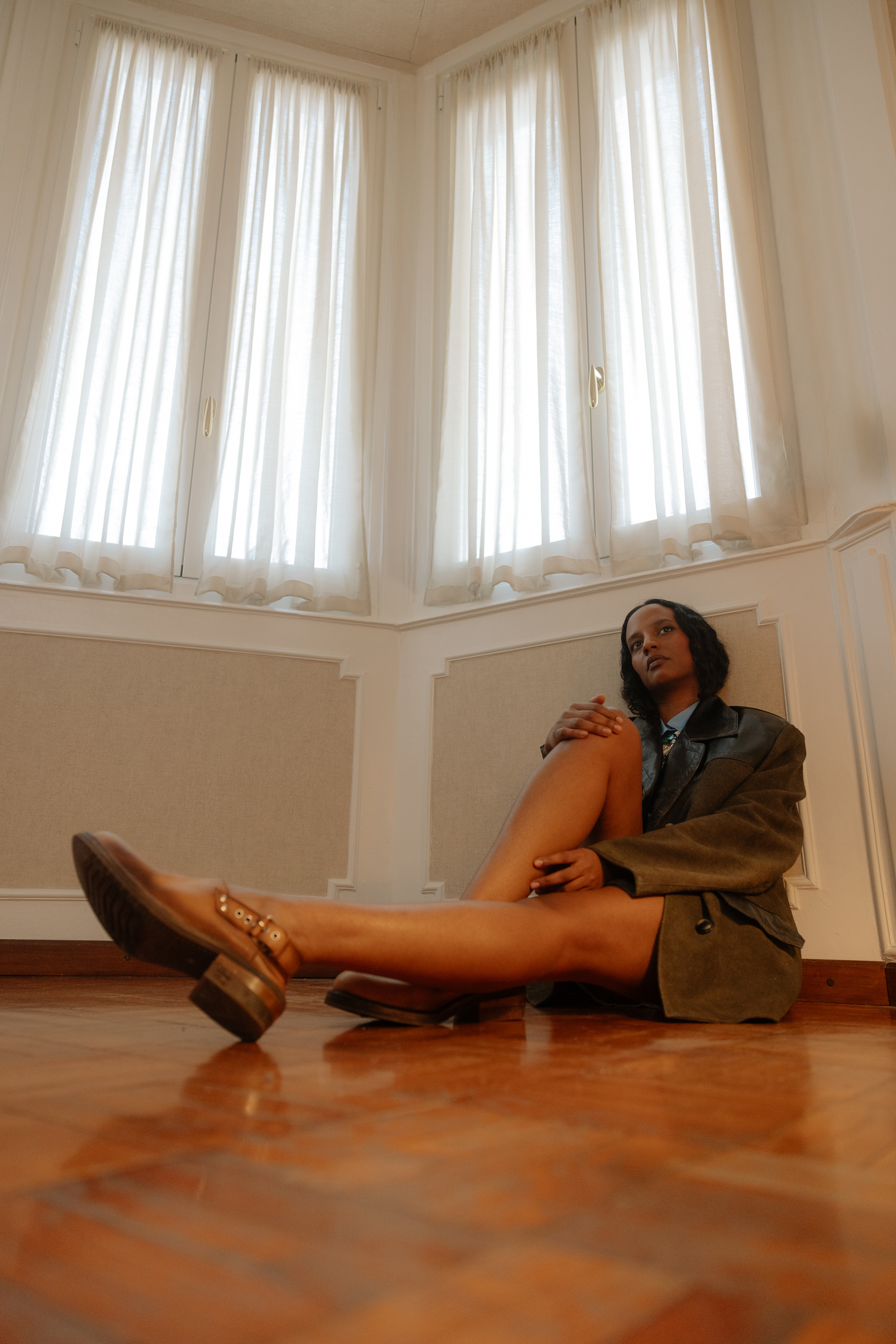
Didn’t you have that perception while shooting?
No, exactly. Because we were shooting a lot in the countryside, while the whole trial and flashback part was being filmed elsewhere, in parallel. It was as if we had shot two different films. When I saw the film, I was really struck by everything I hadn’t acted in, especially the legal part. It felt very respectful in the way it was told, with a precision and elegance that really surprised me.
I watched the film twice: once in Rome and once in Milan. It was in Milan—perhaps because I was more detached from myself—that I realized something. When Valeria Bruni Tedeschi’s character hesitates, there are these five seconds in which everything changes. It was as if, for the first time, I understood that the film touches on a much bigger issue. It’s very complicated to deal with a theme like end-of-life, which the film only suggests without stating openly. But it feels very current and very courageous. Valeria has an incredible presence: she takes hold of the film and completely transforms it.
Speaking of you instead: you studied theatre in France and then in Emilia-Romagna, at ERT. What is the most precious lesson you brought home from French theatre and Italian theatre, assuming there is a difference?
Perhaps the first thing I understood is that, if I wanted to be an actress, working only in cinema could hardly be a profession. At least for me: I can’t imagine my life as a long wait in which I wait for someone to invite me to do an audition. I need a routine, otherwise I feel too much “in a void” — it distresses me, and above all it doesn’t make me happy.
That’s how I discovered theatre. And theatre comes much closer, or more easily, to literature, which was my first great passion. I come mostly from there: as a child I read enormously. In theatre I found something very close to that desire for literature, because you speak other people’s words, but at the same time you are not alone: it is a profoundly collective profession. In short, my first discovery was precisely this: that theatre existed, that I could be part of it, that I could speak through the words of others. When I discovered this in France it was fundamental. It was as if I had learned French through the theatrical texts I was studying, the films I was watching, the productions I was seeing. In some ways it was a means of easing the loneliness of the early days. In France, moreover, to gain entry to the national theatre schools you have to face competition after competition, with hundreds, sometimes thousands of candidates. This helped me greatly to clarify my desire, to understand how much work lies behind it and how important it is to make choices.
The first thing I learned is that you have to truly want it. It is a path made of work, desire and precision: having a defined taste for certain productions, certain films, certain directors you would like to work with. Not only being chosen, but also choosing. Then, still thanks to this path, I attended a theatre academy in France and performed in a production at the Théâtre National de Strasbourg. With the theatre’s director, Stanislas Nordey, who was working on Pasolini at ERT — Emilia-Romagna Teatro — I took part in a workshop on Pasolini. And it was curious because, in some way, Italy came to me through France. We worked for five months on “Bestia da stile”, Pasolini’s last theatrical text. It was wonderful, because it was a total immersion in his life and his work. Everything was there: literature, but embodied, shared with other people.
After ERT I shot three short films with three different directors: a Brazilian, a Tunisian and a Canadian. The project was supervised by the Locarno Academy. The spoken language was Italian, but the working language with the directors was French. I remember one morning when I was working with Alice Diop and had doubts about my French (I am bilingual, but have a very slight Italian accent). So I asked her whether it was noticeable and she replied: “Why are you asking me? Language is just a means. Everyone speaks in their own language.” At that moment I thought that if cinema were always like this — that is, completely oriented towards communication in its purest form — it would be wonderful.
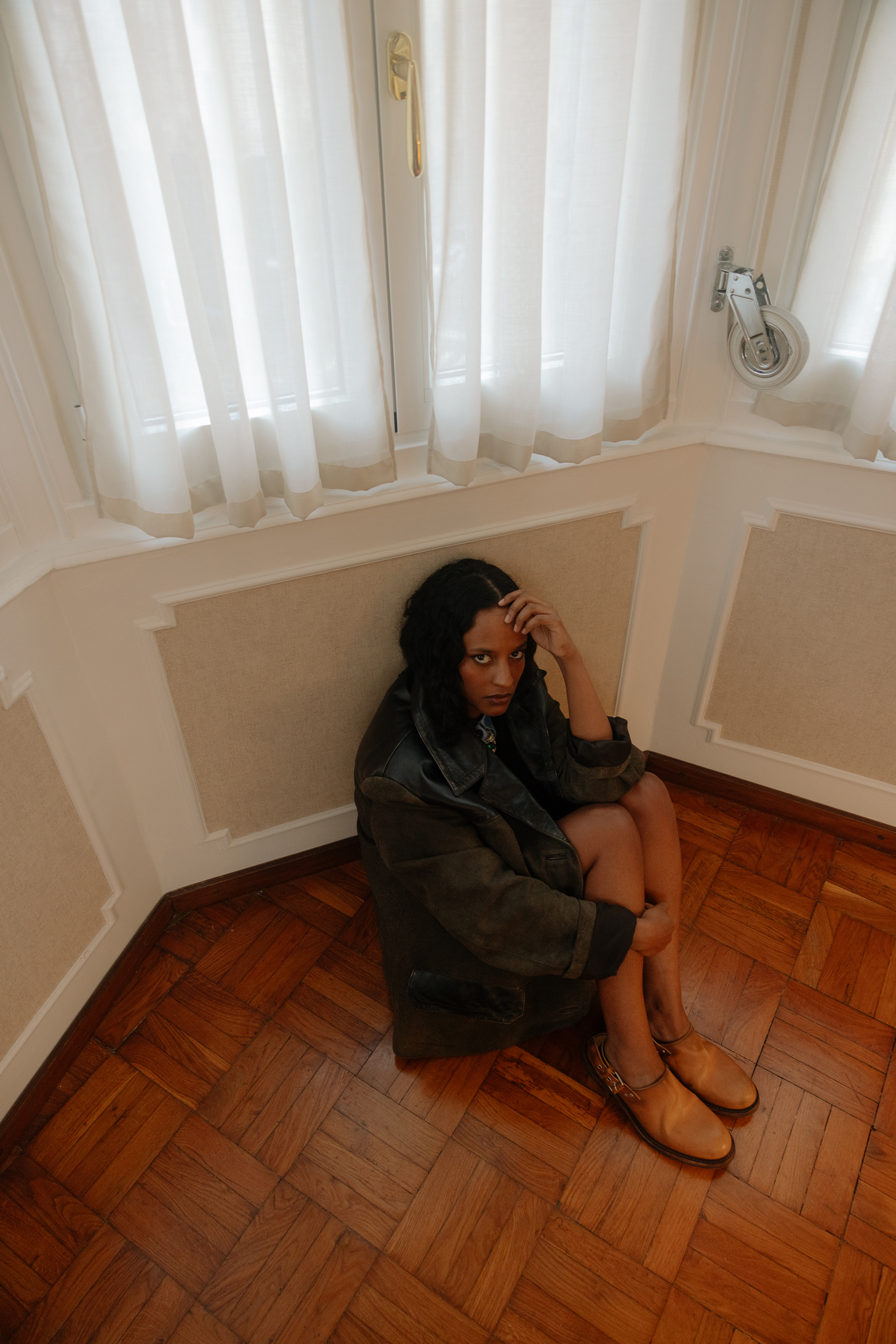
“Not only being chosen, but also choosing.”
You also did an independent project in France, right?
Yes, a feature film shot over about a year. The story follows a couple over time, until the city—where I live both in life and in the film—changes.
Milan?
Yes, exactly. I remember long shared meals during shooting where we spoke Italian, English, French, constantly switching languages. It was a very hardcore, independent experience, and I really like that dimension. I realized I needed two countries to feel more at ease.
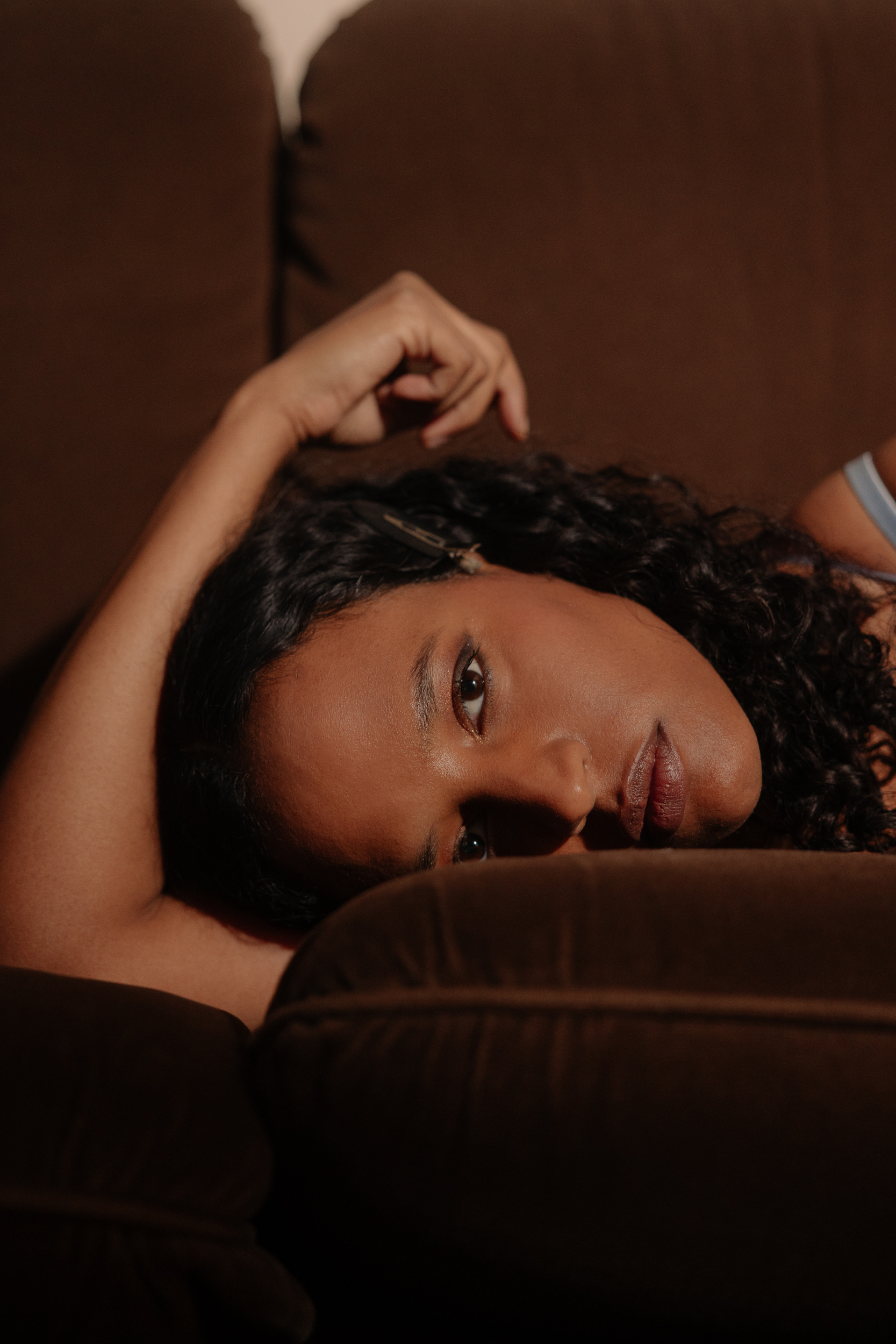
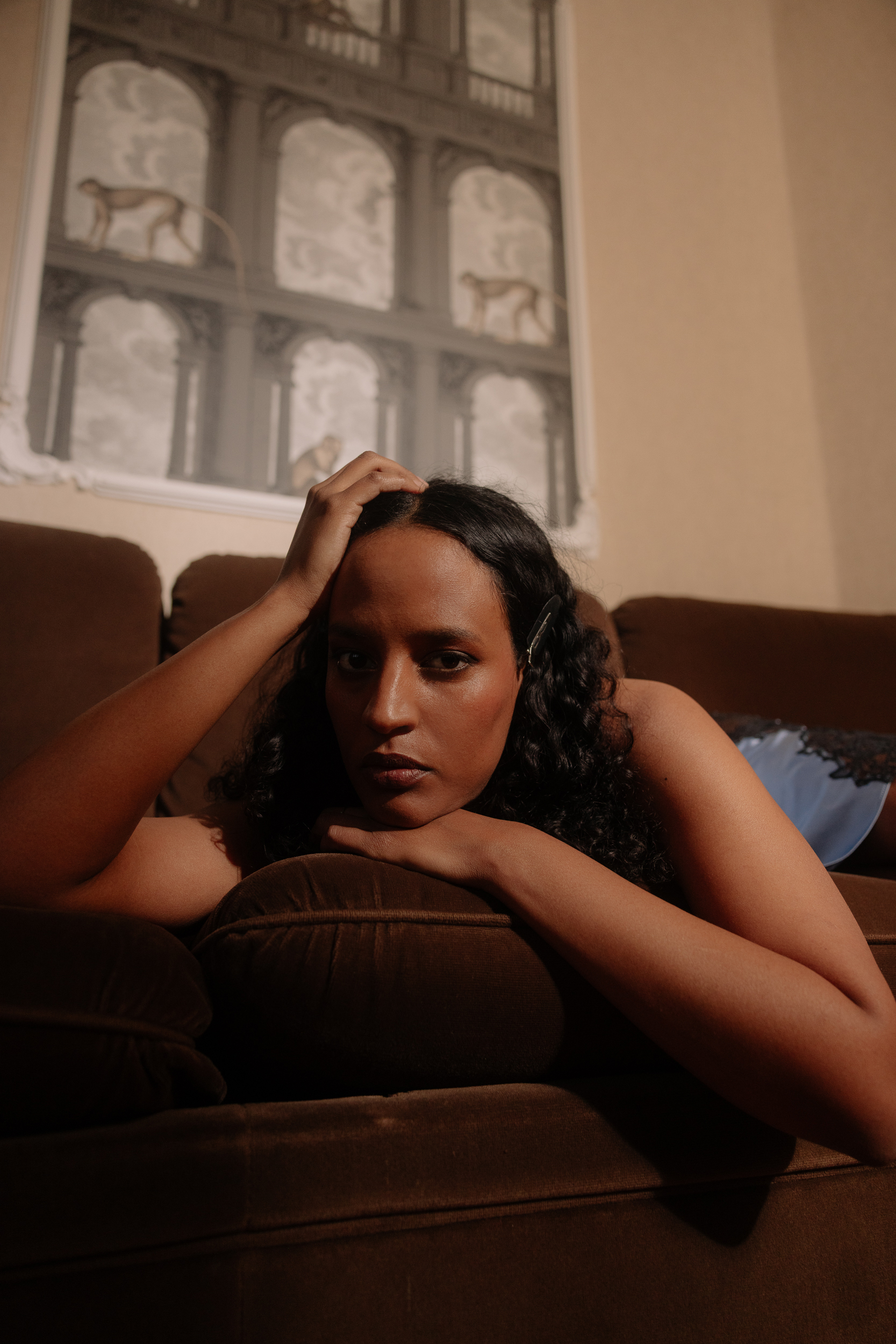
What is the last thing you have discovered about yourself through your work?
I have noticed that, during shooting, I find it very hard to truly live the character’s life. In general, in real life, I tend to be too kind, too accommodating, too oriented towards the other. And at bottom this too is a form of egocentrism, because it often stems from the desire to be accepted, to be liked, to not displease. So it is not a purely altruistic thing as it might seem. In scenes I have to work a great deal on this, because being too focused on the other prevents me from developing a true autonomy of character. In the projects I am doing now I am trying to better calibrate this.
Acting is a bit like using a stethoscope on oneself: you place it on your chest and ask yourself what is happening in there, what your heart rate is at that moment; it is there, so there is a great deal of introspection involved. There are emotions I feel less comfortable with in life and therefore also in work, and emotions I feel more comfortable with. One of the last things I am coming to understand is that the desire to do well, to move towards the other and to be accommodating sometimes prevents my characters from having their own trajectory, their own private life. They end up being completely at the service of others and of what happens around them. What interests us instead are characters who also have their own inner life.
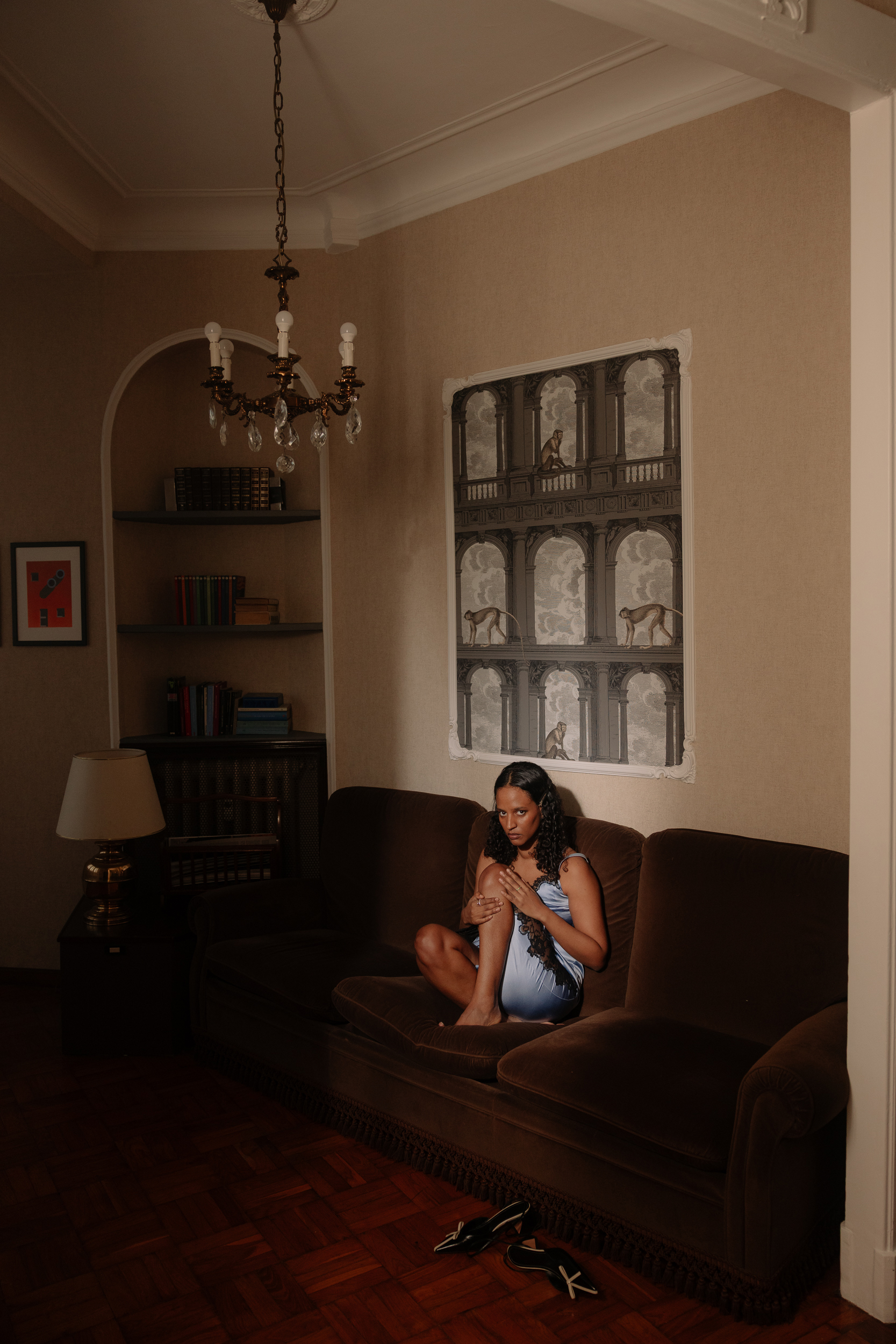
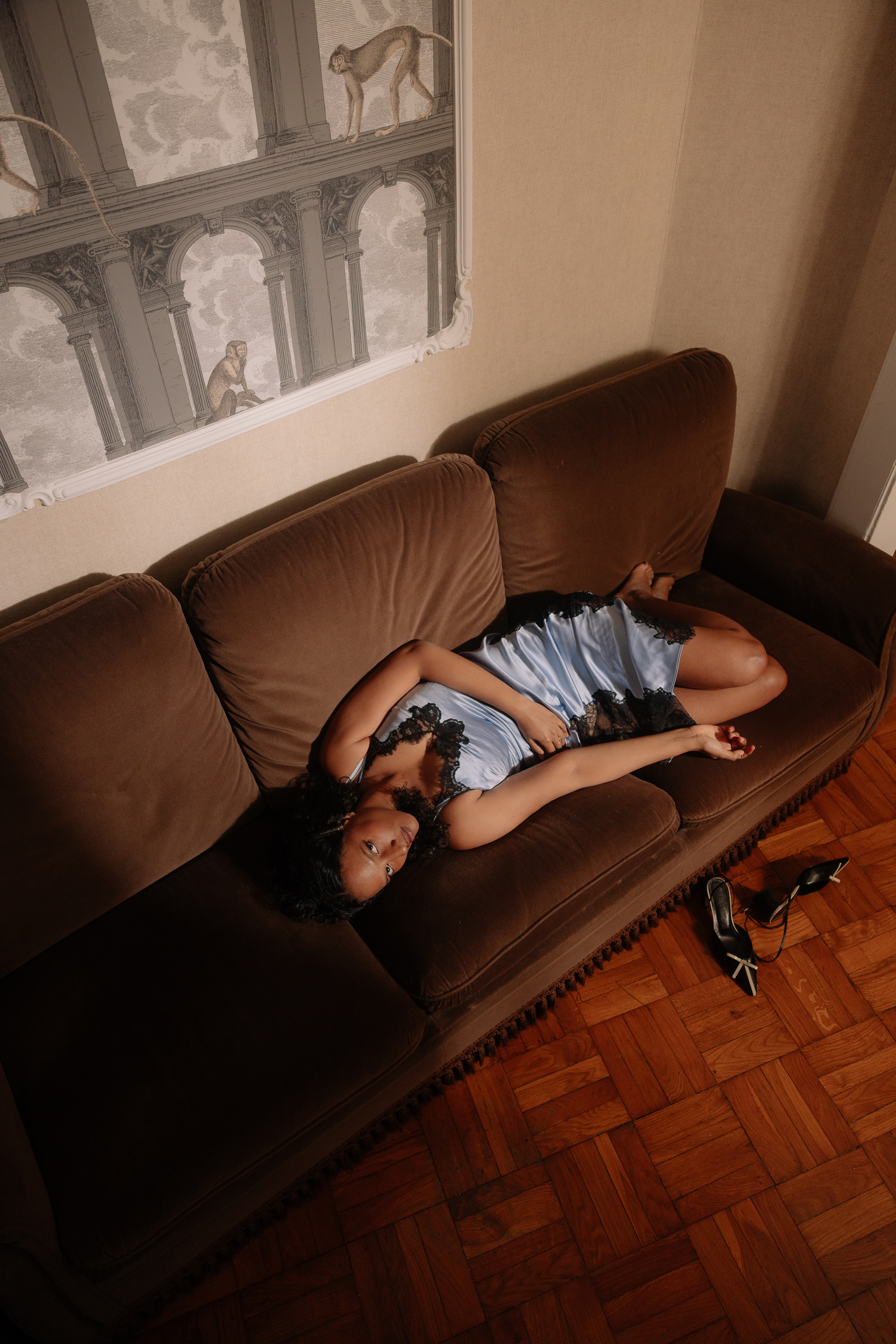
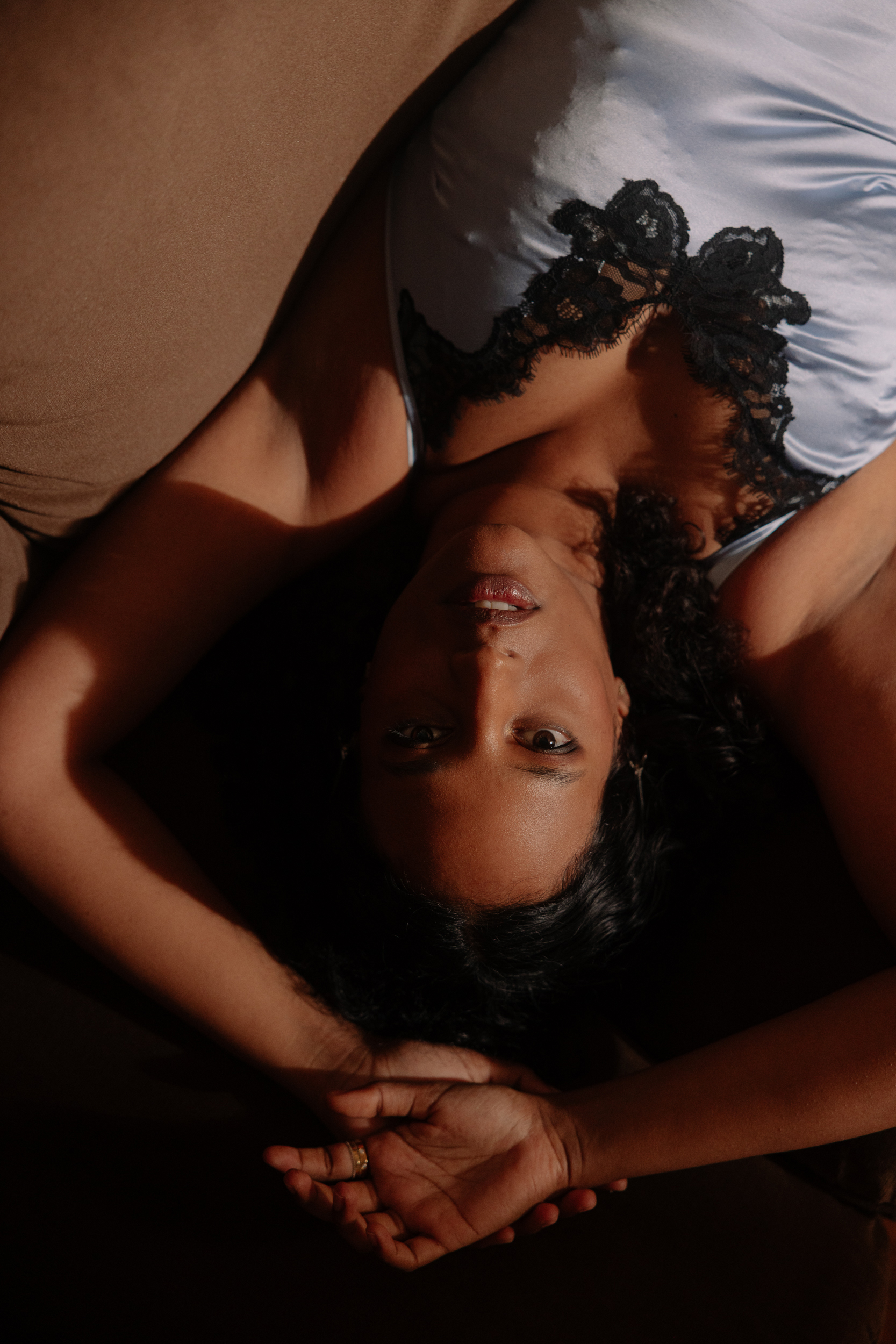
“Acting is a bit like using a stethoscope on oneself: you place it on your chest and ask yourself what is happening in there, what your heart rate is at that moment”
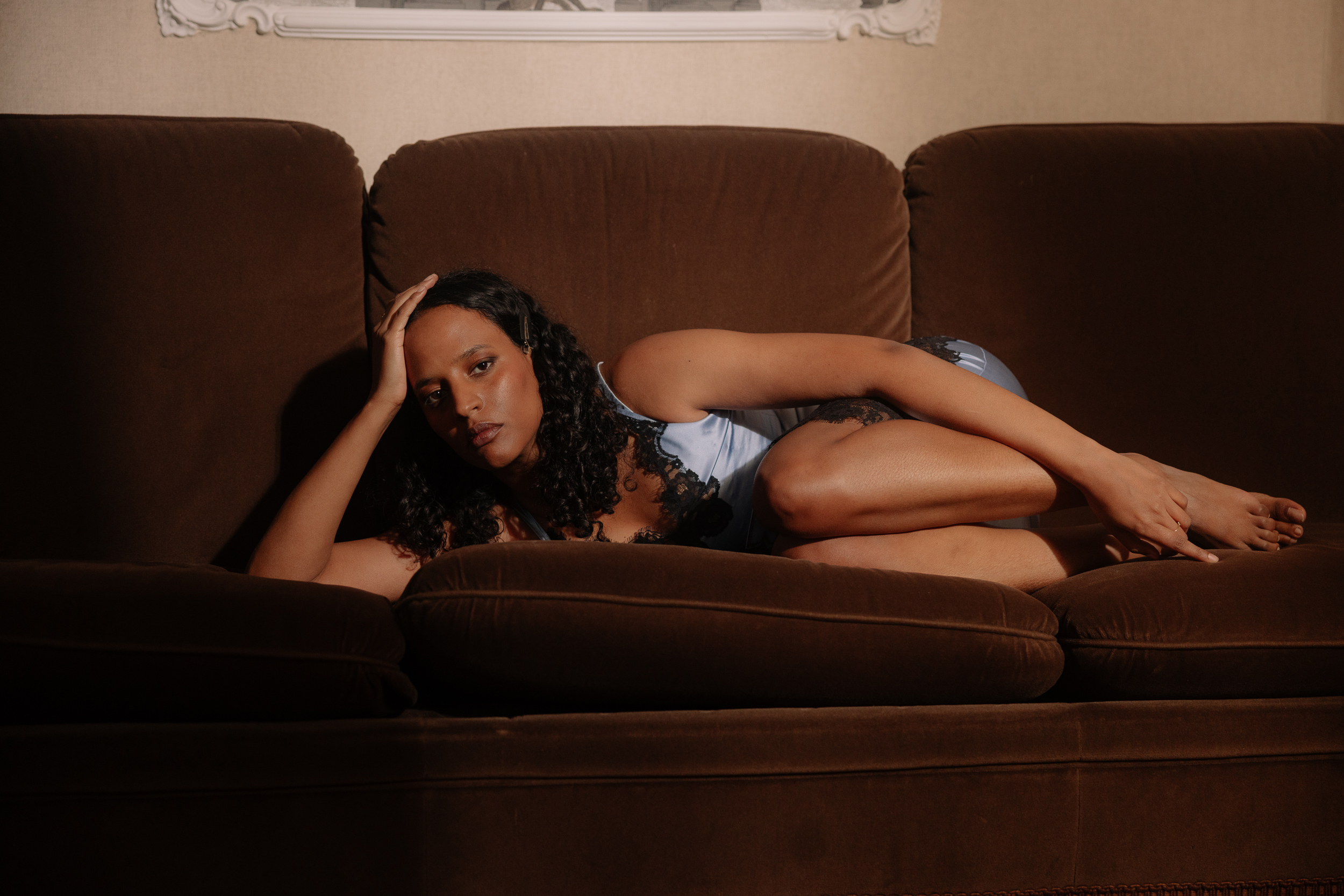
What deeply moves you, even outside the set?
I’m very moved by people’s courage. It can take many forms: loyalty, the ability of relationships to endure, generosity, a brave way of looking at the world.
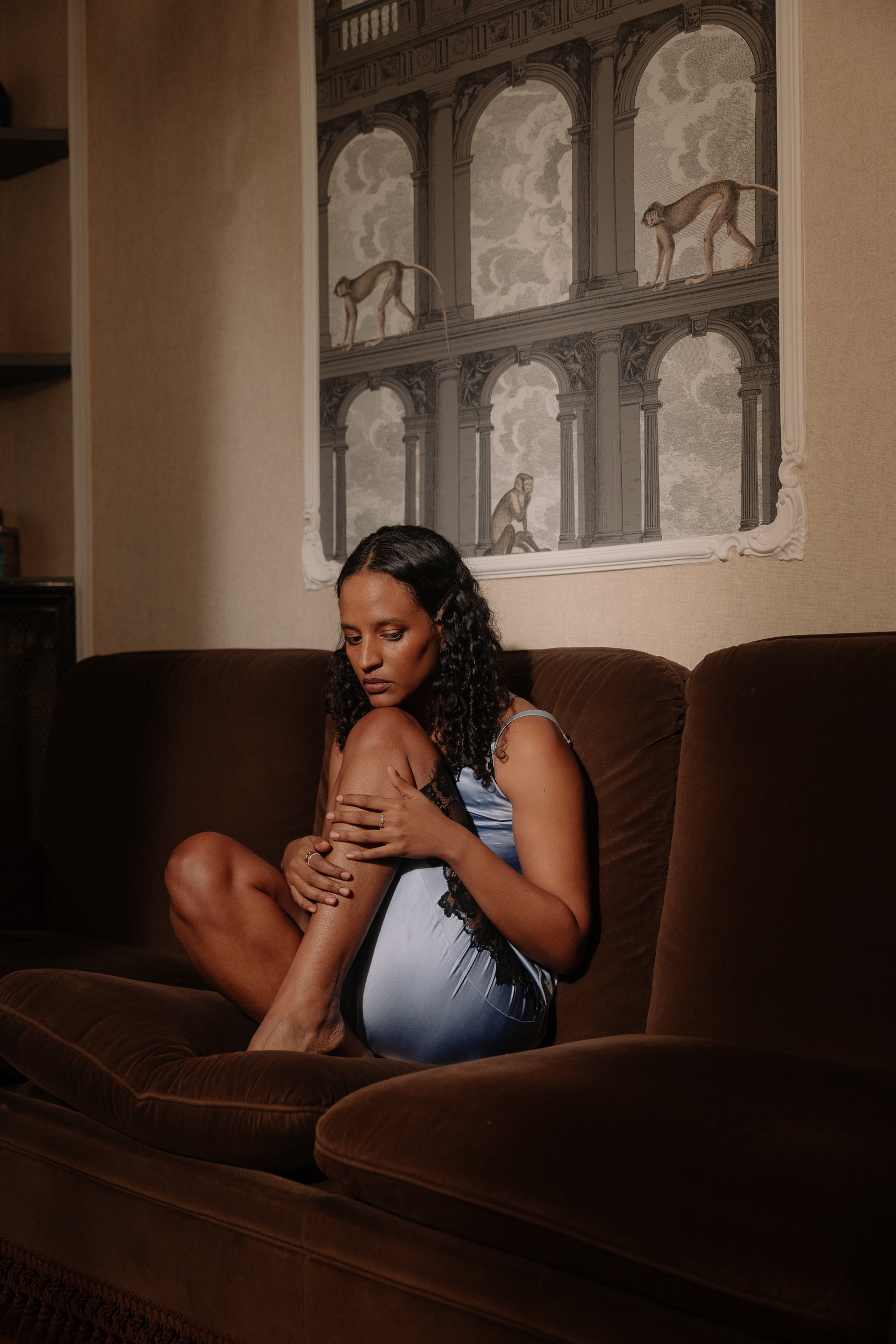
What kind of stories do you like to watch when you are simply a spectator?
Can I tell you some of my current obsessions?
I saw “Sentimental Value”, which I found wonderful. There is an incredible precision in that film, an extraordinary work with actors, the way it films everyday life and the complexities of family relationships. Family stories appeal to me a great deal. Another recent obsession is “One Battle After Another” by Paul Thomas Anderson. That is a great spectacle: it makes me think that cinema can also simply have a function of entertainment.
They are two films at opposite extremes, but I like them for different reasons and equally so. I like seeing joy in the work: the fact that there are people who truly enjoy making cinema, even if in completely different ways. I read somewhere that what we experience in fiction — in dreams or in the stories we watch and read — is not so different, for our brain, from what we truly live. When I watch films like those of Paul Thomas Anderson I have the impression that the actors are truly living those experiences, and for us spectators too it is as if suddenly our small life became a thousand times larger, more expansive.
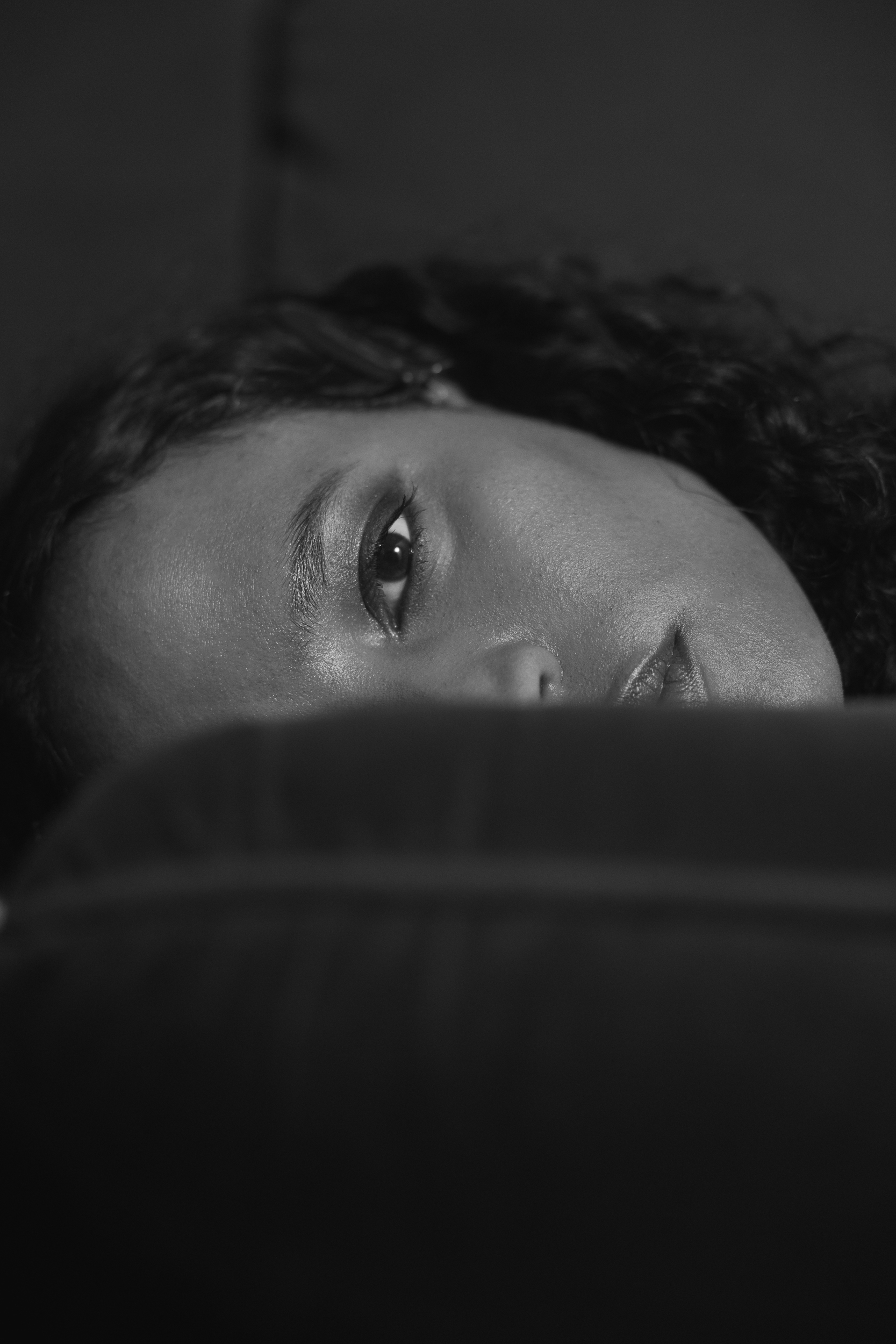
“…for us spectators too it is as if suddenly our small life became a thousand times larger, more expansive.”
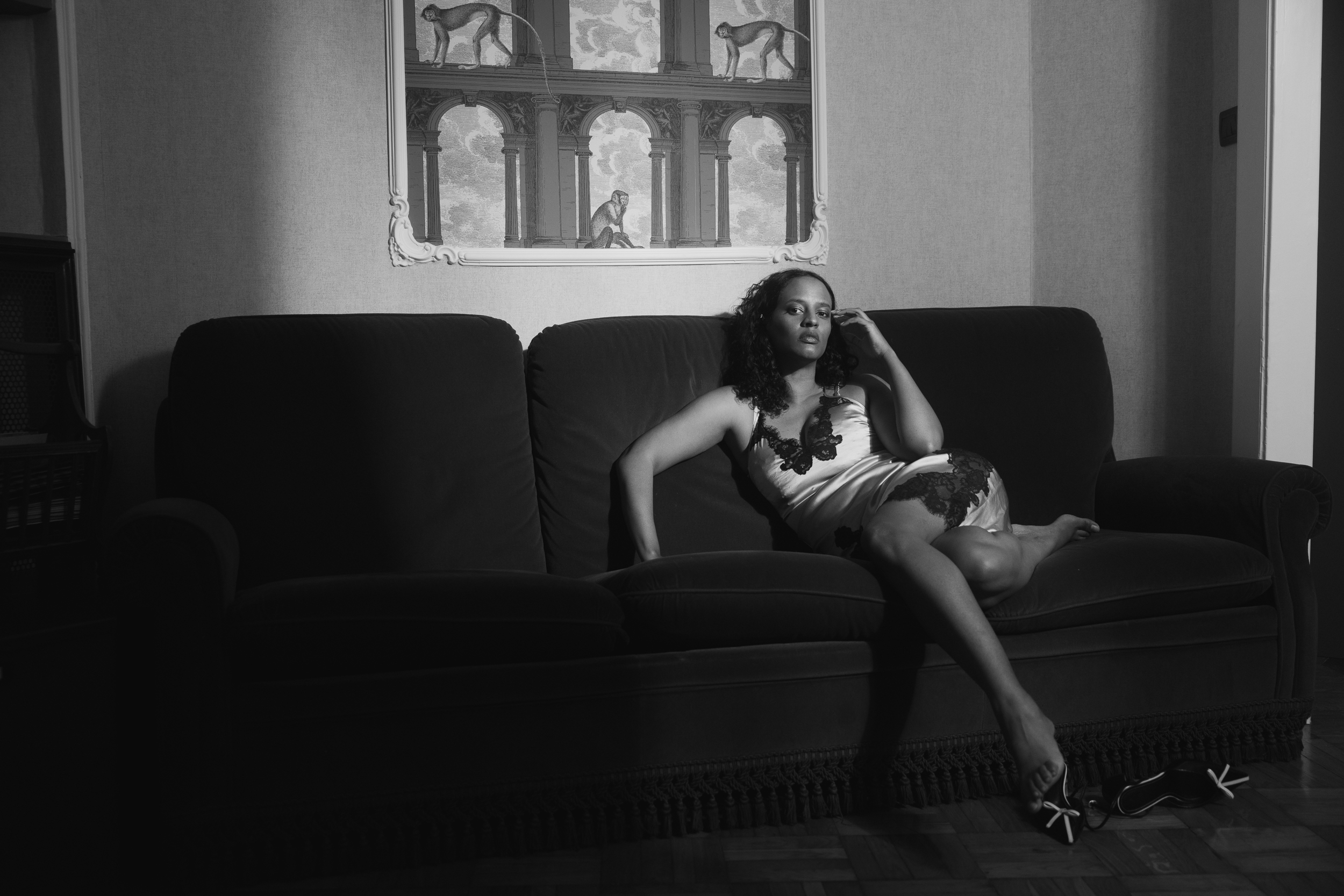
Cinema, or in any case the work of the actor, offers the possibility of living a thousand lives within one, and lives far broader and more intense than our own.
Exactly! Watching “One Battle After Another” I was wondering whether in Italy we will ever see films with roles like those for non-white people. Obviously America has a different history, a different past compared to Italy, but it is a question I ask myself often… The problem, in my view — and it is not Italy’s alone — is that people rush to tick off a list of elements “to be included” rather than aiming to tell an interesting story worth watching and performing.
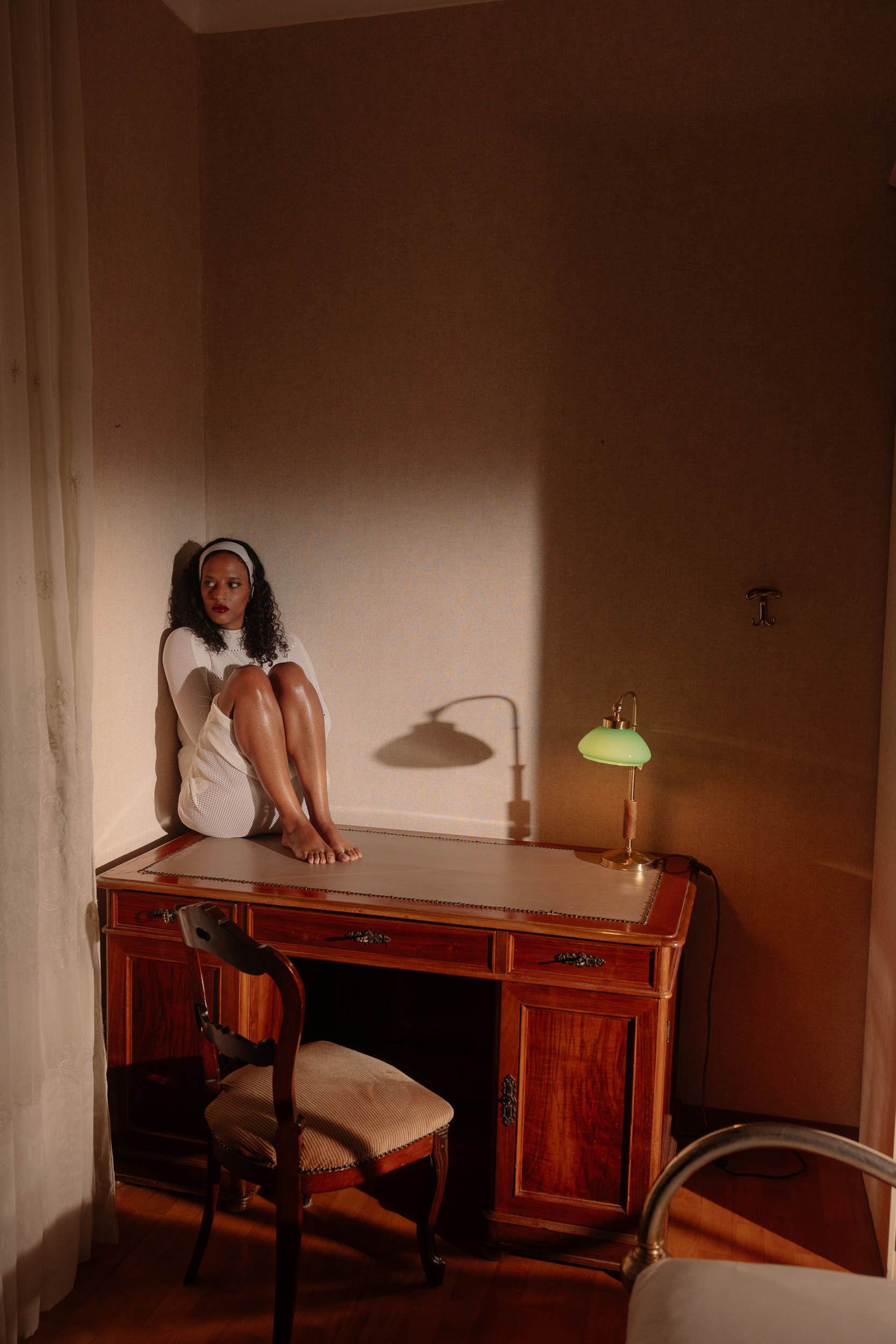
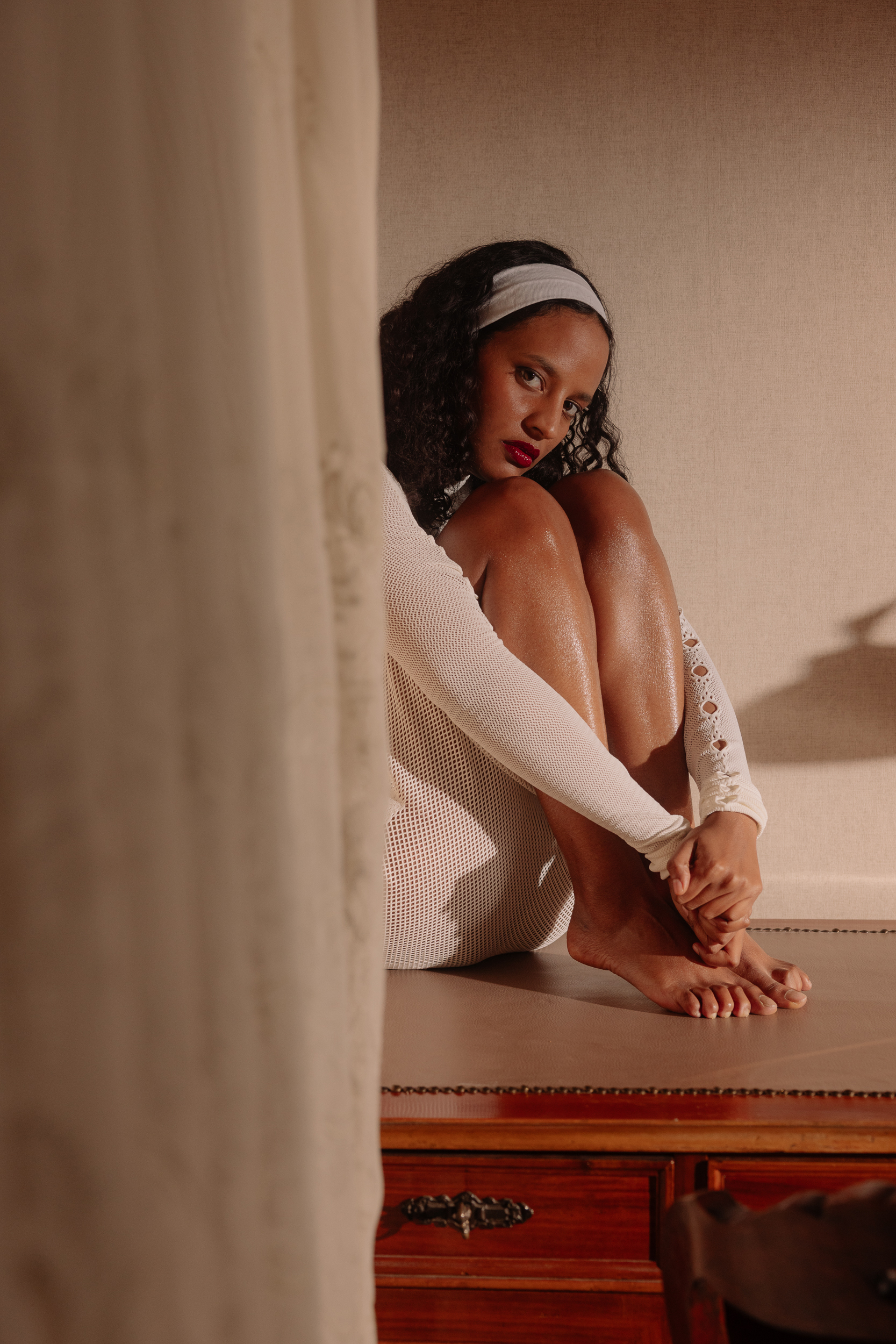
What has been, so far, in your life or in your career, your greatest act of rebellion and courage?
Great question. I don’t know if I can identify a single precise moment: perhaps there isn’t just one, but many small gestures. Not spectacular acts, rather small forms of insistence. Sometimes I simply try to insist.
I have been very lucky because I have had the opportunity to engage with actors who have been doing this profession for many years, and talking with them I understood one thing: it is quite rare to do an audition and then immediately receive the call saying “ok, it’s you.” It happens, but not that often. So I began to follow a kind of personal rule: if my desire is truly real, precise, specific, then I try to say so. If I feel there is a reason, I ask, I talk, I express my wish to work with someone. Obviously this only happens when the project truly interests me or when I have great admiration for the person I would like to collaborate with. For me, at the beginning, it was unthinkable. Asking felt almost like disturbing someone. Then at a certain point I understood that it was simply the other side of the same fear: not wanting to disturb often also means not wanting to accept placing oneself in a position of need. And yet this is such a privileged profession that telling someone “I really want to work with you” seems to me almost the bare minimum. So perhaps my acts of courage are these small gestures.
Then I also try to be very clear with myself about what interests me and what does not: about which worlds attract me and which less so, about where I think I can function and where instead I know I could not. Perhaps this too is an act of courage. And then, at bottom, doing this work is already one in itself. It is a profession in which you do not know when you will work, how much you will work, or until when. Choosing it, and continuing to choose it, has certainly been an act of courage.
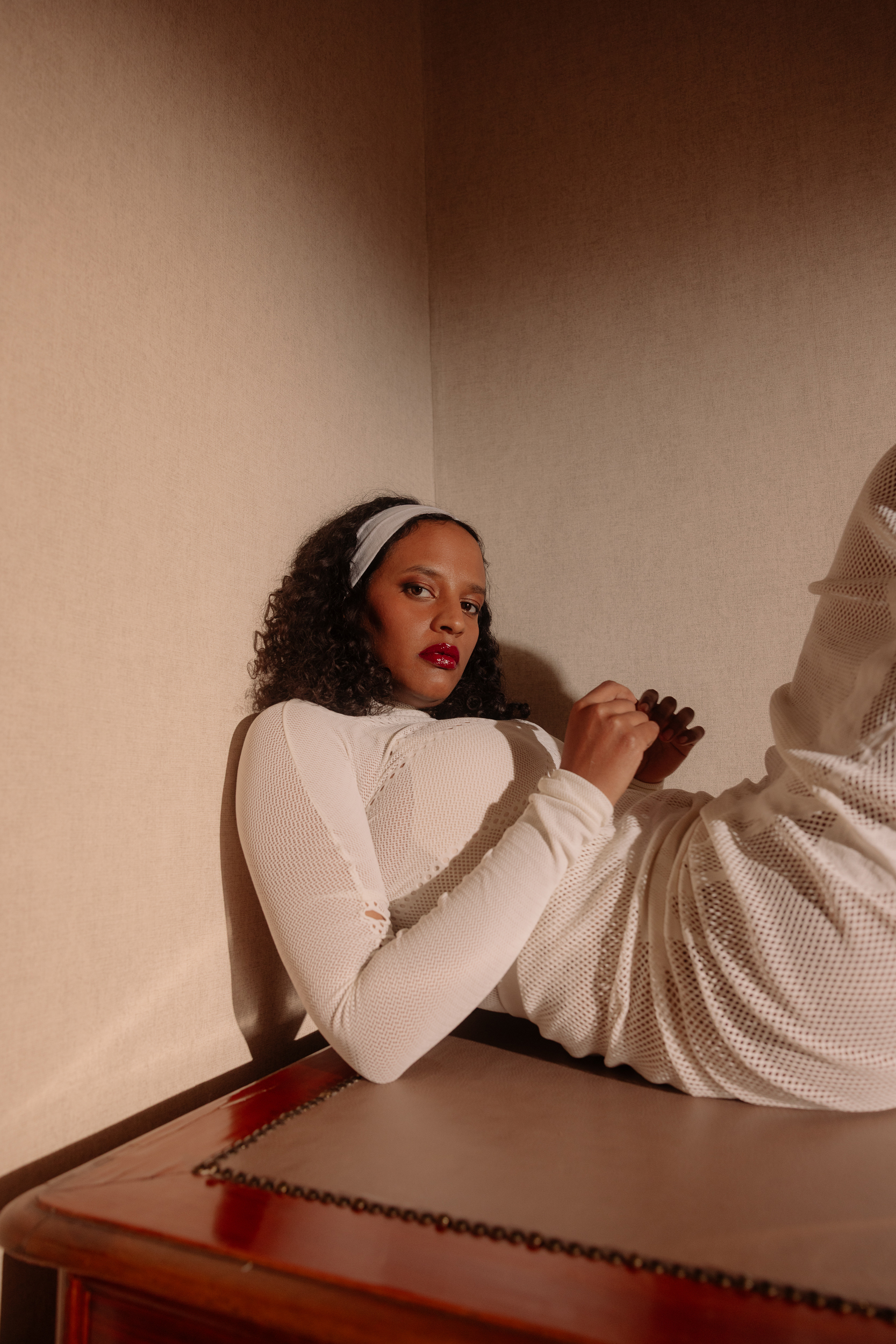
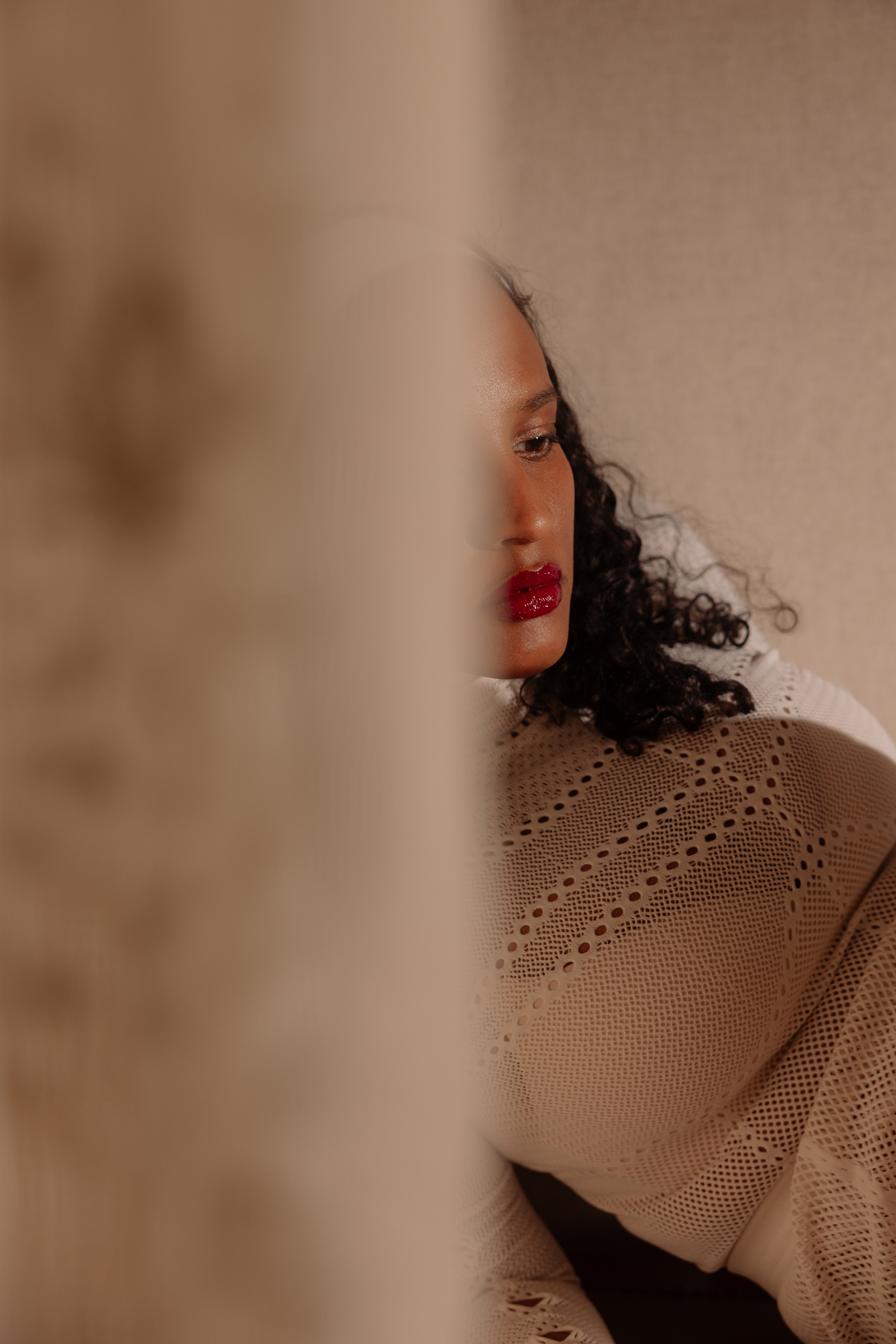
“Small forms of insistence”
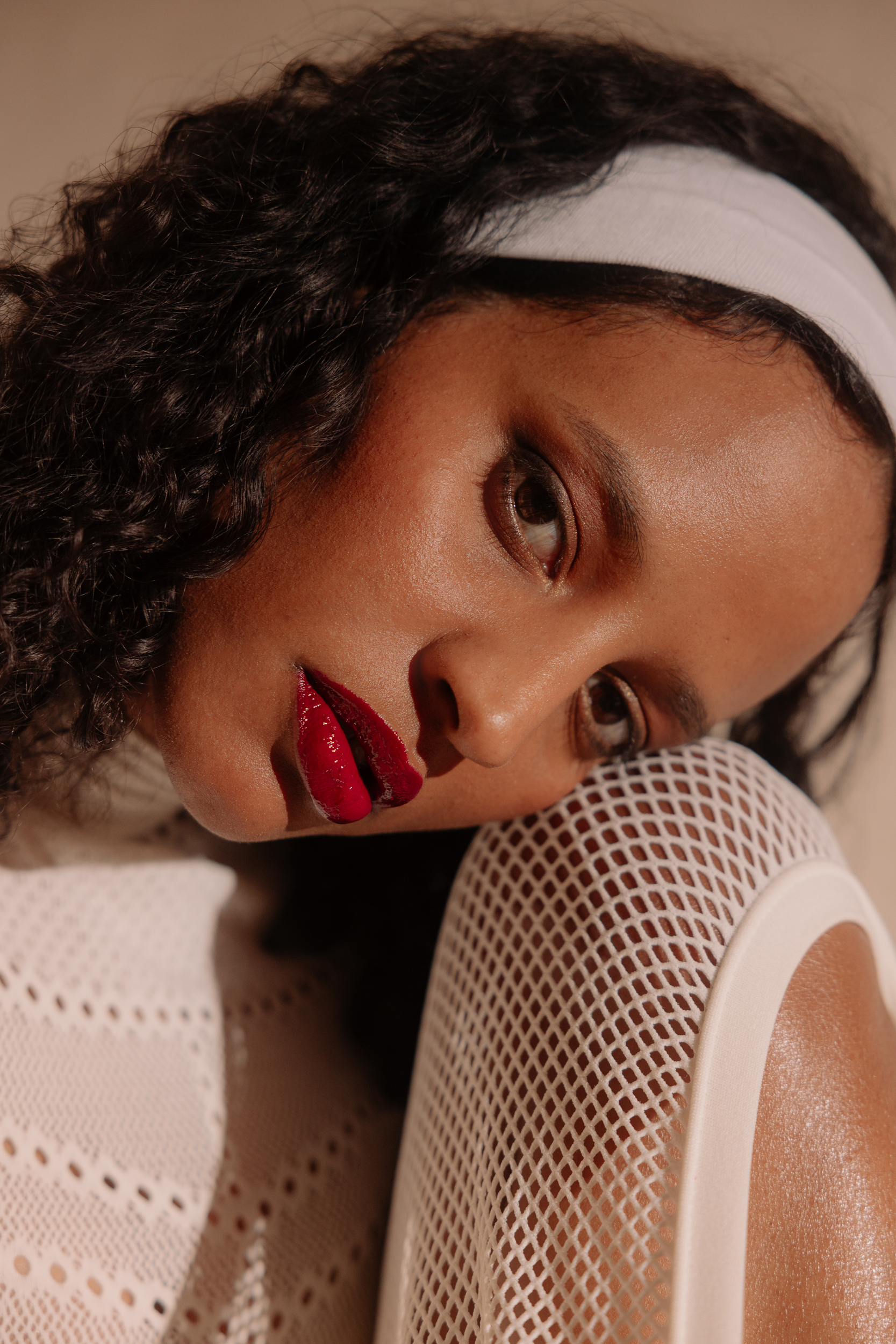
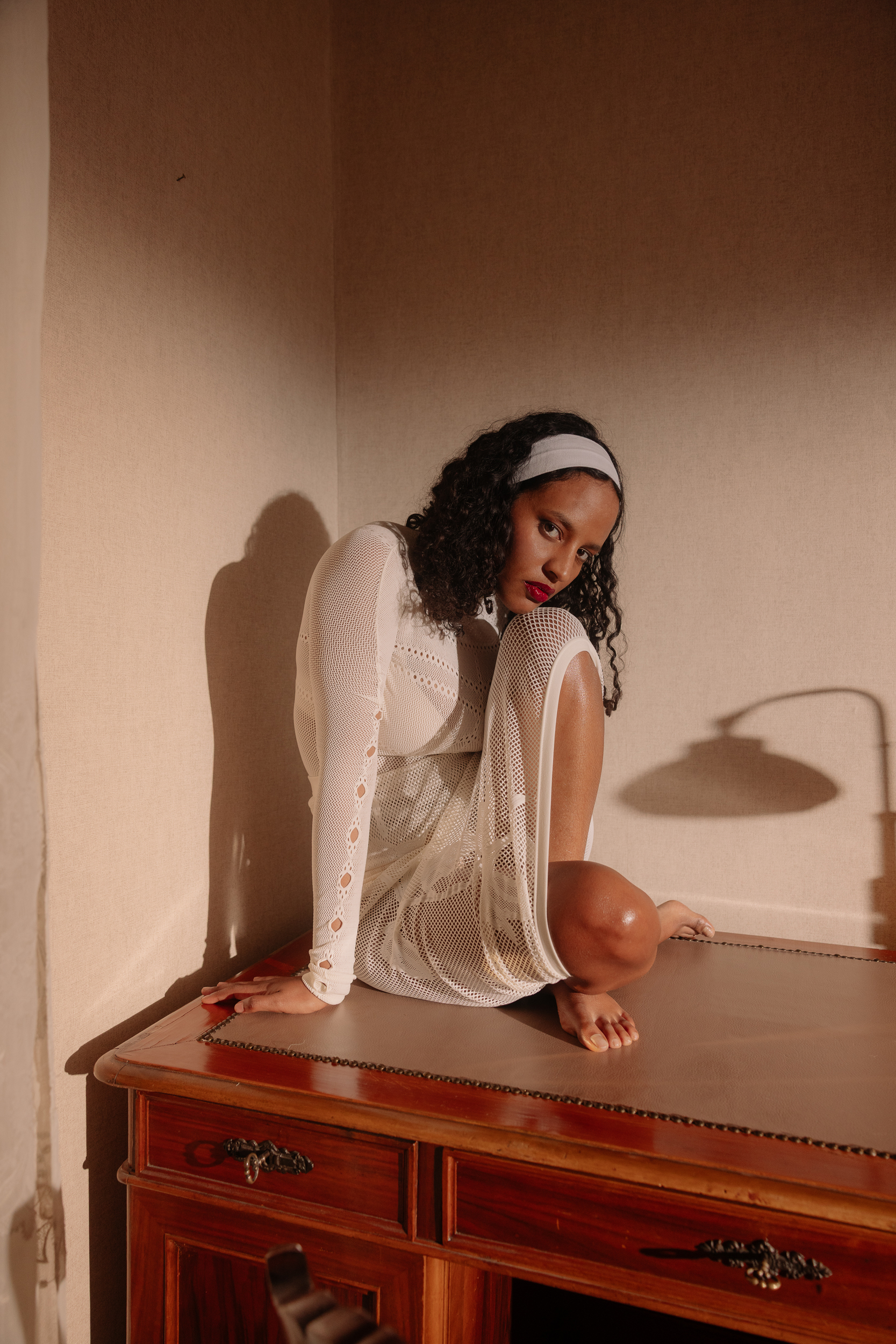
What does it mean for you to feel comfortable in your own skin?
I think it means accepting yourself. Laughing at your own quirks and flaws. Working on what matters, but also recognizing when expectations come from outside—from imposed ideals of perfection.
Feeling at ease means finding that balance: striving to improve while being kind to your imperfections. In a world that pushes toward perfection, accepting your flaws is almost an act of freedom.
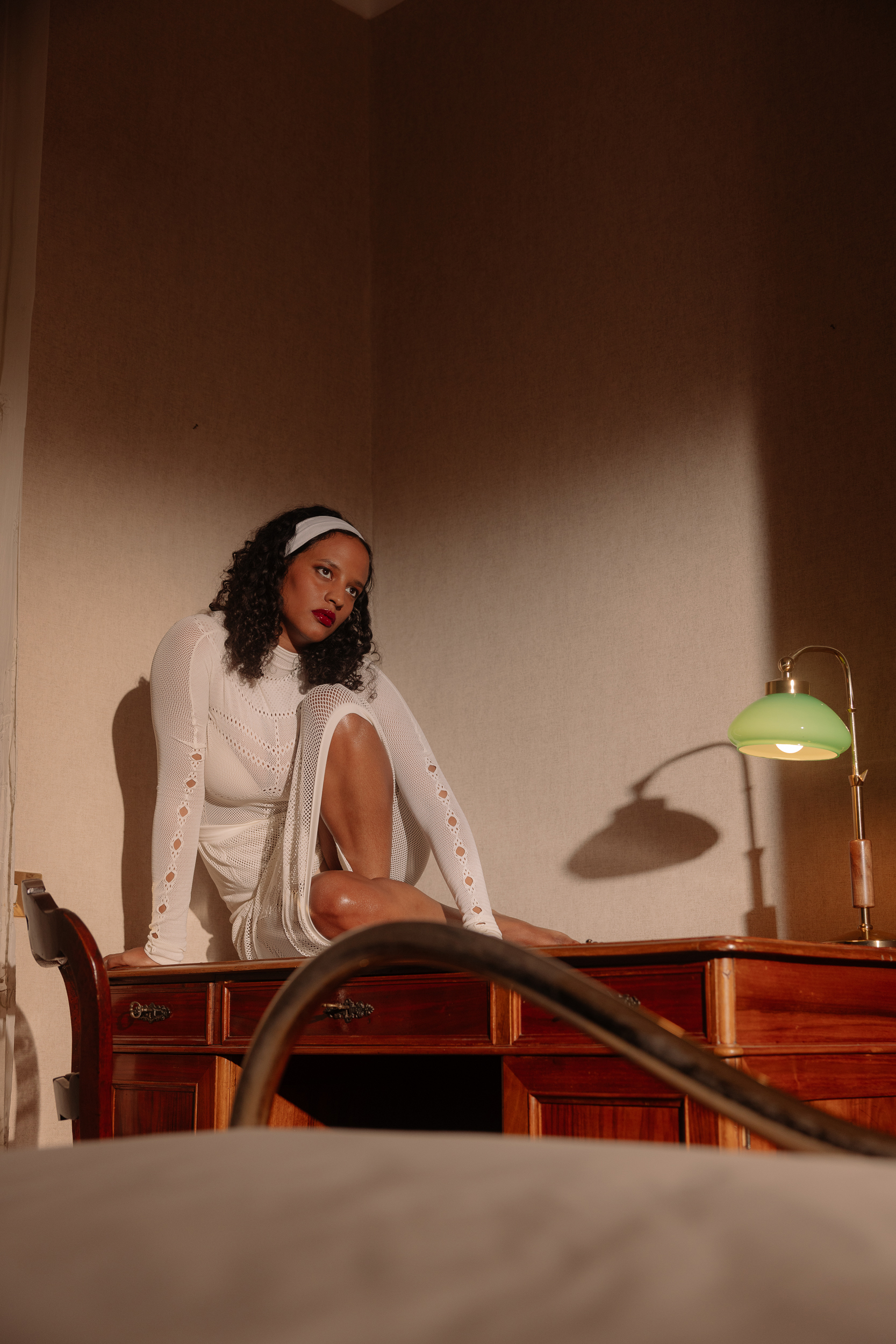
Last question: what is your happy place?
For me, it’s all those moments of escape from reality. Spending six hours at the theater, or watching films one after another in the dark. I love anything that lets you step away from your life and live others. Theater, cinema, but also travel: moments where you pause your daily life and say, “now I do something else.”
For a week, or even just a few hours, you can be elsewhere. You can be someone else.
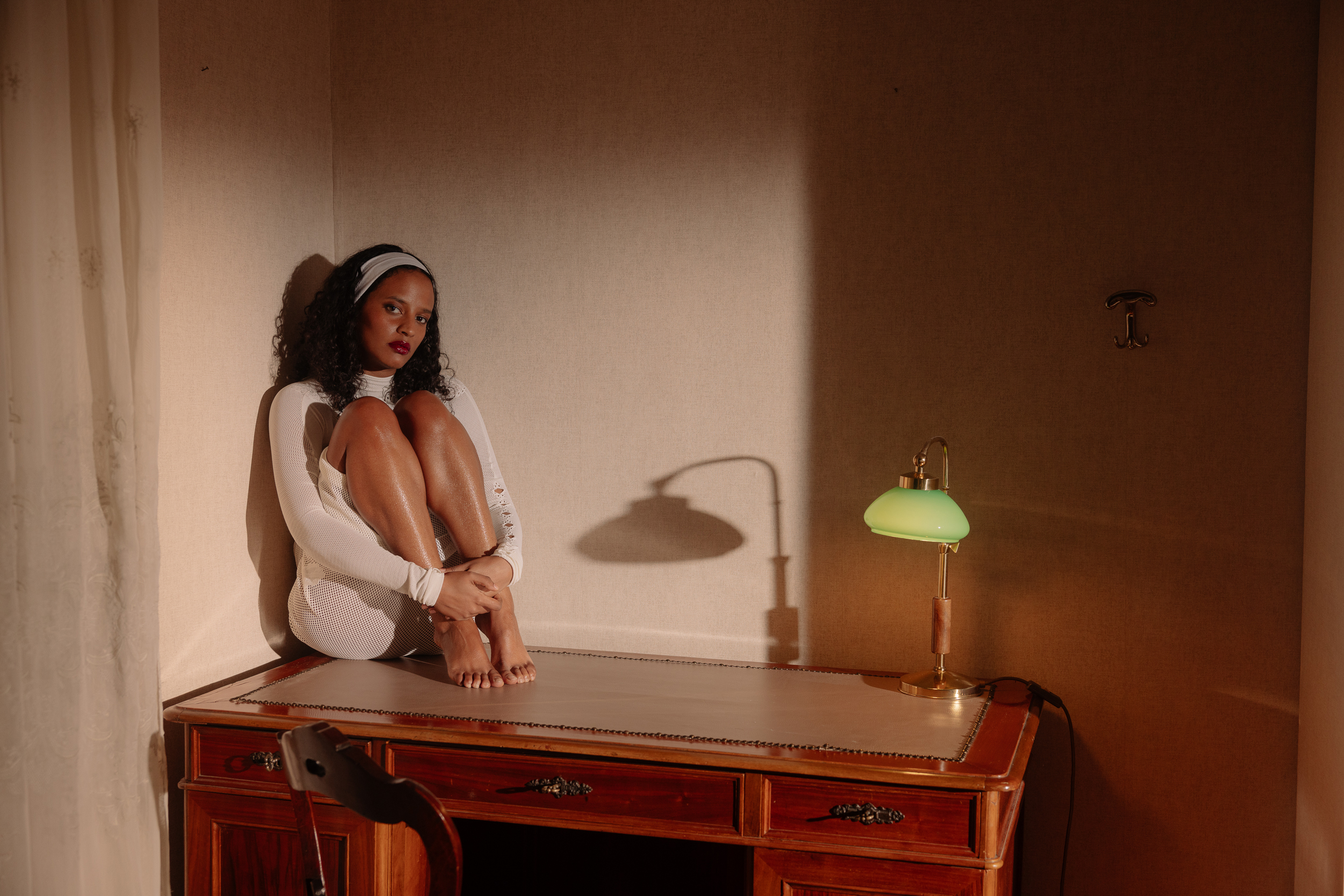
Photos & Video by Johnny Carrano.
Styling by Ilaria Di Gasparro.
Makeup & Hair by Sveva Del Campo.
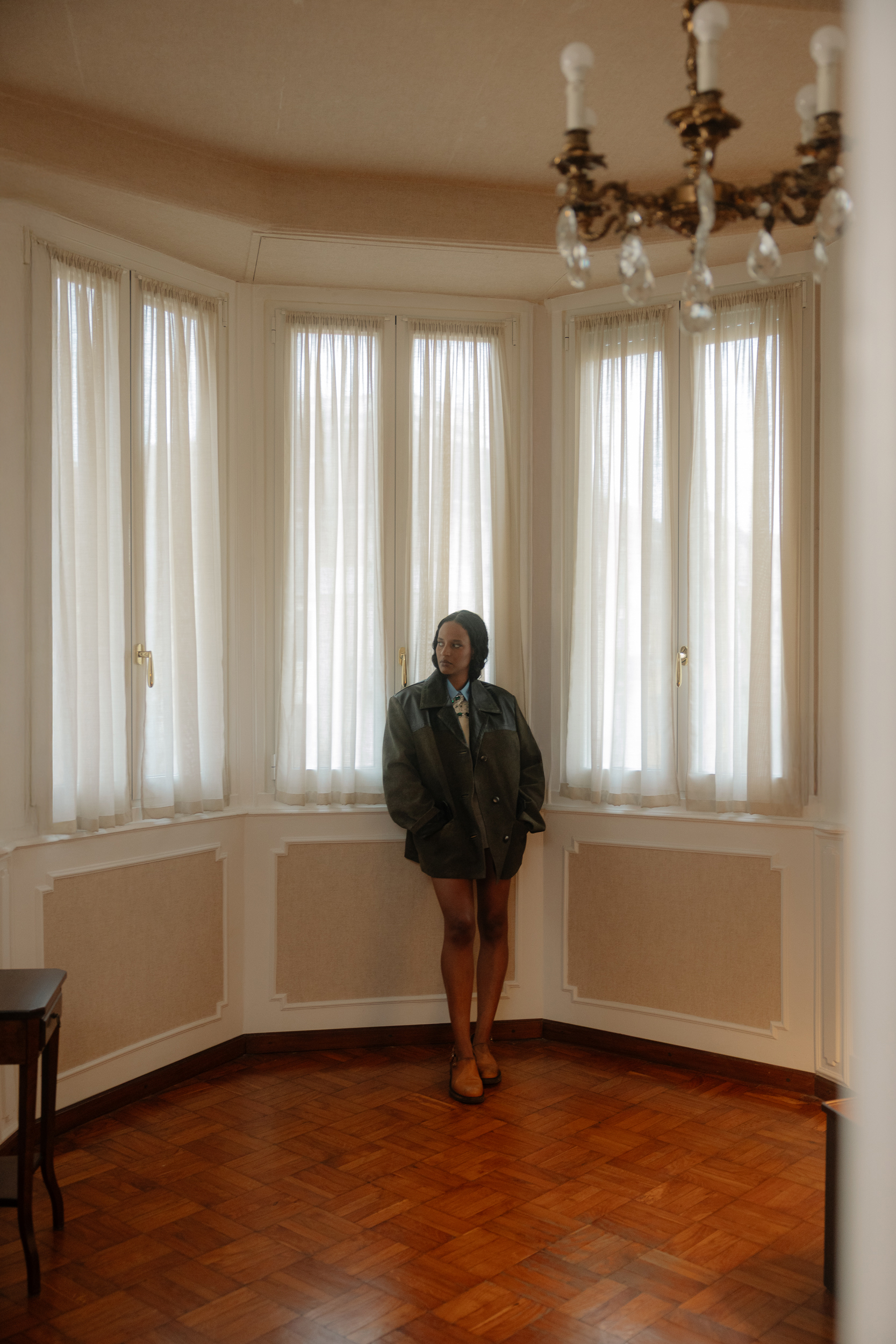
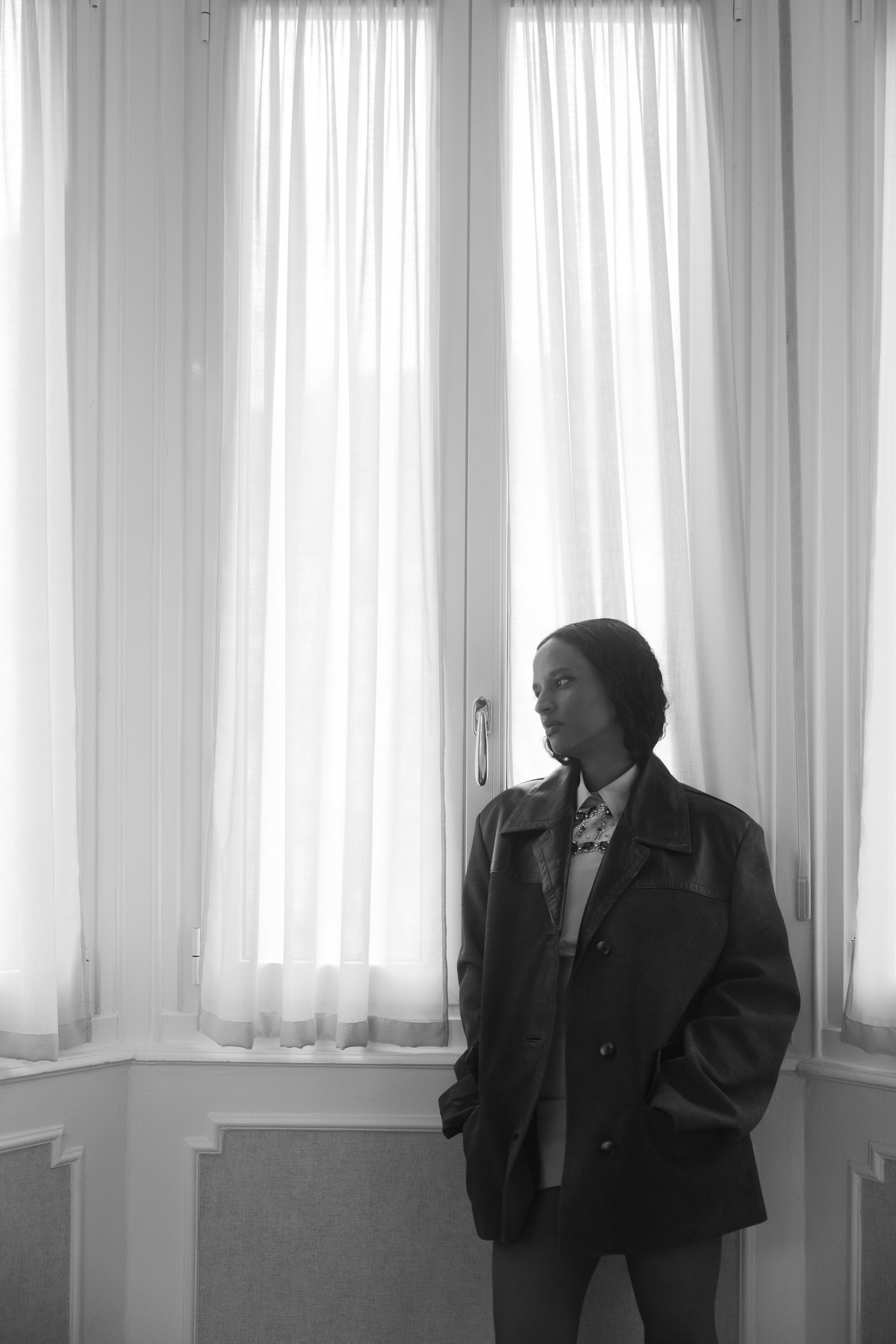
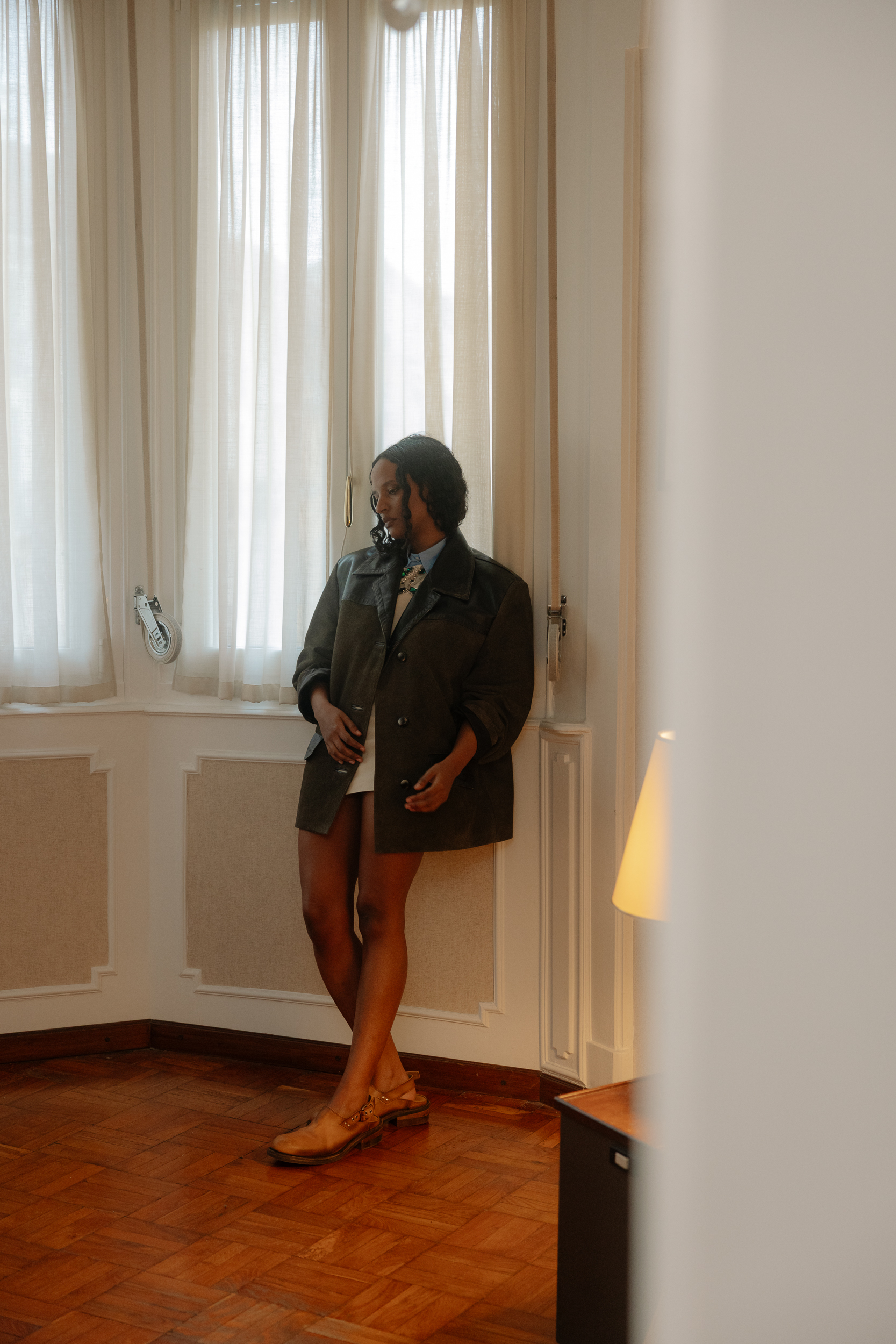
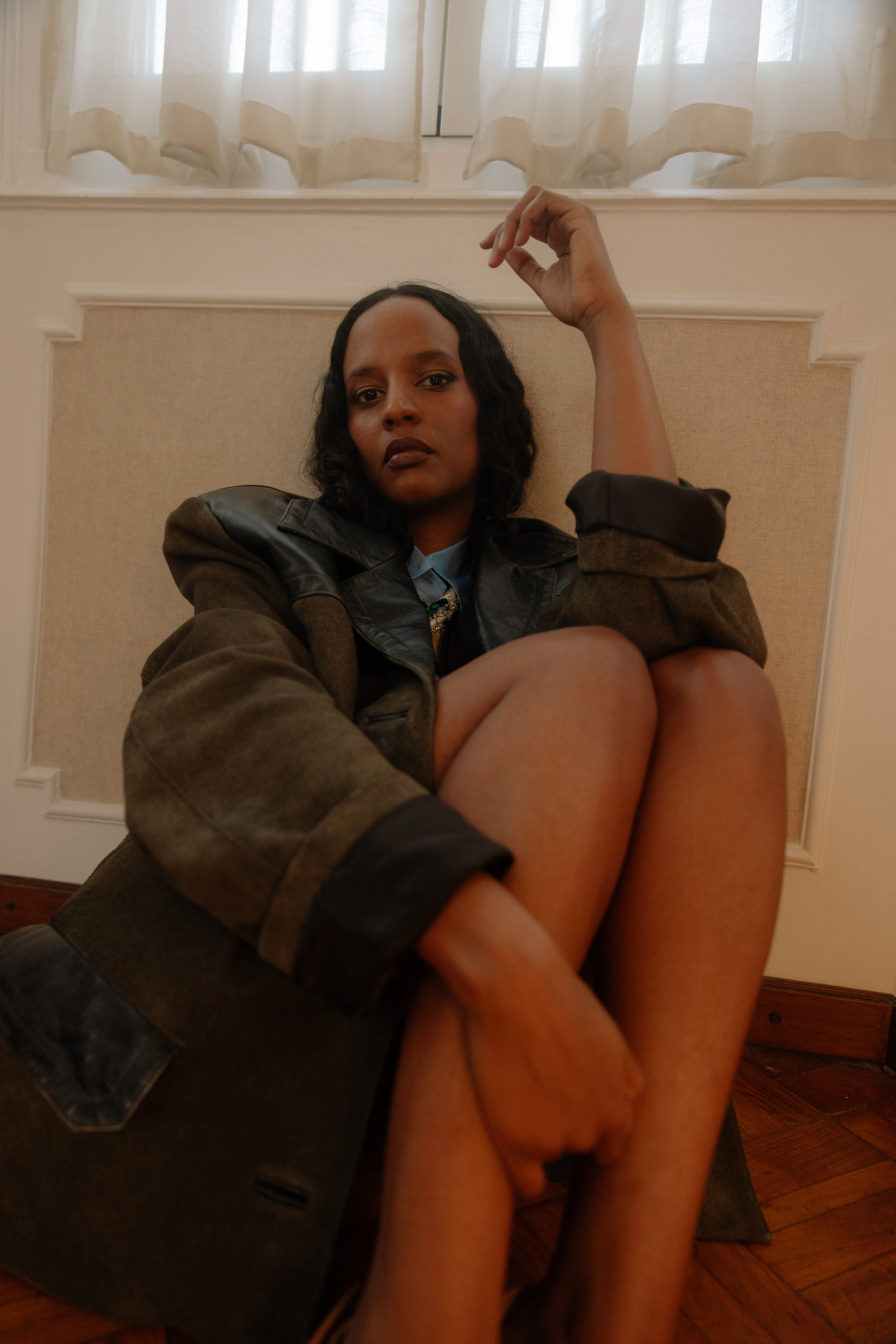
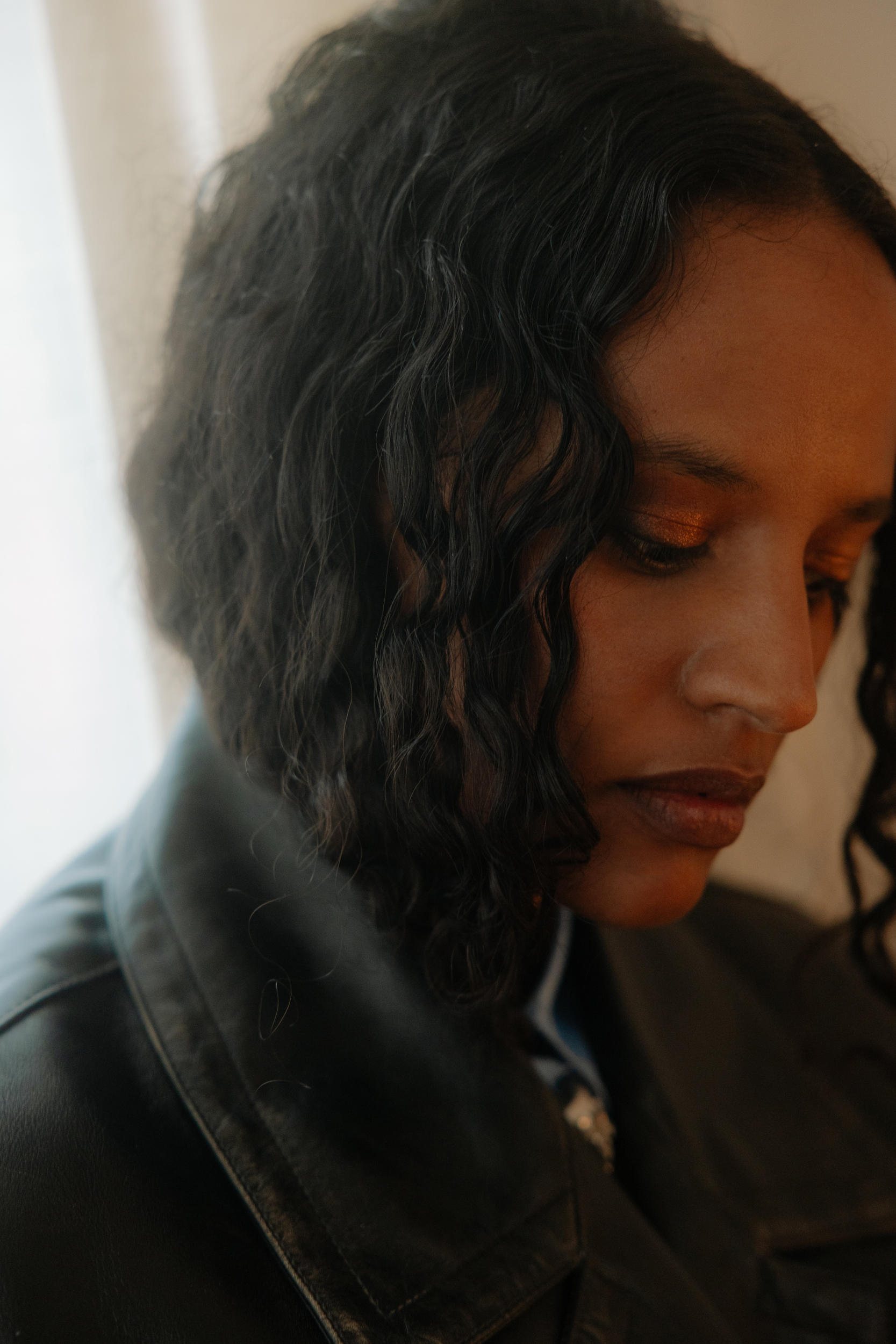
LOOK 1
Total look: Miu Miu
LOOK 2
Dress: Fleur Du Mal
Bra: Fleur Du Mal
Shoes: A.Bocca
Rings: Lil Milan and Daniel Wellington
LOOK 3
Total look: Maccapani
Shoes: A.Bocca
What do you think?