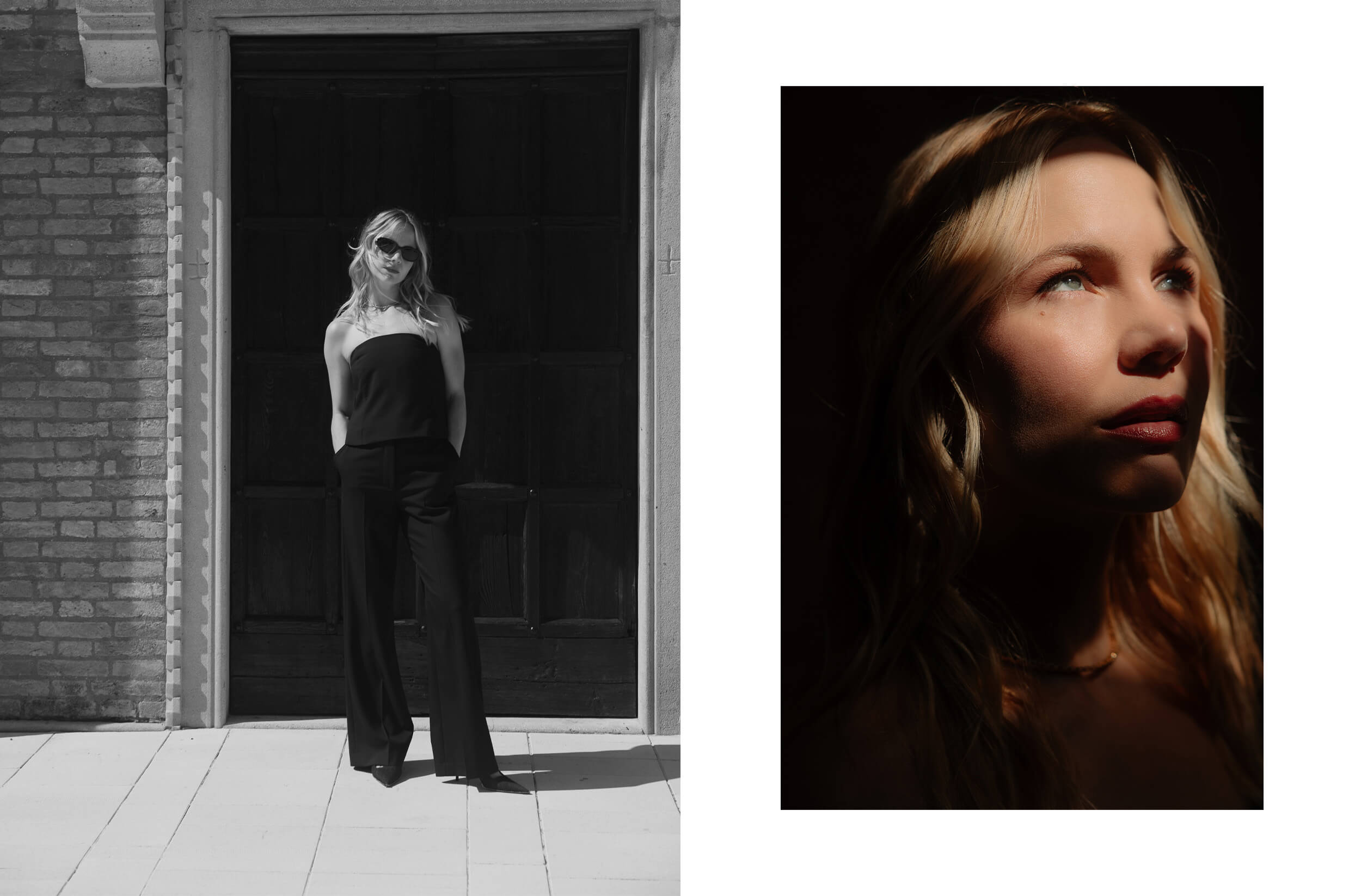
There is a particular kind of stillness about Adelaide Clemens. In Casey Affleck’s “Company“, a gothic tale of snow, grief and stories nested inside stories, she plays Rebecca, a homesteader who watches the world with the patience of someone who has seen it all before. She is calm, wise, almost otherworldly, and she sits at the quiet center of a film where something always seems to be hiding just beneath the surface.
We met the Australian actress fresh from the Venice Film Festival, in that sweet pause between one project and the next. She talked about playing a woman who feels everything and shows very little, about a Buddha-like serenity paired with childlike curiosity, and about the lesson Rebecca taught her: that sometimes the quietest reaction is the one that hurts the most.
How is everything going these days?
Good, very good. I’m just in between projects. I’ve just finished one and I’m about to start another, so it’s nice.
How was Venice?
Oh my gosh, so beautiful! Such a special festival. I found that they really celebrate film and the rituals around it are so beautiful. You just really feel the history.
Was it your first time in Venice?
Yeah, my first time.
As I told you, I really loved “The Company.” It feels almost like a gothic fairy tale. Everything is cold, dark, and there is this constant sense that something might be hiding beneath the surface. How did that atmosphere influence the way you played Rebecca?
The design and the production design, and, you know, the construction was really important. They built that house at the bottom of this slope, so we were very isolated. All those factors I can’t really take responsibility for, but they absolutely contributed to helping the scenes be rooted in something more tangible.
Rebecca feels like someone who is constantly observing the world around her, with patience, trying to understand it while also trying to find her place within it. What was the first thing you understood about her when you read the script?
I mean, I think exactly what you just said is so accurate. And then my challenge was: how do you portray that? How does someone with her history, yet living in this young body, marry the two?
I found that it’s like two identities, you know? She needs to have a human identity with every new body. And I think she’s very good at it. I think she’s been doing this a long time. Something I thought about, which I’ve said in other interviews, was something Casey [Affleck] really helped me with: thinking about her as sort of Buddha-like and I find that with people who have lived a lot of life. They have a great humor about them and also a childlike curiosity.
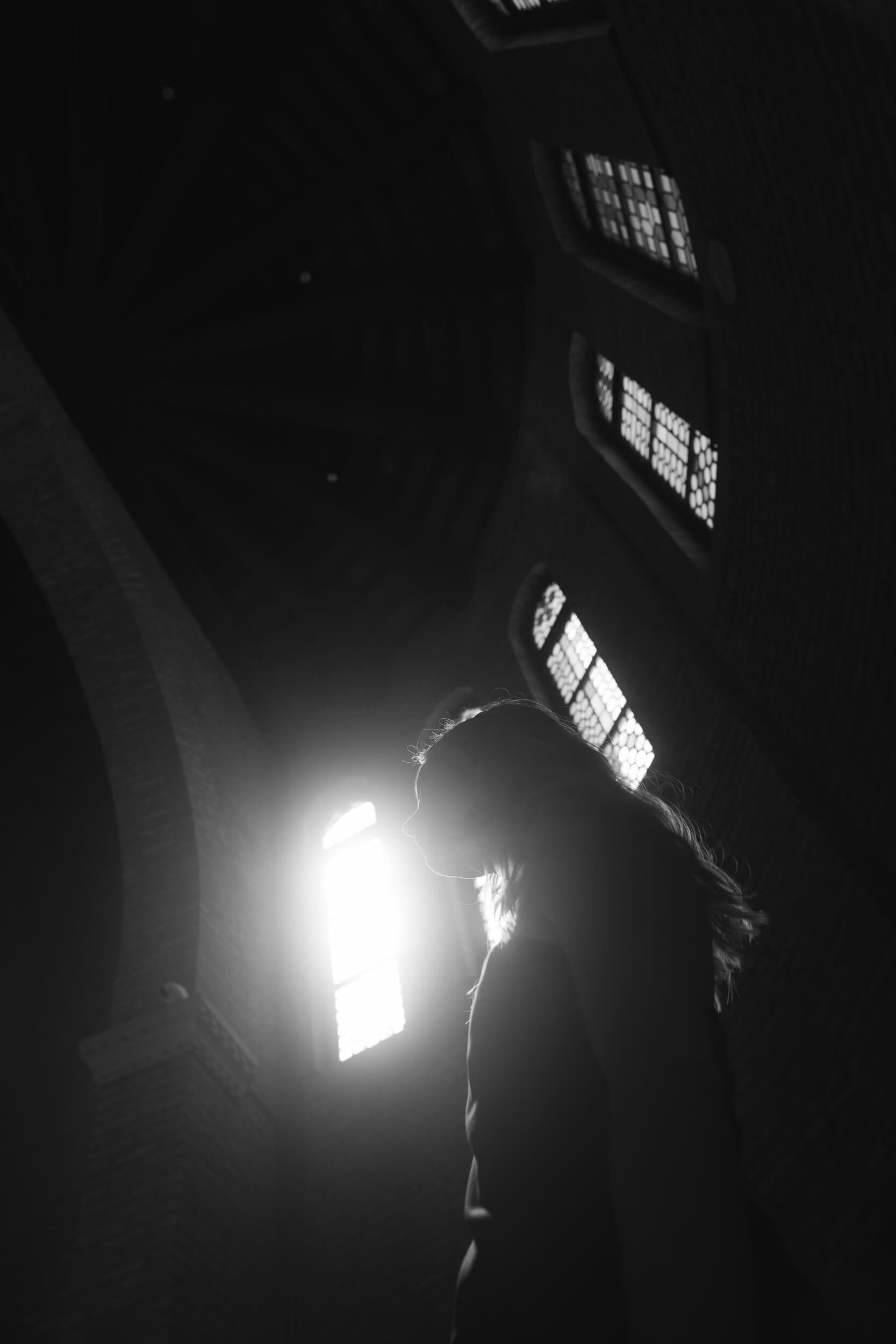
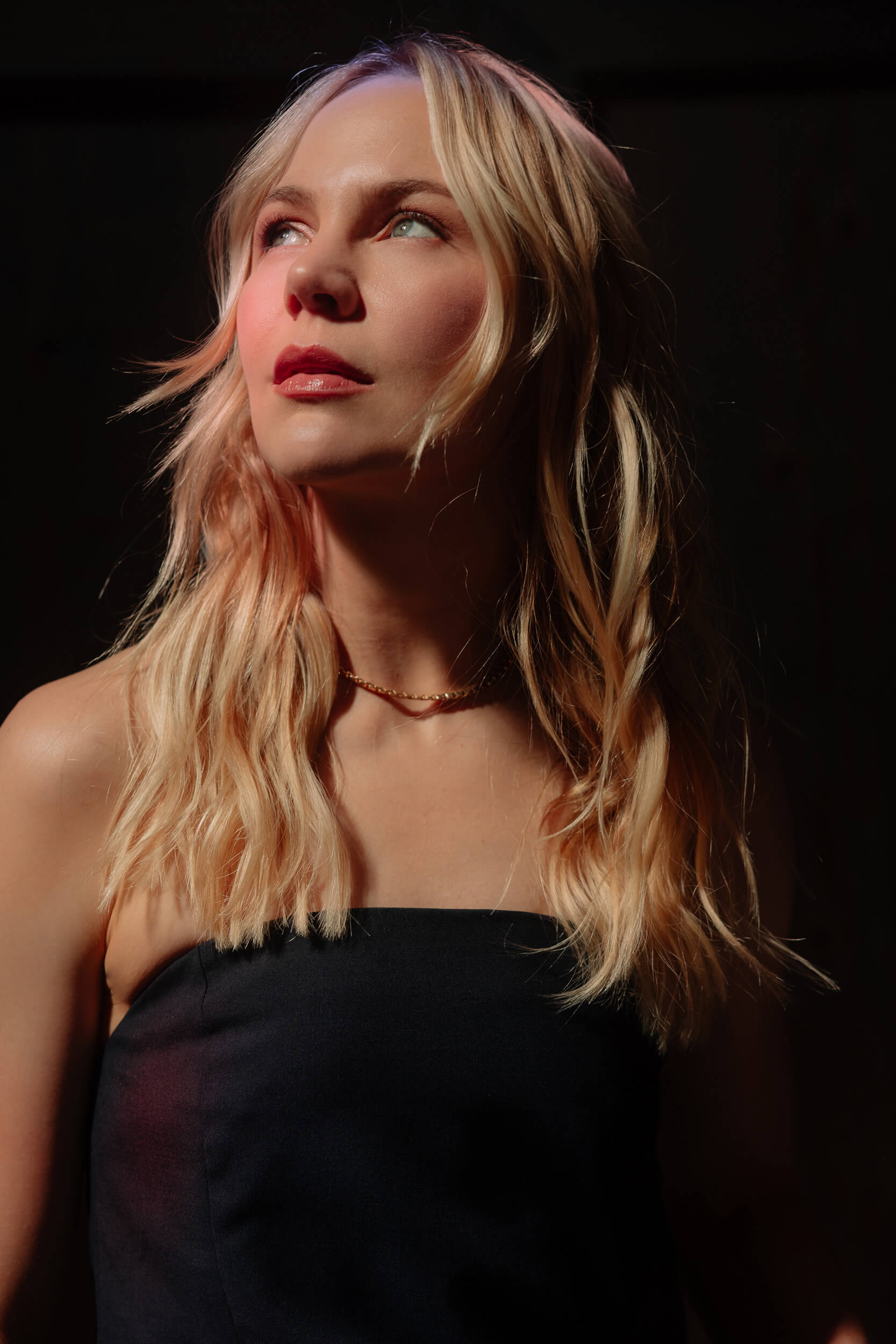
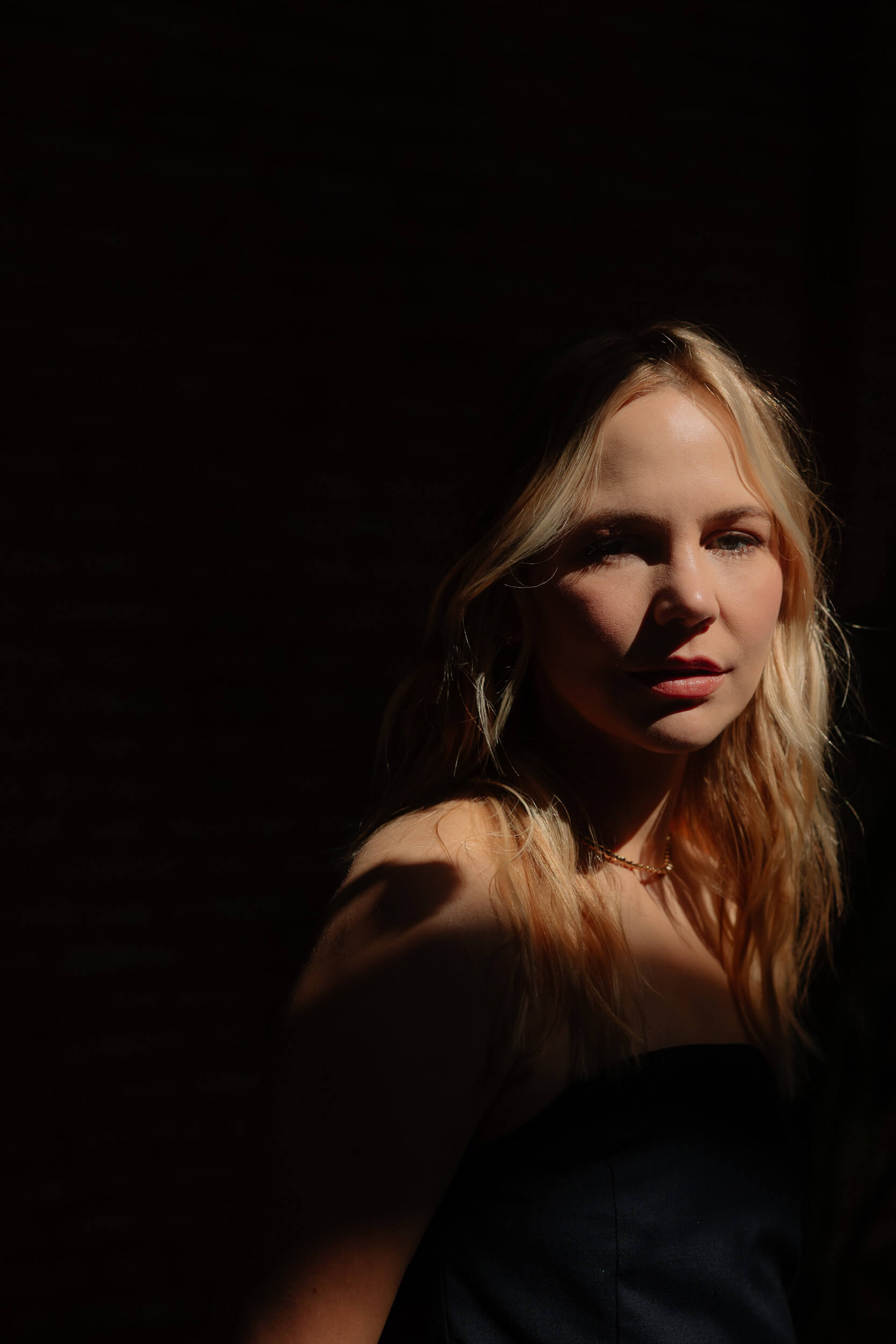
“My challenge was: how do you portray that? How does someone with her history, yet living in this young body, marry the two?”
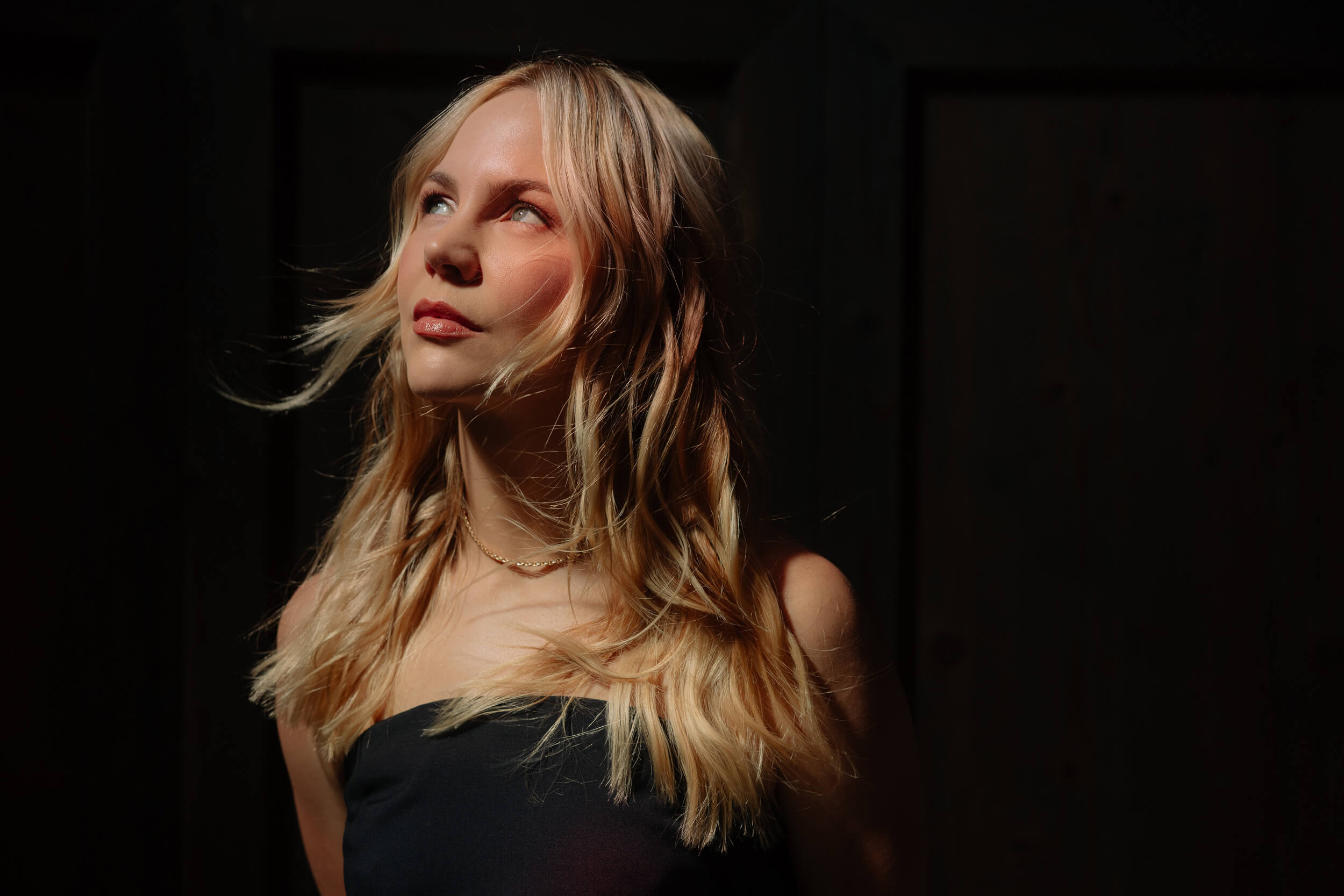
Yeah, and that’s why I loved your character. She was giving me peace in some way. I mean, it wasn’t a very good situation, of course. There was a lot of tension, but she was like someone from another world, let’s say. I immediately understood that she was, in some way, older, wiser, that she understood more. I don’t know, that was my feeling when I watched the movie.
I think her experience allows her to, as you say, observe without having a reaction. Especially with Caleb and a lot of his sort of projections, it was like she was watching herself in a way. And I think how a mother would feel watching her child. You understand developmentally what they’re going through, and so you just sort of hold space for them. It’s important that they really feel that and figure it out themselves.
There’s something very interesting that touched me about the movie: the idea of entering someone else’s space, someone else’s life, and becoming part of it, or accompanying people for a small period of time. How do you think Rebecca changes when Caleb enters her world?
I think why she becomes so energetic and so excited that he’s around is that she feels a sense of purpose. And I do think we probably read it as something maternal. And the truth of what’s going on is that she’s heard he’s coming.
She feels instilled with a sense of purpose when he arrives.
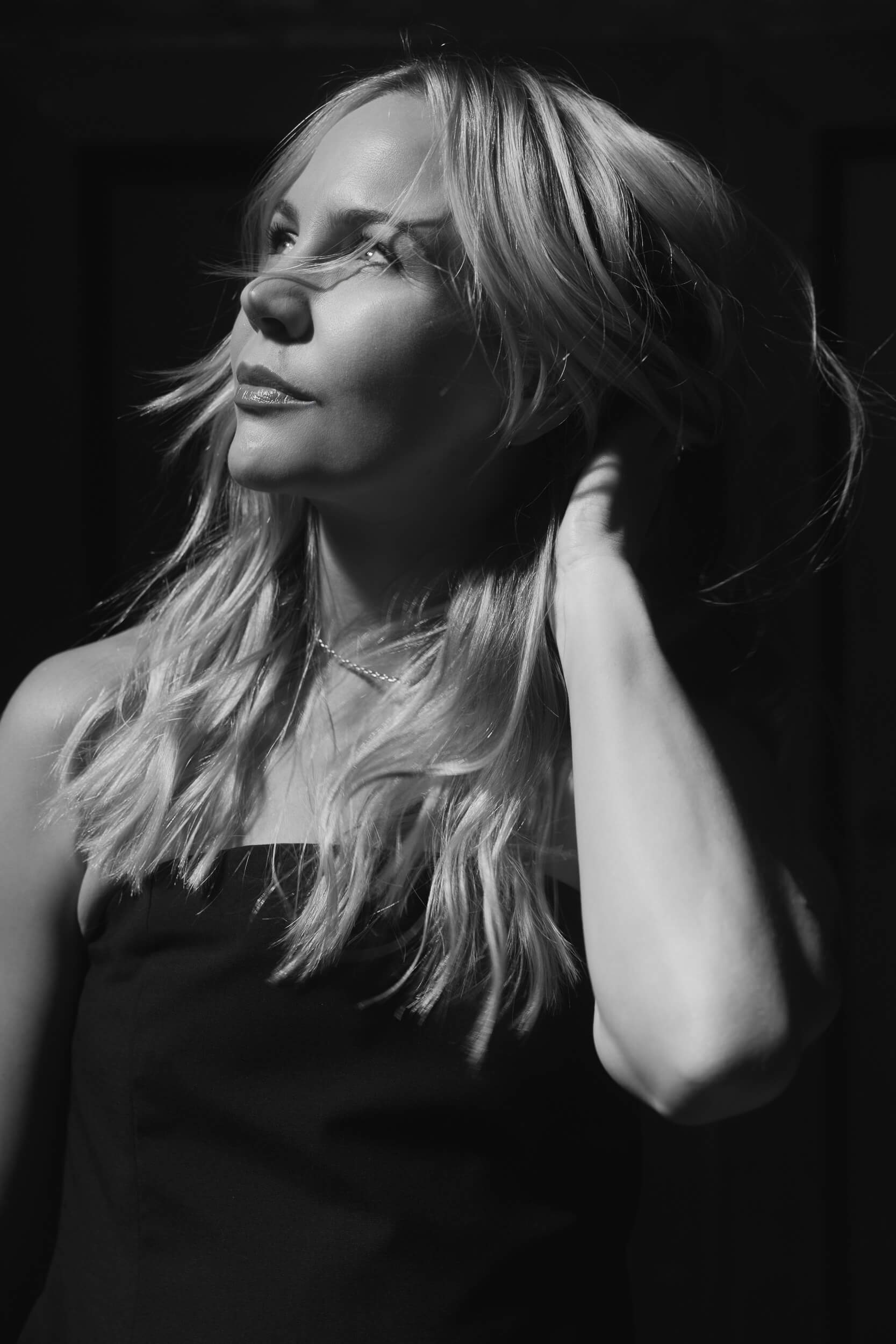
“It was like she was watching herself in a way”.
The movie also made me think about another question: do you think that nowadays it’s more difficult to accept a stranger than it was in the past?
I don’t know. I’m Australian, we’re pretty accepting and very curious and open and trusting. But I do think, especially because we’re also so available online, I think it is harder.
Loneliness, for me, is another powerful presence in the film. That feeling of being left behind or forgotten, for example with Tom. What’s your relationship with solitude or loneliness? Is it something you seek or something you try to run away from?
I like to be in the world and I like a full house. I like to be around people. I just tend to have a lot of people around.
But I do think I’ve had a long relationship with loneliness, especially in my twenties. It was really hard because I was away on jobs for months at a time, in cities with different time zones and different languages.I was in Tanzania for six months, for example. And it took a conscious choice, and conversations with the people that I work with, to make sure that I’m closer to the city that I know I want to live in.
There’s a line where line Rebecca says: “Let the suffering deepen your capacity to love.” It made me think about how love and connection can actually make the weight of the past and suffering lighter. Do you think that’s possible?
Yes, I do. I think we just learn more about ourselves in hard times. And the more you understand yourself, the more you’re able to give of yourself.
There’s also a line where Rebecca says something like, “When I hate, I hate hard.” On the other hand, she’s capable of experiencing emotions very intensely, but also with wisdom. What struck you the most when exploring her emotions?
Yes, I mean, I think she does feel incredibly deeply. It was so fun as an actor to try to figure that out. I really have to say, Casey was an incredible director for this specific piece, because he sort of helped me layer it. She’s feeling intensely sad when something happens. And I think film was the correct medium for this, because I could do a take and feel that emotion, and then do a take where I’m more Buddha-like, more straight… So over time, I feel like we sort of layered the performances. And from watching it, I think it’s what I wanted to happen. She’s very controlled. She’s very, very familiar with her brain. So she knows what’s happening, she knows what the consequences are, and she also knows how to recover very quickly.
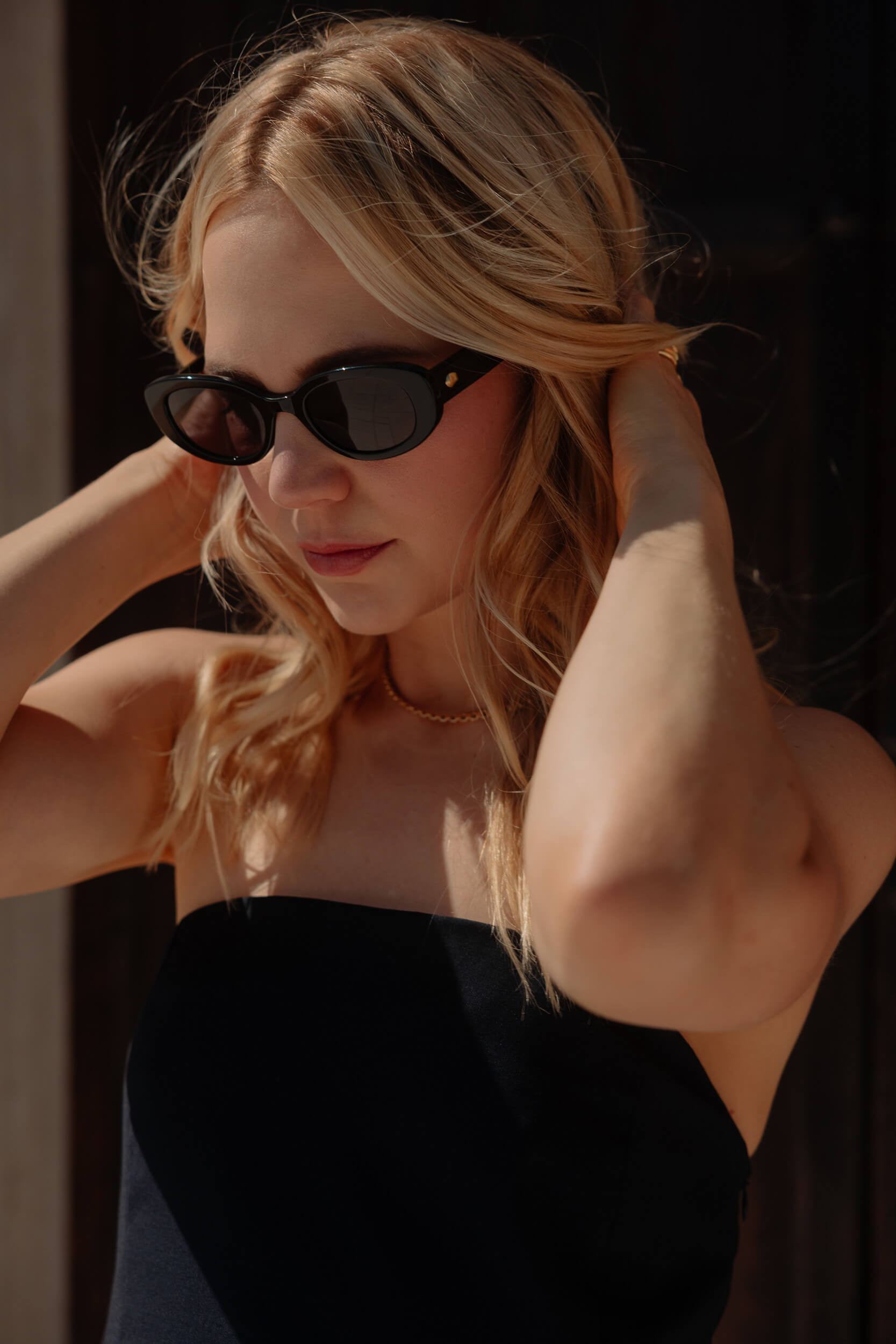
“The more you understand yourself, the more you’re able to give of yourself.”
I was very moved when something bad happened to her, because her grief was, at first, very silent but profound. How did you work with Scoot McNairy to find the tone of their relationship?
It was fun because I think we had quite different ideas of their relationship. I know from interviews that he felt like they had grown apart. I think instead she continued to love him. And I think she enjoyed the routine and she enjoyed being in connection, in a relationship with someone, she has experienced a lot, so I think she’s grateful for the companionship, even if he’s silent and grumpy. But yes, he’s just such an amazing actor, and you can read every little flicker across his face. I think there’s a warmth there that comes across, and a comfortability.
What part of Rebecca, if there was one, was the hardest for you to access emotionally? And was there a part of her you felt unexpectedly close to?
I don’t know that there was anything that I felt a lot of friction with in this role. I think it was an exciting challenge, just to play what I’ve been talking about. The maternal quality was the easiest to kind of get into. It was an easy way for me to get into the role.
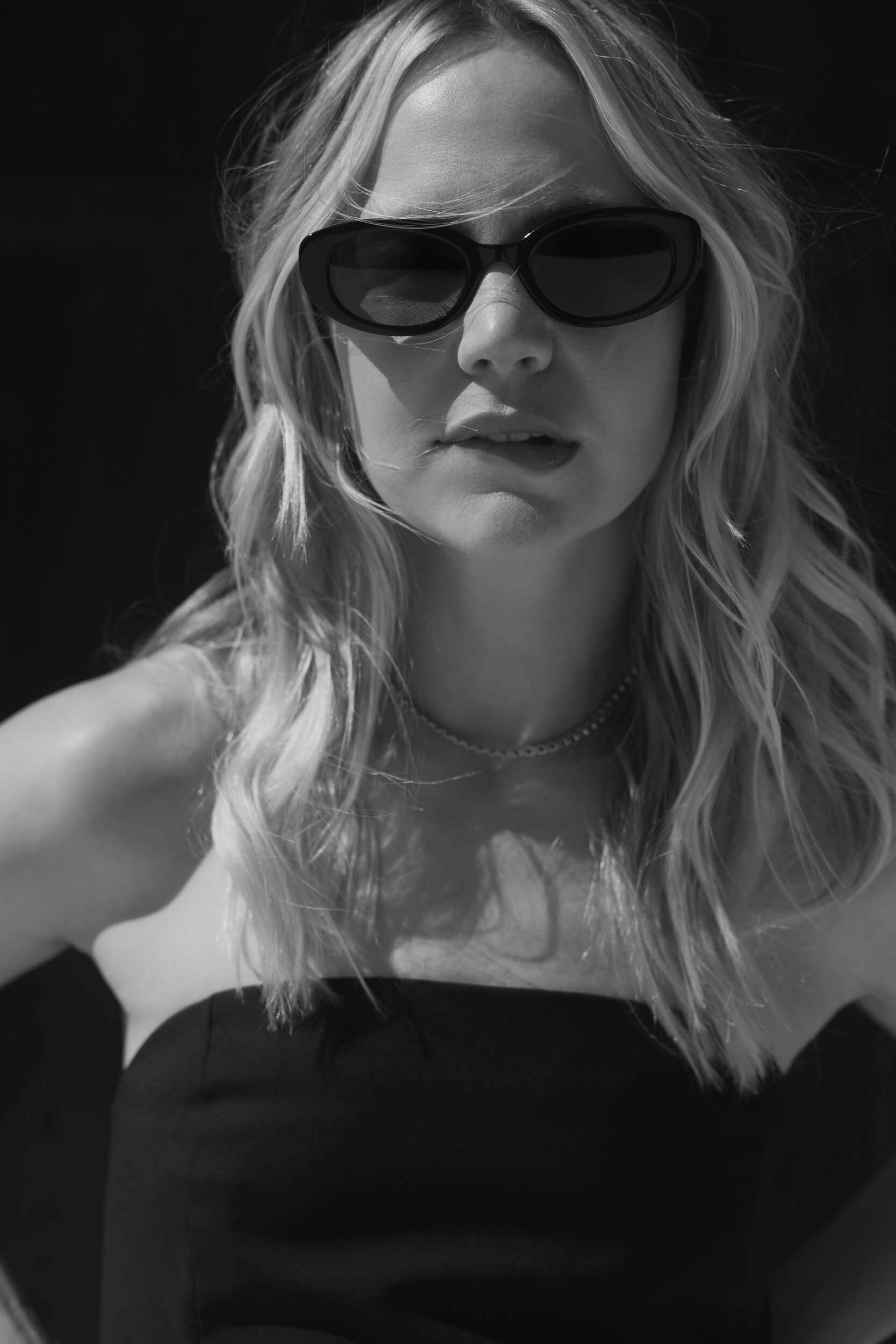
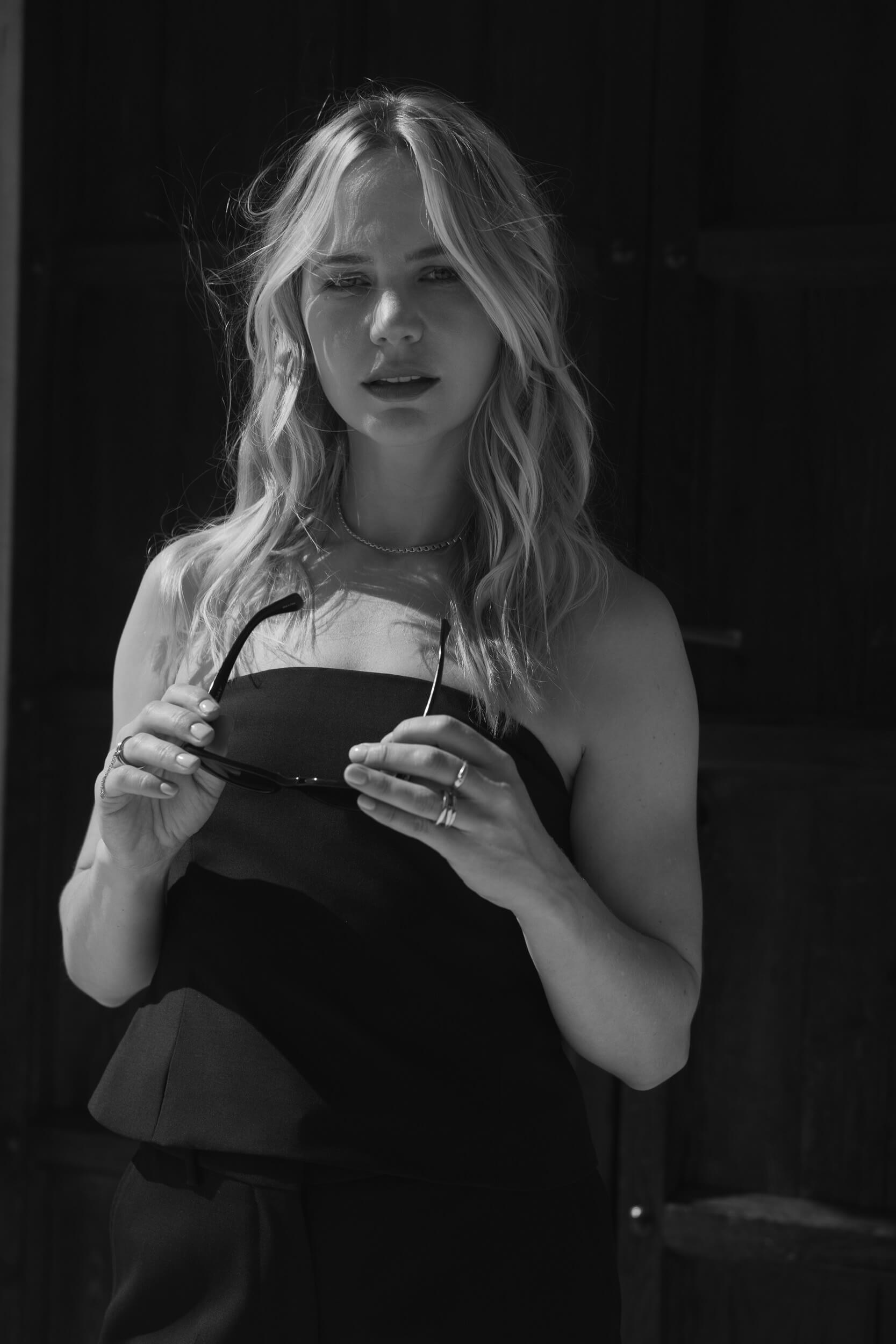
“I think there’s a warmth there that comes across, and a comfortability.”
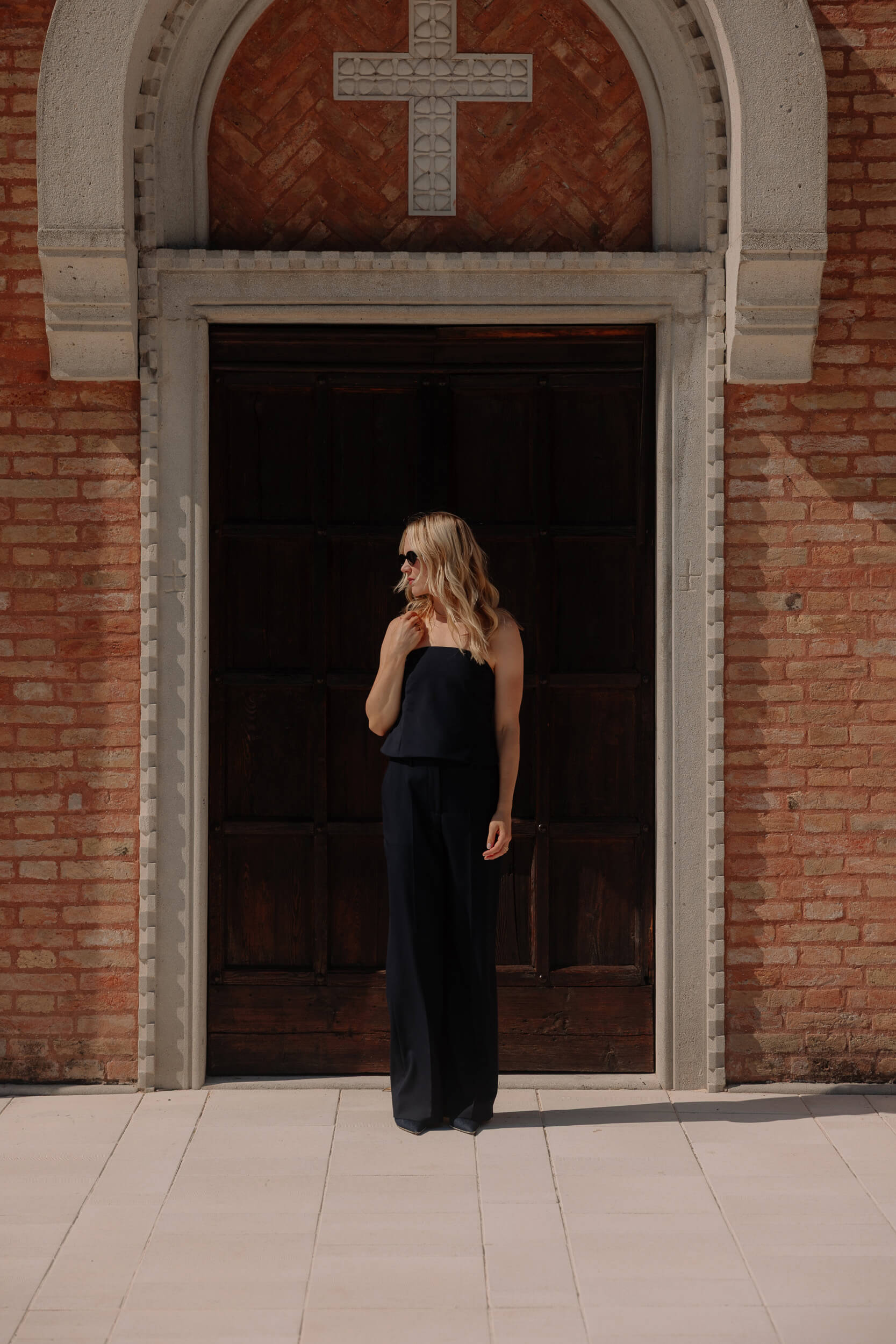
I think that, maybe I’m wrong, but as an actor you’ve played so many different roles, and as you say, you study them, you have to play them. So maybe you get in contact with parts of yourself, or things about yourself, that you didn’t know before. What’s the latest thing you’ve learned about yourself thanks to your job, or maybe thanks to playing Rebecca?
I think the exciting thing about playing Rebecca, and especially working with Casey, was the permission to explore these emotional states, these emotional climaxes in the work, with restraint. What I’ve learned about myself is that in very difficult times, I’m not breaking down crying, sometimes the more muted reaction is the one that hurts, because if you truly are in a crisis, you just have to get on with it. So that’s been quite interesting to me. And I think there’s something biological about it, preserving your energy.
The truth is that we don’t want to feel out of control emotionally.
Last question: what’s your happy place? Or what’s home for you?
Being with my kids, that’s it.
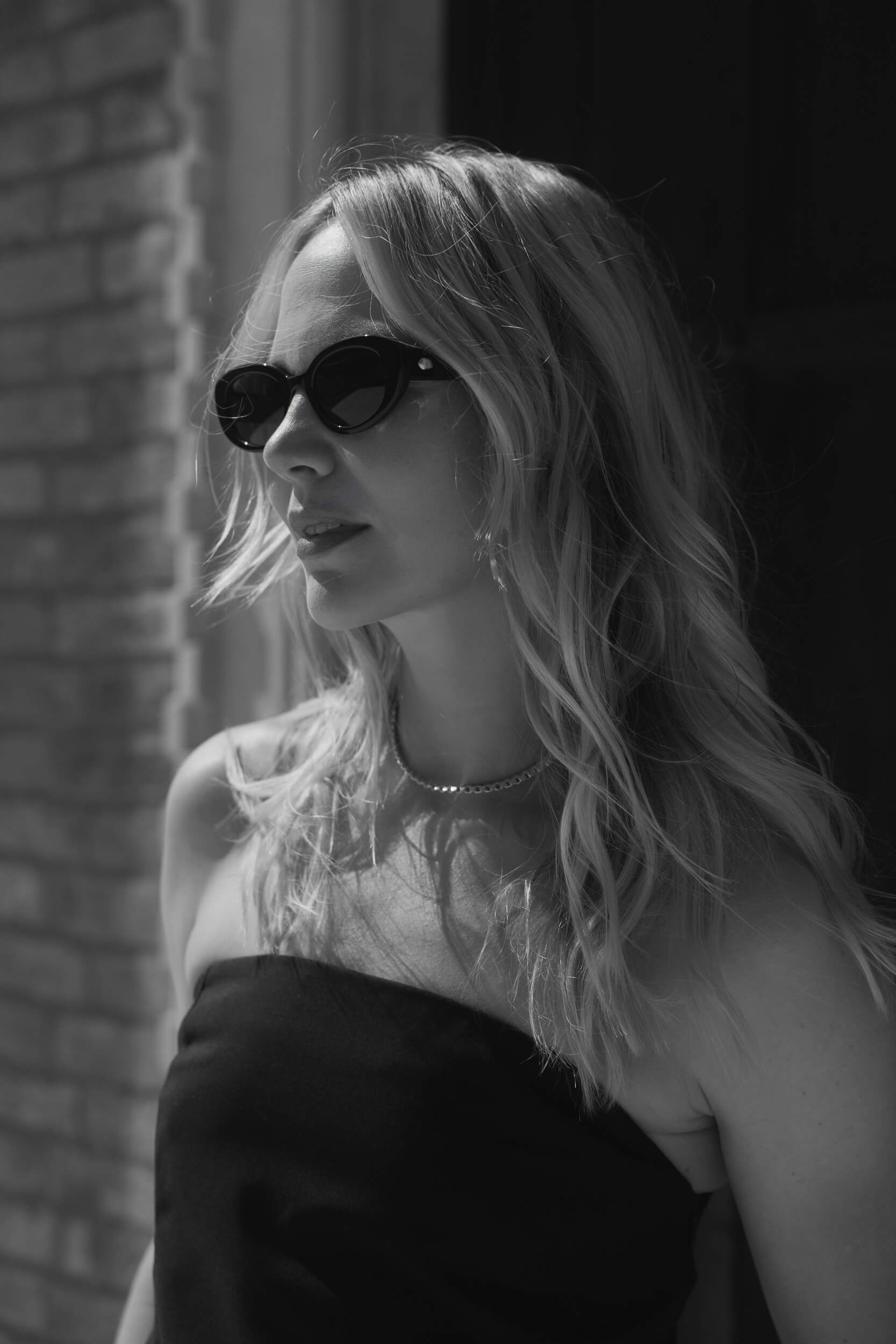
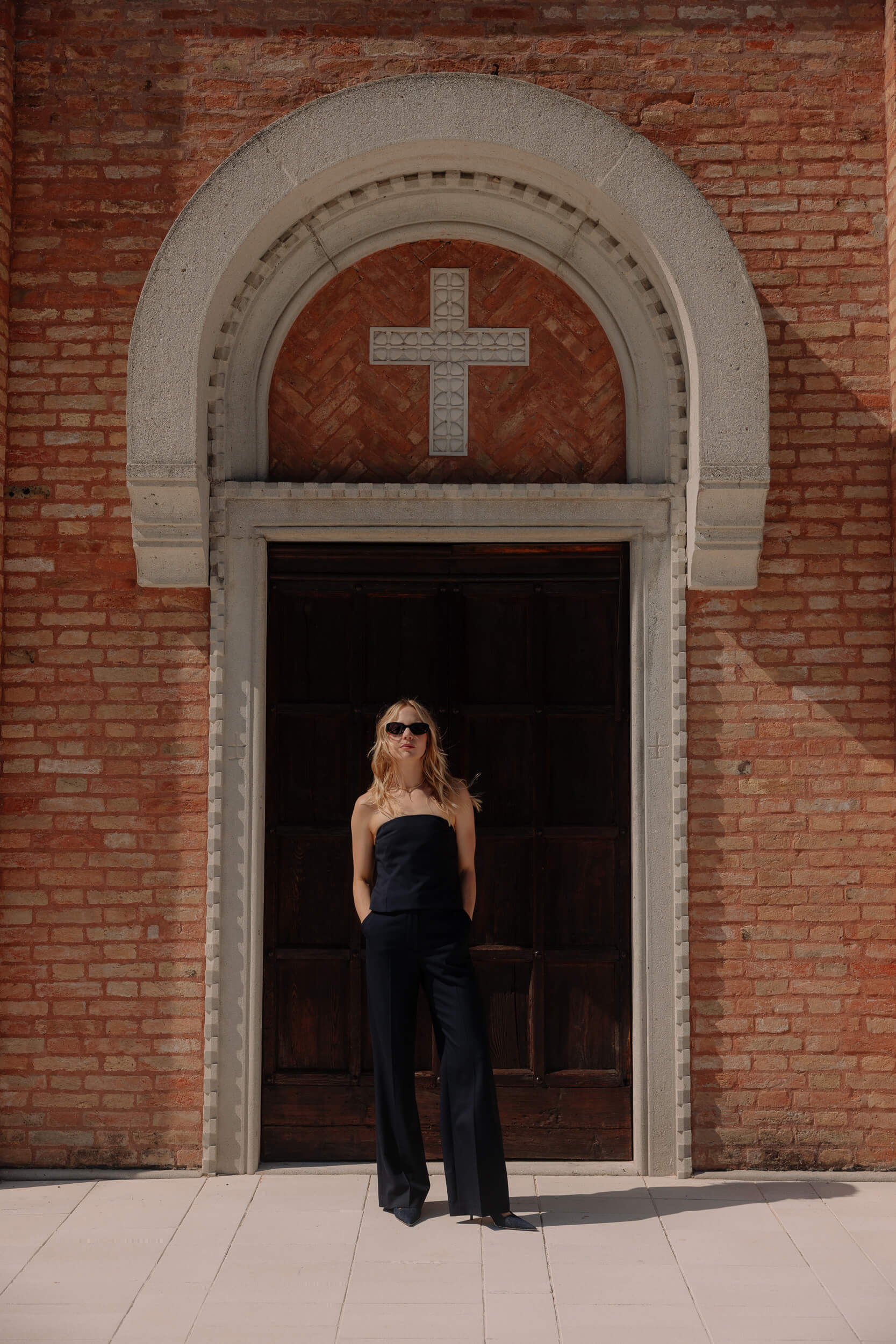
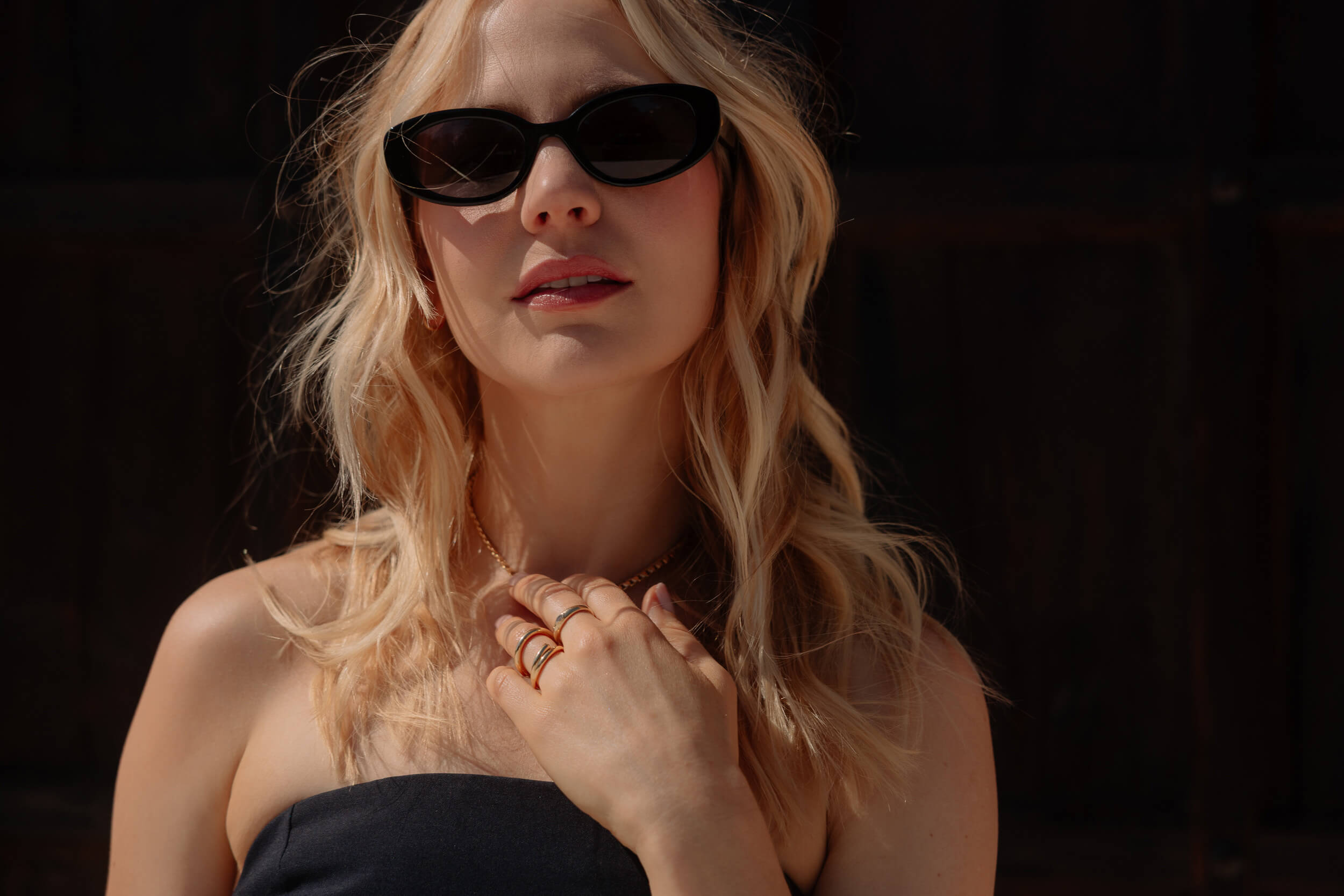
Photos by Johnny Carrano.
Interview by Valentina Carraro.


What do you think?