There are films, and then there are films.
But when it comes to a Paul Schrader film, I already know I need to be prepared. I need to keep an open mind, let myself be swept away by the emotions, allow the questions in – and not necessarily expect any answers to come out.
This year, at the 83rd Venice International Film Festival, Paul Schrader presented his new film, “The Basics of Philosophy”, a work that joins films such as “First Reformed” and “Master Gardener” in his exploration of humanity, forgiveness – whether possible or impossible – sin, and guilt.
Few filmmakers know how to delve into the human soul and mind quite like he does. And with “The Basics of Philosophy”, once again, he confronts questions that cinema rarely dares to approach, or that, when it does, too often turn the “sinner” into something resembling a monster, sensationalizing them or reducing their complexity to something far too simple.
But that doesn’t happen here. And for that, I am grateful.
“The Basics of Philosophy” is everything a film should be: something uncomfortable, something that makes you shift in your seat in the darkness of a movie theater, while confronting you with perhaps the most important and unresolved question of all:
Are we truly capable of change?
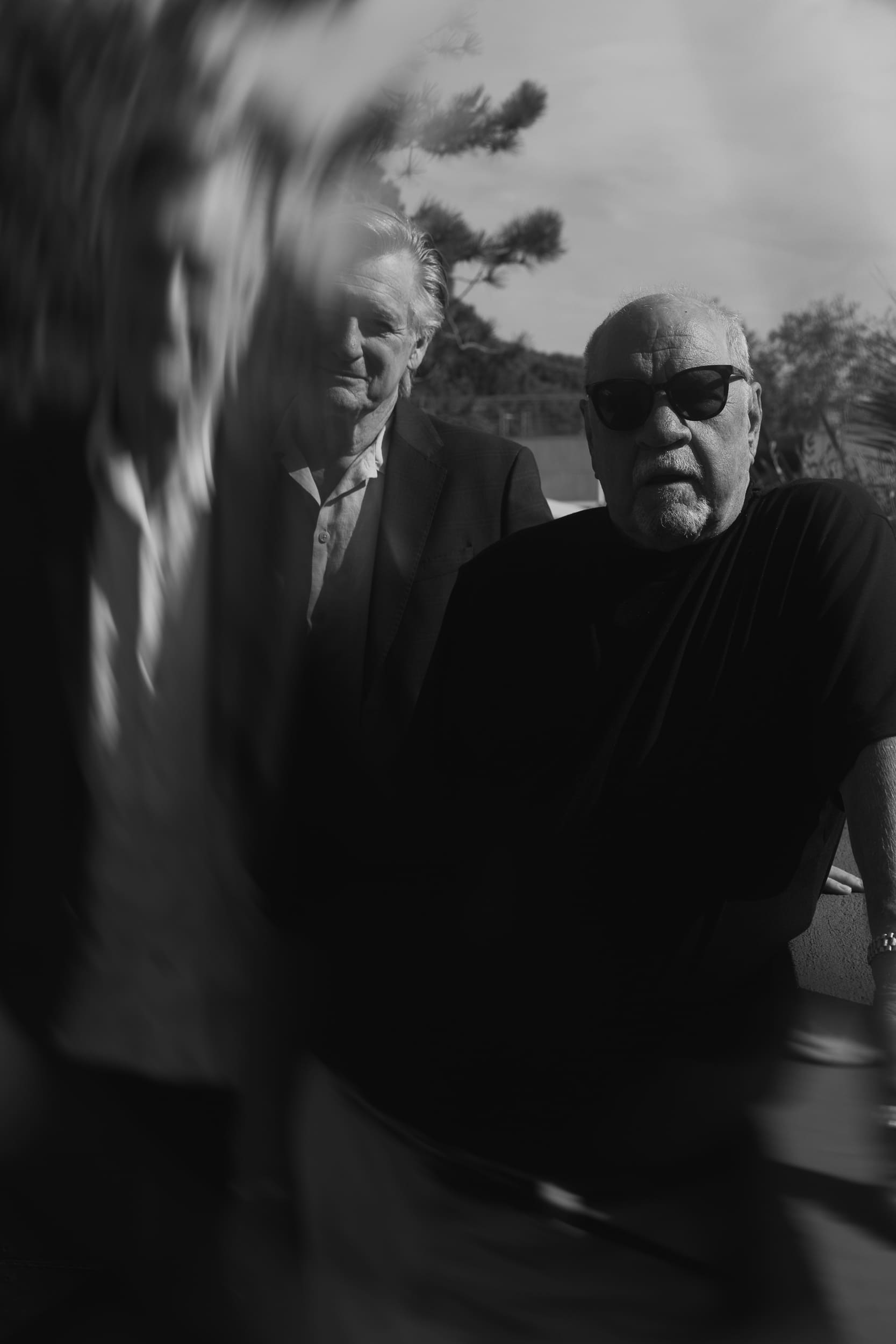
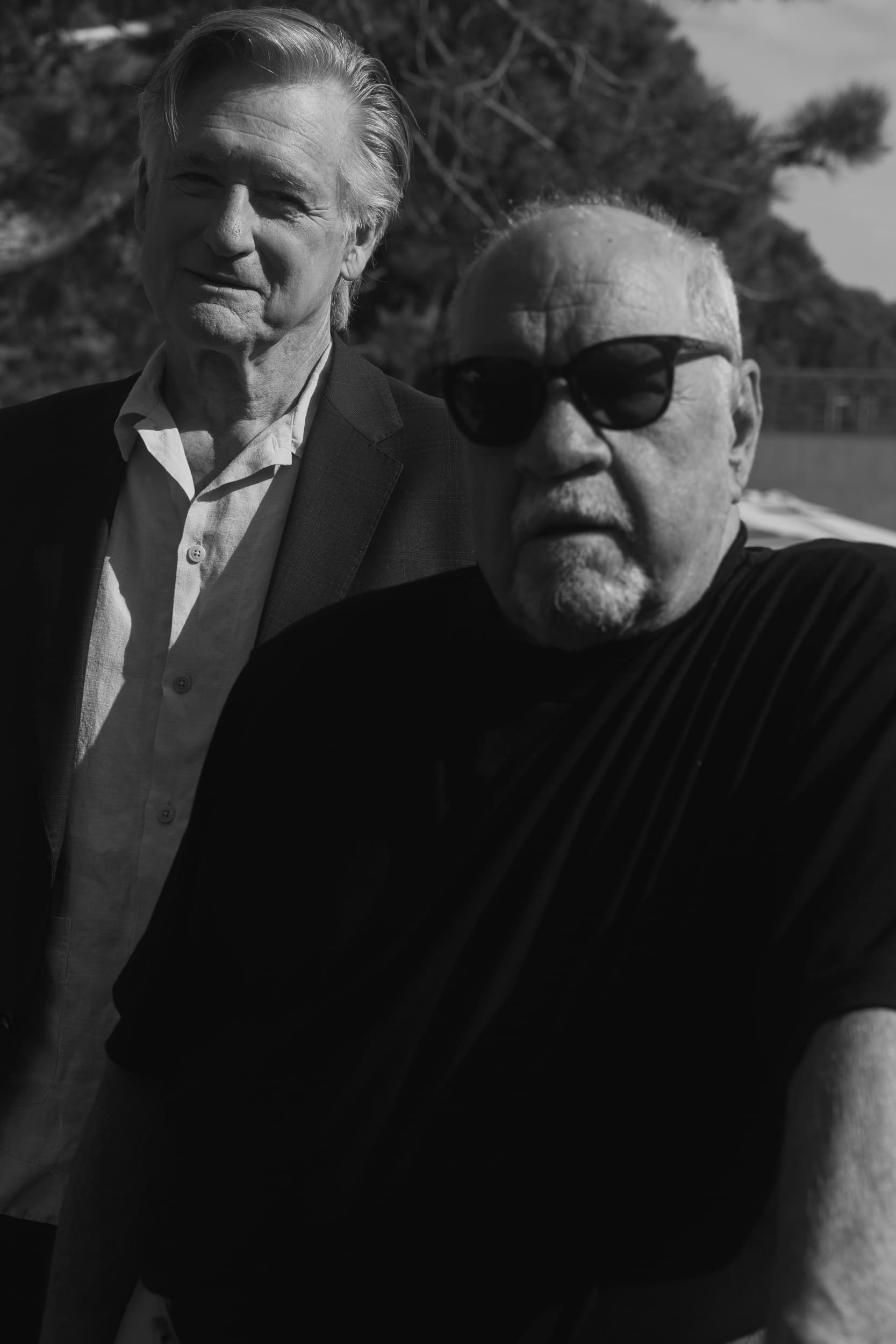
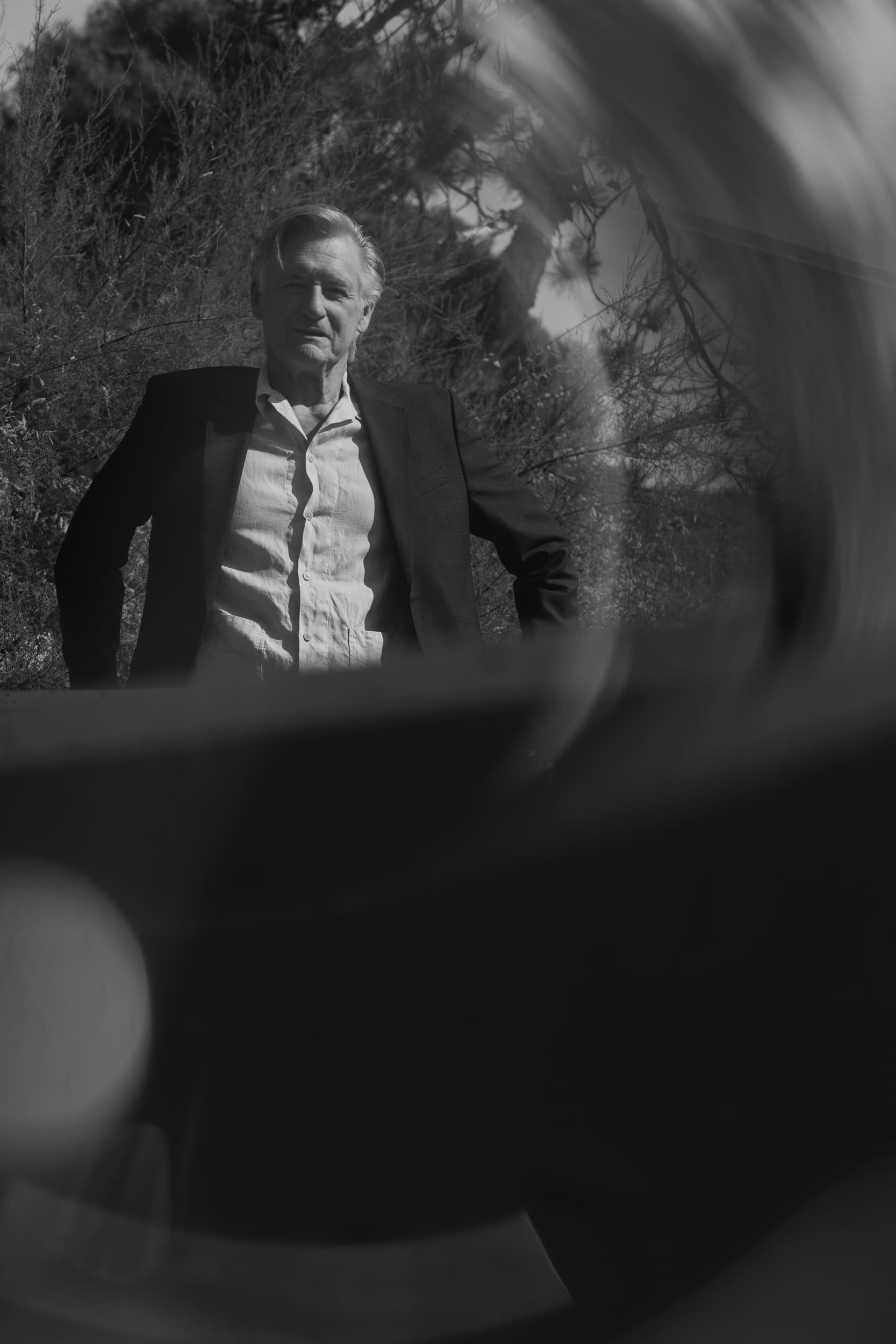
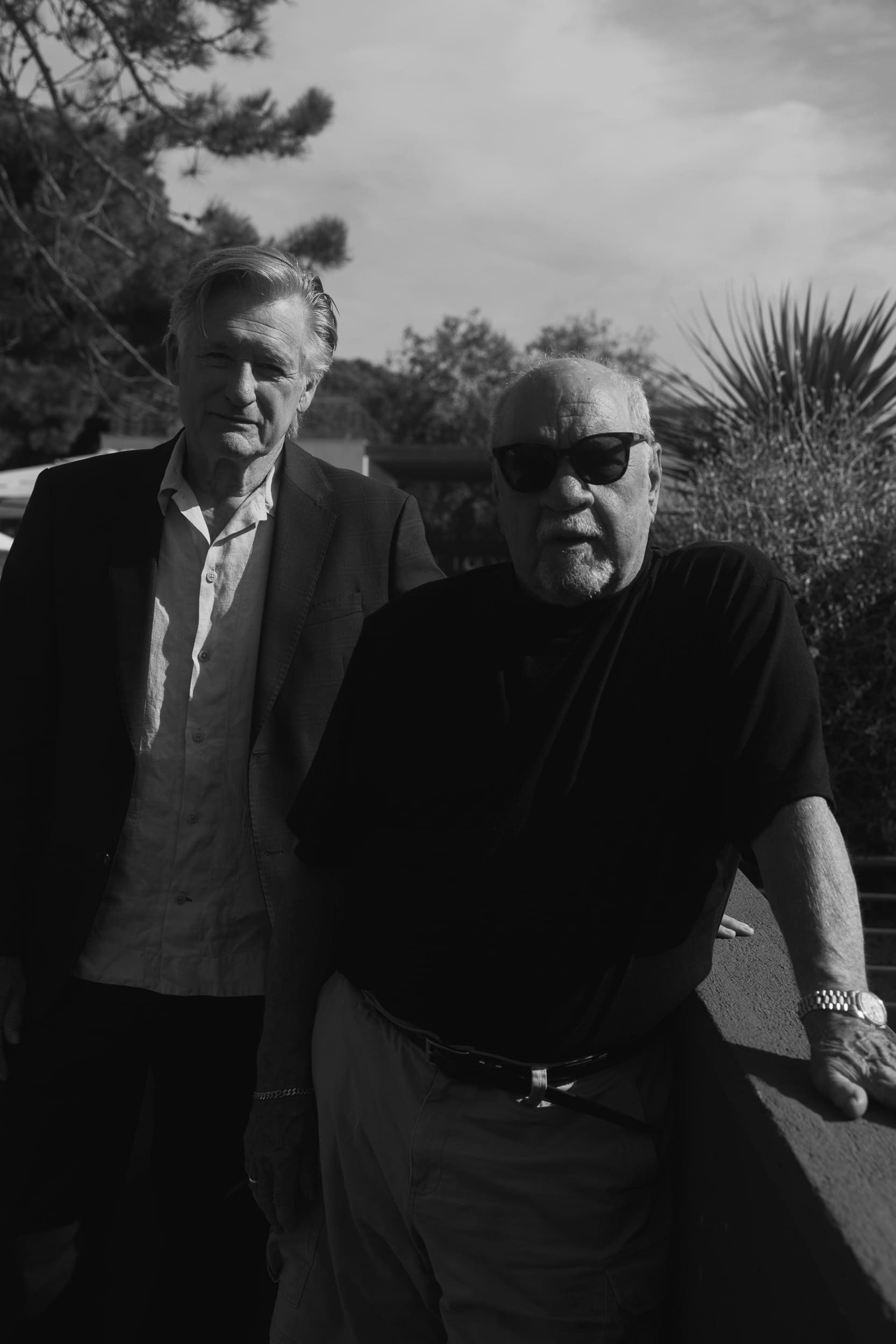
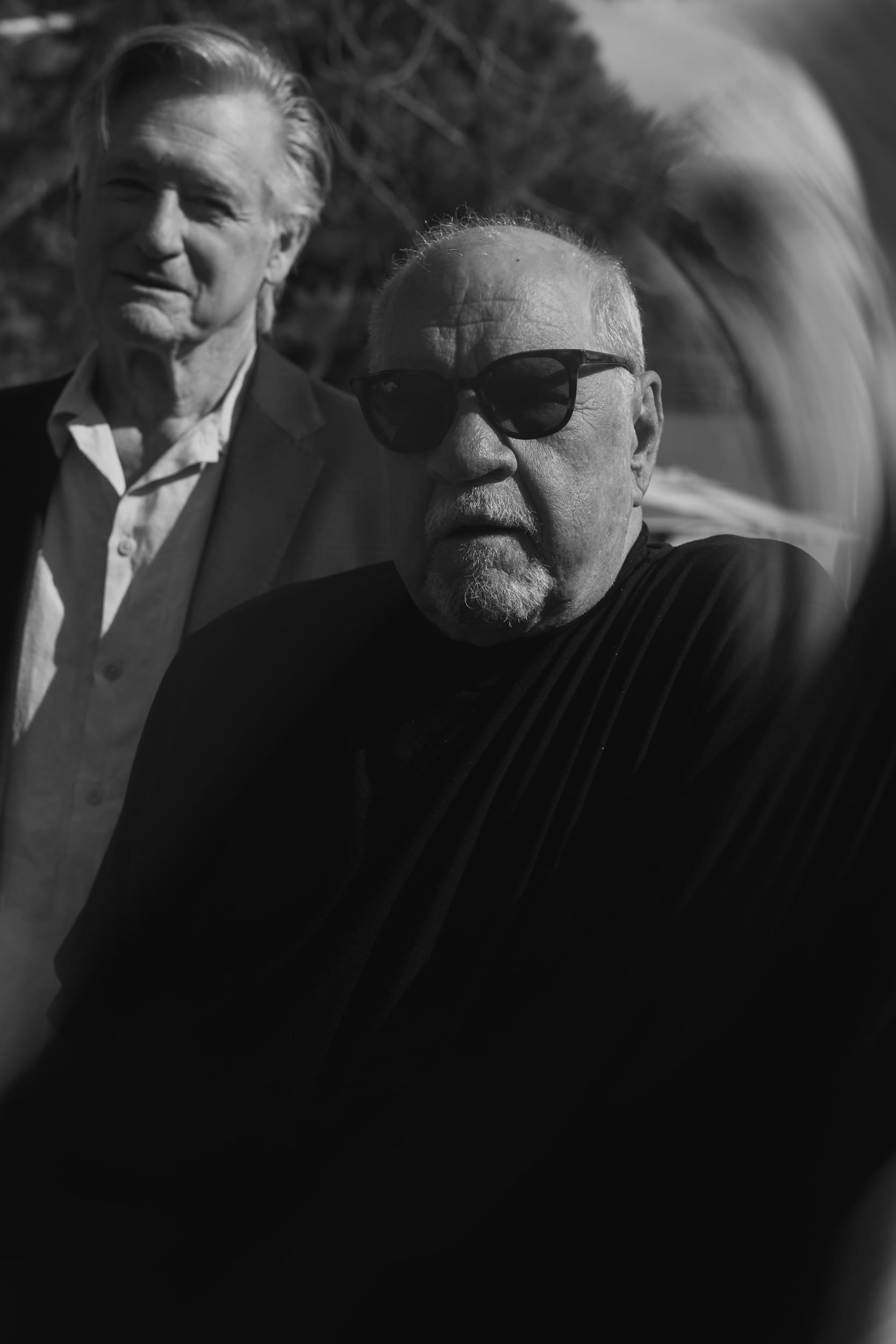
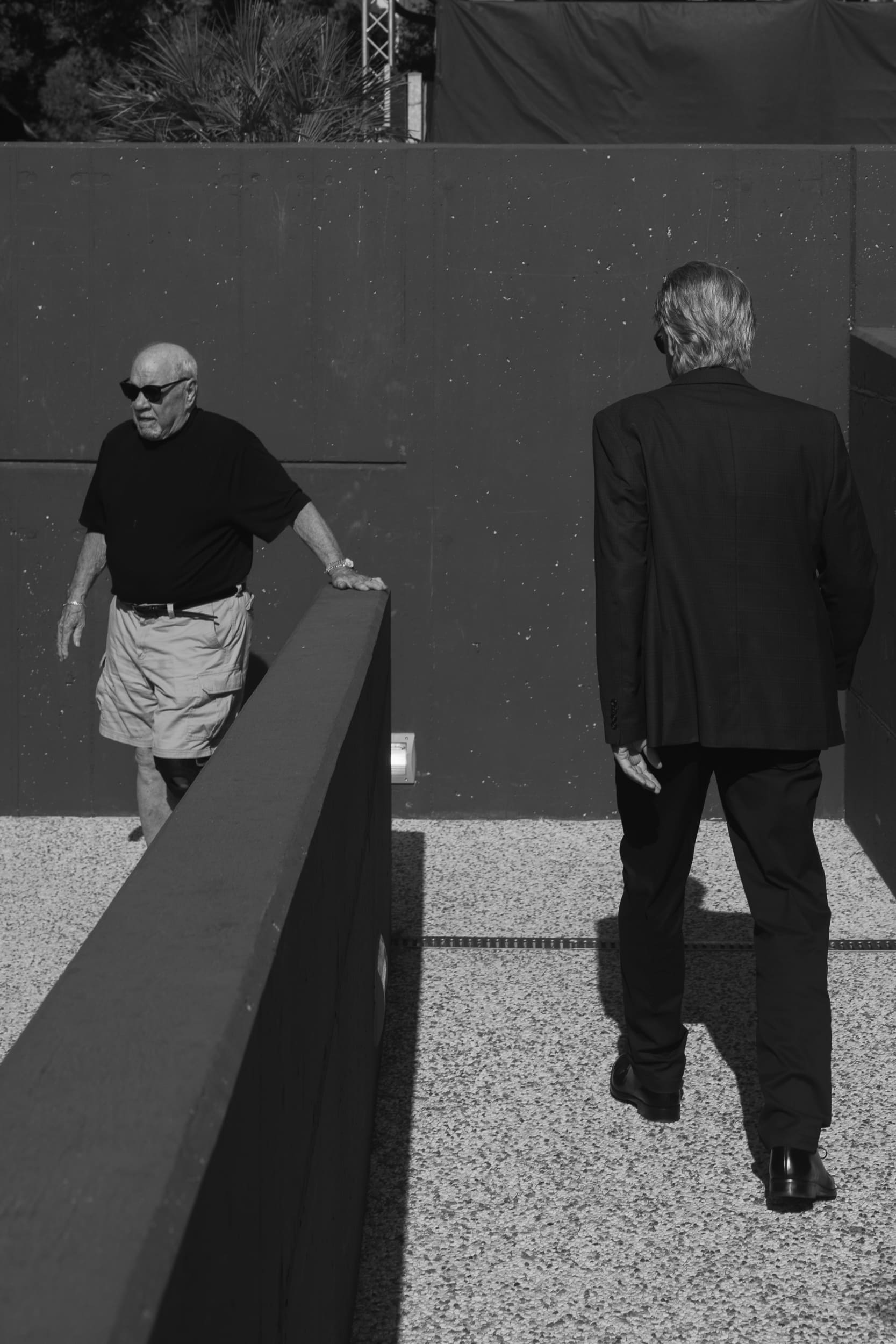
And it was precisely about all of this that I had the honor of speaking with director Paul Schrader and actor Bill Pullman, who plays Melvyn Jorrisen, a father forced to confront a son – played by Jack Huston – who challenges every definition of forgiveness.
I saw the movie yesterday and it’s amazing. I’m a really big fan of you and your work, Paul – it really changed my way of seeing movies. So, thank you very much. Forgiveness seems to be a recurring theme in your work, often deeply connected to religion and to the idea of sin. In “First Reformed”, for example, there was addiction and suicide; in “Master Gardener”, racism and violence; and here, there is paedophilia and suicide. Do you truly believe forgiveness is possible on some level, even when we’re dealing with things as difficult and extreme as this?
P: Well, I can certainly argue both sides of that argument. Bringing it back to this film, I think the issue of forgiveness here isn’t whether the victim has already forgiven his abuser years ago – it’s that the one who hasn’t forgiven the abuser is the abuser himself. That merges with the question of guilt: is it possible to change? He says, “I’ve changed, but I’ve not been forgiven.” But the movie doesn’t necessarily agree with him.
That’s the interesting part. I read in a review today the phrase “once a paedophile, always paedophile” – I’m not supposed to use that word, but the question is: if you make that transgression once, does it define you forever? I don’t think it necessarily does – I think we’re all far more complex than that. But it’s an amazing reaction to see how people fall into that rather superficial reading. It’s really not my reading, not my intention.
“If you make that transgression once, does it define you forever?”
Miguel describes John’s father by saying “he was never close, but he was never far.” There’s something very revealing for me in that – it seems like someone who wants to be a good person and do good, but always from a certain distance. Do you think the father is a symbol of reason overcoming passion – that he’s not driven by emotion but instead solves things rationally?
B: Since being around Paul, I’ve become aware of these Calvinist ideas, which I hadn’t really been exposed to before, but Stoicism and things like that, I think, are part of what interested Melvin philosophically. Still, I think everyone in the movie has done things that could be judged as immoral, manipulative, or controlling. It’s always seen as “bad,” and yet there’s no other recourse. If your son were caught in this situation, you’d quickly project ahead to the kind of misery he – and Miguel – would face, and you’d begin marshaling every resource you had to protect them both.
So, was he even closer to Miguel than to his own son? Probably, in some ways, it was easier to talk about it with Miguel – but he loved both of them.
If John could have gone to the hospital the day before, what do you think the father would have said to him? Maybe he would have said, “forgive him”?
B: Was there ever a moment where you considered having Melvin conscious?
P: No, no. What would John have said? He doesn’t say anything. But if he had said something, when he kisses his father on the forehead, it would have been: “Thank you. Thank you for saving my life.”
There’s something incredibly intense in the scene where John goes to Miguel’s house, particularly in the way they look at and talk to each other. It made me wonder: who does forgiveness actually belong to? Is it something that belongs to the victim, because they’re the ones who can grant it, or to the sinner, because they’re the ones who need it?
P: That’s an actual line from the film – it says forgiveness belongs to the victim. Or maybe it’s not even possible to forgive at all. What I like about the film, and about making films in general, is that you pose questions you don’t know the answer to. You learn a little more about the questions as you pose them, but you don’t learn the answer.
From the little press I’ve read since yesterday and today, a lot of these so-called reviews are more like “thank-you pieces” than actual reviews – they’re not “good, bad, liked it, didn’t like it.” They’re deeply engaged with the subject of the film and the issues it raises, which to me is the most flattering kind of review possible – more flattering than “masterpiece,” because it means the film is working. And it stays with you.

“What I like about the film, and about making films in general, is that you pose questions you don’t know the answer to.”
I watched it two days ago, and – the same happened with a lot of your movies. For example, I saw “First Reformed” here with you in the audience the first time, and I kept talking about it for a year, waiting for it to be distributed in Italy, with my friends and everyone. So yes, that’s what a good film should do: make you ask questions.
P: That’s also true of certain films you can watch several times and have different responses to each time.
B: Since it’s so paradoxical, I wonder how I’ll feel about that scene in Miguel’s house with John. Does it feel like he has healed entirely? Has Miguel truly healed? The surprise is that he’s not wounded – you don’t detect any scar still irritating him.
P: It only comes out right at the very end, when his face starts to come apart and he says, “Why are you here?”. This actually came up yesterday at the press conference with Sofia [Boutella] – they asked her if she believed it when she says, “I don’t believe it.” And I pointed out that she had asked me that very question while we were shooting the scene, and I said, “I don’t know.”
Photos by Johnny Carrano.