“Today we wear our mothers’ clothes, we use their bags… But what will we leave to our children? What will they ever be able to wear of ours?”
Standing in the doorway, half-open, between one puff of an IQOS and another, my friend makes a comment I think about for days. What will we have of our own to pass down to our children in an era dominated by disposable fashion, low-cost garments, and extremely short lifespans?
There’s a familiar scene for many of us: opening a mother’s or grandmother’s wardrobe and finding a wool coat, a pair of designer jeans, a jacket with buttons replaced three times. Objects that have crossed decades. Objects that tell a story. In the future, that scene risks becoming unimaginable.
The problem is not only economic, it’s anthropological. Clothing has always had a dual nature: function and memory. A passed-down garment is not just fabric—it’s a fragment of identity, material proof that someone existed, had a certain taste, made certain choices. It’s a form of continuity between generations.
Fast fashion has broken this cycle: today, a garment that lasts two seasons cannot become an heirloom. So what will we leave our children and grandchildren? The honest answer, I fear, is: little that is material, and a lot that is invisible. At most, we will pass on consumption habits, the idea that an object is worth only as much as its season. We risk raising children accustomed to owning a lot and caring about nothing. A form of cultural transmission, just like our grandmother’s coat—but with the opposite meaning.
From a less pessimistic perspective, perhaps “what will they wear of ours” is not the only question we should ask. We should also ask: “what will we have taught them to choose?” A generation that learns to recognize quality, to buy less but better, inherits something far harder to lose than a coat: it inherits a criterion, a way of being in the world.
The true luxury we can pass on today is not an object. It is the ability to resist the disposable mindset, in clothing—and perhaps in everything else. Slow fashion is not nostalgia. It is a political, aesthetic, and in a sense, an act of love toward those who will come after us.
Which brands, stores, and platforms embrace this vision today?
Ethical Italian and International Brands & Stores
BIVIO
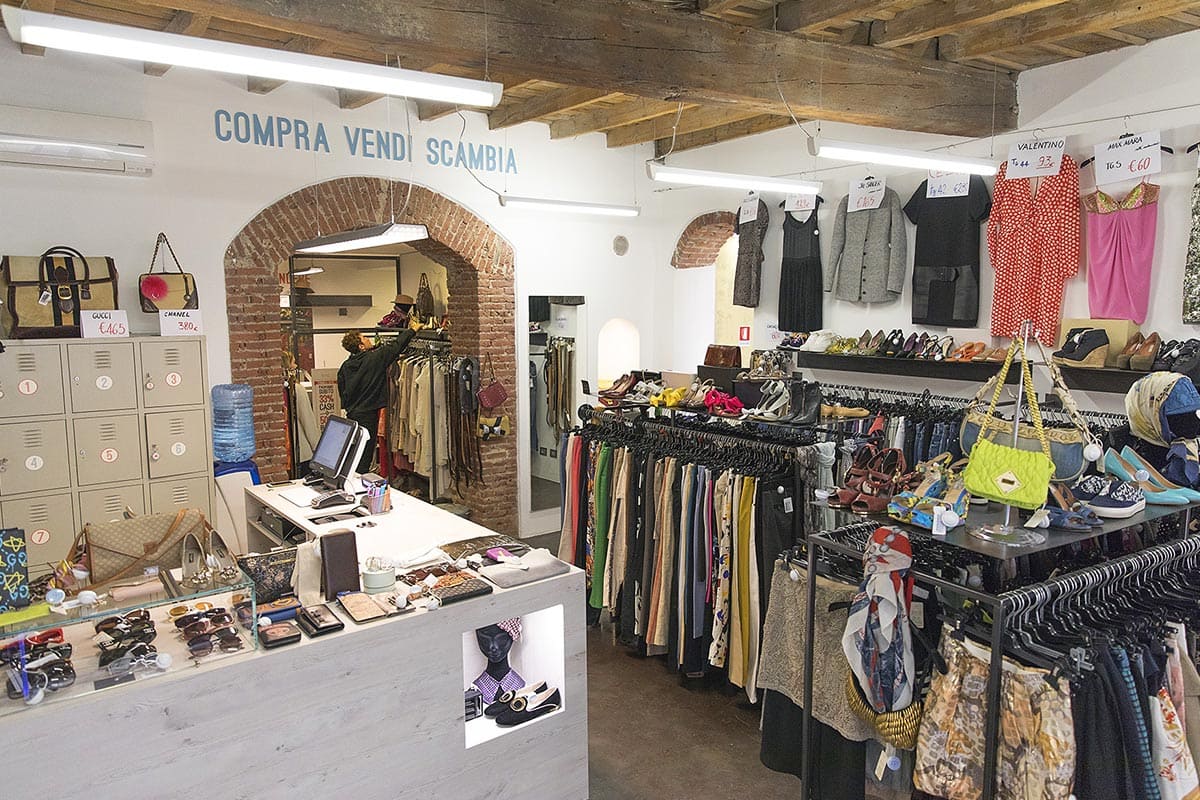
The first fashion resale store opened in Milan, founded in 2013 by Hilary Belle Walker. The model is inspired by the American “buy-sell-trade” formula: for every garment brought in and sold, Bivio offers immediately — not when and if the piece will be sold — money or a voucher, at the customer’s choice. The motto is “keep only what you love, bring only what you think can be loved by someone else”. In terms of selection, the garments are chosen for their distinctive style and range from luxury brands to less exclusive labels, but never fast fashion. It has three stores in the city: two in the Porta Ticinese area (one dedicated to women, one to men) and one near Porta Venezia with mixed collections, plus an online shop.
RIFÒ
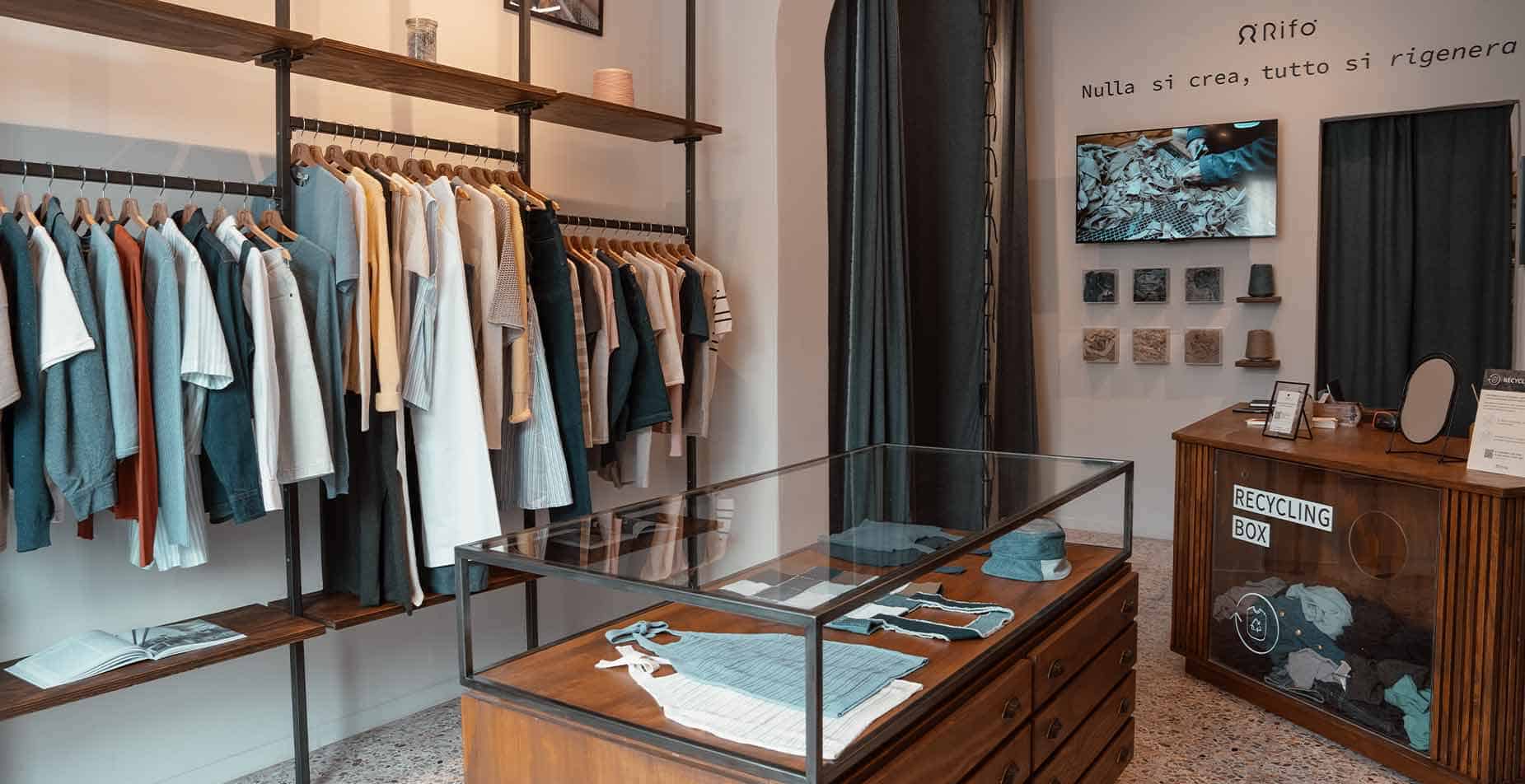
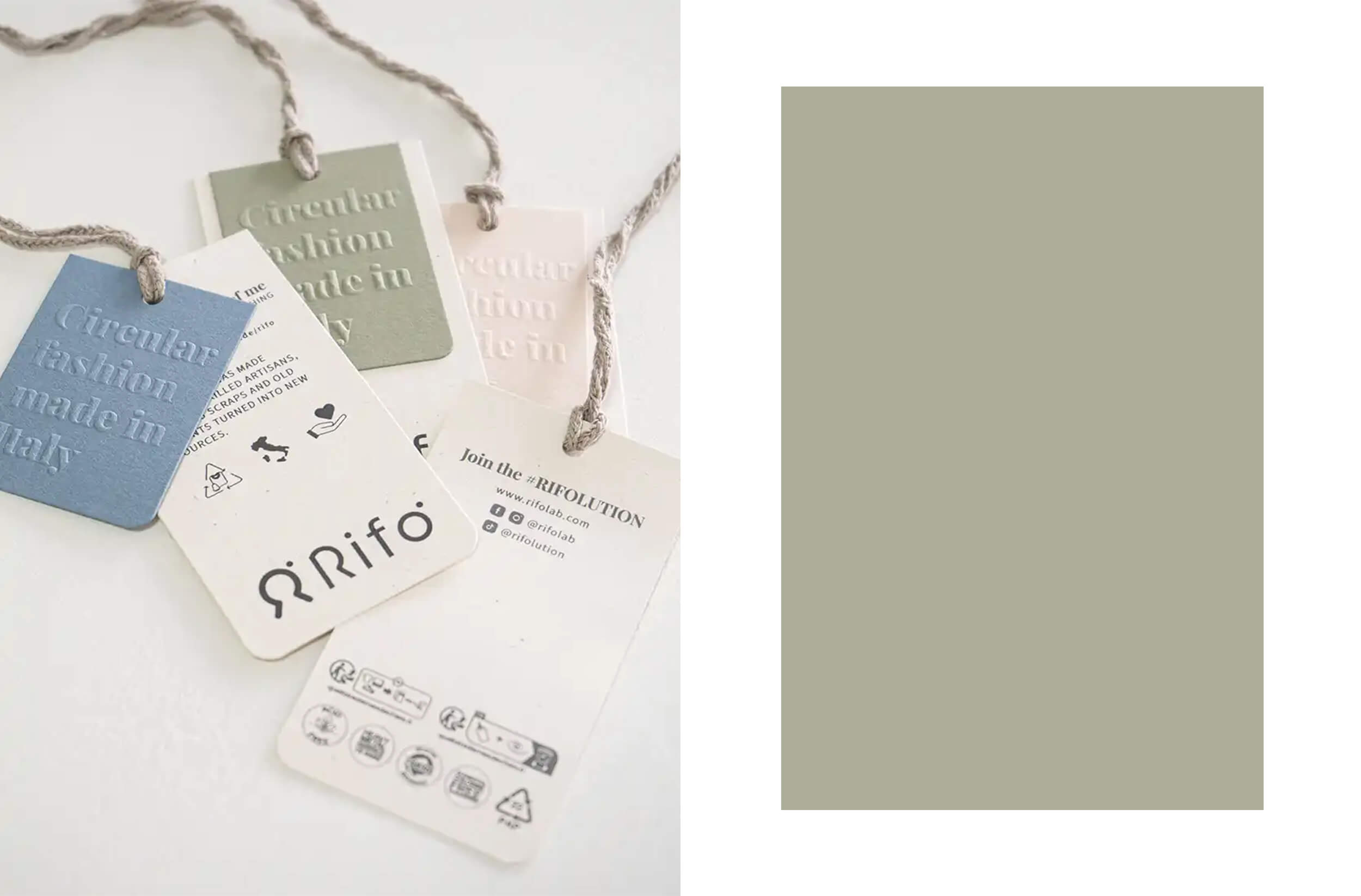
An Italian circular fashion brand born in Prato — a city historically linked to textile recycling — that works mainly with recycled cashmere and cotton, transforming old sweaters and discarded garments into new high-quality pieces.
Rifò collects used garments in exchange for a 20% discount, thus encouraging customers not to throw away old clothes. It is a concrete example of circular economy applied to fashion. It has physical stores in Milan, Florence and Prato, as well as an online shop on rifo-lab.com. The strong point is that they produce in Italy, with a short and traceable supply chain, with a refined aesthetic that does not make “sustainable” look like a renunciation of style.
PAR.CO DENIM
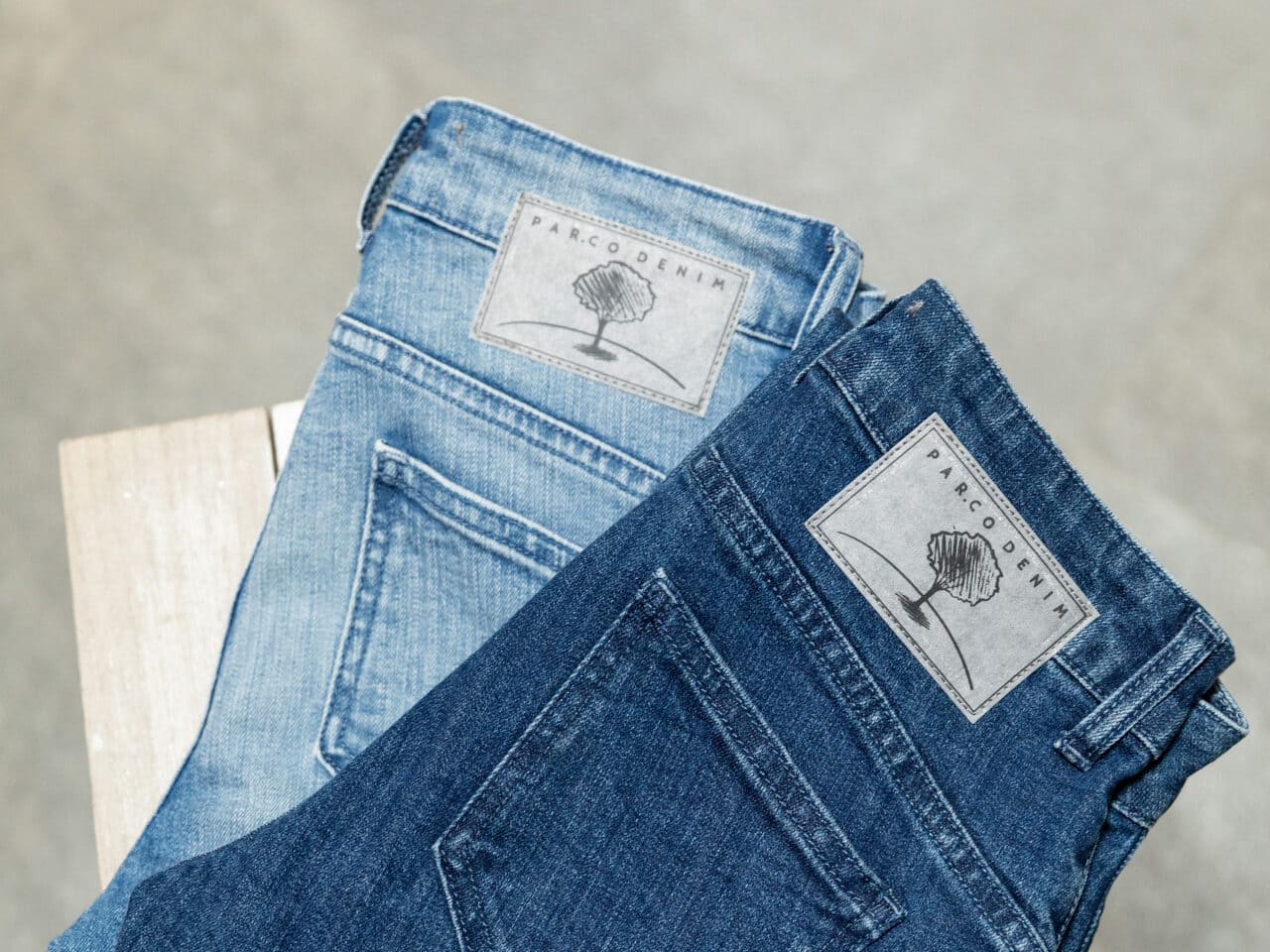
A niche brand, deeply rooted in the Bergamo area, with an approach to sustainability that really goes into the details. It was founded in 2014 by two cousins (“Par.co” is in fact the acronym of Parimbelli cousins) with the idea of rethinking the jeans production chain from the beginning.
The most notable aspect, in fact, is the extreme localization: the jeans are produced by small artisans and local companies located within 35 km from the brand’s operational headquarters in Bergamo. It is a product 100% Made in Bergamo. This is not just an aesthetic claim: a generic pair of jeans travels about 44,000 km along the global supply chain, moving from one country to another. Par.Co has managed to reduce that journey to 8,000 km, a reduction of 60%.
On the materials front, they go beyond simple organic cotton: labels and patches are printed with recycled graphite through g_label®, the first label in the world printed with g_ink, graphite waste from technological industries transformed into an alternative printing technique to chemical pigments. Buttons and rivets are nickel-free and produced in Italy in the historic button-making district in the province of Bergamo. Not only online, Par.Co Denim also has a network of physical retailers in various Italian cities, including Milan, Rome, Turin, Florence, Bologna, Venice, Verona, Vicenza, Genoa, Bergamo, Como, Trento, Bolzano.
DEFEUA
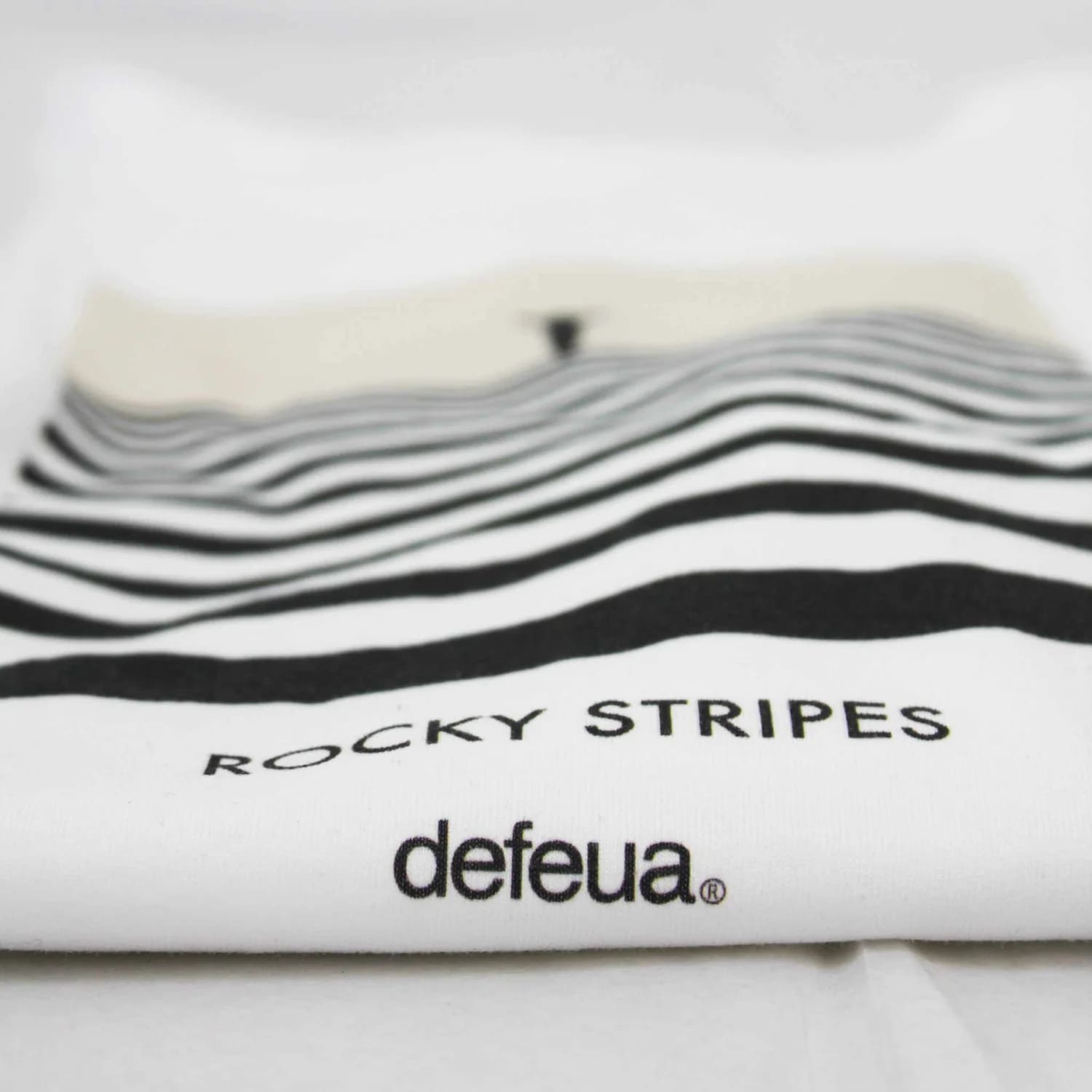
A 100% Italian sustainable streetwear brand, with a very precise identity. The name comes from the Ligurian dialect and means “outside”, chosen to express how the choices made to create the brand were considered “outside the box”, and to communicate a non-conventional approach compared to the typical fashion business.
The most original aspect is the Garment Identity Card: each t-shirt or sweatshirt is accompanied by a “document” that tells everything about the fabric: the materials used, how to make it last over time, the story of the printed graphic, transforming the wearer into an active protagonist of a cultural change. The style of the garments is urban, with certified materials (organic cotton, bamboo and Lyocell) for men’s, women’s and unisex collections. They are available online on defeua.com and in some selected physical stores in Liguria and Trentino.
WAO
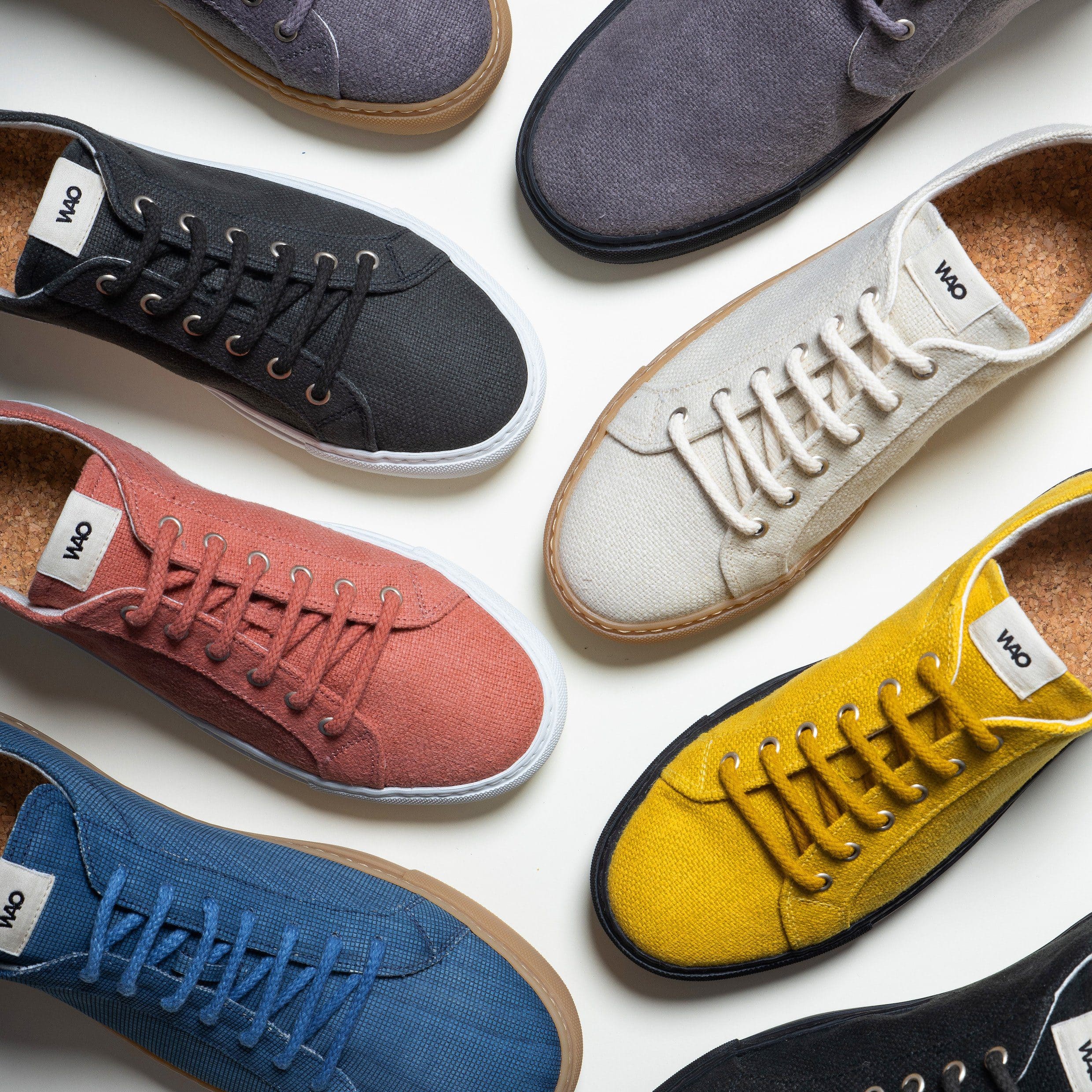
An Italian brand of sustainable and vegan sneakers, with a feature that distinguishes it: it thinks from the beginning about the end-of-life disposal of the shoes, directly and free of charge taking care of collecting worn-out sneakers. Lining, laces, insole and hemp become soil, Econyl is recycled, and the sole goes into a special compost to be reused as organic material.
The materials of the shoes are all certified and traceable: WAO uses hemp dyed with natural dyes extracted from plants grown specifically, working with the only company in Italy that produces pigments from dye plants. The soles are in Go!Zero rubber, made with at least 30% recycled materials and 100% compostable at end of life. Moreover, for every purchase, 4% is donated to one of five partner associations engaged in protecting the planet, chosen by the customer. The sneakers can be purchased on wearewao.com.
REFORMATION
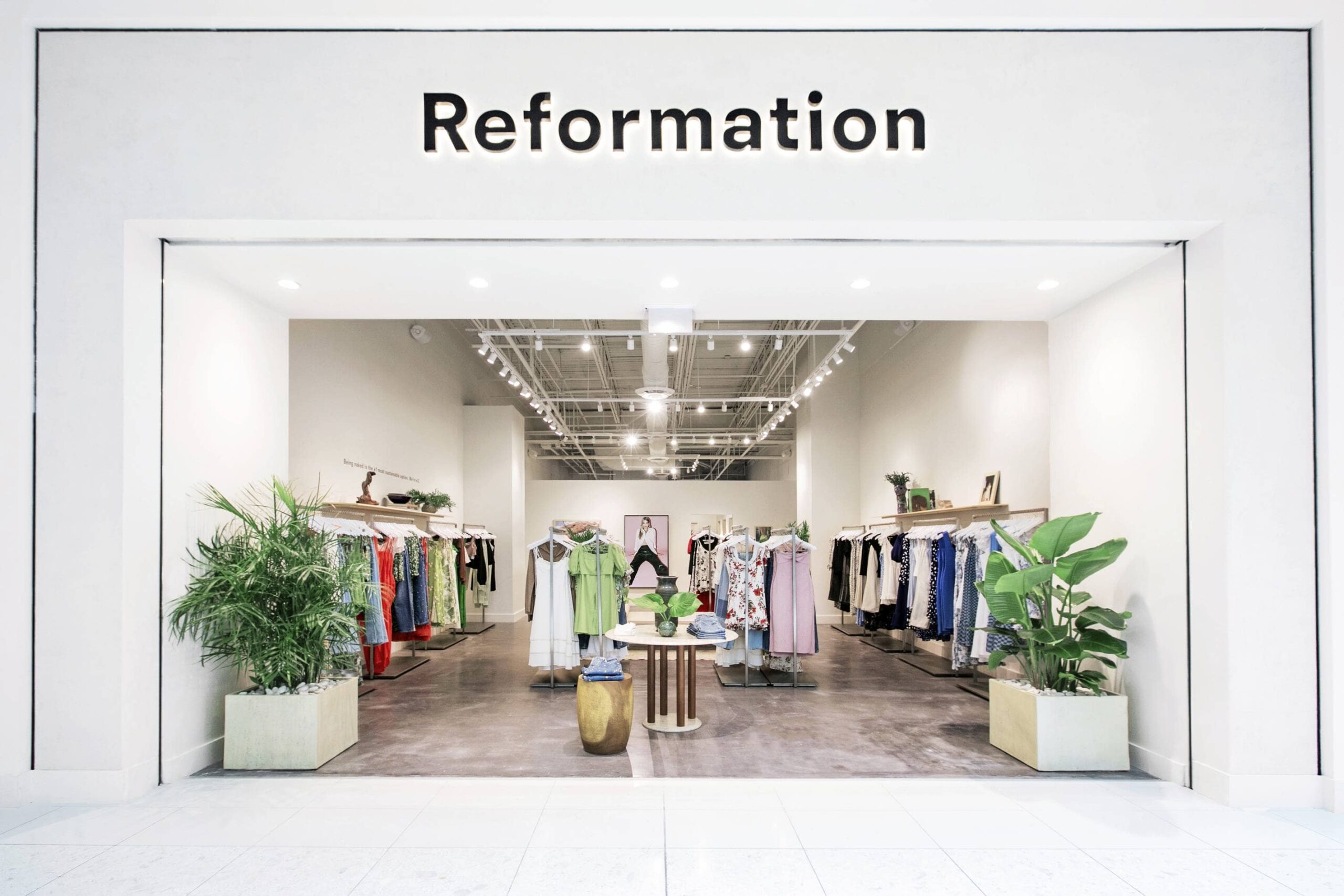
A Los Angeles brand founded in 2009 by Yael Aflalo, which started as a vintage boutique and then evolved into one of the most well-known sustainable fashion brands in the world — and decidedly cool. Its distinctive feature is the RefScale: each garment reports how much CO₂, water, and waste have been saved compared to the industry standard. For example, a pair of Reformation jeans uses 700 liters of water, compared to 2,000 of the sector average.
The materials of the garments come from three sources: new sustainable fabrics, reused vintage clothing, and fabrics recovered from fashion houses that had made excess orders. The collections have been 100% carbon neutral since 2015.
Reformation also has an aspirational reputation: celebrities like Taylor Swift, Meghan Markle, and Jennifer Lopez have been photographed multiple times wearing Reformation pieces. It is available online on thereformation.comm with international shipping.
DEDICATED
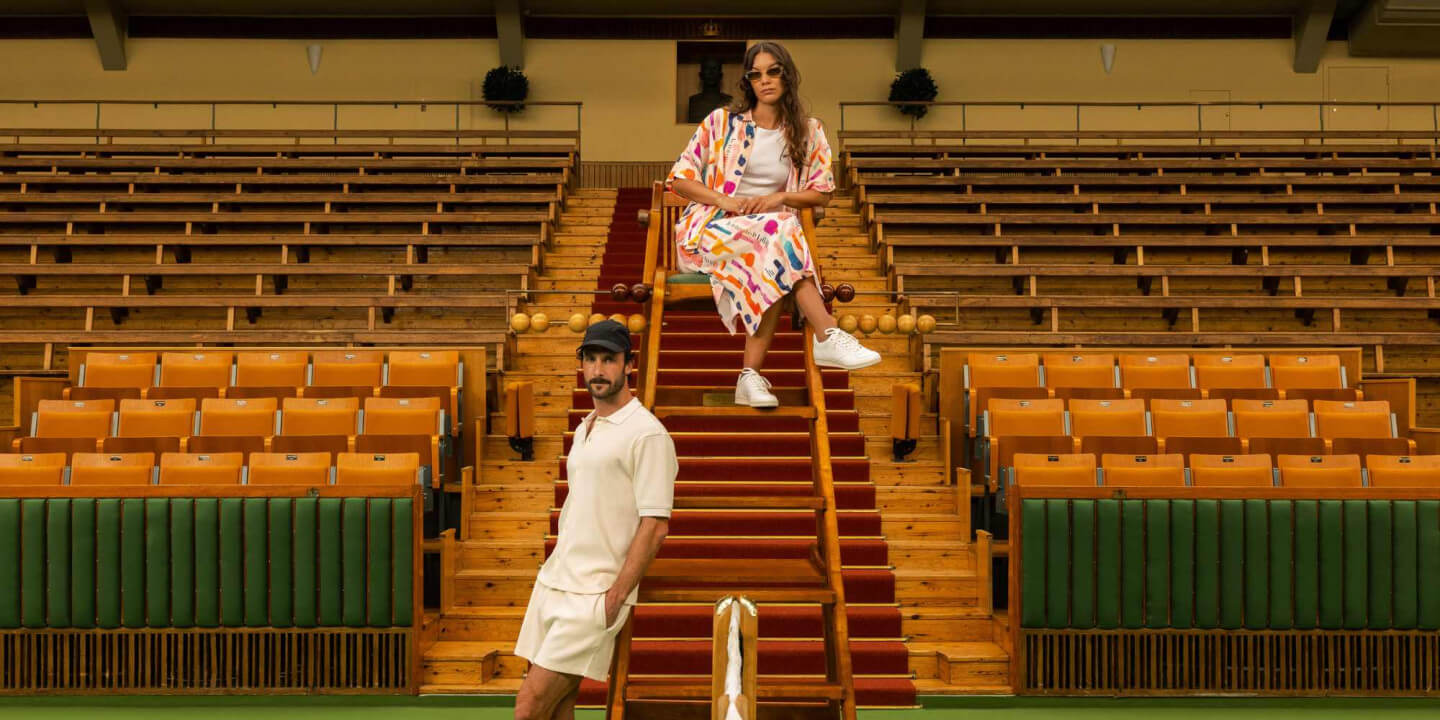
A Swedish sustainable streetwear brand founded in 2006. The strong point is precisely the aesthetic: the garments are colorful and ironic, in contrast with sustainable fashion that often leans toward minimalism at all costs. On the materials side, it uses GOTS-certified organic cotton, GRS-certified recycled polyester, and natural fibers such as TENCEL Lyocell, with a transparent approach to the supply chain and Fairtrade certifications. It often collaborates with illustrators and artists for graphics, making each collection visually original. It is mainly purchased online on dedicated-brand.com, with shipping to Italy.
OMNES
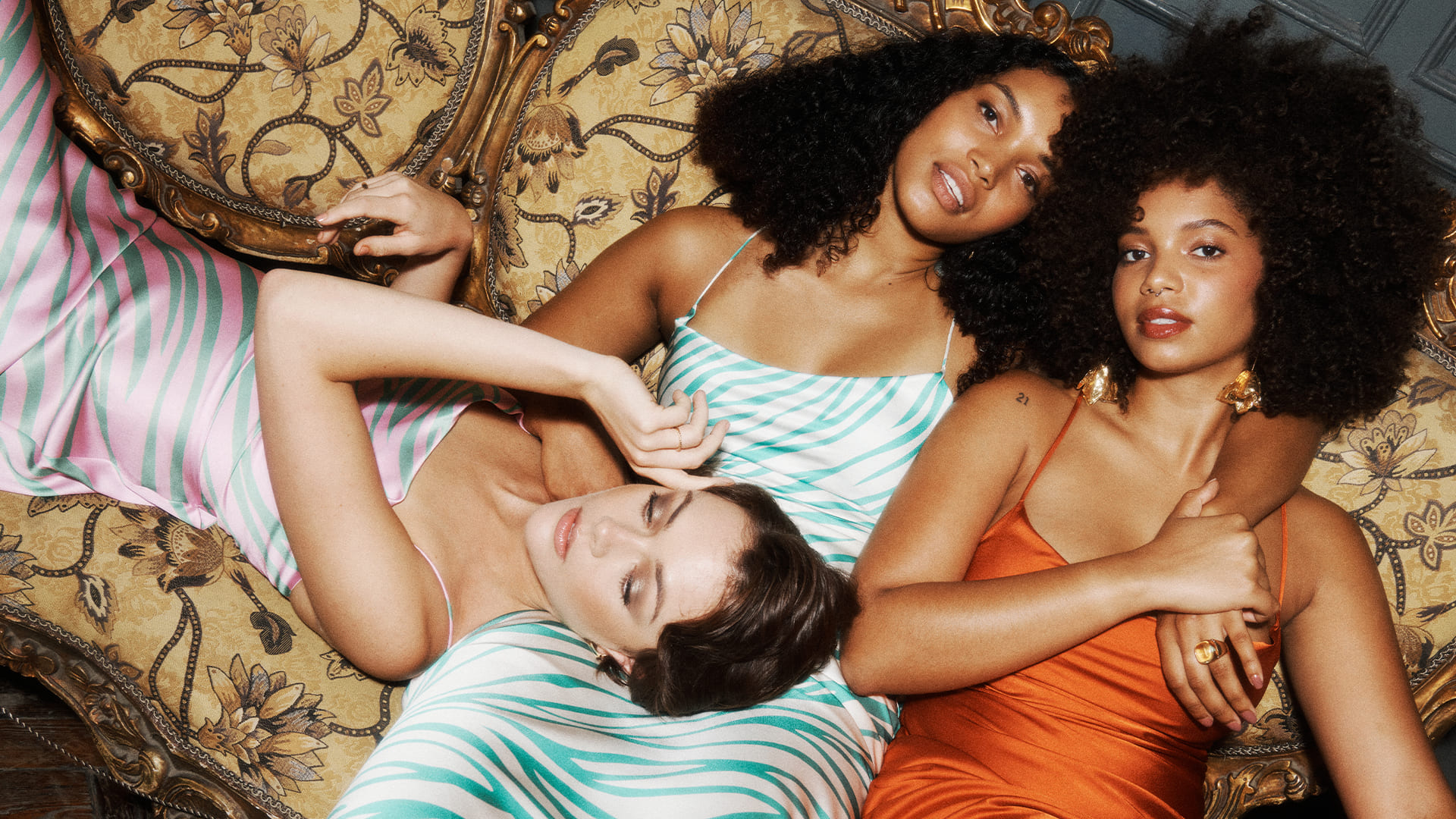
A London-based sustainable womenswear brand, founded by Jordan Razavi with the declared mission of demonstrating that sustainability and price accessibility can coexist.
In terms of materials, it uses ECOVERO viscose from FSC-certified wood pulp, organic cotton or BCI, recycled polyester from post-consumer bottles, and denim in TENCEL Lyocell with recycled cotton. The strongest credential is the B Corp certification: OMNES achieved a score of 101.7 in the B Impact assessment, compared to an average of 50.9 for ordinary companies — a significant result.
On the ethical front, it is transparent about the supply chain, conducts audits on production phases, and does not use fur, leather, feathers, or angora. In 2023 it also launched a collection in collaboration with actress Naomie Harris.
It is available only online, on omnes.com.
Directories and Marketplaces to Find Sustainable Brands
- Il Vestito Verde (ilvestitoverde.com) – gathers over 1000 sustainable and ethical fashion brands for men, women, and children. There is an Italian map of sustainable fashion with more than 1,600 stores, integrable with Google Maps, created by Il Vestito Verde. It is an excellent starting point to discover local realities of vintage, upcycling, fair trade, and second hand in your city.
- EcoFashion (ecofashion.vestilanatura.it) – a showcase dedicated to sustainable fashion with Italian, European brands and Made in Italy artisans selected according to the Guide to Sustainable Fashion.
- Fashion Revolution – a source for finding physical sustainable stores, with a navigable map covering almost all of Italy, with categories such as vintage, upcycling, fair trade, cruelty free, eco shops.
Apps and Platforms for Vintage & Second Hand
- Vinted – one of the best known, with a community of 45 million users; zero fees for sellers, shipping paid by the buyer.
- Depop – pioneer of Italian vintage, founded in Italy in 2011; retains 10% commission but has a curated showcase with a strong aesthetic identity.
- Vestiaire Collective – a reference point for second-hand luxury, with a daily selection of over 3,000 items and authenticity verification by a stylist team.
- Etsy – a historic platform for authentic vintage (sale of items newer than 20 years is prohibited), with more advanced management tools compared to social apps.
- Lampoo (lampoo.com) – a Milan-based e-commerce founded in 2019 specialized in branded clothing and second-hand high fashion, also with tags.
- Vintag-E – a 100% Italian app for authentic vintage (items at least 20 years old), with sections also for design, modern antiques, and vintage technology.
- MyCloset – a Milan-based pioneer of second-hand luxury since 2012, specialized in bags, accessories, and designer bijoux.