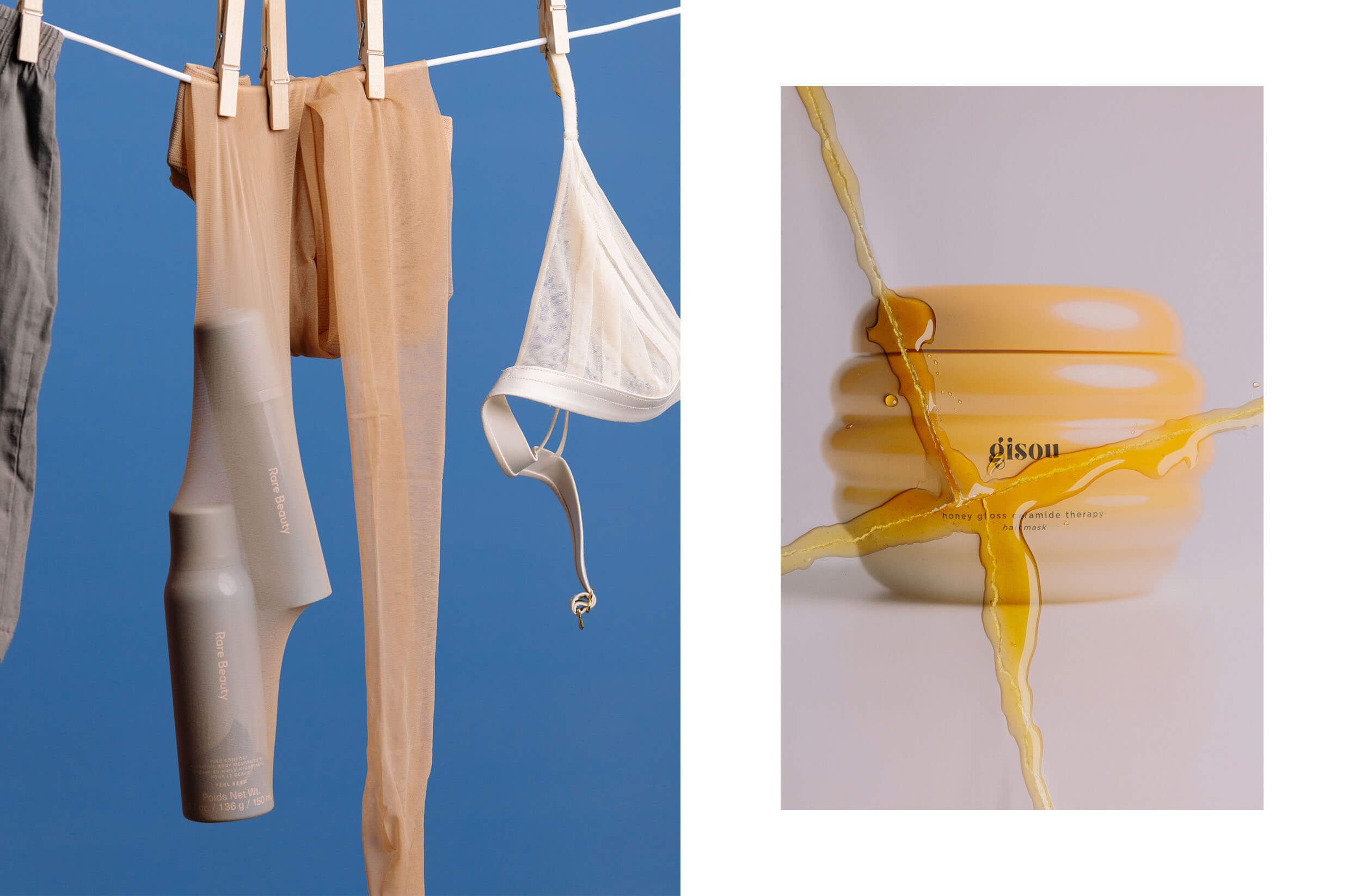
Chapter 1
Breakfast
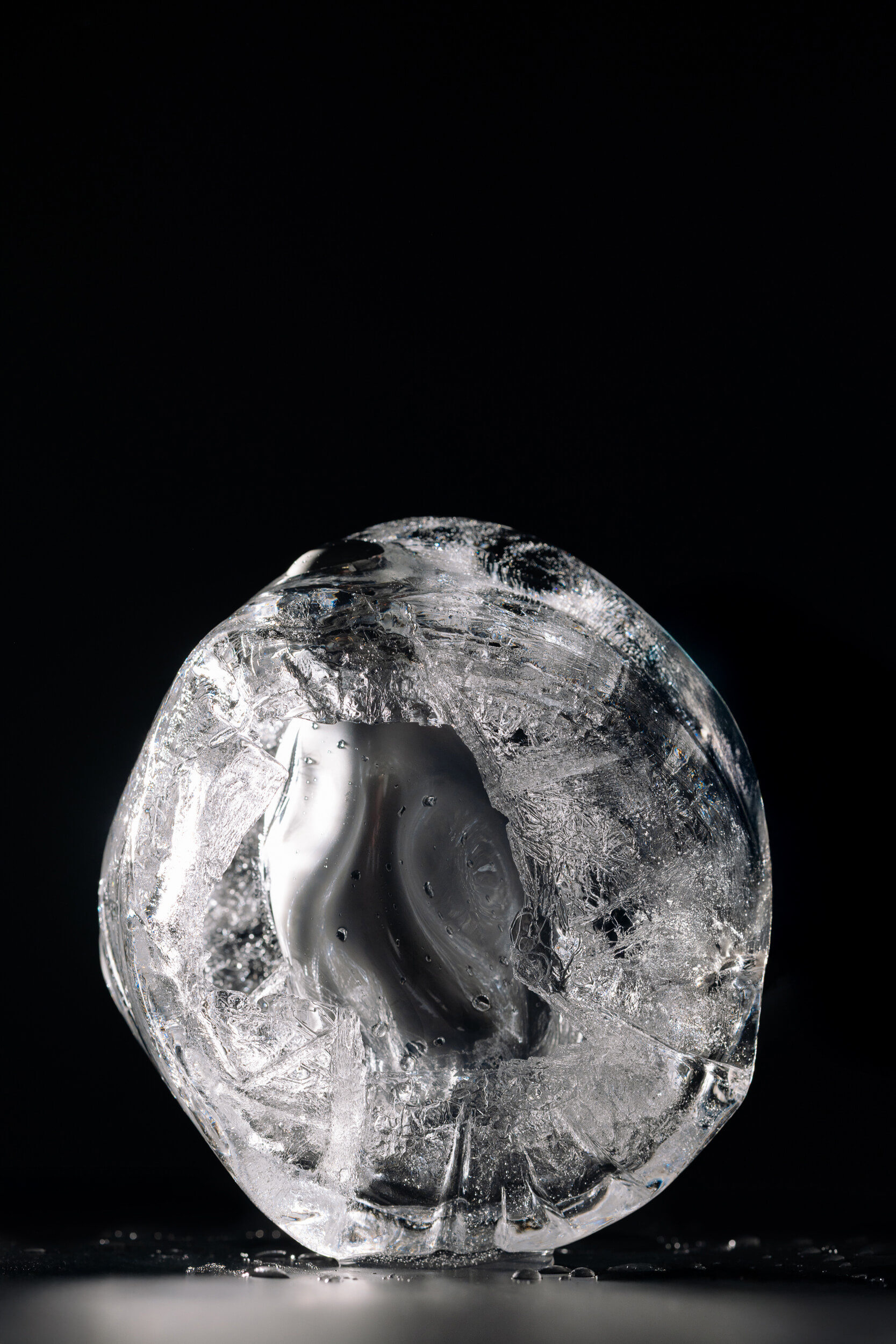
This morning, I ate pear jam, spread over two thawed slices of bread. As soon as I woke up, I grabbed the bagged bread from the freezer, popped open the jam with a loud clack, and then smelled it: it smelled intensely sweet and made me think of spring and how much I longed for it. I can’t wait for the street outside my house to fill with bright green trees, for the magnolia in the inner courtyard to bloom, for the wood to begin to smell fragrant and leave my fingers damp when I stroke the bark.
While I was daydreaming about warmth, the still-frozen bag clutched in my hand, my palm went numb: maybe it’s better to set the bread down and warm it up. Maybe this morning I’ll wear Cosmic 2.0 by Kylie Jenner… At the first spritz it smells like pear, then, after a while, it smells like spring.
Chapter 2
FRENCH GIRL
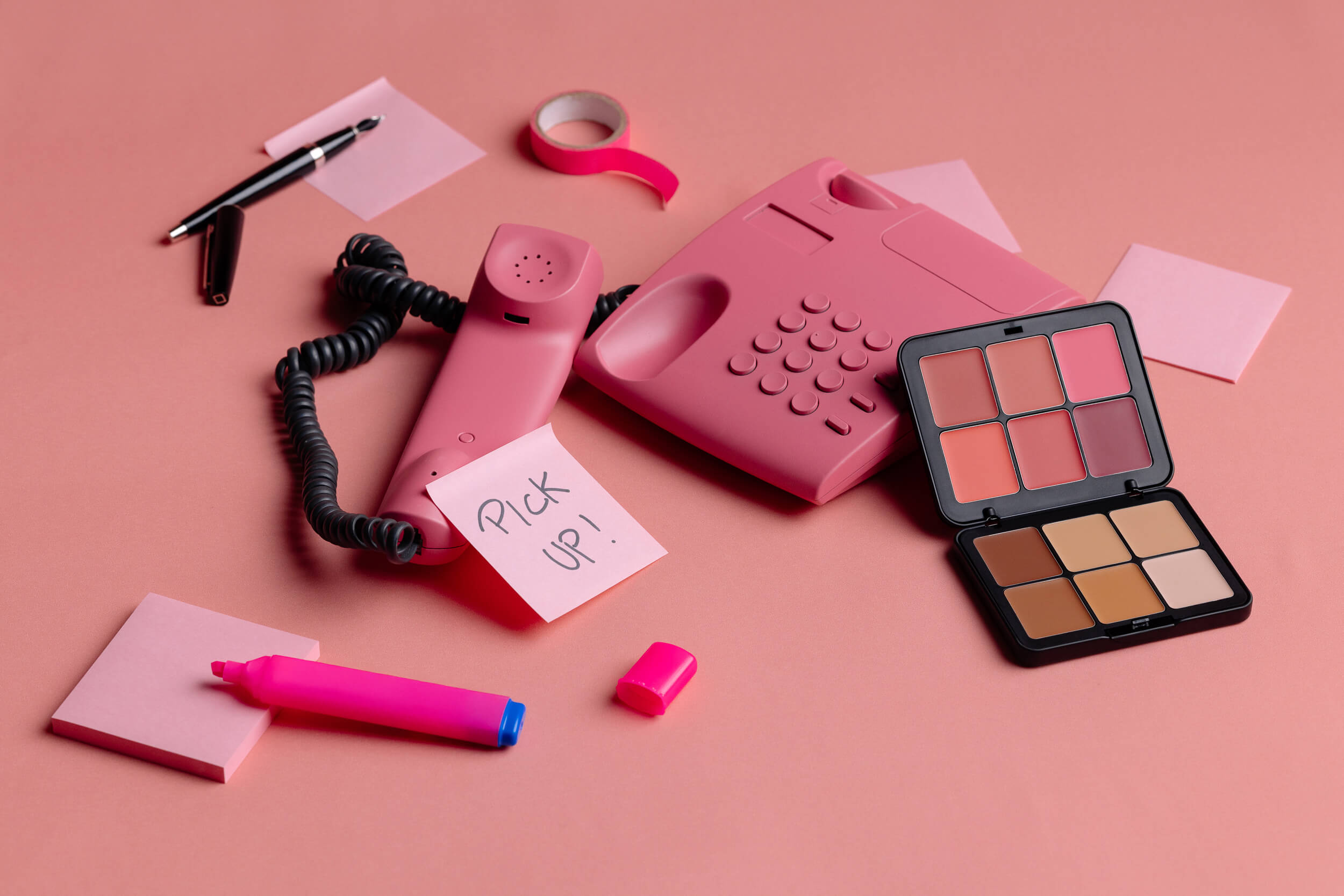
I started wearing makeup very late. Very late compared to what I wanted, compared to what I saw. Very late compared to the generation after mine. I started wearing makeup at around fourteen – I pressed black kajal along my lower lash line, veiled my lips with a gloss sticky like resin, and pinched my cheeks to get rid of that aristocratic pallor I so despised. Within minutes my cheeks would return to marble, and with raccoon eyes and sticky lips, I would trudge disheartened through the school hallways listening to “Cemetries of London” on my fuchsia iPod Nano.
Fifteen years later, I walk through the streets of northern Milan listening to “Bennie and the Jets” in my AirPods 4: on my cheeks I wear blush, HD Skin Face Essentials by Makeup Forever, which lasts until the end of the day. I mix all the pinks and reds of the pans to achieve that healthy pigment that suits me today, and I blend it lightly over my eyes and lips too, arriving at the office dreaming they’ll call me FRENCH GIRL.
Chapter 3
Like Cats
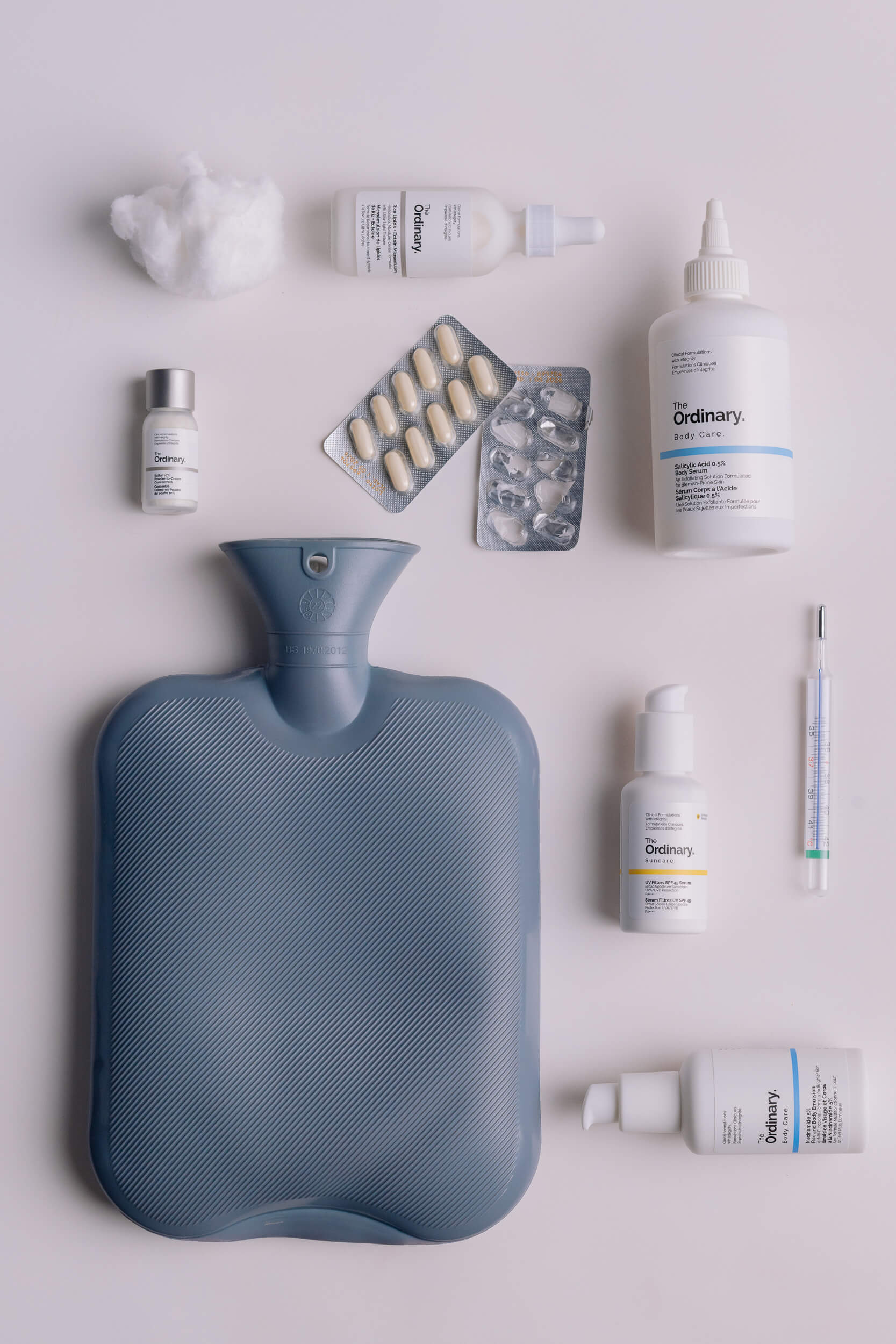
When cats are sick, they hide so no one can see them suffering. Cats want to be strong. A cat, when unwell, runs away – no one must see it at its worst. If I think about it, I’m a bit like a cat when I get sick: I don’t want it known, I don’t want it seen, I don’t want to appear weak; I want everything to end quickly, as if neither I nor anyone else gave it thought.
So when I’m ill, I take a scalding shower to drive the cold out of my bones, and once clean, I ward off the monsters inside by eliminating the ones outside: I reach into my cabinet full of magical The Ordinary potions, exfoliate body and face, extinguish those rare but furious acne flare-ups of stress and hormones, and moisturize endlessly – at least my skin shines, and I delude myself into being a little less sick.
Chapter 4
I Dream of a Ranch
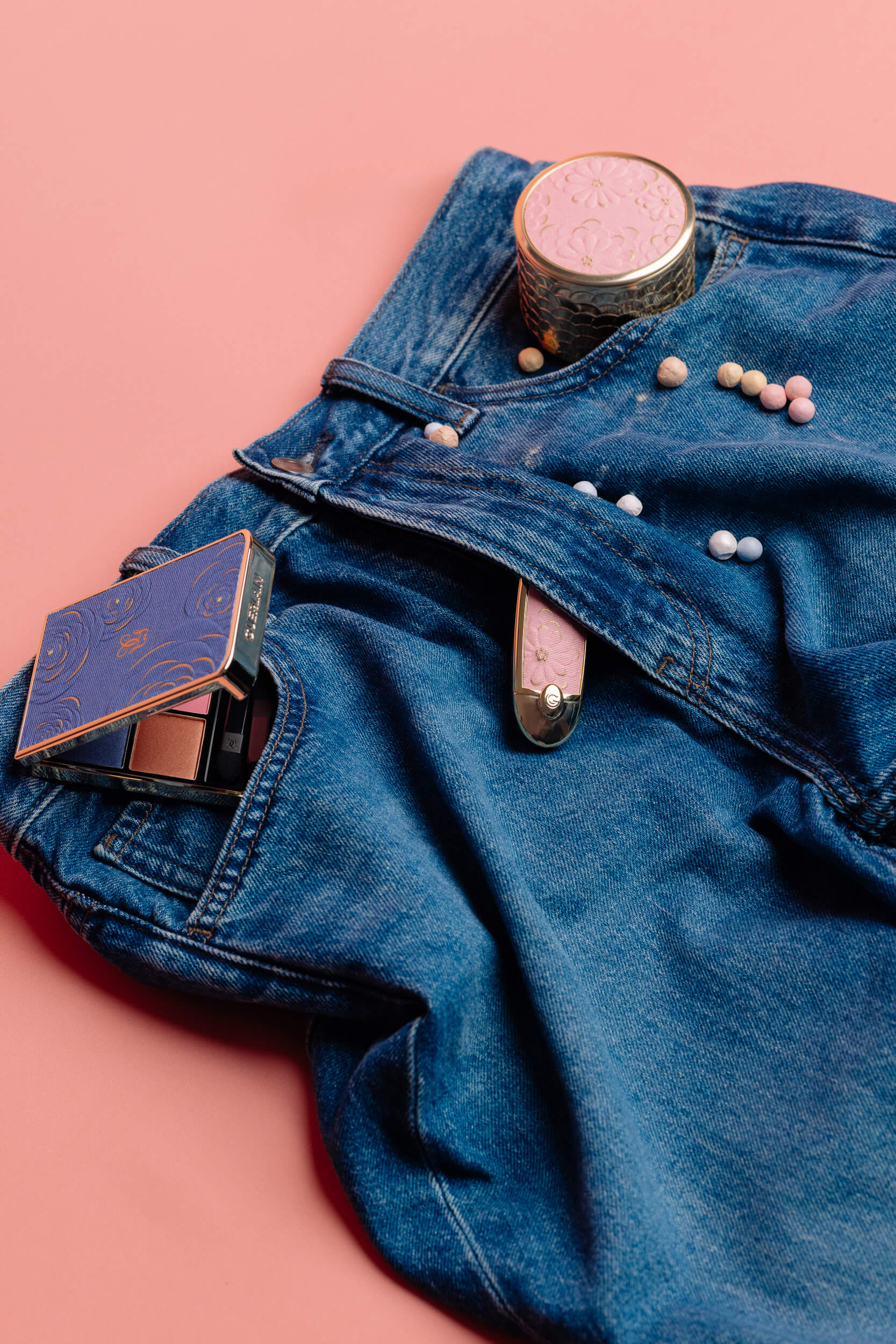
Camperos and total denim like a cowgirl, I dream of a ranch in South America: I brush Lana, my pitch-black horse, the sun burns and reddens my skin, so I pull down my Stetson and sip an ice-cold beer. Better. I look up and in the clear sky I see a flock of black birds dancing – a danse macabre. One breaks away and dives toward us. Lana goes wild, thrashing under my hands, kicking and whinnying in terror: I must let her run free.
I rummage through my jeans for my pocketknife to cut the rope tying her to the tree. Front pockets: empty; back right pocket: Rouge G; back left pocket: Ombres G; fanny pack: coins and Météorites. Why am I full of Guerlain? I look up and the sky darkens, the outlines of my ranch tremble, Lana is gone, the birds too. Faint light through shutter cracks. The smell of fabric softener and the metallic buzz of a cuckoo clock. I’m not a cowgirl. Rather, a Guerlaingirl.
Chapter 5
The Colors of Fruit
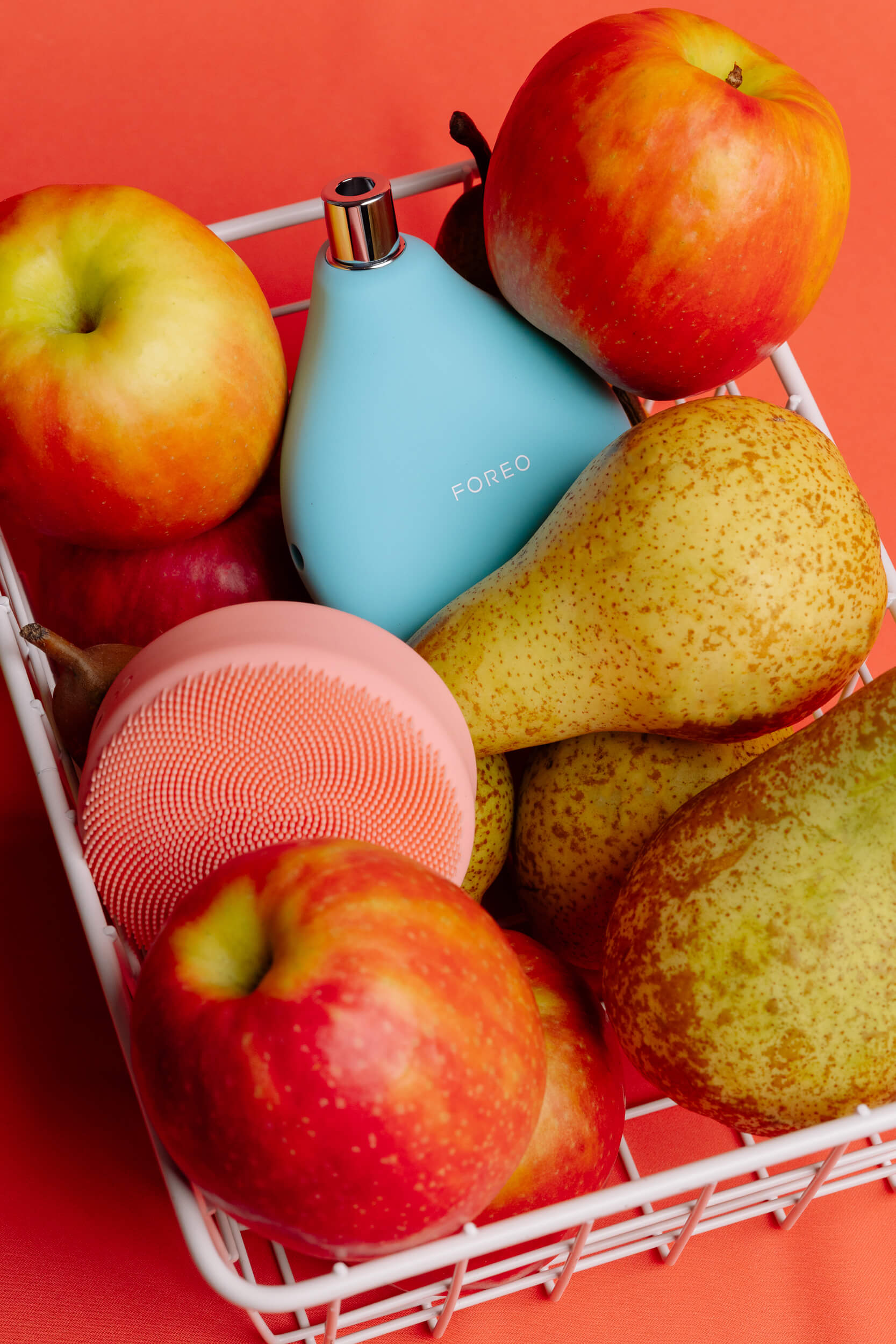
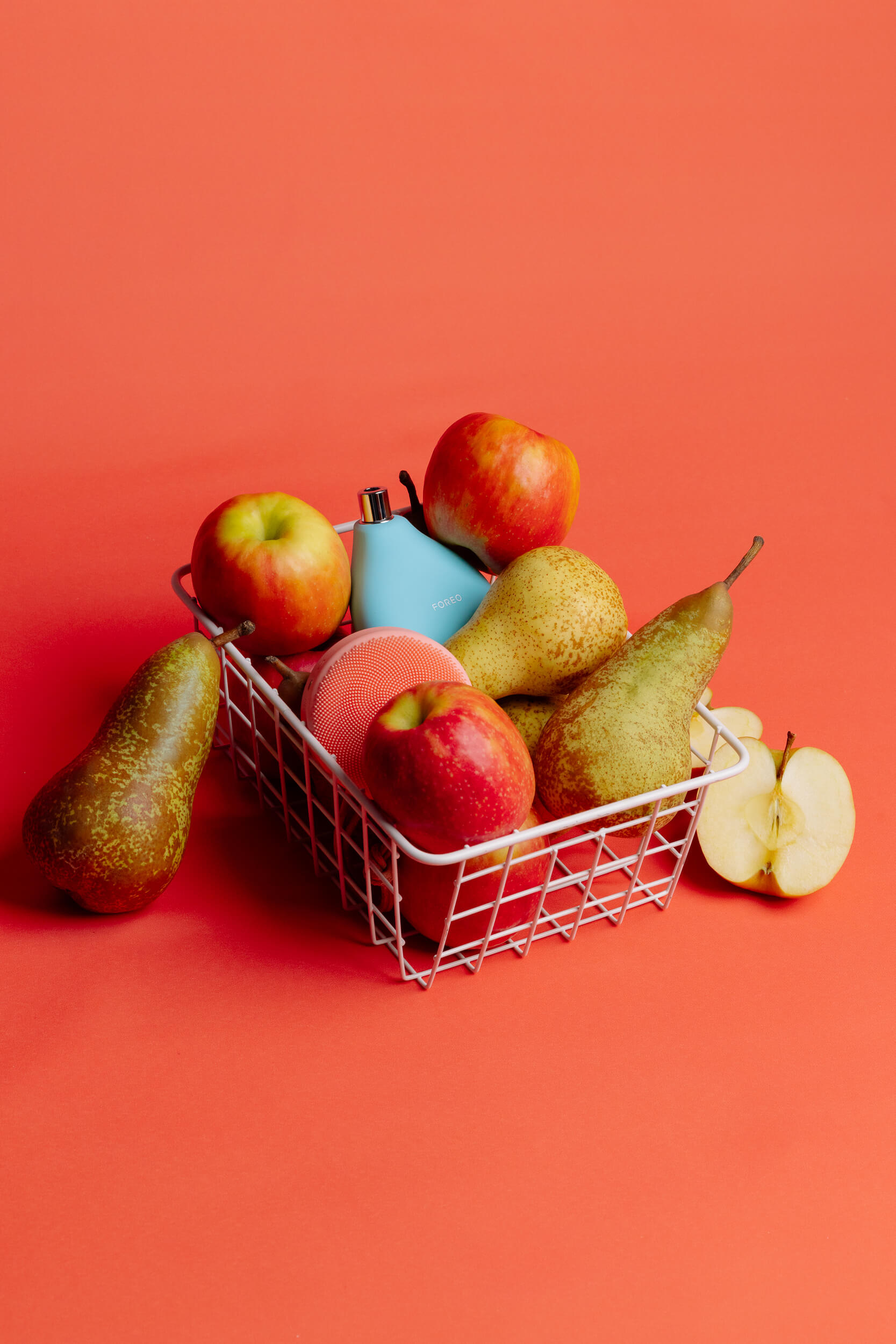
I love going grocery shopping. The blinding cold lights, the labyrinthine intersecting aisles, the clouds of condensation that fog up your glasses when you open the freezer section. The thousand colors and shapes of the fruit and vegetable aisle, with cabbages that look like little trees and knobby carrots the clerks hide beneath the pretty ones. And I love looking into other people’s carts: you can understand everything about a person from what they buy at the supermarket.
The man with two crates of beer and a maxi-pack of cheese chips will watch the game tonight with his good dog at the foot of the couch; the child with chickpea flour, instant yeast, a pack of night pads, and a Kinder Bueno White will tell his mom the cashier charged him €1.19 too much, inexplicably; the girl with fennel tea, seitan, and Wasa will wake up tomorrow hungry and insecure. I, with oranges, Greek yogurt, ricotta and spinach gnocchi, and a gigantic hair claw clip, will give myself a facial tonight with Foreo: Luna and Kiwi. I’ll go to bed with a sense of well-being and the colors of fruit in my eyes.
Chapter 6
I, Samson
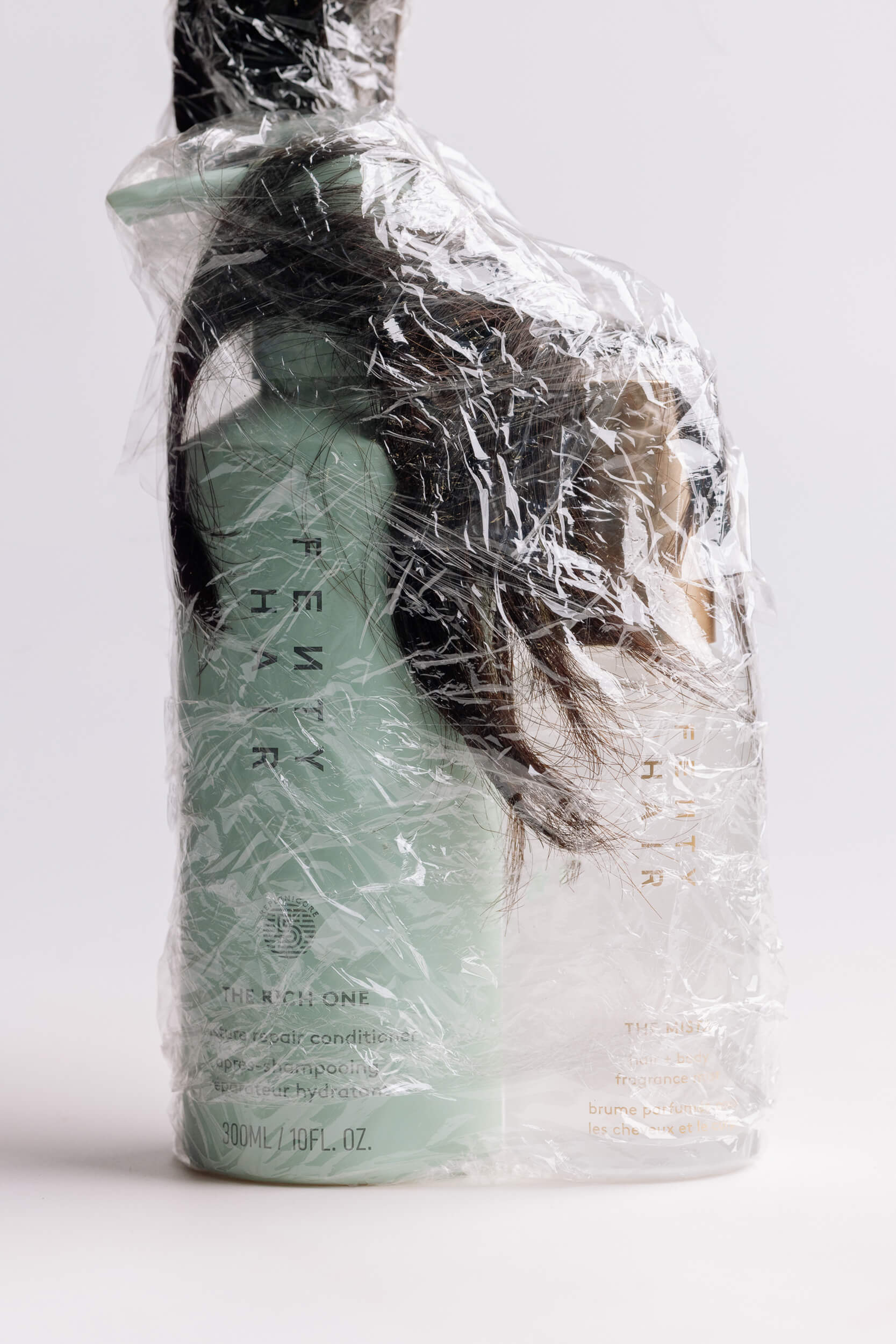
Samson, Nazirite hero, had thick hair that made him invincible. His lover Delilah – both victim and architect of a false and corrupted love – one day cut it, depriving him of his supernatural strength, robbing him of what made him special.
“What are we without hair?” I often ask myself in the morning, staring at my tousled post-sleep mane in the mirror. Many faces – symmetrical, regular ones, those with dimples, sculpted chins, big eyes and small noses like Emma Stone in Bugonia – can be beautiful without hair. But irregular faces, slightly crooked ones, horse-like ones, those with small eyes and large noses, pointed chins? Without hair they would be mortified. What would happen to Julia Roberts if she lost her hair? And to Jacob Elordi?
Paralyzed by these thoughts, I rush to wash my hair before it’s too late, before I lose it forever. I feel it falling slyly one by one, abandoning me little by little so as to go unnoticed – but I will stop it. I soak it in conditioner, The Rich One by Fenty, because it seals hair like silicone seals a crack in marble, and then I imprison it in a long styling session, because rebels must be tamed and enchanted. I intoxicate it with the lily of the valley–freesia–coconut blend of The Mista, so it will stay with me forever.
Chapter 7
My Father
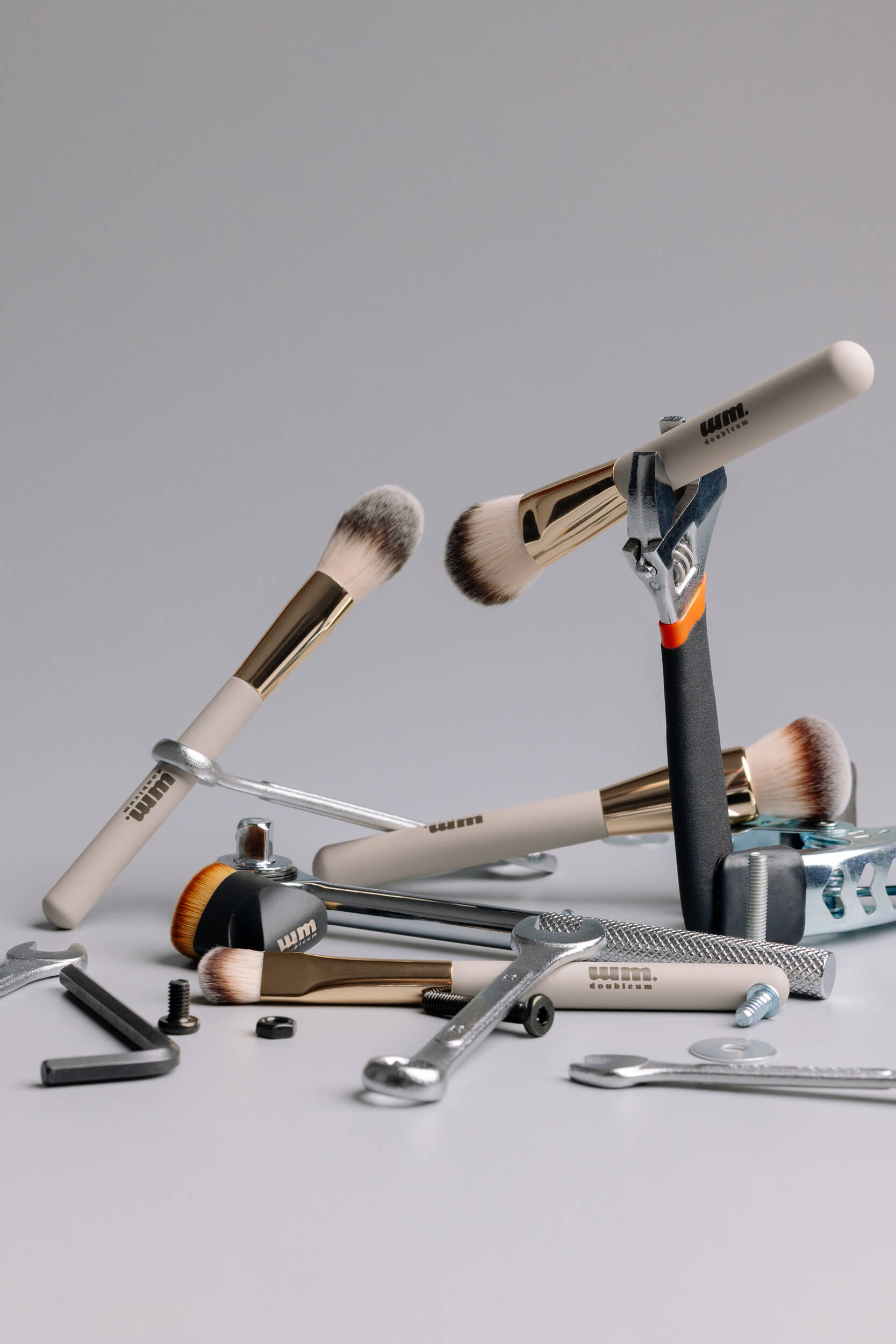
My father loves reading and writing. He loves going to the movies every Sunday, without popcorn, because they rustle and make noise. He loves music, putting on records in the morning as soon as he wakes and slowly raising the volume as we all wake up. My father loves sleeping. He loves driving, even for hours. He loves eating what my mother cooks.
He loves keeping any little nonsense I bring him, even if it’s a leaf or a subway ticket. He loves developing photos and framing them, but only from when we were children. My father doesn’t know how to screw in a light bulb, repaint a wall, fix a leaking pipe or a broken switch, assemble an IKEA piece of furniture. He owns only one flathead screwdriver and only the wrong screws. He knows what an Allen key is – Primo Levi writes about it – but he’s never seen one.
My father doesn’t like fixing things because deep down, when they don’t work, he likes them that way. Because my father loves what is meaningful, even when it’s broken. Like Neil Young’s voice crackling from a prehistoric record player. While I try to fix my makeup with Doubleum brushes, I think about my father. Maybe my face is fine like this.
Chapter 8
The T-Shirt
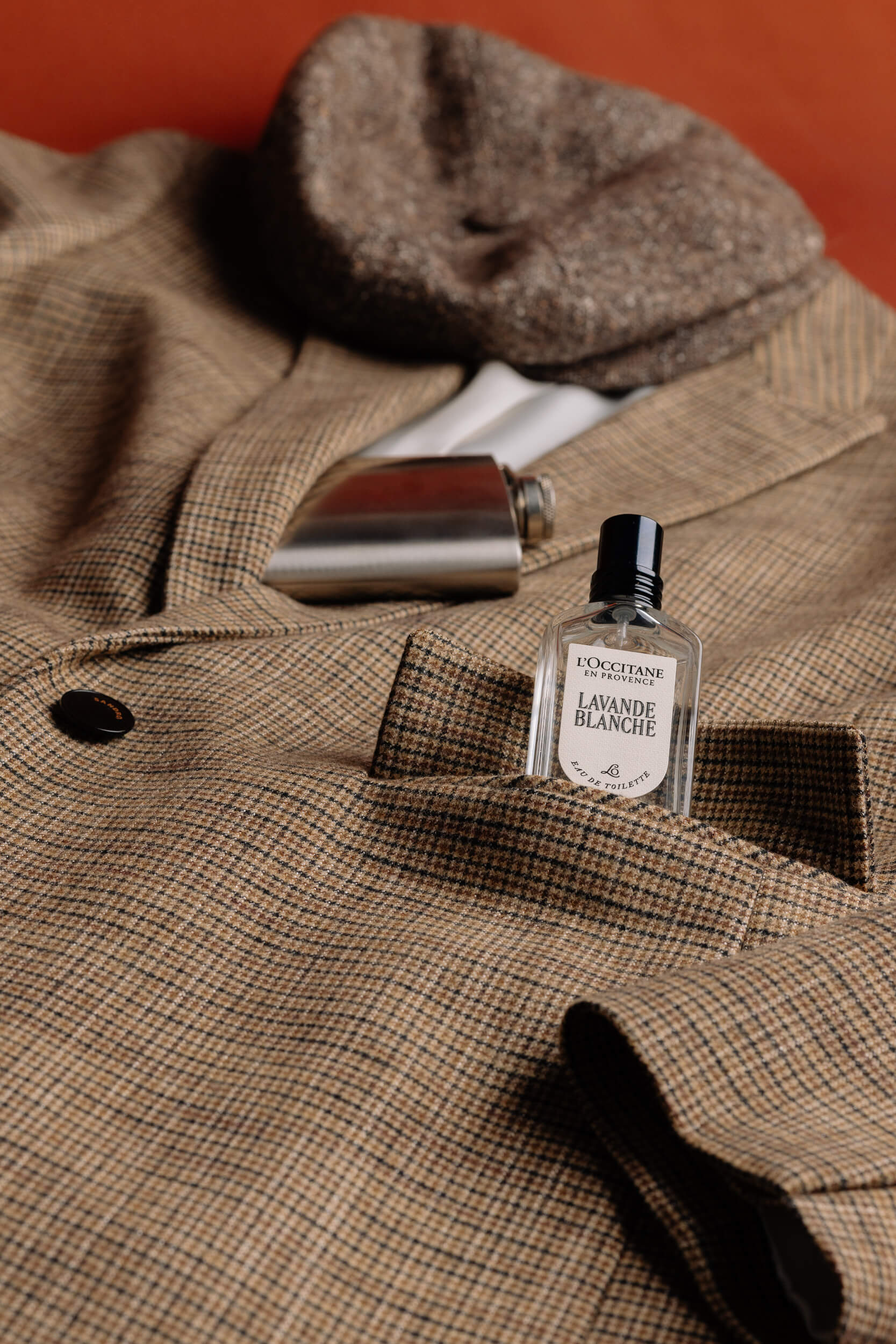
I lent my T-shirt to a friend. She wore it all day. In the evening, she didn’t take it off, not even when we parted. She took it home and promised she’d wash it before giving it back. The night before, I had worn it to the pub. It had soaked up my aloe vera deodorant and the drops of whisky the Englishman at the bar almost spilled on me when Great Britain lost to Italy in mixed doubles curling.
I wonder what my T-shirt saw at my friend’s house: in which washing machine it tumbled, what smells it absorbed, how and where it was hung to dry, how it was folded and where it was stored.
My friend returned the T-shirt. It smelled clean and of Lavande Blanche. My friend always wears it, and the washing didn’t remove the scent. Maybe my T-shirt lived a better life for a while.
Chapter 9
To Perfect
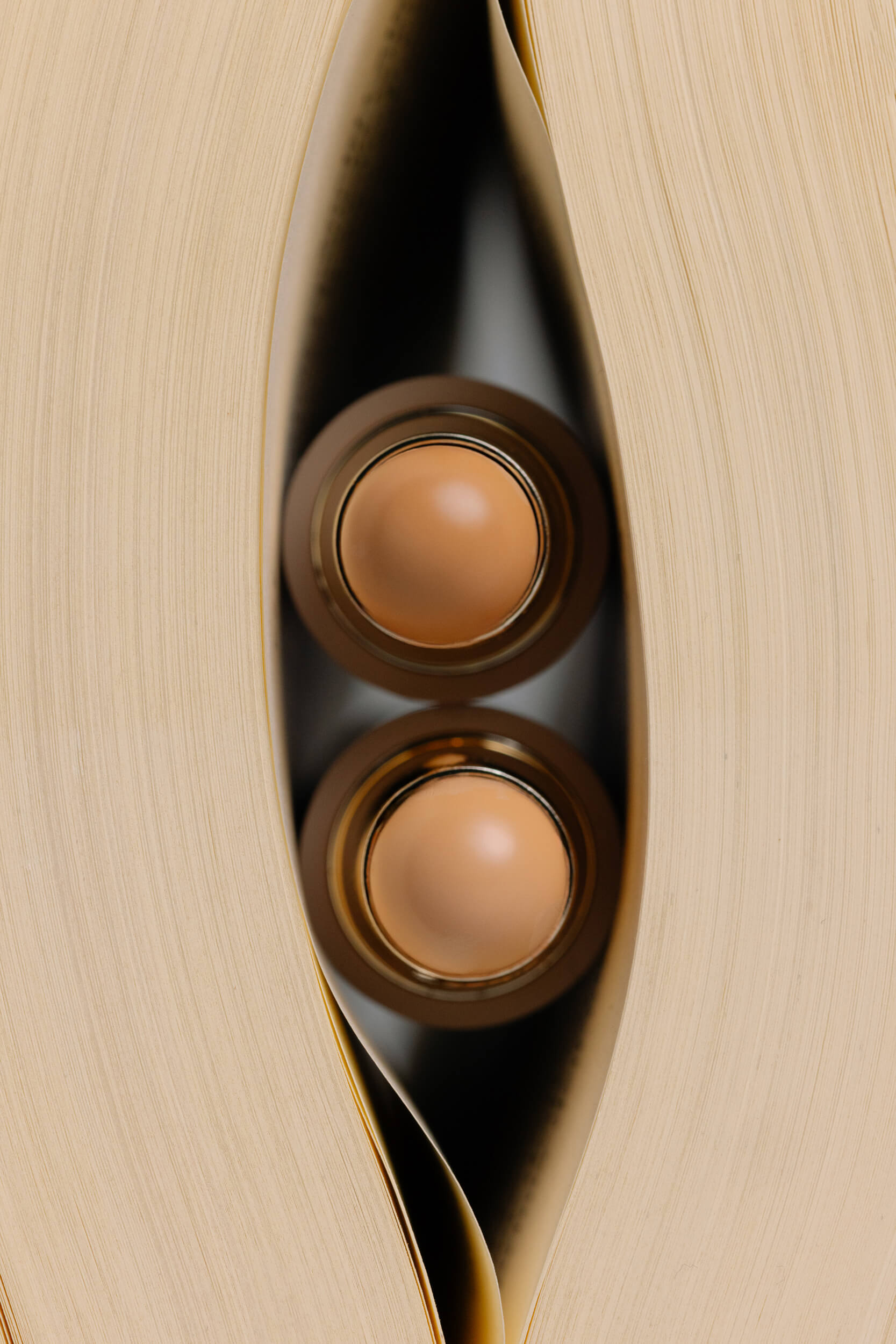
For work, I correct. Not only for work. As a child my friends called me “little miss precise” because I corrected their English pronunciation. My mother scolds me when I angrily correct her improper use of the past tense, defending the validity of her regionalisms. My friend sends me the captions of her Instagram stories in advance, asking me to correct them before she posts. Another friend, who is no longer my friend, now works correcting books – she says she perfects them.
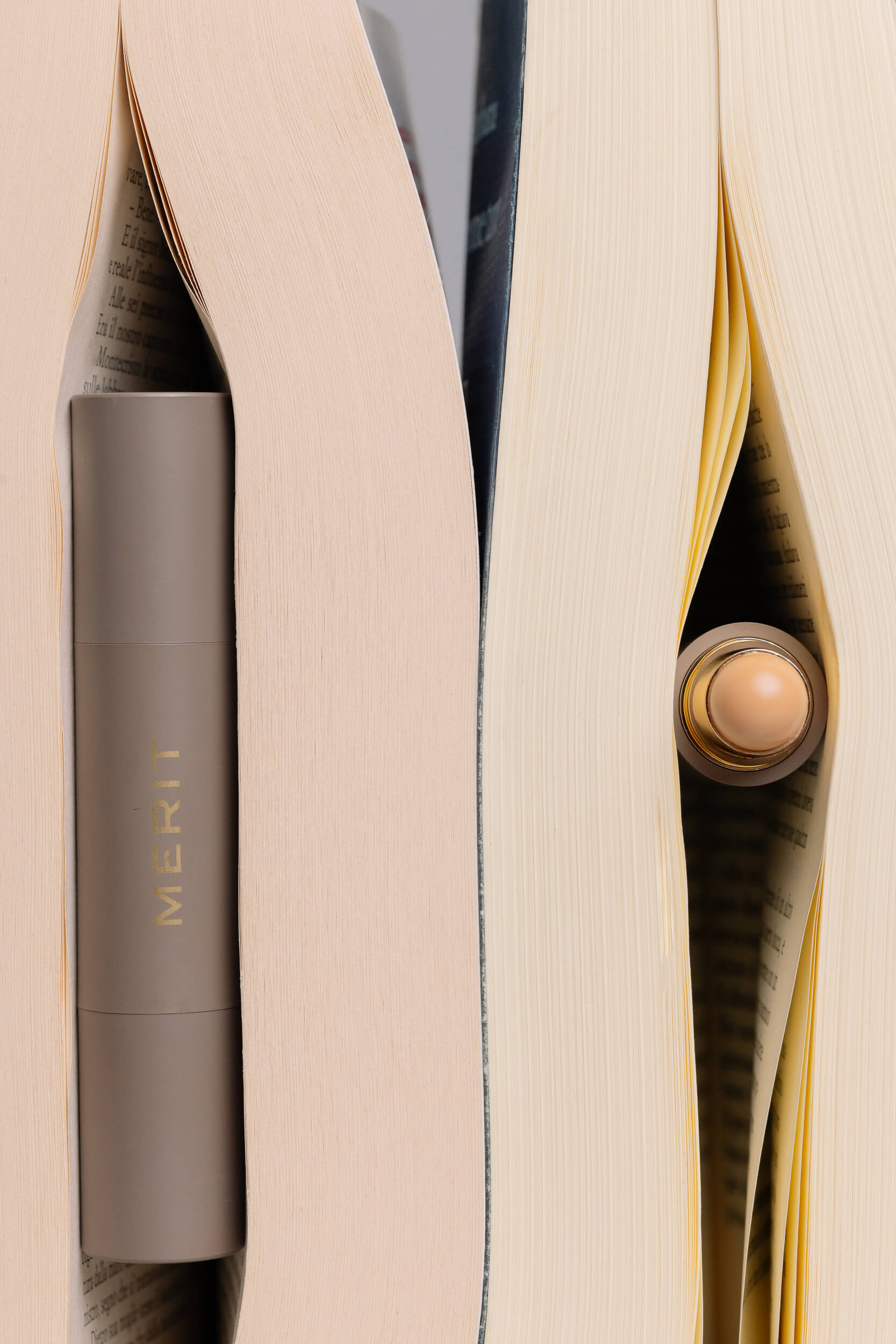
I don’t think correcting means perfecting but rather transforming something into a new and improved version – something that can be changed without losing its nature, with humility and respect for the original. My dark circles, for example, I can perfect, and every day with Merit’s The Minimalist Perfecting Stick, I brush close to perfection.
A book, my dear no-longer-friend editor, can at most be improved by your notes – but to aspire to make it “perfect” without giving life to an artificial version of it, is that even possible?
Chapter 10
The House of New Friends
I went to the house of new friends. Past a narrow entrance hallway and the kitchen – long and narrow, with a newly installed granite countertop, oven, microwave, dishwasher, and an endless row of cabinets filled with fragile, sophisticated-looking glasses – I emerged into the living room.
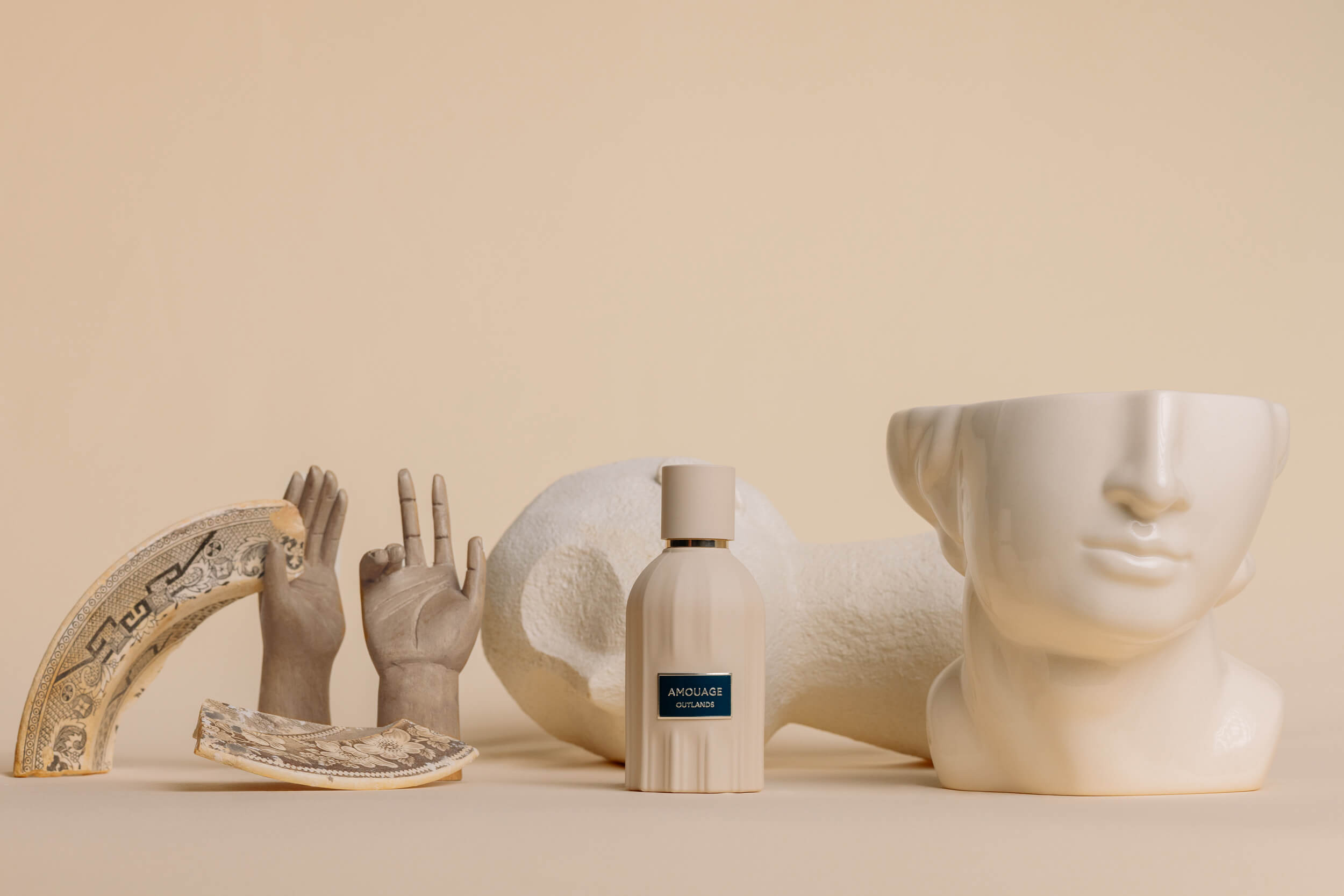
Salmon-pink sofas and armchairs arranged in a semicircle surrounded a glass coffee table, topped with a lit candle shaped like a Doric column and a wooden lamp shaped like a heron with removable wings. Behind it, an immense white bookcase: square and rectangular shelves hosting thick volumes, booklets, pamphlets, ceramic half-head vases, and shards of antique plates.
Enchanted, but not empty-handed, I handed the hostess my guest gift: Amouage Outlands. I had sensed it would be her kind of fragrance, woody notes smelling of wild nature – but I could never have imagined how perfectly it would fit in that house.
Chapter 11
Bittersweet
We opened a bottle of red wine. On the label, written in light blue marker, it says “for cooking.” We used it to deglaze the meat and make tagliatelle with ragù. The bottle stayed there open for days, untouched except for one glass. “Cooking” red wine is difficult to use. I try a sip to see whether it might be drinkable: acidic and bitter.
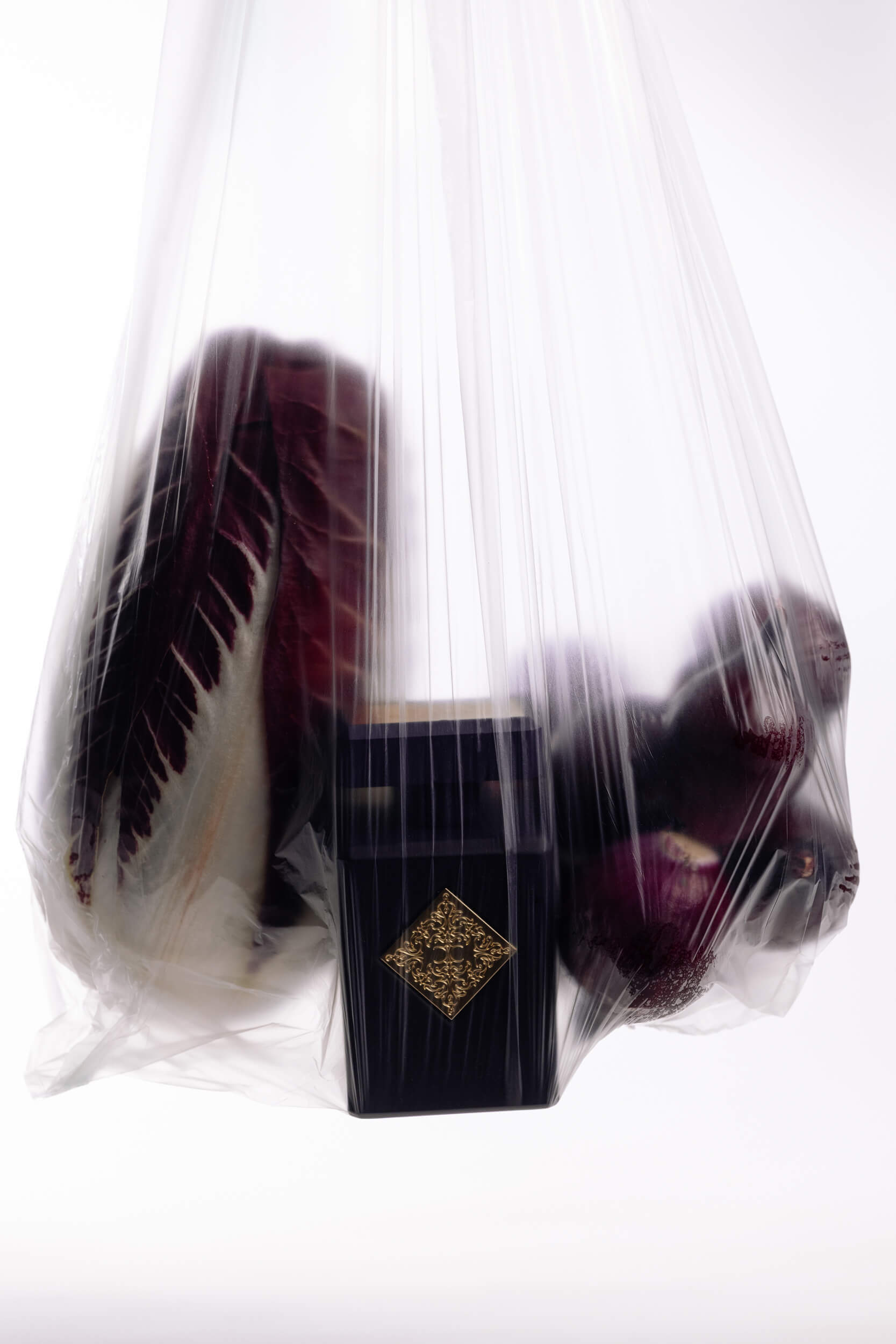
I stop by the greengrocer. “Gianni, what recipes do you recommend with red wine?”. Gianni suggests braised beef, but I’m not very good with main courses. “Radicchio!”. I buy a head of radicchio, the late-harvest one with elongated leaves and a slightly bitter taste, and some red onions, the sweetest ones. I love softening bitterness.
I run home and make a risotto. I deglaze the radicchio with the “cooking” red wine and let it sauté with the red onions sliced into thin strips. It’s almost ready, but I’m not. I go upstairs and put on my favorite dress, a few drops of Initio – Side Effect, gold earrings, and burgundy Mary Janes. Now everything’s on point.
Chapter 12
R. X
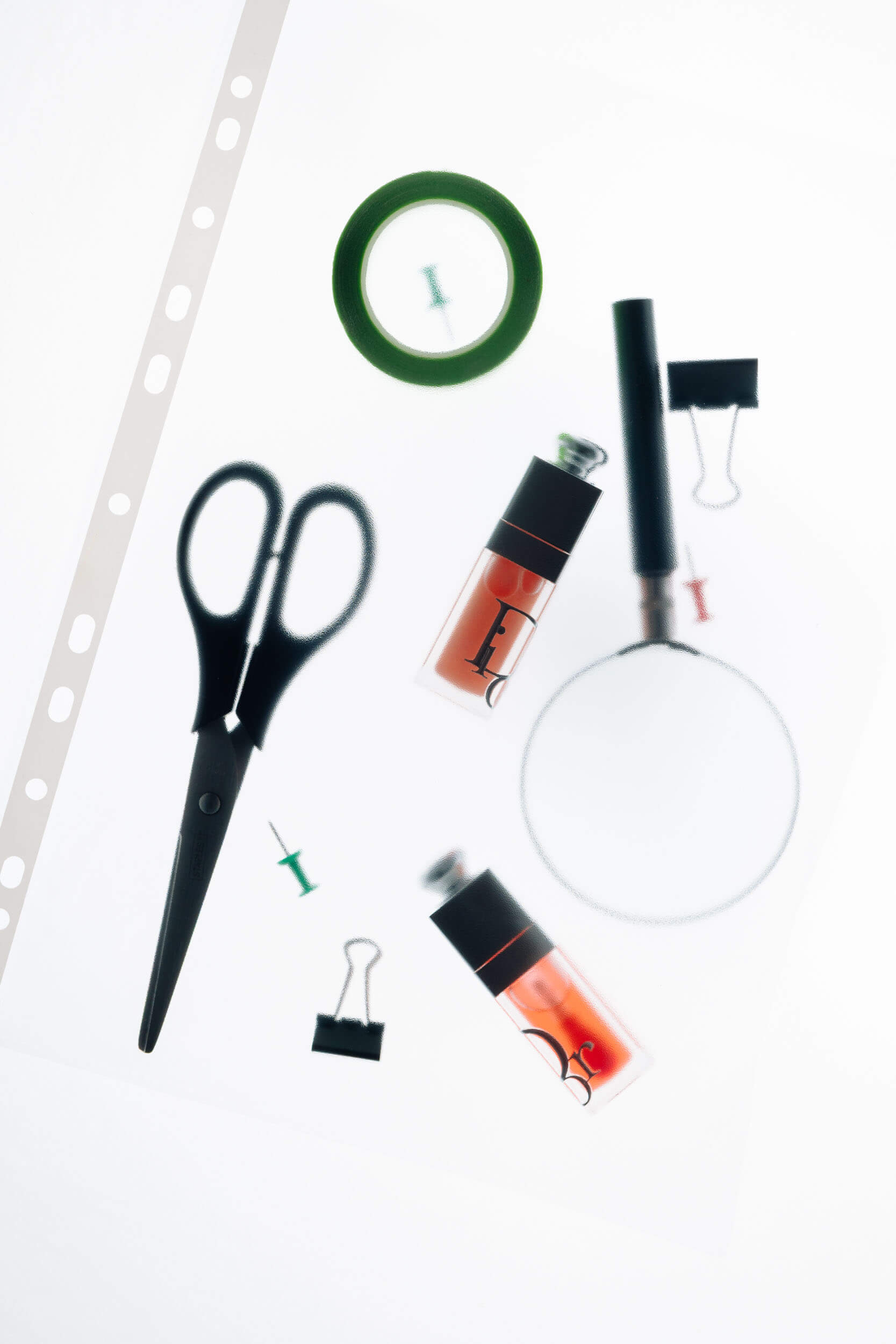
R. scans everything. She always forgets how to do it, so last time she asked me for help. She wanted to scan a rose. She scans objects in motion. The result is the object decomposed, almost liquid, unrecognizable.
R. scans everything she finds. The dried flowers from vases, the office stationery from the cabinet, T-shirts, makeup. Once she scanned Dior Addict Lip Glow Oil. If I remember correctly, another time she scanned her own face.
R. is an artist, even if she doesn’t know it. R. absorbs everything she observes and then reproduces it with no ulterior motive. R. sees the beauty in everything and wants to make it live forever. Simply.
Chapter 13
The Rooftops of Rome
My mother’s aunt is Sardinian but has lived in Rome forever. She has a large house with one of those antique elevators, with exposed wires and tiny doors to shut yourself safely inside. The floor creaks and it’s better not to close the room doors, or they won’t open again. In winter the windows puff unstoppable drafts of wind and sometimes, during storms, even droplets of rain.
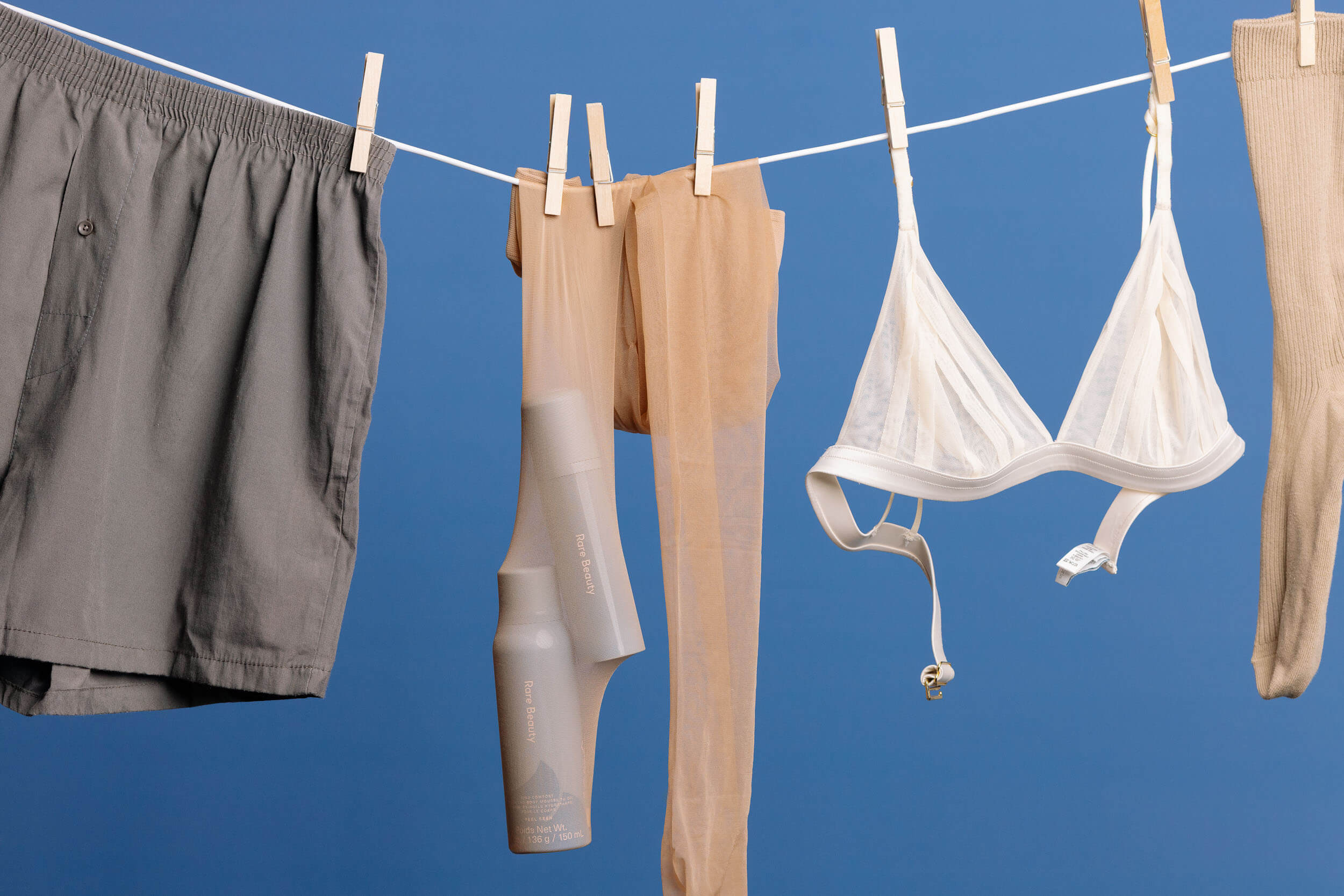
In summer, my aunt is always on the terrace. The rooftops of Rome seen from above are a folkloric panorama. Red and orange tiles worn by the sun, small flowered terraces, chimneys and old antennas. My aunt hangs the laundry there, and sometimes I follow her and watch her clip each garment with clothespins one by one, with the rooftops of Rome in the background. I love it when she does that.
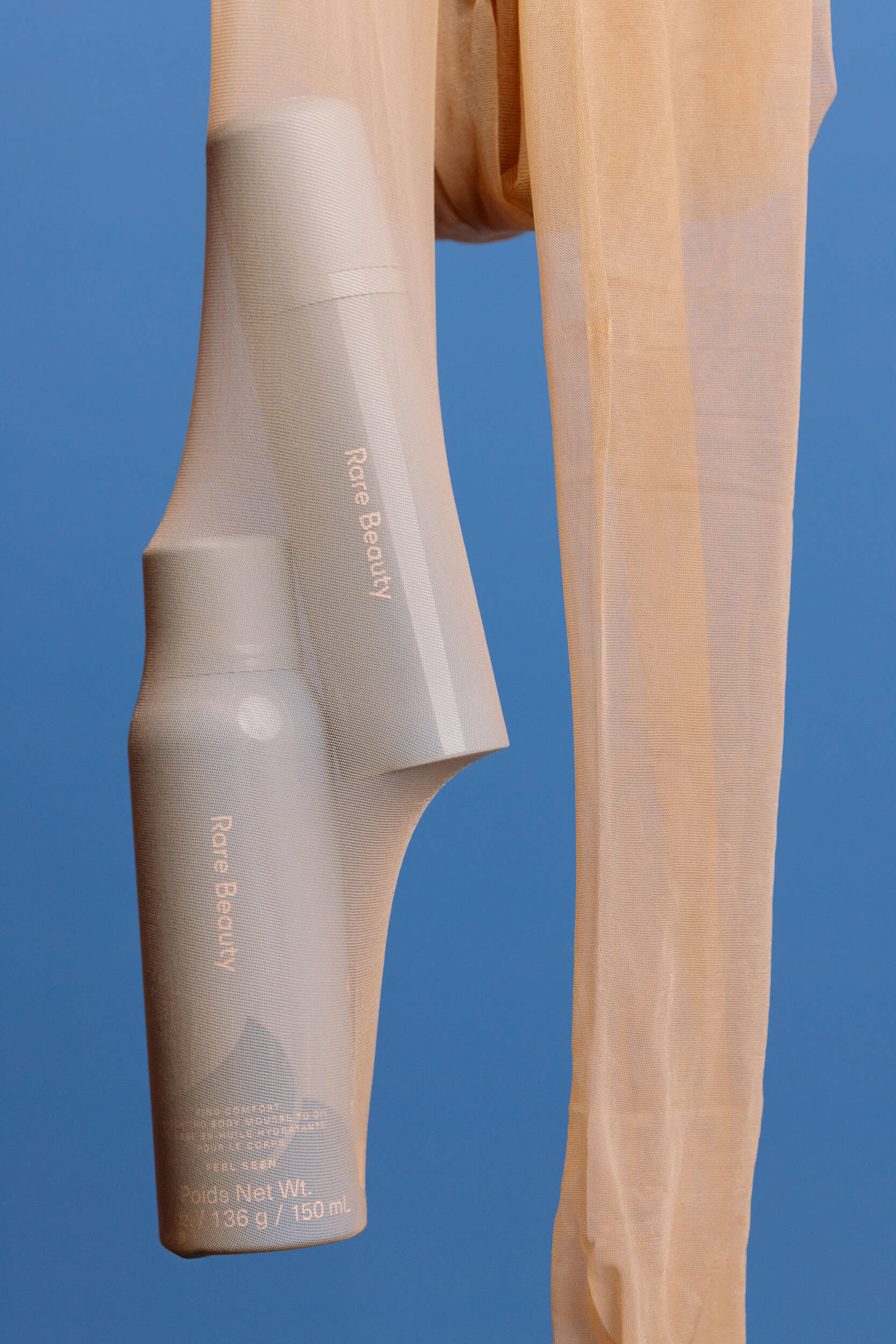
Once, I was downstairs getting ready to go out – I remember clearly, I was wearing an indigo sleeveless dress, spreading Rare Beauty Mousse-Oil on my arms and misting myself with summer fruit scent from the same line, Feel Comfort Feel Seen – when I heard my aunt go up to the terrace without me. I join her and she tells me I’m beautiful and fragrant and asks why I haven’t gone to meet my friends yet. But I wanted to look at the rooftops of Rome with her.
Chapter 14
Milk
Tastes change over time. For anatomical reasons, because our gustatory system develops with us; for cultural reasons; and also, for social reasons, of adaptation. As a child, I didn’t eat pizza. When I went to a pizzeria with my family or to classmates’ birthday parties, I ordered a Margherita and stripped it of everything I could remove: mozzarella, tomato, oil, crust. What remained was the naked center, softened by the toppings. I ate it praying it would end soon.
Until two years ago, I didn’t eat cheese. Once, out to dinner, I ordered a piadina with potato cream, turkey, and brie – without brie. They forgot to remove the brie as I had asked, and unaware, I bit into a big piece before noticing. I ran to the bathroom to gargle tap water to forget that taste and didn’t touch food again until the next day.
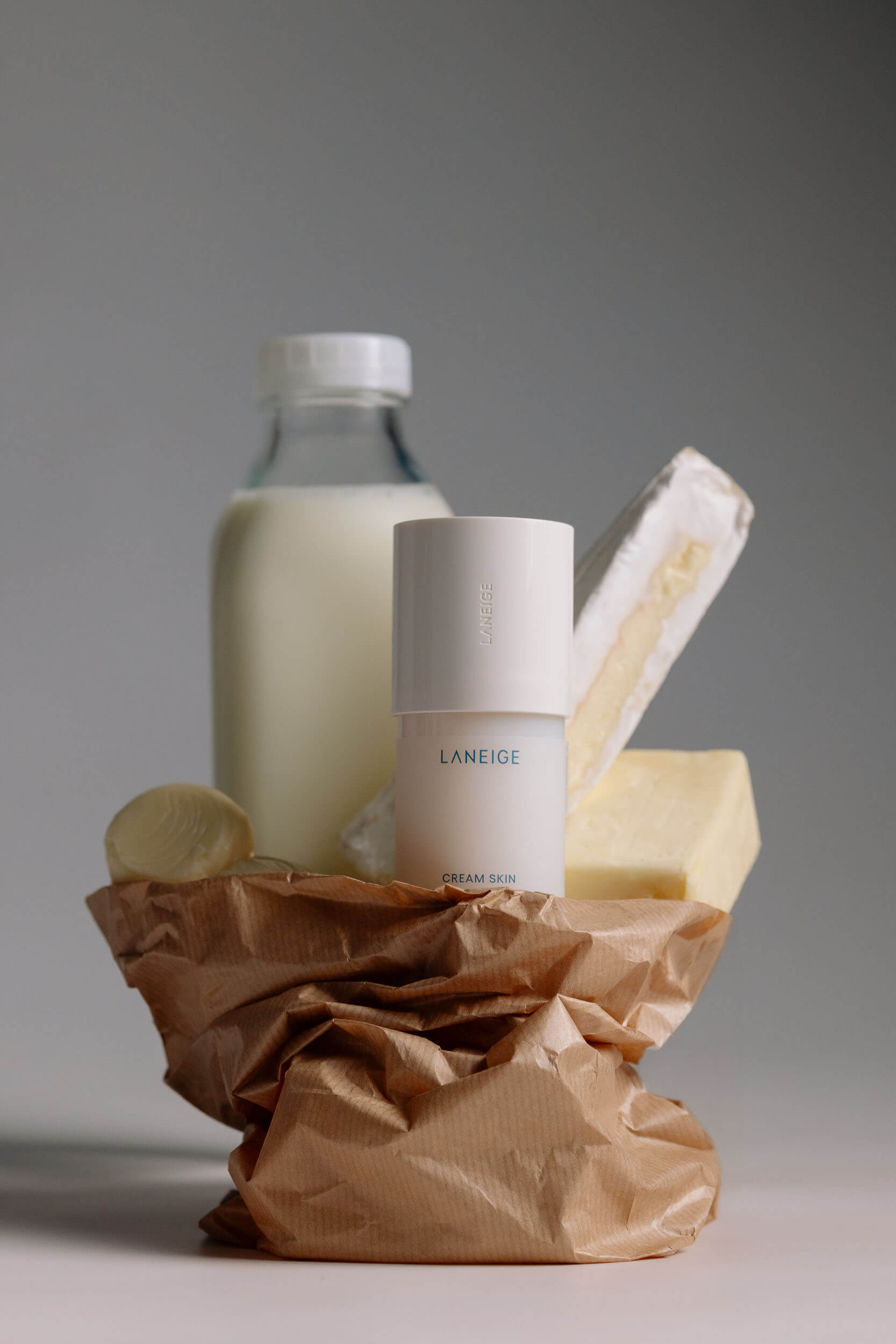
Today my favorite pizza is called Positano: cherry tomatoes, fior di latte, smoked scamorza, and a dusting of parmesan. Yesterday I swapped lunch with my colleague: ham and brie sandwich, delicious. But one thing hasn’t changed and never will: my disgust for milk. Cow’s, goat’s, soy, oat, coconut: poison. I would rather drink that Laneige Cream Skin Cerapeptide bottle on my bathroom shelf, identical to milk. Nourishing, healthy, and less poisonous.
Chapter 15
If Time Could Be Fixed
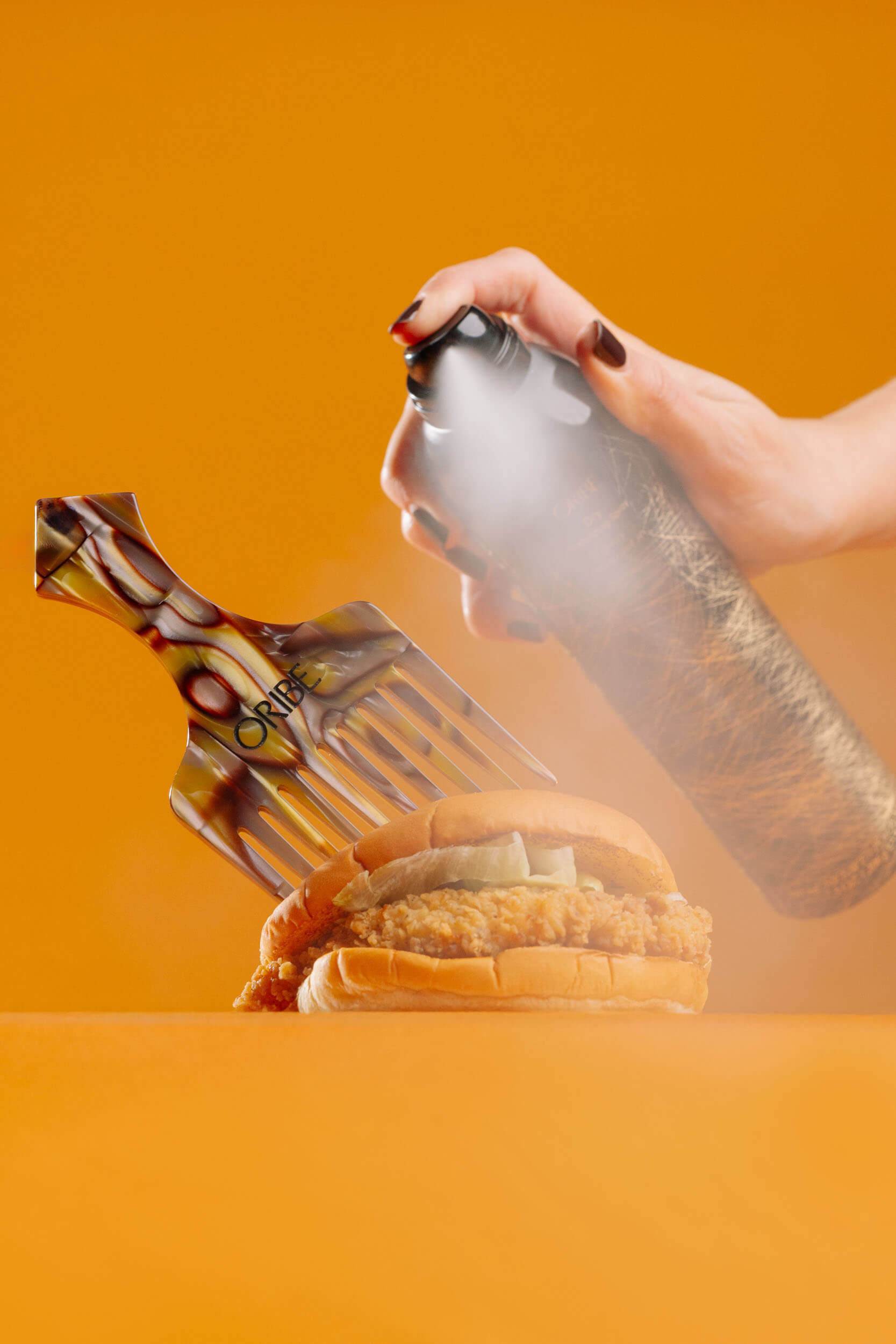
Sometimes I wish time would stop. That certain moments would freeze so I could look at them from afar, or from another perspective. Sometimes I wish actions would halt at their inception, to delay their consequences, or, conversely, to prolong their effect. Like when I warm my lips in a winter kiss; when I decide to voice a wrong thought; when I eat the best sandwich in the world and, even if it’s big, it feels so small and I’m sad thinking of when it will be gone; when I brush my hair with Oribe Diamond Pick to relax before a demanding evening.
Oribe also makes an invisible hairspray like magic, the Signature Dry Texturizing Spray: if only it could fix time as well, to make my kiss or my sandwich last forever, to prolong the peace of pre-evening brushing, to stall before opening my mouth and ruining everything. Then the effect would fade, but at least the pleasure could last a little longer.
Chapter 16
Cleaning
Unpopular statement, bold statement: I like cleaning. I like tidying up, dusting, doing laundry, washing dishes. I cannot stand rumpled blankets on the bed, dusty shelves, overflowing laundry baskets, used cups and glasses stacked in the sink.
Cleaning relaxes me, helps me think, gives me an unusual but absolutely valid sense of satisfaction. Cleaning is a moment for me and my daydreams, for me and my obsessions, for me and my music.
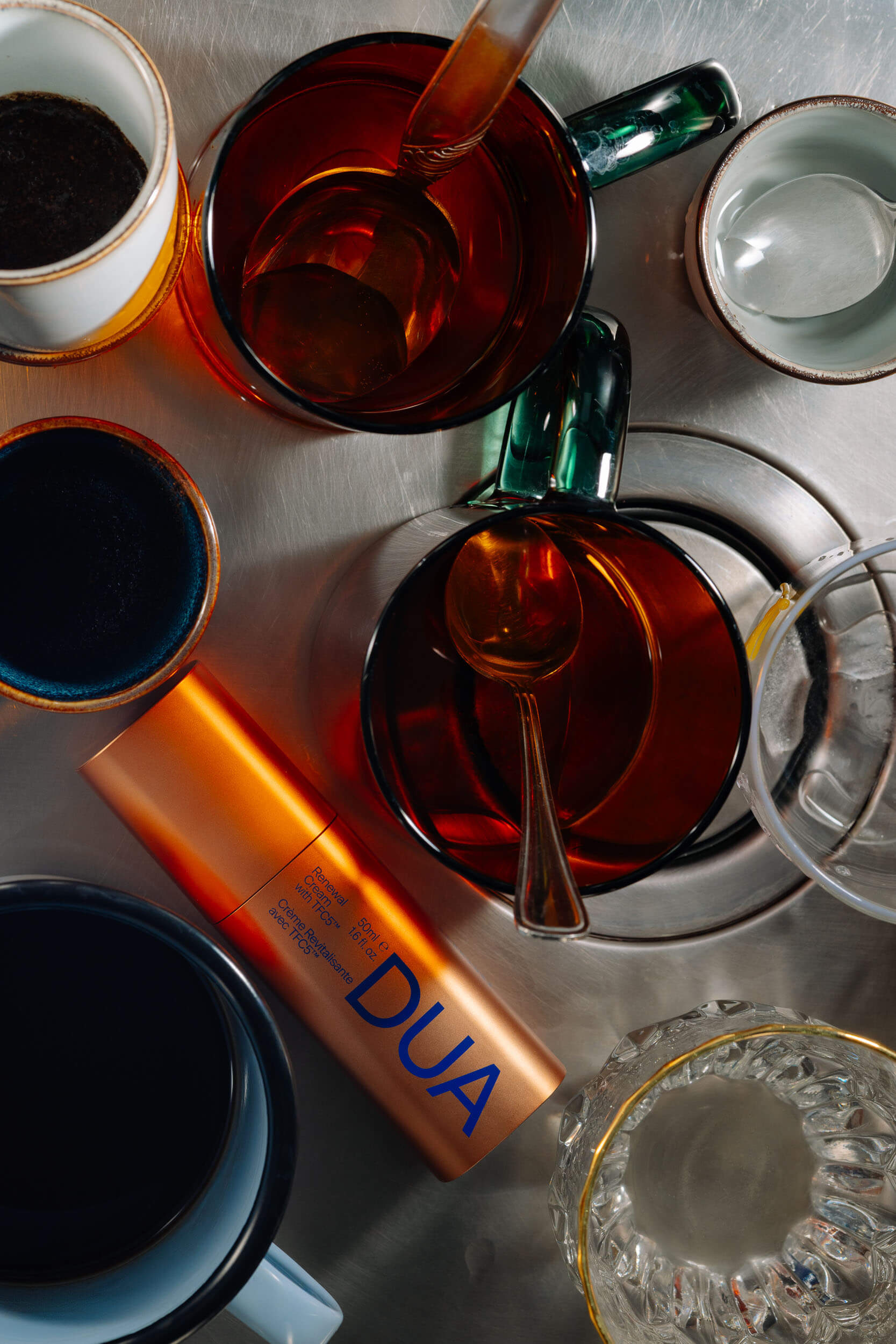
I dust the bathroom shelves, and as I place my DUA Renewal Cream back onto the freshly polished wood, I’m losing my mi-mi-mi-mind / Mi-mi-mi-mind, mi-mi-mi-mind / I hallucinate when you call my name… Dua Lipa sang her moisturizer to me – or are these hallucinations from dust mites?
Chapter 17
The Tower Game
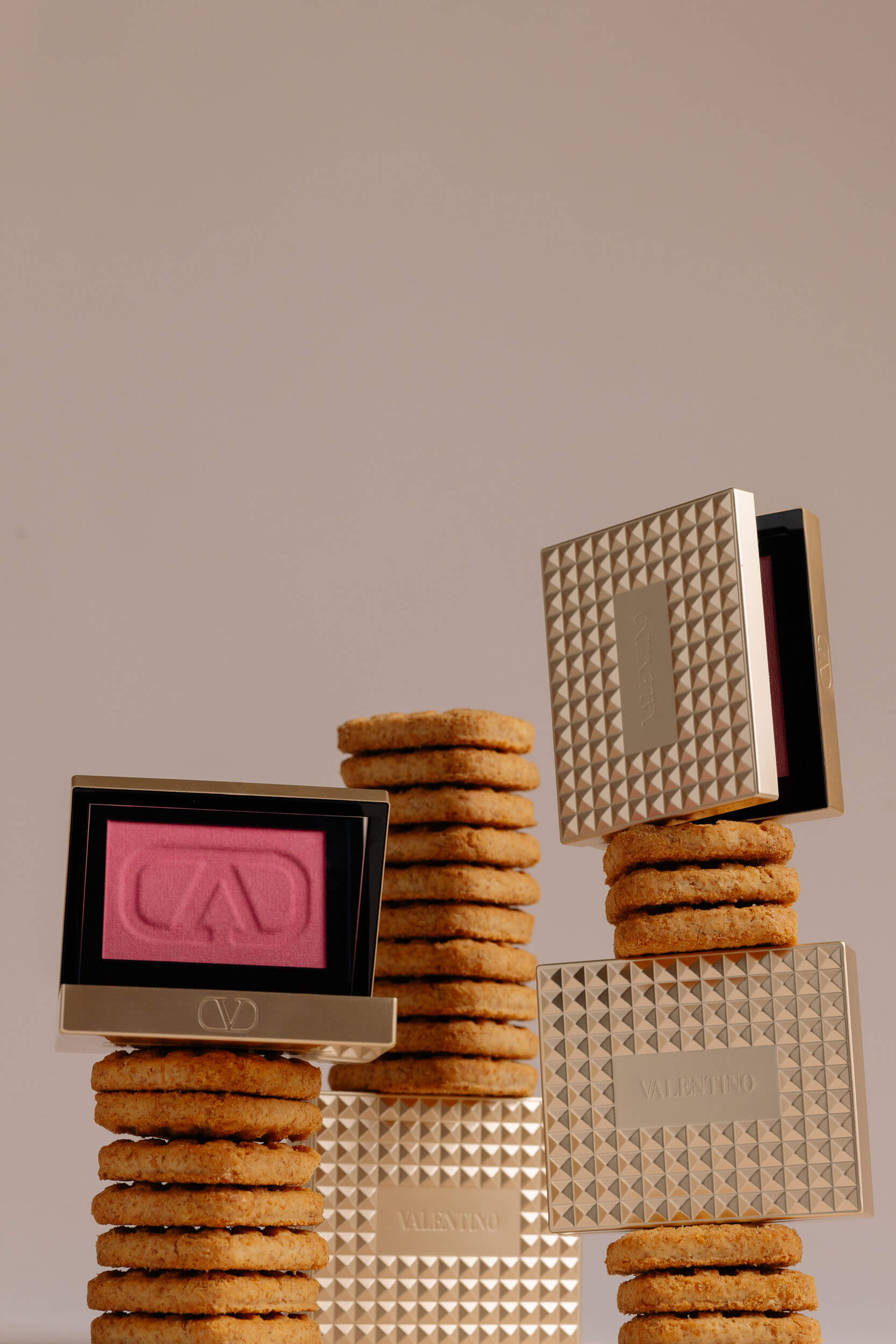
At university, broke but imaginative, we played who could build the tallest tower with whatever we found in the kitchen. Ketchup bottles, funnel, saltshaker, empty Molecola cans, paper towel rolls, cigarette packs, corks and corkscrews. It was a game of ingenuity and strategy that filled at least an hour of our Turin evenings, when the heat kept us from leaving the house unless strictly necessary – for example, if we ran out of materials for the towers.
The tower didn’t have to be beautiful, but it had to be stable: it had to remain standing for at least ten seconds, otherwise you were out. I always won. I managed to grab the best objects first and stack them evaluating weight and shape in zero time. My roommates hated me, begged me not to play. But I played anyway.
One evening, tired of my winning but ugly towers made of beer bottles, ground rosemary, and gas lighters, I opened a pack of dry biscuits, the Petit ones, rectangular and thin like little flying carpets. I stacked them one on top of the other and built a tower with my Valentino Color Crush blush on top. Finally, a stable and graceful tower. My roommates burst into resigned applause and asked me, please, never to play the tower game with them again.
Chapter 18
Bread
Of Covid, I remember nothing. In some ways, I thank my selective memory: there is nothing I would want to remember. Of the lockdown, however, there is something that often comes back to me, almost nostalgically: when I made bread with my mother.
We had never made bread before. We had full, busy lives – work, household chores, school, ballet classes, English lessons. We never had the time, the need, or the desire to make bread at home, in our suburban house. Surrounded by excellent bakeries, we could buy bread even freshly baked from industrial ovens.
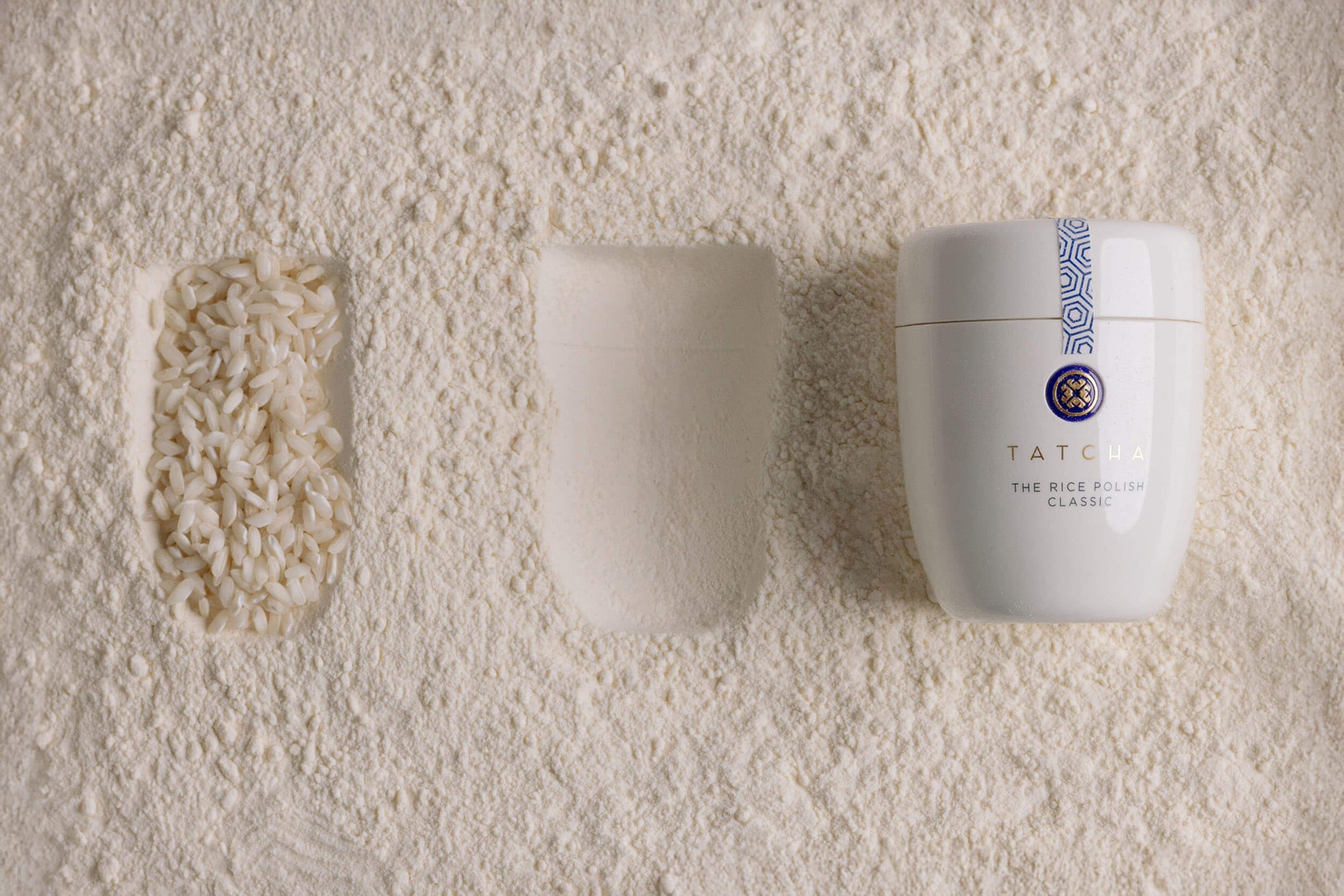
But lockdown bread tasted completely different: it was coarse, compact, and always slightly sweet because we never added enough salt. I think about it while rubbing the white powder of Tatcha’s The Rice Polish between my damp hands; I think of when I did the same with flour, sitting aside in the kitchen when I was tired of kneading and left the hard work to my mother. She truly liked making bread – I, instead, liked being with her in one of the rare moments when she managed to distract herself from fear. Lockdown bread was different because it tasted like truce.
Chapter 19
Pop Paradise
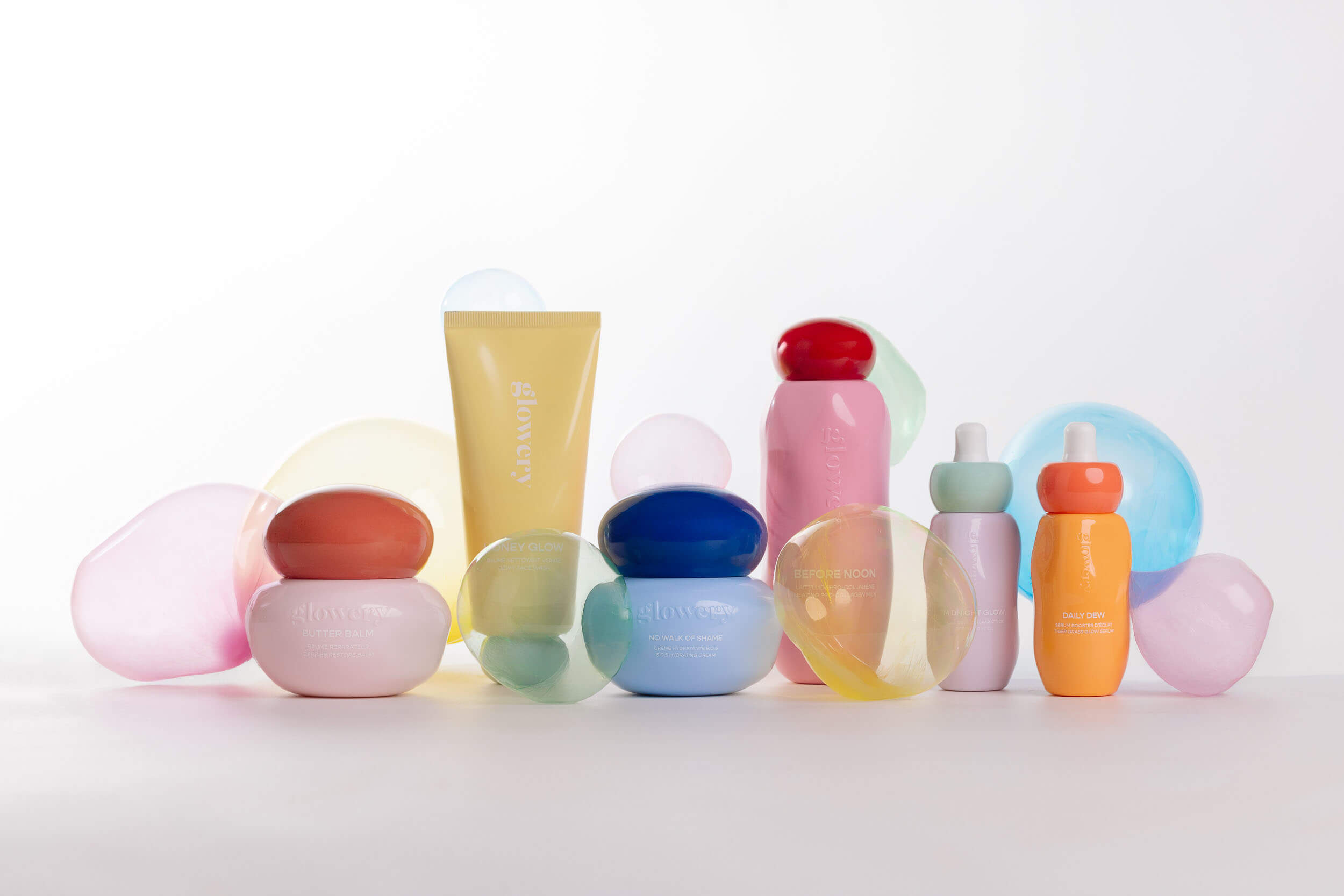
If paradise existed, for me it wouldn’t be white. It wouldn’t be ethereal, volatile as in Christian iconography. If paradise existed, for me it would be extremely colorful.
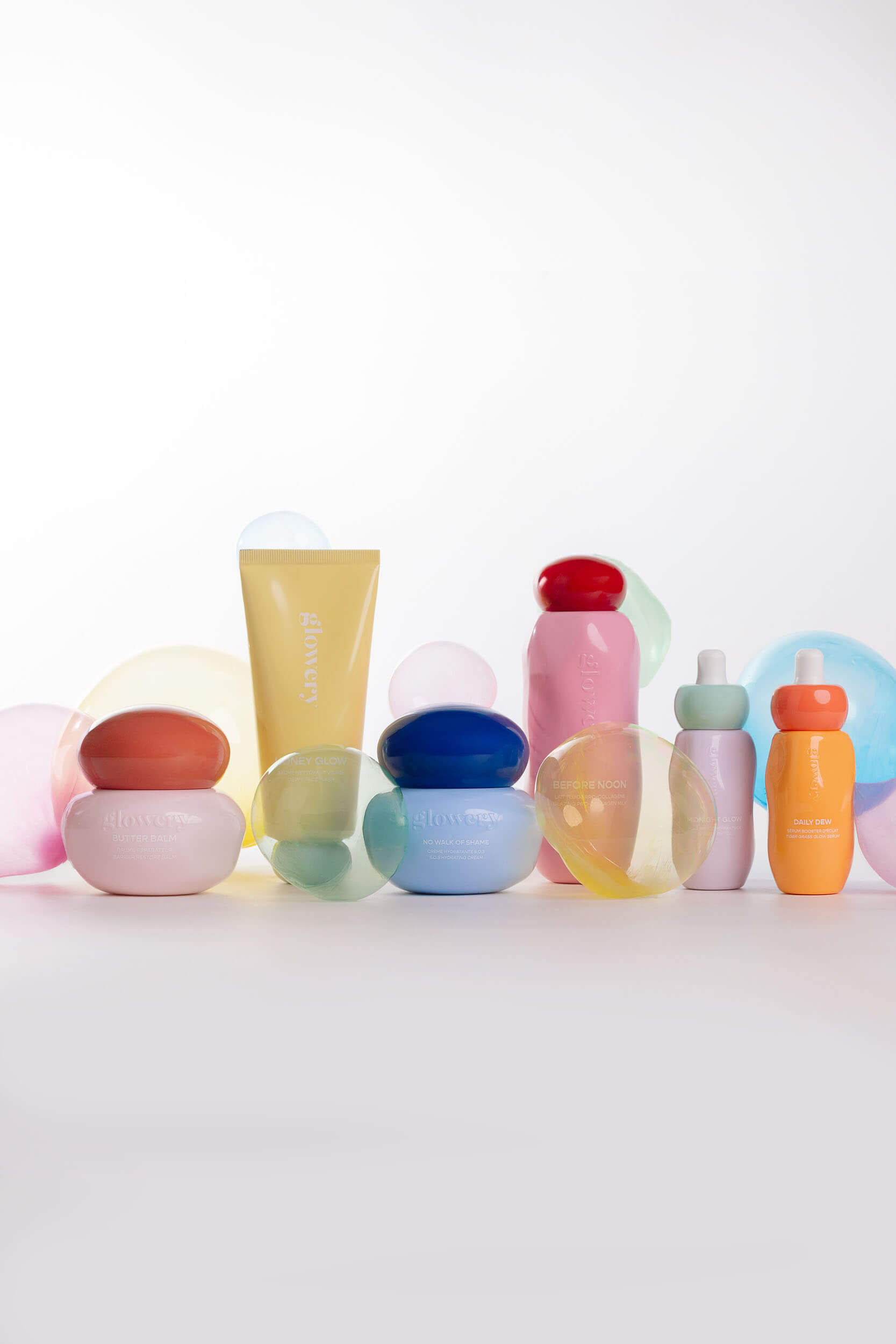
It would be a gigantic living forest, with all the elements that make a forest a forest: grass, trees, mushrooms, fruits, rocks, moss, bushes. Yet nothing in this forest would resemble a real one: trees, grass, moss, and bushes wouldn’t be green but a blazing color – fuchsia or orange, for example; the rocks would be colored bubbles, indestructible; mushrooms and fruit would look like Glowery products, those rounded, brightly colored forms with softened edges that you’d want to bite into.
If paradise existed, for me it would be a pop paradise, like the skincare routine of Glowery.
Chapter 20
Grandma’s Cookies
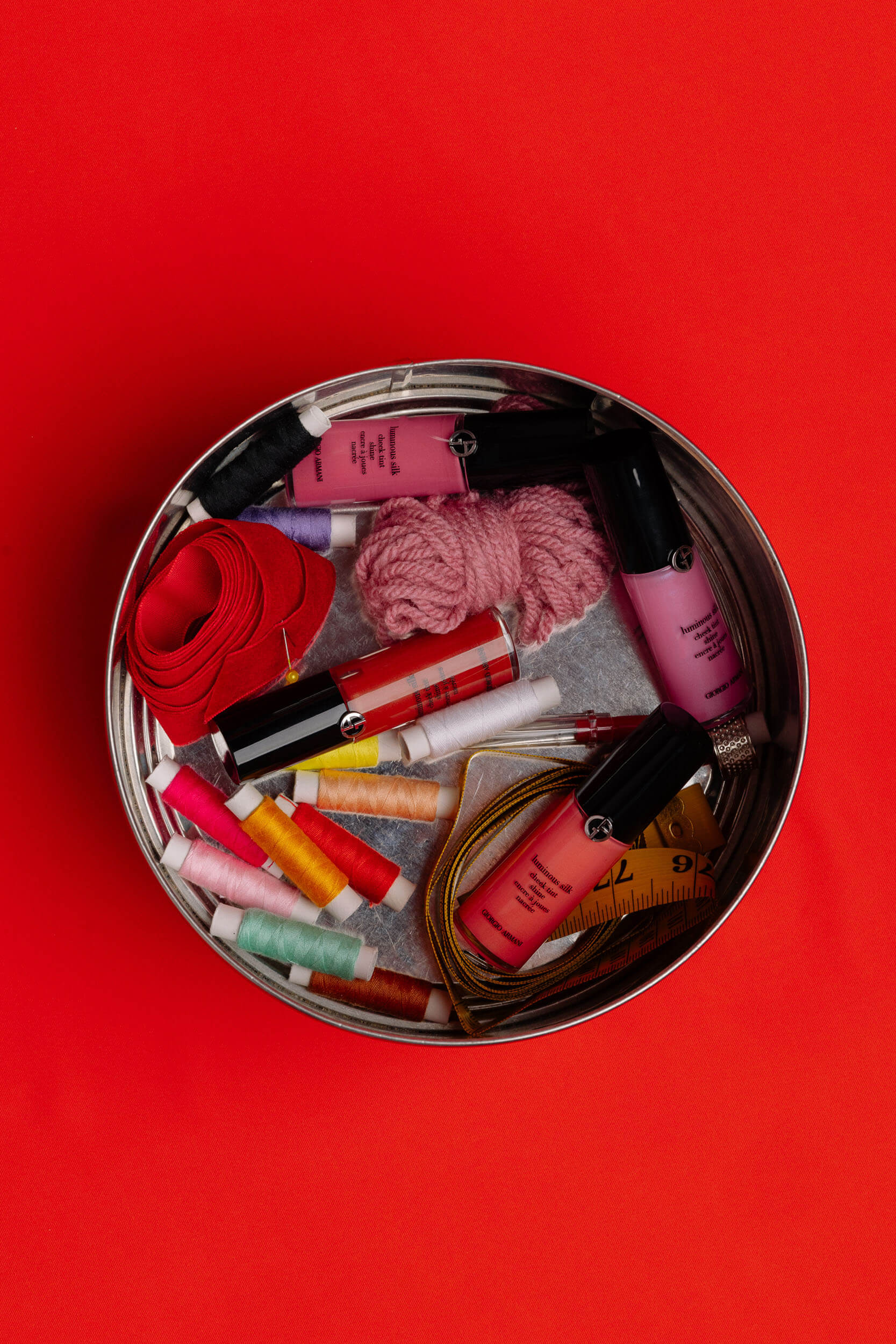
My grandmother was a textbook grandmother. Elegant yet discreet, pearly nail polish, red lipstick, and on her cheekbones Giorgio Armani blush, her favorite. Beautiful and witty, she took care of all five grandchildren with a love that must have weighed on the scale so it could be divided into five perfectly equal parts.
So, none of us lacked the hand-embroidered white linen baptism blanket, the bedtime ballads, the little hands filled with coins secretly taken from Grandpa before going back home to Mom and Dad. When she knew even just one of the five grandchildren was coming to visit, my grandmother would stuff her cupboard with sweets. I remember stacks of butter cookie tins, those round metal ones that in stories about grandmothers become sewing chests: needles, thimbles, spools, measuring tapes. But my grandmother’s cookie tins were real cookie tins. Inside you found only the cookies shown on the label, or the milk tongues with sugary crust she made herself.
When we emptied her cupboards, I took one of those metal tins home. Inside, I put my Giorgio Armani Luminous Silk Cheek Tint Shine blushes, my favorites. Grandma’s cookies are gone now.
Chapter 21
Midori
I lived for a few months with a girl named Midori. Her real name was Maria, but she called herself Midori since returning from her trip to Japan. There she had fallen in love with a girl named Midori, which in Japanese means “green,” but also “youth.” She had decided to steal her name to keep the girl with her always and forever.
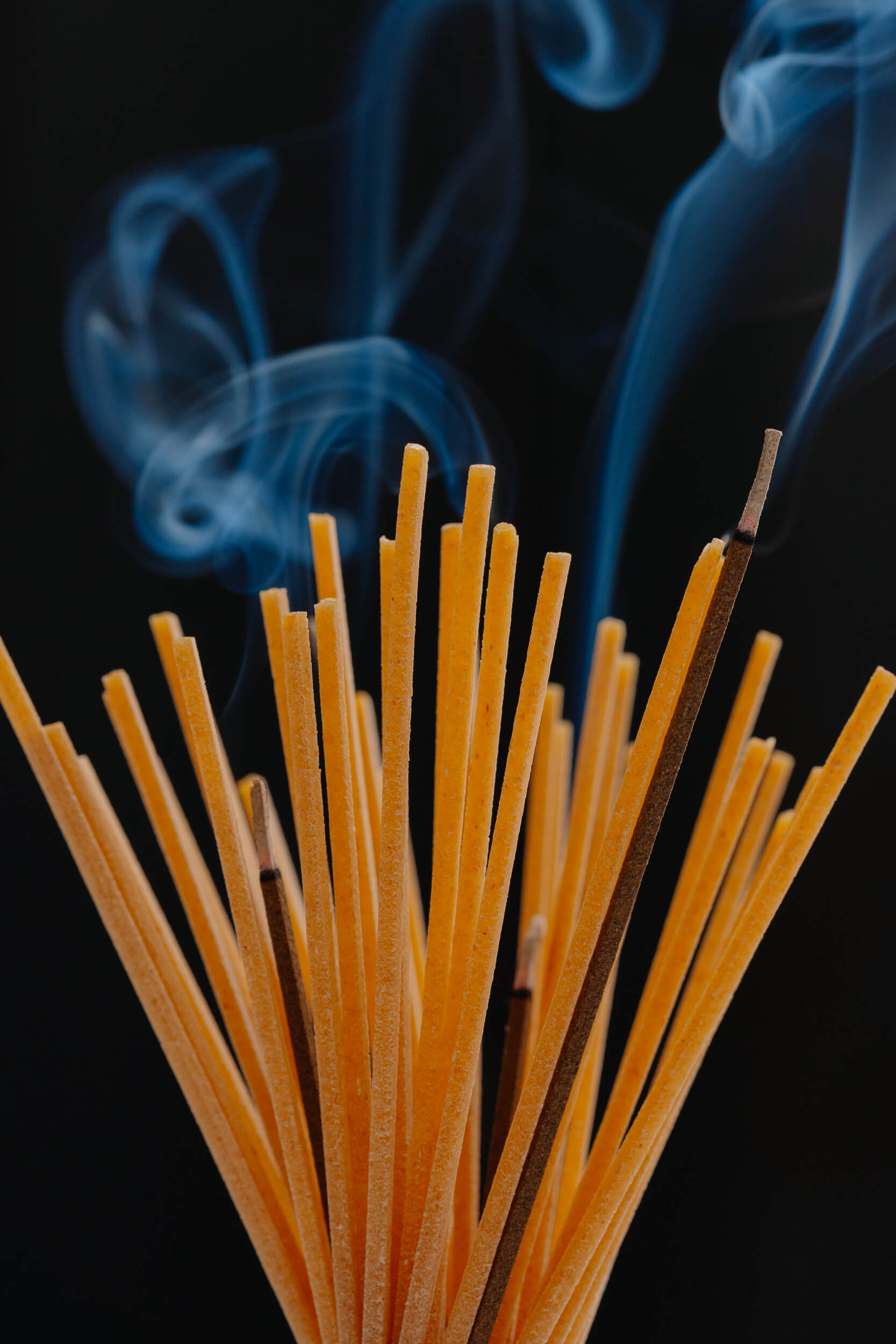
Midori played Battiato on the ukulele and had sold her bed to sleep on a futon. She never wanted to tan: she wore a huge wide-brimmed straw hat even when she went out onto the terrace to water her aromatic plants – basil, rosemary, thyme, sage, oregano. Midori ate whole wheat spaghetti carbonara and then lit her Aesop Murasaki Aromatique incense. Midori was a young, green garden of contradictions.
Chapter 22
Discipline
In the kitchen, I can’t say I’m particularly great. I have the technique, and the patience too; if something needs stirring, I stir; if it needs starching, I starch; if it needs chopping, I chop. What I lack is the creativity and audacity required to make food simply “tasty.” The truth is, I don’t like cooking, because I don’t like eating that much. Unless it’s desserts.
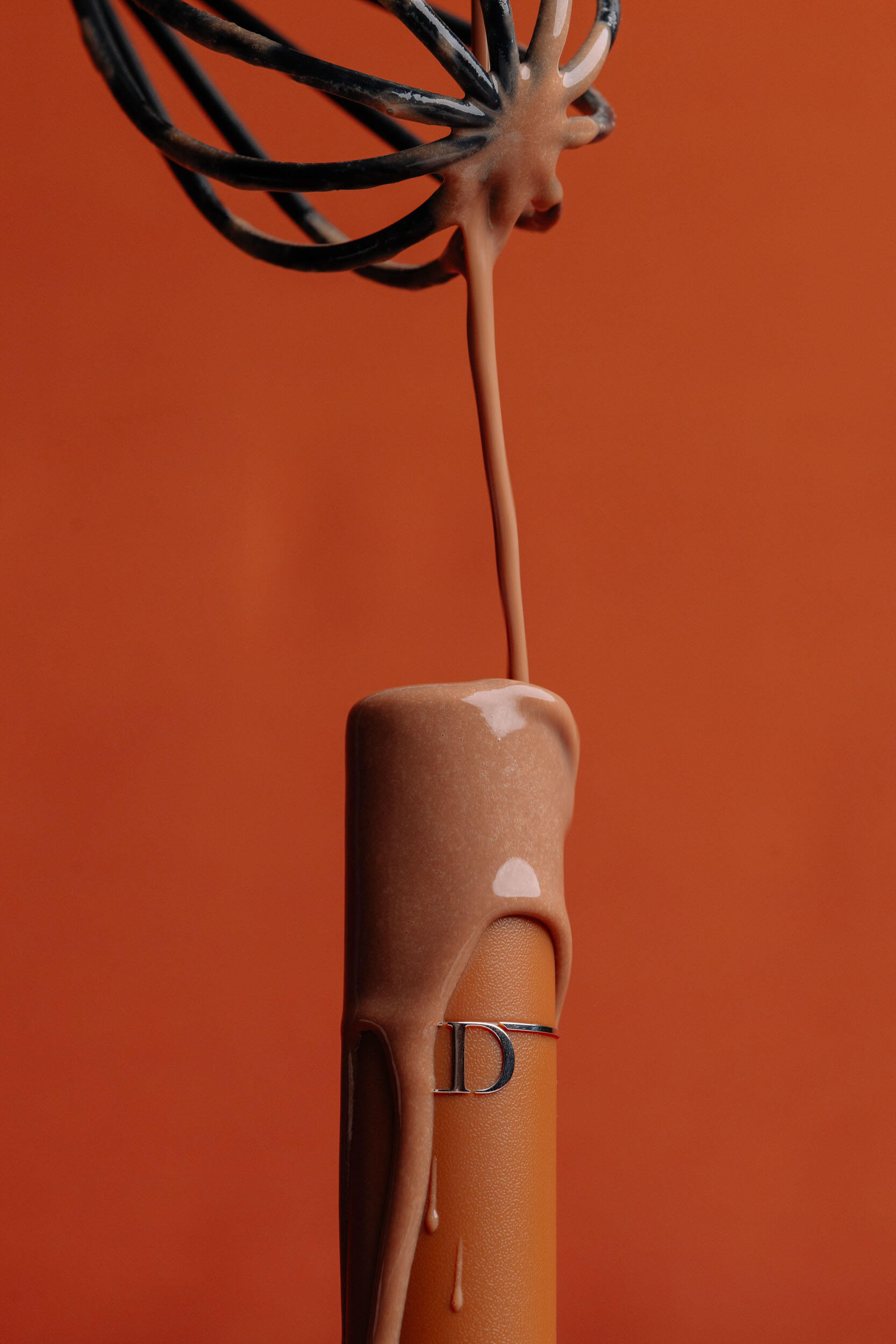
For desserts, I have an excessive passion that grants me the talent to bake masterpieces that are not only very good but also very pretty. When it comes to chocolate especially, I transform. I bake Sachertorte as if I had Iginio Massari under my chef’s hat like in Ratatouille. Chocolate intoxicates me. I look for it everywhere – in scented candles, in eau de parfum – and I see it everywhere: in my cocoa-colored lipsticks, in my Dior Forever Skin Bronze, so easy to blend like chocolate in a ganache.
The beauty of preparing desserts, especially chocolate ones, is that you absolutely cannot take risks: if you don’t religiously weigh the brownie ingredients, the result is a shapeless mass of inedible chocolate; if in a Torta Caprese you whip three eggs because you’re missing the fourth, you bake a brick crumblier than a meringue. With desserts, you need discipline, and I love discipline.
Chapter 23
The Breakfast Cave
Once, in Spain, we slept in a cave. The little house was carved into a hill, embedded and built directly under enormous overhanging rocks, with natural stone as ceiling and walls. Inside it was a bit dark but very cool, a great relief from the scorching temperatures of Andalusia in August.
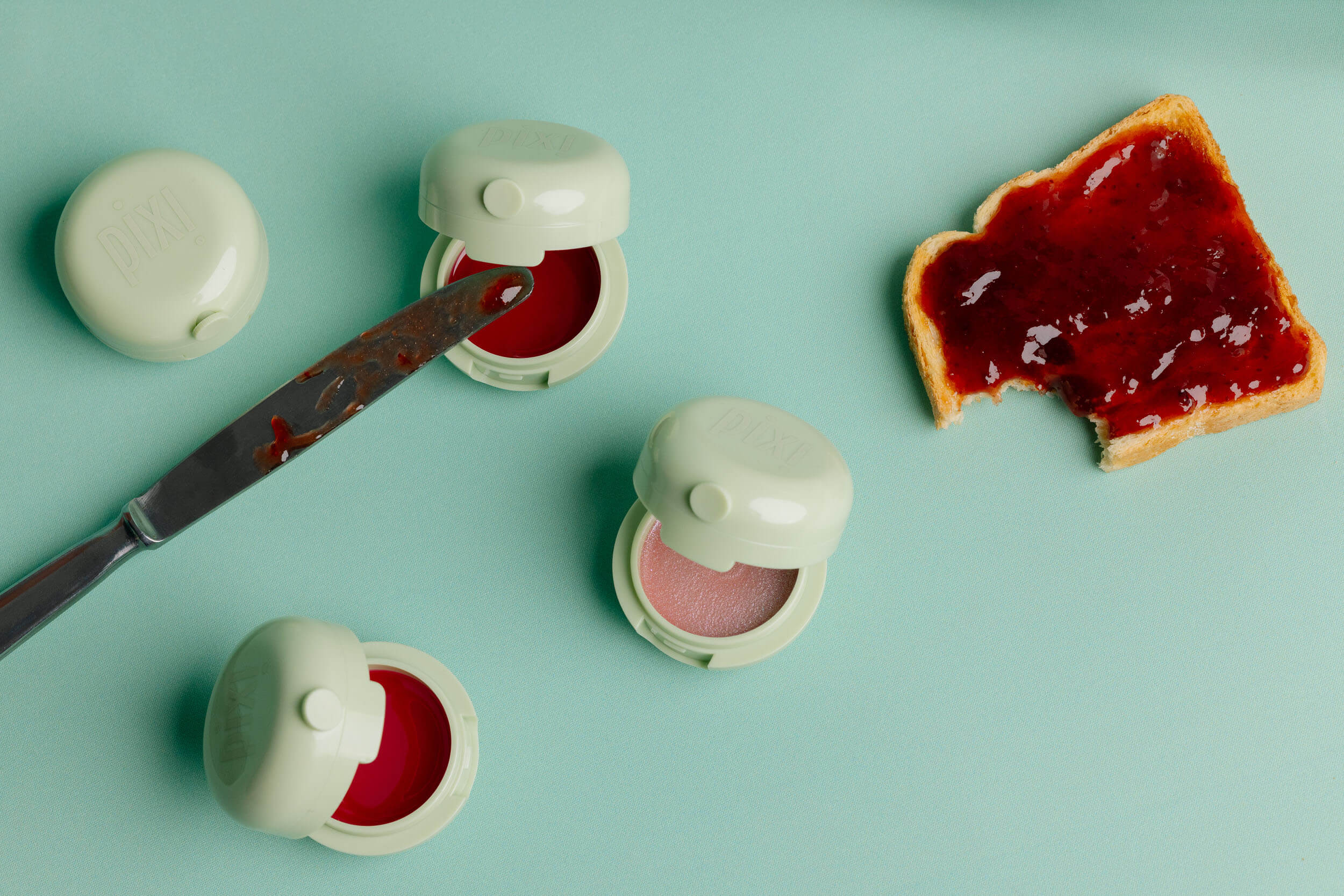
Next to our hill, built the same way, was the breakfast cave. A very fat dog guarded the entrance, vigilant yet hopeful that some guest might secretly give him a sweet. Inside, in a large wicker basket in the center of the room, a triumph of single-serving jars: tomato sauce, jams, honey. They were so compact, glossy, gelatinous that they looked like anything but edible. They reminded me of Pixi Lipmasks.
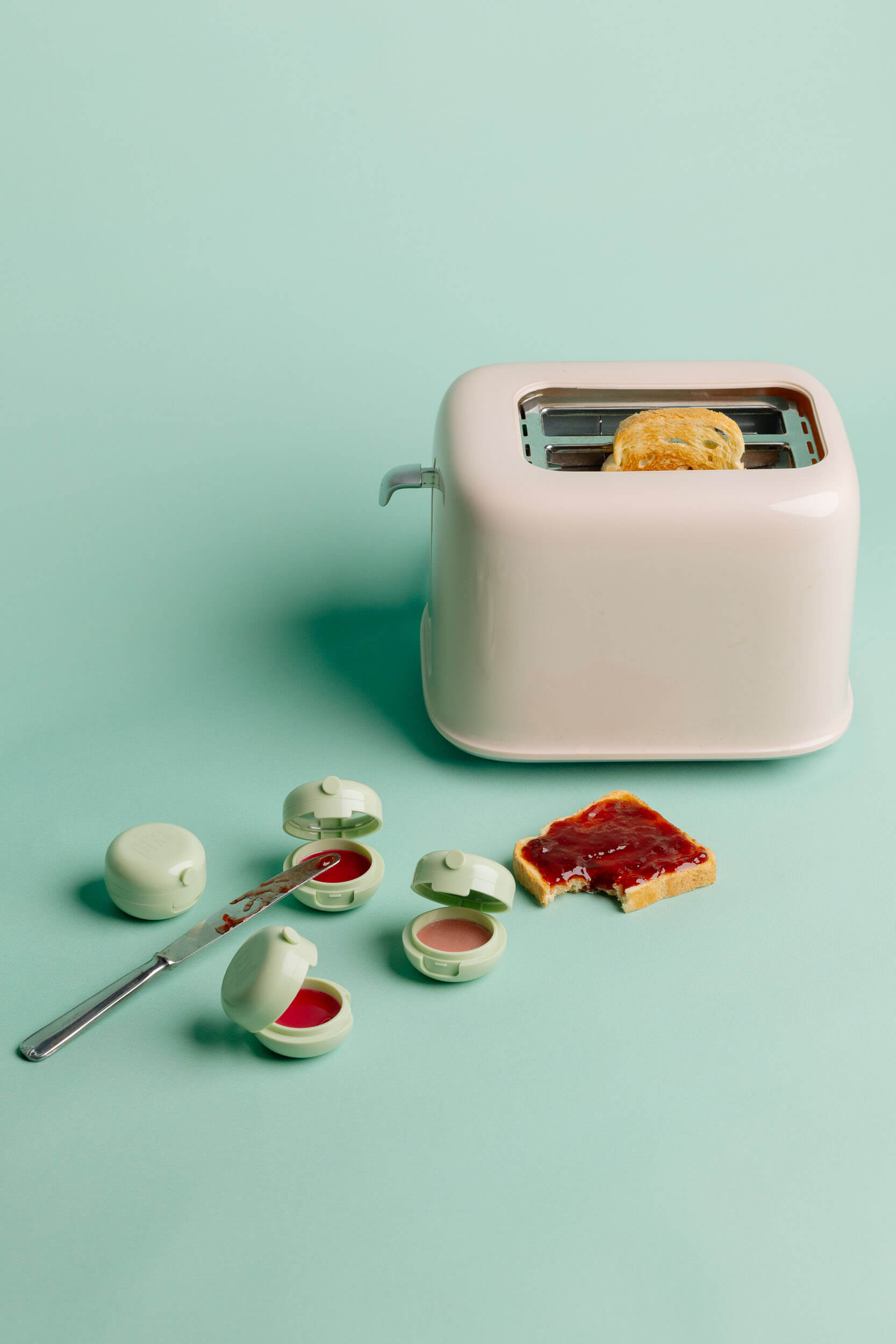
I stole twelve jars of jam from the breakfast cave. I filled my shirt pockets and travel backpack with little preserves. The fat dog saw everything: when we left, however, he didn’t bark; he absolved me of the crime with a look of disapproval, yet complicit understanding. What wouldn’t he himself have given for some jam…
Chapter 24
Smartworking
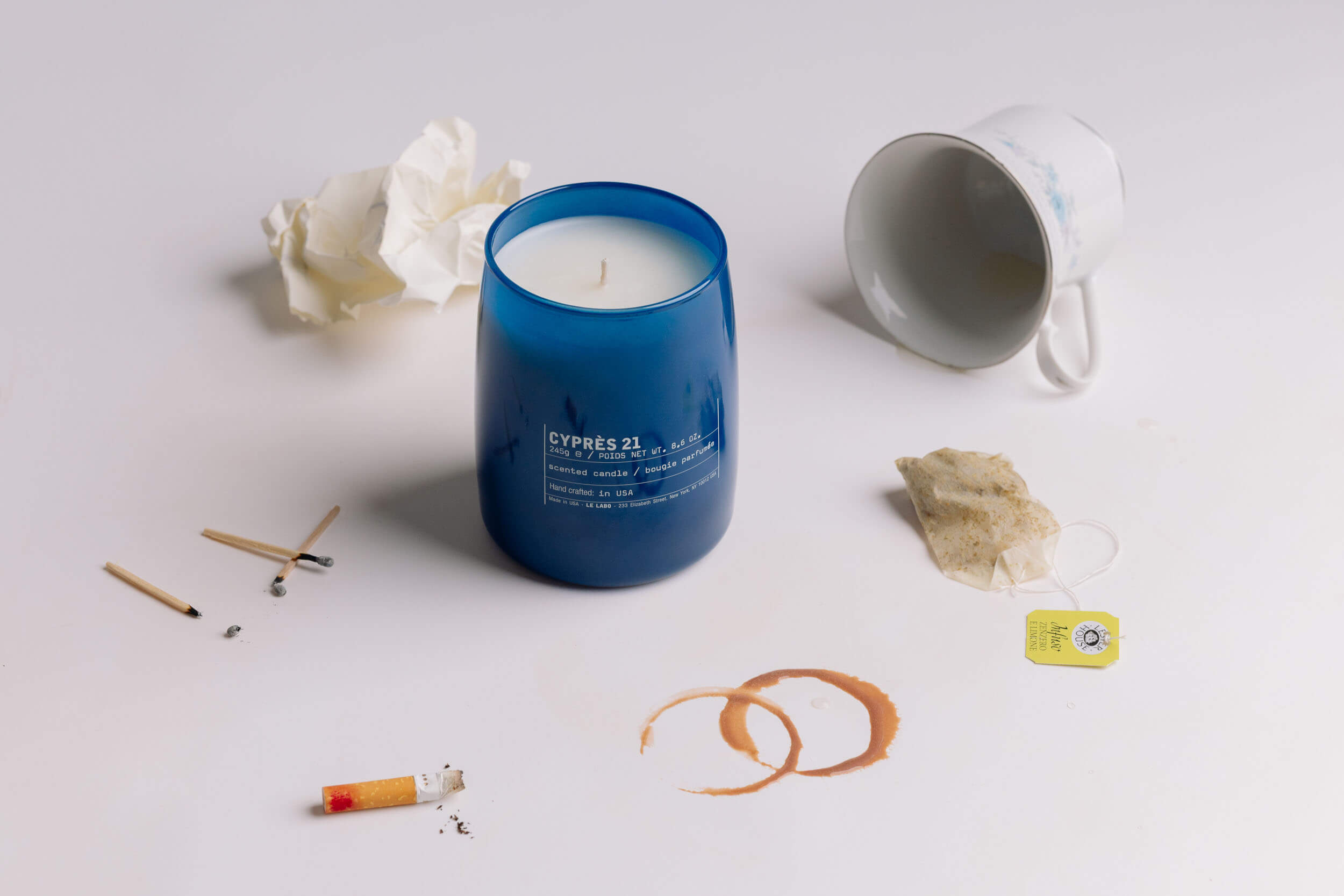
About once a week I work from home. It is that hybrid-souled day that tastes like a pause, but responsible. It is the day I wake up later and swap pajamas for a tracksuit. It is the day I drink herbal tea instead of coffee because I’ve rested enough.
The day I work from home is the day of the week when I am most methodical. It is the day nothing is left to chance, when every minute must be used to its fullest potential to achieve optimal results on multiple fronts.
On the day I work from home, the alarm rings and I stretch. I open the windows and smoke a cigarette on the terrace. I light Cyprès 21 Indigo with a match. It is the day when tobacco mixed with burning spices makes me industrious. The day I work from home is entirely mine, entirely for me.
Chapter 25
The Story of Bees and Honey
Bees are a fascinating species. Once, I stroked one with a finger: warm and trembling, it almost made me weep. Many are afraid of them, but if you don’t disturb them, they are completely harmless. They are tiny creatures with almost cinematic organization.
They live in rigidly structured societies where a single queen lays thousands of eggs a day and thousands of workers – all female – work in perfect synchrony. Extremely collaborative little beings, they communicate by dancing, indicating direction and distance of flowers using the sun as a natural compass. Above all, bees play a crucial role in pollination: without them, much of the crops and biodiversity we know would not exist.
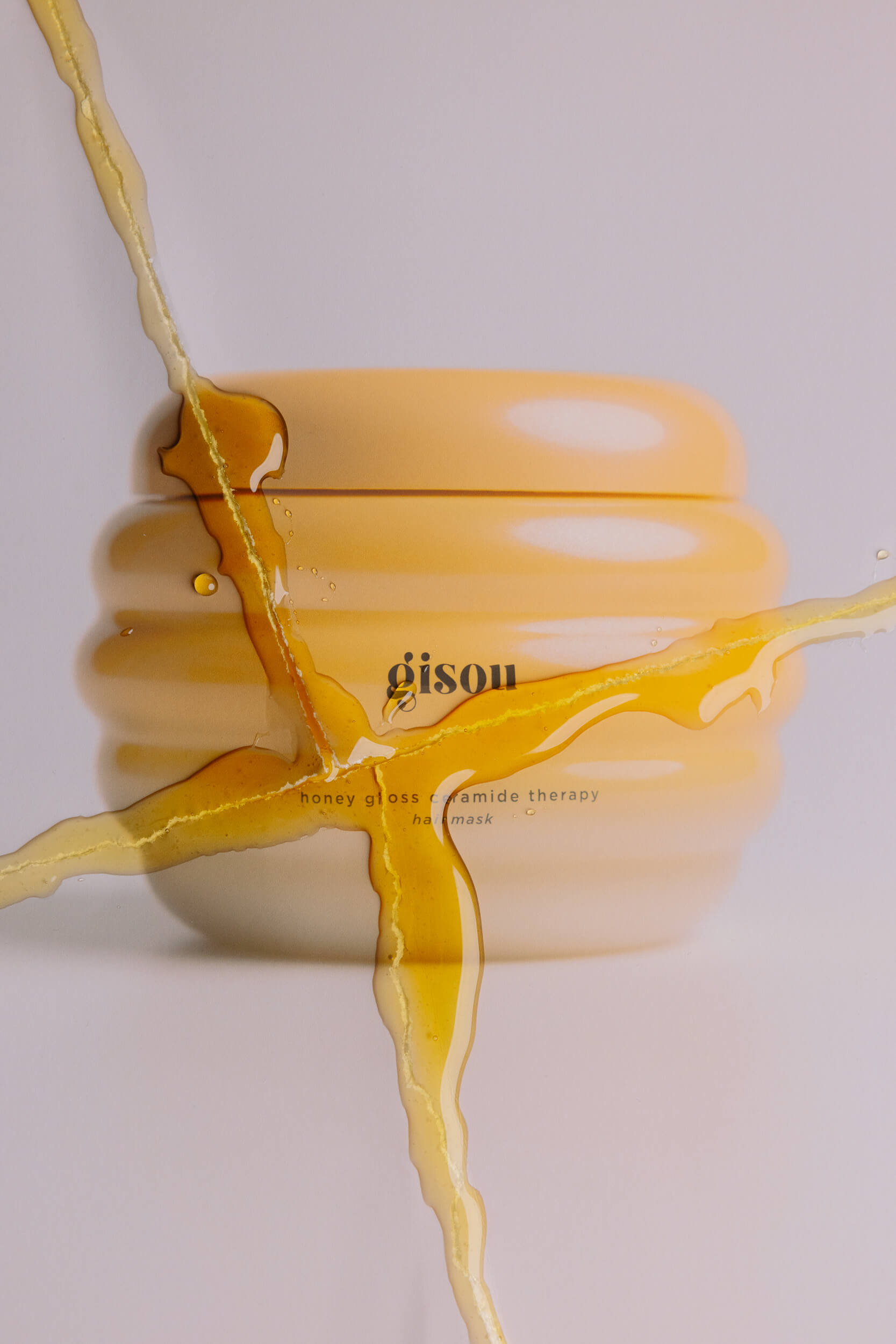
Of course, bees produce honey, an almost eternal food that is not only delicious on bread or by the spoonful, but also a precious ingredient in dermocosmetic products and illuminating hair treatments, such as Gisou’s Honey Gloss Ceramide Therapy Hair Mask. Bees are small, yes – but with an enormous impact.
Photos by Johnny Carrano.