
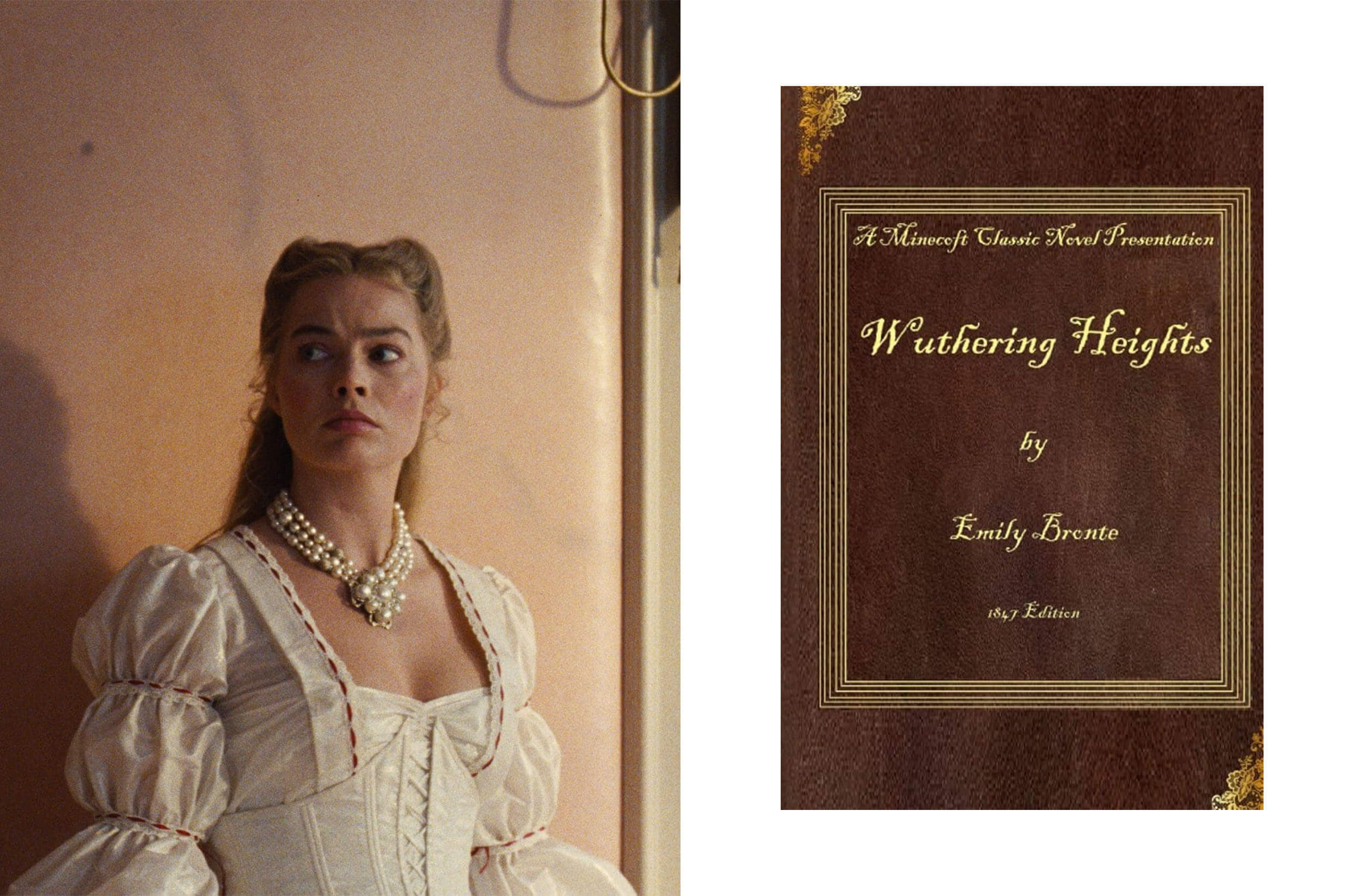
Just a year ago, I took a train from Milan to Bologna with a couple of friends. After stowing our luggage and sitting in our seats in the carriage, me facing the two of them, I curiously watched him rummage through his backpack looking for something that turned out to be, in the end, “Wuthering Heights” by Emily Brontë, pocket edition. Instinctively, almost in an accusatory tone, I asked him, “Who forced you to read it?”, pointing at what is perhaps universally considered one of the greatest tragic and tormented love novels ever written by a woman, for women, about women, and loved by women. Calmly, he replied that no one had forced him, but his girlfriend sitting next to him had warmly recommended it and he was enjoying it immensely. From there, looking straight into my wide-open eyes, he launched into a heated and emotional analysis of the characters, of Catherine’s pride and Heathcliff’s blindness, continued with a tirade on the destructive power of money, culminating his intense monologue with a sighing and serious: “I wonder if Cathy and Heathcliff will manage to love each other.” And with that sentence he hit the nail precisely on the head: the possibility of the existence of a love that seems impossible due to causes external to the feeling itself; the injustice of the death of such love; the anger at the frequent dynamics of interference in a relationship between two people who should remain just two.
Sadly current and universal, this is what “Wuthering Heights” is about, in all its representations.
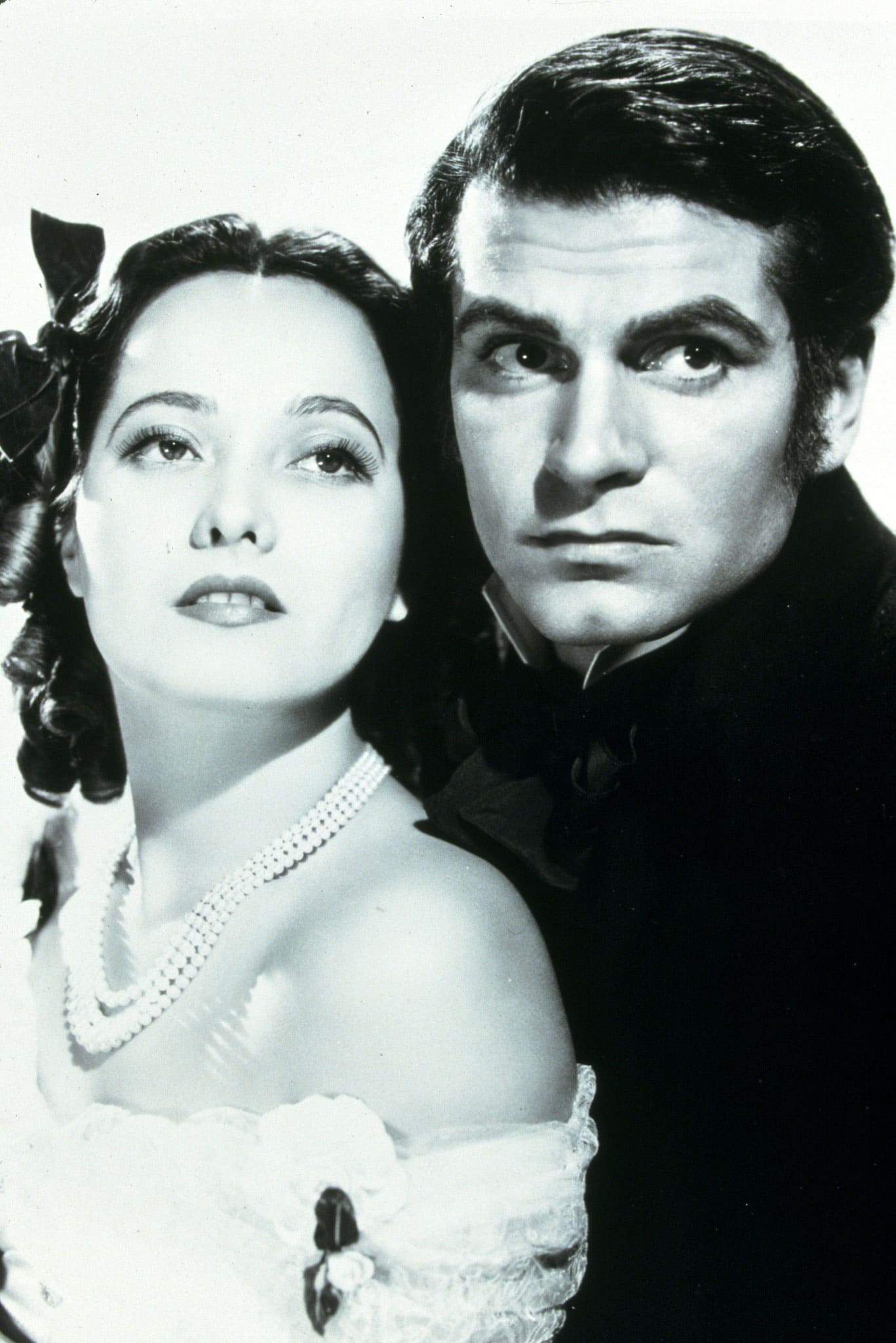
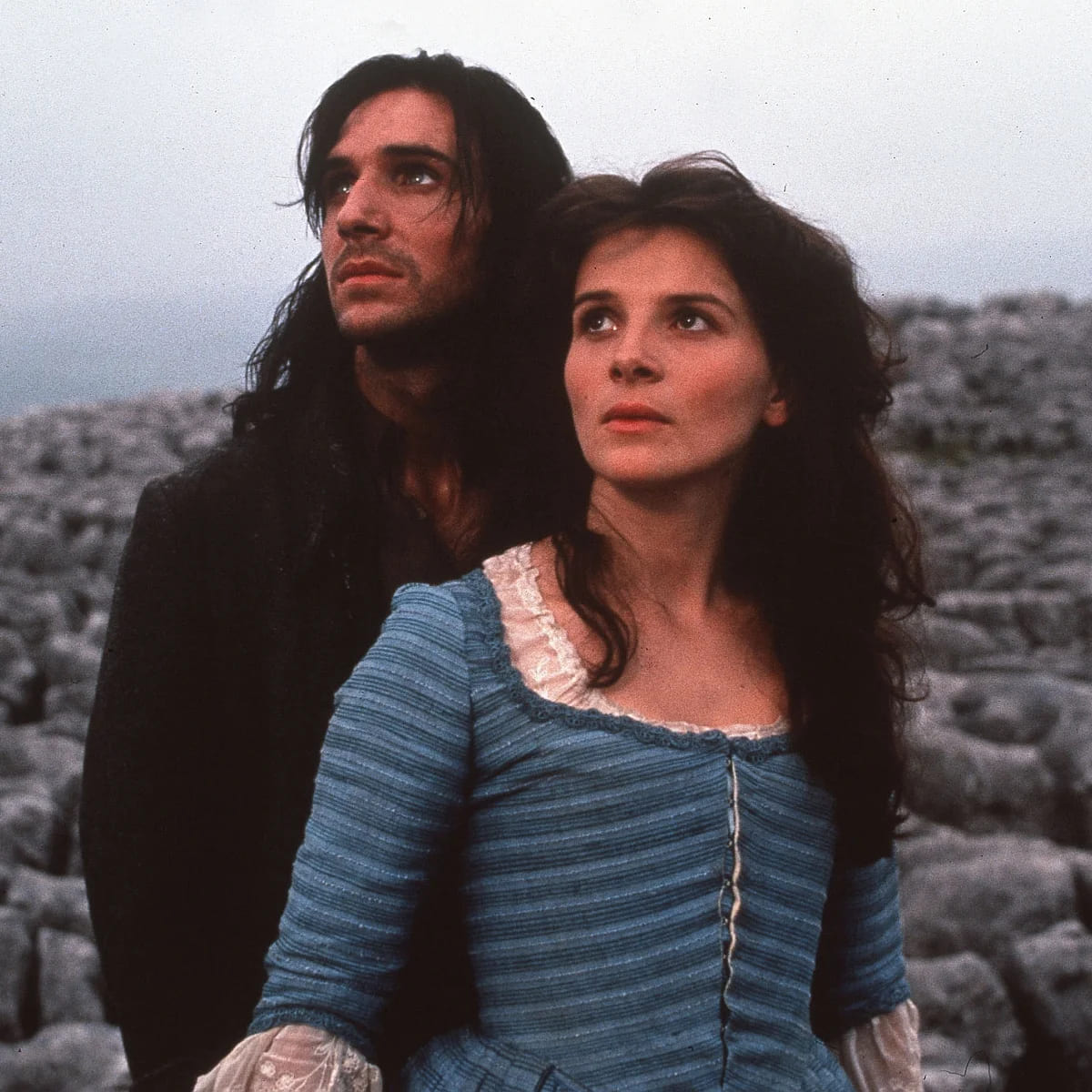
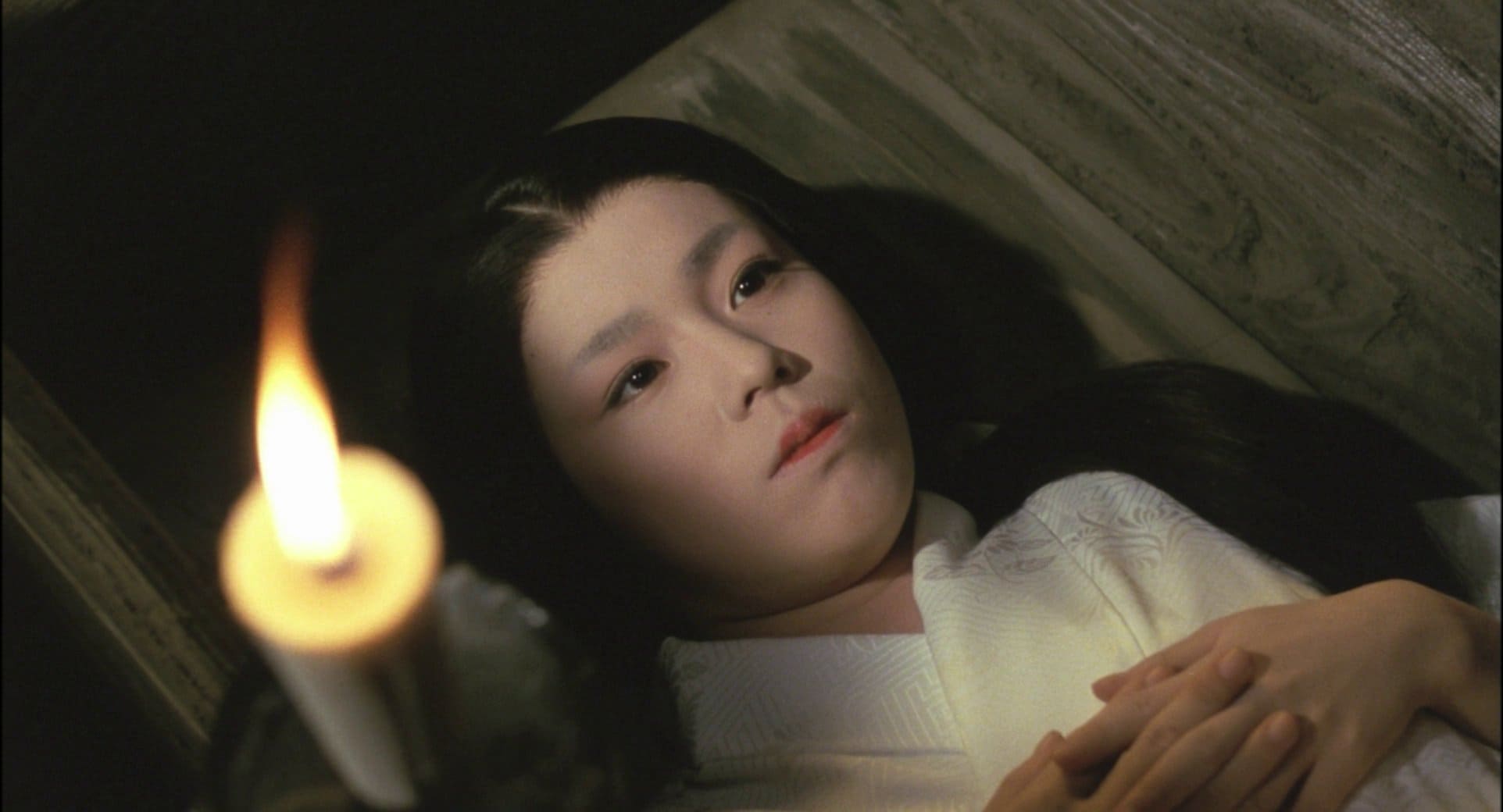
From Brontë’s novel to the 1939 “Wuthering Heights” by William Wyler with Laurence Olivier and Merle Oberon, to the 1998 feudal Japan adaptation by Yoshishige Yoshida, to the 1992 version by Peter Kosminsky with Juliette Binoche and Ralph Fiennes, up to the very latest version by Emerald Fennell with Jacob Elordi and Margot Robbie.
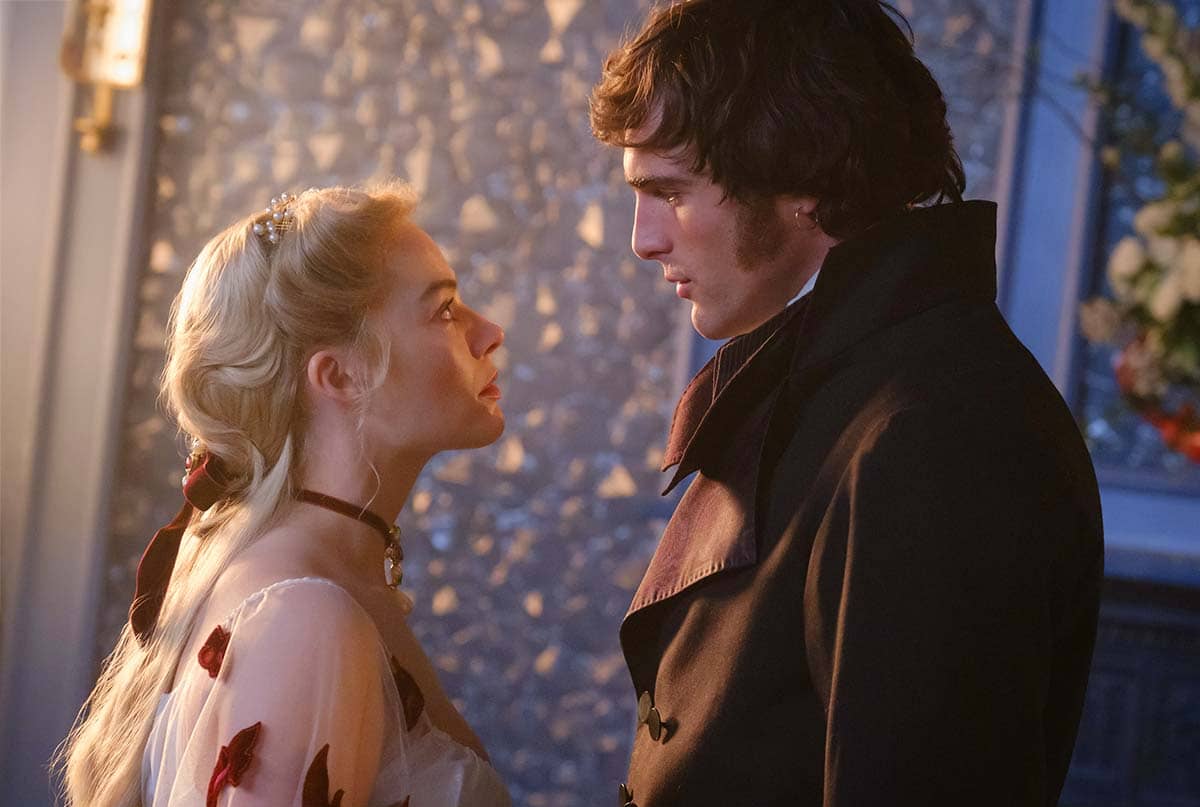
“Heathcliff, it’s me, I’m Cathy / I’ve come home, I’m so cold / Let me in your window,” even sings Kate Bush in a high and desperate voice, filled with the suffering of a woman in love who must hide in the hope of surviving the secret. How many of us have experienced or witnessed an obstructed love? And I am not necessarily referring to extreme stories of star-crossed lovers like Romeo and Juliet, but also to the small everyday realities of a couple’s life invaded (and therefore ruined) by other people’s noses: the jealous mother, the overprotective friend, the vengeful brother, the lover. Different kinds of intrusions, yet always highly corrosive and, in most cases, inappropriate breaches.
(Spoiler alert for those who do not know any version of the story)
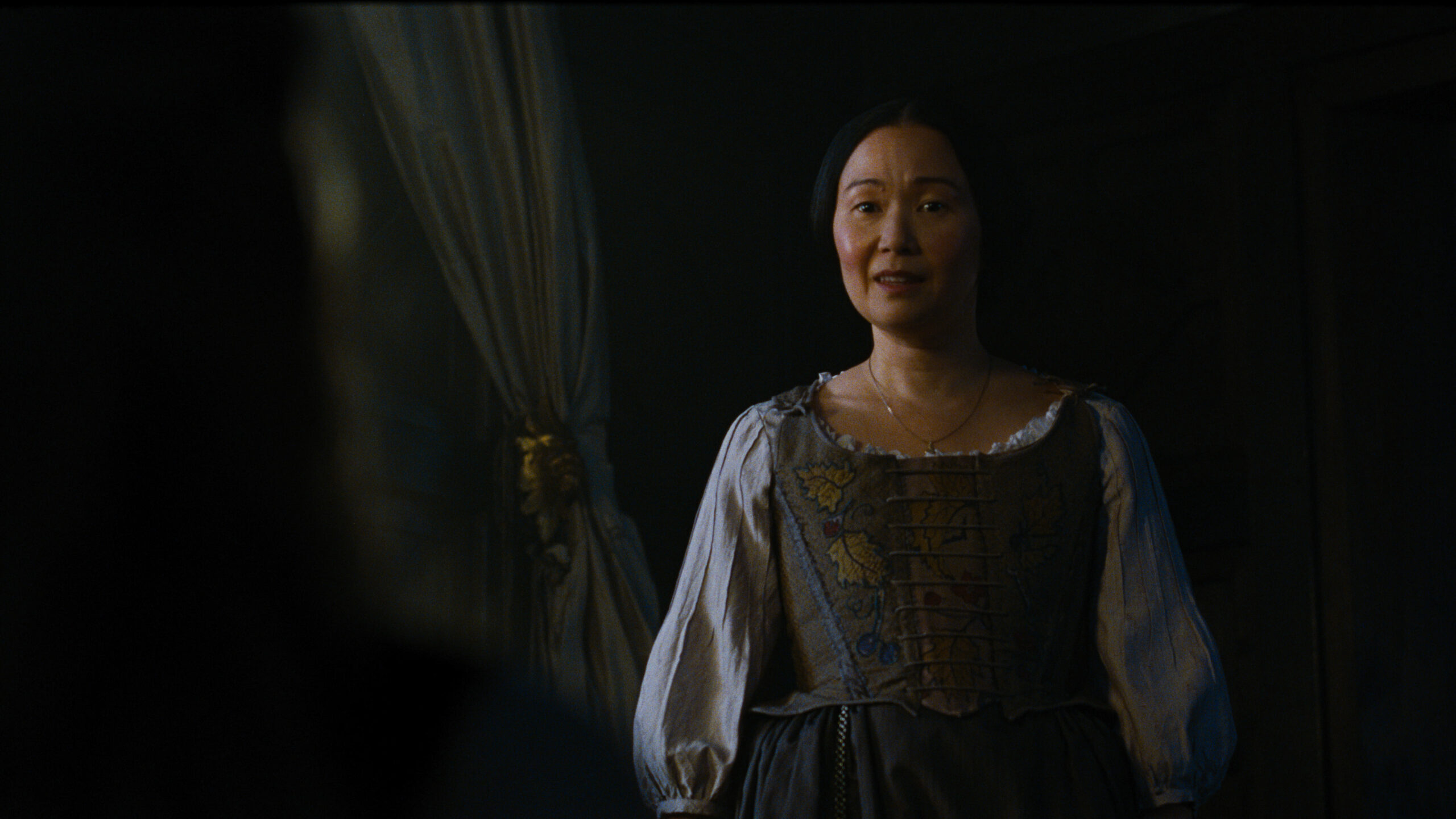
In “Wuthering Heights,” Nelly, the housekeeper of Wuthering Heights, is the snow clod that triggers the avalanche. Aware of Cathy’s reciprocated love for Heathcliff, but interested only in the (especially economic) well-being of her young mistress and herself, she is the character who steers the direction of the wind that brings the two protagonists closer and pushes them apart; she is a figure who believes she is doing good, but contributes to (if not actually sparks) the disaster. Thus, Cathy marries another man she is not in love with, Heathcliff marries another woman out of spite; the two inevitably end up becoming lovers, feeding on a love that is right yet wrong, clandestine and overwhelming, which ends up consuming them, with particularly dramatic consequences for Cathy, the more stubborn yet at the same time more fragile of the two.
(End of spoiler section)
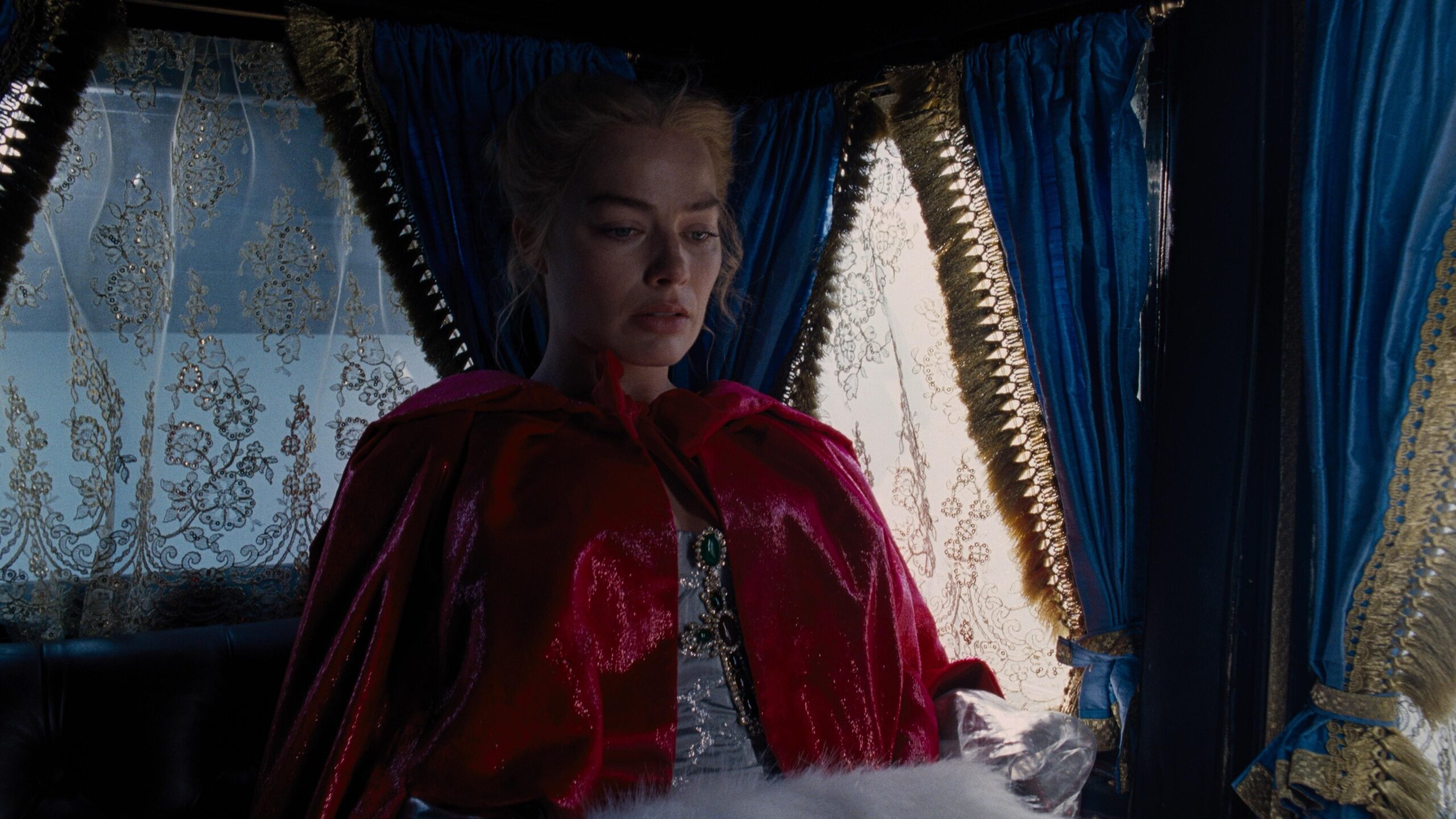
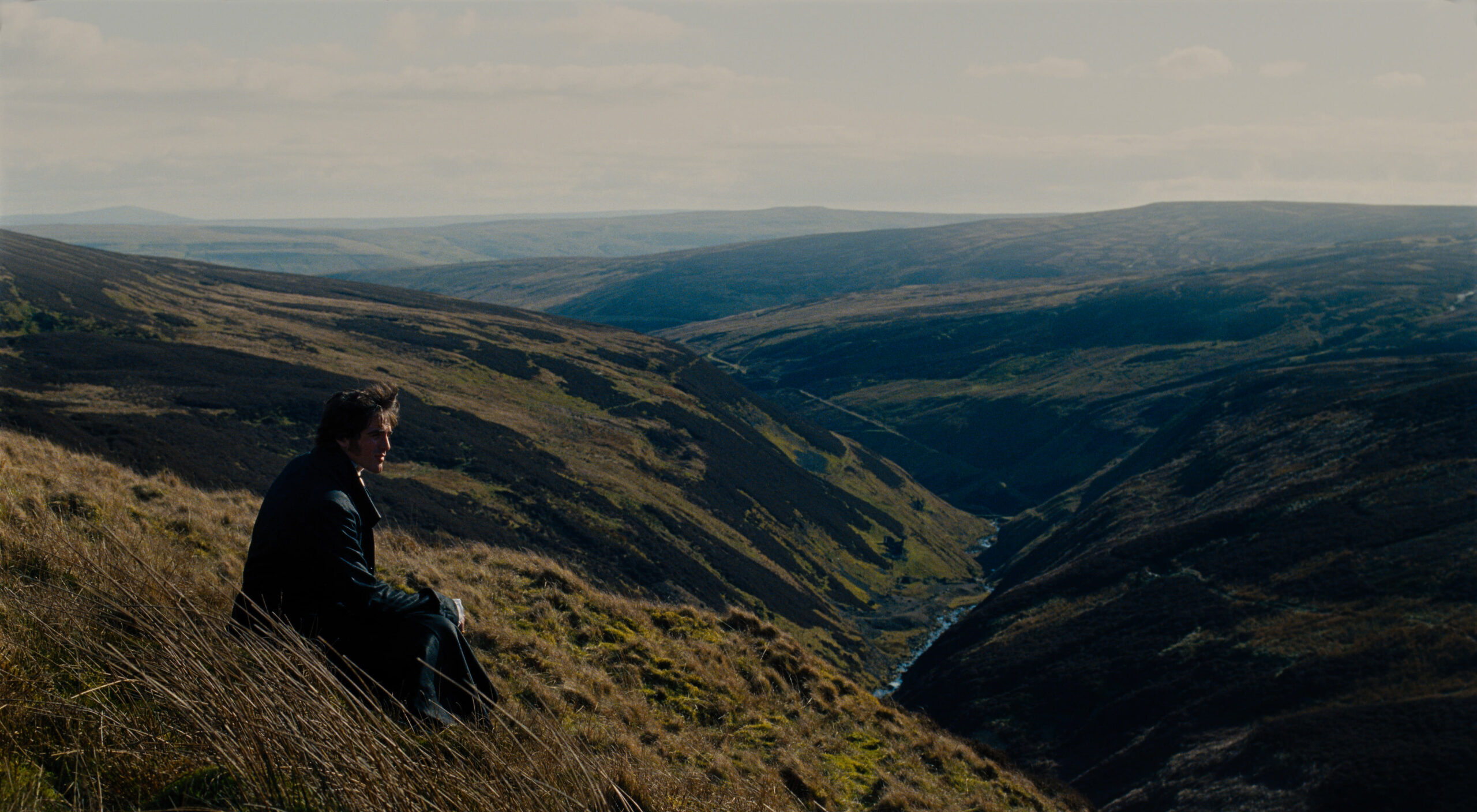
A story like that of Catherine and Heathcliff can be tricky to tell without slipping into the banal, the ridiculous, the saccharine. Because it is a love story set between the end of the 18th century and the mid-19th century in the Yorkshire countryside; because it is a sad story, the umpteenth—some might say—story of a beautiful poor young woman and an even poorer beautiful young man who, due to family interests and social customs, cannot be together, yet love each other madly. The risk, therefore, is that of veering into trash when attempting to transpose cinematically, in 2026—the era of cultural homogenization—Brontë’s delicate and elegant tale: the novel that opened the doors to a more intense and psychologically profound literature, narrating for the first time emotional violence, obsession, and toxic relationships without superficial moralizing. Easy to fall into trash, then, but by no means mandatory.
At the origin of the countless criticisms that Emerald Fennell’s “Wuthering Heights” has received, I am convinced there is a prejudiced and/or pretentious attitude of the average viewer, who entered the theater expecting either a faithful, dutiful, almost religious adaptation of the novel, or a sort of Christmas comedy version set in 1800s England. The first category of detractors, those who expected a story identical to Brontë’s, clearly left the theater disappointed and scandalized by the “poverty of the dialogues,” the “anachronistic costumes,” the “Charlie XCX soundtrack.” The second category entered the theater with criticism already in their mouths and practically did not even watch the film, so as not to risk leaving with an opinion different from the one they had been preparing for days.
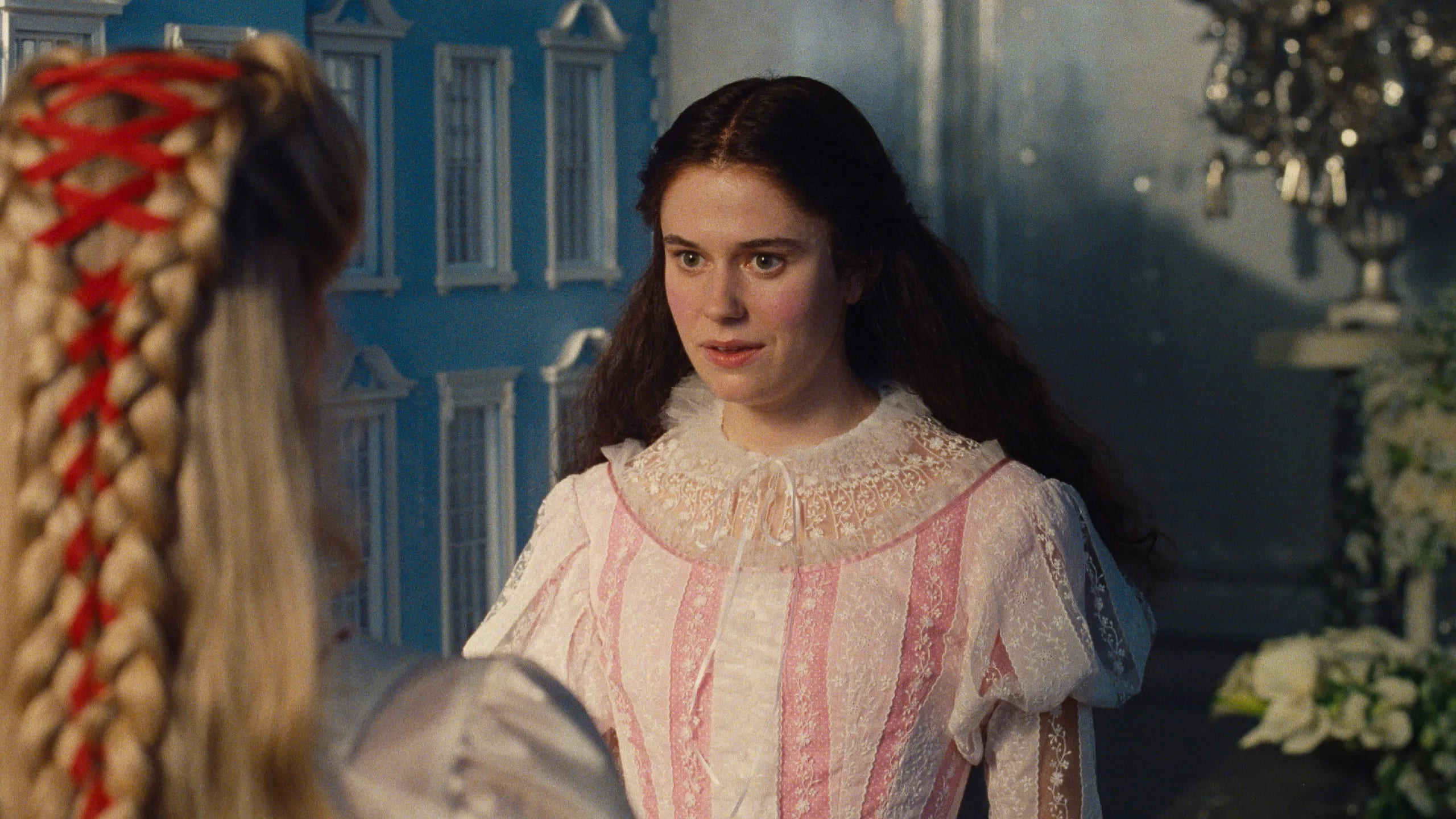
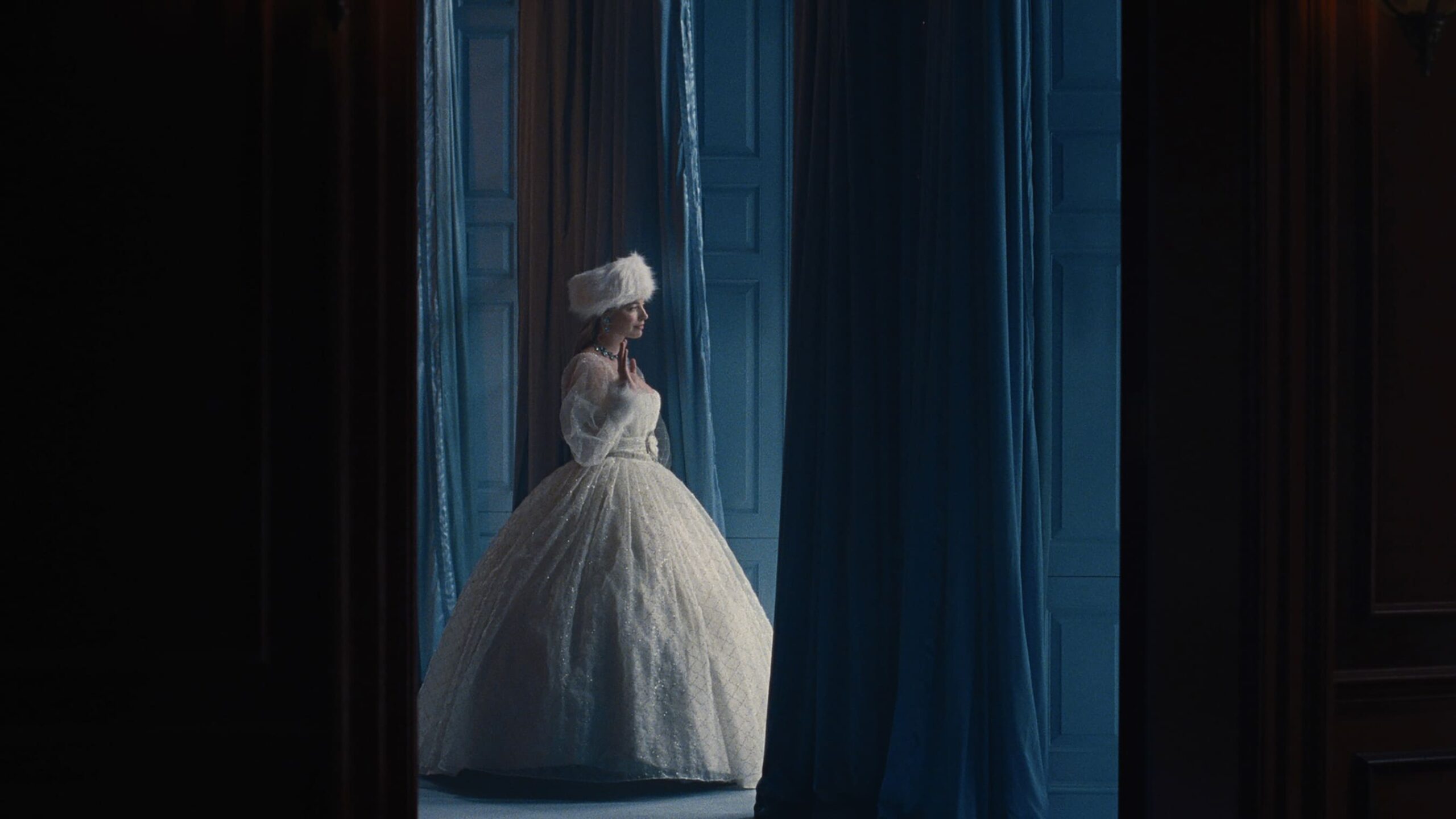
As a great and eternal admirer of the Brontë sisters, with the novel “Wuthering Heights” in my heart, I went to the cinema to watch the 2026 film “Wuthering Heights” expecting nothing other than “an Emerald Fennell”: a film by the director of “Promising Young Woman” and “Saltburn,” a mad, transgressive, decidedly pop film. I entered the theater expecting crazy costumes and a more exciting-than-ever Jacob Elordi. I entered the theater expecting a very sad love story, but also slightly ironic and mischievous. I entered the theater expecting to laugh and mock and not think for a couple of hours. The result is that I left the theater satisfied to have rediscovered the characters of one of my adolescent novels, to have visualized them more beautiful than I had imagined them, to have amusingly confirmed my belief that Jacob Elordi is as tall as he is, let’s say, still learning; I left the theater with beautiful shots and set designs in my eyes and in my head several thoughts about the general difficulty of living love fully. I left that cinema having seen a film that entertained me, without killing a single neuron.



What do you think?