I often find myself trapped in conversations – which inevitably turn into arguments – about the value of a film, TV series, or book labeled as “popular.” As someone who supports abolishing the demeaning undertone that the adjective “pop/popular” (literally “of the people,” hence consumed by what can be called a “mass audience”) has acquired over the years, in these types of conversations I am often the contrarian. I am the one with the opinion that differs from the majority: in ways more or less imaginative, I have been called everything from “boring” to “too intellectual” to, on the contrary, someone who “can only like Beautiful.” What would people say, I wonder, about the words I am about to spill regarding Nordic cinema?
Beyond categories, countries, prejudices, and trends, what I simply feel in my gut is a strong magnetic attraction to stories that make me think, teach me something, and make me aspire to more than what I convince myself I can achieve in daily life.
Back to Nordic cinema: Denmark, Sweden, Norway, Finland – maybe it’s the biting cold that clears the mind and makes you see everything more clearly – but there, they know how to tell stories with an elegance, delicacy, and care that is rare elsewhere. Every image is pristine and velvety like snow, every dialogue meticulously weighed so no word feels out of place, characters are deep and broken, their cracks filled with gold like Kintsugi, and events unfold at a slow rhythm, allowing every detail to be carefully presented so it is understandable and relatable.
I share my latest discoveries, from Oscar winners to Cannes Festival laureates to wildly popular Netflix productions, hoping to challenge the widespread belief that niche = posh.
Sentimental Value – Norway

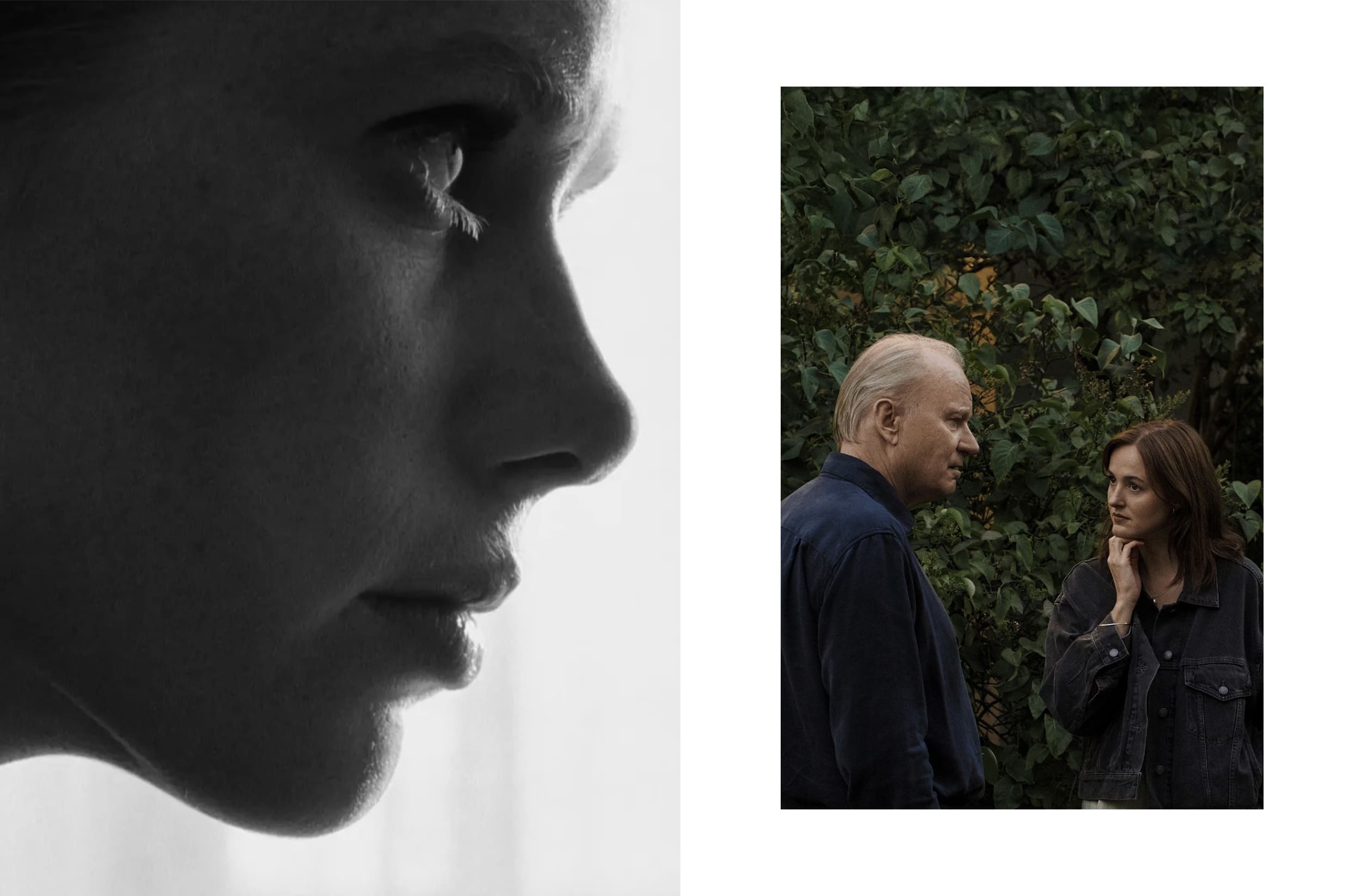
One of those films where you recognize yourself and get lost at the same time: “Sentimental Value” is neither easy nor trivial, but it is one that stays with you. Joachim Trier, a master at probing the human soul, constructs a family drama that explores trauma, memory, forgiveness, and the complicated relationship between art and real life, with a delicacy at times reminiscent of Ingmar Bergman, but with a warmer and more contemporary heart.
The Square – Sweden

A sharp satire on contemporary art, winner of the Palme d’Or at Cannes 2017. With a cold and surgical style, the film dismantles the good intentions of the cultured bourgeoisie, showing how fragile they are when truly tested. Östlund alternates moments of pitch-black humor with scenes of pure discomfort, pushing the viewer to laugh and immediately after feel complicit in what they are witnessing. The art-installation giving the film its title becomes the perfect symbol of a proclaimed but rarely practiced ethics. Provocative, irregular, and deliberately uncomfortable, “The Square” doesn’t try to please: it prefers to expose our contradictions with cruel intelligence.
The Girl with the Needle – Denmark
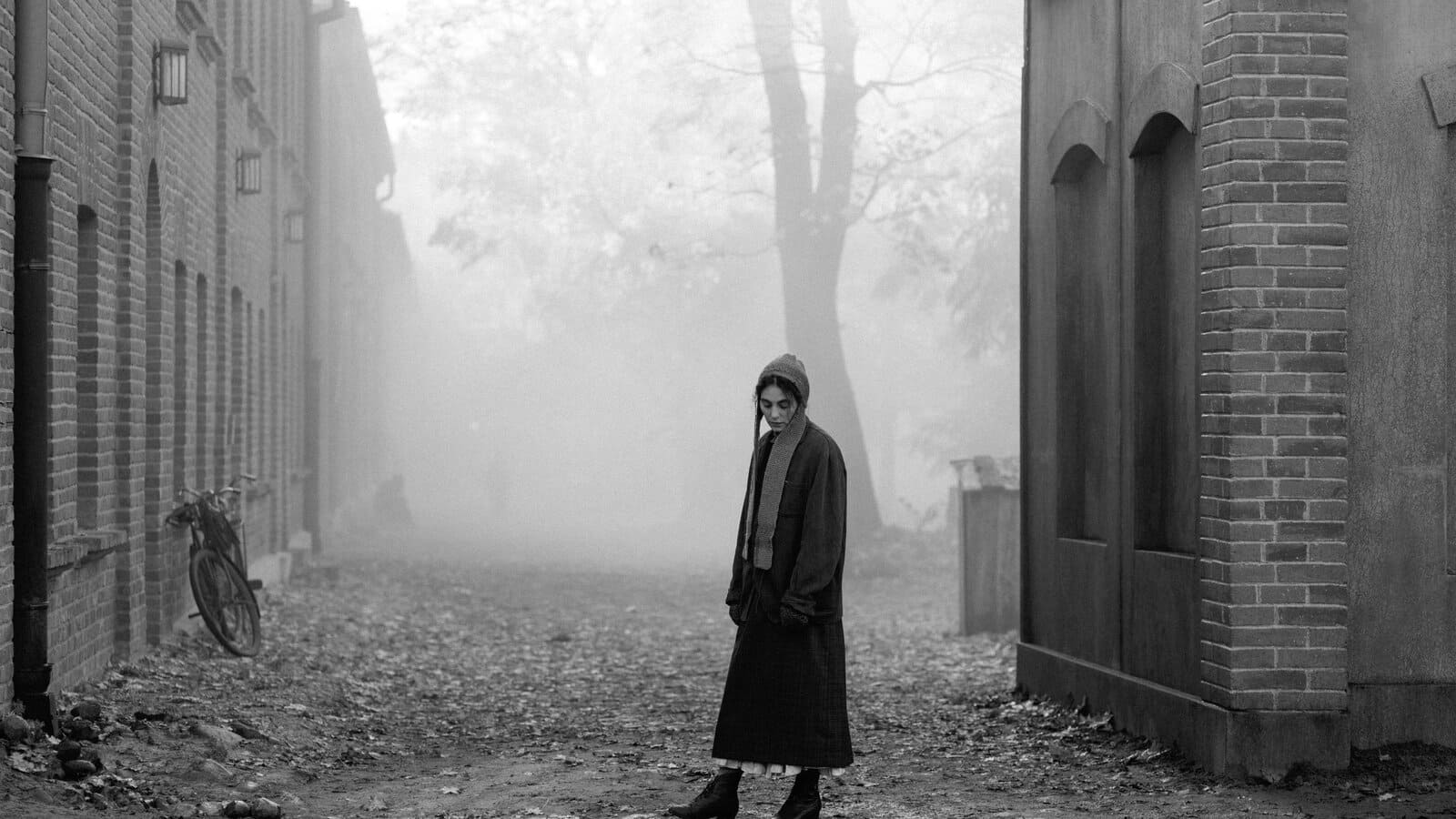
A disturbing and magnetic film that grabs you slowly and never lets go. Magnus von Horn builds a dark, almost hypnotic story, where black and white is not just an aesthetic choice but a true emotional declaration. Themes of motherhood, poverty, and control over female bodies become living material, narrated without indulgence and with lucidity. The performances are extraordinary, especially in how they convey the moral ambiguity of the characters. This is a film that doesn’t seek flattery but aims to leave a mark on the soul – and it succeeds, leaving a subtle, persistent unease.
Persona – Sweden
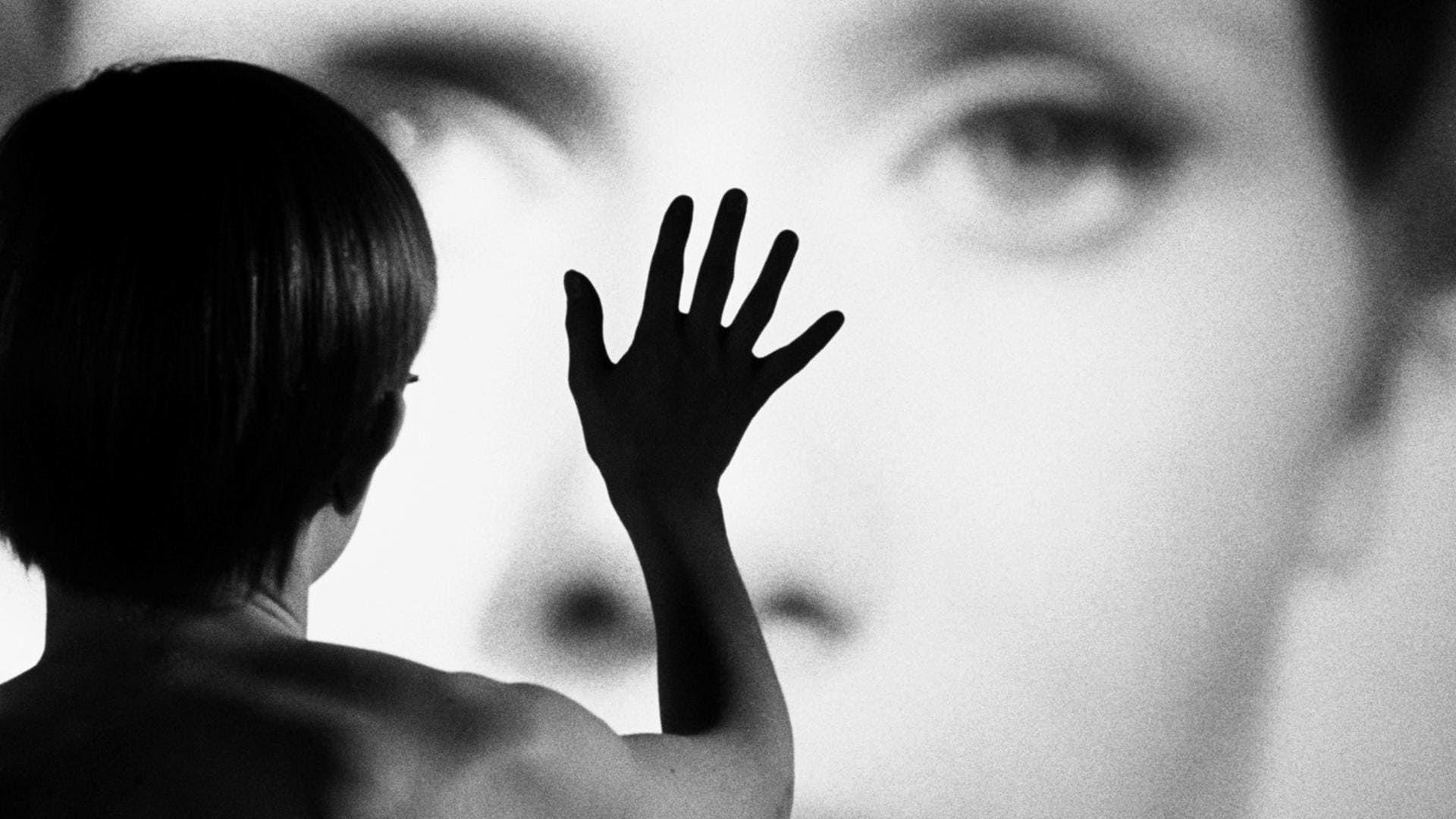
Ingmar Bergman’s film is a masterpiece that gets under your skin and doesn’t let go. The story explores identity, social masks, and the nearly obsessive relationship between two women: Elisabet, an actress who suddenly stops speaking, and Alma, the nurse tasked with caring for her. Bergman plays with the mirror of the soul, with intensely intimate close-ups and silences that weigh more than a thousand words, confronting the viewer with a harsh and ambiguous truth. Disturbing and hypnotic at once, it is a psychological journey where reality and fiction blur, leaving more questions than answers.
Sick of Myself – Norway

A dark comedy that is corrosive, absurd, and highly relevant to social narcissism. Kristoffer Borgli depicts a toxic and competitive relationship that turns the need for attention into a full-blown social pathology. The protagonist, portrayed in a disturbing yet captivating way, is both victim and perpetrator of a system that rewards displaying pain. The result is a film that makes you laugh, but the laugh stays stuck in your throat, because it resonates far more than we would like to admit. Provocative, annoying, and intelligent, this is one of those titles that stay with you long after the credits.
Love & Anarchy – Sweden

A TV series that plays with the boundaries between desire, social conventions, and transgression, balancing romance and provocative tension. The story revolves around Sophie, a management consultant trying to spice up her orderly life, and Max, a young creative consultant with whom she starts a daring game of increasingly risky challenges. The series’ strength lies in its lively pace, sparkling dialogues, and palpable chemistry between the protagonists, turning each challenge into a small act of emotional rebellion. All this is seasoned with subtle humor and a never-trivial sensuality.
Another Round (Druk) – Denmark

An Oscar-winning film, both irresistible and bitter. A group of professors experiments with the “constant blood alcohol theory”: Vinterberg starts from a brilliant and slightly crazy idea to tell something much deeper: the fear of aging, the desire to feel alive, and the fine line between freedom and self-destruction. Mads Mikkelsen is magnetic, effortlessly moving from control to vertigo. You laugh, recognize yourself, and then suddenly feel a lump in your throat. A lucid and melancholic film that never judges, and for that reason, leaves a lasting impression.
Fallen Leaves – Sweden

Aki Kaurismäki’s film is a delicate portrait of loneliness and the desire for connection. Set in a gray, melancholic urban landscape, the story recounts the slow and discreet birth of a bond between two solitary souls. Kaurismäki’s minimalist poetry, made of sparse dialogues, meaningful silences, and small daily gestures, transforms routine into poetry. This is a film that whispers more than it shouts, leaving a bittersweet aftertaste, capable of warming without sentimentality. A true lesson in tenderness, showing that it can emerge even on the grayest of days.