There is a moment, in stories about the mafia, when everything risks turning into noise: names, headlines, news reports, media echo. Then a project like the Rai miniseries “L’invisibile – La cattura di Matteo Messina Denaro” comes along and chooses a different direction. Not the face of the monster, but that of those who worked in the shadows. Not the apology of evil, but the silent fatigue of good.
It is within this choice that Noemi Brando moves, portraying a car driver, an agent of the ROS of the Carabinieri: an atypical woman, energetic, skilled, free from the reassuring labels that too often frame female characters. During our chat, Noemi retraces her love for imperfect heroines, the physical and instinctive work on the character, but above all the shared sense of responsibility on set. What emerges is the portrait of an actress who lives her craft as total immersion — body and emotions intertwined — and who today, between writing and acting, seems to be going through a moment of new awareness.
What is your first memory connected to cinema?
Everything began when, at seventeen, I auditioned with Michael Mann. I had never studied acting, I threw myself into it convinced he would never call me back.
Instead, I found myself doing four castings with him, in person, with the handheld camera right on me.
It was there that I saw the magic of cinema for the first time. And it was there that I understood, without any more doubts: yes, I want to do this job.
A baptism of fire!
Yes, I’d say so. I literally knew nothing. There was a bottle of wine in the scene and I actually drank it.
For me it was normal: there’s wine, you drink it. They looked at me in shock. I hadn’t realized it was just a prop. That’s how I immediately learned a rule of the set: wine is pomegranate juice.
Speaking of “L’invisibile,” what was the first thing that struck you about your character?
Definitely the character’s name, Nikita — I’ve always been a fan of Luc Besson. What I liked was that she was an atypical woman. A very energetic, strong woman, a woman who worked, who also liked being recognized for what she was doing, for her work. When I saw in the script that she was a great driver, I said, “All right, perfect, I like engines.” I was enthusiastic about overturning the idea of the fragile woman that we have rooted in us. Despite the thousand cracks that exist in this character…
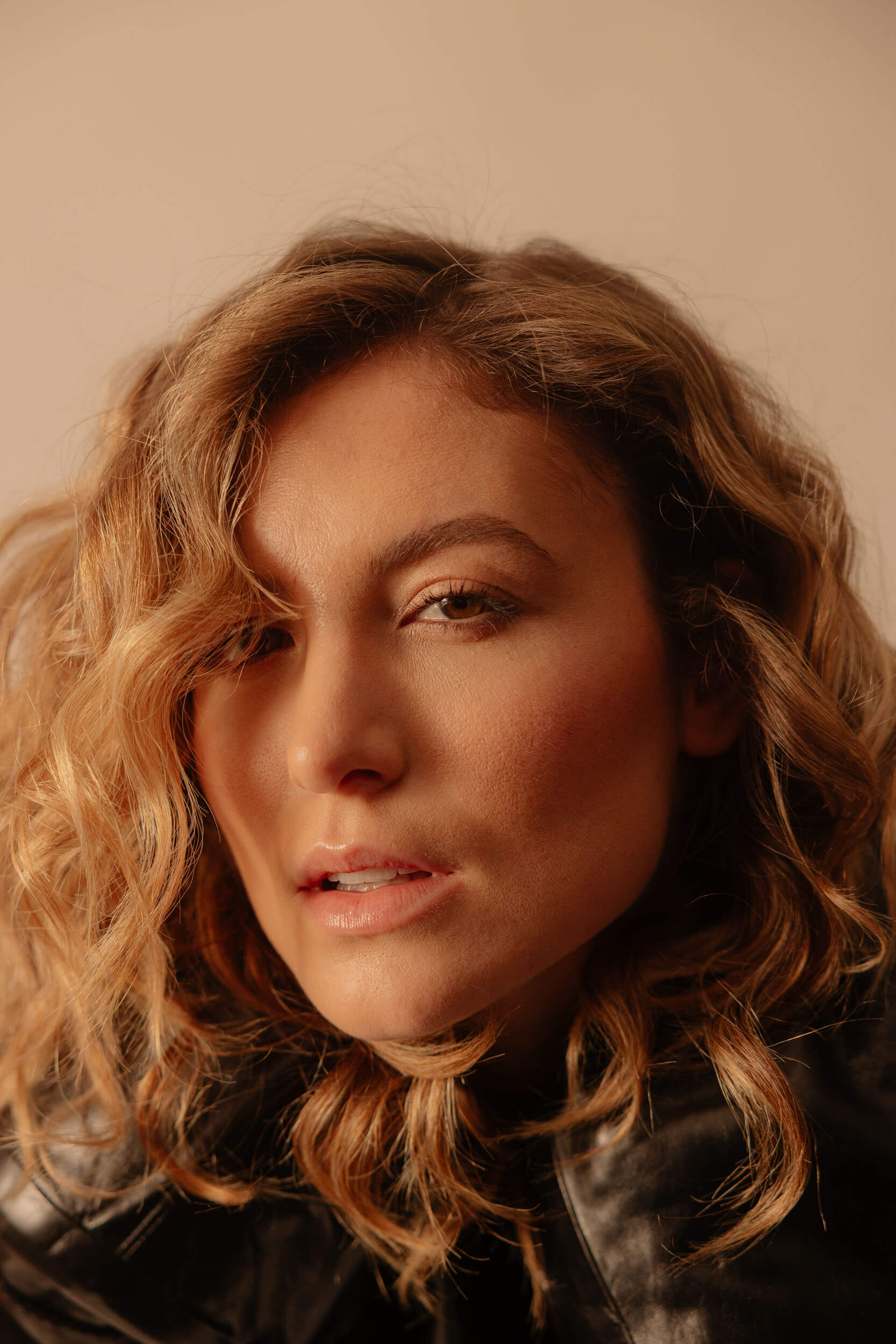
Come ti sei preparata per entrare in una storia così carica di tensione, di dolore, di silenzio?
Quando si raccontano storie così vere bisogna trattare con rispetto e dignità le storie e ii personaggi realmente esistiti. In realtà, di questo personaggio, il mio, non c’era nessuna testimonianza: è realmente esistita, ma non ho trovato foto di lei, non ho trovato interviste. Nonostante alcuni podcast parlassero della squadra maschile, lei non è mai davvero stata raccontata. Quindi, io mi sono documentata in altro modo: studiando personaggi femminili complessi, con una personalità forte. Preparandomi al personaggio ho riguardato “Nikita” di Luc Besson, ho imparato a sparare, sono andata al poligono, ho cercato di fare delle cose pratiche. Mi ricordo che il primo giorno siamo arrivati sul set e il regista mi ha sgridata perché non sapevo buttare giù una porta, entrare e sparare. Giustamente. Quindi poi la volta dopo sono arrivata preparata.
“When you tell such true stories you have to give respect and dignity to the real stories and characters who existed.”
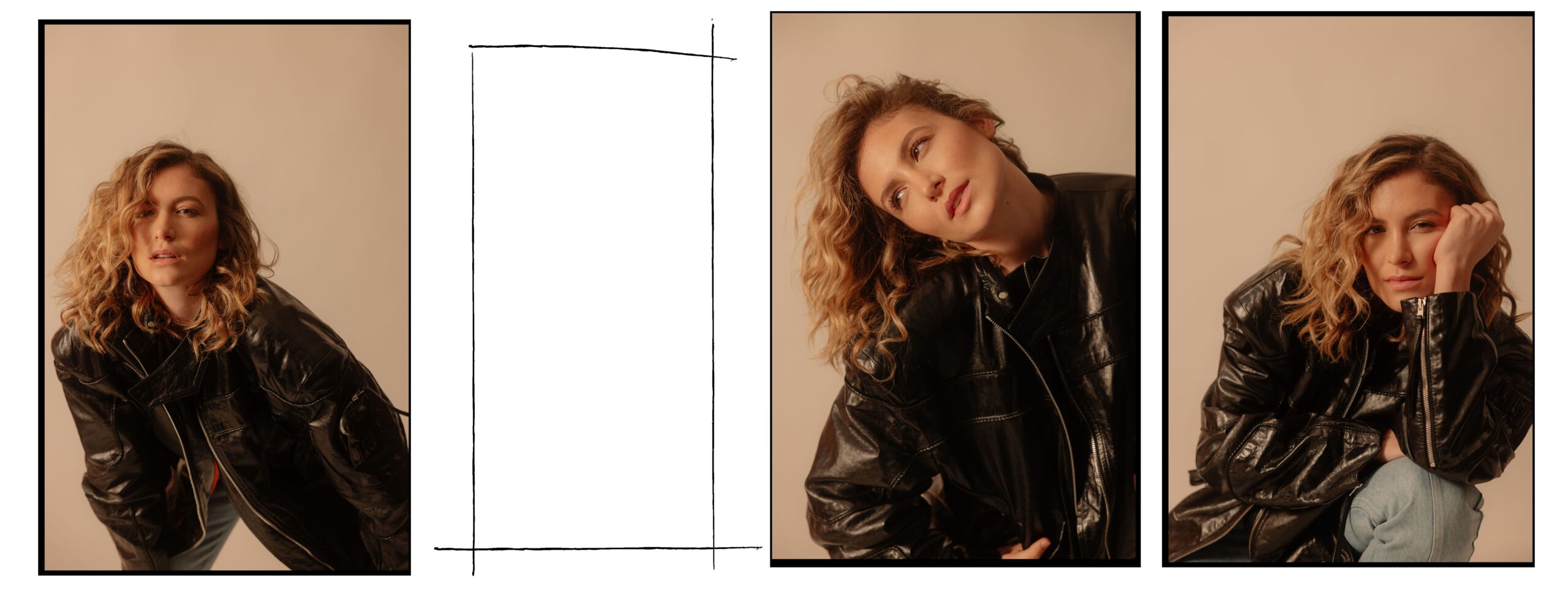
Telling the story of the capture of Matteo Messina Denaro means entering a collective memory that is still an open wound. What responsibility do you feel as an actress in a project that reaches into Italians’ homes?
This is the power of storytelling: telling stories that easily reach everyone’s homes. I obviously knew the story too, I knew everything, but through a news broadcast the information reaches you cold, detached, fleeting. Telling a story through a film or a TV series is different. I think it’s commendable to tell the side of those who remain in the shadows, without making an apology of evil. In “L’invisibile” the people who were truly hidden are told with great respect.
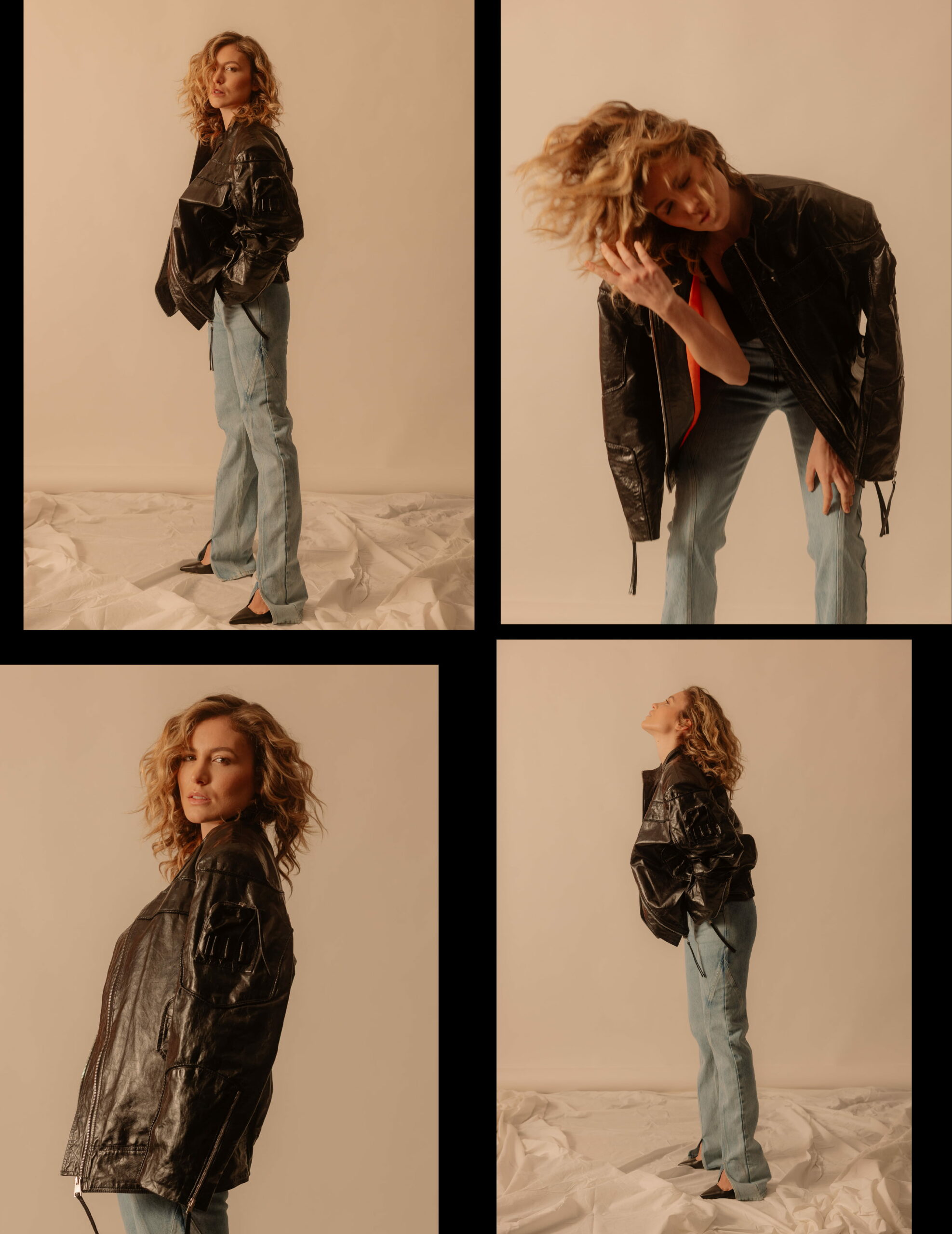
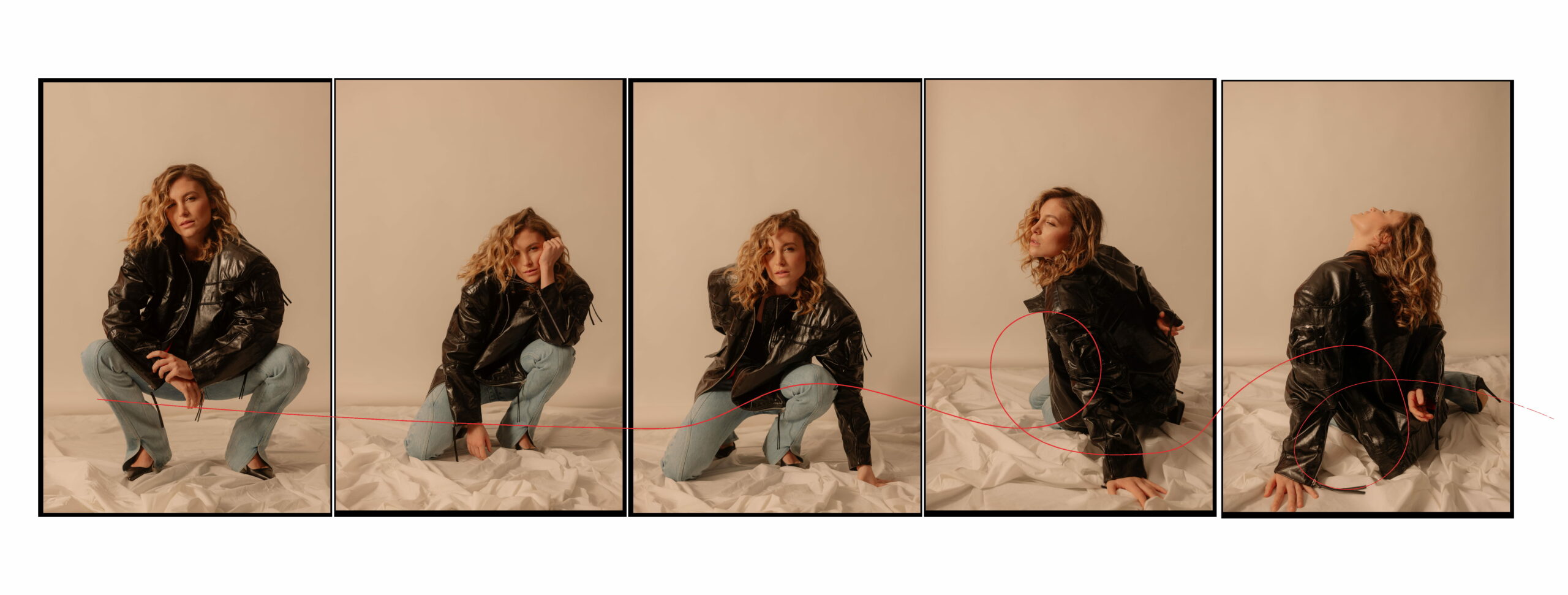
In your opinion, what is the greatest risk when telling mafia stories in a fictional product? And how does “L’invisibile” avoid clichés?
You know, I know that initially they wanted to shoot the series in another city in Sicily, I think Trapani. When they went for location scouting, they were made to understand that they couldn’t shoot there, even in a very rude way. So there was also a concrete risk that we could have run, considering that the series tells the story of a mafia boss who was a constitutive part of Sicily and of Sicilians’ lives. I believe the beauty of this product lies precisely in the fact that it tells the story by taking risks, in order to show the events from another perspective.
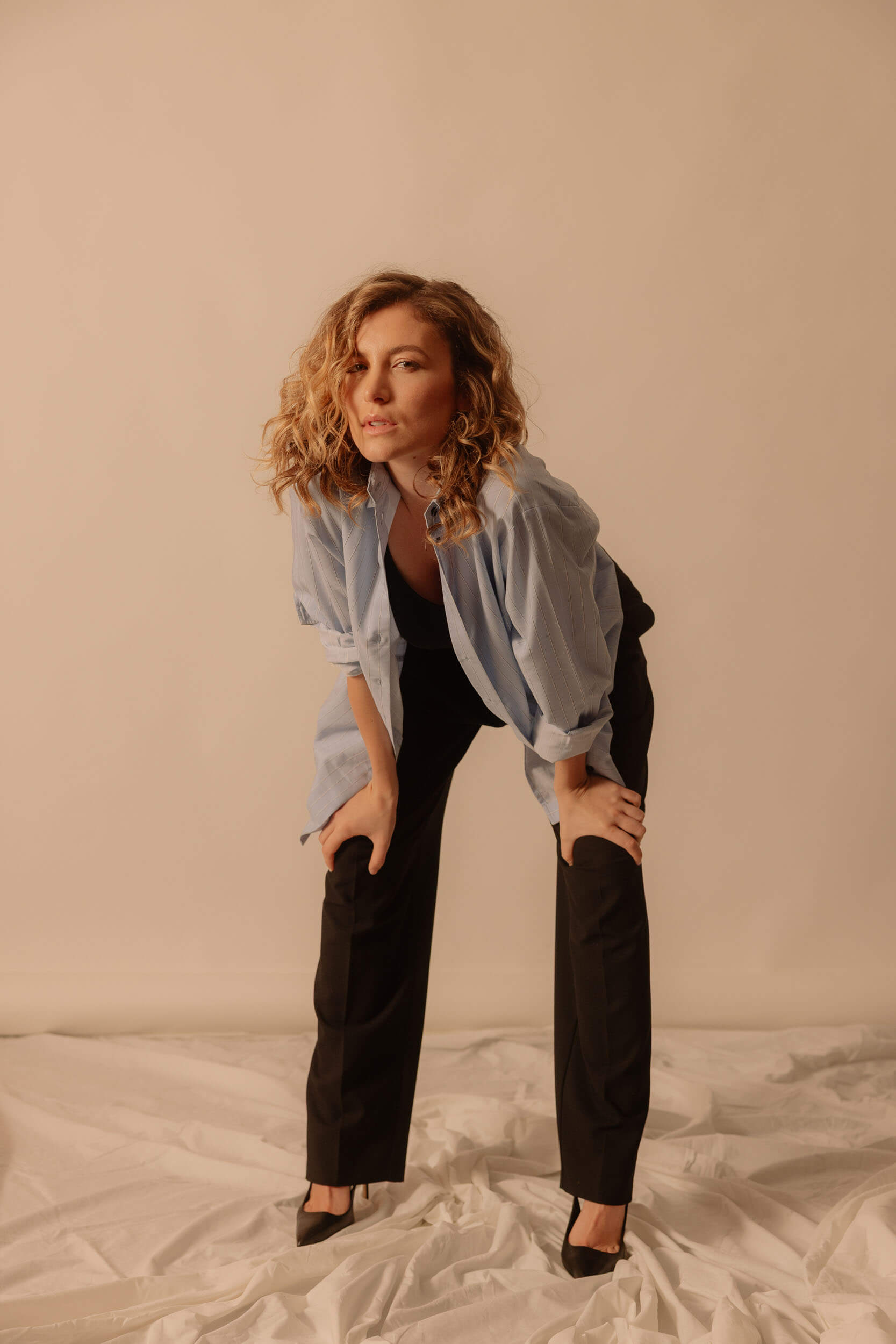
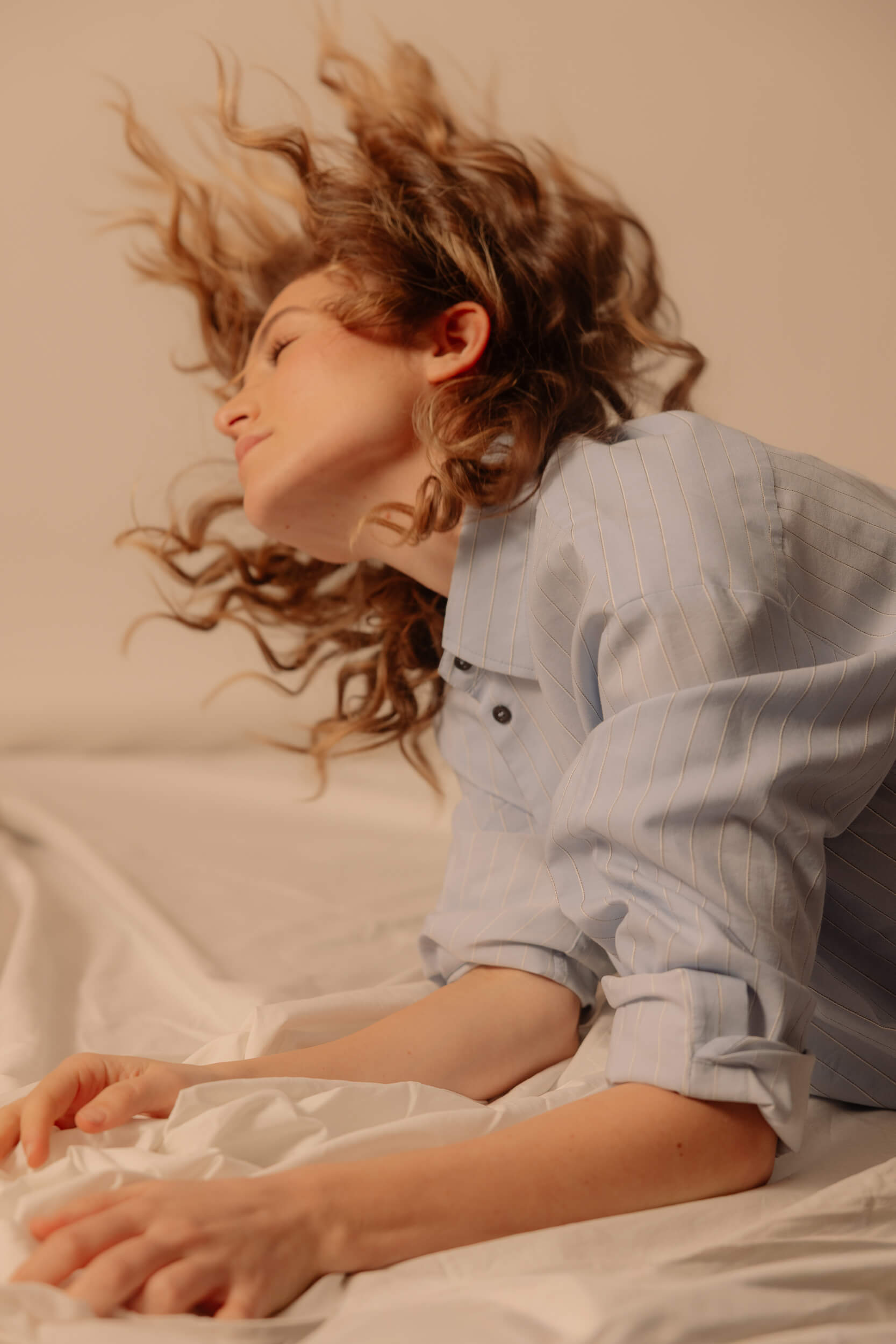
Is there something about your character that you feel particularly close to, aside from the passion for engines?
Definitely Nikita, as I said before, is a strong woman. I liked the idea that she didn’t have traditional emotional ties: for the first time a woman was associated with a mission, a challenge, with work, and not with being “the girlfriend of,” “the daughter of,” “the sister of.” Like her, I believe I am also a strong, solid woman. And strength implies complexity, which is a beautiful thing.
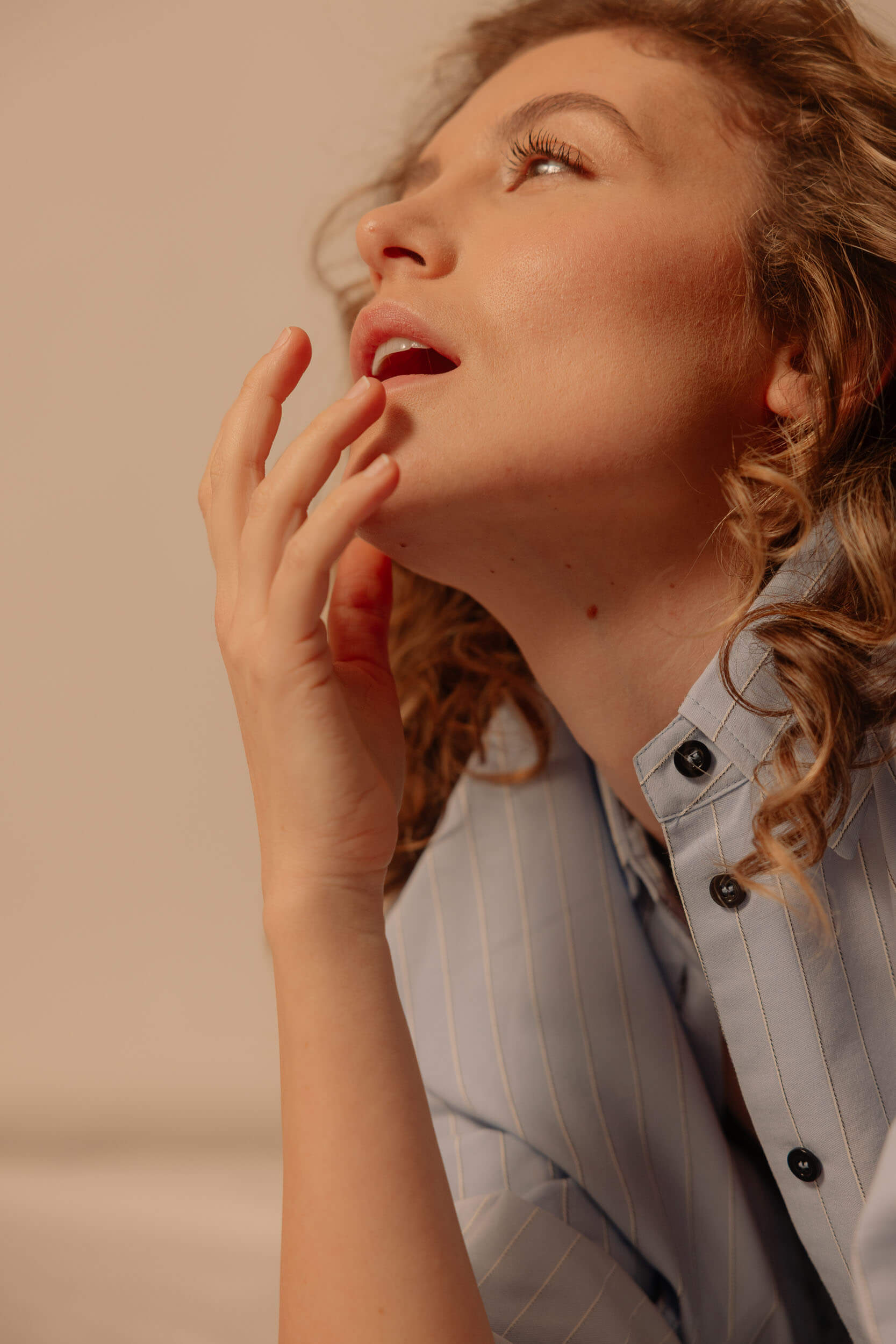
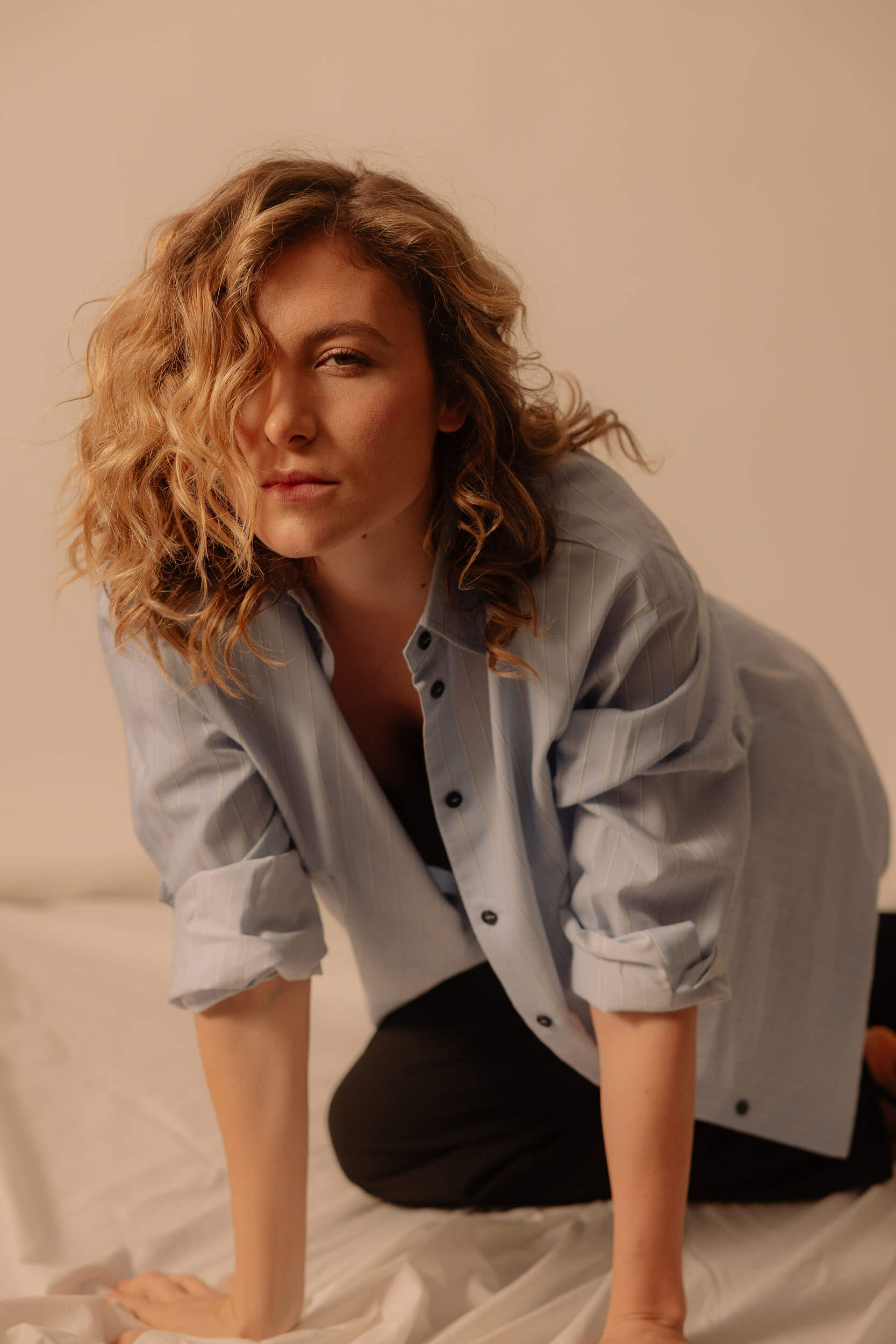
“Strength implies complexity, which is a beautiful thing.”
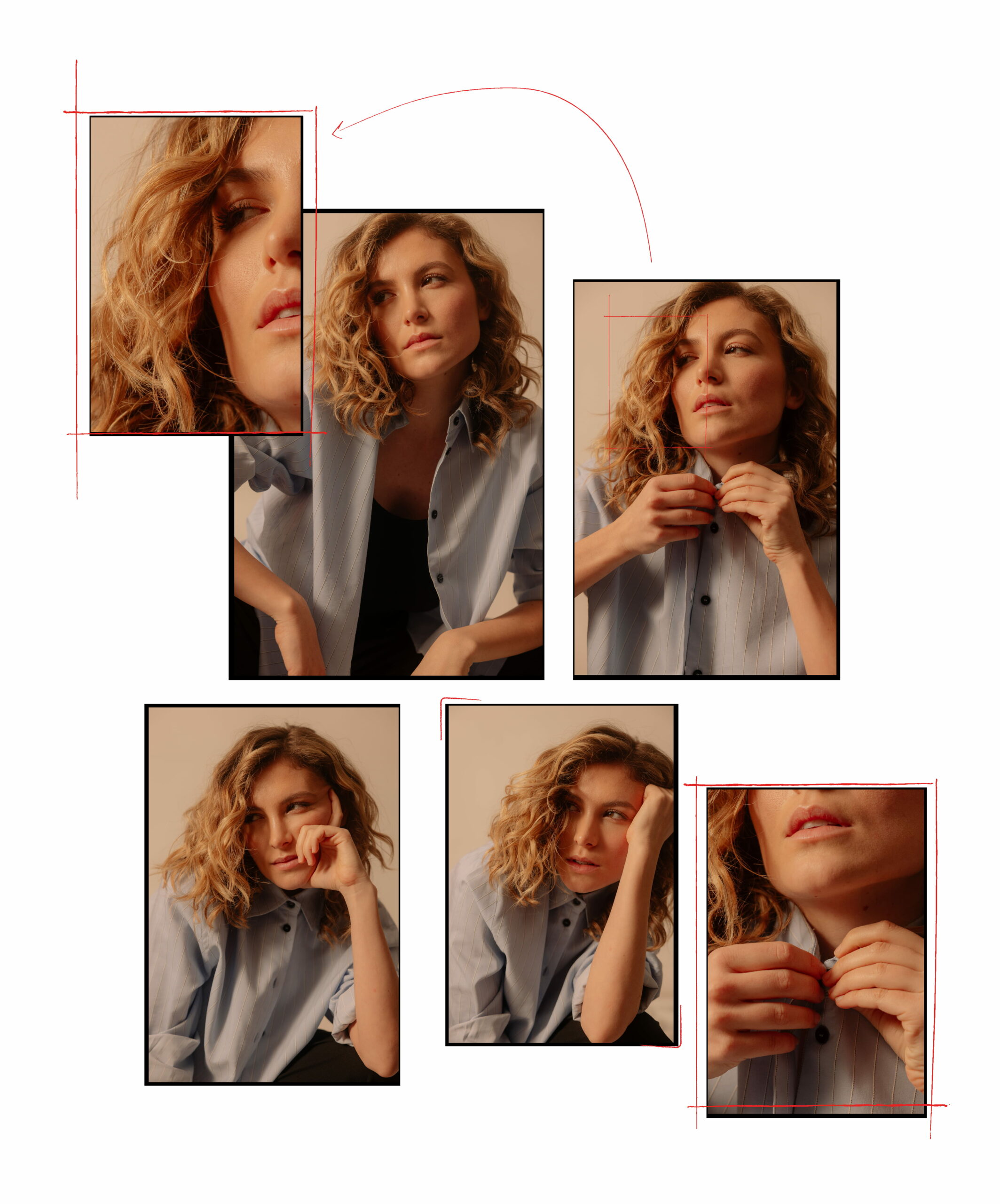
Did you portray this character in a more rational, studied way, or did you go by instinct?
I went more by instinct, because I saw that fortunately I had things in common with her. I felt that deep down I am like her: a complex feminine. It was quite easy to slip into her.
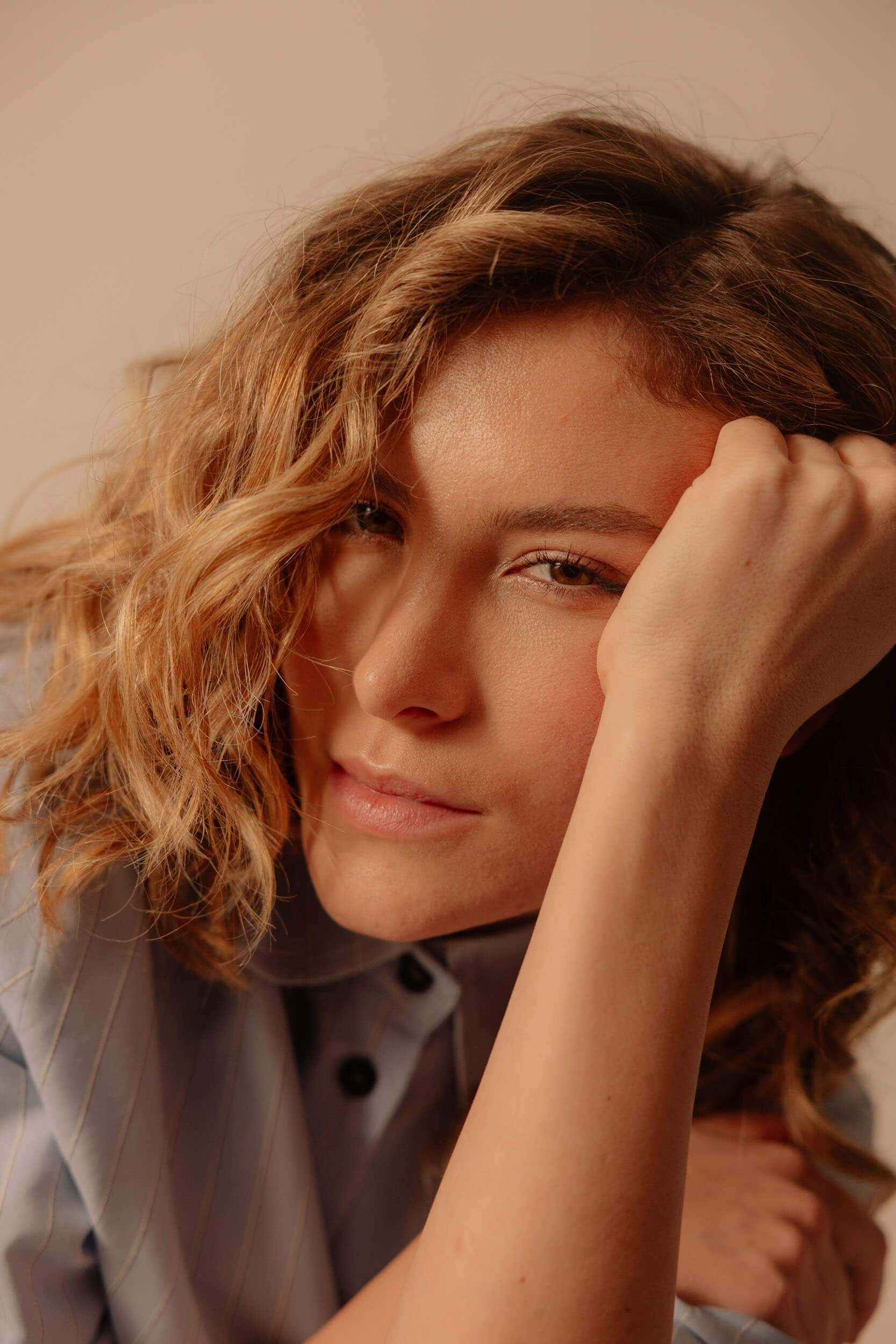
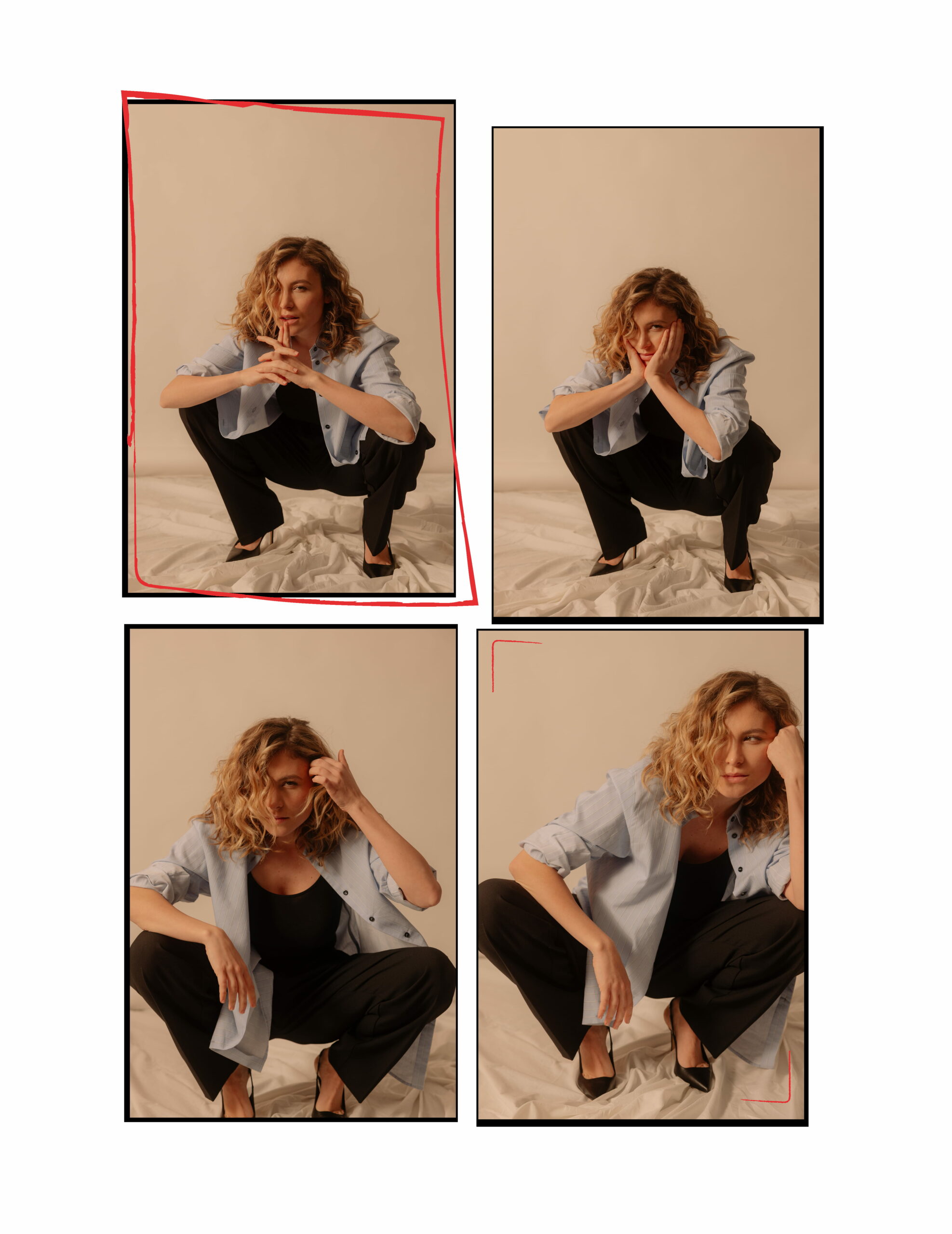
What atmosphere was there on set, knowing you were telling a delicate page of Italian history?
Sometimes sets are very fun, even when you’re telling a tragic story, paradoxically. We all bonded, we became very close. Lino [Guanciale] was very worried, I remember; he rightly felt a great responsibility on himself and wanted to stay in the truth, to tell everything in the best way. Consequently, we too felt a great shared responsibility, that of being consistent. Sometimes we felt like overdoing it, but then we told ourselves: we are telling something real, it’s important that we are accurate. In short, there was a shared sense of responsibility.
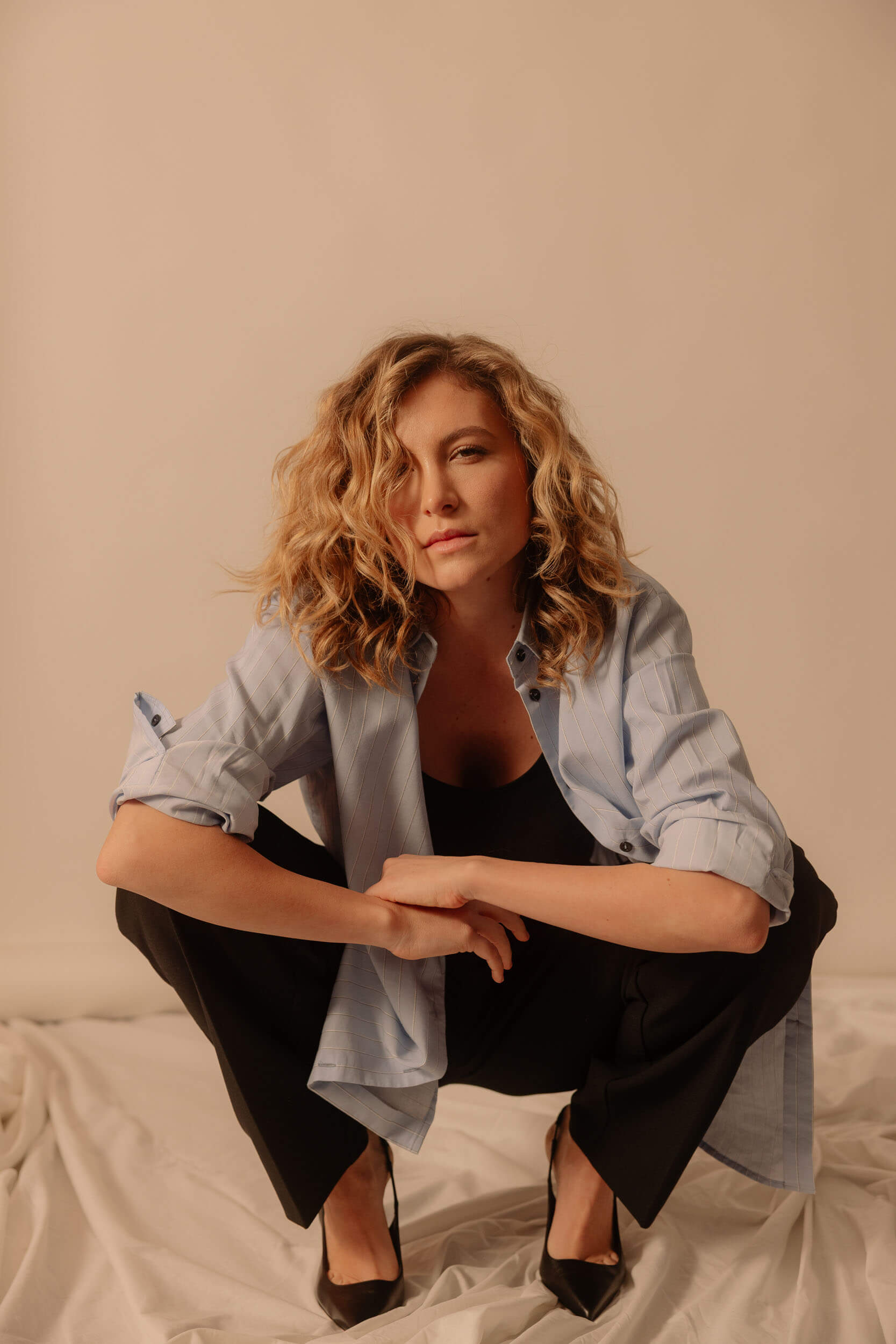
“we too felt a great shared responsibility, that of being consistent.”
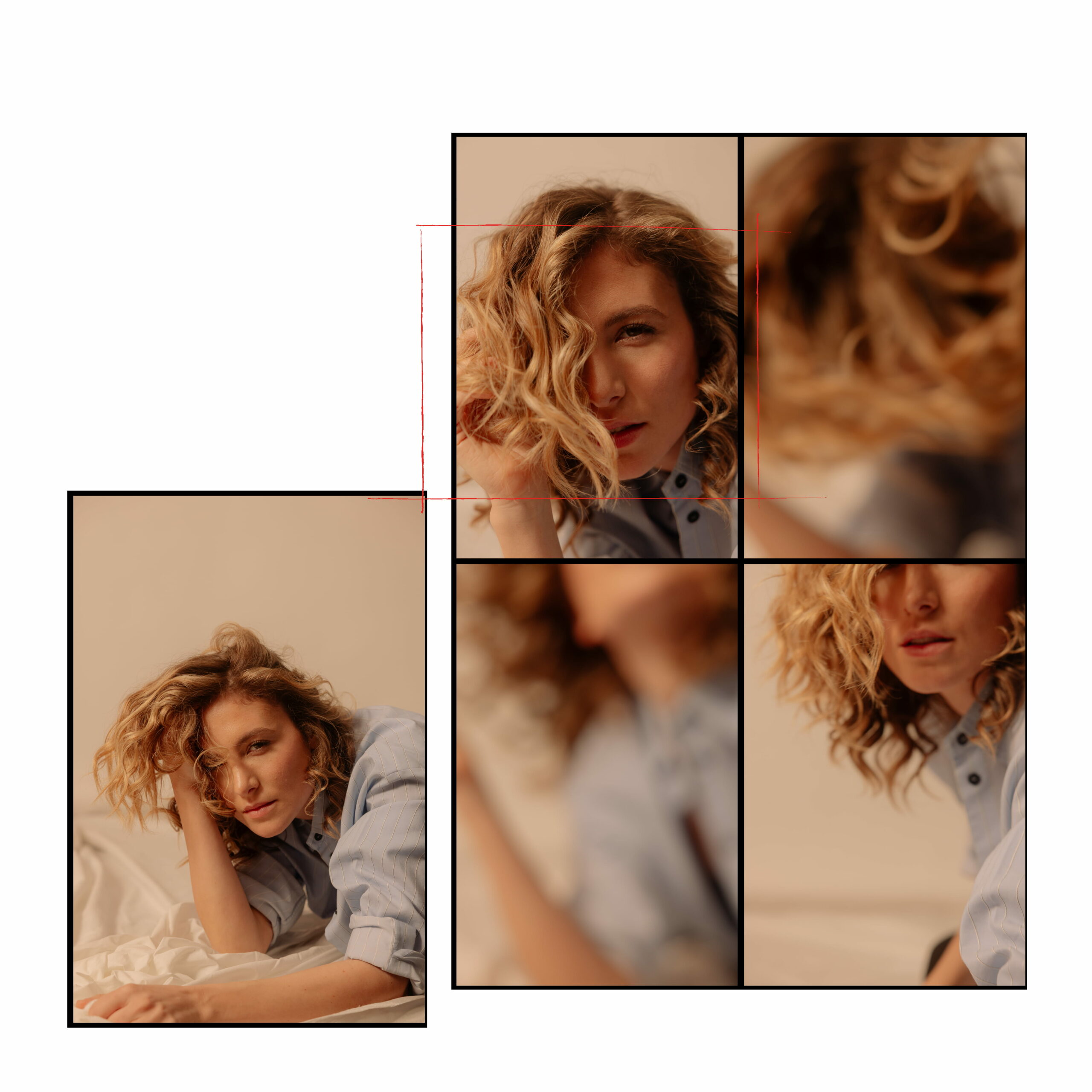
Has this project changed the way you look at Italy today?
Yes. It’s interesting to tell the apology of good and not of evil. I believe we can always do better, make people understand that it’s worth telling the stories of those who work, who risk their lives for what they do. It was risky, because it might have seemed less interesting to an audience than directly telling the life of Messina Denaro. But I would say we achieved an excellent result instead.
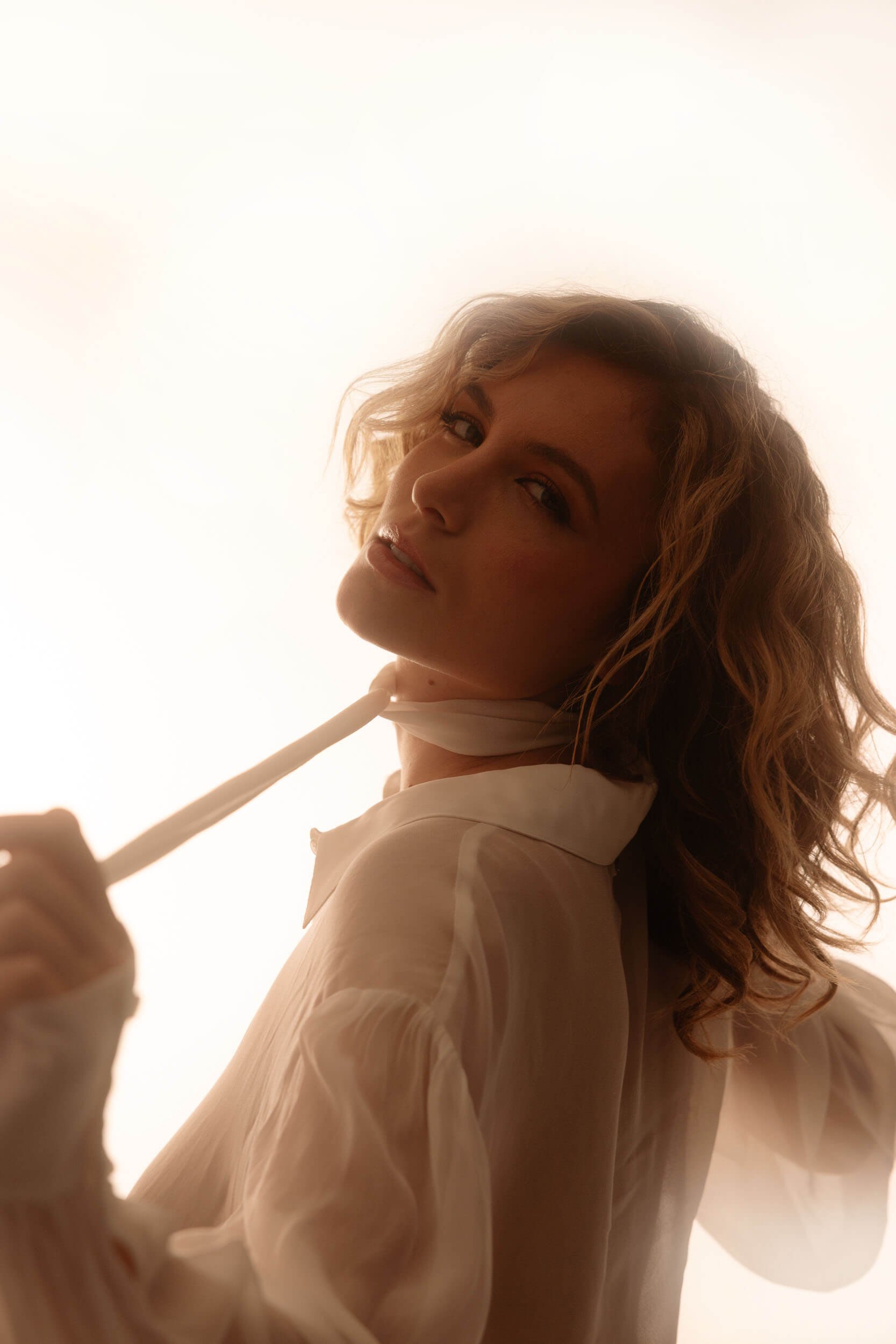
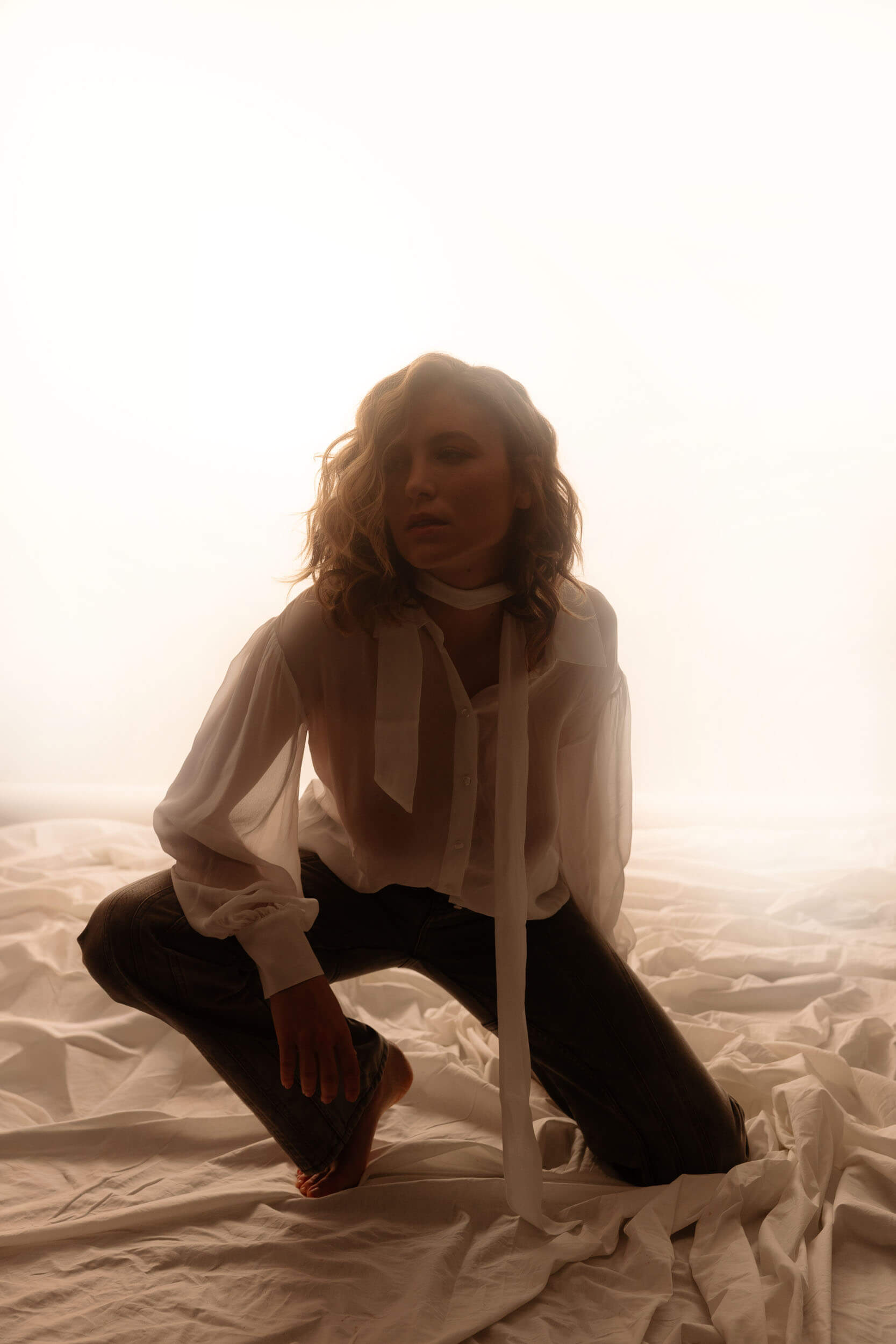
In general, how do you build your characters? Do you start from the body or from emotions?
I’m a not very technical actress, also because unfortunately I studied little. I would have liked to attend the Centro Sperimentale, but I woke up late, so I did everything quickly. I believe I usually start more from the physicality when preparing a character. Then, of course, the emotions come, but in a natural, not constructed way. It’s important, however, to learn to manage the body + emotions combo: when the shooting day ends, you must be able to return to yourself. For me this line is still undefined: sometimes I go home and still feel inside the scene.
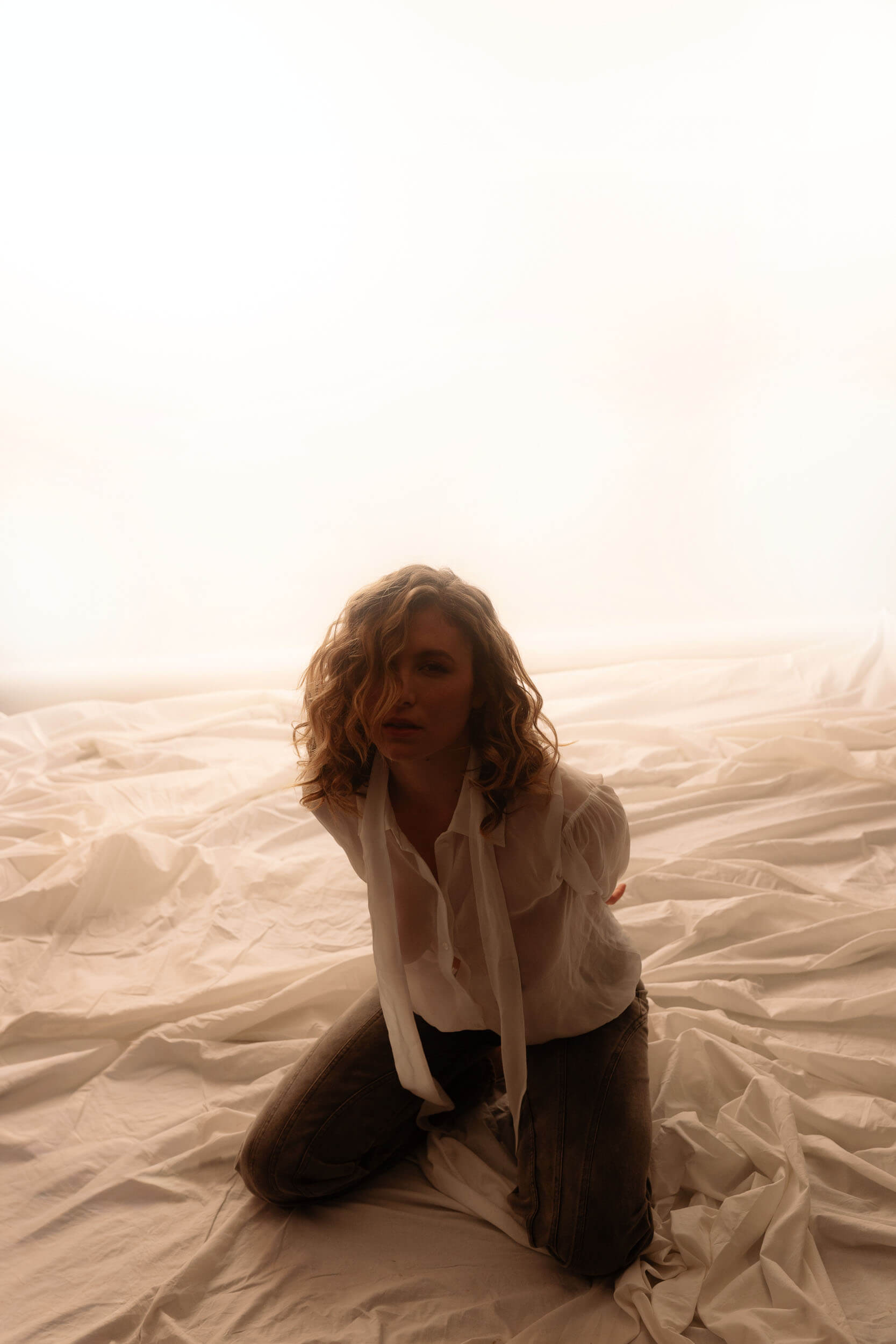
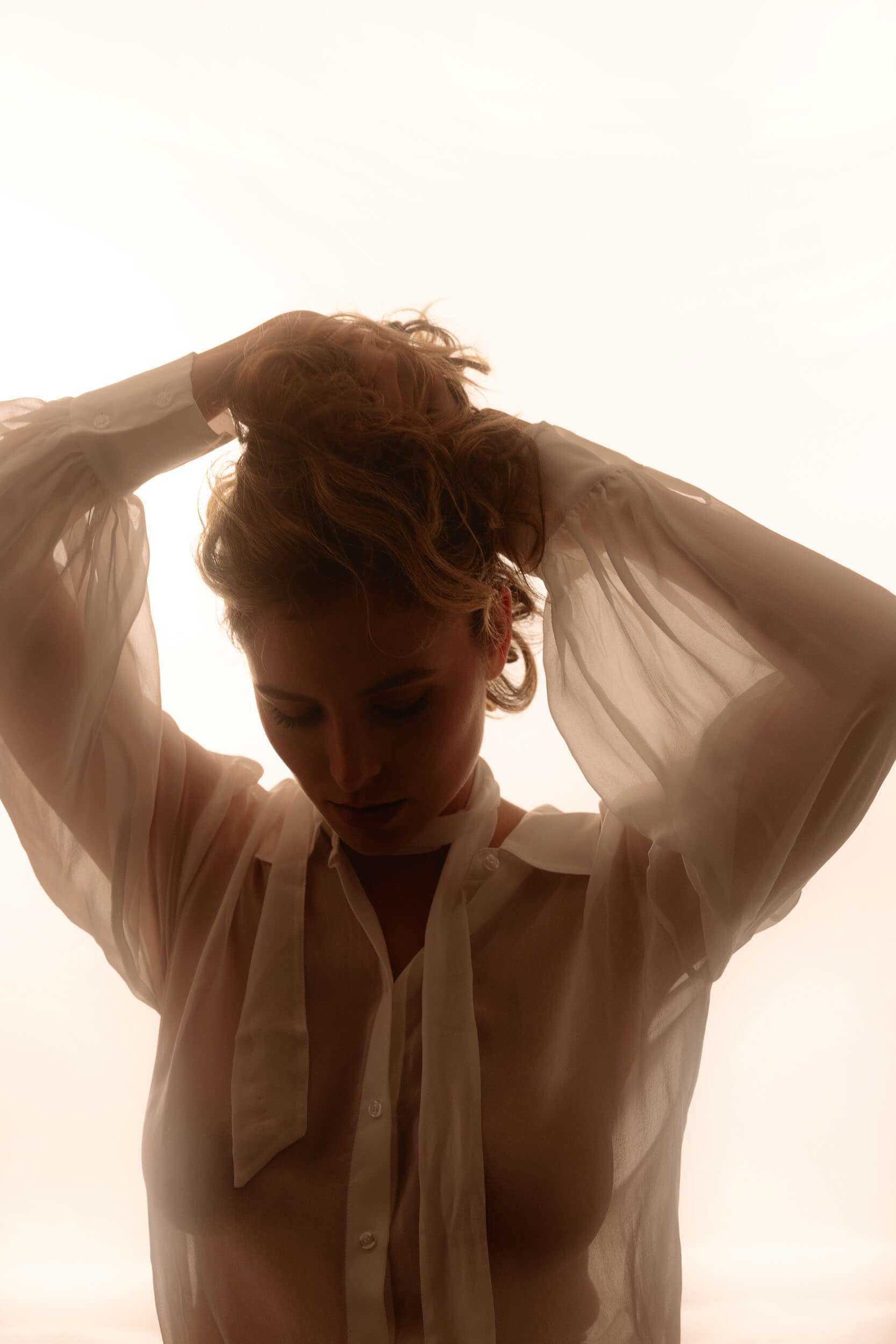
“It’s important, however, to learn to manage the body + emotions combo: when the shooting day ends, you must be able to return to yourself.”
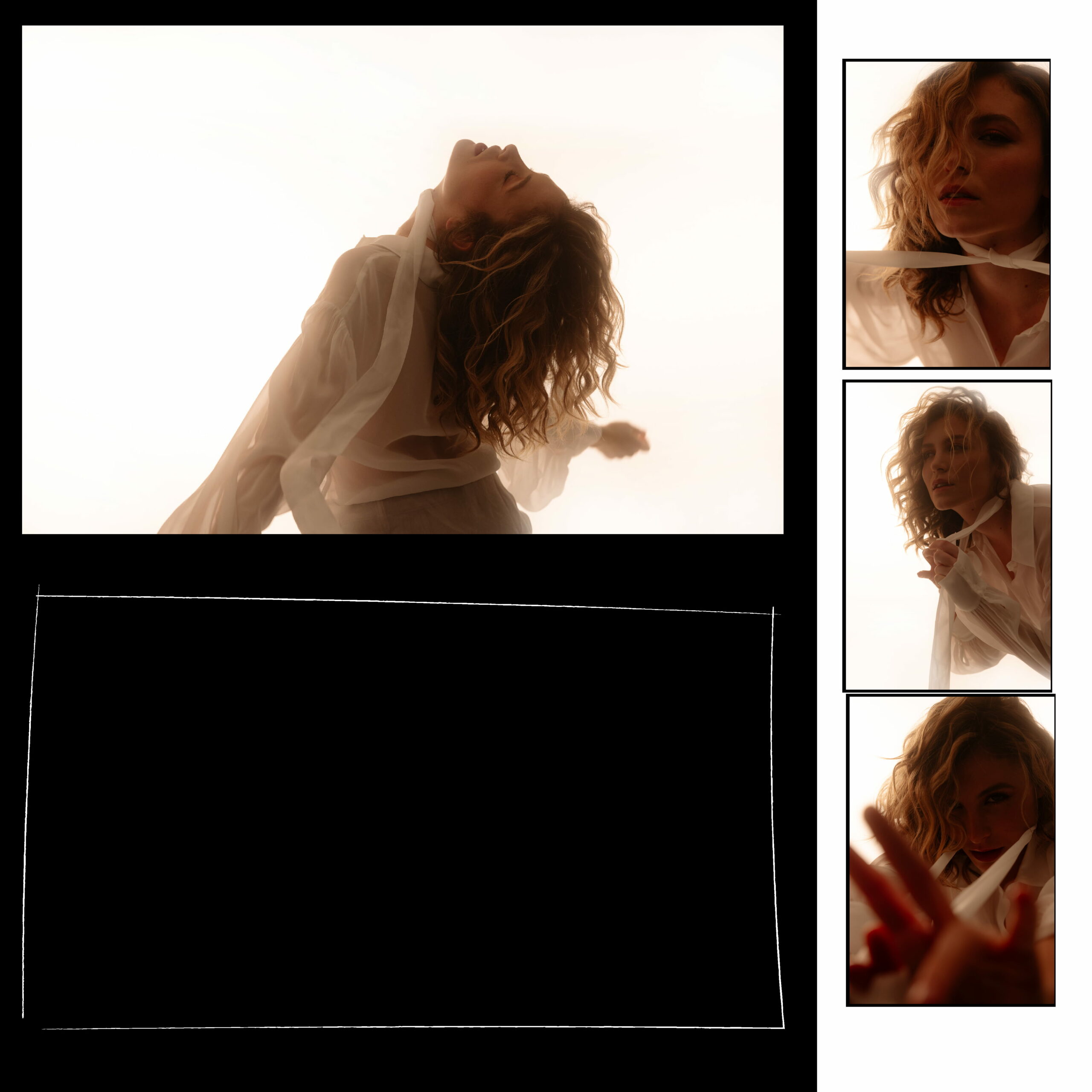
Is it really possible not to think about it anymore?
It’s difficult. But I hope it’s possible, otherwise it’s a mess [laughs].
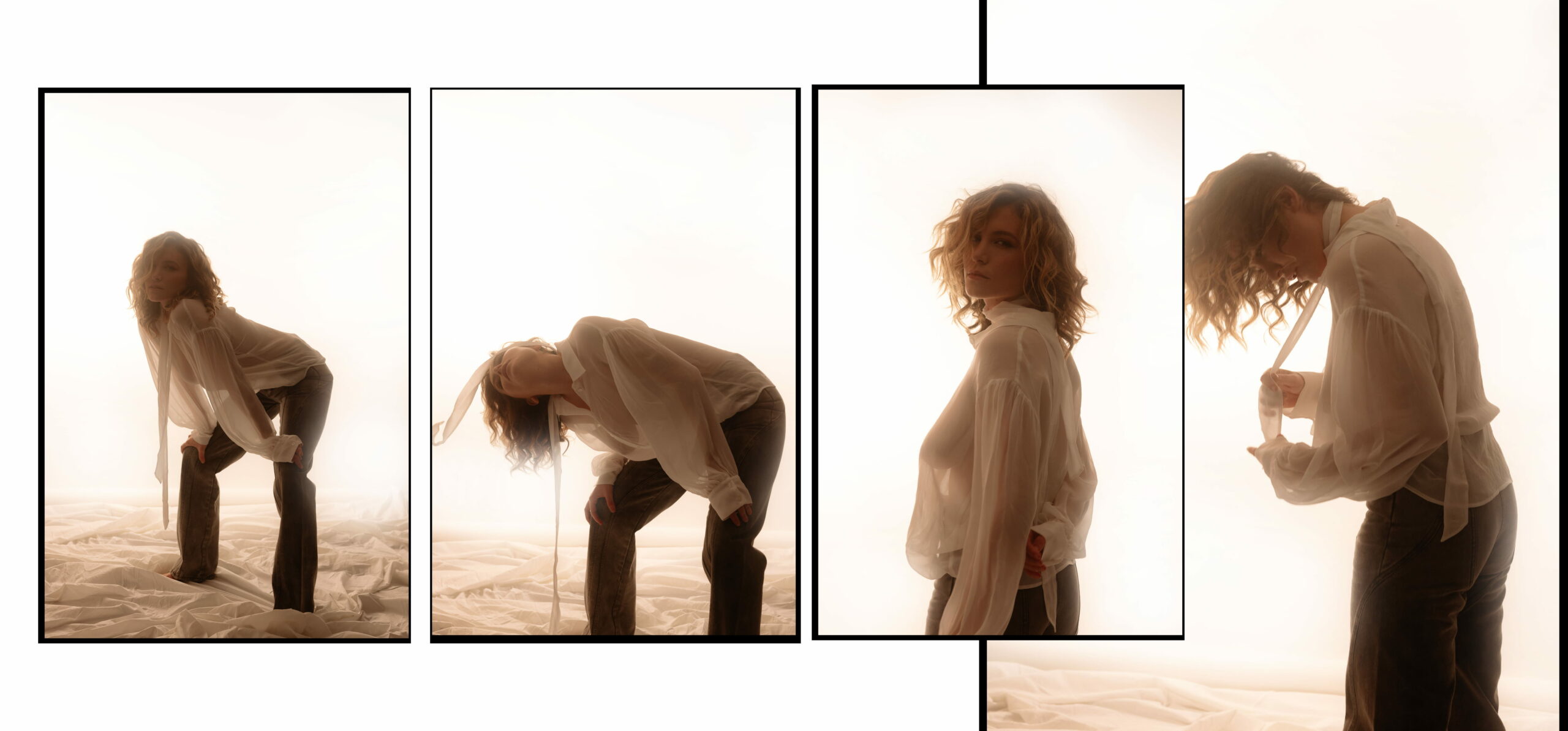
Do you have rituals to enter or exit the character?
Exiting, for me, is more difficult; I need time. To enter, I like to be alone. On set there are always many people, but I always try to isolate myself before shooting. Solitude is fundamental for me to immerse myself in the character.
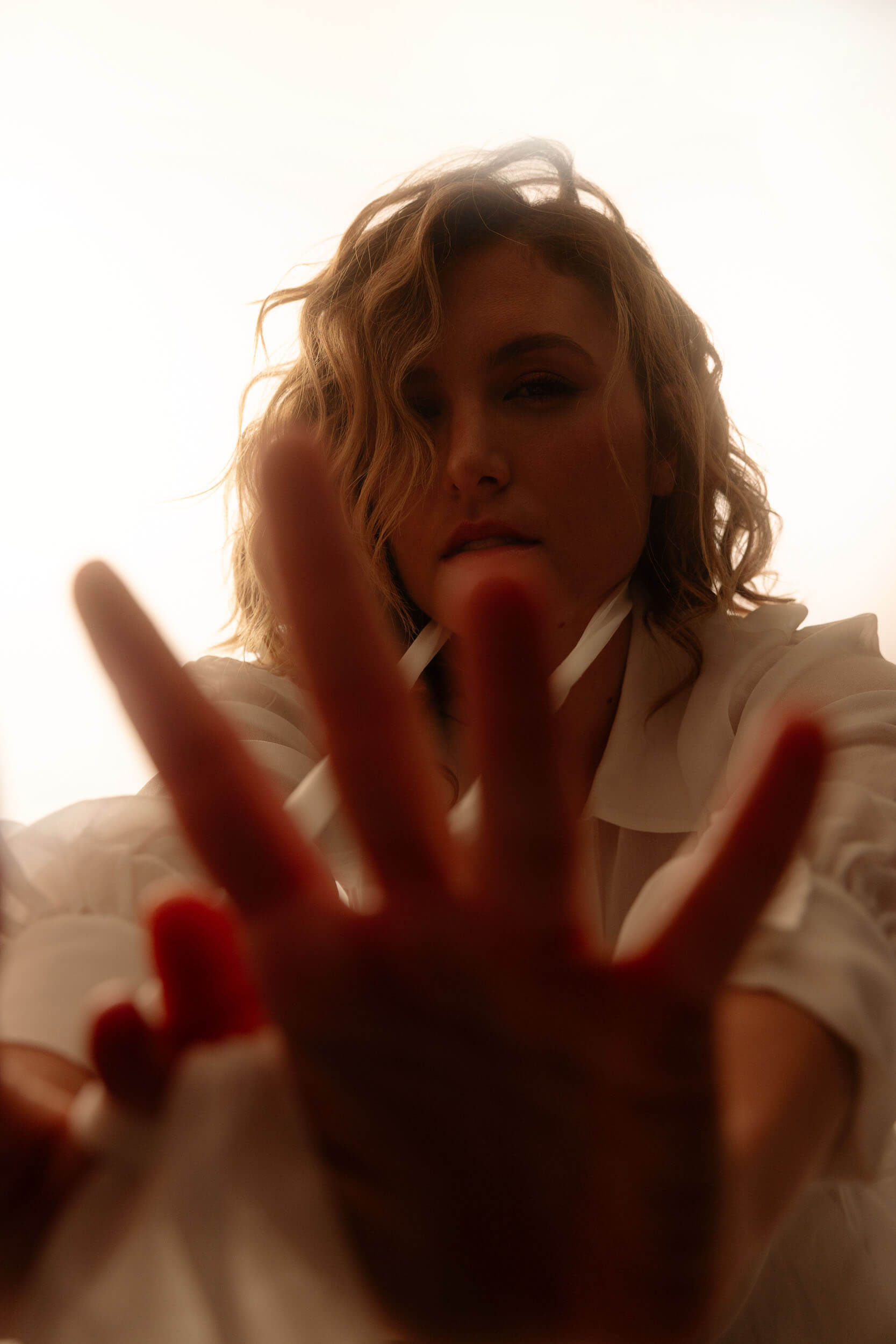
What moment are you living, artistically and humanly?
It’s a beautiful period. Beyond acting I’ve discovered that I really love writing. I started doing it, I wrote a screenplay. It was something very instinctive. Also because I don’t know if I will want to be an actress forever. Writing fascinates me enormously, although it’s a tough job.
What deeply moves you, even outside the set?
I am in love with love. I believe that many actors do this job also to be looked at, to be loved. It moves me when someone truly listens to you; it moves me to be truly seen.
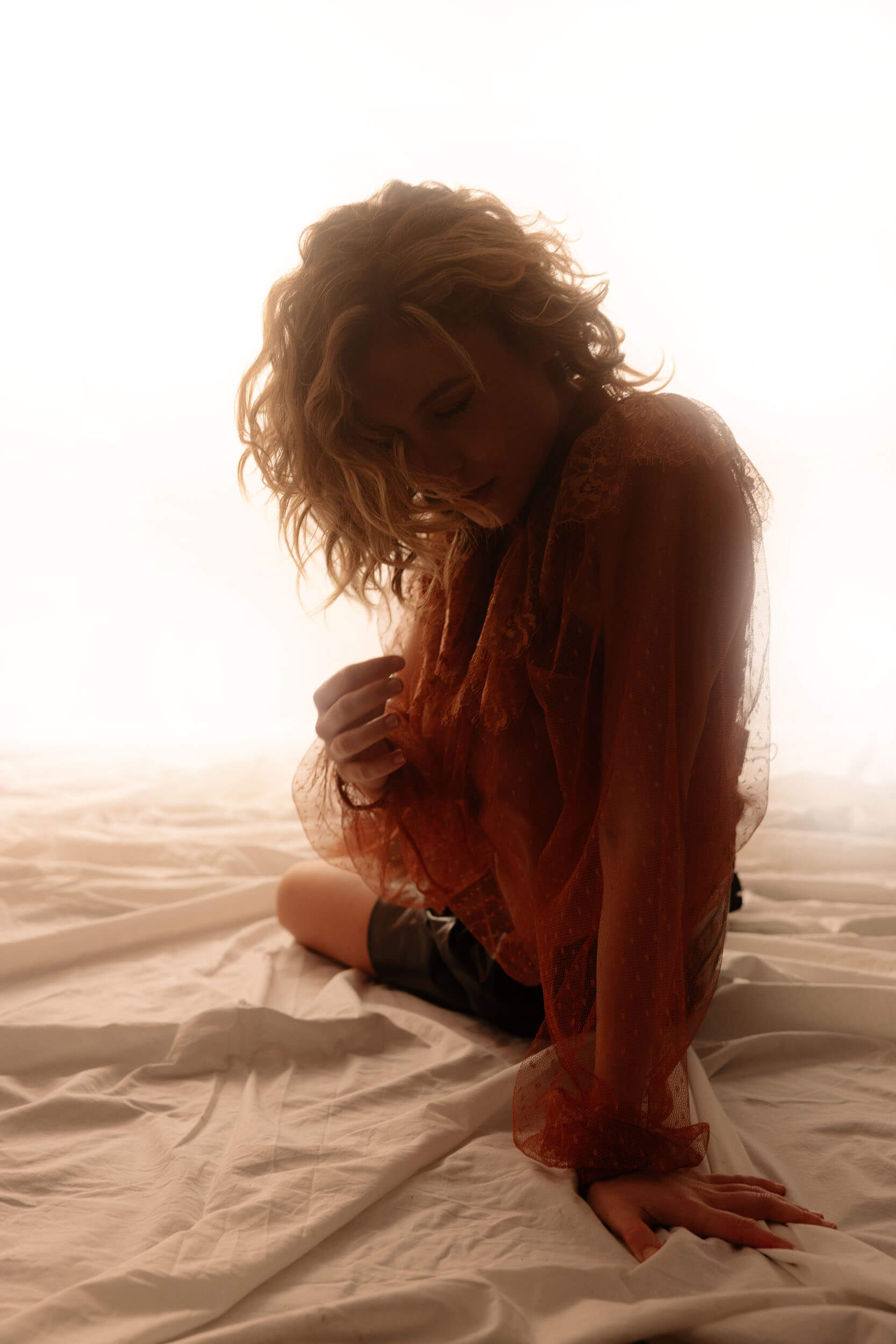
What kind of stories do you like to watch as a spectator?
I like complex stories, with well-defined characters. I like elevated cinema. But I also adore horror films. I go from one extreme to the other! A few days ago I watched “Psycho” for the first time, for example — wonderful.
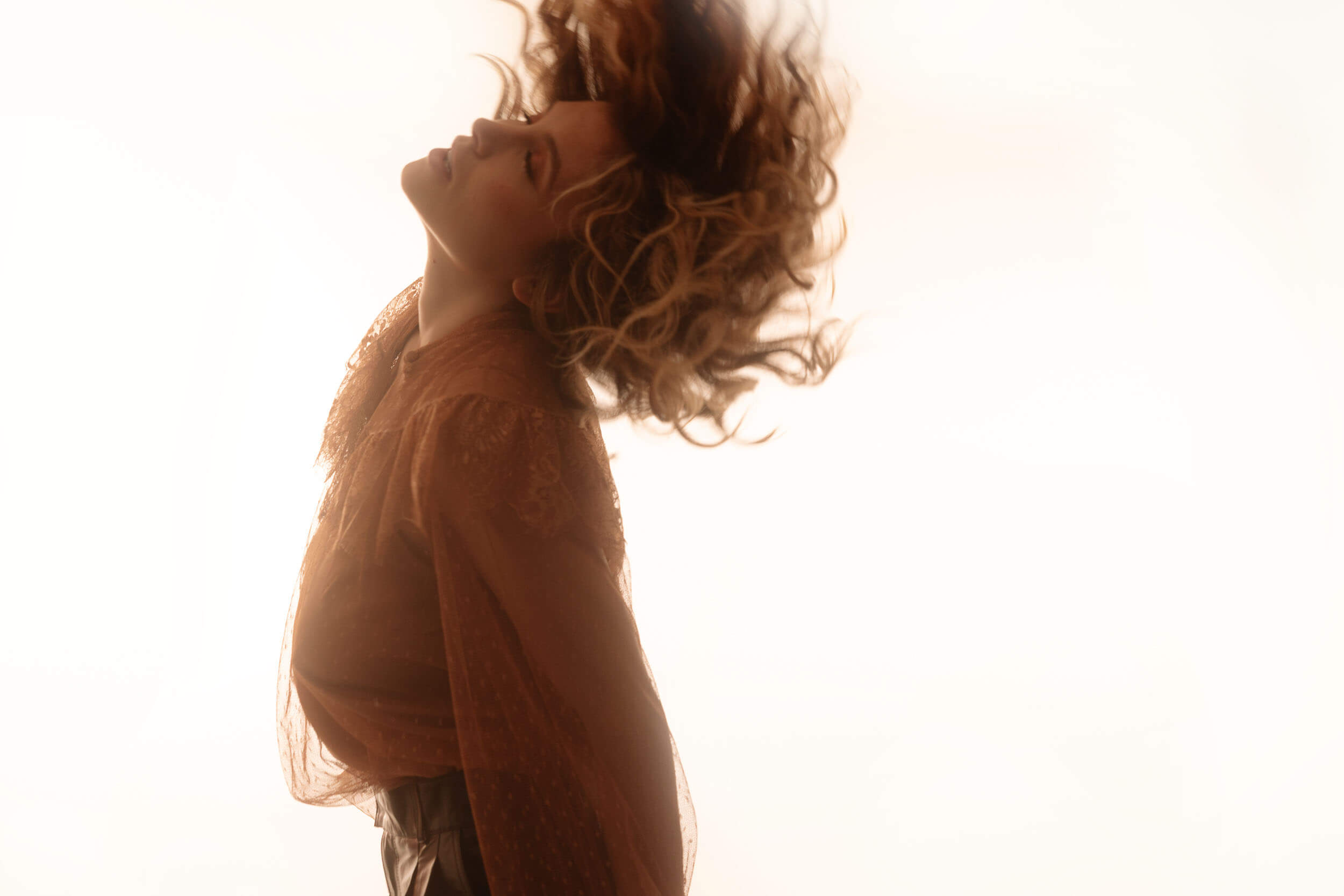
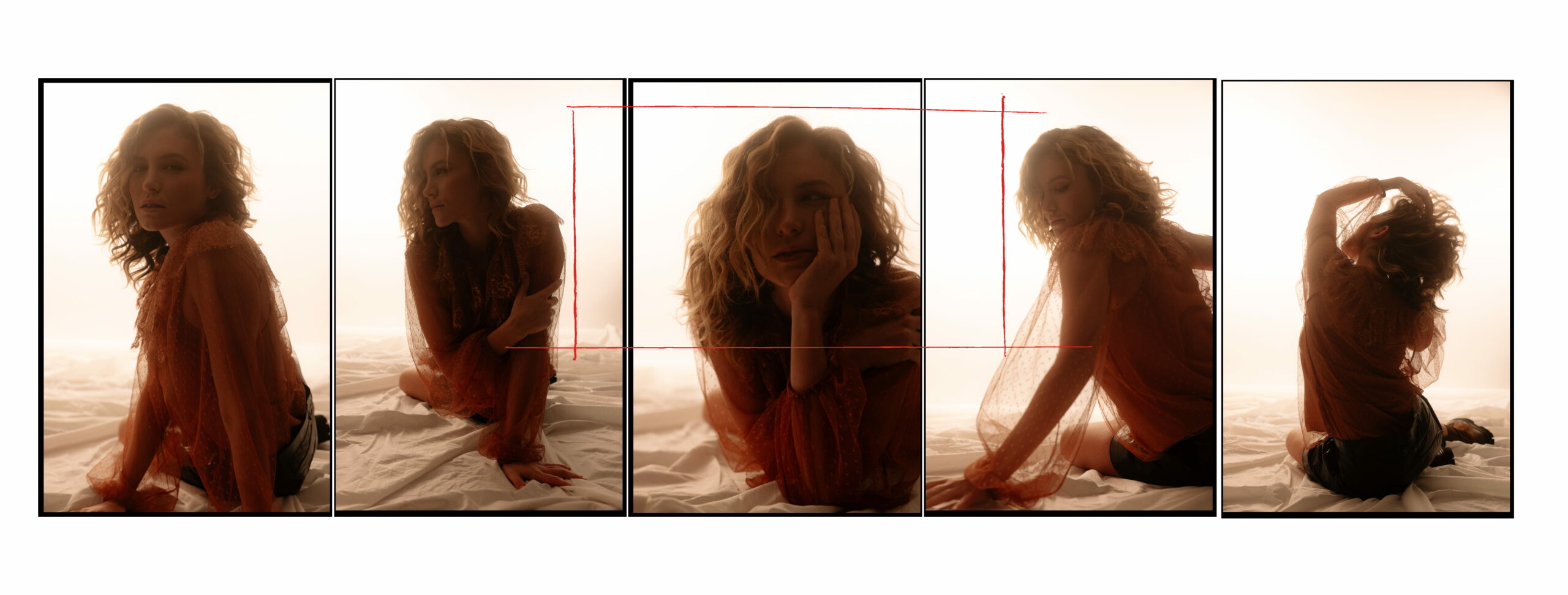
What is the last thing you discovered about yourself thanks to your work?
That I am a generous person. I feared that, being very solitary, I might be selfish. Instead, on set they told me that I am very empathetic, that I manage to connect with others. I believe I discovered that I am a good person.
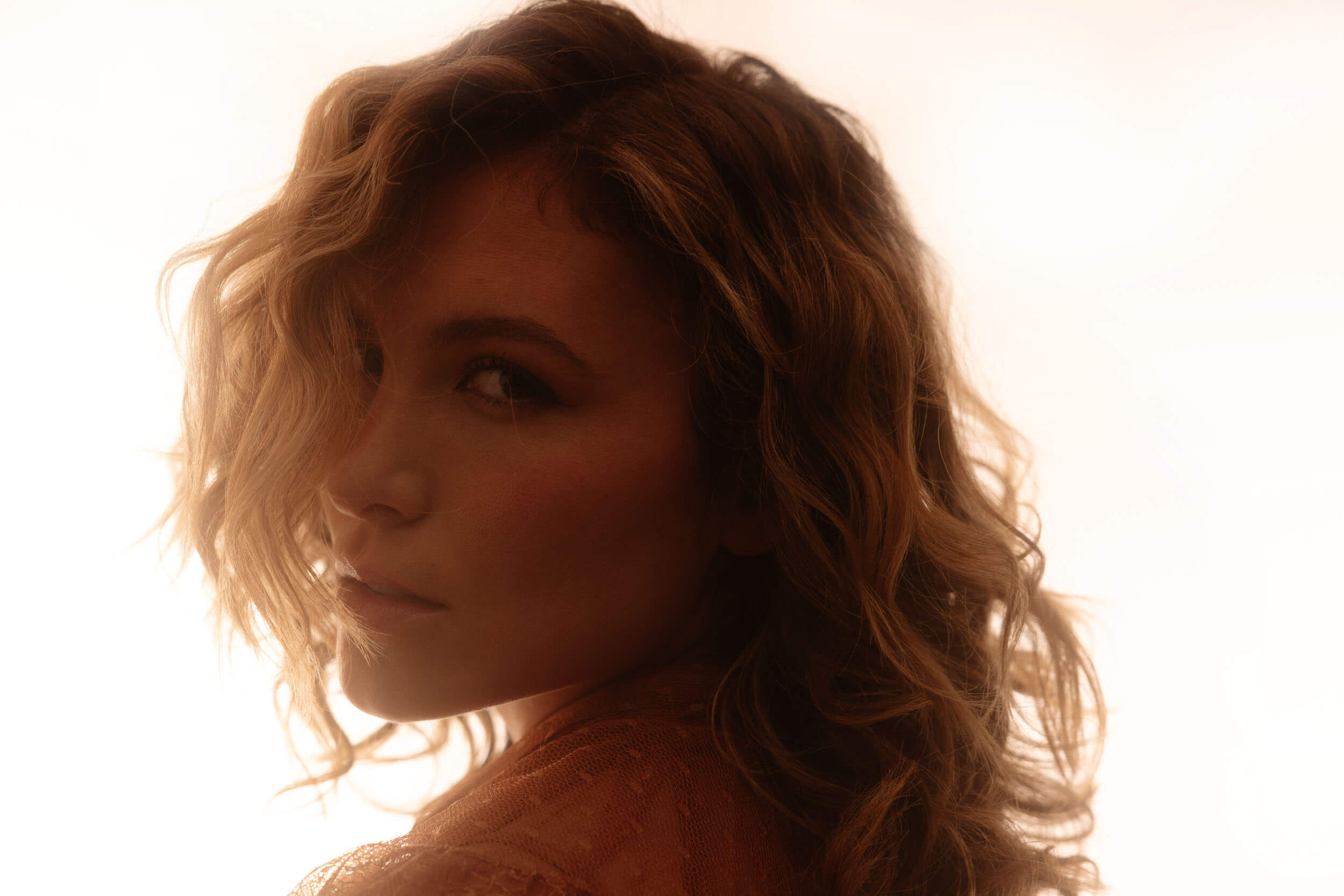
“I believe I discovered that I am a good person.”
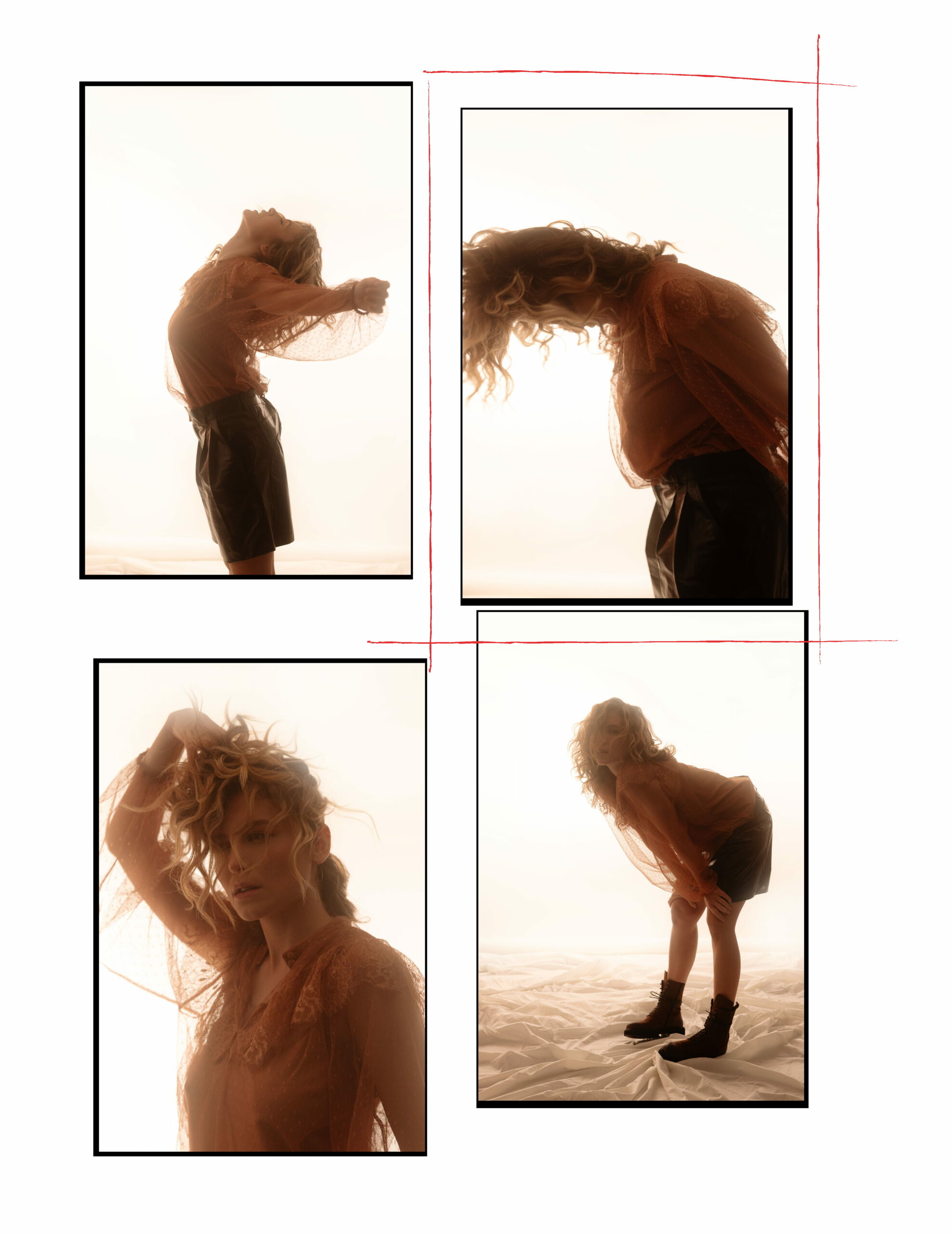
Your greatest act of rebellion?
Looking for my own path. Leaving Venice, my family, and going to do what I desired. I’ve seen many people lose enthusiasm when they realize how difficult it is to change life.
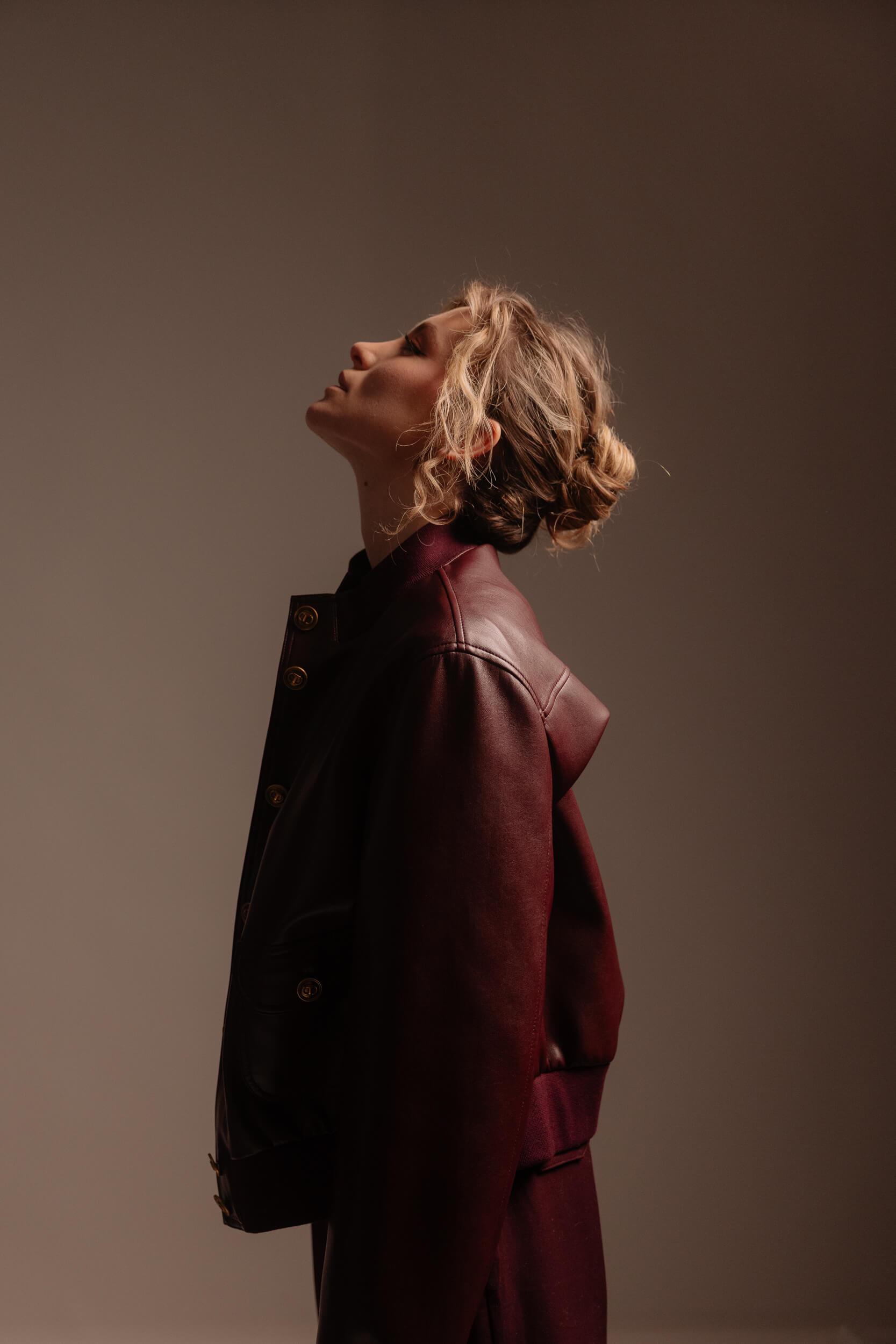
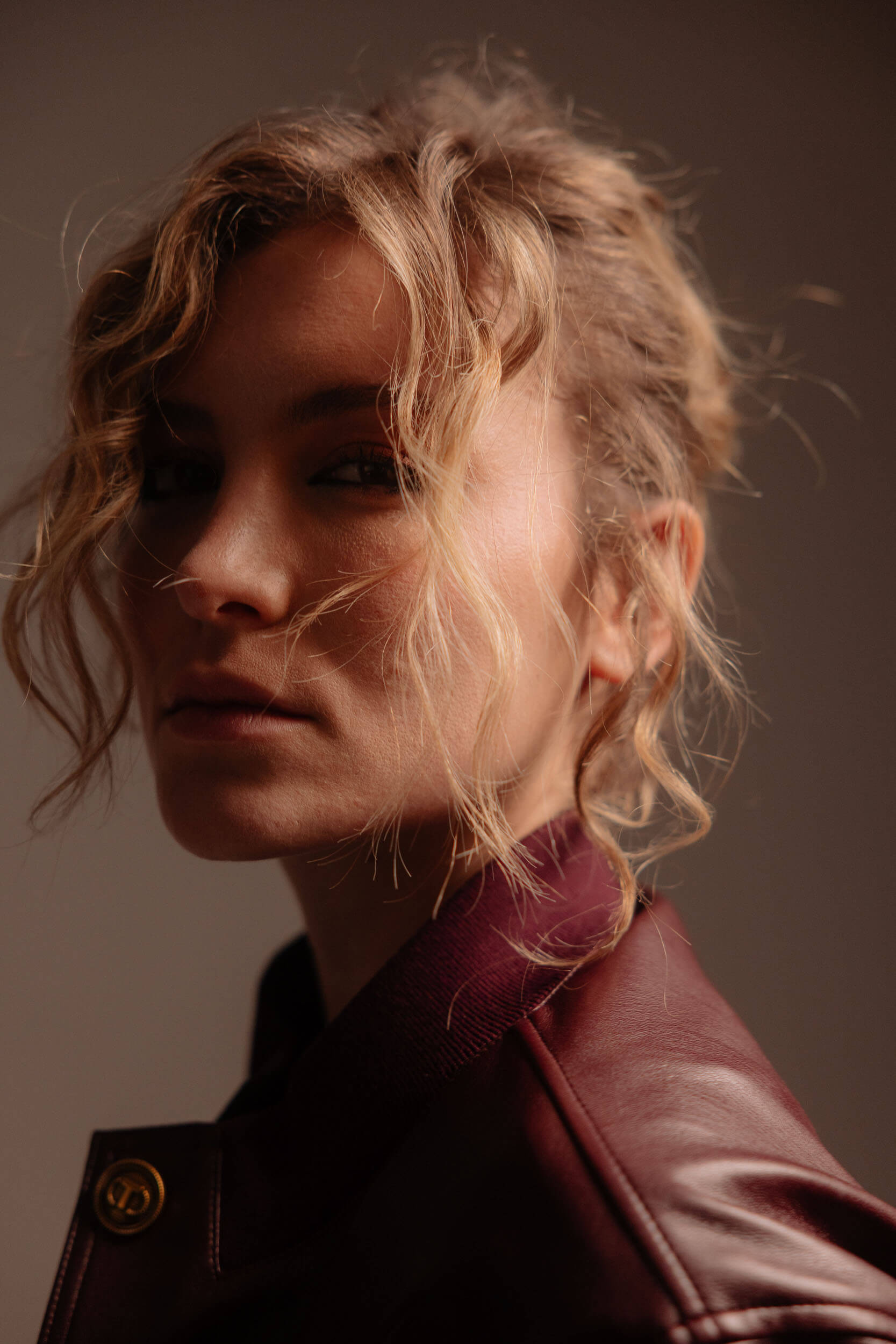
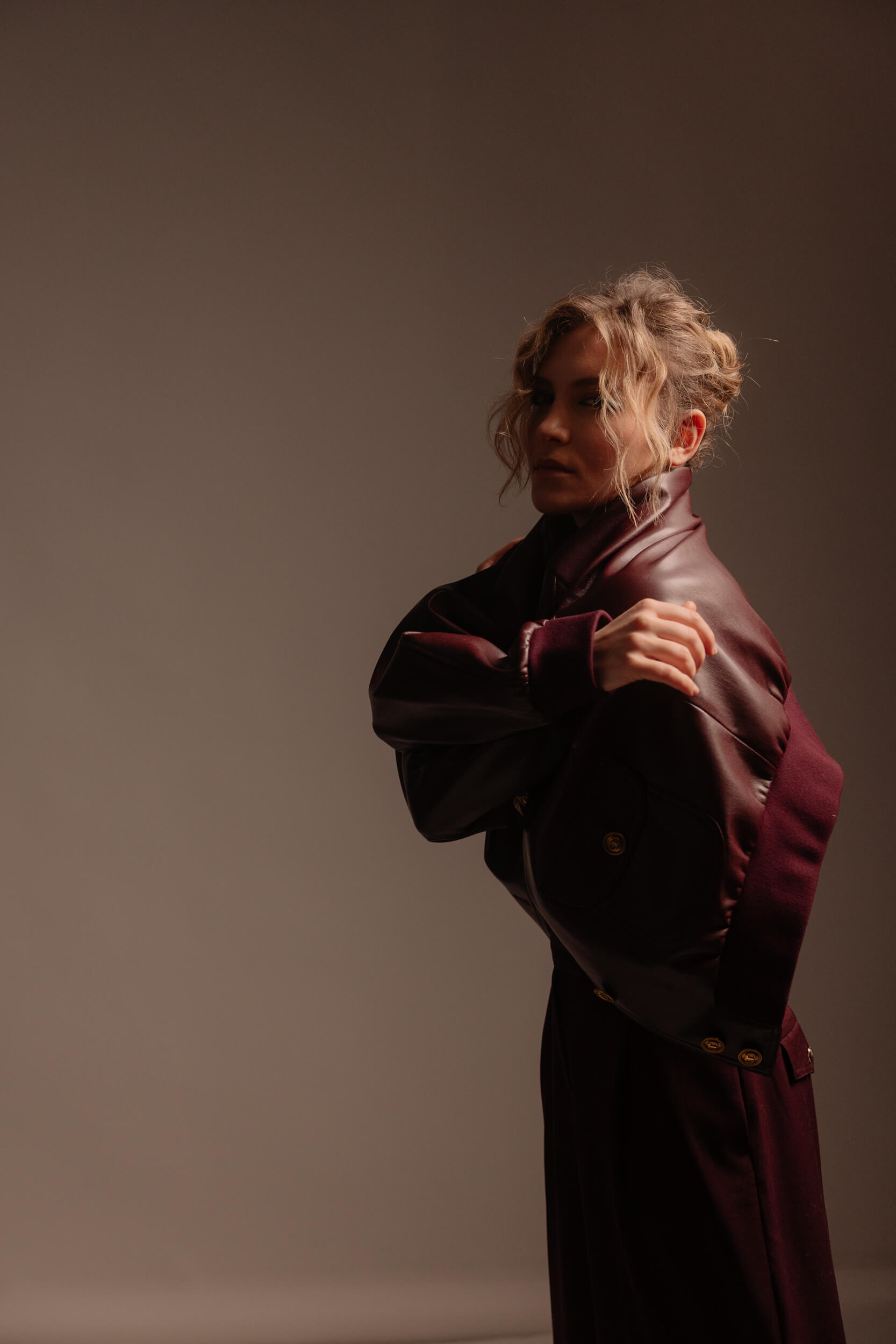
Your greatest fear?
Being abandoned by the people I love.
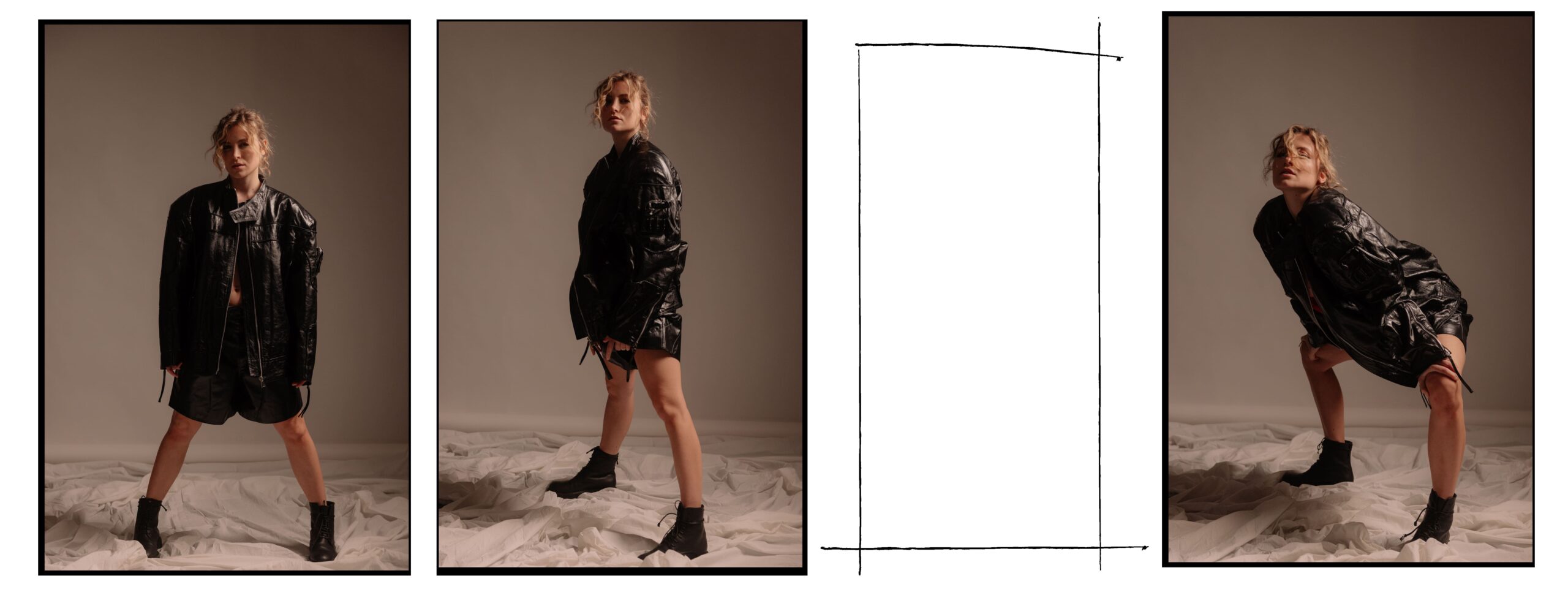
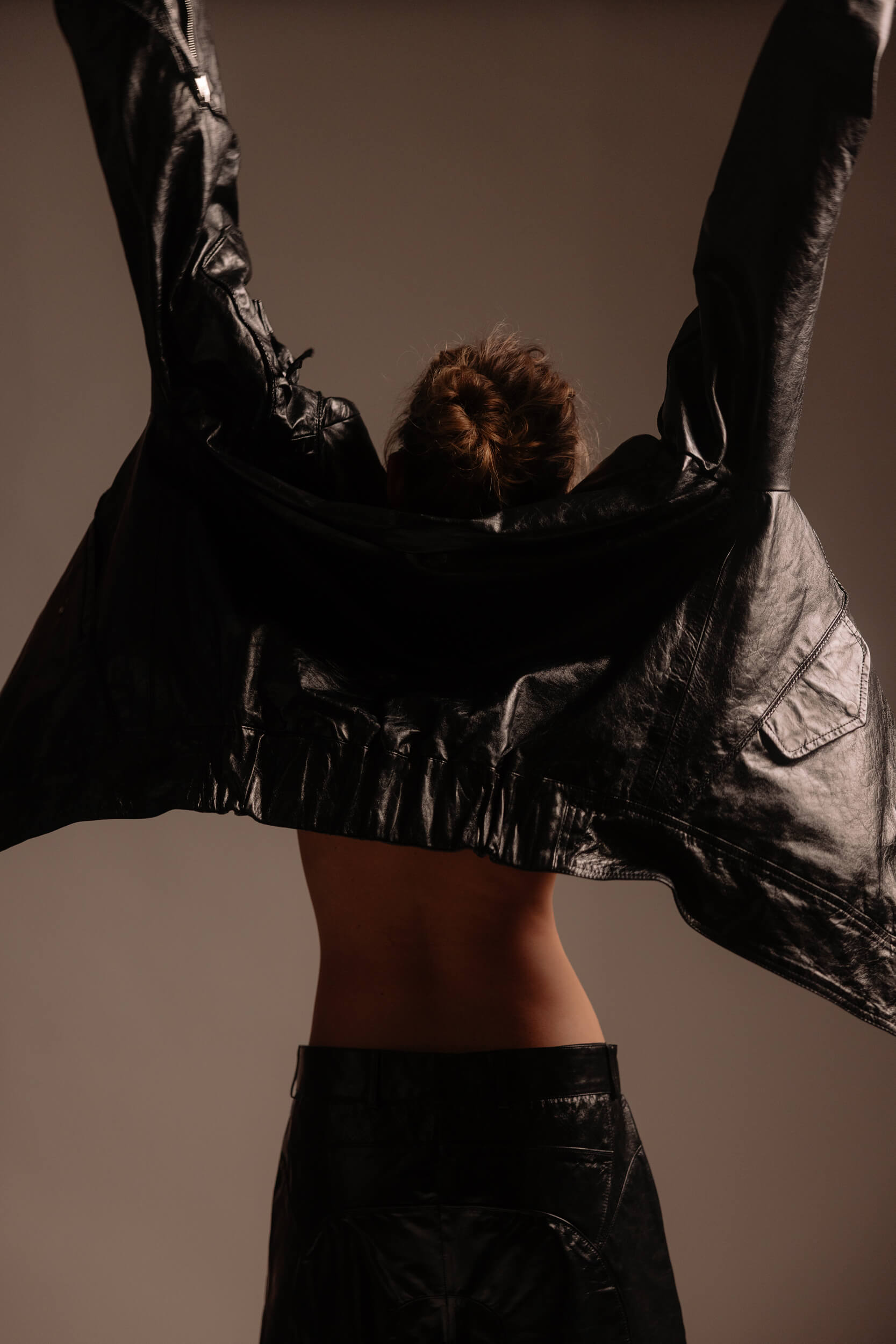
What makes you feel safe?
Being surrounded by people who truly care about me. I have been very selective about this aspect, and it is fundamental to return to one’s true nature.
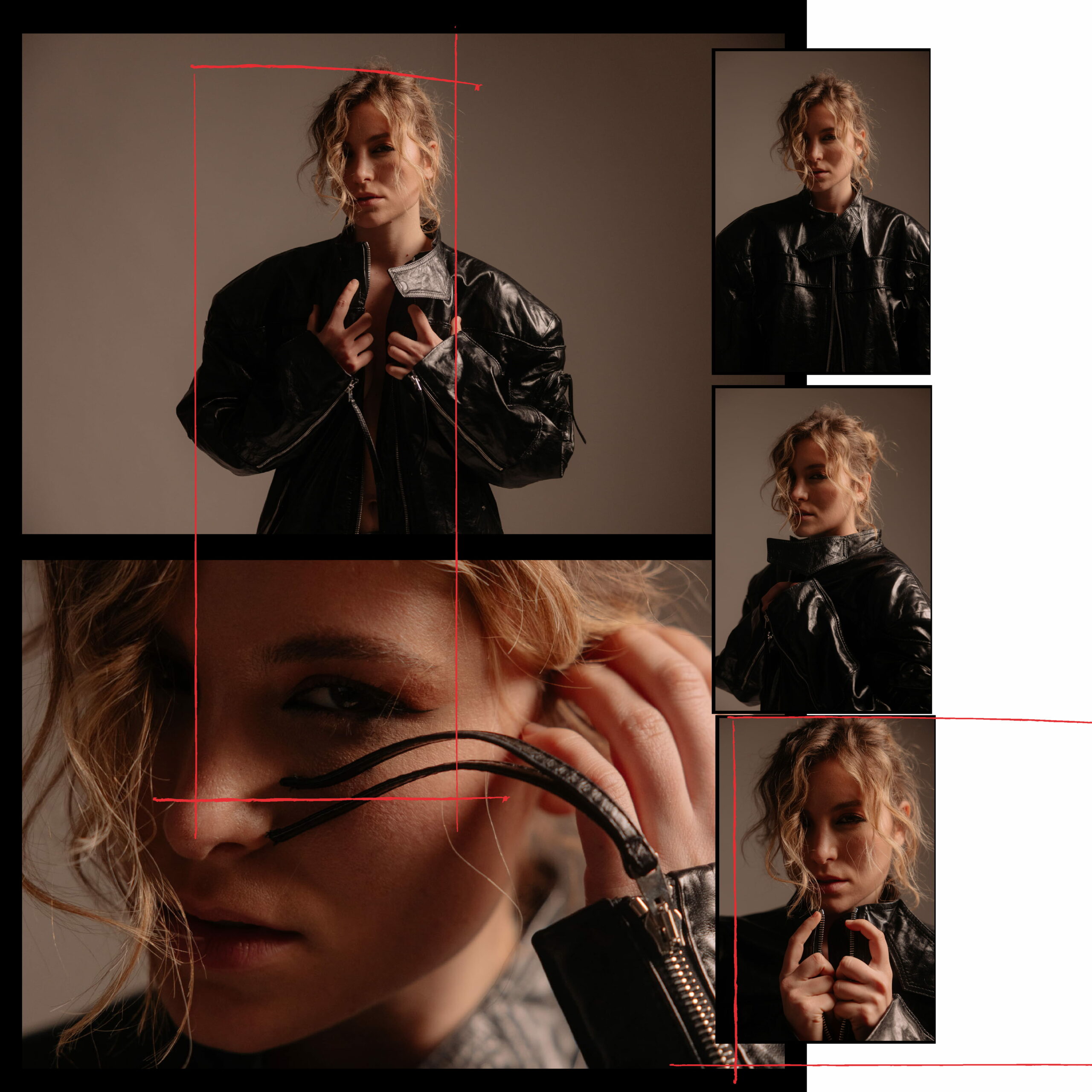
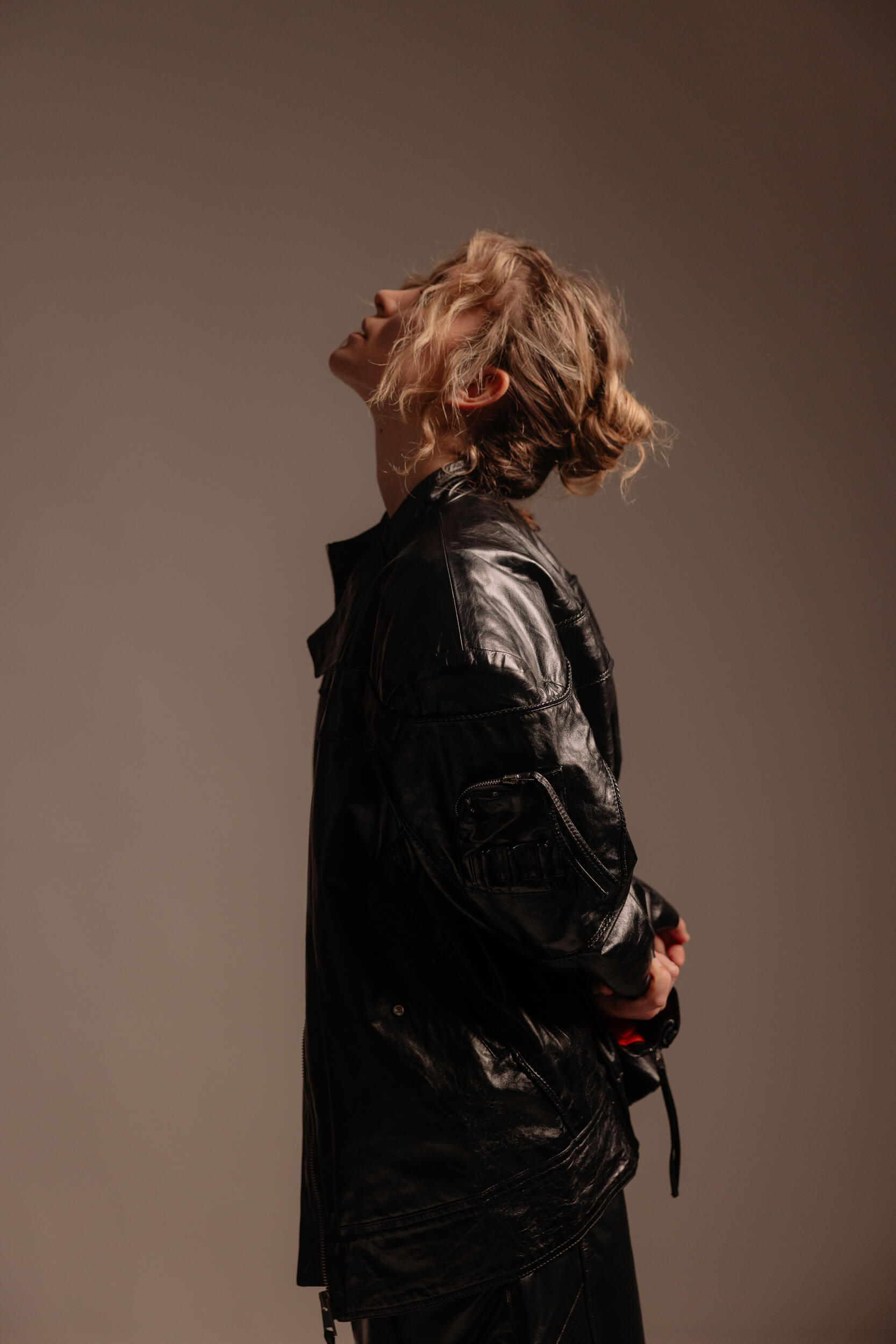
And what makes you feel confident?
Not being constructed. At twenty you want to prove something and you lose the truth.
I remember my first acting coach told me: you must return to yourself. I believe confidence comes from there, from returning to my more rebellious and less reassuring nature.
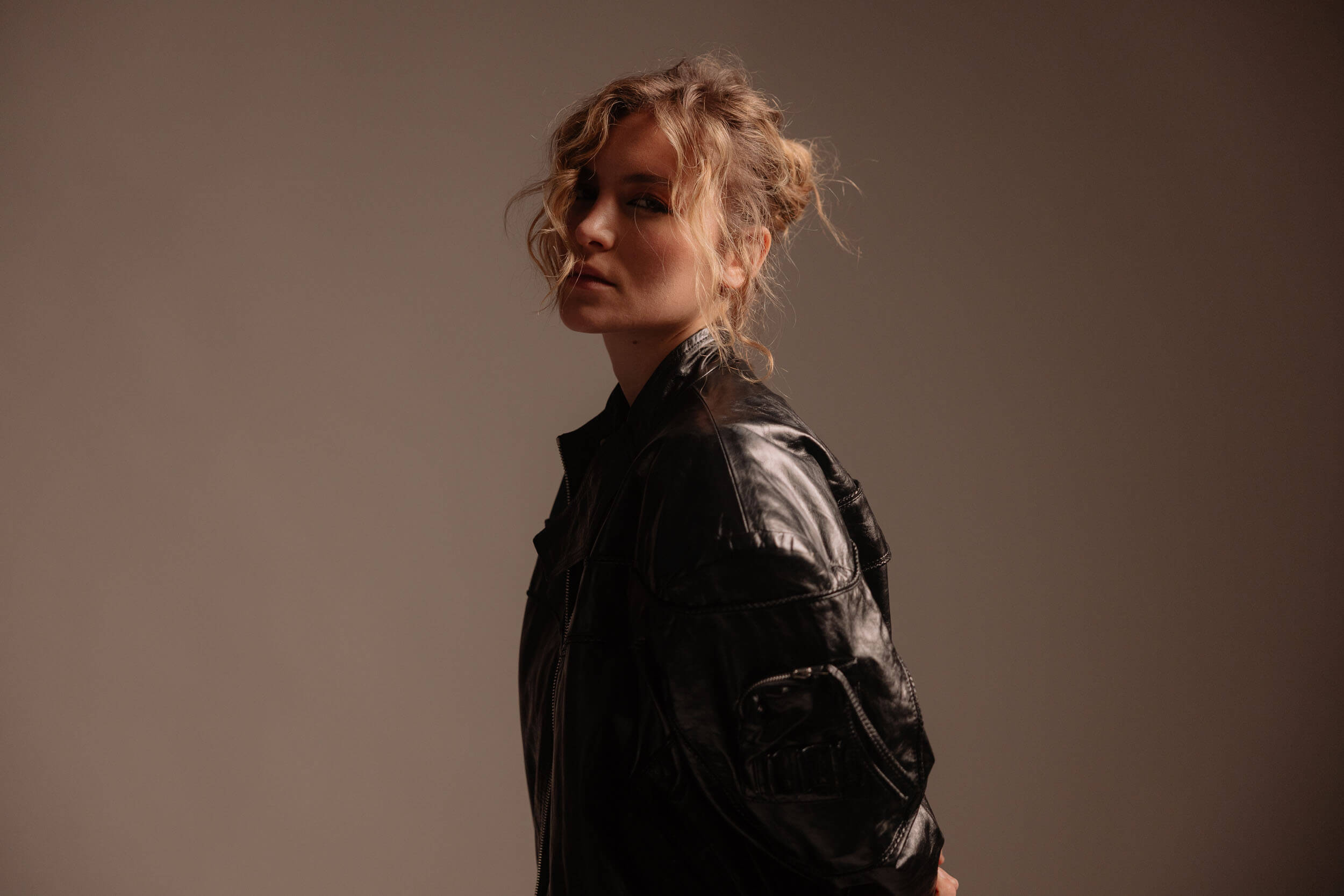
“You must return to yourself”
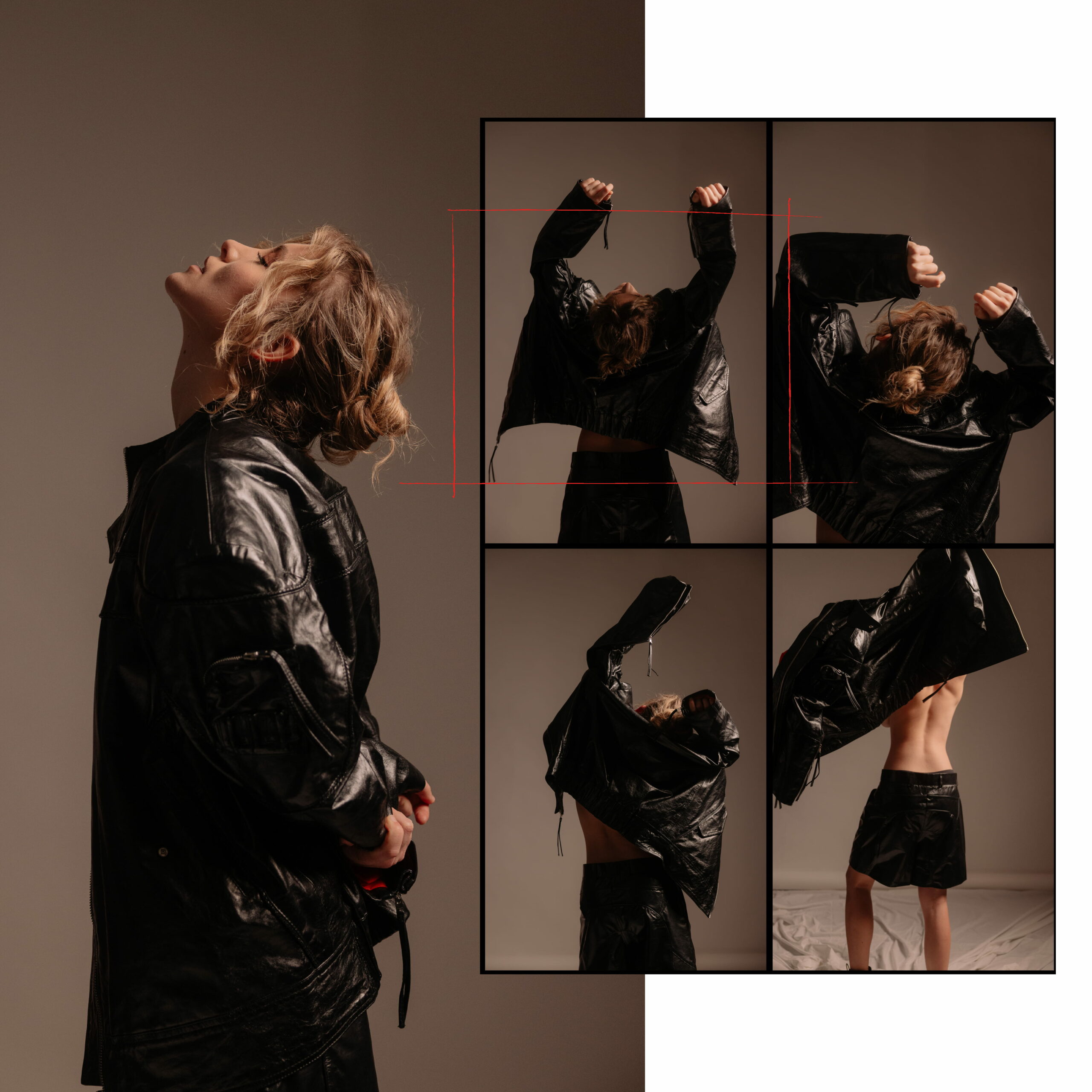
What does it mean to feel comfortable in your own skin?
It means being connected to your nature, not wanting to live in what is “reassuring” at all costs, but always being authentic.
What is your happy place?
Being at home with the “Club.” It’s a group of friends I’m deeply attached to. Friends are fundamental to me. And when I say friends, I also mean the people you love as partners. I never separate love and friendship, for me they are the same thing.
In life you have to add, not subtract.
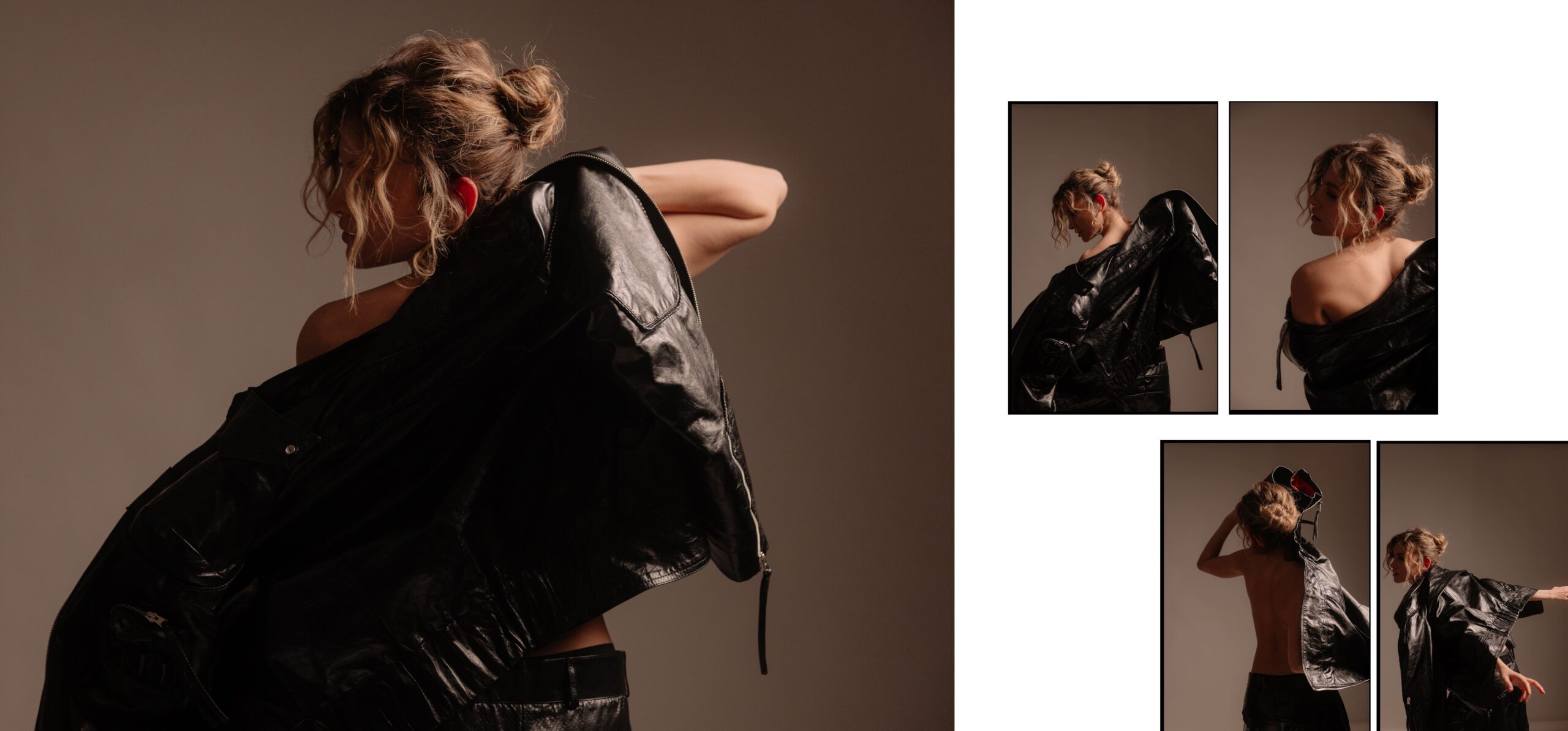
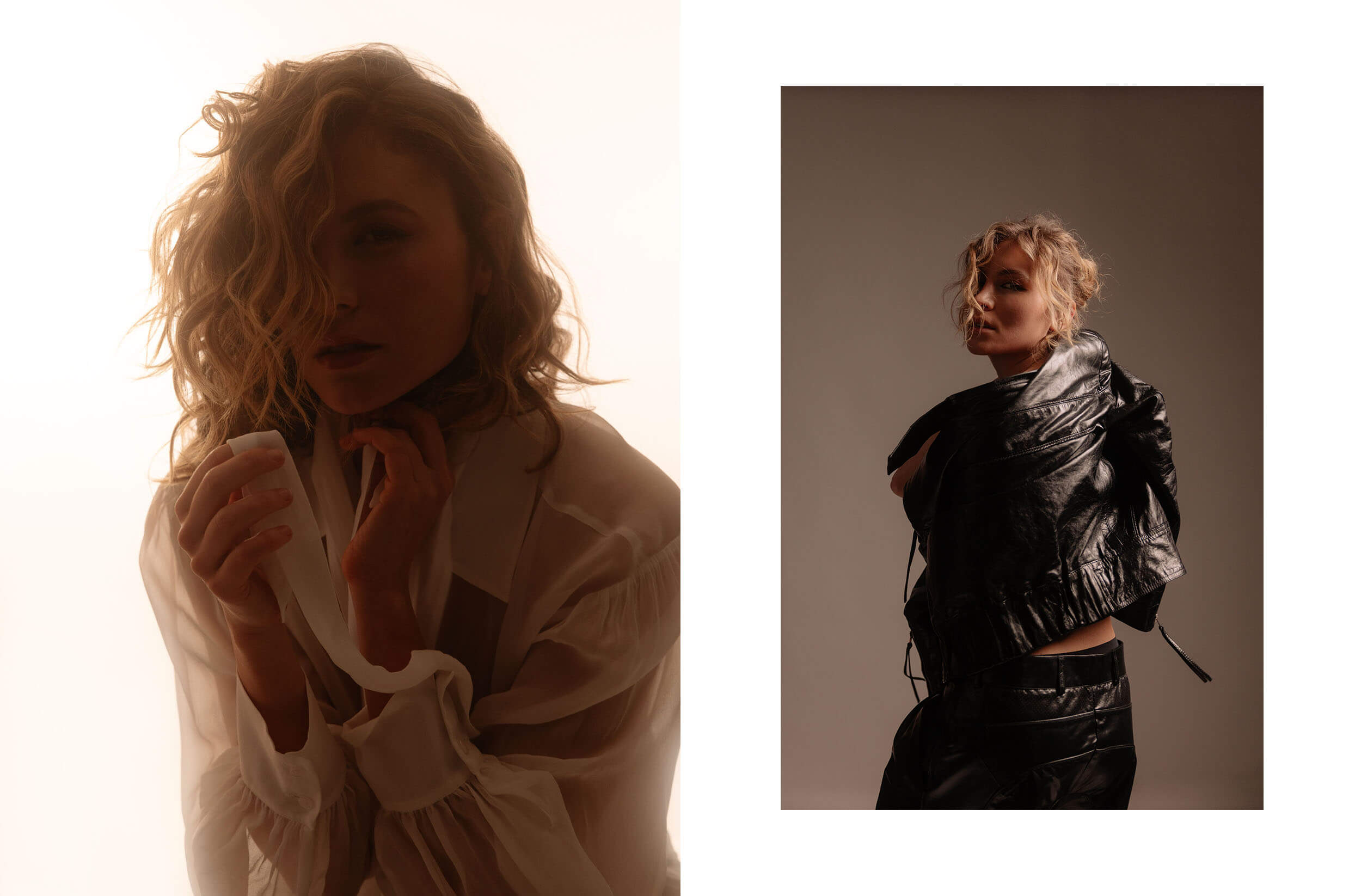
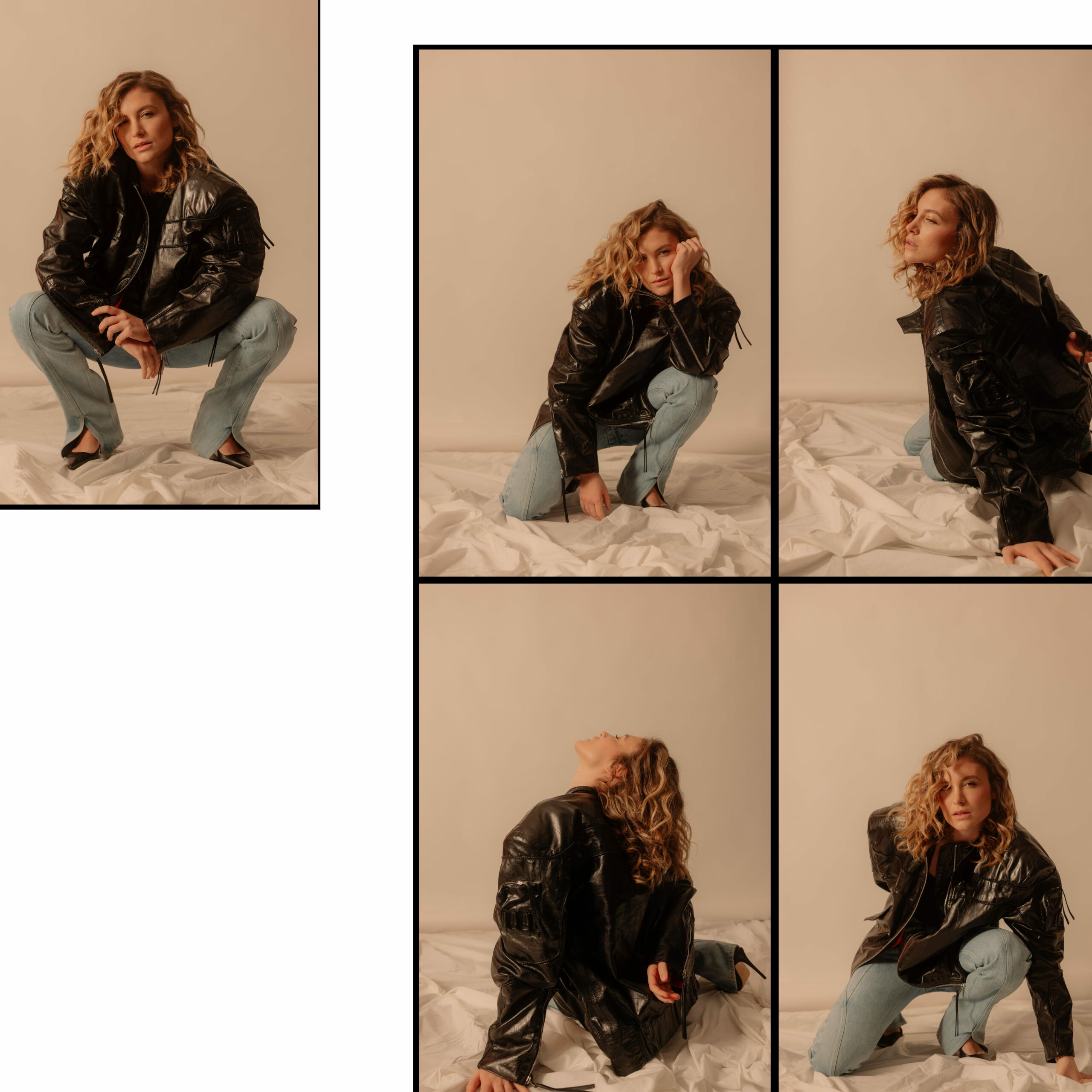
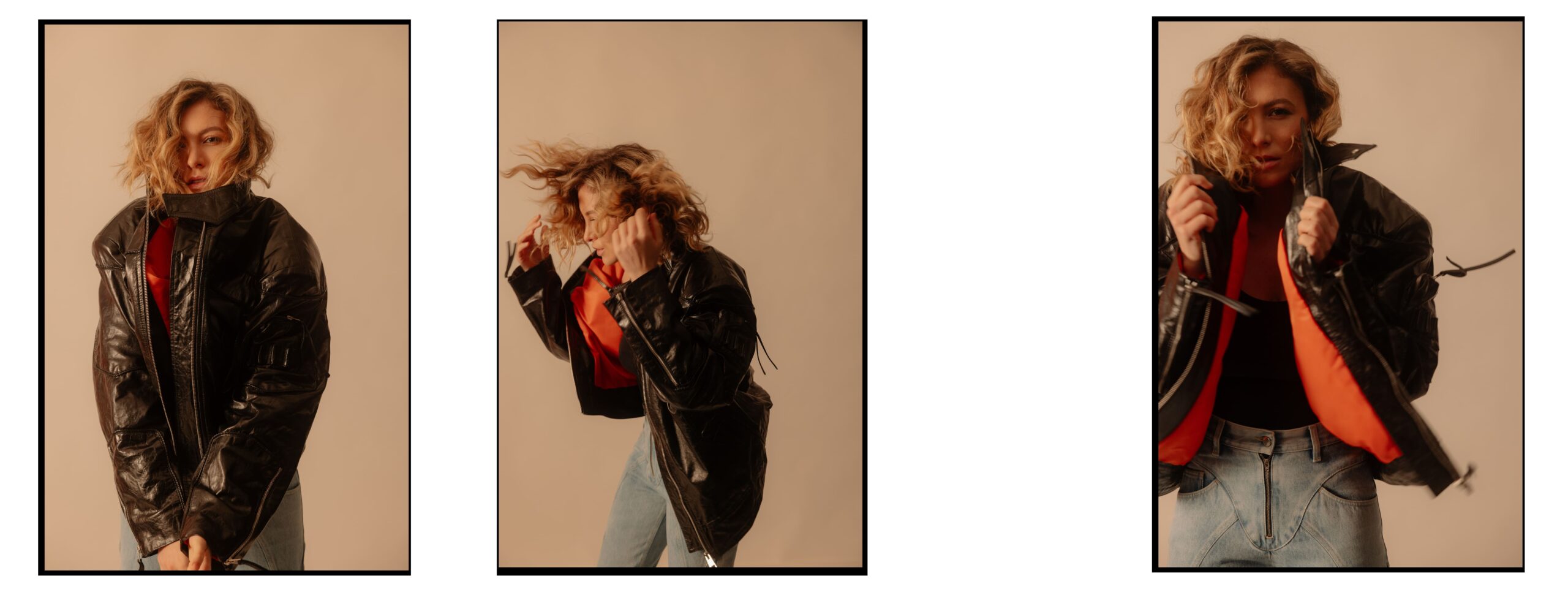
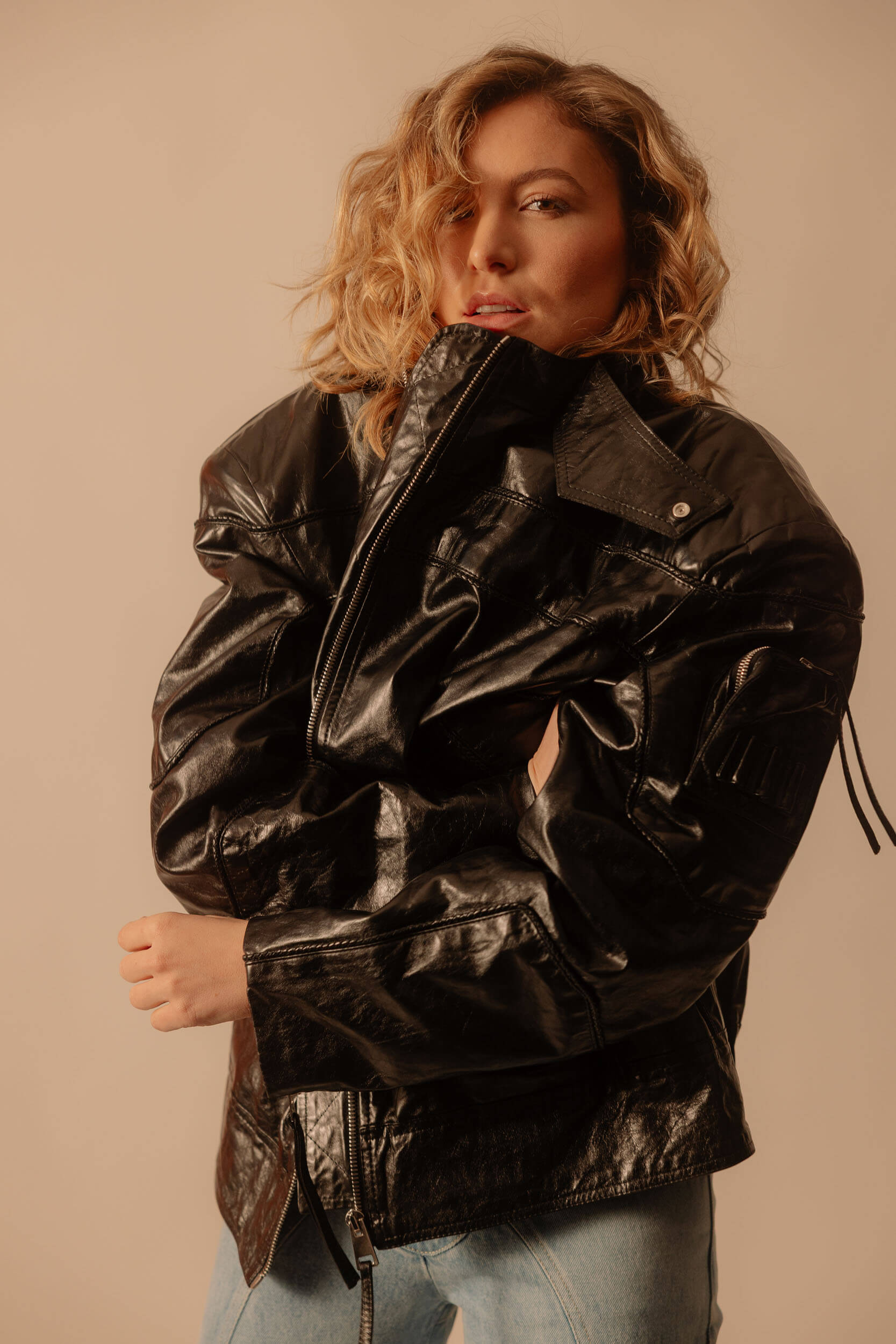
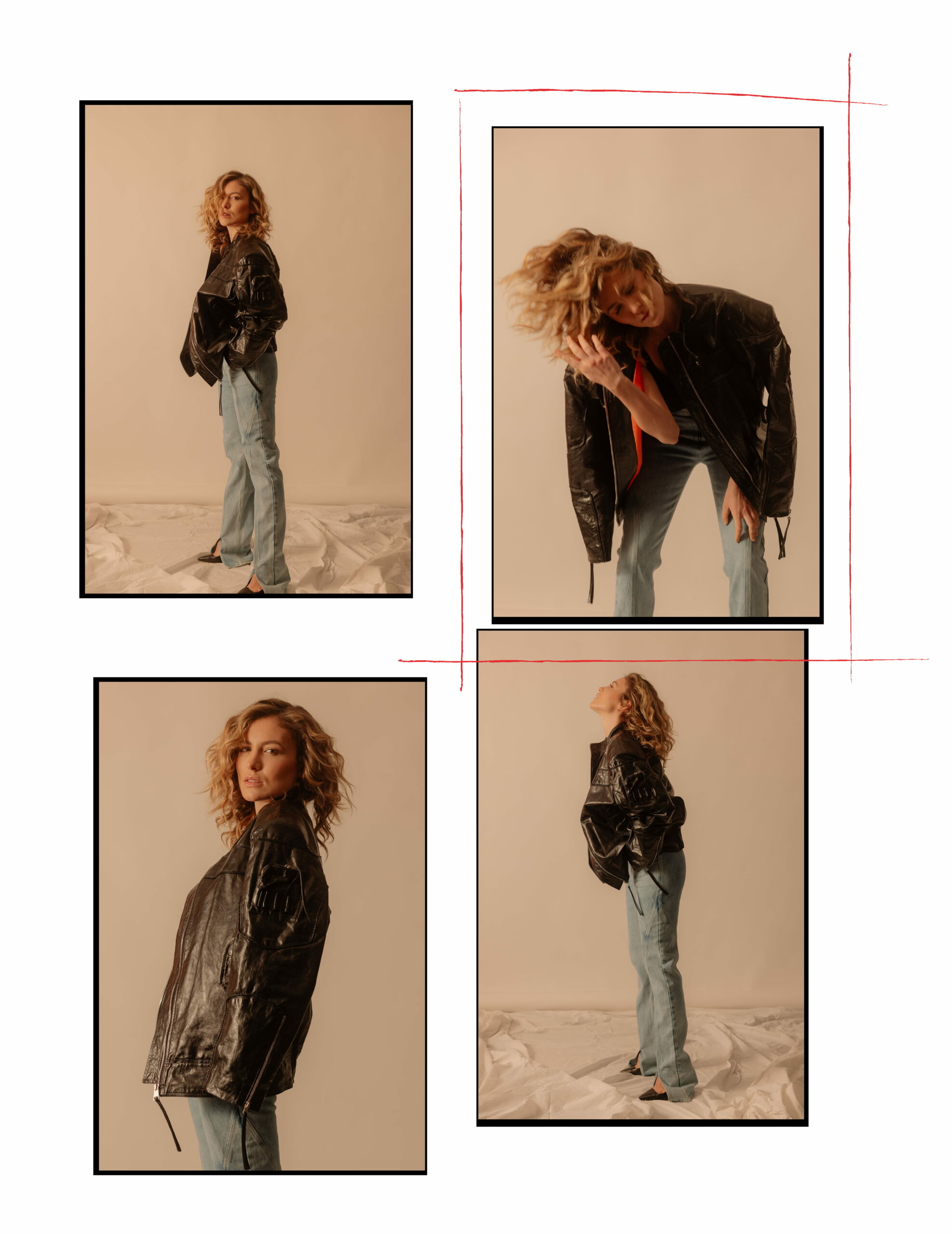
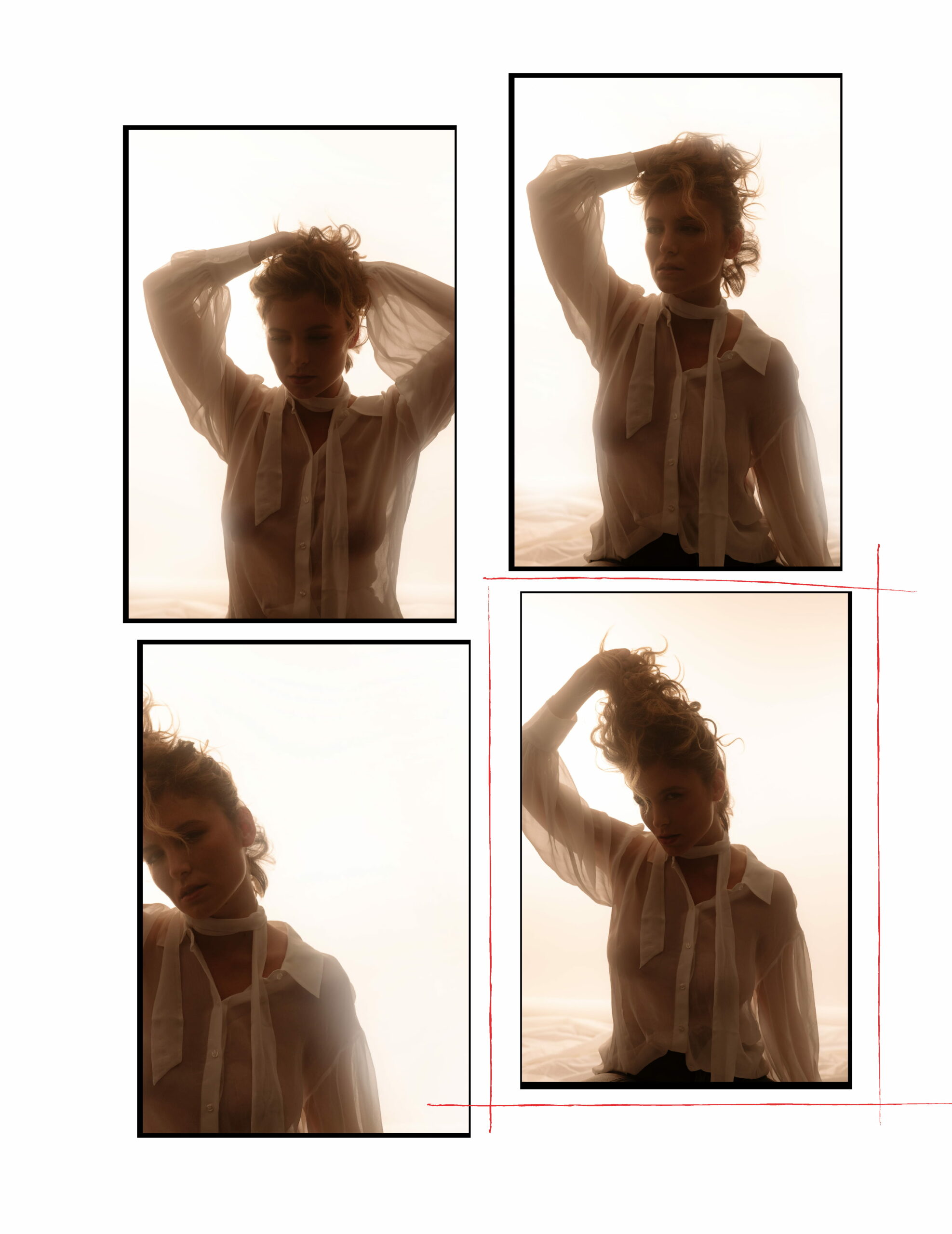
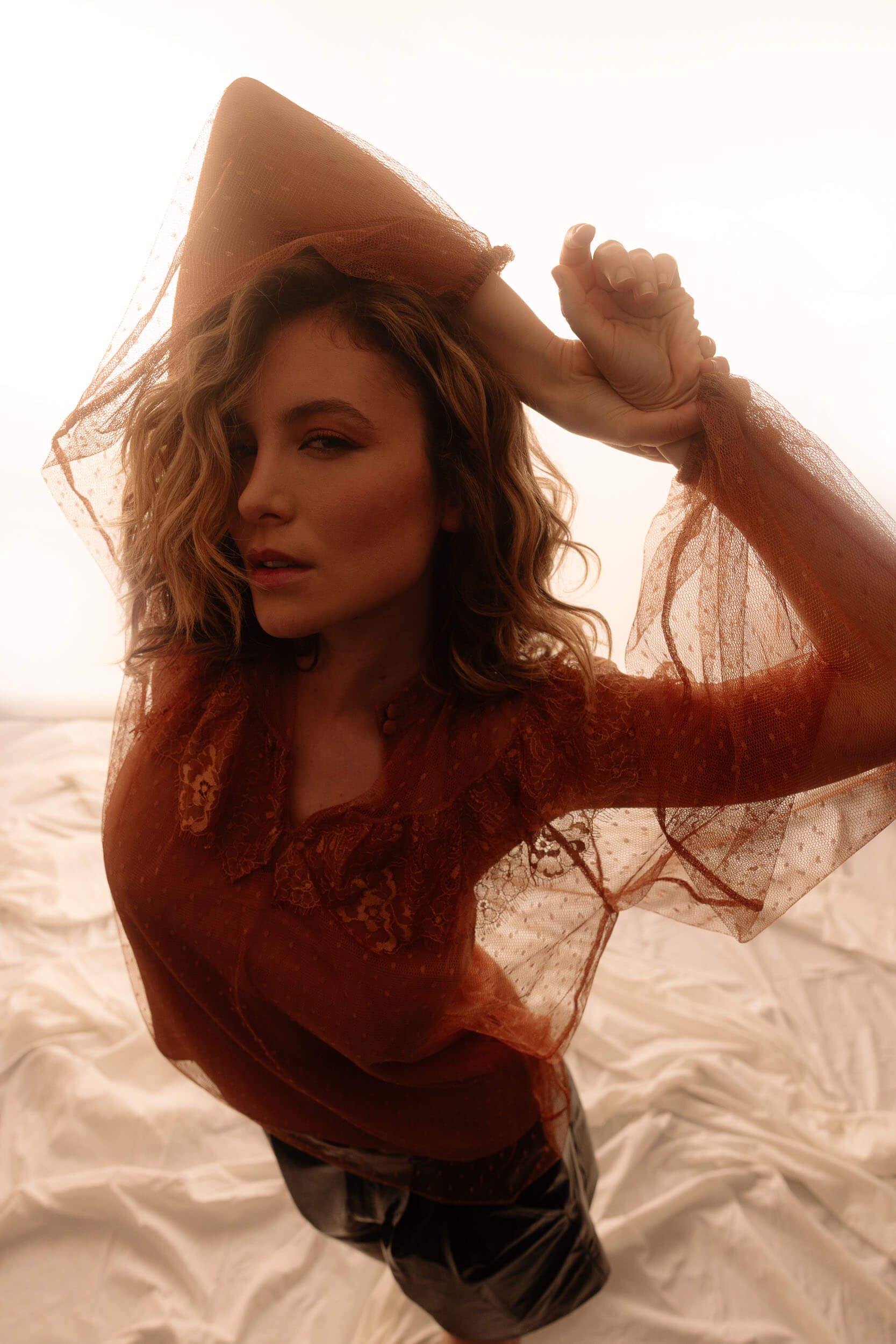
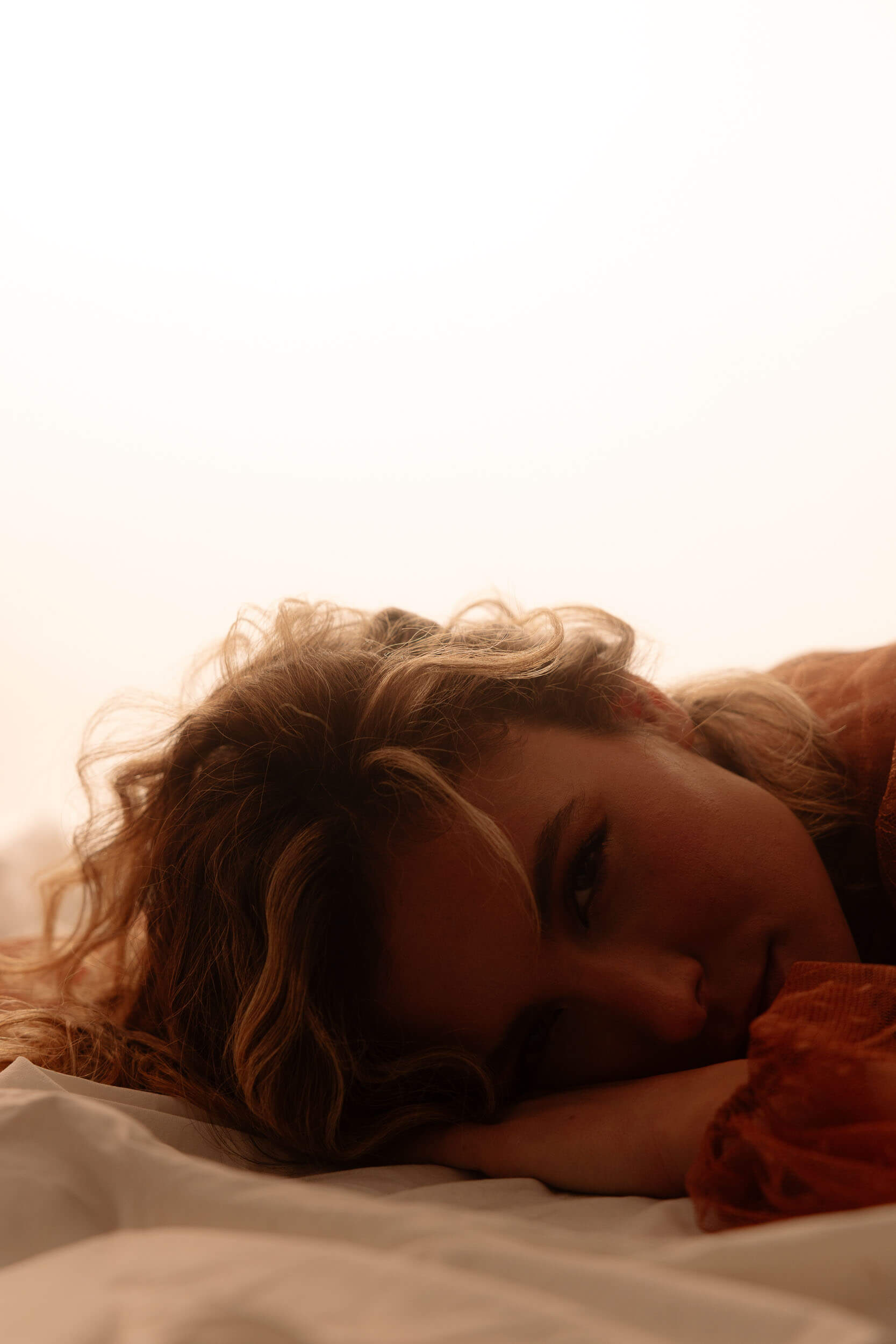
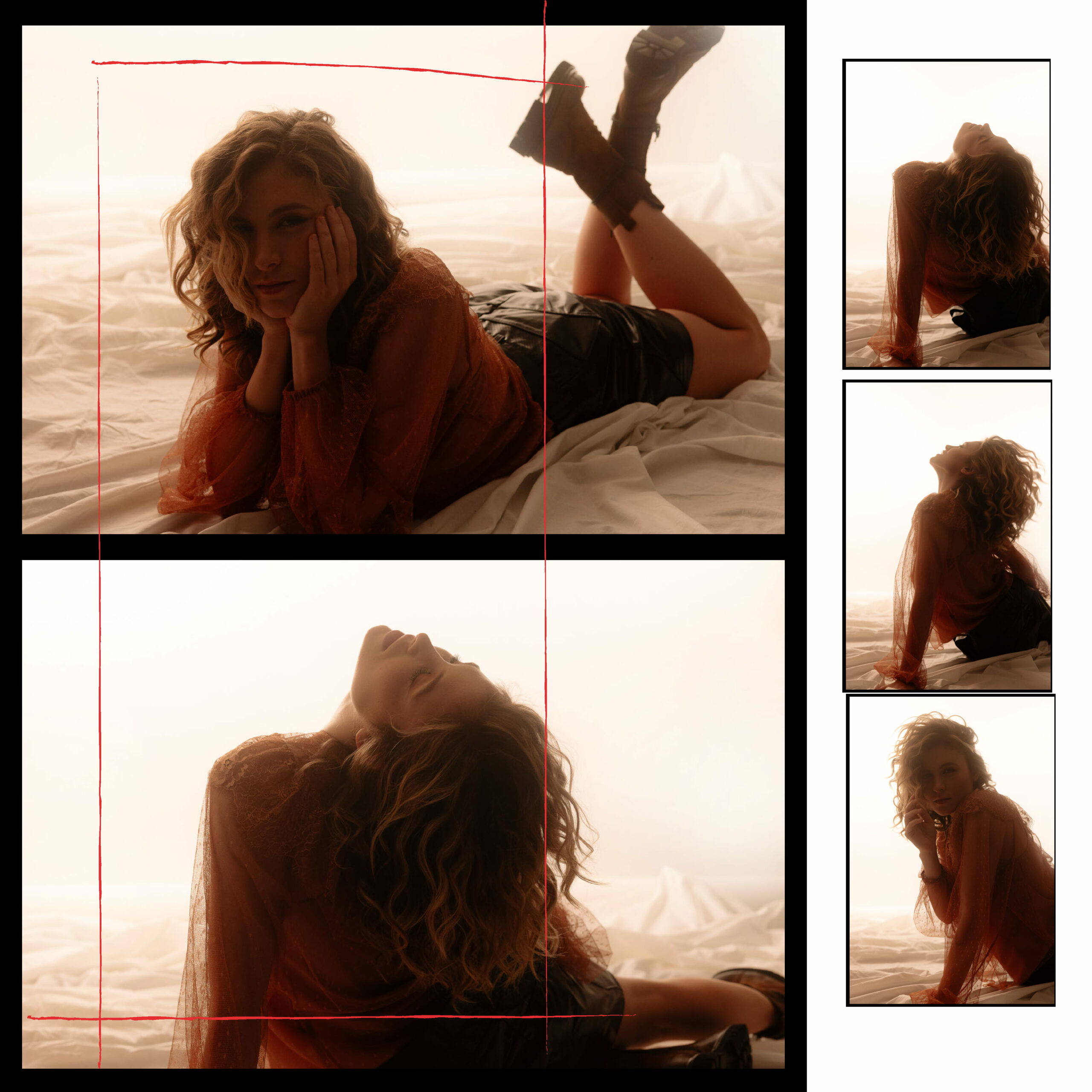
Photos & Video by Johnny Carrano.
Hair & Make-up by Stefania Pellizzaro.
Styling by Giuseppe Buccinnà e Dondup.
Agency: Moviement.