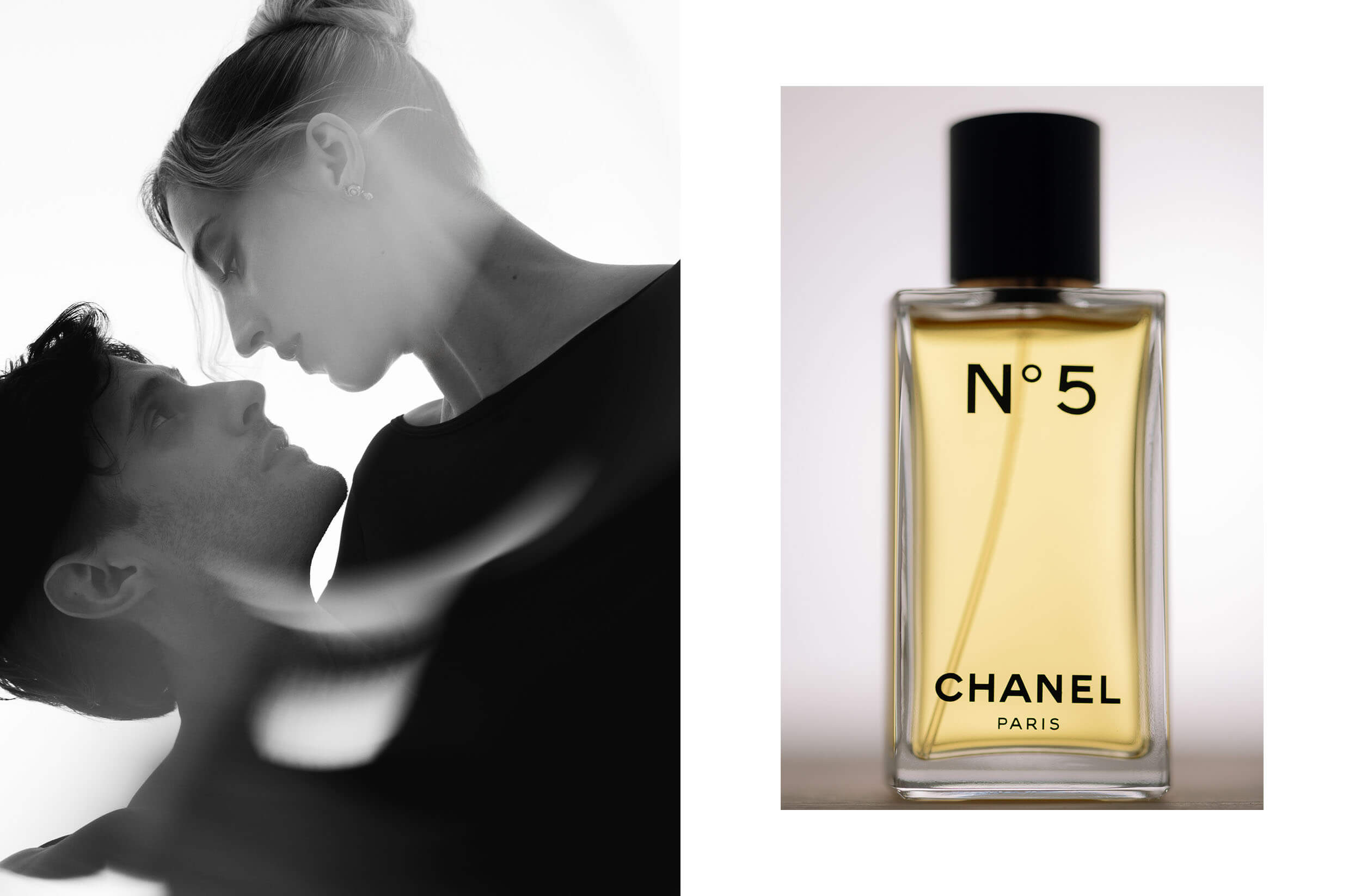
Some icons need no introduction: they move through time, change shape, yet remain instantly recognizable. This is the case with N°5, the fragrance that more than any other has transformed perfume into a cultural symbol, capable of evoking elegance, memory, and identity. Today, as the Maison renews its historic bottle, that balance between fidelity and transformation returns to center stage.
A theme that resonates surprisingly closely with the world of classical dance, where tradition and personal interpretation have always coexisted. Virna Toppi and Nicola Del Freo know this well—Principal Dancers of the Ballet Company of Teatro alla Scala and partners in life. Together, on stage and off, they embody a form of harmony made of rigor, sensitivity, and truth: the kind that allows the most absolute technique to transform into emotion.
We met them to talk about beauty, discipline, and identity, about what remains unchanged over time and what inevitably changes. From the relationship with one’s body to the search for truth on stage, all the way to the olfactory memory linked to fragrances. Because, just like dance, a perfume can also tell an invisible story. And sometimes a single note—or a familiar gesture—is enough to take us right back to where everything began.
Virna and Nicola, you are Principal Dancer and Principal Male Dancer at La Scala — titles that carry the full weight of tradition. Was there a specific moment when you realized that dance would become your definitive language?
V: There wasn’t a precise moment in my life when I remember telling myself, “When I grow up I want to be a ballerina,” or “This is my life, this is what I want to do every day until the end.” It was more like when you feel like going for a walk or forming a friendship or a love—something so natural that there was never a moment when it suddenly took possession of me.
N: I would say that two fundamental moments deeply marked me. The first was the first time I saw a dance performance—I didn’t even know what ballet was; I was practicing horse riding. One day my mother took me to see a ballet and I fell in love with dance. I was struck by the bodies of the dancers and by the way they expressed themselves through music.
Then there was the moment when I told myself: “Okay, I want to do this.” I had been dancing for about a year when a teacher from the school I attended showed me a video of Mikhail Baryshnikov dancing Don Quixote. I remember that video made me realize I wanted to become a dancer too. I was impressed by his charisma, by the way he could speak through dance steps, and by how clear it was to me what he was saying in that way.
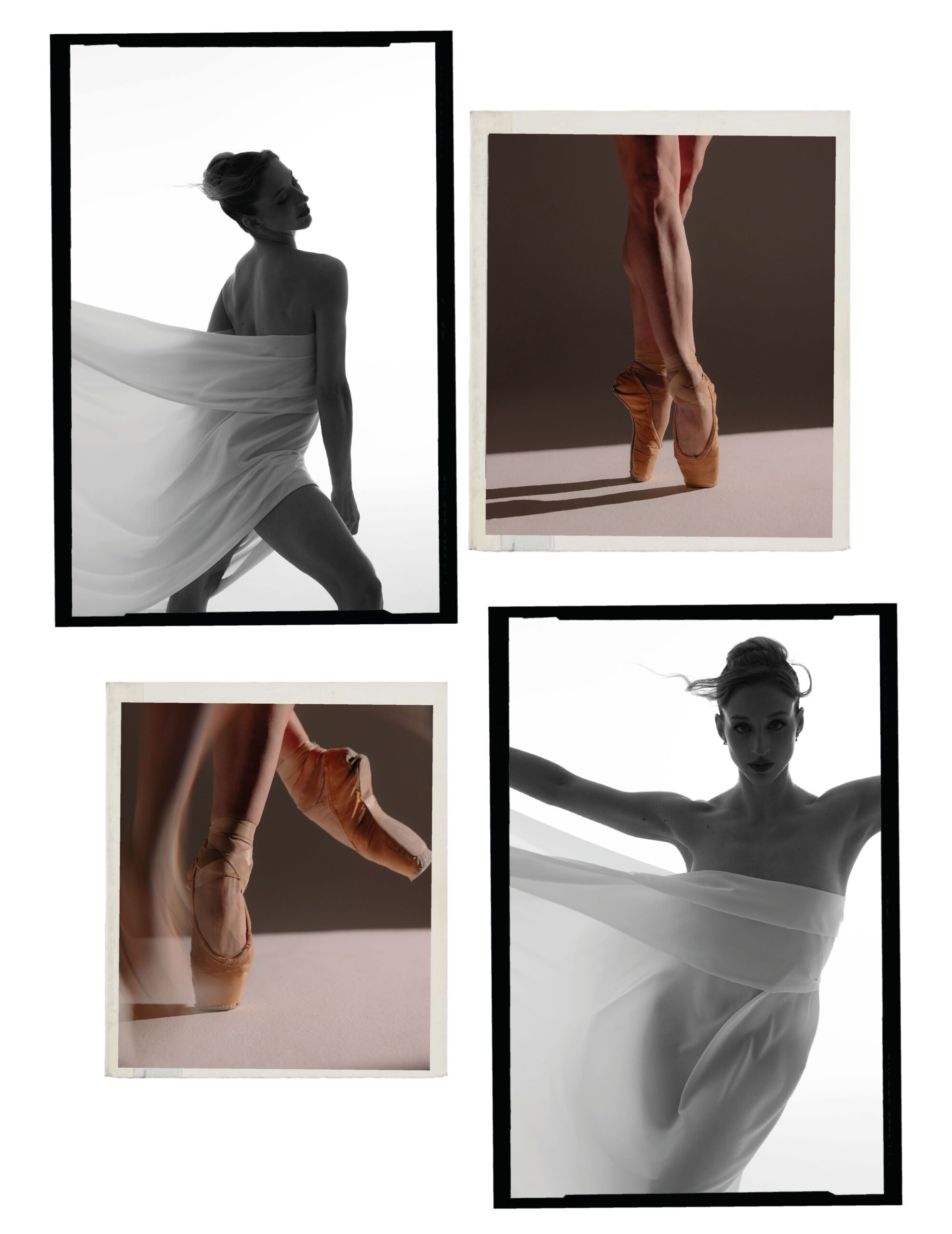
In classical ballet there is an almost mathematical formal perfection. But where, in your opinion, does true beauty live? In impeccable technique, or in the moment when something controlled breaks?
V: Classical dance, unlike other types of dance, is difficult because it has very precise structures. It’s as if there were a “book of classical dance” to follow. The beautiful thing, however, is that within this very precise canon and structure, you must manage to find your own freedom and your own way of expressing yourself.
With years and experience, you manage to develop a completely personal way of expressing what the tradition and rigor of dance ask of you. For me, the best moment is when you can see the person, the soul, and the feeling of the dancer—when it reaches the audience directly. That’s what moves me the most when I watch a performance myself. Of course there is technique and aesthetic canons to admire, but what touches me most as a spectator is when I see the soul.
N: Yes, I agree. For me, true beauty lies in truth. If you manage to bring truth to what you do on stage, with or without imperfections, if you dance in service of what is real, if you manage to feel it—which is neither easy nor obvious—you can give a lot. Obviously technique is the foundation that supports us in transmitting the message, but perfection is unattainable anyway, and it’s not even the point. Technique is a means.
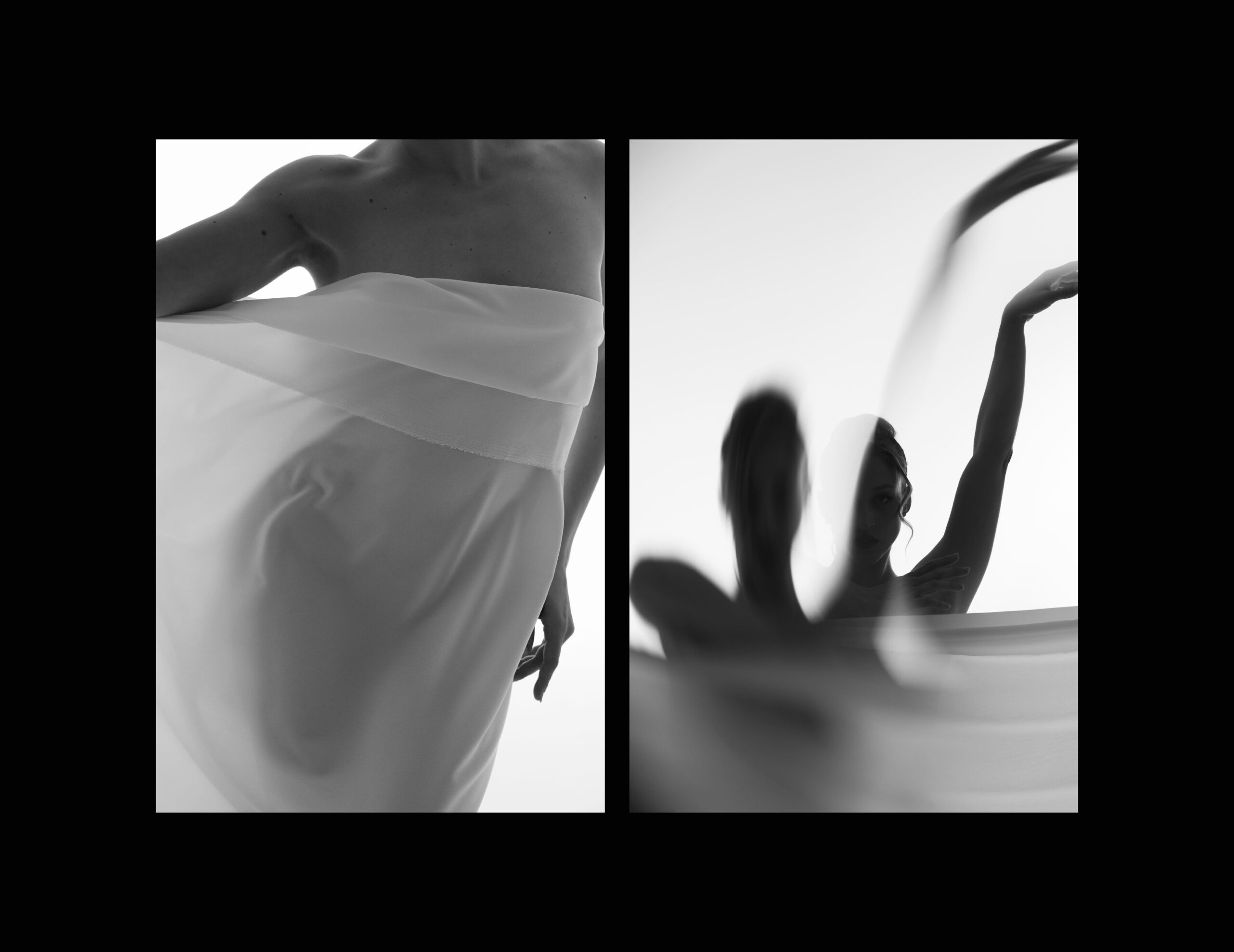
“For me, the best moment is when you can see the person, the soul, and the feeling of the dancer”
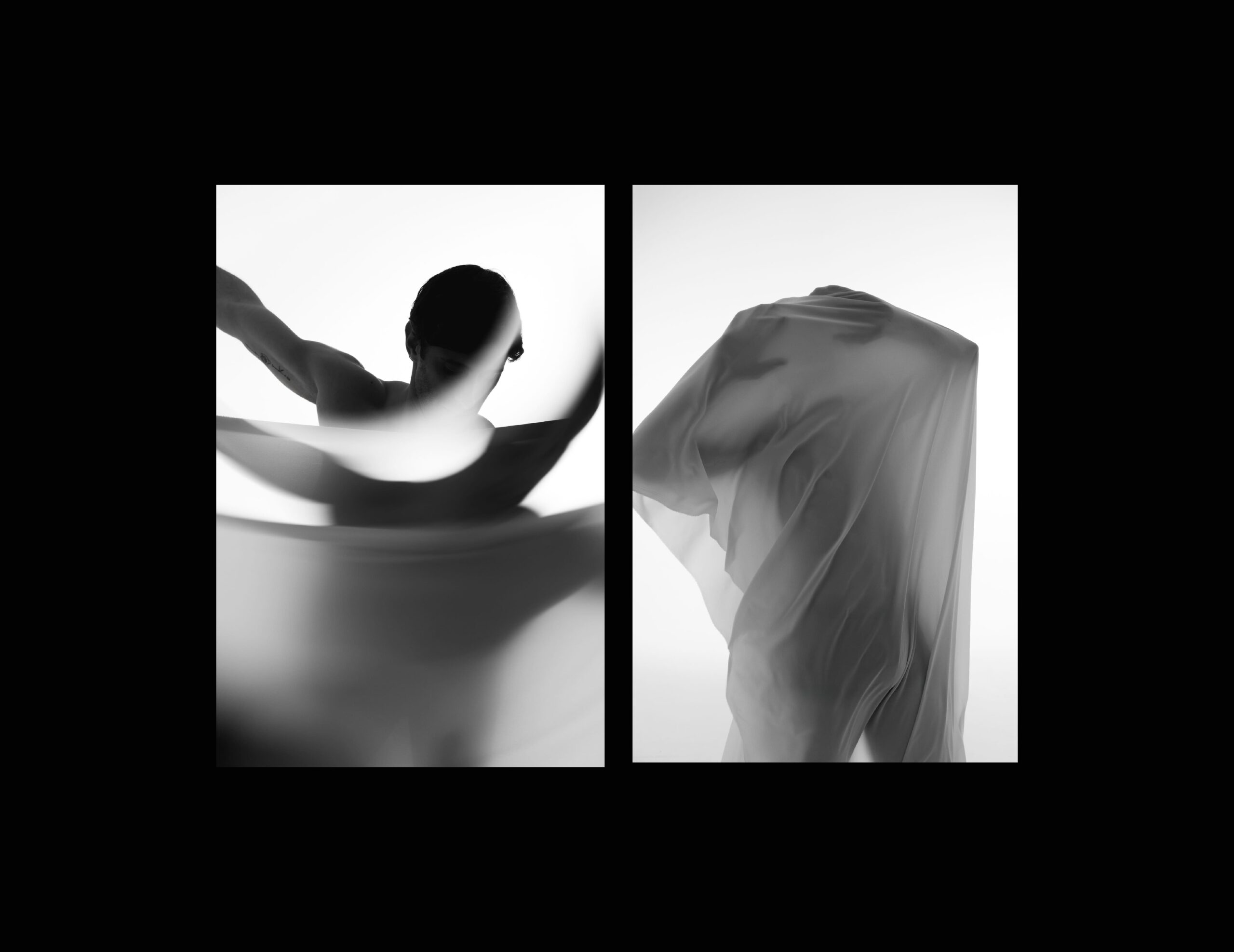
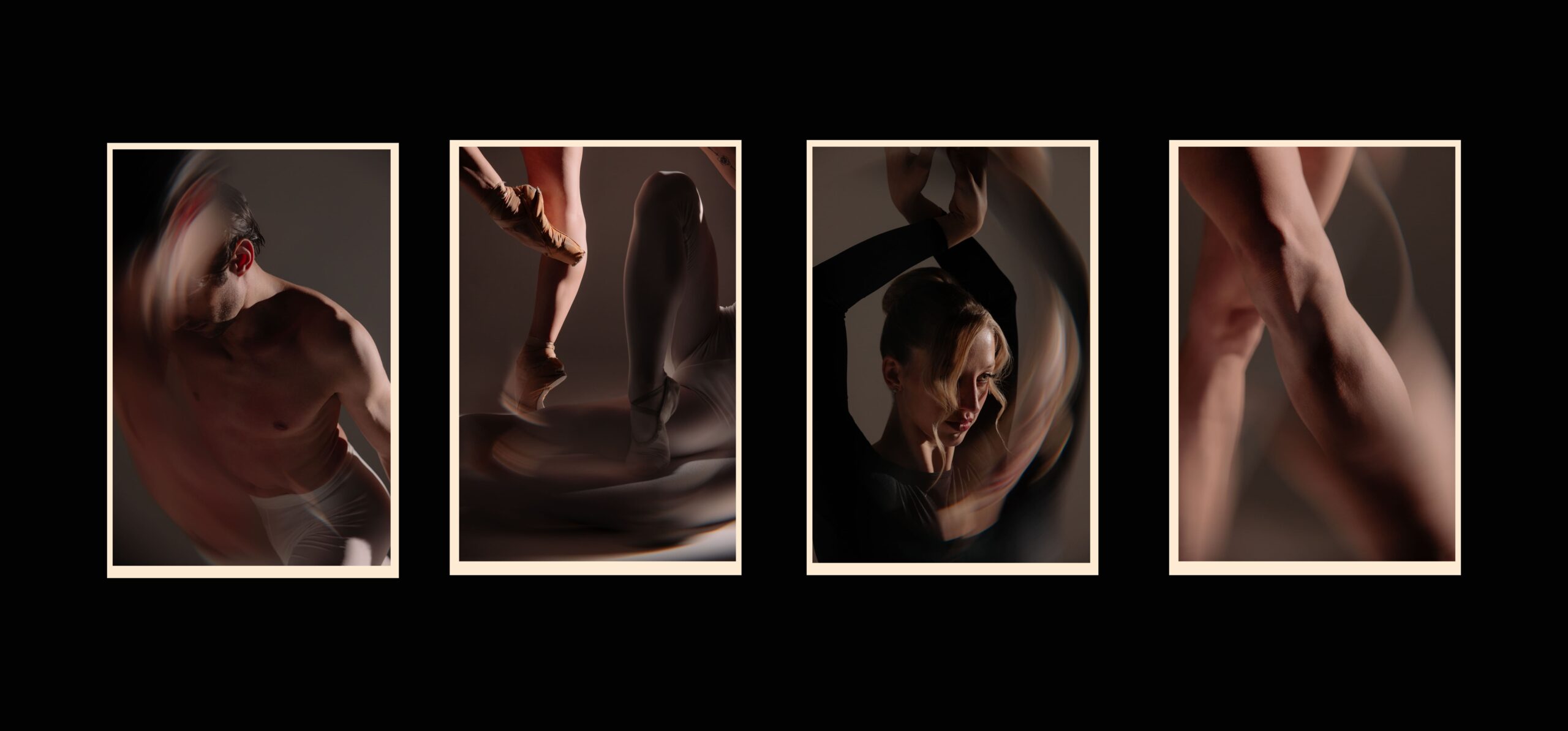
Classical dance certainly has a truly unique way of conveying emotions. The body is your instrument: how does the perception of beauty change when you live inside a body that works every day at the limit?
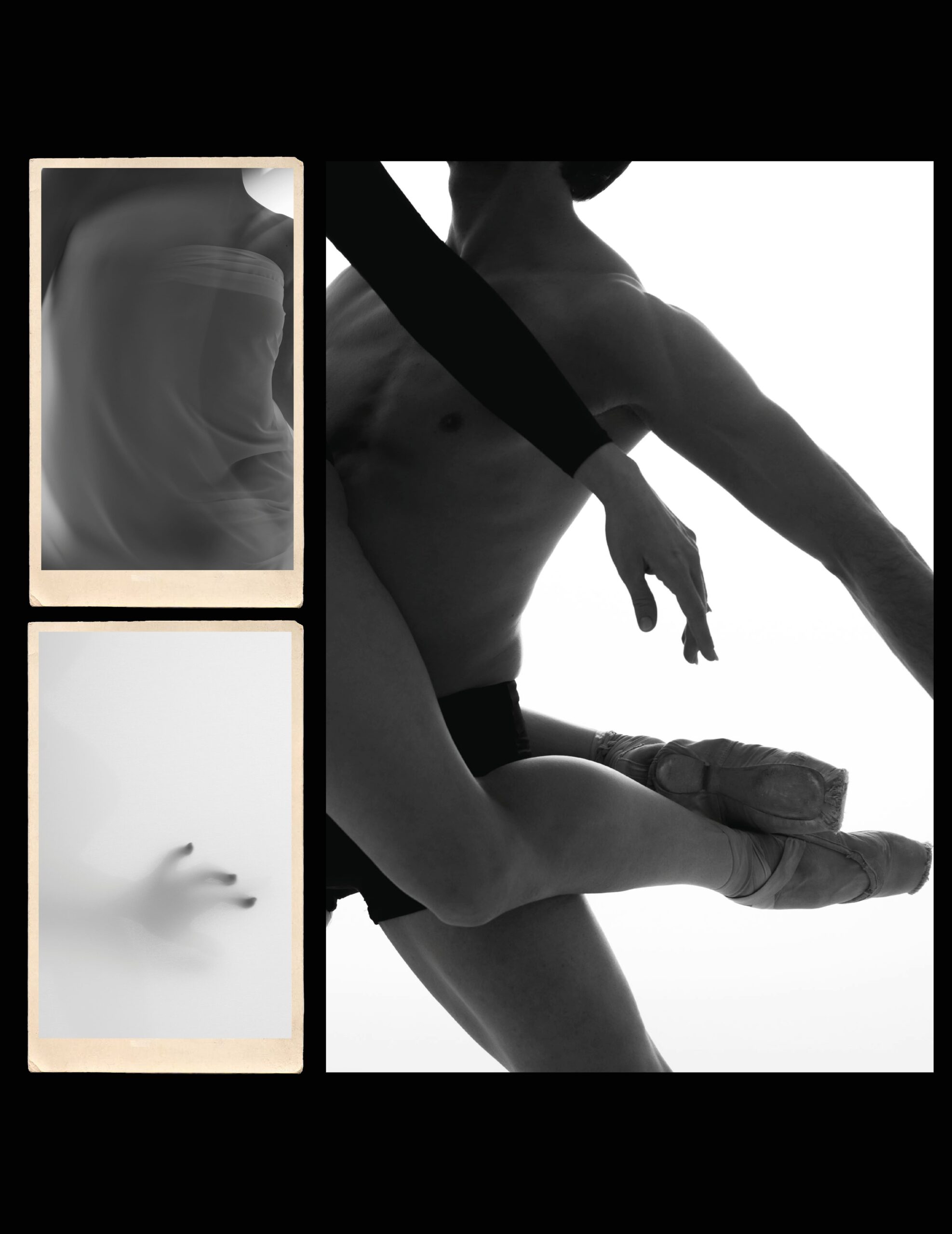
N: There is an idealized beauty, which I think we all pursue—namely the canons of classical dance—and then there are bodies that I personally consider very beautiful, which have their own particularities. If we talk about the beauty of movement, there are many different types, and for a dancer it’s essential to learn to see one’s own flaws and accept them, working on them. The sooner you get used to this, the better you feel and the sooner you reach an awareness of your own beauty.
V: Yes, and you need to be mentally balanced in order to accept what your eyes might perceive as wrong in your body. Perfection doesn’t exist, as Nicola said earlier—that’s very clear—but when you’re younger you tend to fight against yourself, to see something that might even be beautiful as an insurmountable flaw. Over the years I realized that beauty also lies in diversity, in accepting that your body is different from others, and in turning your strengths into strong points while learning to mask your flaws. It’s certainly a difficult journey, because accepting something about yourself that you don’t like isn’t easy. But with maturity, little by little, you get there. Accepting yourself is fundamental.
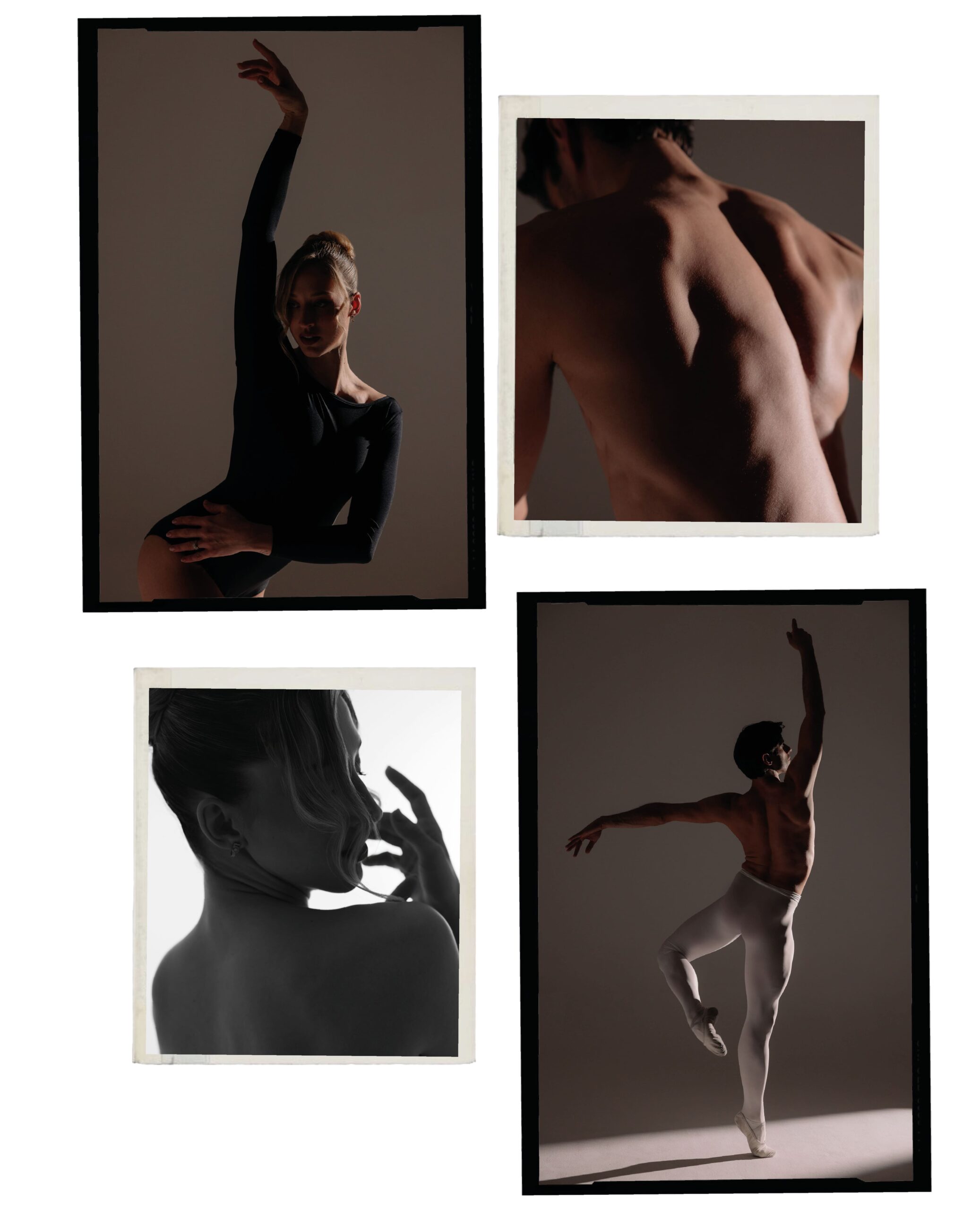
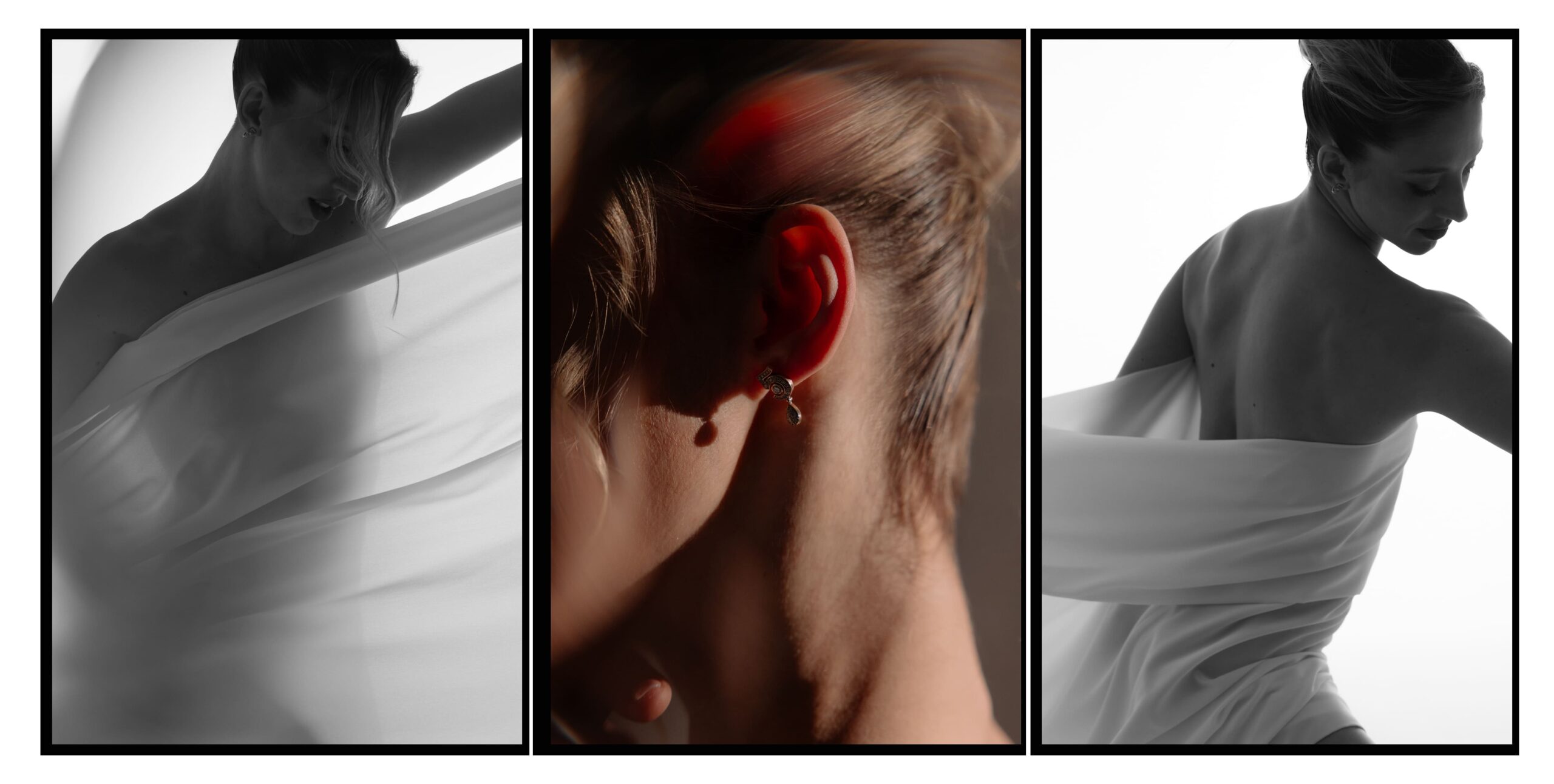
I imagine it’s an enormous and endless task.
V: Yes, constant, daily, and it changes with you every day.
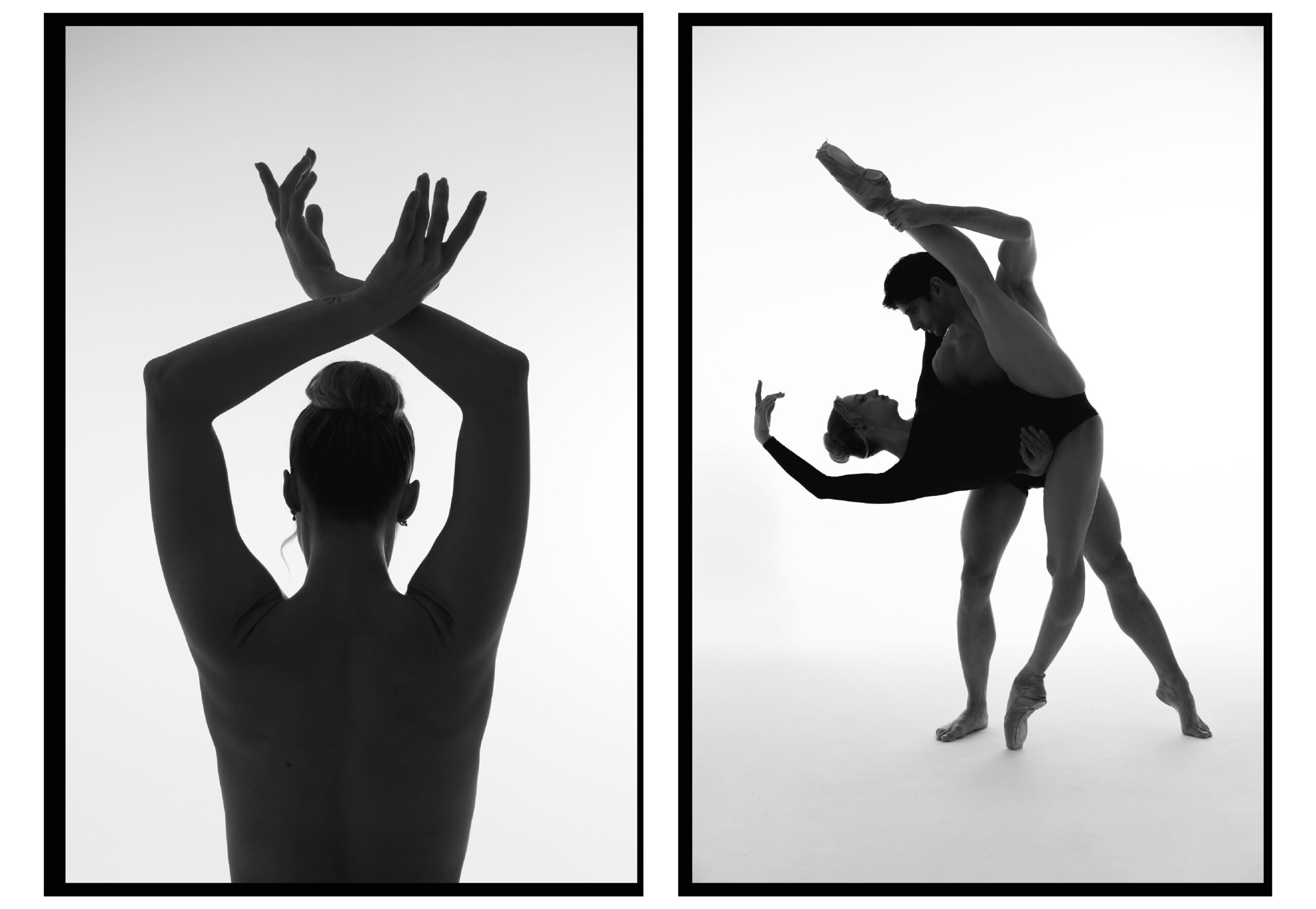
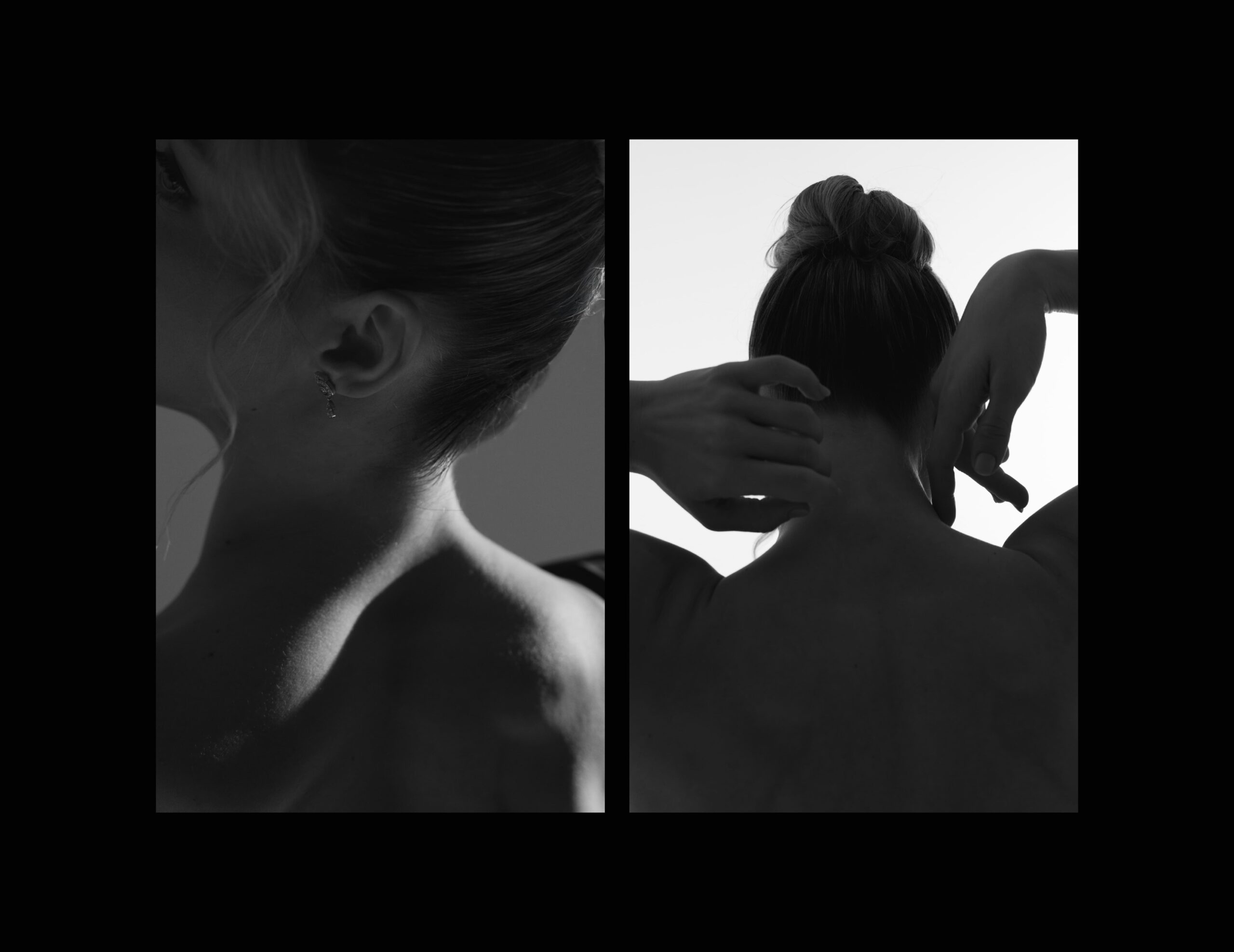
Beauty in your world is often visible, scenic, constructed. Is there, for you, an invisible beauty in dance—something the audience cannot see but you can feel?
V: The purity of the soul. Once again, truth. For me it’s fundamental to be a clear, transparent person. This is something we dancers perceive immediately—with a first glance or a first touch—but it’s harder to make it understood from the outside.
N: I think beauty can also be defined as the work done in the rehearsal studio, which is a work of patience, of attention toward your dance partner, in terms of timing and the other person’s needs. It’s something that isn’t seen but exists behind the scenes, and I think it’s beautiful work.
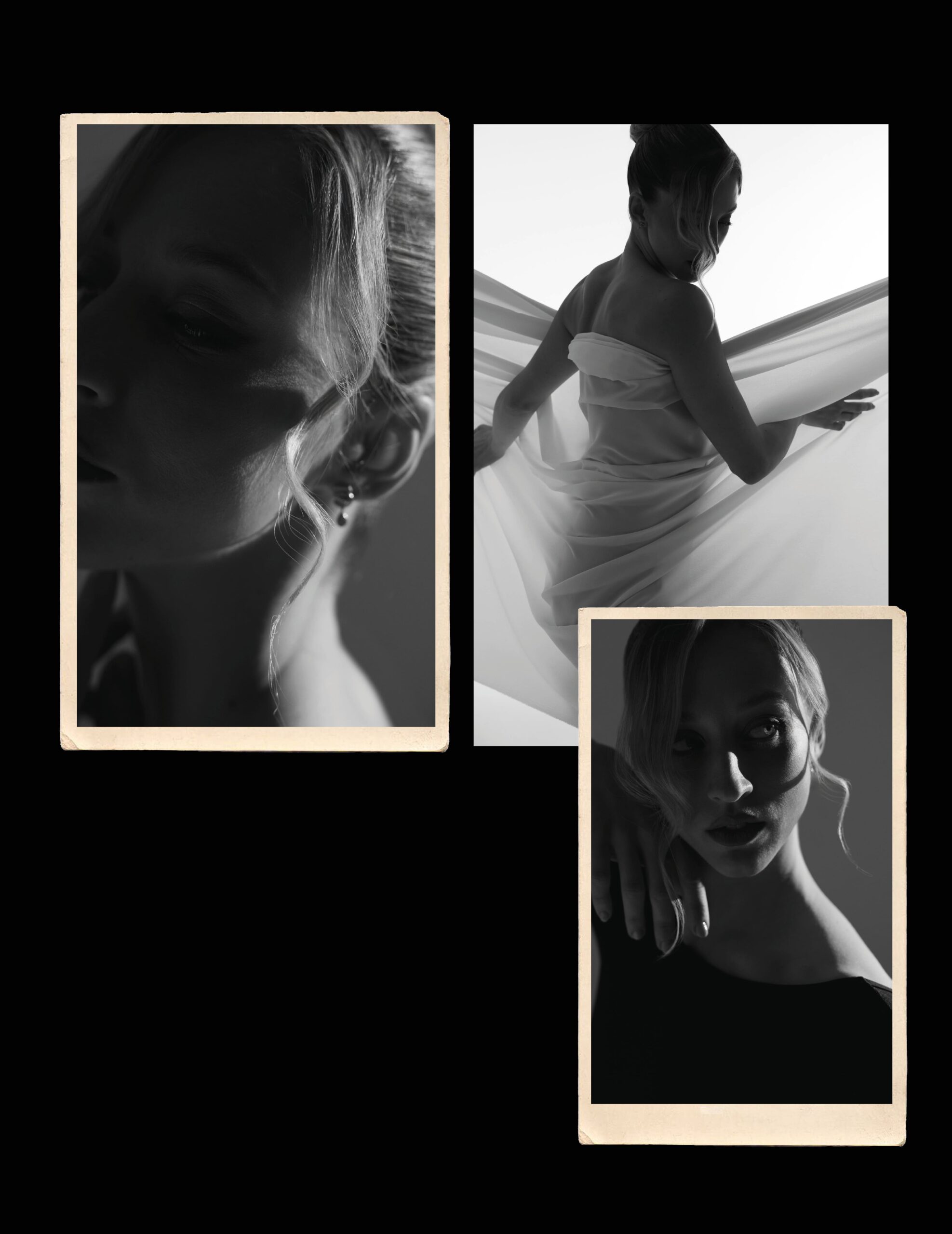
“The purity of the soul”
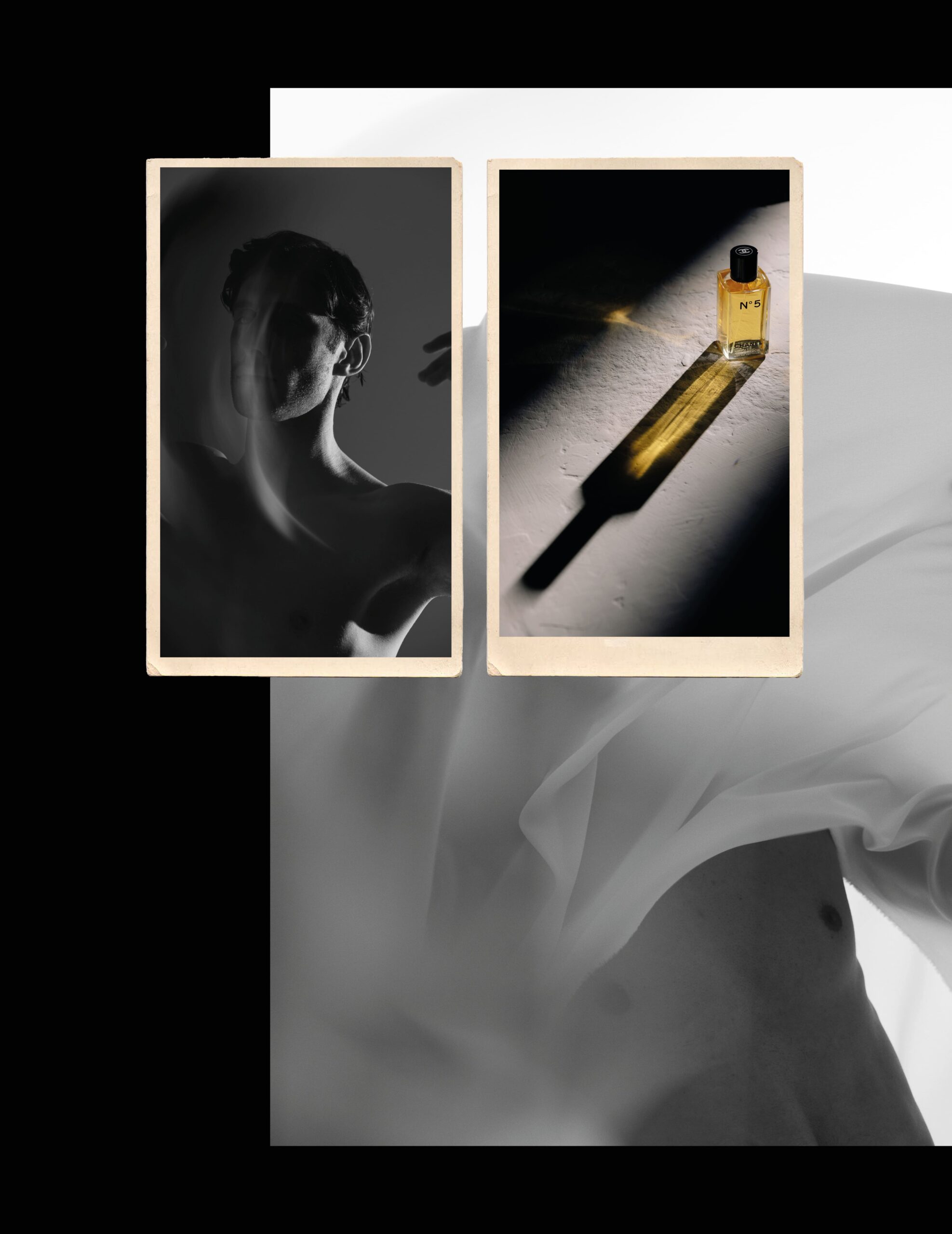
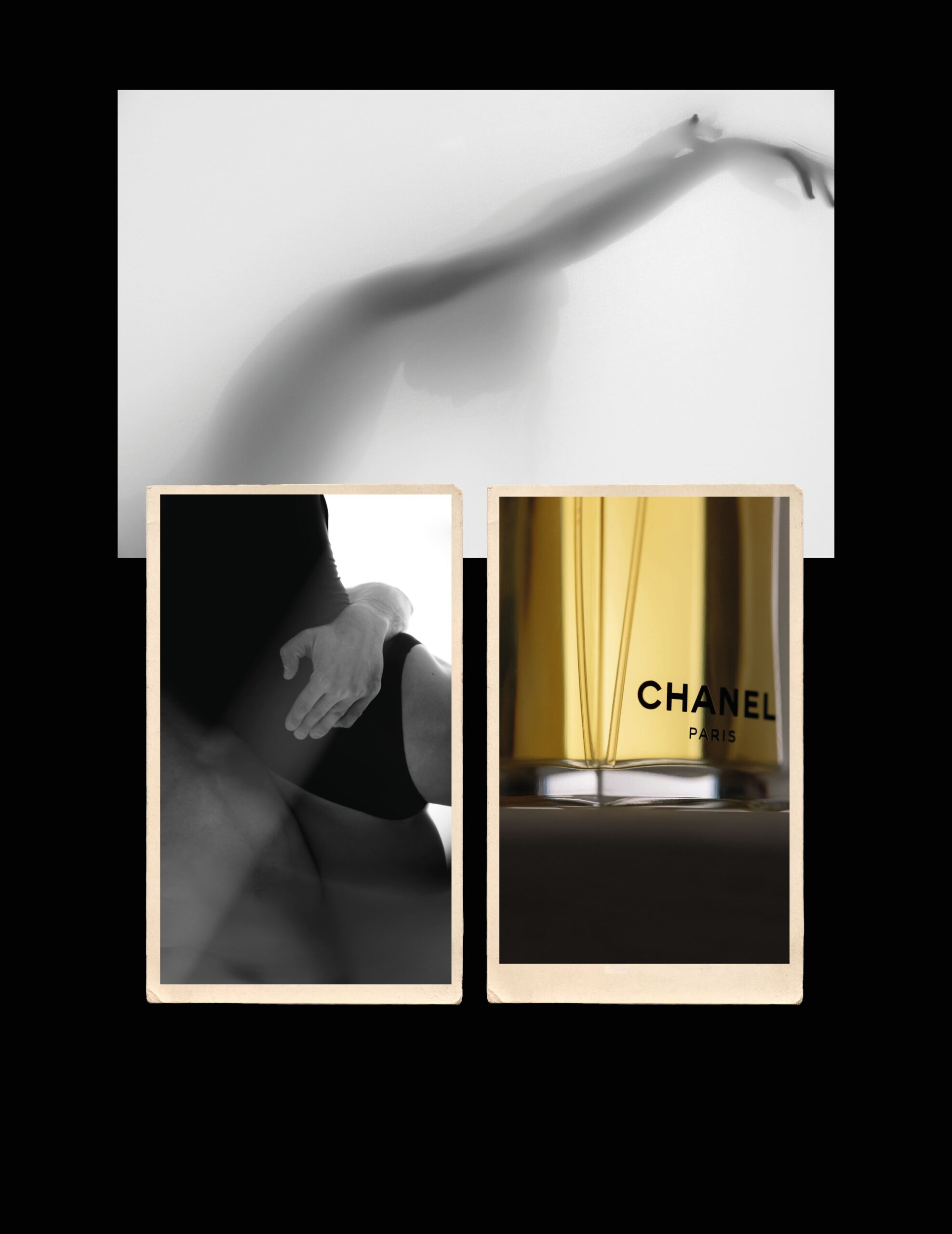
Speaking of things that cannot be seen, perfume is perhaps the most invisible and yet evocative art form—and this is something CHANEL has turned into a true art, starting with N°5. What is your relationship with fragrances? Is wearing a perfume an intimate gesture for you, or a declaration to the outside world?
V: A bit of both. When I wear a perfume, I do it first of all for myself, because I like it, because it gives me pleasant sensations. Even when I choose a perfume, I always choose it according to what it emotionally conveys to me through smell. So I choose fragrances that represent me in a certain period of my life.
At the same time, sometimes I choose perfumes that can be a declaration, yes, of myself but also of what I want to communicate to others. Sometimes the perfume that moves me emotionally is not the same one that represents who I want to show to the world. Sometimes it’s a way of imposing a certain version of myself, because in that moment I need to be that way. It’s definitely a gesture I make for myself, but it’s also a message, almost like my business card.
N: For me it’s quite an unconscious choice, but my approach to perfumes is particular: I use some perfumes for the theater and others for private life. I think this distinction comes from the fact that when we dance we are extremely close to our partner, we sweat together, we are physically connected for a long time. In that context I wear lighter, fresher fragrances, maybe citrus notes, while stronger, more masculine perfumes I wear in my private life.
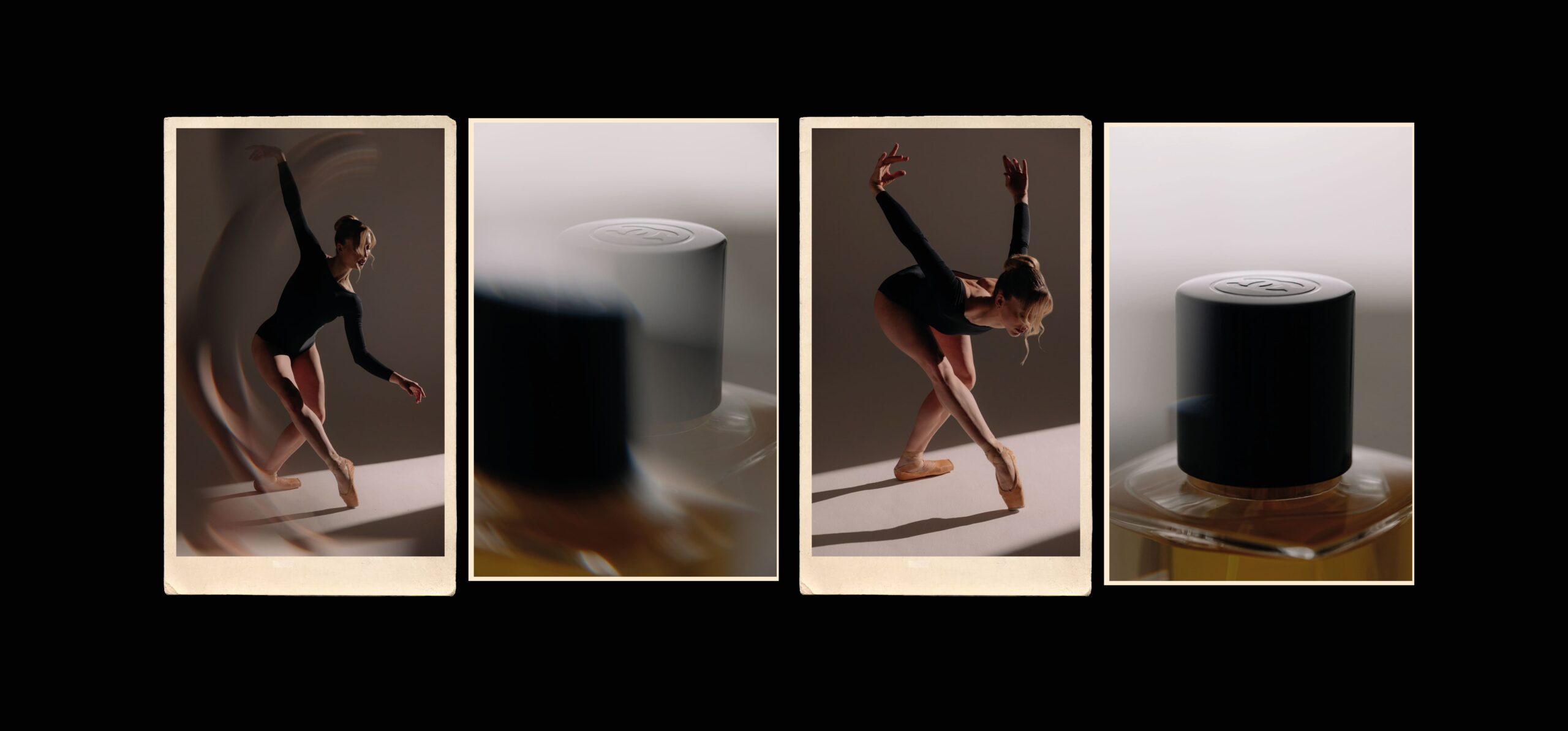
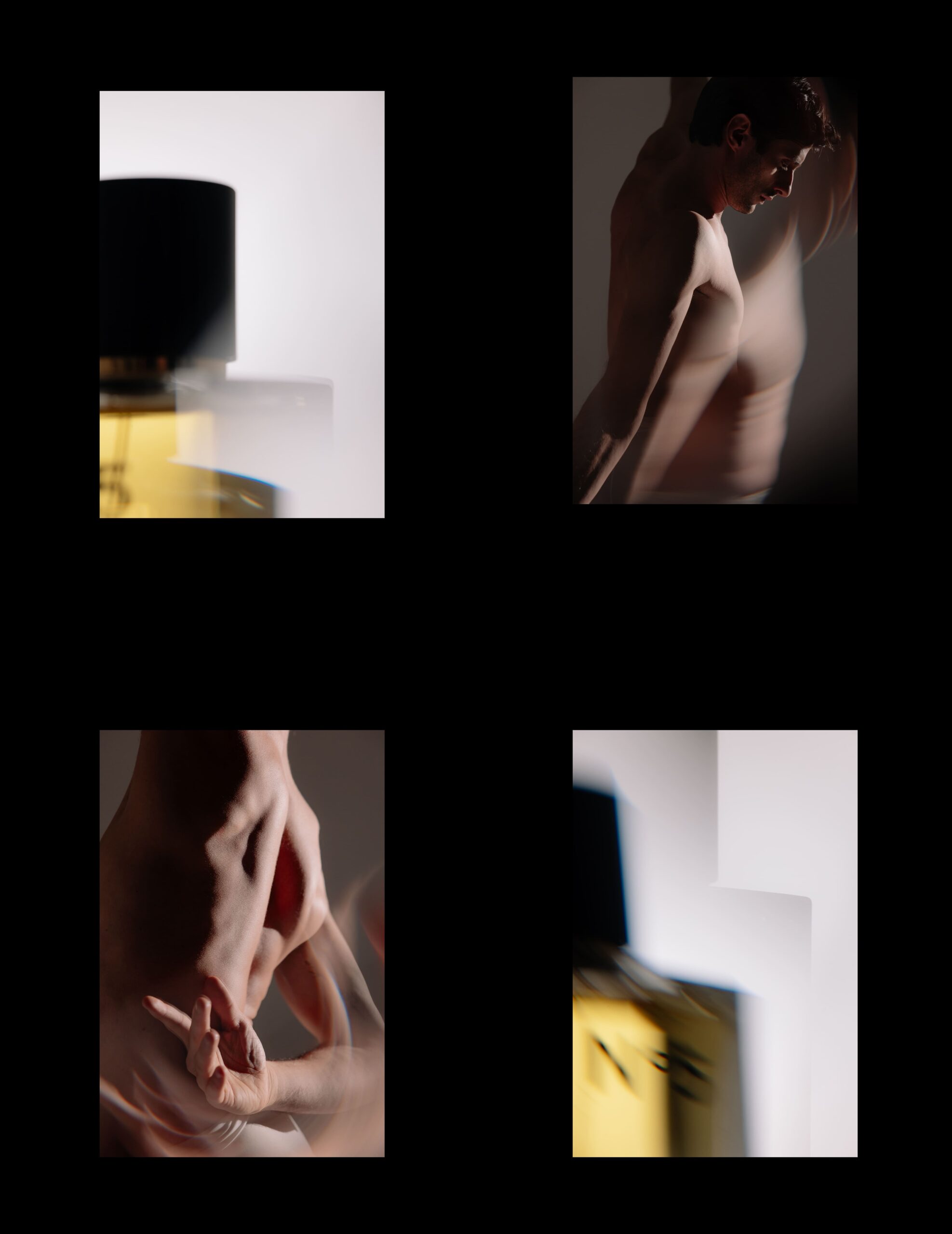
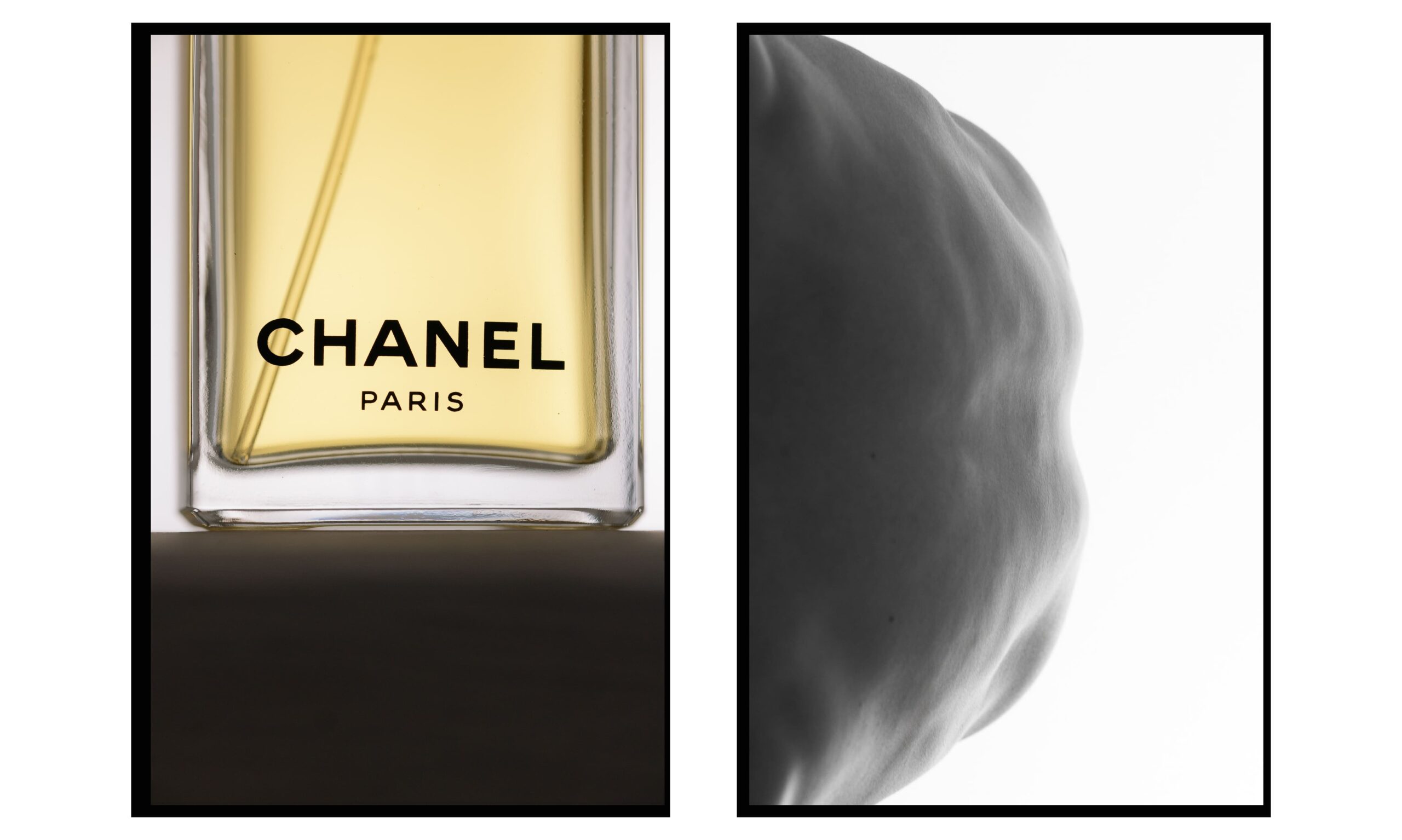
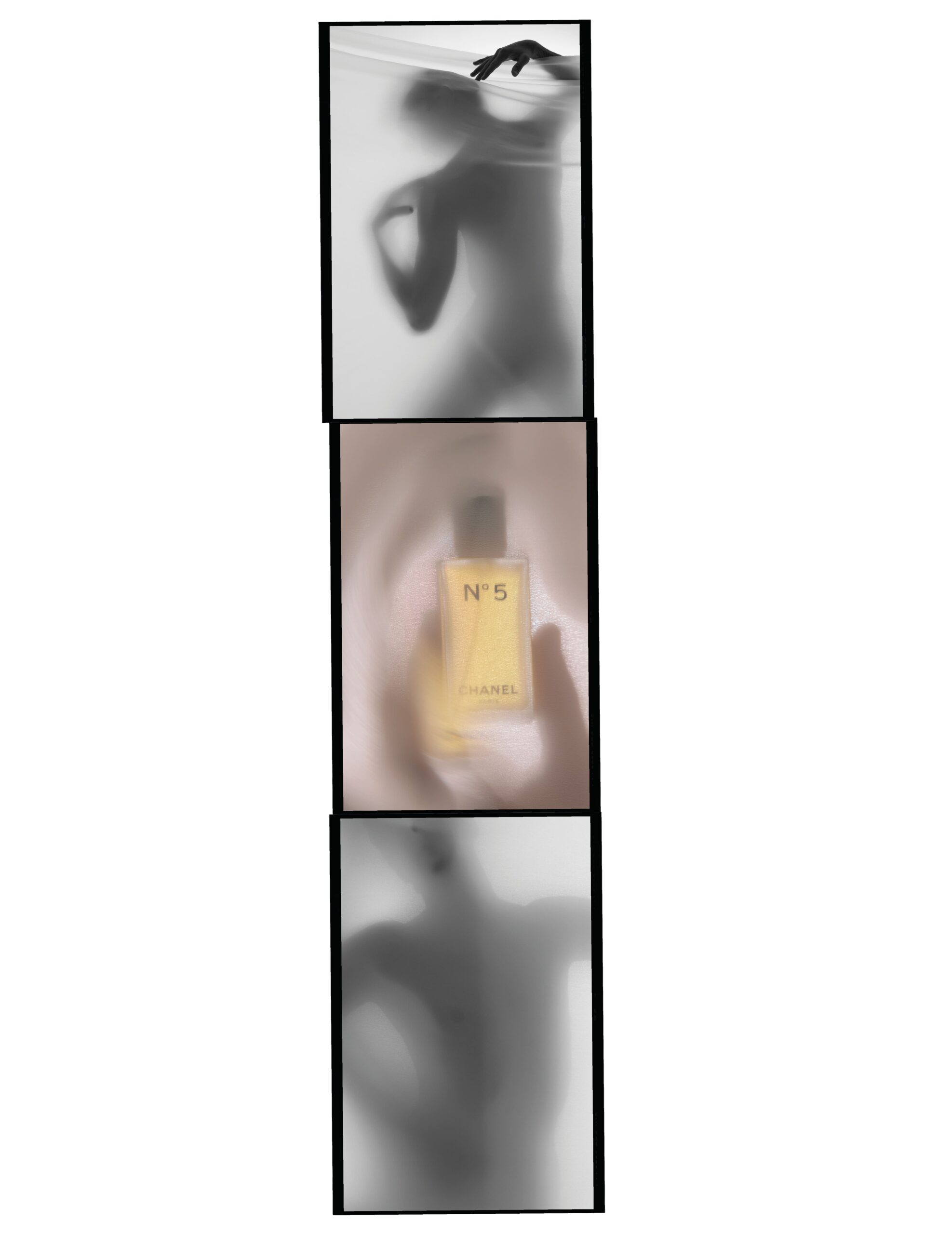
There are icons that move through eras without losing strength, always finding a way to renew themselves. Thinking of N°5, which has remained faithful to its essence while evolving even in its packaging, do you recognize yourselves in this tension between identity and transformation?
N: Absolutely. In dance something very similar happens: the great ballets remain the same, but every interpreter experiences them with their own sensitivity and according to the moment of life they are living. For me, identity is a solid base, almost like the technique that accompanies you throughout your career.
At the same time, we also change as human beings. In my case, over the years I first became a husband and then a father, in addition to being a dancer. All these experiences inevitably influence the way you experience the stage and interpret roles. I believe that the baggage of life always comes with you on stage, and this makes every phase different from the previous one. It’s precisely this balance between roots and transformation that allows you to remain faithful to yourself while continuing to evolve.
V: I completely agree. You can always maintain your identity, your purity, your honor, while still shaping yourself over the years, both because of the requests of the people around you and because of your own personal transformation.
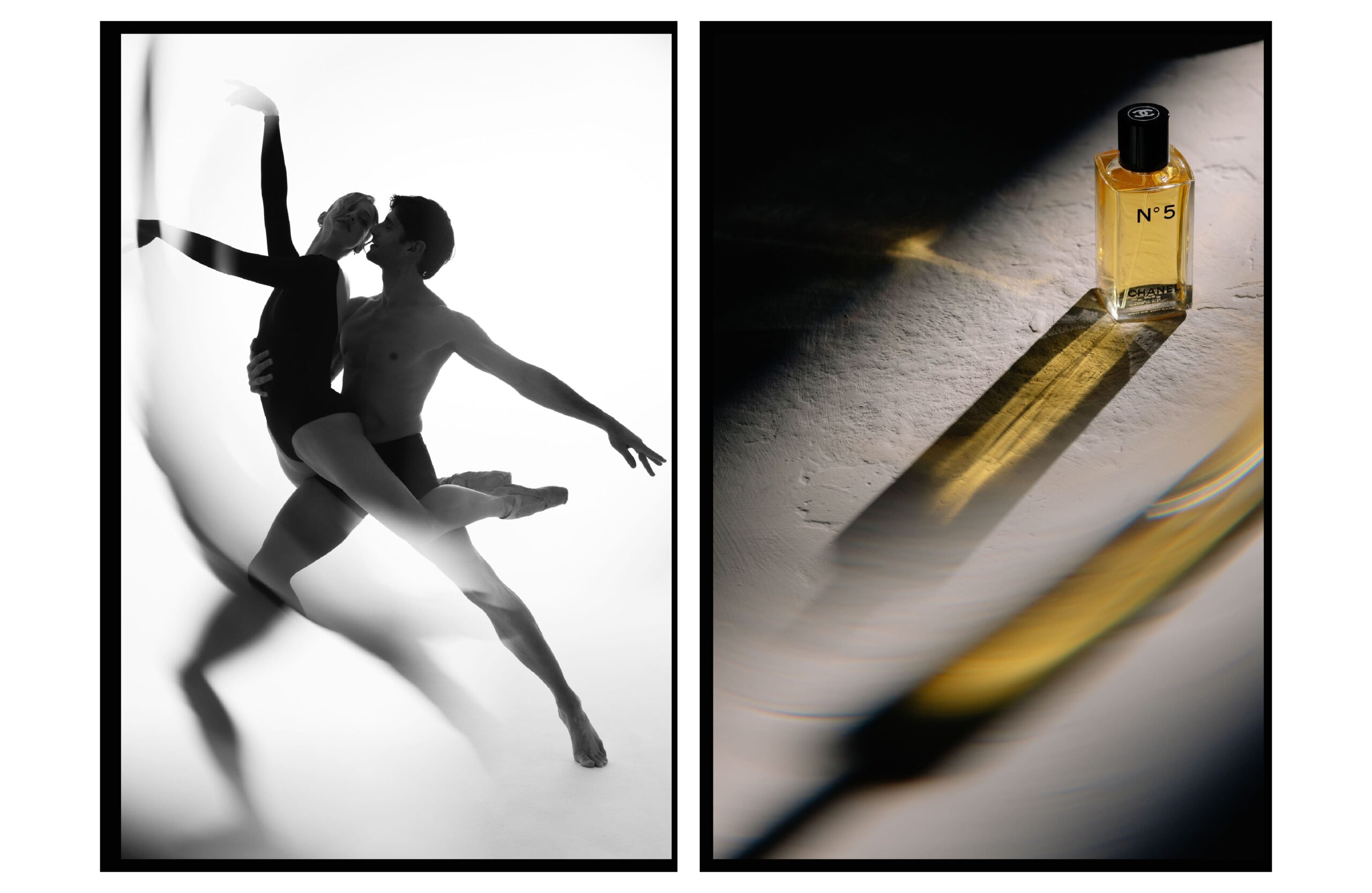
“For me, identity is a solid base, almost like the technique that accompanies you throughout your career.”
Is there a smell or perfume that immediately brings you back to the stage, the dressing room, the emotion before going on stage?
V: There are many: the smell of rosin for pointe shoes, the smell of hairspray we put on our hair, the smell of talcum powder used for both shoes and costumes, and the smell of sweat, which isn’t necessarily unpleasant—sometimes it’s simply the smell of effort, determination, and achievement.
N: For me also the smell of stage makeup, of powder—the pre-performance scent. And then, as Virna said, the rosin, which isn’t very strong but reminds me of resin. Maybe also the wood of the barre and of the stage.
What is the most beautiful thing dance has taught you about life?
V: That hard work pays off and believing in something pays off. Standing at the barre every day since I was little, sacrificing a large part of my life, making difficult choices, living through very hard moments, has brought me to the result I always dreamed of for myself. No sacrifice has been in vain considering where I am today. Dance taught me the tenacity to pursue a dream and the satisfaction of eventually achieving it in the purest and most beautiful way possible.
N: Dance has mainly taught me perseverance. It’s a path made of daily discipline, of beautiful moments but also difficulties, and you learn very early that results come only with time and consistency. It also taught me to know myself better, to listen to my body and respect it. It’s a continuous school of life, because it reminds you that every day you can improve, but also that you must accept difficult moments and turn them into growth.
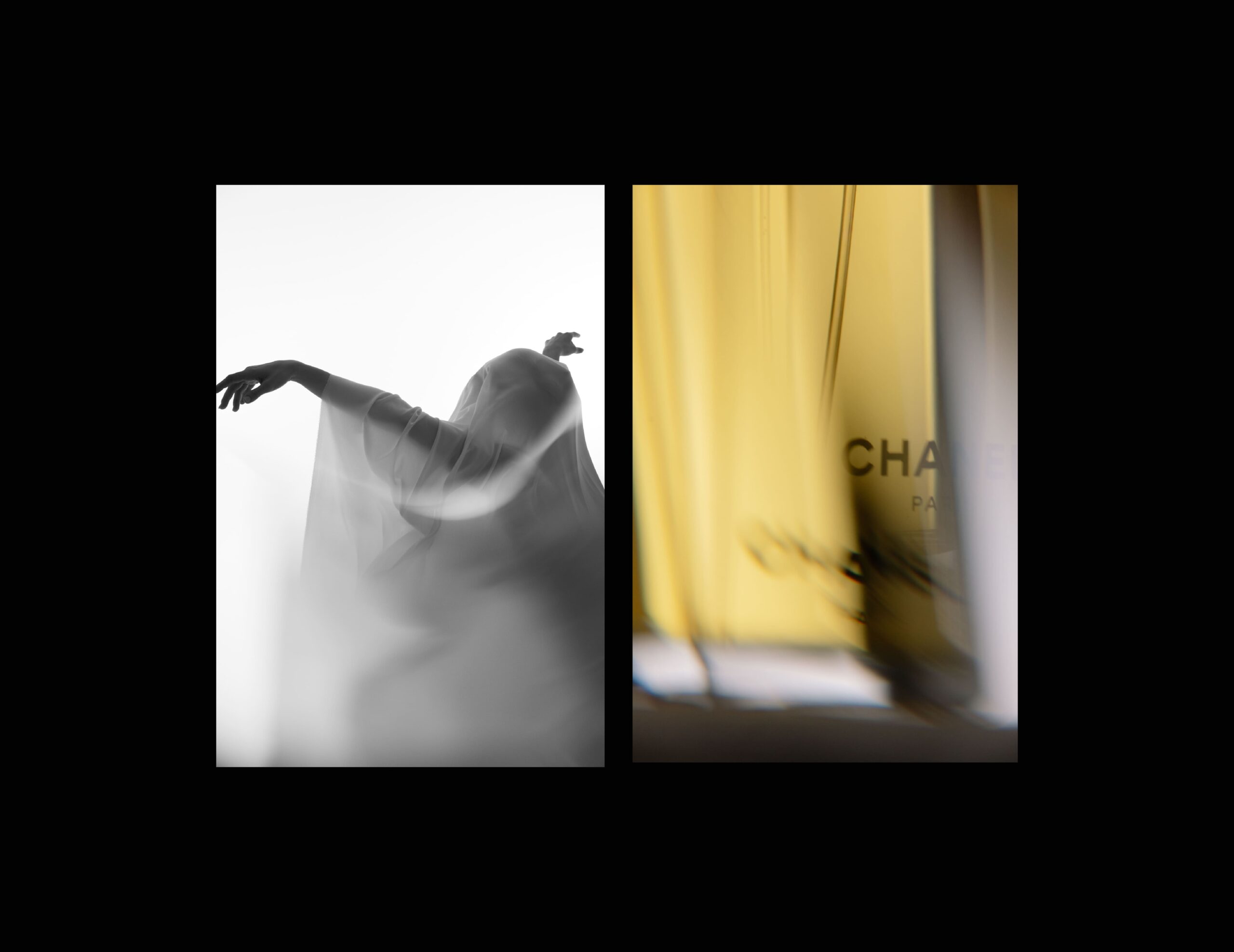
“Hard work pays off and believing in something pays off”
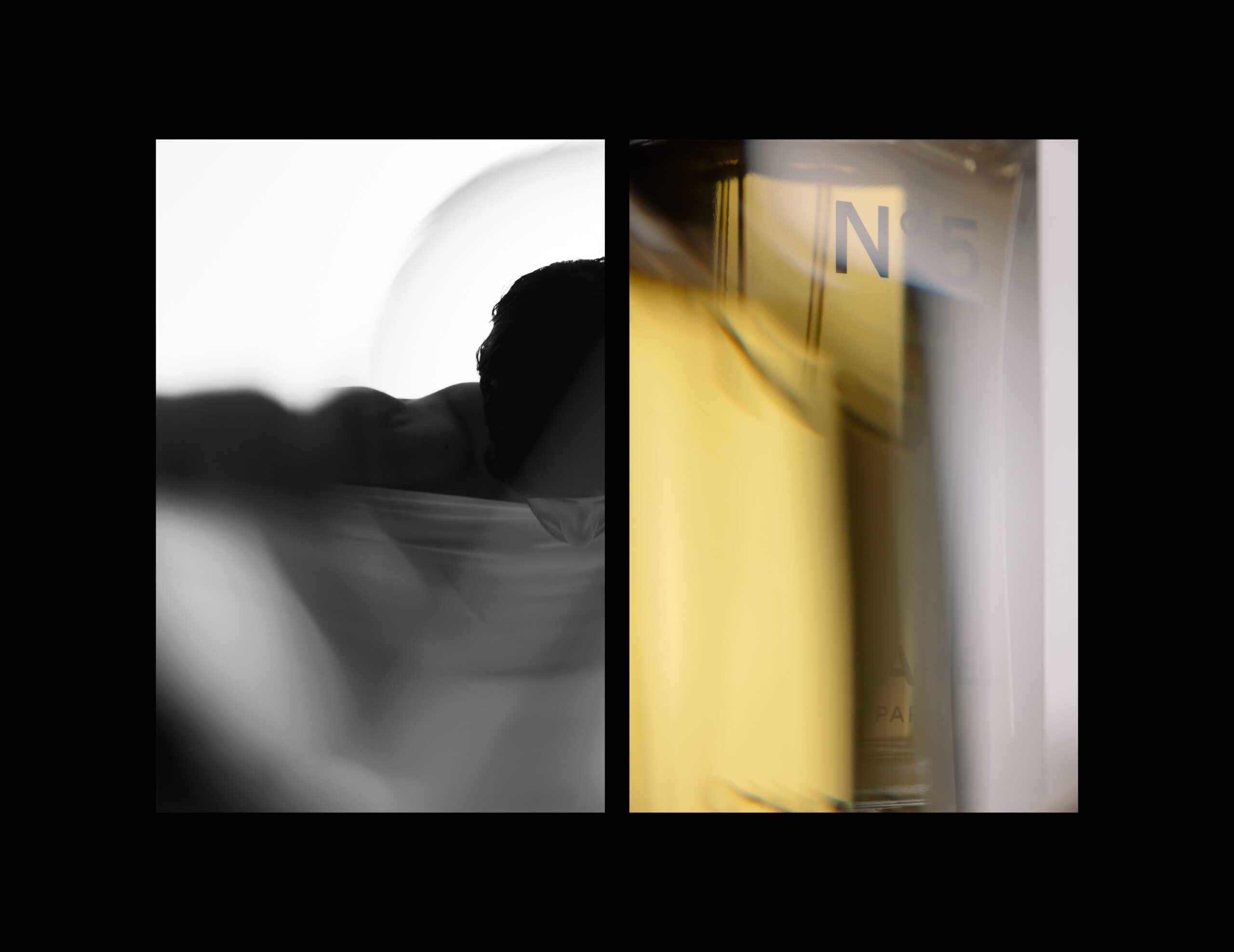
Every role asks you to become someone else. How much do you really transform? And what always remains intact in you?
N: I’ll return to the idea of seeking truth. When interpreting a role, you always try to leave yourself behind and become the character, but it doesn’t always happen—at least in my case. Sometimes it does, though, and when it does it’s a wonderful feeling. Of course there’s always a little bit of Nicola or Virna in the characters we interpret, but at a certain point the performance becomes almost alienating, and it’s as if you disappear and the character takes your place. It’s something I’m always searching for, and it’s not easy to achieve.
V: I think what always remains intact is the truth we talked about earlier. By nature I cannot lie: my body and my facial expressions hide nothing—you can read me like an open book. That’s something about me that never changes. I always try to be myself, regardless of the character I’m playing.
What I can change is probably the dynamic approach: there are roles that require more aggressiveness, strength, tenacity, being more physical. I can change my approach depending on the role—whether it’s fragile, ethereal, or less grounded. What changes is the approach; what remains is my truth.
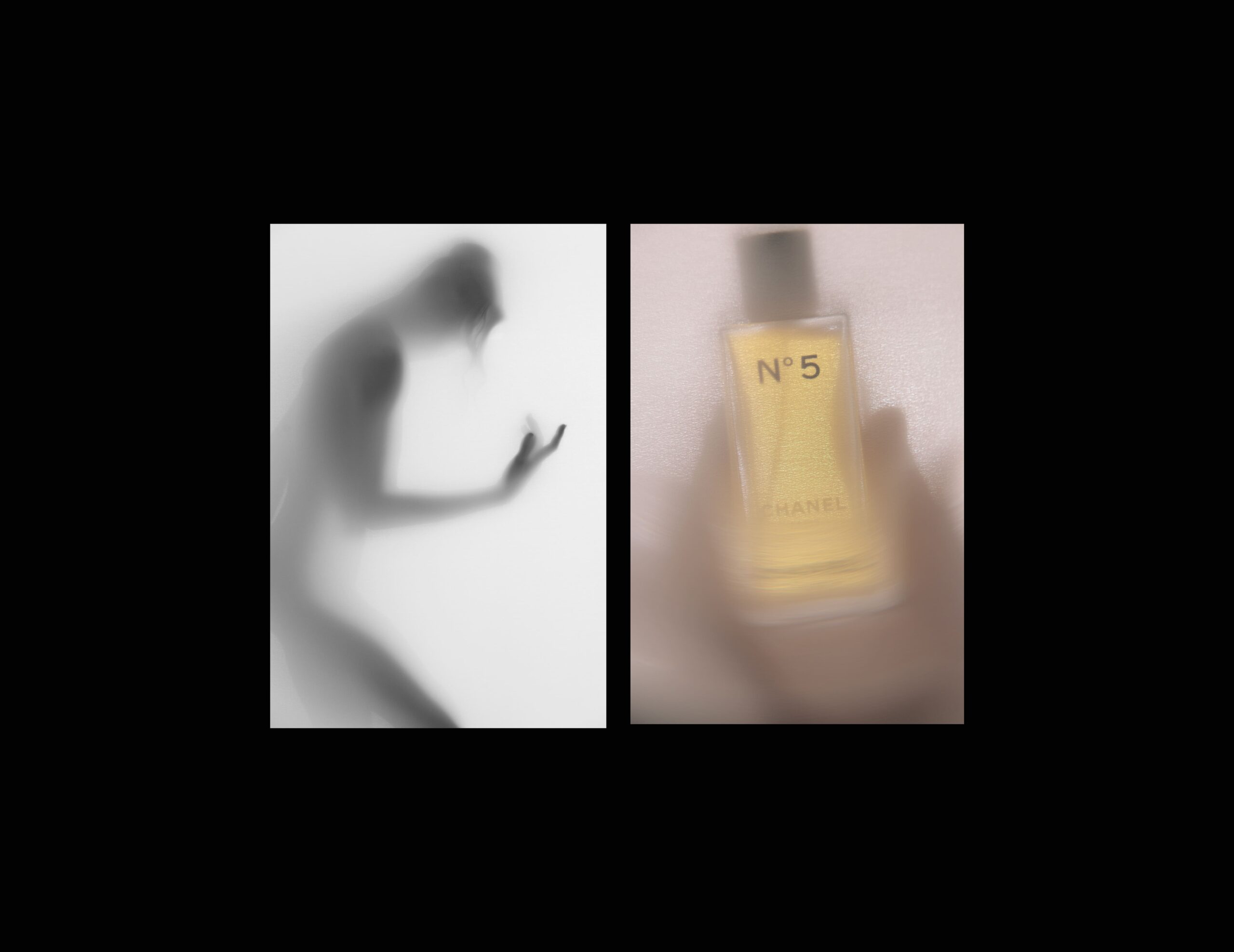
How does the N°5 fragrance fit into your everyday life today, in the contemporary moment?
V: For me, N°5 is a very natural presence in everyday life. It’s a fragrance that carries memory with it, yet at the same time it manages to feel incredibly contemporary. My days are filled with discipline, rehearsals, and movement, and the perfume becomes a small personal ritual: a gesture that accompanies me before leaving the house or before going to the theatre. It isn’t just a memory of the past, but something that lives in the present, blending into my routine and my identity.
N: I see it as something that doesn’t chase the frenzy of the moment. In a day full of deadlines and rehearsals, N°5 has a defined character, a clear identity, in a world whose pace changes every day.
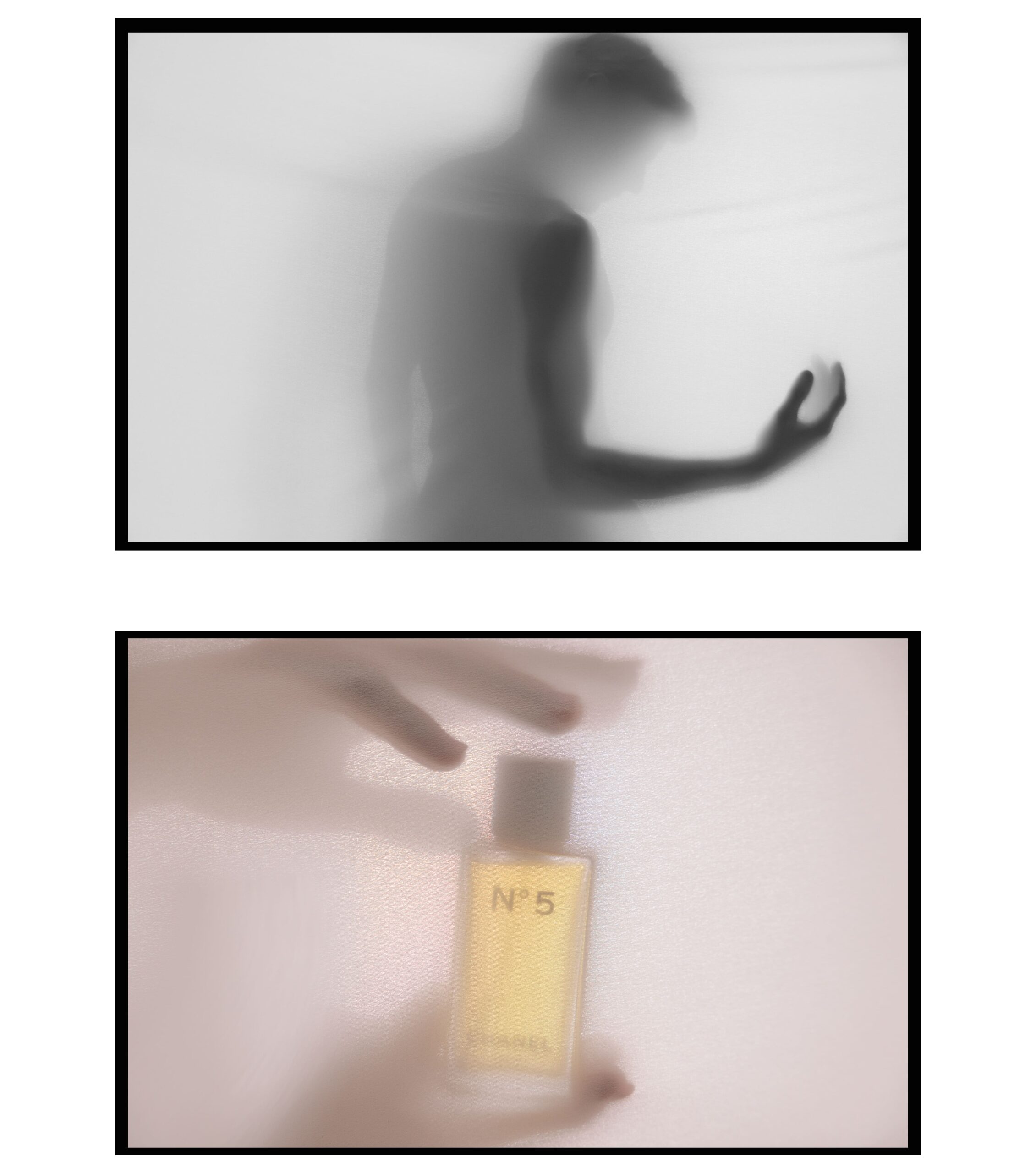
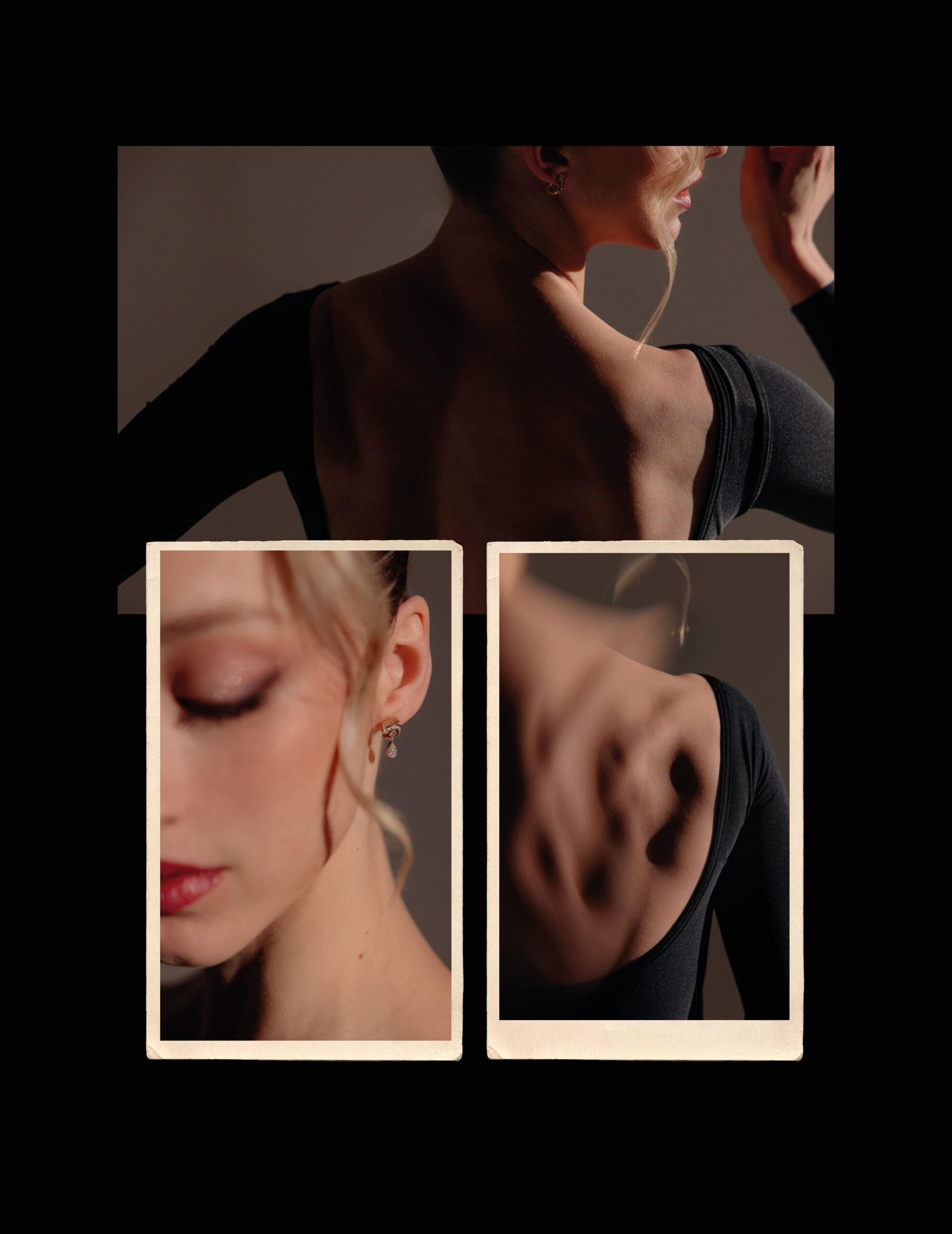
What do you like most about its new “outfit”?
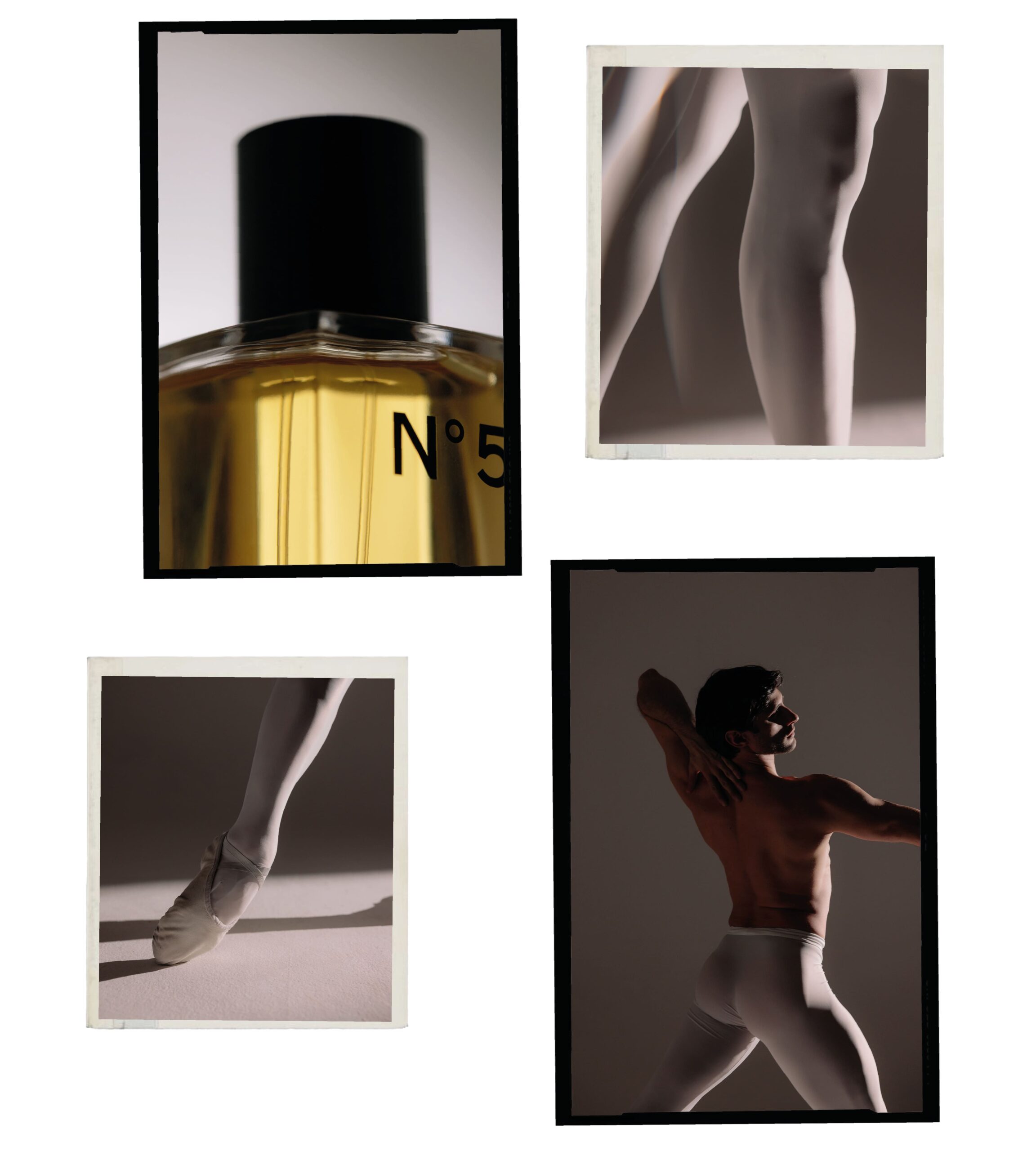
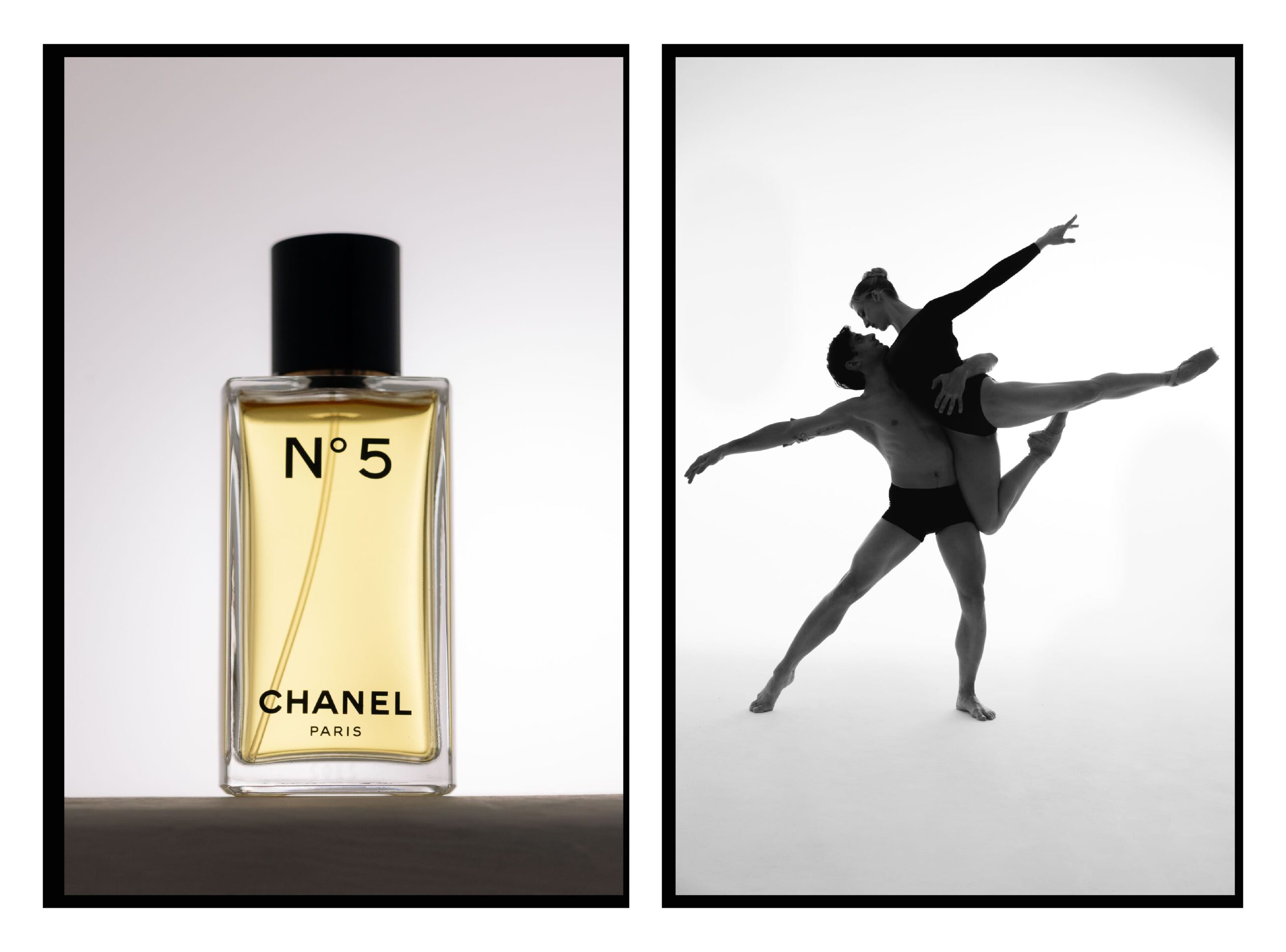
V: I like to think that, just as in dance, an iconic fragrance can reinvent itself every day through the person who wears it. N°5 always remains itself, but on each person it tells a different story—current and alive. I find it beautiful that such a recognizable symbol can change form and details without losing its identity. In a way it’s a bit like dance: tradition remains, but every new interpretation keeps it alive and contemporary, precisely in this balance between timeless elegance and modernity.
N: Its ability to evolve while remaining true to itself. This new design highlights even more its clean, essential architecture.
What does it mean for you to feel comfortable in your own skin?
V: It probably means feeling good, experiencing positive sensations, not feeling wrong, not forcing myself to be someone I’m not. Not being afraid to show myself as I am and feeling accepted exactly for who I am.
N: For me it means feeling a balance between who I am and what I live every day.
Over time you learn to know yourself better, to understand what makes you feel good and what doesn’t belong to you. Feeling comfortable in your own skin means exactly this: being at peace with your identity and your personal journey, without the need to prove anything, simply living authentically.
What is your happy place?
V: There are several. Certainly what might sound like a cliché—but isn’t—is anywhere with my family: the sea, the mountains, my home, as long as I’m with the people I love.
A physical place could be the high mountains, where there is no one around, the air is pure, and you breathe deeply, where you never feel wrong or judged.
N: The theater is certainly one of the most important places in my life. It’s where I have experienced wonderful moments but also difficult ones that helped me grow. It’s a space I continue to love deeply.
That said, I wouldn’t be completely honest if I didn’t also mention my home, the home that Virna and I share—especially since our daughter arrived. Having a small child and watching her grow day by day is an incredible experience, something that always brings you back to what truly matters.
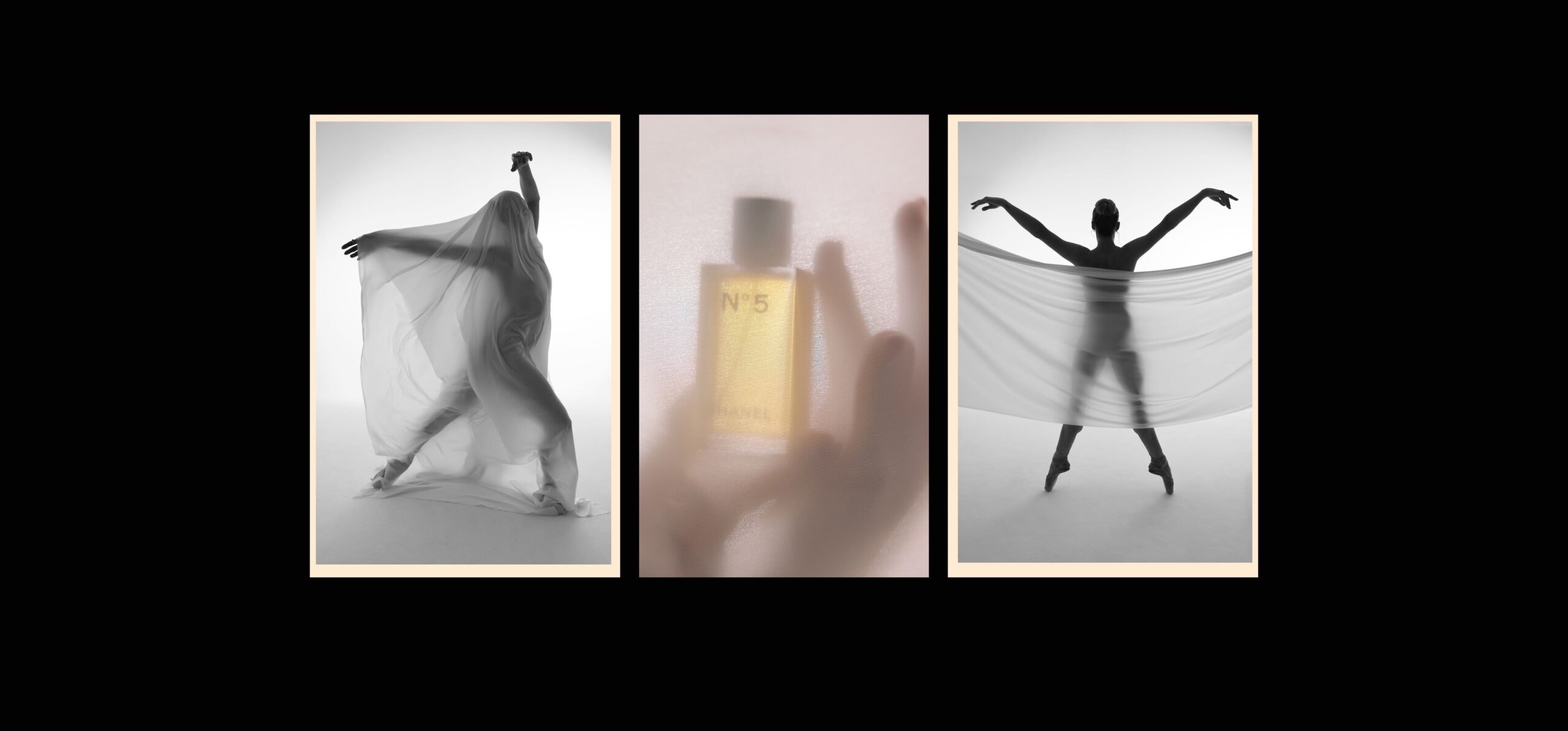
Photos & Video by Johnny Carrano.
Makeup CHANEL using LES BEIGES by Sofia Caspani.
Grooming and Hair by Sofia Caspani.
Thanks to CHANEL Beauty.
Thanks to CHANEL Fine Jewellery.


What do you think?