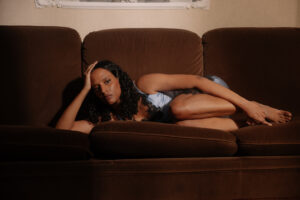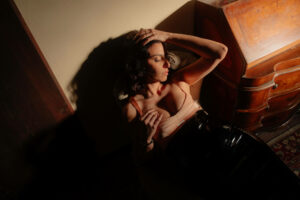
For Beatrice Savignani, cinema has never been an abstract idea: it is a childhood memory, an imagination that spills into reality, a game that at some point stops being a game and becomes a life choice. A clear choice, not the easiest, but profoundly her own.
Today, she approaches characters with both instinctive energy and the desire to understand them fully, without judgment. Meeting Gabriele Muccino for “Le cose non dette” represented an important step in this sense: a process of exploration, construction, and mutual trust that led her to confront extreme emotions and the ambivalences of love and vulnerability.
I met a young but determined actress, who claims freedom as a daily act, believes in culture as a form of personal power, and is unafraid to expose herself.
Constantly balancing instinct and discipline, Beatrice is charting a path that speaks of courage, identity, and the desire to find her place in the world.
What is your first memory connected to cinema?
My first memory, really from childhood, is connected to my mother: she often took me to the cinema. I particularly remember a period when my older brother and I were completely obsessed with Zorro. We practically lived for that character: we walked around the house impersonating him, with that all-consuming obsession only children can have. At some point I stopped, I lost interest, while my brother would have loved to go to school wearing the cape, sword, hat, and mask. For him, it wasn’t just a game, it was a true identification. Perhaps my first memory of cinema is precisely this: that imagination so strong it entered everyday life.
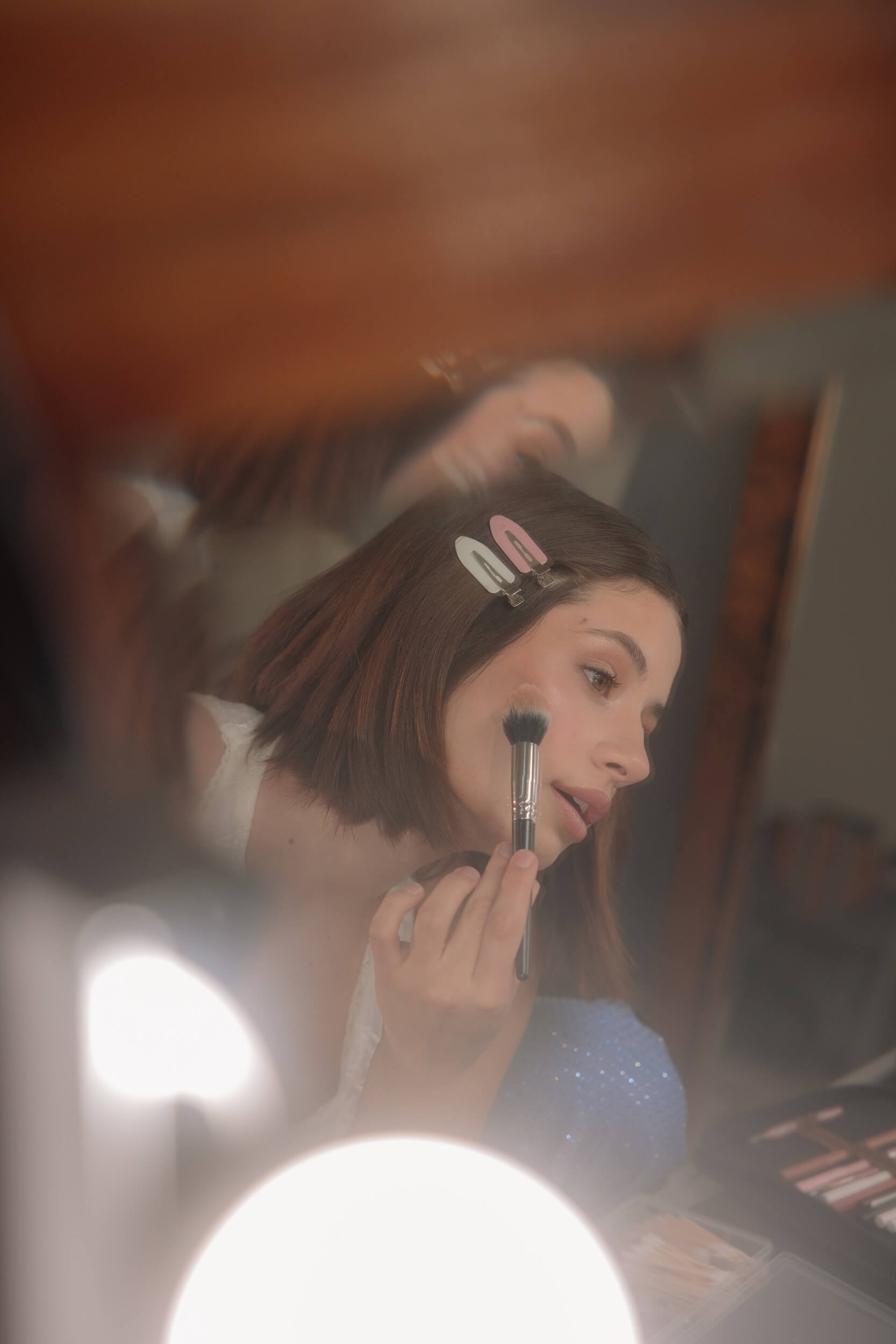
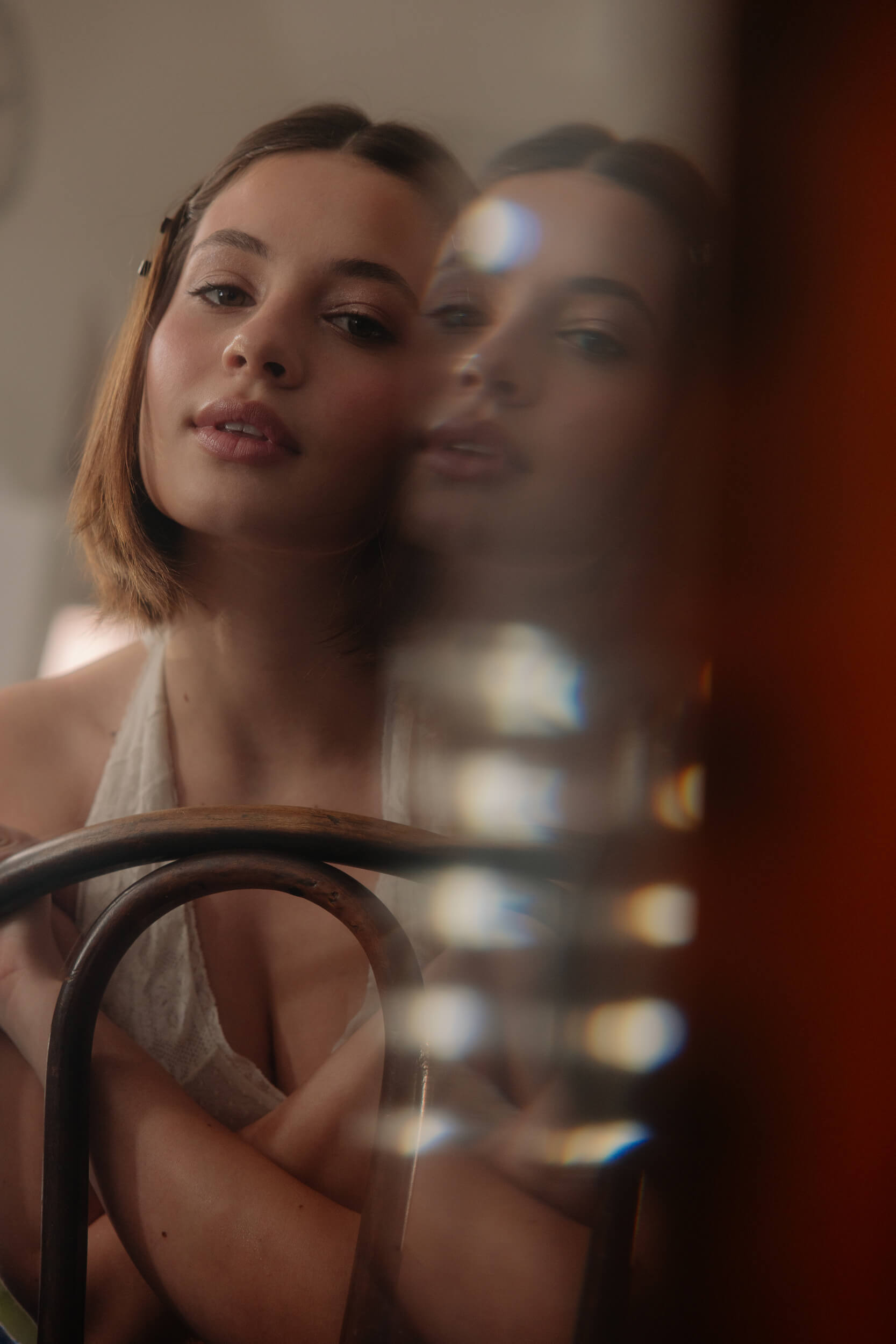
Speaking of your career: in Le cose non dette you play a character who triggers a real emotional earthquake within the story. How did you prepare to be that spark capable of upsetting everyone’s fate?
There were several aspects of Blu that needed to be understood from the start. What helped me most was completely trusting Gabriele [Muccino]. He is truly an actor’s director: he has an extraordinary ability to work with us, to enter the folds of the characters. With him, we first deconstructed and then reconstructed the character onto me.
None of the characters in the film are simple, but Blu, despite her apparent straightforwardness, is extremely complex. It’s as if she has two faces. On one hand, she wants to be grown-up, to find her place in the world, and she does it with a very clear, even culturally correct, mental framework. On the other hand, when she confronts a man much older than her and wants to feel like a woman, she automatically—and even involuntarily—returns to being a child. This ambivalence is what we explored: the desire to be an adult in the “right” way, and at the same time, the inevitable fragility of a 23-year-old girl.
We also shared some personality traits: the desire to use one’s voice, to not fear the consequences, perhaps also due to inexperience. This made me feel close to her. To make her “disruptive”, the key was not to think about the consequences of her actions, but to keep as the sole objective the love she feels for this man. A love that, in my opinion, is one of the strongest and most universal emotions there is.
I wanted that to come across, without reducing her to the cliché of a lover. The film shows this well in certain scenes, like the bar scene. For her, Carlo represents the embodiment of her moral philosophy: everything she wants to become, she sees incarnated in him. In the bar scene, you can clearly feel the mental chemistry between them. He is always interested in her point of view, and a continuous play unfolds. Another scene that struck me a lot is the university scene: there, you see her lightness, a somewhat suspended, almost childish dimension. Yet, I believe her when she says she wants to find her place in the world, to distance herself from a troubled family. Reconciling these two dimensions was the main work.
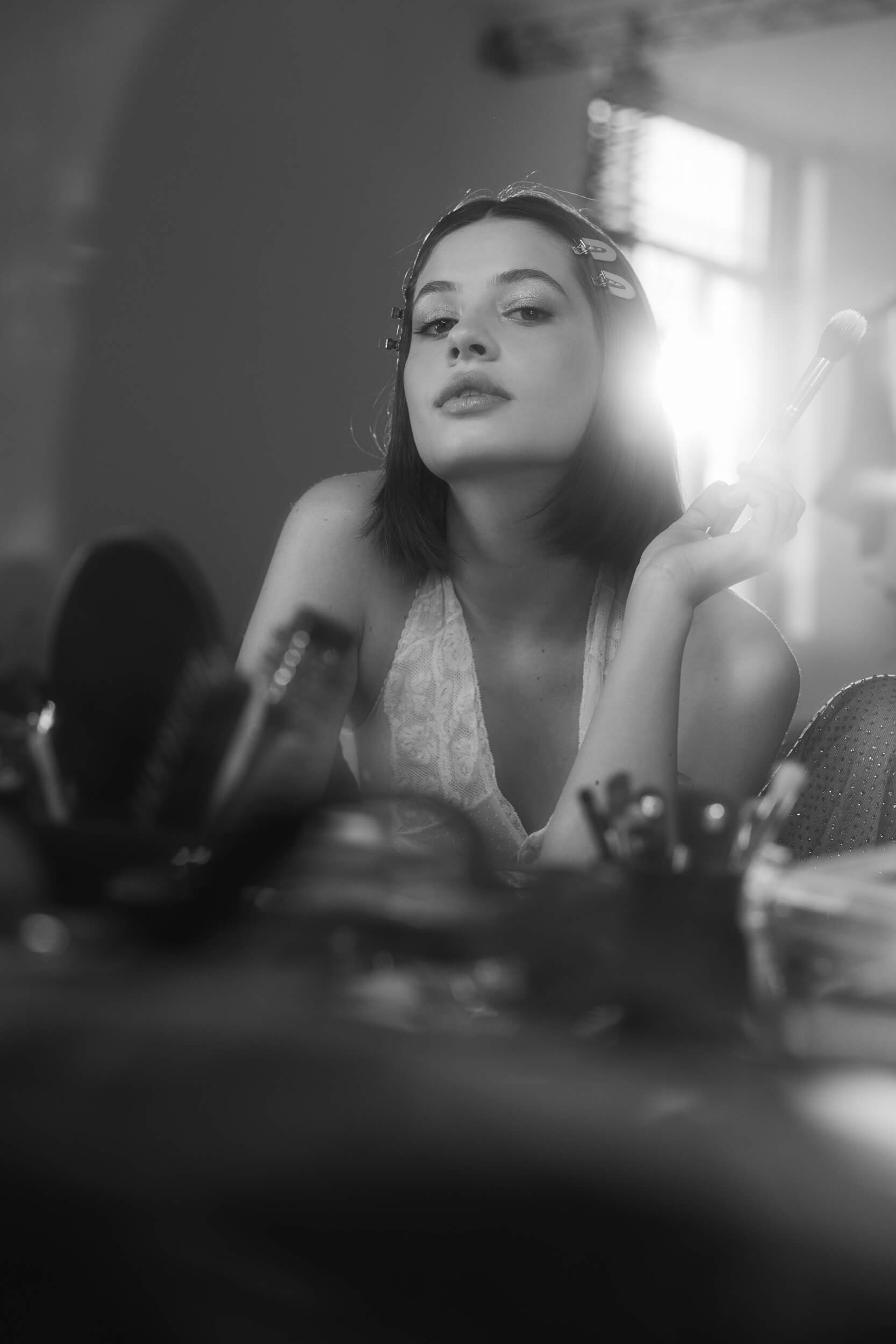
“To make her ‘disruptive’, the key was not to think about the consequences of her actions, but to keep as the sole objective the love she feels”
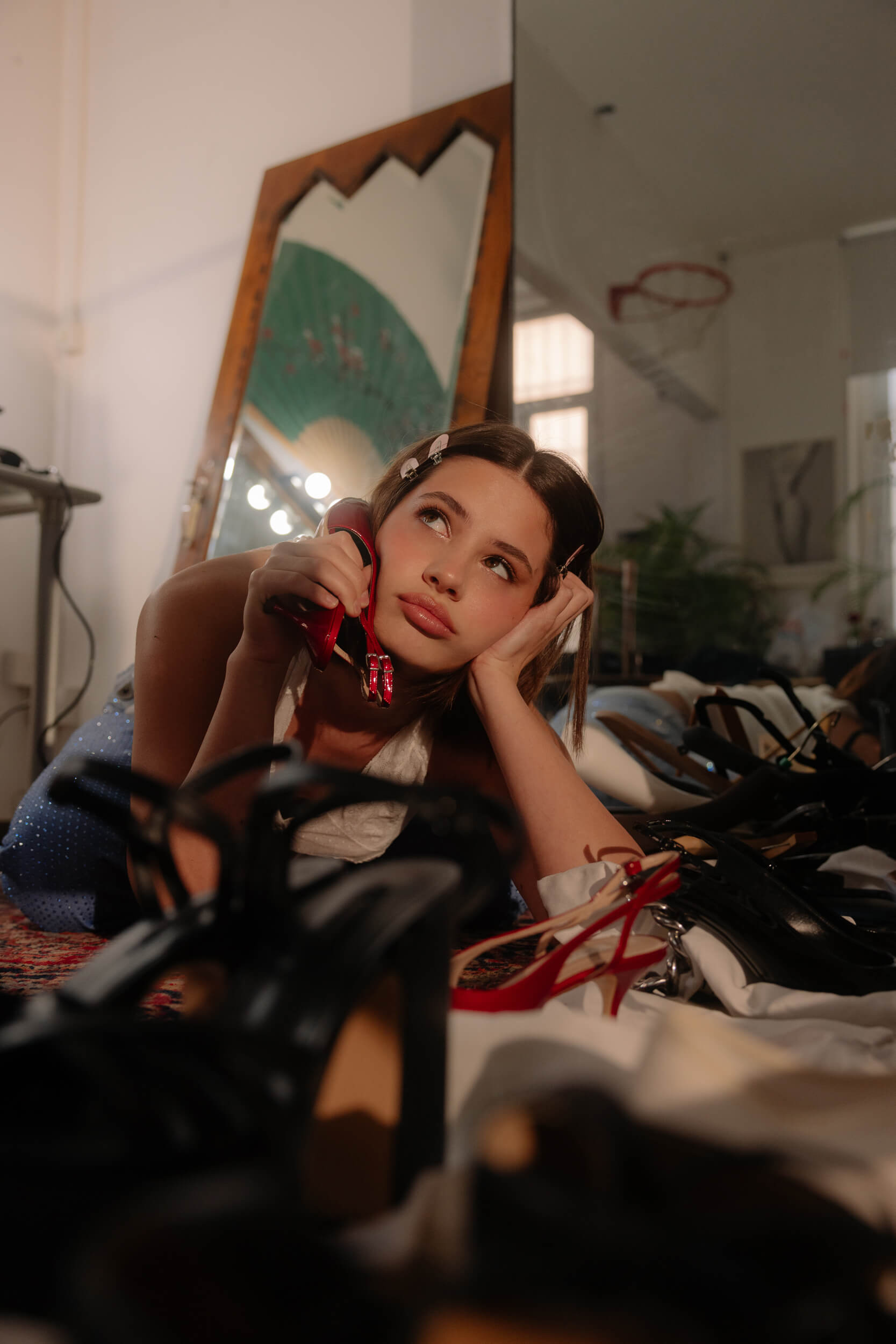
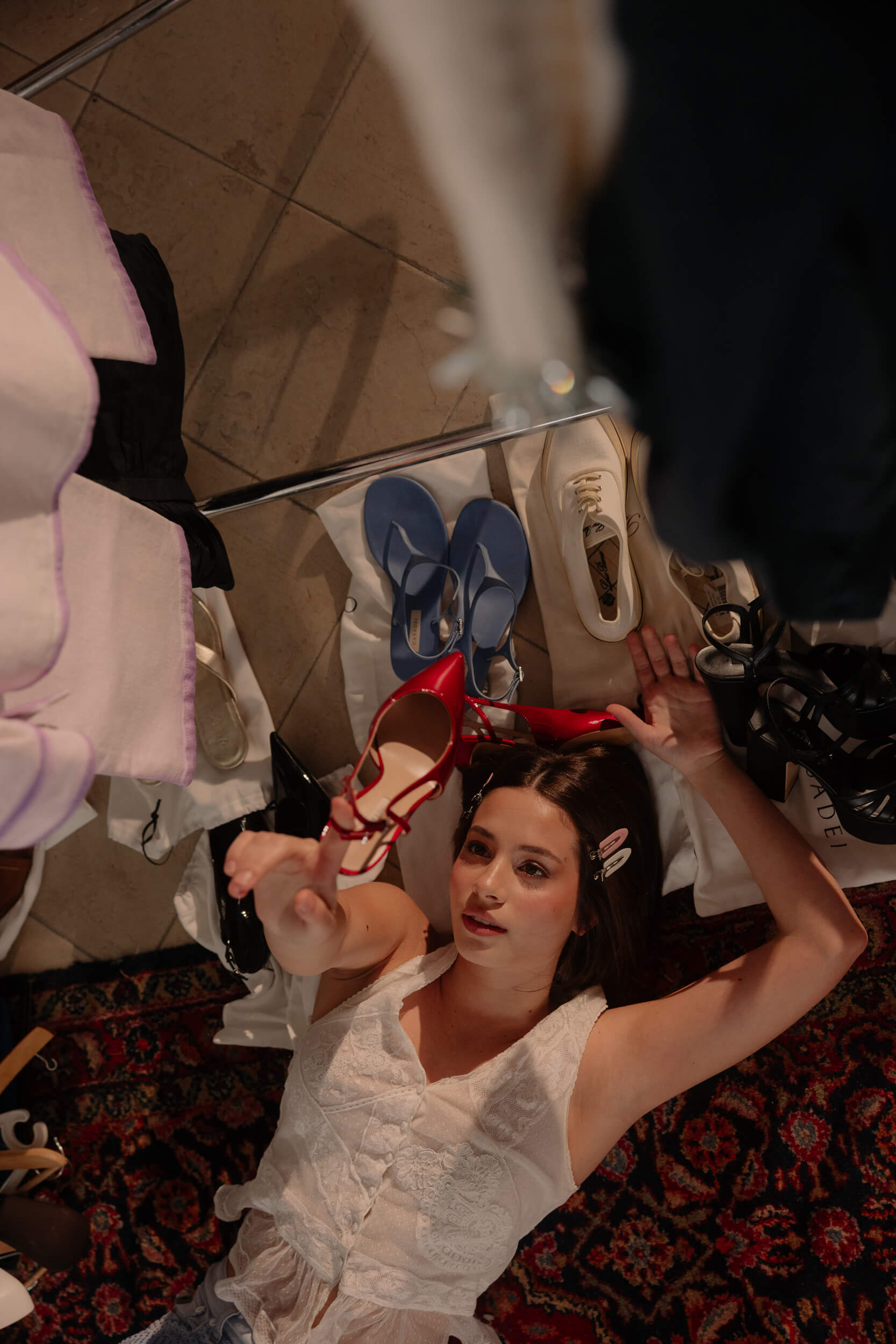
Did you ever feel judged while building this character? Or did you feel more protective toward her?
Reading the script, I had this figure so clear in front of me and didn’t know whether to judge her or not. Then I realized what I felt most was protection. Protection from an adult world that, in some way, would lead her to the ending we know. One of the questions the audience asks is: did she kill herself? Who killed her? And in reality, symbolically, everyone killed her.
I don’t know if today I would make the same choices she does, but I needed to believe her. I didn’t want to judge her for that uncomfortable, perhaps unhealthy love, with a much older professor. If I “judged” her, it was in the sense of analyzing her, trying to understand what could happen in her mind. I grew very attached to her. I saw her as fragile, in need of that love she probably lacked. I imagined a familial absence, a lack of maternal or paternal presence. It is a raging river that, in front of love, becomes fragile. And it’s a deeply human fragility.
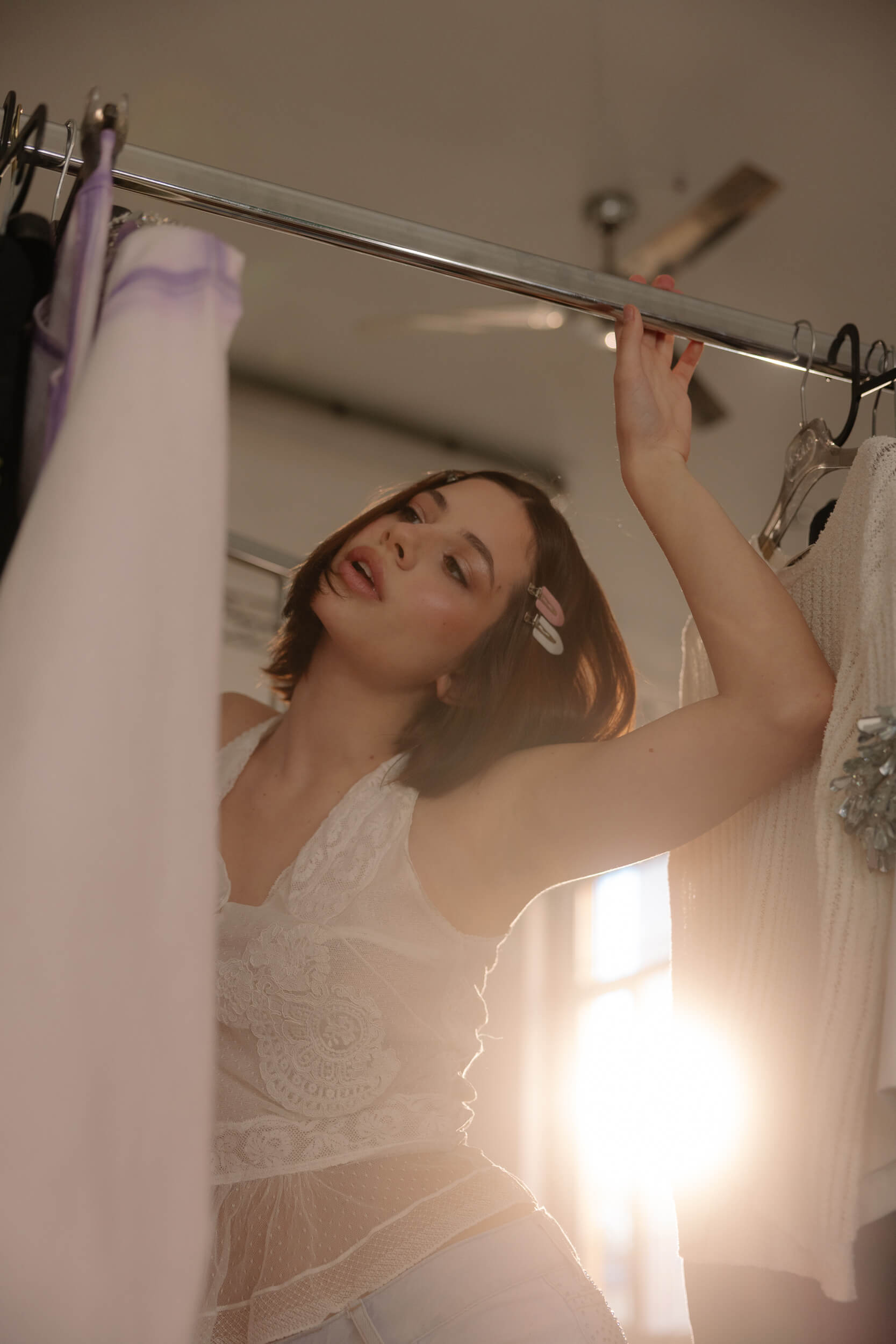
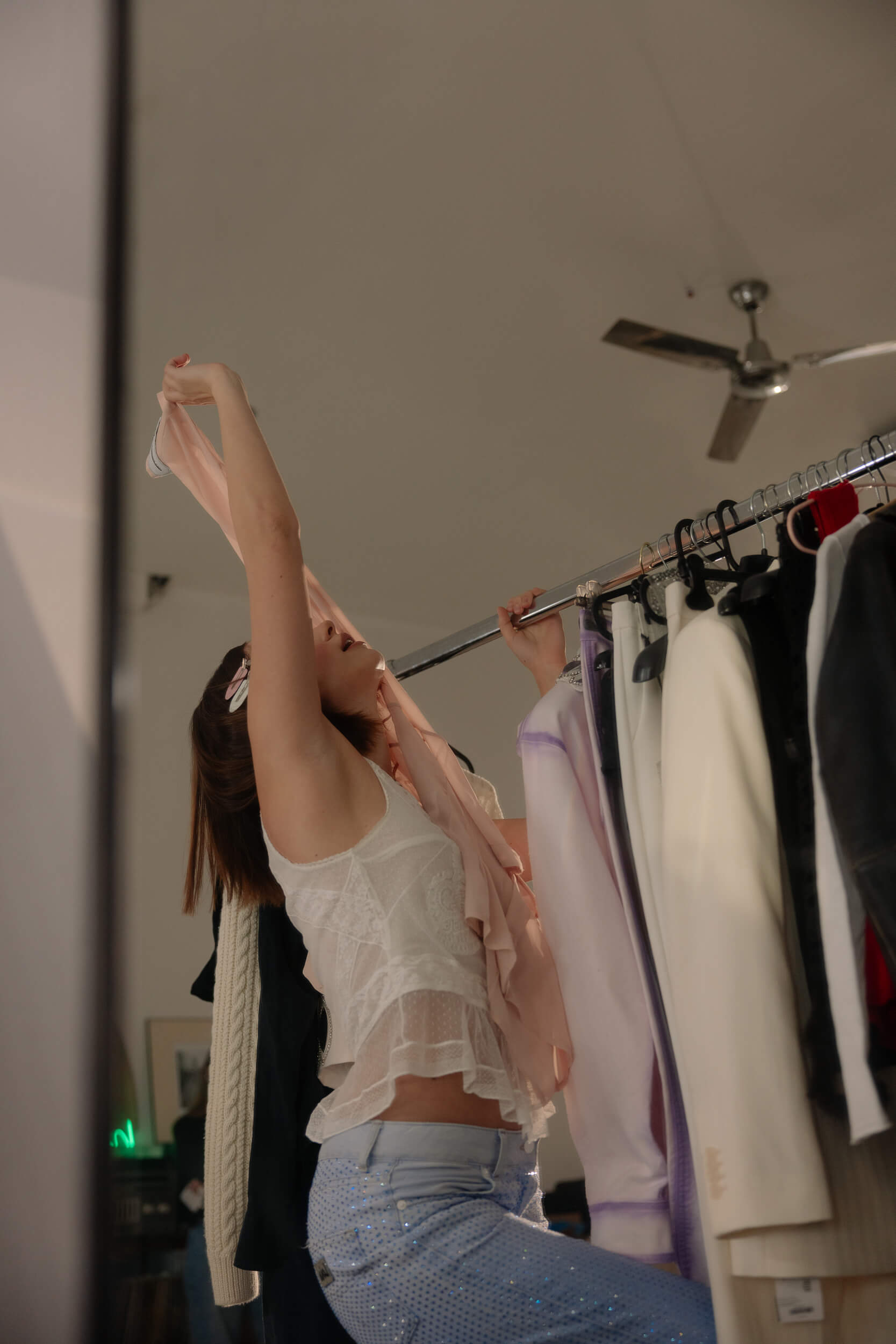
Gabriele Muccino’s cinema often portrays intense, conflictual relationships, fragile characters. What has this film taught you about love and vulnerability?
It taught me many things. About love, first of all, it gave me a different perspective: you shouldn’t settle. My generation—and I included—doesn’t want half-lived relationships. I liked that in the film, love wasn’t made of messages, phone calls, mediated communications. There were no social media or chat dynamics: there was physical encounter, seeing each other, building something in presence. If we are there, we exist. If we’re not, no. This is very powerful for me.
Then I realized that love inevitably makes you vulnerable. A healthy love—which this is not entirely—elevates you together with the other person, but also exposes you. In the way I conceive love, vulnerability is inevitable.
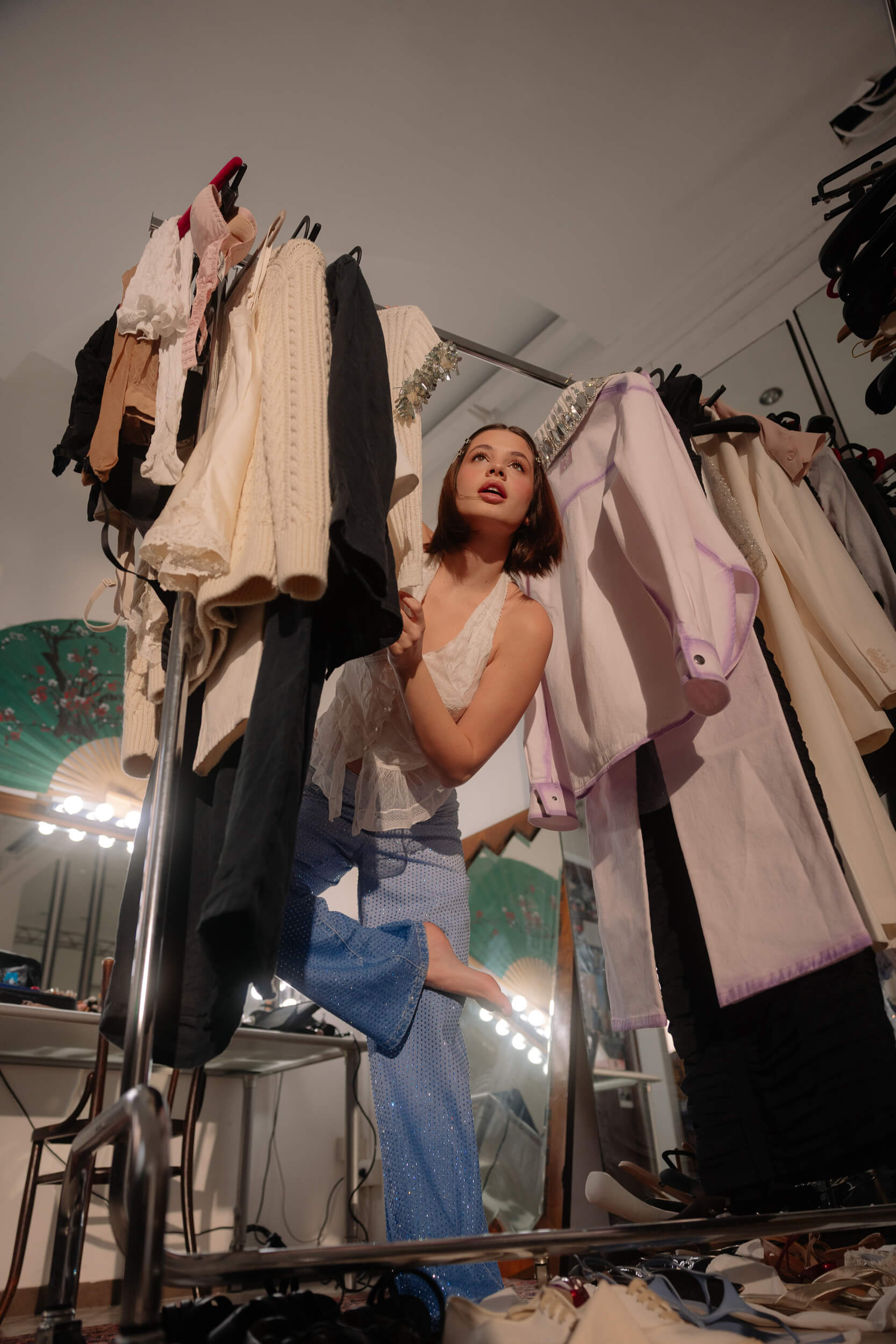
“Then I realized that love inevitably makes you vulnerable.”
You’re also starring in another project, Piercing, very different, with a more fantastical dimension. What fascinates you about mixing realism and the fantastical?
I can’t say much about Piercing. It’s a story about three women, it talks about female strength. This won me over: the power of women. That’s what made me say yes to the project.
Was there anything that scared or amused you in facing this genre?
I was scared by the idea of truly “feeling” certain things. I am a creative person, but here imagination had to go beyond every limit. I wanted to challenge myself, to try to feel that kind of power that comes from a deep will, from rooted needs. It scared me because I didn’t know where it would lead, but precisely for this reason I wanted to do it.
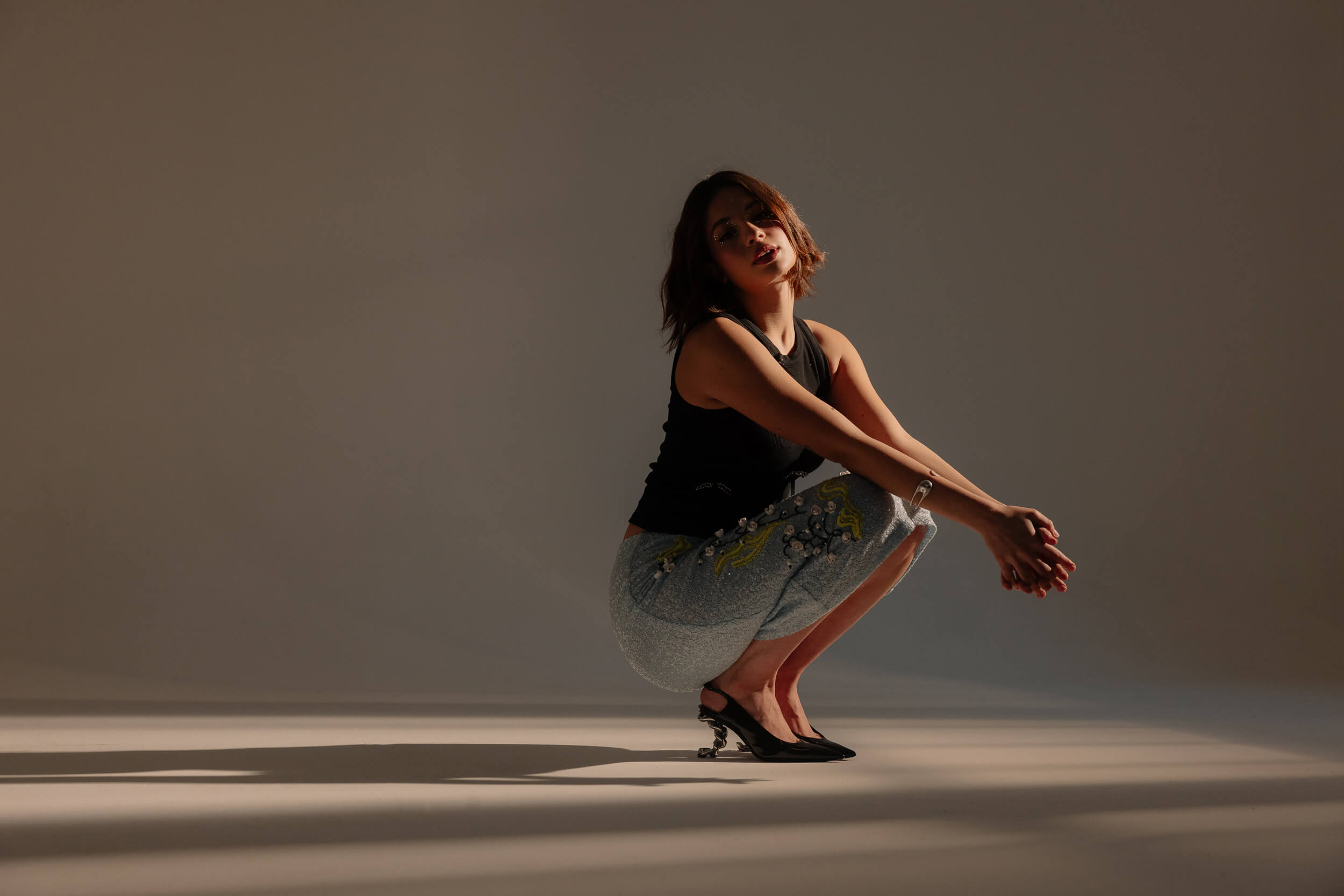
“I wanted to challenge myself, to try to feel that kind of power that comes from a deep will, from rooted needs.”
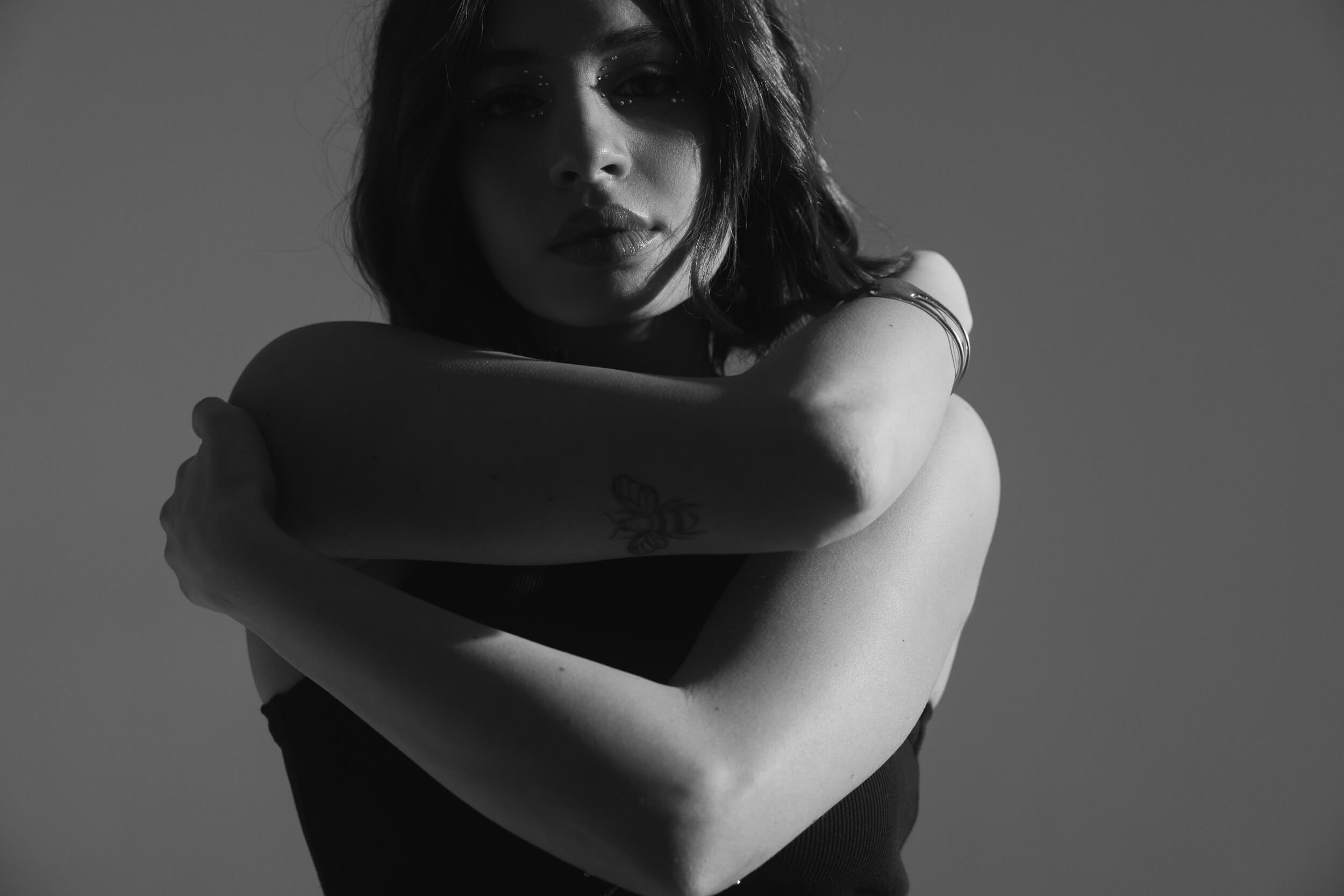
Is there a role you dream of playing?
I would love to do a period film. I’m convinced I was born in the wrong era. Or to play a villain. I know perhaps today my face doesn’t suggest it, but often the villain is the one who seems most innocent. It would be amazing.
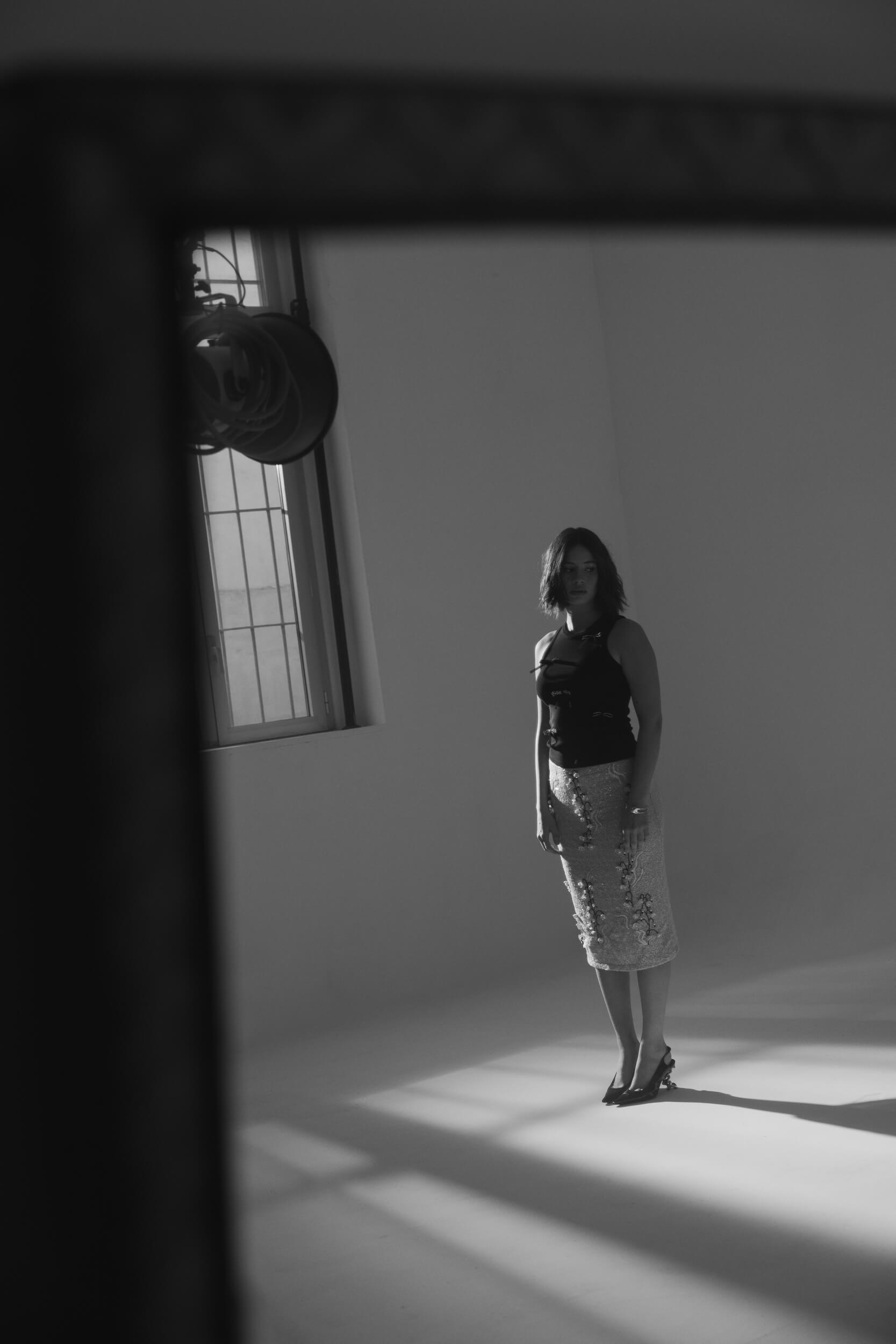
When you work on a character, do you follow instinct or rationality more?
At the beginning, I go very much by gut. I still have few years of experience, and this work is all-consuming, so I immediately draw on something very personal. Then technique comes into play: study, books, music, conscious construction. I start with instinct and then look for a mental logic. You are born from the gut and die in the head: perhaps it’s a balance between the two.
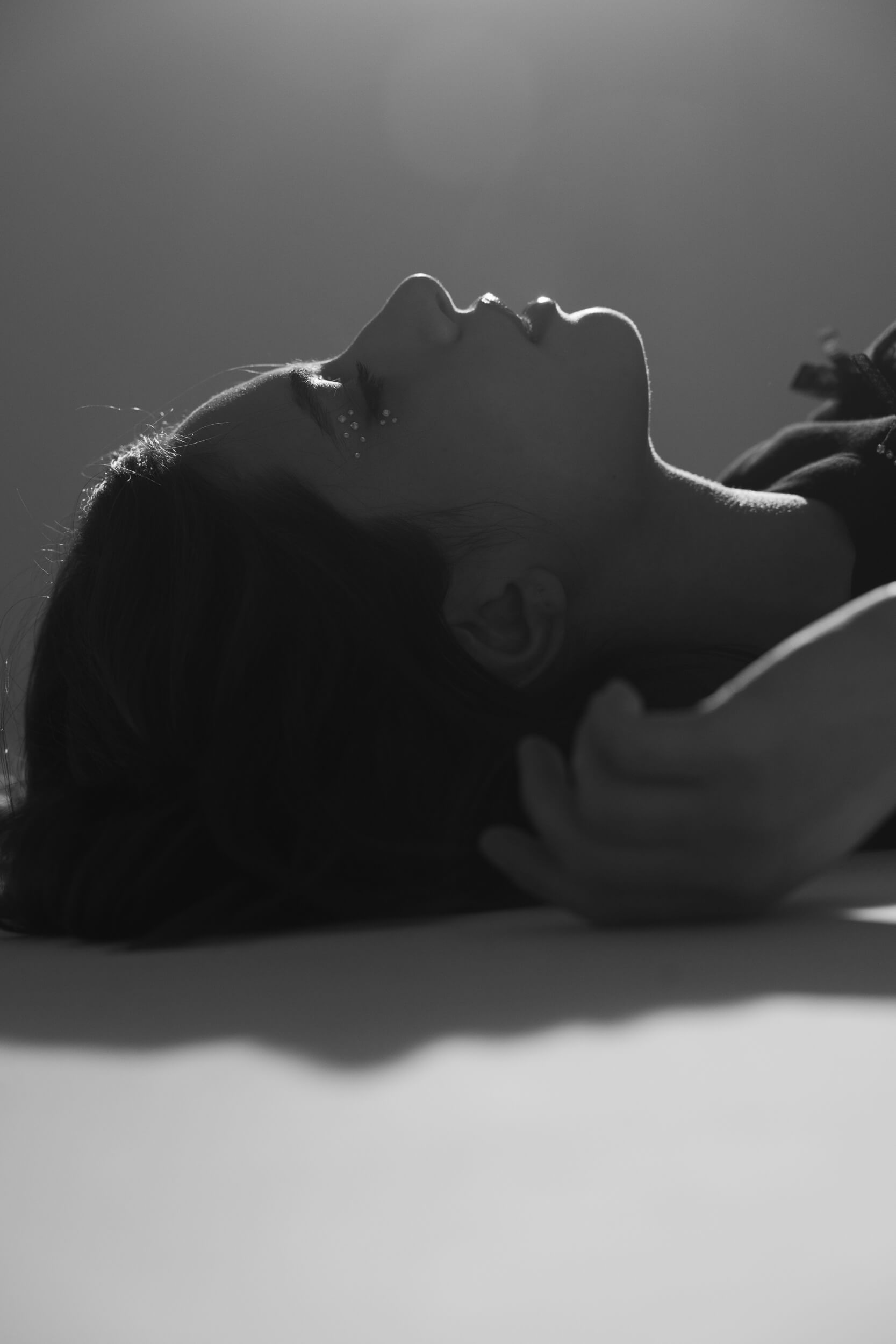
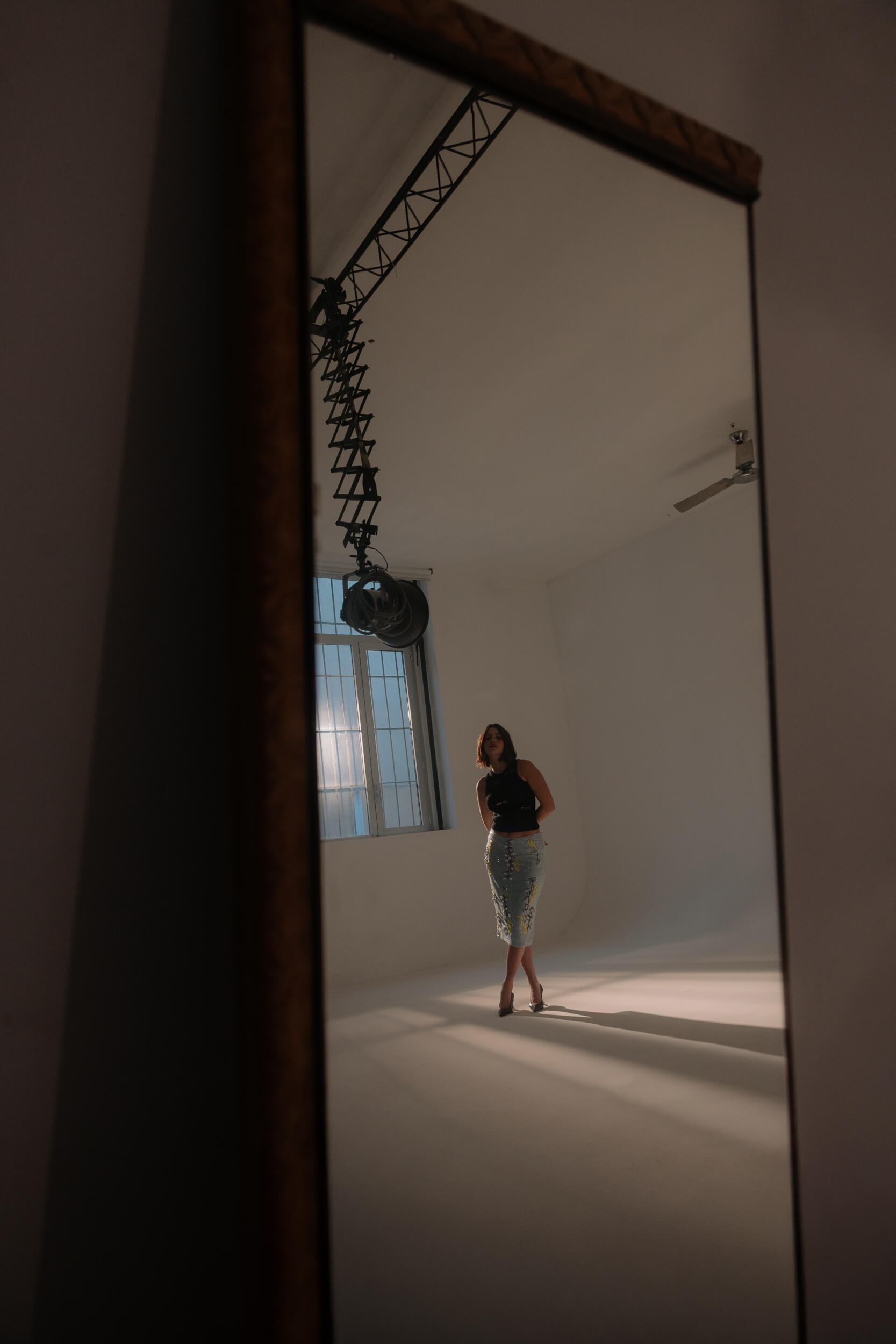
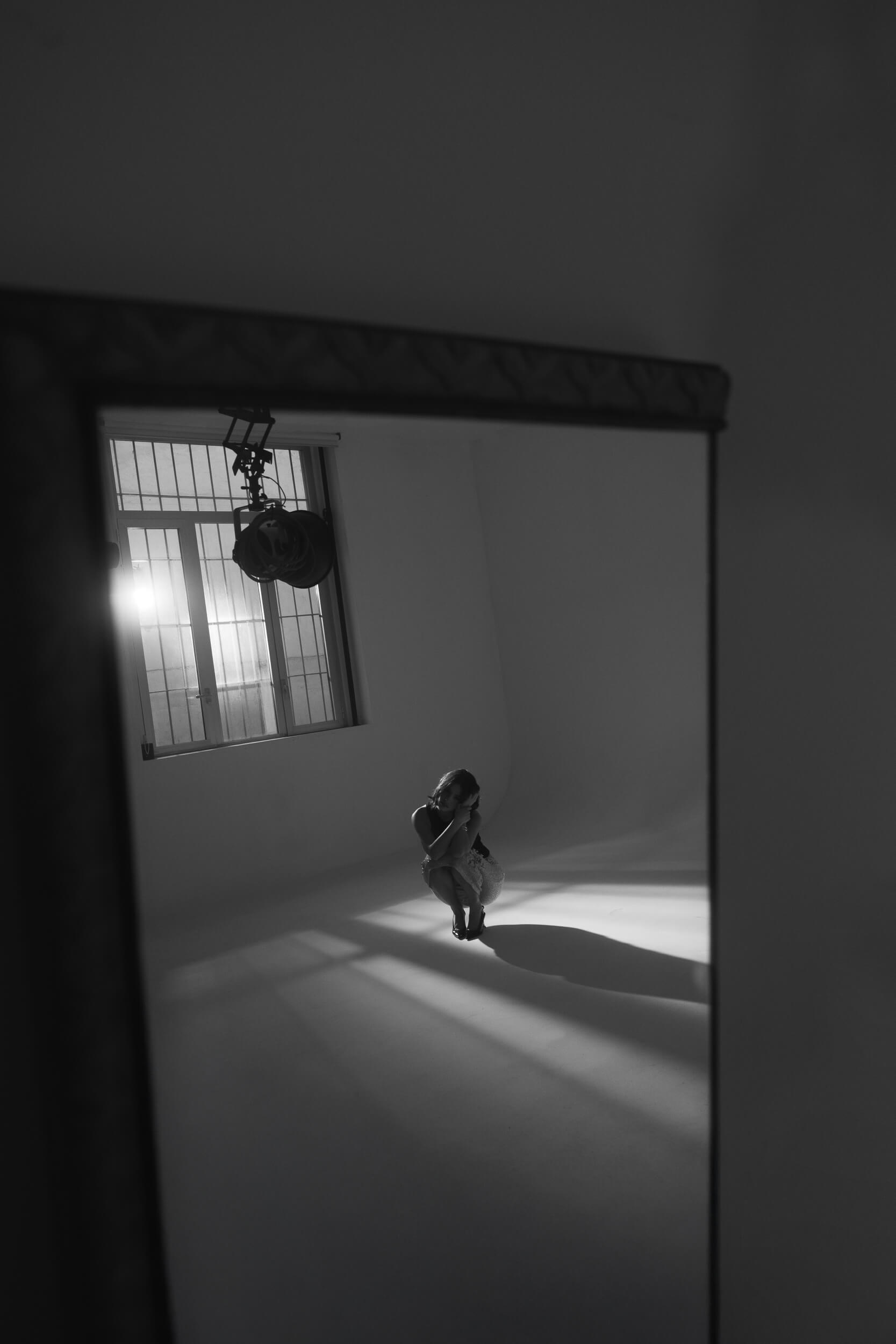
What is the last thing you discovered about yourself thanks to your work?
That I am shy. I have a very sunny mask, but underneath I am shy. And I discovered I can’t cry on command: if I’m alone it’s very difficult, while if someone is in front of me I can much more easily.
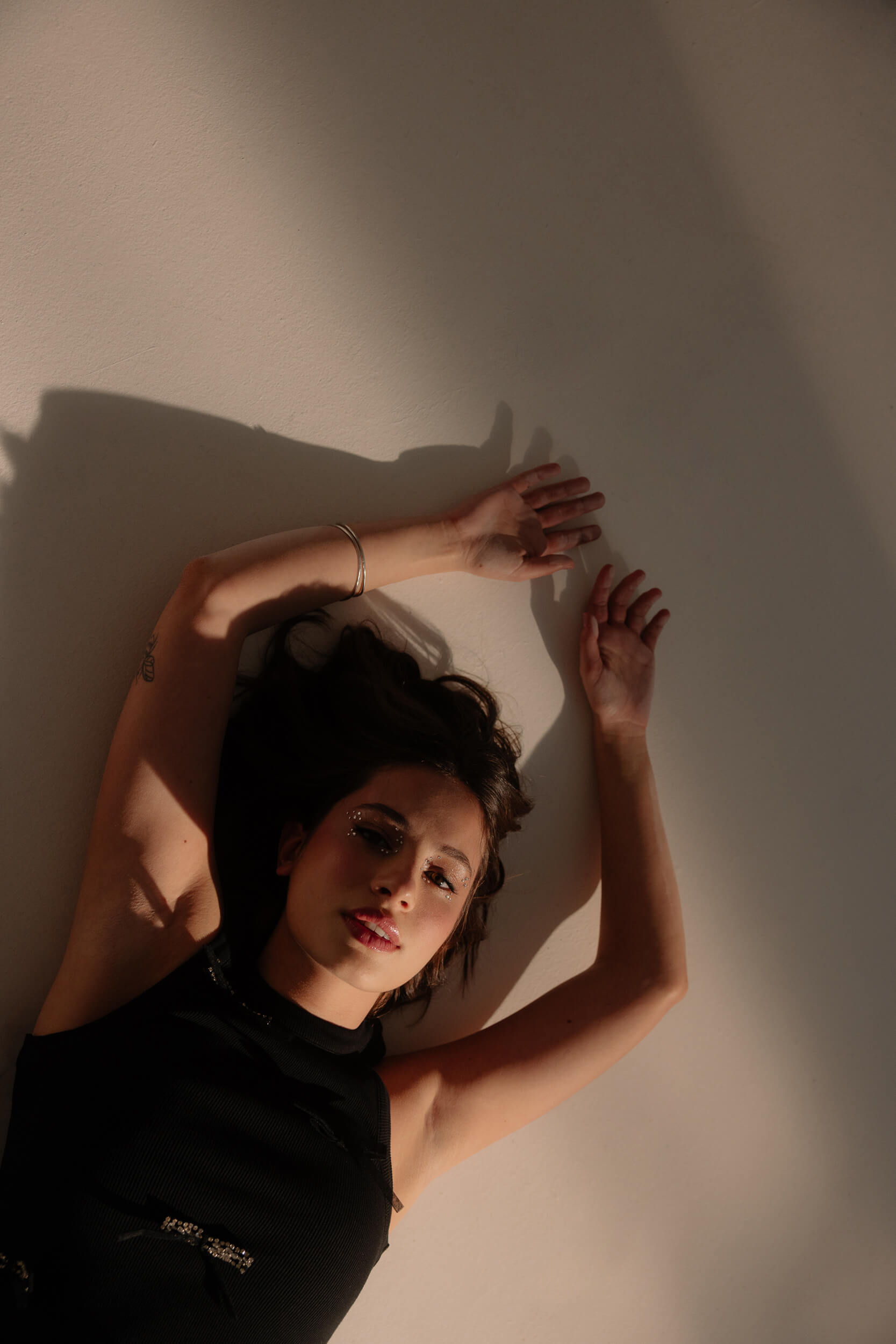
What kind of stories do you love to watch as a viewer?
I really like action. I watched Avatar and really enjoyed it. In general, though, I love a bit of everything: love stories, horror, psychological thrillers, TV series. But action really involves me, perhaps also because I watched many films of this genre with my brother.
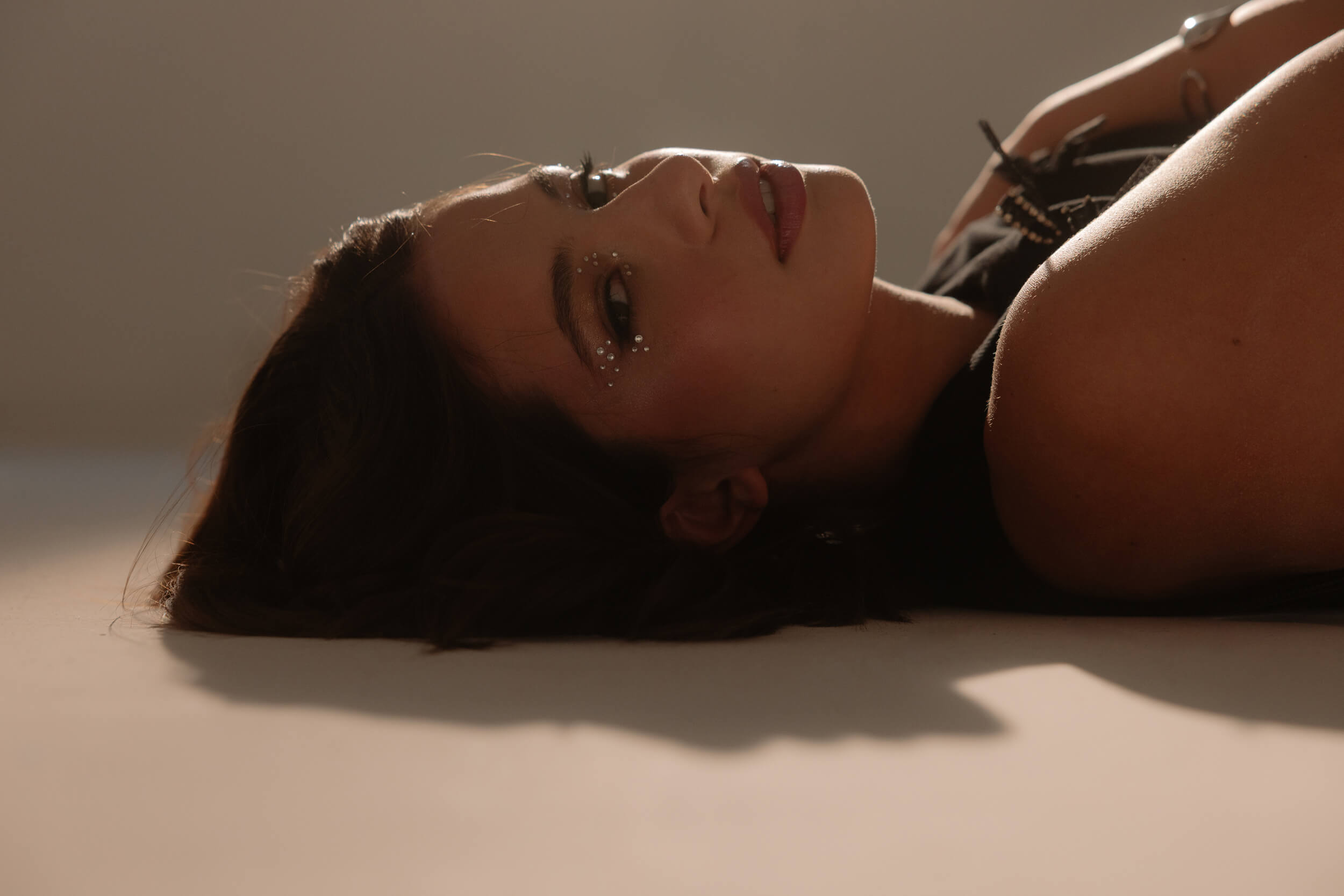
What has been your greatest act of rebellion?
Doing this work. Not following the university path, which in my family would have been safer. Even though my parents always supported me, it was still a choice of freedom. Freedom is my daily act of rebellion.
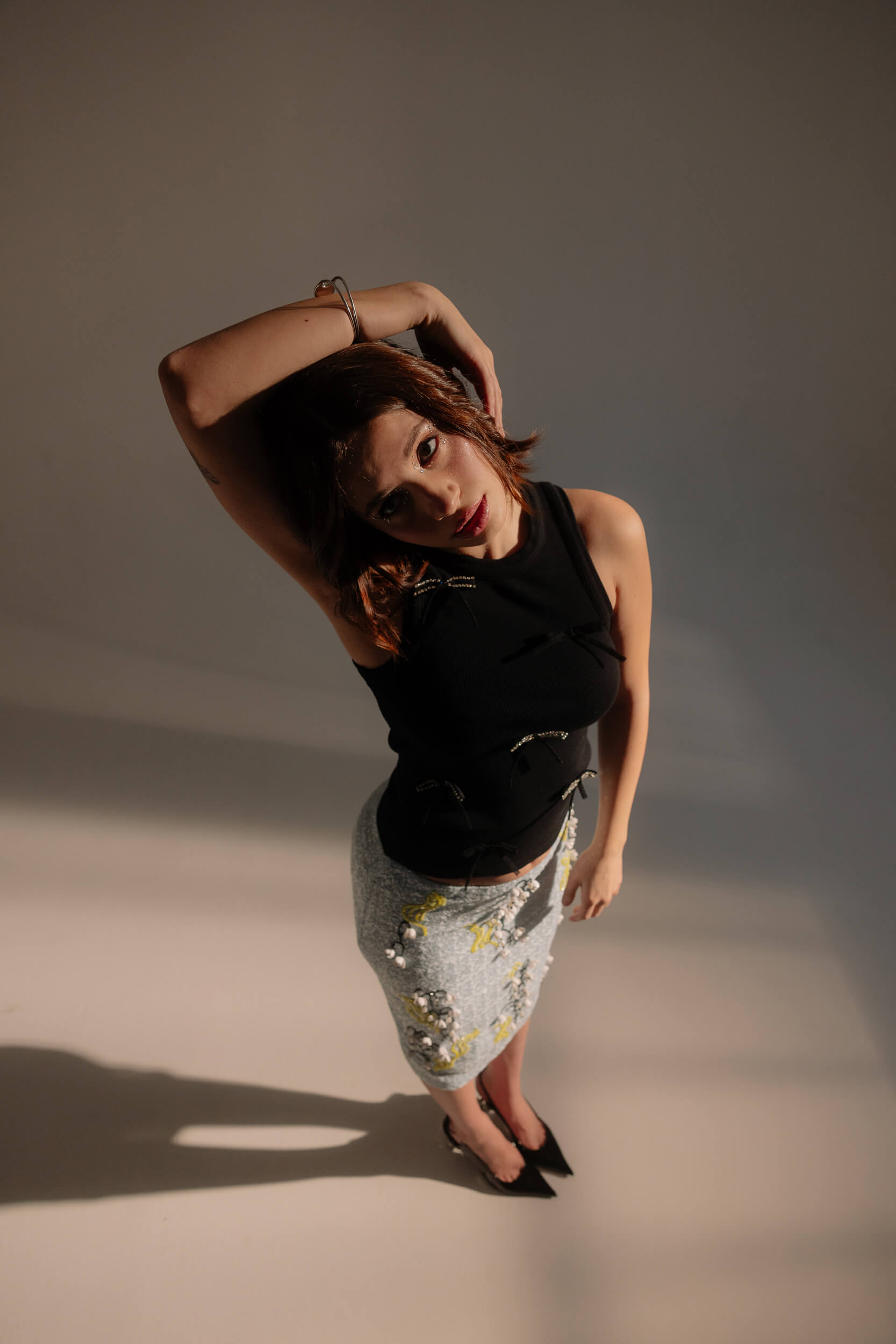
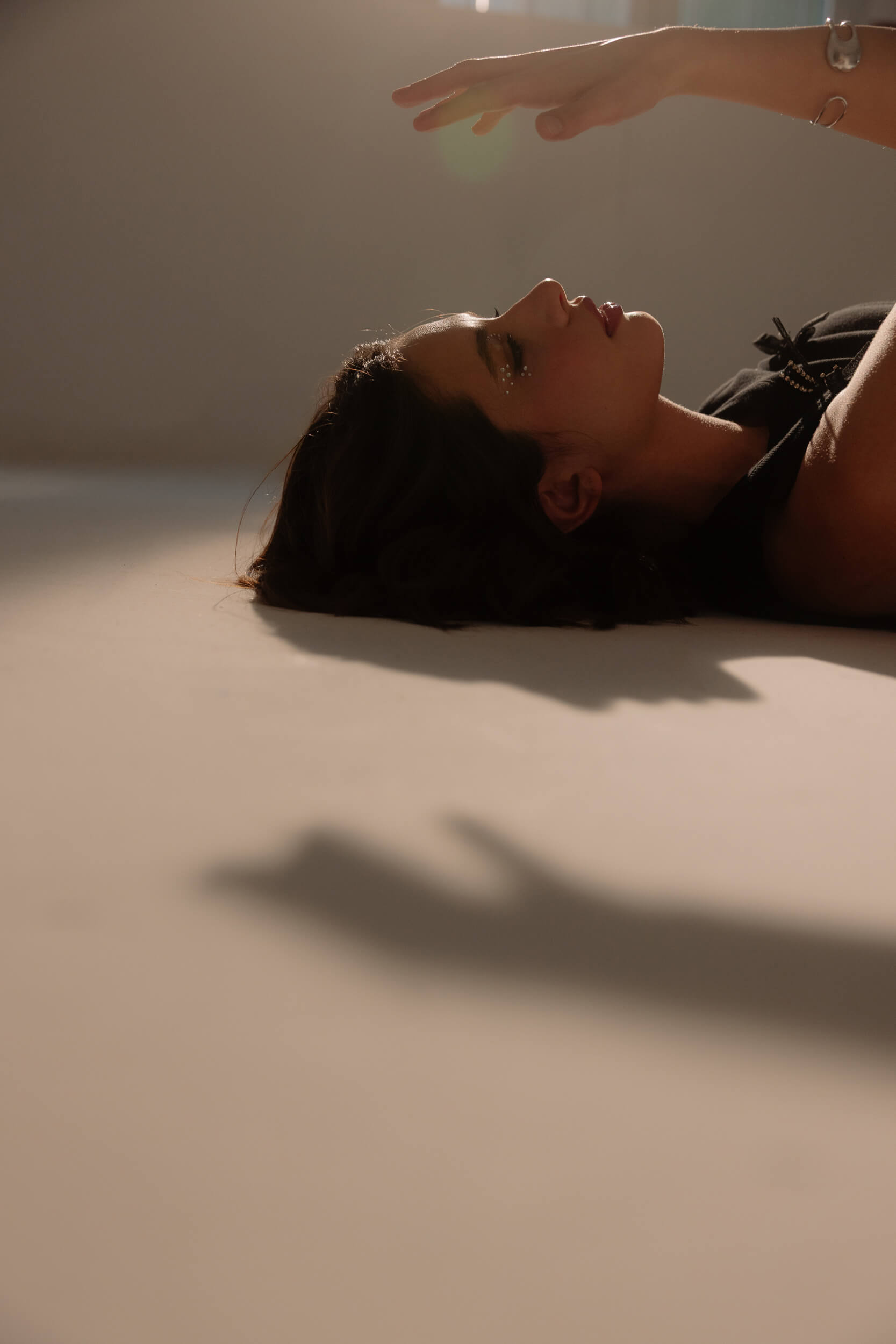
Your greatest fear?
I have a huge fear of death, perhaps because I love life so much. And I’m afraid of snakes. I lived in America for a year and a half, and during a trip to the Amazon valley I saw a huge anaconda. But the worst thing was entering a village and finding a snake coiled among some handmade bracelets: I started screaming, running, and fainted. It’s a physical, uncontrollable fear.
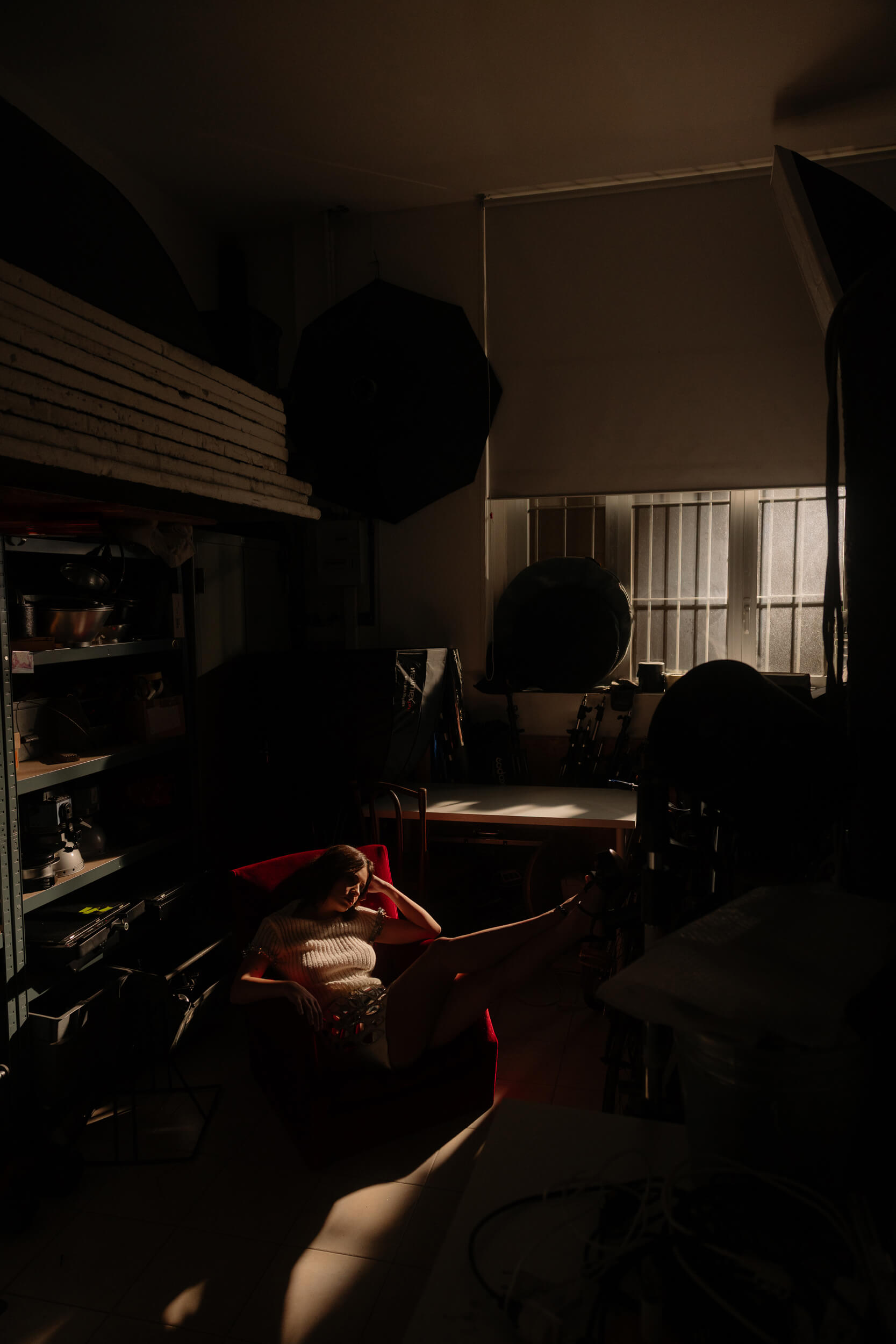
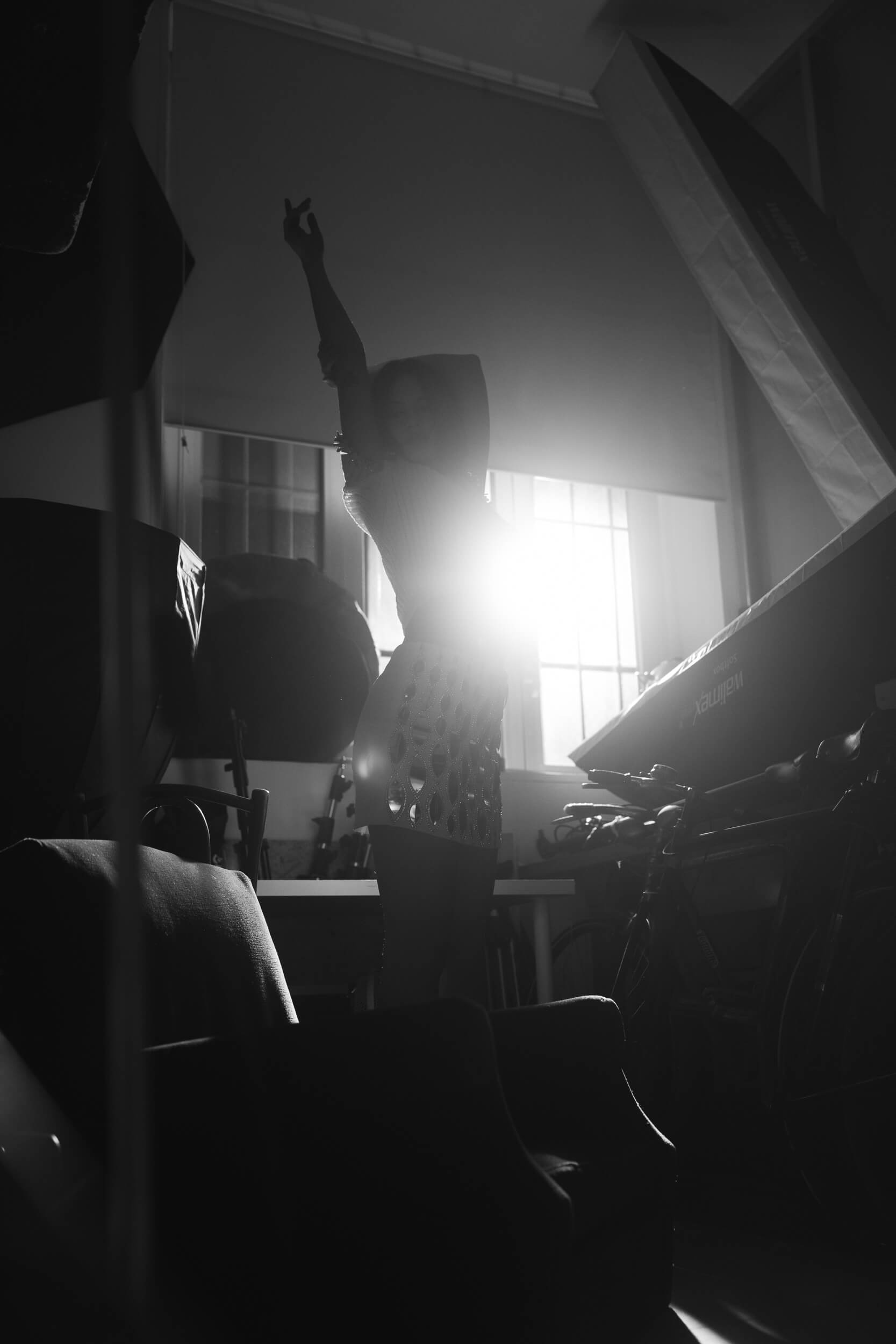
What makes you feel safe? And what makes you feel confident?
My family, their physical presence, makes me feel safe. I live in Rome, I go home as often as I can, and I need that closeness. My closest friends are also fundamental.
Culture makes me feel confident. The freedom and power culture gives is something no one can take away.
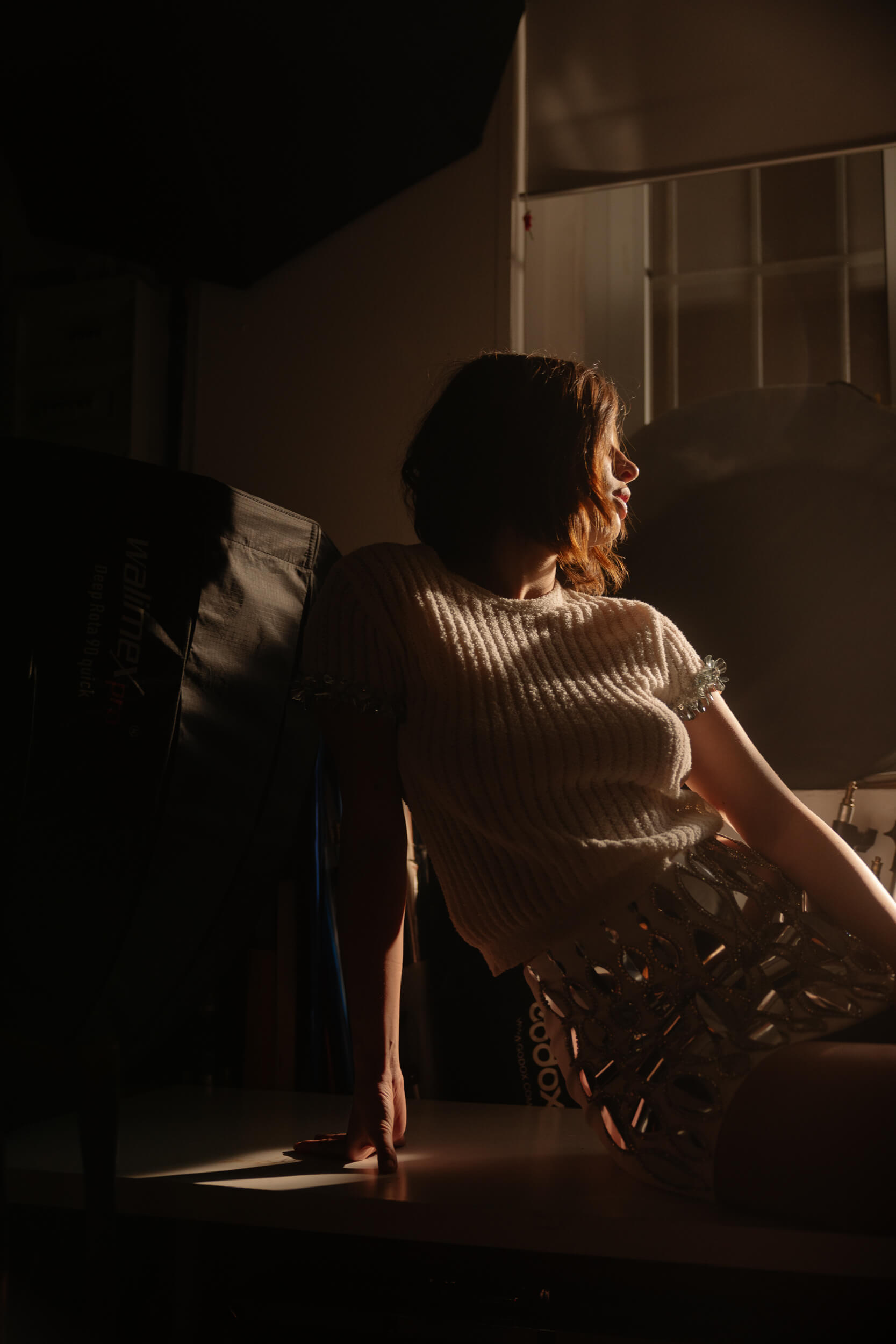
“The freedom and power culture gives is something no one can take away.”
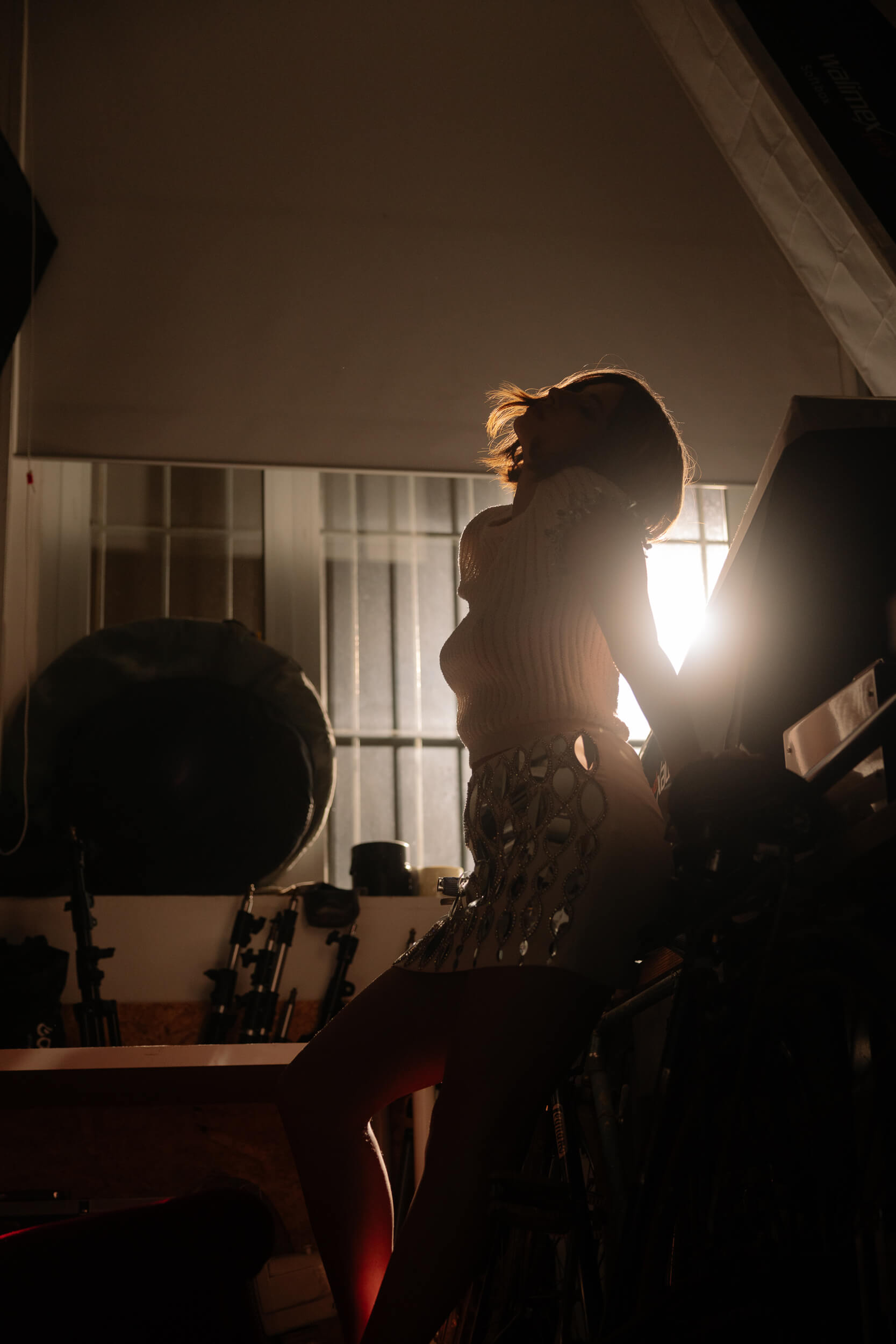
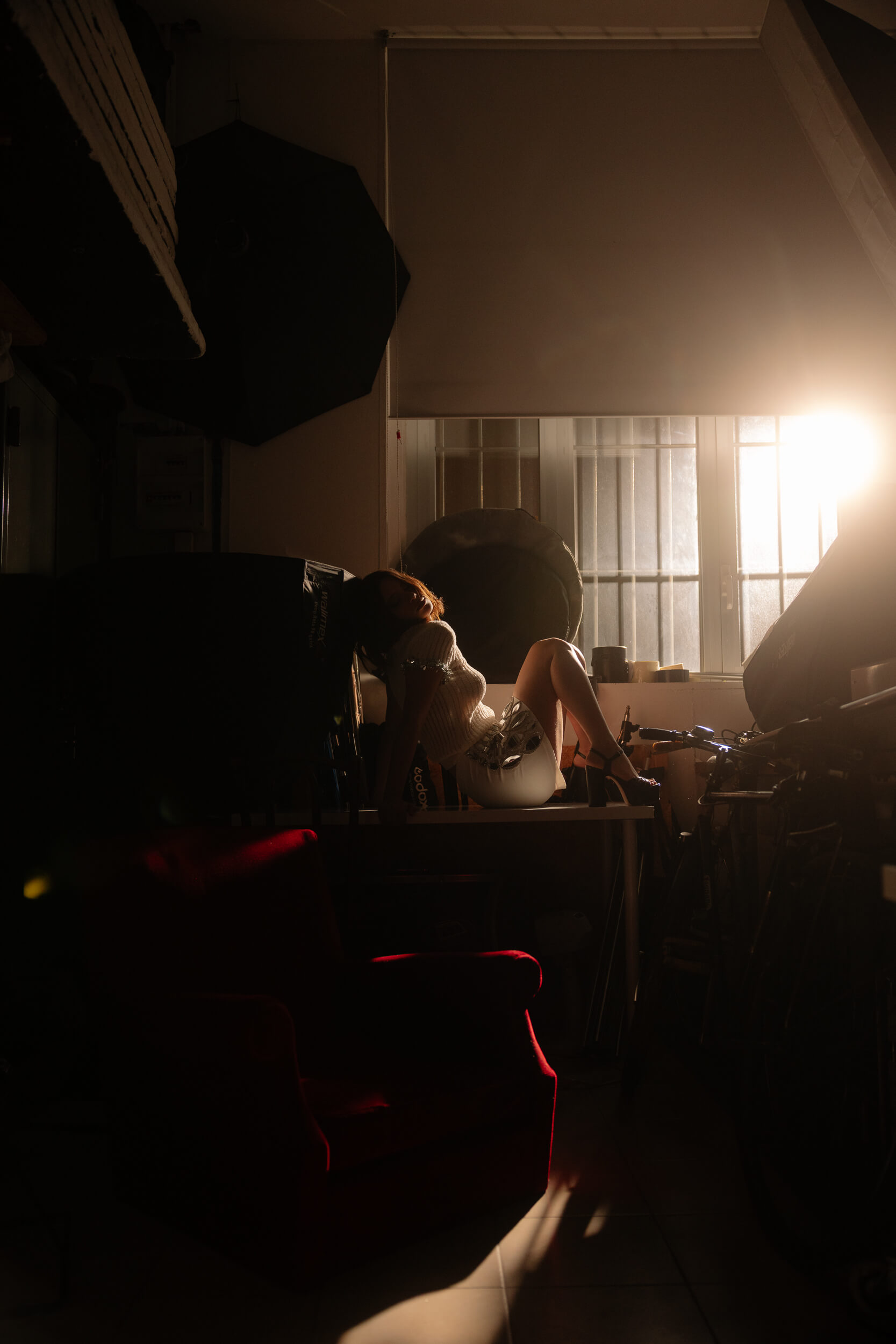
What does feeling comfortable in your own skin mean to you?
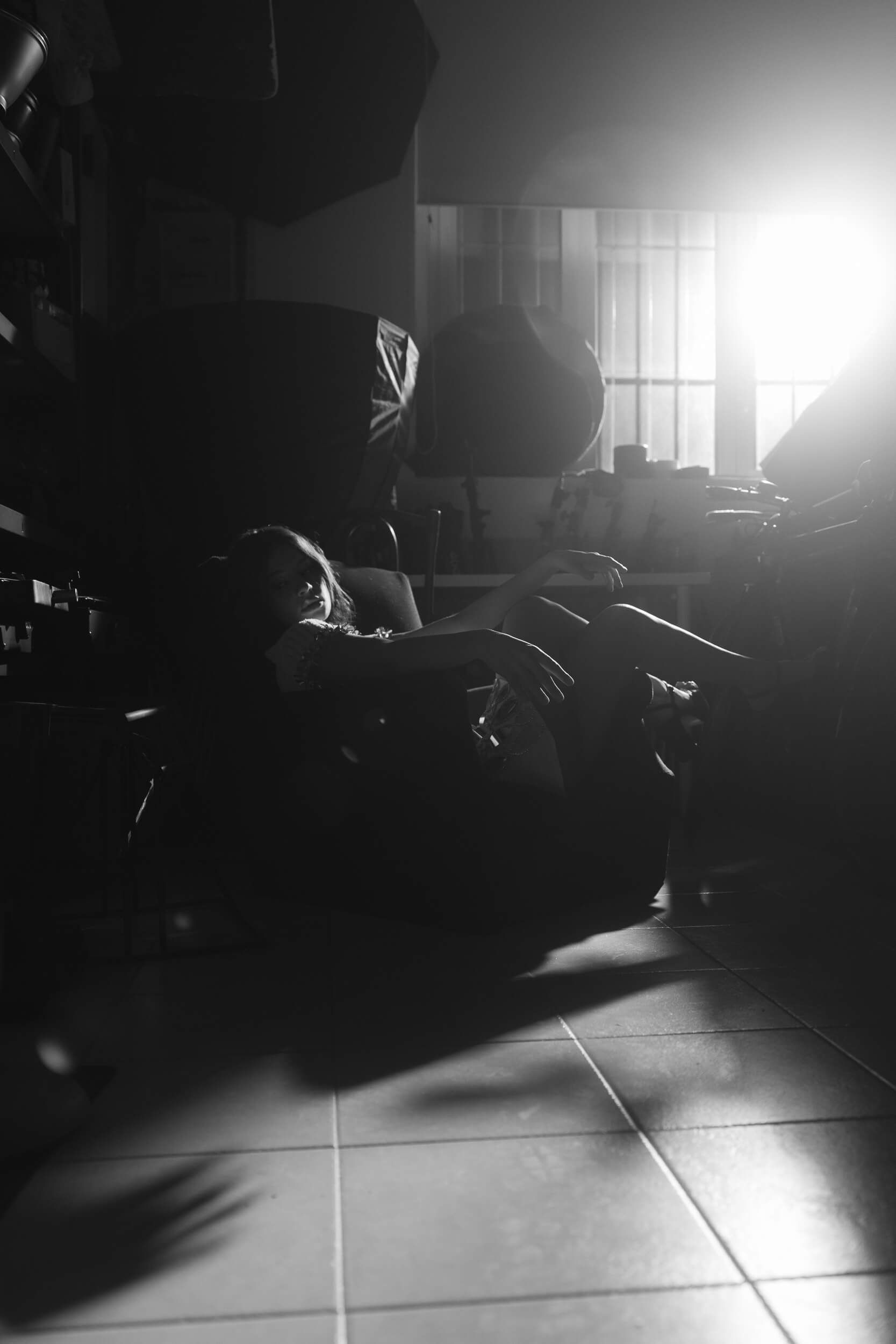
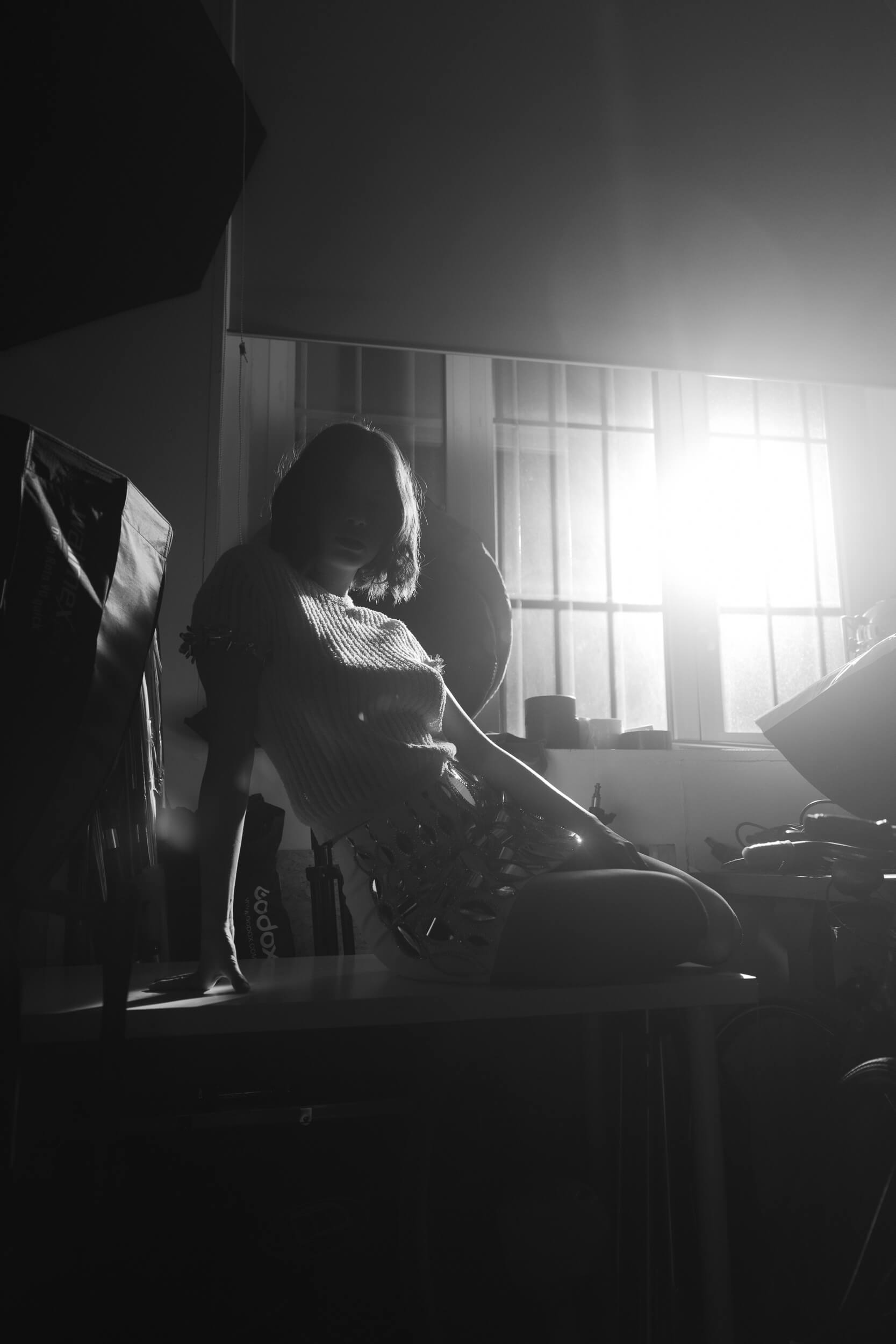
Loving yourself. It’s a continuous journey. Accepting your skin, taking care of it, respecting yourself as a body and as a presence in the world. Every morning our body allows us to get up and live: this must be honored. I feel good when I’m well-dressed, in my skin and clothes. I enjoy changing, playing with colors.
What is your happy place?
There is a place near where I am now, in Umbria: an arch, a bench, a big tree, and a valley in front. From there, you can see beautiful sunsets and sunrises. I go there often. It’s my happy place.
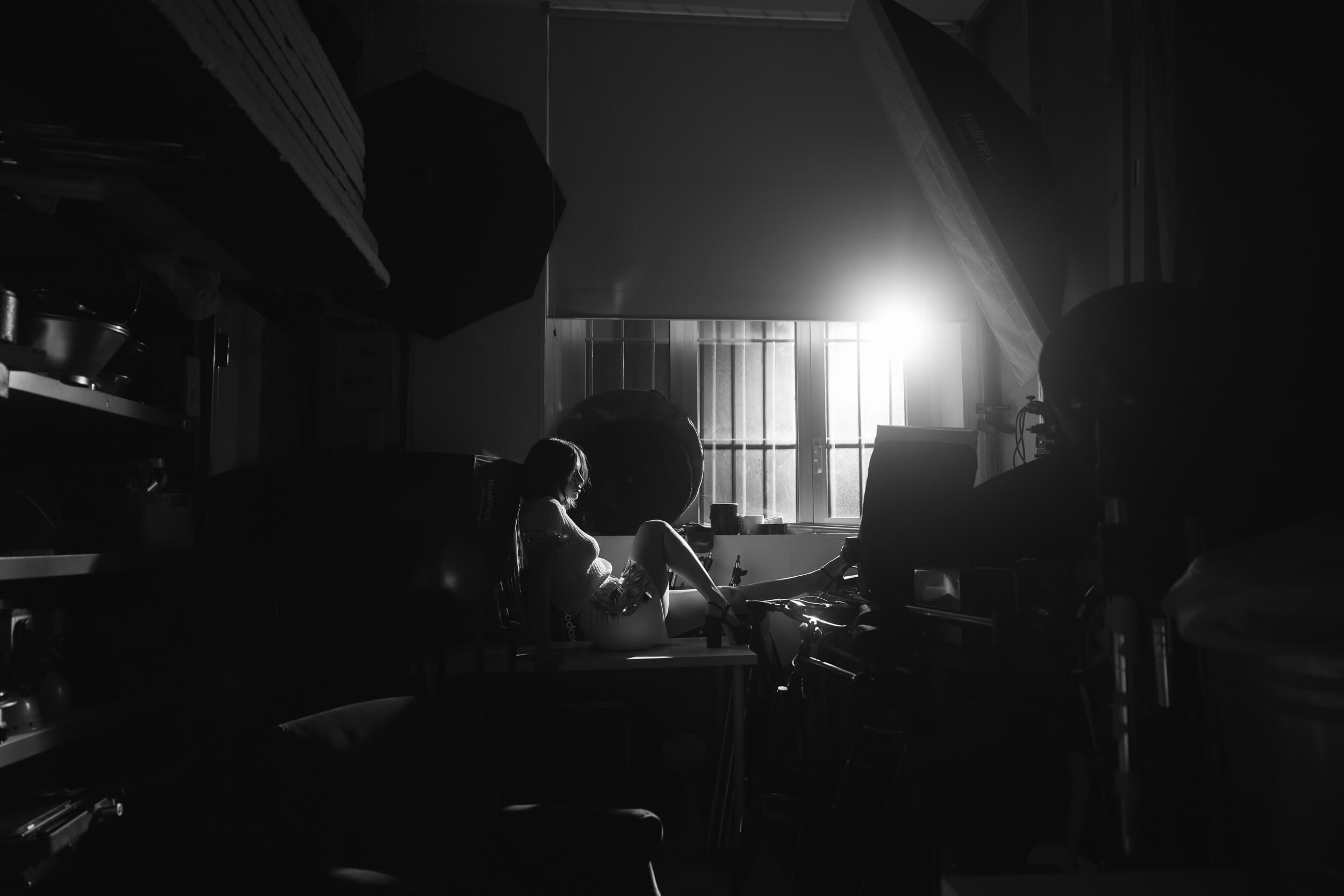
Photos & Video by Johnny Carrano.
Styling by Augusta Carter.
Makeup & Hair by Sofia Caspani.
Thanks to Giuseppe Corallo.
Thanks to Agenzia Verastar.
Location: Spaziopitteri8 – Milano.
LOOK 1
Top: Polo Ralph Lauren
Trousers: Lois Jeans
LOOK 2
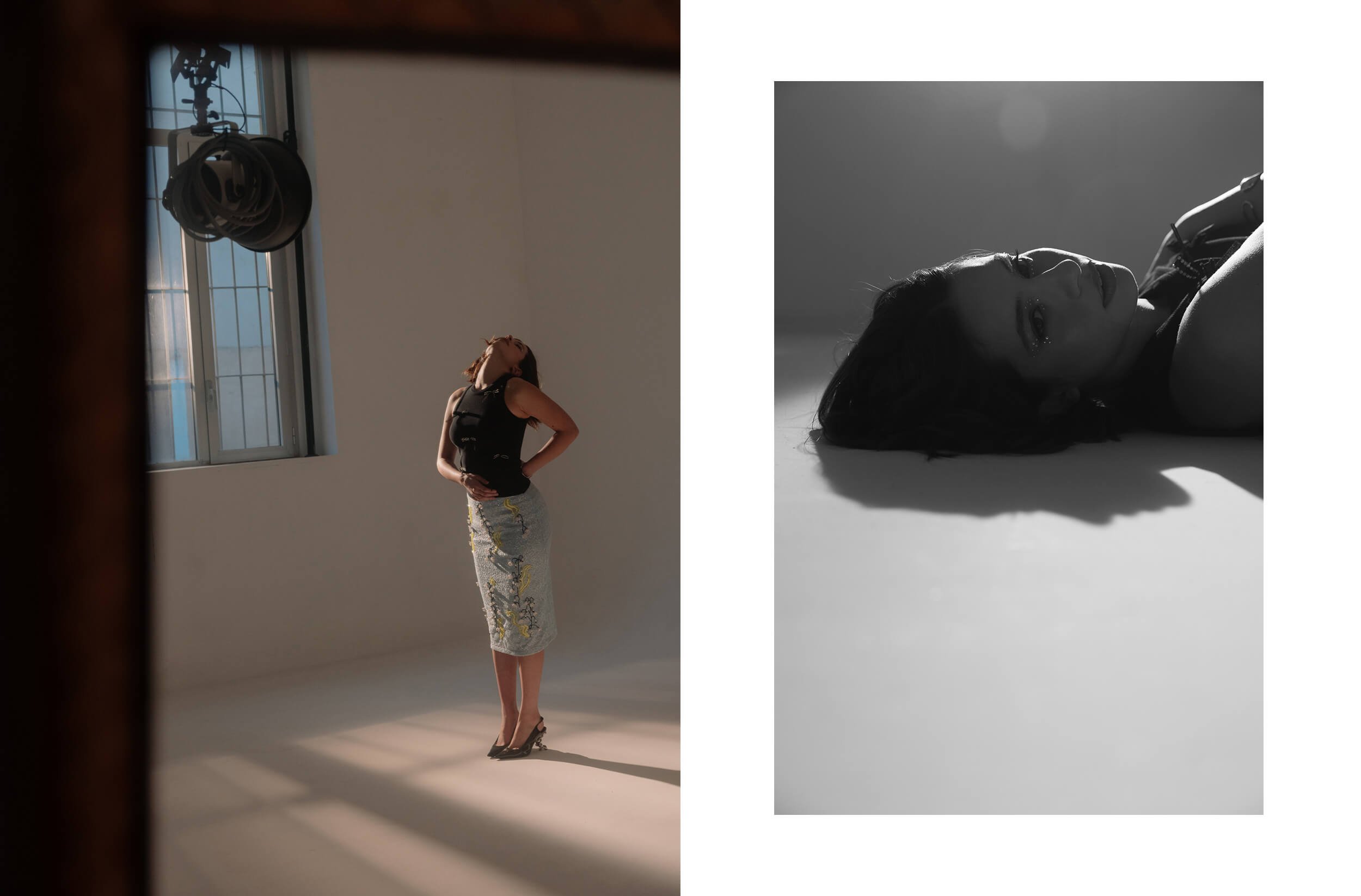
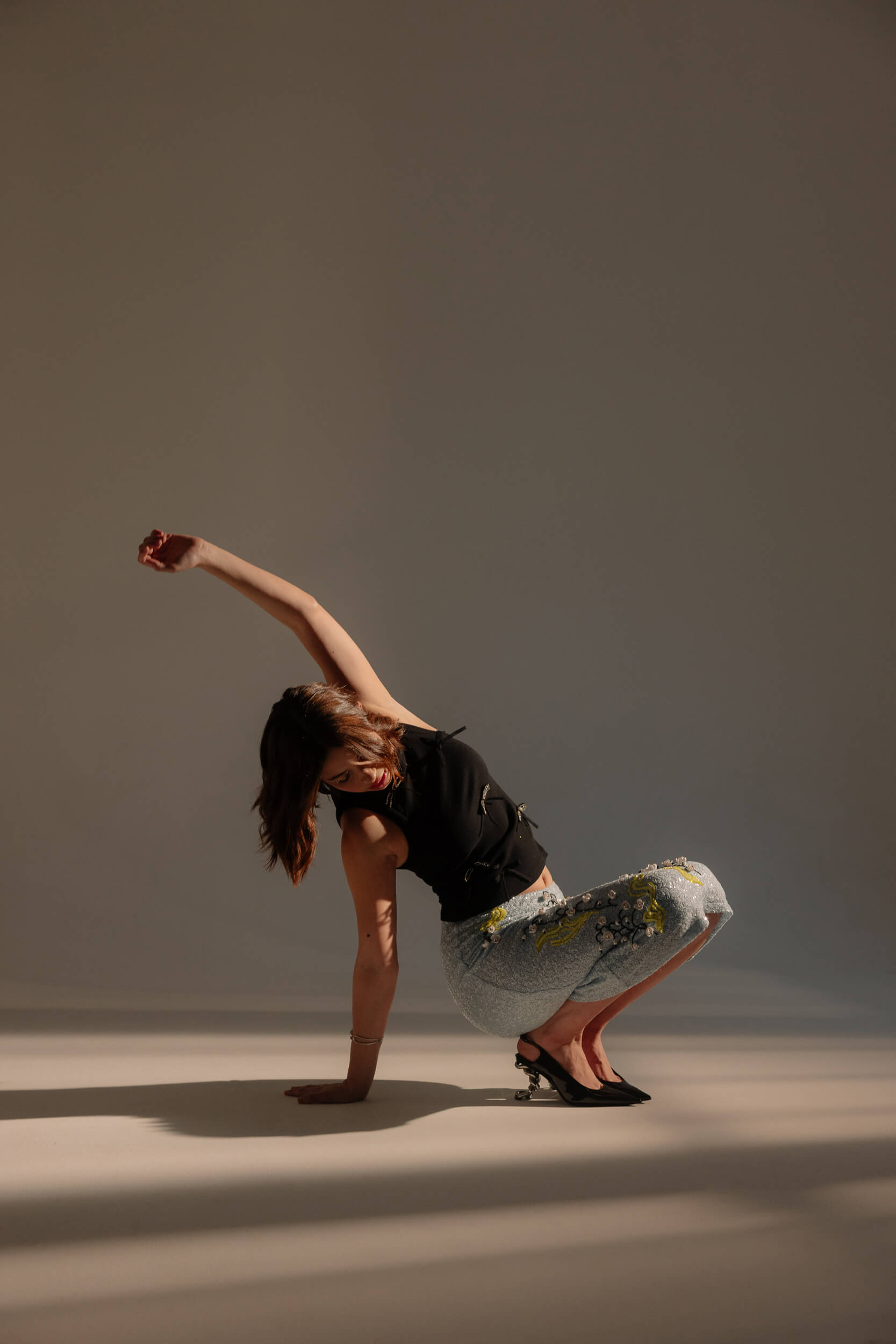
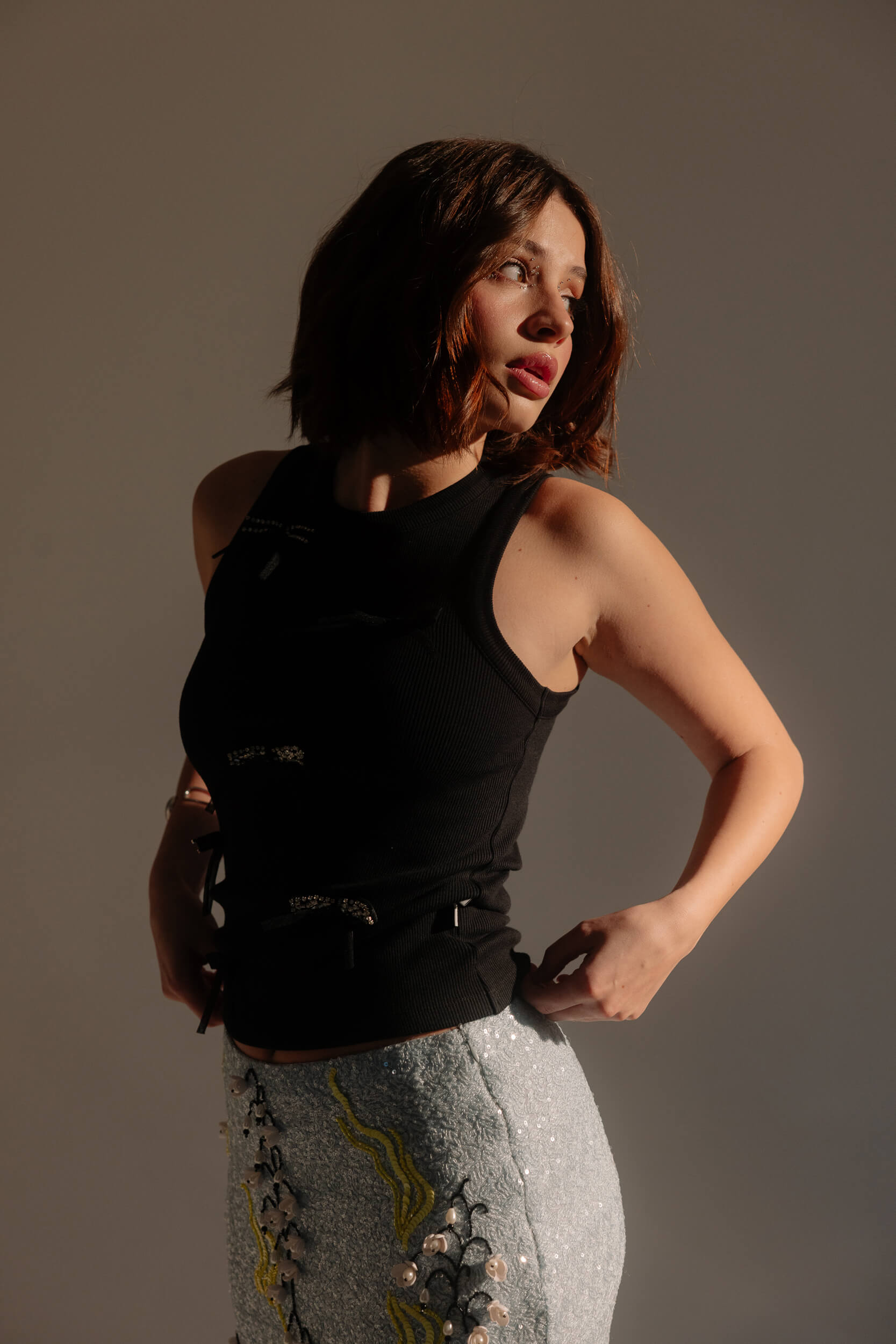
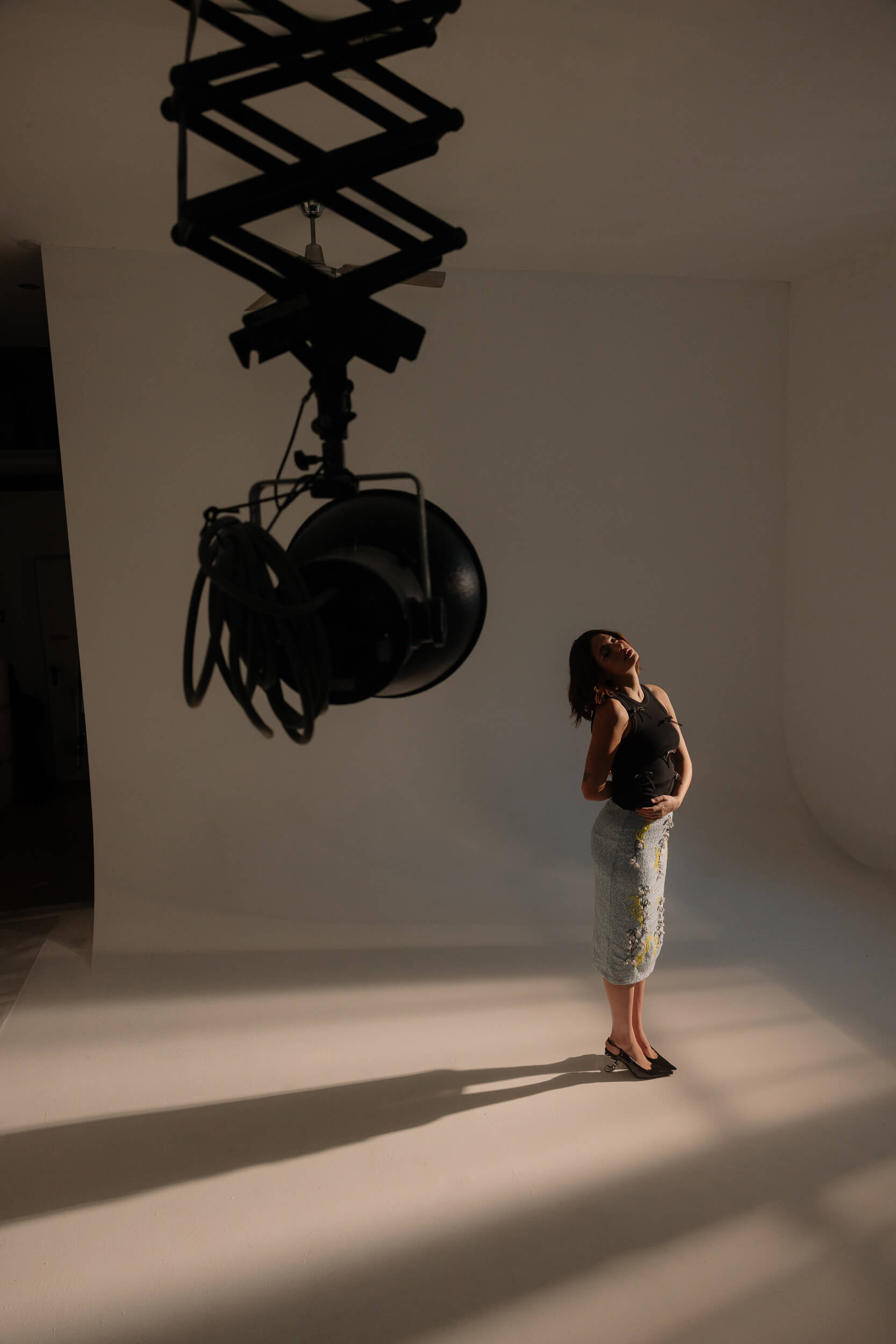
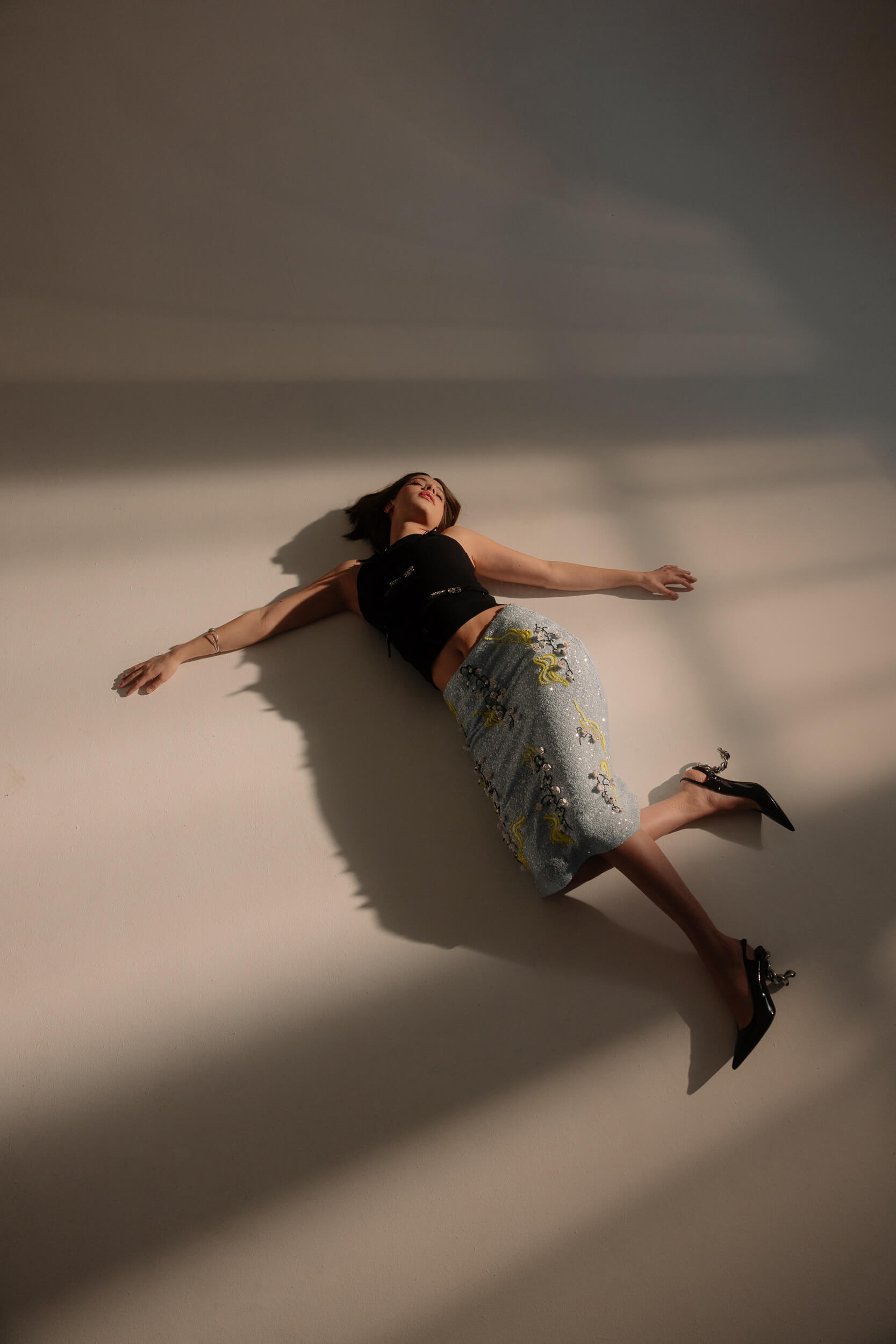
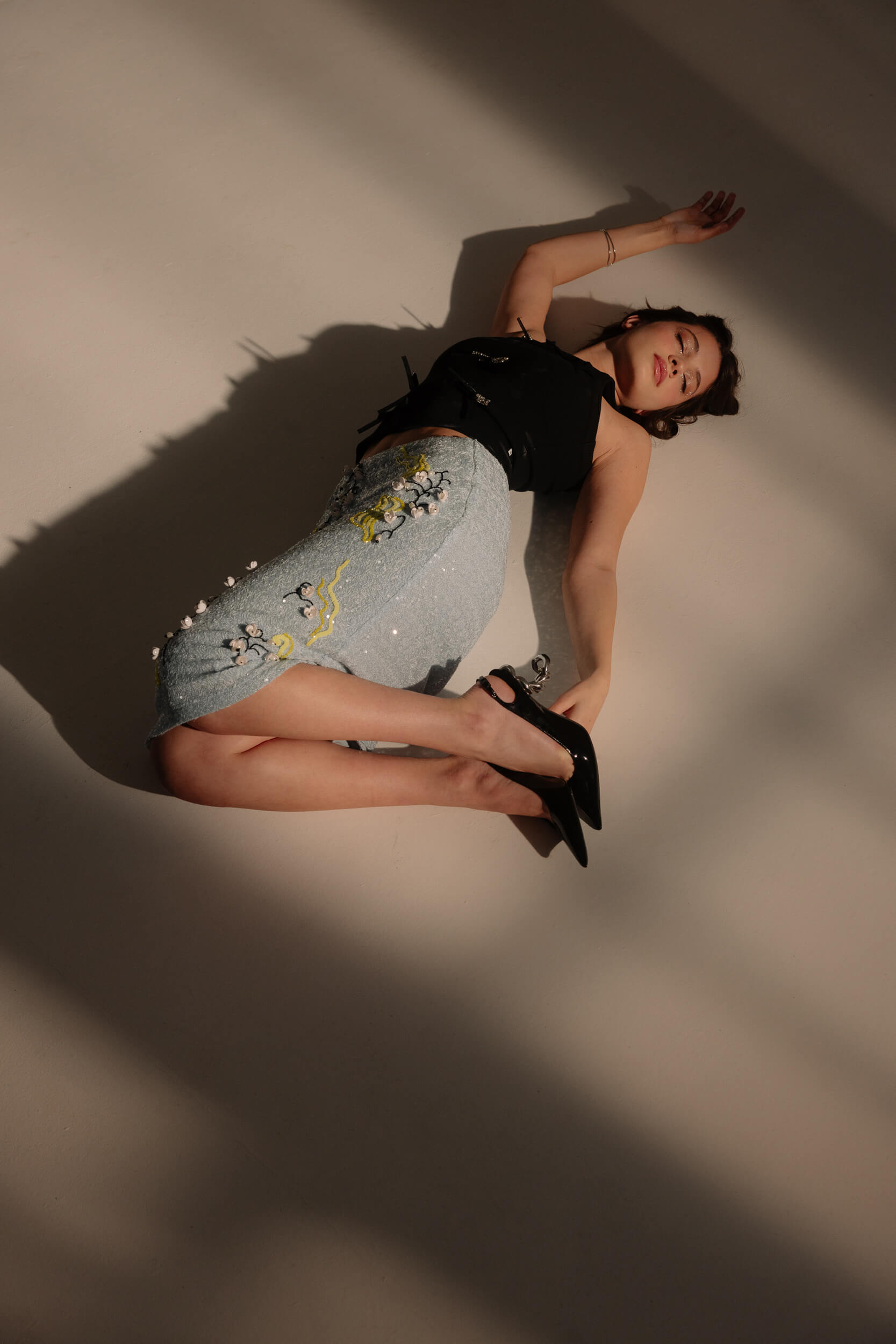
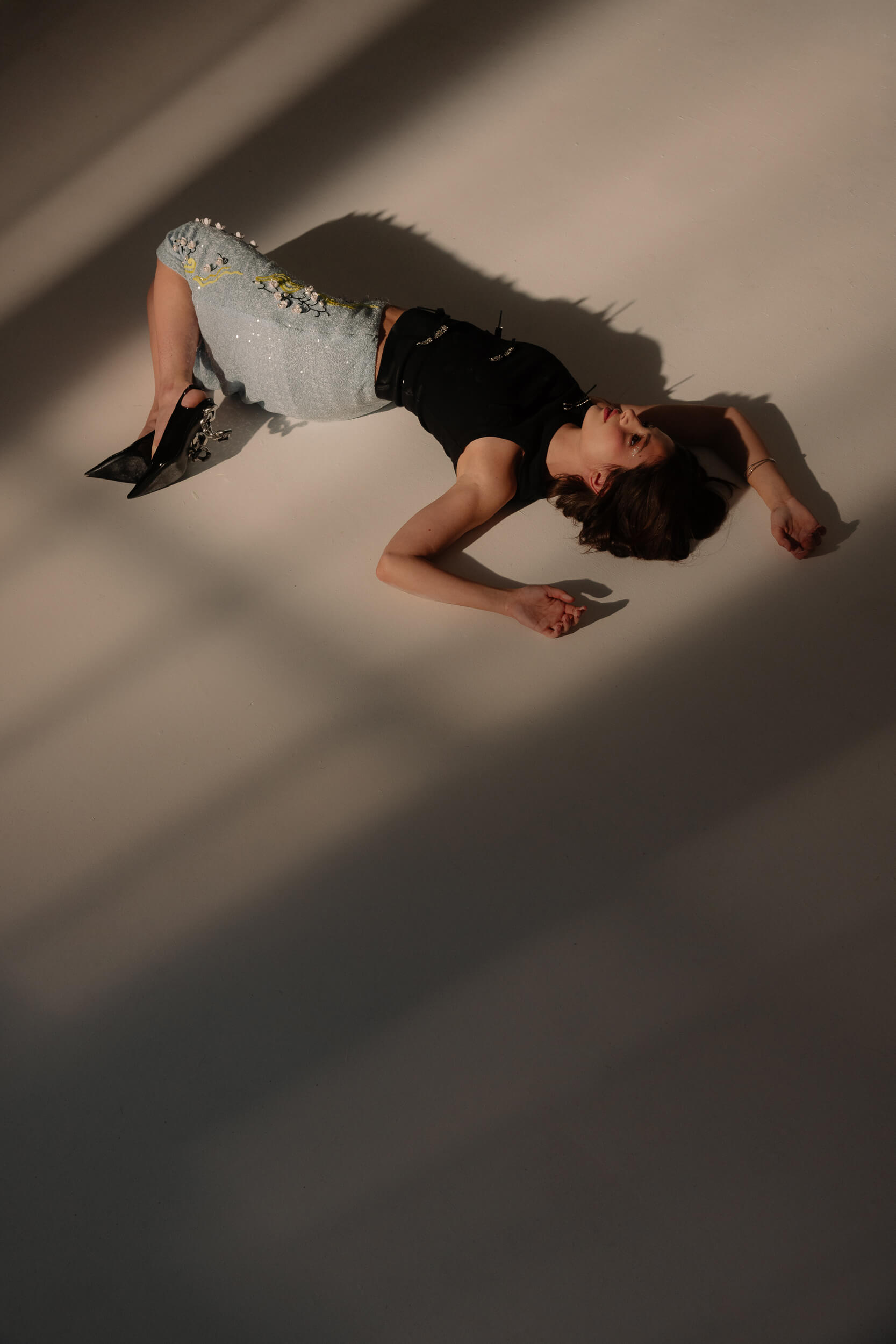
Top & Skirt: Des Phemmes
Shoes: Casadei
Bracelet: Kinraden
LOOK 3
T-shirt & Skirt: Des Phemmes
Shoes: Casadei