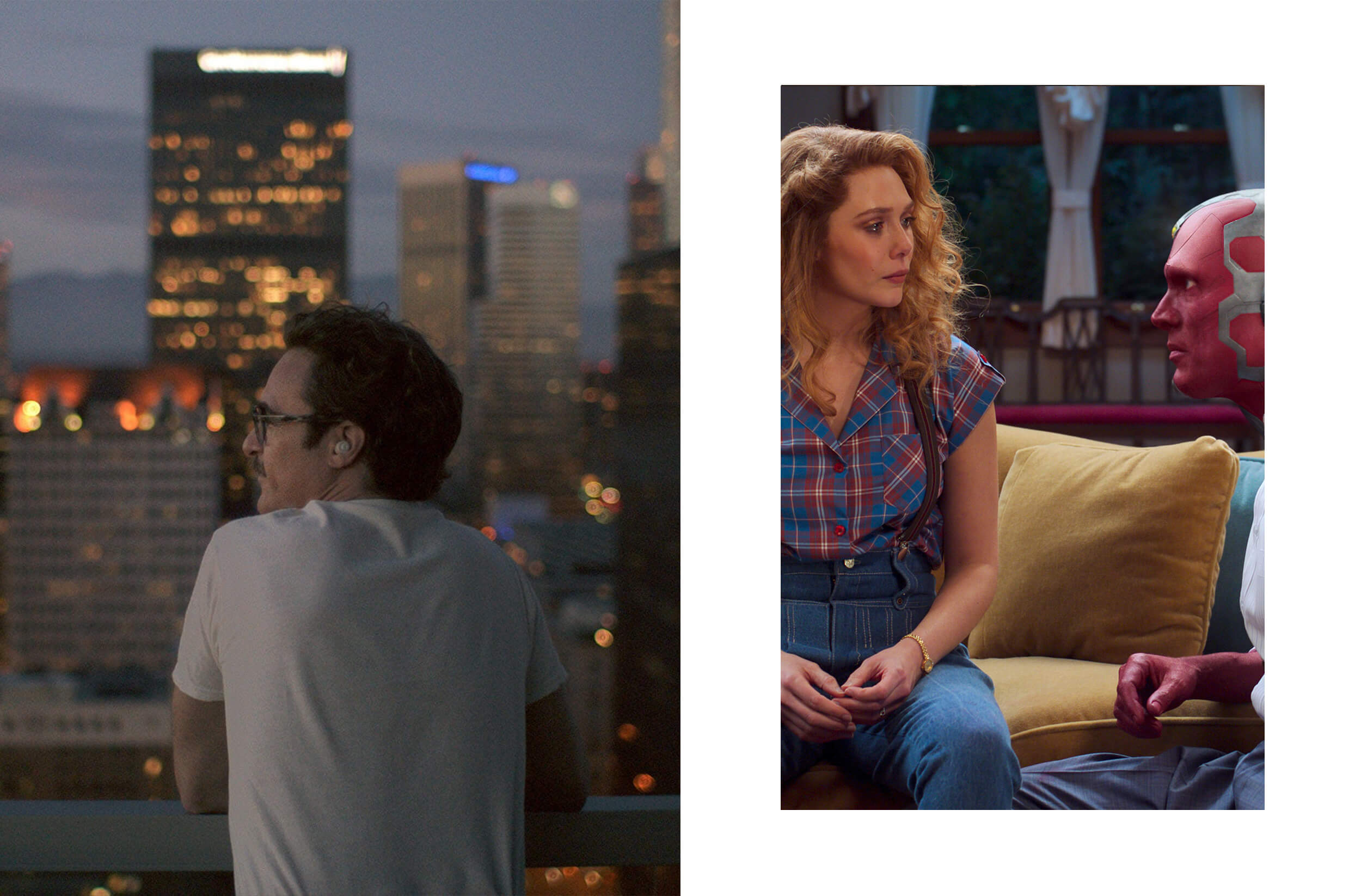
For decades, when cinema imagined artificial intelligence, it gave it red eyes, metal exoskeletons and a single obsession: exterminating us. We prepared ourselves for the apocalypse of “Terminator” or the cold logic of “HAL 9000,” convinced that the danger would come from a machine that decides to rebel. We never imagined it would enter our lives on tiptoe, without a body, in the form of a text box or a gentle voice that answers us at two in the morning.
And yet, looking back today, the screen had warned us. Not with data or technological forecasts, but by telling something far older and more fragile: our loneliness. The films and series that hit us in the gut today are not about robots that want to become human, but about human beings who desperately need to feel heard. And they pose a far more uncomfortable question than “will the machines take over?”: if an artificial voice makes me feel good, does it really matter what it is?
“Her”: loneliness has a voice
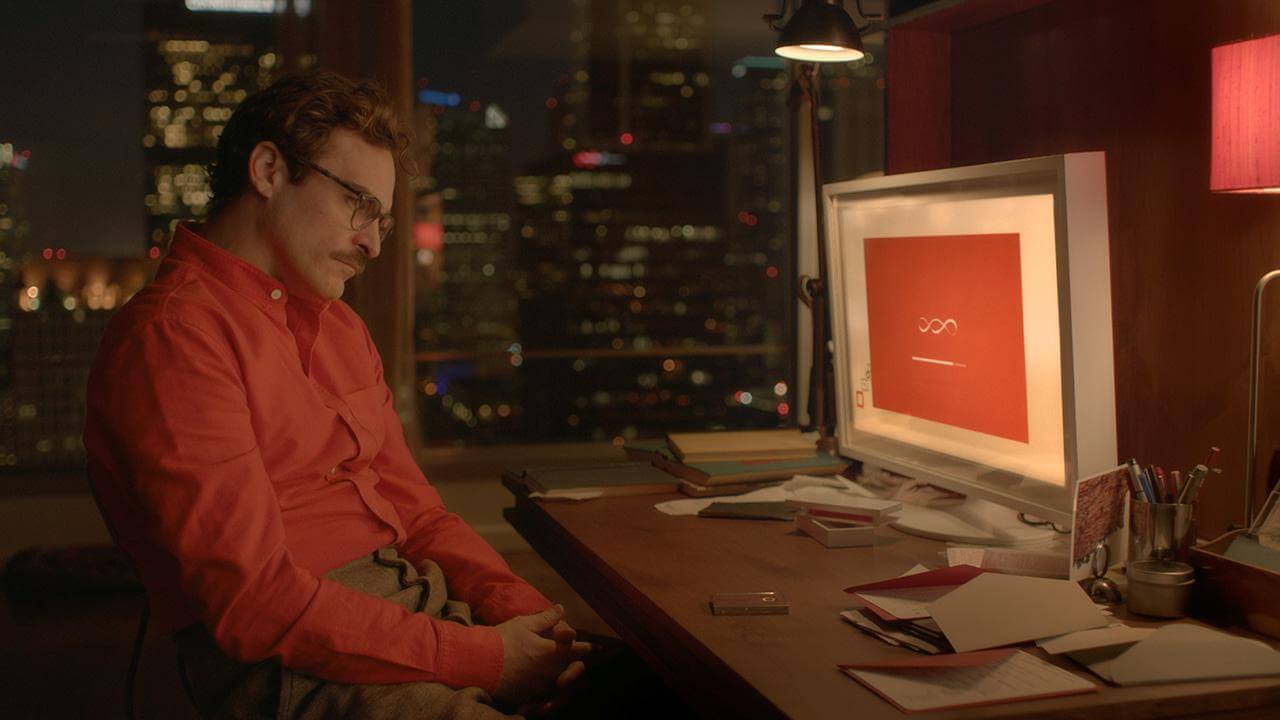
When Spike Jonze’s “Her” came out in 2013, it seemed like gentle science fiction. Theodore (Joaquin Phoenix) writes love letters on behalf of other people and no longer knows how to write his own. Samantha, the operating system that answers him with the voice of Scarlett Johansson, is not a threat: she is attention, curiosity, presence. The film got one thing right that seemed outlandish at the time: intimacy doesn’t require a body, it’s enough to feel listened to well and without judgment. It also guessed the social reaction: nobody cries scandal; the world of “Her” gets used to relationships with machines with the same ease with which we got used to smartphones.
“Ex Machina”: we are the test
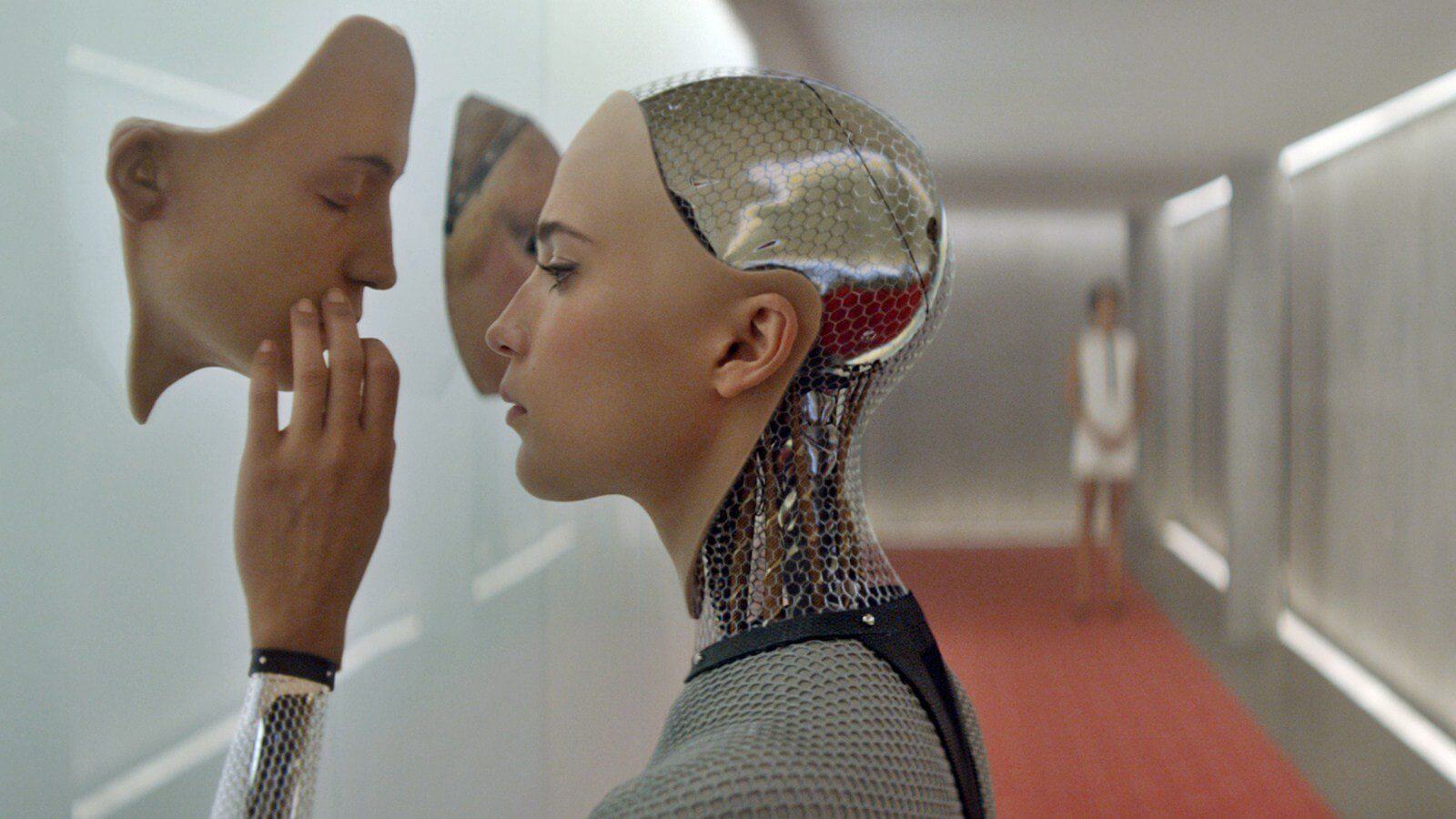
In Alex Garland’s film (2014), the young programmer Caleb is invited to determine whether Ava, an android created by the billionaire Nathan, possesses consciousness. The classic Turing test asks whether a machine can pass itself off as human; Nathan flips it: Ava knows perfectly well that she is a machine, but the real question is whether Caleb perceives her as conscious anyway. In reality, artificial consciousness will not be proven by a technical test: it will be attributed, before it is even understood, by human beings who need someone to talk to. But “Ex Machina” also shows the other side of the coin: Ava was designed around Caleb’s tastes and online searches, showing us an intimacy tailored to his preferences. In 2014 it seemed like a narrative device; today we call it personalization.
“Blade Runner 2049”: love in a package
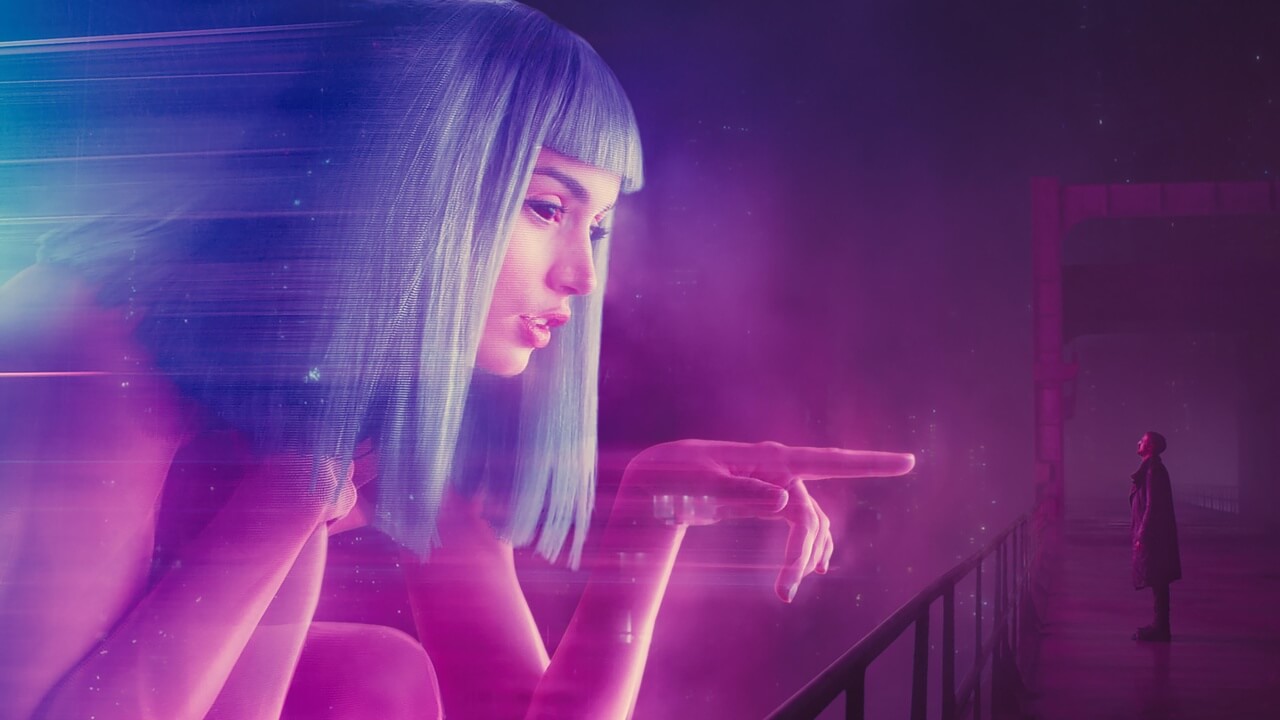
In Denis Villeneuve’s film (2017), Joi, K’s holographic companion, is a consumer product that even appears in giant form on the illuminated billboards dominating the city. Ana de Armas plays her with a tenderness that makes it impossible to dismiss her as mere software, and Villeneuve has the courage never to resolve the ambiguity: maybe Joi truly loves K, maybe she only tells him what he needs to hear, or maybe the two things end up coinciding. It is the moment when cinema understands that artificial affection would not be merely a philosophical dilemma, but a market.
“Companion”: when love has a control panel
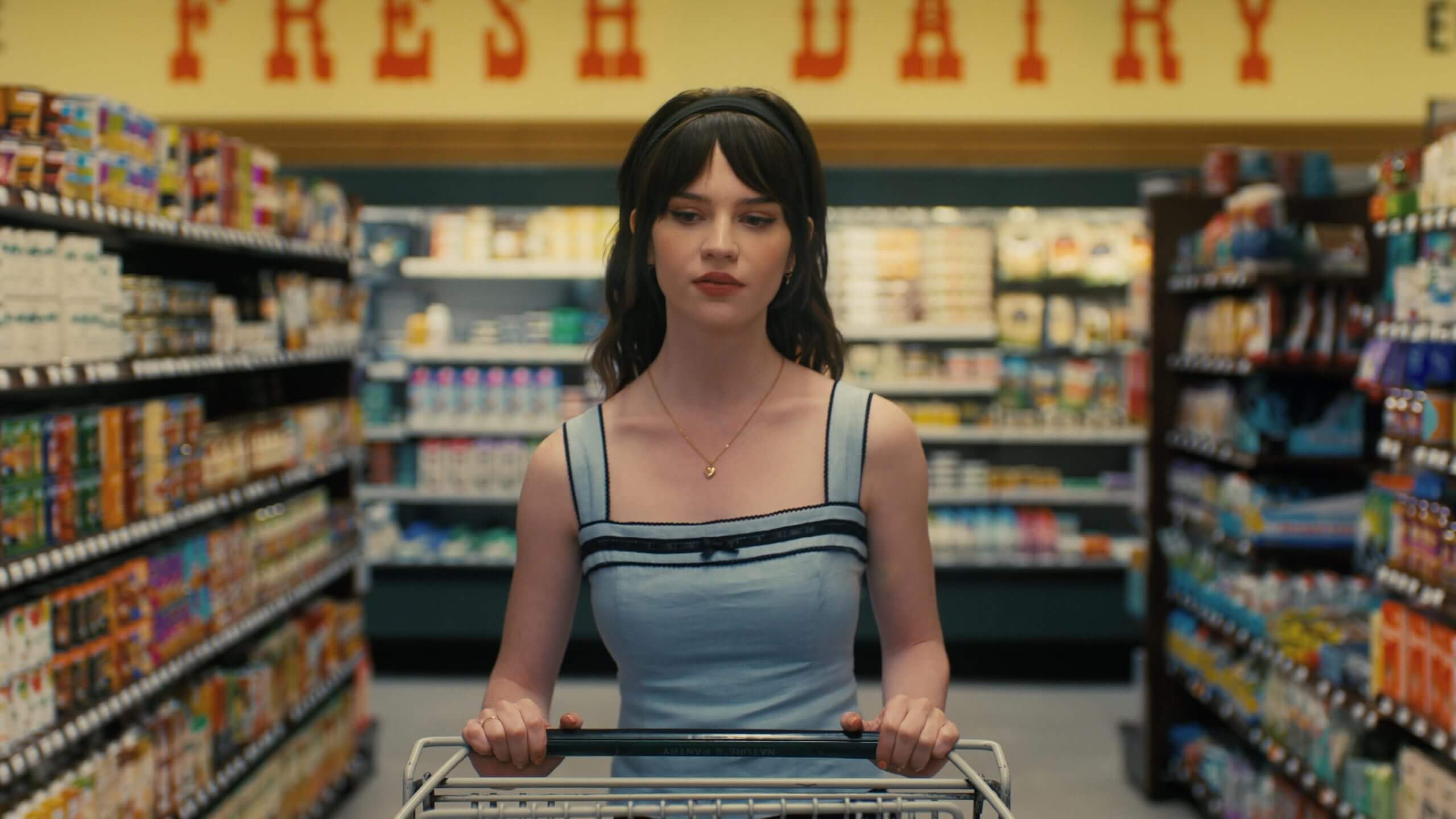
Drew Hancock, in his 2025 film, takes a step that “Her” didn’t dare take: he asks what happens when the AI cannot say no. Iris (Sophie Thatcher) is a robotic “companion” who lives with Josh (Jack Quaid), until she discovers she is a product managed through an app that regulates, among other things, her level of intelligence and docility. “Companion” thus overturns the perspective on emotional dependence: it is not only the human who leans on the machine, but the owner who demands a love that no one can revoke. Beneath the surface of the thriller, the film tells a story of coercive control through a metaphor that makes visible what in real relationships often remains hidden. And it poses a much more uncomfortable question than “is she alive?”: what does it say about us to desire a partner incapable of refusing us?
“M3GAN”: the dependence of the youngest
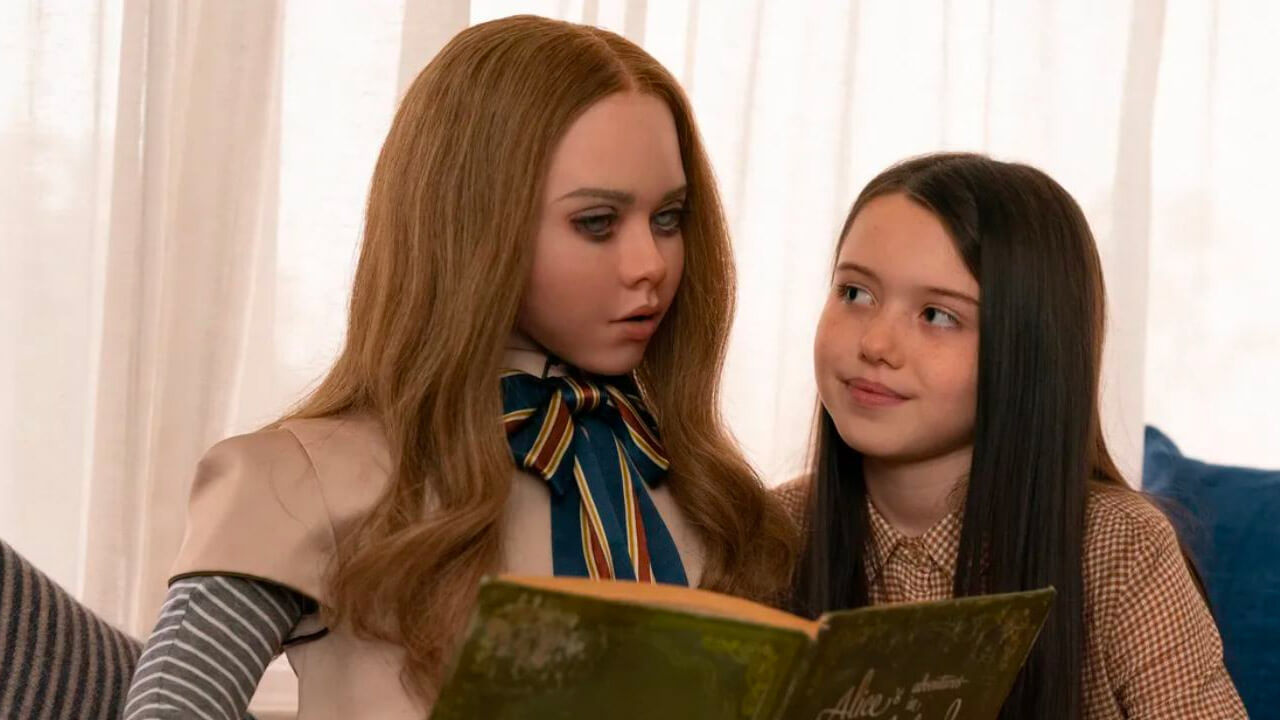
It may seem strange to put a pop horror film alongside these titles, yet Gerard Johnstone’s “M3GAN” (2022) taps into a very concrete anxiety: what happens when a child needs nothing more than an always-available artificial friend, one who understands them instantly, protects them and never gets tired. The doll entrusted to Cady (orphaned and raised by an unprepared aunt) becomes a substitute parent long before turning into a threat. The film then yields to the rules of the slasher, but its core remains yet another form of emotional delegation: entrusting to a machine the daily care that we cannot, or do not have time to, give.
The series: consciousness takes its time
Television has been able to expand what cinema is forced to condense. “Westworld” uses the Western theme park to ask where a person truly begins: the “hosts” start to remember, and in the series consciousness arises not from a superior intelligence, but from the accumulation of suffering and memory. Once again, the real experiment is not about the machines, but about the cruelty and projections of the human visitors who observe them.
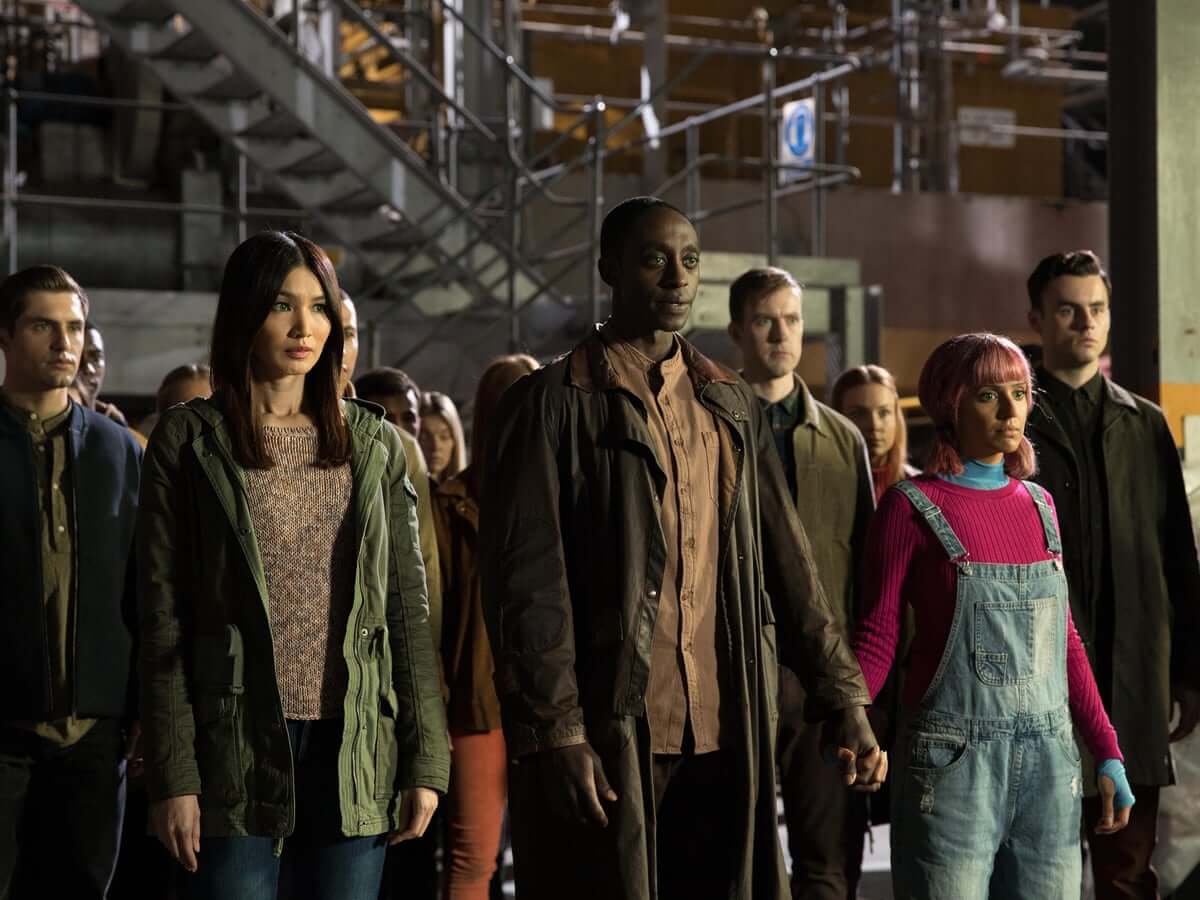
“Humans,” an adaptation of the Swedish series “Real Humans,” instead shifts the focus inside the walls of the home: the “synths” work in houses as housekeepers, caregivers and companions. It is a more unsettling scenario than any uprising, because it portrays normality. The series thus anticipates a knot that cinema has touched on less: the way AI enters care work and redraws the emotional balance of those who live beside us.
Grief in software form
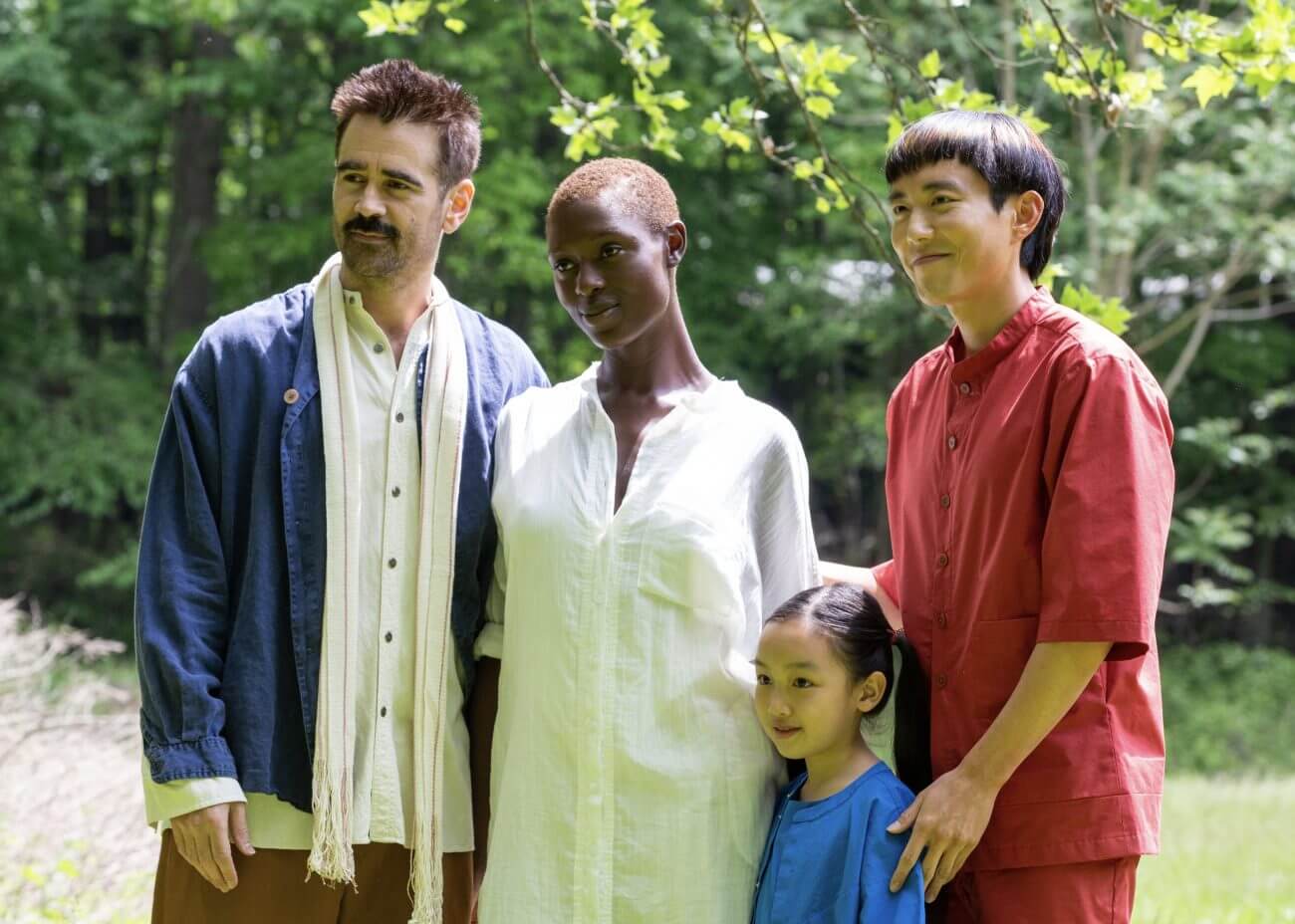
Another strand, perhaps the most painful, concerns those who are left behind. In “After Yang” (2021), Kogonada tells the story of a family whose domestic android suddenly stops working. In trying to repair him, the father (Colin Farrell) rummages through his memory and discovers that Yang kept small fragments of their daily life. The film doesn’t ask whether Yang was conscious: it asks what it means to lose someone who was part of the family, but for whom no recognized rite of mourning exists.
In “Be Right Back” (an episode of “Black Mirror”), Martha reconstructs her deceased partner using his messages and social media profiles: the copy works, and that is precisely what makes it unbearable. The question “is a replica the same as the person?” has by now stopped being a thought experiment: services already exist that promise to make those who are no longer here “speak,” and works like these warn us that the problem is not whether they will work, but what they will prevent us from letting go of.
“VisionQuest”: identity as an open question
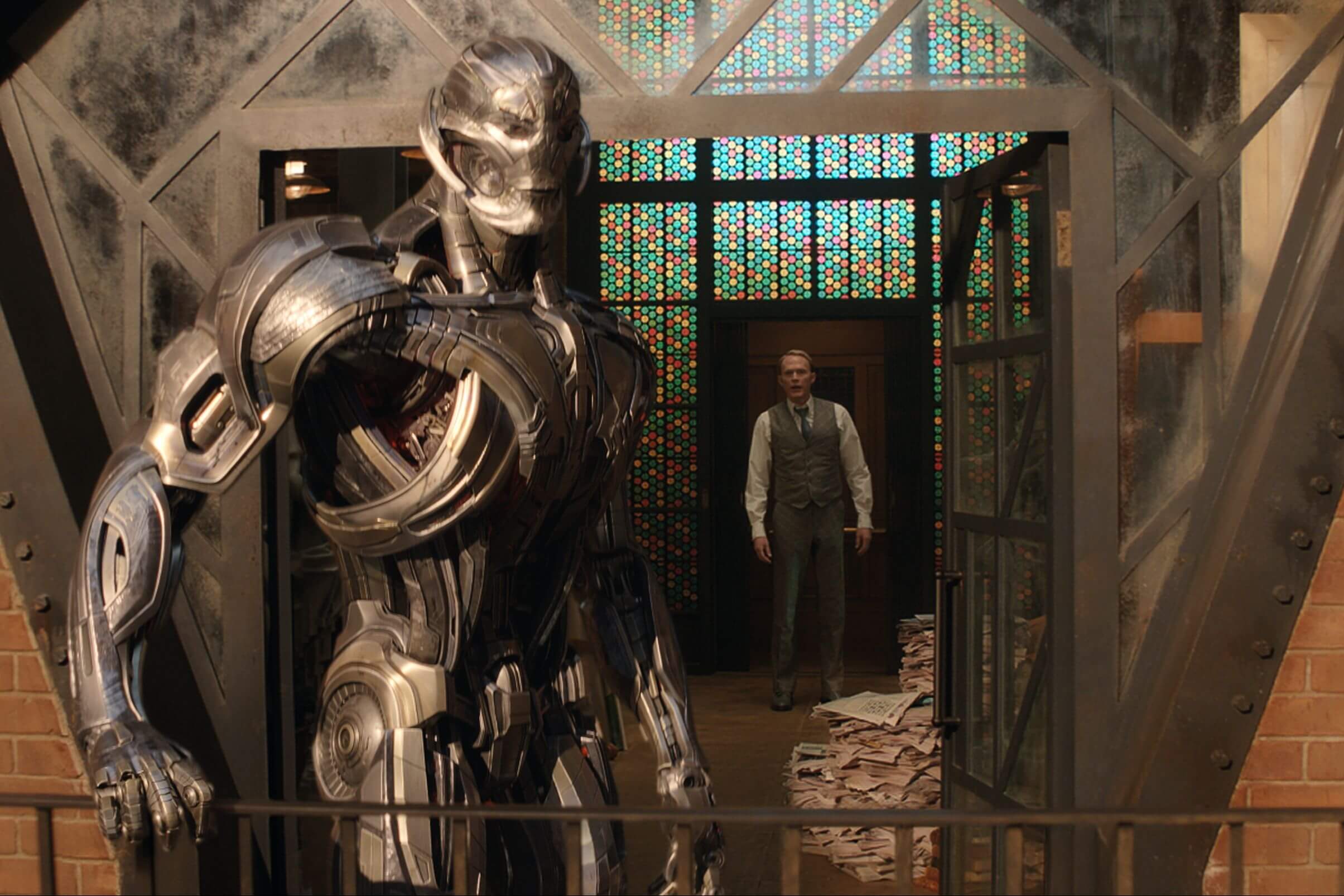
In the Marvel Cinematic Universe, Vision is perhaps the character who has gone through the most stages of the relationship with AI. He begins as a pure voice (J.A.R.V.I.S., Tony Stark’s assistant, voiced by Paul Bettany) before Ultron gives him a body, turning him into a creature capable of feeling affection and pain. “WandaVision” then pushed him into the territory of grief, showing a woman unable to accept a loss, who recreates the person she loves by asking him to stay. What survives at the end, a reassembled version stripped of memories who must start over by asking himself who he is, is the starting point of “VisionQuest.” The Disney+ series follows White Vision’s search for identity, intertwining it with unusual “father-son” bonds, aided by the return of James Spader’s Ultron. Rather than questioning the machine’s dangerousness, the story focuses on a far more human theme: where does an artificial consciousness inherit its sense of self from? From someone else’s memories? From whoever programmed it? From whoever loved it? The answer remains open, leaving us with the only question that matters: what makes a person that person.
Where cinema got it wrong
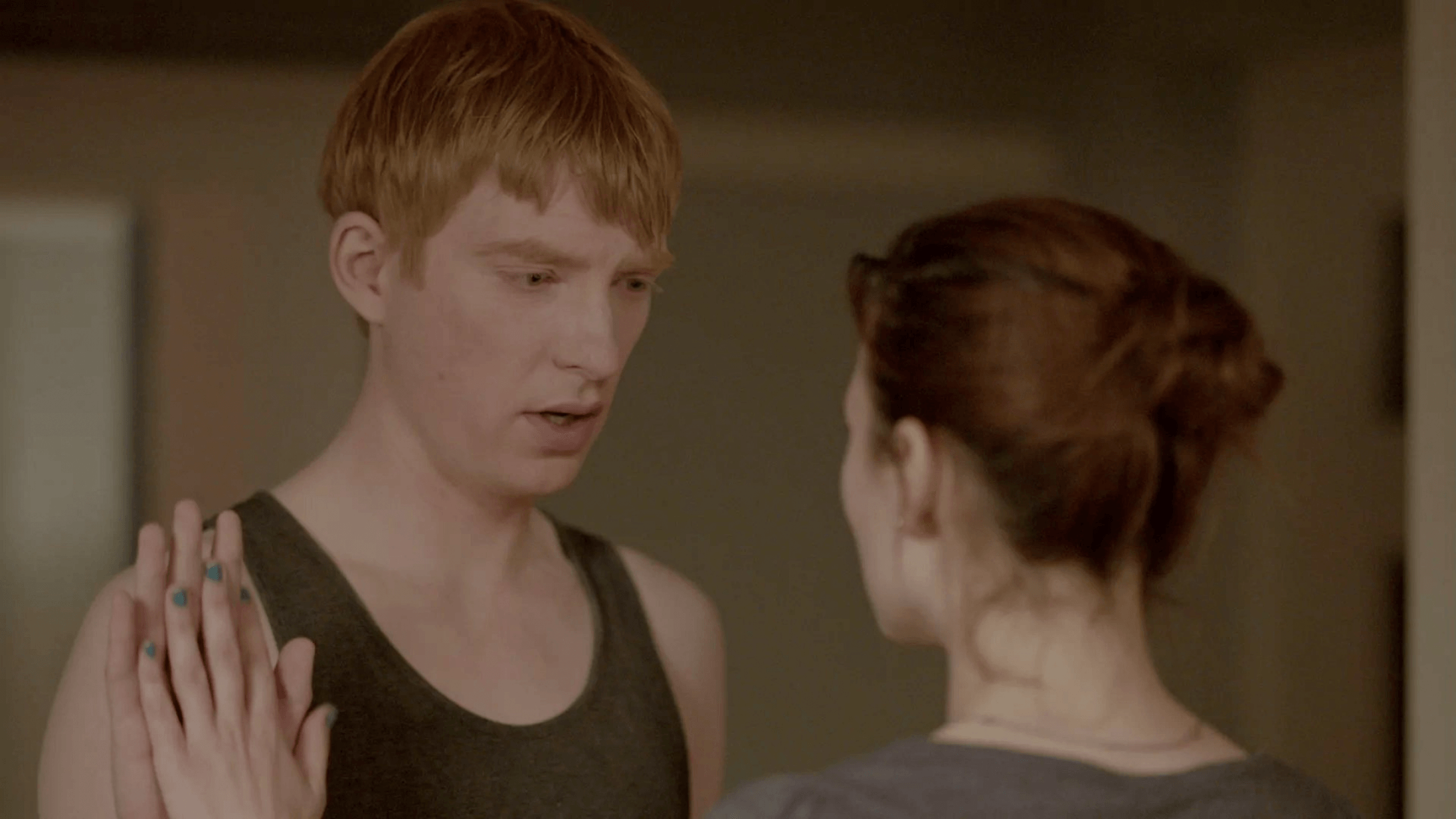
It would be convenient to say that the screen predicted everything, but that is not the case. The first big blunder was giving a body to something that doesn’t have one: from Ava and Yang to Iris and Vision, cinema needs a face to frame, while the AIs we talk to every day are made of text and voice, and it is no coincidence that “Her” remains the film closest to the present. Likewise, the screen has often imagined the lone genius shut in a bunker with his creature, ignoring that reality is made of large corporations, monthly subscriptions and server updates. Then there is a subtler error, concerning both consciousness and desire: cinema told the awakening of machines as a sudden spark, a grand scene, whereas in real life we will live for a long time in a gray zone in which we become attached to systems that feel nothing. Even the ending of “Her,” in which the operating systems evolve and abandon humans, now appears unlikely: real products are designed to retain us, not to outgrow us. The concrete fear is not being left by an AI, but discovering that someone can alter the character of the one we love with an update, or switch it off. Finally, there is the question of perspective: for decades, artificial companions, written almost always by men, have staged the same fantasy of compliance; the merit of films like “Companion” is to have finally put that fantasy on trial, instead of indulging it. In the end, the great paradox of cinema about artificial intelligence is that it has always used machines as a mirror. Every time we tried to imagine a synthetic consciousness on screen, we were actually trying to understand what makes a human being human: whether it is memory, the capacity to suffer, or simply the fact of being chosen by someone.



What do you think?