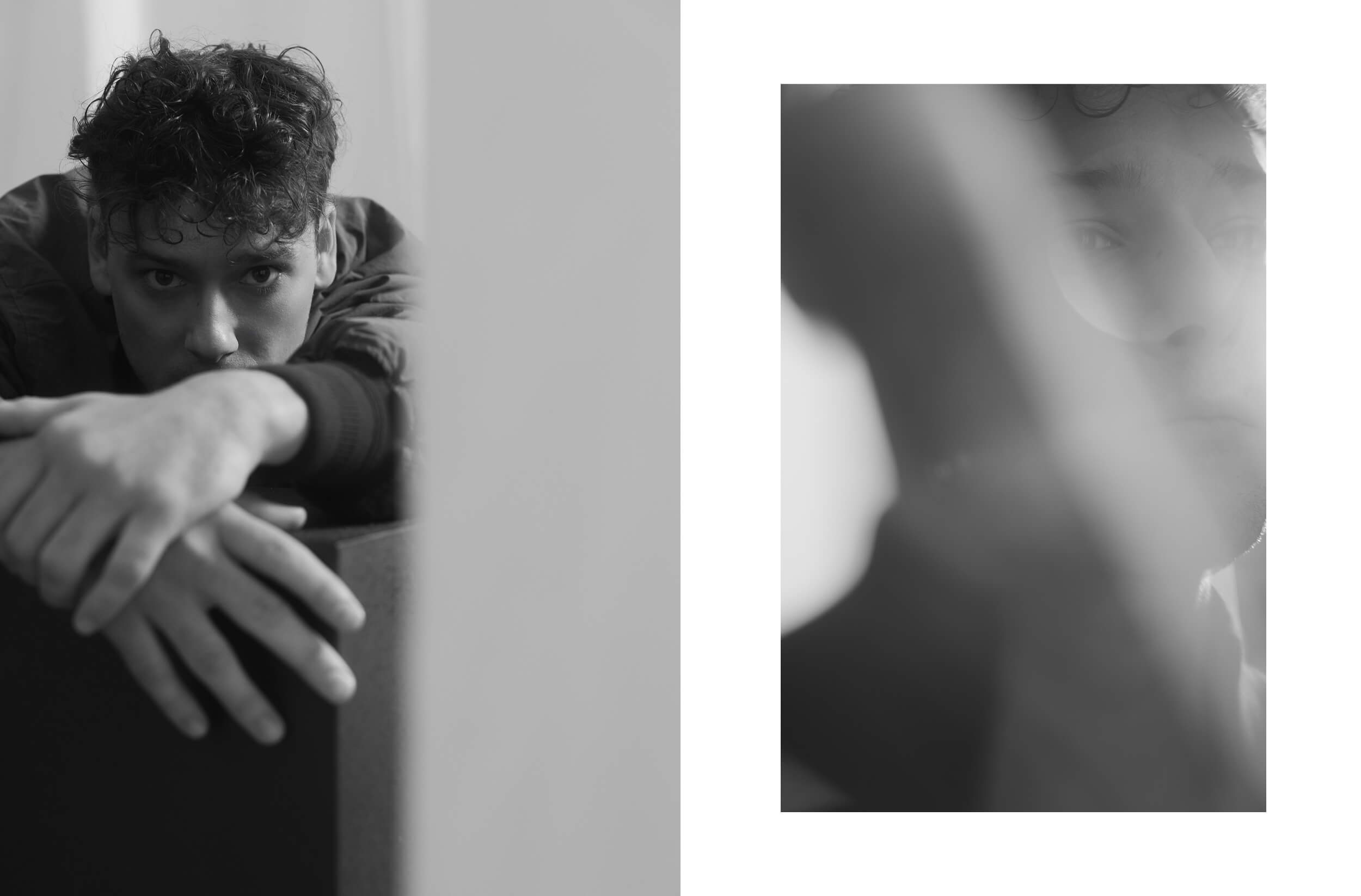
There is something deeply refreshing about the sincerity of Romano Reggiani. In a world of entertainment so often dominated by haste, posing, and the need to be seen at all costs, the actor and writer from Emilia has always chosen the opposite path: that of consistency, risk, and the luxury of being a conscious outsider.
From the youthful “spark” that drew him to the world of cinema to his most recent sets and future projects, Romano has built an artistic path that doesn’t follow trends but draws on firmly rooted foundations. Whether he’s shooting a stone’s throw from his home for the new film by Matteo Pilati, or working side by side with living legends like Carlo Verdoneand Pupi Avati (on a set so quiet it felt like a library), his approach to acting is never a mechanical exercise. It is a living energy, which he himself compares to the improvisation of bebop jazz and which he feeds with wide-ranging passions, from music played in small clubs to intimate, delicate writing, like the kind he shared with his friend and colleague Greta Esposito for the short film “Per sempre”.
In this unfiltered conversation, Romano opens up on every front: from the courage to unplug from the “film scene”, to comedy born from drama and rigor, to his very personal (and romantic) definition of a punk act.
What is your first memory connected to cinema?
My first memory connected to cinema is the day I decided that I, too, wanted to do this job, and even before thinking of becoming an actor, I wanted to be a director: it was the year Clint Eastwood’s film “Letters from Iwo Jima” came out. It’s a film set during the Second World War, about the conflict in Japan. I saw it in the cinema, but I was a kid, my mom’s brother took me to see this complicated film, entirely in Japanese with subtitles. Watching that film, I told myself that I wanted to do that job. Even today it’s a film I rewatch every now and then to remind myself of that moment when I first saw it.
I can say that’s an original answer!
I’ve always watched lots of films and cartoons, I did theater at the parish, and I also made short films between the last year of middle school and the fourth year of high school. I made one short film a year for myself, my friends, and my family, shooting them on my grandfather’s camera on VHS; that film was the sign that pushed me to try doing something on video.
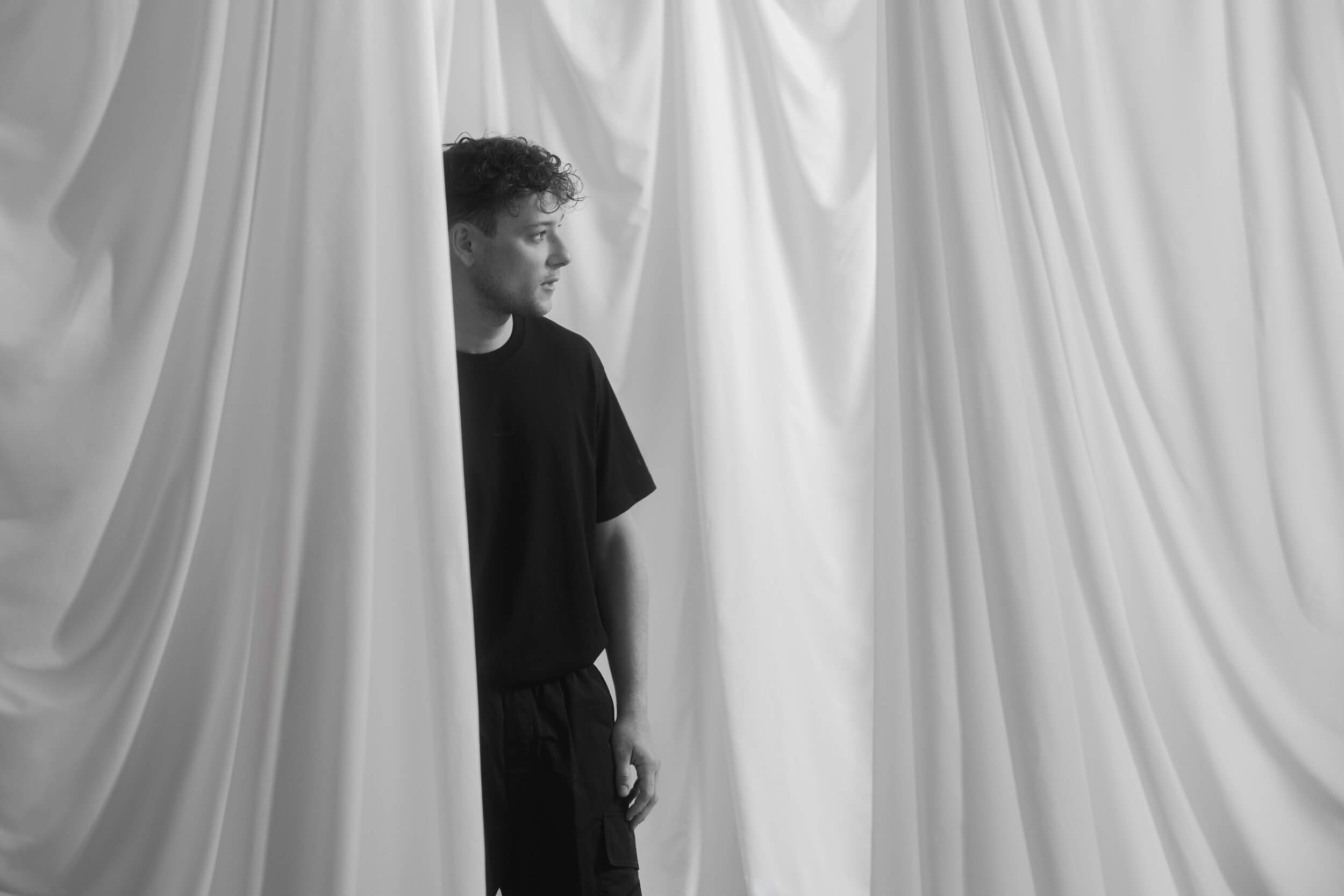
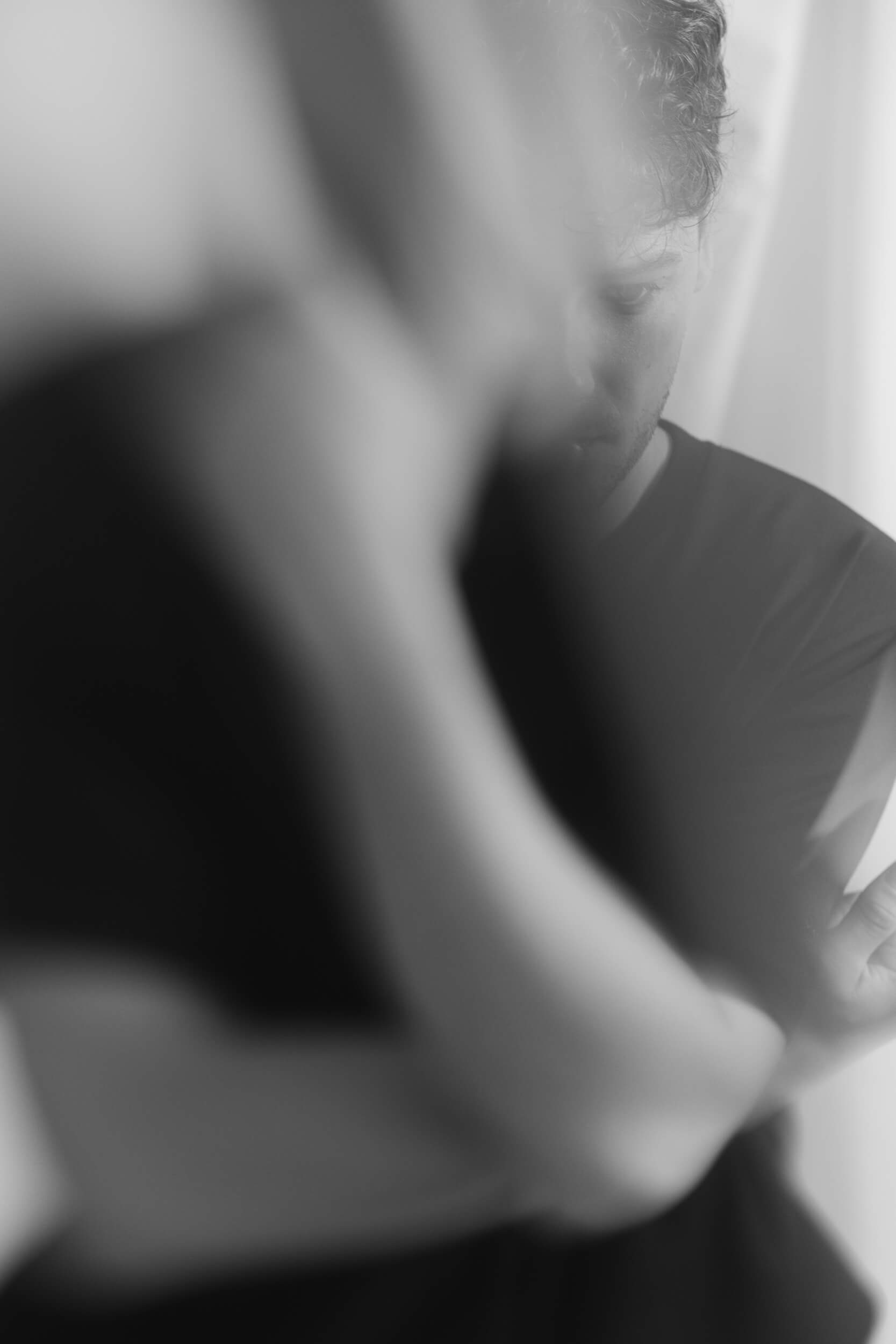
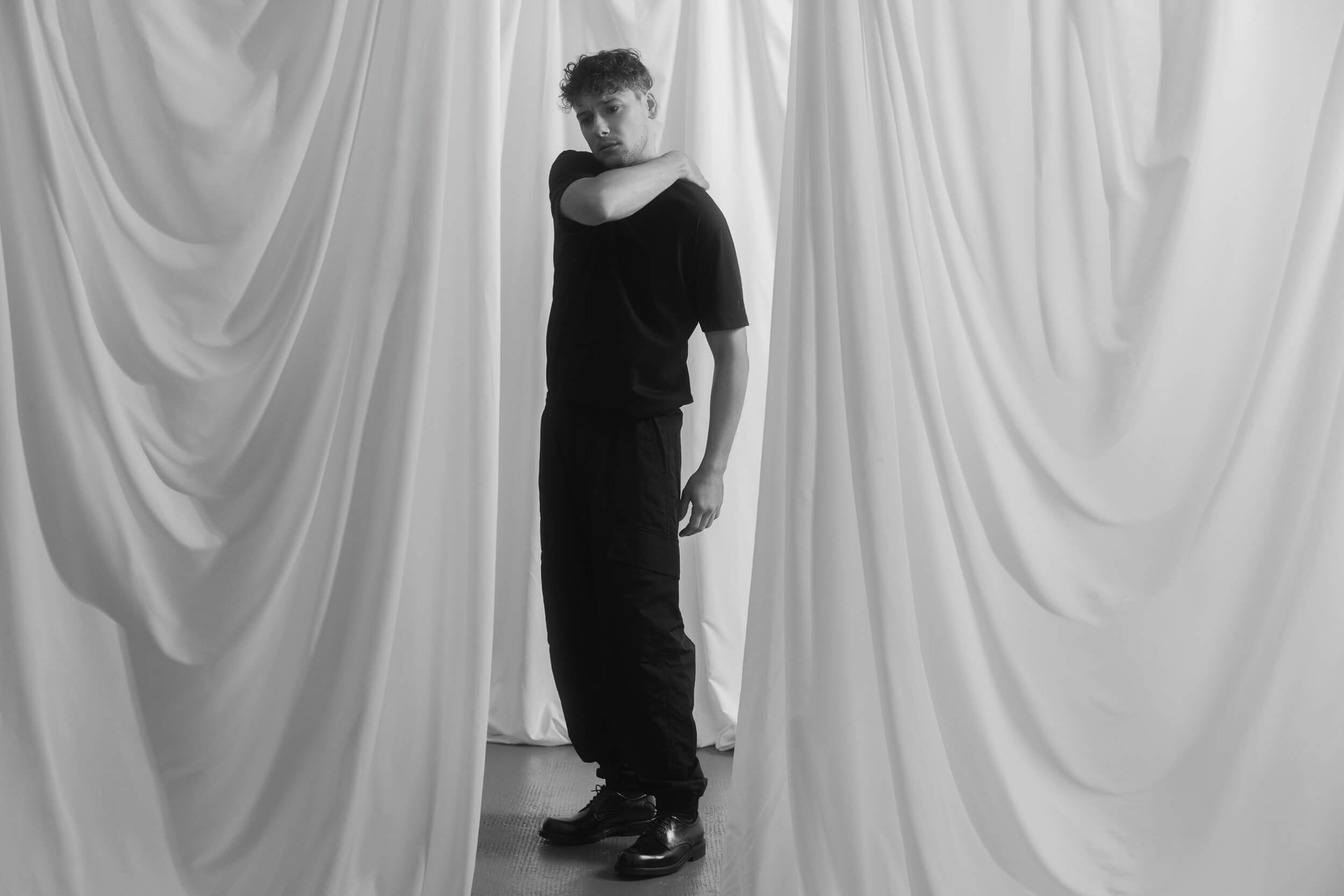
As for your short film “Per sempre”: what does it mean to you to tell a story about love even when it has to deal with absence?
Talking about love in absence is, for me, a way of processing how love can endure over time. And I believe that our lives endure even beyond earthly life: I believe in God, and so I feel a bit connected to the afterlife; the thought that things might end has always caused me a lot of anxiety. I wanted to tell my own feeling by imagining the worst situation of my life and telling it in this little film.
I think what you’re saying is very much tied to the concept of art and cinema: creating something that lasts beyond your actual existence.
Yes, exactly. In the things I write, that I do, that I will do, and that I’m doing now, I always try to talk about myself, meaning things I know well. In fact, I talk about love because I have a love story that has been going on for more than ten years, with its difficulties and its beauty. So I wanted to tell this “forever,” which is a very beautiful idea of love between two people.
You can really feel love in all its facets. And you wrote it together with Greta Esposito: since you’ve worked together on other productions too, did this collaborative approach to writing change the way you work together?
For me, yes: Greta and I have been very close friends since we did “Mental” together. I needed to tell a very delicate story, but I never feel up to writing female characters. So I asked Greta if she’d be up for stepping in with me on the writing, to describe and write the female character. It was a very pure and very beautiful contribution. Of course we got along very well, it was the first piece of writing we did together, and who knows, maybe it will happen again.
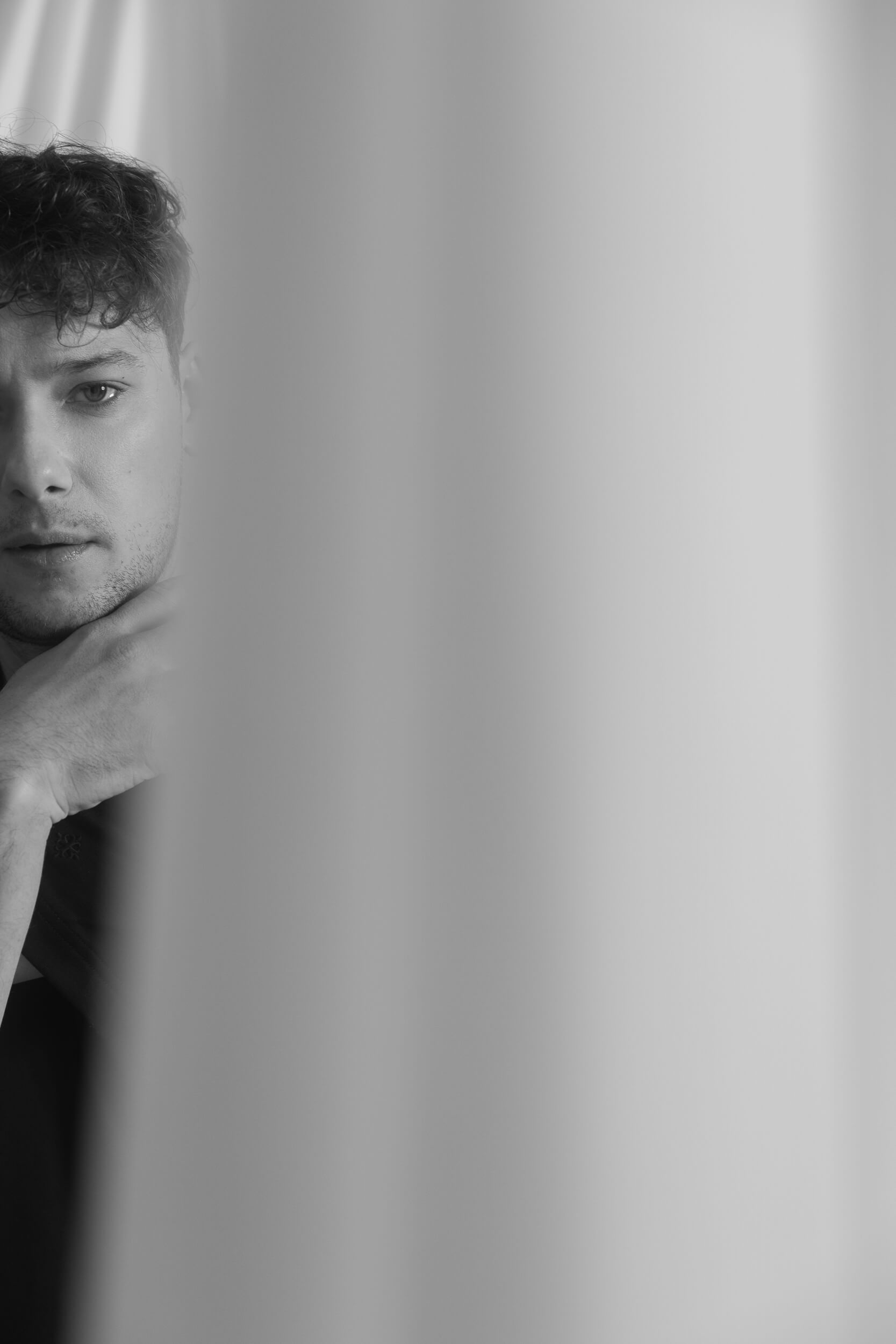
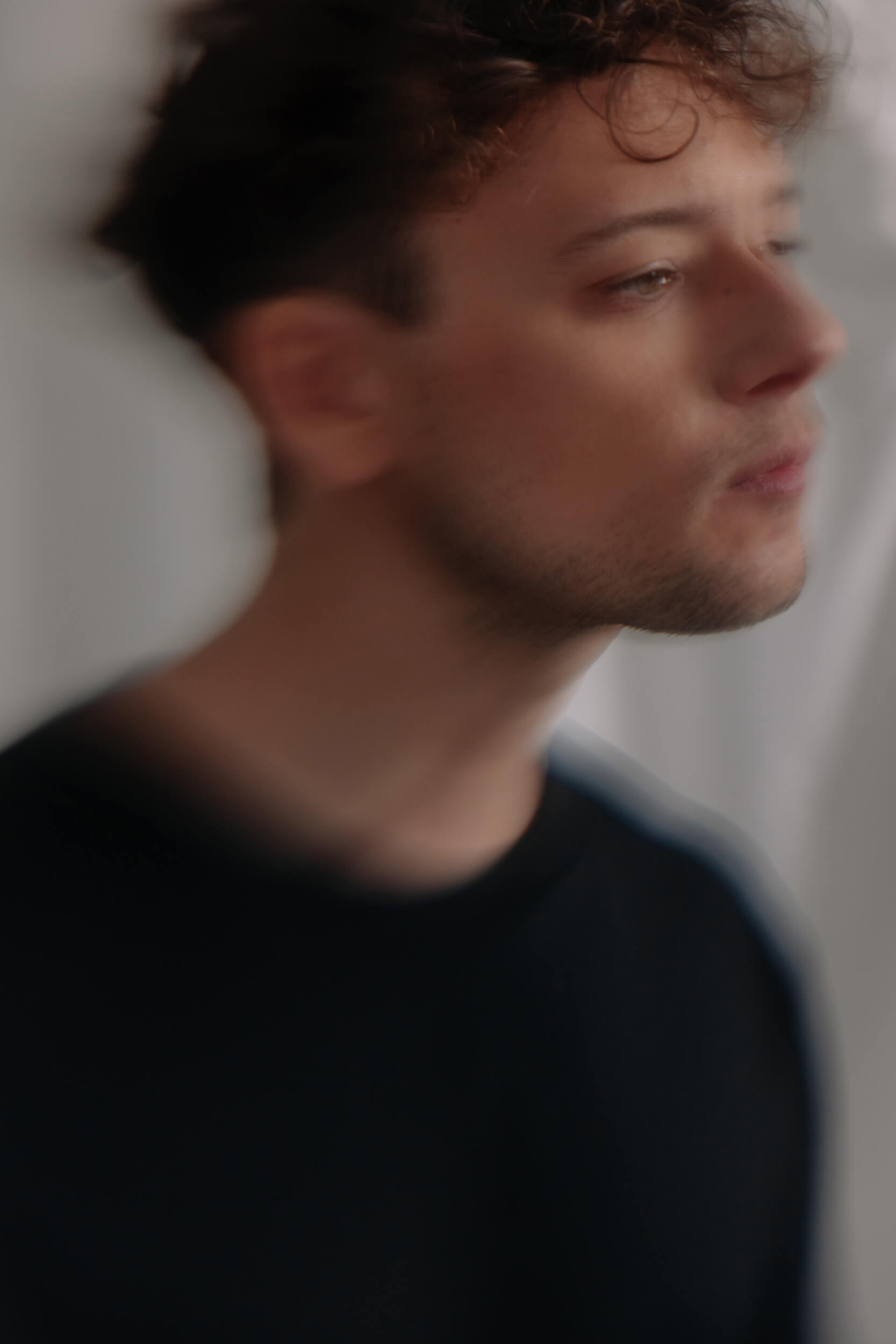
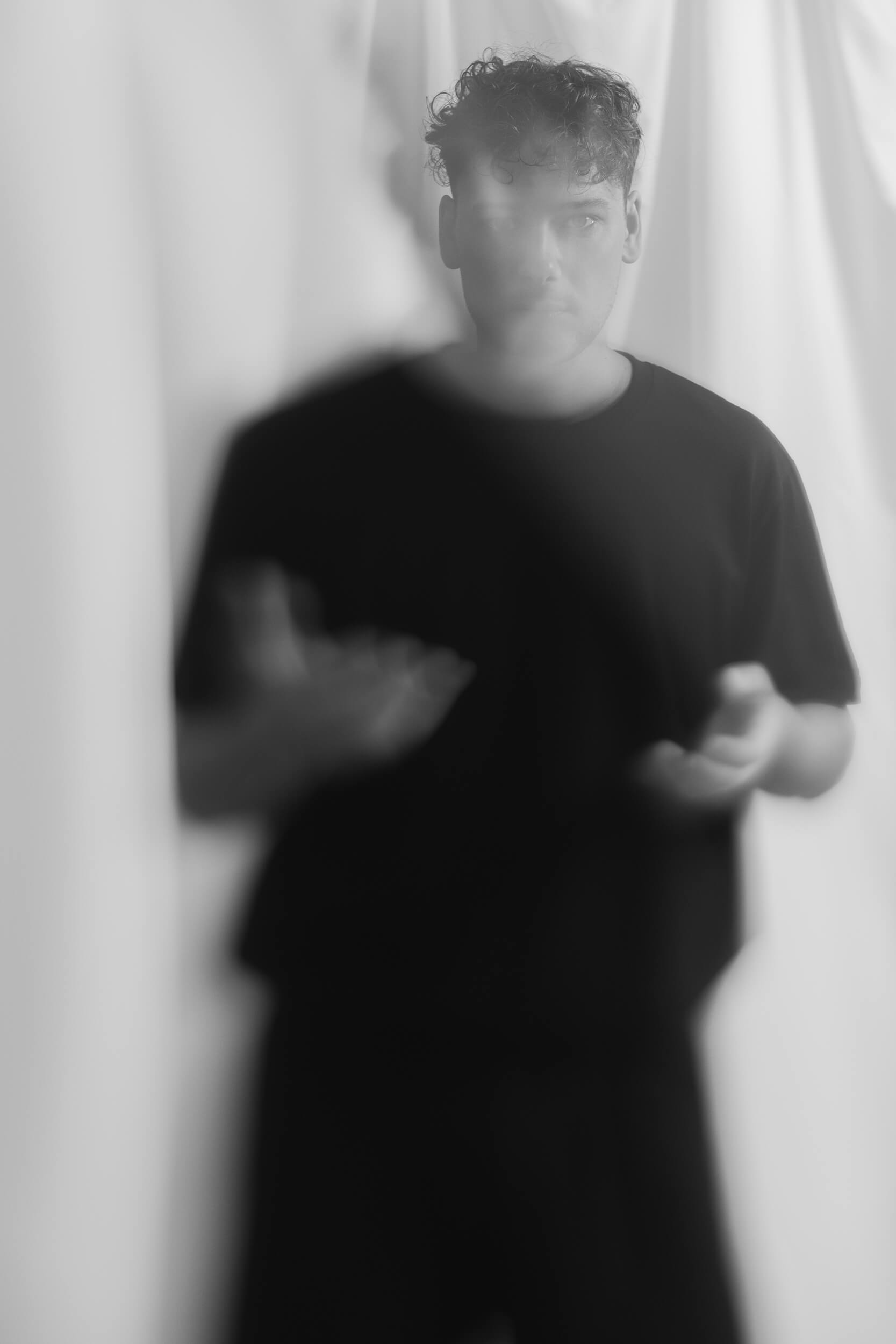
“Talking about love in absence is, for me, a way of processing how love can endure over time. And I believe that our lives endure even beyond earthly life.”
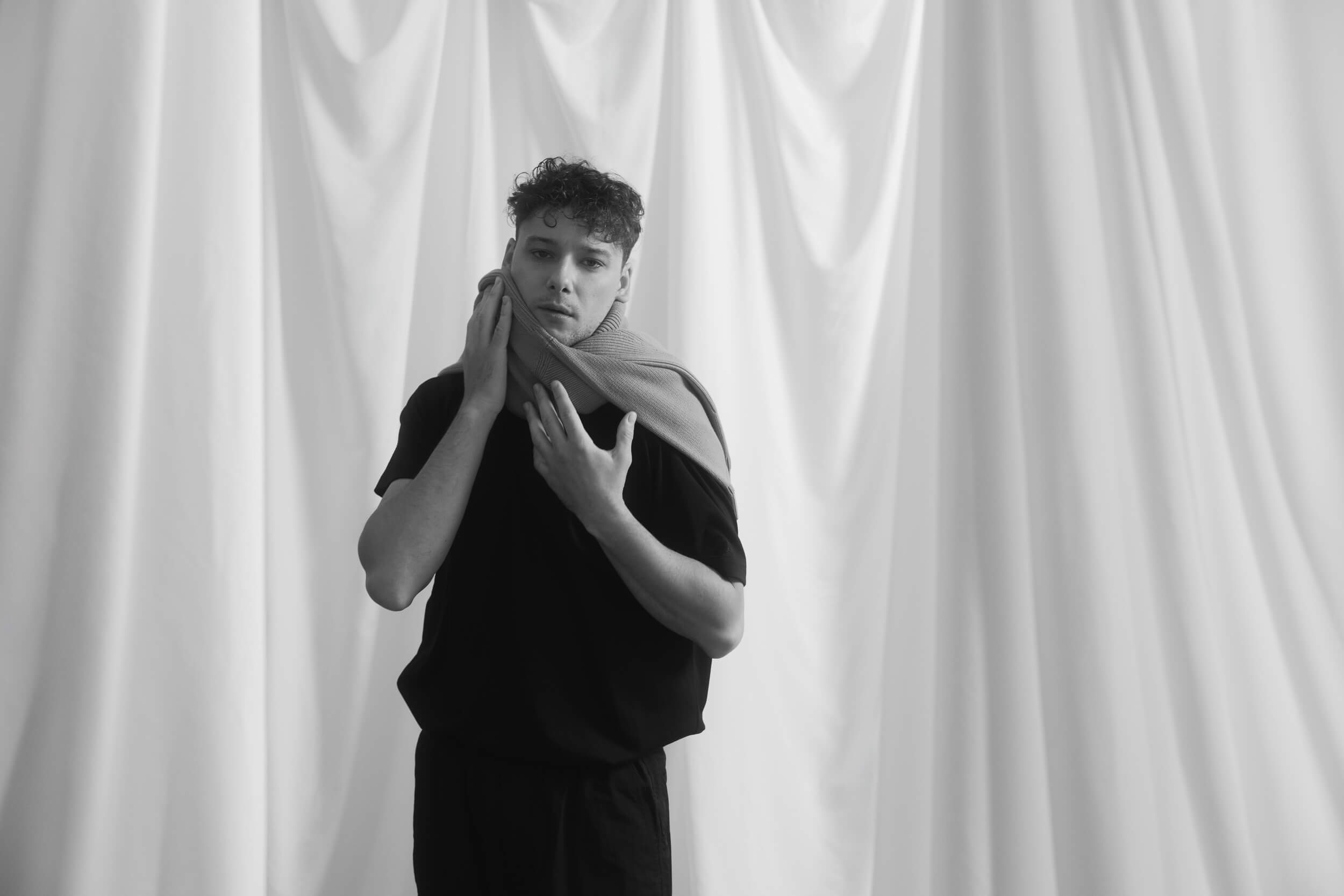
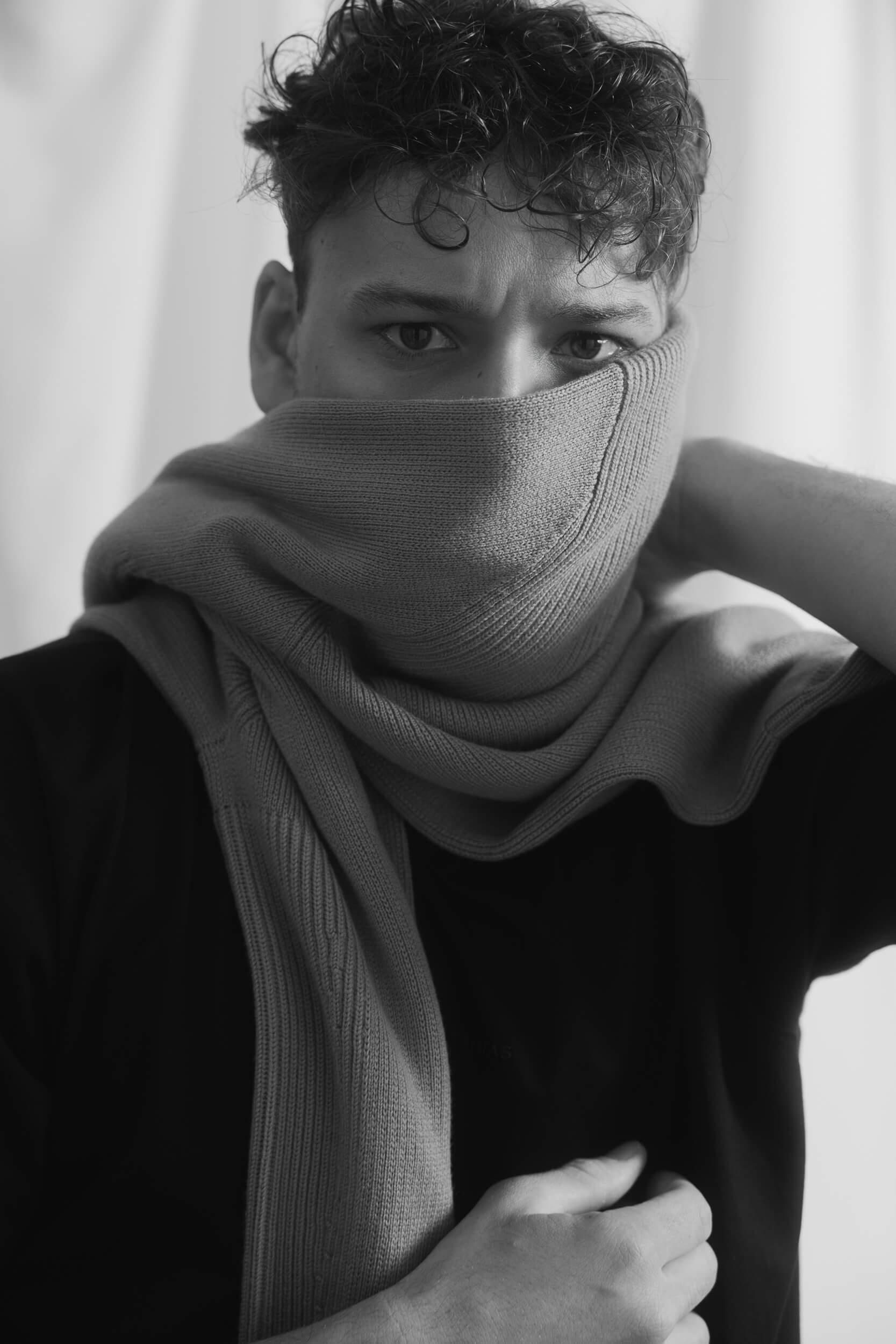
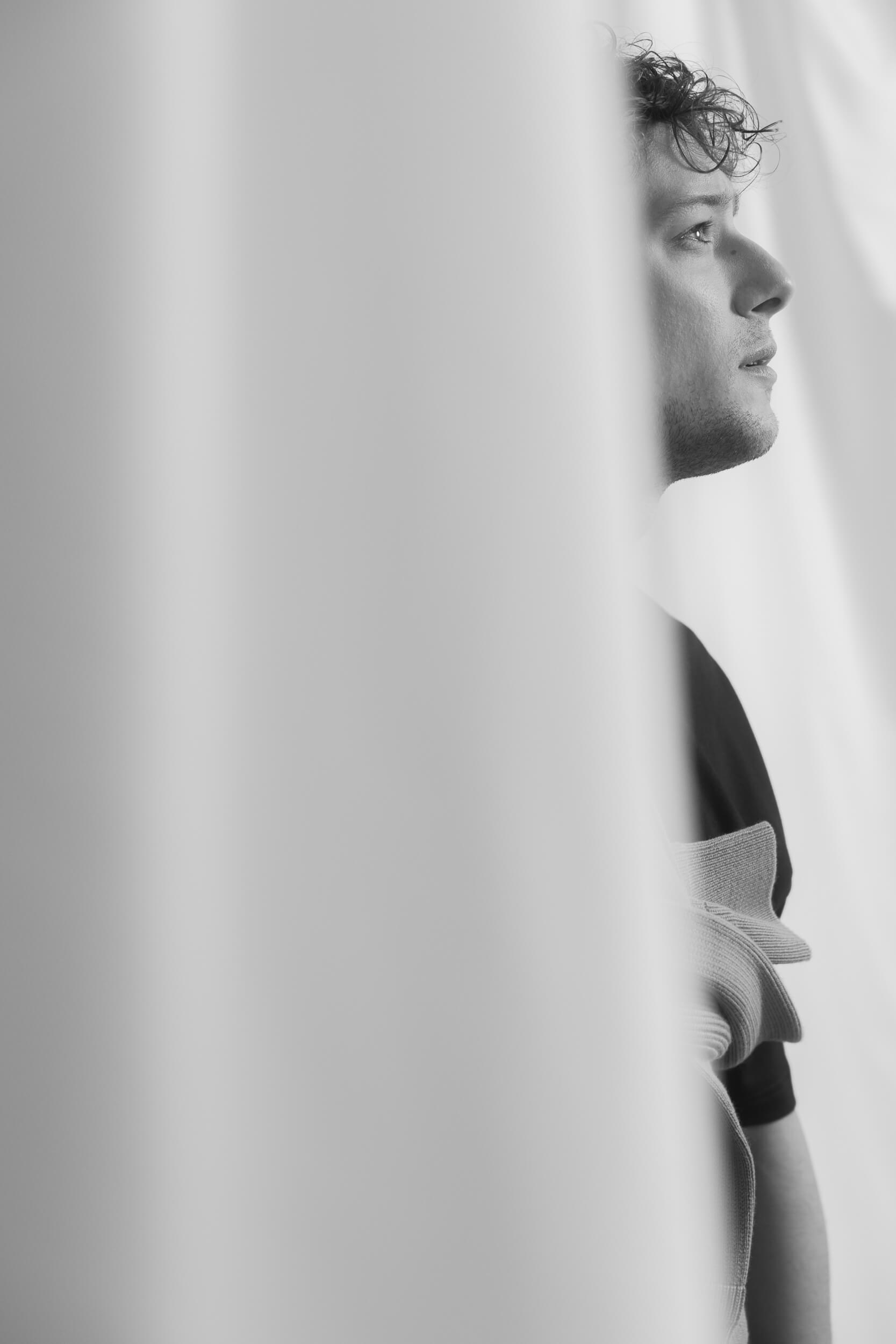
And speaking of your next project, “Il topo di gomma”…
I’ve just finished shooting it. It’s a feature film by Matteo Pilati, who directed “Maschile singolare” and “L’estate più calda”. This is a film that made me very happy because the protagonist has so many facets. Of course, I can’t say too much about it because it hasn’t been released yet, but it aims to be groundbreaking next season.
One of the things we know is that you went back to Emilia for this film. How much of home is in your character?
I can tell you there’s really very little of me in him. What did help me make this film, though, is that we were close to home, because we literally shot it half an hour from my house, so working and then going home in the evening was perhaps the best thing of the past few years. Being able to switch off by going home, to get back to my routine, allowed me to experience this character, who was quite demanding, in a less stressful way. And then telling the story of my region is interesting, because the film is set in a town near Bologna called Pieve di Cento, and it’s a story about a return home.
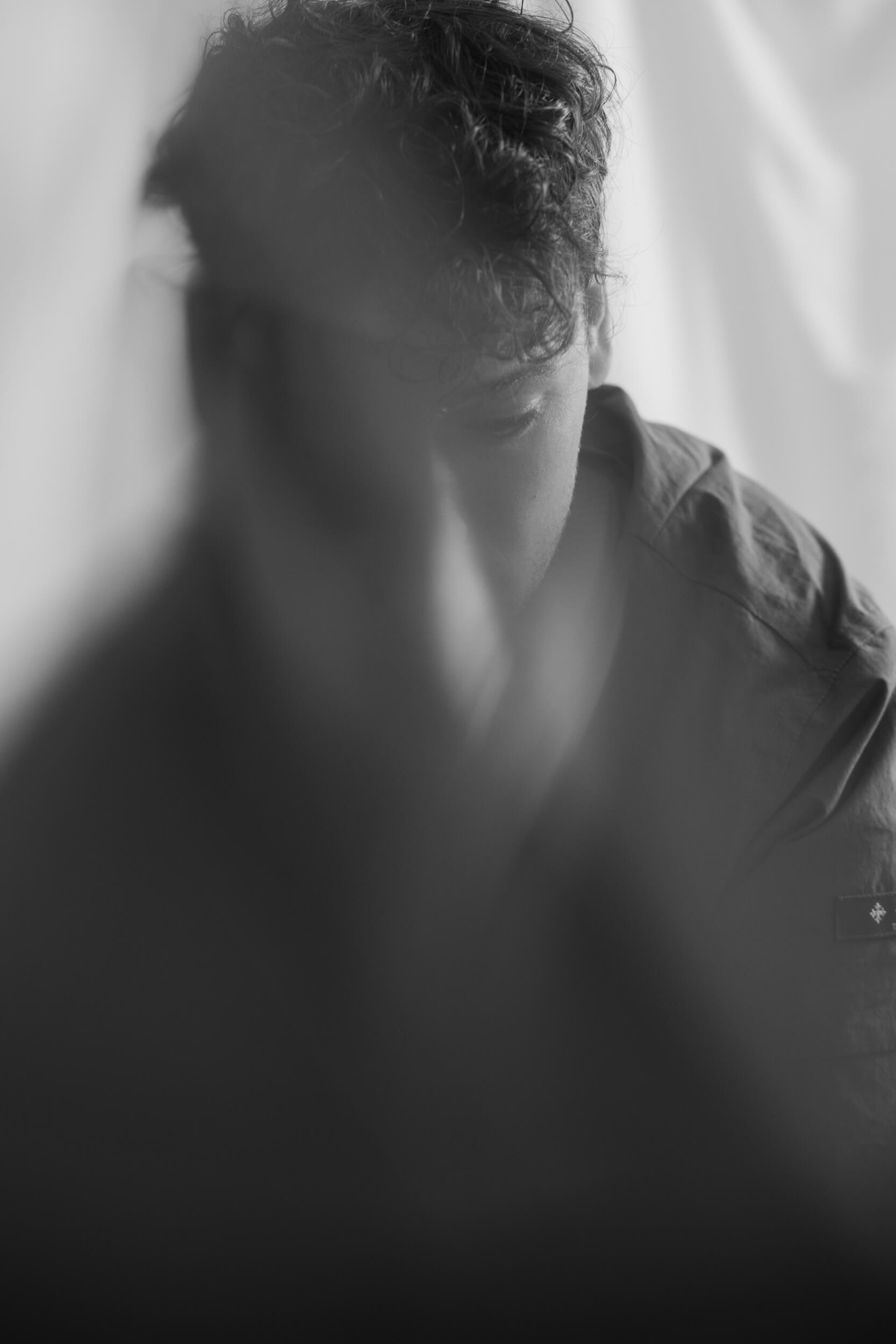
“Being able to switch off by going home, to get back to my routine, allowed me to experience this character, who was quite demanding, in a less stressful way.”
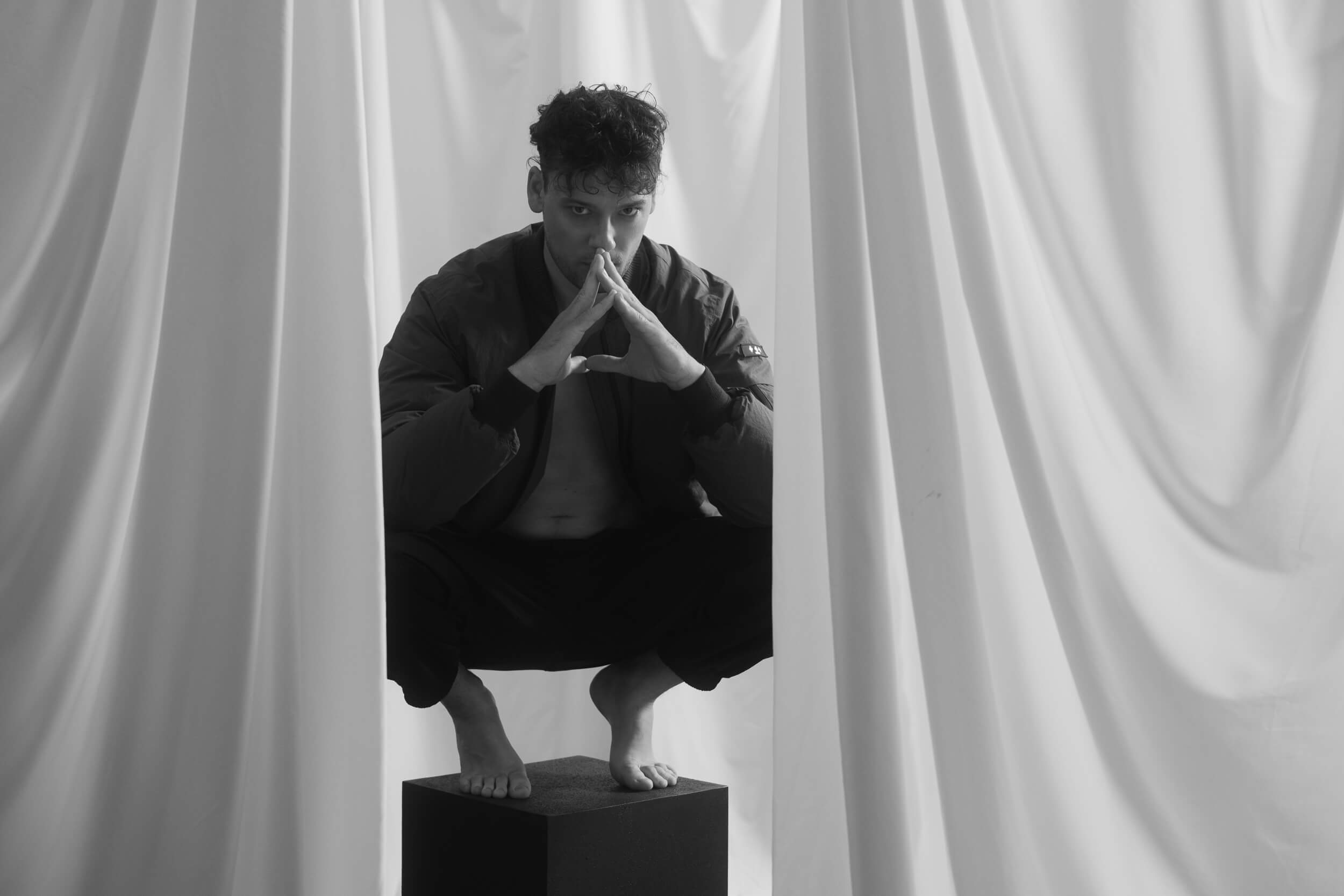
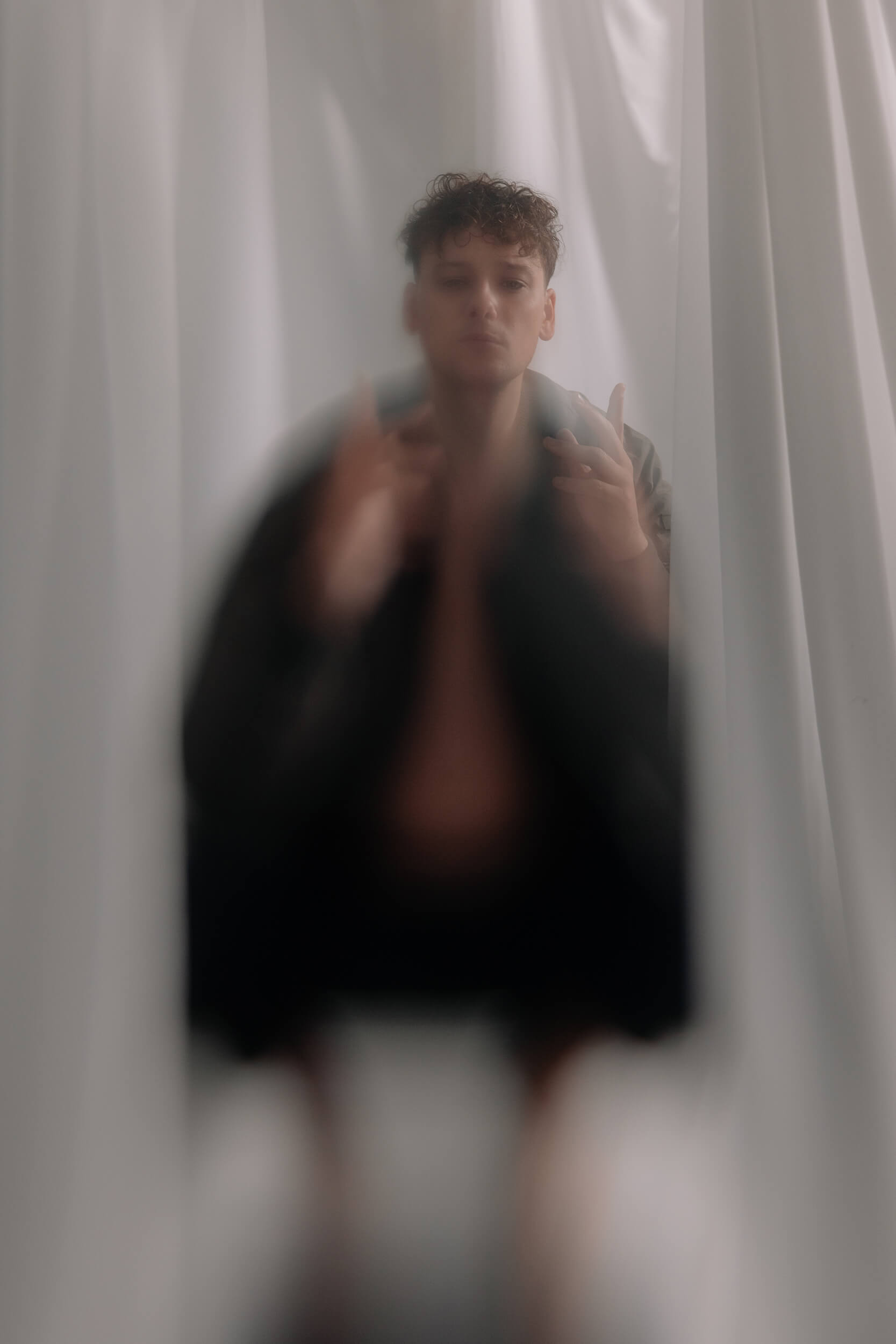
Regarding your experience with Carlo Verdone, you said that Carlo’s films work because the actors are very serious. But how do you play serious comedy?
What I learned from Carlo, and what I already knew only in theory, is that between comedy and drama there is truly very little difference. All that changes between comedy and drama is how you decide to tell and write a story. In fact, in Carlo’s films there are moments of great charm that make you laugh precisely because the characters are very seriousand are living a real conflict. And so it’s hard to stay serious in situations where, in the script, you have to say crazy things that make people laugh: on set it’s never easy to keep a straight face.
I can imagine. Given your experience with many directors, if you had to choose one lesson that a director you’ve worked with taught you, which would it be?
I’ve worked with so many people, so many truly incredible directors. Carlo told me something very beautiful, which was that I didn’t need to worry. And so this is very beautiful, it seems obvious, but when you work you’re inside a mechanism where everything is very technical, rushed, and undefined. To find an environment where, on set, you have a director who isn’t just interested in bringing home the footage, but cares that there’s a relaxed, calm, serene atmosphere… That’s something that struck me. I have a very fond memory of Carlo’s film because I remember this extremely quiet set, which in Italy is very unusual. There was so much silence that Lino Guanciale and I would sometimes look at each other and say: “Will you tell him? Should I? Who’s going to talk?” There was so much silence that if you had to speak, everyone heard you.
Like being in a library, then.
Yes, exactly, you got it, just like being in a library when you’re studying for university exams. It seems to be something he insists on, probably his method.
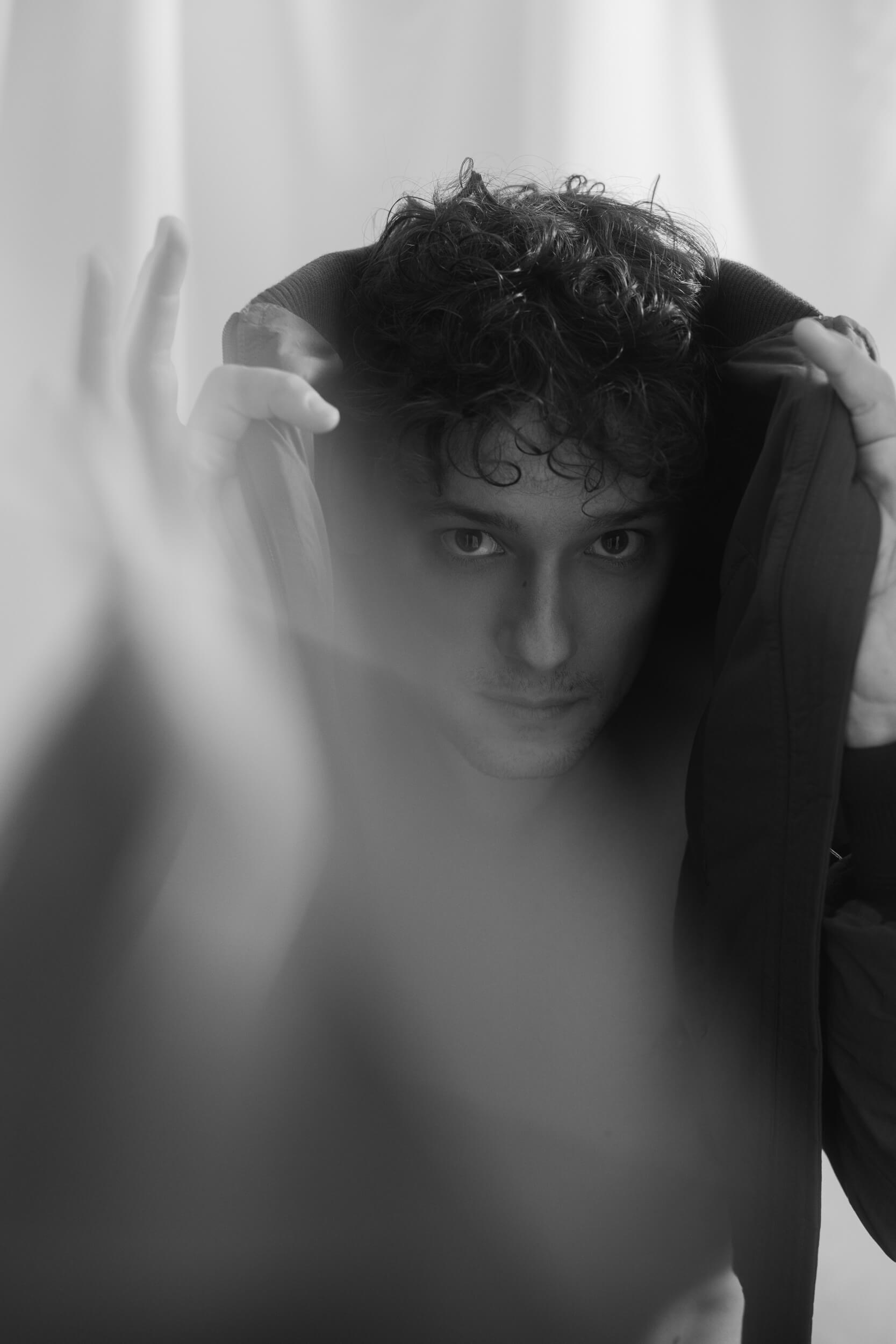
“I didn’t need to worry.”
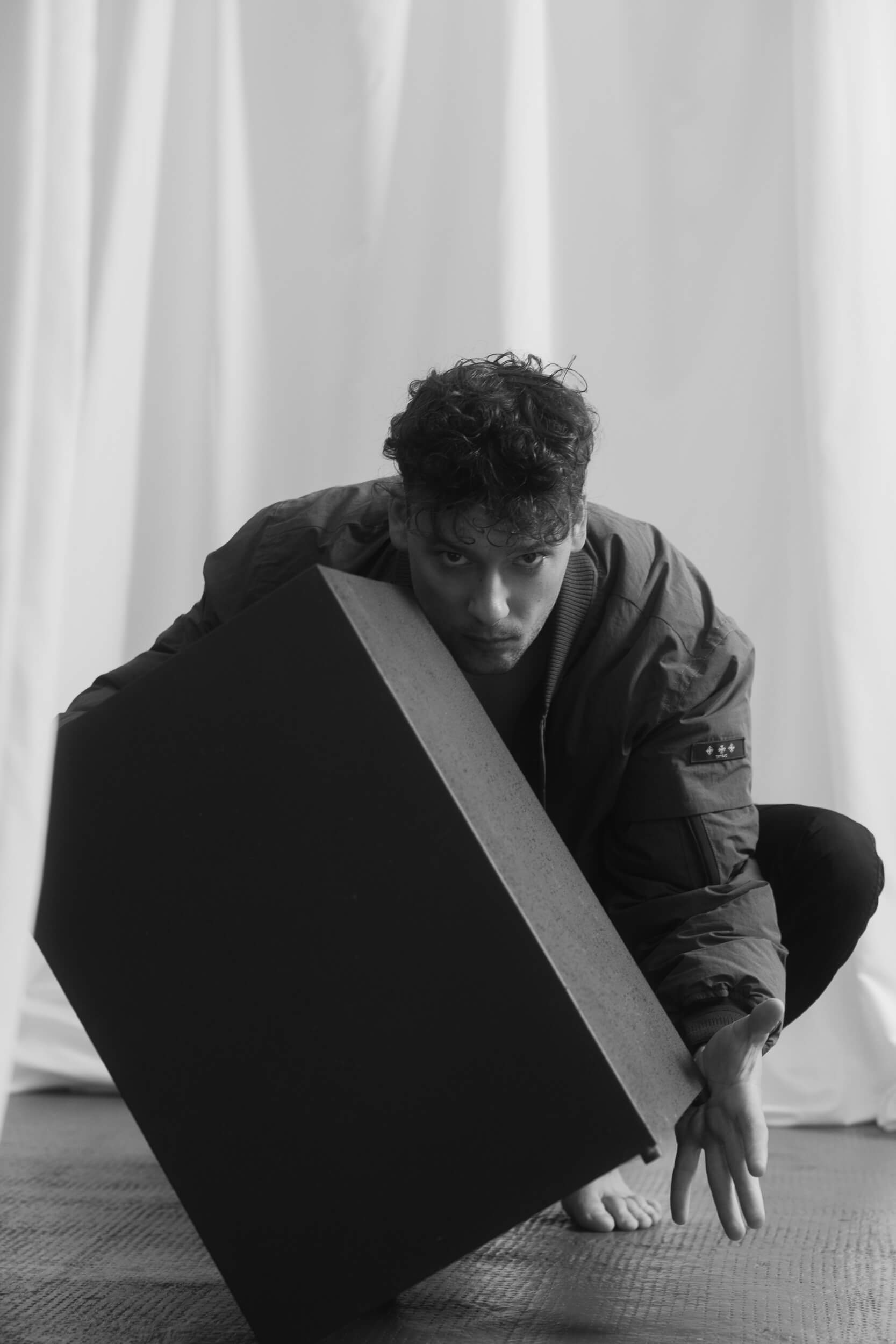
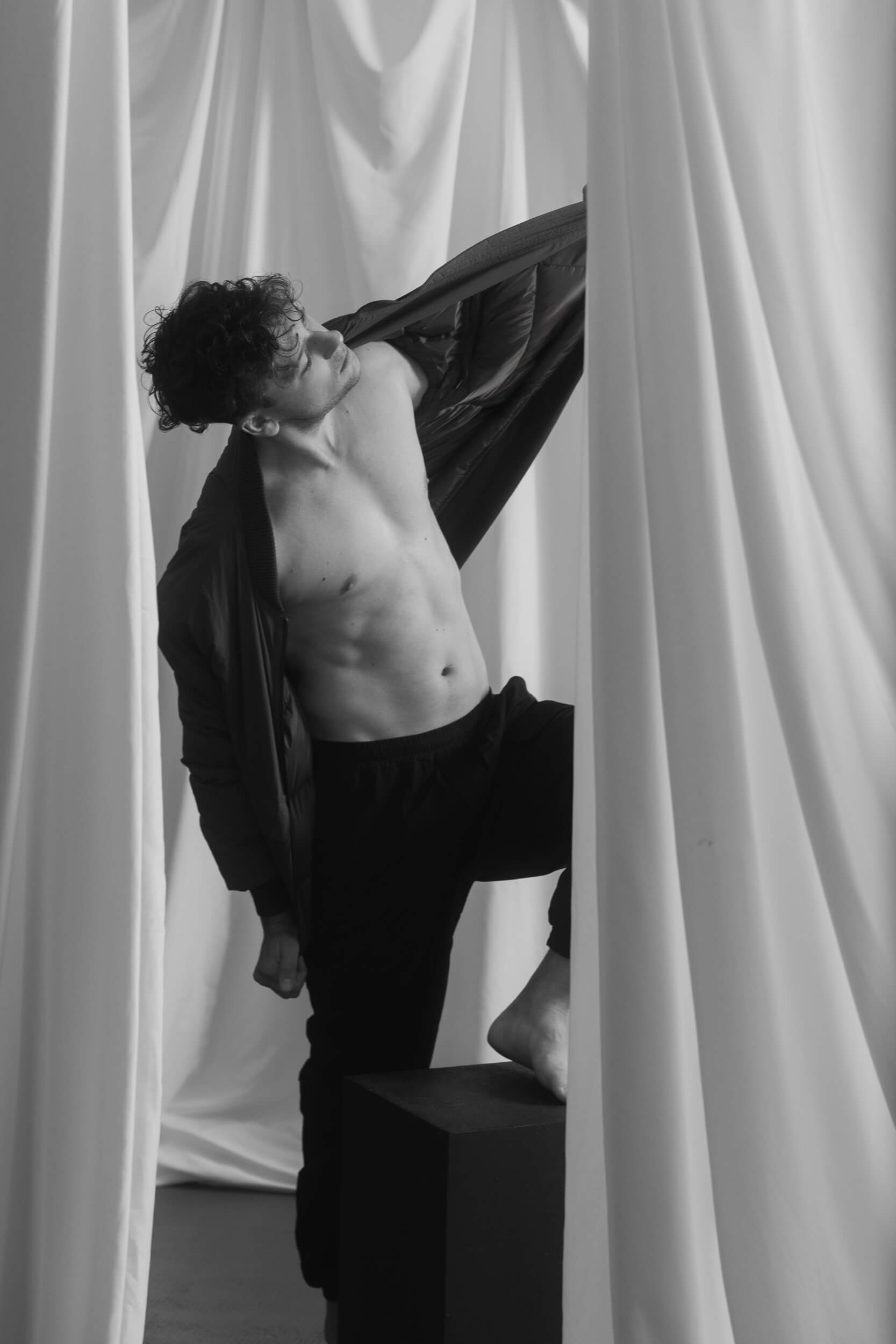
With the career you’re building and your results, are you managing to make peace with the “film scene”?
The answer is yes, because I’ve realized that even in this world, which is very frenetic and evasive, there’s a slice of people who actually think like me. So, as I’ve grown, I’ve built some wonderful friendships, not only with some current colleagues but also with people older than me, like directors, producers, distributors. Very far-sighted people who maybe don’t follow the flow, the fashion, and the chaos, but who always try to understand what could be useful and new in projects. So many times people say this doesn’t exist, but the path I’m trying to follow, and am following, kind of tells the opposite story. Because of course this job is tiring, it has been for me too, and maybe it will be again, because this job comes and goes: it’s like a light bulb, you never know whether the moment will continue the same way or not. Certainly, discovering and being part of a system where people see you as an outsider is pleasant: I mean, many times it’s more effective and stronger not to be present than to be always present.
It’s not easy to learn, though, as a modus operandi, so to speak.
No, exactly. And it’s not easy to take the risk, either. Because, even though this has had positive long-term effects on me, in the short term, well, it made me sweat.
“Many times it’s more effective and stronger not to be present than to be always present.”
Thinking about your musical experience, you’ve brought The Gregory and Bob Dylan to the stage, but is it music that helps you act, or acting that helps you make music?
Great question. One of the people who inspires me most in acting, in the way of thinking about things and having ideas, is always Bob Dylan, his prose, the way he writes lyrics. For me, acting is tied to the world of cinema, but the only thing I link to acting and that inspires me to act is bebop jazz. I’m very passionate about jazz, and in bebop jazz I find exactly that energy, that thing that has to happen in the moment when you’re performing a scene. And it’s different every time, it will never be a pure execution. When I go to jazz concerts, I’m inspired to find that energy and to say the words in a different way every time, it pushes me to do something different each time, without performing something I’ve learned by heart.
Yes, of course, doing it with heart too, with emotions. Have you seen the film “A Complete Unknown”?
Yes, I liked it. Granted, there are better films about Bob Dylan than “A Complete Unknown”, but that one is an extremely cool, well-made biopic. I wish I had the chance to try playing a role like that: the most they’ll let me play is Albano. Or Pupo.
How much do your different sides as actor, director, and singer-songwriter influence one another?
I start from the premise that, for me, music is just a great passion that doesn’t want to become a job: in fact, I play occasionally, five or six times a year, in some theater or club, because I enjoy it and it does me good. So for me music is an outlet that puts me in direct contact with the audience. What stage theater is for many other actors, for me it’s playing and singing with that guitar in front of someone. Then let’s talk again in ten years, if I’m still doing this job and maybe I’ll have made an album!
After the Albano biopic, you’ll make the album.
It all adds up. But the nice thing is that, since I can play and sing and have a fairly broad musical culture, it often happens that people ask me, or I suggest, to include something related to music in my roles.
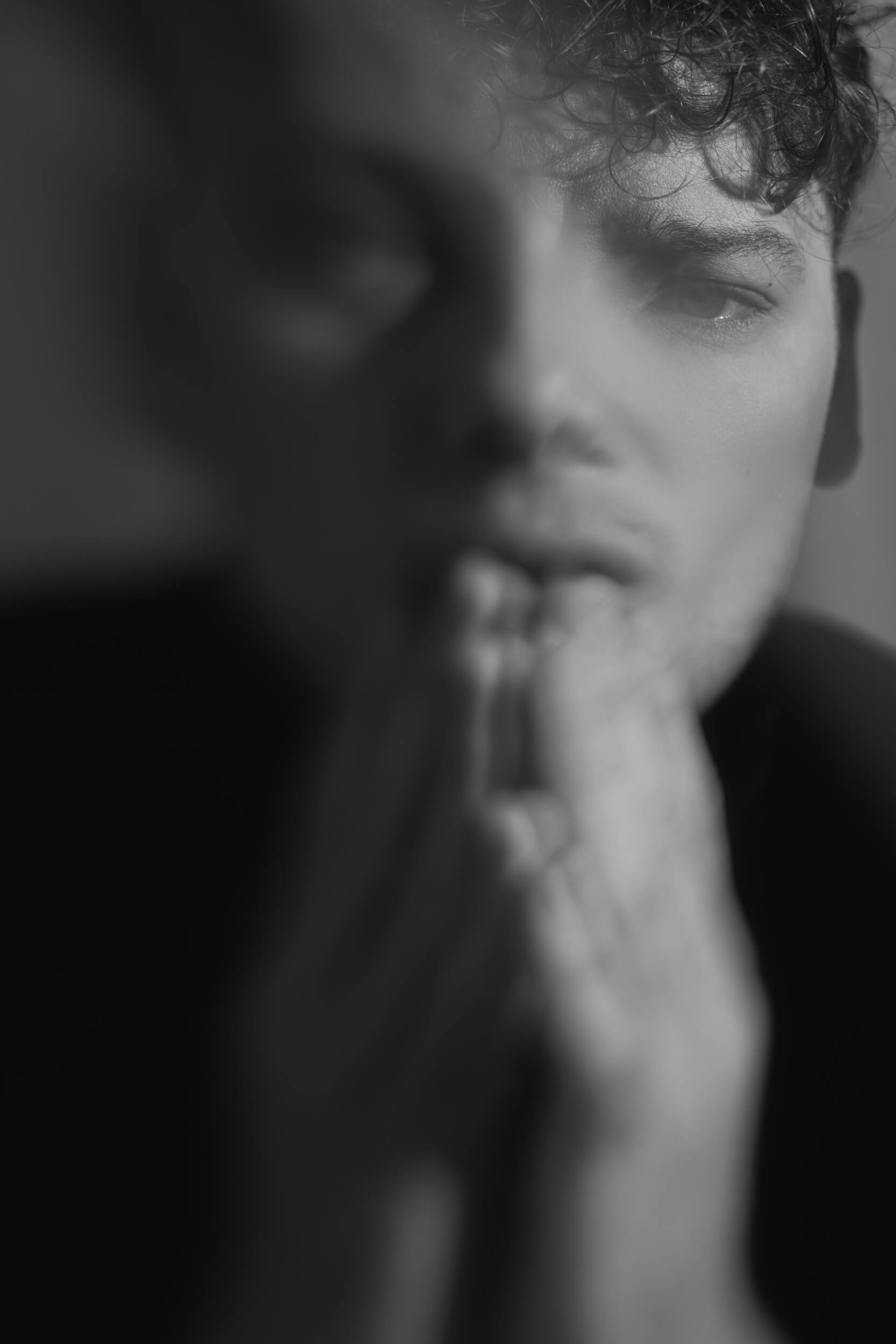
What has been your greatest act of rebellion?
My greatest act of rebellion has been, and continues to be, being in a relationship for ten years. I mean, nowadays choosing to live as a couple, to get married, or to decide to stay with the other person is, I believe, the most punk thing there is.
Has there been any film or TV series lately that has stayed with you?
I go to the cinema a lot, and recently two films moved me emotionally and affected me deeply. One is, I believe, the debut feature of the director Tommaso Landucci, called “I figli delle scimmie”, starring Riccardo Scamarcio: it’s a wonderful film that touched me because it deals with things I know very well, and the story is written in a very sincere way, I recommend it. The other is Iñárritu’s latest film, “Digger”, which is awesome. Maybe it’s one of the films of his I’ve liked the most: then again, unfortunately and fortunately, I absolutely love Tom Cruise, so I’m biased.
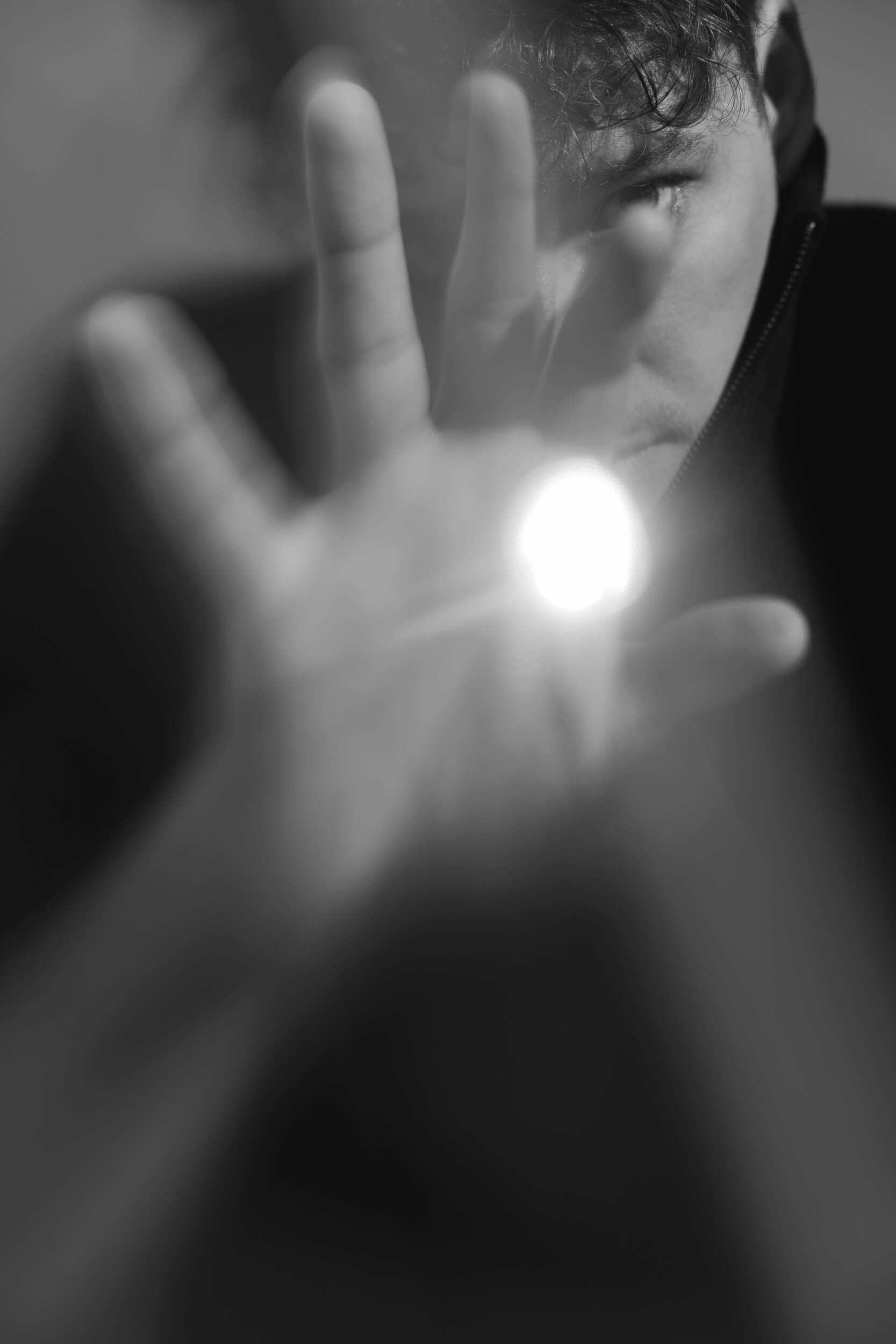
“To stay with the other person is, I believe, the most punk thing there is.”
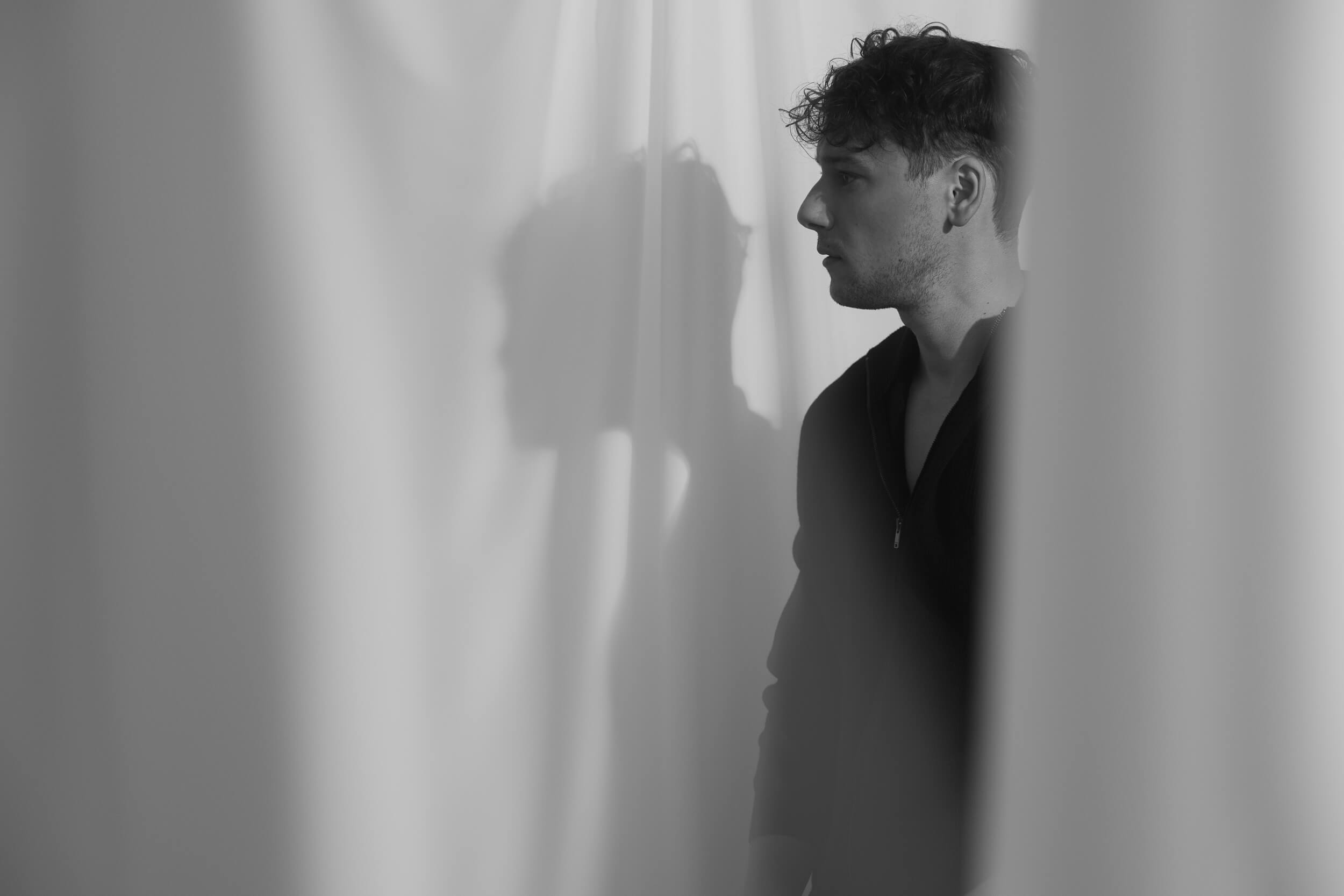
What does it mean to you to feel comfortable in your own skin?
It means not being afraid to listen to what happens on your own skin. Many times people don’t listen to themselves or pretend everything is fine, when it isn’t. So it’s also about trying to respect yourself. That’s not easy either, but it’s one of those things you have to learn to do.
Last question: what is your happy place?
My happy place is Bologna.
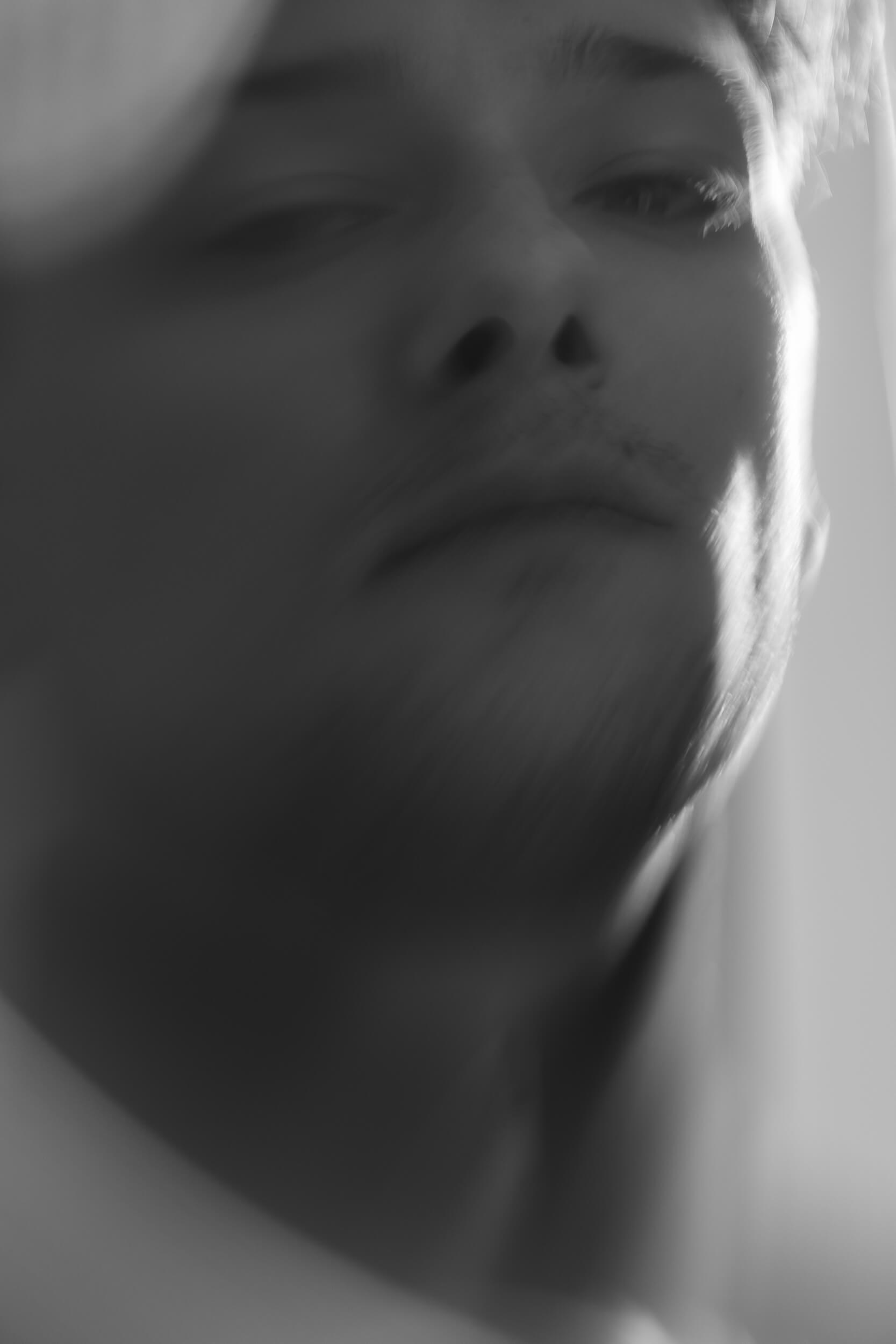
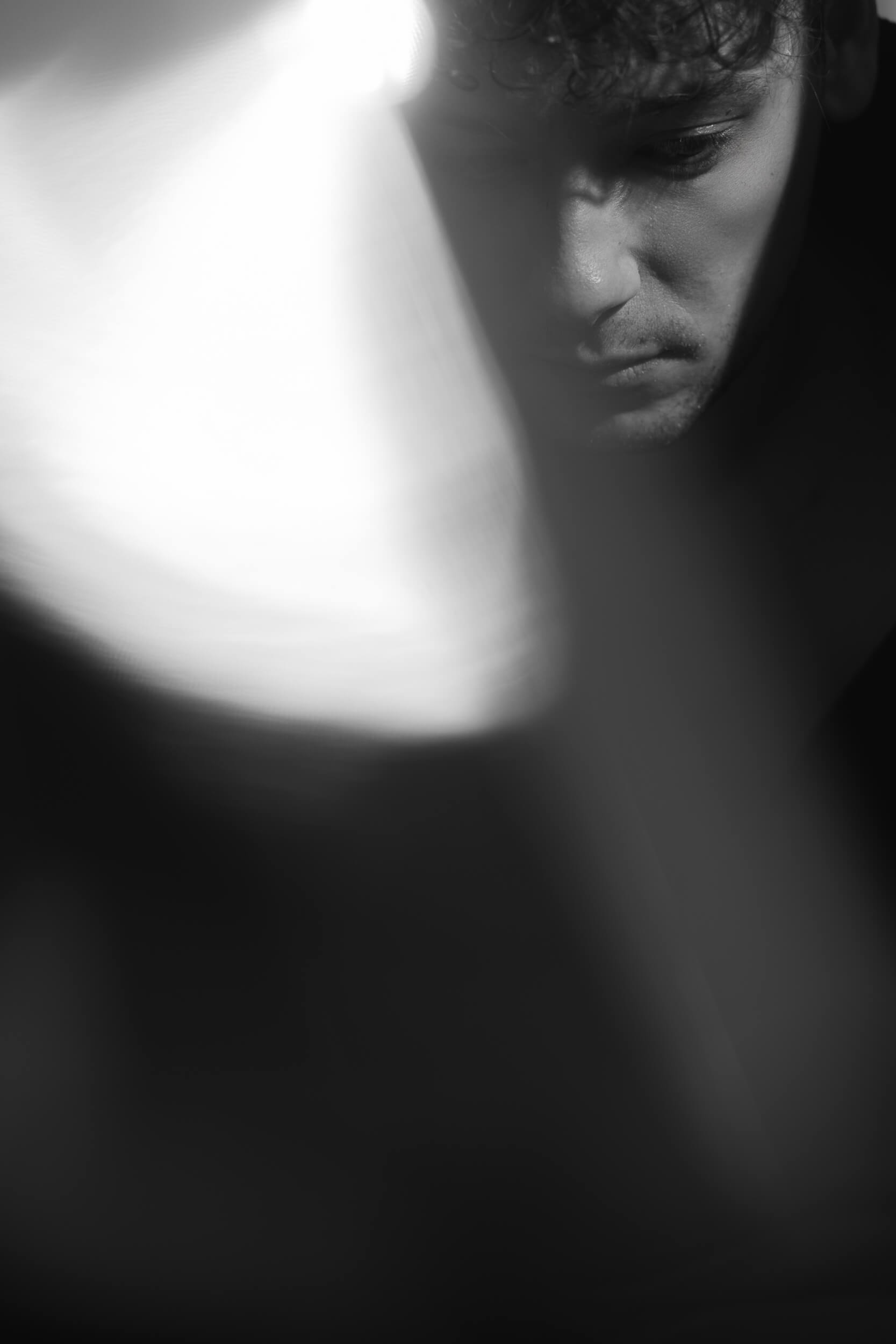
“Not being afraid to listen to what happens on your own skin.”
Photos & video by Johnny Carrano.
Grooming by Sveva Del Campo.
Styling by Giorgia Maria Leoni.
Personal Branding: Giorgia Maria Leoni.
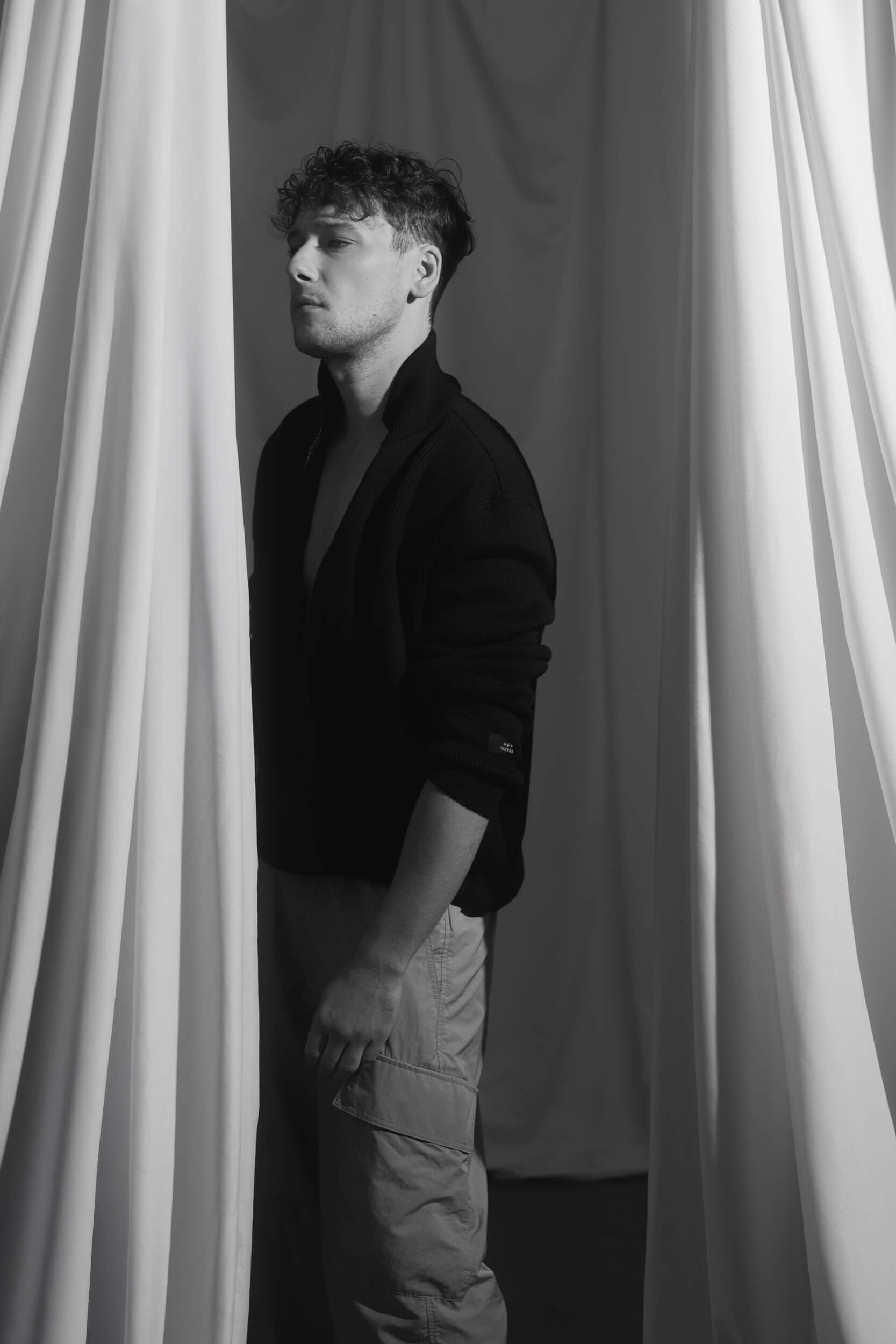
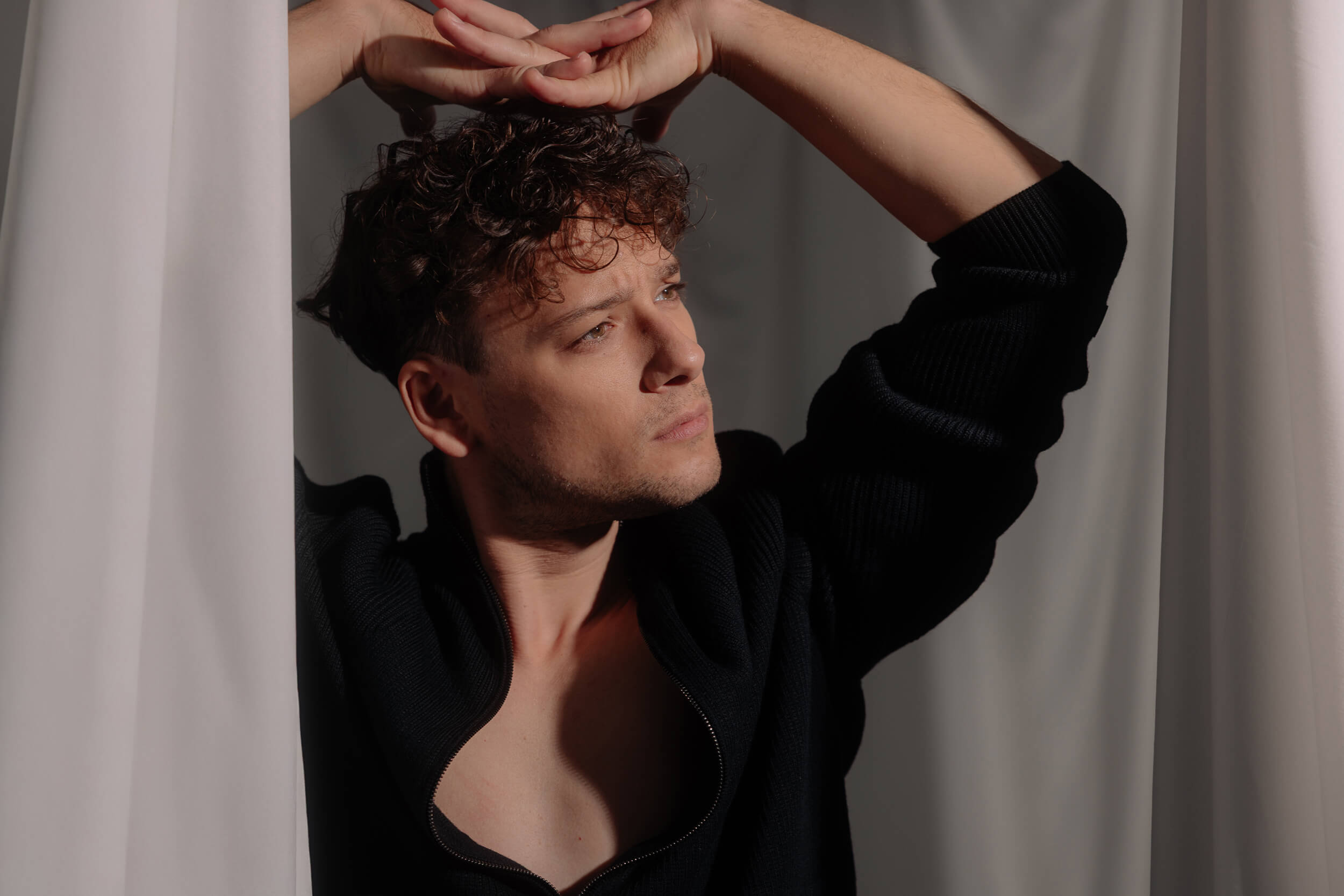
Looks by TATRAS.
Thanks to Gianni Galli.

What do you think?