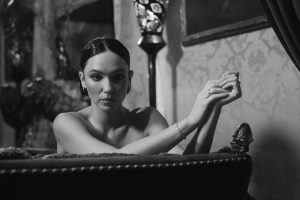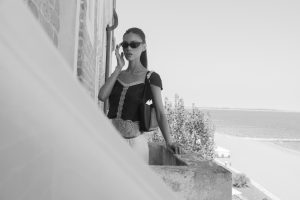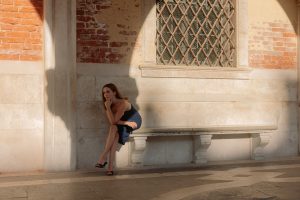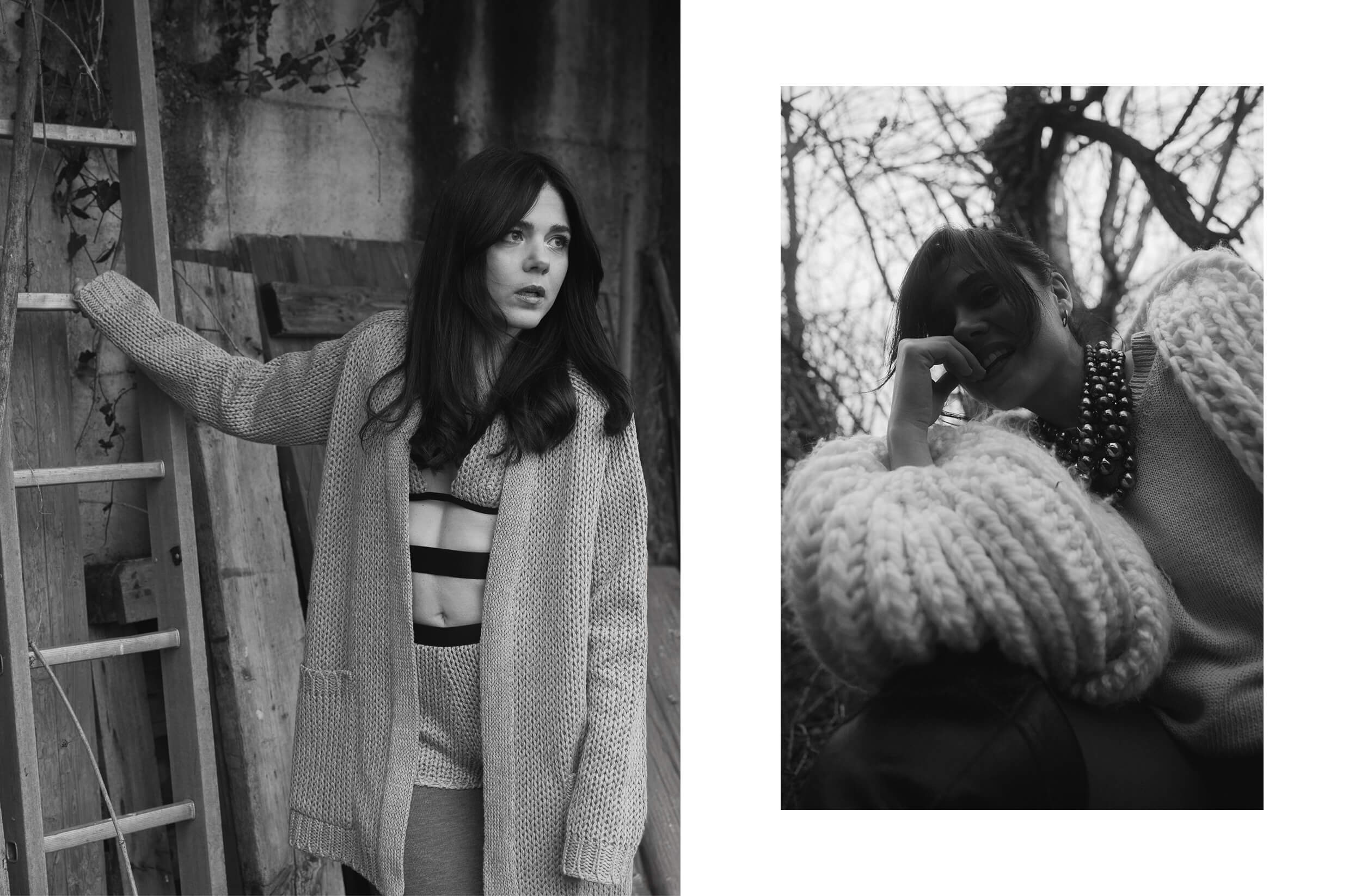
There are stories that don’t simply ask to be performed, but to be lived with a different kind of awareness. This is the case with “La Preside”, the Rai1 TV series rooted in real-life events and in the hope of a Naples that refuses to give up. Claudia Tranchese plays Carla, a math teacher who, inspired by real figures, turns school into a place of redemption and discovery. During a delightful chat, Claudia told me about the project’s immediate appeal, the work behind building the character, and her personal connection to school dynamics, while also reflecting on her own artistic and human growth. Between childhood memories, reflections on the role of the teacher, and the importance of school as a training ground for life, an authentic and passionate voice emerges—one that observes the world with curiosity and respect for her own desires.
What is your first memory connected to cinema?
When I was little, sitting on the couch with my father watching Totò’s films. I loved Totò’s comedy so much.
That kind of comedy sadly doesn’t really exist anymore!
Speaking of “La Preside,” what immediately attracted you to this project?
Before joining the project, I had watched Iannone’s documentary on RaiPlay, “I Dieci Comandamenti.” It portrayed that reality beautifully, and it moved me deeply. Perhaps partly because I felt a personal connection: I also come from a suburban town, and I know those stories very well, so themes like redemption and rebirth resonated with me strongly.
I was also fascinated by the idea of such an ambitious and revolutionary presence—Principal Eugenia Carfora, a woman determined to change something that seemed impossible to change, something so difficult that anyone attempting it might seem “crazy.” We often call someone crazy when we believe reality could never align with their vision of it. In her case, she was so capable and tenacious that she managed to transform the reality in front of her into the one she envisioned—a vision clearly oriented toward the common good.
You can imagine how I felt when I received the script: the character was inspired by one of the very first teachers featured in the documentary, a math teacher who becomes the Principal’s right hand as soon as she joins the school. She is a woman who grew up in that neighborhood, who knows its struggles intimately, and who chose not to leave—unlike many other teachers who worked at that institution. I was deeply moved by the idea of portraying someone who didn’t give up, who rolled up her sleeves, who was fortunate enough to meet someone like the Principal and embraced a battle, transforming it into a rich and victorious journey.
How did you approach preparing to play this math teacher?
In building the character, I was certainly helped by the fact that my mother is an English teacher. So I knew the school environment not only from a student’s perspective, through my own memories, but also through my mother’s direct experience—she shares what happens at school when she comes home. She also teaches in a suburban school in Naples, so I was well aware of the challenges teachers face.
Sometimes you stand before a class that can’t even see itself as a class, that can’t fully enjoy the lightness and carefreeness of their age. Often, you find yourself in front of young adults—kids forced to grow up too soon. In those conditions, capturing their attention becomes much more complicated.
What I loved about the character, inspired by a real teacher, is that she used alternative methods to spark the class’s curiosity. Instead of giving a conventional lesson—knowing it probably wouldn’t work—she tried to teach through more engaging strategies. It could be a game, a curiosity, a riddle. In some way, she made the lesson more dynamic, making the students feel like an integral part of the process. Not just recipients, but participants who contribute something. Through play, the lesson became more engaging.
With your mother in that field, I imagine the theme resonated with you personally as well.
Yes, absolutely. The series addresses very current school dynamics, common to many provincial towns. The involvement was strong, both professionally and personally. My mother was very emotional about my first role as a teacher and curious to see how her world would be portrayed. Hearing that she and her colleagues were satisfied made me very proud. Their judgment carried weight for me.
Overall, we were all very happy with how the school was depicted, because I believe one of the series’ strengths lies in the writers’ ability to address many themes with lightness. Important issues are touched upon without ever weighing down the viewer, leaving room for reflection without overwhelming them. Everything was handled with a certain delicacy. From the reactions I received—even on the street or from my mother’s colleagues—I realized that this was one of the most appreciated aspects: the viewer reflects, but comes away feeling lighter.
The theme of teaching has always been close to my heart. I’ve always had a very clear idea of the teacher’s role, which goes beyond simply transmitting content. I like to think of school as a gym where not only subjects are trained, but relationships as well. A training ground for empathy, sensitivity, listening—all skills that allow you to move through the world with greater awareness.
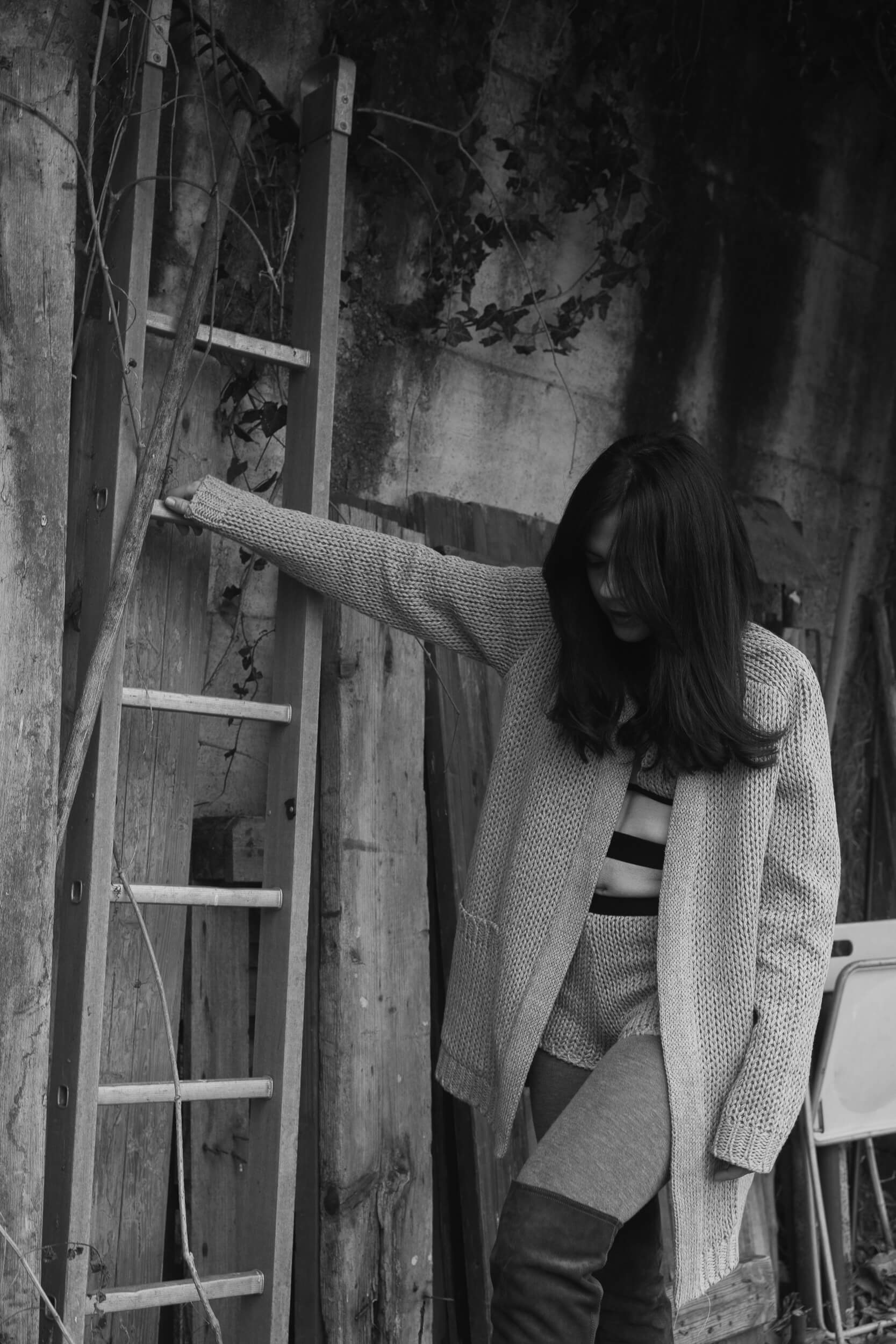
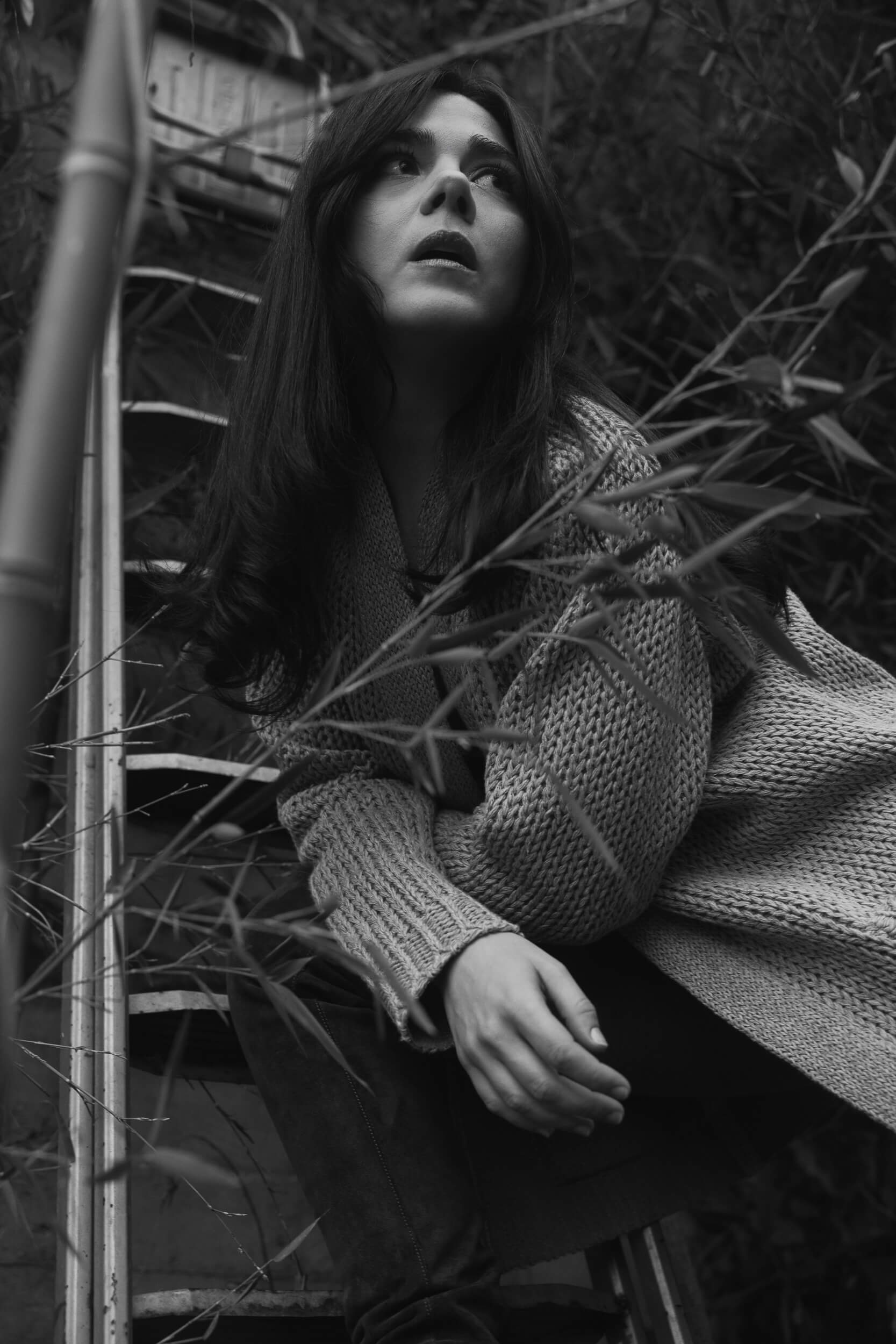
“I like to think of school as a gym where not only subjects are trained, but relationships as well.”
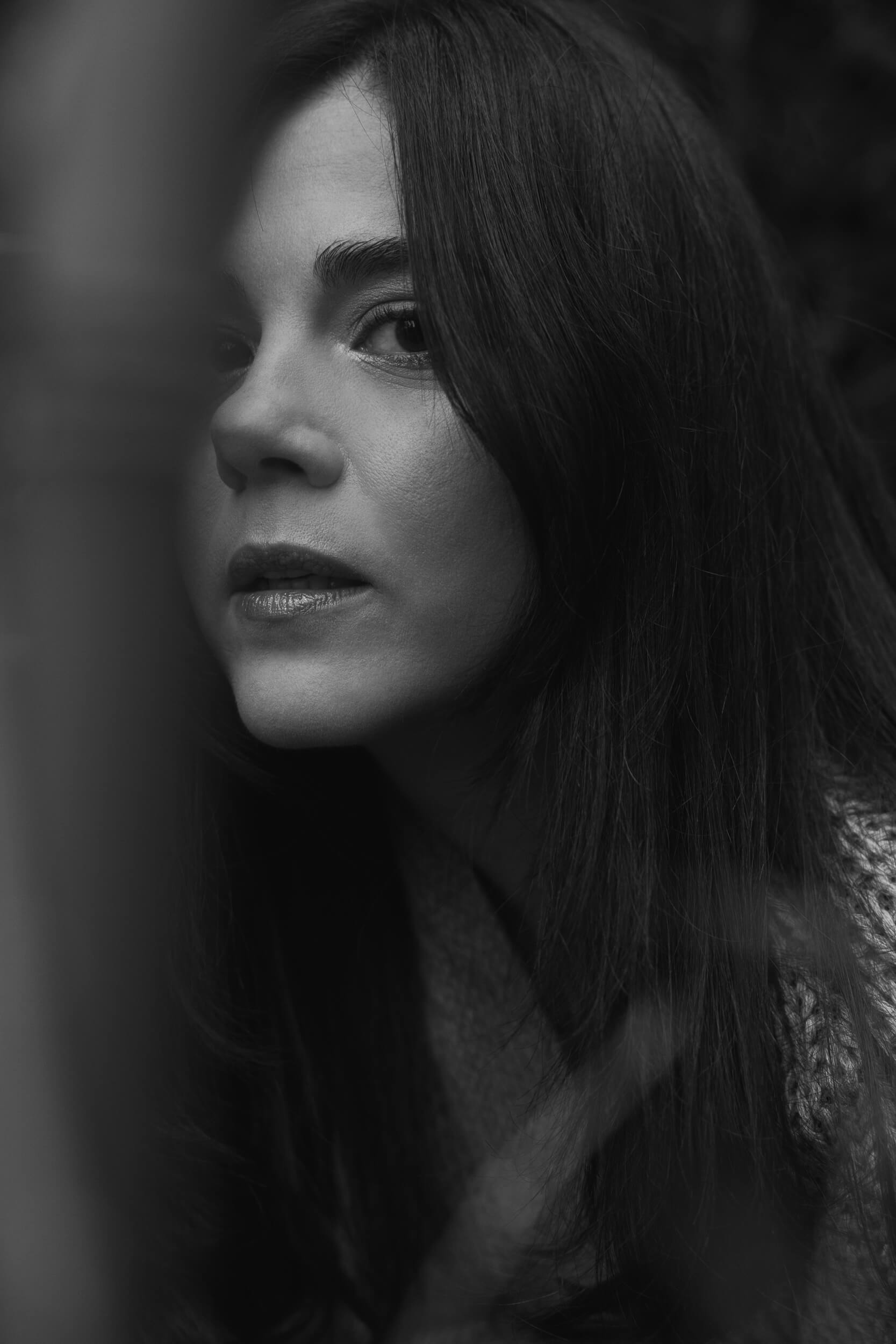
Of course —students spend most of their day at school, often more than at home, so that’s where they also learn how to become human beings, not just how to accumulate information.
Exactly. Blaming everything on the family means removing responsibility from fundamental institutions like the school. In the classroom, something powerful happens: for the first time, you feel part of a group. You learn how to be with others, how to show yourself or hide, how to understand others’ reactions. That’s where you develop listening and relational skills that accompany you outside.
Let’s talk about Carla: what feels close to you and what feels distant?
I feel very close to her attentiveness toward others. Carla is a teacher who truly sees the person in front of her, who understands when it’s time for a traditional lesson and when it’s time to invent something different. This listening and presence feel very much mine. I always try to be attentive to the needs of the person I’m sharing space with, and I recognize myself in that. There are also aspects that feel distant—and that’s a gift. It allowed me to enter the character more freely.
How do you approach building a character?
When I receive a script, I read it several times, trying to intercept the subtext. I try to step empathetically into the character’s shoes, setting aside my own personality and judgments. I look for what lies beneath the lines, the deeper message that emerges.
I believe the beauty of characters lies in their humanity and complexity. Once I understand the narrative arc, I ask myself what drives them to make certain choices. In Carla, for example, there is a strong sense of redemption and a very clear goal. I try to lower the “volume” of my personal traits as much as possible and put myself at the service of her story. Of course, something of mine inevitably remains—the filter of experience is also what becomes an actor’s signature.
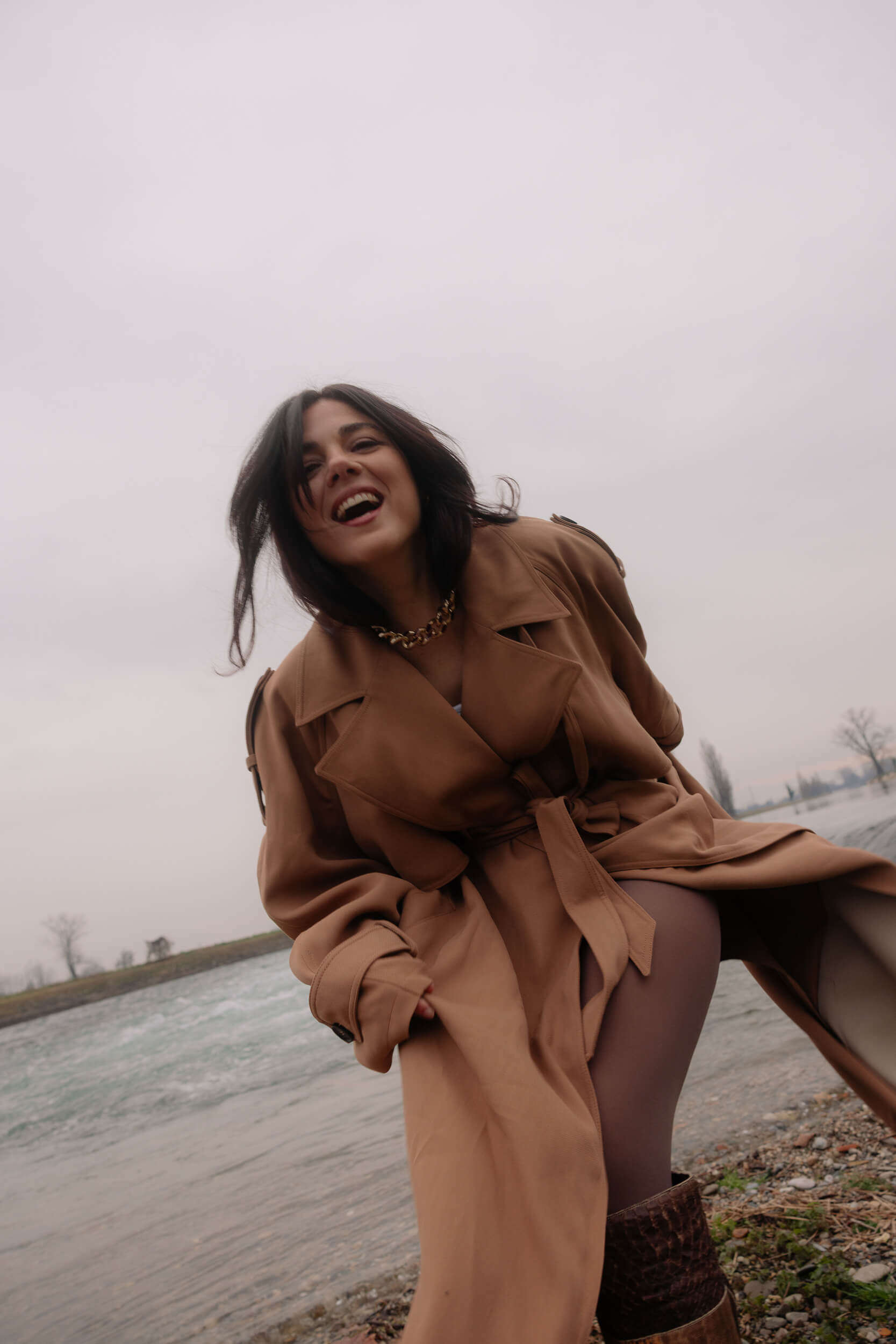
“the filter of experience is also what becomes an actor’s signature.”
Was there a challenge that helped you grow the most?
Definitely “Gomorrah.” Even though I had worked before, that was my true debut. Entering such a large production machine, with an already established series and very strong characters, was complex. I had to find my space and move with confidence. I was lucky to have important guides like Claudio Cupellini and Marco D’Amore, who trusted me and allowed me to explore new territories, like action scenes. I learned not to hold back even when I felt insecure, and to trust.
This job requires great emotional control, but at the same time the ability to let go and trust those guiding you.
What moment are you living today, artistically and personally?
It’s a moment of exploration. Artistically and personally, they’re moving in parallel. I’m getting in touch with parts of myself that I used to keep more hidden. Today I feel freer and more capable of managing my own fragilities.
What moves you, even outside the set?
Sacrifice, dedication, building. I’m moved by people who roll up their sleeves and build something—whether it’s a relationship, a job, or their own way of being in the world.
What kind of stories do you love watching as a viewer?
I love stories that portray the complexity of being human. I need to find a sense of reality to empathize. I love leaving the cinema with many questions.
Your greatest act of rebellion?
Embracing my shyness instead of fighting it.
Your greatest fear?
That who I am inside doesn’t correspond to who I am outside.
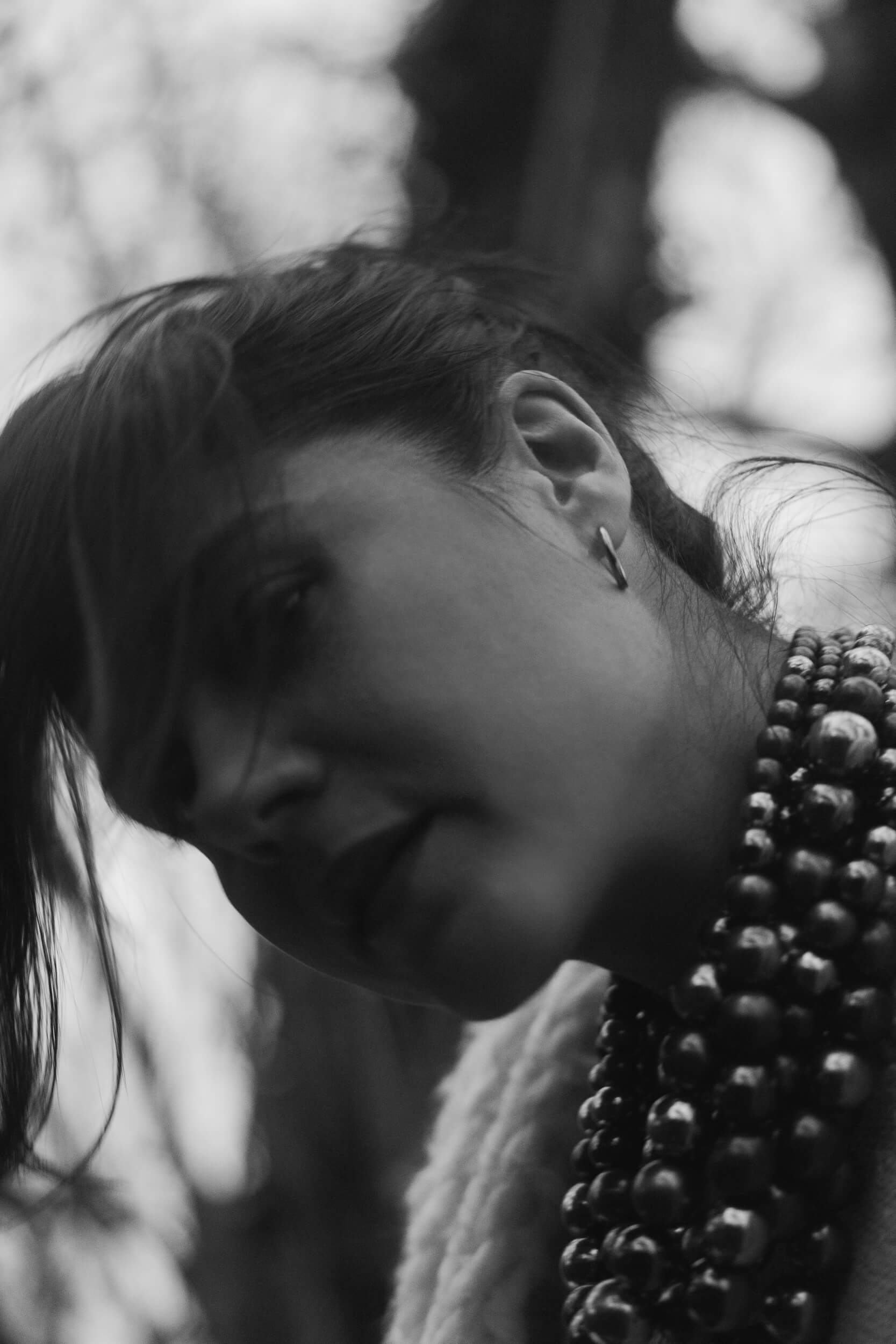
What makes you feel safe? And what makes you feel confident?
Clarity in communication makes me feel safe.
I feel confident when I truly listen to myself and know that I’m doing something I deeply desire. So once again, when there is alignment between who I would like to be and who I actually manage to be.
The antidote to your fear, that alignment between what you hold inside and its outward expression. Beautiful. Finally, what does it mean for you to feel comfortable in your own skin?
It’s when I feel I’m respecting myself. That I’m faithful to my desires.
What is your happy place?
The movie theater. Especially when I go to the cinema alone.
Photos & Video by Johnny Carrano.
Makeup and Hair by Camilla Oldani.
Styling by Ilaria Di Gasparro.
Thanks to Amendola Comunicazione.
LOOK 1
Total Look: Max Mara
Socks: Calzedonia
Boots: Sonora Boots
LOOK 2
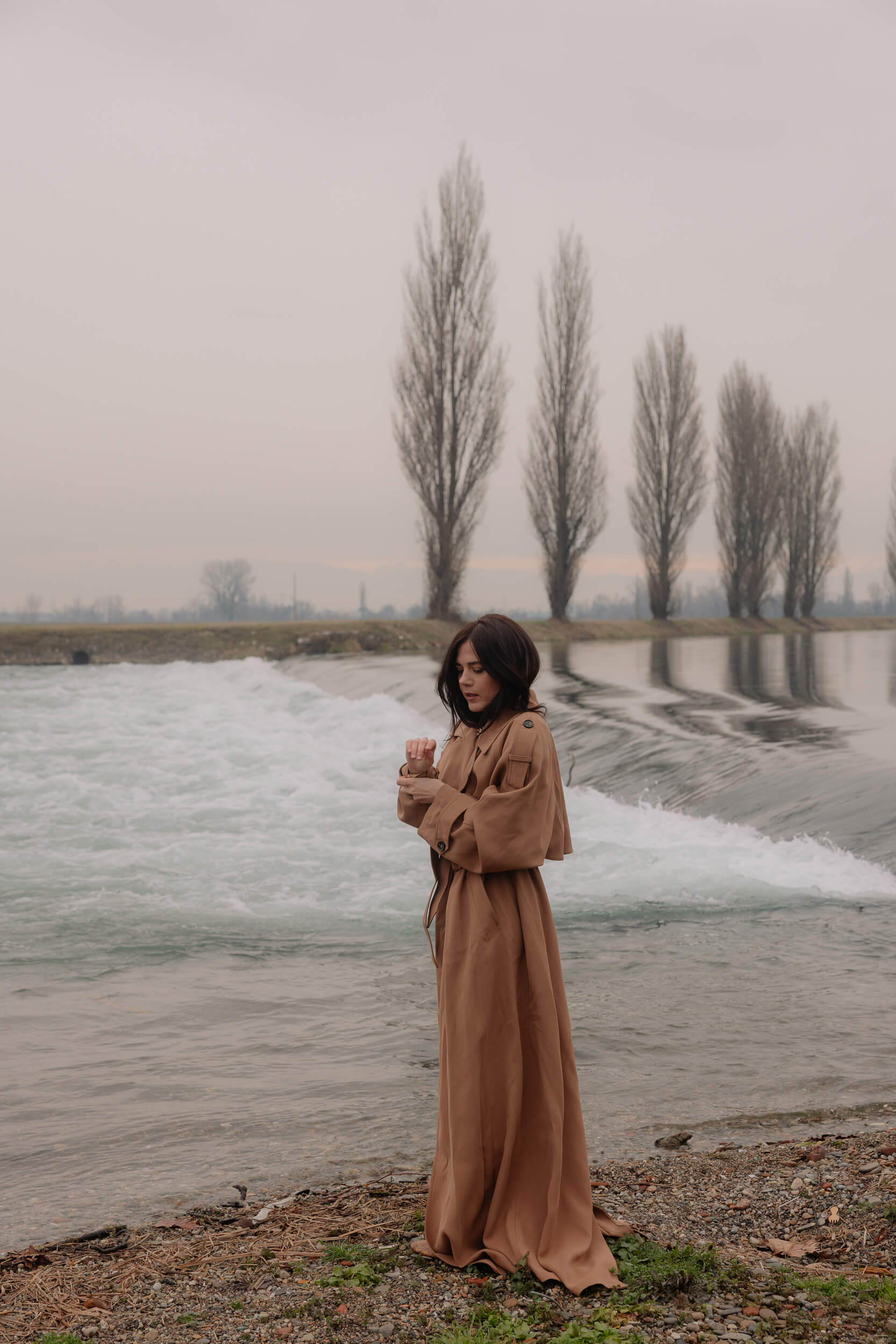
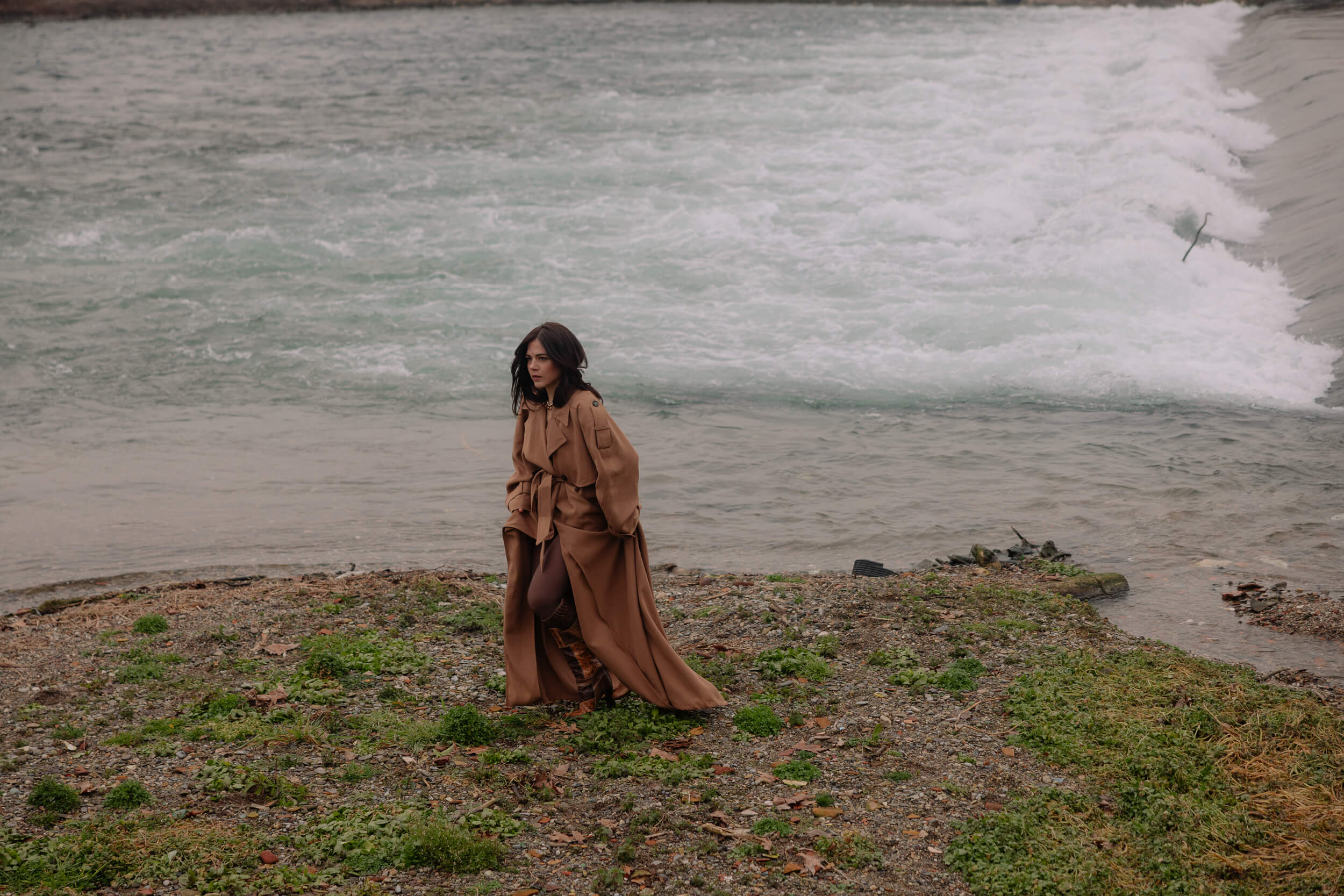
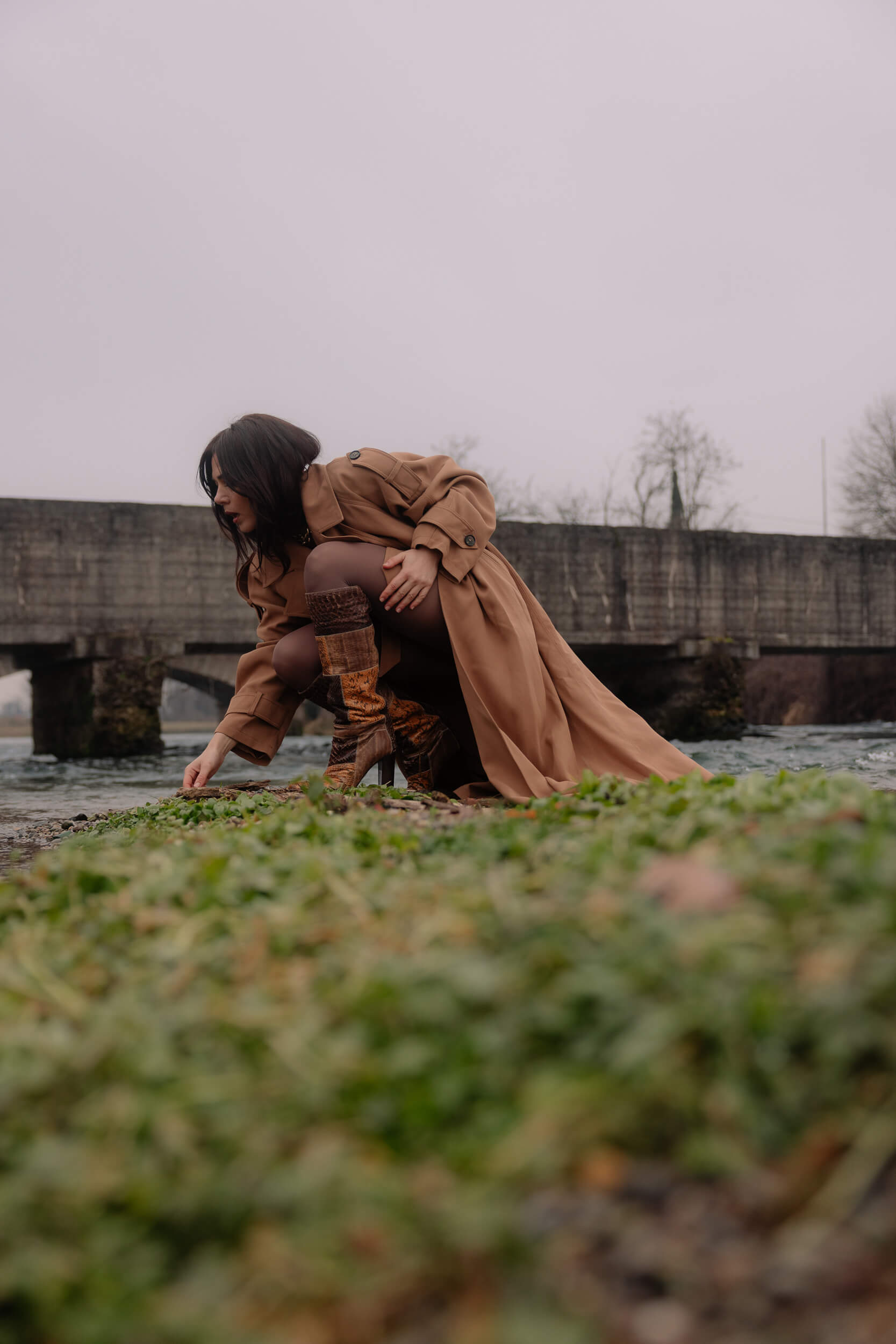
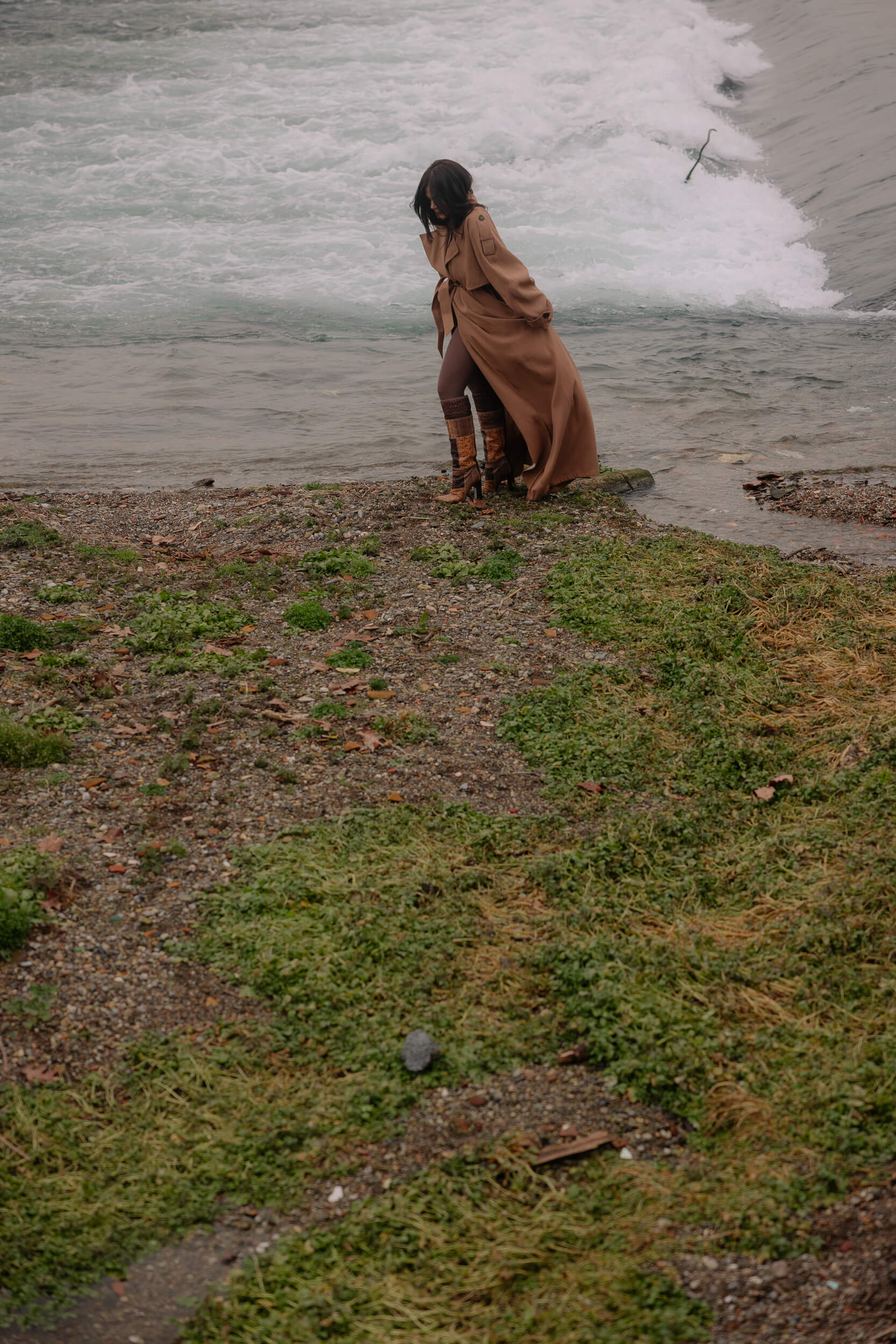
Trench: Elisabetta Franchi
Jewellery: Rosantica
Boots: Chloè via TheApArchive
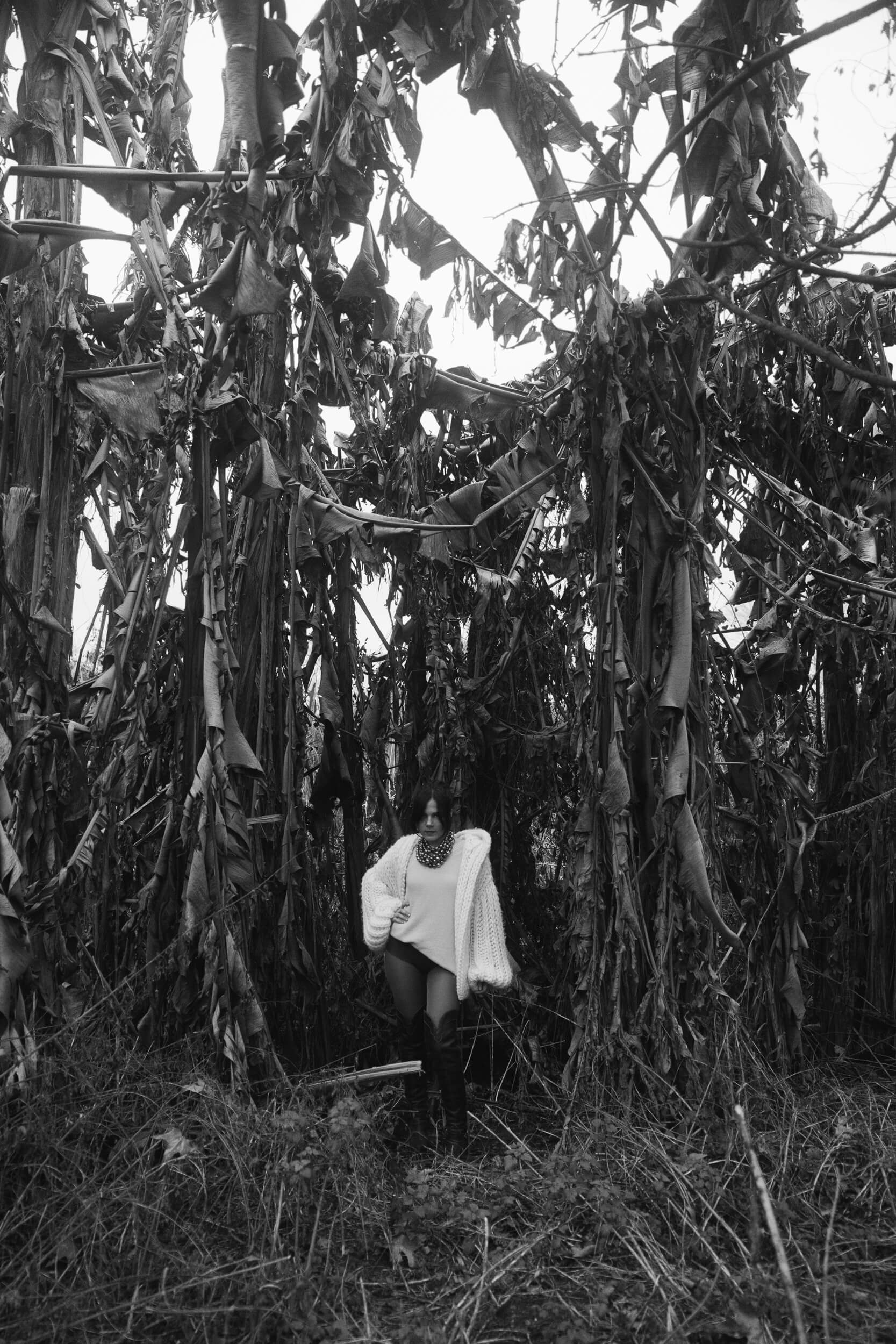
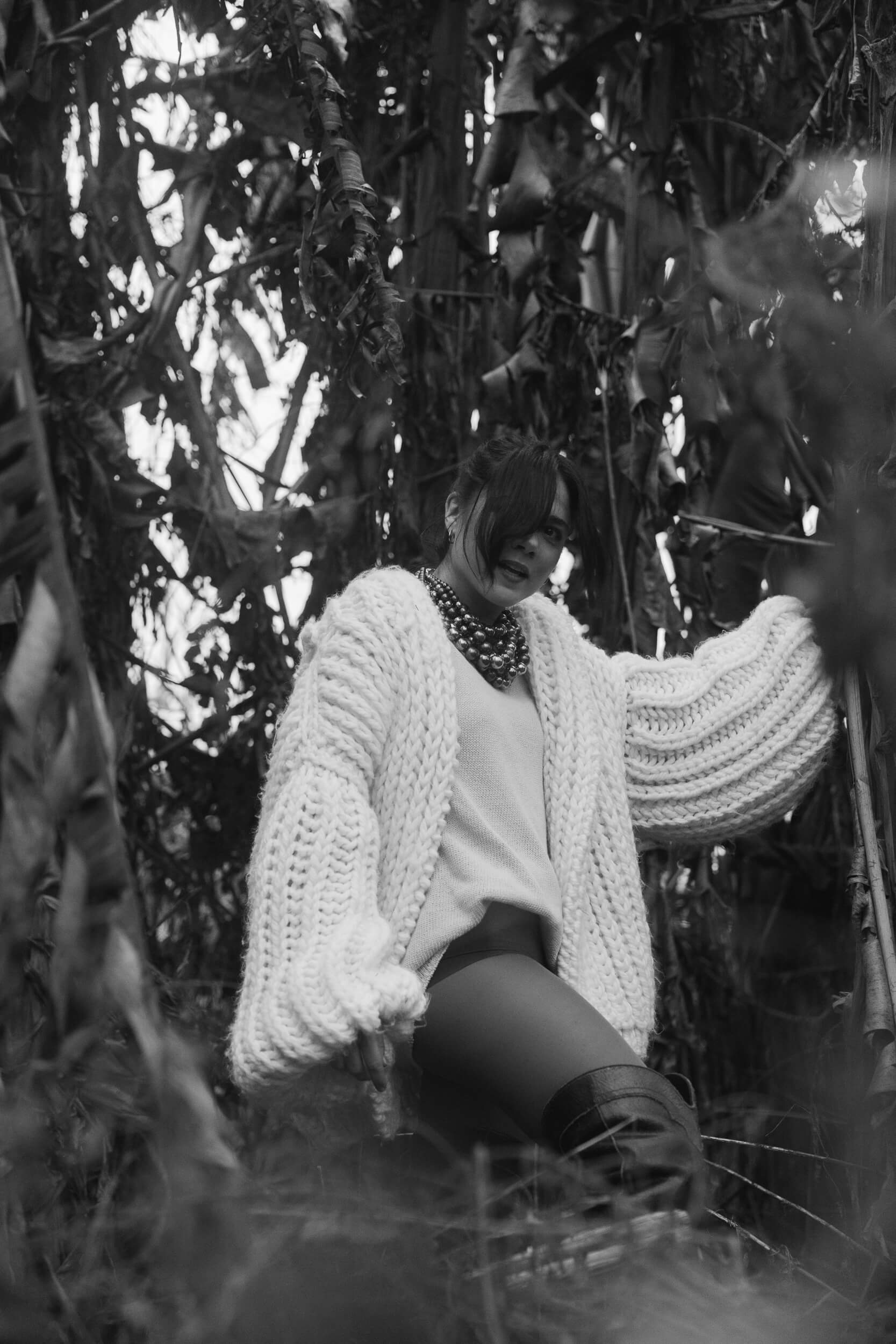
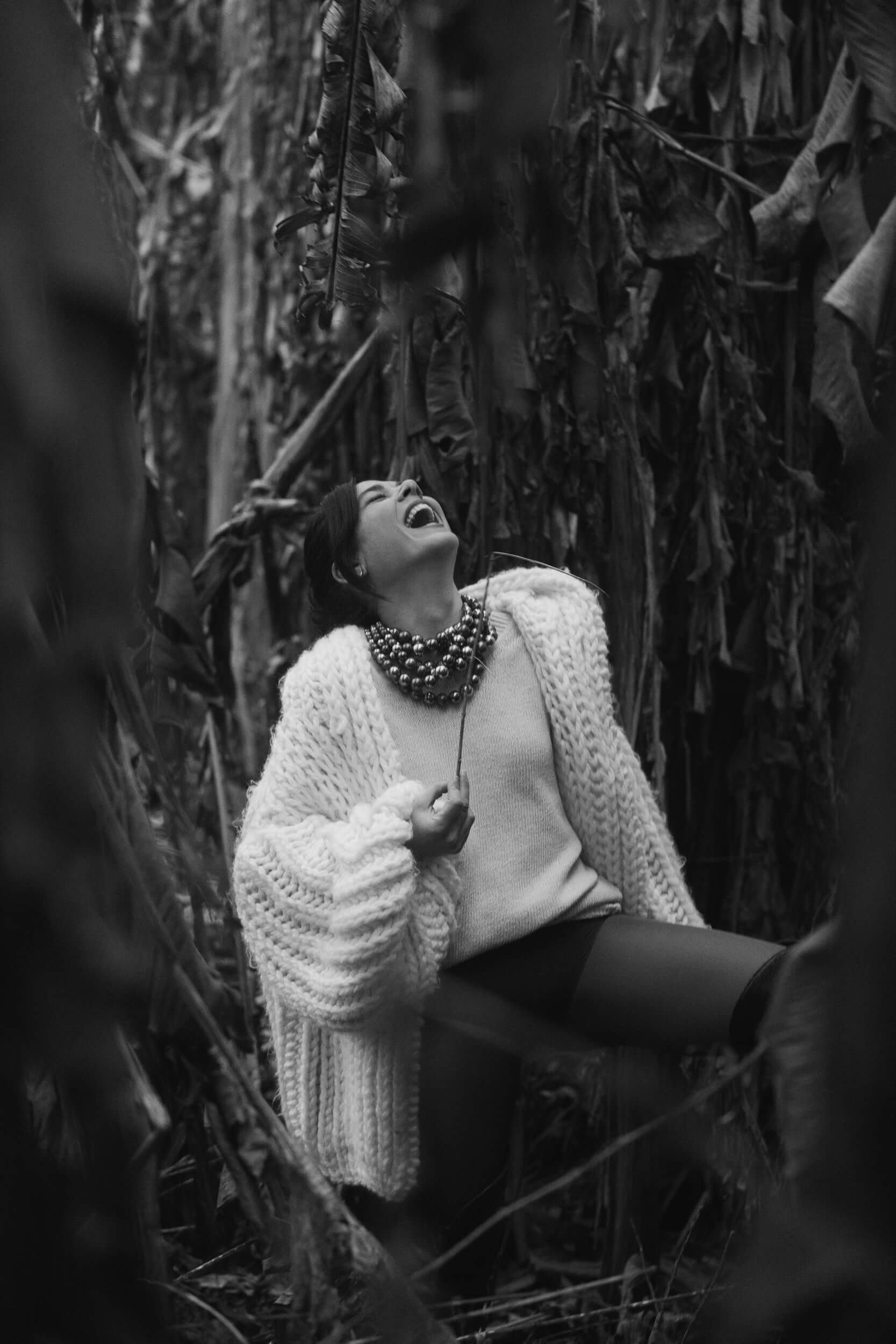
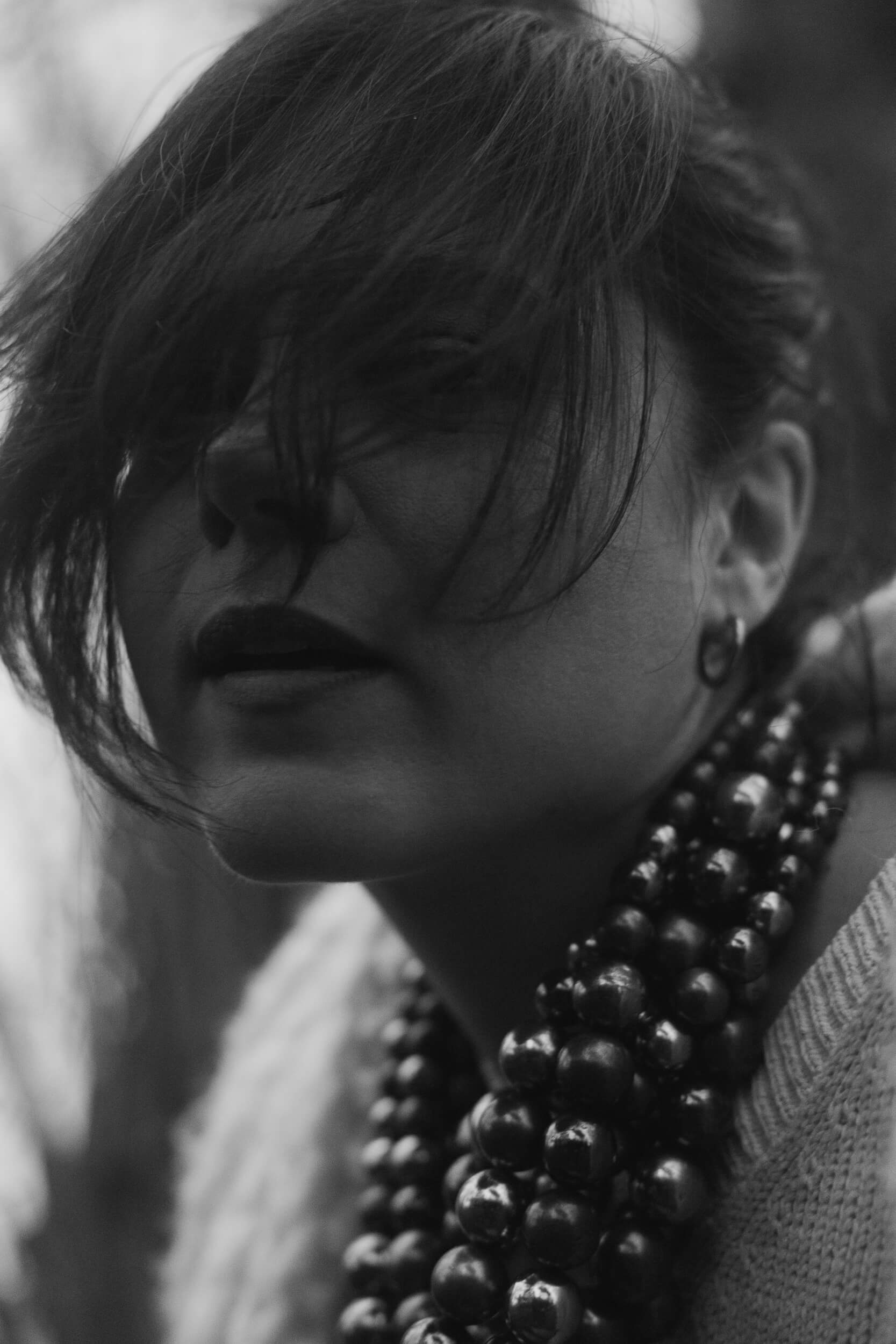
LOOK 3
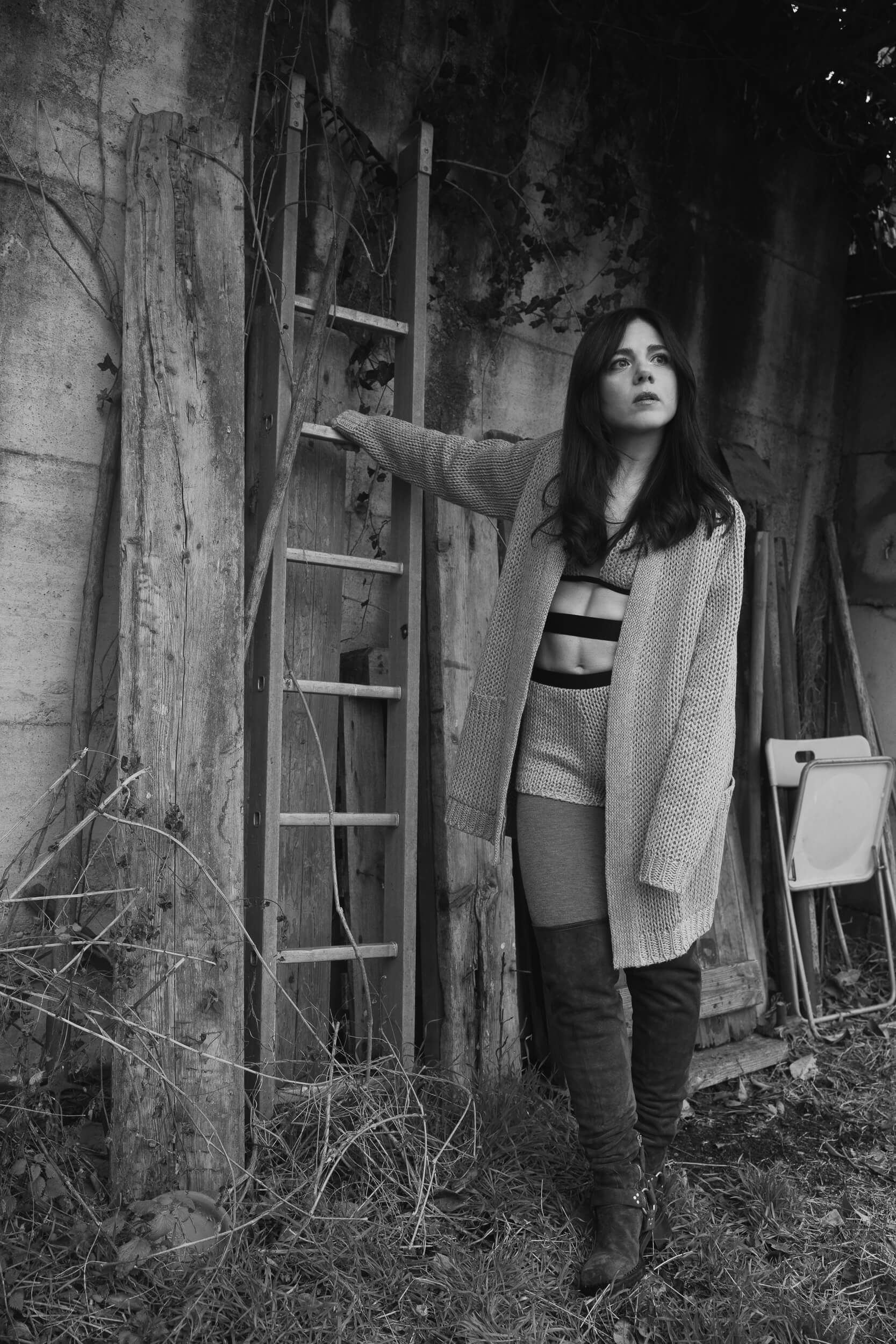
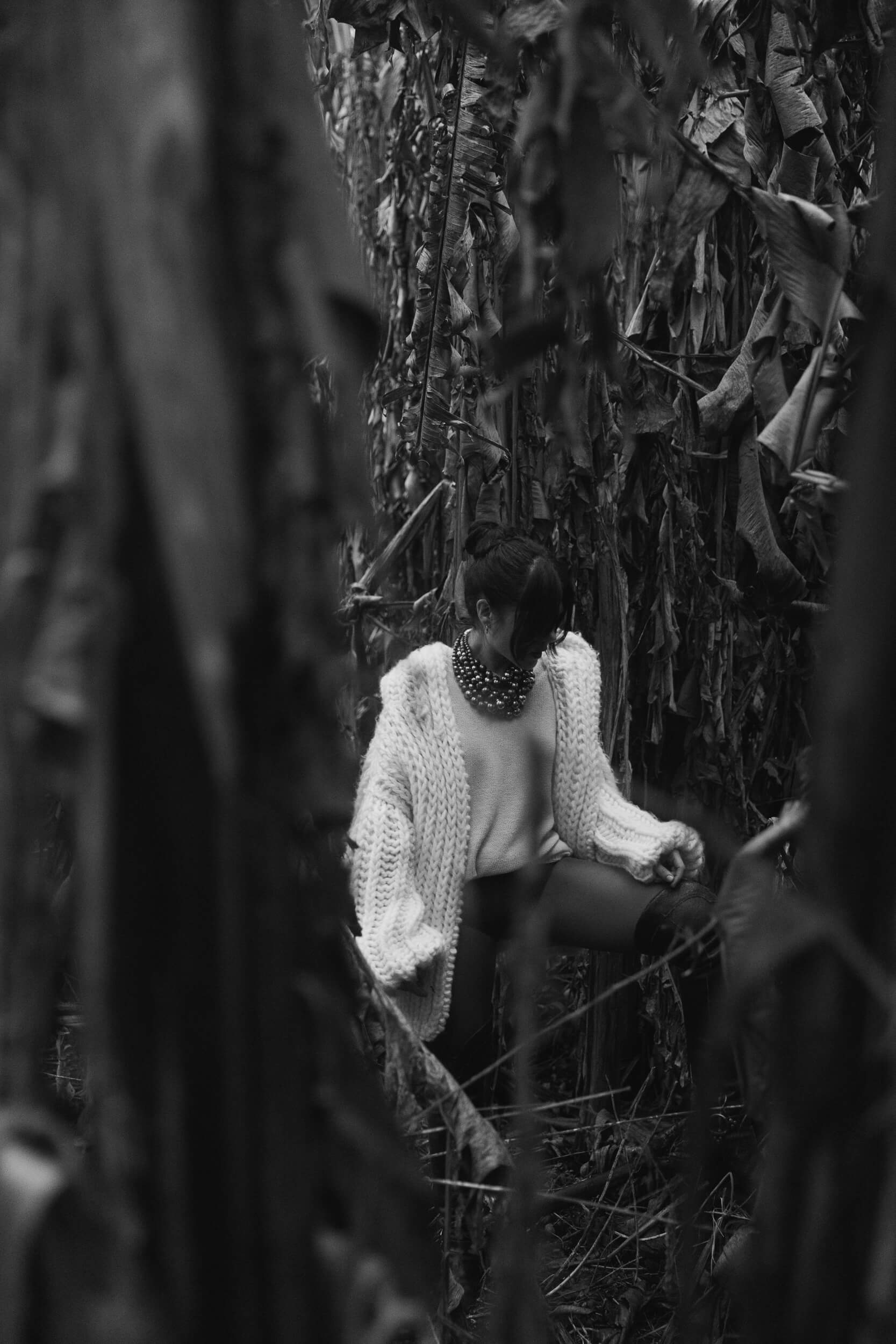
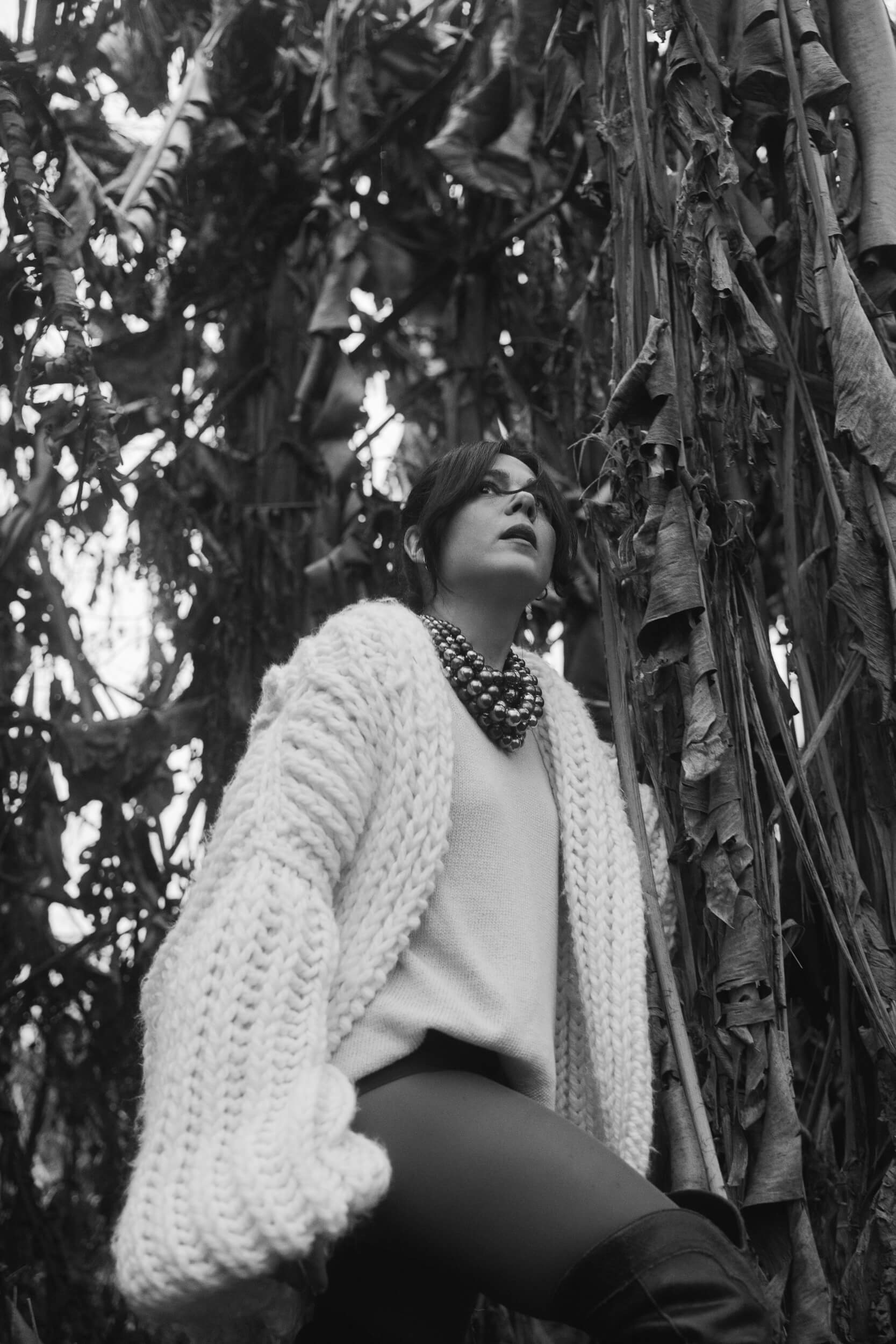
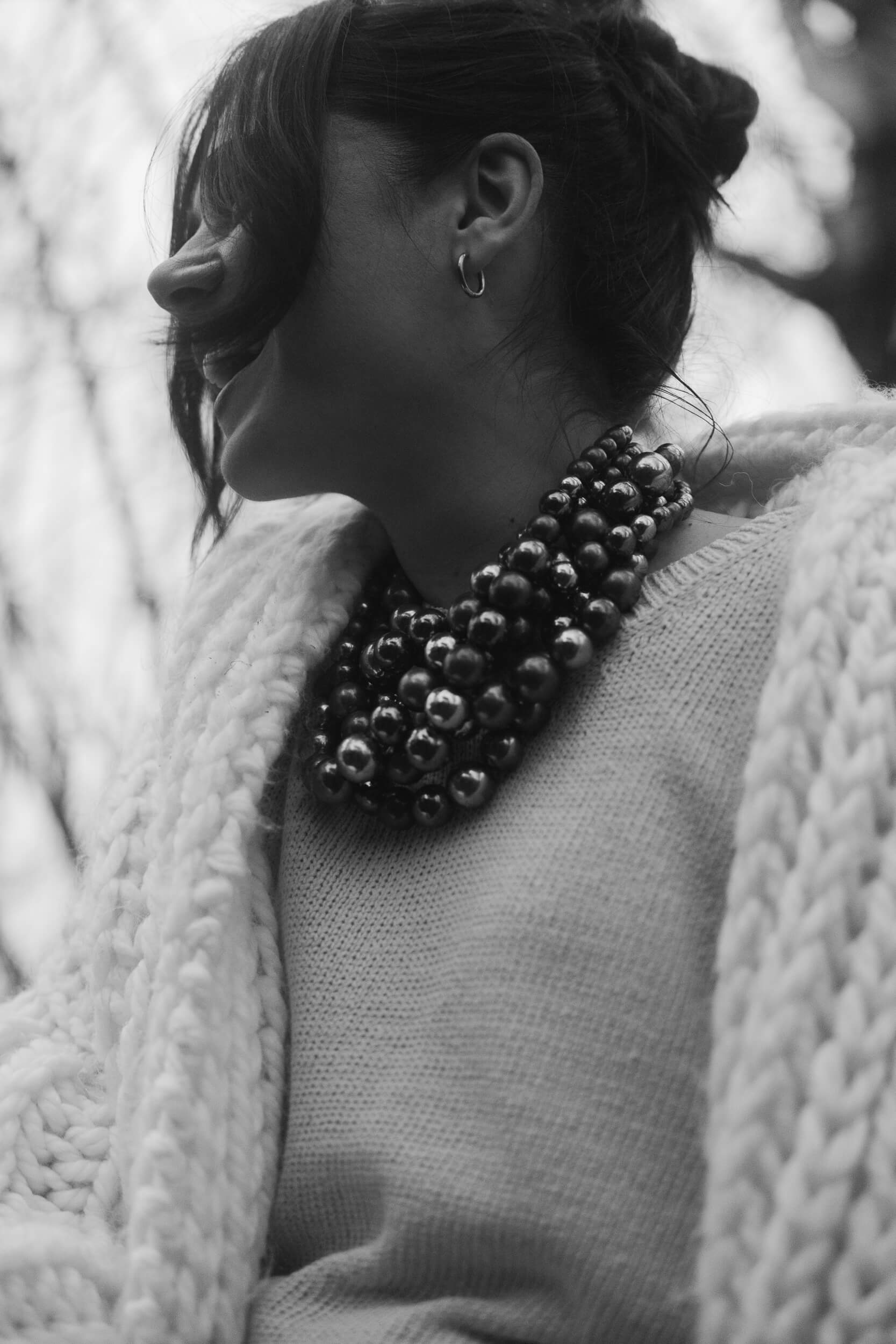
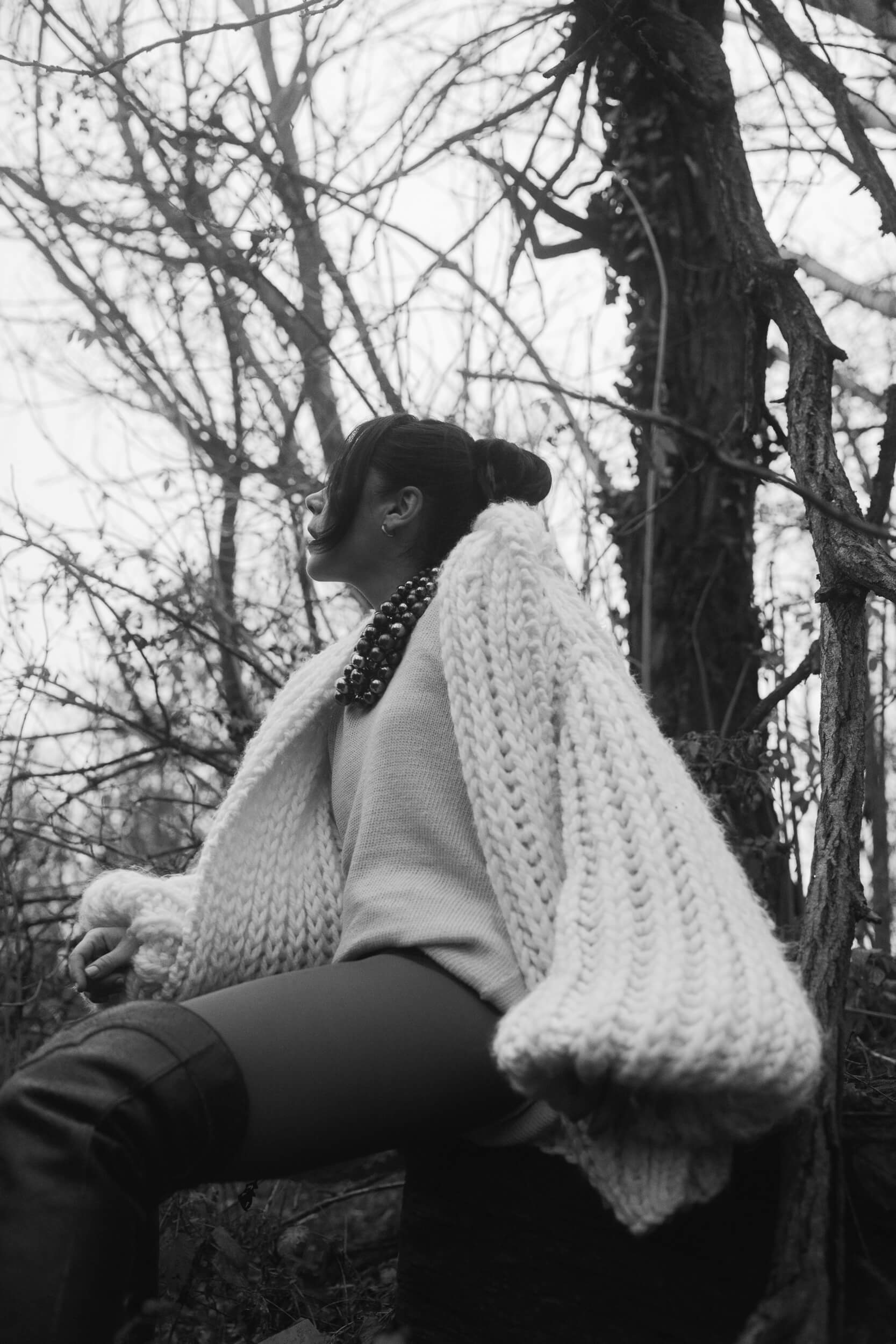
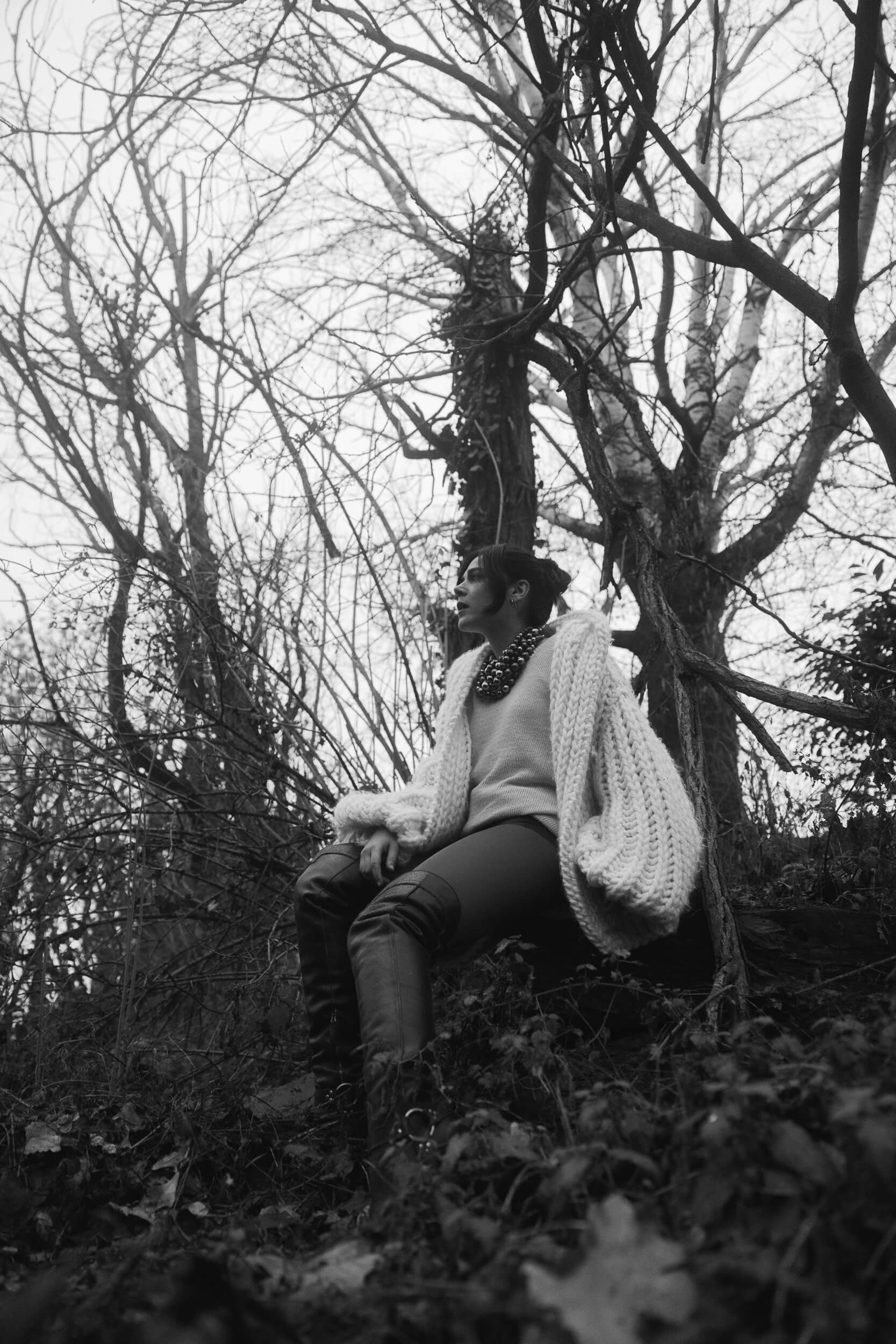
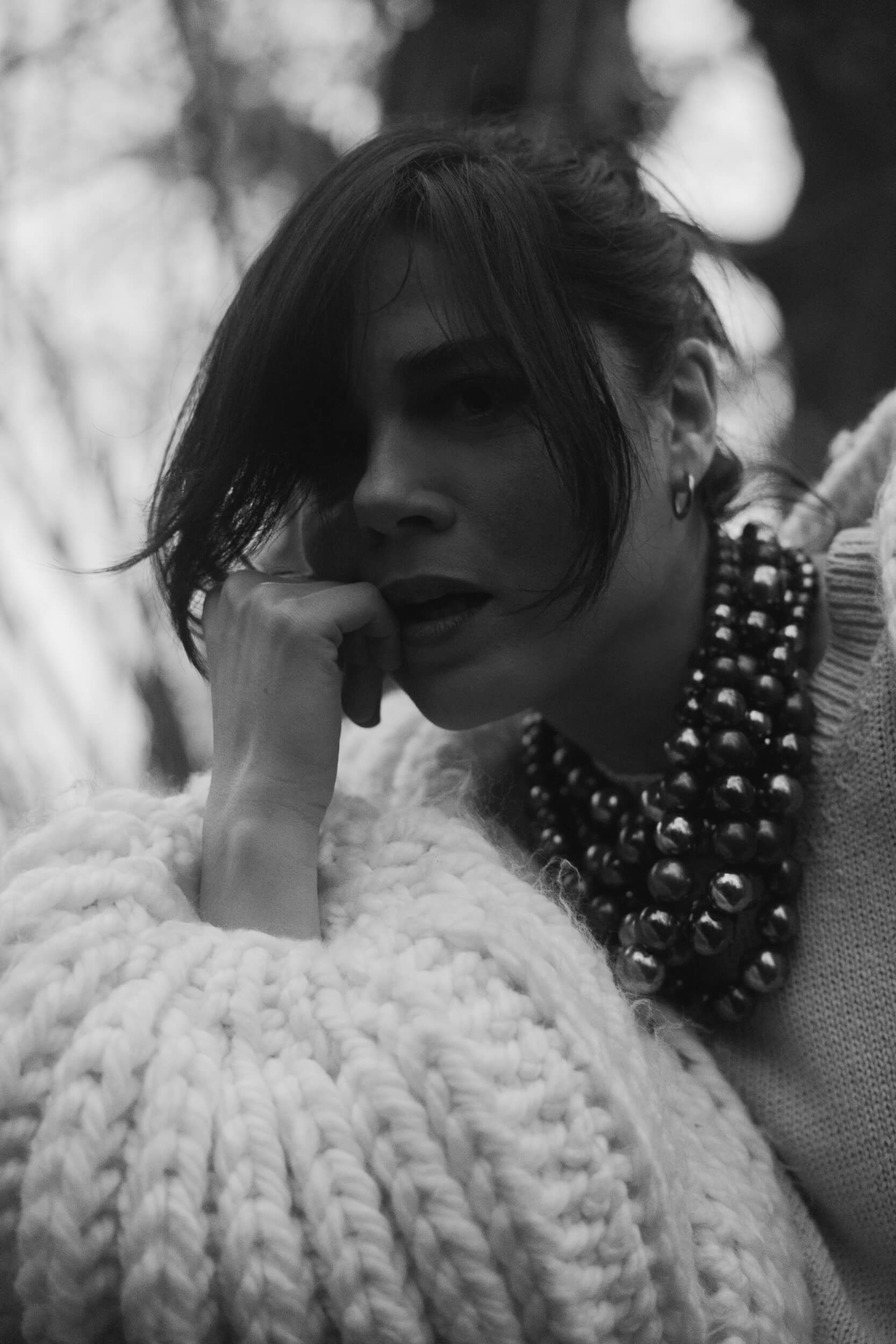
Maxi cardigan: Vintage via TheApArchive
Jumper: Diana Studio
Necklace: Rosantica
Boots: Sonora Boots